
Heide Park in Soltau is Germany’s second-largest theme park and home to 40+ rides including Krake (Europe’s first dive coaster) and Colossos (one of the longest wooden coasters in the world). A day ticket costs $43 and gets you unlimited access from 10am to 6pm. LEGOLAND Deutschland near Günzburg is the family alternative — 60+ LEGO-themed attractions across 8 themed areas for $45.
The two parks cover different visitor expectations. Heide Park is thrill-ride focused, with a teen and adult audience in mind. LEGOLAND Deutschland skews younger — most rides are designed for ages 2-12, though some (the Dragon coaster, the Atlantis submarine) appeal to all ages. Both parks are full-day experiences, and neither is within easy reach of major tourist cities, which means planning ahead is essential.

Families with kids 2-12: LEGOLAND Deutschland Admission — $45, full day with LEGO rides and building stations. Günzburg, between Munich and Stuttgart.
Berlin-based option: LEGOLAND Discovery Centre Berlin — $24, indoor LEGO experience at Potsdamer Platz.
- Heide Park Resort
- LEGOLAND Deutschland
- LEGOLAND Discovery Centre Berlin
- Getting to the Parks
- Timing and Season
- Accommodation Options
- Rules and Restrictions
- Comparing to Other European Theme Parks
- Best Tours to Book
- 1. Heide Park Resort Day Ticket —
- 2. LEGOLAND Deutschland Resort Admission —
- 3. LEGOLAND Discovery Centre Berlin —
- Practical Tips
- Combining Theme Parks with Other Germany Trips
- More German Family Activities
Heide Park Resort
Heide Park Resort sits in the Lüneburg Heath nature reserve, about 80km south of Hamburg and 110km east of Bremen. The park covers 850,000 square metres and hosts about 1.5 million visitors annually — large but not overwhelming, with queue times typically 15-30 minutes for major attractions outside peak summer weekends.
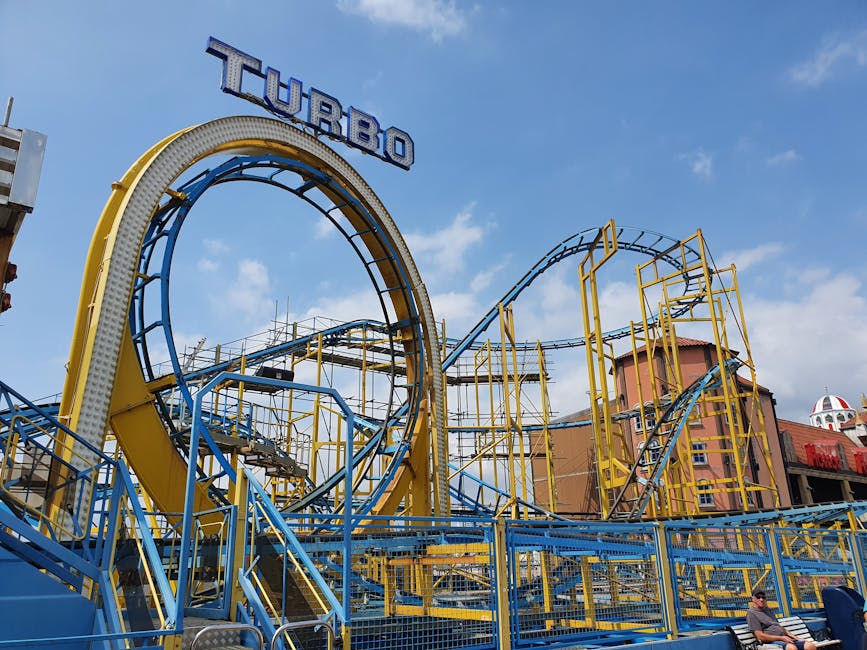
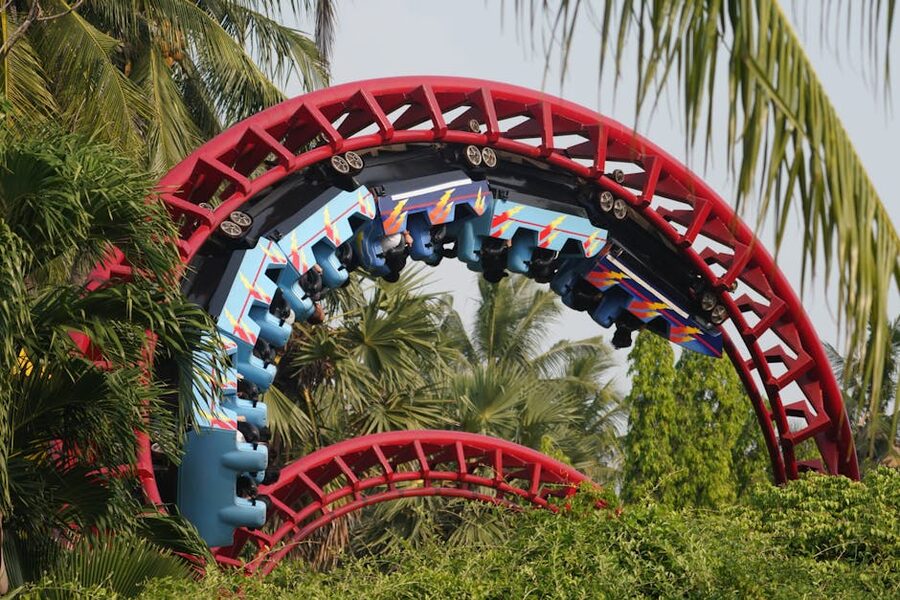
Major coasters at Heide Park:
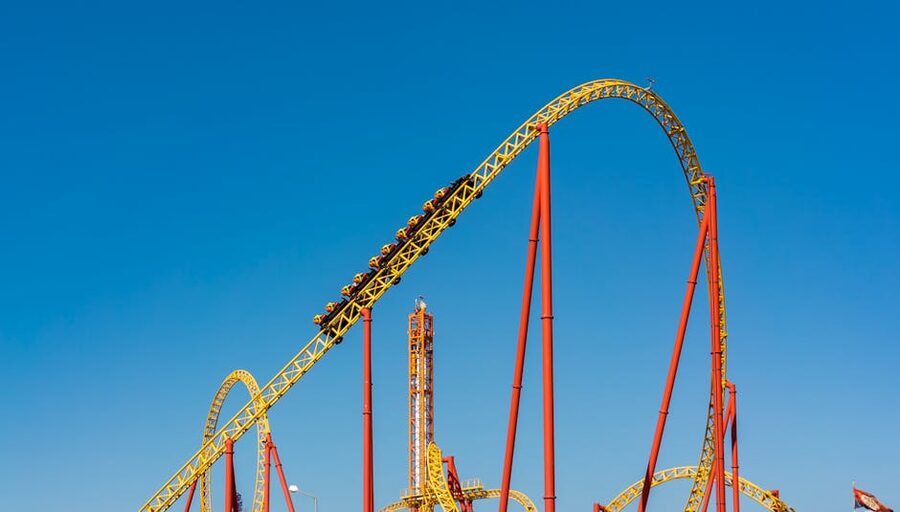
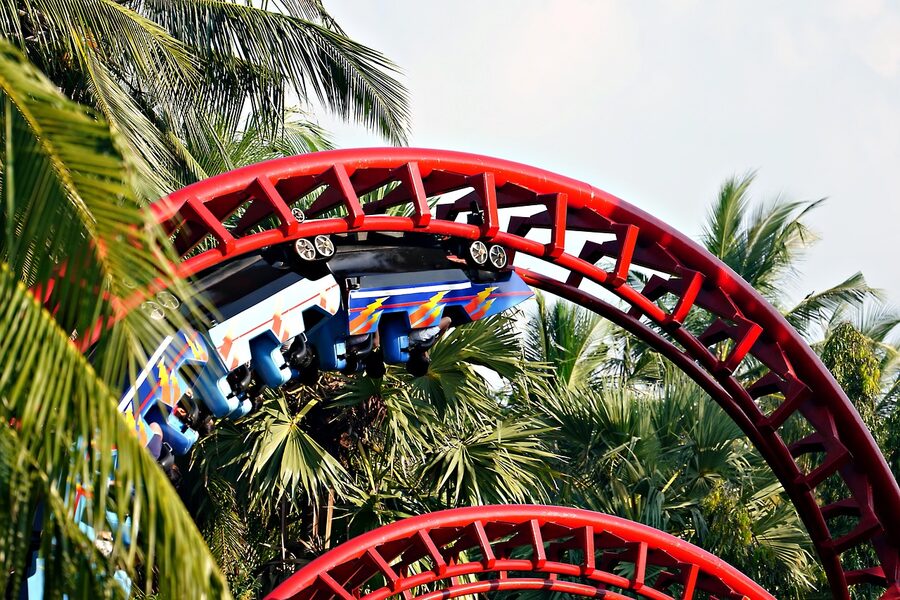
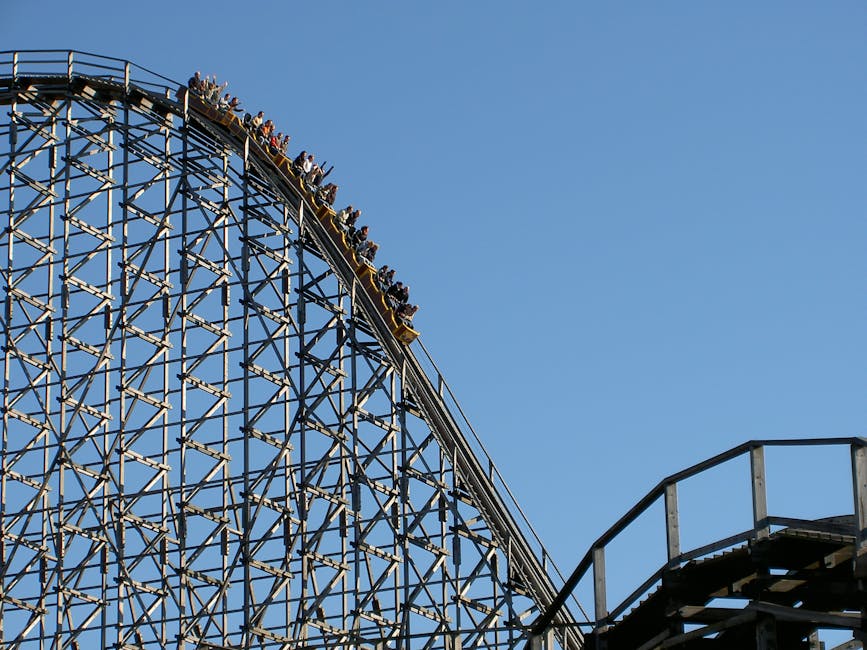
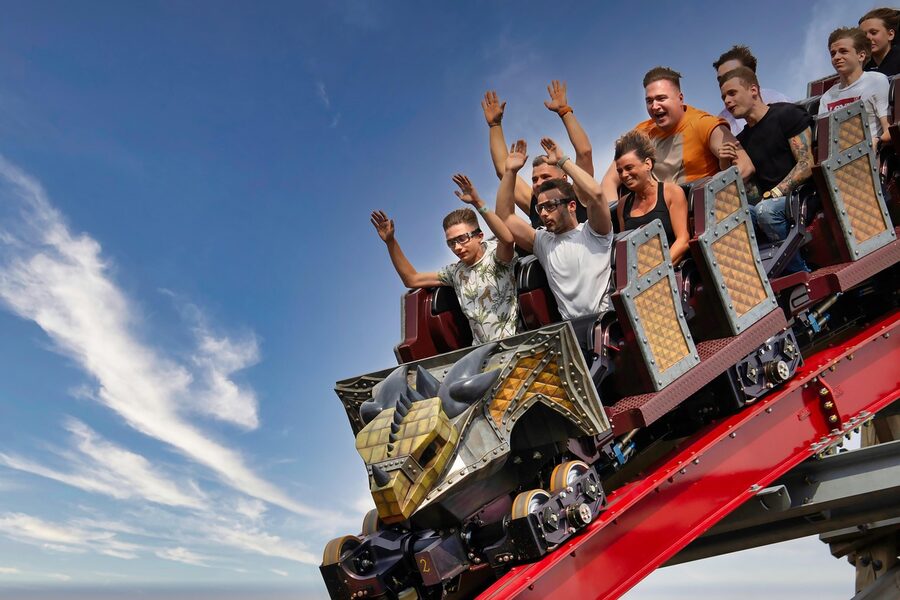
Colossos — 60-metre wooden coaster, 110 km/h, 3 minutes. One of the longest wooden coasters in Europe and holds multiple records for wooden coaster design. Closed for a time after wood deterioration issues; reopened after major refurbishment in 2019.
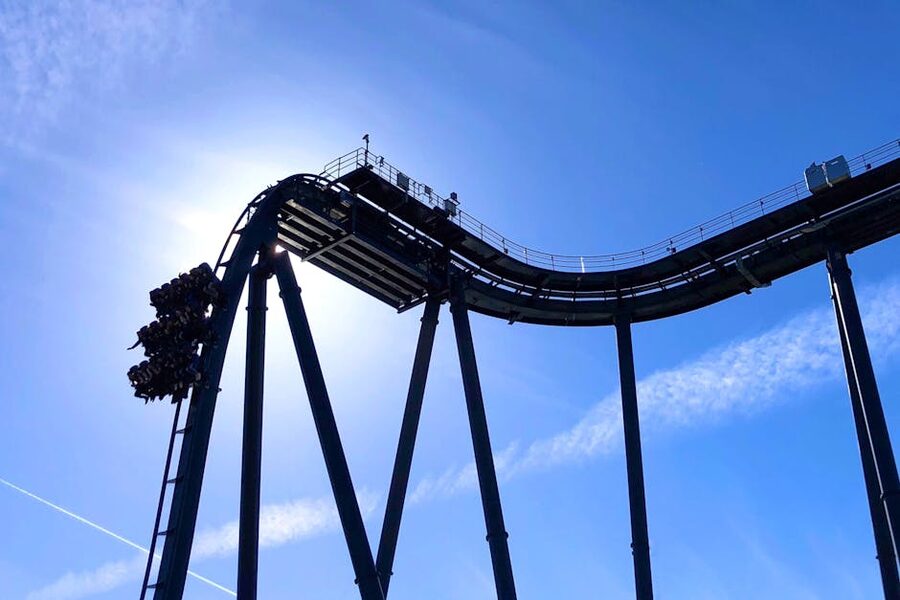
Krake — dive coaster with vertical drop and underwater tunnel sequences. The hold-at-the-top moment (about 4 seconds before the drop) is the ride’s signature and creates genuine anticipation anxiety that even experienced coaster riders feel.
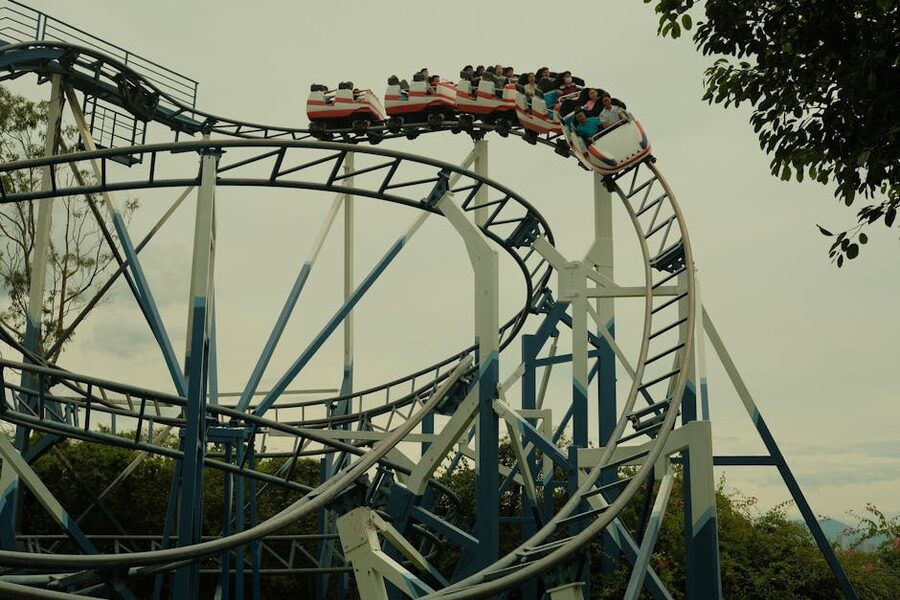
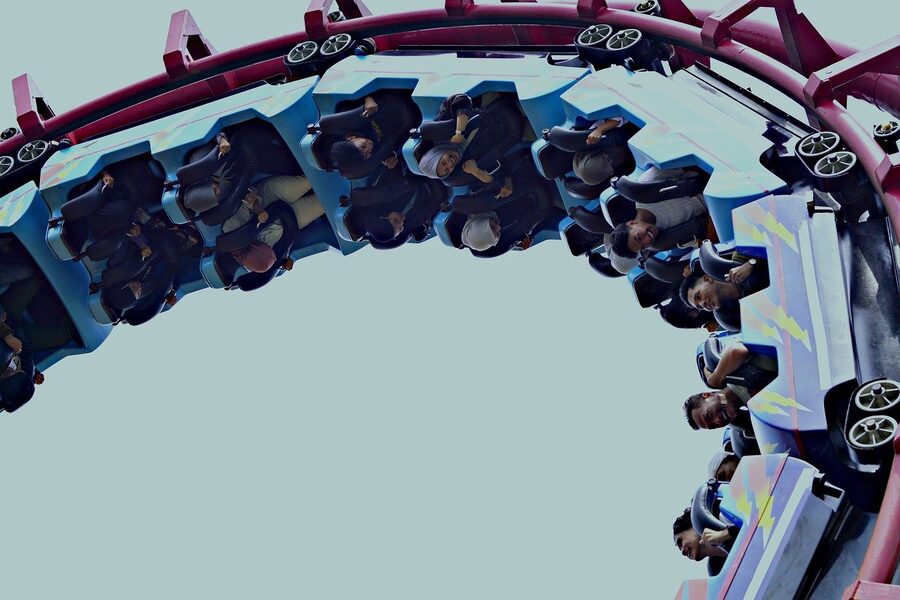
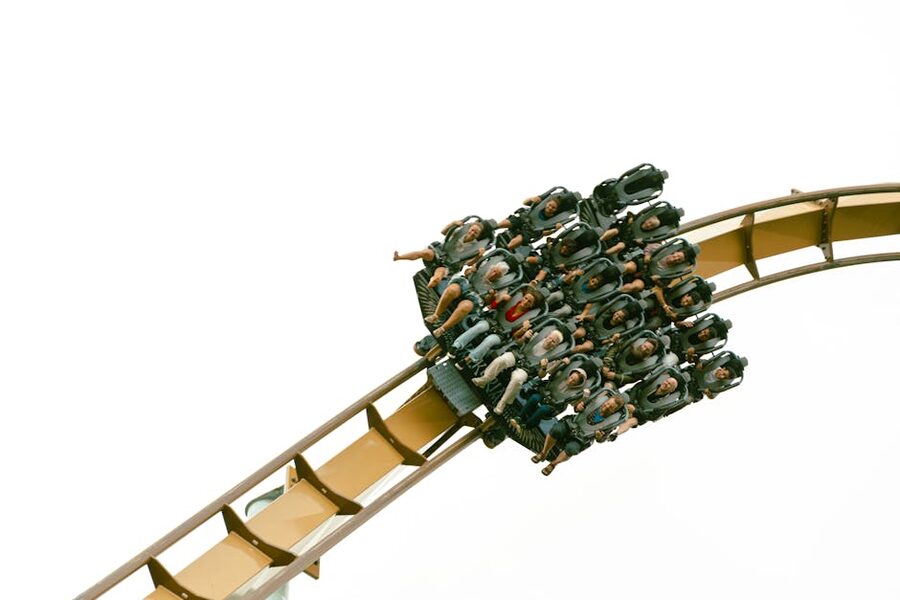
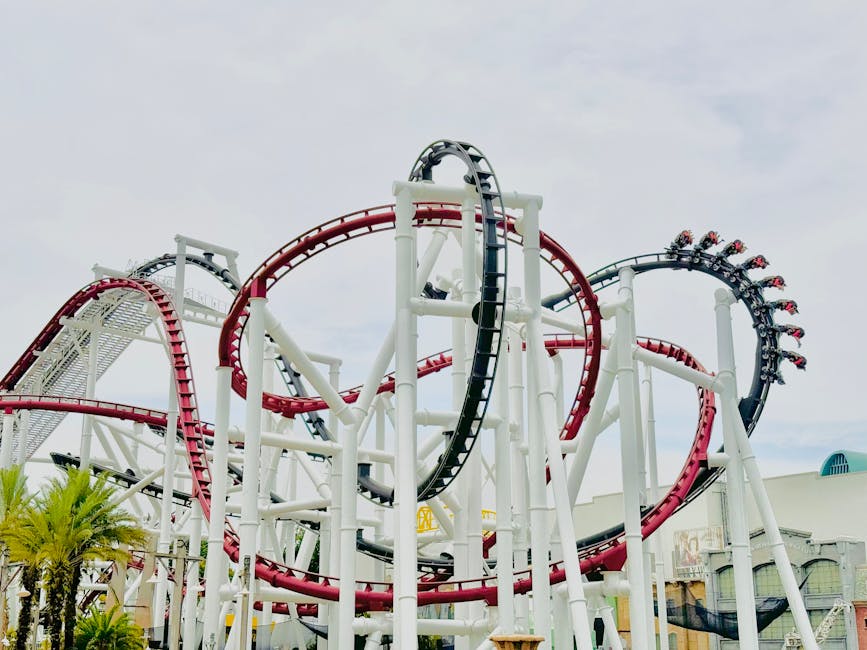
Limit — inverted hang-and-dive coaster with multiple inversions. The seats hang from above rather than sitting below the track, which creates a different riding sensation from traditional coasters. Limit’s inversion sequence is among the most elaborate in any European theme park.
Desert Race — hydraulic launch coaster reaching 100 km/h in under 3 seconds. Short (about 35 seconds total) but intense, with a launch that presses you backward into your seat like a car accelerating off a traffic light.
LEGOLAND Deutschland
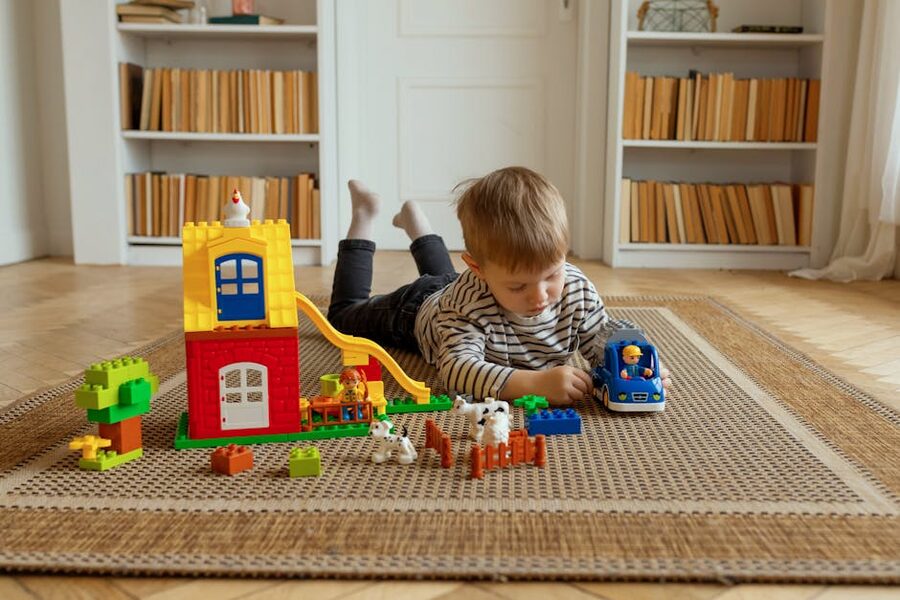
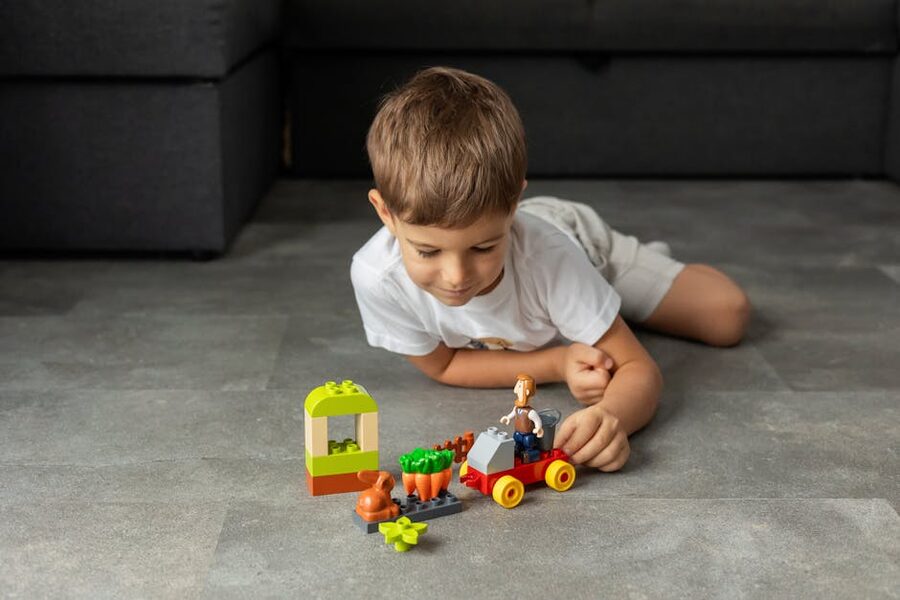
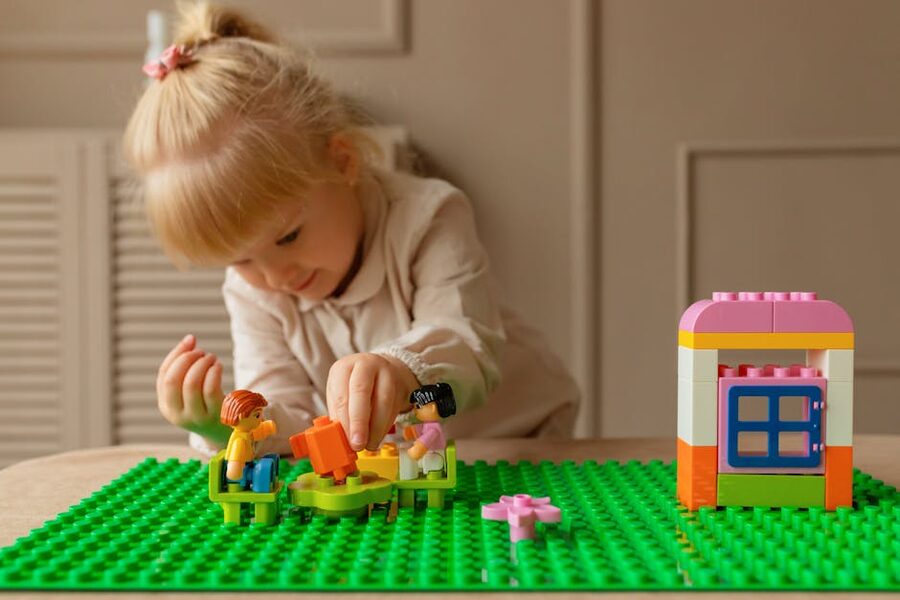
LEGOLAND Deutschland Resort opened in 2002 in Günzburg (between Munich and Stuttgart, about 90km west of Munich). The park is part of the Merlin Entertainments family of LEGOLAND parks (joining locations in Denmark, UK, USA, Japan, South Korea, Dubai, and Malaysia). The Deutschland park has 60+ attractions across 8 themed areas.
The 8 themed lands:
Miniland — the park’s signature attraction. 25 million LEGO bricks used to recreate miniature versions of major European cities: Munich’s Marienplatz, Berlin’s Brandenburg Gate, Venice’s canals, and many others. The detail level rewards careful observation — tiny figures staging scenes, working traffic lights, and hidden jokes throughout.
LEGO Ninjago — the most recent major expansion (opened 2016). Includes the Ninjago Ride with interactive 3D effects, throw-your-own-fire-mechanics, and a competitive scoring system. Appeals to older kids (8-14 range) who have grown up with the Ninjago TV series.
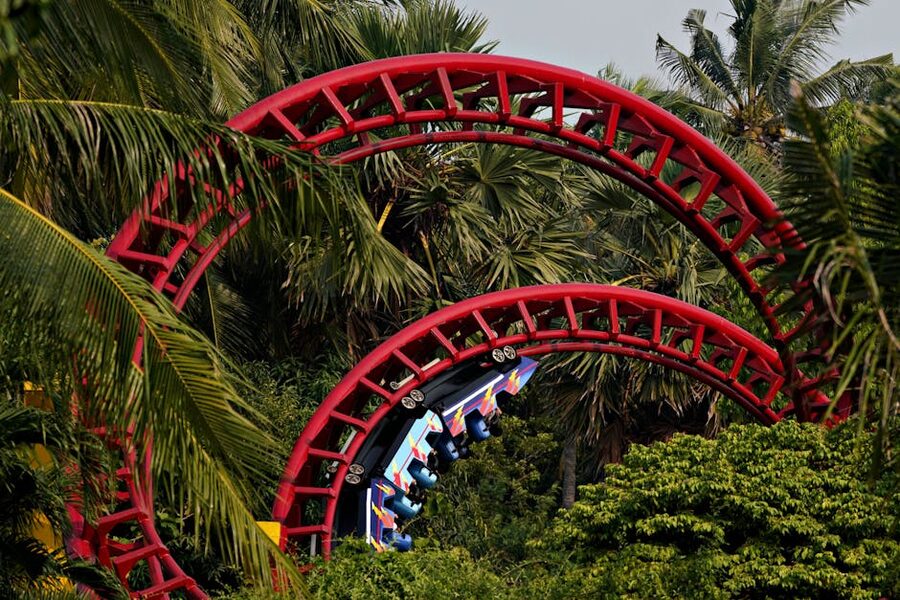
Dragon — the park’s largest coaster, themed around knights and dragons. Goes through a medieval castle with both indoor animatronic sequences and outdoor track. The knights-and-dragons theming makes it more narrative than typical theme park coasters.
Atlantis by SEA LIFE — underwater themed dark ride combining a ride through a real aquarium with LEGO sea creatures. The aquarium section has actual fish (sharks, tropical species, rays) that visitors pass through in ride vehicles.
LEGOLAND Discovery Centre Berlin
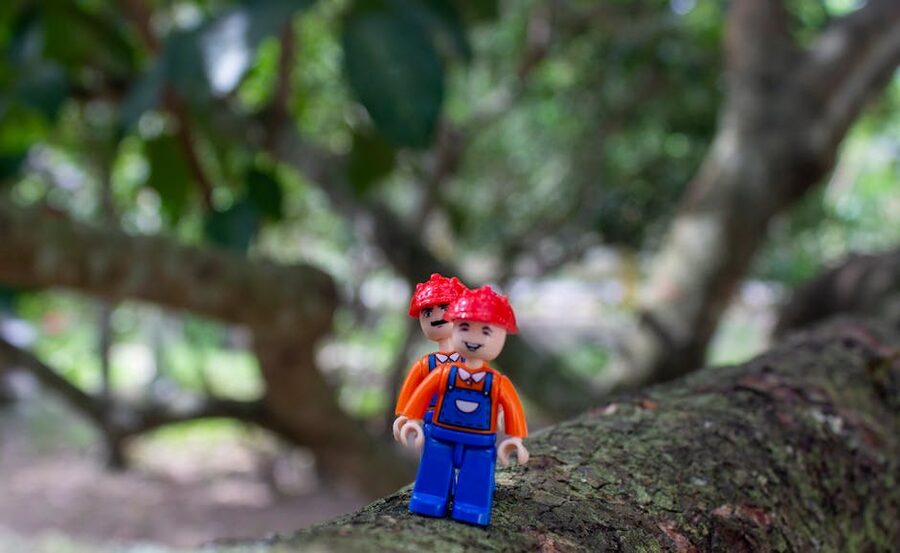
LEGOLAND Discovery Centre Berlin at Potsdamer Platz is the smaller, indoor cousin of the full LEGOLAND park. Located in the Sony Center, the discovery centre covers about 3,500 square metres and includes LEGO rides, a 4D cinema, build zones, and a mini-Berlin in LEGO form. Entry costs $24 and takes 2-3 hours.
The Berlin Miniland is the Discovery Centre’s signature attraction — a LEGO recreation of Berlin with the Reichstag, the Brandenburg Gate, the TV Tower, and the Berlin Wall in brick form. The level of detail is impressive for a single-room attraction, and the plasticine-like representation of the city is genuinely charming.
Getting to the Parks
Heide Park Resort (Soltau):
– By car: 80 minutes from Hamburg, 60 minutes from Bremen. Free parking at the park.
– By train: Hamburg Hauptbahnhof to Soltau takes about 1.5 hours. Shuttle bus from Soltau station to the park (free, schedule coordinated with train arrivals).
– Most visitors drive, which is the practical option for families with equipment and food.
LEGOLAND Deutschland (Günzburg):
– By car: 90 minutes from Munich, 90 minutes from Stuttgart. Paid parking at the park (€8/day).
– By train: Munich Hauptbahnhof to Günzburg takes about 1.5 hours (direct IC trains). Free shuttle bus from Günzburg station to the park.
– The park has extensive signage from the A8 motorway exit, and driving directions from Munich and Stuttgart are straightforward.

Timing and Season
Both parks operate seasonally — Heide Park is open March to early November, LEGOLAND Deutschland is open April to early November. Neither operates year-round due to northern European winter weather making outdoor rides unsuitable. Christmas season events (mid-November to early January) run at both parks with reduced capacity and special theming.
Weekdays during school term are the least crowded — typical Tuesday-Thursday during German school weeks sees 30-50% of peak weekend attendance. School holidays (especially mid-July to end August) bring peak crowds regardless of day.
Accommodation Options
Both resorts offer on-site accommodation that makes multi-day visits practical. Heide Park has the Heide Park Abenteuerhotel (adventure hotel) and holiday village cabins. LEGOLAND Deutschland has the LEGOLAND Hotel and LEGOLAND Holiday Village.
The LEGOLAND Hotel is worth calling out specifically — rooms are themed to pirate, kingdom, or adventure worlds, with built-in LEGO play areas and character appearances at breakfast. It’s designed as a full family experience beyond just accommodation, and many families make the hotel stay the focus of their trip rather than the park alone.
Rules and Restrictions
Both parks enforce standard theme park rules: height restrictions on major rides, bag inspections at entry, and restrictions on outside food (though both allow factory-sealed water bottles and small snacks for children). The ride height requirements are the most significant practical consideration — kids under 130cm won’t be able to ride the major coasters at Heide Park, and kids under 120cm have limited options at LEGOLAND’s more ambitious rides.
Food pricing: Theme park food is expensive (€15-20 per meal, €5-8 for drinks). Bringing a small cooler with sandwiches and drinks is permitted at Heide Park (not at LEGOLAND, which is stricter). Eating at the park restaurants at lunchtime rush adds queue time to your already-waiting ride time.
Comparing to Other European Theme Parks
Heide Park and LEGOLAND Deutschland are both good but not the best European theme parks. The premier tier (Europa-Park in Rust, PortAventura in Spain, Alton Towers in UK, Efteling in Netherlands, Disneyland Paris) offers more attractions, better theming, and longer operating seasons.
Europa-Park in Rust (near the French border) is generally considered Germany’s best theme park — larger, more themed, and with better rides than either Heide Park or LEGOLAND. It’s about 3 hours from Munich and 2 hours from Stuttgart, making it a reasonable alternative if you’re flexible on destination.
Best Tours to Book
1. Heide Park Resort Day Ticket — $43
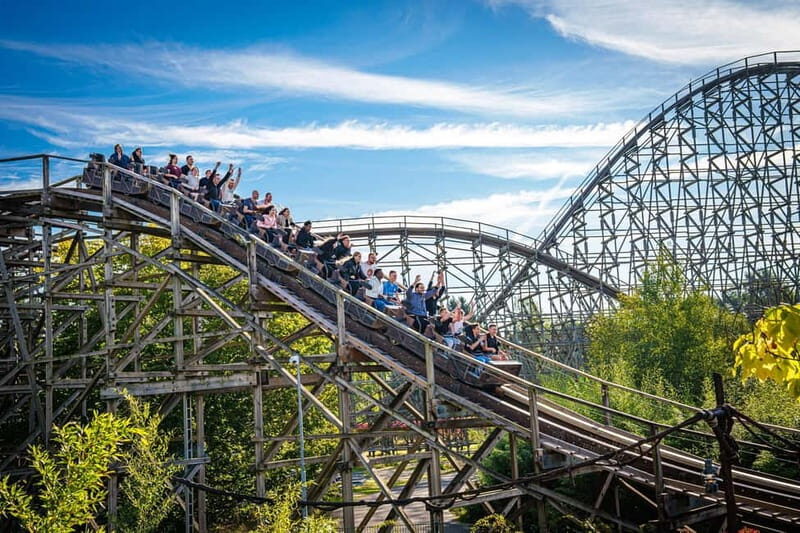
The thrill-seeker’s choice. Full-day unlimited access to Heide Park’s 40+ rides including Krake, Colossos, Limit, and Desert Race. At $43, it’s cheaper than most European theme parks and significantly cheaper than Disney or Europa-Park. The location near Hamburg makes it a practical day trip from northern Germany. Our review covers the best rides, queue management strategies, and when to visit.
2. LEGOLAND Deutschland Resort Admission — $45
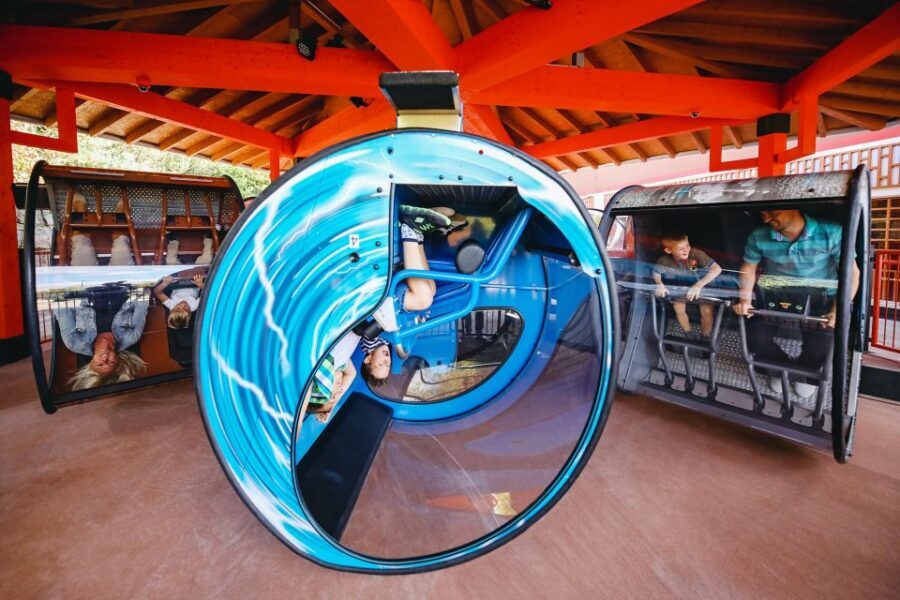
The family choice. Full-day access to LEGOLAND Deutschland’s 60+ rides and 8 themed lands. The park is specifically designed for ages 2-12, with Miniland, LEGO Ninjago, and the Dragon coaster as the major draws. At $45, it’s comparable to LEGOLAND pricing globally and worth the visit for families with the target age range. Our review covers the best age range, the themed hotel option, and which rides to prioritise.
3. LEGOLAND Discovery Centre Berlin — $24
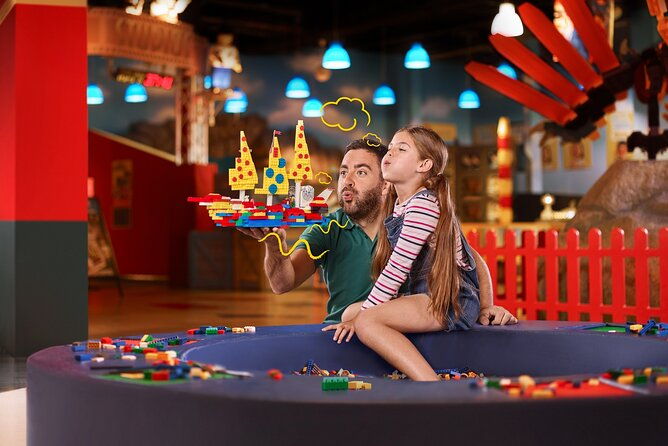
The Berlin convenience option. 2-3 hours of LEGO-themed attractions in central Berlin without the travel to Günzburg. The Berlin Miniland (LEGO recreation of Berlin’s landmarks) is the signature exhibit, plus rides, 4D cinema, and hands-on build zones. At $24, it’s less substantial than the full LEGOLAND park but works well as a shorter family activity. Our review compares it to the full LEGOLAND Deutschland experience.
Practical Tips
Book tickets ahead: Online tickets are 10-15% cheaper than gate prices at both parks. Tickets are often sold for specific dates (with a multi-day flex option for an extra charge) to help manage capacity.
Download the park apps: Both parks have mobile apps with live queue times, maps, and dining reservations. The queue times are genuinely accurate and can save significant time if you’re willing to prioritise shorter queues over specific rides.
Plan routes to avoid backtracking: Both parks are large enough that unplanned routes add significant walking. The optimal strategy is usually to enter, head immediately to the most popular attractions (before queues build), then systematically work around the park.
Factor in weather: Both parks are largely outdoor. Rain closes some rides (especially those with fabric elements or slippery surfaces). Check weather forecasts before committing to specific dates.
Budget: Entry: $43-45 per adult. Food: €15-25 per meal. Parking: free at Heide Park, €8/day at LEGOLAND. Hotel: €150-300/night at on-site options. A family of 4 for a single-day visit: about €180-250 including meals.
Combining Theme Parks with Other Germany Trips
Heide Park works well as a day trip from Hamburg — combining it with the city’s harbour cruises, Chocoversum, or bike tours gives you an urban + theme park Hamburg experience.
LEGOLAND Deutschland pairs with Munich — add it to a Bavaria itinerary that includes the Neuschwanstein Castle, the Munich city tours, or the Rothenburg and Romantic Road day trip. The LEGOLAND visit gives kids something specifically fun in an otherwise adult-focused Bavaria trip.
For Berlin visitors, the LEGOLAND Discovery Centre is a convenient add-on to city sightseeing — pair it with the TV Tower observation deck or the Spree river boat tour for a balanced family day.
More German Family Activities
Theme parks are the biggest family-focused attractions but Germany has plenty of smaller alternatives. The Hamburg Chocoversum works for kids over 8 with its chocolate-making workshop. The Cologne VR Time Travel experience and Frankfurt VR Time Travel experience use technology to engage older kids and teens. And the Rothenburg medieval town offers a kind of “real-world theme park” experience that’s different from any purpose-built attraction.