
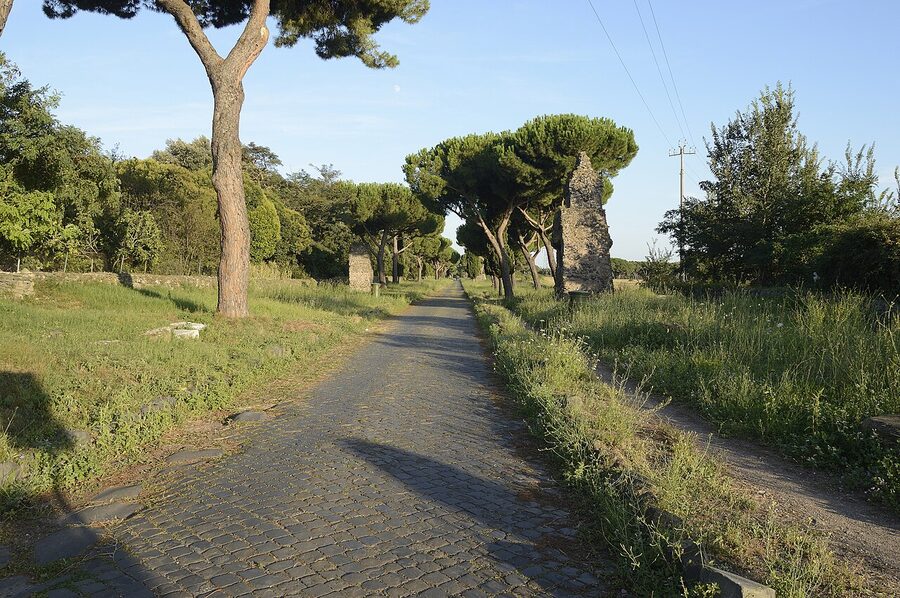
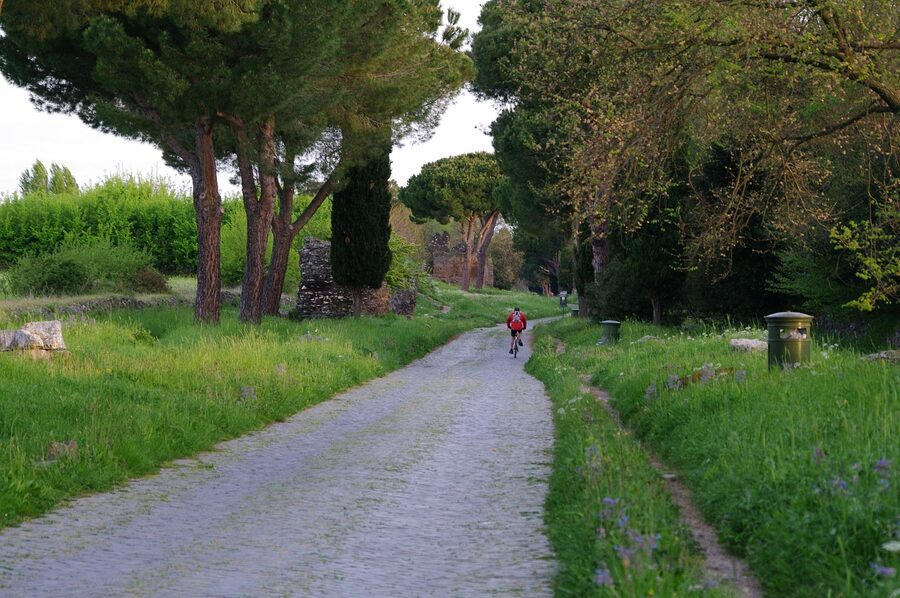
The stones your e-bike rolls over were laid in 312 BC. The chariot ruts are still visible. Sheep graze beside broken tombs.
The Appian Way e-bike tour is how you actually see this. Walking takes a day; driving misses the point.
Quick Picks
- The standard tour — Rome E-Bike Tour: Appian Way, Catacombs & Aqueducts ($102). 4-6 hours, the benchmark operator.
- Cheaper alternative: Same tour via GetYourGuide ($85) — same content, different platform, $17 saved.
- Late afternoon variant: Closing-time tour ($64) — 195 minutes, hits the Aqueducts Park as the light goes golden, finishes at sunset.
- Quick Picks
- What This Actually Is
- Booking the Three Worth Booking
- Rome E-Bike Tour: Appian Way, Catacombs & Roman Aqueducts — 2.79
- Rome: Appian Way, Catacombs & Aqueducts E-Bike Tour —
- Rome: Appian Way, Aqueducts & Catacombs at Closing Time —
- Why an E-Bike, Specifically
- What You’ll See on the Road
- The Catacomb Detour Decoded
- The E-Bike Mechanics for Anyone Nervous
- The Sunset Version Is the Best Version
- Pricing vs the Alternatives
- What to Bring, What to Skip
- Combining With the Rest of Your Rome
- Optional: The Picnic Upgrade
- What Reviews Don’t Mention
- Final Honest Take
What This Actually Is
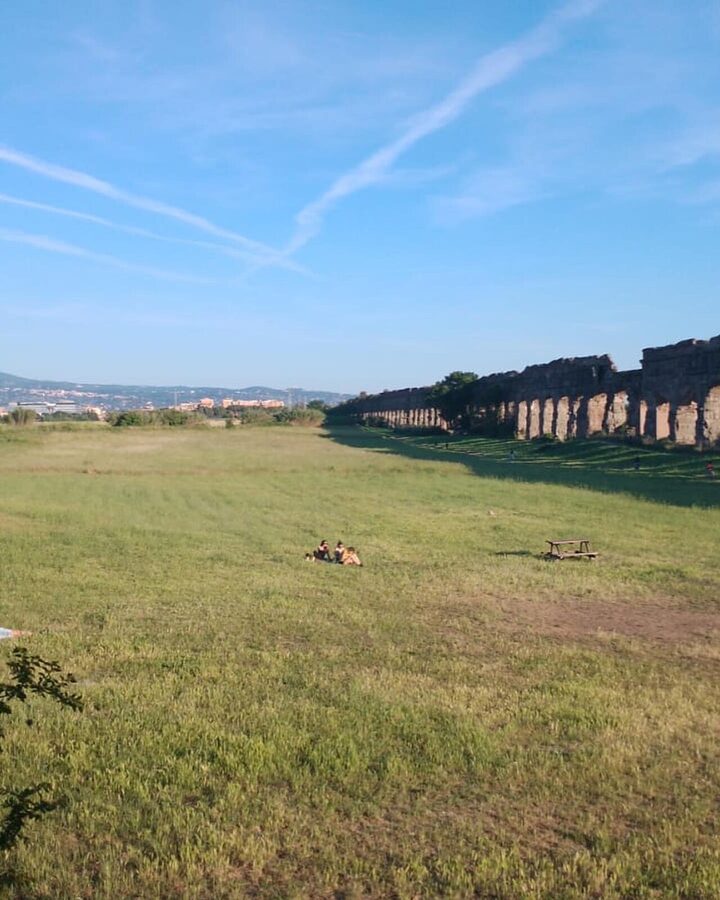
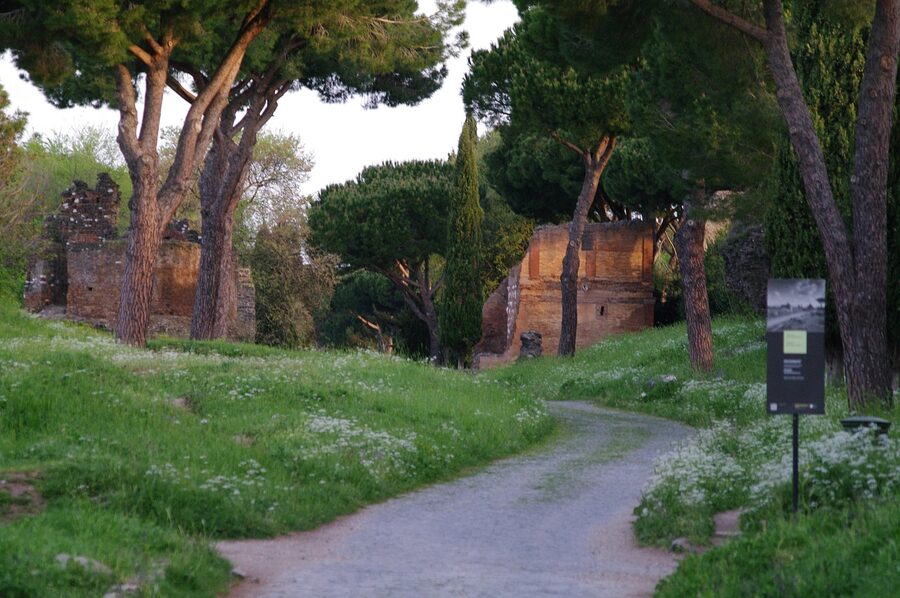
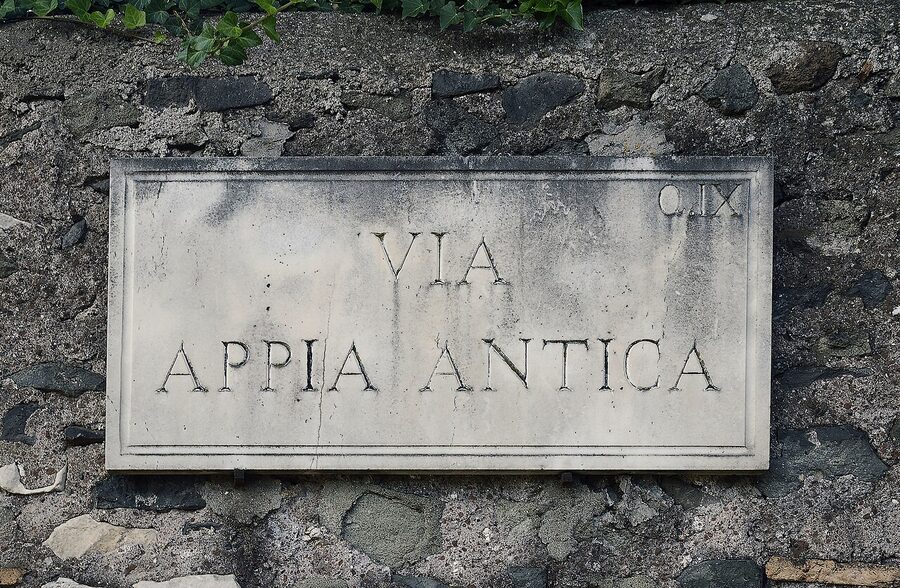
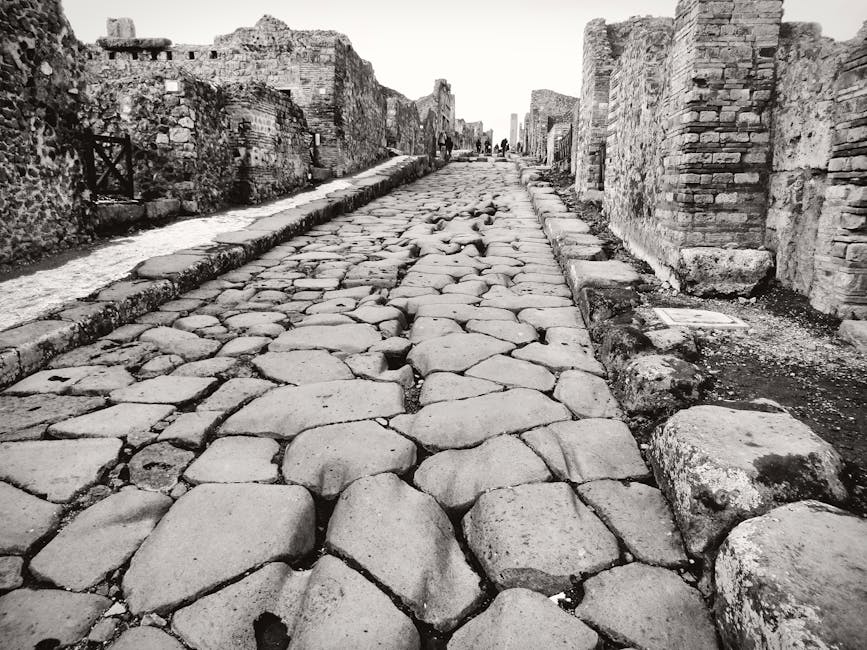
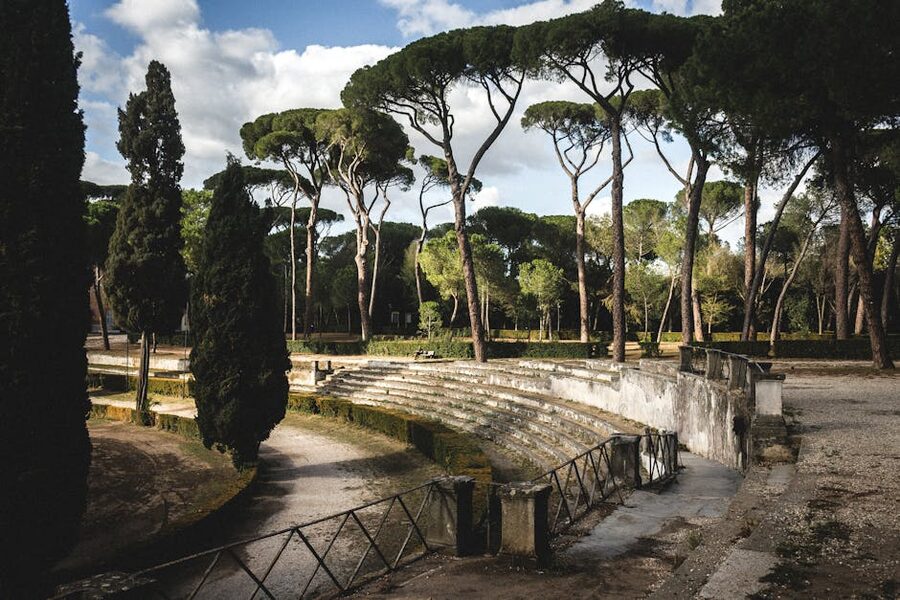
Three things stitched into one half-day. The first is the Appia Antica itself — the old road, paved in basalt, lined with ruined tombs and the foundations of villas that were abandoned in late antiquity and never demolished. You ride along it for about 4-5km and stop at the more impressive monuments. The second is the catacombs (San Callisto or San Sebastiano, depending on day) — Christian burial complexes from the 2nd-4th centuries, dug into the soft tuff rock under the road. You go in for a 30-40 minute guided walk through the tunnels. The third is the Parco degli Acquedotti — a separate green space where the surviving arches of six Roman aqueducts march across the landscape in a line that’s somehow more impressive than any single monument in central Rome.
Total ride distance: about 18-22km depending on operator. Total time: 4-6 hours including the catacomb stop and a snack break. The e-bike does most of the work — you’ll get tired but not exhausted. People who haven’t been on a bike in a decade do this fine.
Booking the Three Worth Booking
About a dozen operators run versions of this tour. The three below have the volume and the reviews that suggest they actually know what they’re doing.
Rome E-Bike Tour: Appian Way, Catacombs & Roman Aqueducts — $102.79
The benchmark — the operator most others are trying to copy. Pickup near the Colosseum, ride out via Porta San Sebastiano (one of the original Roman gates, fully intact), back via the aqueducts. The full route — stops, gradients, where the good coffee break is — is in the review. The price premium over the GetYourGuide version is about marketing visibility, not content. Pick this if you’re already booking other Viator stuff.

Rome: Appian Way, Catacombs & Aqueducts E-Bike Tour — $85
Same operational reality, GetYourGuide listing, $17 cheaper. Identical route, same e-bikes, same guides. The platform difference is purely about which booking system you prefer. Default to this if you don’t have a Viator preference. The catacombs you pass are also bookable as a standalone crypt-and-catacombs tour if the bike isn’t your thing.
Rome: Appian Way, Aqueducts & Catacombs at Closing Time — $64
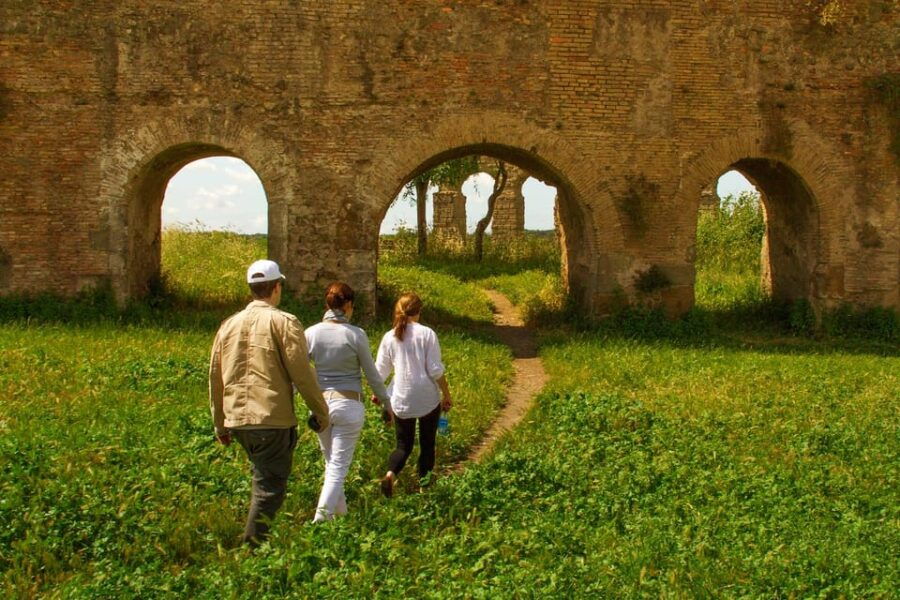
The wildcard pick. 195 minutes, the cheapest option in the category — but the value is in the timing rather than the price. You hit the catacombs as they’re closing (often the last group of the day, near-empty) and ride the Aqueducts Park as the light goes properly cinematic. Why golden hour over the aqueducts is worth rearranging your day for is the whole pitch. Best photos of any version.
Why an E-Bike, Specifically
Regular bikes are an option. Don’t take it. Here’s why.
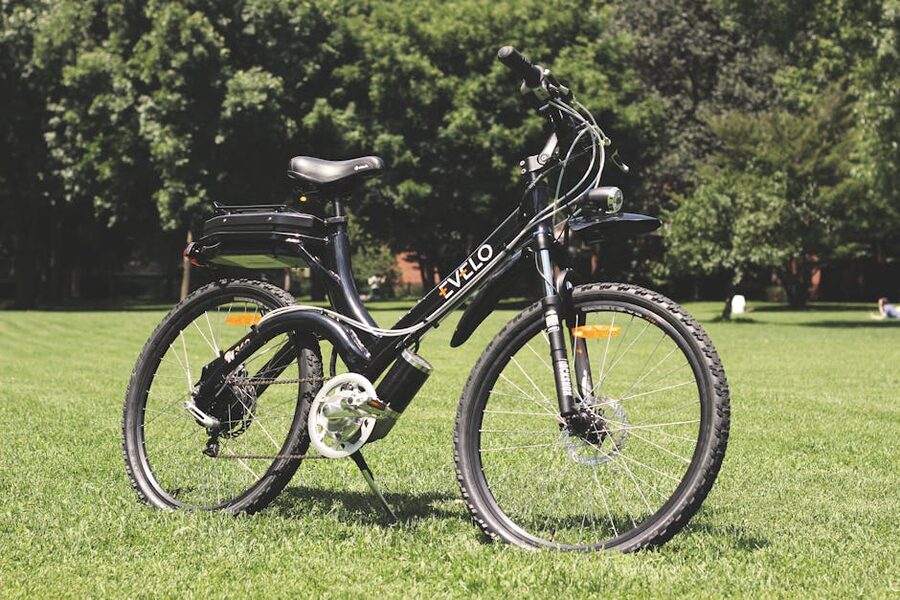
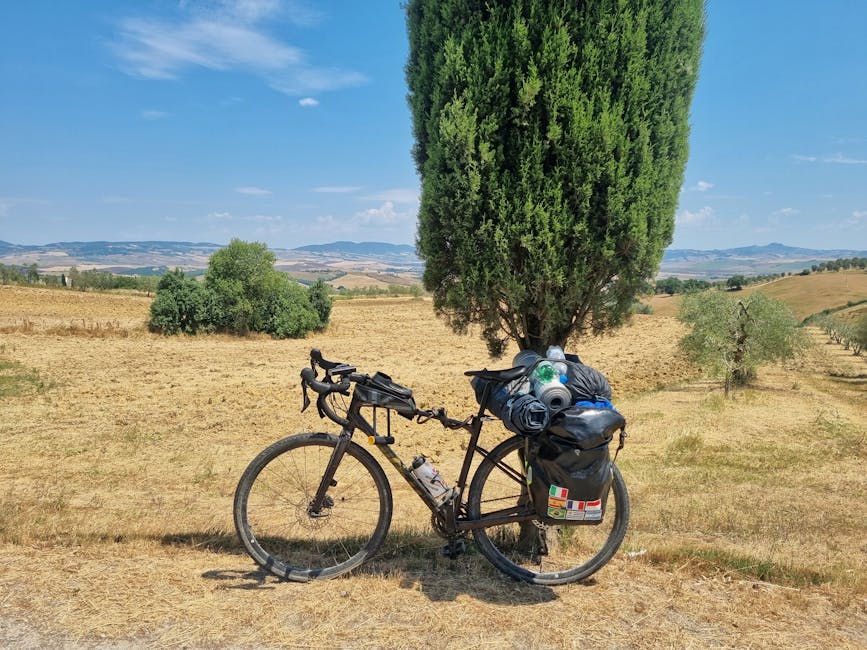
The Appia Antica isn’t flat. There’s a long false-flat climb from Porta San Sebastiano up to the catacombs zone, then rolling terrain through the countryside, then a real climb back into the city. On a regular bike in July, this is two hours of real work in 32°C heat. On an e-bike, the motor handles the gradient and you arrive at each photo stop without sweating through your shirt.
The cobblestones are the second reason. Smooth basalt cubes don’t sound rough until you’ve rolled over them for 5km. A regular road bike has 25mm tyres and you’ll feel every joint. The tour e-bikes are mountain-bike-style with 2.0-2.4″ tyres that simply absorb the cobbles. Comfort isn’t the same as speed but on this route it’s what you want.
The third reason: the catacombs detour. You ride down a hill to the catacomb entrance, leave the bikes, do the underground walk, then climb back out. With pedal power that’s a 100m climb after an hour underground. With the motor, it’s a polite breeze.
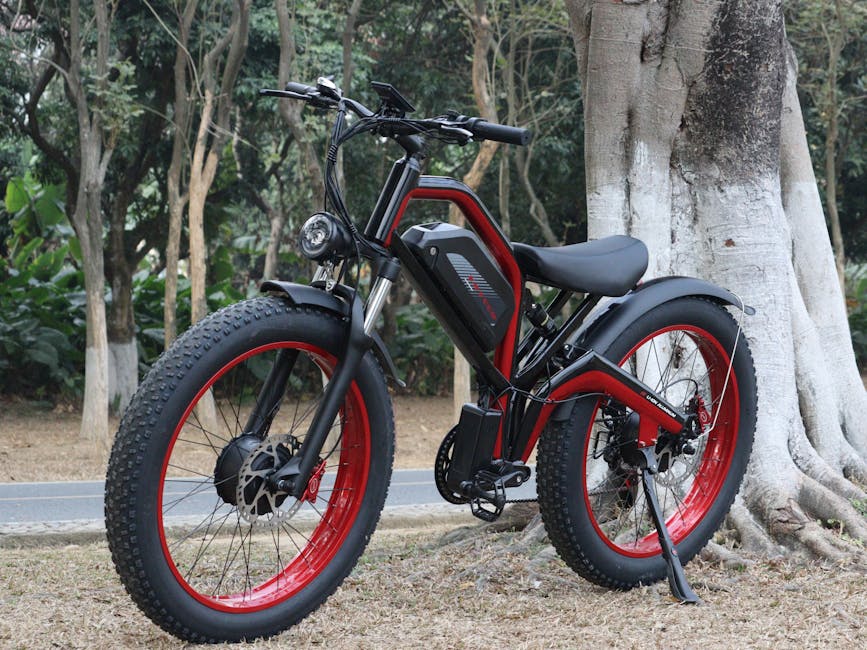
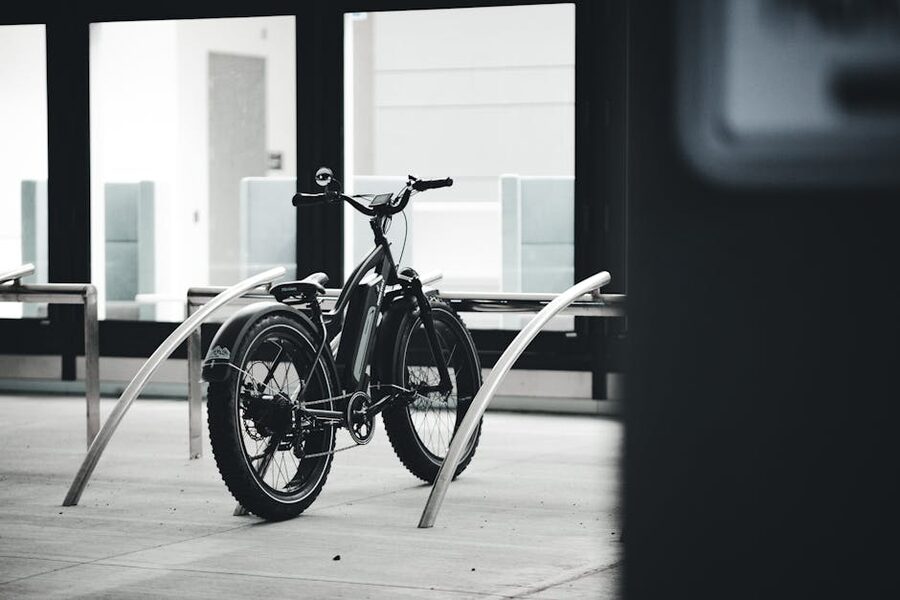
Modern tour e-bikes have three or four power modes (eco, normal, sport, turbo). Eco mode is barely-there assist; turbo basically rides itself. Most riders settle into normal mode and only crank up to sport for hills. Battery life is 60-100km on a charge, so range isn’t a concern for an 18-22km tour.
What You’ll See on the Road
The route hits about 8-12 actual stops over 20km. The guide narrates while you’re rolling, then you dismount for the major sights.
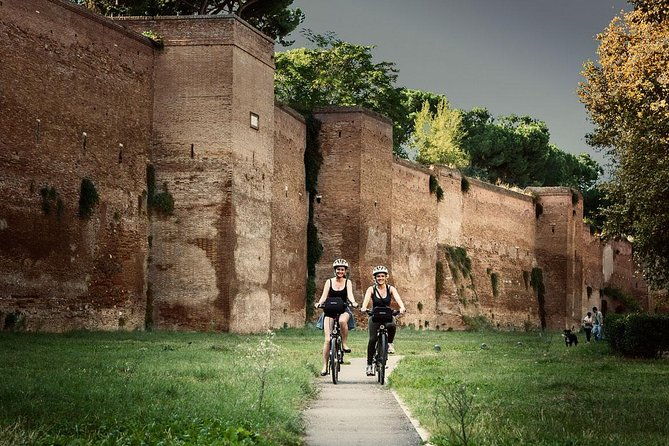
Porta San Sebastiano: the southern gate of the Aurelian Walls, intact, still standing 18m tall. You ride through it. The walls themselves date to the 270s AD, built when the empire started getting nervous about who was at the gates.
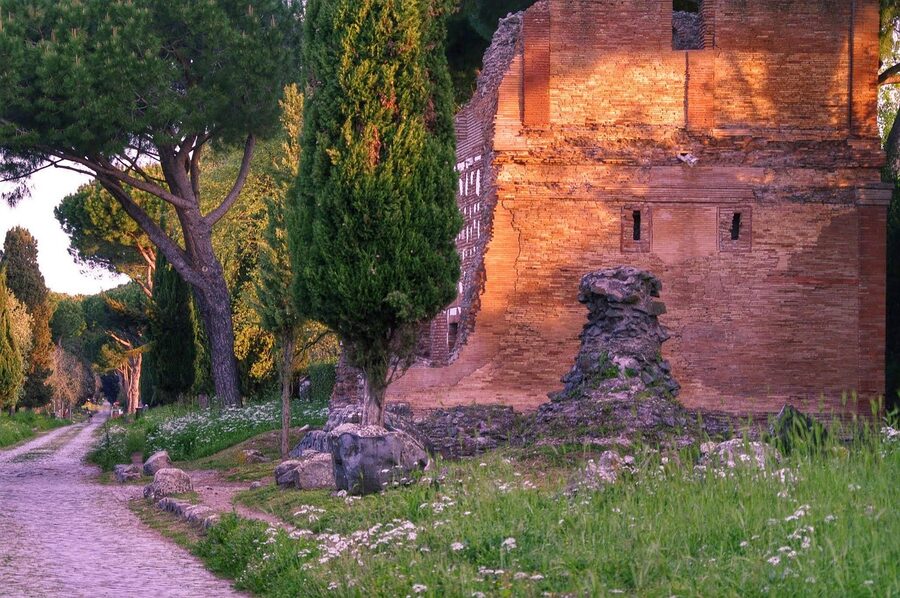
Tombs lining the road: Roman law required burial outside the city, and wealthy families competed to put up the most visible monuments along the Appia Antica. Most are now broken stumps, but a few are intact enough to read. The Tomb of Cecilia Metella (1st century BC, daughter-in-law of Crassus the triumvir) is the standout — a circular drum 30m wide, fortified into a castle in the medieval period and still architecturally impressive.
Catacomb stop: San Callisto or San Sebastiano, depending on the day’s permit and the operator’s rotation. 30-40 minutes underground, mandatory guided. Not the same as the standalone Catacombs and Crypts tour — that one combines with the Capuchin bone chapel; this one is single-site within a longer ride.
Villa of the Quintilii: the ruins of a 2nd-century villa complex so impressive that the emperor Commodus had its owners executed and confiscated it for himself. About 8km out from central Rome. Some tours include this; others ride past with commentary only.
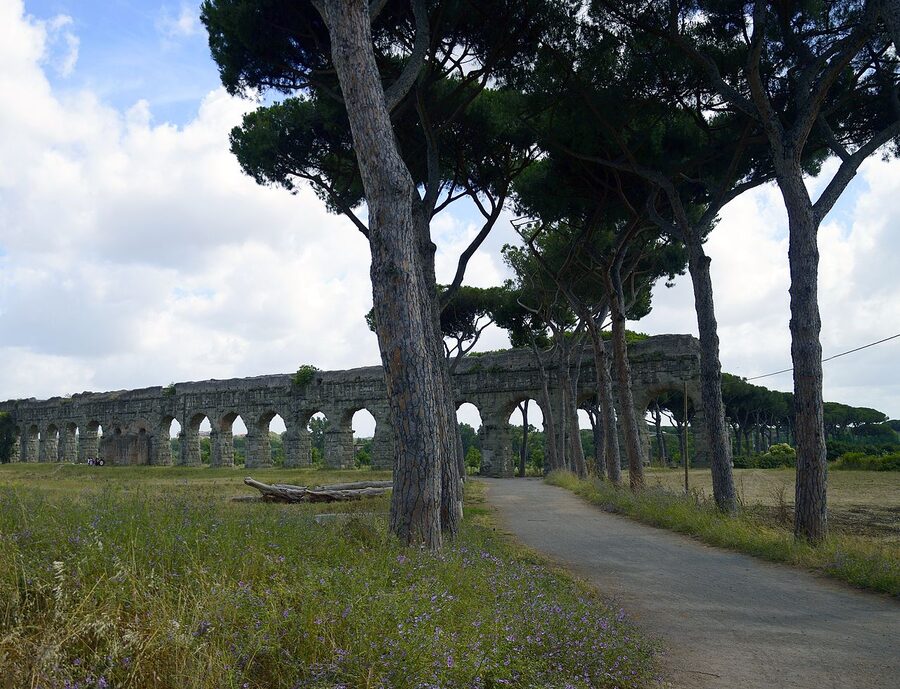
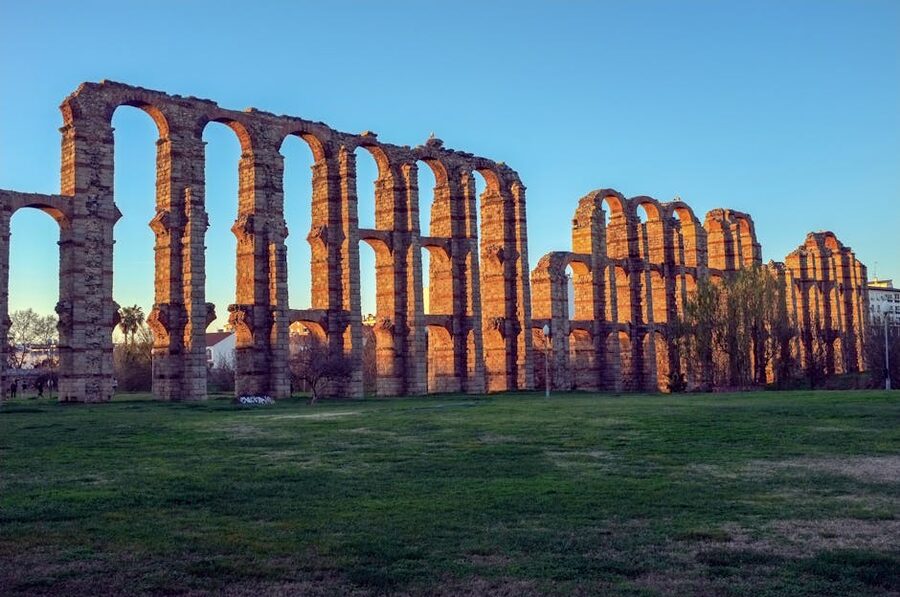
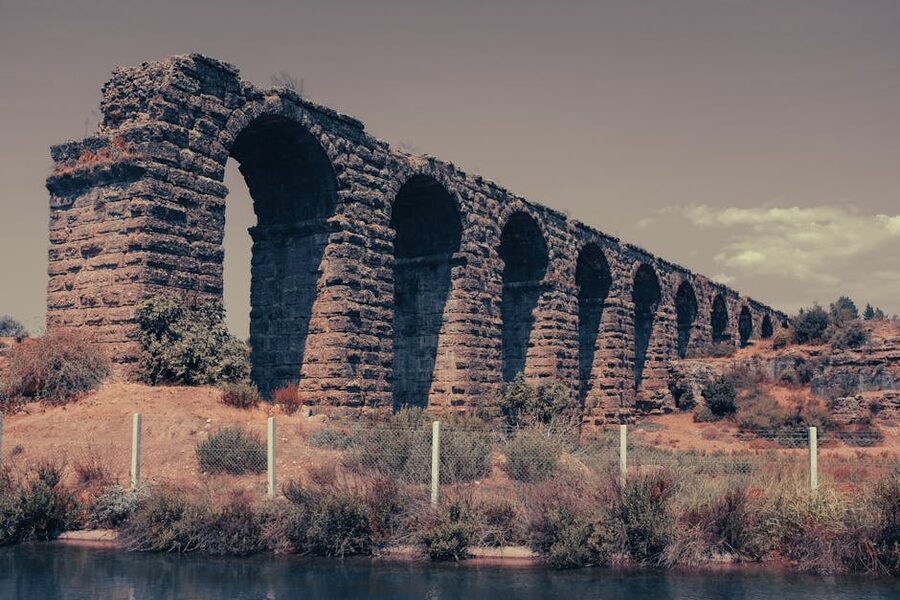
Parco degli Acquedotti: a separate park, accessed via a connecting trail. This is where 6 of Rome’s 11 imperial aqueducts converged on their final approach to the city. The Aqua Claudia (54 AD) and the Anio Novus (52 AD) are the most photogenic — double-stacked arches walking across grass fields with the modern city as backdrop. La Dolce Vita filmed its closing scene here.
The Catacomb Detour Decoded
Half the tour reviews mention the catacombs. Half ignore them. They’re worth understanding before you book.
San Callisto is the bigger one — about 12 hectares of underground tunnels on five levels, holding the graves of nine popes and an estimated 500,000 early Christians. San Sebastiano is smaller but the only catacomb that stayed accessible throughout the medieval period (the others were forgotten until 1578). The two have different vibes — San Callisto feels enormous and slightly disorienting; San Sebastiano feels more intimate and church-like above ground.
Whichever you visit, the routine is the same: lock the bikes outside, follow a guide down narrow stone steps into 14°C air, walk through 1-1.5km of low-ceilinged tunnels (occasional ducking required), see the loculi (burial niches), some early Christian frescoes, the chi-rho monogram carved everywhere, and back out into the daylight. 30-45 minutes underground.
Photography inside catacombs is not allowed. Phones get a polite intervention if you try. Above ground you can shoot freely.
Bring a light layer for the underground stretch — Rome at 32°C above ground means catacombs at 14°C. The temperature shift is jarring without a thin shirt or windbreaker.
The E-Bike Mechanics for Anyone Nervous
If you haven’t ridden a bike in years, you’ll be fine on this. The e-bikes have geometry similar to commuter bikes — you sit upright, the handlebars are flat, the seat is wide. Nothing wobbly about them.
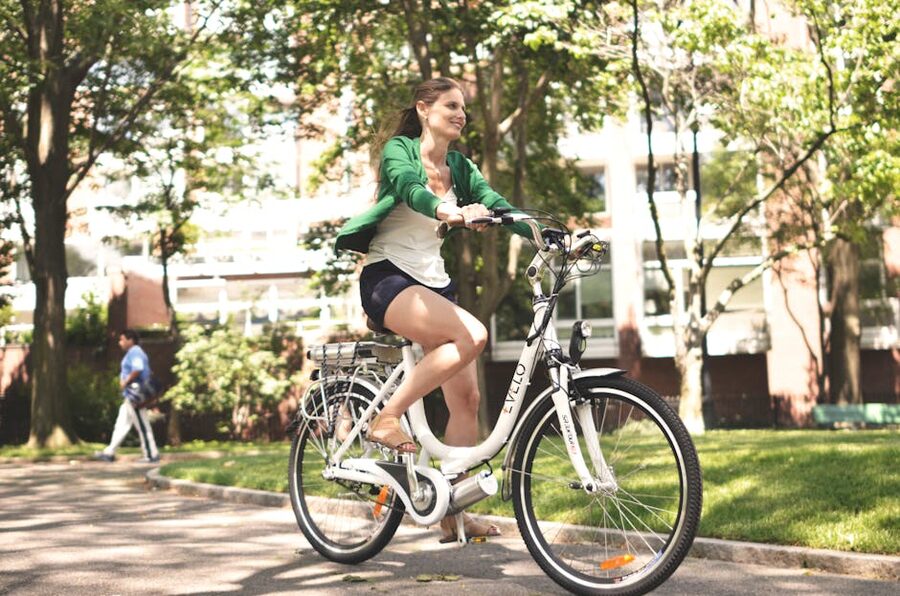
Pre-ride briefing covers: how to start the motor (twist the throttle or just pedal), how to switch power modes (button on the handlebar), how to brake (front and rear, gently — the bikes are heavier than you expect because of the battery), and how to dismount in cobblestones (slow, both feet down, don’t try to lean it on the pedal).
The single rule that prevents 90% of e-bike falls: don’t try to ride at walking pace. The motor needs forward momentum to balance — anything under 5km/h gets unstable. If you’re moving slowly through a stop, just walk the bike.
Group sizes are typically 6-12 people. The guide rides at the front and there’s usually a sweep rider at the back to help anyone struggling. You’ll be fine even at the back of the pack.
The Sunset Version Is the Best Version
The 16:00 closing-time tour is a meaningfully different experience from the 09:00 morning one. Same route, same monuments, completely different feeling.
The morning tour is hotter (especially May-September), more crowded at the catacombs, and the light is flatter for photos. The afternoon/closing-time tour starts at 15:30 or 16:00, you finish around 19:00-19:30, and you ride back into Rome as the sun is setting behind the Alban Hills. The Aqueducts Park at 18:30 in summer is one of those scenes that makes you forget you’re in a major capital city.
Cost difference is in your favour too — closing-time variants are $20-40 cheaper because they’re shorter and the operators see the slot as off-peak. Translation: you pay less for the better experience.
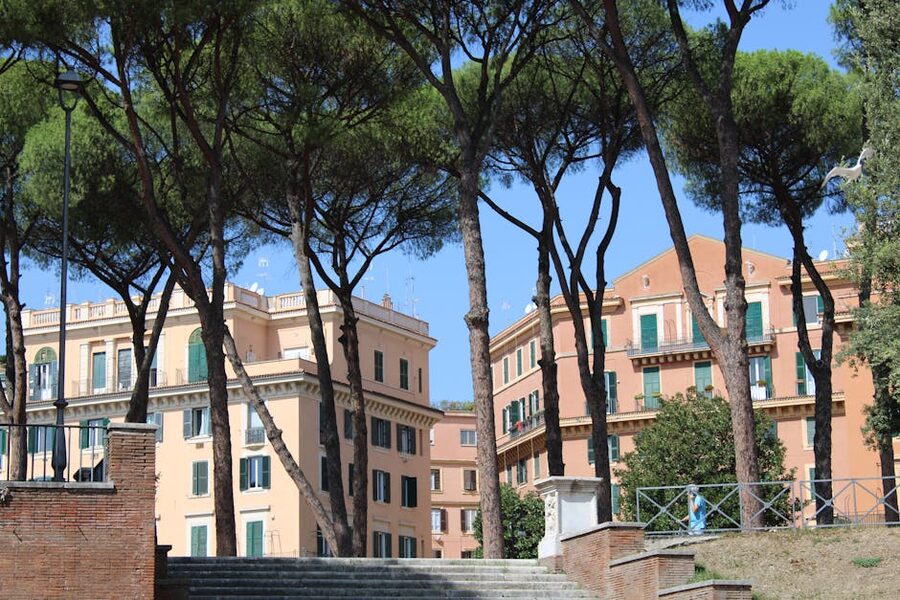
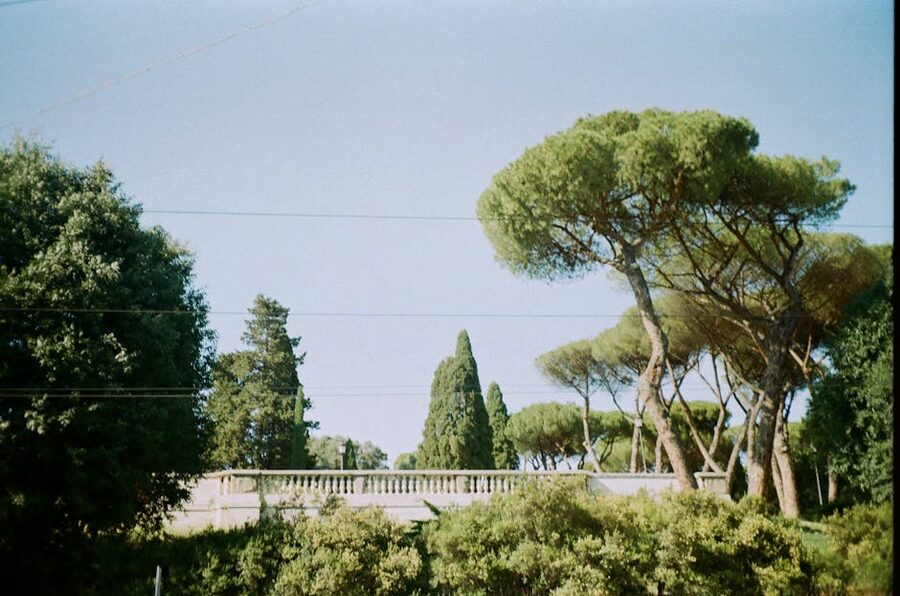
The two reasons to choose morning instead: you have an evening commitment that the afternoon tour would conflict with, or you’re in Rome in winter (December-February) when daylight runs out by 16:30 and the closing-time tour ends in the dark.
Pricing vs the Alternatives
$85-102 for a half-day tour is at the higher end of Rome activity pricing. Worth knowing what you’re comparing it to.
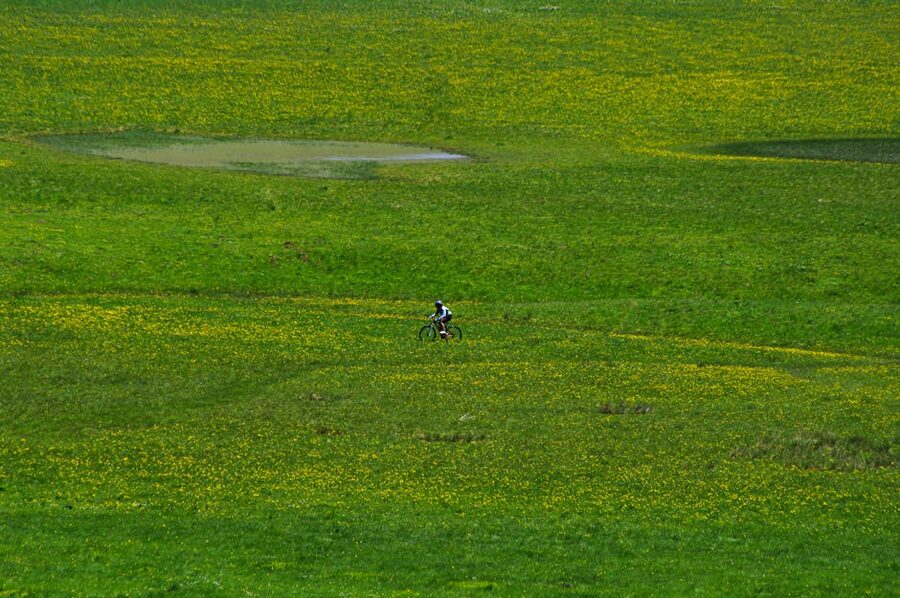
The standalone Catacombs and Crypts tour with transfers runs $66 for 3.5 hours but doesn’t include cycling, the Appia Antica, or the Aqueducts Park. The e-bike tour at $85 gives you all three plus the catacomb visit for $19 more. The math works.
Renting an e-bike independently and riding the route yourself runs $30-40/day, but you’ll need to navigate, find the catacombs (which require advance booking and don’t accept walk-ups easily), and hope nothing breaks. The tour value is removing all of that friction.
Skip the e-bike tour if: you have a back or shoulder injury that makes 4 hours of cycling miserable, you’re in Rome in actual winter (it’s cold and damp on the Appia Antica from December-February), or you’ve already done the standalone catacombs tour and don’t want to repeat the underground portion.
What to Bring, What to Skip
Comfortable closed shoes. Not flip flops. The pedals have grippy surfaces but bare feet will get pinched.
A small backpack with a water bottle, sunscreen, sunglasses, a light layer for the catacomb stop, your phone with charger, and ideally a small snack. The tour usually includes a snack break but if you’re a hangry person, bring something extra.
Skip: heavy bags, expensive cameras (the cobblestones aren’t kind to anything precious bouncing around), formal clothes (you’ll sweat), and any expectation of looking presentable for a 19:30 dinner reservation.
Wear: shorts in summer (insurance varies on this — check confirmation; some operators require trousers in catacombs). Light long pants in spring/autumn. Proper layers in winter.
Combining With the Rest of Your Rome
The Appia Antica e-bike tour eats half a day and a meaningful chunk of your physical energy — pace it accordingly. The morning version pairs well with a late lunch and a recovery afternoon: book the 09:00 tour, finish around 13:30, eat properly somewhere on Via Appia Pignatelli, then nap. The afternoon version pairs better with a quiet morning followed by the e-bike sunset tour, then an early dinner near the finish in Trastevere or Testaccio.
Don’t book this on the same day as anything that requires standing still in heat — a daytime Borghese Gallery visit before this tour will leave you wrecked, and the 17:00 Borghese slot after a morning e-bike ride is asking too much. The combination that works: e-bike morning, light afternoon, evening opera concert at Palazzo Poli — culture without standing, history without walking. If you’ve got a longer Rome stay and want to compress the heavy ancient-Rome content into one immersive arc, do this tour the day after a Colosseum and Roman Forum tour — the Appia Antica makes infinitely more sense once you’ve seen what was inside the city walls. And if your Rome week needs a dedicated dark-tourism day, sandwich the e-bike tour between the standalone Crypts and Catacombs underground tour and a quiet evening — three different angles on Rome’s relationship with death and you’ll know more about late antiquity than 90% of guides at the Vatican.

Optional: The Picnic Upgrade
A few operators offer “with picnic” versions for $10-15 extra. The picnic is usually basic — some bread, salami, cheese, fruit, a small bottle of prosecco — set up in the Aqueducts Park around hour 3. It’s not gourmet. But sitting under a 2,000-year-old aqueduct with a glass of prosecco eating bread you didn’t have to source is one of those small Rome moments that justifies the $15.
If picnic isn’t included, bring your own snack — there are no cafes inside the Appia Antica regional park beyond the catacomb visitor centre, and you’ll be hungry by hour 3.
What Reviews Don’t Mention
Some smaller realities worth knowing.
The road has cars on parts. Not the historic stretch — that’s car-free Sunday and limited-traffic the rest of the week — but the connector roads to and from. You’ll be on minor traffic for short stretches. Guides handle this with hand signals; just follow them.
The catacomb visit isn’t always San Callisto. Different operators have permits for different sites and rotate based on availability. If a specific catacomb matters to you (San Callisto for the popes, San Sebastiano for the medieval continuity, Domitilla for the early Christian frescoes), confirm with the operator before booking.
The photo stops are short. 5-8 minutes at each major monument. If you’re a serious photographer, this can feel rushed. Bring a phone you’re fast with rather than a DSLR you need to set up.
Lunch isn’t built in unless you book the picnic version. The 4-6 hour tour skips a proper meal. Eat well beforehand or count on a late lunch after.
Weather cancellations are real. Heavy rain cancels (the cobblestones get genuinely dangerous when wet). Operators offer rebooking or refund — but if you’re in Rome for only 2 days, build a backup plan.
Final Honest Take
The Appia Antica e-bike tour is the best way to see Rome’s southern outskirts and easily the most memorable day-trip-from-the-city-itself activity available. You’ll see things that most Rome visitors don’t even know exist — the Aqueducts Park alone is worth the ticket — and the pace of an e-bike (faster than walking, slower than a car) lets you absorb the landscape in a way no other transport allows.

Book the closing-time variant if your Rome trip allows for an evening finish. Book the GetYourGuide version if you don’t have a Viator preference and want to save $17. Book the picnic upgrade if it’s available — the Aqueducts Park with prosecco is the version of this tour you’ll tell people about. Don’t book this in winter (December-February). Don’t book it on the same day as anything that requires energy. And don’t worry about the e-bike — anyone who can ride a regular bike can ride one of these inside two minutes.