
The first thing you notice at the Silvestri craters isn’t the view. It’s the ground. The black gravel underfoot is warm, and you realise the thing you’re standing on is alive.
In a Hurry
- The cheapest way up — Etna Morning Trip ($71). Half a day, Silvestri craters, no cable car.
- Go higher — Mount Etna Adventurous Tour with Volcano Guide ($88). Certified guide, lava cave, real hike.
- Add Taormina — Etna + Taormina Full Day ($118). Volcano in the morning, baroque hilltown for the afternoon.
- In a Hurry
- What You’re Actually Looking At
- The Three Tours I’d Actually Book
- 1. Etna Morning Trip —
- 2. Mount Etna Adventurous Tour with Volcano Guide —
- 3. Etna & Taormina Full Day Tour — 8
- The Four Levels of Etna
- Level 1 — The Car Park (1,900m)
- Level 2 — The Cable Car (2,500m)
- Level 3 — The 4×4 Track (2,900m)
- Level 4 — The Summit (3,357m)
- Morning, Afternoon, or Sunset
- When to Go
- What I Wish I’d Known Before I Went
- The Lava Cave If You Get One
- Planning Around the Rest of Sicily
- The Common Questions I Get
- What I’d Actually Book
What You’re Actually Looking At
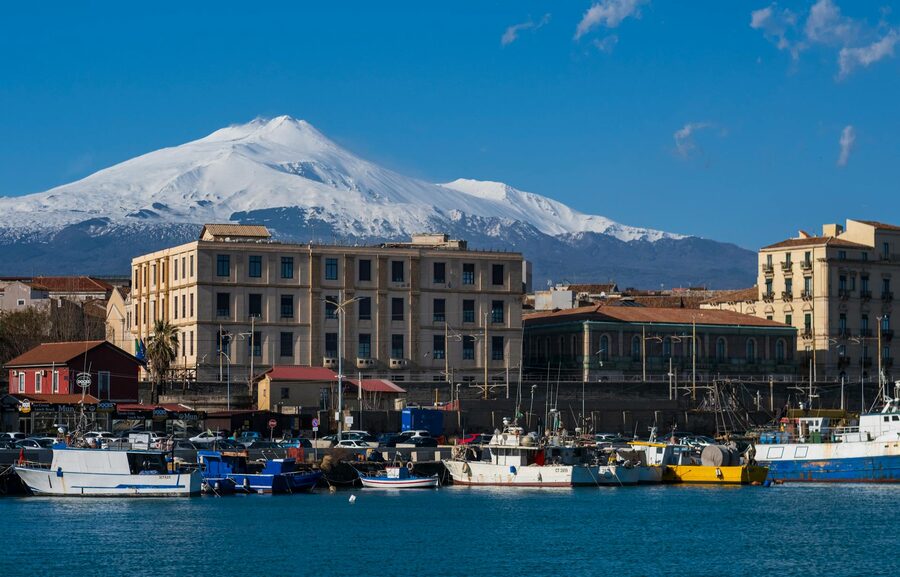
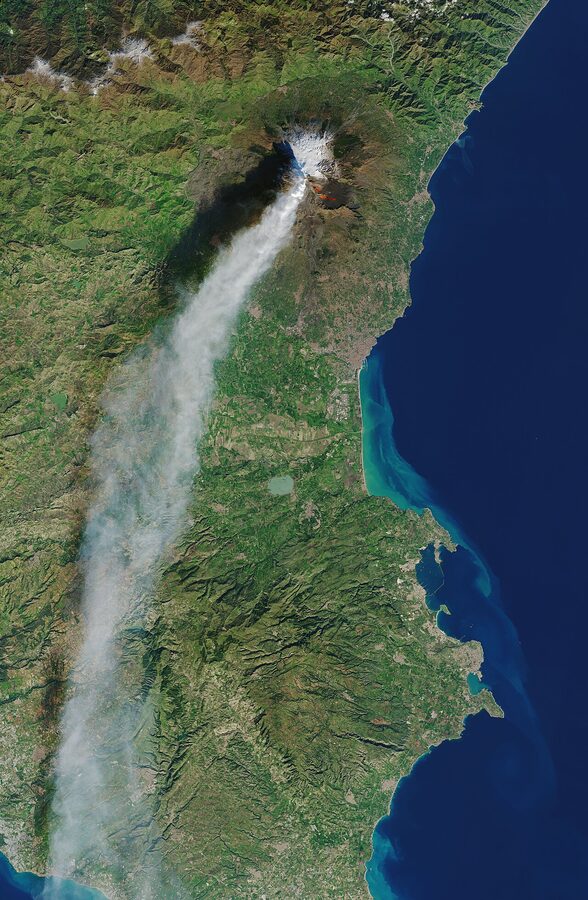
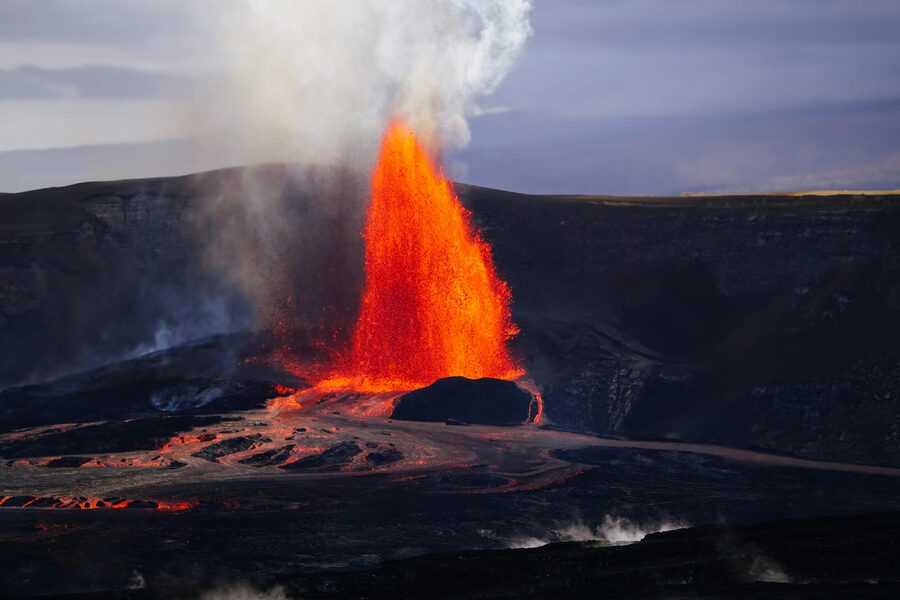
Etna is the biggest active volcano in Europe. It also erupts almost constantly — small events every year, big paroxysms every five or ten.
“Active” here doesn’t mean Pompeii. It means steam vents at the summit, a small lava flow somewhere on the flank every few months, and the occasional ash cloud that closes Catania airport for a day. Tourists come anyway. The volcanologists pay attention; the rest of us look at the mountain and eat pistachio gelato.
The pistachio is the right detail to mention. Bronte, a town on Etna’s northwest slope, grows the most expensive pistachios in the world in volcanic soil. The same heat that threatens the city feeds the food. Every Sicilian I’ve talked to about the volcano has made some version of this point. The mountain gives and the mountain takes.
You’ll see this everywhere around the base — the wine grapes of Etna DOC grown in black tephra, the honey from bees that pollinate volcanic wildflowers, the olive oil pressed from trees rooted in cooled lava. The whole food economy of east Sicily is built on the mountain’s old eruptions. A morning tour doesn’t explain this; a farm-to-table dinner in Catania does.
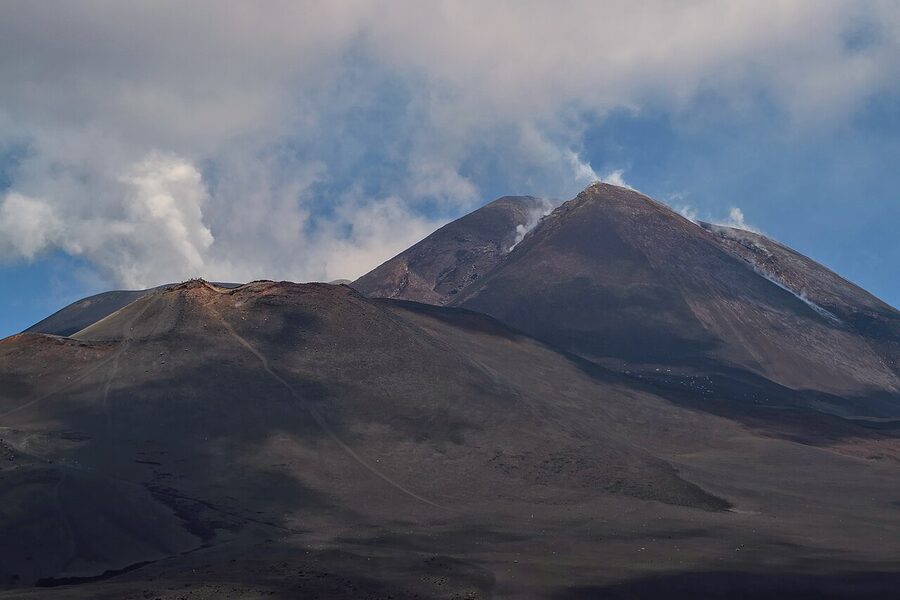
What this means for your booking: the route can change on the day. If the south flank is venting, tours go north. If there’s ash on the Rifugio Sapienza road, you won’t make it to the car park. I’ve had this happen twice — both times the guide rerouted on the drive up and we still had a full day. Worth knowing so you don’t panic when the plan shifts.
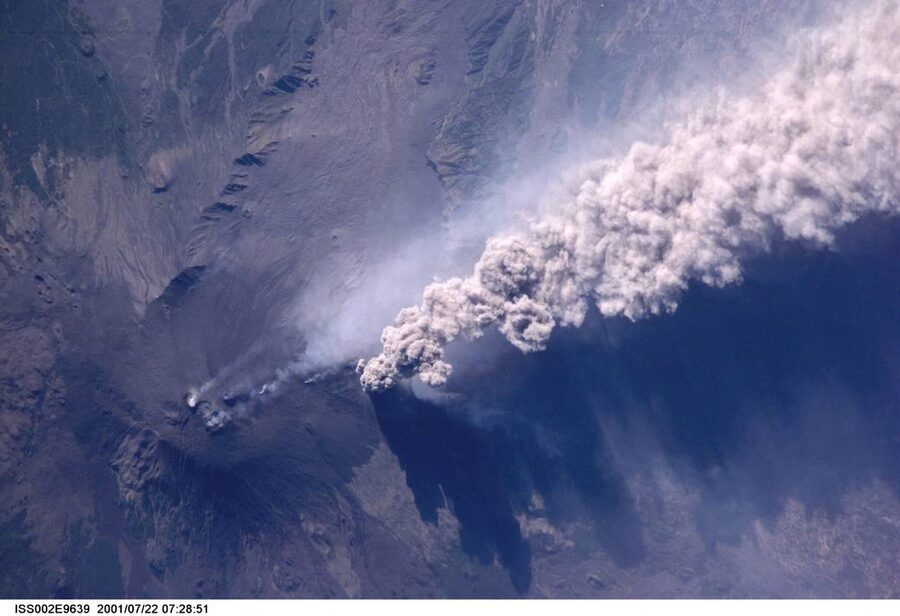
One other thing about the activity: Etna is monitored 24/7 by INGV, the Italian national geology institute. Their Catania office publishes daily updates. If anything serious was about to happen, the park would close before you arrived at the meeting point — nobody’s going to drive a van of tourists up toward an active vent. Worrying about it is not a good use of your anxiety budget.
The Three Tours I’d Actually Book
1. Etna Morning Trip — $71
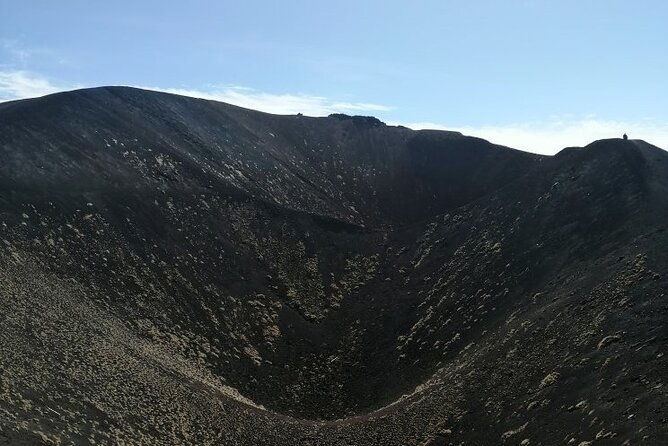
This is the one I’d book first. Half a day, Silvestri craters, short lava-field walk, no cable car upsell. It’s the cheapest credible tour on the market and it gives you the box-ticking “I stood on Etna” experience. Our full review covers what the morning trip shows and what it skips.
2. Mount Etna Adventurous Tour with Volcano Guide — $88
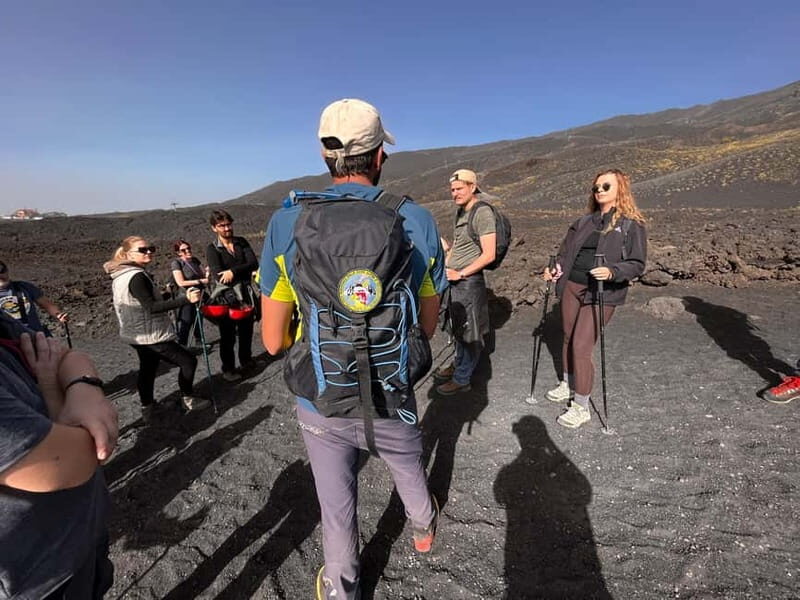
The upgrade is the certified Guida Vulcanologica — a licensed volcano guide, not a general tour host. The group is smaller, the hike is longer, and you go inside a lava tube. Book this one if the geology matters to you; our review unpacks what the premium buys you.
3. Etna & Taormina Full Day Tour — $118
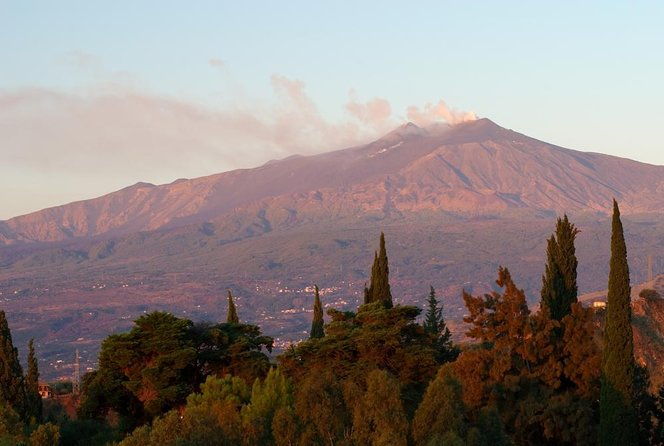
If you only have one day in Sicily, this is the one to book. You get Etna in the cool morning hours and Taormina for the afternoon passeggiata, with the Greek theatre and the Piazza IX Aprile in between. Our review explains why I think this is the best single booking for a short Sicily trip.
The Four Levels of Etna
Etna access comes in four tiers. Knowing which tier your tour is targeting matters more than the price.
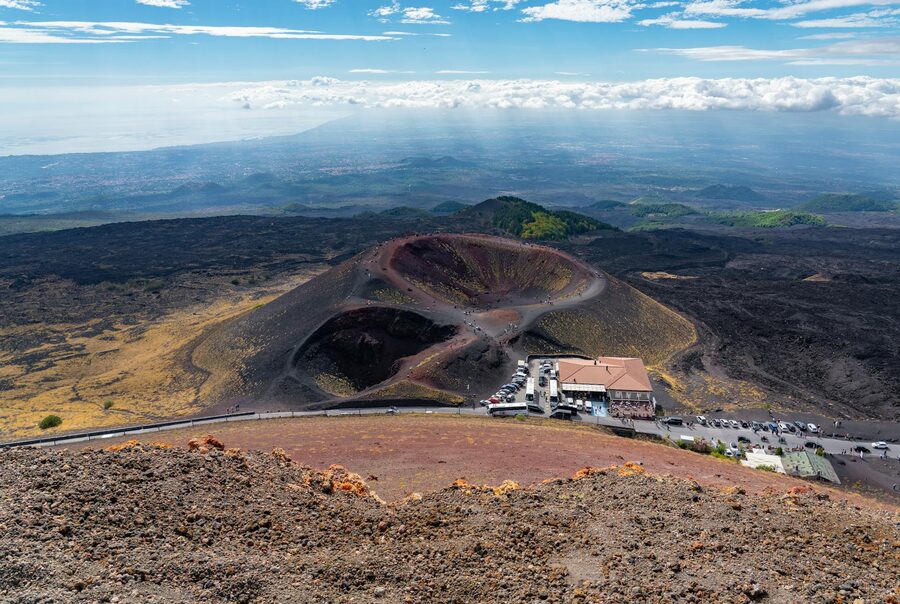
Level 1 — The Car Park (1,900m)
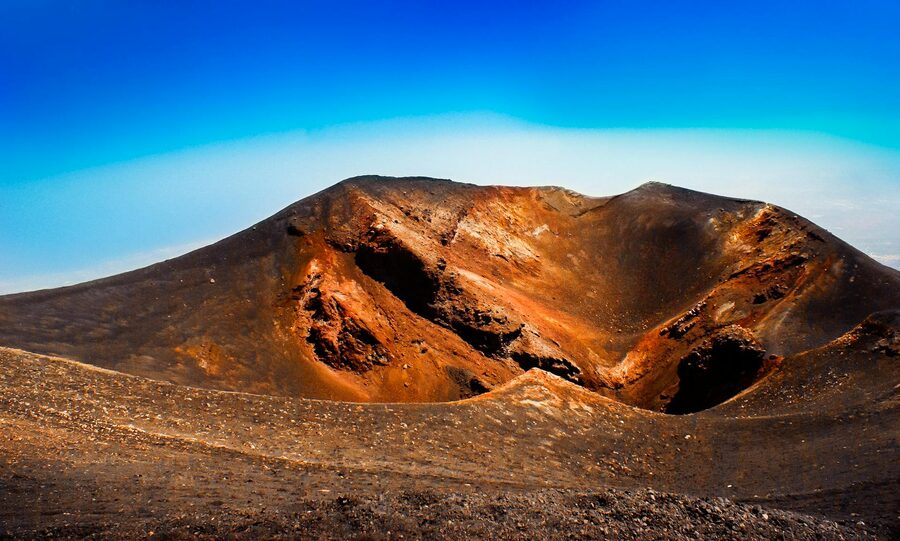
Rifugio Sapienza. A proper car park with cafés, bathrooms, and the cable car base station. Around it sit the Silvestri craters — two small craters left by an 1892 eruption. You can walk the rims in about 45 minutes.
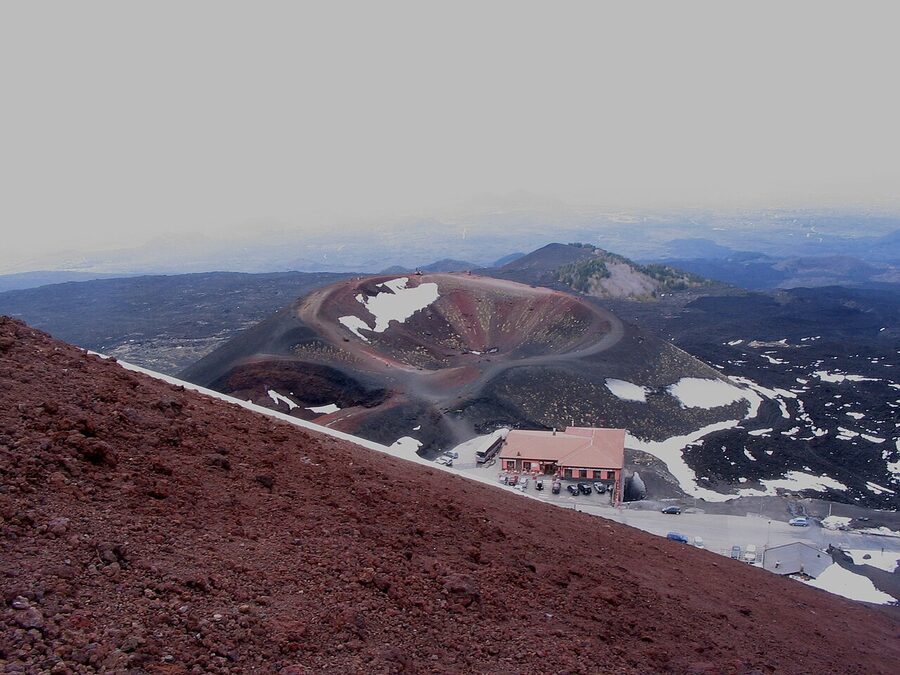
This is the “I stood on Etna” level. First-time visitors, families with kids, anyone short on time. The morning trip stays here.
A detail the tours don’t always mention: there’s a small geological shop at the car park that sells volcanic-rock samples labelled with the eruption they came from. A chunk of 2002 flow for €8. Better souvenir than a fridge magnet.
Level 2 — The Cable Car (2,500m)
The Funivia dell’Etna runs from Rifugio Sapienza up 600 vertical metres. It’s an old-school aerial tramway, 15 minutes, and the top station has a café.
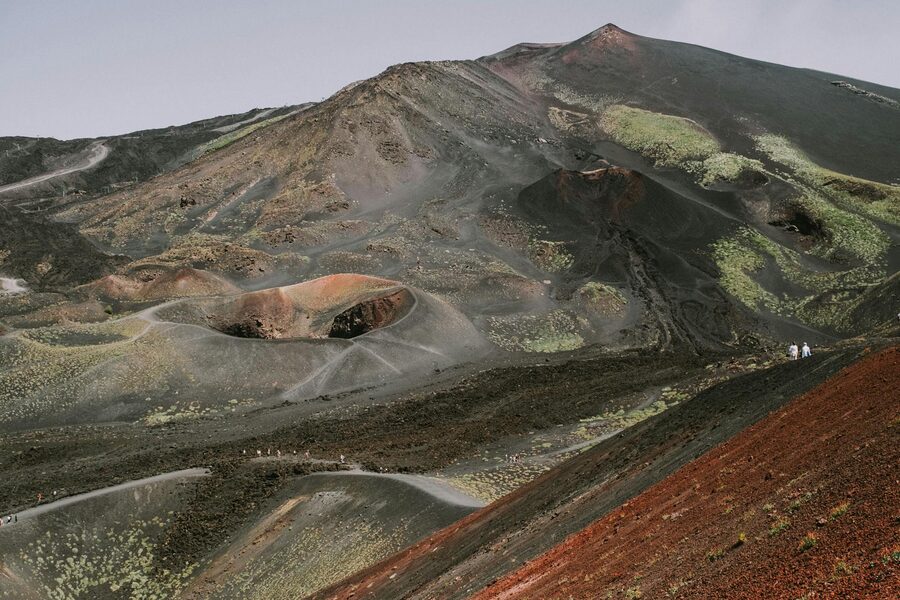
You can wander up here alone for 30-45 minutes. Above this altitude you can’t legally approach the active craters without a certified volcano guide.
Level 3 — The 4×4 Track (2,900m)
From the cable car top, connecting 4×4 trucks grind up to 2,900m. The adventure tour and the trek-to-3000m option both use this. From there you walk the final stretch to whatever crater is permitted that week.
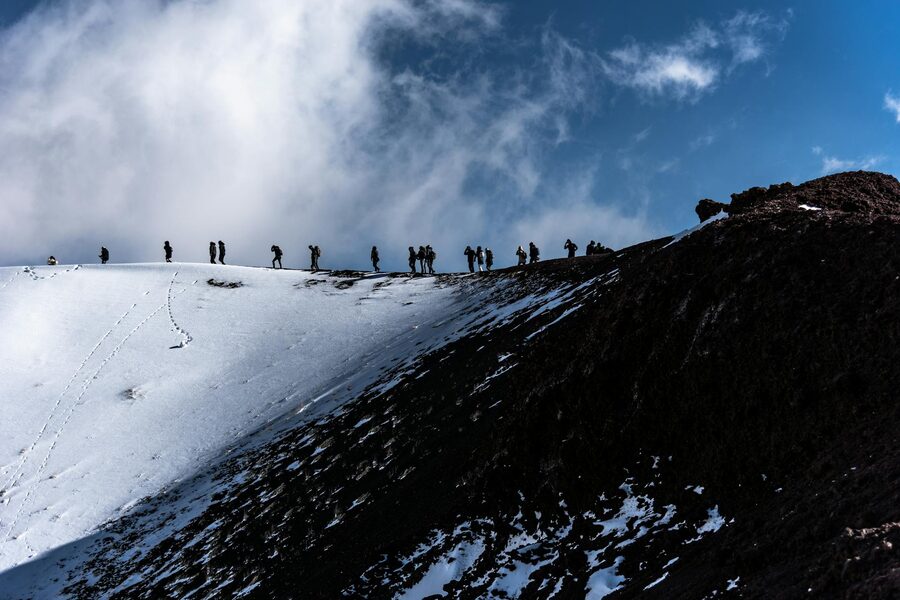
This is where fumaroles become close — visible steam vents, the faint smell of sulphur, warm rocks underfoot. On a clear day you can see across Sicily to the Ionian, and sometimes Calabria on the Italian mainland. On a bad day the wind knocks you back and the ash blows horizontal.
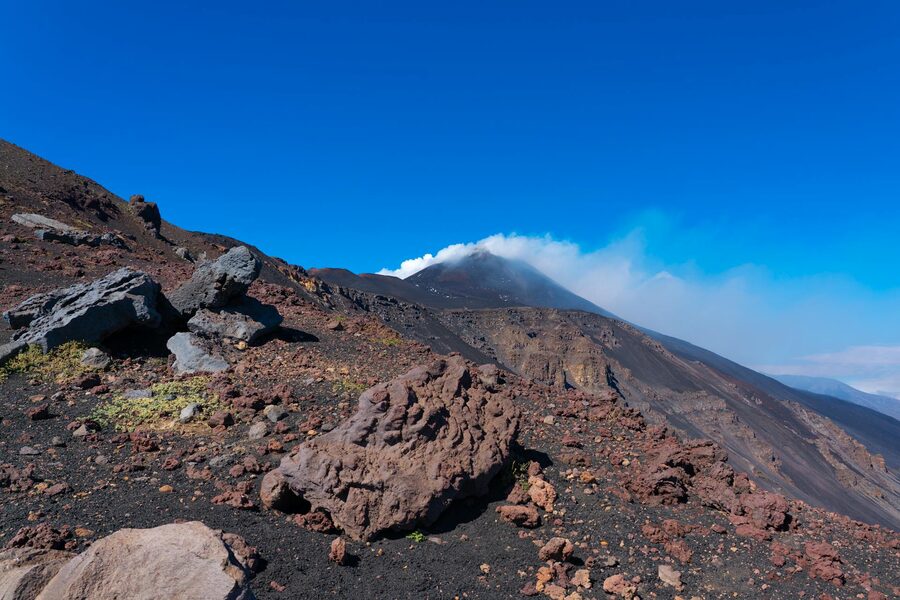
Level 4 — The Summit (3,357m)
The real top. Permit-only, certified guide, proper mountaineering kit, 8-10 hour day. Not a product you book on Viator — book with specialised trekking outfits if this is your plan.
Morning, Afternoon, or Sunset
Etna tours run in three windows. I’ve done morning twice, sunset once. Both work; they give you different mountains.
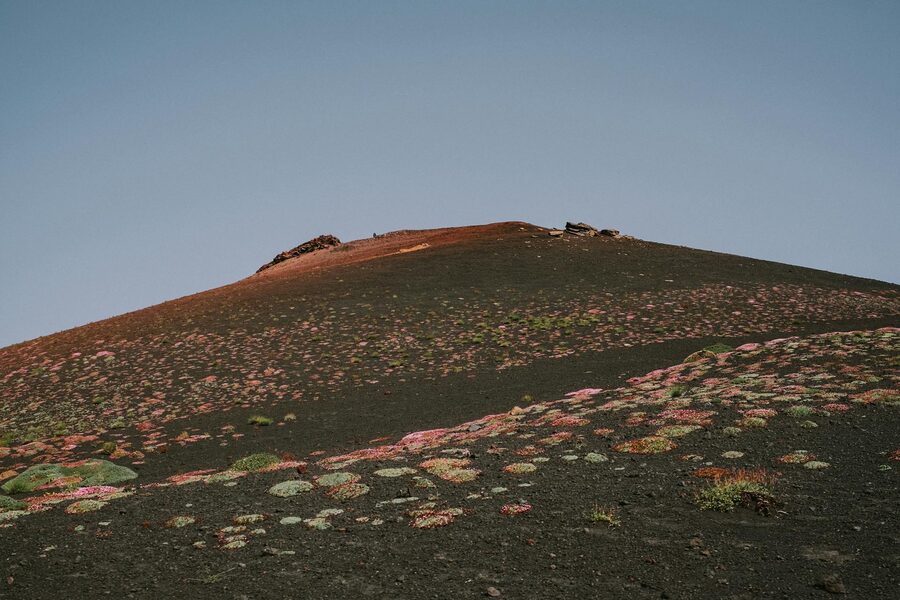
Morning (7:30 pickup, back by 13:00): best visibility, coolest temperatures, least crowded. My default recommendation.
Afternoon (13:00 pickup): underrated. Bright midday light is harsh for photos but good for the lava-stone colour detail. Warmer but still manageable.
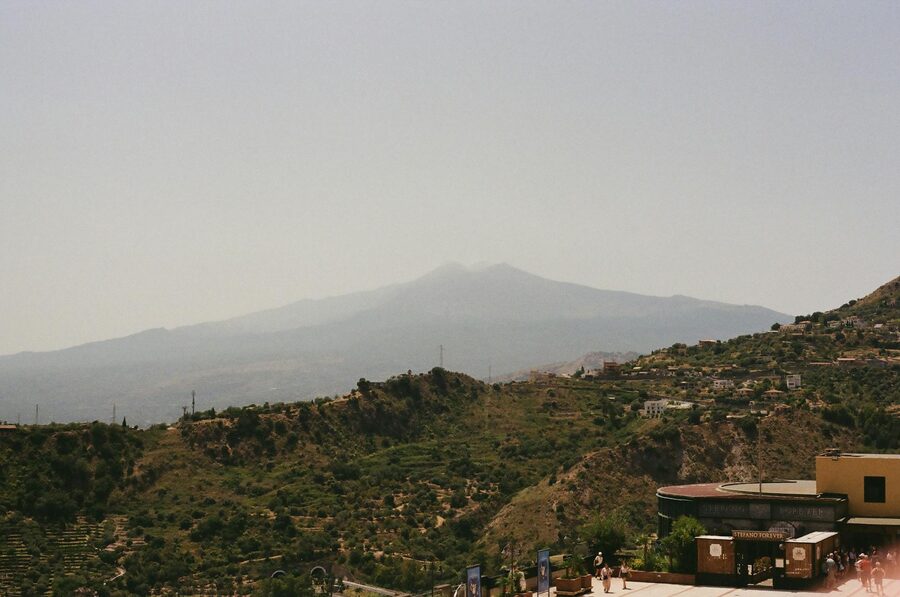
Sunset (summer only, 15:00 pickup): the photographer’s slot. Golden hour hits the crater walls and you ride back down in the dark. If there’s an active eruption, you’ll see the glow from higher on the mountain as you descend.
When to Go
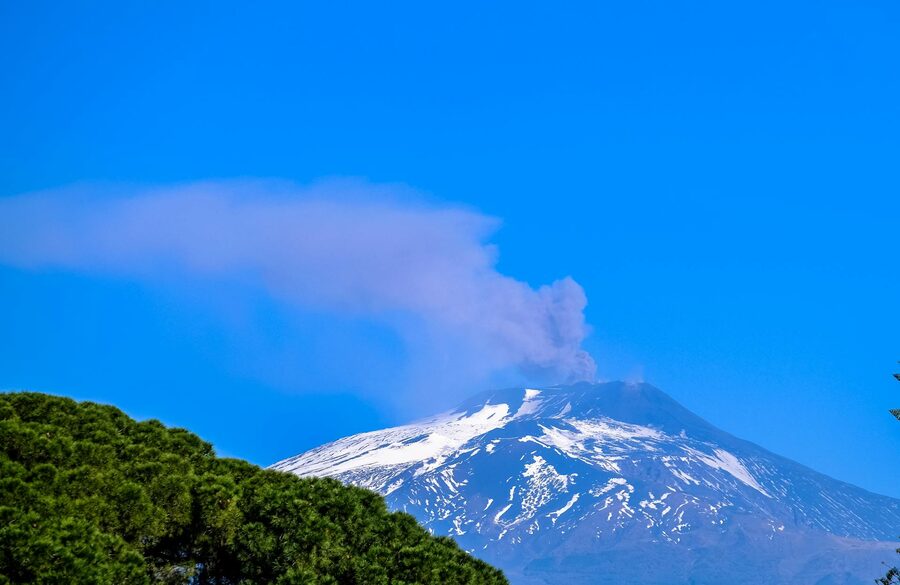
Etna holds snow above 2,500m from November through May. In summer you’ll still find patches on the shaded slopes up high.
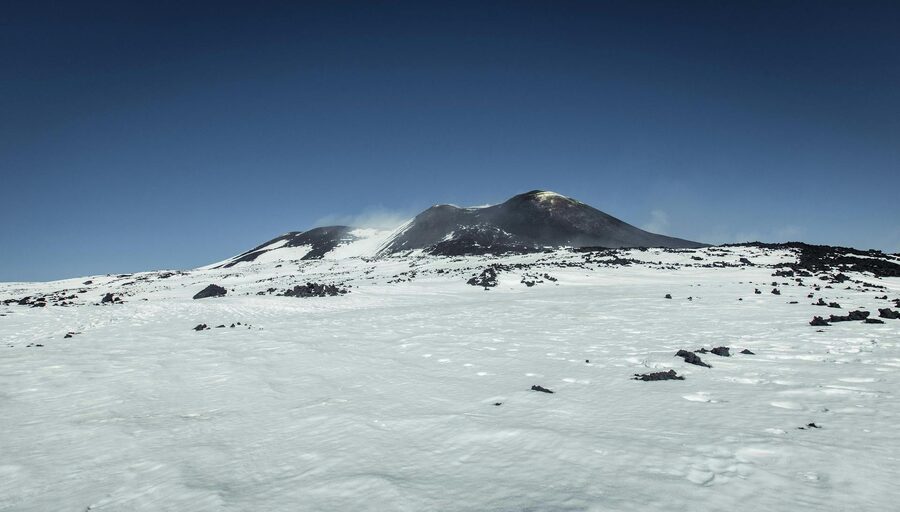
December to March: full winter. Skiing possible. Summit access often suspended by weather. The cable car keeps running; morning trips continue.
April to May: melting snow on the upper slopes, clear lower slopes. Black lava with white patches — the best month for photographers.
I’d specifically book April or early May if you want the quiet version of Etna. The package-tour buses haven’t started running in volume yet, the mountain is still dramatic, and the Catania markets are hitting spring produce. First week of May has sometimes been the best trip day of my year.
June to October: peak tourist season. Base temperatures 25-30°C but 10-15°C colder at altitude. Bring a jacket regardless of what the weather app shows for Catania.
What I Wish I’d Known Before I Went
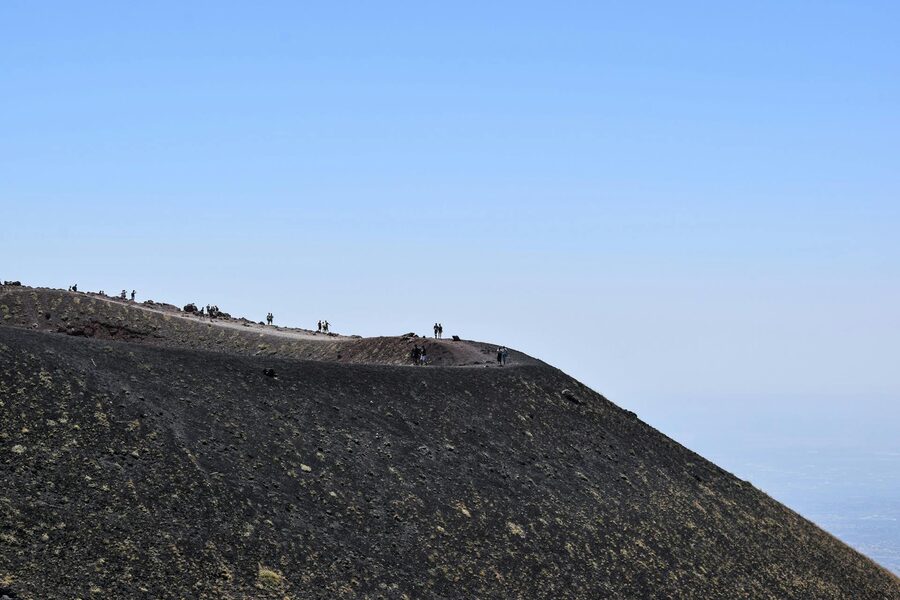
Closed-toe hiking shoes or trail runners. Not negotiable. The tephra destroys softer footwear.
Layers. The temperature drop from Catania to 2,500m is 15-20°C, and the wind is constant. T-shirt, fleece, windproof shell.
UV protection. Altitude plus black ground plus snow reflection equals fast sunburn. Sunscreen, hat, polarised sunglasses.
Water. 1-1.5 litres per person. The morning trips don’t supply it.
A camera with dust protection. Volcanic grit finds every gap in a lens. Bring a cloth.
The Lava Cave If You Get One
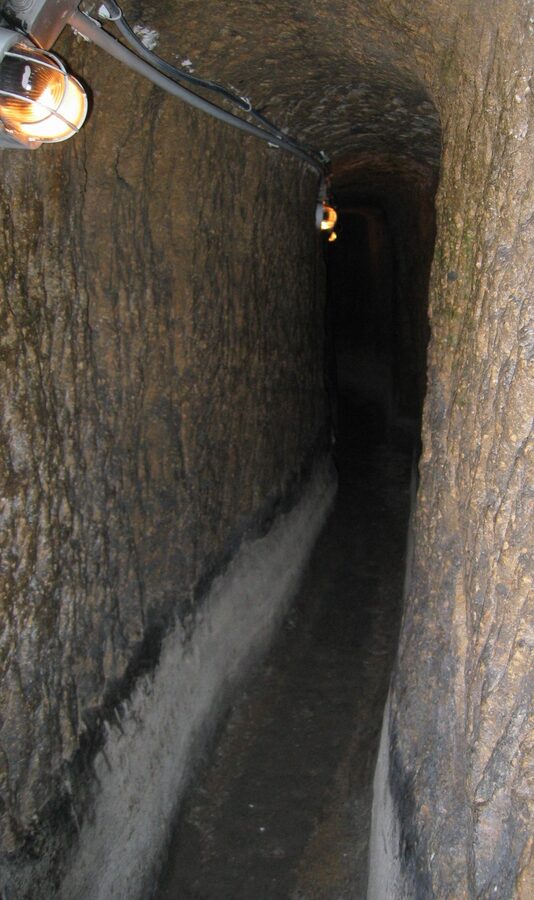
The adventure tour usually includes a lava cave. The standard morning trip doesn’t. If caves are your thing, book the adventure version.
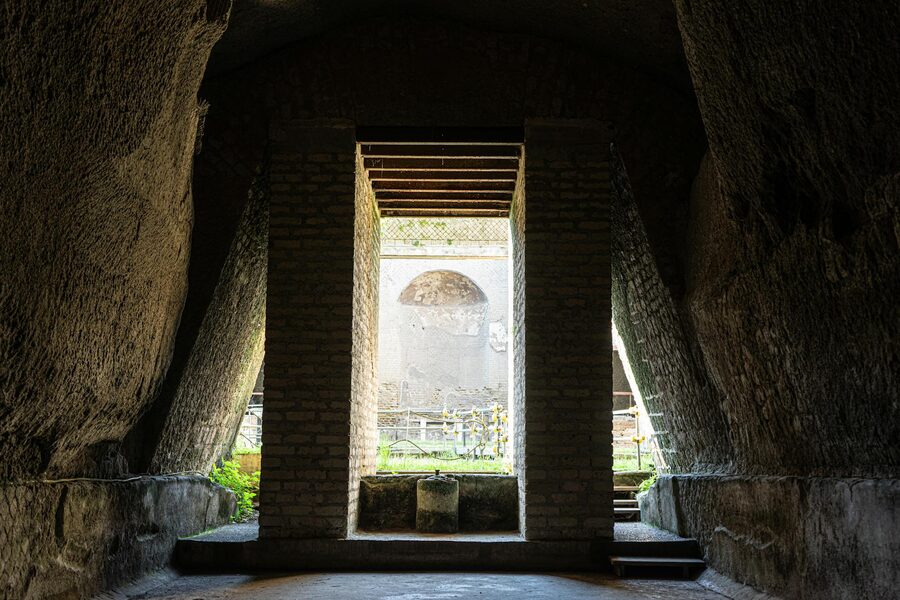
Helmets and headtorches are provided. The Grotta del Gelo (Ice Cave) is the one with permanent ice; Grotta dei Lamponi is the one with stalactites. Either is genuinely memorable.
Planning Around the Rest of Sicily
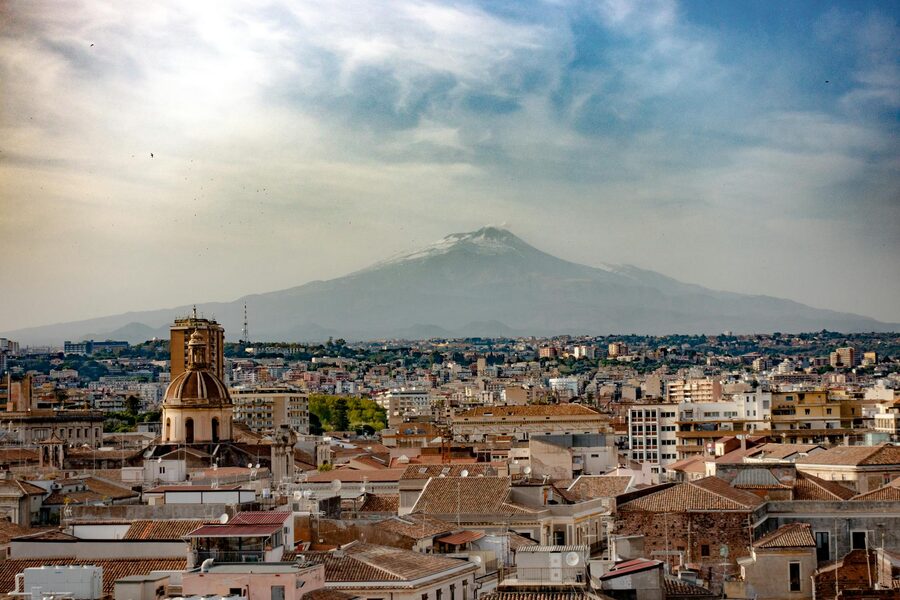
Etna fits into most Sicily itineraries without much fuss. The usual rhythm I use: Day 1 arrive Catania and eat well. Day 2 morning Etna, afternoon recovery or the Catania fish market. Day 3 drive west or south toward the baroque towns, Syracuse, or Agrigento’s Valley of the Temples. If the full-day Etna + Taormina combo is your booking, that takes care of Day 2 in one shot and leaves you more time later in the week.
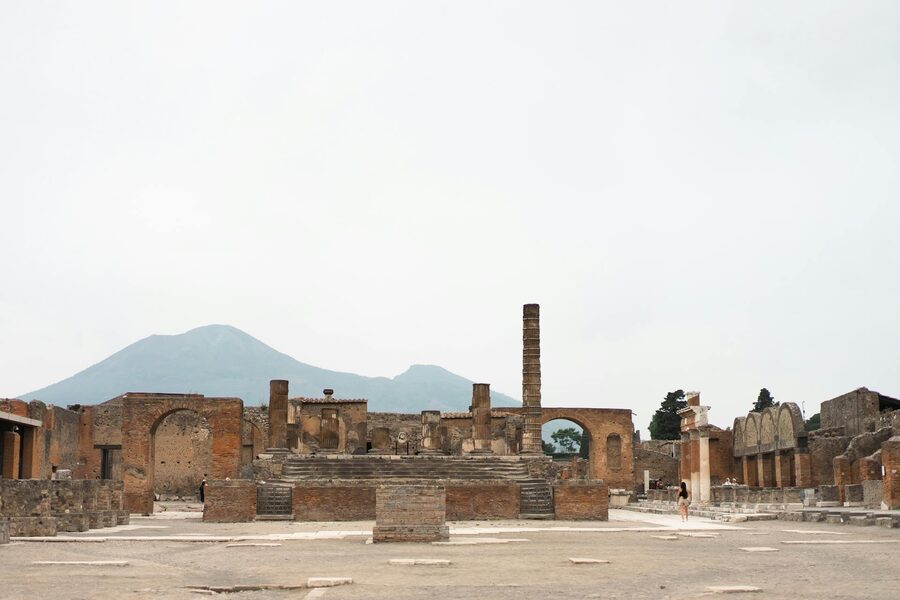
If you’ve done Vesuvius from Naples on another leg of the trip, you’ve now stood on both of Italy’s big live volcanoes. That’s a specific small club to be in, and the comparison is interesting: Vesuvius is a bigger historical threat to its city, Etna is the more geologically active of the two.
The Common Questions I Get
Is it safe? Yes, within the regulated zones. Guides adjust routes based on daily volcano activity, and the summit gets closed during eruptions. Car park and cable car levels are safe in most scenarios.
Will I see lava? Usually not flowing. Fresh cooled flows are always there. Active molten lava is a question of timing — check the INGV Catania monitoring site the morning of your trip.
Is the cable car worth the upgrade? Yes. 600 extra metres of altitude and a completely different landscape. If your morning trip doesn’t include it, add it separately at the car park (around €50 round-trip).
Can I climb to the summit? Only with a certified guide and a permit. Not on standard day-tour products.
What if it’s cloudy? Etna makes its own weather. The summit is often cloud-capped when the coast is sunny. Guides check conditions in the morning and sometimes reroute.
Altitude sickness? Not at Silvestri. Mild at 2,900m for some people — pace yourself, drink water, not a real medical concern.
Tipping? €5-10 per person for great guides. Standard.
Can I combine it with Pompeii? Technically yes but not in one day. Pompeii is a full day from Naples, Etna is a full day from Catania, and driving between the two is six hours. If you want both on one Italy trip, allow at least three nights in Naples and three in Catania.
Is there a night tour that shows active lava? Sometimes. When paroxysms are ongoing, a handful of operators run after-dark viewpoints tours that watch the glow from safe distance. Always guided, always permit-dependent. Check a week or two before your trip if this is your hope.
Do I need my own insurance? The tour operator’s liability insurance covers you on the official route. If you plan to climb above 2,900m independently, get proper mountain insurance that includes Italian alpine rescue.
What I’d Actually Book
If this is your first time in Sicily, I’d book the Etna and Taormina full-day combo. You get both of east Sicily’s headliners in one booking, the logistics are solved, and you eat lava-stone-oven pizza somewhere in the middle. If you have a second day in Catania and you care about the volcano itself, add the Adventurous Tour with a volcano guide the next morning — you’ll go higher, see more, and understand the geology properly. The cheapest Morning Trip is the right call only if you’re passing through briefly or you’re on a strict budget. Whichever you book: morning slot, proper shoes, a jacket, and a glance at the INGV monitoring site before you leave the hotel.