
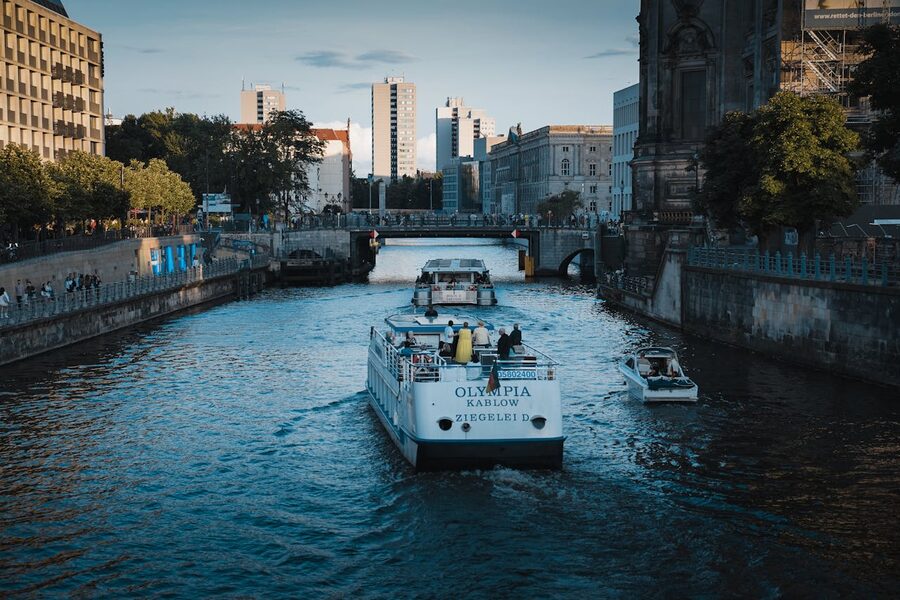
Berlin was built on water, and a boat tour on the Spree reveals the city from an angle you simply can’t get from the street. The river winds past the Reichstag, under historic bridges, alongside Museum Island, and through a government district deliberately built to straddle the former Wall line.
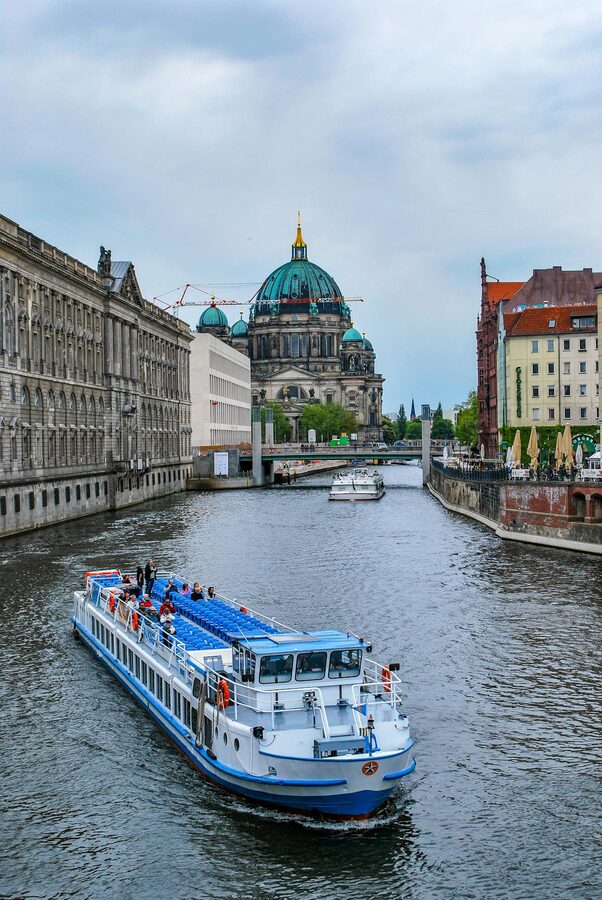
The Spree boat tours are one of Berlin’s best-value experiences. For about $22-31, you get an hour on the water with bilingual commentary covering the landmarks on both banks. The boats are comfortable (covered and heated in winter, open-deck in summer), and the pace is slow enough to take photos but fast enough that there’s always something new around the next bend. It’s the ideal activity for the afternoon of your first day — after a walking tour orients you from the street, the boat tour shows you the same city from a completely different angle.
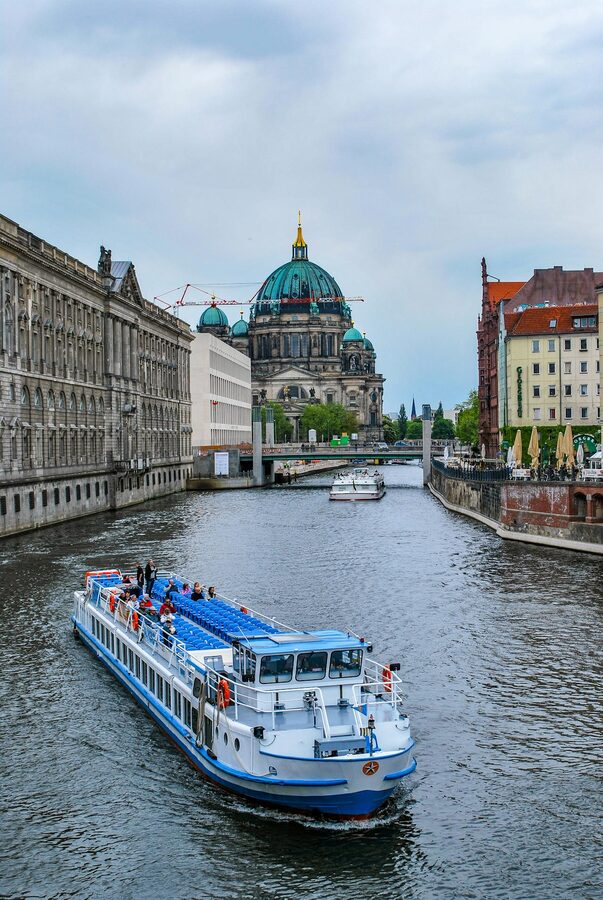
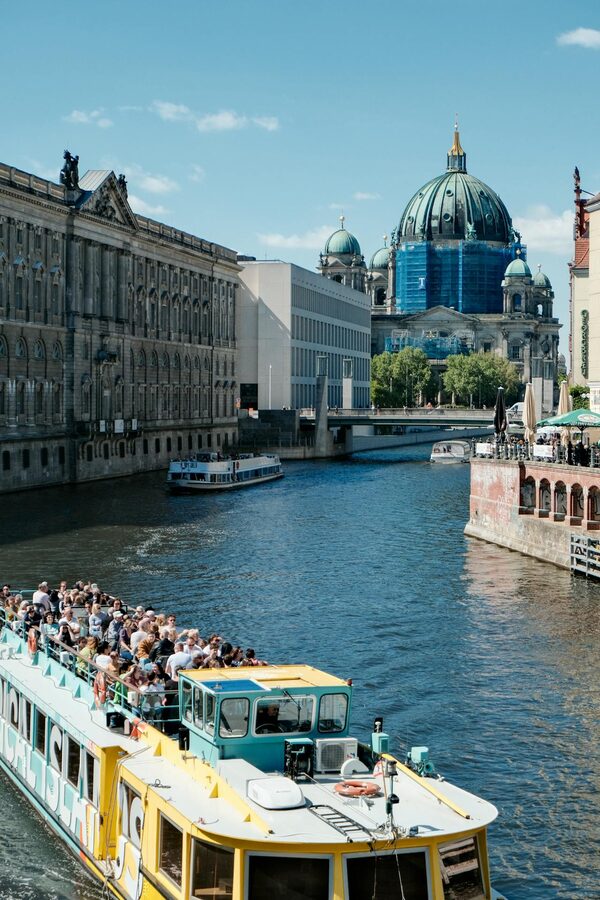
Best eco option: East Side Gallery Solar Catamaran Cruise — $28, passes the Berlin Wall from the water on a solar-powered boat.
Best boutique: Electric FITZGERALD Boutique Cruise — $31, smaller boat, more intimate experience.
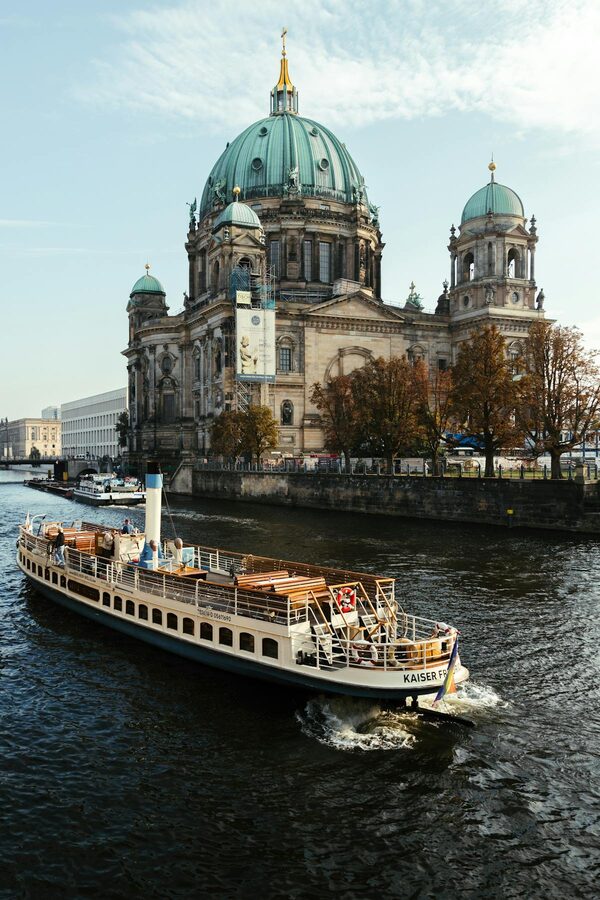
What You’ll See from the Water
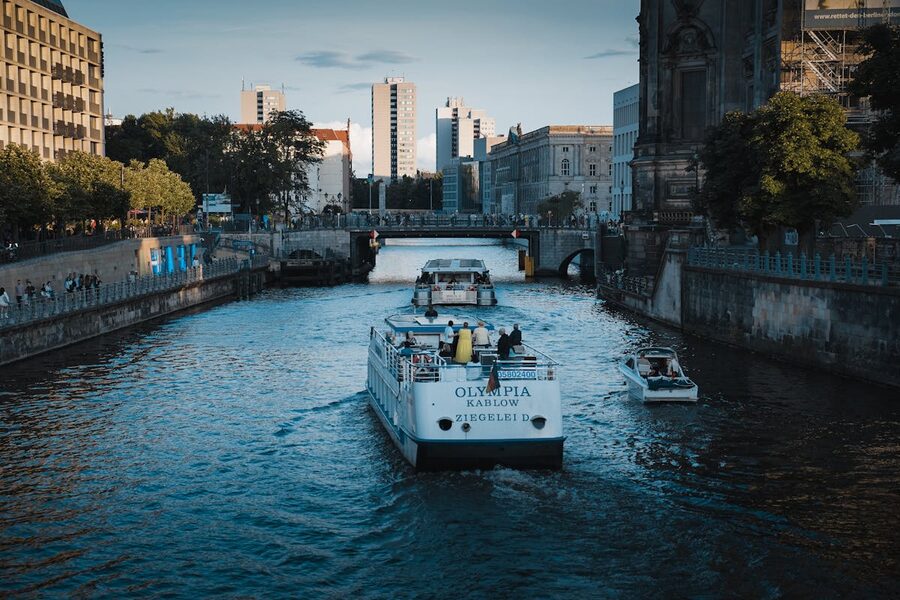
The standard 1-hour Spree cruise covers about 4 kilometres through the heart of Berlin. The route typically passes:
The Reichstag and government district — the German parliament building, the Chancellery, and the “Band des Bundes” (federal ribbon) of government buildings that straddle the Spree. From the water, you see how the government district was deliberately built across the former Wall line — a symbolic statement about reunification that you can’t appreciate from street level.
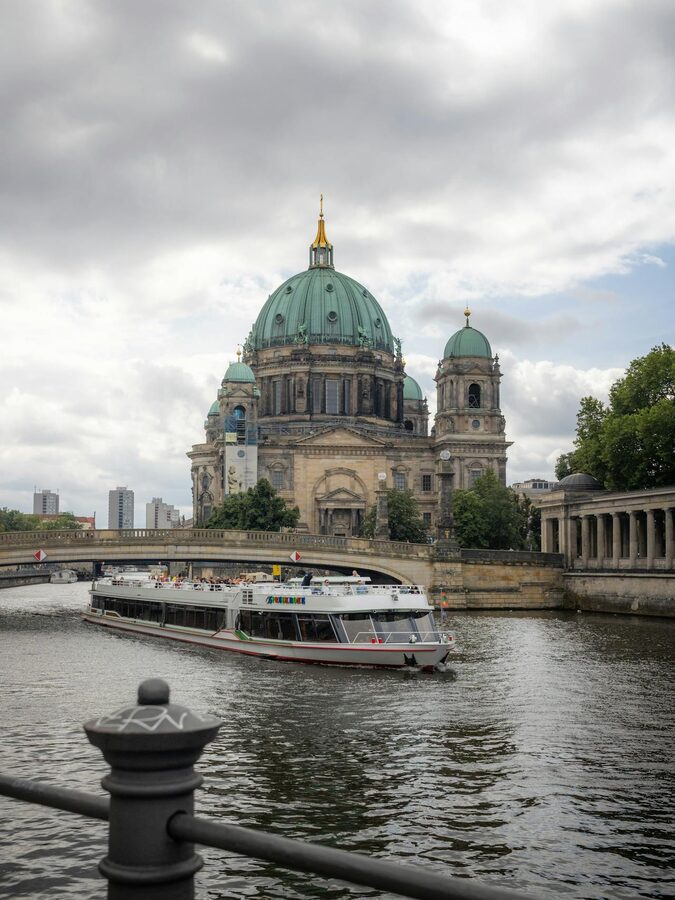
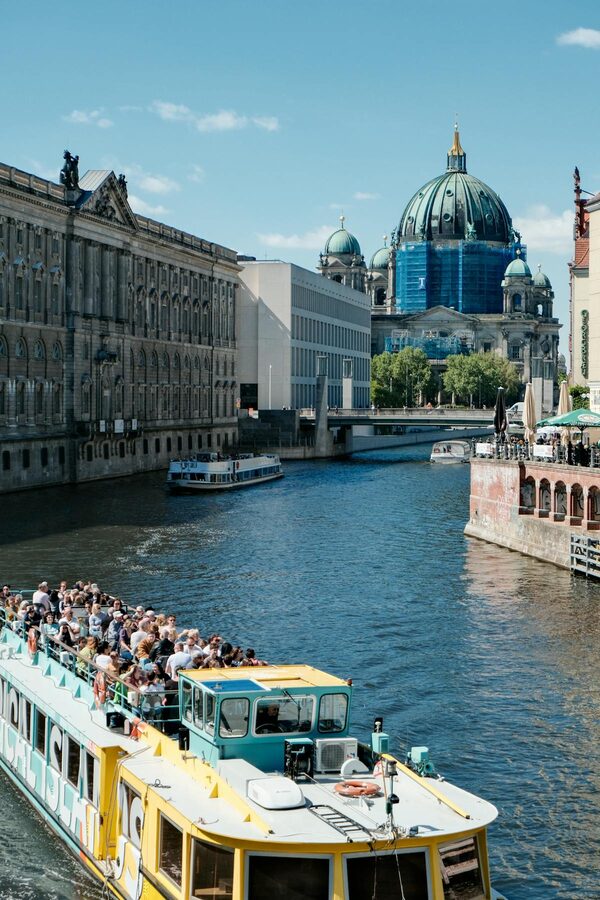
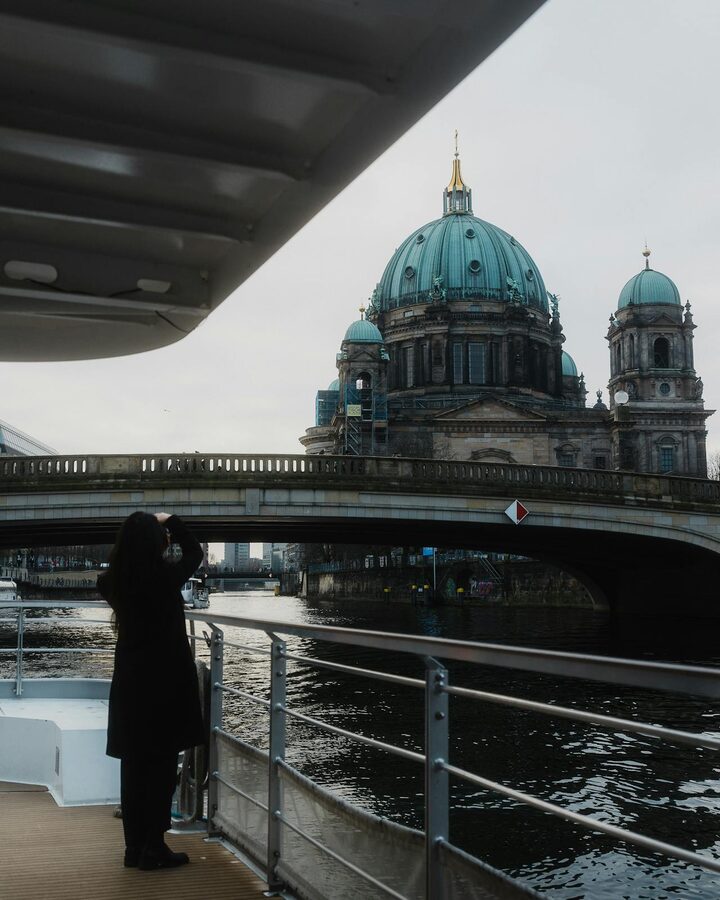
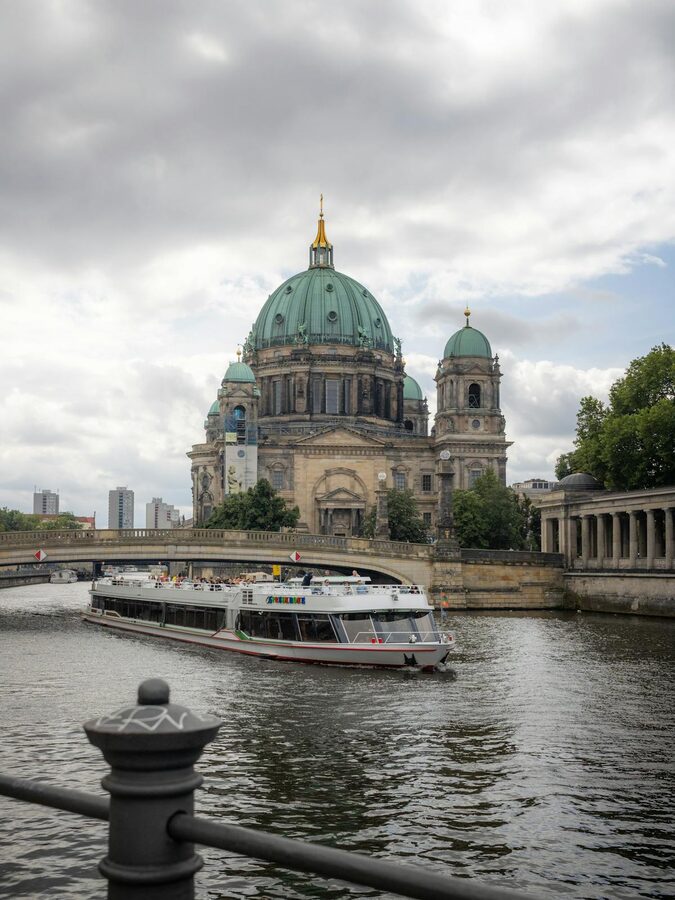
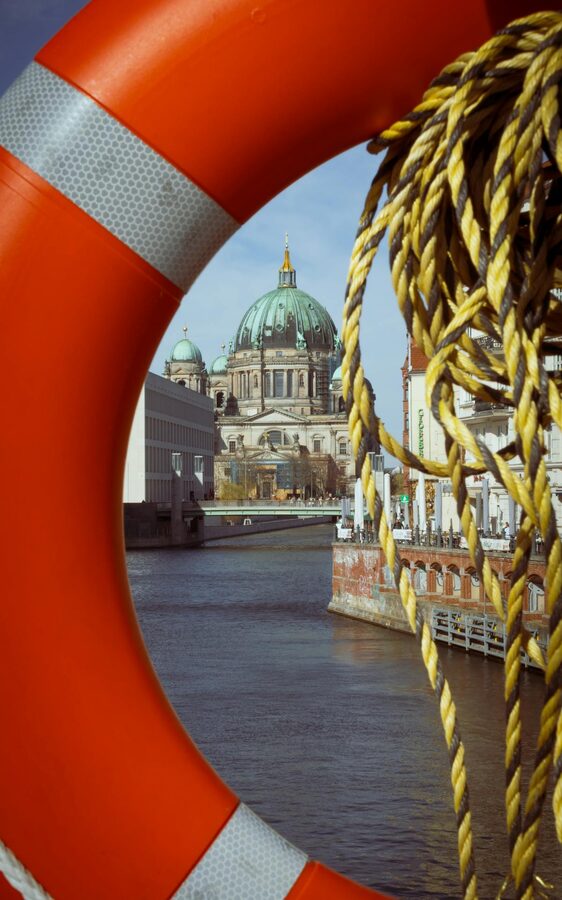
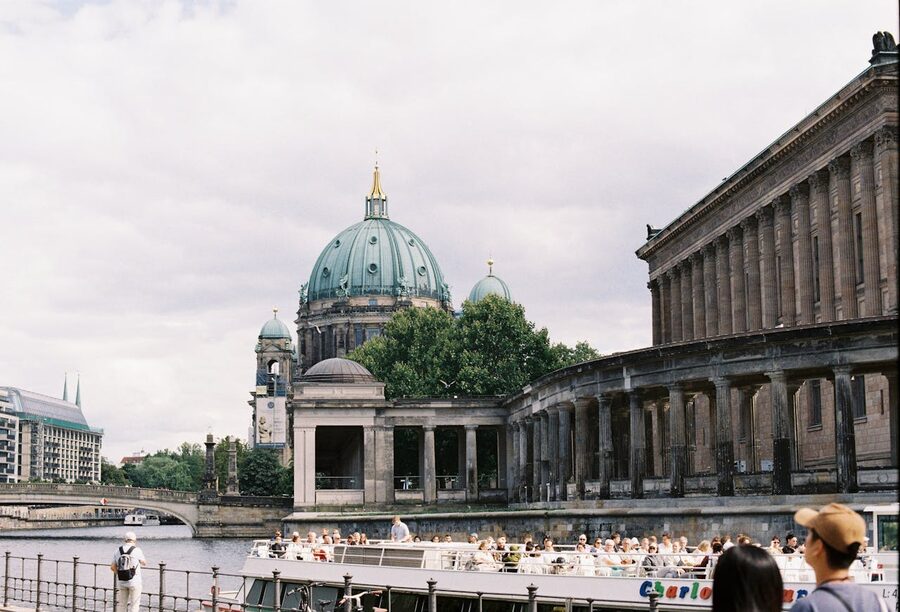
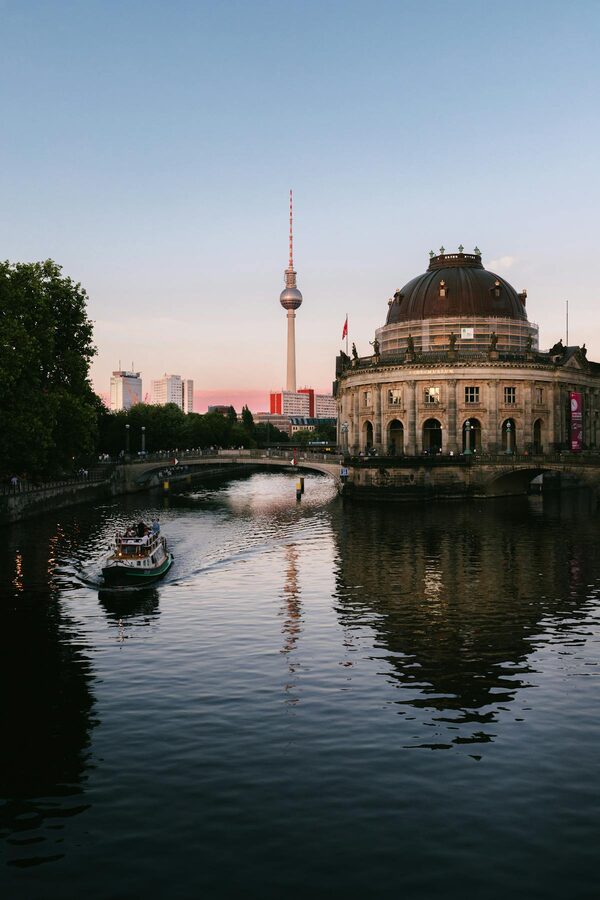
Museum Island — the five-museum complex that holds collections spanning 6,000 years of human art and culture. From the boat, you see the island as a whole rather than as individual buildings, which reveals the 19th-century urban planning vision that placed Berlin’s cultural treasures on an island in the middle of the river.
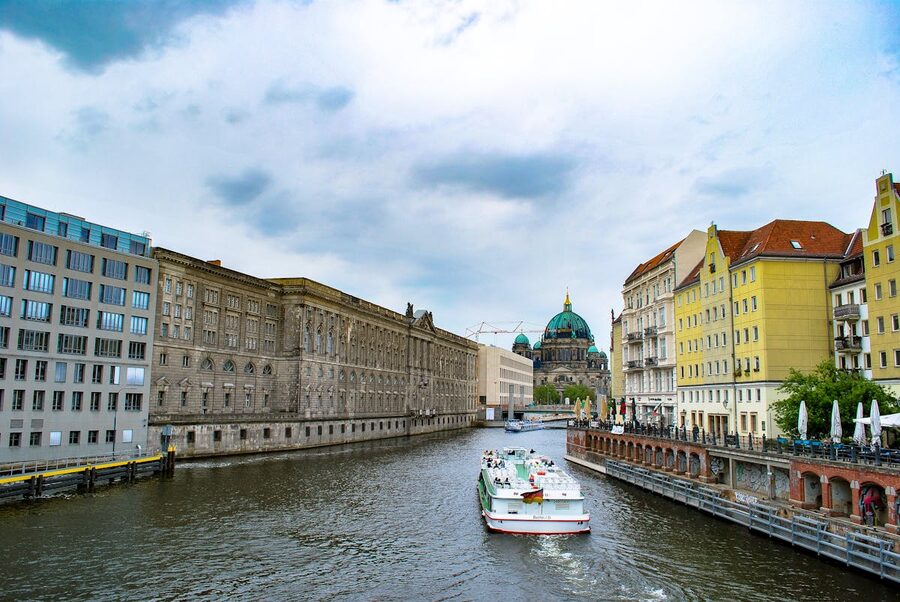
The Nikolaiviertel — Berlin’s reconstructed medieval quarter, which looks old but was rebuilt in the 1980s by the East German government. From the river, the spire of the Nikolaikirche (Berlin’s oldest church) rises above pastel-coloured facades that create a deliberate contrast with the concrete modernity on either side.
The East Side Gallery area — the solar catamaran cruise specifically routes past the longest surviving stretch of the Berlin Wall, seen from the river side. The murals face away from the water, but seeing the Wall’s river-facing concrete surface — raw, undecorated, deliberately hostile — is a different kind of powerful from the painted gallery side.
The Spree’s History
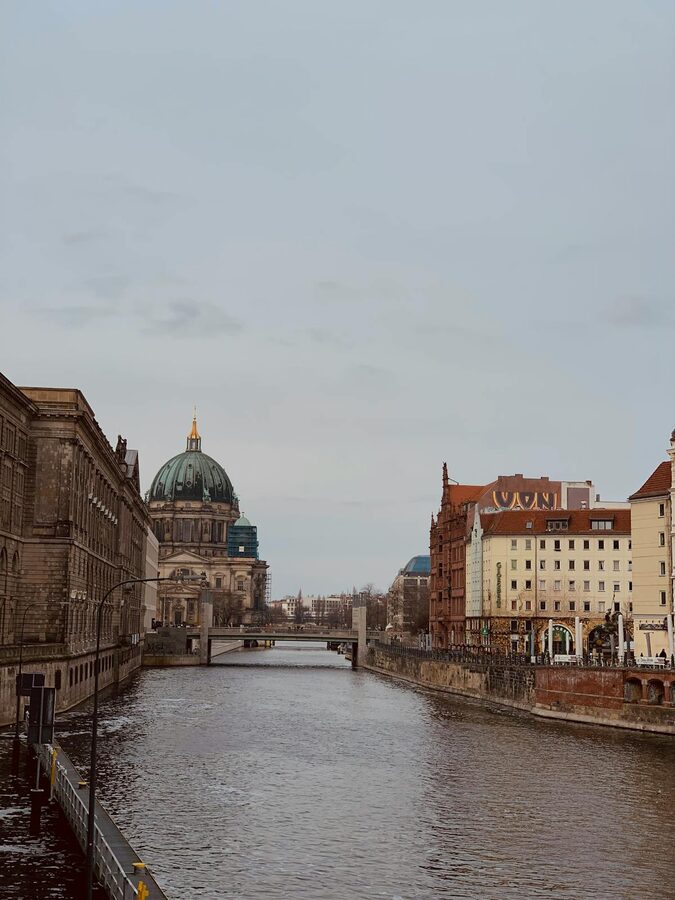
The Spree has been central to Berlin’s identity since the city’s founding in the 13th century. The two medieval settlements that merged to form Berlin — Cölln and Berlin — were established on opposite banks of the Spree at a point where the river could be forded. The river provided water, powered mills, transported goods, and determined the city’s layout. Every major building in Berlin’s centre was positioned in relation to the Spree — the royal palace, the cathedral, the museums, and later the Reichstag all face the water.
During the Cold War, the Spree formed part of the border between East and West Berlin. The entire river in the central section belonged to East Germany — the border ran along the western bank, which meant that anyone who fell into the water from the west was technically in East German territory. Border guards patrolled the river in boats, and the banks were fortified with walls and watchtowers. At least one person drowned in the Spree during an escape attempt because West Berlin rescuers weren’t permitted to enter the water. The boat cruise passes several points where the Wall met the river, and the commentary marks these locations.
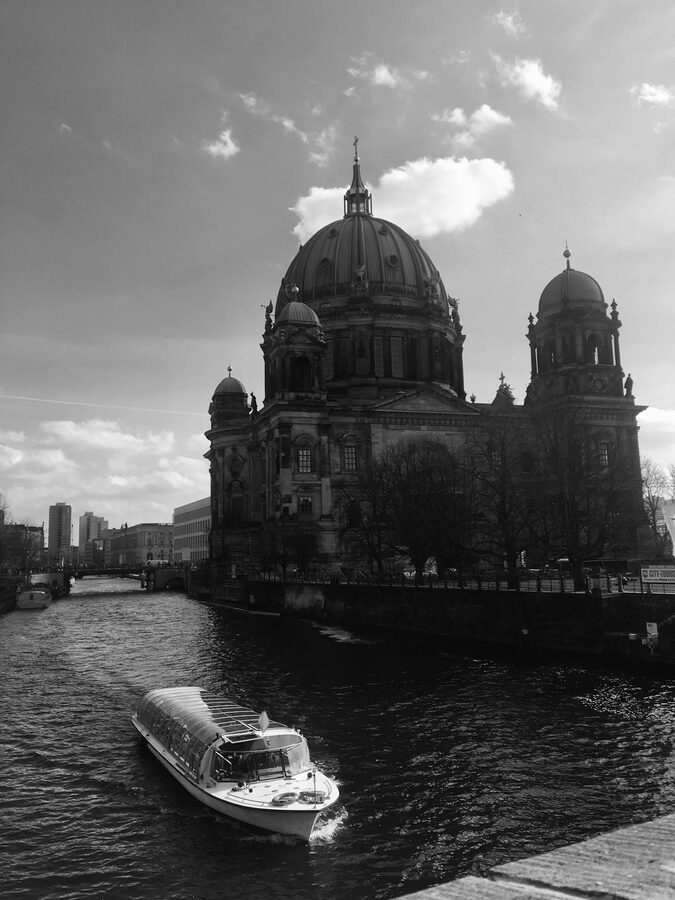
Today the Spree is clean enough for swimming in designated areas, and the banks have been transformed into parks, promenades, and beach bars. The “Badeschiff” — a floating swimming pool in the river near the East Side Gallery — is one of Berlin’s most creative urban interventions. The boat cruise passes it, and the commentary explains how a barge was converted into a pool as an art project that became a permanent summer fixture.
Choosing Your Cruise
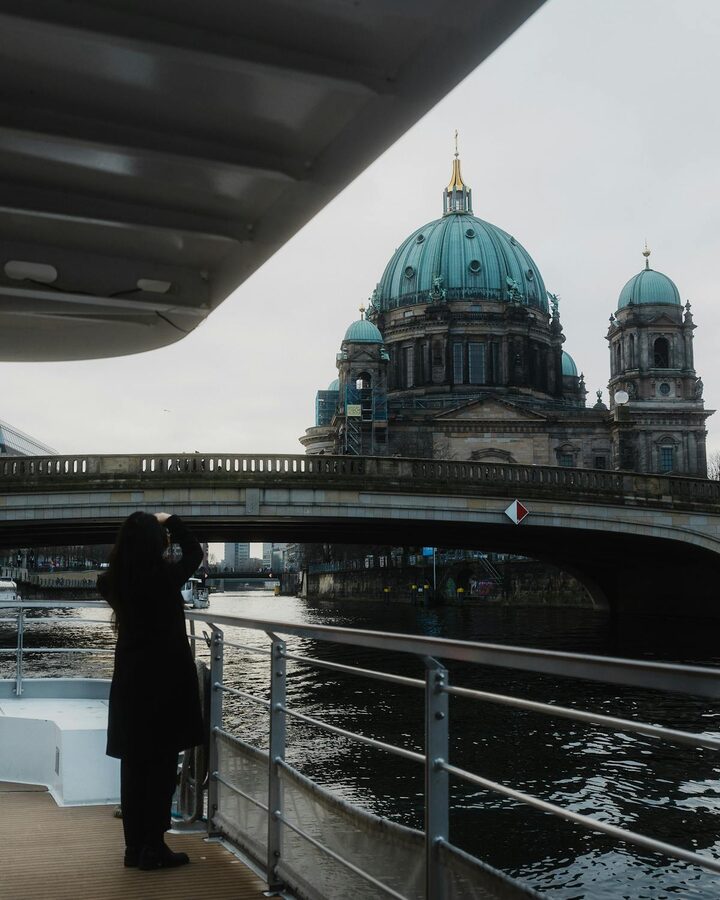
The standard 1-hour cruise ($22) is the best value and covers the central landmarks. Bilingual live commentary (German/English), open and covered seating areas, and departures roughly every 30 minutes from multiple points. Visitor feedback is consistently strong, making it one of the most reliably enjoyable activities in Berlin.
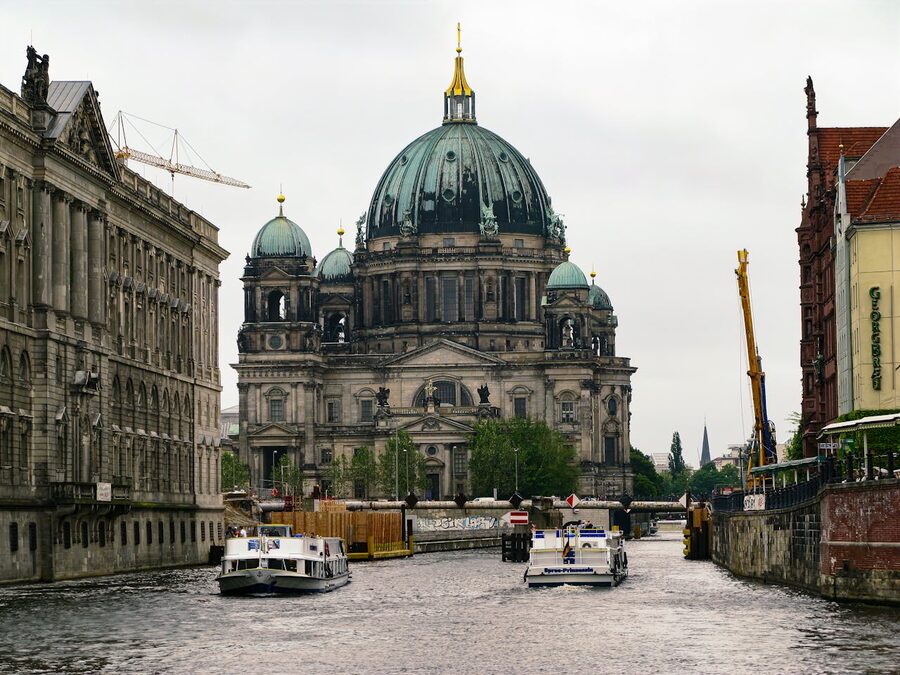
The East Side Gallery solar catamaran ($28) takes a different route, focusing on the eastern section of the Spree including the Wall, the Oberbaum Bridge, and the Kreuzberg waterfront. The solar-powered catamaran is quieter than the diesel boats and the smaller size (about 60 passengers) makes for a more intimate experience. Feedback is slightly more mixed than the standard cruise, partly because the commentary is less polished.
The FITZGERALD boutique cruise ($31) is the premium option — a restored electric boat with about 40 seats, more personal service, and a slower pace that feels more like a private boat tour than a tourist cruise. Consistently strong visitor feedback reflects a higher-quality experience at a modest premium.
Best Cruises to Book
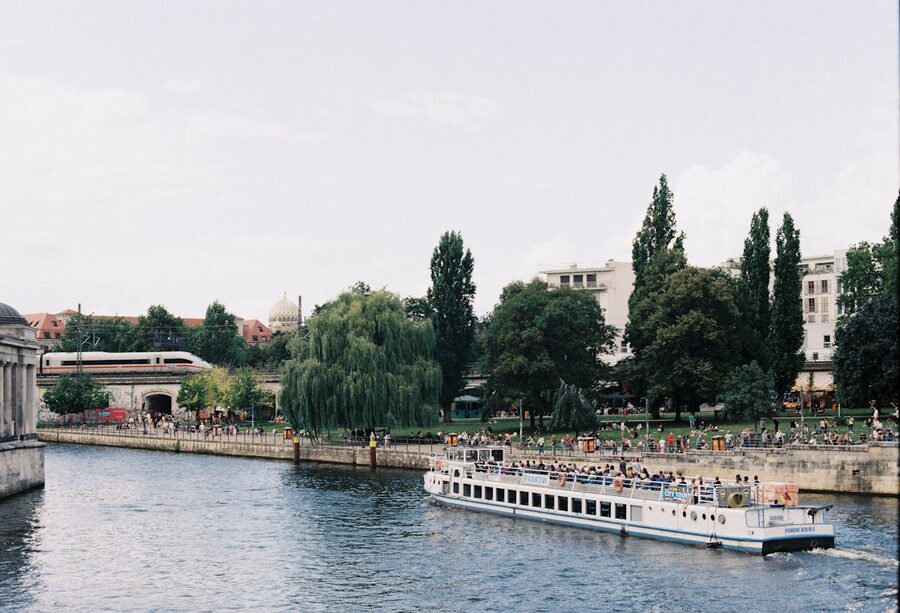
1. 1-Hour Boat Tour with Bilingual Guide — $22

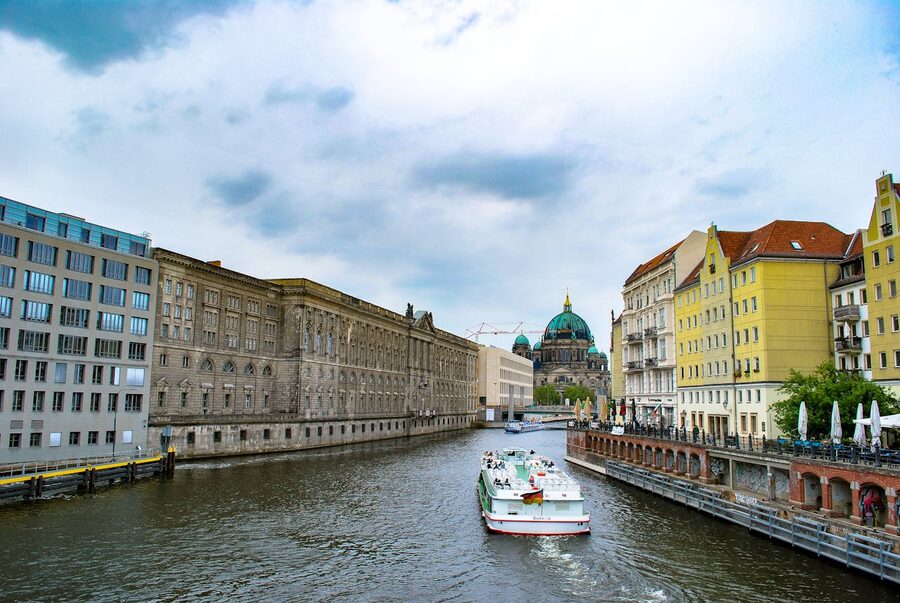
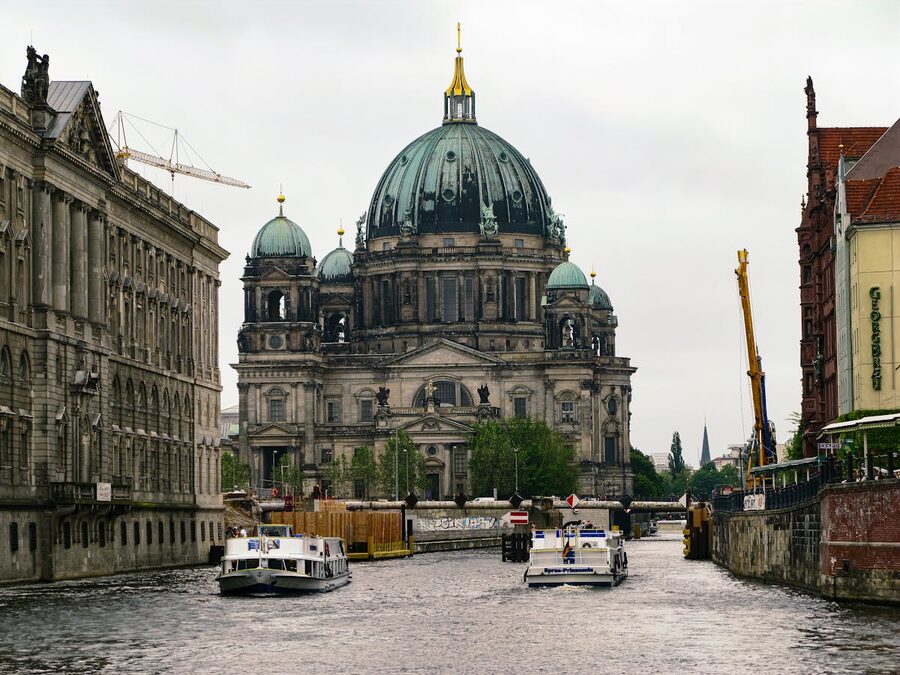
The default choice. One hour through central Berlin’s waterways with live bilingual commentary covering the Reichstag, Museum Island, Berlin Cathedral, and the government district. At $22, it’s one of the cheapest guided experiences in Berlin and one of the highest-rated. Our review covers the departure points, the commentary quality, and the best seats on the boat.
2. East Side Gallery Solar Catamaran — $28
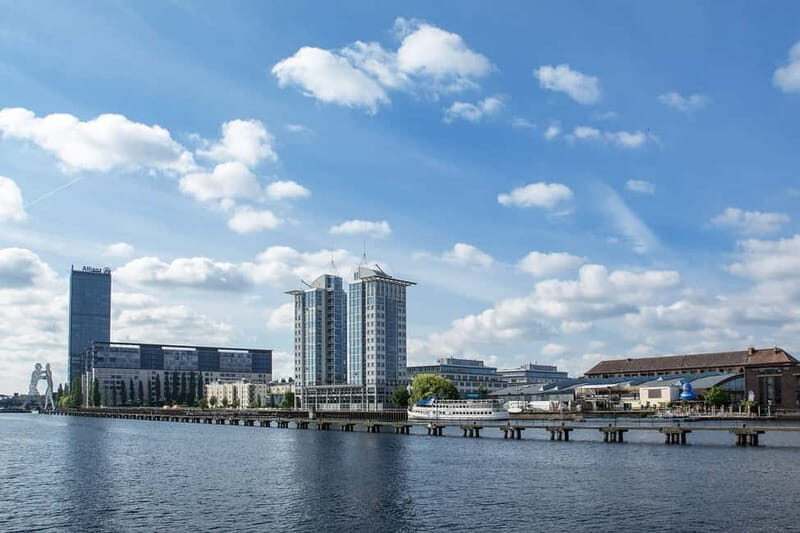
The alternative route. This cruise focuses on the eastern Spree — passing the East Side Gallery (Berlin Wall), the Oberbaum Bridge, and the Kreuzberg waterfront. The solar catamaran is environmentally conscious and noticeably quieter than diesel boats, which makes the commentary easier to hear. Our review covers the route differences and whether the eastern focus adds genuine variety over the standard cruise.
3. Electric FITZGERALD Boutique Cruise — $31
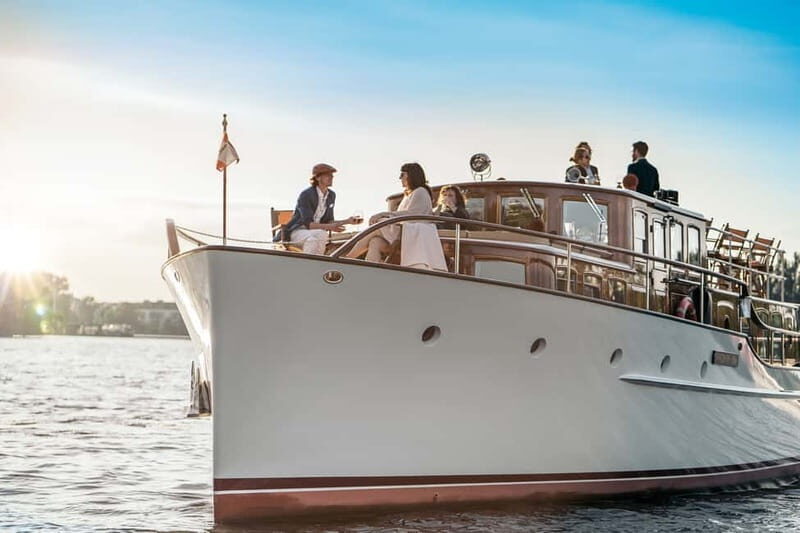
For visitors who want the Spree experience without the crowd. The FITZGERALD is a smaller, electric-powered boat with about 40 seats, table service for drinks, and a pace that’s deliberately slower than the standard cruise. The $31 price is a modest premium over the standard $22, and the quality difference — less noise, fewer passengers, more personal commentary — is noticeable. Our review covers the boat, the atmosphere, and whether the boutique experience justifies the premium.
Berlin’s Waterway Network
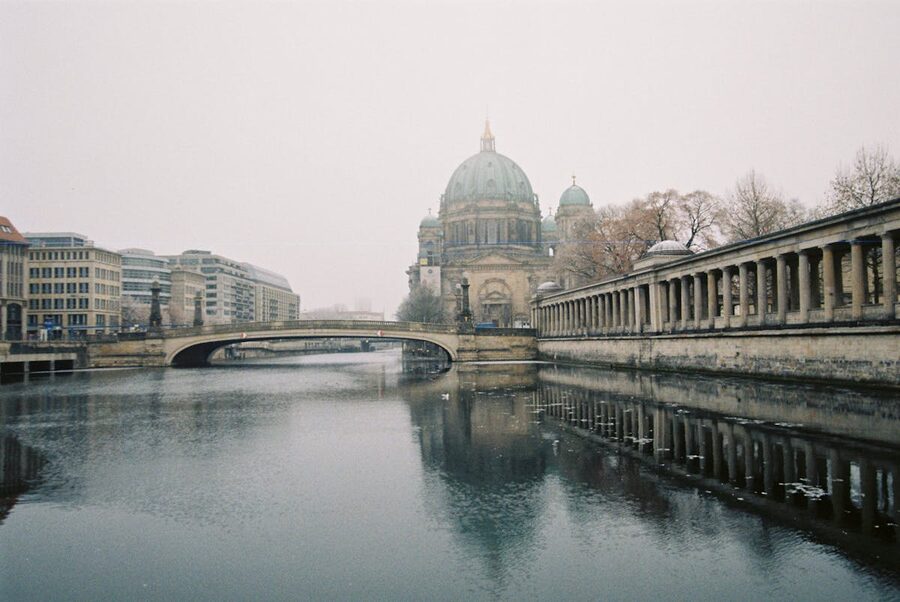
The Spree is just one part of Berlin’s extensive waterway network. The city has more bridges than Venice — over 1,700 — and the canal system that connects the Spree to the Havel, the Landwehr Canal, and the Teltow Canal creates a navigable network that extends across the entire metropolitan area. The standard tourist cruises cover only the central Spree section, but longer cruises (3-4 hours) extend to the lakes in western Berlin and the palace gardens at Charlottenburg.
The Landwehr Canal, which runs parallel to the Spree through Kreuzberg and Neukölln, has its own boat tours that cover a grittier, more alternative Berlin — Turkish markets, street art, independent galleries, and the floating bars that have made Kreuzberg’s waterfront one of Berlin’s most fashionable hangouts. These canal tours are less touristy than the Spree cruises and attract a more local crowd.
For visitors who want to go further, the Spree connects to the Müggelsee — Berlin’s largest lake — in the eastern suburbs. Day cruises to the Müggelsee pass through increasingly rural scenery, eventually reaching forested lakeshores that feel nothing like the urban centre you departed from an hour earlier. The contrast is part of the appeal: Berlin’s city limits contain more lakes and forest than most capital cities, and the waterway network makes it accessible by boat.
Practical Tips
When to cruise: April through October is the main season — boats run frequently, the weather is warm enough for the open deck, and the daylight lasts long enough for good photos. Winter cruises run on a reduced schedule with covered, heated boats. Sunset cruises (when available) are the most popular — book ahead.
Departure points: Friedrichstraße pier, Hauptbahnhof pier, and Nikolaiviertel pier are the most convenient. All are within walking distance of major S-Bahn and U-Bahn stations. The boats run a loop, so you return to your starting point.
How long: The standard cruise is 1 hour. The Potsdam cruise (not covered here) is 3 hours. Most visitors find 1 hour is the right length — long enough to see the highlights, short enough to fit into a busy day.
What to bring: A camera or phone with decent zoom — some landmarks are best photographed from the water at a distance. Sunscreen in summer (the open deck has no shade). A light jacket even on warm days — the breeze on the water is cool.
Combine with: The Spree cruise pairs naturally with a morning walking tour (street-level context) followed by an afternoon cruise (water-level panorama). Add the TV Tower for the aerial view and you’ve seen Berlin from every angle in one day.
More Berlin Experiences
The Spree cruise shows you Berlin’s beauty. The Third Reich and Cold War walking tours explain its scars. The Sachsenhausen concentration camp tour takes you to the darkest chapter. And the TV Tower observation deck puts everything in geographic context from 203 metres up. Between the boat, the walks, and the tower, you can understand Berlin in three days — its beauty, its history, and its ongoing reinvention.