
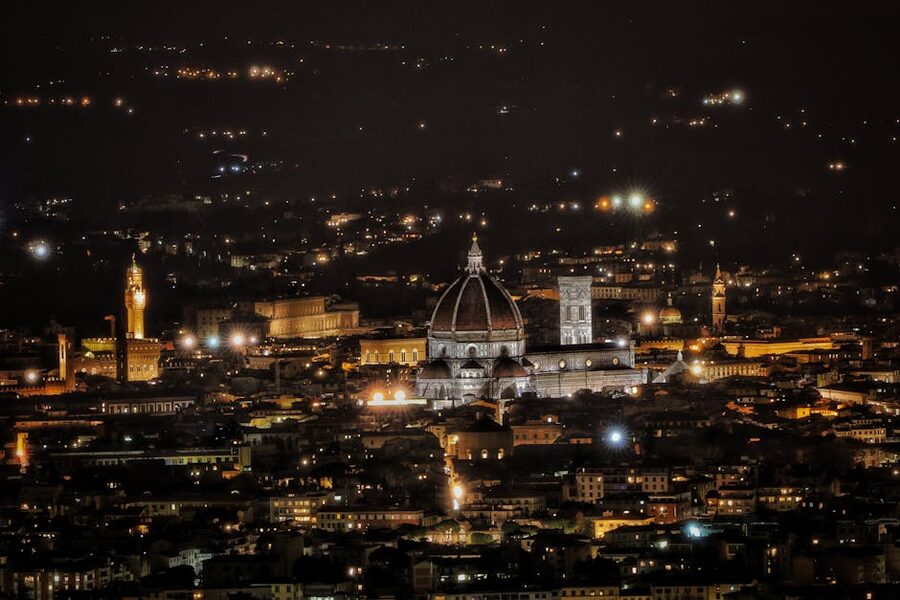
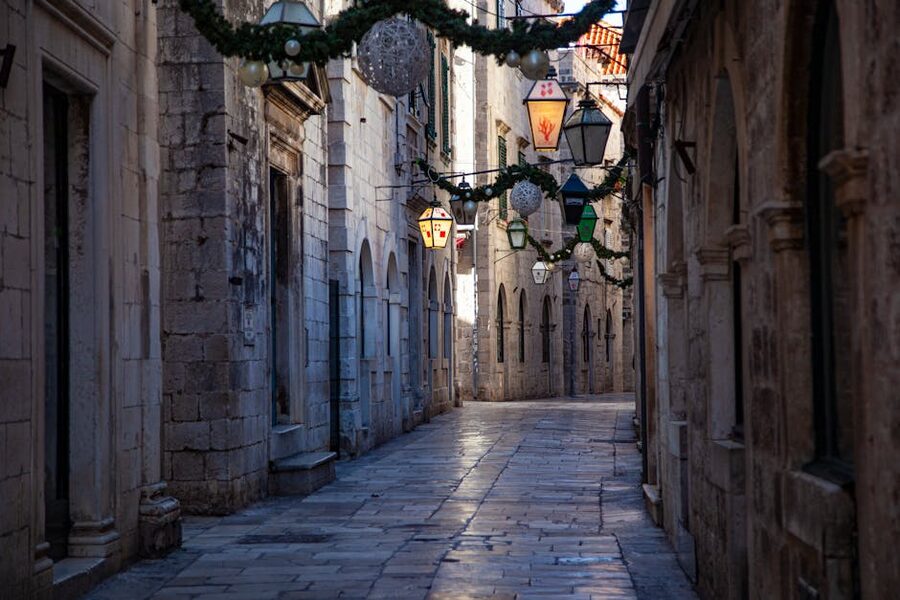
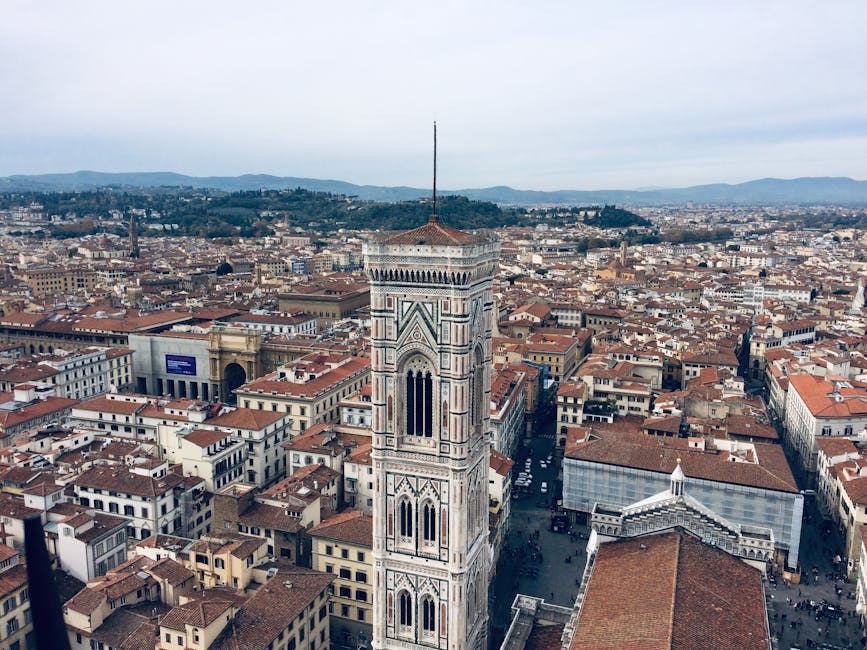
Giuliano de’ Medici was stabbed to death during Easter Mass at the cathedral. That’s a real thing that happened. The daytime walking tours don’t tell you about it.
The night tours do. Two hours, a few euros, and the same city you walked through that morning gets considerably weirder.
Quick Picks
- Dark Side of Florence — The Dark Side of Florence — Mysteries and Legends ($3.63). Yes, the price is real.
- GetYourGuide version — Florence: Dark Mysteries and Legends Walking Tour ($2.36). Even cheaper. Same content.
- Medici scandals evening — Dark Secrets & Scandals Evening Walking Tour ($16). Tighter storytelling, specifically Medici.
- Quick Picks
- Why These Tours Are Stupidly Cheap
- Booking the Three Real Options
- The Dark Side of Florence — Mysteries and Legends — .63
- Florence: Dark Mysteries and Legends Walking Tour — .36
- Florence: Dark Secrets & Scandals Evening Walking Tour —
- The Stories You’ll Actually Hear
- Why Florence Specifically Is So Dark
- The Evening Walking Logistics
- Group Sizes and Format
- What These Tours Can’t Do
- Pairing With Other Florence Activities
- What to Wear and Bring
- Common Booking Mistakes
- The Honest Verdict
Why These Tours Are Stupidly Cheap
The headline weird thing about Florence dark mystery tours: they cost $2-16 versus the $30-70 you pay for similar tours in most European cities. The reason is competition + walking-tour economics + Florence-specific pricing pressure. Operators run essentially the same tour at razor-thin margins because consumers comparison-shop on price.
What this means for you: book one. Or two. At these prices, the financial risk of “what if it’s bad” is basically nothing. Compare to a $70 Edinburgh ghost tour where booking-regret is a real risk — the Florence version has the budget to be experimental.
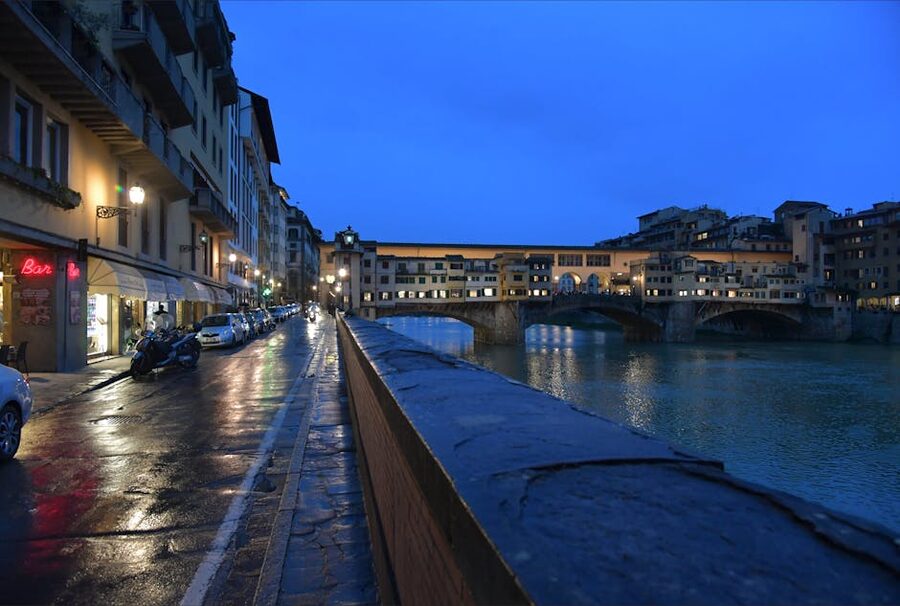
What you’re not getting at $2-16: deep multimedia production, fancy guide costumes, exclusive access to historical buildings. What you ARE getting: a knowledgeable guide, 90-105 minutes of evening walking through the historic centre, stories about murders and conspiracies that the daytime guides skip, and the chance to see Florence at night with someone who can tell you what each shadowed corner means.
Booking the Three Real Options
Three formats dominate. The first two are essentially the same content at different listing prices; the third has a different angle.

The Dark Side of Florence — Mysteries and Legends — $3.63
The category leader. Yes, less than four dollars. Viator listing. One hour 45 minutes covering 8-10 stops with stories of Florentine murders, executions, ghost legends, alchemists, and Medici scandals. What you get for the price — which is more than you’d guess — is in the review. Default booking. Pairs nicely with a gentler daytime walking tour earlier in the trip for the sanitised version.
Florence: Dark Mysteries and Legends Walking Tour — $2.36
Same content, GetYourGuide listing, $1.27 cheaper. The platform difference is purely operational. Pick this if you have a GYG preference — both versions deliver the same evening.
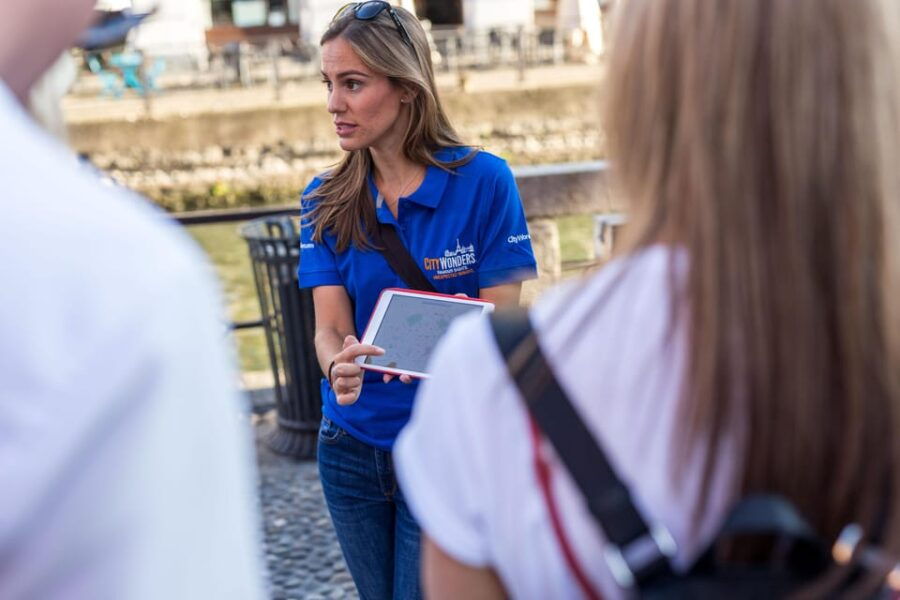
Florence: Dark Secrets & Scandals Evening Walking Tour — $16
Different operator with a sharper Medici-scandals focus. Premium pricing because the format is more curated and the storytelling tighter. When the upgrade is worth the extra cost depends on how much you care about the poisoning-and-banking-fraud side of Florence. Pick this if you want depth over budget value.
The Stories You’ll Actually Hear
The Florence dark history catalogue is genuinely deep. The tours can pick from centuries of source material. A typical 90-minute route covers 6-10 stories at specific sites.
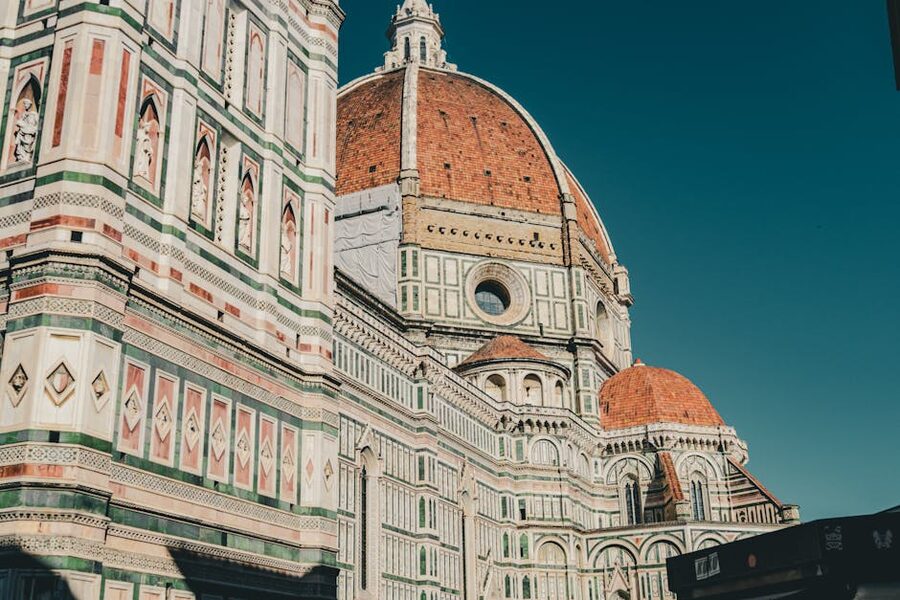
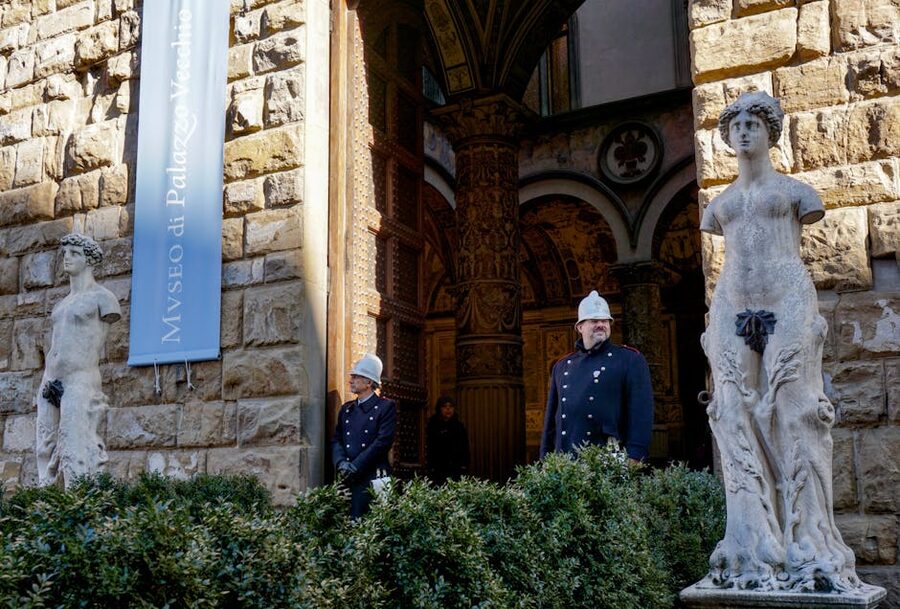
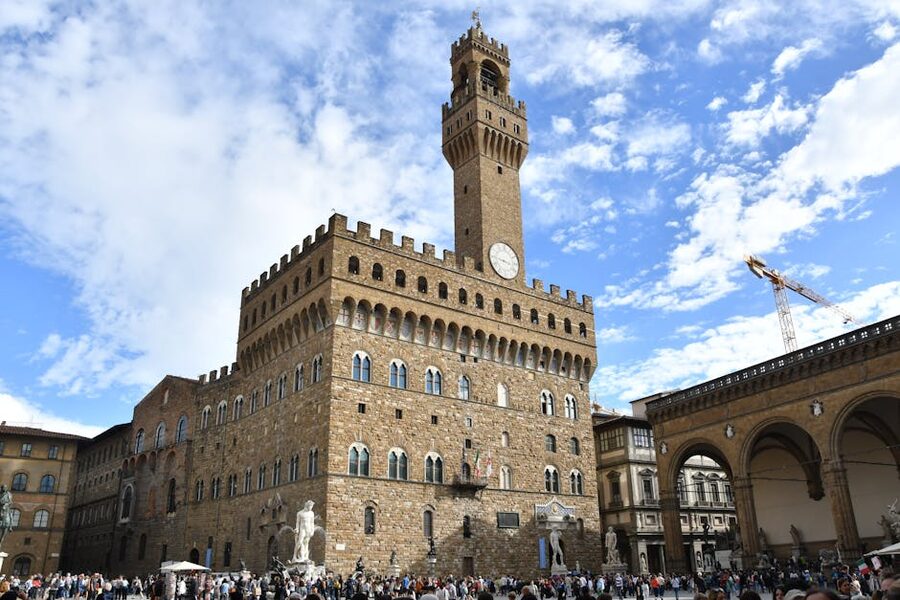
The Pazzi Conspiracy (1478). The opener for most tours. Two Pazzi family members tried to kill the Medici brothers during the Easter Mass elevation of the Host. Giuliano was stabbed 19 times and died. Lorenzo escaped to the sacristy. The conspirators were hung from the windows of Palazzo Vecchio within hours. Botticelli was hired to paint defamatory portraits of the dead conspirators on the building walls. Florence has not historically been gentle with political opposition.
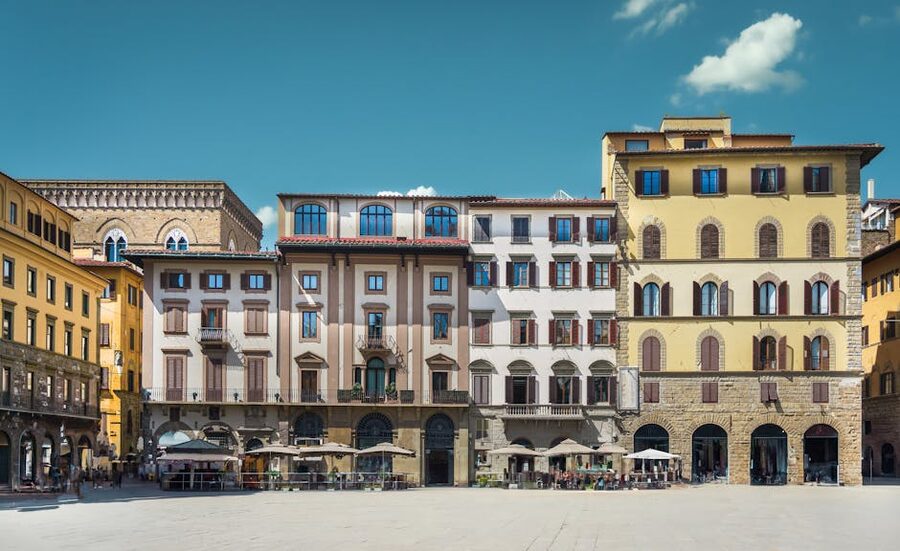
Savonarola’s burning (1498). The Dominican friar who briefly ruled Florence after the Medici exile, organized “Bonfires of the Vanities” where citizens burned their own art and books, then was himself burned at the stake in Piazza della Signoria when the Medici regained power. There’s a marker on the pavement showing the exact spot. Tour guides know it.
The Medici poisonings. Multiple Medici family members died in suspicious circumstances. The Grand Duke Francesco I and his wife Bianca Cappello died within hours of each other in 1587 — official cause was malarial fever, but contemporary rumours blamed arsenic poisoning by Francesco’s brother (and successor) Cardinal Ferdinando. Modern toxicological analysis of bone samples (2010) found high arsenic levels, supporting the poison theory. Tours go into this detail.
Wine windows (“buchette del vino”). Small openings in palazzo walls used to sell wine directly to passersby — bypassing taverns, evading taxes. They became famous during the 1630s plague when Florence wine-sellers used them for contactless transactions. Roughly 150 still exist around Florence; some have been restored as functioning wine bars in recent years. The tours point them out and explain the plague-era origin.
The Cellini murders. Benvenuto Cellini, the goldsmith and sculptor who made Perseus with the Head of Medusa (now in the Loggia dei Lanzi), wrote an autobiography (1558-1563) confessing to multiple murders he’d committed without consequence. The Medici protected him because his art was too valuable to lose. Tours pause at the Perseus statue to relay this.
The witch trials and alchemists. Florence had its share of inquisition cases — though fewer than northern Europe. The Officina di Santa Maria Novella (still operating, oldest pharmacy in the world, founded 1221) was originally a Dominican monastery operation that walked the line between science, medicine, and what suspicious authorities sometimes called witchcraft.
Why Florence Specifically Is So Dark
Florence’s reputation for civilised Renaissance art masks a genuinely brutal political history. Worth understanding why.
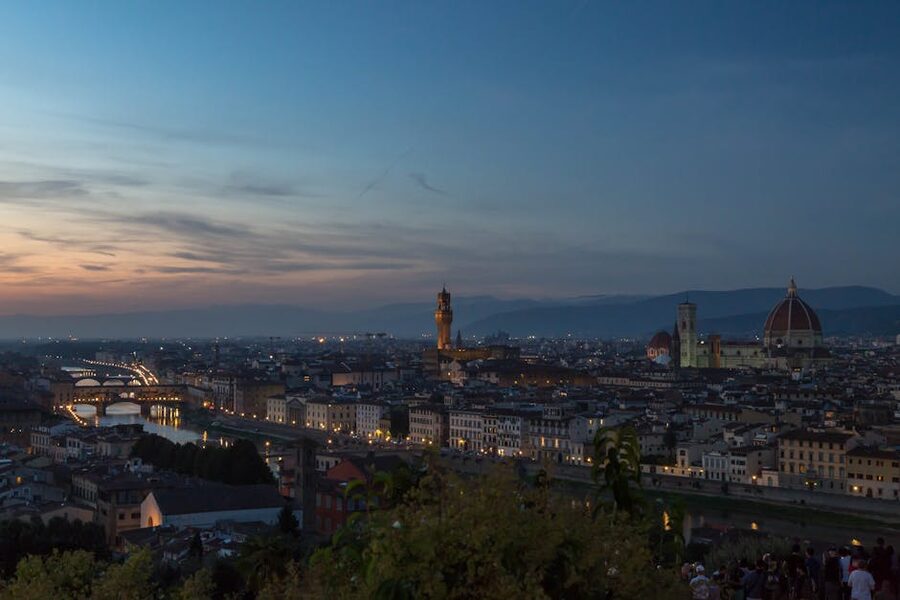
The wealth concentrated power dangerously. Florence in the 1400s-1500s was the world’s wealthiest banking centre. The wealth concentrated in a few families who controlled entire industries, courts, and (eventually) the papacy. When power gets concentrated this much, political violence becomes the dispute-resolution mechanism. The Medici and their rivals operated in a system where assassination was a standard business tool.
The republic disguised the autocracy. Florence was technically a republic — magistrates, councils, voting. But the Medici controlled all of it through influence-peddling, patronage, and selective application of law. When official channels failed, unofficial ones took over. The dark history is the unofficial channels working.
The art was political. Renaissance art wasn’t decorative — it was propaganda. Donatello’s David, Michelangelo’s David, the Botticelli paintings — all commissioned by political factions trying to broadcast specific messages. When art is political, the artists get pulled into political violence. Multiple Renaissance artists died in suspicious circumstances; others survived assassination attempts.
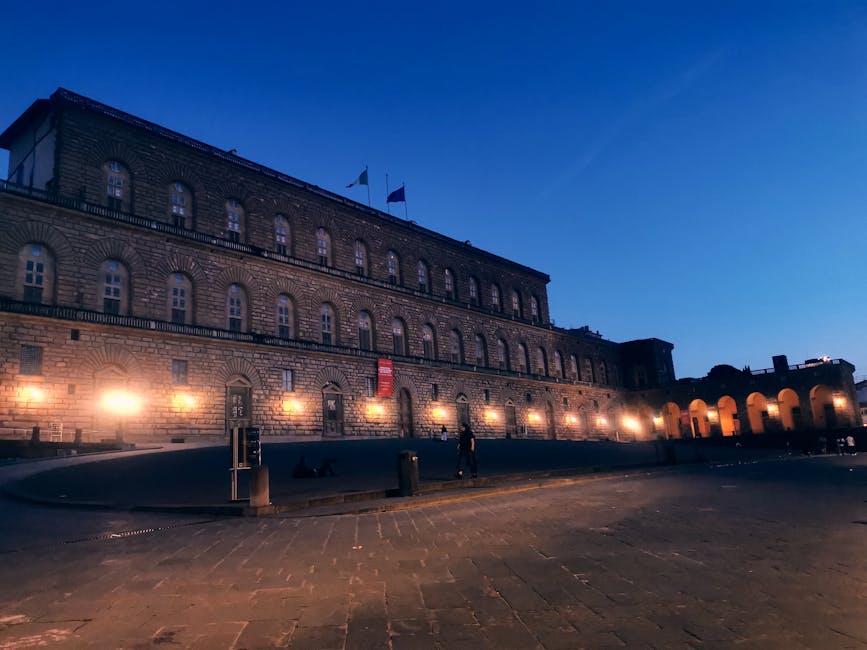
The dark mystery tours don’t sensationalise this. They contextualise it. After 90 minutes you understand that the Renaissance “civilised flowering” had a body count nobody talks about during daytime art tours.
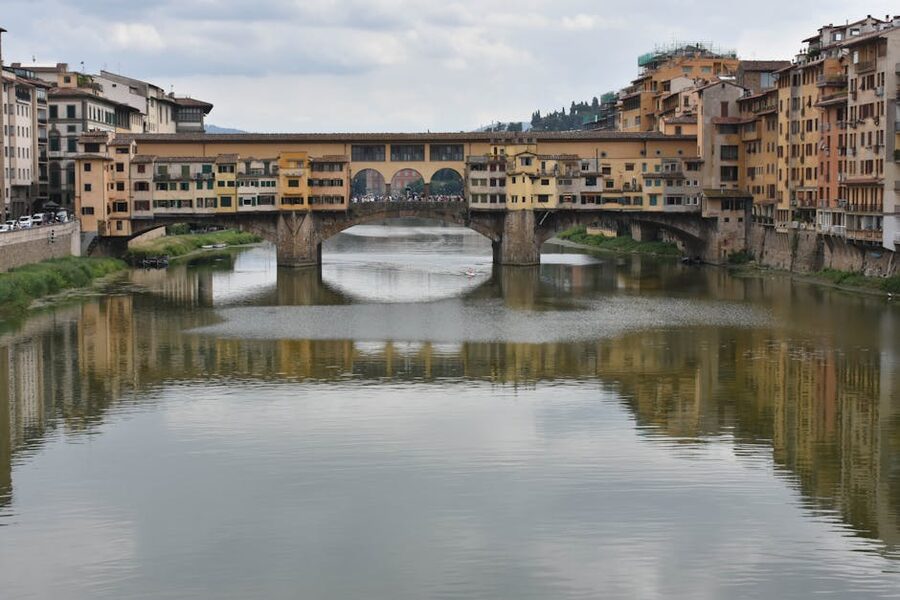
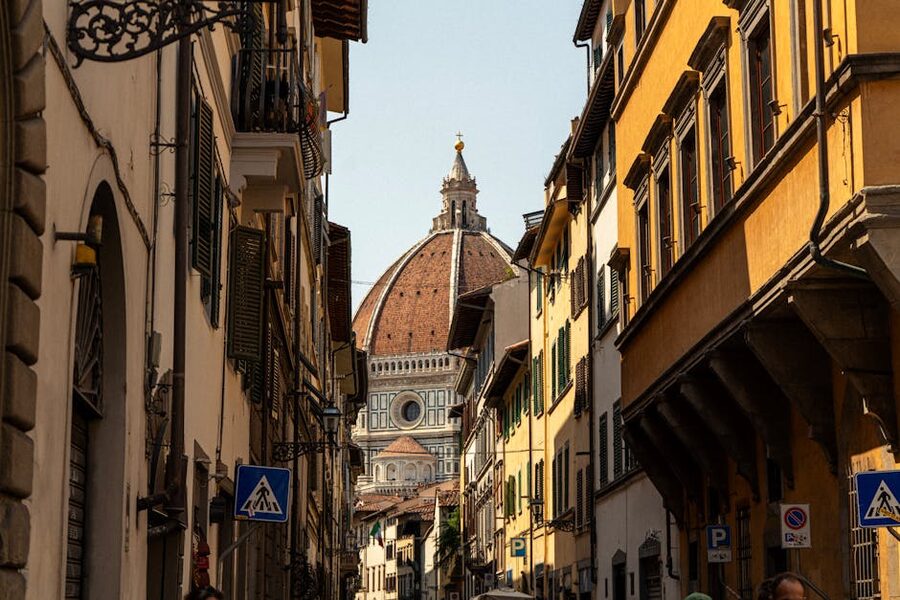
The Evening Walking Logistics
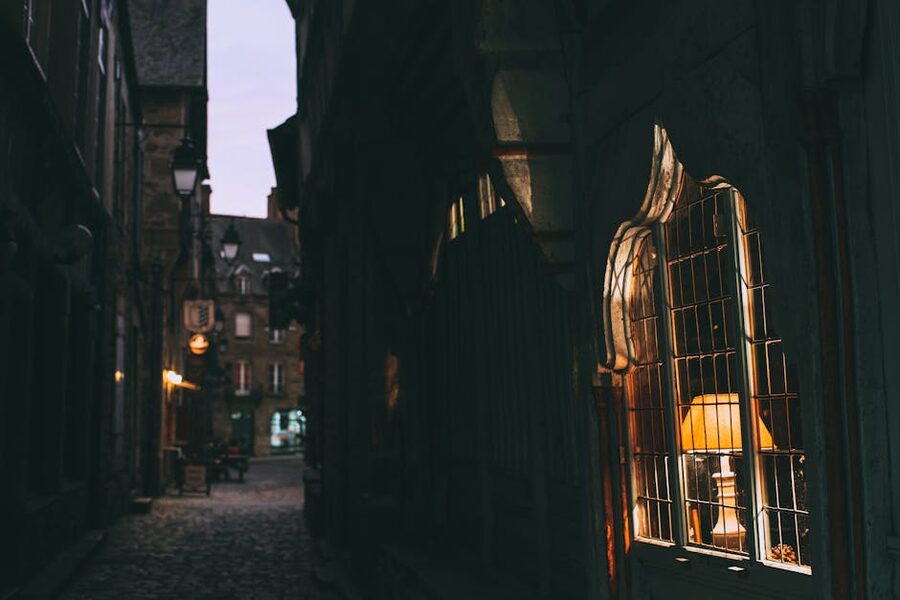
These are evening tours by design — most run 19:30 or 21:00 starts. The lighting and atmosphere matter to the experience. Daytime versions exist but lose the mood.
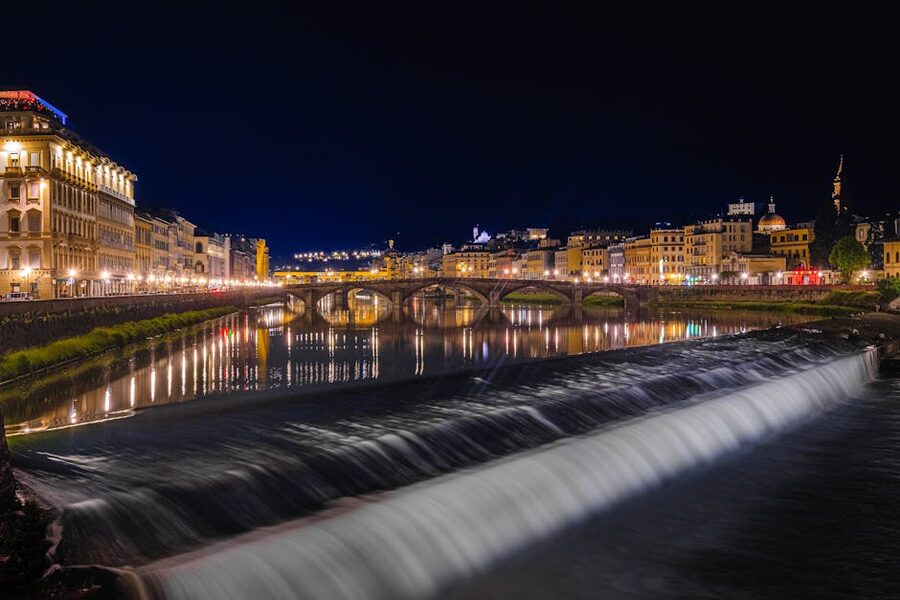
21:00 start: the standard slot. Sun fully down (or down within 15 minutes depending on season), restaurants in dinner service, streets quiet. Tour ends 22:30-23:00 — perfect timing for a late drink at a wine bar.
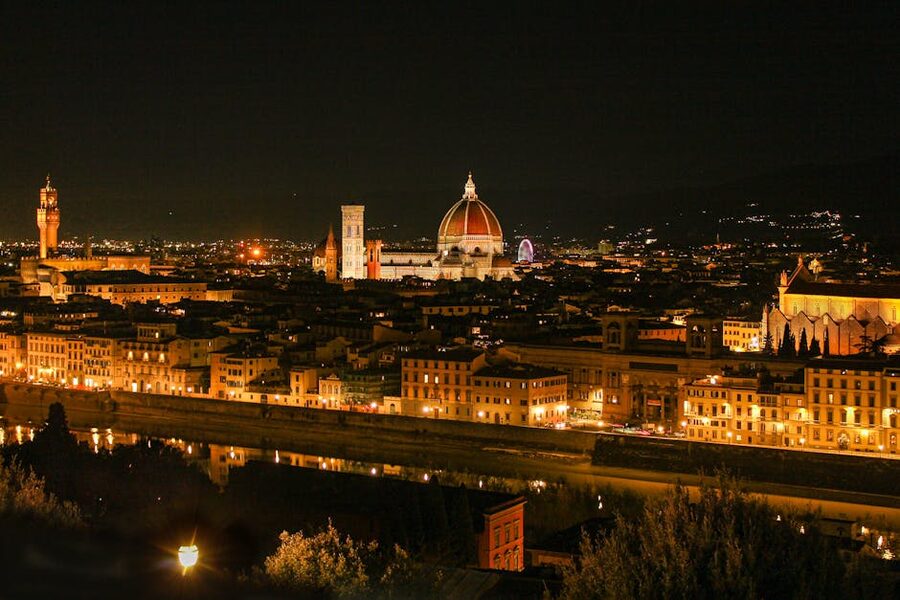
19:30 start: earlier slot in summer when the days are long. Tour starts in daylight, transitions to twilight, ends in dark. The transitional lighting is photographically excellent.
Winter timing: Florence sunset is around 17:00 in December. Some operators shift to 18:00 starts in winter. Check the booking specifics.
Walking distance: 2-3km total over 90-105 minutes. Slow pace because of frequent stops. Comfortable shoes essential — the cobblestones are tricky in low light.
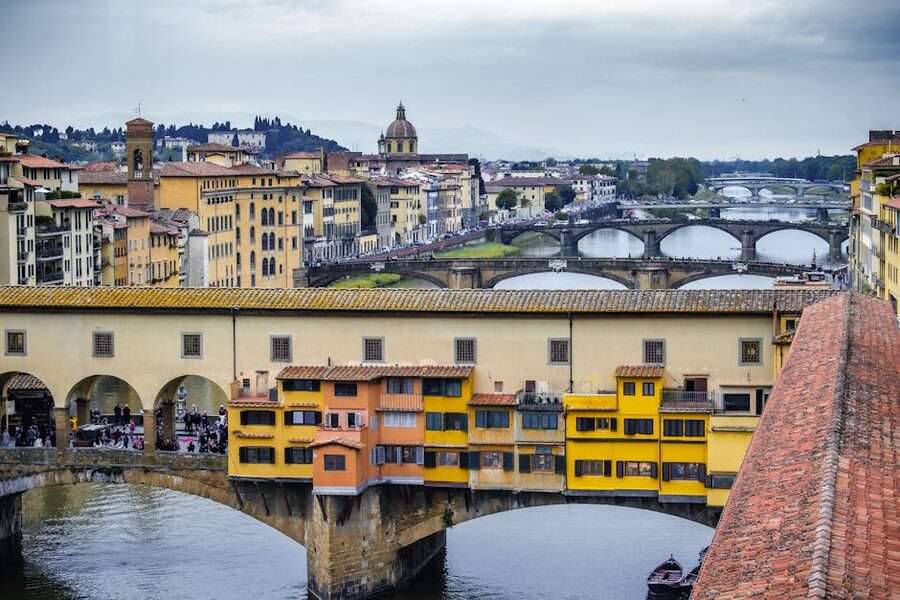
Group Sizes and Format
The cheap tours run larger groups (15-25 people) — that’s how they keep prices low. The premium evening versions run smaller (8-12).
Whisper headsets: at $2-3 prices, these are usually NOT included. Guides project their voices and you cluster close to hear. This works in quieter back streets, less well in busier piazzas. The premium $16 version usually does include headsets.
Solo travellers: excellent activity. Evening walking tours produce more conversational warmth than daytime ones — the dark + storytelling format gets people talking. Florence dark tours are particularly good for meeting other solo travellers.
Children: the content is mild horror — murders, conspiracies, ghost legends. Suitable for ages 12+. Younger kids will be bored. The tours are not gory or explicit but the subject matter assumes adult interest.
What These Tours Can’t Do
Setting expectations.
Not a paranormal tour. No ghost-hunting equipment, no séances, no claims of supernatural activity. The “dark” content is documented history — politics, murder, conspiracy. If you specifically want paranormal/spiritualist content, this isn’t the tour.
Not a museum tour. All exterior. You won’t enter any buildings. The stories happen at facades, plaques, and street locations.
Not a gastronomic tour. No food stops included. You eat before or after. Some operators add a wine-window aperitivo as an upgrade ($5-10 extra) but the basic tour is purely cultural.
Limited fact-checking on some stories. The “ghost legends” portions of these tours are folkloric rather than historically verifiable. Guides distinguish between confirmed history (the Pazzi assassination) and traditional stories (the alleged ghosts of beheaded victims), but the line gets blurry at points.
Pairing With Other Florence Activities
Dark mystery tours pair perfectly with daytime cultural activities. The contrast — Renaissance masterpieces by day, Renaissance violence by night — is the entire educational arc.
The combinations that work: morning Florence walking tour covers the official Renaissance story, evening dark mysteries tour covers the unofficial one — same buildings, opposite framings, you’ll never look at the city the same way again. Alternatively, day spent at the Uffizi gallery seeing Botticelli and Leonardo, evening dark mysteries tour explaining who paid for those paintings and what they did to political opponents — perfect art-history pairing. For travellers extending into Tuscany, the Florence cooking class the same day as a dark tour creates a packed but rewarding cultural day; the cooking class for the gentle social warmth, the dark tour for the historical depth. And if you’ve already done Rome, the contrast between Roman pagan-imperial dark history (you might have done the Rome Catacombs and Crypts) and Florentine Christian-republican dark history makes for an interesting compare-contrast across the two cities.
What to Wear and Bring
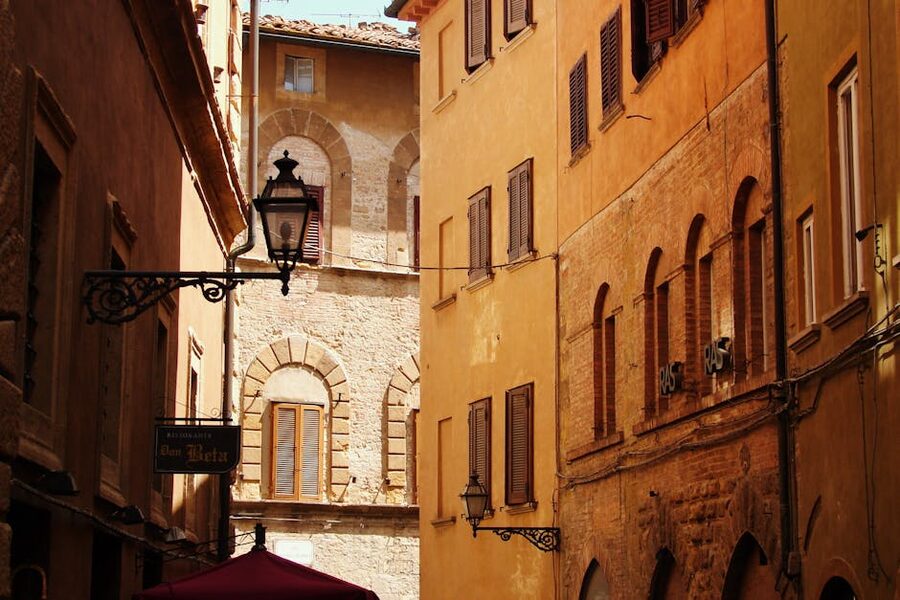
Evening Florence in any season needs a jacket. The Arno corridor in particular gets surprisingly cool after dark.
Layers: light jacket spring/summer, proper coat winter. The walking generates body heat but stops are long enough that you’ll cool down at each one.
Comfortable closed shoes: the cobblestones are slippery in the dark and tricky in any season. No heels.
Phone with good low-light camera: some shots work, many don’t. Don’t try to film the entire tour — focus on a few atmospheric stills.
Small bag for water: the tours don’t include drinks but you’ll want something. Nasoni (free public fountains) are along the route.
Common Booking Mistakes
A few things to flag.
Don’t assume cheaper means worse. The $2-3 versions deliver real content — the price is competitive market dynamics, not quality compromise. Read recent reviews before assuming a more expensive tour is meaningfully better.
Don’t book this on your first Florence night. You need some daytime context to appreciate the dark tour. Book it for night 2 or 3, after you’ve done the basic walking tour and visited at least one museum.
Don’t book the 19:30 in winter. Florence sunset in December is 17:00 — the 19:30 tour starts in dark. The atmosphere is fine but the photos suffer. Pick the latest available slot in summer for the best transitional lighting.
Don’t expect immersive theatre. These are walking tours with storytelling, not theatrical performances. If you want costume-and-effects ghost tours like Edinburgh has, Florence’s tours will disappoint.
The Honest Verdict
Florence dark mysteries tours are some of the highest-value activities in Italy. At $2-16 for 90-105 minutes of evening Florence with a knowledgeable guide telling you the violence-and-conspiracy version of Renaissance history, the cost-benefit is exceptional. There’s no reasonable scenario where this isn’t worth booking.
Pick the cheap GYG version ($2.36) if you’re budget-conscious or just curious — at this price the content is essentially free. Pick the Viator version ($3.63) if you have a Viator preference. Pick the $16 Dark Secrets & Scandals version if you want a smaller group, more focused Medici-specific content, and proper headsets. Don’t book this in summer afternoon heat (start times are evening for a reason). Pair with daytime cultural activities to maximise the contrast. Book the latest available slot in summer for golden-hour-to-dark transitional lighting.