
You walk out with flour on your jeans, a recipe card in your pocket, and — if you’ve paced yourself — the memory of eating pasta that you made with your own hands an hour earlier.
Three hours, around €70. For Venice, this is a rare rare case of the ticket being worth its price.
Quick Picks
- The cooking class — Venice: Pasta and Tiramisu Cooking Class With Wine ($76). Three hours, hands-on, eat what you made.
- Eat instead of cook — Venice Bacaro Food Tour – Eat and Drink Like a Venetian ($83). Cicchetti crawl, real ombre, proper Venetian route.
- Full-scope Venice food walk — Eat Like a Local: 3-hour Venice Small-Group Food Tasting Walking Tour ($107). Markets, bakeries, bacari, gelateria.
- Quick Picks
- Why This Specific Cooking Class Works
- The Three Options
- Venice: Pasta and Tiramisu Cooking Class With Wine — .19
- Venice Bacaro Food Tour – Eat and Drink Like a Venetian — .44
- Eat Like a Local: 3-hour Venice Small-Group Food Tasting Walking Tour — 7.10
- What You’ll Make
- The Pasta
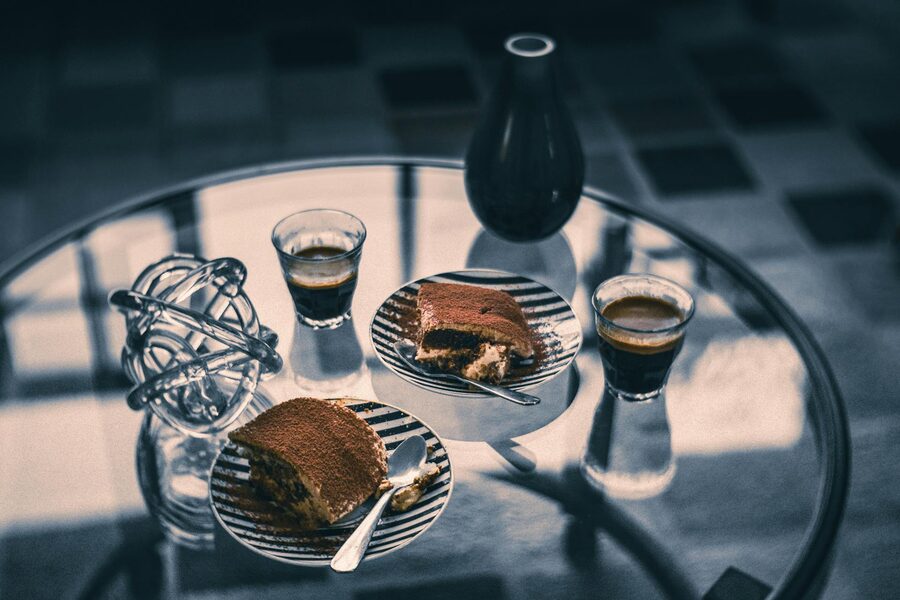
- The Tiramisu
- The Meal Itself
- Where the Class Happens
- Who This Is For
- Timing and Season
- Pairing With Your Venice Trip
- Common Questions
- The Honest Verdict
Why This Specific Cooking Class Works
Italy has thousands of cooking classes. Many are mediocre — a host runs you through two dishes in a commercial kitchen and calls it tourism. The Venice class is different for three specific reasons: the intimate setting (usually a home kitchen or a small cooking school, 6-8 people max), the focus on two well-defined dishes you can genuinely recreate, and the Venetian framing (the pasta shape taught is usually bigoli, not generic spaghetti; the tiramisu uses Mascarpone from the Veneto).
The instructor in most Venetian classes is Italian (often a Veneto native) who cooks in English well enough to joke around. They’re working cooks, not drama-school performers. This matters — you learn technique rather than watching a show. The class is three hours end-to-end; actual cooking time is about two, with the last hour being the meal itself with wine.
The Three Options
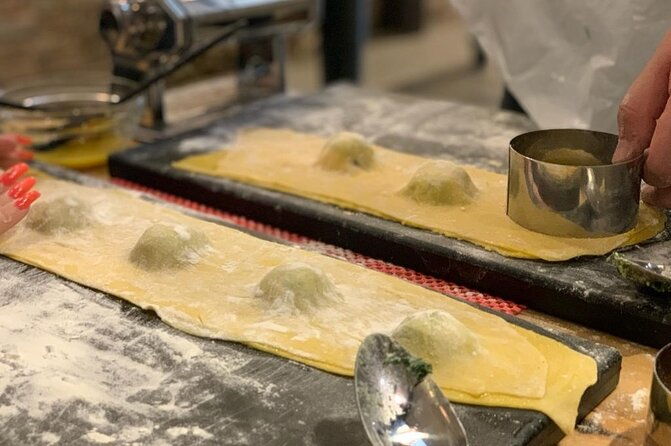
Venice: Pasta and Tiramisu Cooking Class With Wine — $76.19
Three hours total: two hours hands-on cooking with the instructor, one hour eating what you made with a glass of Prosecco. Small group (eight to ten people), proper kitchen near Rialto. Recipe cards go home with you. Morning and afternoon slots. Our review covers what the class teaches and why the ticket is priced right.
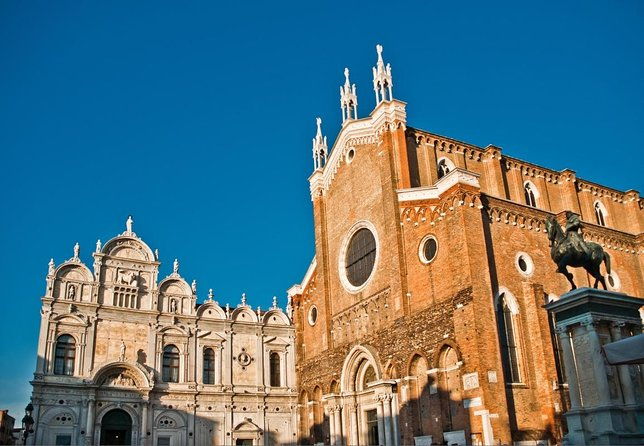
Venice Bacaro Food Tour – Eat and Drink Like a Venetian — $83.44
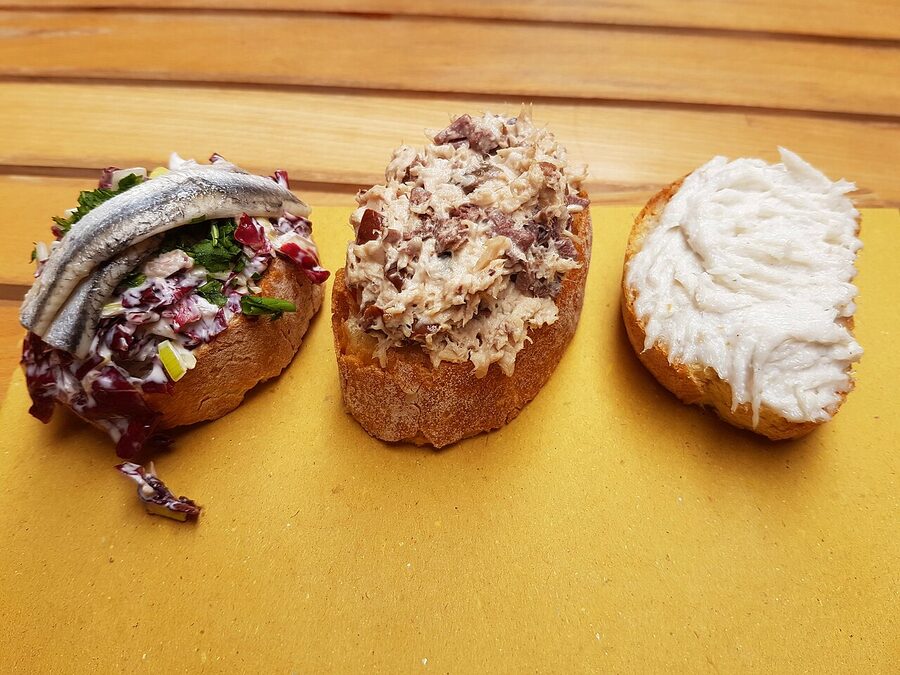
For people who’d rather eat than cook. Three hours, four or five bacari stops, proper cicchetti with Prosecco and ombre. No cooking, just walking and eating and learning bar etiquette. Great complement to the cooking class if you have two food-focused days in Venice. Our review compares eating vs cooking as a learning experience.
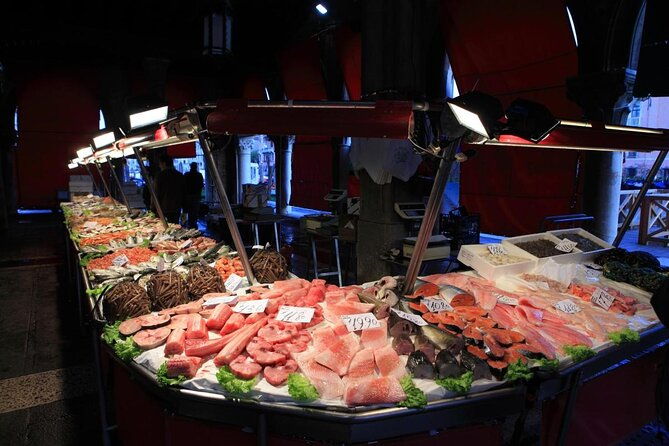
Eat Like a Local: 3-hour Venice Small-Group Food Tasting Walking Tour — $107.10
The most-booked Venice food tour. Three hours, six-plus stops — market, bakery, bacari, gelateria. More expensive than the cooking class but covers more ground. Book this if Venice is a serious food destination; book the cooking class if you want depth on two dishes. Our review covers why the premium price is earned.
What You’ll Make
The class is built around two dishes. Both are genuinely iconic, both are skills you can use at home forever, and both are easier than they look.
The Pasta
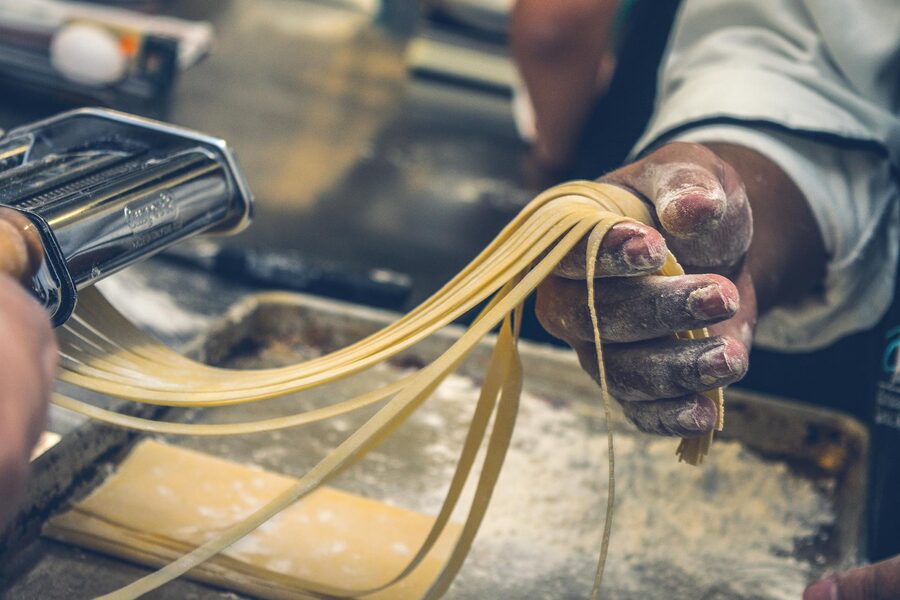
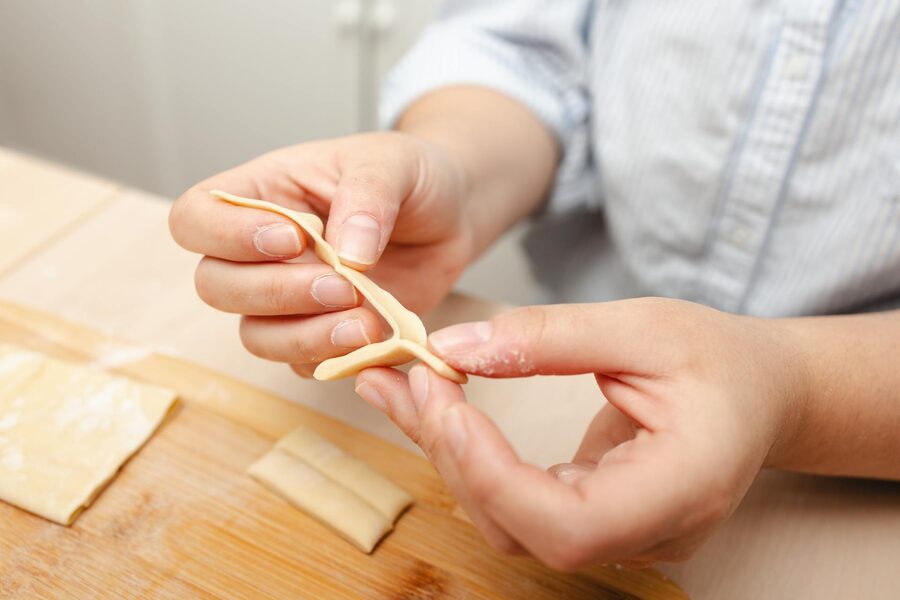
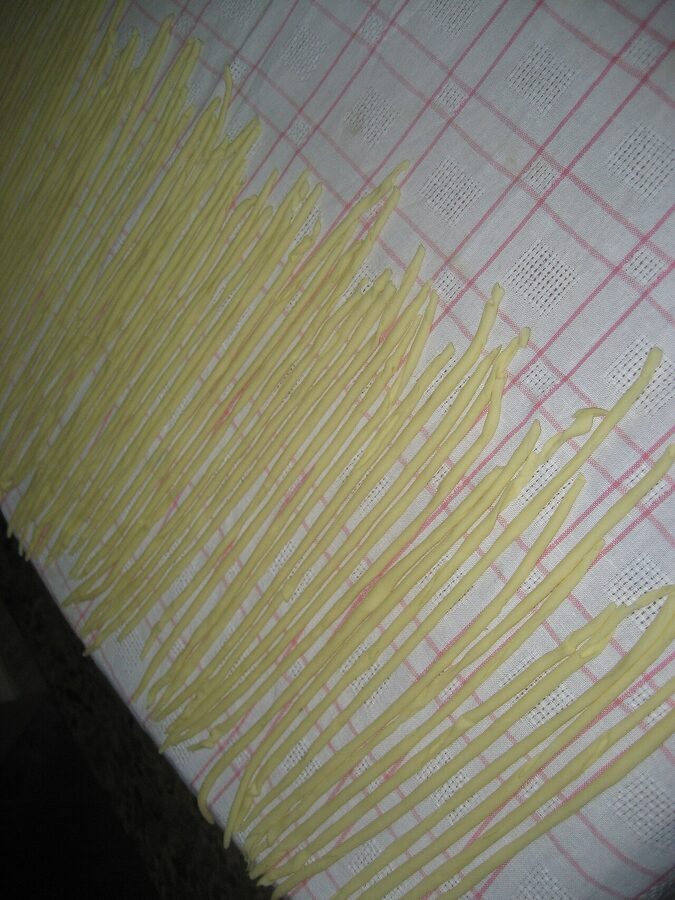
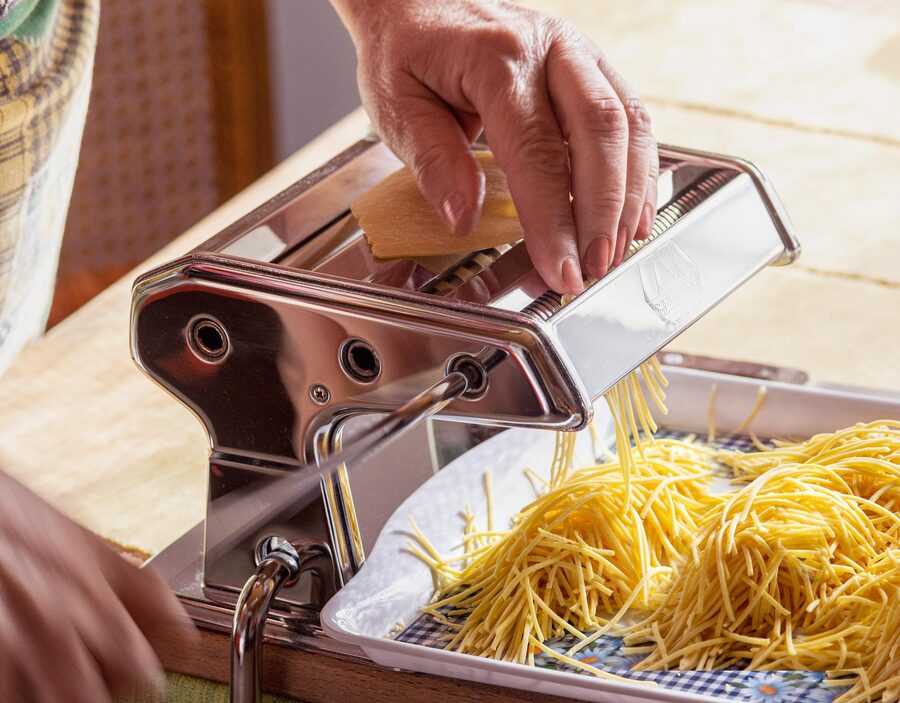
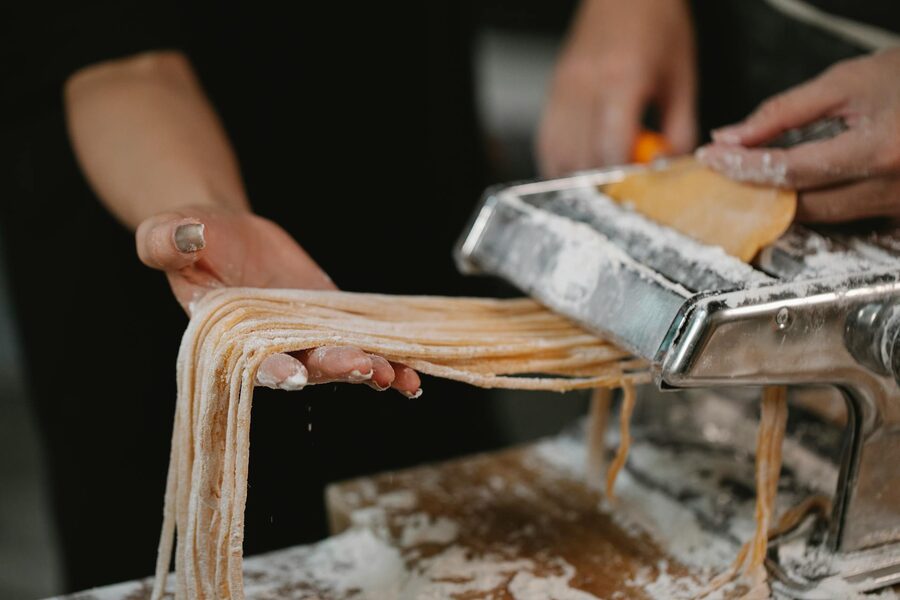
Exact pasta shape varies by class, but the core technique is the same: make fresh egg pasta from scratch, learn to roll, cut, and shape it. Most Venetian classes teach bigoli (thick extruded whole-wheat strands, Venetian specialty) or tagliatelle (hand-rolled then cut flat ribbons). Some focus on ravioli.
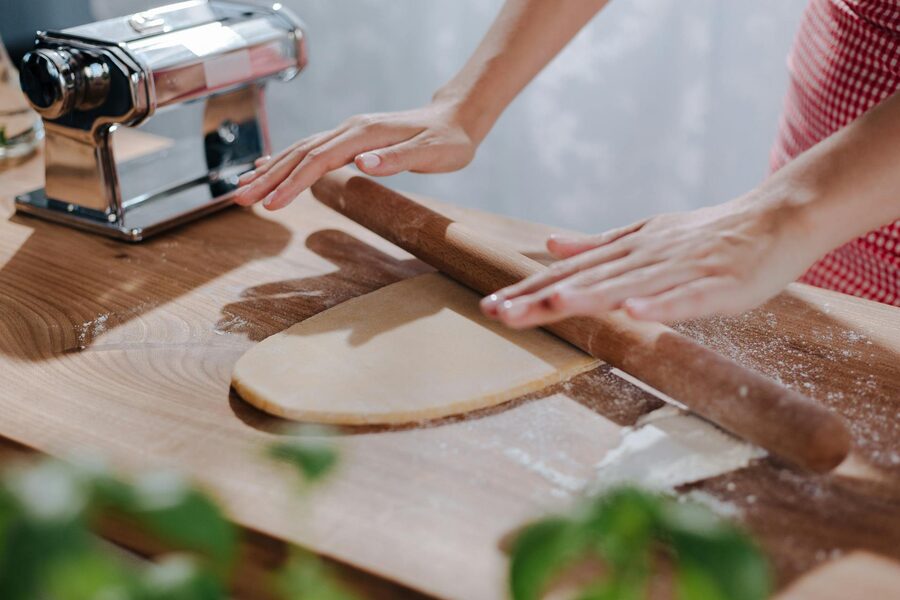
The ratio: 100 grams 00 flour + 1 medium egg per person. A pinch of salt. That’s it. No water, no oil. The whole point of Italian egg pasta is that it’s just these three ingredients.
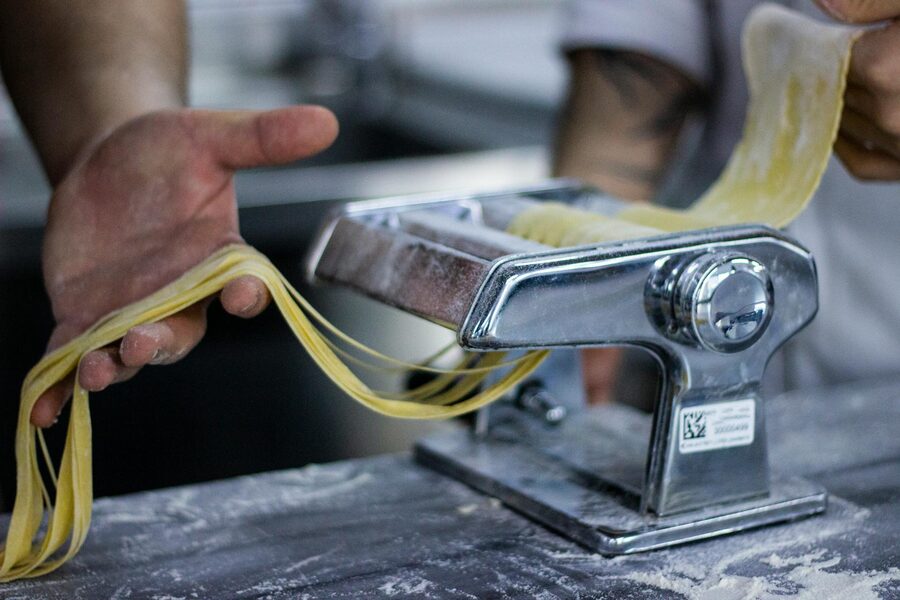
The knead: 8-10 minutes of proper kneading. Push, fold, turn. The dough goes from shaggy to smooth to elastic. You know it’s done when it springs back slowly when you press it.
The rest: 20-30 minutes wrapped in plastic or under a towel. This gives the gluten time to relax so you can roll it out without it tearing. The instructor uses this time to get the tiramisu started.
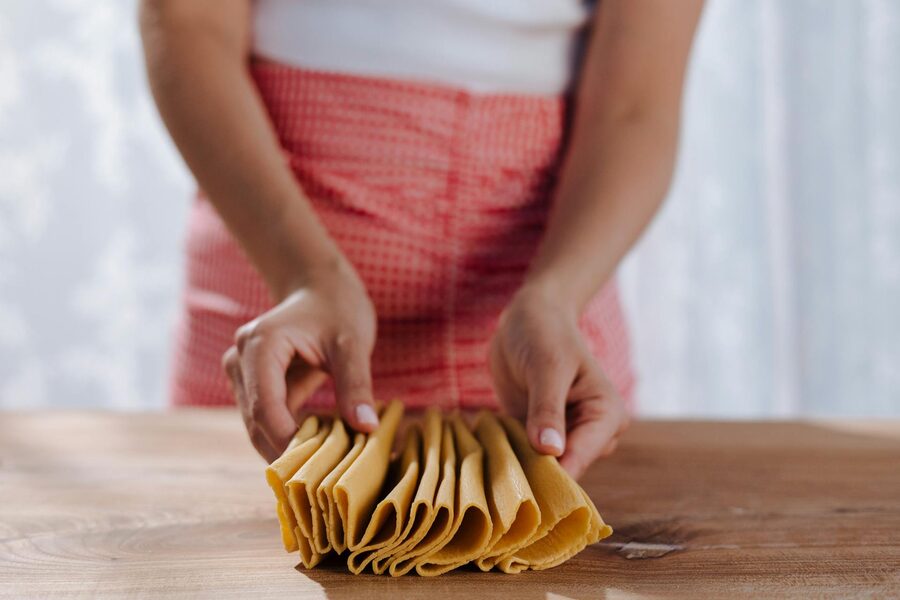
The cook: fresh pasta cooks in 2-3 minutes in heavily salted boiling water. Dried pasta needs 8-12 minutes. The difference is dramatic — fresh pasta has more bite, more egg flavour, and holds sauce differently.
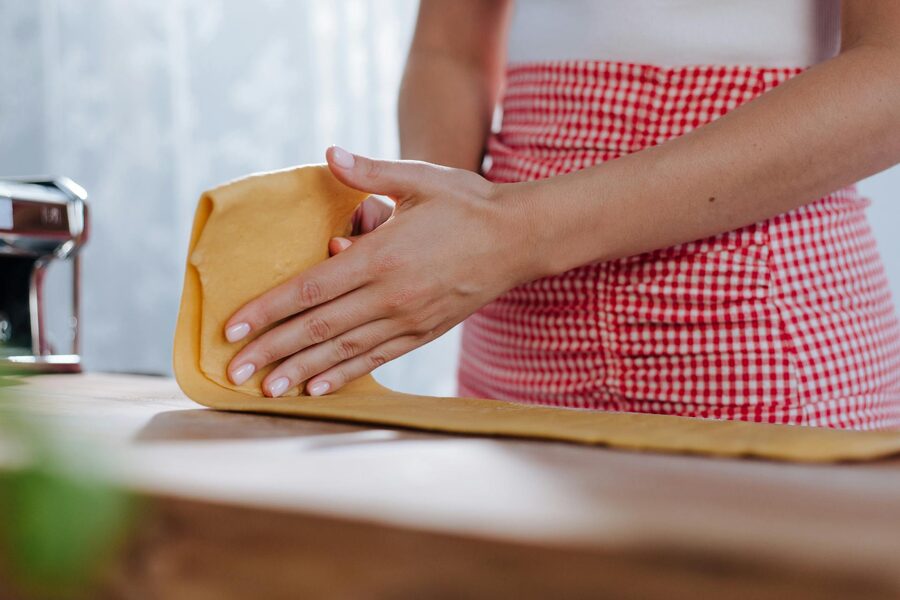
The sauce: most classes pair the pasta with a simple sauce — ragù, burro e salvia (butter and sage), or cacio e pepe (pecorino and black pepper). The sauce cooking takes 10 minutes; it’s almost an afterthought to the pasta work.
The Tiramisu
Tiramisu comes second because it needs 60+ minutes to chill before eating. The instructor typically starts the tiramisu before the pasta dough rests so it sets in parallel.
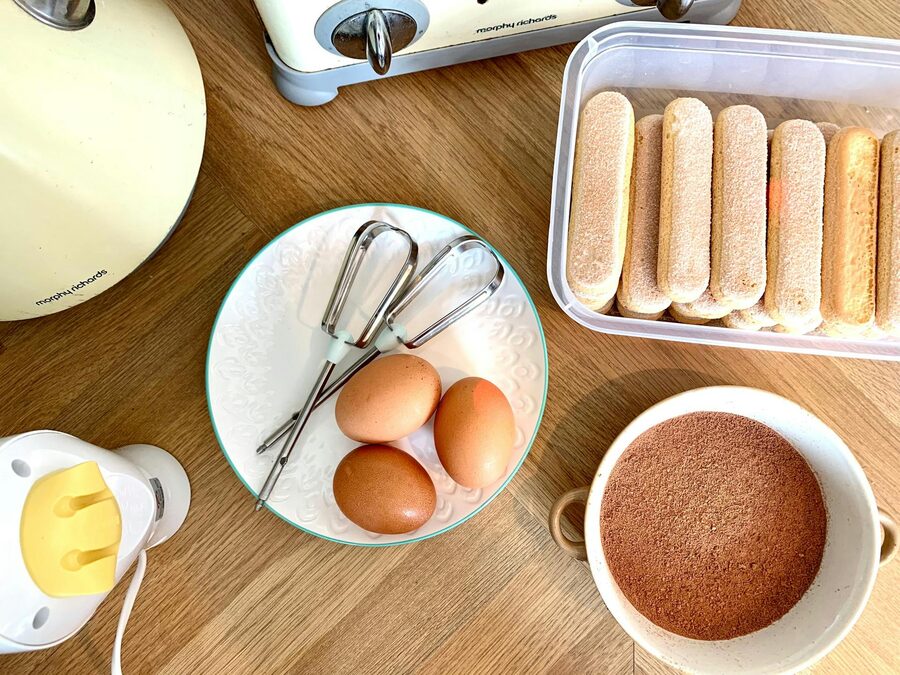
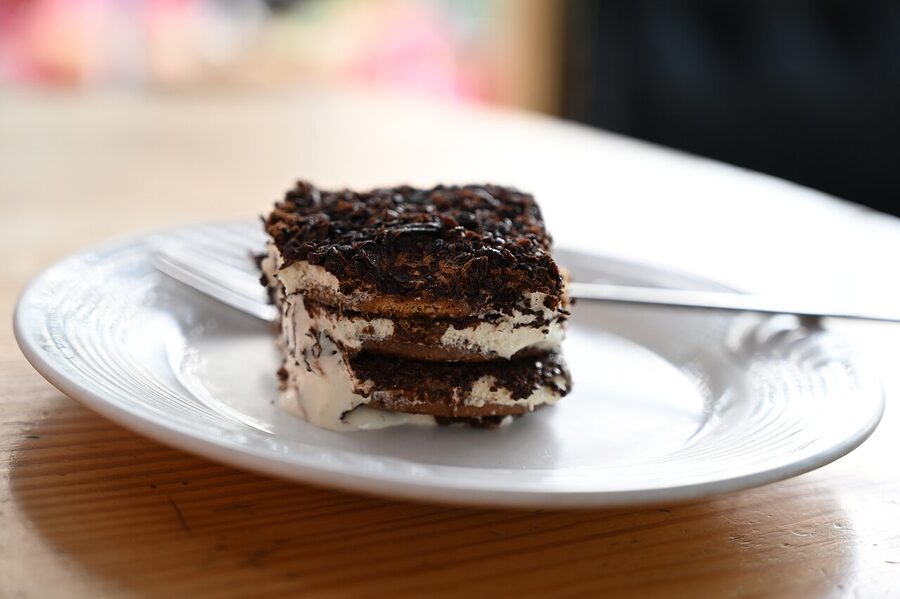
The components: strong espresso (usually cooled), mascarpone whipped with egg yolks and sugar, egg whites whipped to stiff peaks and folded in, ladyfingers briefly dipped in espresso, everything layered in a dish and dusted with cocoa.
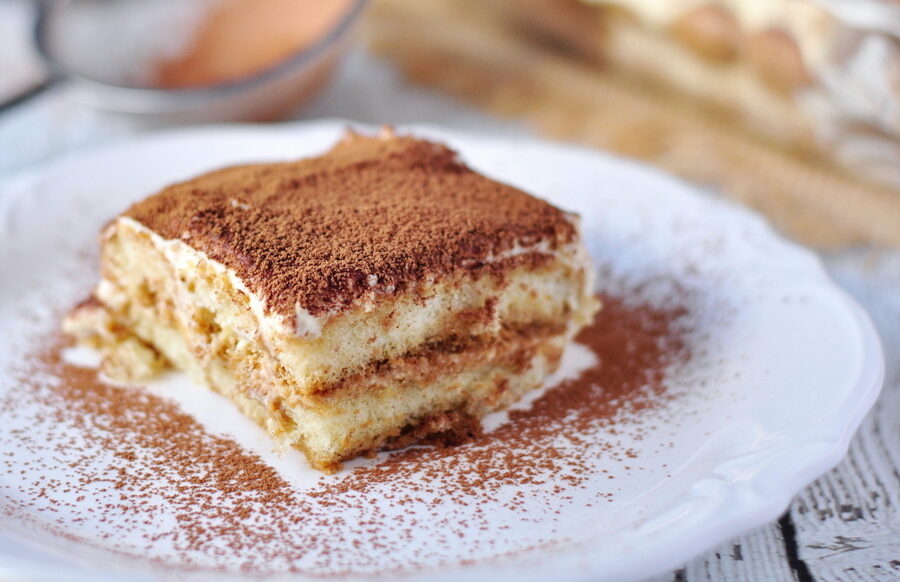
The egg question: authentic Italian tiramisu uses raw eggs. Salmonella risk is low with quality eggs (European egg safety standards are stricter than American ones) but some classes use a pasteurised alternative or cook the eggs au bain-marie for guests who prefer it. Ask at booking if this matters to you.
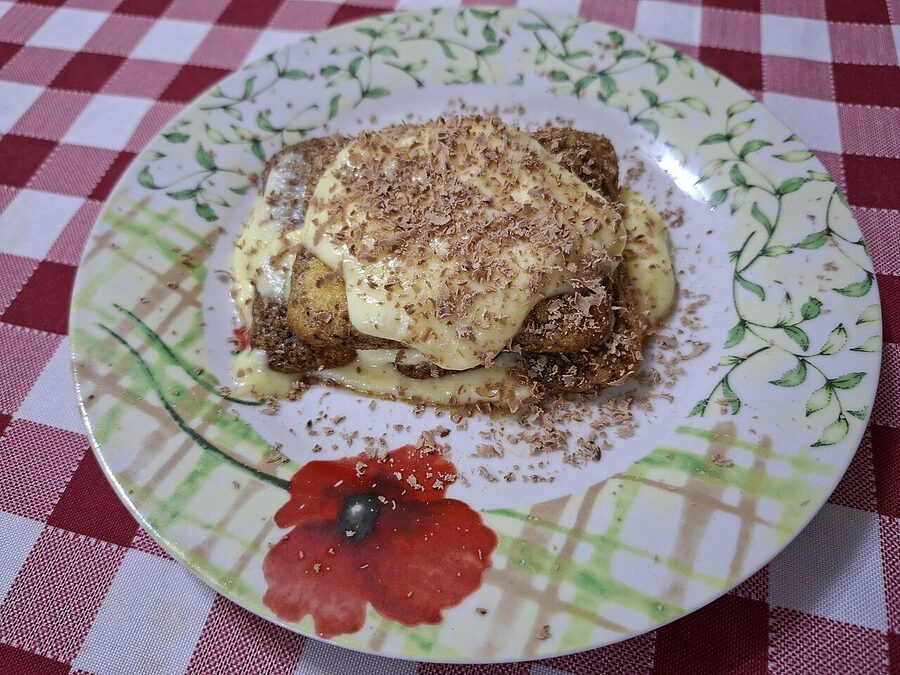
The dip: ladyfingers go into the espresso for 1-2 seconds only. Any longer and they fall apart. The trick is to dip and immediately transfer. You get to try this yourself — the first one is usually a mess, the fourth one is perfect.
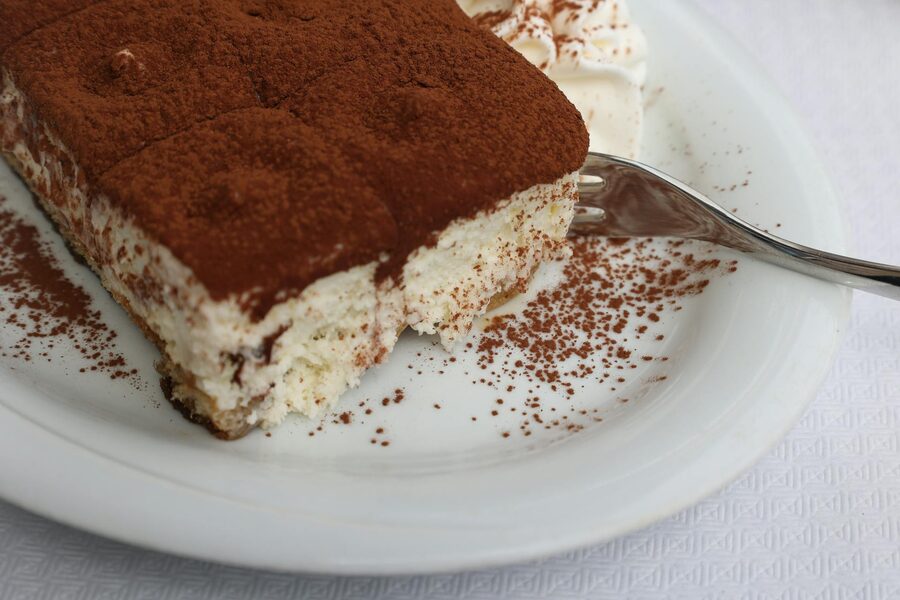
The wait: authentic tiramisu needs at least 4 hours in the fridge, ideally overnight. The class version sets for 60-90 minutes while you eat the pasta, so it’s softer than a properly-chilled version. The instructor usually also has a pre-made tiramisu ready for comparison.
The Meal Itself
The last hour of the class is eating. You sit at a long table with the other students, drink Prosecco, eat the pasta you made, and end with the tiramisu (either yours, or the pre-made one, or both).
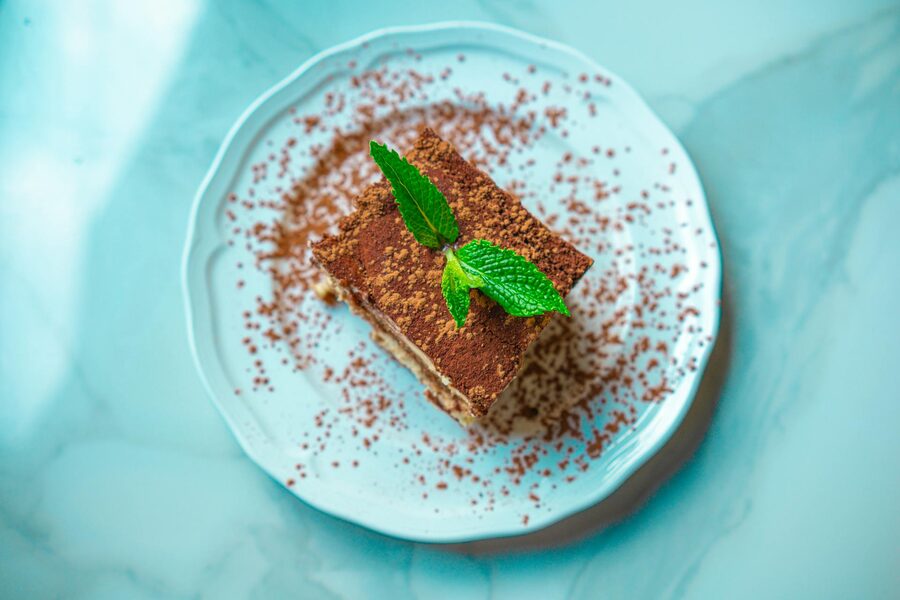
The wine is usually Prosecco (sparkling white, Veneto local, €3-5 retail). Sometimes they’ll also pour a Soave or Valpolicella for variety. Non-drinkers get sparkling water or fruit juice — just say so at booking.
The portion size is real. Fresh pasta is dense. A small portion looks modest but fills you up. Combined with the tiramisu, most students leave too full for dinner. Plan a light evening after the cooking class.
Where the Class Happens
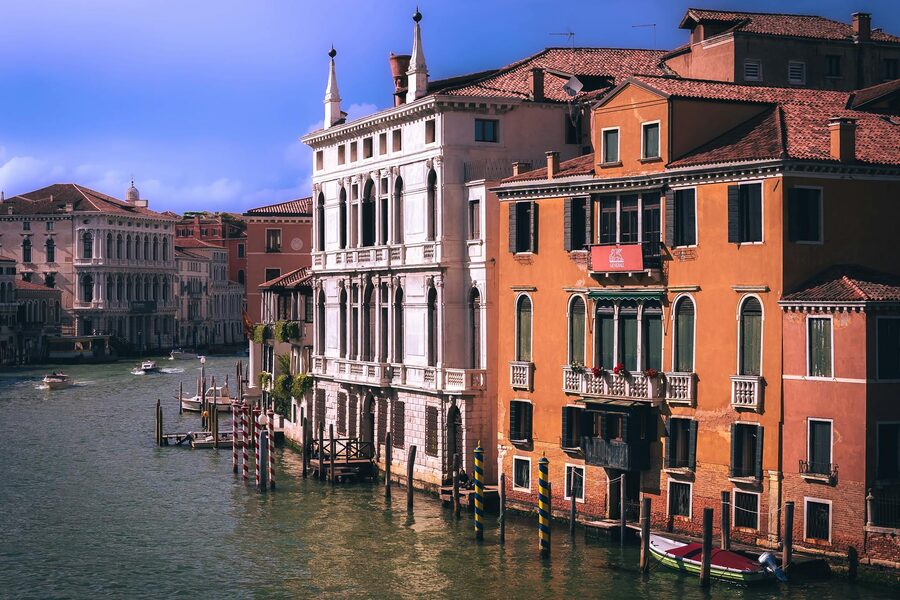
Most Venice cooking classes run out of purpose-built cooking schools (small commercial kitchens in the San Polo or Cannaregio districts) or occasionally in private home kitchens where the instructor lives. The venue is always walking distance from the Rialto area.
Finding it: exact meeting point is sent 24 hours ahead. Google Maps works in Venice but the alleys are tight — budget 10 extra minutes to find the door. If you’re running late, the operator’s WhatsApp line is the fastest way to contact.
Group composition: usually 6-8 students. Often couples (anniversary trips, honeymoons), sometimes solo food travellers, occasionally small friend groups. The mix skews international — you’ll hear American, British, German, Japanese accents around the table.
Who This Is For
Great fit: couples, solo travellers, food enthusiasts, anyone who cooks at home and wants to level up Italian technique. Parents of picky kids (the kid learns new techniques they’ll actually want to eat). Anyone on a rainy Venice day who needs an indoor activity.
Reasonable fit: families with children 8+, larger friend groups, travellers who have done cooking classes elsewhere and want a Venetian variant.
Bad fit: travellers with severe flour or egg allergies (the whole class is egg pasta), toddlers (three hours of still-focused work is rough), travellers who are anti-kitchen (if you dislike cooking, no tourism angle makes this fun).
Timing and Season
Classes run daily year-round. Morning (10:00) and afternoon (15:00) slots are standard. No significant seasonal variation in what gets cooked.
Best season: low-season Venice (November-March) is actually better for this specifically. Fewer crowds, more intimate classes, often smaller groups of 4-6 instead of the capacity 8-10. High-season classes are fine but more tourist-feeling.
Morning vs afternoon: morning slots end around 13:00, perfect for a short afternoon rest and dinner out later. Afternoon slots end around 18:00, leaving you full and not needing dinner. Pick based on your other day’s plans.
Advance booking: 3-7 days ahead in high season. Same week is usually fine in low season.
Pairing With Your Venice Trip
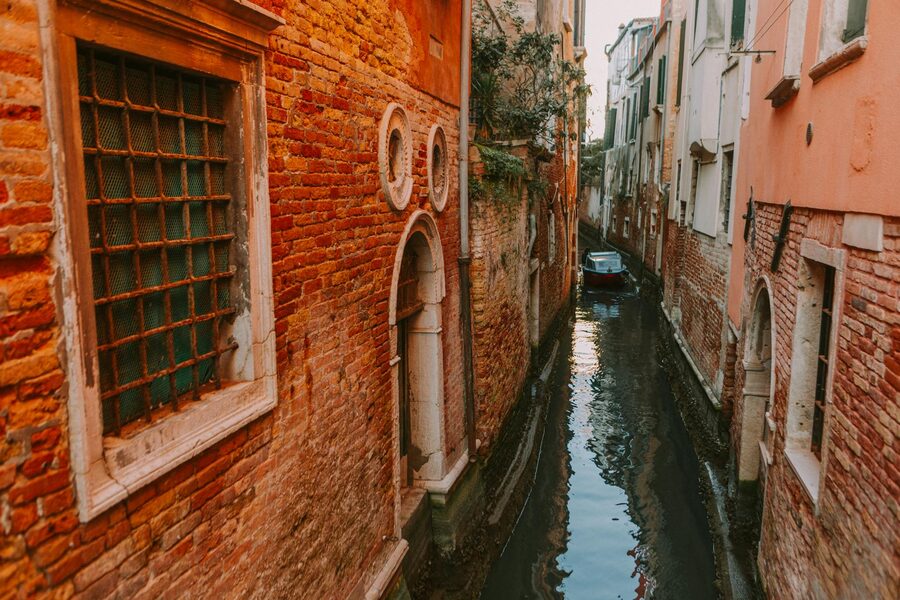
The cooking class slots into any 3+ day Venice trip without conflict with other activities. Here’s how to arrange it.
The rhythm that makes sense: Day 1 arrival + gentle walking. Day 2 morning cooking class + afternoon free + evening Venetian dinner using what you learned (ordering pasta at a good trattoria means you’ll recognise quality you wouldn’t have noticed before). Day 3 full sightseeing day. The class on Day 2 sets up the rest of the trip’s eating. Combinations that work: class followed by a street food + cicchetti tour on a different day — you cover cooking from the creator side and the eating side in one Italy trip. Or pair with the Vivaldi Four Seasons concert on the same evening as the morning class — cook in the morning, eat a late lunch, nap, concert at 20:30, late dinner after. For wider Italian food itineraries, pair with Florence cooking classes for a north-south comparison (Tuscan vs Venetian technique differs markedly), or with Florence sunset food tour for an eating-side counterpoint.
Common Questions
Do I leave with recipes? Yes — printed recipe cards in English, usually emailed in advance. You can also take photos during the class (encouraged, actually).
Can I take the tiramisu with me? Sometimes. Depends on container availability and whether you made a single-serve or tray version. If you want a portable one, bring a small plastic container.
What about kids? Kids 10+ do well. Younger kids struggle with the 3-hour concentration. Some operators offer kid-specific shorter classes — ask when booking.
Is it hands-on? Very. You physically roll pasta, mix tiramisu, dip ladyfingers. Not a demonstration class where you sit and watch — you do about 70% of the work yourself.
What if I’m a bad cook? Irrelevant. The instructor troubleshoots your technique as you go. By the end you’ll have made decent pasta regardless of your starting level.
Vegetarian options? Pasta is egg-based (vegetarian-friendly). The sauce varies — ask for vegetarian at booking. Tiramisu uses eggs (vegetarian) and mascarpone (vegetarian). Vegan is difficult but possible with pre-arranged substitutes.
Gluten-free? Exists but requires 72+ hours’ notice. Pasta flour is swapped for GF flour blend and the instructor works with you on technique differences.
Tipping? Not expected but appreciated. €5-10 per person at class end if the instructor was great.
The Honest Verdict
The Venice pasta and tiramisu class is one of the best-value tourist products in the city. $76 for 3 hours that includes a full meal and two genuinely useful cooking skills is excellent maths. Compared to a €50-80 restaurant dinner with no learning, the class wins on almost every axis.
Book it for any Venice trip longer than 2 nights. Morning slots if you want dinner separately; afternoon slots if you want the class to be your full meal. Low season is better if you have flexibility. Bring an apron-proof shirt. Don’t eat a big breakfast beforehand. And do make the tiramisu at home within two weeks — that’s when muscle memory is still fresh and you’ll actually get it right the first time.