
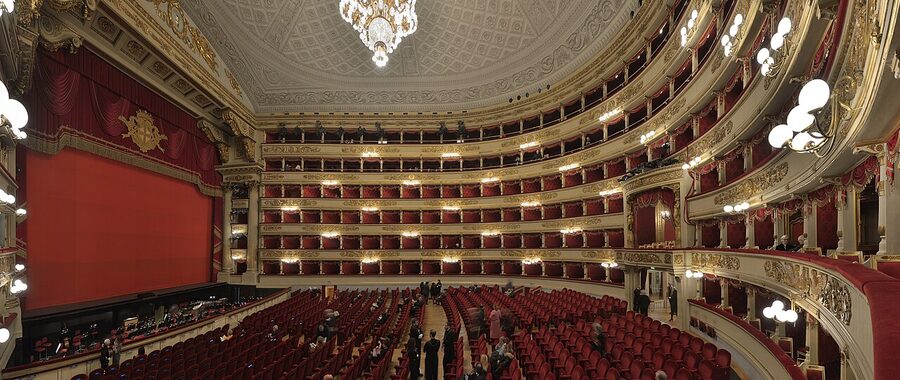
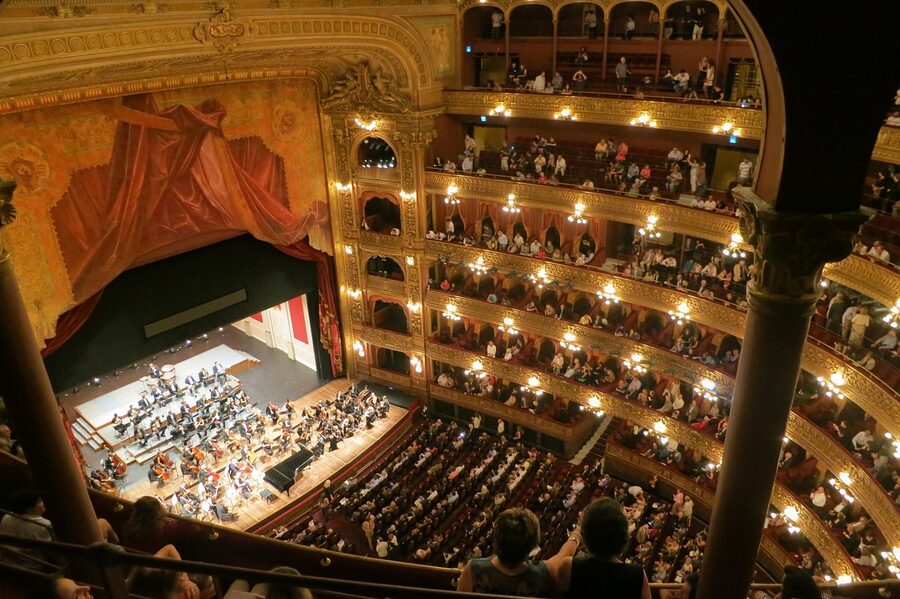
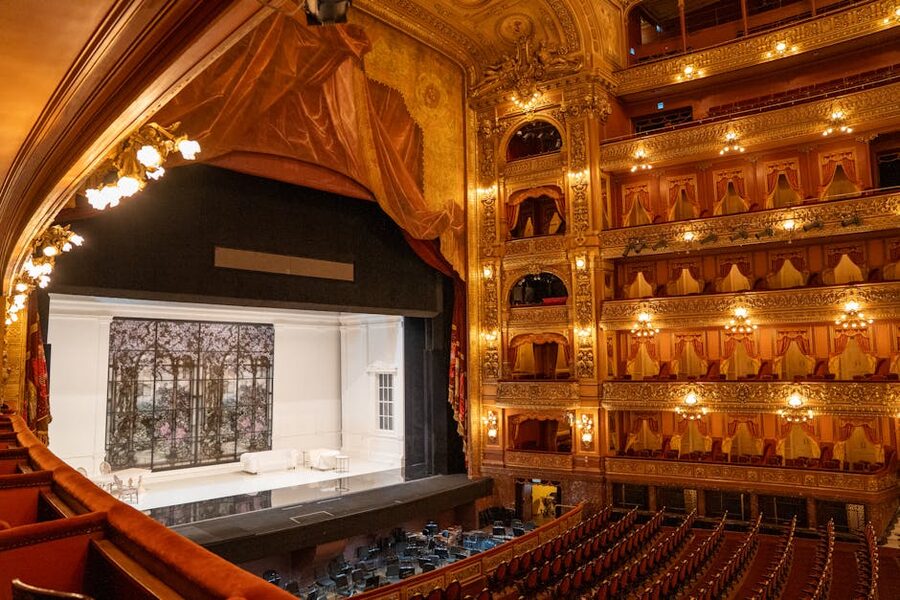
You stand in a glass box above the stage. The ushers have let ten people in at once, and everyone is quiet because below you is the room where every Italian opera worth knowing was premiered.
That’s the La Scala museum, €12. Most people bundle it into a half-day Milan tour with the Last Supper. Both routes work; here’s how to pick.
Quick Picks
- The combined half-day — Milan Half-Day Tour with Last Supper, Duomo & La Scala ($131). The tour that pre-books the hard tickets.
- The GetYourGuide equivalent — Milan City Center & Last Supper Walking Tour. Last Supper plus Sforza plus the Duomo area.
- Just Last Supper + Sforza — Milan: Last Supper & Sforza Castle Guided Tour. Tighter, skip the Duomo if you’ve done it yourself.
- Quick Picks
- Why La Scala Matters
- The Three Real Options
- Milan Half-Day Tour Including Da Vinci’s Last Supper, Duomo & La Scala — 0.96
- Milan: City Center & Last Supper Walking Tour
- Milan: The Last Supper & Sforza Castle Guided Tour
- The La Scala Museum (Museo Teatrale alla Scala)
- The Chandelier
- Going to an Actual Performance
- The Combined Milan Tour Reality
- Other Milan Things to Pair With La Scala
- La Scala vs Other Italian Opera Houses
- Who This Is For
- Timing and Season
- Pairing With Your Italy Trip
- Common Questions
- The Honest Verdict
Why La Scala Matters
It’s not the oldest opera house in Italy — that’s Teatro San Carlo in Naples (1737). It’s not the biggest — that’s Verona’s Arena. La Scala matters because of programming. Every major 19th-century Italian composer wrote operas specifically for this theatre: Rossini (5 operas premiered here), Donizetti (12), Bellini (8), Verdi (around 7), Puccini (Madama Butterfly and Turandot). When Italians say “opera,” they mean the canon written for this room.
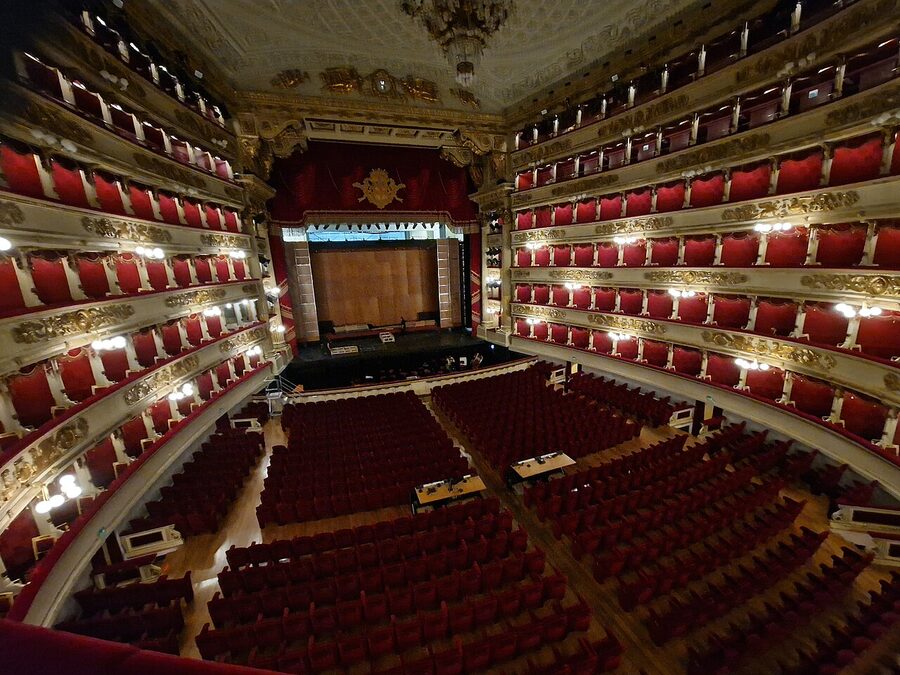
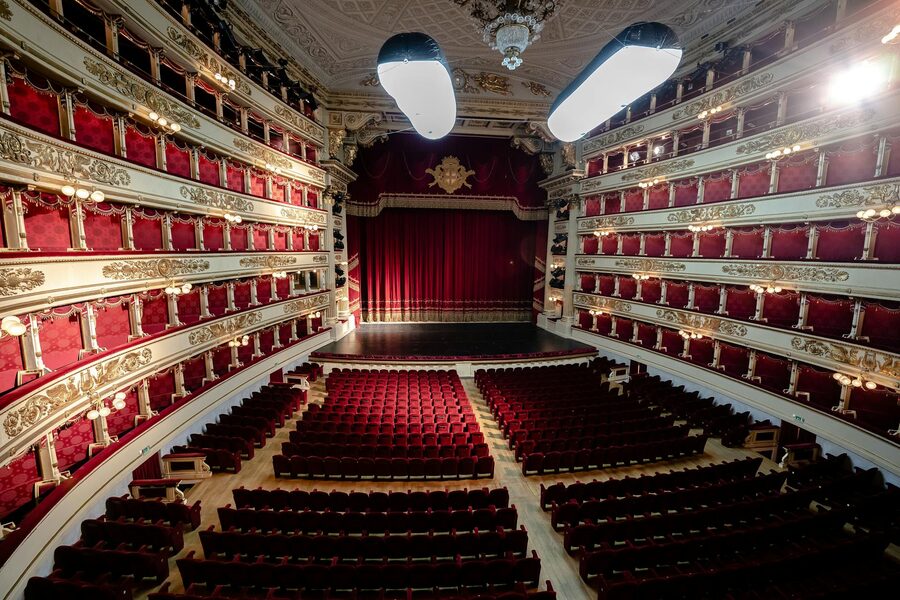
The theatre was commissioned in 1776 by Empress Maria Theresa of Austria (Milan was under Austrian rule at the time) to replace the Teatro Ducale which had burned down. Designed by Giuseppe Piermarini in 18 months. Opened 1778. Rebuilt after WWII bombing in 1943 — the Allies accidentally flattened most of the structure; Italian engineers rebuilt it stone by stone from pre-war photographs. The 2001-2004 renovation by Mario Botta modernised everything hidden — stage machinery, dressing rooms, technical infrastructure — while keeping the visible interior exactly as it was in 1778.
The Three Real Options
Milan Half-Day Tour Including Da Vinci’s Last Supper, Duomo & La Scala — $130.96
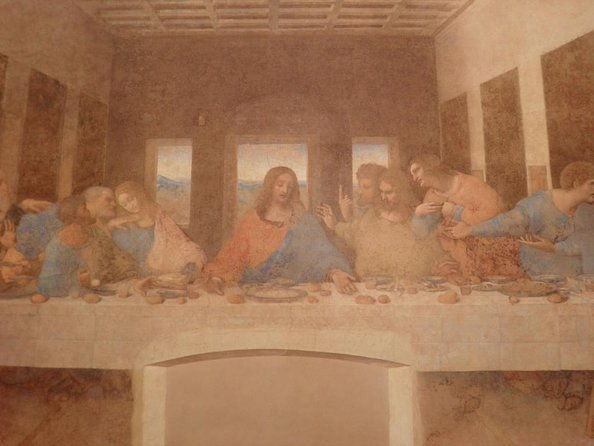
3.5 to 4 hours covering Milan’s big three: Da Vinci’s Last Supper with pre-booked entry (otherwise sold out weeks ahead), Duomo exterior and Piazza del Duomo, Galleria Vittorio Emanuele II, plus La Scala exterior and museum. La Scala auditorium access depends on the rehearsal schedule — it’s inconsistent, which is where the tour gets marked down. Our review covers what’s guaranteed versus what’s subject to availability.
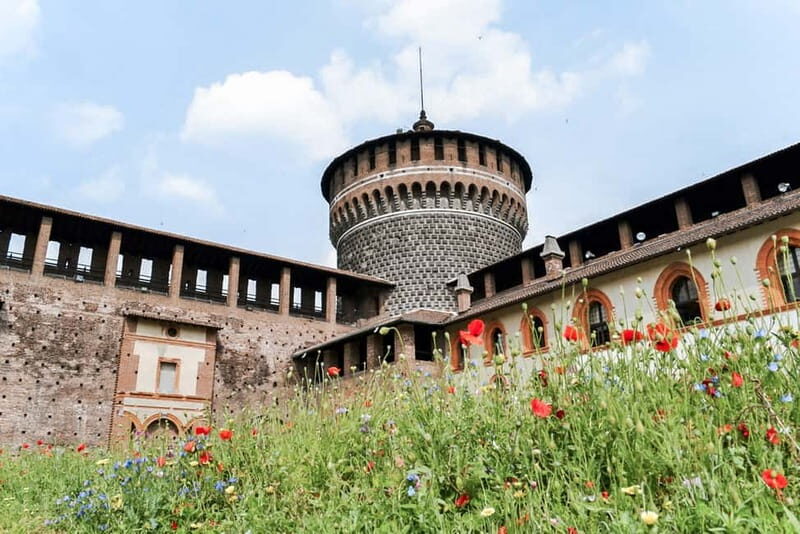
Milan: City Center & Last Supper Walking Tour
The GetYourGuide alternative — generally the better-rated of the two combined half-days. Last Supper plus Sforza Castle plus Duomo plus La Scala exterior plus the Galleria, in three hours. Usually slightly cheaper than the Viator version. Our review argues this is the better-value combined Milan tour.
Milan: The Last Supper & Sforza Castle Guided Tour
The shorter focused option. Last Supper plus Sforza Castle exterior with an English guide, no Duomo, no La Scala. Two hours. Good if you’ve already done the Duomo on your own and you just want guided access to the Last Supper (the hard-to-book ticket) and some Renaissance architecture. Our review explains when to book this instead of the fuller tours.
The La Scala Museum (Museo Teatrale alla Scala)
The museum occupies the upper floors of the theatre building itself and is accessible via a separate entrance. €12 standalone ticket, no advance booking needed most days. Open 9:00-17:30 with last entry 30 min before close.
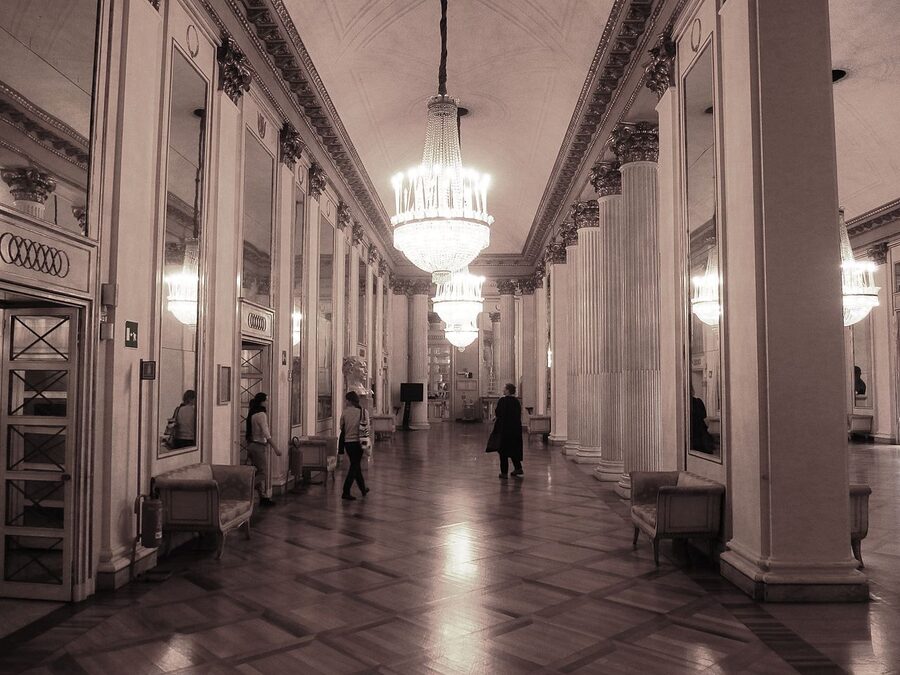
What’s on display: portraits of all the major composers who wrote for La Scala, death masks (Verdi, Puccini), original costume designs by figure like Galileo Chini and Lila De Nobili, the 1902 piano that Puccini used to compose Tosca’s third act, 19th-century stage models in scale, programmes from every season going back to 1778.
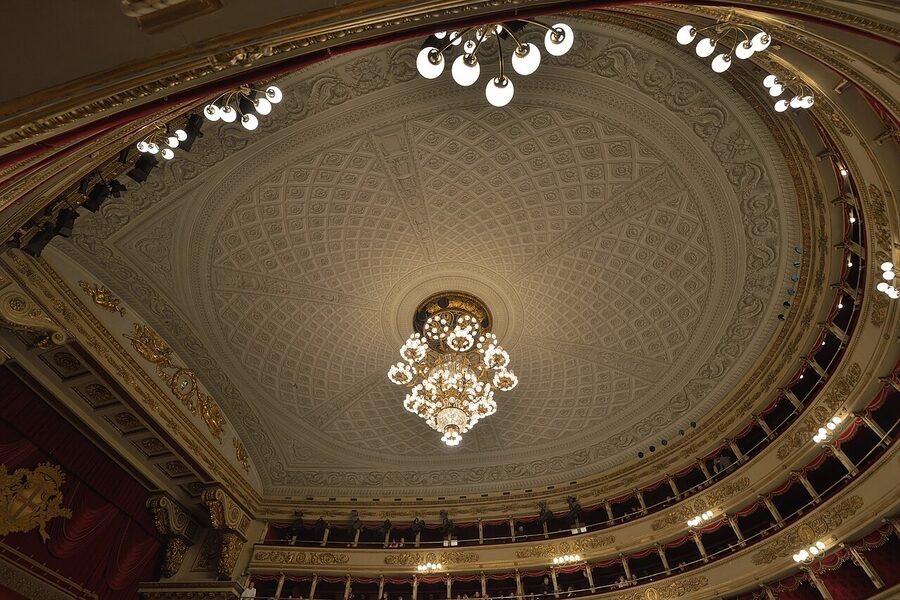
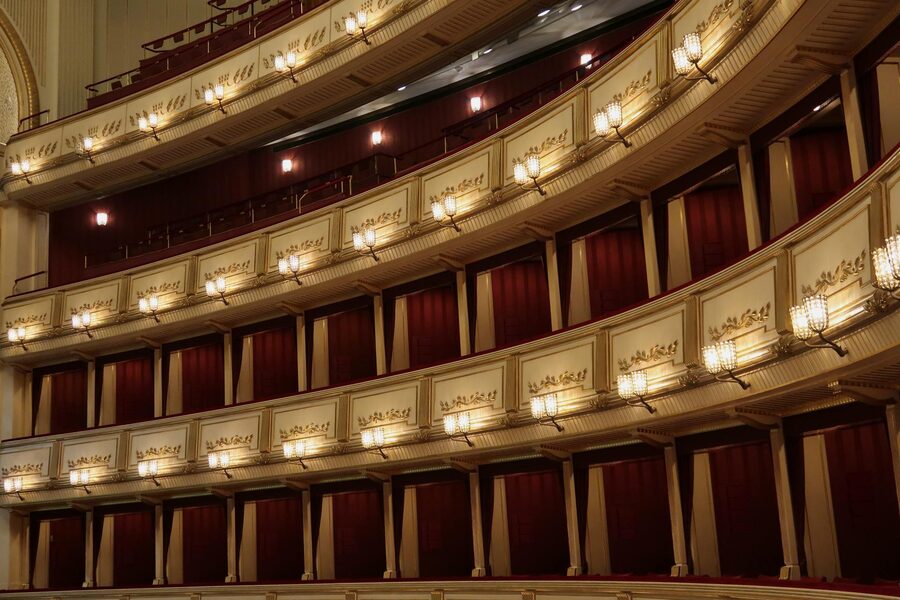
The real draw — auditorium access: the museum route includes a glass-walled viewing box that looks into the main auditorium. You can see the stage, the boxes, the chandelier, the entire theatre from one of the upper tier viewing positions. This is the only way to see La Scala without buying a performance ticket.
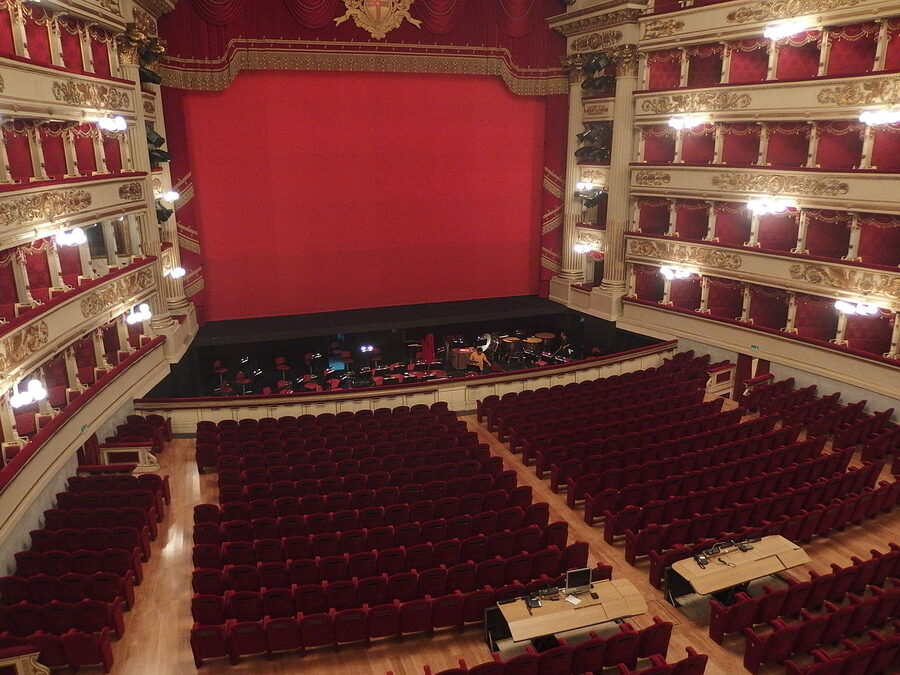
Time budget: 60-90 minutes comfortable for a full museum visit including auditorium viewing. Shorter if you’re only there for the box view.
The Chandelier
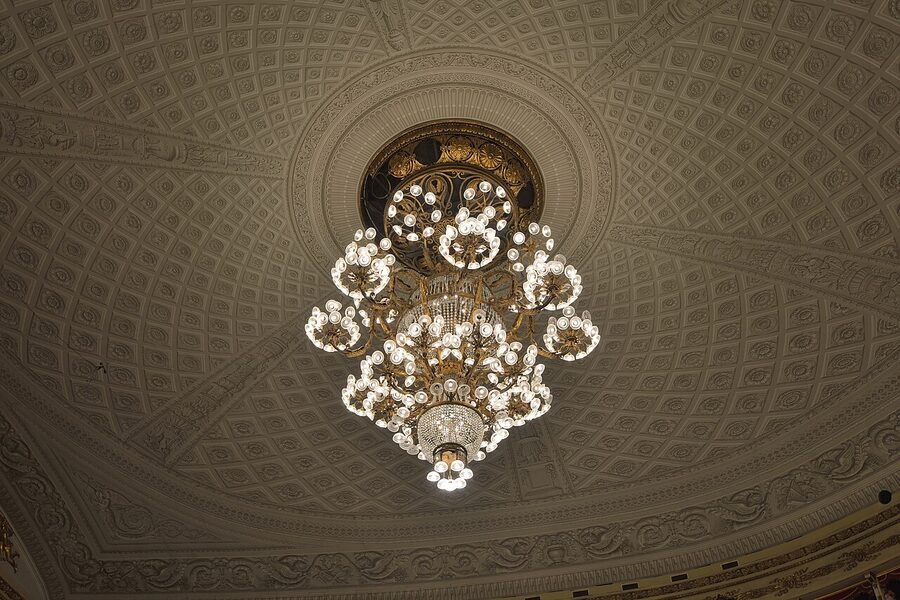
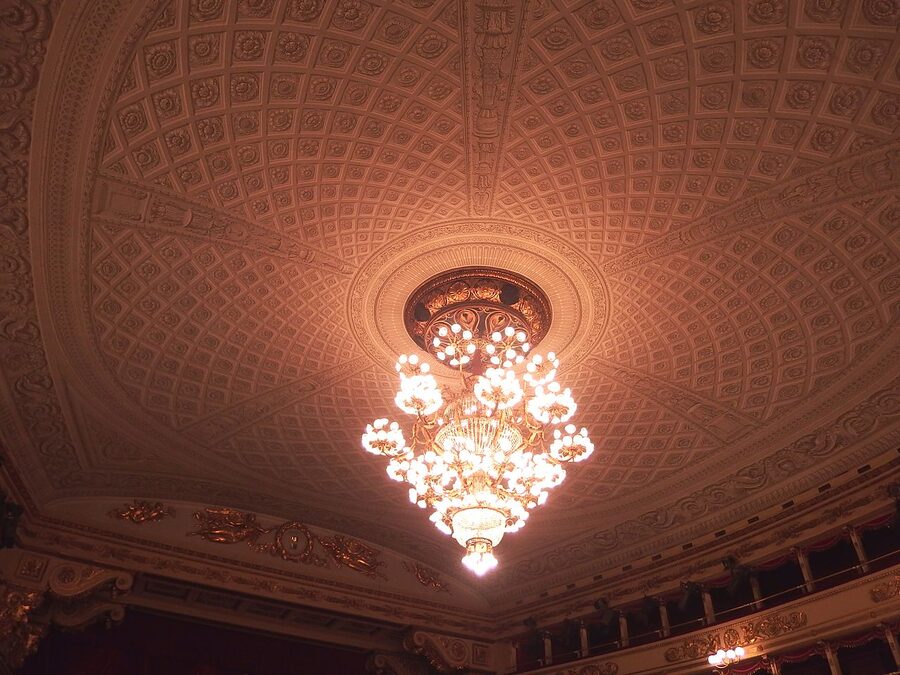
The central chandelier is 2,000 kg, 8 metres tall, and lit by 383 bulbs. It was originally gas-powered (1778) with candles, then electrified in 1883. The current version is a reconstruction — the WWII 1943 Allied bombing destroyed the original. The reconstruction used pre-war photographs for fidelity.
The chandelier is lowered 3-4 times per year for cleaning — hours-long operation using a custom winch system. Visitors don’t see this; backstage only.
Going to an Actual Performance
If you want to see an opera or ballet in the auditorium rather than just visit the museum, here’s the honest picture.
Ticket prices: €35 (standing room, restricted view) to €2,500 (premium central boxes for premieres). Most mid-range seats are €80-200. Standing-room tickets (posti in piedi) go on sale 45 minutes before curtain — queue at the box office from 18:00 for 19:45 curtain.
Season: December through July. Famous December 7 opening night (Prima alla Scala) is the Milanese event of the year — tickets start at €200 and sell out a year in advance. Summer closure July-August then reopen in September for a light autumn programme.
Dress code: not strict. Business-casual is fine. Some people dress up; some don’t. The December 7 premiere is actually formal (black tie) — that’s the exception.
Booking: website teatroallascala.org or the physical box office. Non-Italian language navigation is workable. Standing-room tickets require showing up in person.
The Combined Milan Tour Reality
Most travellers don’t book La Scala standalone. They book the combined Milan half-day tour that includes La Scala as one of 4-5 stops. Here’s what that actually looks like.
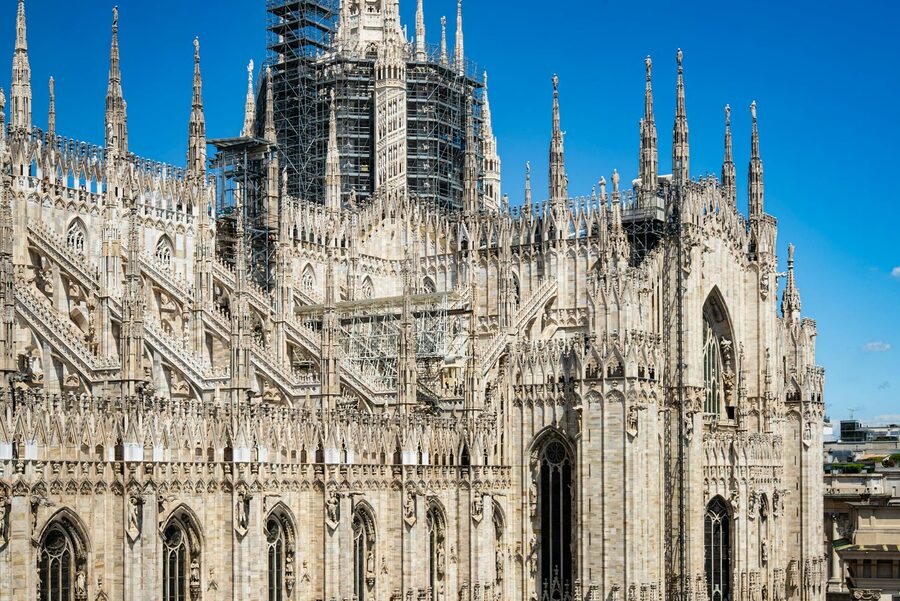
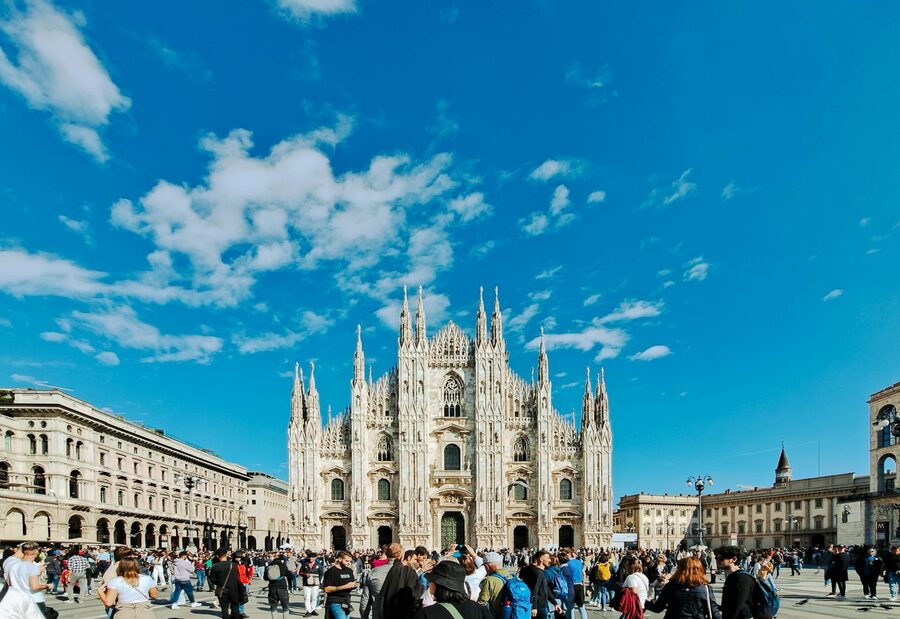
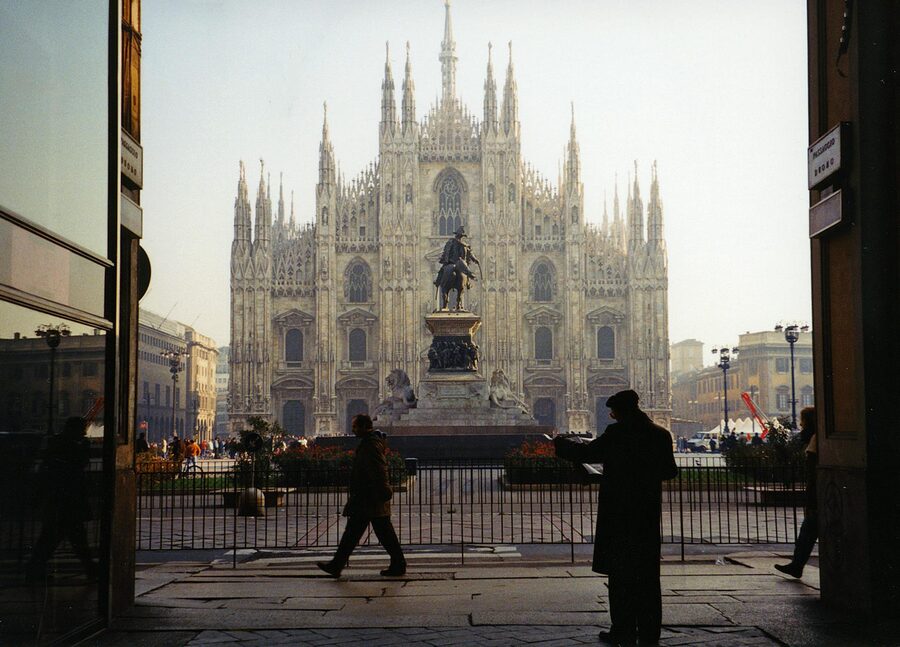
Stop 1 — Duomo di Milano: 30-45 minutes exterior + Piazza del Duomo photography. Interior visit optional add-on.
Stop 2 — Galleria Vittorio Emanuele II: 15 minutes through the 19th-century covered arcade that connects the Duomo to La Scala. Glass dome, mosaic floors, upscale shops. You step on the bull mosaic floor and spin three times for luck (locals watch and roll their eyes).
Stop 3 — La Scala exterior + museum (if included): 30-45 minutes. Outdoor view of the facade + Piazza della Scala + the Leonardo monument. Museum visit + auditorium viewing when the theatre’s schedule allows.
Stop 4 — Santa Maria delle Grazie + Last Supper: 45 minutes. Pre-booked entry to the refectory where Da Vinci’s Last Supper is painted on the wall. 15-minute visit enforced by the access system. Not much; you only get one shot at this famous painting.
Other Milan Things to Pair With La Scala
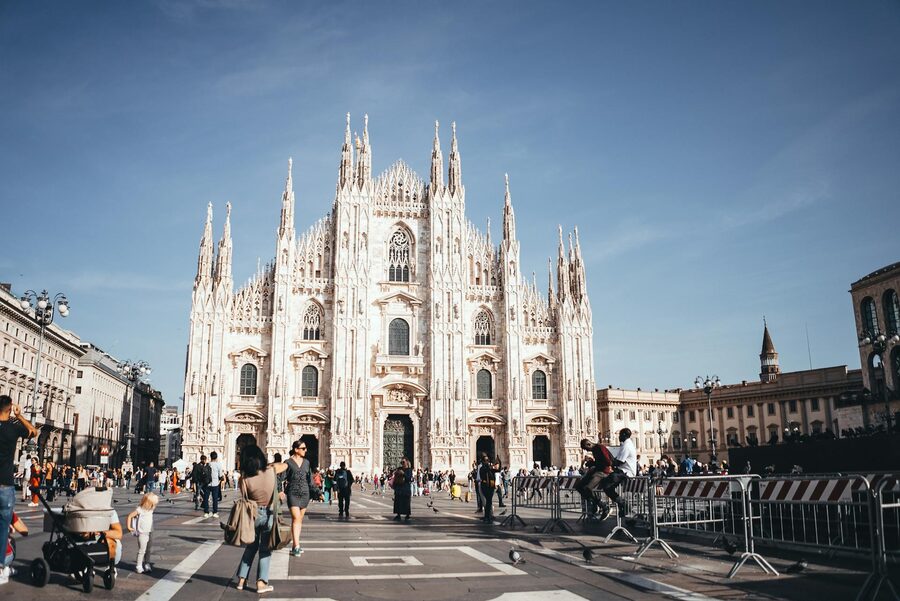
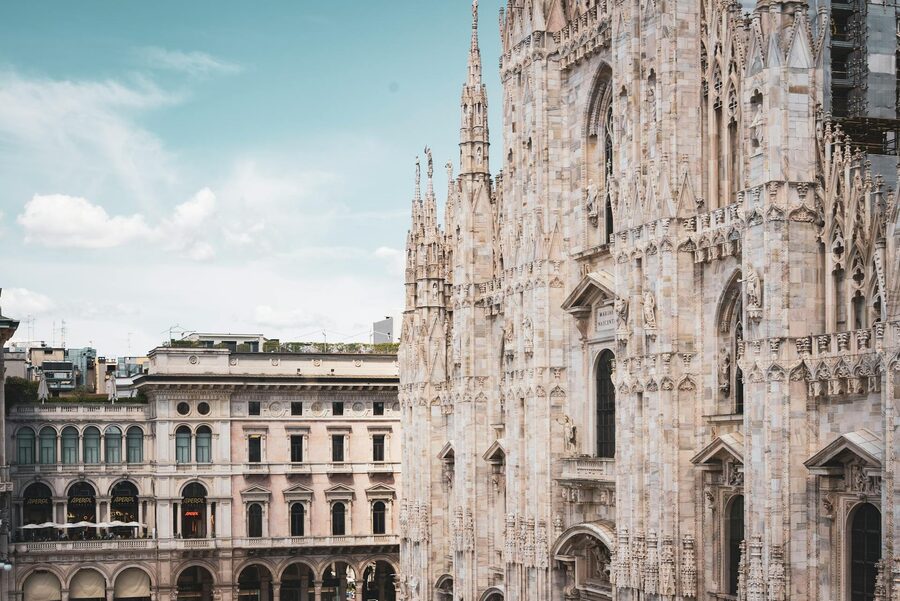
The Galleria Vittorio Emanuele II is immediately attached to Piazza della Scala and is worth walking through. The Last Supper at Santa Maria delle Grazie is 15 minutes west on foot. The Sforza Castle and its Pietà Rondanini (Michelangelo’s final sculpture, unfinished at his death in 1564) is 10 minutes north. None of these are a long taxi ride — Milan’s centre is compact.
La Scala vs Other Italian Opera Houses
For context: La Scala is one of several historically significant Italian opera houses, each with its own character.
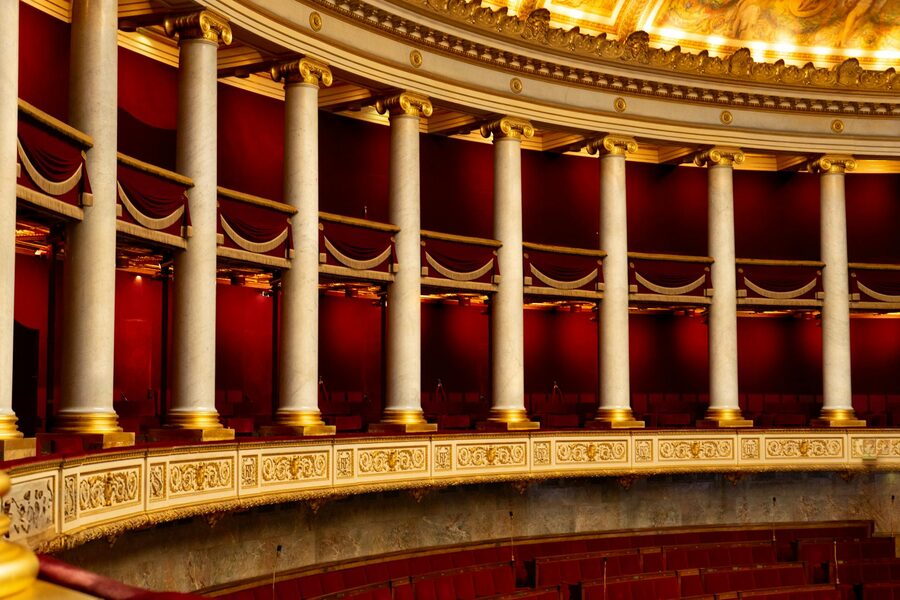
Teatro di San Carlo, Naples: older (1737), larger, classical Neapolitan music focus. Different repertoire traditions.
Teatro La Fenice, Venice: smaller, more intimate, strong Verdi history (Rigoletto, La Traviata premiered here). Different vibe entirely.
Arena di Verona: outdoor Roman amphitheatre repurposed for opera. Summer season only (June-September). Much more spectacle-driven than La Scala’s refined indoor tradition.
Who This Is For
Great fit: opera enthusiasts, music history buffs, architecture travellers, anyone doing Milan for 2+ days, travellers comparing European opera houses.
Reasonable fit: day-trippers with a tour, couples on a classical-culture trip, travellers combining Milan with Lake Como.
Bad fit: travellers uninterested in opera (the museum is heavily opera-focused — without that interest, 60 minutes inside will feel long), families with young kids (the museum is a look-don’t-touch environment, quiet adult space).
Timing and Season
Museum open year-round, tours run year-round. The opera season runs December through July; summer closure is mid-July to early September.
Best time to visit museum: summer (July-August). The theatre is closed for performances so auditorium access is often more generous — no rehearsals to work around. 45-60 minute auditorium viewing windows are common in summer.
Worst time: December 1-15. Prima alla Scala prep week. Auditorium access is minimal or suspended. Museum stays open but the real draw is limited.
Advance booking: museum standalone — none needed most days. Combined tours — 1-3 days ahead.

Pairing With Your Italy Trip
Milan is often under-visited (tourists skip it for Florence/Venice/Rome). If you’re doing Milan, La Scala is a natural part of a 1-2 day stay.
The day that works: morning Duomo + Galleria + La Scala museum + lunch at Peck, afternoon Last Supper + Santa Maria delle Grazie, evening Navigli aperitivo + dinner. That’s one full Milan day covering the essentials. Combinations: pair with the Chianti bike tour on a Florence leg, the Venice Vivaldi concert on a Venice leg, and La Scala in Milan for a comprehensive classical-music Italy itinerary across three cities. For travellers doing Lake Como, a Milan morning + Como afternoon day-trip works well (frequent trains, 40 minutes).
Common Questions
Can I take photos? In the museum yes (no flash). From the auditorium viewing box yes but quickly and quietly. During performances absolutely no.
Is the auditorium access guaranteed? No. It depends on rehearsal schedules. Summer = usually yes. December = usually no. Check at booking or on arrival.
Do I need to understand Italian? No. Museum labels are in Italian + English. Combined tour guides are fluent English.
Kids? Museum OK for 10+. Under 8 will get bored. Combined tours manage 10+ with patience.
Tipping? Not required for museum staff. €3-5 per person for a good combined-tour guide.
The Honest Verdict
La Scala Museum is one of those culture-specific tourist sites that’s worth it if you care about the specific thing (opera, music history, Italian cultural context). If you don’t care — if classical music leaves you cold and you’d rather see the Last Supper or the Duomo interior — skip the standalone museum and book the combined half-day tour instead.
Book the standalone museum (€12) if opera is a genuine interest. Book the combined Milan half-day tour ($131) if you want La Scala + Last Supper + Duomo in one efficient window. Book a proper performance ticket (€35-200+) if you have a full evening free and want to see the theatre in actual operation. Go summer when auditorium access is most generous. And if you fall in love with the space — honestly, many visitors do — come back for a December premiere at some point in life. It’s not quite like anything else in music.