
Hamburg’s harbour is the third-largest in Europe — a small city floating on water where container ships the length of football pitches slide past historic warehouses and the Elbphilharmonie concert hall rises like a glass wave frozen mid-crash. Seeing it from the water at dusk, when the warehouses light up and the container cranes become silhouettes, is something else entirely.
The harbour cruises are Hamburg’s most popular tourist activity for good reason. The evening lights cruise takes you through the working port, past the Speicherstadt warehouse district, under bridges, and alongside ships from every continent. The commentary (German and English) explains what you’re seeing — which buildings are 19th-century, which are brand new, and why Hamburg’s relationship with its harbour defines everything about the city, from its wealth to its food to its famously independent character.
Best combo: Hop-On Hop-Off Bus + Harbor Cruise — $50, covers the city by bus and the harbour by boat.
Best walking tour: Speicherstadt + Elbphilharmonie Tour — $23, guided walk through the warehouse district.
- The Evening Harbor Lights Cruise
- The Speicherstadt: Walking the Warehouse District
- HafenCity and the Elbphilharmonie
- The Working Port
- Best Tours to Book
- 1. Evening Harbor Lights Cruise —
- 2. Hop-On Hop-Off Bus + Harbor Cruise —
- 3. Speicherstadt + Elbphilharmonie Walking Tour —
- Miniatur Wunderland and Other Speicherstadt Attractions
- Practical Tips
- More Hamburg Experiences
The Evening Harbor Lights Cruise
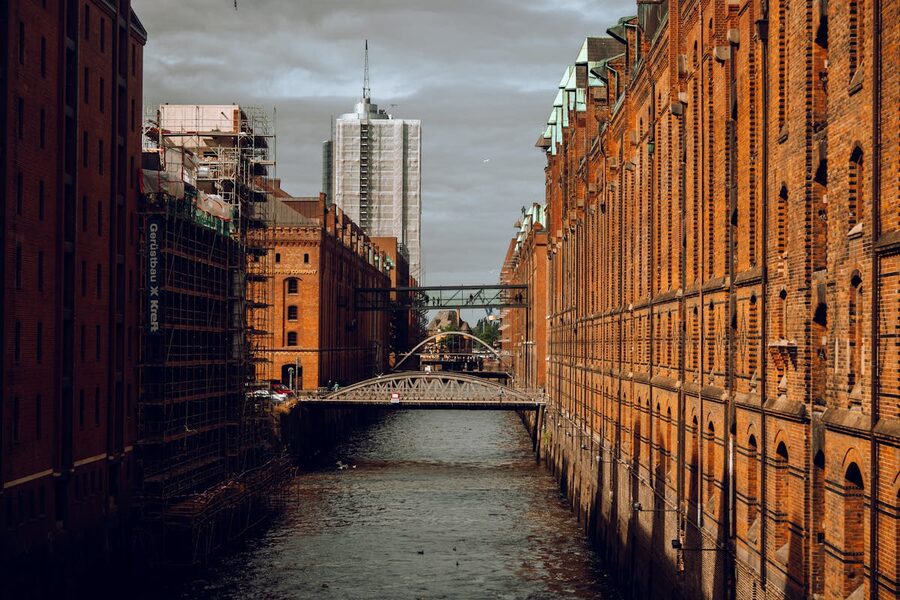
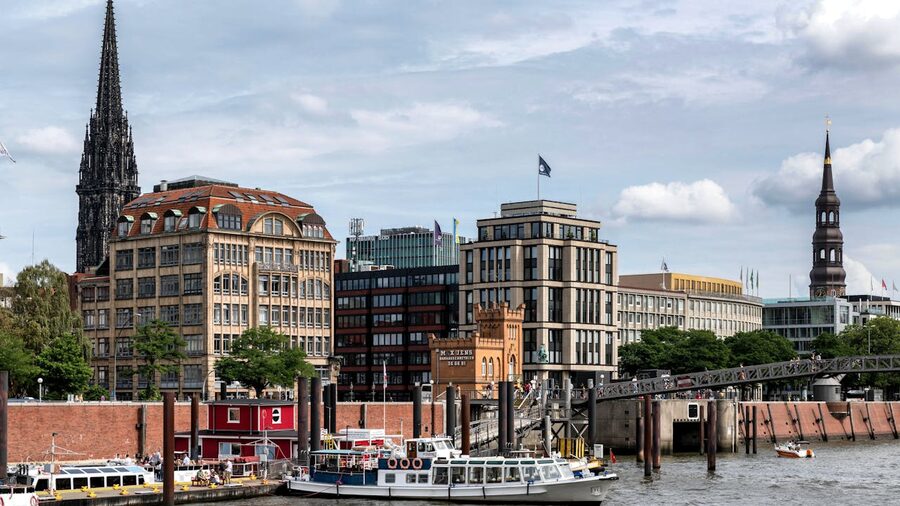
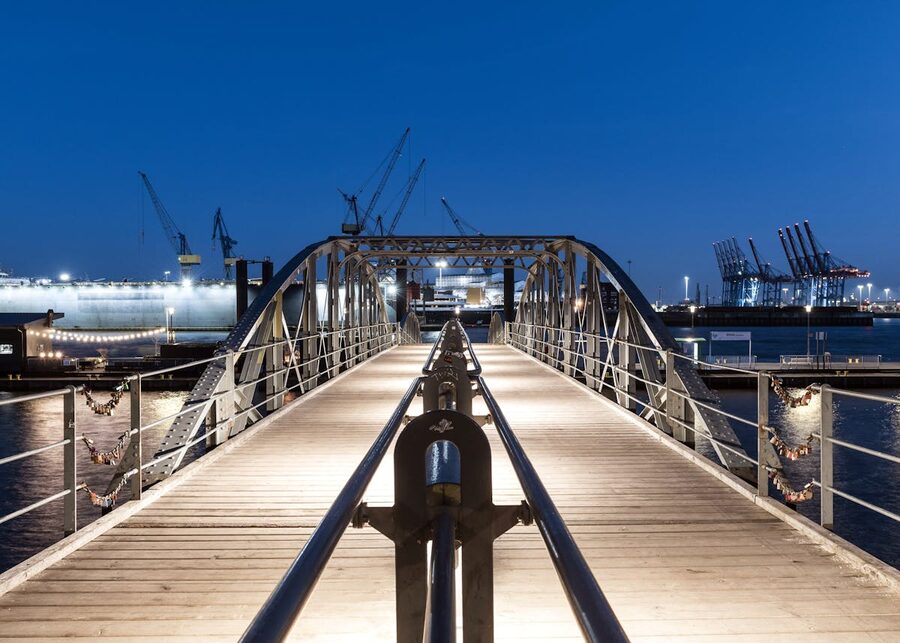
The 1-hour evening cruise departs from the Landungsbrücken around sunset and takes you through the port as the lights come on. The route covers the Speicherstadt (illuminated red-brick warehouses reflected in the canals), the container terminals (working around the clock, floodlit like football stadiums), the dry docks, the Blohm+Voss shipyard, and a pass by the Elbphilharmonie. The commentary covers the harbour’s history, the ships you’re passing, and the engineering behind the port operations.
At $30 for an hour, the cruise is good value. The consistently positive feedback is reassuring — the main complaints are about crowding on the boat (book weekday evenings for smaller groups) and the German-heavy commentary (the English narration runs simultaneously but the German is louder). Sit on the upper deck for the best views and bring a light jacket — the harbour breeze is cool even in summer.
The Speicherstadt: Walking the Warehouse District
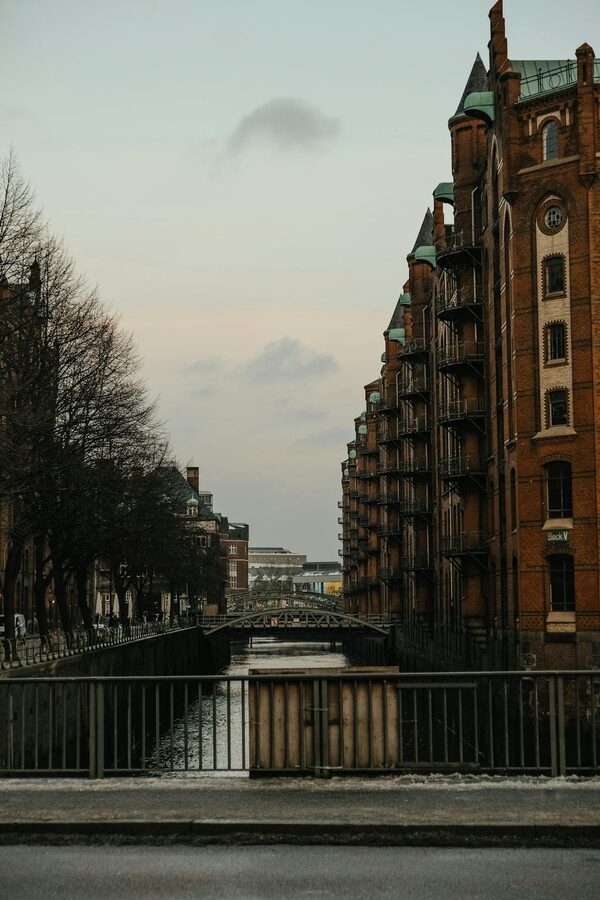
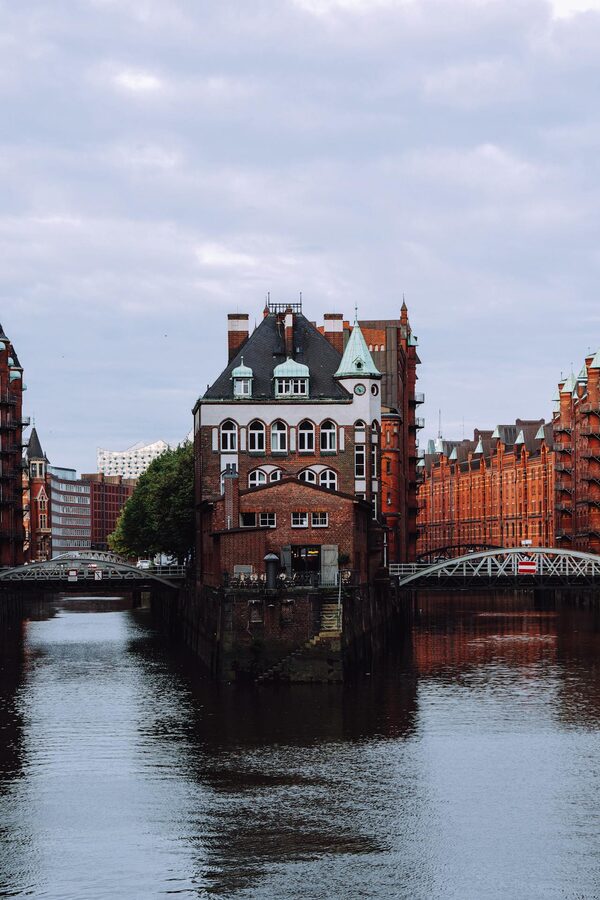
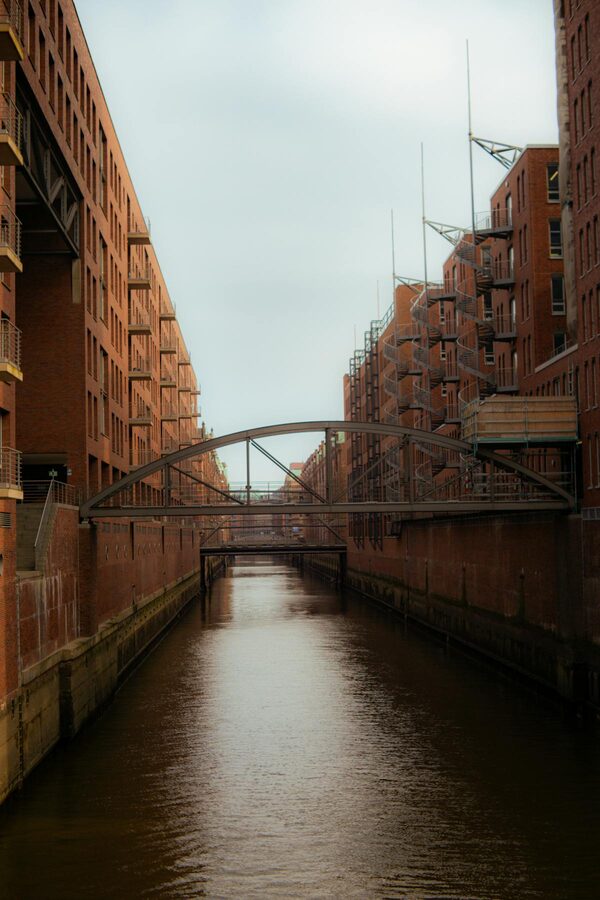
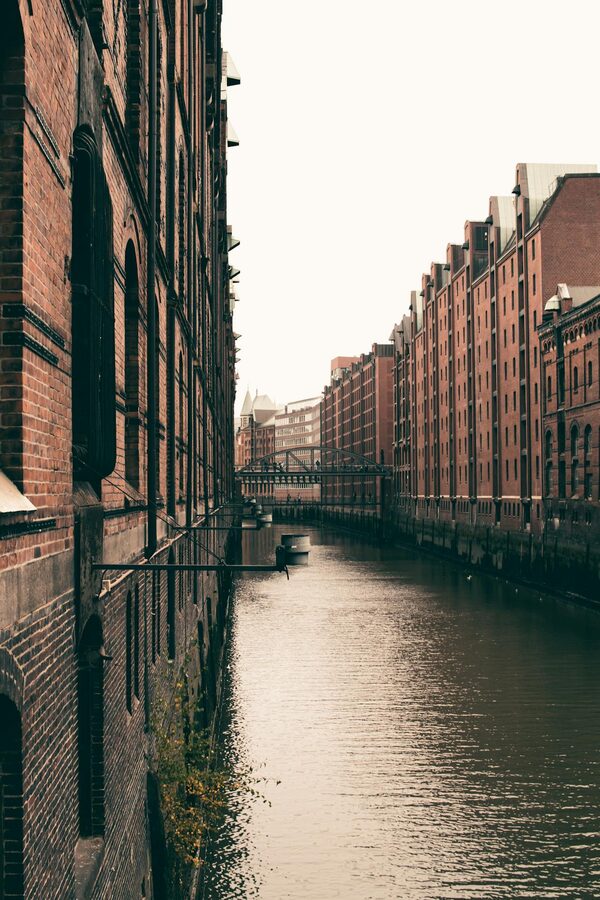
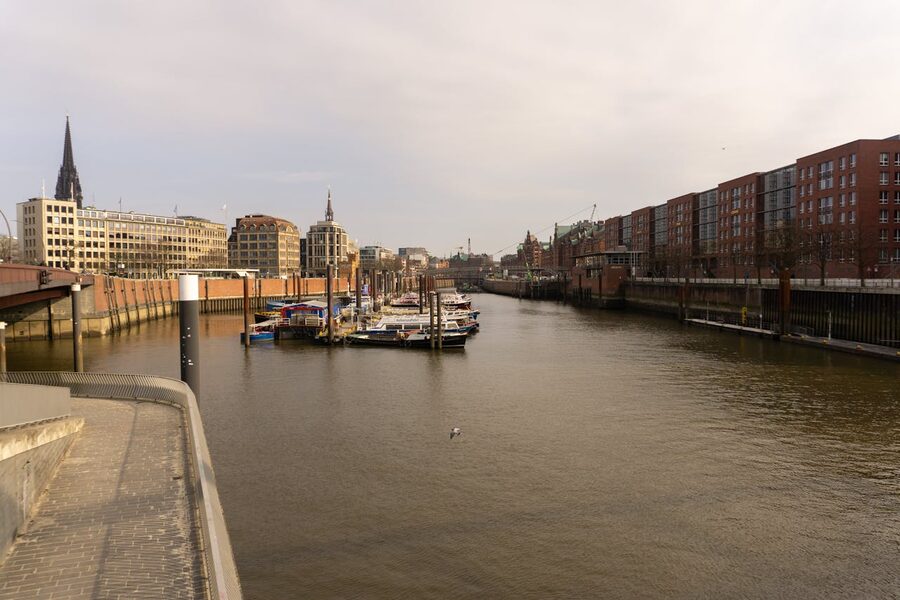
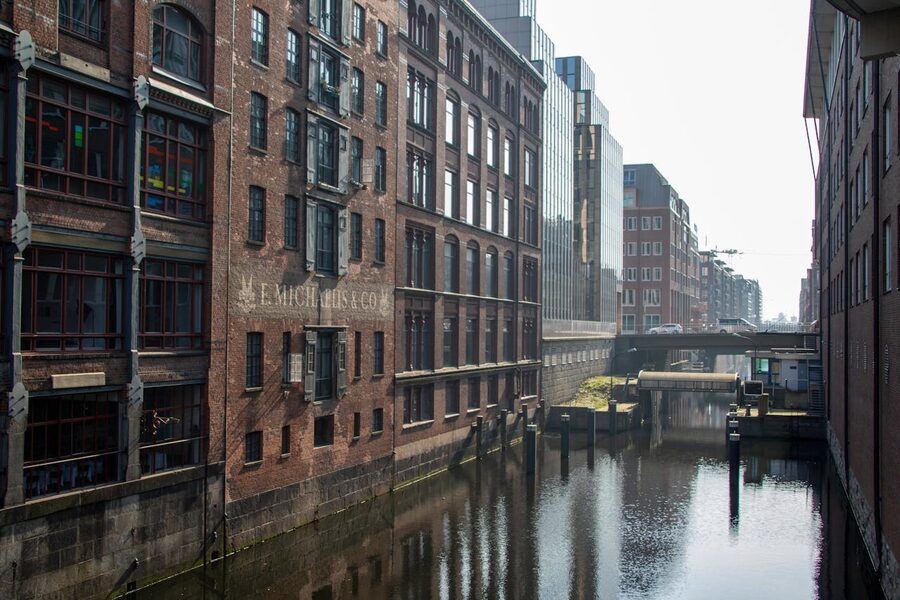
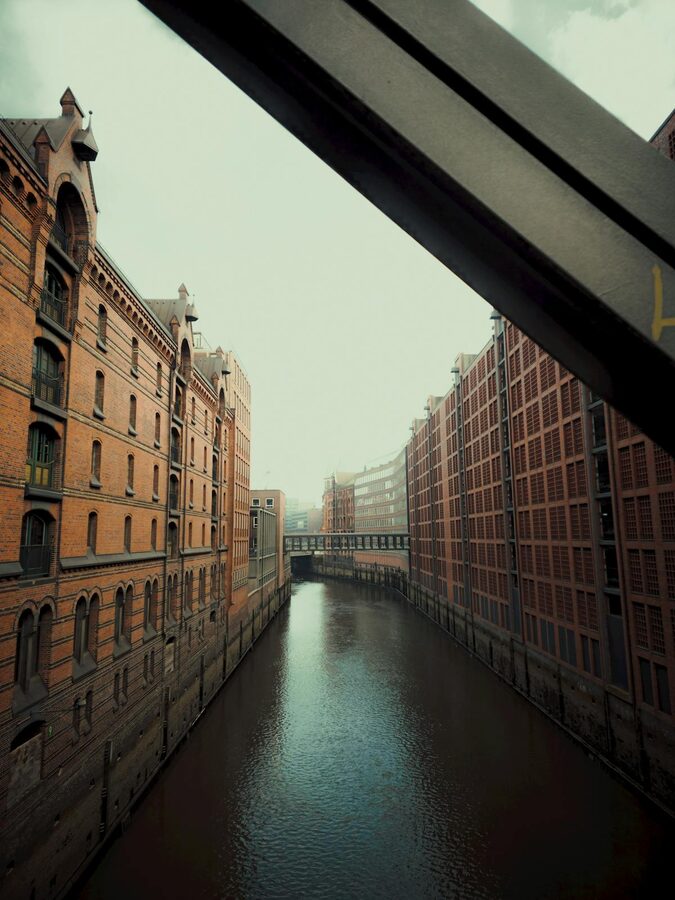
The Speicherstadt is the world’s largest warehouse district and a UNESCO World Heritage Site since 2015. Built between 1885 and 1927, the red-brick Neo-Gothic warehouses originally stored coffee, tea, tobacco, and spices. Some still do — Hamburg is Germany’s coffee capital, and several Speicherstadt warehouses still operate as bonded storage for green coffee beans.
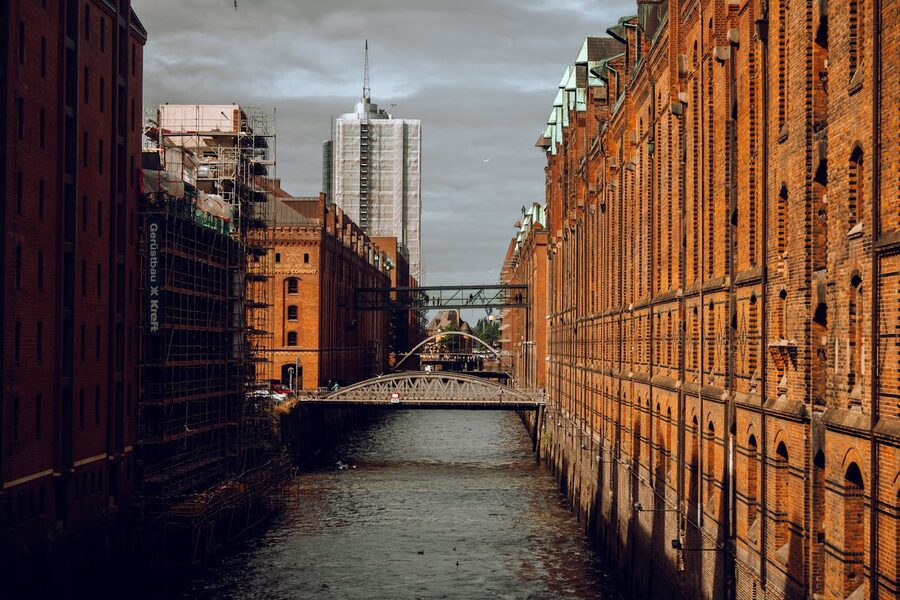
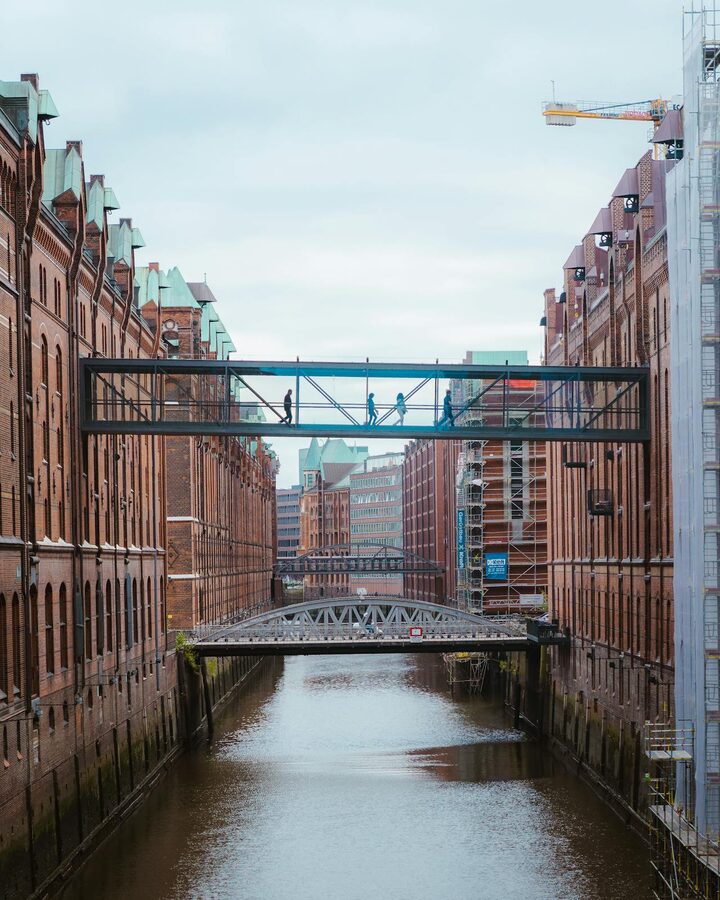
The Speicherstadt, HafenCity + Elbphilharmonie walking tour ($23, 2 hours) covers the warehouse history, the ongoing HafenCity urban development project, and the Elbphilharmonie concert hall. The guide explains the architecture, the engineering of building on water, and the commercial history that made Hamburg one of the richest cities in Europe. This newer tour is already earning consistently exceptional praise from visitors who value the depth of historical and architectural detail.
HafenCity and the Elbphilharmonie
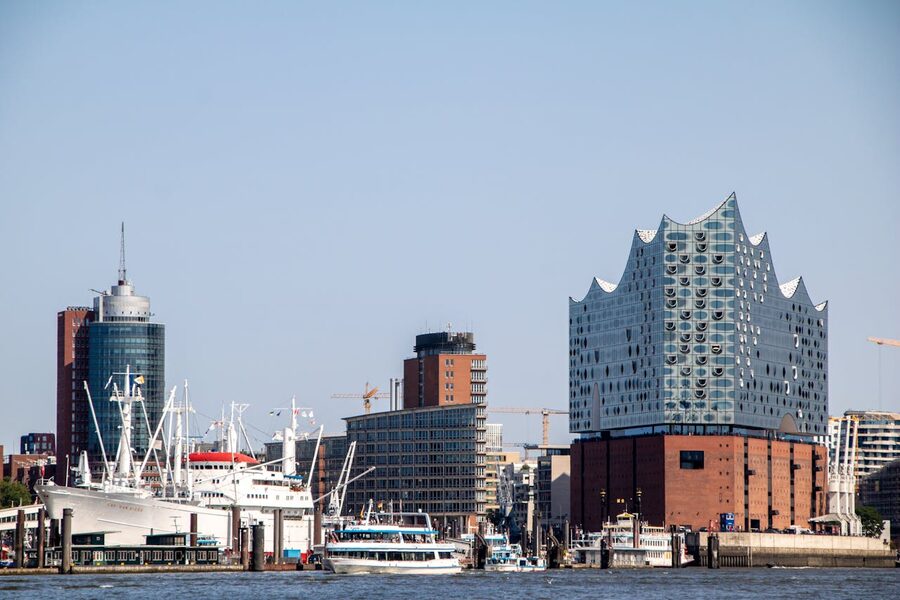
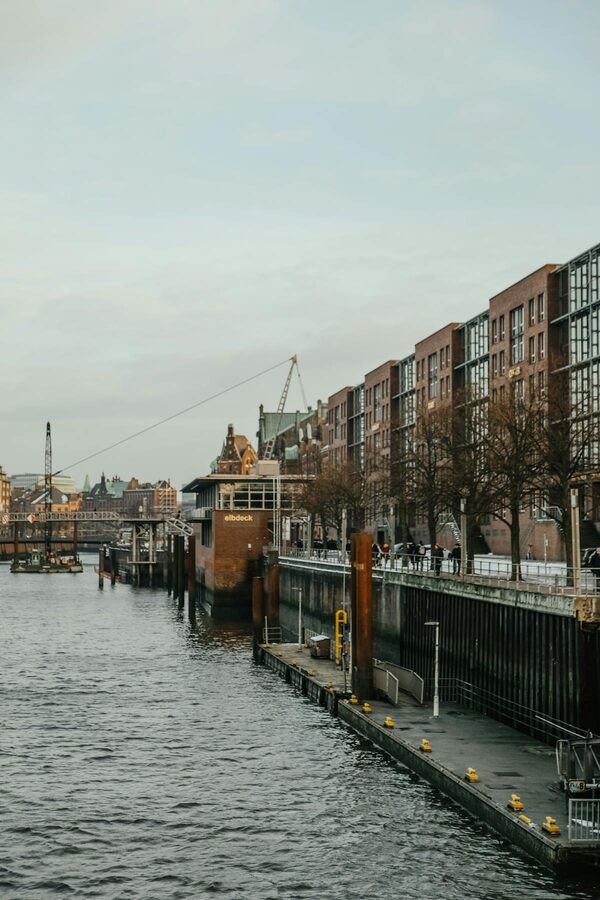
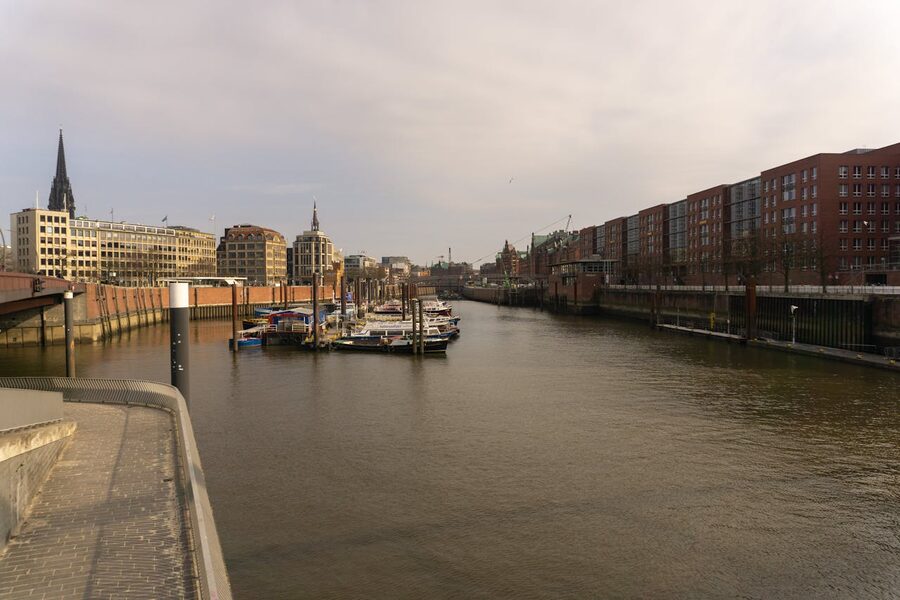
HafenCity — the district being built on former harbour land east of the Speicherstadt — is Europe’s largest inner-city urban development project. New apartment blocks, offices, cultural venues, and public spaces are transforming the waterfront into a mixed-use neighbourhood that’s designed to bring residents back to the harbour edge. The contrast with the historic Speicherstadt next door is deliberate — old Hamburg and new Hamburg side by side.
The Elbphilharmonie is the centrepiece. The public viewing platform (free, timed tickets from the Elbphilharmonie website) gives you 360-degree views of the harbour, city, and river from 37 metres up. The concert programme covers classical, jazz, world music, and contemporary — tickets for major concerts sell out months ahead, but the smaller venue (Kleiner Saal) often has availability.
The Working Port
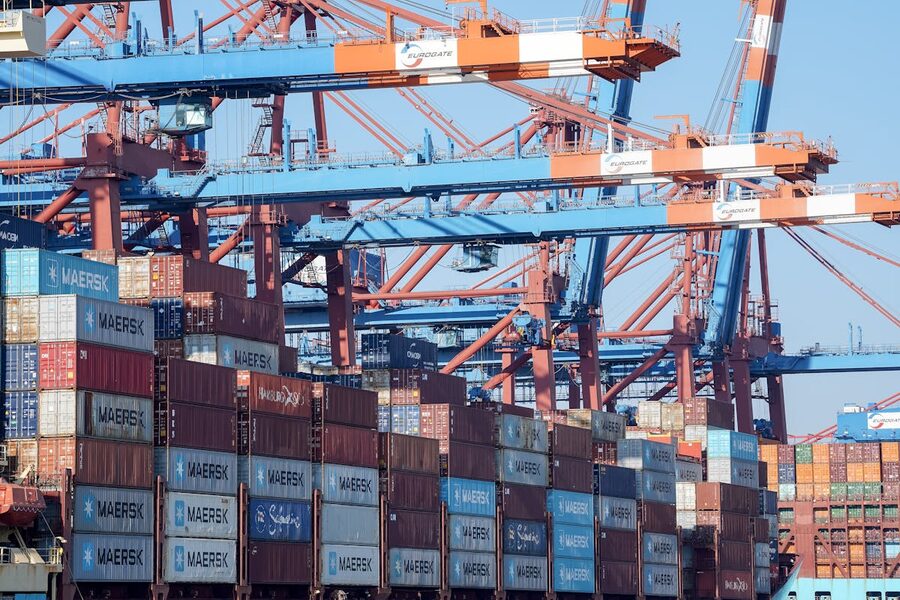
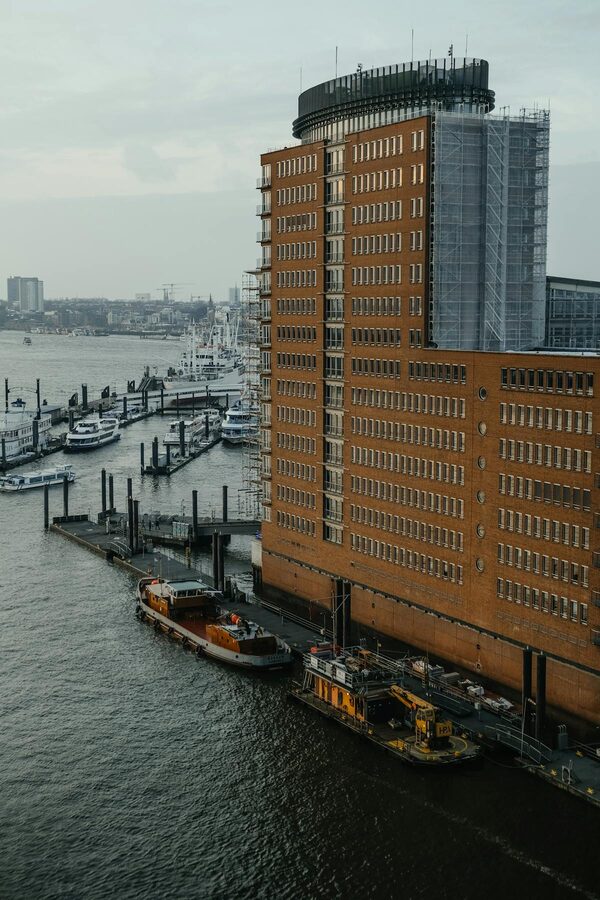
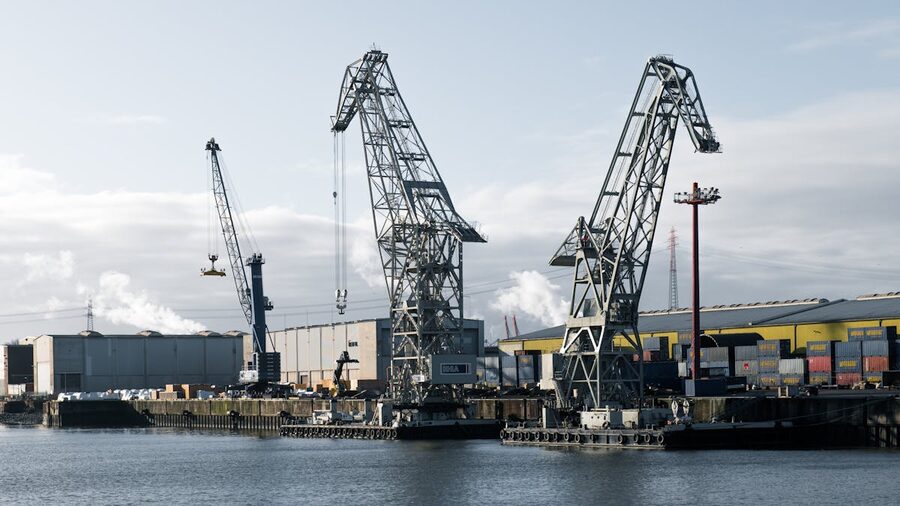
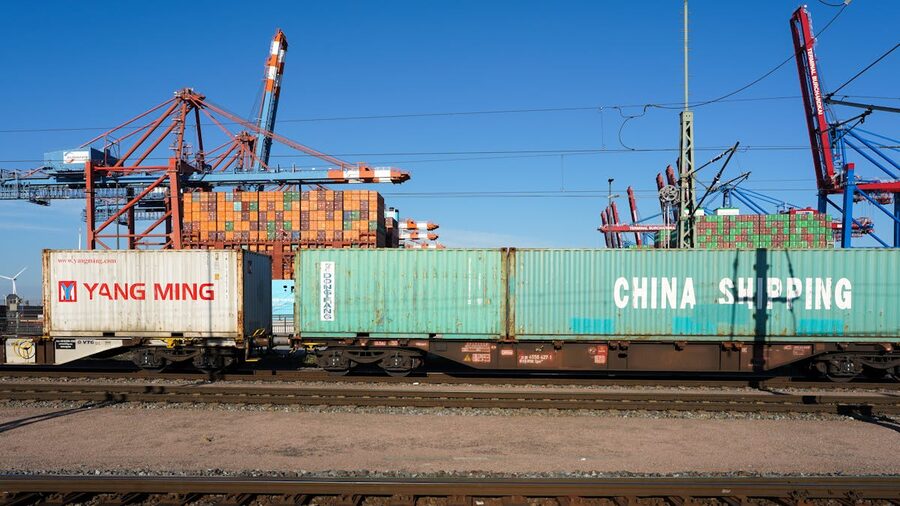
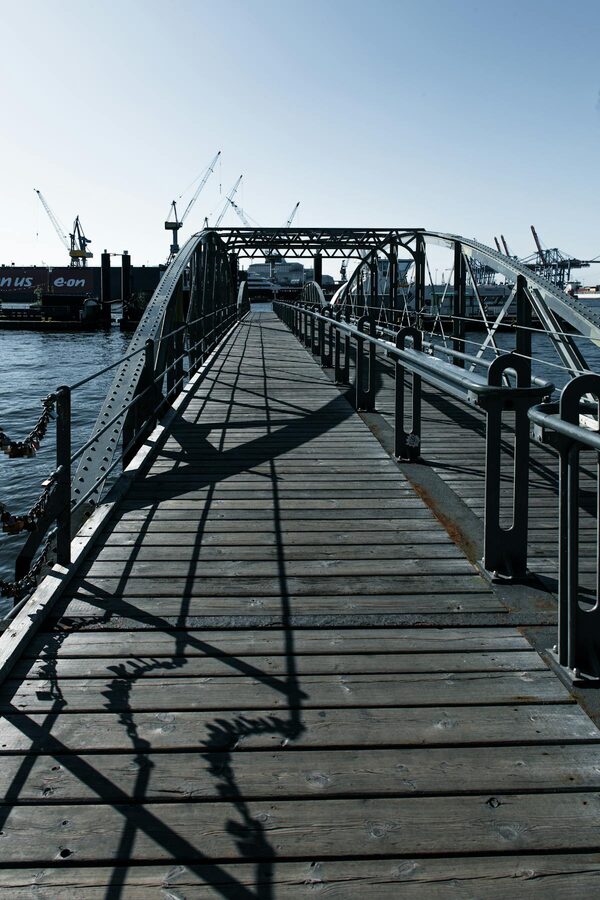
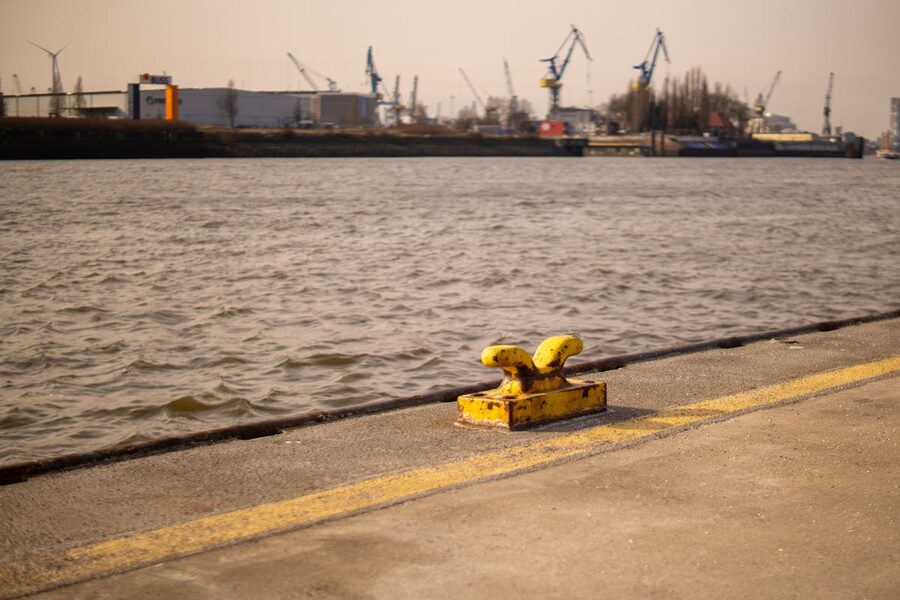
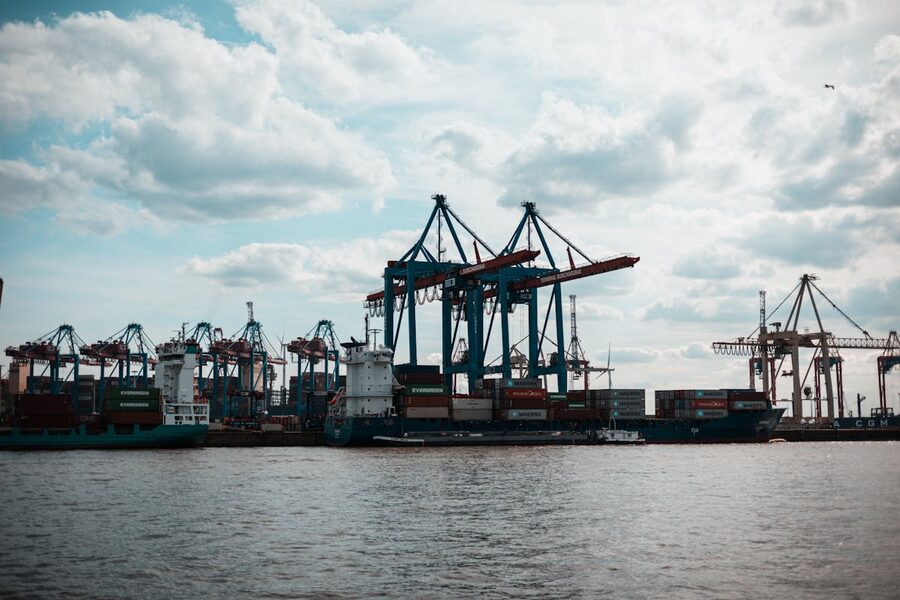
Hamburg’s harbour isn’t a museum piece — it’s a working industrial port that handles about 130 million tonnes of cargo annually. The harbour cruise takes you past the container terminals, the Blohm+Voss shipyard (which builds military frigates and superyachts), the dry docks where ships are repaired, and the grain silos that process German agricultural exports. The scale of the operation is genuinely impressive, and the commentary explains how the port has adapted from sailing ships to steam to containers while maintaining its position as Germany’s gateway to the world.
The Elbe Tunnel — the old one, built in 1911 — is a free pedestrian tunnel that runs under the river from the Landungsbrücken to Steinwerder on the southern bank. The walk takes about 10 minutes each way and gives you an unusual perspective on the harbour. From the Steinwerder side, you get the classic Hamburg harbour panorama — the Speicherstadt, the Elbphilharmonie, the church spires, and the port cranes — all in one sweeping view. It’s one of the best free viewpoints in the city and practically unknown to most travelers.
Best Tours to Book
1. Evening Harbor Lights Cruise — $30
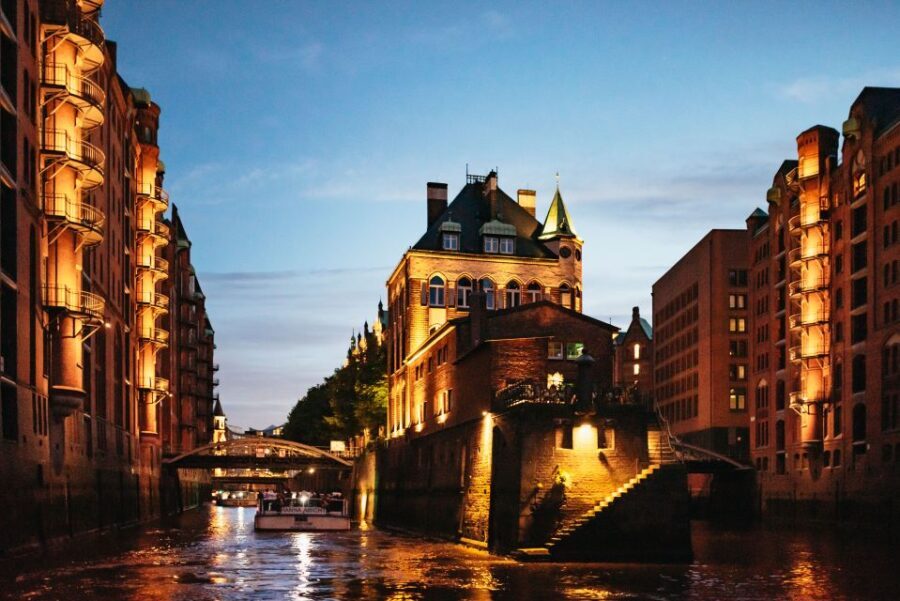
One hour on the water through Hamburg’s illuminated harbour. The route covers the container terminals, the Speicherstadt, the Elbphilharmonie, and the working docks. Bilingual commentary (German/English). The evening timing means the city lights are on and the reflections are at their best. At $30, it’s the cheapest way to see the harbour from the water. Our review covers the boat type, the commentary quality, and the best seats for photography.
2. Hop-On Hop-Off Bus + Harbor Cruise — $50
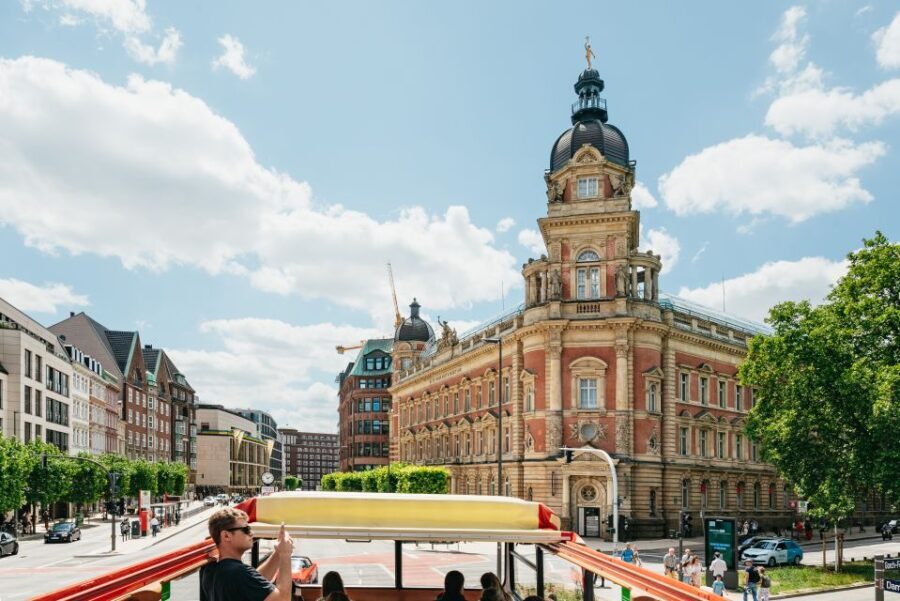
The combo ticket covers a hop-on hop-off bus tour through the city plus the harbour cruise. It’s the most efficient way to see all of Hamburg in one day — the bus covers the Rathaus, Speicherstadt, St. Pauli, and the Alster lakes, while the cruise covers the harbour. At $50 for both, it’s better value than buying separately. Our review covers the bus route and whether the combo format works or feels rushed.
3. Speicherstadt + Elbphilharmonie Walking Tour — $23
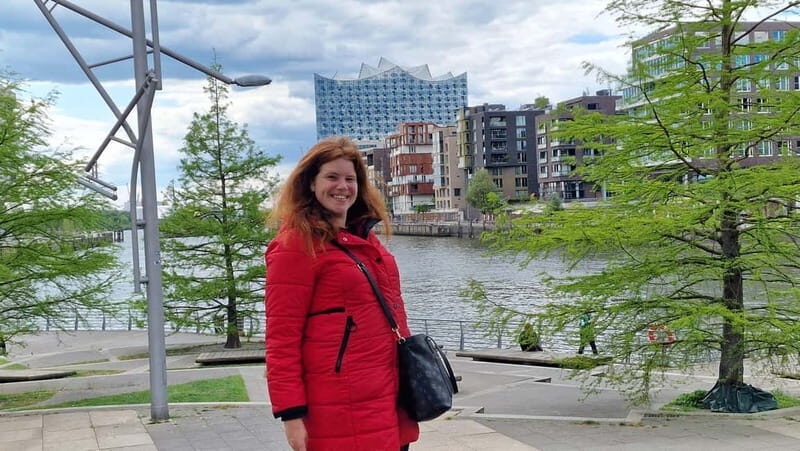
Two hours on foot through the Speicherstadt warehouse district, HafenCity development zone, and the Elbphilharmonie plaza. The guide covers the commercial history, the UNESCO designation, and the engineering of building on tidal water. At $23, it’s the cheapest guided experience in this article and arguably the most informative — you learn more about Hamburg on foot than from a boat. Our review covers the walking route and what the guide adds beyond the information panels.
Miniatur Wunderland and Other Speicherstadt Attractions
The Speicherstadt isn’t just warehouses. Several buildings have been converted into museums and attractions, and the most famous — Miniatur Wunderland — is the world’s largest model railway and consistently ranks among Germany’s top tourist attractions. The model covers over 1,500 square metres and reproduces miniature versions of Hamburg, Austria, the Swiss Alps, Scandinavia, Italy, and even an airport with working model planes. Book tickets online in advance — walk-up queues can be over two hours on weekends and holidays.
Other Speicherstadt attractions worth visiting include the Hamburg Dungeon (horror-themed walkthrough experience), the Speicherstadt Museum (the history of the warehouse district itself), the German Customs Museum, and the Dialog im Dunkeln (Dialogue in the Dark — an experience conducted in complete darkness, guided by visually impaired staff). The concentration of attractions in the Speicherstadt means you could easily spend a full day here, combining the walking tour with independent visits to the museums.
Practical Tips
Departure point: The harbour cruises depart from the Landungsbrücken (St. Pauli piers). U-Bahn/S-Bahn Landungsbrücken (U3, S1/S3) puts you right at the waterfront.
Best time for the cruise: Sunset — the transition from daylight to lights is the most dramatic hour. In summer (June-August), sunset cruises depart around 9pm. In winter, around 5pm. Book the sunset slot specifically — the other time slots don’t have the same visual impact.
What to wear: A jacket or windbreaker, even in summer. The harbour is windy and the evening temperature drops on the water. The upper deck gives the best views but is exposed.
Budget: Evening cruise: $30. Bus + cruise combo: $50. Walking tour: $23. All three in one day: about $100, which covers Hamburg’s entire waterfront from three perspectives. The Elbphilharmonie viewing platform is free (timed tickets from the website).
Combine with: The harbour cruise in the evening pairs perfectly with the St. Pauli walking tour earlier in the evening — the Landungsbrücken is a 10-minute walk from the Reeperbahn. Harbour at sunset, then Reeperbahn at night. That’s Hamburg in one evening.
More Hamburg Experiences
The harbour is Hamburg’s signature. For the city’s other side, the St. Pauli and Reeperbahn tours cover the nightlife district. The Chocoversum chocolate museum, the Miniatur Wunderland model railway, and the Kunsthalle art museum are all within the Speicherstadt or nearby. Hamburg rewards a full weekend — the harbour, the districts, and the canals together create one of Germany’s most distinctive and underrated city breaks.