
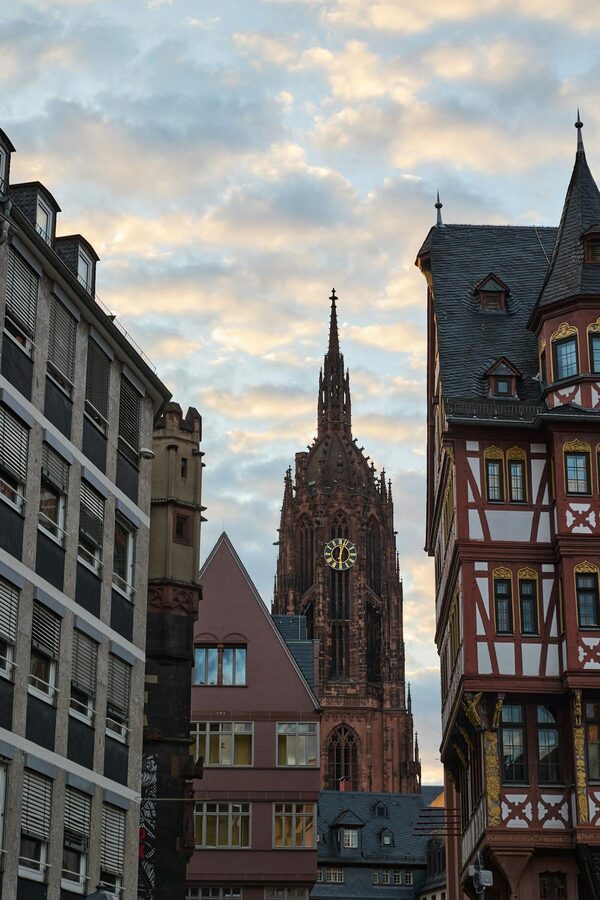
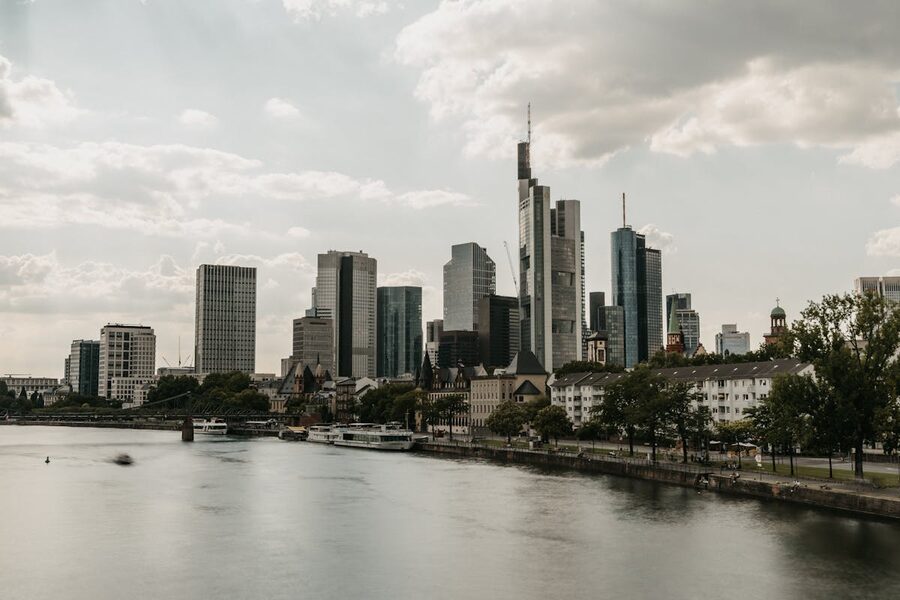
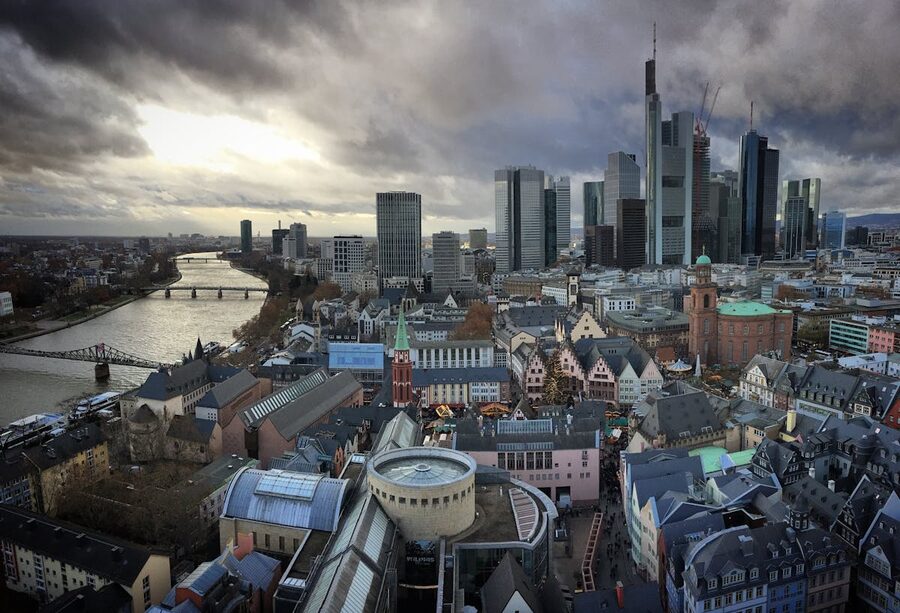
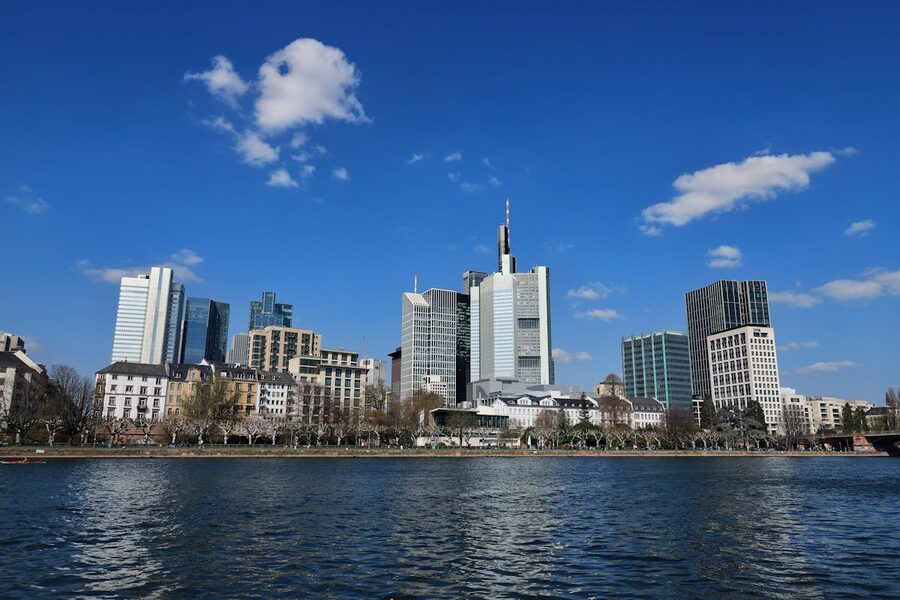
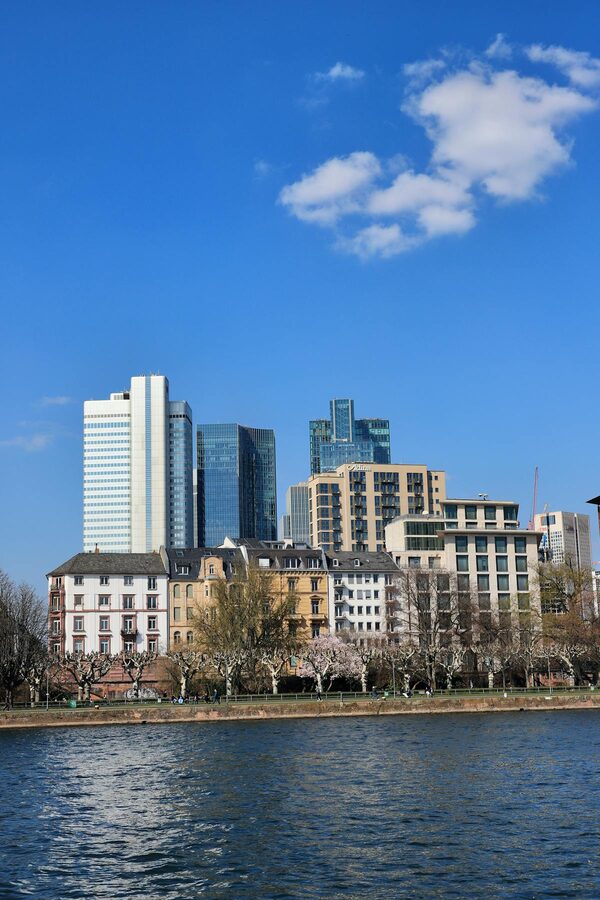
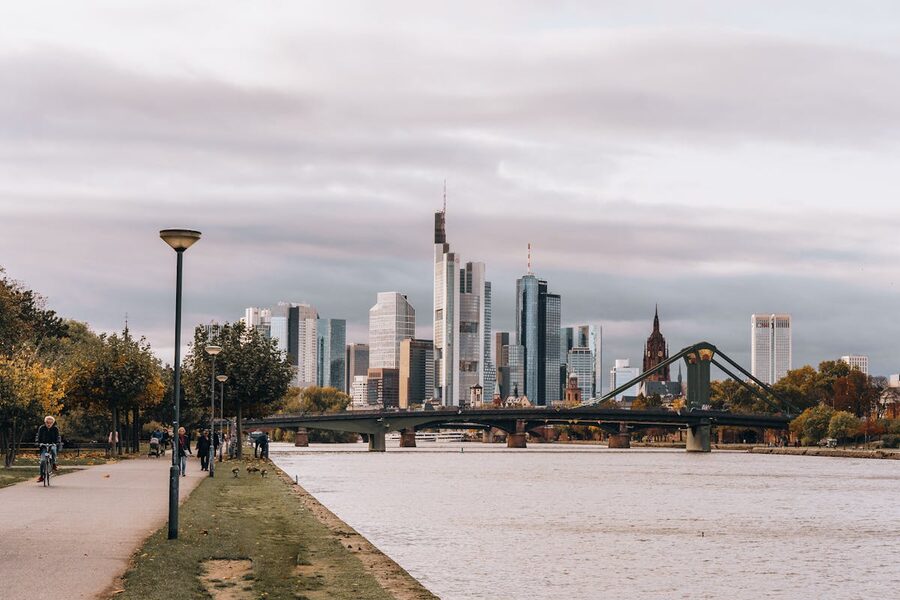
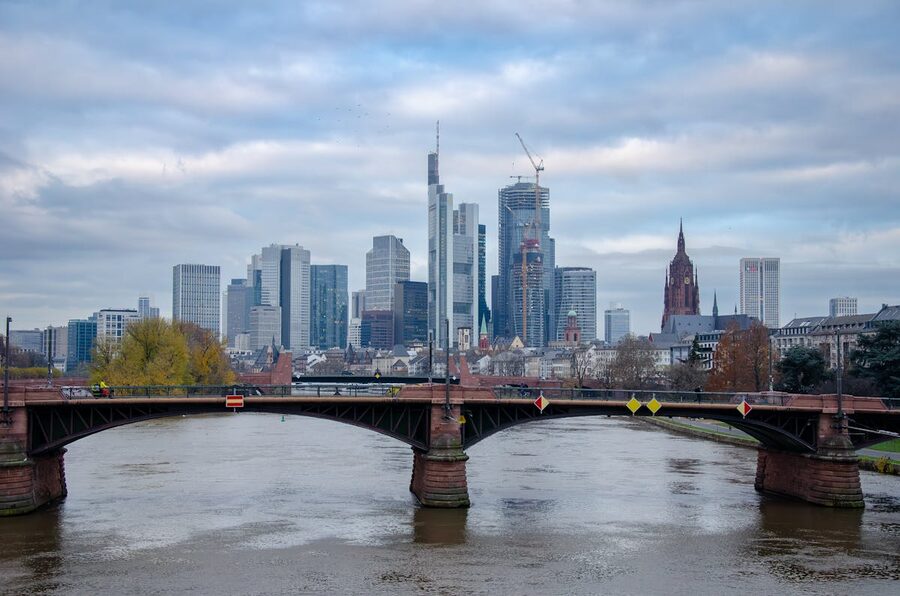
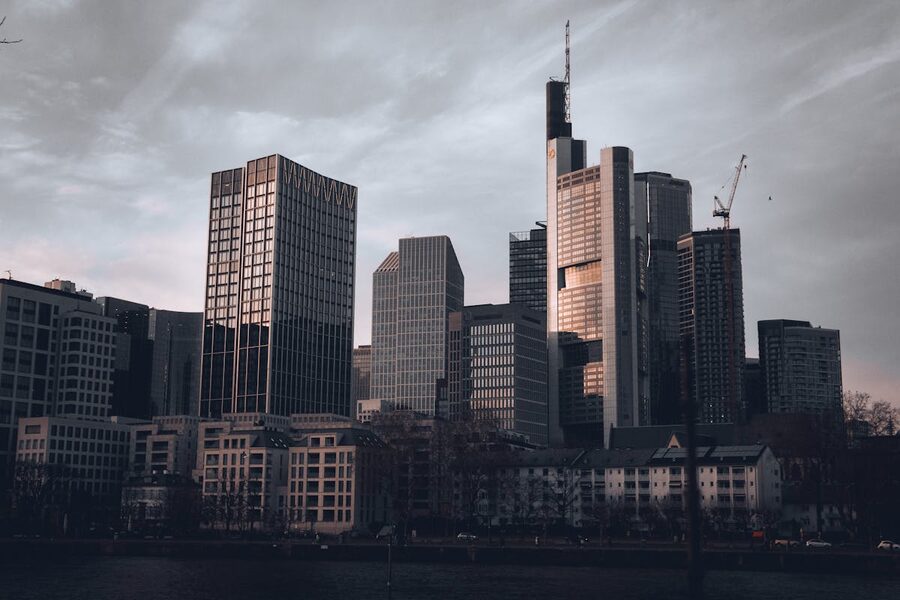
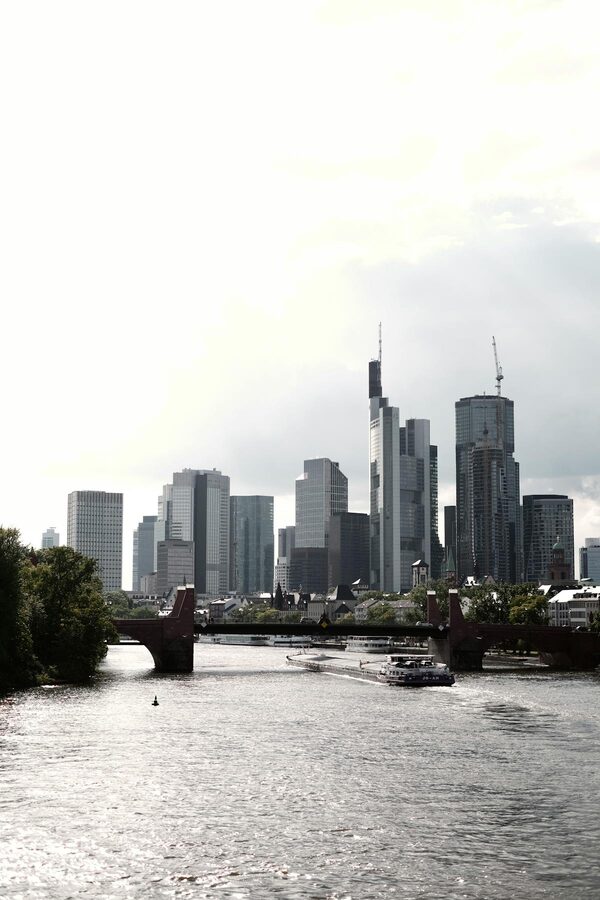
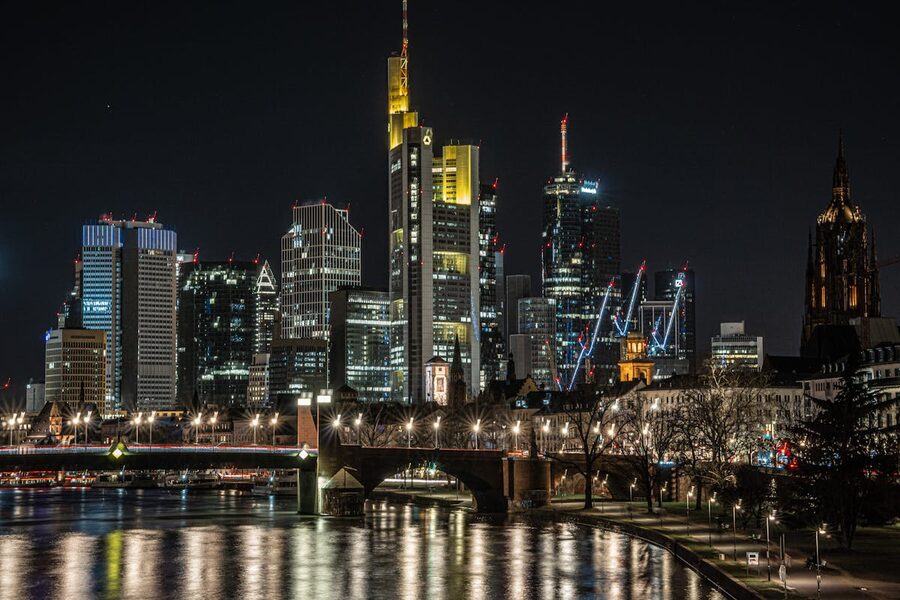
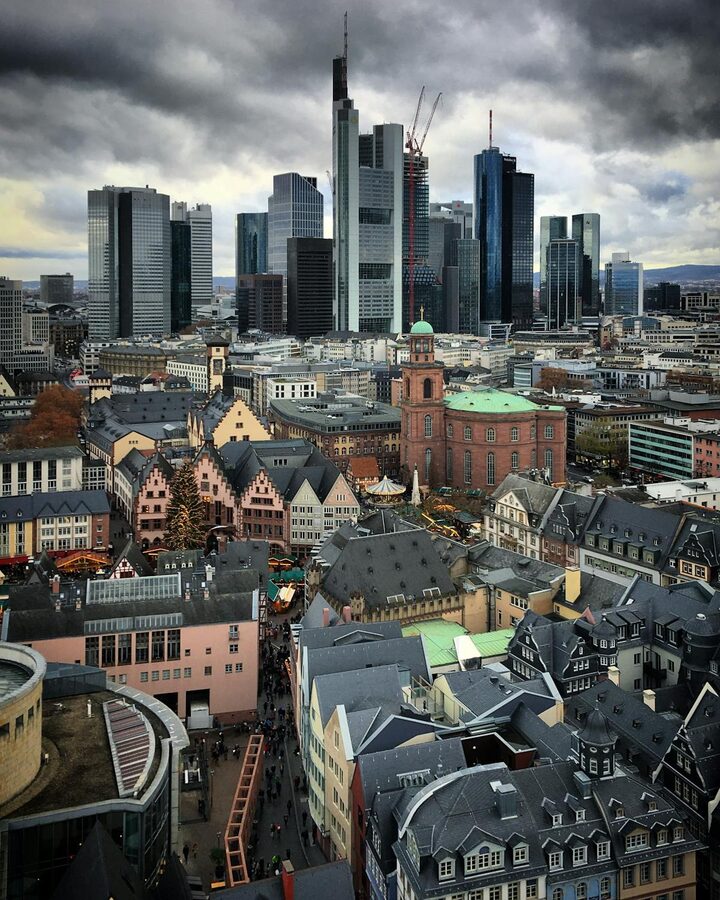
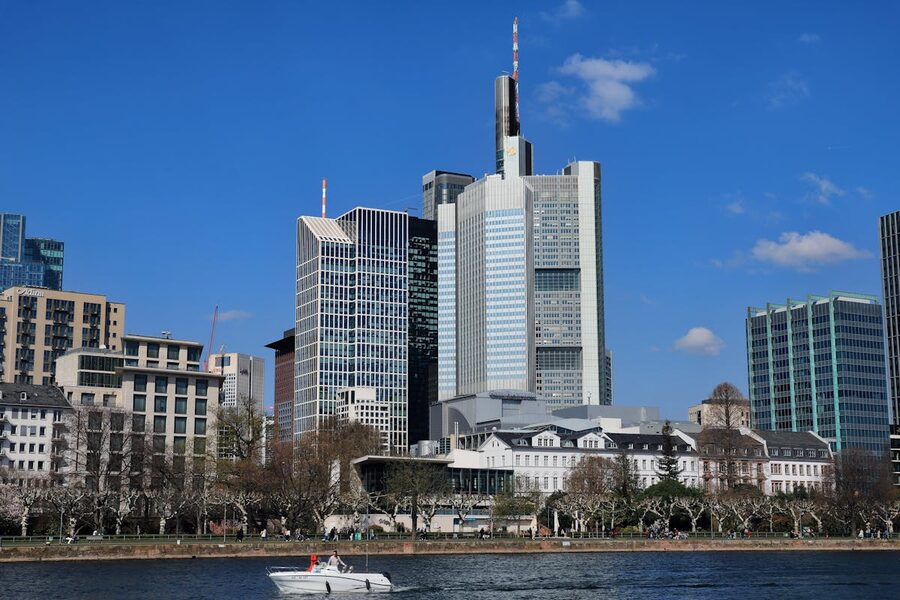
Frankfurt’s skyline looks like it was transplanted from Manhattan — glass towers rising from the banks of the Main River, earning the city its nickname “Mainhattan.” Then you turn a corner in the old town and you’re standing in a medieval square surrounded by half-timbered houses that look like they belong in a fairy tale. That schizophrenic split — financial capital meets medieval charm — is what makes Frankfurt more interesting than its business-city reputation suggests.
The walking tours ($36, 2-3 hours) cover both versions of the city. The VR Time Travel Experience ($26, 45 minutes) adds a third layer — strapping on virtual reality goggles and seeing Frankfurt as it looked before the Allied bombing flattened 80% of the city centre in 1944.
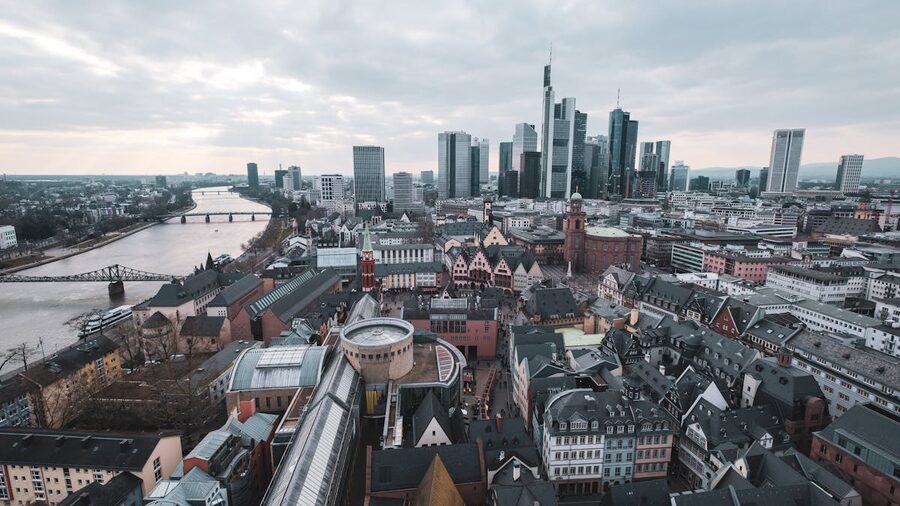
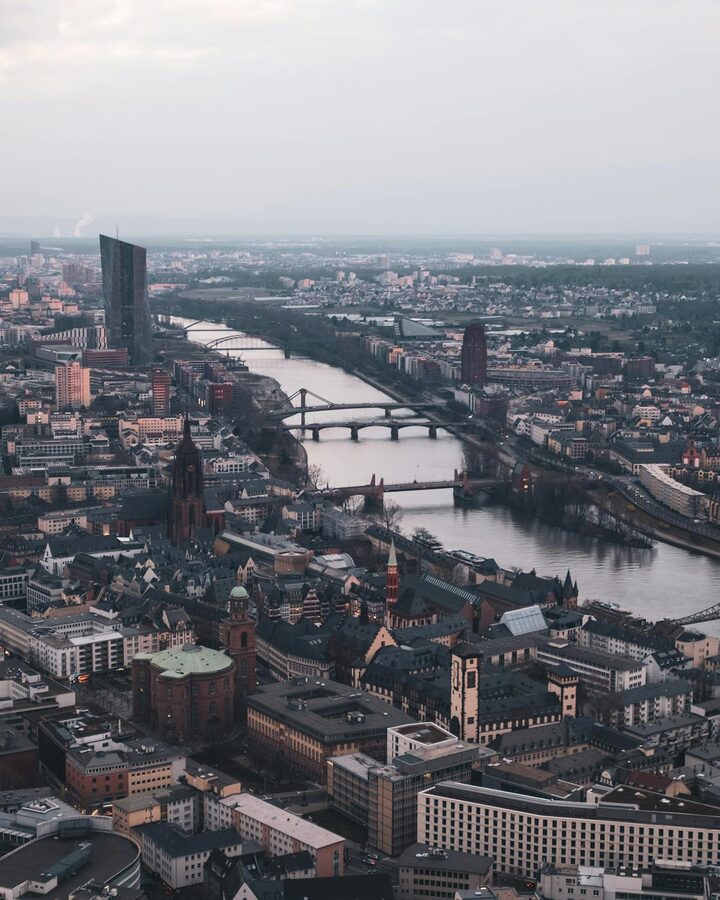
Best VR experience: Virtual Reality Time Travel — $26, 45 minutes seeing Frankfurt’s destroyed pre-war cityscape through VR goggles.
Best value: Frankfurt Card — $15/day, unlimited transport + museum discounts.
- The Walking Tour: Two Frankfurts in One Walk
- The VR Time Travel Experience
- The Römerberg and DomRömer Quarter
- Goethe’s Frankfurt
- Sachsenhausen: The Other Bank
- The Frankfurt Card
- Frankfurt’s Surprising History
- Best Tours to Book
- 1. Frankfurt Highlights Walking Tour —
- 2. Virtual Reality Time Travel Experience —
- 3. Frankfurt Card — /day
- Practical Tips
- More German City Tours
The Walking Tour: Two Frankfurts in One Walk
The Frankfurt Highlights Walking Tour covers 2-3 hours on foot through the city centre. The route starts at the Römerberg — Frankfurt’s reconstructed medieval square — and winds through the cathedral district, the old Jewish quarter, the banking district, and the Sachsenhausen riverfront. The guide connects the medieval history to the modern city, explaining how Frankfurt went from imperial coronation city to European financial capital.
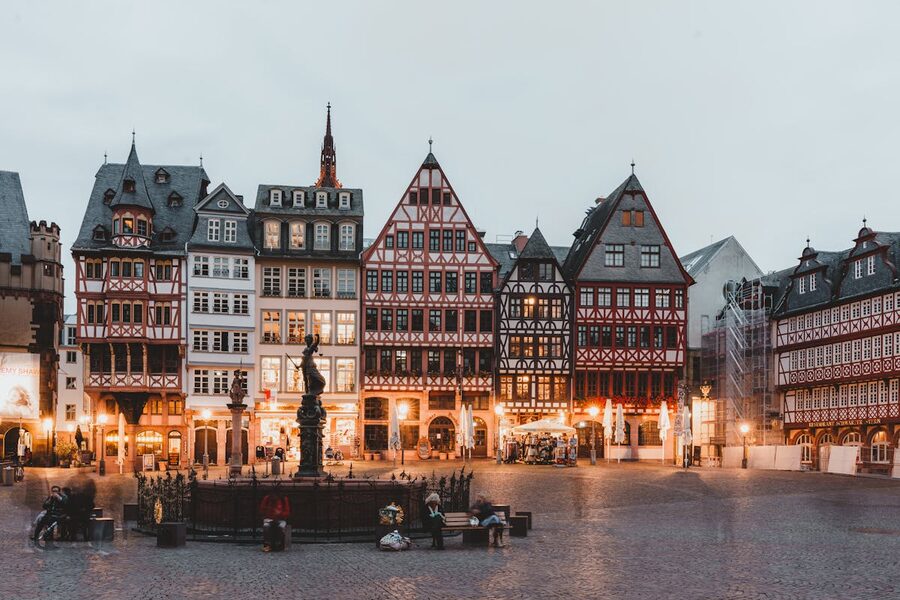
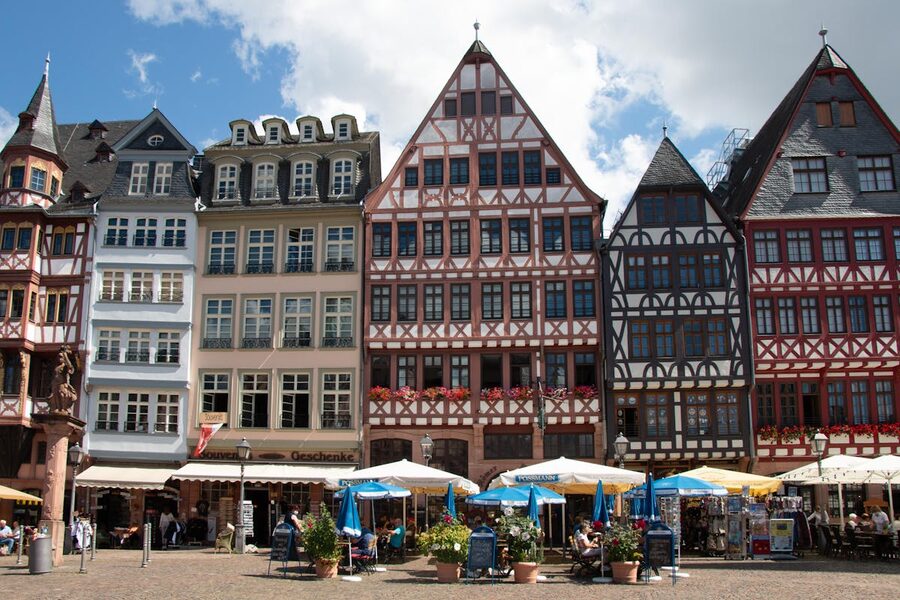
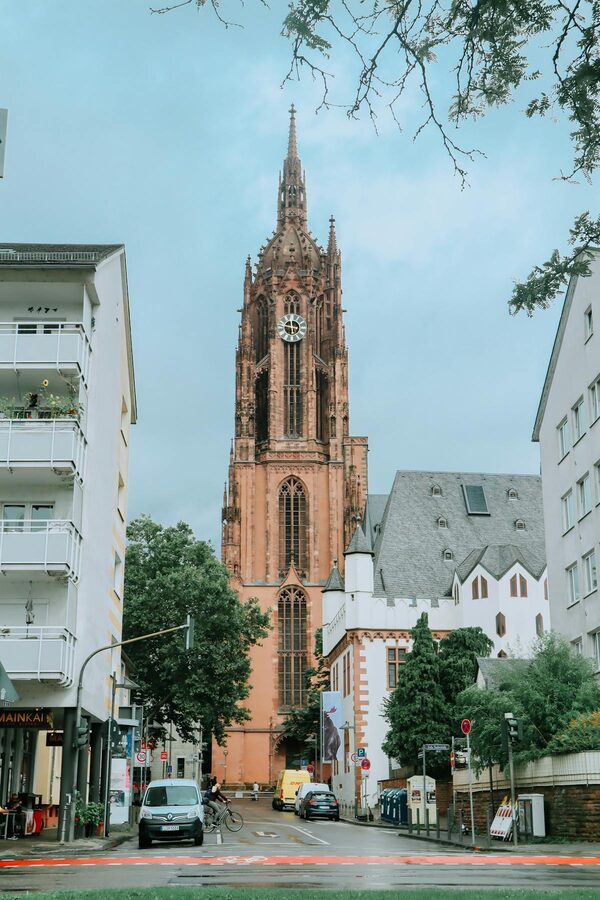
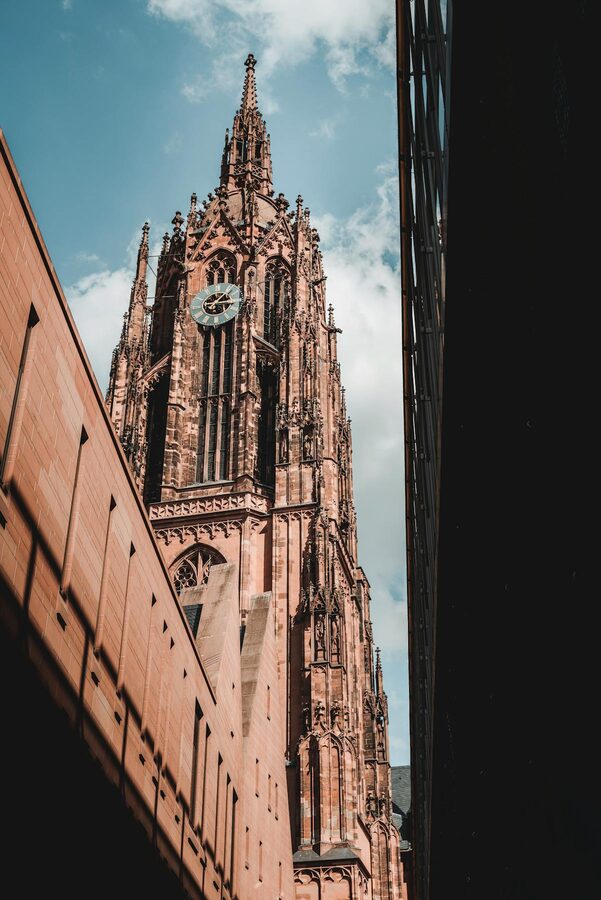
The guide covers the Kaiserdom (Imperial Cathedral) — where Holy Roman Emperors were crowned from the 14th to the 18th century — the Paulskirche (St. Paul’s Church) — where Germany’s first democratically elected parliament met in 1848 — and the Alte Oper (Old Opera House) — bombed to ruins in 1944, left as a shell for decades, and controversially rebuilt in the 1980s.
The VR Time Travel Experience
The TimeRide VR Experience is Frankfurt’s most innovative tourist attraction. You put on VR goggles and “travel” through Frankfurt’s history — seeing the medieval city before the bombing, the destruction itself, and the post-war rebuilding. The 45-minute experience is guided and includes physical exhibits alongside the virtual reality segments.
The VR technology recreates pre-war Frankfurt using historical photographs, architectural plans, and 3D modelling. The result isn’t perfect (VR never is), but it’s good enough to give you a genuine sense of what was lost. Before March 1944, Frankfurt’s old town was one of the largest medieval city centres in Germany — over 2,000 half-timbered buildings spanning five centuries. Two nights of Allied bombing destroyed almost everything. The VR experience makes that loss tangible in a way that photographs and museum panels can’t.
The Römerberg and DomRömer Quarter
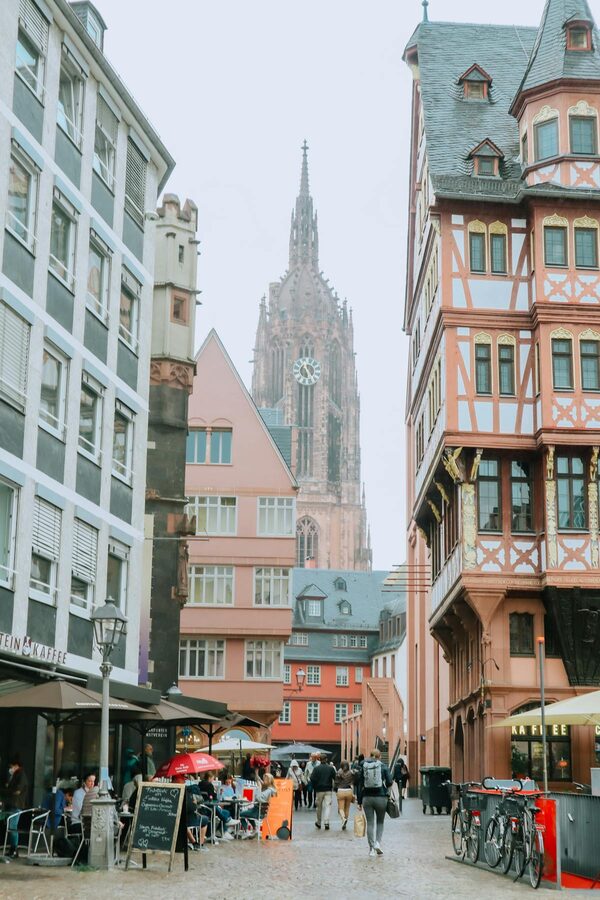
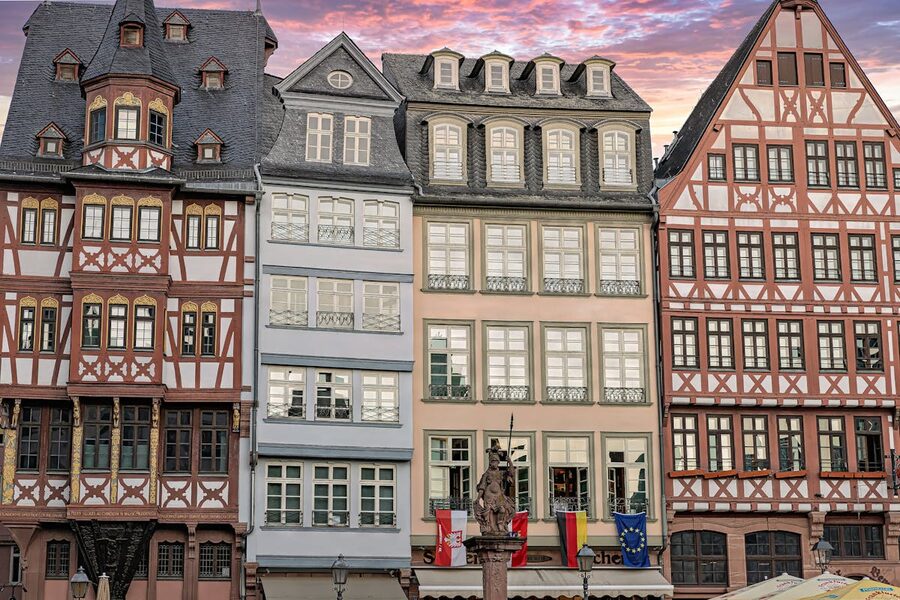
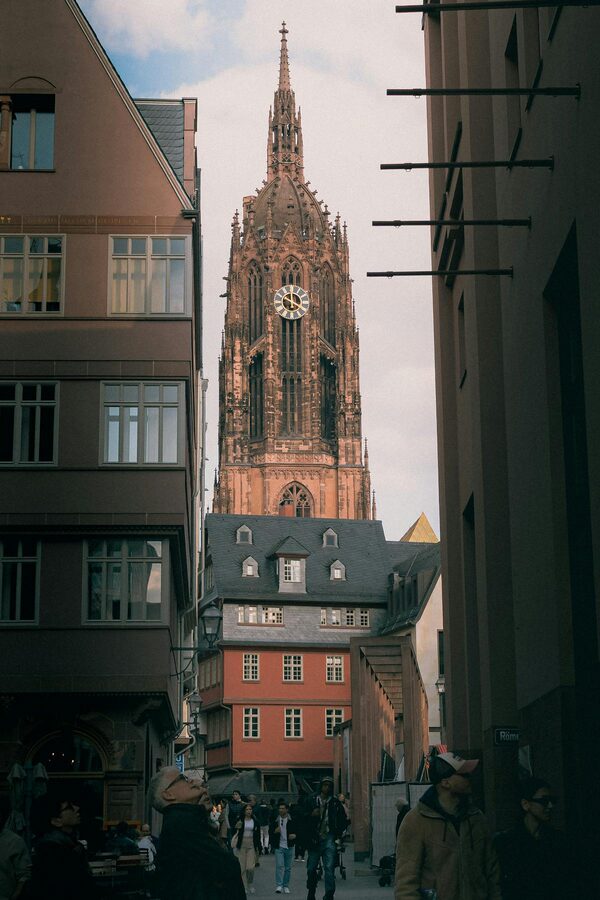
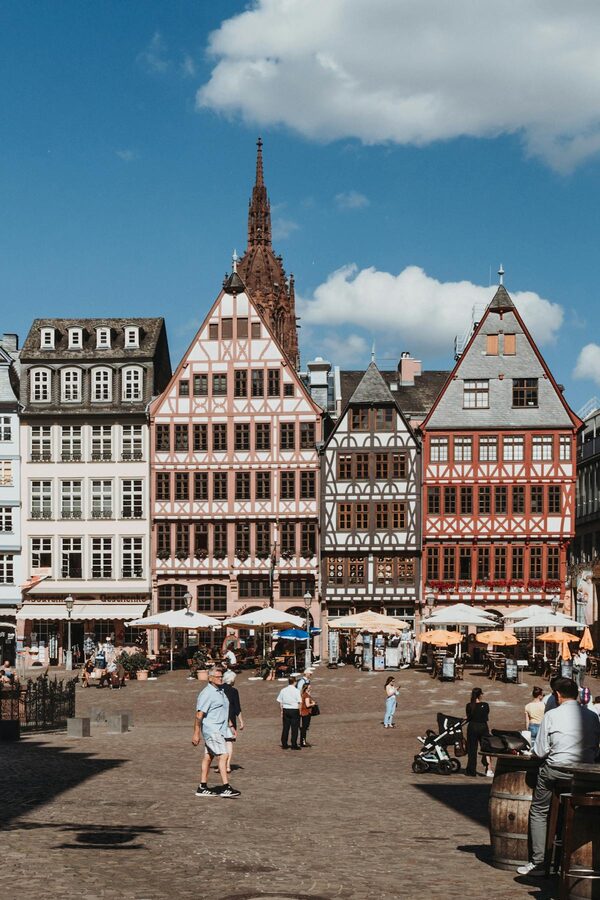
The Römerberg is Frankfurt’s postcard image — a square of reconstructed half-timbered buildings facing the Römer (City Hall), which has been the seat of Frankfurt’s municipal government since 1405. The stepped facade of the Römer is one of the most recognisable buildings in Germany, and the Kaisersaal (Emperor’s Hall) inside — hung with portraits of every Holy Roman Emperor — is open to visitors.
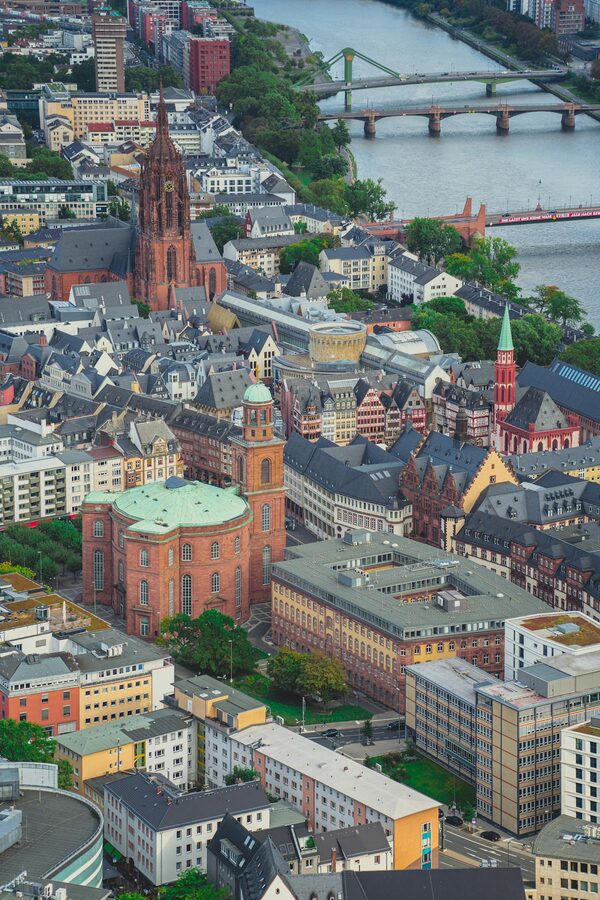
The DomRömer quarter — completed in 2018 — is Frankfurt’s most ambitious reconstruction project. Thirty-five buildings were rebuilt on their original medieval footprints in the block between the Römerberg and the cathedral. Fifteen are faithful historical reconstructions using original techniques and materials. Twenty are modern buildings designed to fit the medieval scale and rhythm. The result is a neighbourhood that feels authentically old-town despite being entirely new — and the walking tours use it to discuss how cities should handle the tension between historical preservation and modern development.
Goethe’s Frankfurt
Johann Wolfgang von Goethe — Germany’s greatest writer — was born in Frankfurt in 1749. The Goethe House on the Großer Hirschgraben has been reconstructed after wartime destruction and furnished with original 18th-century pieces. The museum attached to the house covers Goethe’s early life, his Frankfurt childhood, and the literary works he began here before moving to Weimar. The walking tour passes the house and the guide covers the highlights, but the museum deserves 30-45 minutes of independent exploration for literature enthusiasts.
Sachsenhausen: The Other Bank
Across the Main from the old town, the Sachsenhausen district is Frankfurt’s traditional cider (Apfelwein) quarter. The Ebbelwei (as locals call it) is served in distinctive blue-painted stoneware jugs called Bembel, and the traditional cider houses — Zum Gemalten Haus, Dauth-Schneider, Adolf Wagner — serve it alongside Handkäse mit Musik (cheese with onion vinaigrette) and Grüne Soße (green herb sauce). The walking tour usually ends in Sachsenhausen with a cider recommendation.
The Frankfurt Card
The Frankfurt Card ($15 for 1 day, $22 for 2 days) is the city’s all-inclusive tourist pass. It covers unlimited public transport (including the airport S-Bahn), 50% discounts at over 30 museums, and reductions on sightseeing tours and the Frankfurt Zoo. For visitors planning to visit at least one museum and use public transport, the card pays for itself within a few hours.
Frankfurt’s Surprising History
Frankfurt’s importance goes back further than most visitors realise. The city was the site of imperial elections from 1356 (the Golden Bull of Emperor Charles IV specified Frankfurt as the permanent election site) and imperial coronations from 1562 to 1792. The Paulskirche (St. Paul’s Church) hosted Germany’s first freely elected parliament in 1848-49 — a failed revolution that nevertheless established the democratic principles that eventually became the basis of the modern German constitution.
Frankfurt was also a major centre of medieval Jewish life. The Judengasse (Jews’ Lane) was one of the earliest Jewish ghettos in Europe, established in 1462 and home to the Rothschild banking dynasty before they expanded across Europe. The Jewish Museum — recently reopened after renovation — covers this history, and the walking tours visit the excavated remains of the ghetto alongside the modern museum.
Goethe was born here. The Frankfurt Book Fair has been the world’s most important publishing event since the 15th century. And the city’s role as a transport hub — Germany’s largest airport, the busiest railway junction in Europe — means that Frankfurt is often the first German city that international visitors see, even if they’re heading elsewhere.
Best Tours to Book
1. Frankfurt Highlights Walking Tour — $36

The definitive Frankfurt walking tour. Two to three hours covering the Römerberg, the DomRömer quarter, the cathedral, the Paulskirche, the banking district, and the Sachsenhausen riverfront. The guide connects Frankfurt’s imperial history to its modern role as Europe’s financial centre. At $36, it’s excellent value for the duration and depth. Our review covers the route and what makes the Frankfurt walk different from other German city tours.
2. Virtual Reality Time Travel Experience — $26
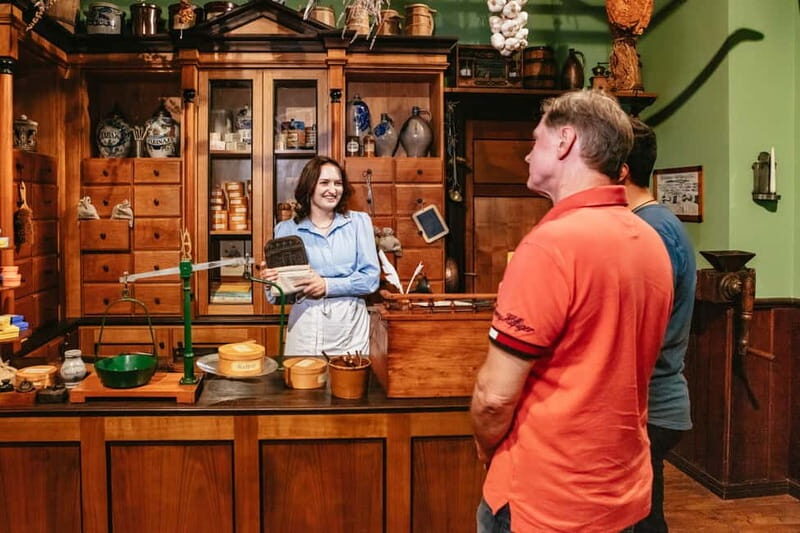
Forty-five minutes that change how you see the city. The VR experience recreates pre-war Frankfurt — the medieval streets, the timber-framed buildings, the dense old town that was destroyed in 1944 — and lets you walk through it virtually. The technology is good enough to feel genuine, and the contrast with the modern city outside is the real impact. Our review covers the VR quality and whether the experience works for non-gamers.
3. Frankfurt Card — $15/day
Not a tour but a tool. The Frankfurt Card covers unlimited public transport, 50% museum discounts, and reductions on tours. At $15 for one day or $22 for two days, it’s the cheapest way to experience Frankfurt comprehensively. The Museumsufer (Museum Embankment) alone has a dozen museums that the card unlocks at half price. Our review calculates when the card pays for itself and which museums are worth the discounted entry.
Practical Tips
Getting around: Frankfurt’s centre is compact and walkable. The S-Bahn and U-Bahn cover the wider city. The airport (Germany’s largest) is 15 minutes from the city centre by S-Bahn. The Frankfurt Card covers all transport.
When to visit: Frankfurt is a year-round city. Summer brings outdoor events along the Main. The Christmas market on the Römerberg is one of Germany’s best. The Frankfurt Book Fair (October) makes hotels expensive and crowded. Avoid Messe (trade fair) dates if you can — hotel prices double.
Budget: Walking tour: $36. VR experience: $26. Frankfurt Card: $15/day. Apfelwein in Sachsenhausen: €3-4/glass. Lunch at a traditional cider house: €12-16. A full day: about €60-80.
Day trips from Frankfurt: The Rhine Valley cruise from Koblenz is 1hr 40min by train. The Heidelberg Castle and old town is 50 minutes by fast train. Both make excellent day trips, and Frankfurt’s position as Germany’s transport hub makes these connections easy.
More German City Tours
Frankfurt’s VR experience has a counterpart in Cologne — the Cologne city tours cover another Rhine city with a different character (cathedral city vs. financial city). The Munich city tours show you Germany’s beer-and-beauty capital. And the Berlin walking tours cover the capital’s 20th-century scars with the same depth that Frankfurt’s tours bring to its medieval-modern split.