
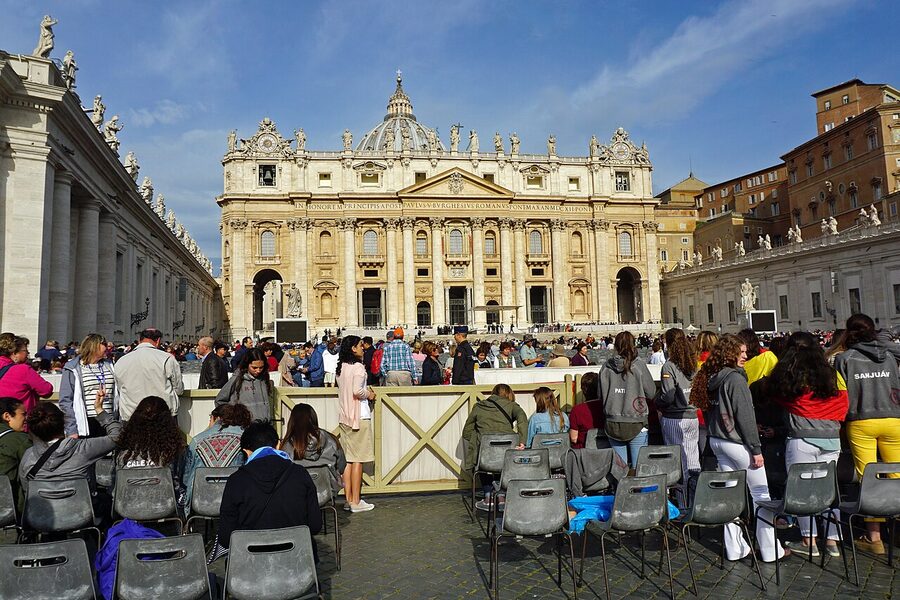
You don’t have to be Catholic. The Pope shows up in St Peter’s Square most Wednesday mornings and talks to a crowd of fifty thousand people, and you can be in that crowd.
The tickets are technically free. The €28 you pay covers the logistics — pickup office, security timing, Italian-speaking help if anything goes sideways.
Quick Picks
- With pre-audience briefing — Papal Audience with Expert Guide Presentation ($29). 30-minute Vatican history briefing first.
- Same, on GetYourGuide — Papal Audience with Pope Leo XIV & Expert Guide ($28). Identical experience, slightly cheaper.
- Lighter touch — Papal Audience with a Local Guide ($35). Skip the briefing, just get in efficiently.
- Quick Picks
- The Free vs Paid Reality
- What Actually Happens at a Papal Audience
- Booking the Three Tiers
- Papal Audience Tickets and Presentation with an Expert Guide — .84
- Rome: Papal Audience with Pope Leo XIV & Expert Guide —
- Rome: Papal Audience Experience with a Local Guide —
- The Wednesday-Only Constraint
- Indoor vs Outdoor — The Aula Paolo VI
- Security and What to Expect Getting In
- Where to Sit and How to Get a Good Spot
- Reserved VIP Tickets
- What’s the Pope Actually Doing
- The Catholic vs Curious Question
- Where the Tour Begins and Ends
- What Most Visitors Get Wrong
- Practical Logistics for the Morning
- Combining With the Rest of Your Day
- What This Tour Doesn’t Do
- For Non-Catholic Travellers Specifically
- Final Honest Take
The Free vs Paid Reality
Tickets to the Papal General Audience are issued by the Prefecture of the Papal Household. They cost zero euros. You can write a letter (yes, a letter — paper, stamp), submit it to the Vatican, and they’ll send you tickets via email or postal mail. Or you can show up at the bronze gates near St. Peter’s Square the day before the audience and ask the Swiss Guards for tickets in person. Both methods work. Both are free. Both also require an extraordinary tolerance for Italian bureaucracy and the assumption that nothing goes wrong.
The paid tour services solve the logistics problem. They get the tickets in advance, hand them to you in your hotel or at a meeting point, walk you through security with the right ticket type, and explain what’s about to happen so you’re not confused when the cardinals start chanting in Latin at 9:30am. For $28-43 they save you a half-day of bureaucratic effort and the real risk that you do everything right and still don’t get in because you arrived 15 minutes late through no fault of your own.
If you have a full extra Rome day to spare and you don’t mind logistical risk, do the free version. If you’re on a tight Rome trip and you actually want to see this happen, pay the $28 and let someone competent handle it.
What Actually Happens at a Papal Audience
Most people arrive expecting a religious service. It’s not. It’s closer to a structured public address with religious framing — and that distinction changes how you experience it.
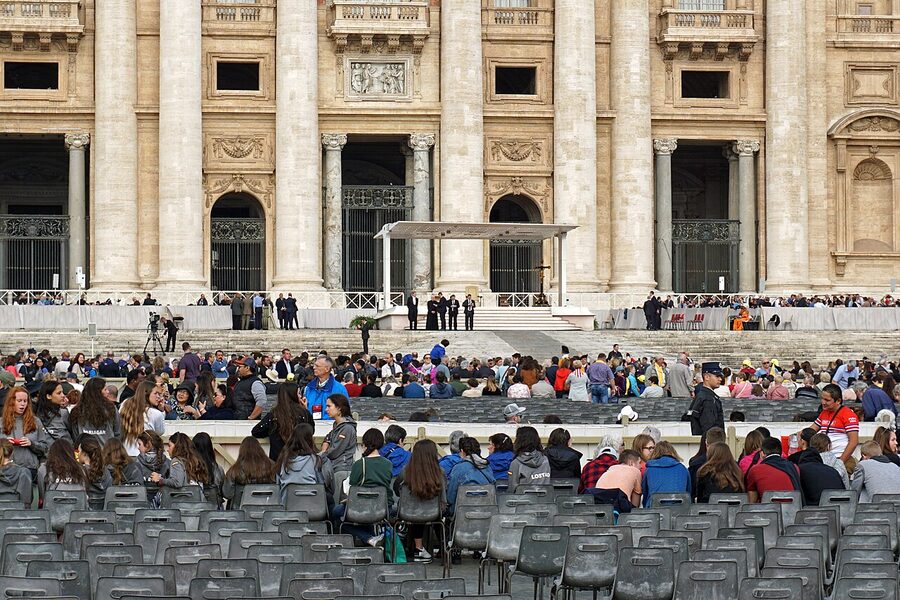
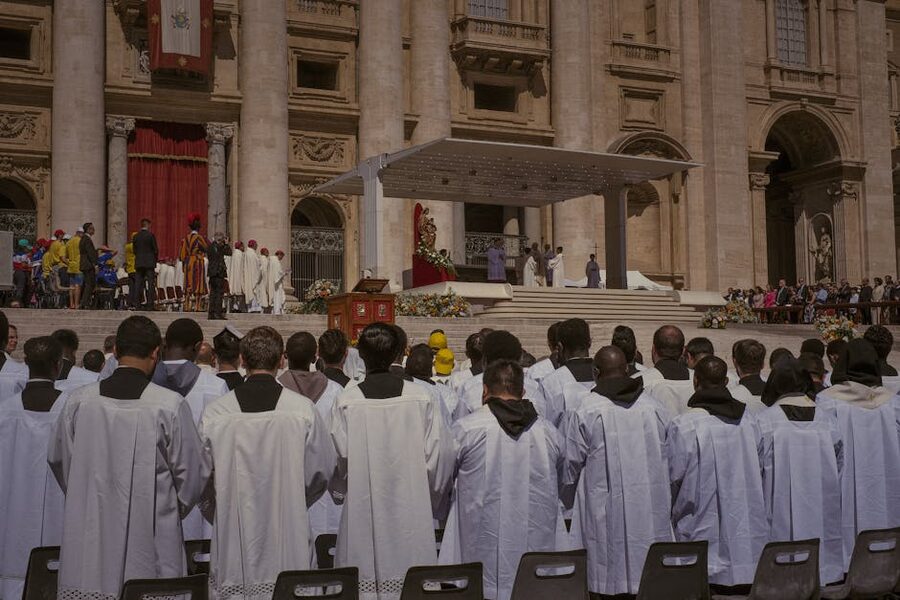
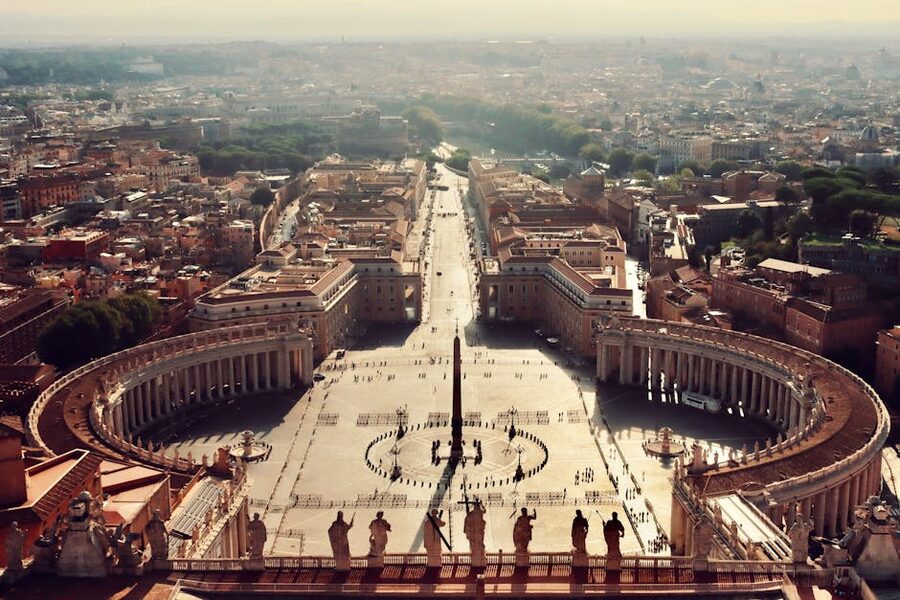
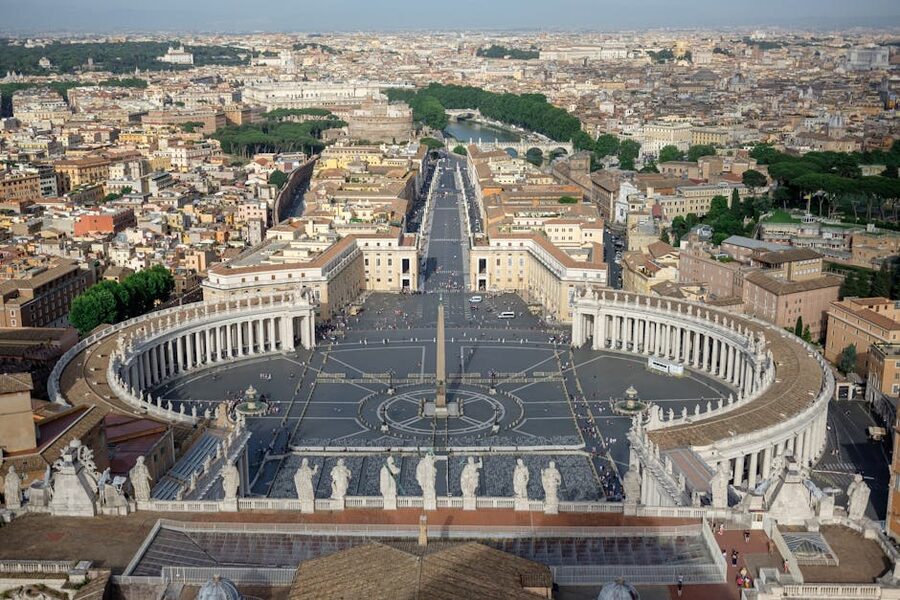
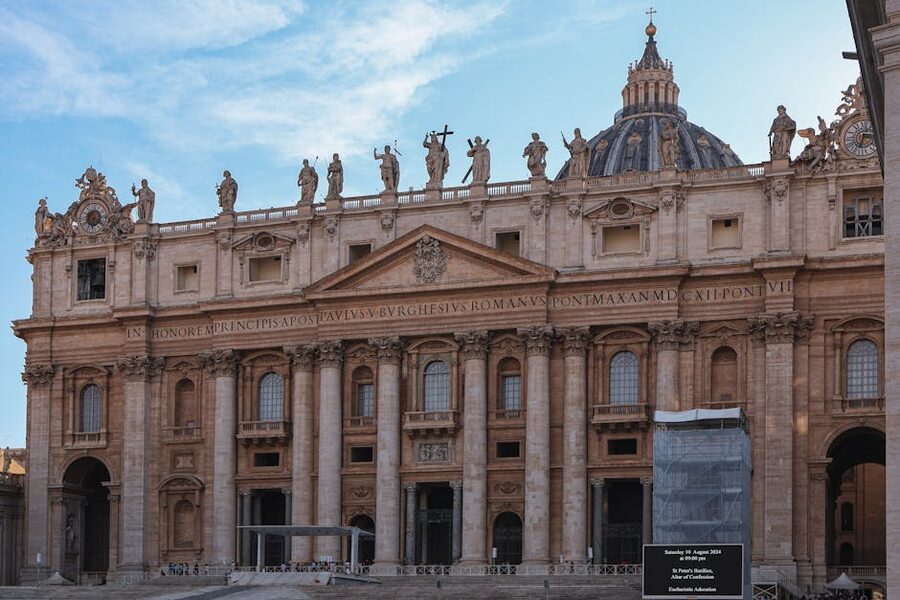
The schedule, roughly: Pope arrives in the popemobile around 9:00 — drives around the perimeter of St. Peter’s Square waving and (if it’s a child or a sick person near the barrier) sometimes stopping. He climbs to the platform in front of the basilica around 9:25. Cardinals do introductions. The Pope reads a catechesis (a short teaching) on the morning’s theme, in Italian. Translators repeat it section by section in English, French, German, Spanish, Portuguese, Polish, and Arabic. Pope blesses the crowd. Pilgrim groups get individual mentions. Newlyweds in white wedding clothes get a special blessing if they’ve requested one. Whole thing wraps around 10:30-11:00.
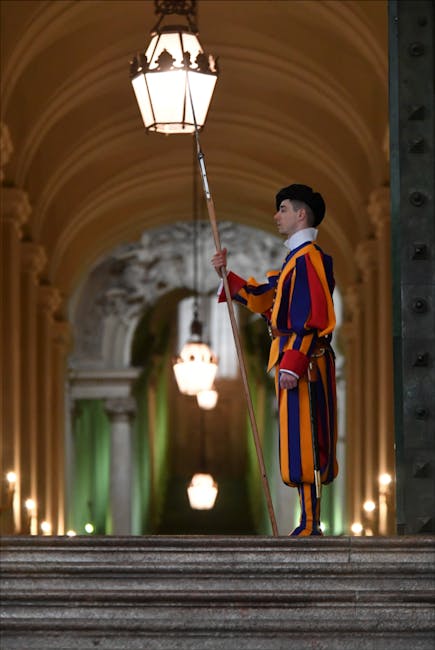
You will hear the Pope’s actual voice. You will probably not hear what he says (the audio is patchy at the back of the square and he speaks Italian). The visual — Pope in white, cardinals in red, Swiss Guards in striped Renaissance uniforms, 50,000 people standing on cue — is the actual product. You’re at a thousand-year-old ceremony. The content matters less than the fact of being there.
Booking the Three Tiers
The three tour formats have meaningful differences. Pick based on how much hand-holding you want and how curious you are about Vatican context.
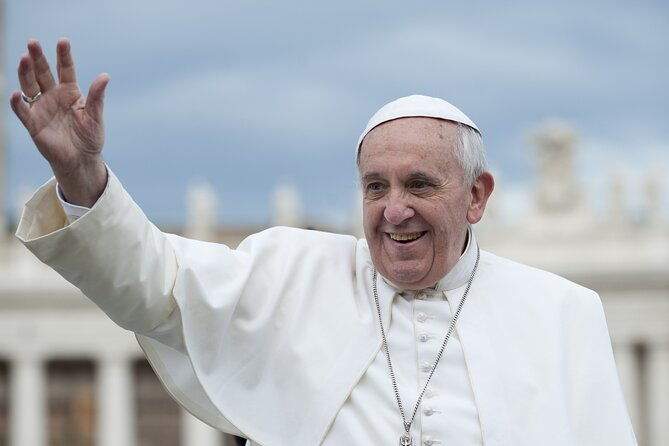
Papal Audience Tickets and Presentation with an Expert Guide — $28.84
The default. Meet near the Vatican around 7:30, get your tickets and a 30-minute briefing on what you’re about to see (papal traditions, what to expect, what to look for), then walk together through security to your seats. The briefing is genuinely useful — without it, the audience is just “old men in robes talk for an hour”. With context, you understand the choreography. Default booking.
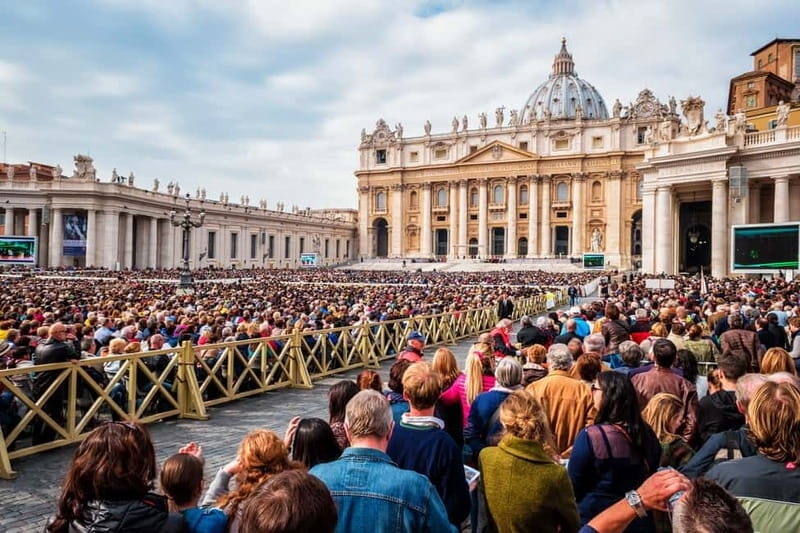
Rome: Papal Audience with Pope Leo XIV & Expert Guide — $28
Same product, GetYourGuide listing, $0.84 cheaper. The “Pope Leo XIV” framing in the title is current Pope marketing — you’ll see whoever is Pope at the time of your visit. The platform difference is purely booking-app preference. If this is your Vatican morning, the afternoon pairs well with the Capitoline Museums for genuinely ancient Rome context.
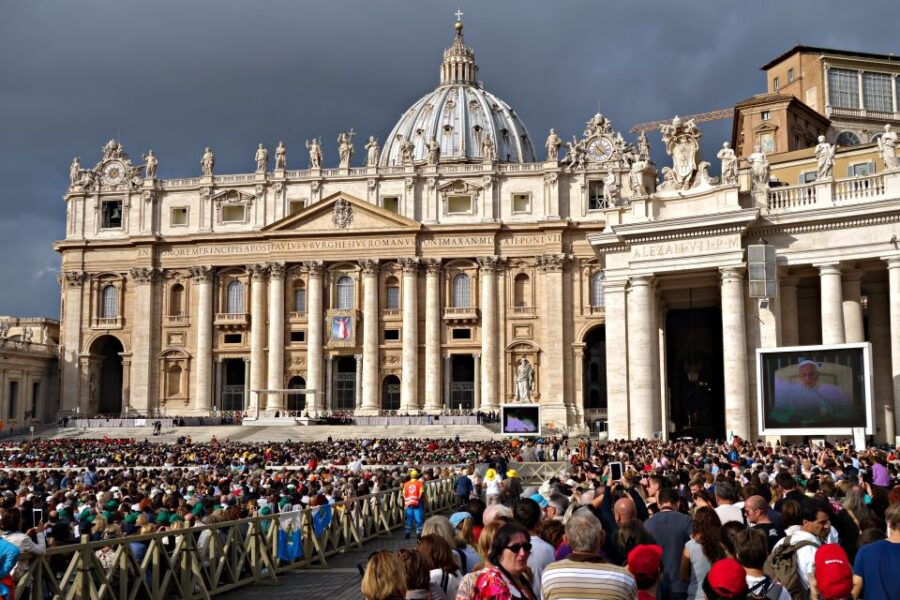
Rome: Papal Audience Experience with a Local Guide — $35
Less ceremony, more “let’s just get you in efficiently.” No 30-minute briefing — you meet, get tickets, walk to seats. Slightly more expensive but the time saving on the morning is real if you have a packed Rome day afterwards. When the time saving justifies the price bump depends on what else you’re fitting in that day.
The Wednesday-Only Constraint
The General Audience happens on Wednesdays. Always Wednesday. Almost never any other day. If you’re in Rome Monday-Tuesday or Thursday-Sunday, you’ve missed it for the week.
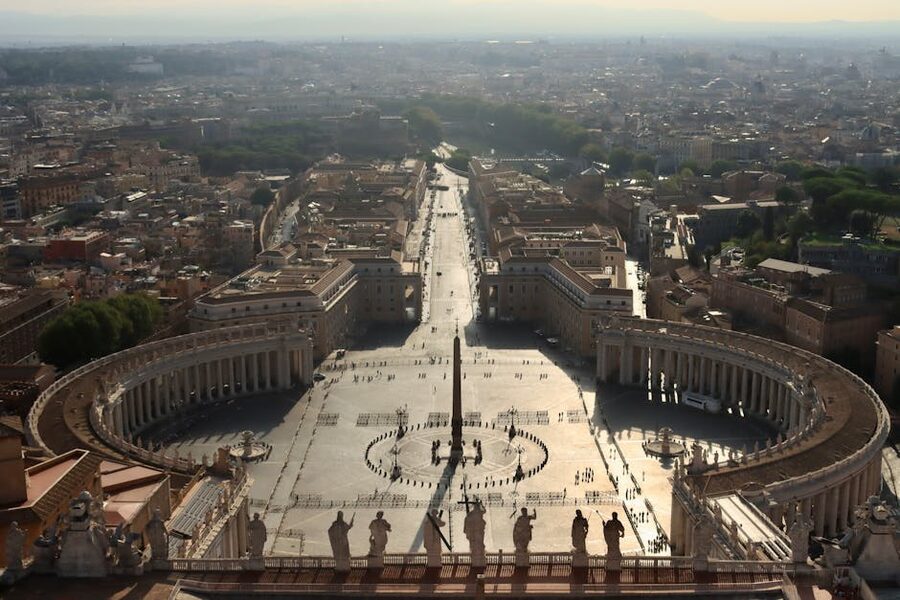
Exceptions to Wednesday: if the Pope is travelling abroad (foreign trips happen 3-6 times a year, lasting 3-7 days each), there’s no audience that week. Same if the Pope is unwell. Same during Holy Week (the week leading up to Easter) when the Pope’s schedule is occupied with Easter ceremonies. The Vatican publishes the official schedule about 6 weeks ahead at vatican.va — check before you book travel.
What happens if you book a tour and the audience gets cancelled: most operators refund or rebook for another day. Read the specific cancellation terms before paying.
Around major Catholic holidays the audience usually still happens but with massive crowds. Christmas week, Easter week, canonisation weeks (when a saint is officially declared) all see 80,000-100,000+ attendees. Skip these dates if you want a less crushed experience.
Indoor vs Outdoor — The Aula Paolo VI
Most of the year the audience is held outdoors in St. Peter’s Square. From mid-November to mid-March (and on rainy days in the shoulder seasons), it moves indoors to the Aula Paolo VI — a 6,300-seat hall built in 1971 specifically for papal audiences.
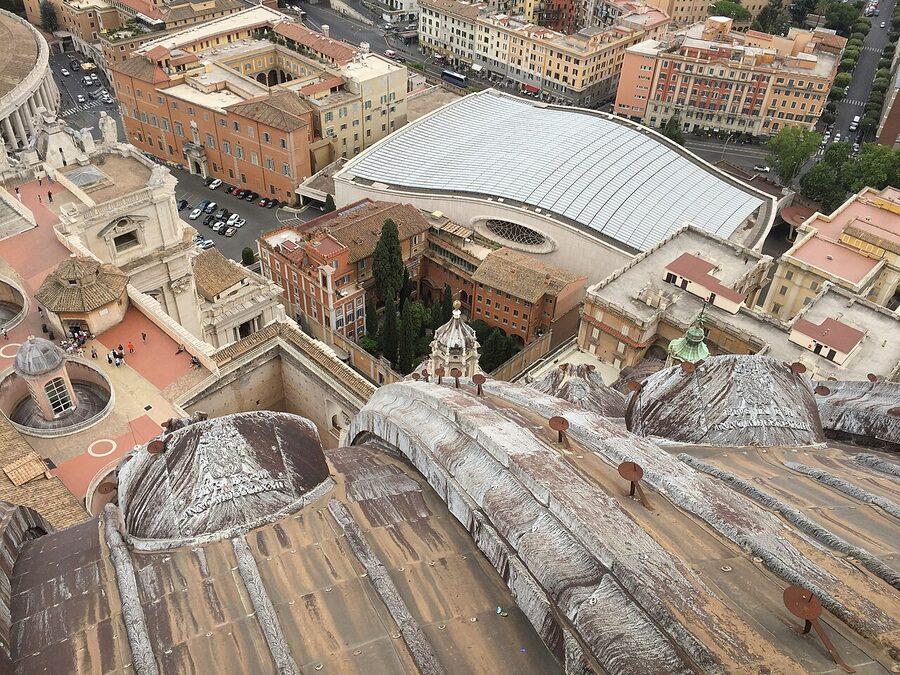
The indoor experience is fundamentally different. Smaller capacity (6,300 vs 80,000+ in the square). Closer view of the Pope (you’re maybe 30-50m away vs 150m+ outside). Better acoustics. Air-conditioned in summer, heated in winter. But the visual — modern concrete brutalism by Pier Luigi Nervi — is jarring after expecting a Renaissance setting. Some visitors find it disappointing; others prefer the intimacy.
You don’t get to choose indoor vs outdoor. The Vatican decides based on weather and season. If you specifically want one or the other, time your trip accordingly: November-March = mostly indoor, April-October = mostly outdoor.
The indoor format also moves faster. The audience runs about 75 minutes instead of 90, partly because there’s less crowd movement and partly because the audio works better for translation.
Security and What to Expect Getting In
Vatican security is real but not airport-level. You’ll go through a metal detector and bag check before entering the audience area. Allow 30-45 minutes for this on a typical Wednesday — the line backs up significantly between 8:00 and 9:00.
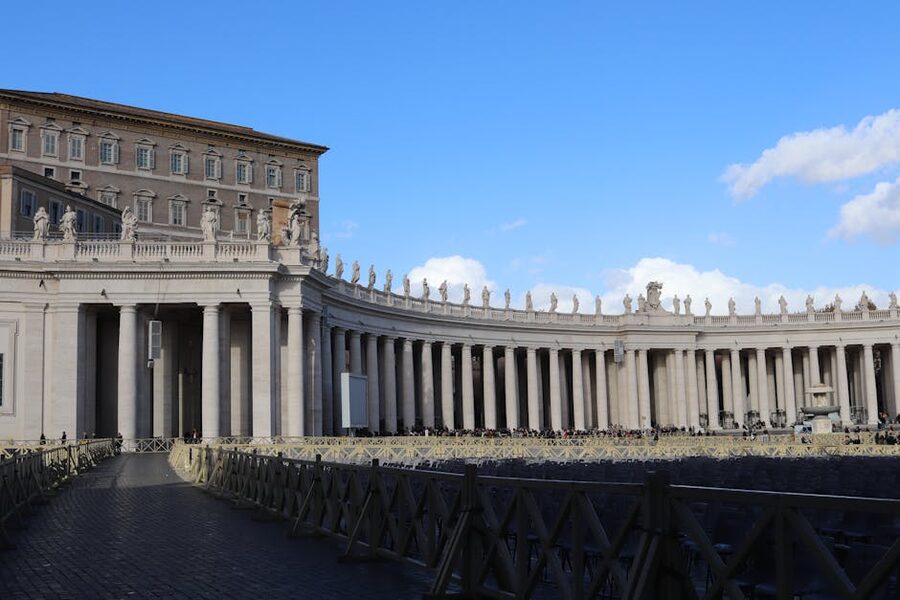
What’s prohibited: large bags, professional cameras with detachable lenses, water bottles over 500ml, anything that looks like a weapon (selfie sticks are technically allowed but rangers may confiscate them). What’s required: modest dress (shoulders covered, knees covered for both men and women — same Vatican policy as inside St. Peter’s Basilica). The dress code is enforced; the security guards will turn you away if you’re in tank tops or short shorts.
Bag policy: small handbags fine. Day-packs allowed but checked. Cloakroom near the Vatican Museums entrance for larger bags (€1-2 fee).
Weather: outdoor audiences happen in any weather short of severe storms. In light rain, the Vatican distributes plastic ponchos to attendees (free). In sunny summer heat, bring water (allowed in small bottles), sunscreen, hats. There’s no shade in the square.
Where to Sit and How to Get a Good Spot
Tickets are general admission for most sections. The earlier you arrive, the closer you sit. Closer = better view of the Pope, more likely to see him during the popemobile circuit.
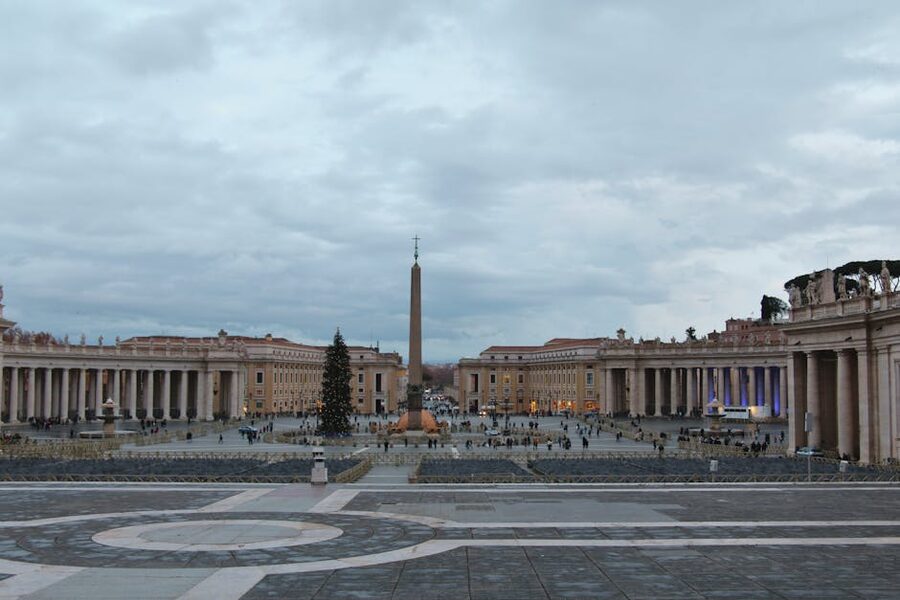
The popemobile route is the same every Wednesday: Pope enters from the basilica side, drives through the centre aisle to the back of the square, loops around the perimeter, returns to the front platform. If you’re sitting in any front-row seat along this route, you’ll see him pass within 5-10 metres.
Best practical strategy: arrive 7:00-7:30am. Get through security by 7:45-8:00. Pick a seat in the front-third of the colonnade-edge section (good shade, decent popemobile sight line). Settle in for an hour of waiting. Pope arrives 8:30-9:00. Audience starts at 9:30.
If you’re with the tour groups, you’ll be guided to a reserved section. These are typically not the best seats (the prime central seats go to pilgrim groups who arrived first or have VIP arrangements), but they’re predictable and the guide handles the routing.
Reserved VIP Tickets
The premium “with reserved access” tours ($43 instead of $28) put you in a marked seating area closer to the Pope. The improvement is real — front 10 rows instead of middle/back of the crowd, better acoustics, better photo angles.
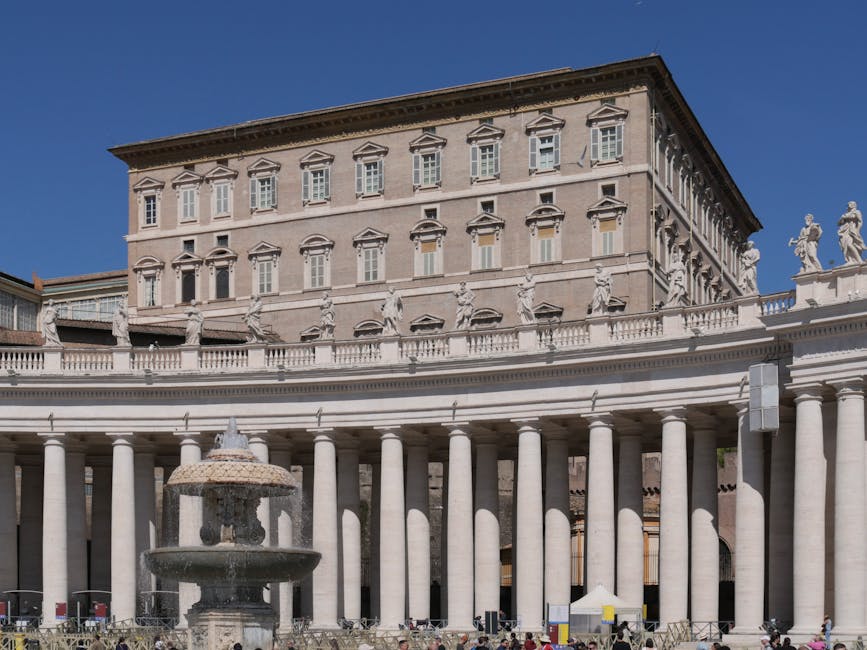
Worth the upgrade if: you specifically want photos of the Pope, you’ve been thinking about this experience for years, or you have a Catholic relative who’d want the close-up version. Skip the upgrade if: you’re a curious observer rather than a devoted pilgrim, you’re happy with the “I was there” experience without needing close visuals, or you’re on a tighter budget.
The reserved sections aren’t private — they’re marked sections within the general crowd. Don’t book the upgrade expecting an exclusive experience. You’re paying for sight lines, not solitude.
What’s the Pope Actually Doing
The catechesis (the teaching the Pope gives) follows themed series — typically the same theme for 6-12 weeks. Recent series have covered things like the Apostolic Creed, Old Testament prayers, the sacraments, virtues. Each Wednesday adds one piece to the larger arc.
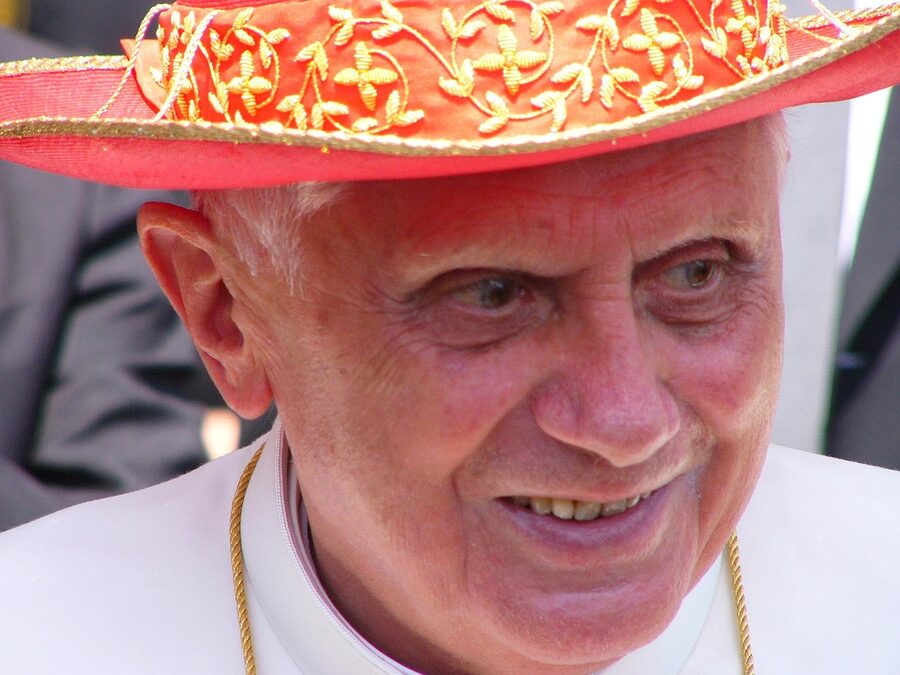
You can read the full text of the catechesis on vatican.va after the audience — published in multiple languages within hours. If you’re genuinely interested in what the Pope said (vs. just being there), reading the prepared text afterwards delivers the actual content; the live experience is about presence, not transcription.
The Pope also reads out greetings to specific pilgrim groups by language and country. If your tour operator submitted your group name in advance, you might get a brief mention. Most general tour groups don’t get this — it’s reserved for organised pilgrim groups (parish groups, dioceses, religious orders).
The audience always ends with the Pope’s blessing in Latin and a short prayer. Cameras allowed, video allowed. Phones up everywhere — this is the moment everyone records.
The Catholic vs Curious Question
The audience is religiously framed but accessible to non-Catholics. You don’t need to participate in any prayers, kneel, or do anything physical other than sit and stand when the crowd does. The Pope’s blessing is given to “all of you and your loved ones” — it isn’t conditional on being Catholic.
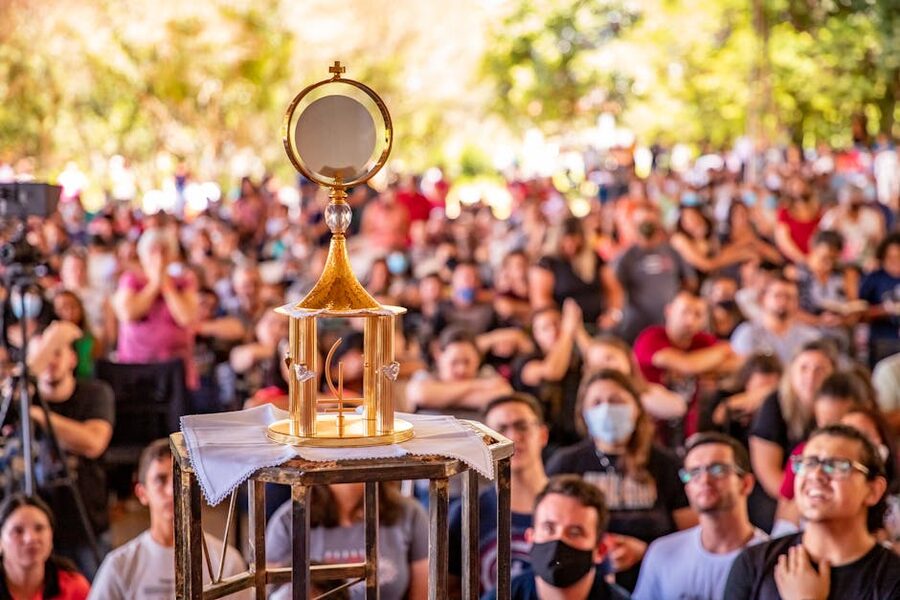
Practically: about 60-70% of attendees are Catholic pilgrims. The rest are religious tourists from various backgrounds — Christians from non-Catholic denominations, Muslims (Pope events draw Muslim attendees in surprising numbers, particularly during interfaith-themed series), Jews, Buddhists, atheists. The Vatican’s official position is that all are welcome.
If you’re explicitly anti-religious or find the whole concept distasteful, skip this. The audience requires you to sit through 90 minutes of religious framing whether you engage with it spiritually or not. There’s no version of “I want to see the Pope but skip the religion” — religion is the entire context.
If you’re a curious observer interested in the cultural and historical significance of the papacy as an institution, you’ll find this fascinating. The continuity from Peter (the first Pope, 1st century) to whoever’s currently sitting on the chair makes this one of the longest-running ceremonies in continuous human history.
Where the Tour Begins and Ends
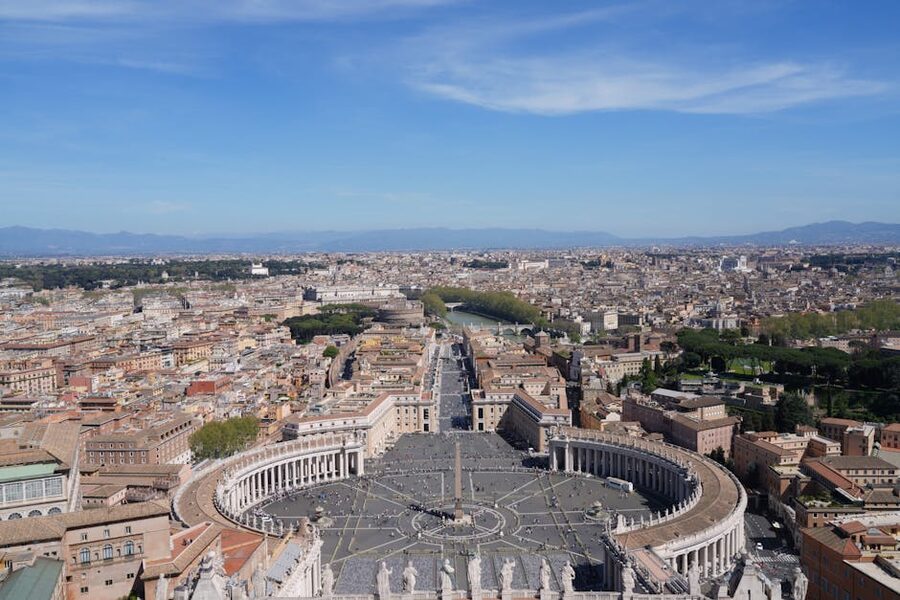
Meeting points are typically near the Vatican — usually around Castel Sant’Angelo or Piazza Pio XII at the end of Via della Conciliazione. Most operators send a Vatican map and exact GPS coordinates with the booking confirmation. Show up at the time stated — being 5 minutes late means the group has already moved through security and you’re now on your own.
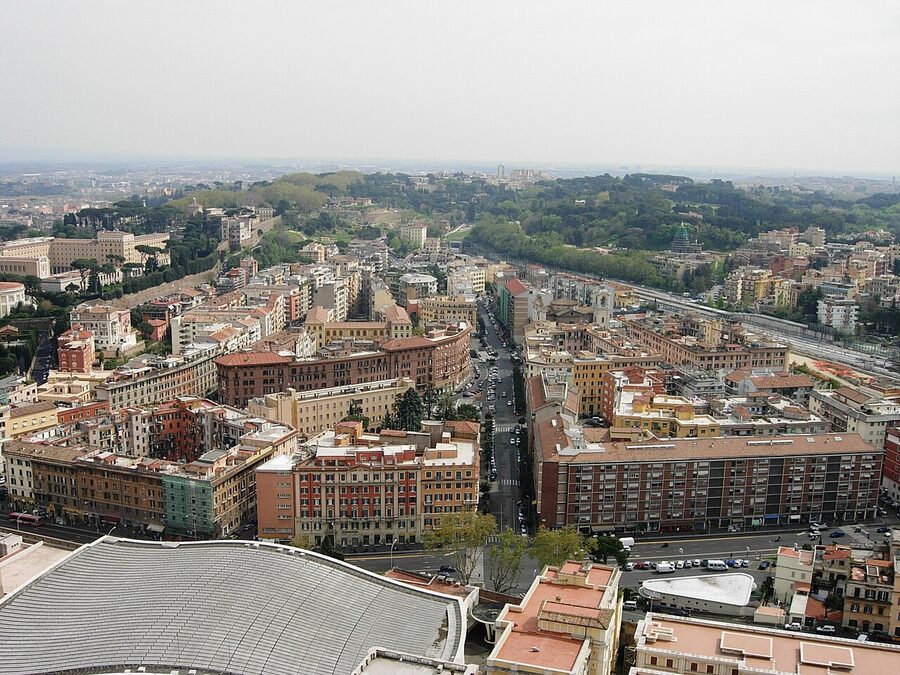
The audience itself ends around 11:00. From there you’re on your own. Most people use this as the start of a Vatican Museums afternoon — perfect timing because you’re already in the area, you’ve cleared security once, and the Vatican Museums afternoon slots open at 12:00. The standalone Vatican Museums tour works as a natural follow-up.
Alternative post-audience plans: walk back across Castel Sant’Angelo bridge for lunch in Centro Storico (~30 minutes), cab back to the hotel for a midday rest, or detour to the Borghese Gallery for a 13:00 timed slot if you booked one.
What Most Visitors Get Wrong
Several common misunderstandings worth flagging.
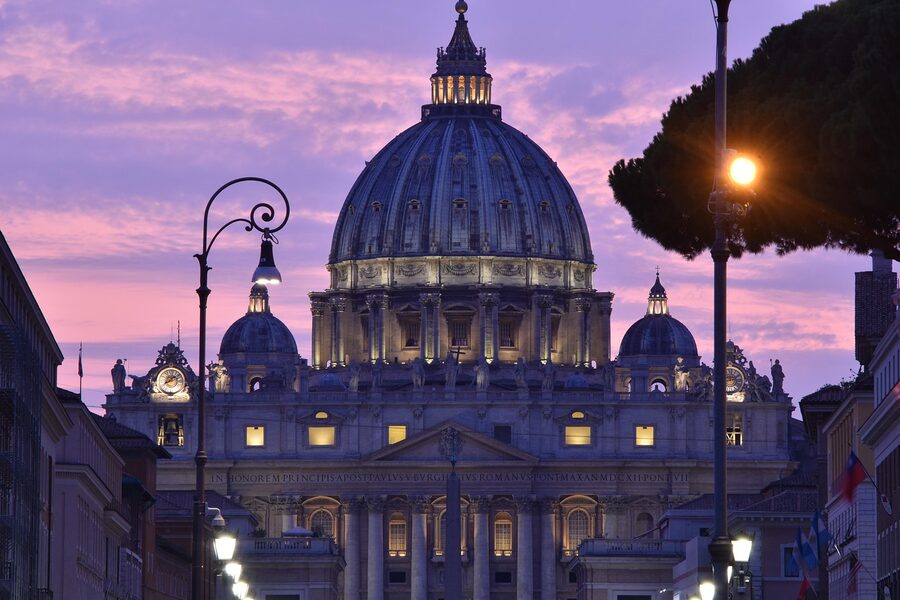
“You’ll meet the Pope.” No, you won’t. You’ll see him from 50-150 metres away. The audience is a public address, not a personal meeting. The closest you might get is the popemobile passing 5m from you if you’re in the right barrier section. Don’t book this expecting handshake-distance access.
“Tickets are scalped.” They’re not. The Vatican distributes them free and there’s no real secondary market. If anyone offers you tickets at a Rome cafe or near the Vatican entrance, decline politely — the official tickets come from the Prefecture, not from random individuals.
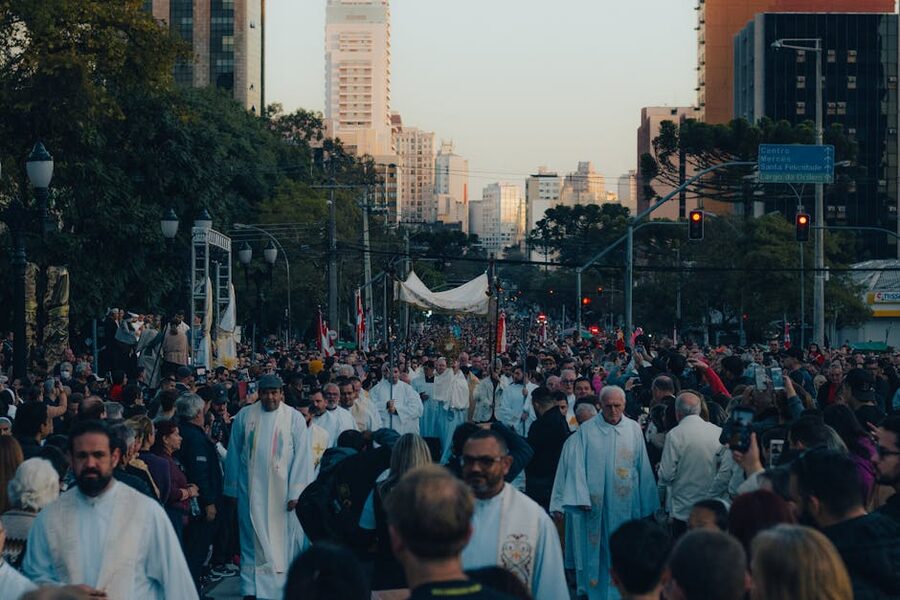
“It’s quiet and reverent.” The audience is loud. Pilgrim groups sing hymns, wave flags, hold banners. The energy is closer to a sports stadium than a church. The Pope speaks but the crowd is far from silent. Adjust expectations.
“You can leave whenever you want.” Once the audience starts, you can technically leave — but you’ll annoy everyone in your row, you’ll be visible on the screens to thousands of people, and the security setup means you can’t easily re-enter. Plan to stay for the full 75-90 minutes.
“The Pope speaks English.” He does, but he speaks Italian during the audience. English summaries are read by translators. If you need to follow the exact words, the official text is on vatican.va in your language within hours.
Practical Logistics for the Morning
The pre-audience timeline matters. Working backward from a 9:30 audience start: 9:00 you should be in your seat. 8:00-8:45 security and walking to seats. 7:30-7:45 meeting point with the tour. 6:30-7:00 wake up if your hotel is central. 5:30-6:00 if you’re staying further out.
Breakfast: most cafes near the Vatican open at 7:00. You can grab coffee and a cornetto on Via della Conciliazione before security. Don’t try to bring outside food in — it’ll get checked at the security point.
Bathrooms: there are public toilets in the Vatican Museums entrance area and a few facilities inside the audience zone. Use them before the audience starts; once seated, you can’t easily leave to come back.
Phones: allowed throughout. Photography unrestricted. The Pope’s gesture-of-blessing photo is the one everyone gets. Try to take 2-3 photos and then put the phone down — you’ll remember the experience better and the pictures don’t really capture the scale anyway.
Combining With the Rest of Your Day
The audience eats your morning. You’re free from 11:00 onward, which makes Wednesday a planning constraint to work around rather than a wasted day.
Practical Wednesdays-with-Audience itineraries that actually work: morning Papal Audience, lunch near the Vatican on Borgo Pio, afternoon Vatican Museums tour at 14:00 — religiously themed full day, no commute time wasted; alternatively, morning Audience finishing at 11:00, taxi to your 13:00 Borghese Gallery slot, afternoon recovery, evening dinner — culture-heavy but rewarding day with thematic variety. If your trip is shorter and Wednesday is the only day you can fit this in, book the audience for the morning and the Piazza Navona cooking class for the late afternoon — religion in the morning, pasta in the evening, and you’ve used a single day to maximum effect. For pilgrims wanting the deeper religious-Rome arc, follow the audience with the Catacombs and Crypts tour the next day — that takes you from the living church to the underground origins of early Christianity, which lands differently than visiting the catacombs without the modern context first.
What This Tour Doesn’t Do
A few things to manage expectations about.
Doesn’t include the Vatican Museums. Separate ticket, separate tour. Many people book both for the same day; they’re different experiences sold separately.
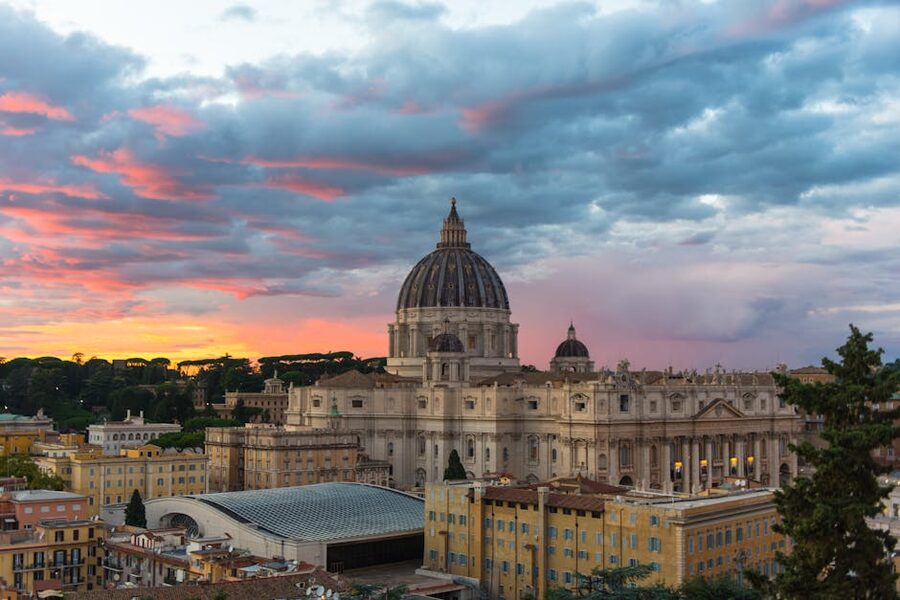
Doesn’t include St. Peter’s Basilica entry. The basilica is free but you queue separately to enter (allow 1-2 hours in summer high season). Some audience tours include a basilica visit afterward; check the tour description.
Doesn’t include Sistine Chapel. That’s inside the Vatican Museums — book separately.
Doesn’t include audio guide for the audience itself. The Pope’s words come through speakers in the square. There’s no headset narration. The “expert guide” portion happens before security; once you’re inside the audience, you’re on your own.
Doesn’t guarantee Pope appearance. If the Pope is unwell or replaced by a Cardinal, the audience proceeds with the substitute. Refunds are typically not offered in this case (the audience happened, you attended, just not with the Pope).
For Non-Catholic Travellers Specifically
If you’re not Catholic and on the fence, here’s the honest take.
Worth doing if: you’re interested in religion as a cultural and historical phenomenon, you’ve never been in a crowd of 50,000+ people for a single shared event, you want to say you saw the Pope (yes this counts), or you’re already in Rome on a Wednesday and have nothing else booked that morning.
Skip if: you find religious settings uncomfortable, you’re tight on Rome time and want to prioritise Vatican Museums and Colosseum over the audience, you’re travelling with kids under 8 (the wait is too long for them), or you’re allergic to crowds and queuing.
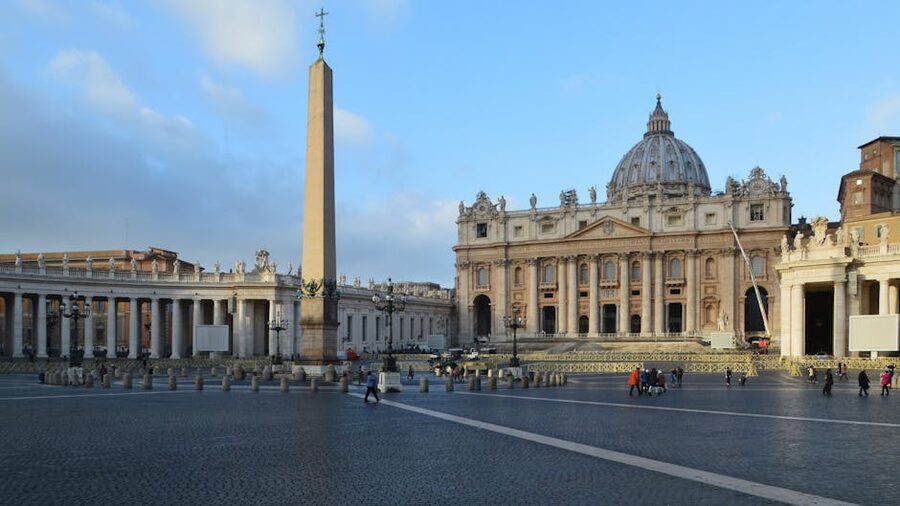
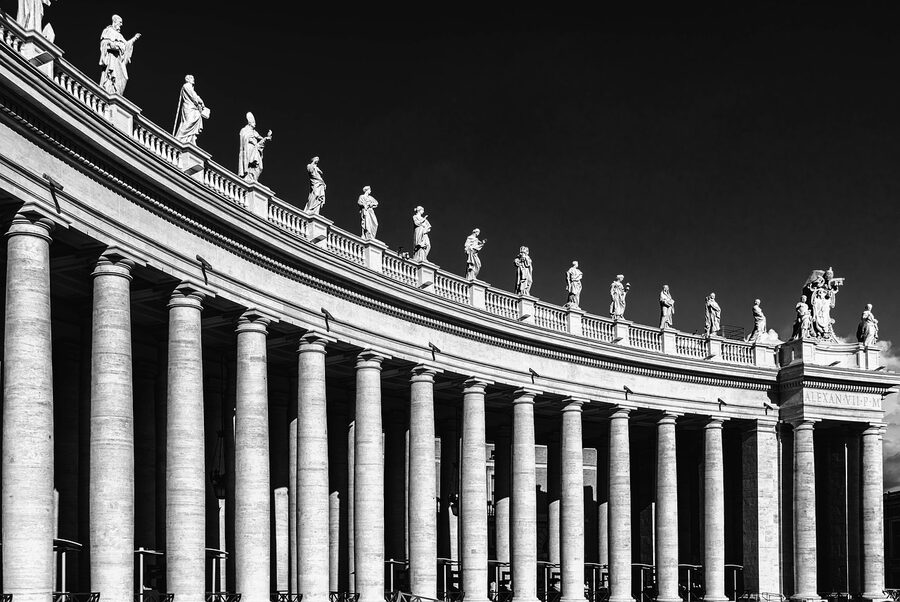
Most non-Catholic travellers I know who’ve done this report it as one of the more memorable Rome moments. The combination of architecture (Bernini’s colonnade), human scale (50,000 people in one place), and historical weight (an institution older than the country it sits in) creates a kind of awe that doesn’t require religious belief to register.
Final Honest Take
The Papal Audience is an unusual booking. It’s free if you do the work, $28 if you don’t. The actual experience is 90 minutes of structured ceremony in the most architecturally impressive square in Europe. You’ll see the Pope. You’ll be one of tens of thousands of people doing the same thing at the same time. The institutional weight of what you’re attending is hard to overstate.
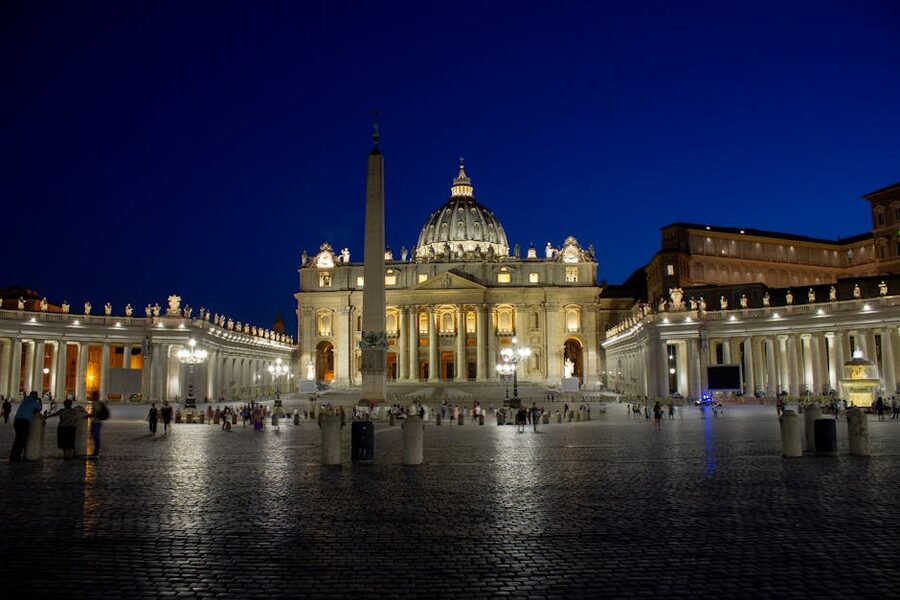
Book the $28 expert-guide version unless you have a specific reason to upgrade or downgrade. Go on a Wednesday that isn’t right before/after Easter or Christmas (smaller crowds). Wear modest clothes, arrive early, bring water, take 2-3 photos and then put the phone down. Plan a quiet afternoon afterwards — you’ll be more tired than the 90-minute duration suggests.
Skip if you can’t be in Rome on a Wednesday, you’re philosophically opposed to the Catholic Church, or your Rome days are so packed that adding a 4-hour morning commitment would force trade-offs you don’t want to make. For everyone else with a Wednesday window, this is a $28 ticket to a 2,000-year-old ceremony. It’s not a hard call.