
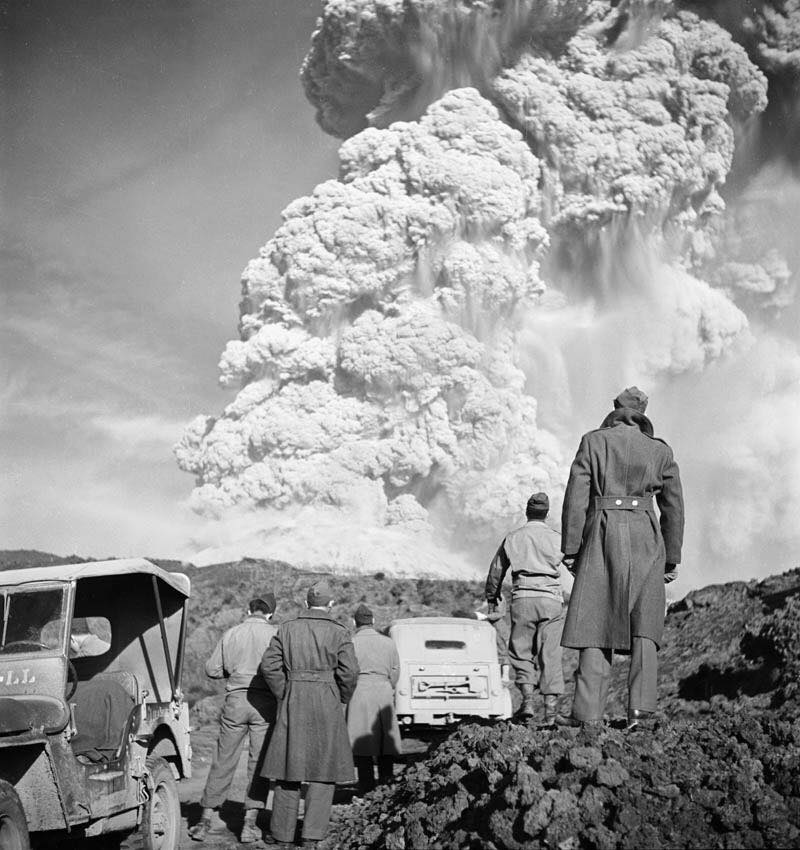
The last time Vesuvius erupted was 1944. People’s grandparents are still around who remember it. That fact changes how you stand at the crater rim.
You can book the trip up from €45. It’s a walk, not a climb — and it’s one of the best afternoons you can have in Naples.
Quick Picks
- Just the volcano — From Pompeii: Bus Transfer to Vesuvius with Park Entry ($45). Cheapest way up. Hike is on you.
- Vesuvius + Pompeii, all-inclusive — Mt Vesuvius and Pompeii Day Trip From Naples All Inclusive ($149). Hotel pickup, lunch, both sites.
- From Sorrento or Naples — Naples or Sorrento: Full-Day Pompeii and Mount Vesuvius Tour. Best pickup flexibility for Amalfi bases.
- Quick Picks
- Why Vesuvius Matters
- The Three Real Options
- From Pompeii: Bus Transfer to Vesuvius with Park Entry —
- Mt. Vesuvius and Pompeii Day Trip From Naples All Inclusive — 9.38
- Naples or Sorrento: Full-Day Pompeii and Mount Vesuvius Tour
- The Hike Itself
- What You Can See from the Top
- Pompeii Context Matters
- What to Pack
- Timing and Season
- Pompeii Pairing Strategy
- Pairing With Your Naples Trip
- Common Questions
- The Honest Verdict
Why Vesuvius Matters
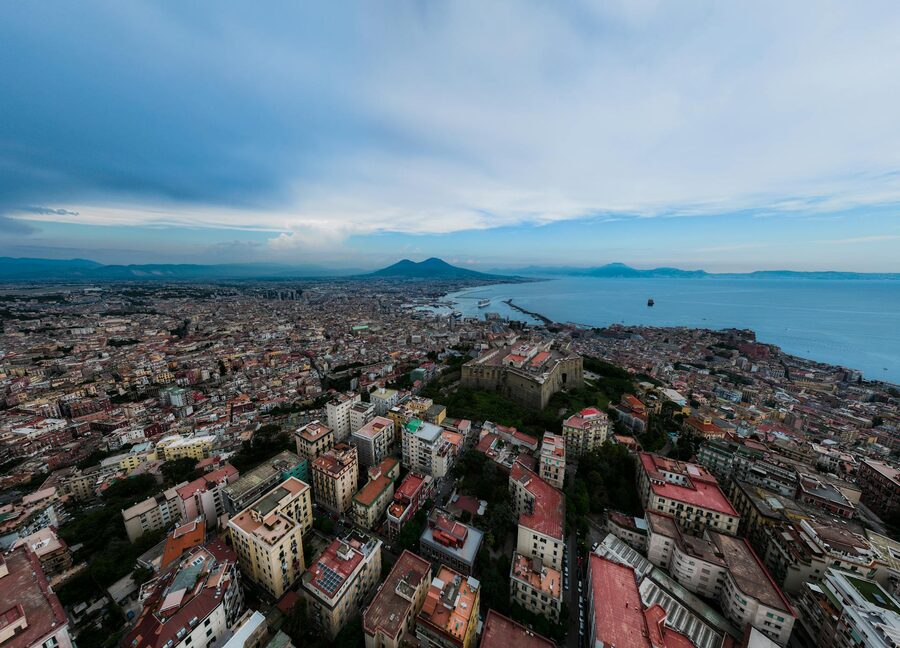
This is the volcano that buried Pompeii in 79 AD. The one that covered Herculaneum in pyroclastic flow. The one that still sits 11 km east of central Naples with 3 million people living within its direct impact zone. Standing on the rim means standing on the most dangerous volcano in continental Europe in terms of human exposure per eruption risk.
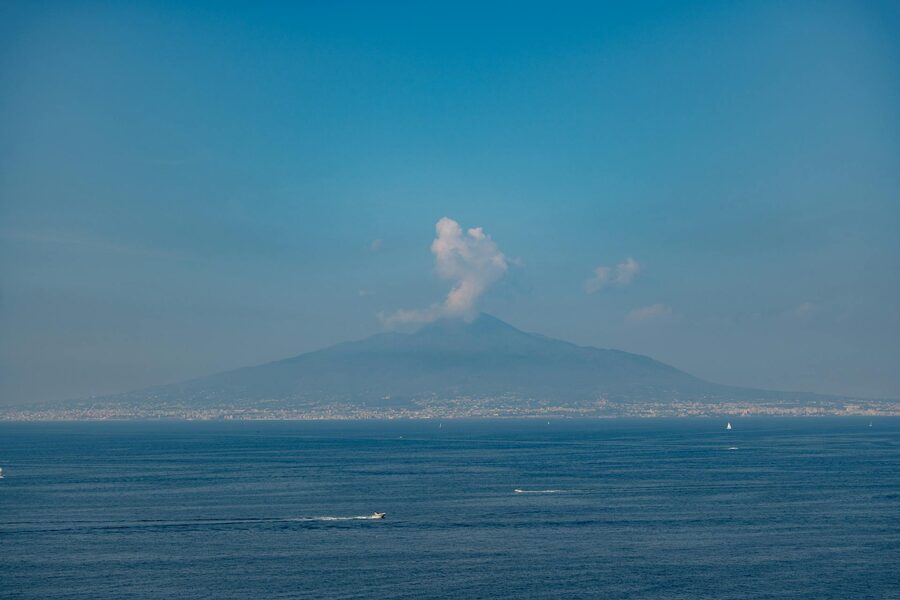
Volcanologists rate Vesuvius as “dormant but active.” Technical jargon for: not erupting now, but definitely not extinct, and will erupt again. The current lull since 1944 is the longest in recorded history. Previous quiet periods averaged about 20-30 years between events; we’re now at 81+ years and counting. The geology suggests that the longer the quiet, the bigger the eventual eruption.
Italian government policy maintains the “Red Zone” — 25 municipalities, 700,000 people — that would need to be evacuated within 72 hours of eruption warning signs. Whether that evacuation plan would actually work is disputed.
The Three Real Options
From Pompeii: Bus Transfer to Vesuvius with Park Entry — $45
Cheapest credible option. The $45 covers the round-trip bus from Pompeii Scavi station to the Vesuvius National Park car park plus the €10 park entry fee. You hike the final 860 metres yourself — 30 to 45 minutes up, less on the way down. Book this if Pompeii is already on your plan and you want Vesuvius as a self-paced afternoon. Our review walks through the transfer and the hike.
Mt. Vesuvius and Pompeii Day Trip From Naples All Inclusive — $149.38
The convenience premium. Pickup from your Naples hotel, guided Pompeii visit, lunch, then the Vesuvius bus plus park entry and an optional guided hike. Seven hours door to door. Book this if you only have one day for both and don’t want to fiddle with the Circumvesuviana train. Our review argues the premium is earned.
Naples or Sorrento: Full-Day Pompeii and Mount Vesuvius Tour
The GetYourGuide version with Naples or Sorrento pickup — better if you’re based on the Amalfi Coast. Same format as the Viator all-inclusive, slightly higher average rating, more flexible starting point. Choose this if Sorrento is where you’re staying. Our review compares logistics.
The Hike Itself
From the Vesuvius National Park car park at 1,000m elevation to the highest accessible point on the crater rim is 860 metres horizontal + 281 metres vertical. On average it takes 30-45 minutes up, 20-30 down. The path is wide gravel with switchbacks, no scrambling required.
Gradient: about 18% average, some short steeper sections. Not technical. People of average fitness manage without issues. People with mobility problems or heart conditions should reconsider — there are no shortcuts and no ride options for the final ascent.
Altitude: 1,281m at summit. Not high enough to cause altitude sickness. But the air does get noticeably cooler — 5-8°C cooler than the car park, which itself is 5-10°C cooler than Naples city. Plan clothing accordingly.
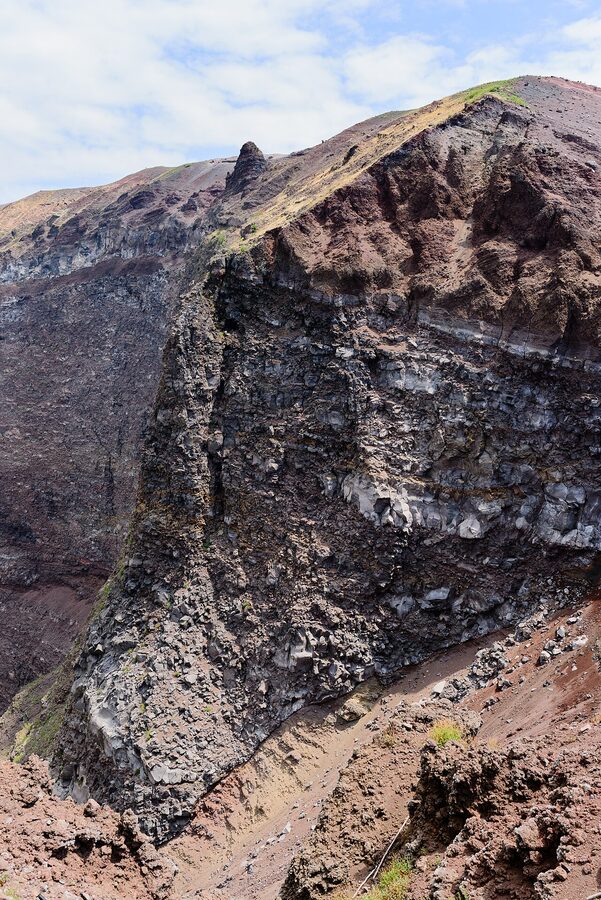
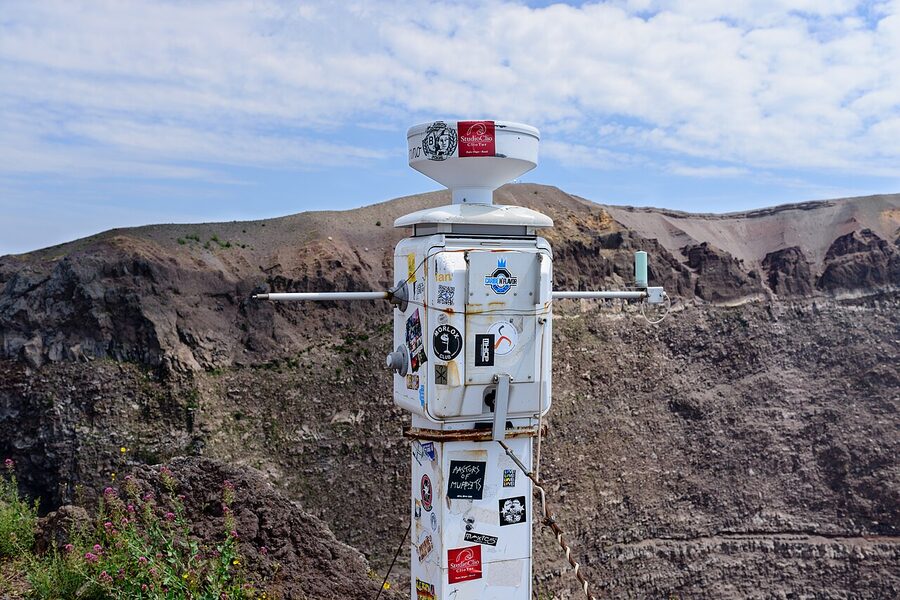
Time at top: budget 30-45 minutes to walk the rim, take photos, read the park signs (multilingual), peer into the crater at different points. Some sections have the audio guide stations where you scan a QR code for explanations.
Weather windows: visibility matters hugely. On clear days you see the entire Bay of Naples, the island of Capri, the Sorrento peninsula, and sometimes Ischia. On cloudy days you can’t see the crater itself through the mist — a serious waste of the hike. Check weather forecasts before committing.
What You Can See from the Top
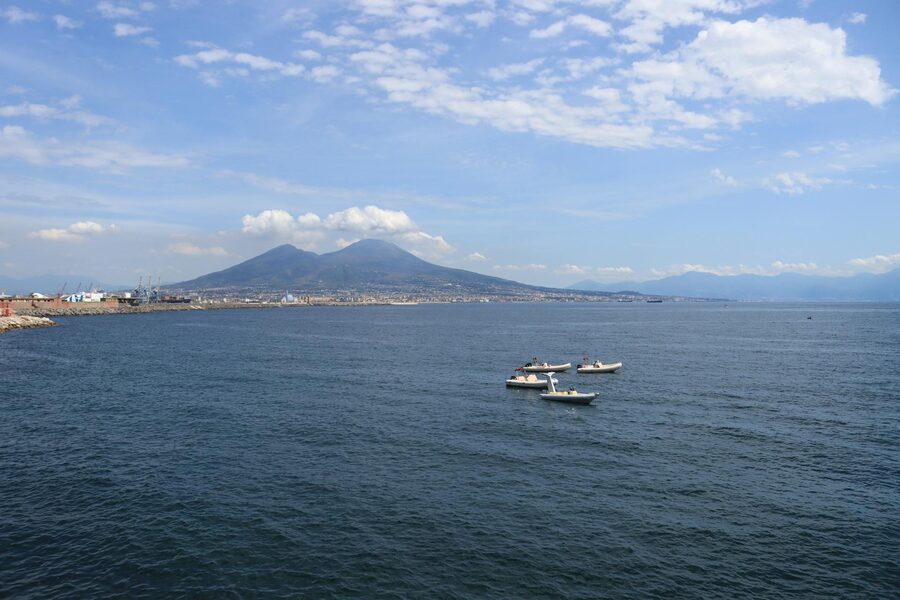
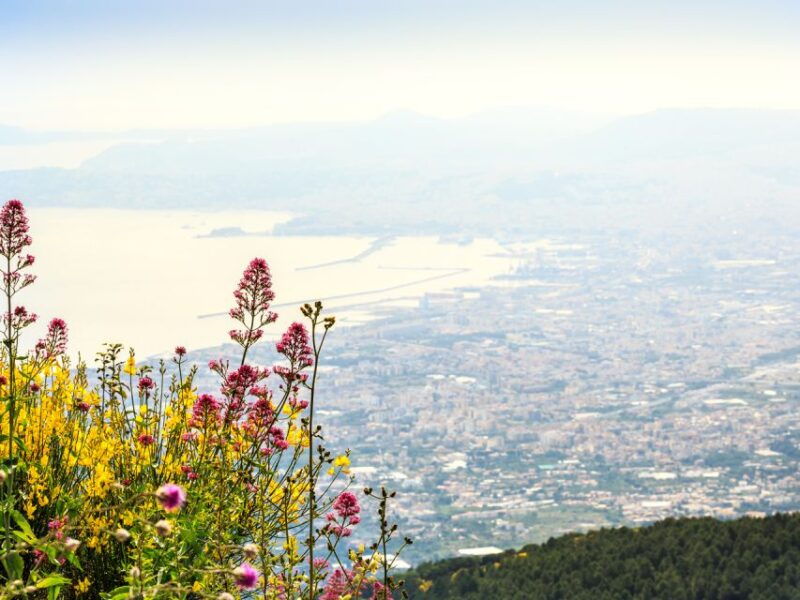
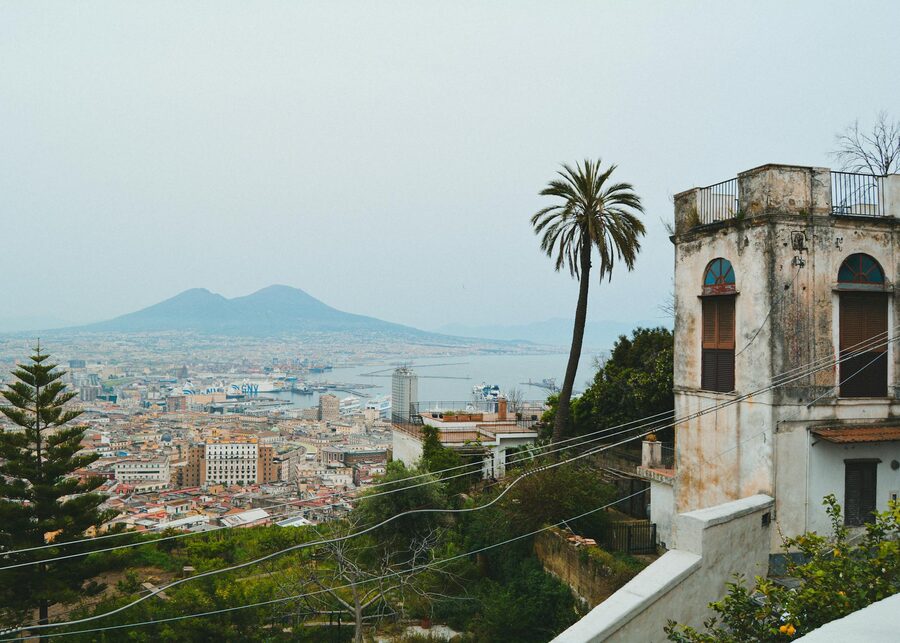
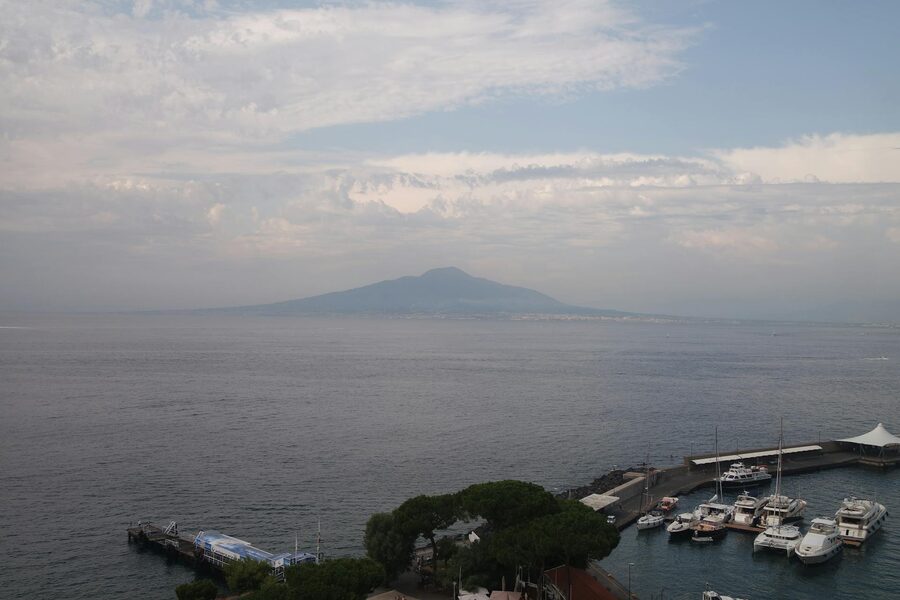
The Bay of Naples: 15 km of coastline with Naples city at the north end, Sorrento at the south, and the islands (Capri, Ischia, Procida) in between. You see all of this as a single composition from the Vesuvius rim.
Herculaneum (Ercolano) directly below: 7 km downslope, you can spot the excavated ancient city on the coast. Below the modern town. 1,500 years of construction built directly atop the Roman site it buried in 79 AD.
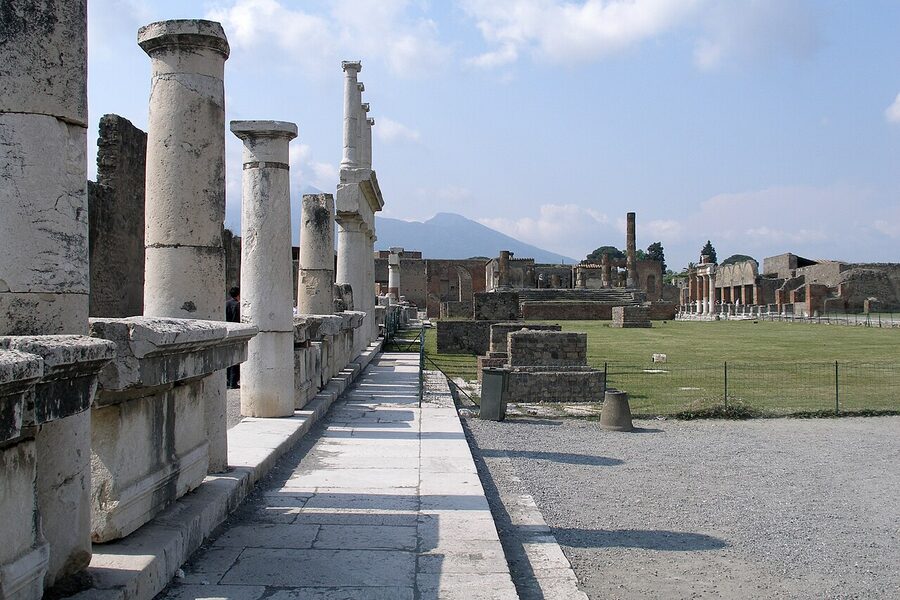
Pompeii at 8 km south-east: harder to pick out from the summit (blocked by the ridge) but visible from certain rim positions. The site that Vesuvius destroyed, the reason anyone knows Vesuvius exists.
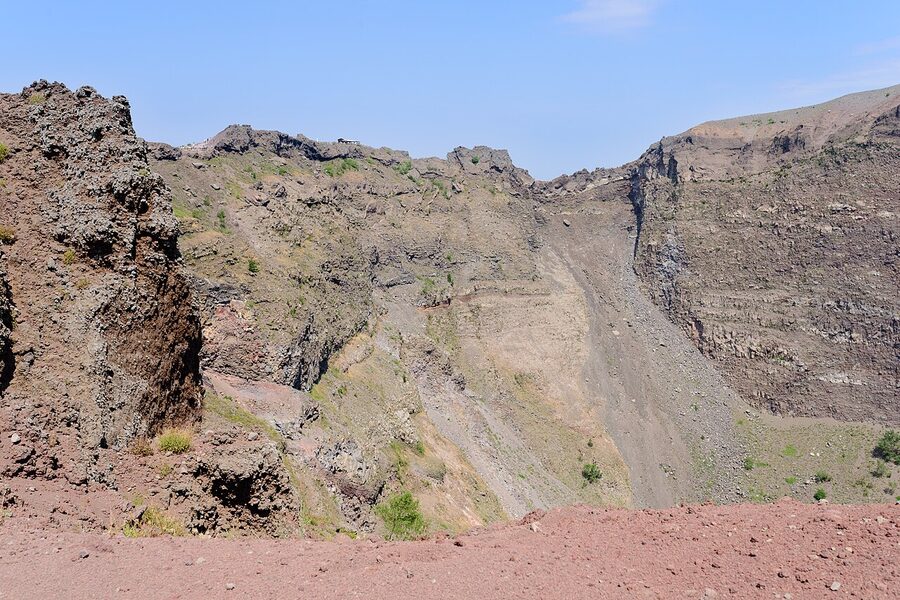
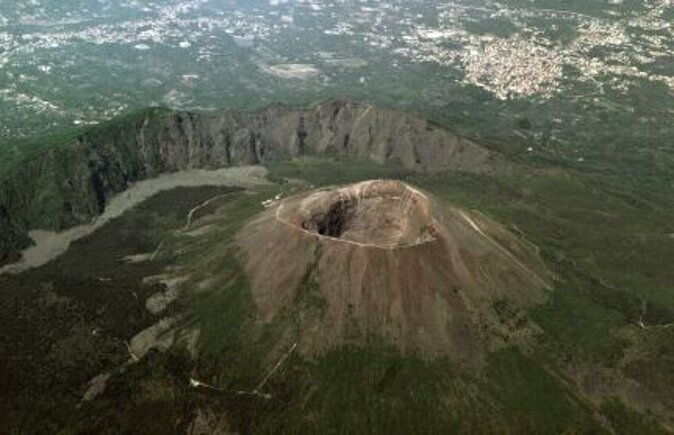
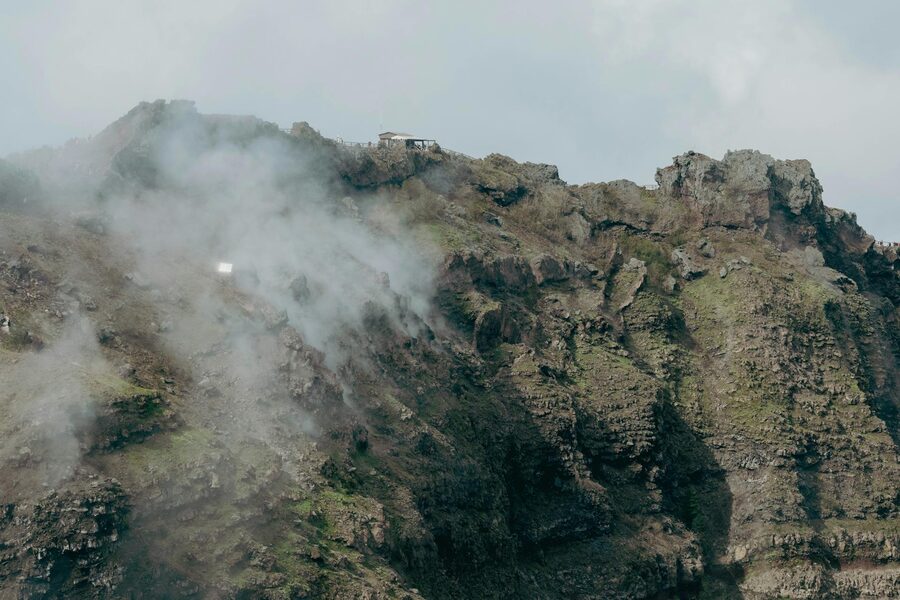
The crater itself: 600m across, 300m deep. The floor is barren. Some vents still produce small amounts of steam and sulphurous gas — volcanologists monitor these daily for signs of pressure buildup. On cold mornings the steam is visible.
Pompeii Context Matters
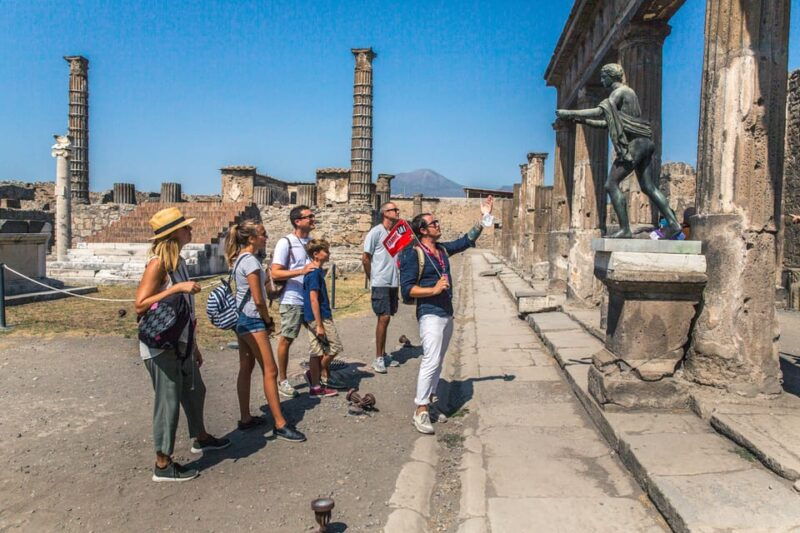
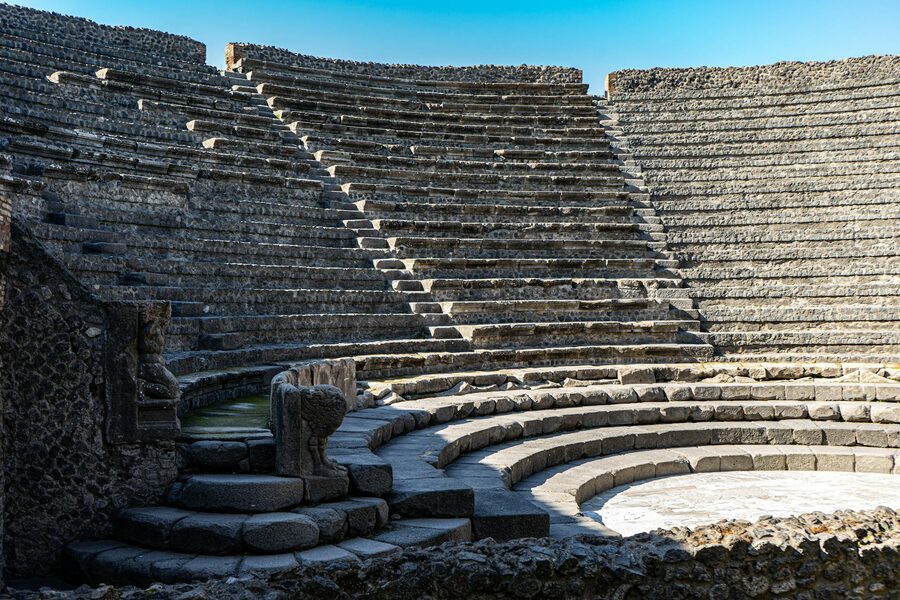
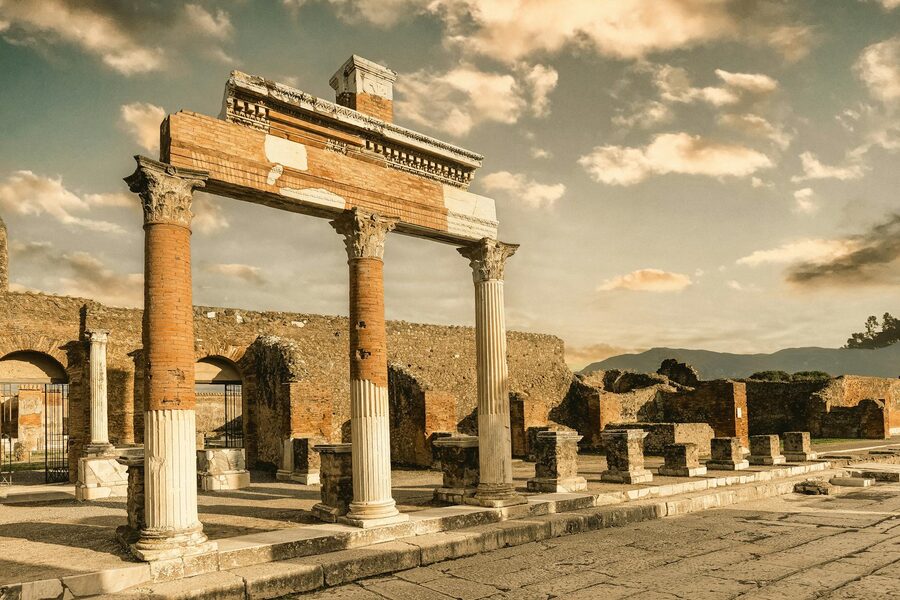
Most tour formats pair Vesuvius with Pompeii for good reason. Visiting the volcano without understanding what it destroyed is missing half the story.
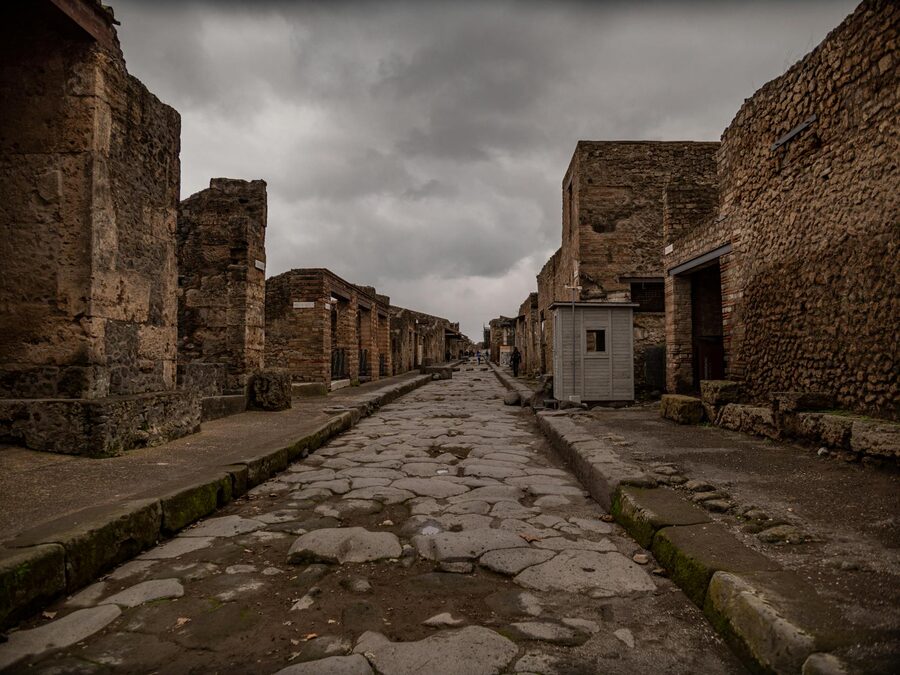
The 79 AD eruption was not the only one. Vesuvius has erupted roughly 50 times since. The 1631 eruption killed 4,000 people. The 1794 eruption flattened Torre del Greco. The 1906 eruption produced Europe’s largest volcanic event in the modern era. The 1944 eruption was the most recent and the least destructive (because WWII evacuations were already partially in place).
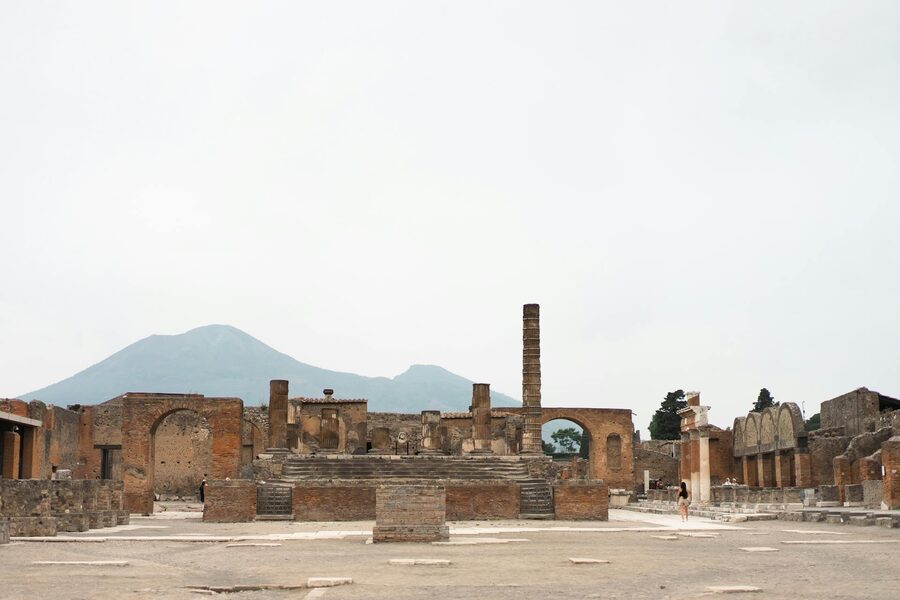
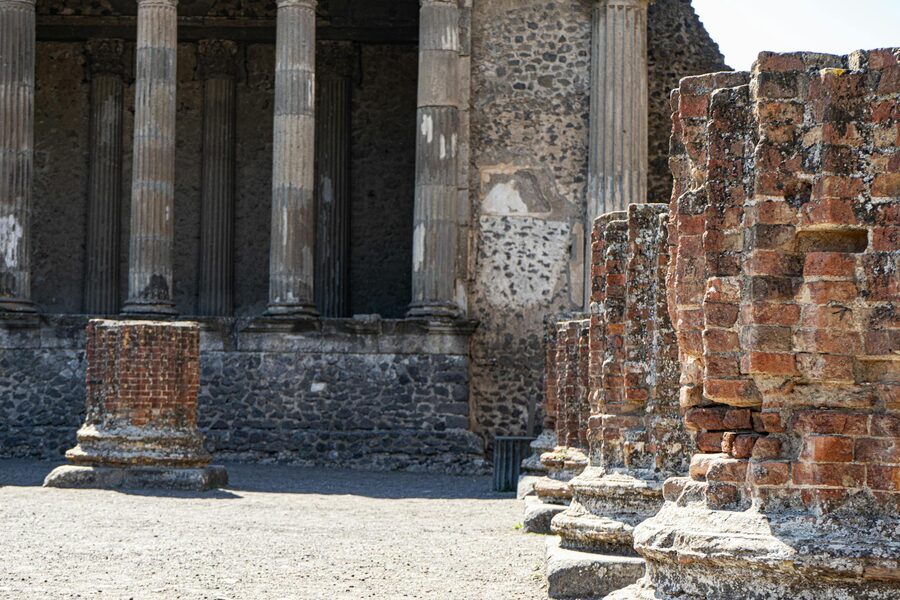
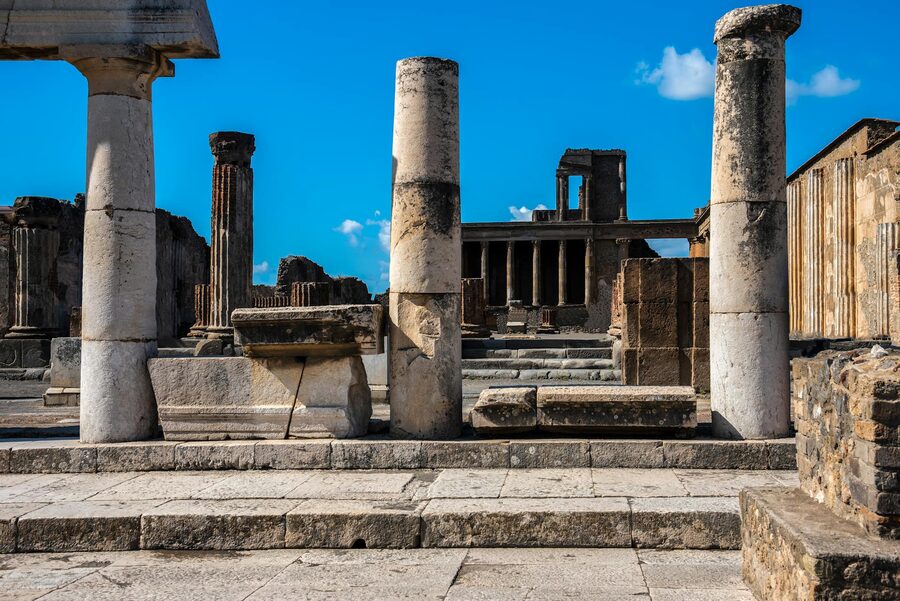
Pompeii-first, Vesuvius-second is the right order: see the consequences before you see the cause. Walking through Pompeii’s ash-preserved streets, then climbing the volcano that produced that ash, delivers the full emotional weight.
What to Pack
Closed-toe sturdy shoes: absolute requirement. The gravel path is brutal on flip-flops and sandals. Trainers work; hiking boots are overkill but fine.
Layers: t-shirt + fleece + windproof jacket. You start at the car park in warm temperatures, reach the summit 5-8°C colder plus wind. Summer summit temperatures are 15-22°C; winter summit temperatures can be -5°C to 5°C.
Water: 1 litre per person. The park has one small café at the car park; none higher up. Plan to bring what you need.
Sunscreen + hat: UV at 1,281m is significantly stronger than at sea level. No natural shade on the upper sections.
Sunglasses: the volcanic gravel reflects light intensely. Without sunglasses, eye fatigue after 30 minutes.
Camera: phone works fine. A proper camera with a wide-angle lens captures the rim panorama better, but phones are enough for 90% of visitors.
What NOT to take: children under 6 (the hike is too much), strollers (terrain forbids them), open-heel shoes, heavy backpacks (unnecessary weight), umbrellas (unusable on windy days).
Timing and Season
Vesuvius National Park operates year-round with seasonal hours.
April-June: ideal. Good weather, moderate temperatures, clear skies. Wildflowers on the lower slopes add colour.
July-August: hot but still workable. Start early (first bus at 9:00) to beat the midday heat. Afternoon clouds often obscure the crater. Book morning slots.
September-October: second-best window. Post-summer heat has broken. Autumn colour on the lower forests. Clearer air than summer.
November-March: cooler but still operational. Winter summit temperatures can reach freezing with wind chill. Occasionally the park closes for 1-2 days due to snow on the summit path. Check daily before going.
Park hours: 9:00-15:30 in winter, 9:00-17:00 spring/autumn, 9:00-18:00 summer. Last entrance 90 minutes before closing.
Book window: 1-3 days ahead is typical. Summer weekends can fill up 5-7 days out. The bus transfers are first-come-first-served by departure time.
Pompeii Pairing Strategy
Since most travellers do both Vesuvius and Pompeii in one day, the logistics matter.
DIY approach (cheapest): Naples to Pompeii by Circumvesuviana train (€3.40 one-way, 40 minutes). Pompeii 3-4 hours. Pompeii to Vesuvius bus transfer ($45, already included in the standalone tour). Vesuvius 2-3 hours. Return train to Naples. Total cost: ~$70 per person.
All-inclusive approach (most convenient): pickup from your hotel, guided Pompeii, lunch, Vesuvius, return. $149. Zero logistics decisions on your part. Worth it if your time is more valuable than your money.
Sorrento-based approach: if you’re on the Amalfi Coast, the GetYourGuide Sorrento pickup option is the right choice. The reviews base is the strongest of any combo product, and pickup logistics on the Amalfi side are much better than trying to reach Naples for a hotel pickup.
Pairing With Your Naples Trip
Vesuvius + Pompeii is the flagship Naples day trip. Fit it into a wider stay.
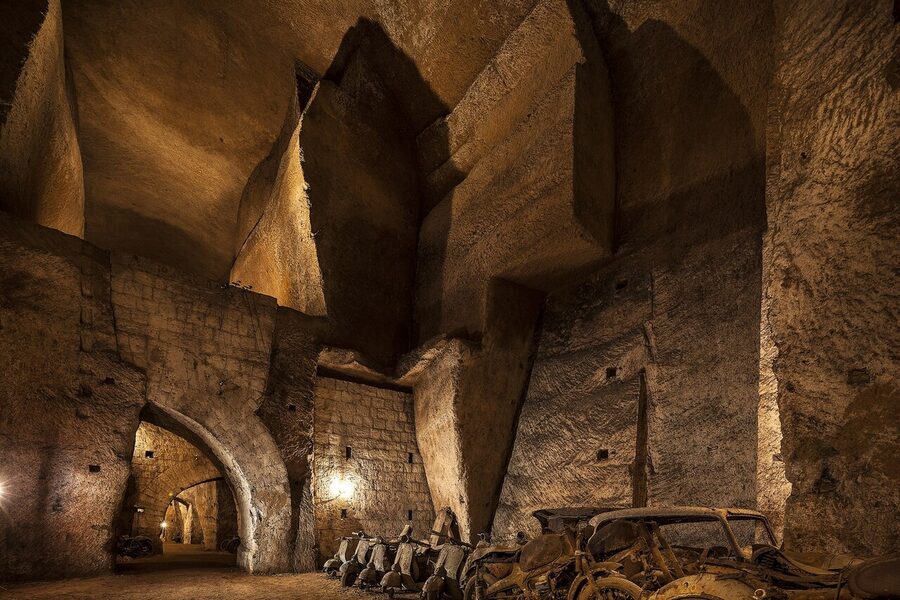
The rhythm: Day 1 arrive + evening walk. Day 2 morning Spanish Quarters + Napoli Sotterranea + afternoon street food tour. Day 3 Pompeii + Vesuvius day trip (full day). Day 4 recovery + Naples Archaeological Museum (which holds the mosaics and frescoes excavated from Pompeii — you’ll appreciate them more after seeing the site). Combinations: pizza class pairs well as Day 4 hands-on recovery from the heavy Day 3. Galleria Borbonica is the other strong pairing for underground-enthusiast travellers — Naples underground has layers and the Bourbon Tunnel deepens the WWII context from Vesuvius’ 1944 eruption era.
Common Questions
Is it dangerous? Volcanologically, yes — Vesuvius will erupt again. Today, no. Activity is monitored 24/7 by INGV (Istituto Nazionale di Geofisica). Any sign of imminent eruption would trigger park closure days or weeks in advance. You’re safer on Vesuvius today than crossing a Naples street.
How hard is the hike? Moderate. Average fitness handles it. Not technical. About 30-45 minutes up on loose gravel. People with heart conditions or mobility issues should reconsider.
Can I hike from the base? Technically yes but it adds 3-4 hours. Nobody does this — the bus to 1,000m is the standard and makes the day workable.
Is there a lift/cable car? No. The 1956 chairlift closed in 1984 and was never replaced. Buses to 1,000m + walking the final 281m is the only option.
Kids? Ages 8+ manage the hike. Under 6 struggles. Watch out for the crater rim — there are guardrails but determined kids could climb them.
What if weather turns bad? Park closes for safety. You get a refund or reschedule. Check park status the morning of.
Is the audio guide any good? Worthwhile. Scan QR codes at marked stations; get ~5 minutes of context on geology, eruption history, and what you’re looking at. Not award-winning production but informative.
Can I pay in cash? Yes at the park gate. €10 entry. Most tourists arrive prepaid.
The Honest Verdict
Vesuvius is one of the great accessible volcanoes of Europe. The hike is manageable, the view is iconic, and the geological context — combined with Pompeii below — delivers a lesson in deep time that no other European site matches. At $45 for the standalone bus + entry, it’s also genuinely affordable.
Book the standalone bus transfer option if you’re doing Pompeii independently. Book the all-inclusive Pompeii + Vesuvius combo if your time is tight. Do it in the morning on a clear-weather day — summit visibility is everything. Wear proper closed shoes, bring layers, take water. And spend at least 20 minutes at the rim itself just looking — at the crater, at the Bay of Naples, at the 3 million people living in the Red Zone below. That silence tells the whole story.