
The Four Seasons was written in Venice, for Venice, around 1720. Three hundred years later, Venice is still playing it — every night, in a dozen different rooms, for whoever books a seat.
The room you want is the Ateneo di San Basso, a hundred metres from St Mark’s.
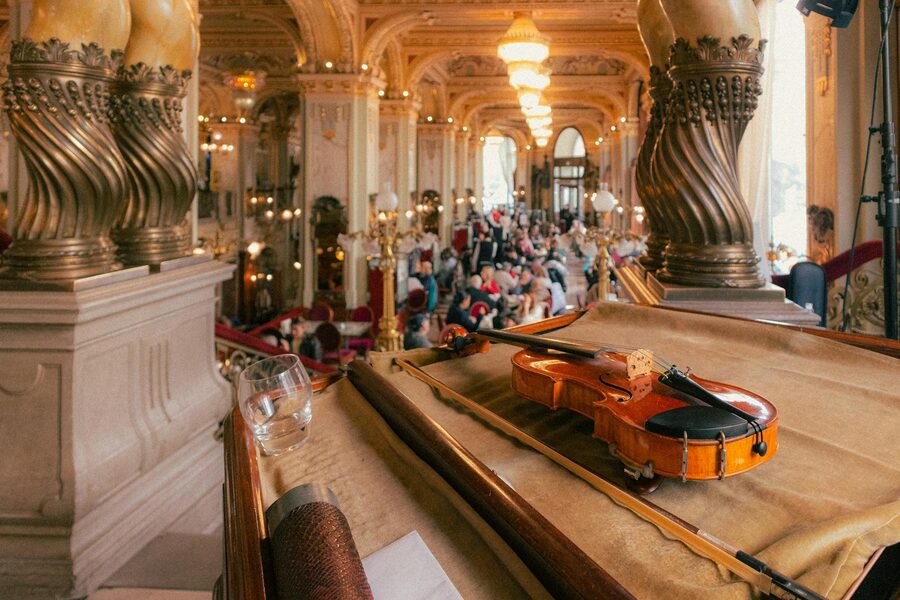
Quick Picks
- The concert — I Musici Veneziani: Vivaldi Four Seasons ($42). 90 minutes, period instruments, Ateneo di San Basso.
- Gondola with commentary — Grand Canal by Gondola With Live Commentary ($49). Different musical evening — gondoliers sing.
- Gondola with a dedicated singer — Charming Gondola Ride on the Grand Canal ($47). Tenor, accordion, full romantic cliché.
- Quick Picks
- Why Vivaldi in Venice Actually Matters
- The Three Real Options
- I Musici Veneziani Concert: Vivaldi Four Seasons — .33
- Venice: Grand Canal by Gondola With Live Commentary — .26
- Charming Gondola Ride on the Grand Canal & Gondola Gallery — .28
- What You’ll Hear in the Concert
- The Ateneo di San Basso Venue
- Getting There and Around
- Booking and Timing
- How This Compares to Other Venice Concerts
- Who This Is For
- Pairing With Your Venice Trip
- Common Questions
- The Honest Verdict
Why Vivaldi in Venice Actually Matters
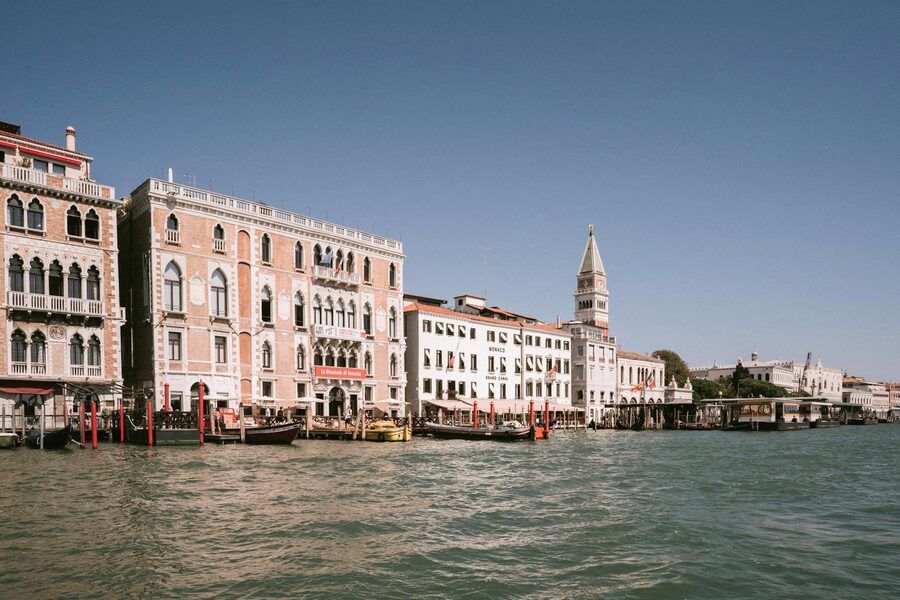
Venice is the only city in the world where hearing Vivaldi in its original context makes historical sense. The Pietà (where Vivaldi worked) still stands on Riva degli Schiavoni, a short walk from St Mark’s Square. The church next door (Santa Maria della Pietà, rebuilt in the 1740s on the site of the earlier church where Vivaldi taught) still hosts concerts featuring his music. The manuscripts of some of his works are in the Biblioteca Nazionale Marciana. This is the city he lived, composed, and premiered in.
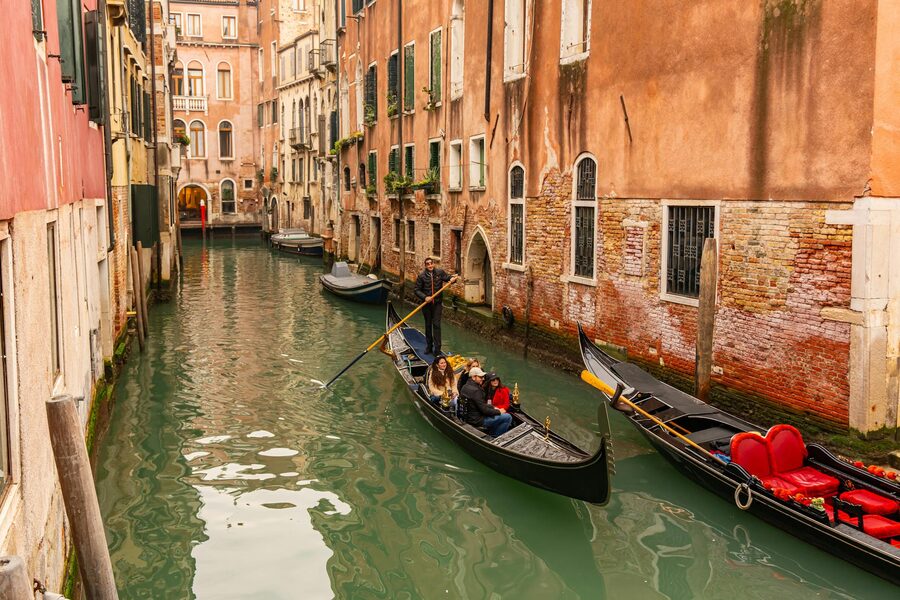
The second reason: the genre fits the city. Baroque music was designed for exactly these rooms — small palazzi, stone surfaces, candle-lit. A modern Carnegie Hall performance of Four Seasons is acoustically impressive but texturally wrong; Vivaldi never wrote for a 2,000-seat concert hall. The Venice scale (150-300 seats, close acoustic, period instruments) delivers the work as he imagined it.
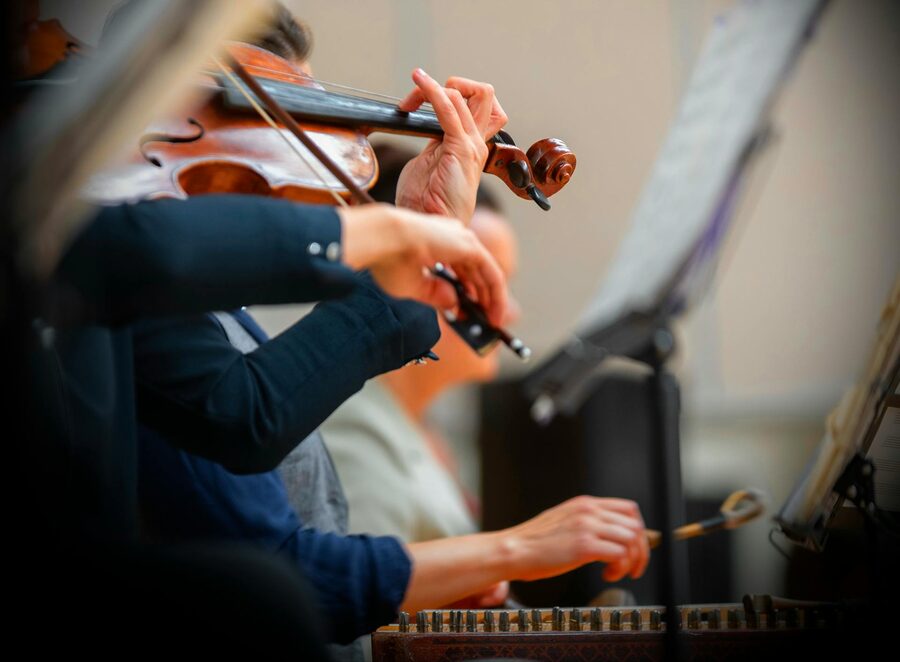
The third reason: the programme tradition. Venice’s concert ensembles don’t just play Four Seasons on its own. They bookend it with one or two other Vivaldi works (a concerto for multiple violins, a sacred piece) and sometimes a baroque opera aria with a soprano soloist. You get a 90-minute Vivaldi experience, not a 40-minute hit-parade.
The Three Real Options

I Musici Veneziani Concert: Vivaldi Four Seasons — $42.33
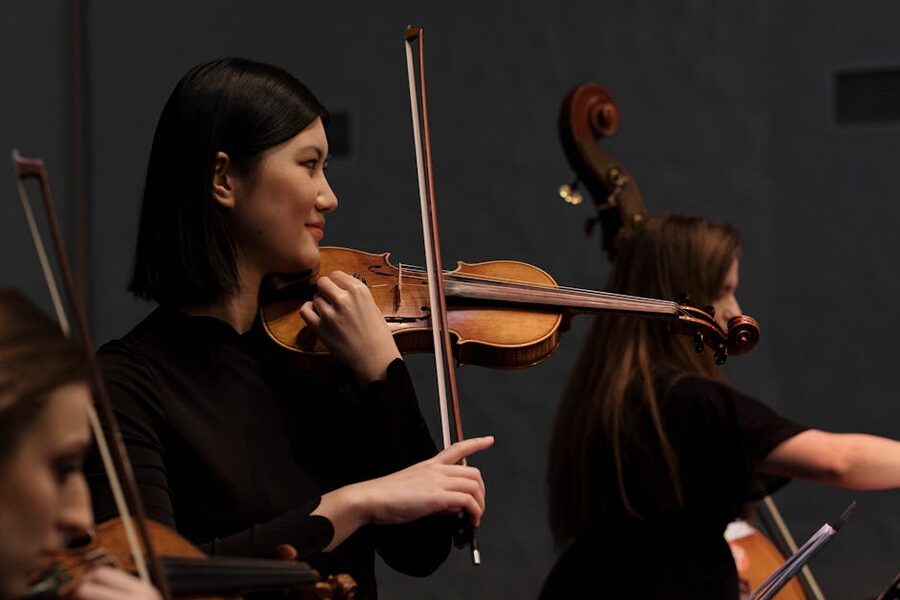
Ninety minutes, period instruments, a string ensemble plus a soprano. The full Four Seasons plus a couple of additional Vivaldi pieces and an opera aria to close. Runs most nights of the week, year-round. Our review breaks down the programme and the best seats.
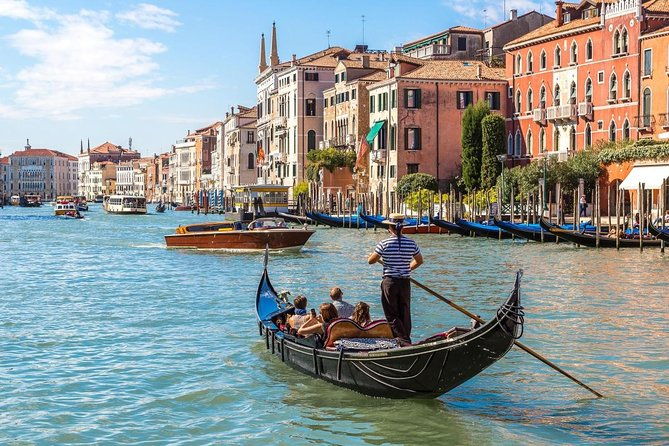
Venice: Grand Canal by Gondola With Live Commentary — $49.26
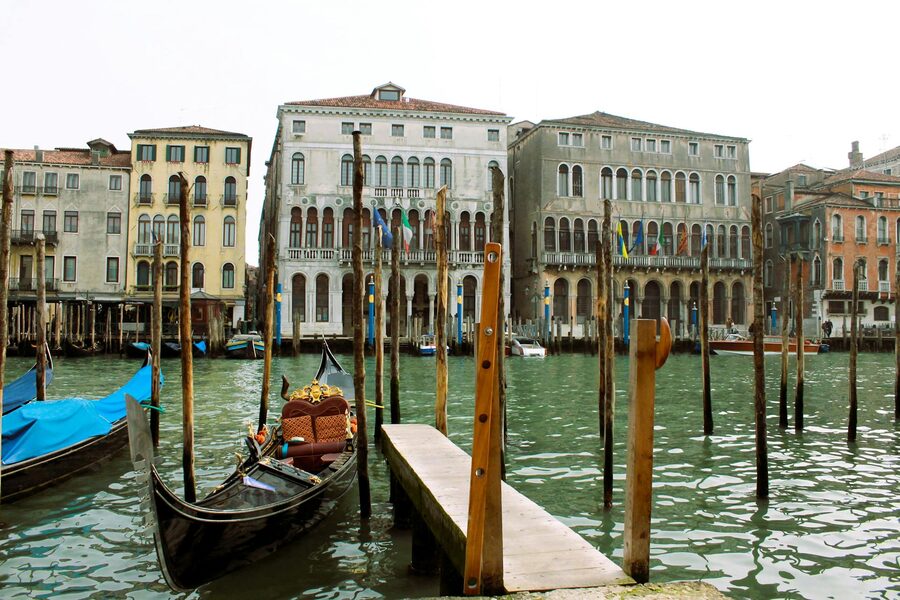
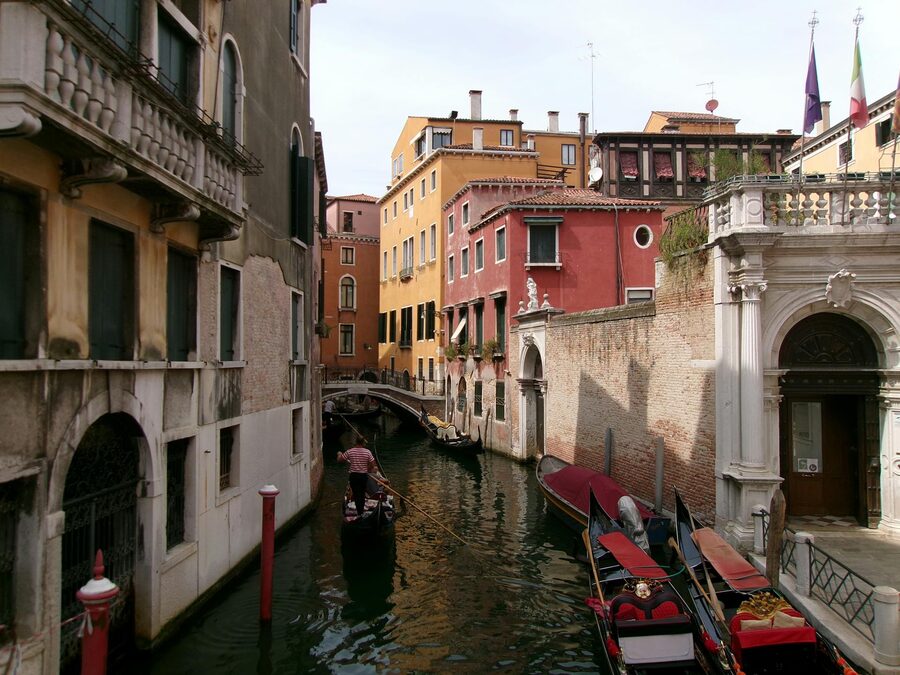
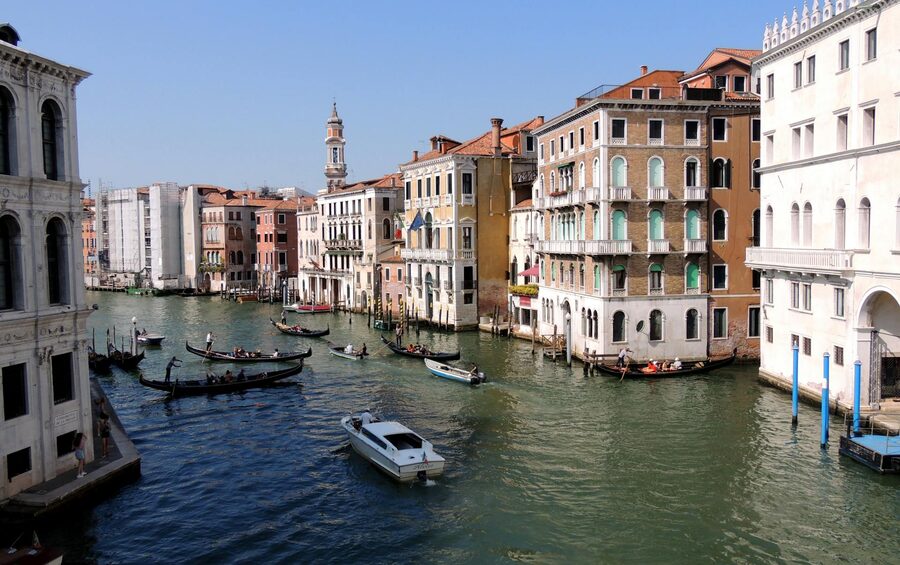
A different kind of musical Venice evening. Thirty minutes on a shared gondola, English commentary from the guide, and on most runs the gondolier sings. Book this alongside the concert on the same trip — gondola in the afternoon, Vivaldi in the evening. Our review covers which operators actually do the singing.
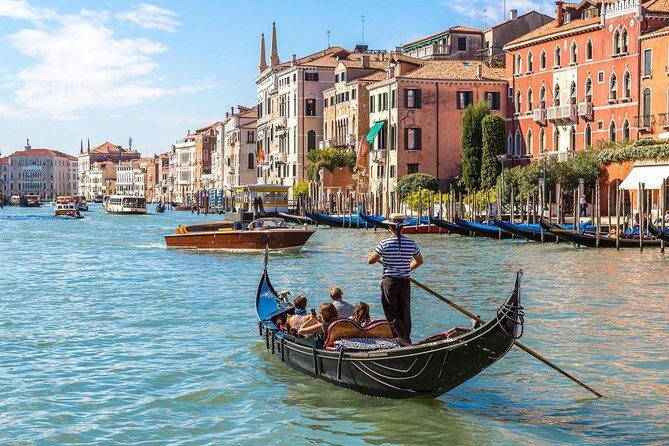
Charming Gondola Ride on the Grand Canal & Gondola Gallery — $47.28
The gondola-with-full-singer version. A dedicated tenor with an accordion player sits in the boat with you, which is either the most romantic thing possible or mildly ridiculous depending on your tolerance for cliché. Book this for honeymoons. Our review compares this to the plain gondola ride.
What You’ll Hear in the Concert
The programme is consistent. Four Seasons is always the centrepiece. The bookend pieces vary a bit between ensembles and seasons but follow a predictable shape.
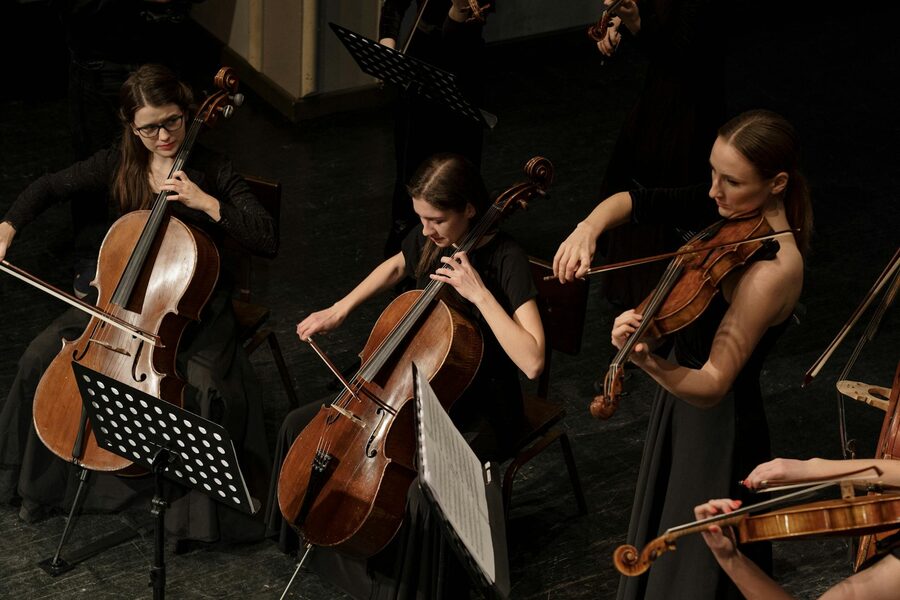
First half (45 minutes):
- Opening sinfonia or a short Vivaldi concerto (for multiple violins, for bassoon, for mandolin) — 8-12 minutes.
- Four Seasons: Spring + Summer (the first two concertos). 20 minutes total. Spring’s opening is the famous chirping-birds theme that everyone recognises.
- Brief interval for tuning adjustment — not a full 20-minute break.
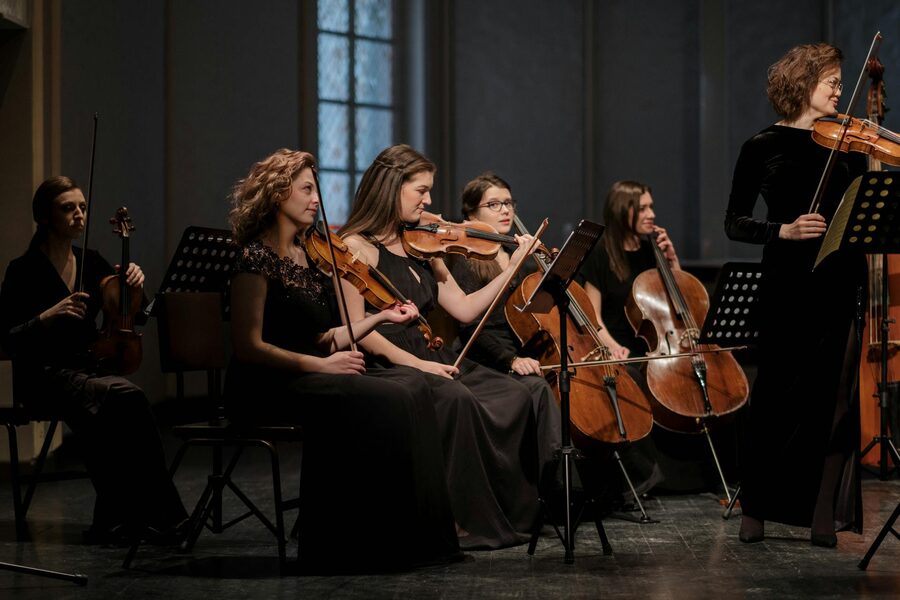
Second half (40-45 minutes):
- Four Seasons: Autumn + Winter. 20 minutes. Winter’s slow middle movement (Largo) is the emotional peak of the whole work.
- Soprano opera aria (typically from a Vivaldi opera like Orlando Furioso or Griselda) — 8-10 minutes.
- Optional second aria or short orchestral encore — 3-5 minutes.
- Audience applause, bows, done.
The total concert runs about 90 minutes including applause. Not long by opera-house standards; exactly right for a tourism-friendly evening.
The Ateneo di San Basso Venue
The concert happens at the Ateneo di San Basso — a deconsecrated 16th-century scuola (religious/civic guild hall) about 150 metres from the Piazza San Marco. The building has had various uses over the centuries and is now dedicated primarily to I Musici Veneziani performances.
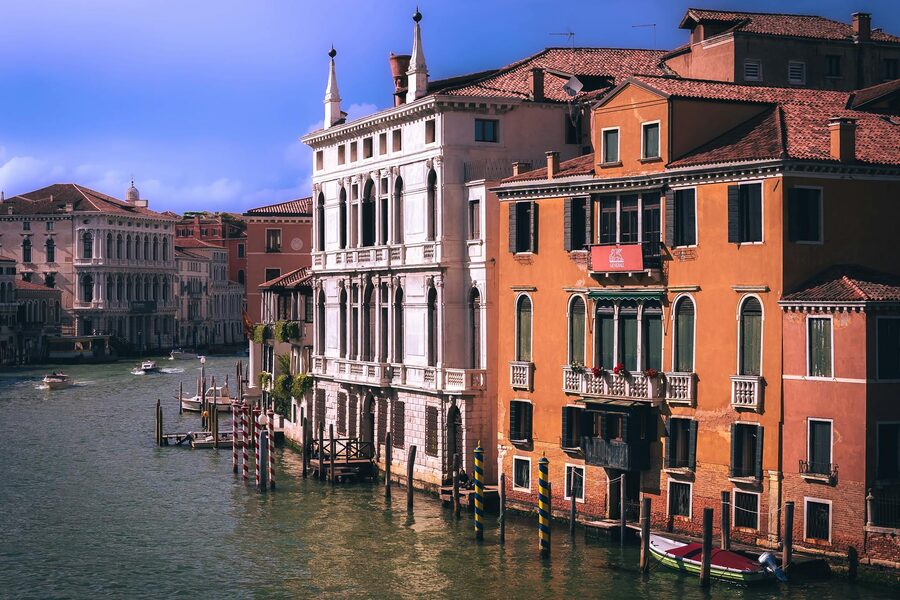
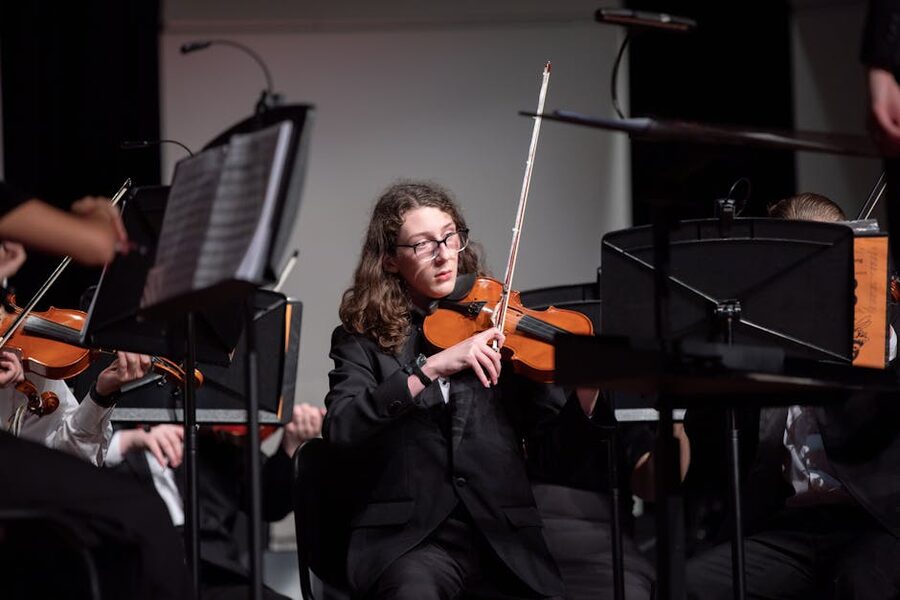
Inside: one rectangular room with 150 capacity, wooden chairs on a flat floor (no raked seating), a small raised stage at one end, red velvet wall coverings, and gilded stucco ceilings. The acoustic is bright and close — you hear every articulation, every bow change. It works brilliantly for period strings.
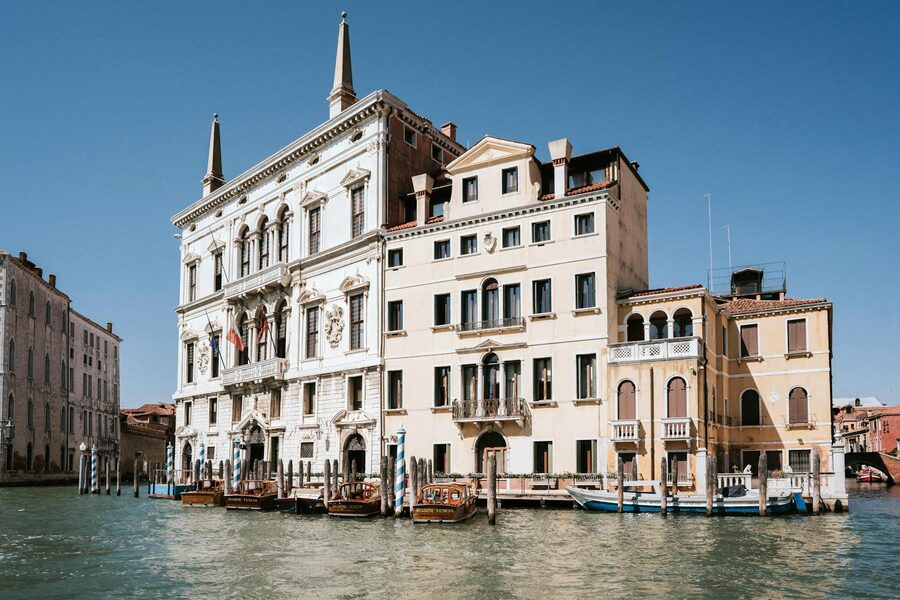
Seating note: rows are tight and chairs don’t have much back support. Pick seats in the first 4-5 rows if you want to see bowing technique; pick the back rows if you want more legroom. There’s no “bad” seat — the room is small enough that every seat works acoustically.
Getting There and Around
The Ateneo di San Basso is at Piazzetta dei Leoncini, directly next to St Mark’s Basilica. If you can navigate to San Marco, you’re effectively there.
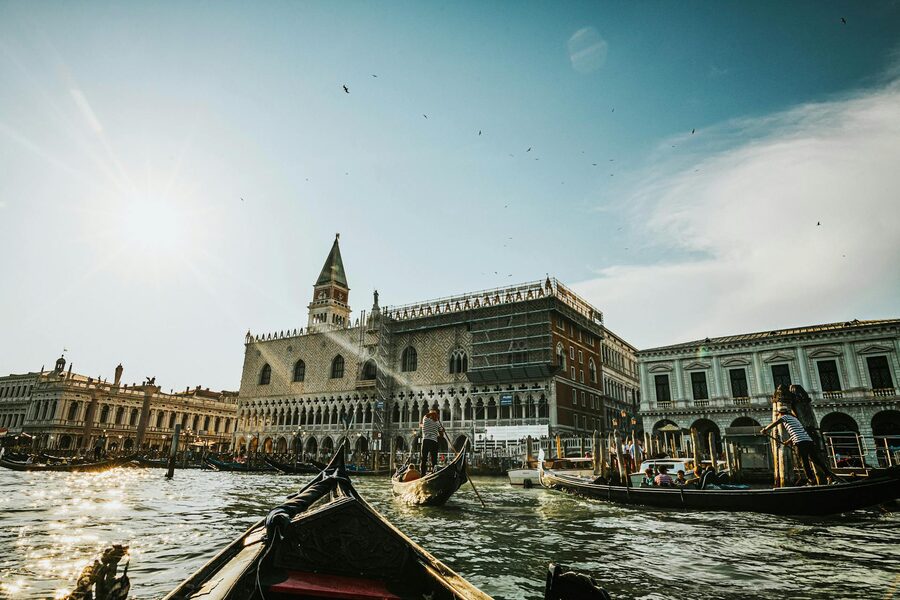
Pre-concert dinner: Italian dinner culture starts at 20:00. The concert starts at 20:30 in most seasons. That means dinner needs to run 18:30-19:45 — an hour earlier than Italian normal. Book accordingly. Many restaurants near San Marco know this and serve early sittings for concert-goers.
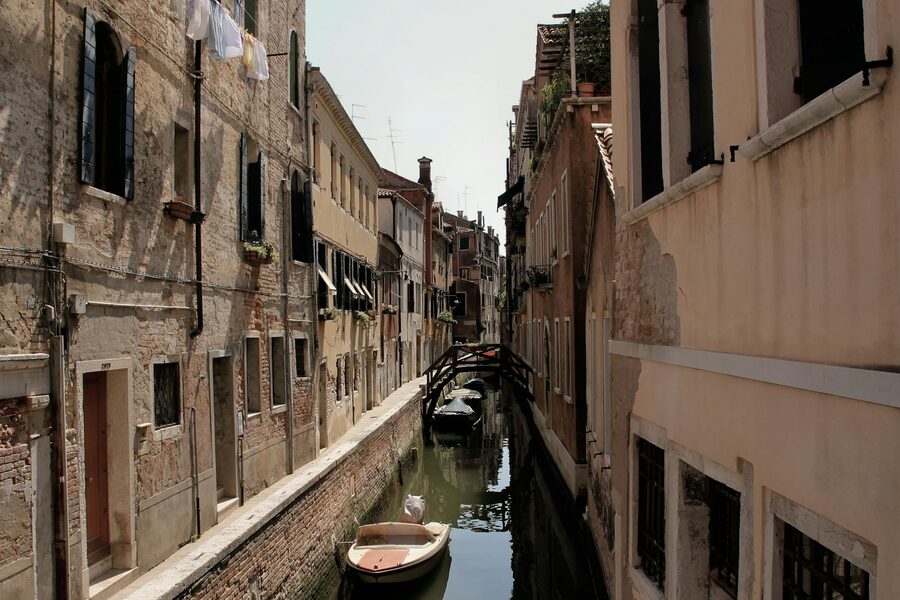
Post-concert: Venice at 22:30 is quiet and magical. Most tourists have returned to hotels. The walk back across Ponte della Paglia or through the small alleys east of San Marco gives you the Venice that sells the city’s reputation.
Booking and Timing
Concerts run 3-5 nights per week year-round. Exact schedule varies — check the operator’s calendar at booking.
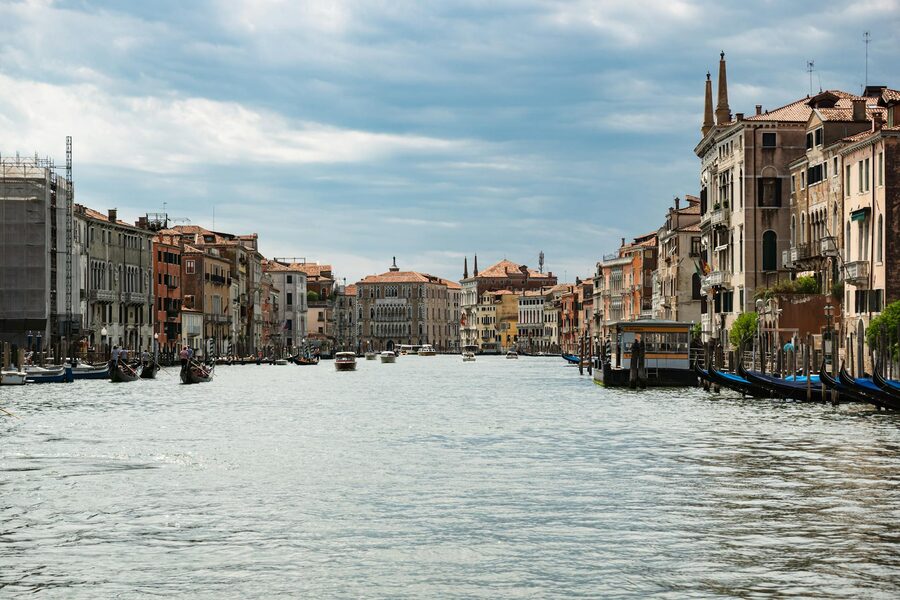
Ticket categories: most bookings are open seating. Some nights offer “VIP” front-row seats at a premium (~€15 extra). Worth paying for if you want to see facial expressions and bowing detail up close.
Dress code: smart casual. Nobody wears formal dress. Italians might put on a nice shirt; Americans might wear jeans — both fine. What matters is that you don’t arrive in flip-flops.
Cancellation: standard 24-48 hour terms. Venice doesn’t cancel for weather (concerts are indoors) but in acqua alta flooding you might need to reroute your walk.
How This Compares to Other Venice Concerts
I Musici Veneziani isn’t the only baroque ensemble in Venice. Four or five similar groups run concerts in different venues around the city, each with their own angle.
Interpreti Veneziani at Chiesa di San Vidal (nearly every night, a different programme each night, larger venue). Similar price point ($35-45). Programming rotates beyond Four Seasons — you might get Bach or Mozart on the same ticket.
Orchestra Collegium Ducale at Palazzo Ducale or various churches. Smaller, more flexible programming. Quality varies more.
Musica a Palazzo at Palazzo Barbarigo Minotto. A fully-staged opera in three different rooms of a palace — the cast moves between acts. Completely different format and more expensive ($80-140).
For first-time visitors the Ateneo-based I Musici Veneziani concert is the right default because it’s the most affordable, most Four-Seasons-focused, and easiest to book. For return visitors or classical music enthusiasts, mix and match across the city — different ensembles, different venues, different programmes.
Who This Is For
Great fit: first-time Venice visitors, anyone celebrating a trip milestone, couples on a romantic evening out, travellers who studied music (you’ll notice period-performance details others miss), Baroque enthusiasts.
Reasonable fit: non-classical-music listeners (Four Seasons is approachable even if you don’t know the genre), casual tourists looking for an evening activity.
Bad fit: families with young kids (90 minutes of sitting still is rough for under-10s), very tall people (the venue’s legroom is tight), travellers on a strict budget (the $42 ticket is the cheapest quality concert in Venice but still not trivial).
Pairing With Your Venice Trip
A good Venice evening routine pairs the concert with walking and food in the same day. Afternoon walk through Dorsoduro or Cannaregio (neighbourhoods that stay local-feeling), early dinner in a back-street trattoria or a cicchetti crawl, concert at 20:30, slow walk home through dark alleys.
If you’re combining Venice with other Italian cities, the evening concert format here maps nicely onto similar experiences elsewhere — Rome’s opera concert at Palazzo Poli and Florence’s Santa Monaca concert are the natural counterparts. Do Vivaldi in Venice, opera greatest-hits in Rome, intimate baroque in Florence: you’ve done the trio of Italian evening classical experiences without repeating yourself. For a Venice-only multi-night trip, pair the concert with a food-focused evening earlier in the week — the gastronomic and musical sides of Italian culture complement each other rather than competing.
Common Questions
Do I need to know classical music? No. Four Seasons is famous for a reason — it’s approachable, melodic, and programmatic (each movement depicts a season, with recognisable imagery like birds, storms, and ice). Anyone can enjoy it cold.
Is it dress-code strict? No. Smart casual is fine. Venetians don’t formalise concert-going the way Vienna or Paris does.
Can I take photos? Only before and after. During the performance, phones away. The ensemble will stop playing if they see flashes, which has happened.
Is the programme always exactly Four Seasons? Close to always. Occasionally a special programme replaces one of the shorter pieces. Four Seasons itself is the guaranteed core.
Solo traveller experience? Excellent. The concert format is internal rather than social; you can sit alone and be completely absorbed.
Kids under 12? Not recommended unless the kid has musical training. 90 minutes of 18th-century instrumental music is a lot of sitting still.
What’s the acoustic really like? Bright and close. You can hear the harpsichord ornamenting, the bow rosin being released, the breath of the soprano before she starts a phrase. It’s much more intimate than an opera house.
Is it ever cancelled last-minute? Rarely. Venice musicians are dependable, the venue is well-run, and the programme is financially important enough to the organisation that they work hard to avoid cancellations. If it does happen (illness of a key player, acqua alta flooding the venue), rebooking or refund is prompt.
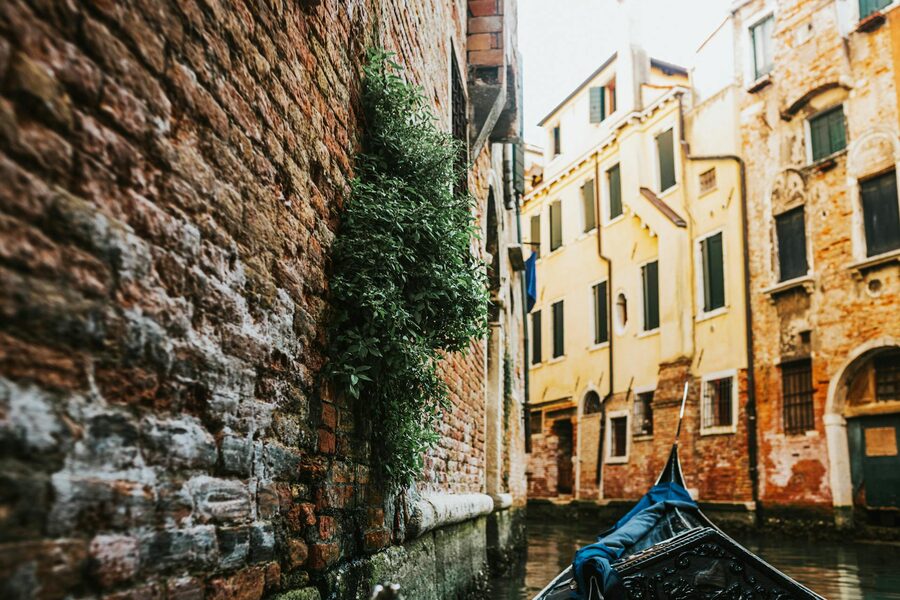
Do they play outdoors or on gondolas? No. The Ateneo is a strictly indoor venue. Outdoor concerts in Venice are rare and separate bookings. Gondola music is a different category entirely — gondoliers sing classic Neapolitan songs, not baroque instrumental music.
The Honest Verdict
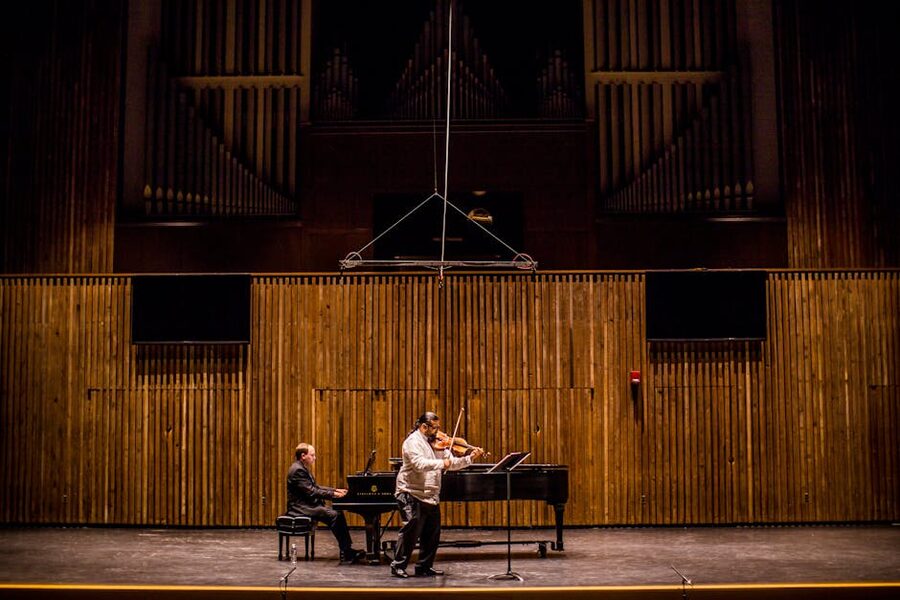
The Vivaldi Four Seasons concert at the Ateneo di San Basso is one of those rare tourist experiences that delivers exactly what it promises. You get the famous piece, played well, on the right instruments, in a historically-appropriate room, in the city where the composer lived and worked. $42 for 90 minutes is a fair-to-excellent ticket price for this quality. Four Seasons is also the one piece of classical music even non-classical-listeners will recognise from the first bar, so the barrier to enjoyment is unusually low.
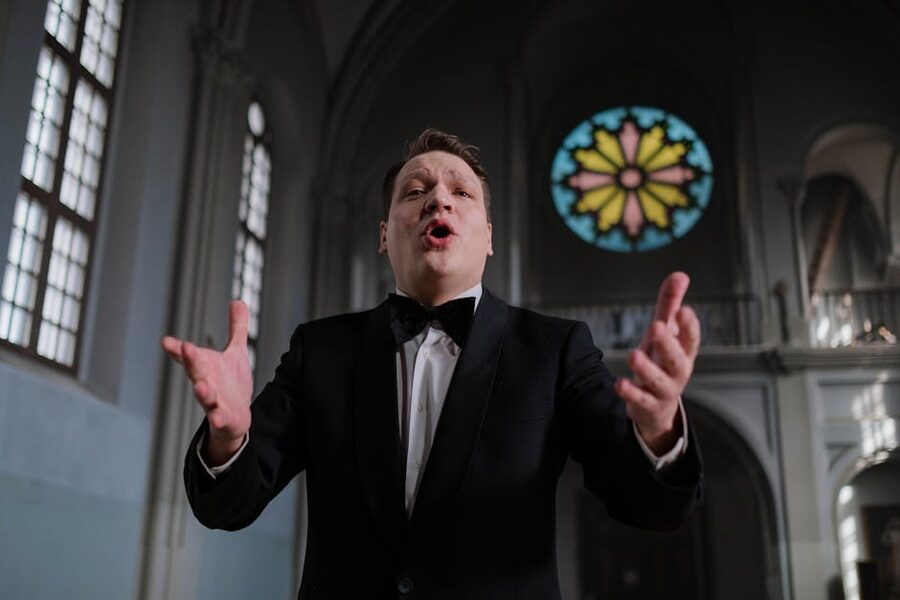
Book it if you have an evening free in Venice and you want a cultural-tourism experience that isn’t just eating and walking. Skip it only if you specifically dislike classical music. Pair it with a gondola ride earlier the same evening for maximum romantic-Venice saturation. Book at least 3 days ahead in peak months. Arrive 15 minutes before the 20:30 start. Dress comfortably. And if the soprano’s aria at the end makes you cry a little, you’re in good company — that happens to about half the audience.