
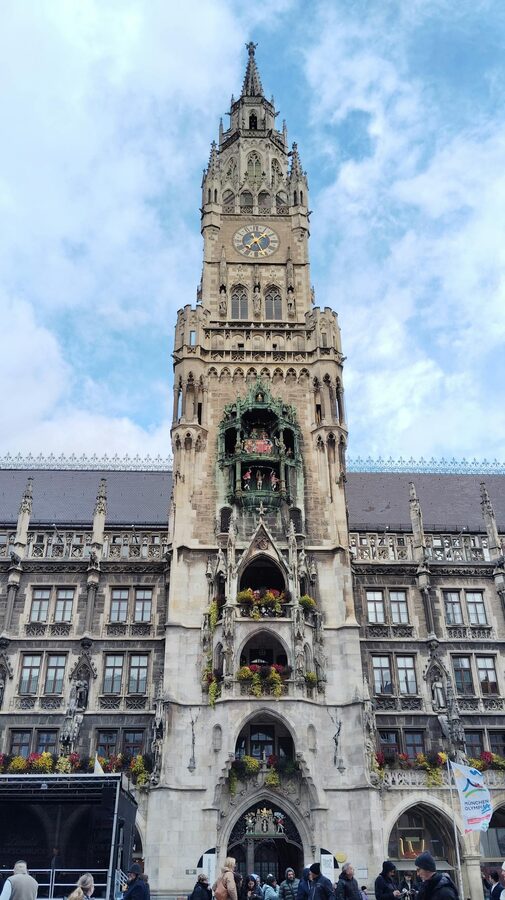
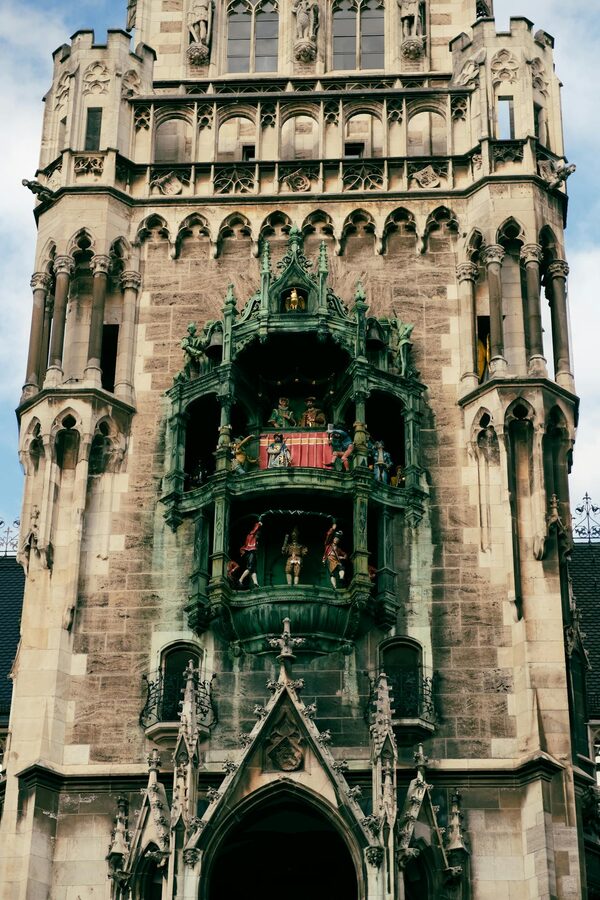
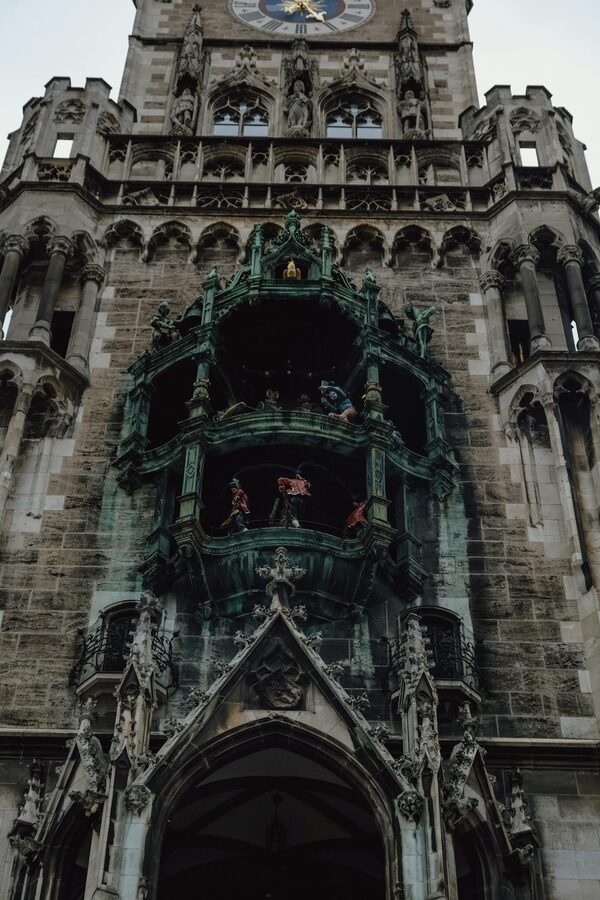
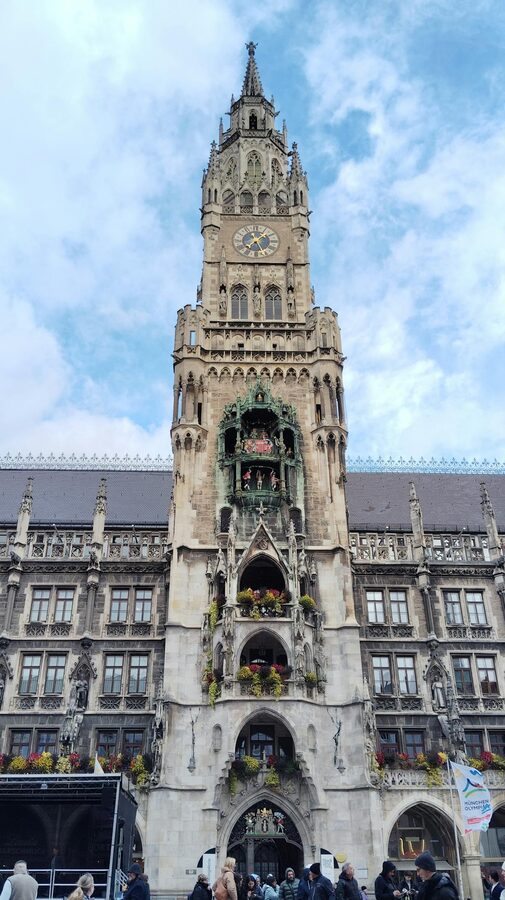
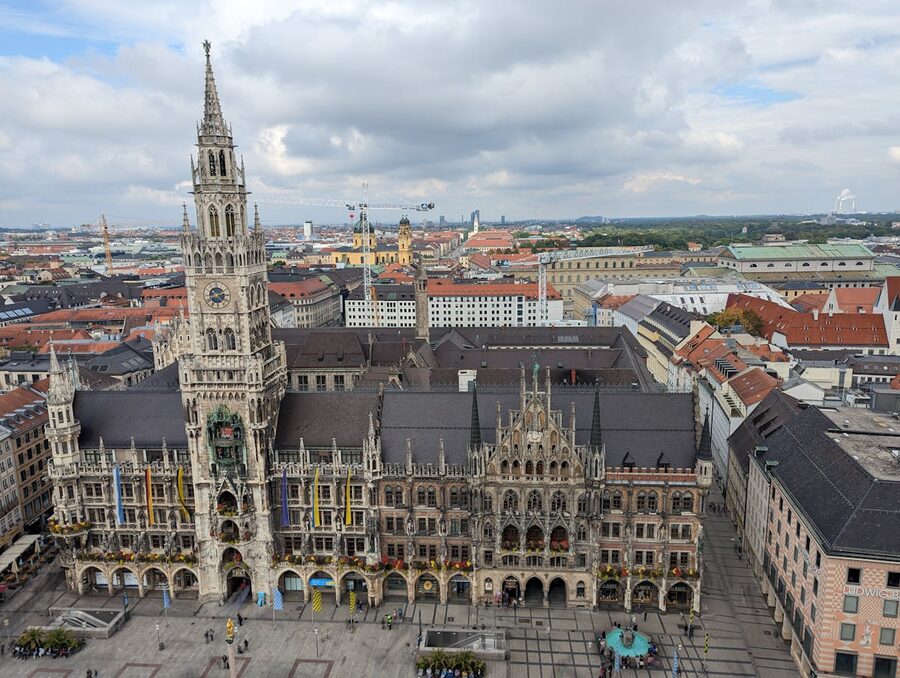
Munich does two things better than any other German city: beer and beauty. The Marienplatz Glockenspiel performs daily to crowds of travelers filming mechanical knights jousting on a clock tower, and it tells you everything about Munich’s attitude — take beauty seriously, take beer seriously, don’t take yourself too seriously.
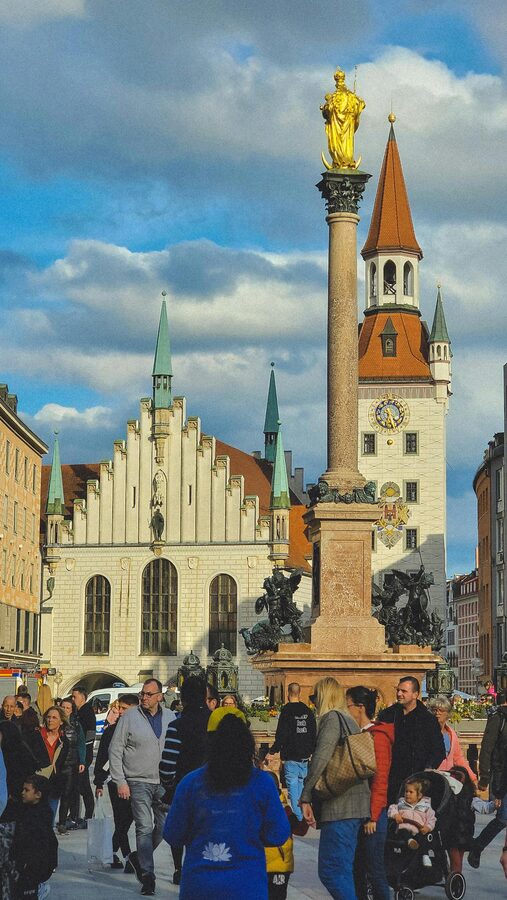
Munich’s city tours come in three formats — walking, cycling, and hop-on bus — and each shows you a different version of the city. The walking tour goes deep into the old town’s history: the churches, the squares, the beer halls, and the stories behind the facades. The bike tour covers more ground, including the English Garden (one of the world’s largest urban parks) with a mandatory beer garden stop. The bus tour hits the landmarks efficiently from an open-top deck. All three are good. The bike tour with beer is the most Munich thing on the list.

Best bike tour: Classic Bike Tour with Beer Garden Stop — $42, 3.5 hours, includes English Garden and beer. Perfect 5.0, excellent visitor feedback.
Best bus tour: Big Bus Hop-On Hop-Off — $27, full-day ticket covering all major attractions.
The Walking Tour: Munich’s Old Town
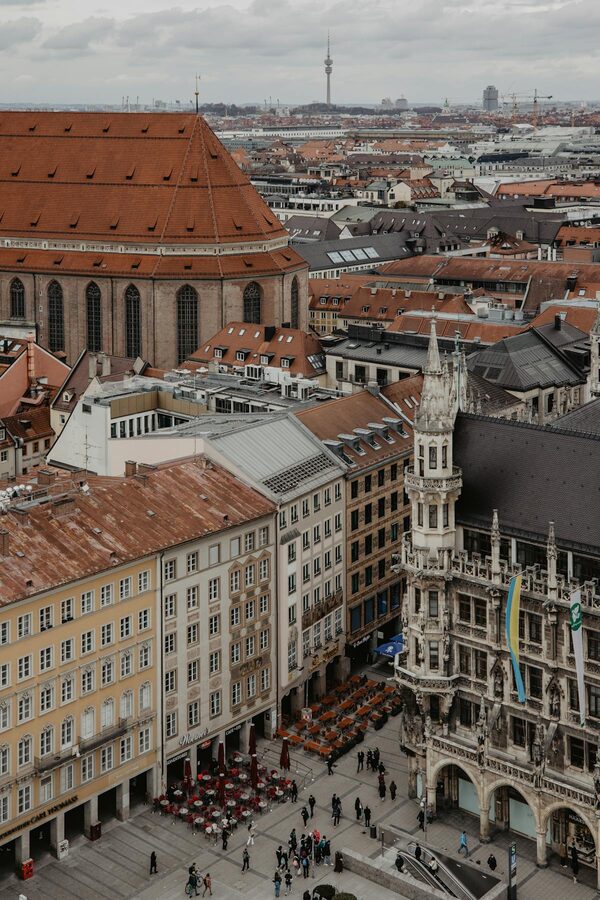
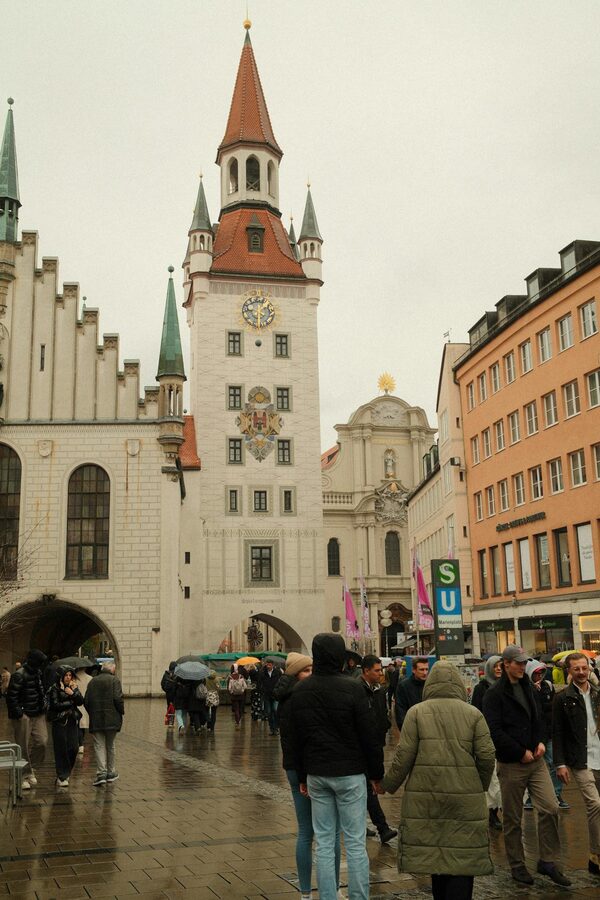
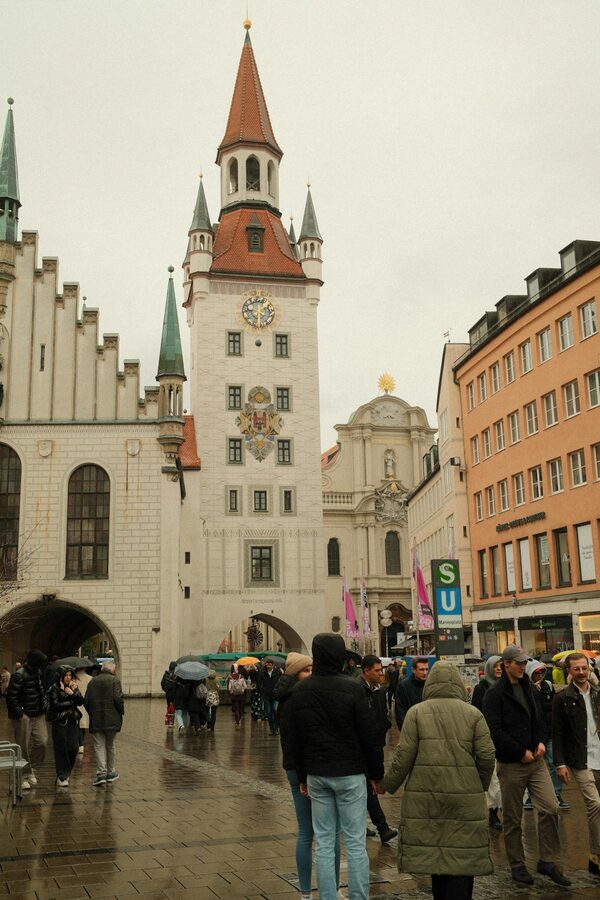
The 2.5-hour walking tour covers the Altstadt (old town) — a compact area that packs 850 years of Bavarian history into about 2 square kilometres. The route typically includes:
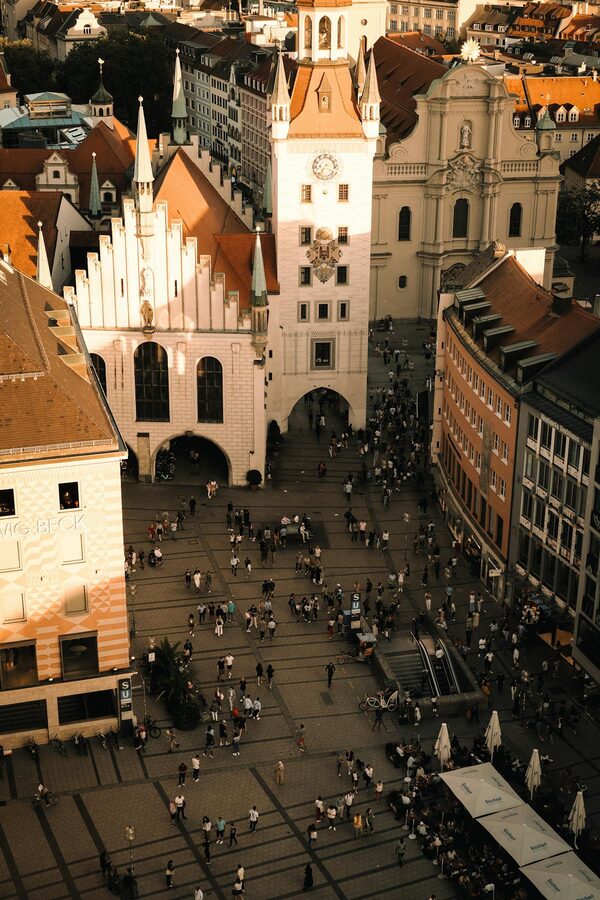
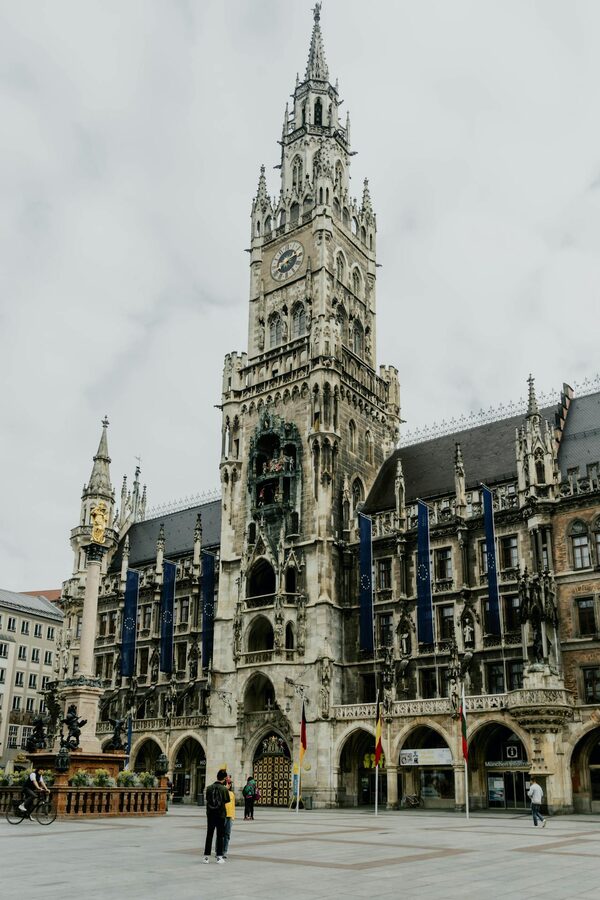
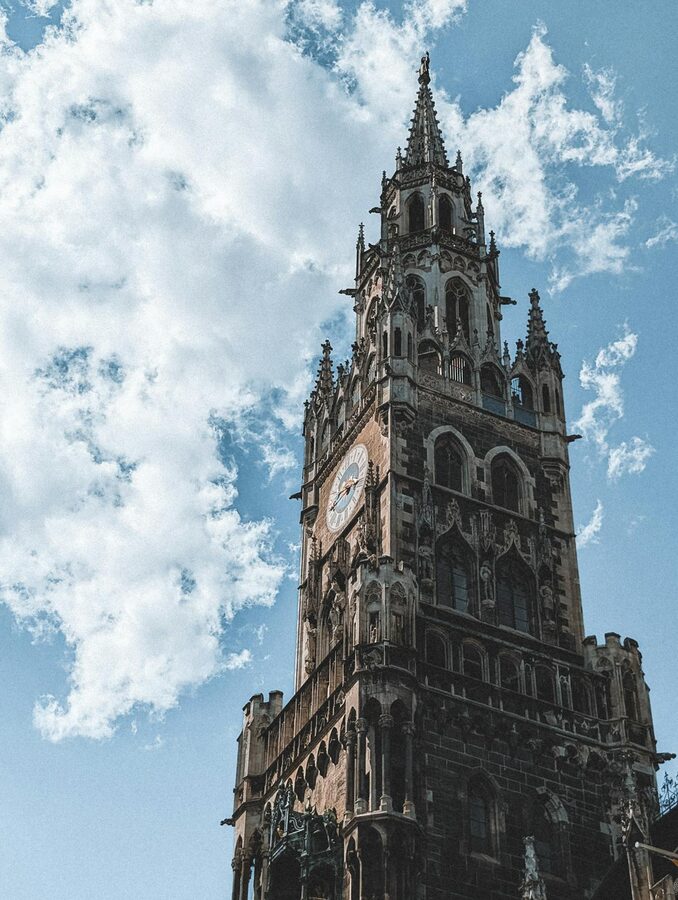
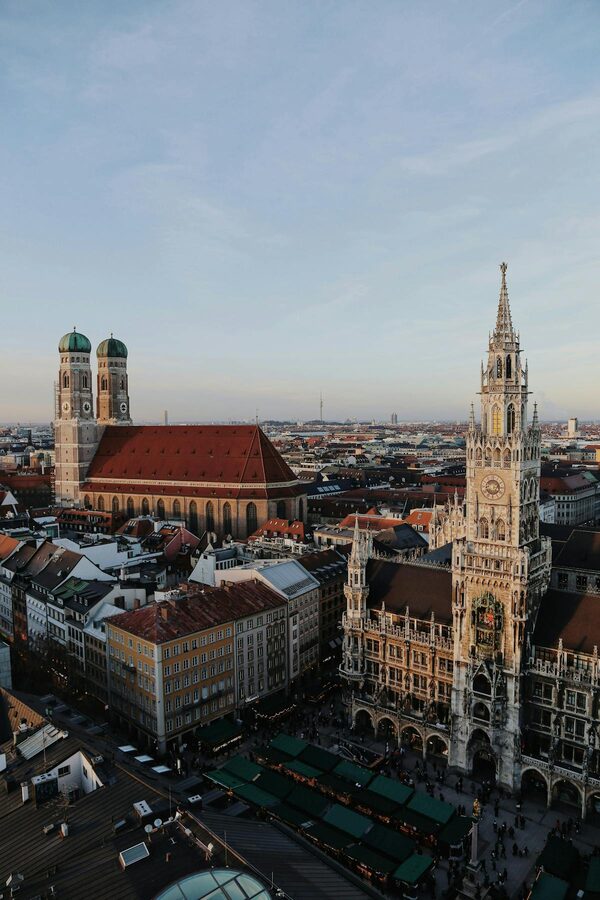
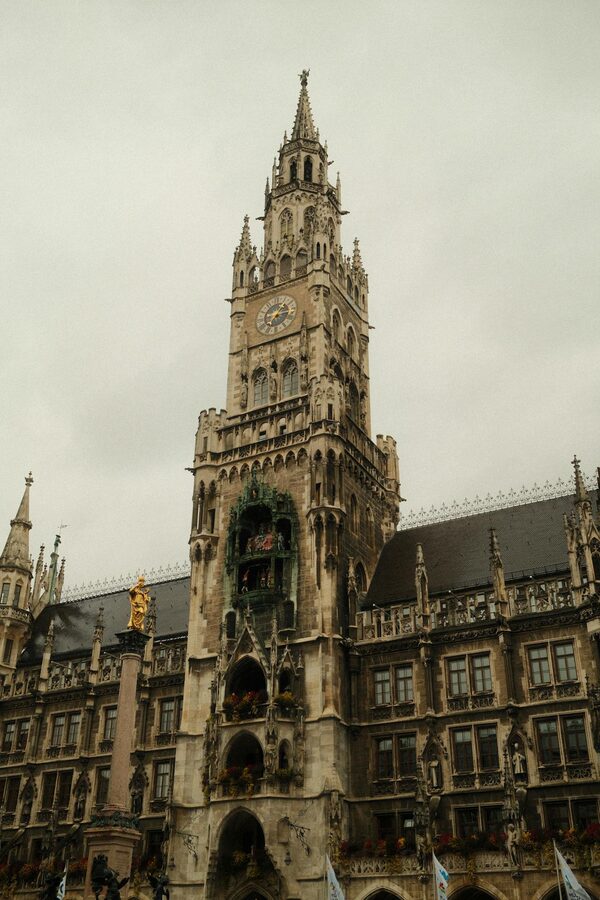
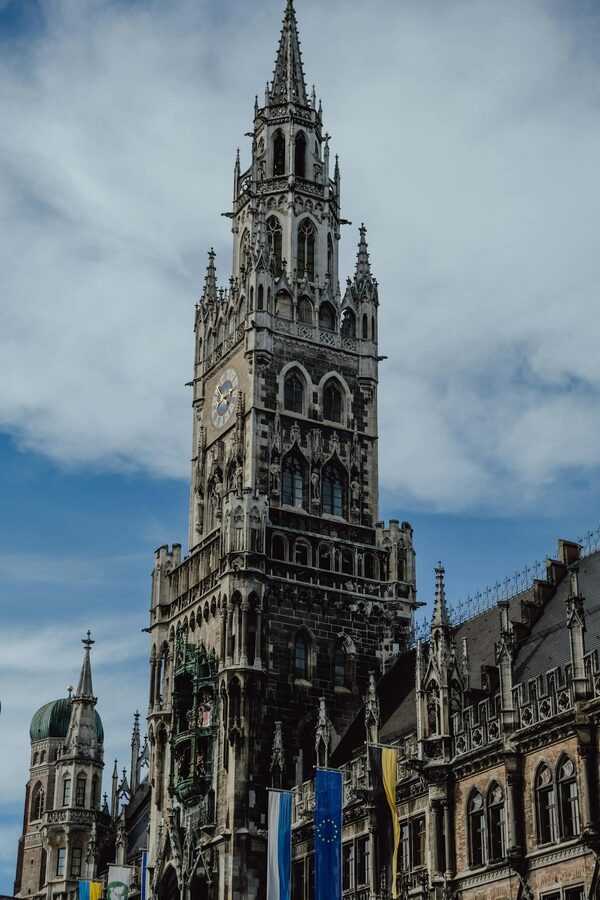
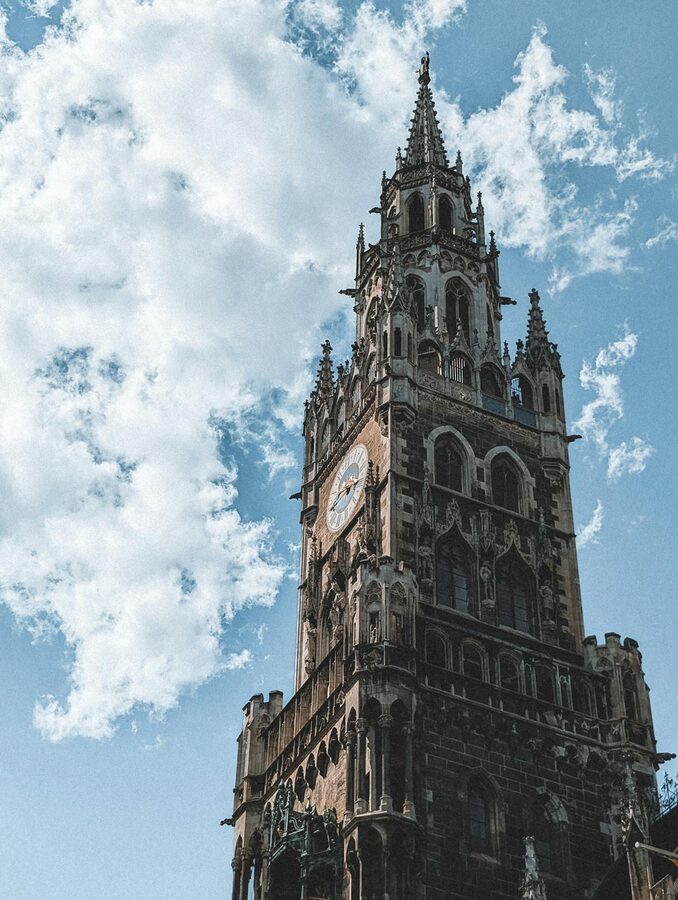
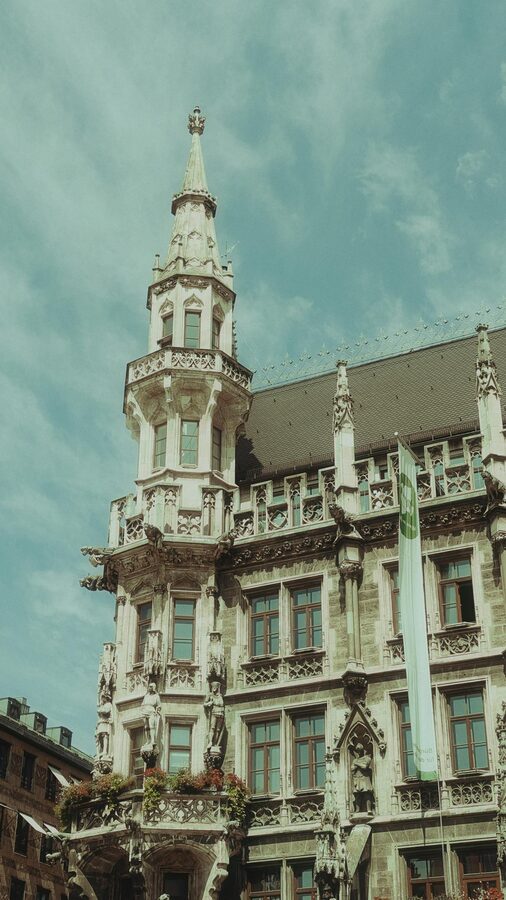
Marienplatz and the Glockenspiel — the guide times the start so you catch the mechanical show. The explanation of what the figures represent (a jousting tournament from 1568 and the Schäfflertanz, a cooper’s dance that celebrated the end of a plague) makes watching it 10 times more interesting.
The Viktualienmarkt — Munich’s open-air food market, operating since 1807. The walking tour passes through and the guide explains the vendors: Bavarian white sausage (Weisswurst — eaten before noon, with sweet mustard), Obatzda (a cheese spread), Brezn (the massive Bavarian pretzels), and the market’s own beer garden, which is the only beer garden in Munich allowed to rotate which brewery it serves.
The Hofbräuhaus — the world’s most famous beer hall, founded in 1589 by Duke Wilhelm V (the same duke who wins the Glockenspiel joust). The walking tour explains its history — from royal brewery to tourist attraction — and the guide usually has opinions about whether it’s worth visiting for a drink (yes, for the atmosphere; no, for the best beer — locals prefer smaller beer halls).
The Frauenkirche — Munich’s cathedral, recognisable by its twin onion domes that are visible from across the city. The guide explains the “Devil’s Footprint” legend — a dark mark on the floor at the entrance that’s supposed to be where the Devil stood when he was tricked by the architect — and the church’s status as Munich’s official landmark.
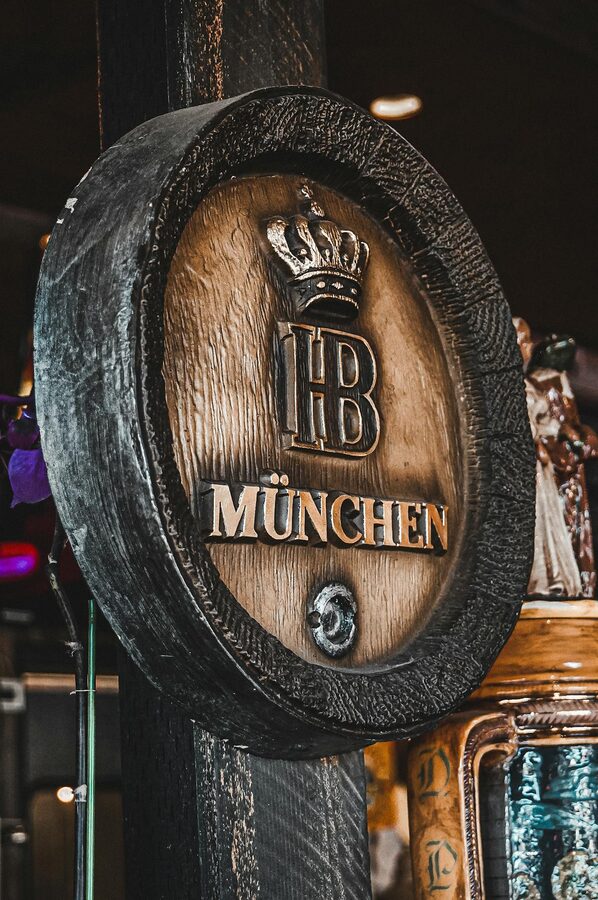
The walking tour typically covers the Hofbräuhaus — the world’s most famous beer hall, founded in 1589 as the court brewery for Bavarian dukes. The guides explain its history beyond the tourist clichés: it was here that Hitler gave some of his earliest political speeches in the 1920s, and the hall was badly damaged in the 1943 bombings. Today it serves about 10,000 litres of beer daily to a mix of travelers and locals, and the brass band plays traditional Bavarian music every afternoon. Whether you love it or find it overwhelming depends entirely on your tolerance for crowds and oom-pah music, but it’s undeniably a Munich institution.
The Bike Tour: Beer Garden Included
The classic Munich bike tour is 3.5 hours through the old town AND the English Garden — Munich’s massive urban park that stretches from the city centre to the northern suburbs. The English Garden is where Munich goes to relax: sunbathers, surfers (yes, on the Eisbach river wave — year-round, in wetsuits), beer garden regulars, and the occasional naked sunbather (Munich’s parks have FKK areas where nudity is traditional and legal).
The beer garden stop — usually at the Chinese Tower beer garden, one of Munich’s largest and most atmospheric — is the highlight for most visitors. You sit under chestnut trees, the guide orders a round of Bavarian beer and explains the Biergarten tradition (you can bring your own food to any beer garden in Munich — it’s a legal right dating from the 19th century, as long as you buy your drinks there).
The perfect 5.0 rating across excellent visitor feedback makes this one of the highest-rated tours in Germany. At $42 including the bike and the beer, the value is outstanding. The tour runs in English and the guides are invariably described as fun, knowledgeable, and excellent at keeping the group together on busy cycle paths.
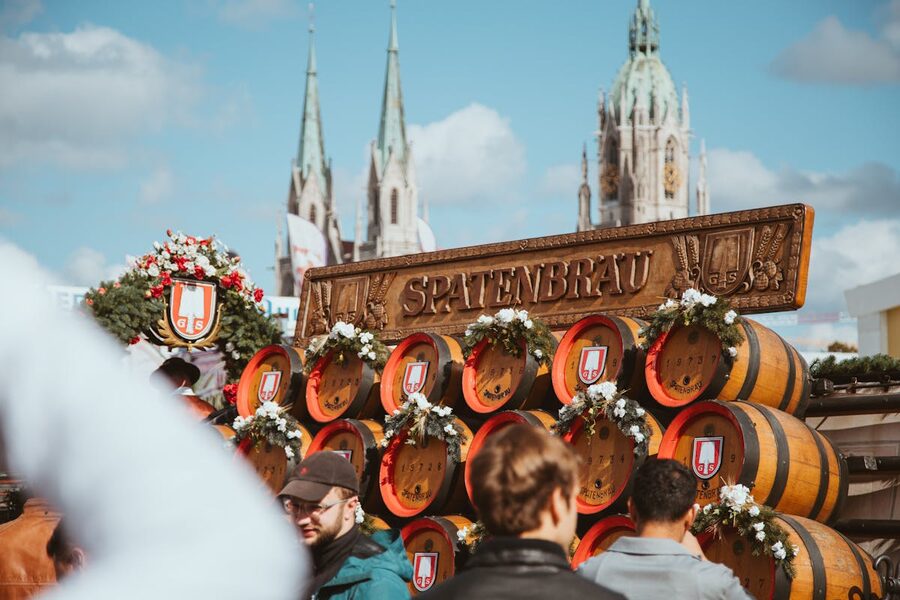
The bike tour stops at the Chinese Tower beer garden in the heart of the English Garden — Munich’s second-largest beer garden with about 7,000 seats under chestnut trees. The guide orders Maß (one-litre steins) for the group, and the stop lasts about 30-45 minutes. The beer is a mandatory part of the tour price, which is either charming or dangerous depending on how well you ride a bicycle after a litre of Bavarian lager. The guides report that nobody has crashed yet, but the second half of the ride is noticeably more relaxed than the first.
The Hop-On Hop-Off Bus
The Big Bus ($27 for a full day) covers the landmarks that walking and cycling can’t easily reach — Nymphenburg Palace, the Olympic Park, the BMW Museum, and Schwabing (Munich’s artistic district). The open-top deck gives you elevated views of the city and the audio commentary covers each stop. It’s the most efficient option for visitors with limited time who want to see Munich’s spread-out attractions in a single day.
Munich’s Beer Culture
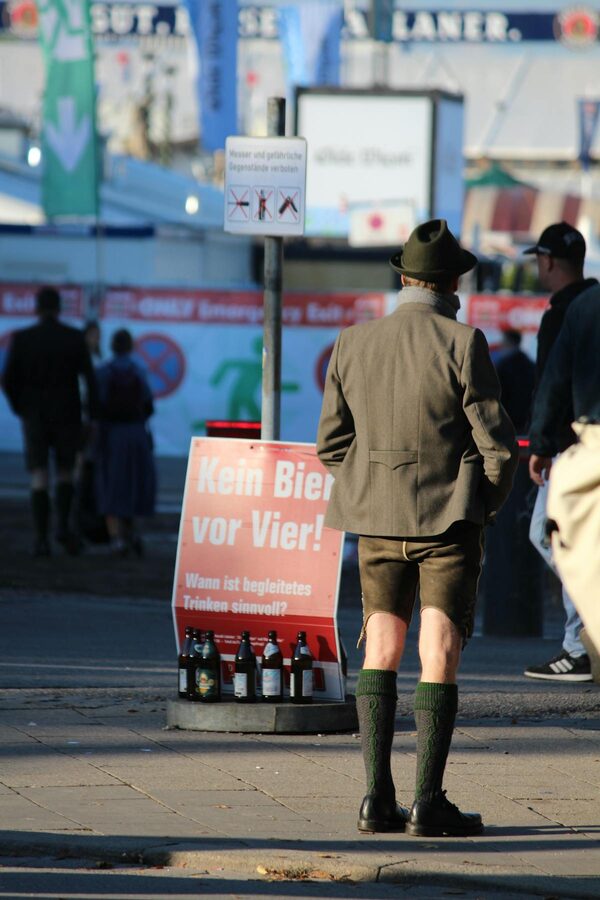
You can’t write about Munich without addressing the beer. Bavaria’s brewing tradition is protected by the Reinheitsgebot (beer purity law) of 1516, which restricts ingredients to water, barley, hops, and yeast. Munich’s six major breweries — Augustiner, Hacker-Pschorr, Hofbräu, Löwenbräu, Paulaner, and Spaten — each produce distinctively different beers despite using the same four ingredients. The walking guides explain the differences and recommend which brewery’s beer garden to visit based on your taste preferences.
Augustiner is the locals’ favourite — the oldest brewery in Munich (founded 1328) and the one most Bavarians consider the best. Their beer garden on Arnulfstraße, near the Hauptbahnhof, serves beer directly from wooden barrels and is consistently less touristy than the Hofbräuhaus. The walking tour guides almost universally recommend Augustiner over Hofbräu for visitors who want the authentic experience rather than the tourist spectacle.
Best Tours to Book
1. Munich Old Town Walking Tour — $28

Two and a half hours through Munich’s Altstadt covering Marienplatz, the Glockenspiel, Viktualienmarkt, the Hofbräuhaus, the Frauenkirche, and the Residenz. The guide is a local historian who explains not just what you’re seeing but why Munich looks the way it does — the Bavarian independence, the royal patronage, and the post-war reconstruction that rebuilt the old town stone by stone. Our review covers the full route and what makes the Munich walk different from other European city tours.
2. Classic Bike Tour with Beer Garden Stop — $42

The most Munich experience available. 3.5 hours on a bike covering the old town landmarks and the English Garden, with a mandatory beer garden stop where the guide explains Bavarian beer culture. The perfect 5.0 rating across excellent visitor feedback reflects a tour that gets Munich right — the history is interesting, the cycling is easy, and the beer is cold. Our review covers the route, the bike quality, and why the beer garden stop is the highlight.
3. Big Bus Hop-On Hop-Off — $27
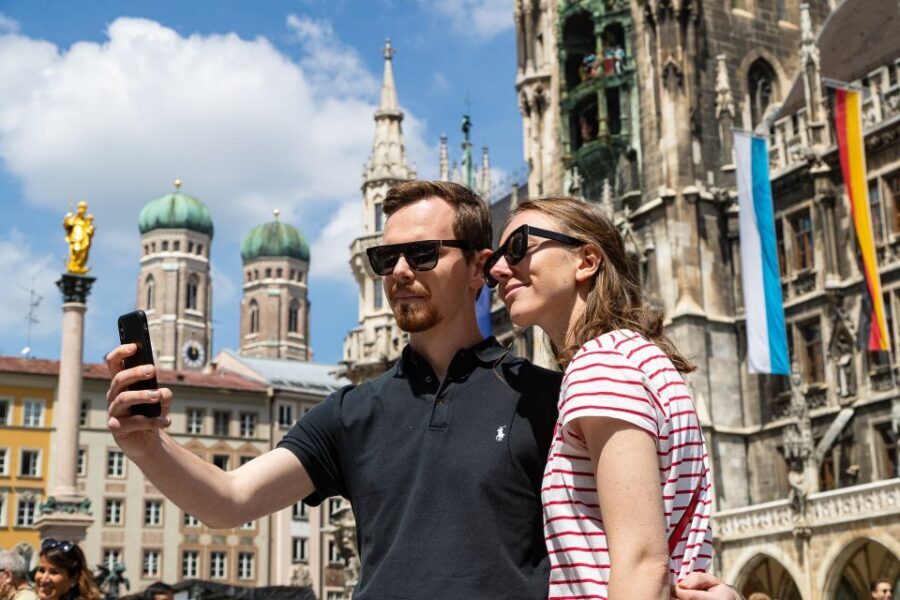
The practical option for visitors who want maximum coverage. The full-day ticket ($27) lets you ride the open-top bus through Munich’s major districts, hopping off at any of 20+ stops. The audio commentary covers each stop in multiple languages. Best used in combination with a morning walking or bike tour — the bus fills the gaps that foot-level tours can’t reach. Our review covers the route and which stops are worth hopping off at.
Practical Tips
When to visit Munich: May through October for beer garden weather. September/October for Oktoberfest (book accommodation months ahead — prices triple and hotels sell out). December for the Christmas markets. Winter (January-March) is cold but the beer halls are warm and the crowds are thin.
Getting around: Munich’s old town is compact and walkable. The U-Bahn and S-Bahn cover the wider city efficiently. The CityTourCard (€15-25 for 1-3 days) includes public transport and discounts at museums. Check munich.travel for the official tourism portal and event calendar.
Beer gardens: Munich has about 100 beer gardens. The Chinese Tower (Chinesischer Turm) in the English Garden seats 7,000 people. The Augustiner-Keller near the Hauptbahnhof is the local favourite. And the Hofbräuhaus in the old town is the most famous. At all of them, a Maß (1-litre beer) costs about €11-14. By law, you can bring your own food to any beer garden — the Bierbänke (benches) marked “Selbstbedienung” (self-service) are for people with their own picnics.
Budget: Walking tour: $28. Bike tour: $42. Bus: $27. Beer at a garden: €11-14 per litre. Weisswurst breakfast at the Viktualienmarkt: about €8. Munich is not a cheap city, but the tour prices are competitive with other European capitals and the quality is consistently high.
More Munich and Bavaria
Munich is the gateway to Bavaria’s highlights. The Neuschwanstein Castle day trip is the most popular excursion — Ludwig II’s fairytale castle in the Alps. The Dachau concentration camp memorial is a sobering half-day that most visitors consider essential. And for Munich’s darker history, the Third Reich walking tour covers the sites where the Nazi party was born — the beer hall where Hitler launched his coup attempt in 1923, and the squares where the regime held its rallies.