
I used to think Milan was overpriced and overrated. Then I did this tour, and I realised I had been looking at the wrong Milan.
Three hours, €45, a bike, and a local who knows which unmarked doors in the Oltrarno to stop at.
Quick Picks
- English/Dutch bike tour — Milan Hidden Gems Guided Bike Tour (ENG, NL) ($45). The main booking for English speakers.
- Italian-language slot — Milan Hidden Gems Guided Bike Tour. Same operator, different language.
- Viator alternative — Pedal Through Milan’s Hidden Gems ($42). Similar route, different operator.
- Quick Picks
- Why Biking Milan Actually Works
- The Three Real Options
- Milan: Hidden Gems Guided Bike Tour (ENG, NL) —
- Milan: Hidden Gems Guided Bike Tour (Italian-language slot)
- Pedal Through Milan’s Hidden Gems: A Unique Bike Tour — .33
- The Neighbourhoods You’ll Actually See
- Sforza Castle and Parco Sempione
- Brera — The Art Quarter
- Porta Nuova and the Bosco Verticale
- Isola — The Island
- Chinatown (Via Paolo Sarpi)
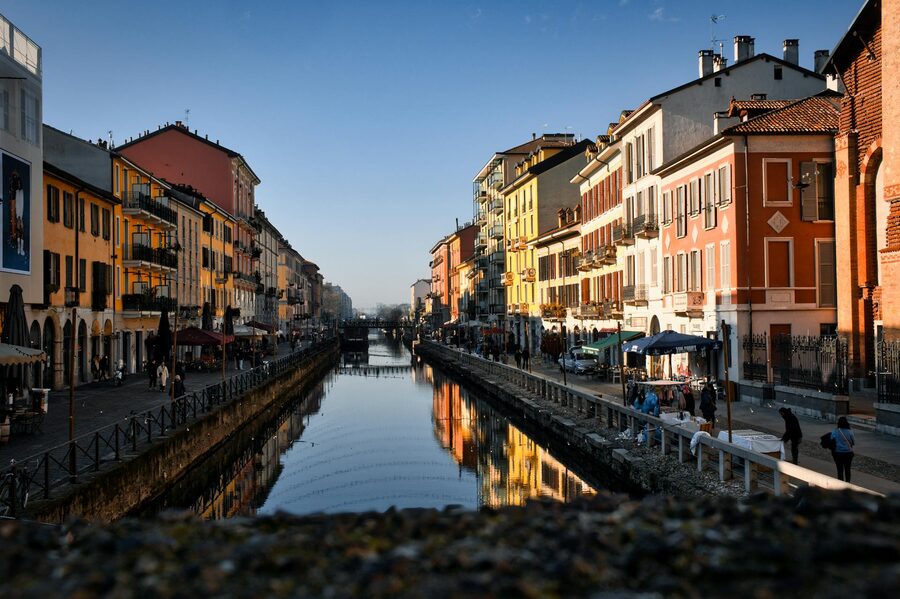
- Navigli — The Canals
- The Hidden Bits — Cortili and Backstreet Landmarks
- What’s Included
- Physical Demands
- Milan Cycling Beyond the Tour
- Timing and Season
- Pairing With Your Milan Trip
- Common Questions
- The Honest Verdict
Why Biking Milan Actually Works
Milan is flat — the only significant hill is the Duomo. Traffic is dense but orderly. The city has built out a dedicated cycle network in the last decade (more than 200 km of cycle paths), particularly strong in the centre and along the Navigli. And the historic centre is small enough that 15 km of riding covers every neighbourhood worth seeing.
The practical math: walking Milan’s hidden neighbourhoods at 4 km/h would take you 6-8 hours to cover what a bike tour does in 3. The bike also lets you stay longer at each interesting stop — no fatigue penalty for the next spot because you haven’t walked 2 km to get there.
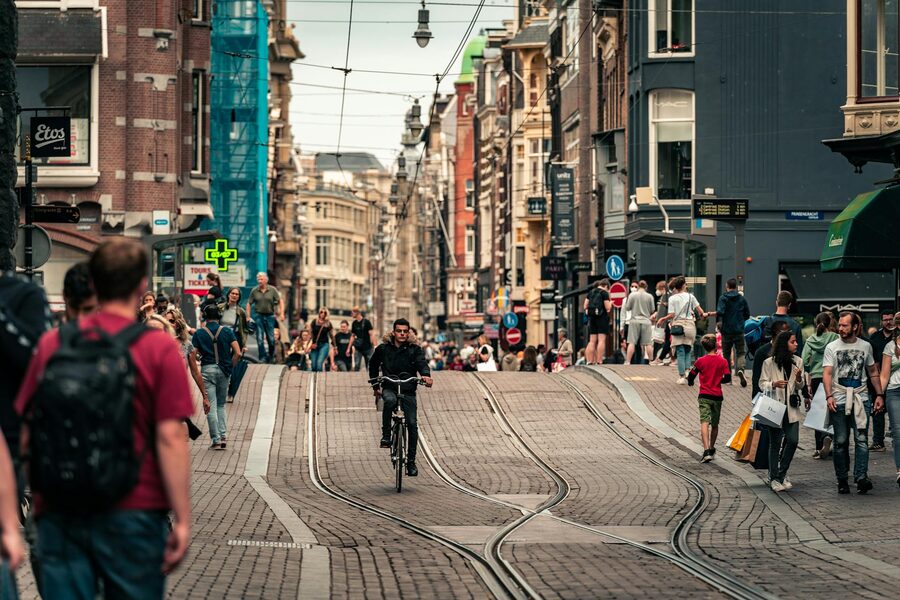
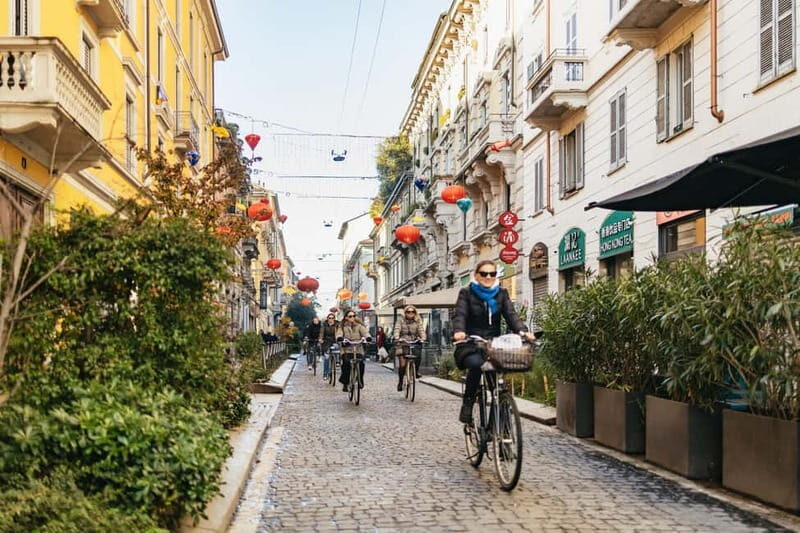
The third reason: locals bike. Unlike Rome or Naples where cycling feels like aspirational urbanism imported from northern Europe, Milan has genuine cycling culture. You’ll share cycle paths with commuters in work clothes, students with textbooks, delivery riders, and older Milanese going shopping. You feel like part of the city rather than an obvious tourist.
The Three Real Options
Milan: Hidden Gems Guided Bike Tour (ENG, NL) — $45
The English-and-Dutch-language version. 2.5 to 3 hours, 15-18 km, covering Sforza Castle through Brera, up to the post-industrial Centrale district with the Bosco Verticale towers, across Porta Nuova and Isola, and back via the Navigli canals. Bike and helmet included, max group of ten, guides are long-term residents. Our review details the exact route.
Milan: Hidden Gems Guided Bike Tour (Italian-language slot)
Same operator, Italian-language slot. Essentially identical tour but in Italian — book this only if you speak Italian or want the language immersion. Otherwise the English version above is the one. Our review explains when to choose this.
Pedal Through Milan’s Hidden Gems: A Unique Bike Tour — $42.33
The Viator version at a slightly lower price. Same format: 3 hours, 15-18 km, English-speaking guide, Milan’s quieter districts. The content is almost identical between this and the GetYourGuide version — choose on platform preference. Our review compares the two operators.
The Neighbourhoods You’ll Actually See
Sforza Castle and Parco Sempione
Starting point for most tours. The 15th-century Sforza Castle (Castello Sforzesco) is the former Visconti-Sforza ducal residence — huge, intact, now housing multiple museums. The bike tour doesn’t usually enter the museums but routes around the castle walls and into the adjacent Parco Sempione.
Brera — The Art Quarter
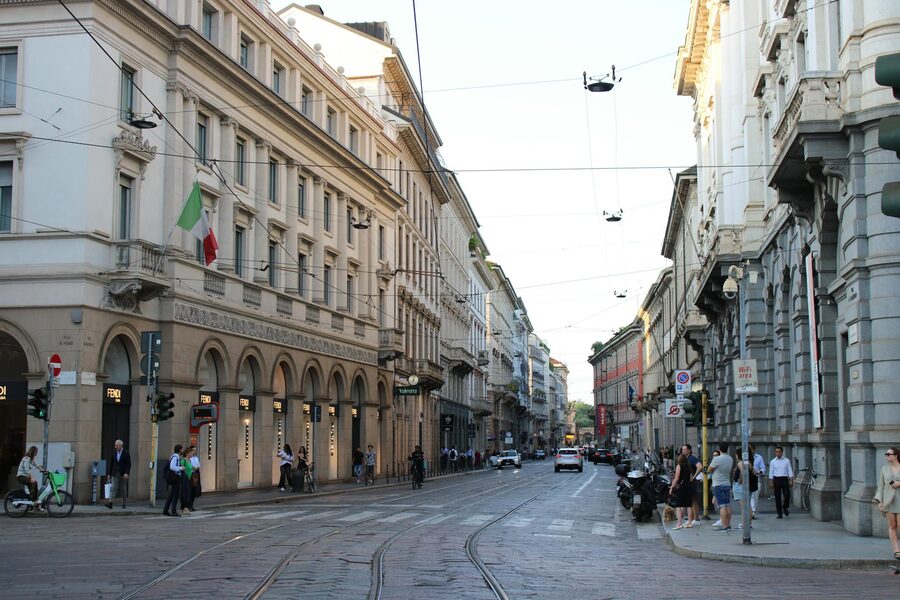
Milan’s bohemian neighbourhood. Tight cobbled streets, art galleries, antique shops, the Pinacoteca di Brera (one of Italy’s top art museums, outside most tourist routes). The bike tour passes the exterior and gives you 10-15 minutes to wander on foot.
Porta Nuova and the Bosco Verticale
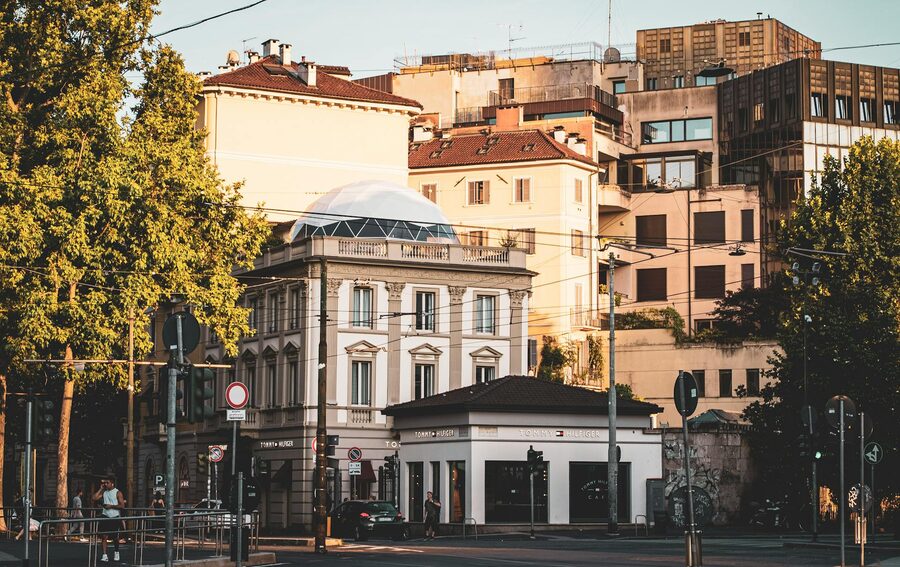
Milan’s contemporary architecture district. Bosco Verticale (the “Vertical Forest”) is two 110-metre residential towers covered in 900 mature trees. Next to it: Piazza Gae Aulenti, a futuristic plaza elevated above old warehouses. This is Milan’s 21st-century architectural statement.
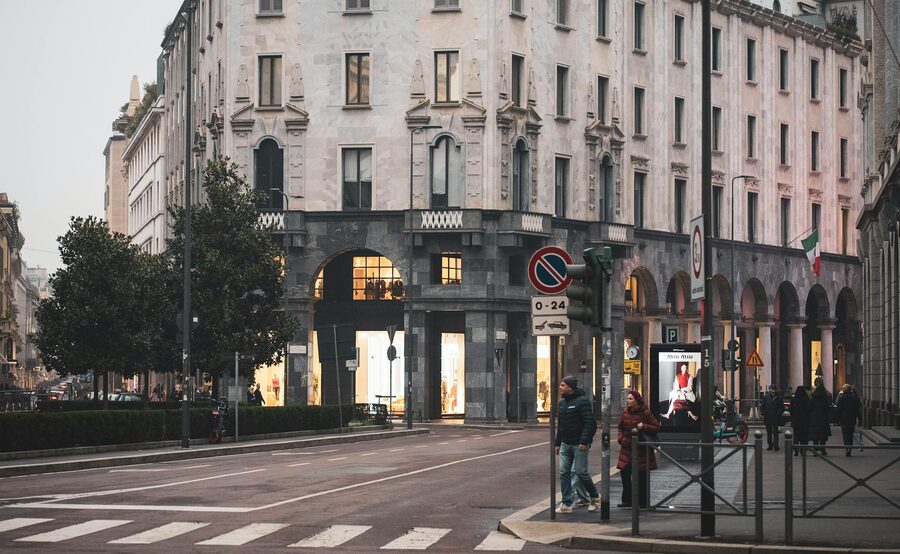
Isola — The Island
The “Island” neighbourhood (so named because a railway line historically cut it off from the rest of Milan). Post-industrial with strong street art scene, independent cafés, 1920s workshops converted to design studios.
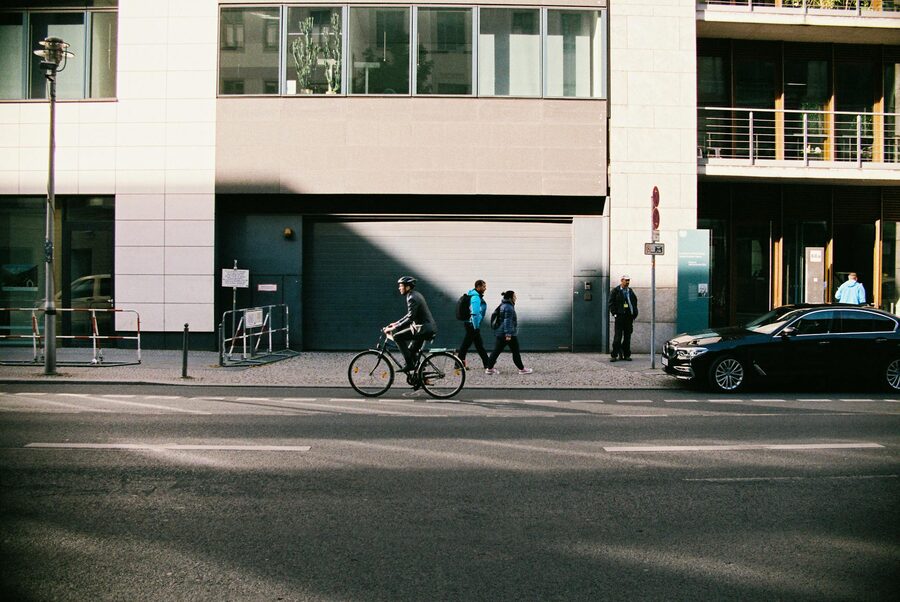
Chinatown (Via Paolo Sarpi)
Europe’s oldest Chinese community, founded in the 1920s by immigrants from Zhejiang province. A 4-block stretch of Chinese restaurants, tea shops, noodle bars, tattoo parlours. Unexpected context in central Milan but a real neighbourhood.
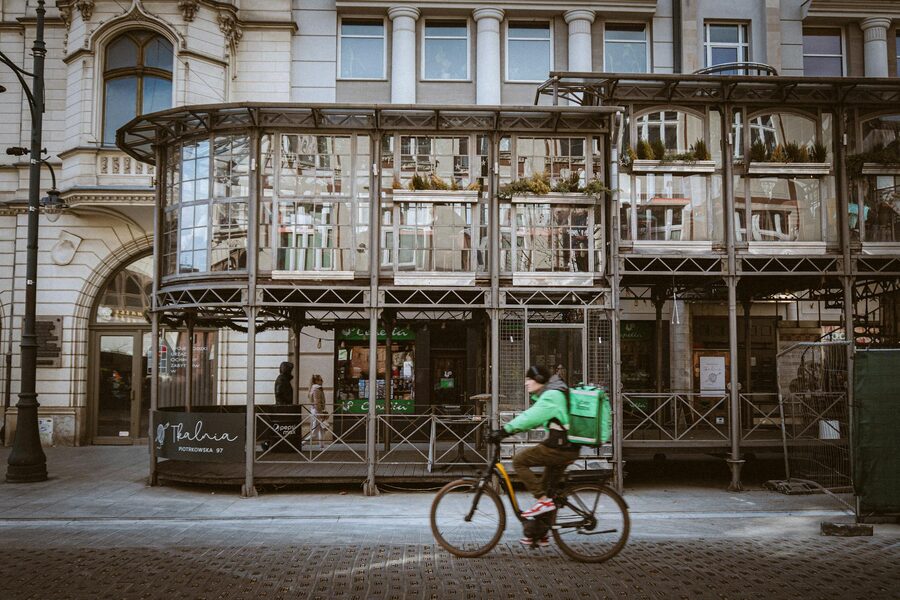
Navigli — The Canals
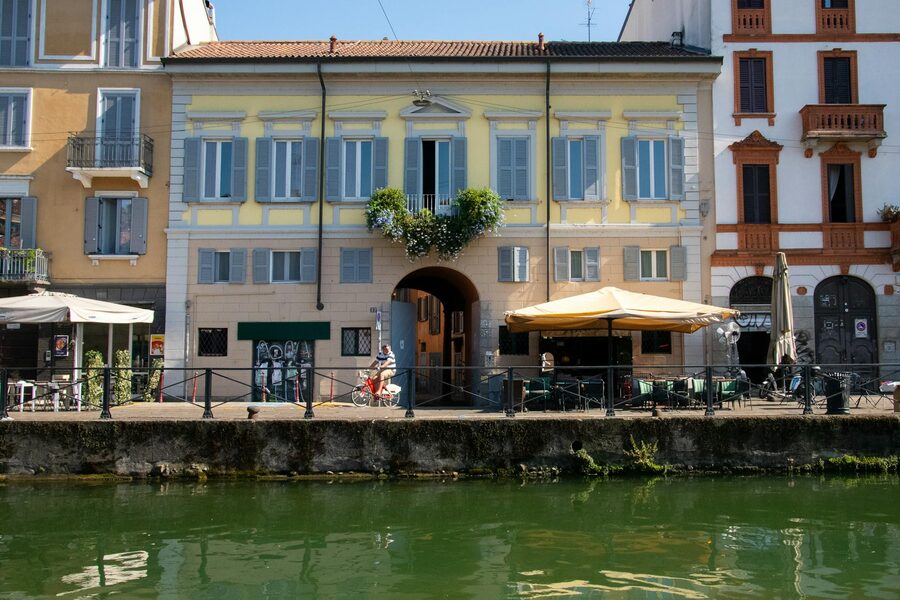
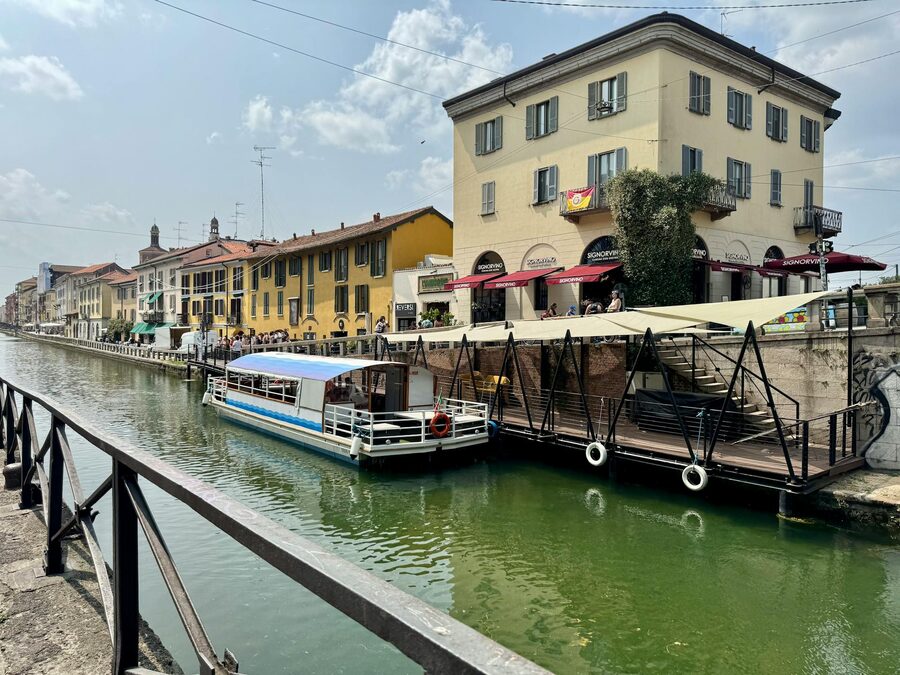
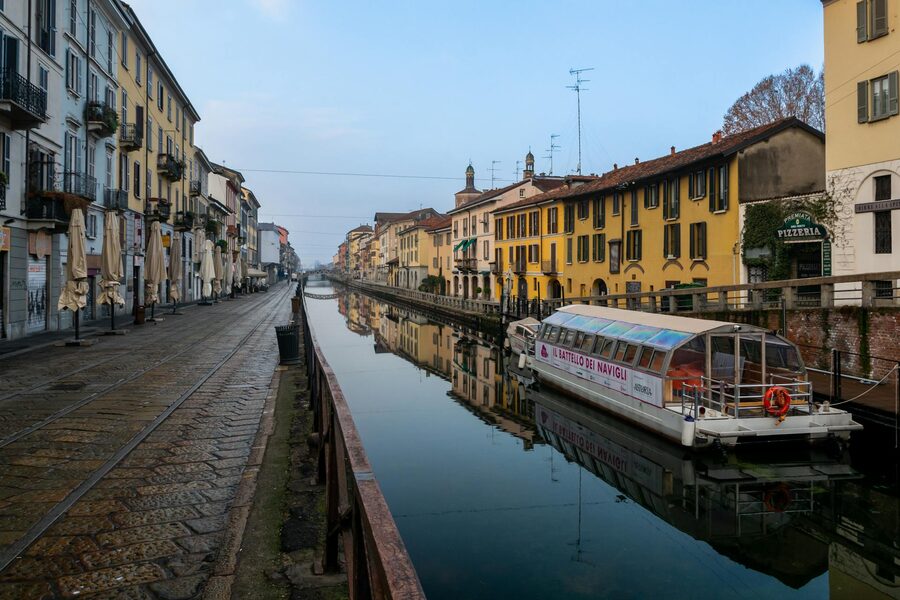
The finish of most tours. Milan’s canal system dates to the 1100s but was modernised by Leonardo da Vinci in the 1490s. Two canals still flow through the city (Naviglio Grande and Naviglio Pavese) and the district has become Milan’s aperitivo zone — 200+ bars and restaurants concentrated along 3 km of canal.
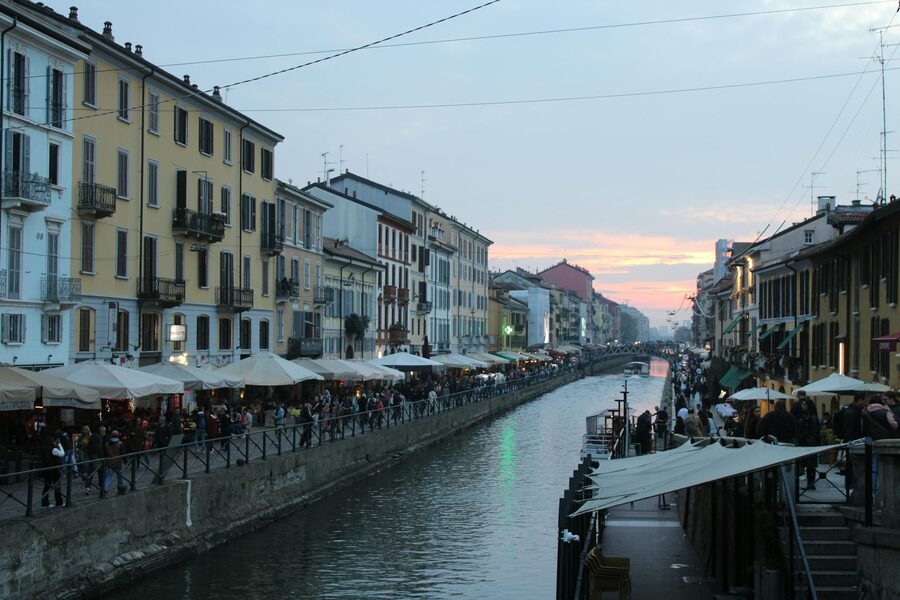
The Hidden Bits — Cortili and Backstreet Landmarks
The tour’s name is accurate for once. Milan specifically hides things behind unassuming doors — and the Navigli-focused tours know exactly which ones.
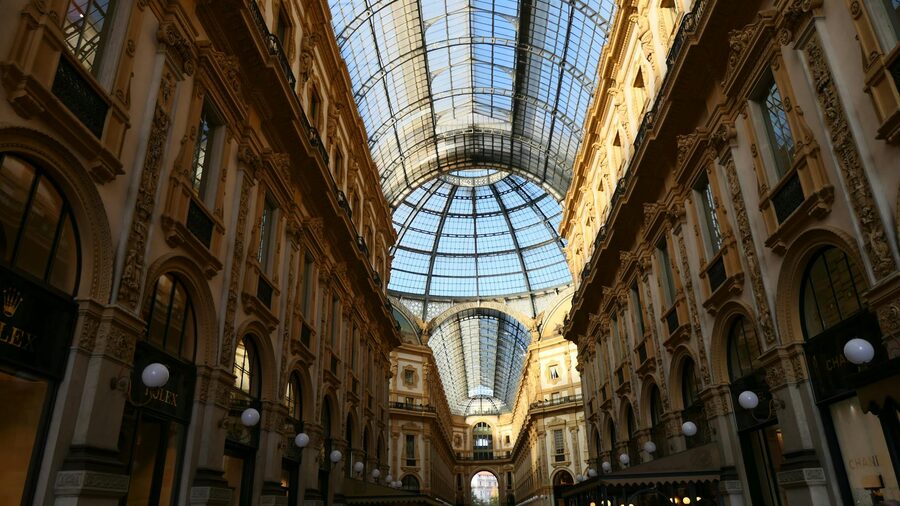
The cortili: Italian urban courtyards. Milan’s 1800s housing stock has dozens of hidden courtyards behind main doors — marble staircases, interior gardens, 19th-century elevator cages. Tours show you how to peer through specific unlocked doors without being intrusive.
Vicolo dei Lavandai: the original Milan laundry lane, where women in the 1800s washed clothes in the canal water. The wooden wash-plank is still in place. You’d never find this alone.
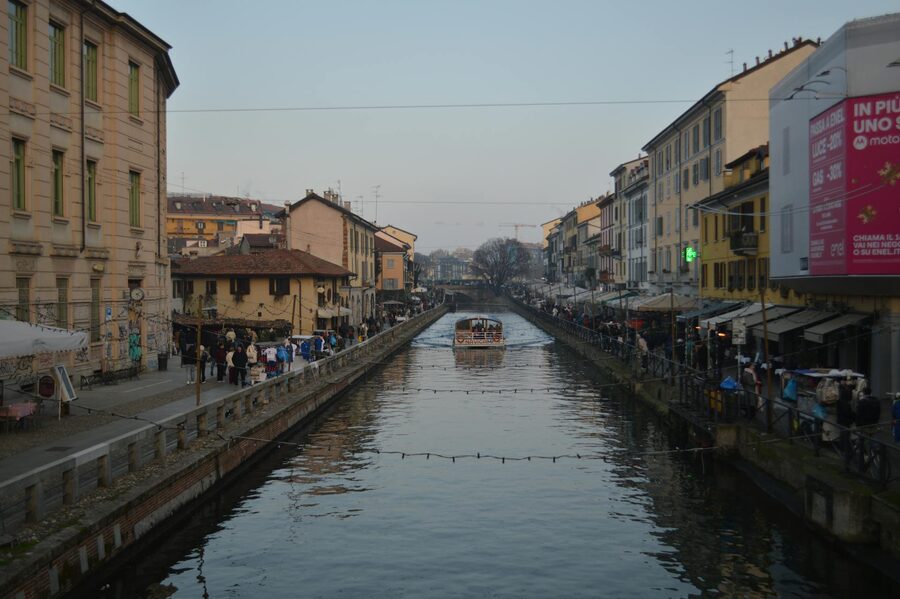
Darsena (dock): where the canals converge. Historically Milan’s inland port — goods arrived from Lake Maggiore and were distributed through the city via canal. Rebuilt for the 2015 Expo, now a public space with floating decks.
San Maurizio al Monastero Maggiore: the “Sistine Chapel of Milan” — a 16th-century nuns’ church covered floor-to-ceiling in frescoes. Most tourists don’t know it exists. The bike tour passes the entrance; some versions stop for a 10-minute visit.
What’s Included
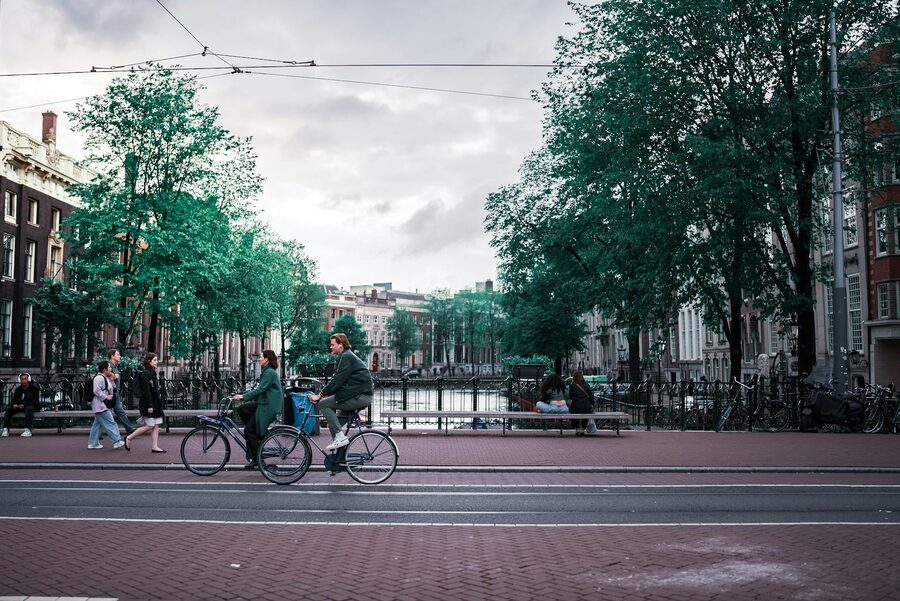
Bike: modern hybrid with 7-21 gears, good tyres, working brakes. Comfort-focused, not speed-focused. Size options from small to XL.
Helmet: required by Italian law for bike-share users. The tour provides. Not mandatory for adults on privately-owned bikes but compulsory on rented ones.
Lock: you won’t need it — the tour stays together — but some operators supply one for bathroom breaks.
Water: usually one bottle provided; bring more in hot months.
Guide: English-speaking, Milan resident. Usually an architect, art historian, or long-term expat. They speak Italian natively + English fluently, and the best ones weave city history into the tour without over-narrating.
Physical Demands
Very low. Milan is flat, the bikes are comfortable, the pace is conversational (10-15 km/h). Total distance 15-18 km across 2.5-3 hours means you’re cycling about 60-70% of the time and stopped 30-40%.
Age range: 12+. Younger kids struggle with concentration across 3 hours. Older teenagers fine. No upper age limit — 70+ year-olds do this successfully.
Fitness minimum: anyone who can ride a bike for 1 hour on flat ground can do this. Not a fitness challenge.
Milan Cycling Beyond the Tour
If the tour converts you, Milan has more cycling to do on your own.
BikeMi (bike-share): dock stations every 300 metres in the historic centre. Register online with a credit card; Milan has 4,650 bikes across 325 stations. Cheaper than taxi for 1-3 km trips.
Parco Nord Milano: a 600-hectare park on the city’s north edge with 30 km of dedicated cycle paths. Completely free from traffic. A 45-minute metro ride + 2 hours of park cycling is a self-guided low-stress option.
Idroscalo: Milan’s “sea” — a 2.5 km-long artificial lake built in 1930 for seaplane landings. Now a recreational area with complete cycle loop (perfect flat 6 km return ride).
The Martesana Cycle Route: 40 km one-way along the Martesana canal out of Milan into the countryside. Half-day if you commit, full-day if you do return cycling. Route goes past 16th-century villas and countryside aqueduct remnants.
Timing and Season
April-June: ideal. Weather 15-25°C, spring flowers in Parco Sempione, outdoor terraces open in Navigli. Peak booking season.
July-August: hot. Midday temperatures 30-35°C. Tours shift to early morning (9:00) or evening (18:00) slots. Summer sunset tours along the canals are particularly atmospheric.
September-October: second peak. Same as spring but with autumn colour in the parks. Fashion Week (mid-September) brings crowds but also energy.
November-March: cold and sometimes rainy. Tours still run; fewer participants means more personal attention from guides. Dress warm and you’ll be fine. Avoid rainy days — no enjoyment biking in Milan drizzle.
Booking window: 2-5 days ahead in summer peak. Same-week fine in shoulder seasons.
Pairing With Your Milan Trip
The bike tour works as a Day 1 or Day 2 orientation — it teaches you the city’s geography in a way walking can’t match.
The day that lands: Day 1 arrive + afternoon walk around Duomo + La Scala museum. Day 2 morning Hidden Gems bike tour + afternoon free exploring the neighbourhoods you saw. Day 3 Last Supper + Sforza museums + evening aperitivo at Navigli. Day 4 Bernina Express day trip. That’s a 4-night Milan-and-Alps trip. The bike tour on Day 2 is the key — without it, you don’t know where to go on Day 3. Combinations: extend with Chianti bike tour later in the trip for an Italian-cycling contrast (urban vs countryside). Pair with any other Milan-specific day (Lake Como, Bernina, Last Supper) on non-cycling days to manage fatigue.
Common Questions
What if it rains? Tours run in light rain but cancel in heavy rain. You get a refund or reschedule.
Can I bring my own bike? Most operators prefer you use theirs (consistency with group, maintenance standards). Call in advance if this matters.
Is it safe? Very. Italian drivers respect cyclists better than most people expect. Milan’s cycle lanes are extensive. Major roads are avoided by the tour.
Kids? 12+ generally OK. Child bikes not typically provided — confirm at booking if you have younger children.
Can I stop if I’m tired? Yes. The guide will wait. Nobody gets left behind.
Is photography possible while riding? Not during riding (unsafe). Plenty at stops — the tour builds in 5-15 min photo stops at every major neighbourhood.
Food included? Usually not. Some operators include a gelato stop. Bring €5-10 for your own coffee/water purchases.
Tipping? €5-10 per person for a great guide. Standard.
The Honest Verdict
The Hidden Gems Bike Tour is one of the best single investments for a Milan trip. At $42-45, it delivers Milan-as-a-lived-city rather than Milan-as-a-monument-checklist. Three hours, flat terrain, professional guide, five neighbourhoods you’d never find alone — the ratio is outstanding.
Book the GetYourGuide ENG/NL tour ($45) if you want the established booking experience. Book the Viator version ($42.33) for the slightly better rating. Choose morning slots for summer heat, afternoon slots for autumn light. Bring reasonable shoes, a light jacket (even summer), and a phone with full battery for photos. And plan Navigli aperitivo for immediately afterward — you’ll already be in the area and the tour ends perfectly into the start of evening social life in Milan.