
A king built himself an escape tunnel in 1853. He never needed it. Then a war came and 10,000 people sheltered in it. Then the traffic police used it as a car impound and forgot about the cars.
All three of those layers are still down there. €18 gets you through them in 75 minutes.
Quick Picks
- Bourbon Tunnel entry — Galleria Borbonica Standard Route ($18). 75 minutes, the headline version.
- Naples’ other underground — Naples Underground + Spanish Quarters ($18). Greek-Roman cisterns, WWII shelter, totally different site.
- Dark Naples add-on — The Skull With the Ears: Cult of the Dead at S. Luciella ($10). Tiny, strange, memorable.
- Quick Picks
- Why the Bourbon Tunnel Is Worth the Hour
- The Three Real Options
- Galleria Borbonica Entrance Ticket in Standard Route — .14
- Naples Underground Spanish Quarters With Guide — .14
- The Skull With the Ears: Cult of the Dead at S. Luciella — .67
- What You’ll See on the Standard Route
- Stop 1 — The Entrance Staircase and Carmignano Cistern
- Stop 2 — The Main Gallery
- Stop 3 — The WWII Bomb Shelter
- Stop 4 — The Motor Pool
- The Other Route Options
- What to Wear
- Physical Accessibility and Claustrophobia
- The Other Naples Undergrounds
- Timing the Visit
- Pairing With Your Naples Trip
- Common Questions
- The Honest Verdict
Why the Bourbon Tunnel Is Worth the Hour
The tunnel isn’t just old infrastructure — it’s a specific kind of historical accident. Ferdinand II built it as a personal escape route; the Allied bombing of 1943 made it useful for thousands; the post-war Naples traffic police turned it into an impound; nobody cleared out what accumulated. Walking through it now means walking through three different eras of Naples history stacked in a single underground chamber.
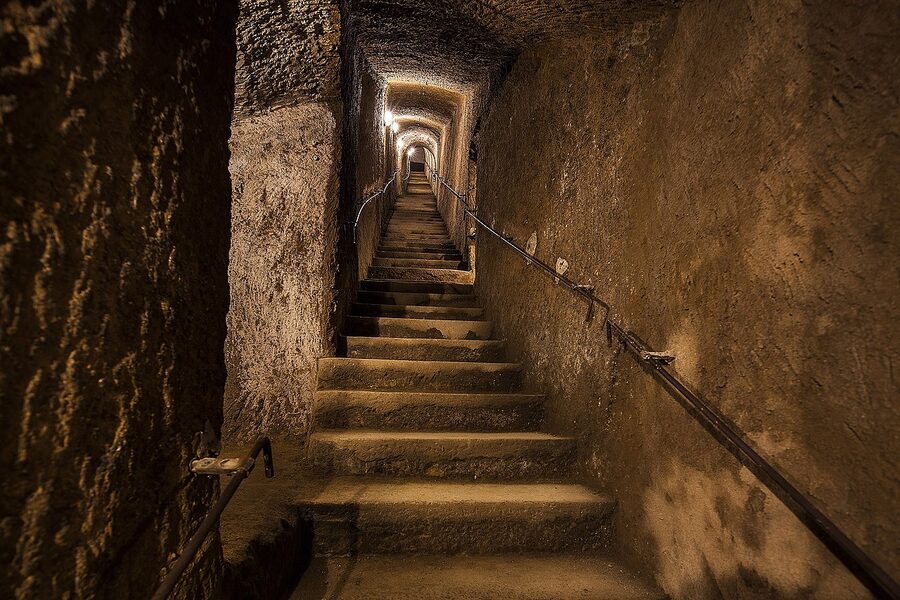
The engineering is interesting on its own terms. Alvino’s challenge was to create a tunnel that could be used as an escape route but didn’t expose the royal family to either collapse or ambush. He solved it by building a wide central gallery with multiple side chambers and a zigzag entrance geometry that prevented direct sightlines. Clever for 1853. Pointless after 1861 when the Bourbons were gone.
The Three Real Options
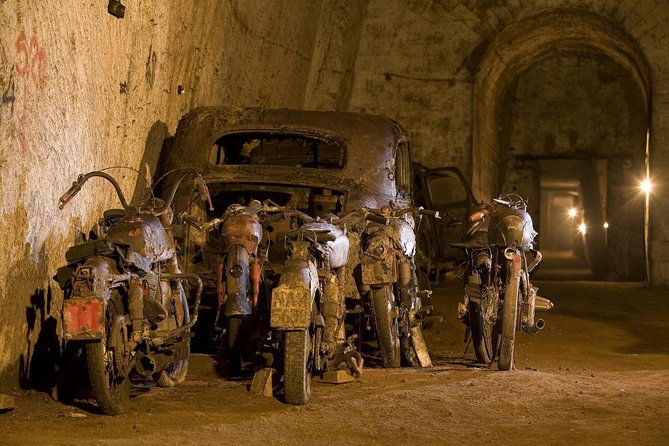
Galleria Borbonica Entrance Ticket in Standard Route — $18.14
The default. 75 minutes along the Standard Route — the main gallery, the WWII shelter, the abandoned-vehicle hall, and the 17th-century Carmignano cistern. English-speaking guide. Entry from Via Domenico Morelli. Our review covers what the Standard Route includes versus the longer Adventure and Speleo routes.
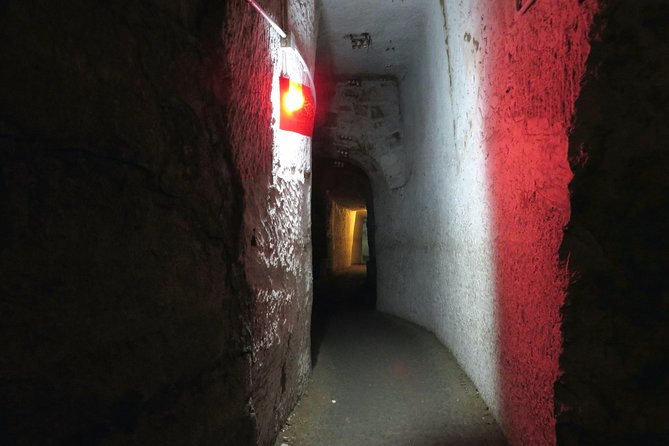
Naples Underground Spanish Quarters With Guide — $18.14
The other Naples underground — Napoli Sotterranea. Different site, older history. Greek-Roman cisterns, medieval cellars, a separate WWII shelter. Best paired with the Bourbon Tunnel on different days for full subterranean Naples exposure. Our review compares the two head-to-head.
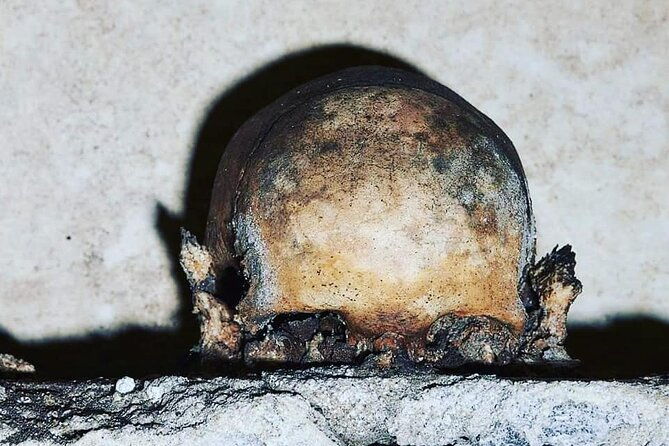
The Skull With the Ears: Cult of the Dead at S. Luciella — $9.67
The strangest Naples underground at the weirdest price. Around €10 for a guided visit to a small church hypogeum where Neapolitans used to adopt anonymous skulls and pray to them for intercession. Specific, cheap, memorable — the third leg of a dark-Naples day. Our review explains the culto delle anime pezzentelle and why locals still visit.
What You’ll See on the Standard Route
Stop 1 — The Entrance Staircase and Carmignano Cistern
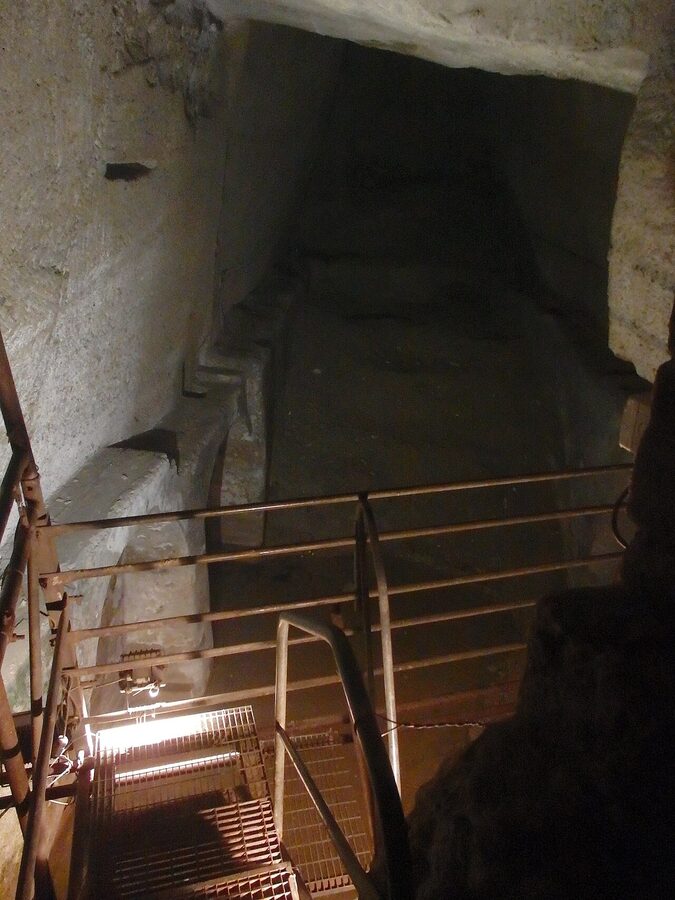
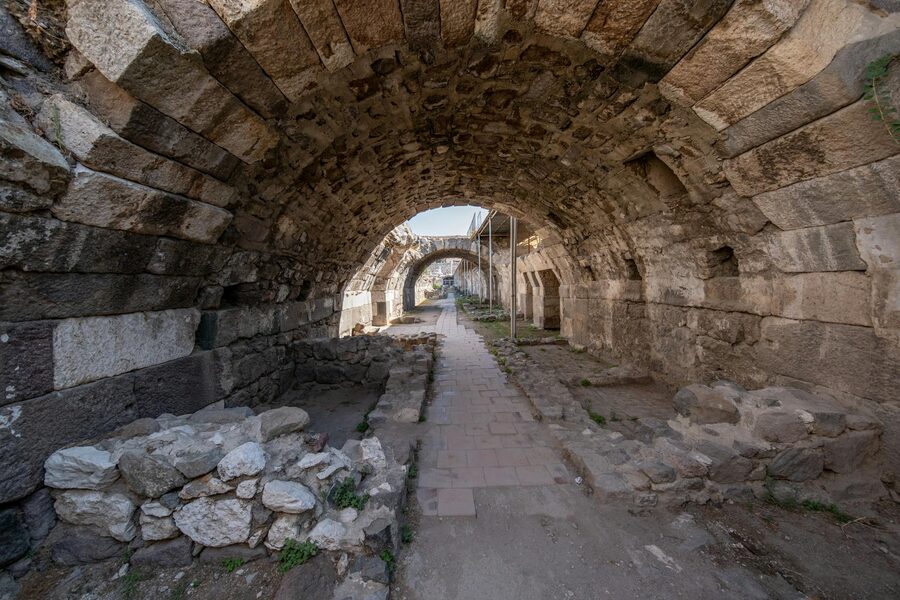
You descend 60 metres via a metal staircase inside the original 1853 shaft. At the bottom: the 17th-century Carmignano aqueduct cistern, pre-existing water storage that Ferdinand’s architect connected to his new tunnel. Stone arches, 8-metre high ceilings, visible 300-year-old waterlines on the walls.
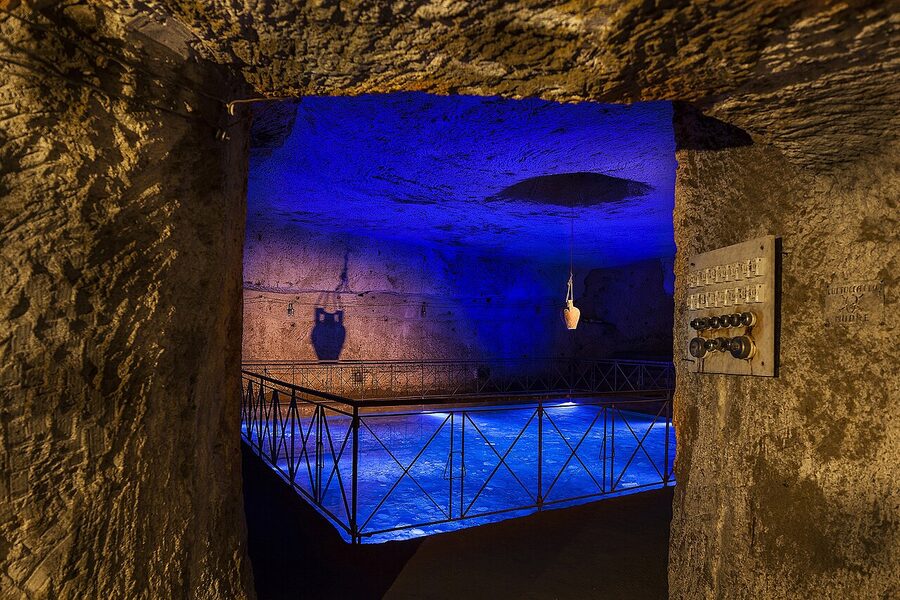
Stop 2 — The Main Gallery
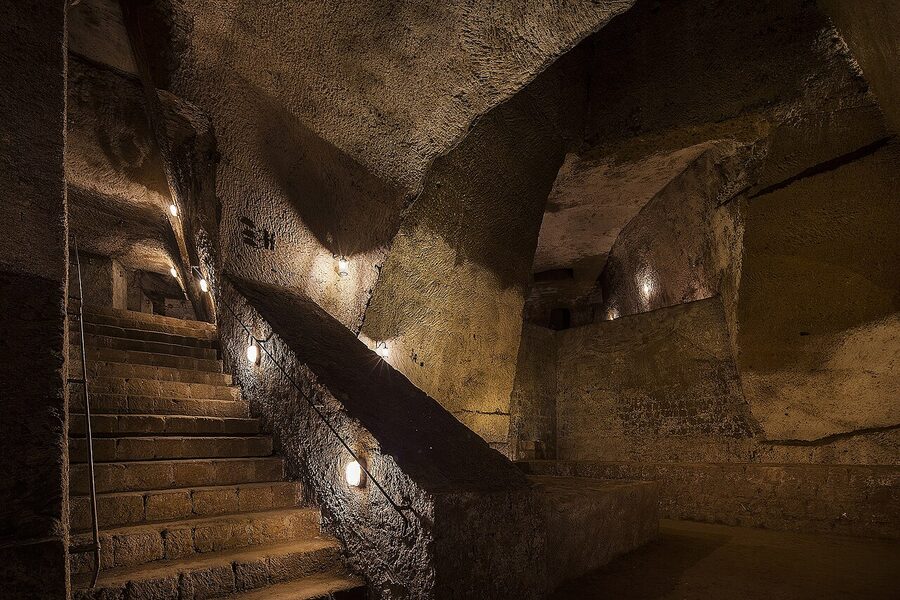
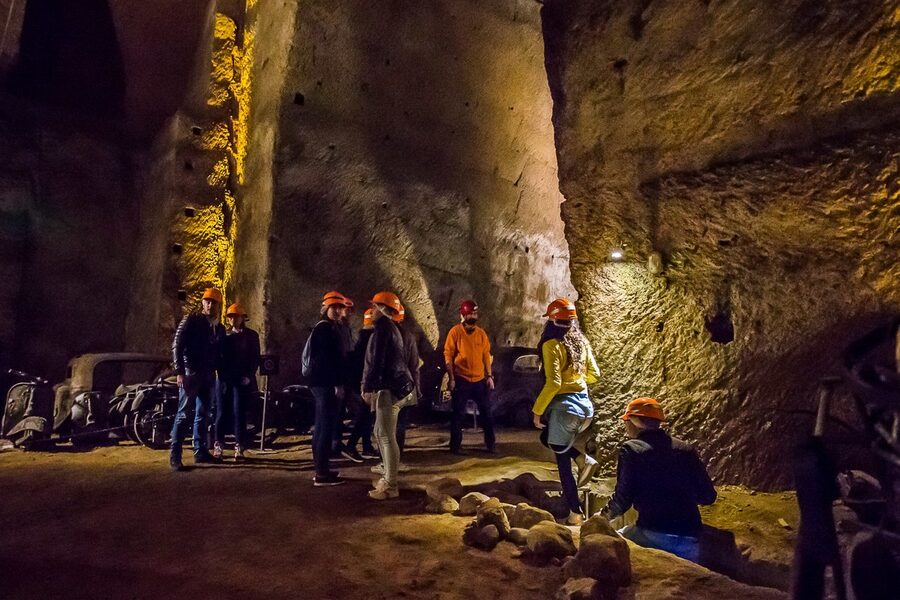
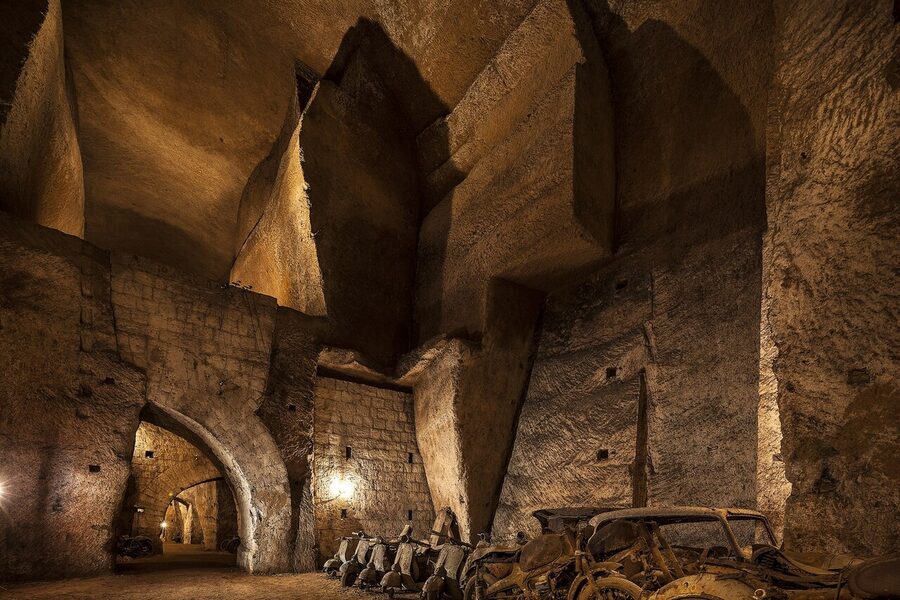
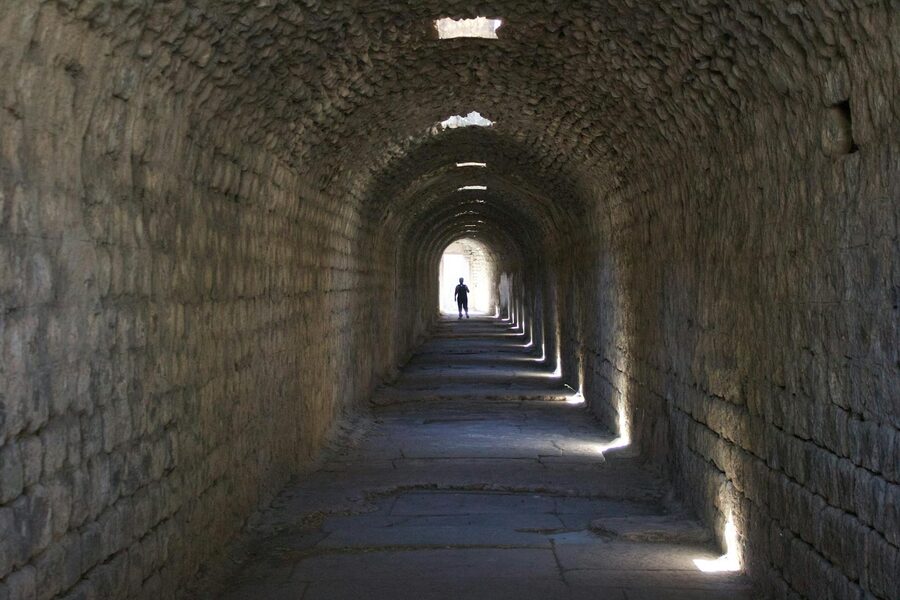
The star attraction. A 530-metre tunnel, up to 10 metres wide, with the original tuff-rock walls still showing 1853 chisel marks. Dramatic uplighting along the length. You walk slowly, the guide explains the engineering, the acoustic bounces every footstep off stone.
Stop 3 — The WWII Bomb Shelter
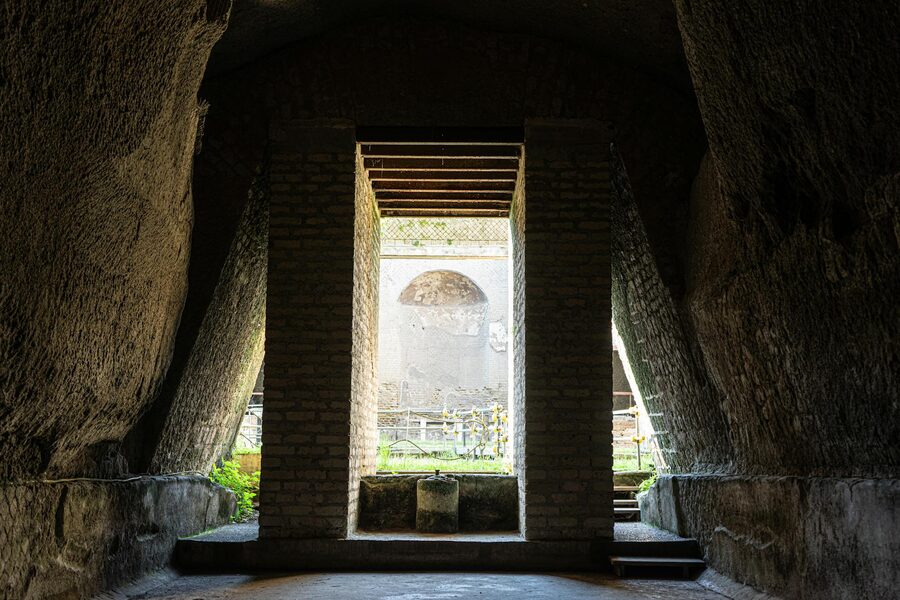
This is the emotional core. The tunnel was converted into a mass bomb shelter in 1942 when the Allied bombing of Naples began. Iron-frame beds, ceramic toilets, water tanks, first-aid stations — all still in place. Some walls still carry graffiti from people who lived underground for weeks.
Naples was the most-bombed Italian city of WWII. Over 200 air raids between 1940 and 1944, most in 1943 after Allied forces pushed up from Sicily. The Galleria Borbonica saved lives.
Stop 4 — The Motor Pool
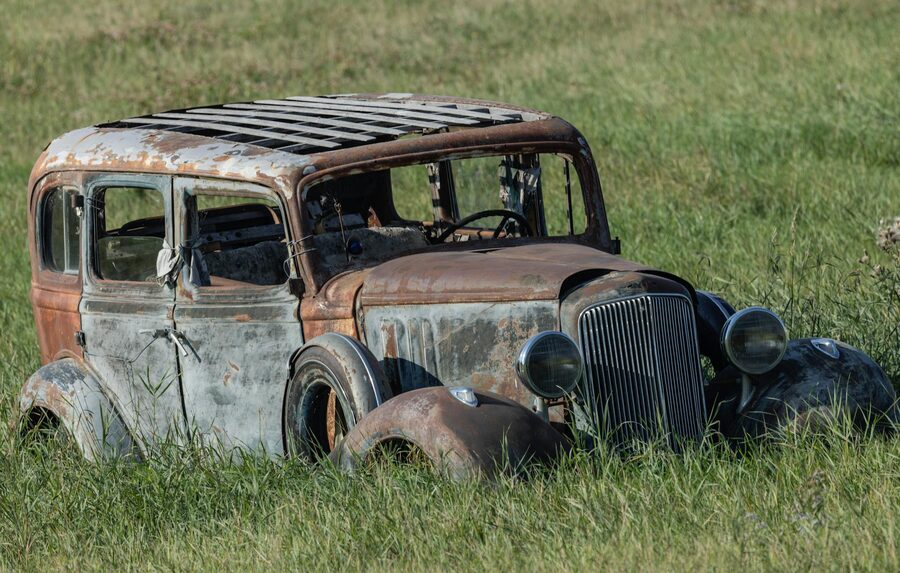
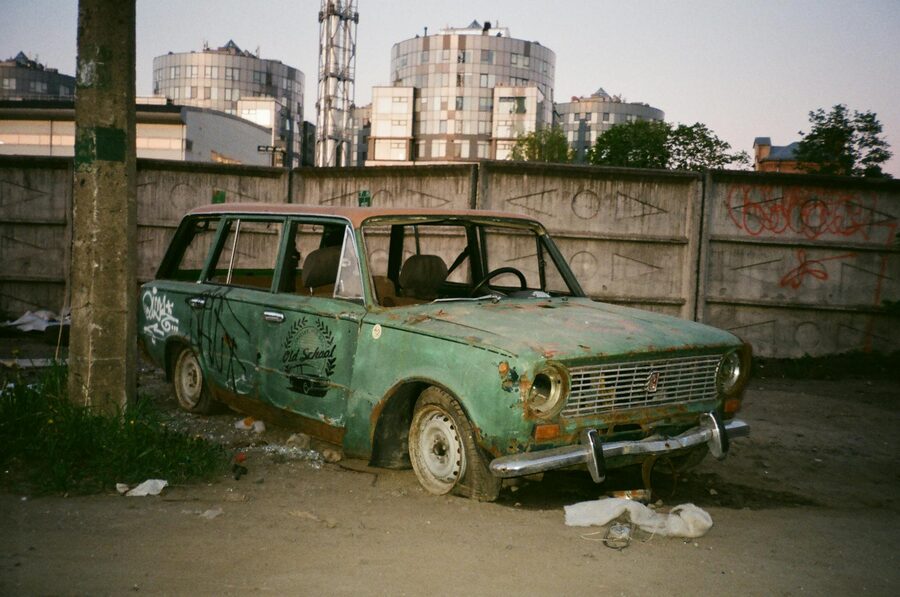
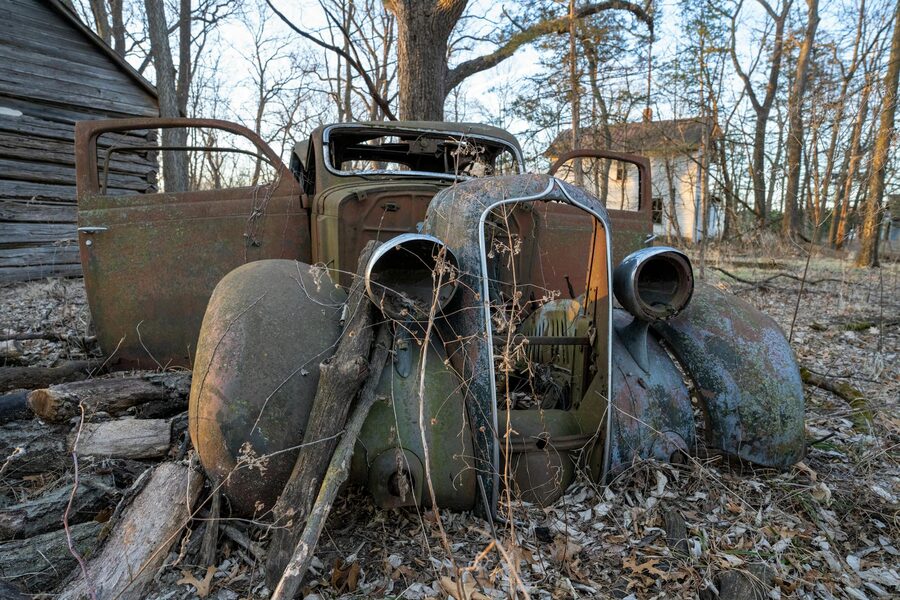
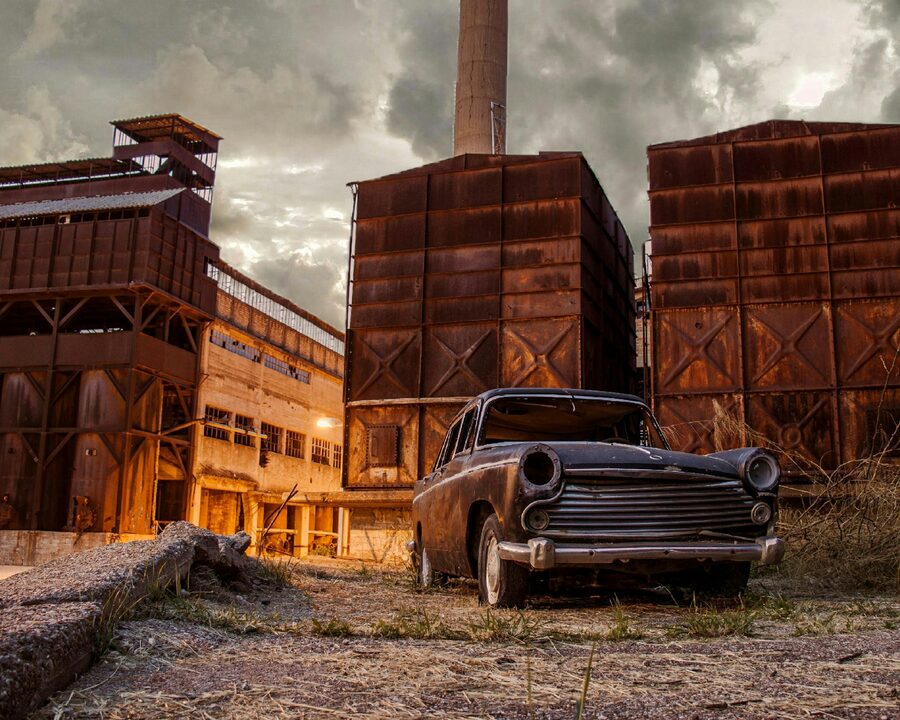
The accidental museum. In the post-war period (1945-1970), the Naples traffic police used the tunnel as an impound for confiscated vehicles — cars that had been abandoned, wrecked, or used in crimes. Nobody ever cleared them out. The vehicles are now approaching 80 years old and rusted in place.
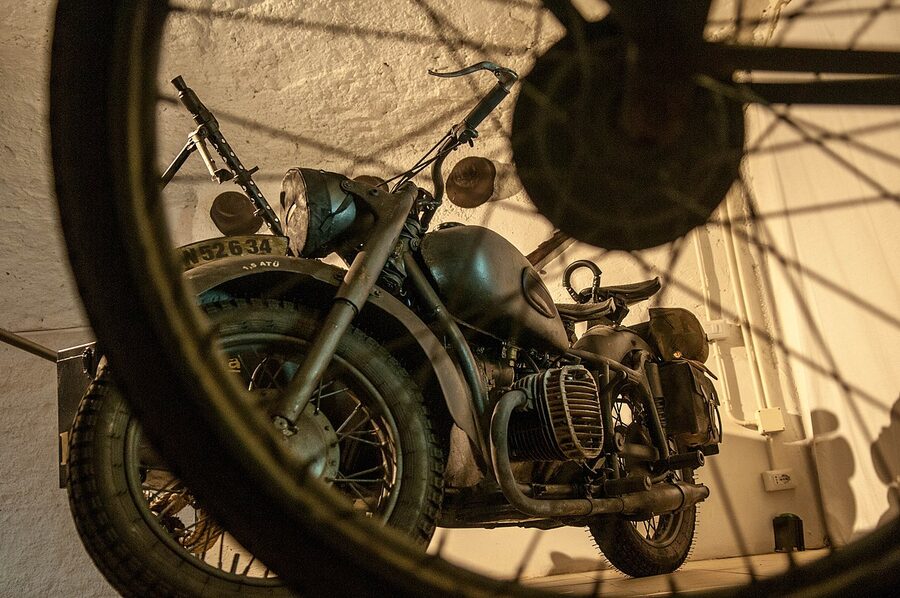
The cars are the memorable image. Fiat 500s, 600s, a couple of Alfa Romeos, one Citroën. Covered in dust, some missing wheels, some still with old Naples license plates. Photogenic in a melancholy way.
The Other Route Options
The Galleria Borbonica operators run four different itineraries from the same entrance:
Standard Route (75 min, €12-15): the default this article covers. What 90% of visitors book. Walking only, no special equipment, suitable for average fitness.
Adventure Route (90 min, €20): extends into side passages that haven’t been fully stabilised. Hard hats provided. Some crouching required. Not for claustrophobics.
Speleo Route (2.5 hours, €35): the deep dive. Overalls provided. Crawling through tight passages. Wading through ankle-deep water. For fitness enthusiasts and caving fans only.
Via dell’Acqua Route (2 hours, €25): the “water route.” You travel by small boat across flooded sections of the cistern system. Unusual and memorable. Book ahead — capacity is limited.
First-time visitors book the Standard Route. Second-time or enthusiast visitors upgrade.
What to Wear
Critical gear considerations:
Closed-toe sturdy shoes: essential. Cobbled tunnel floor with occasional uneven sections.
Light jacket: 17°C year-round. Feels cold after a summer day; feels normal in winter.
Small bag: not large. Narrow passages. A crossbody or small backpack works.
Camera with decent low-light: phone photos come out grainy in most sections. A modern phone with night mode is fine; older phones struggle.
What NOT to wear: heels, flip-flops, expensive white clothing (some sections have rust dust falling from the walls).
Physical Accessibility and Claustrophobia
The Standard Route involves a 60-metre staircase descent (no elevator). Wheelchair access is not possible. Stroller access is not possible.
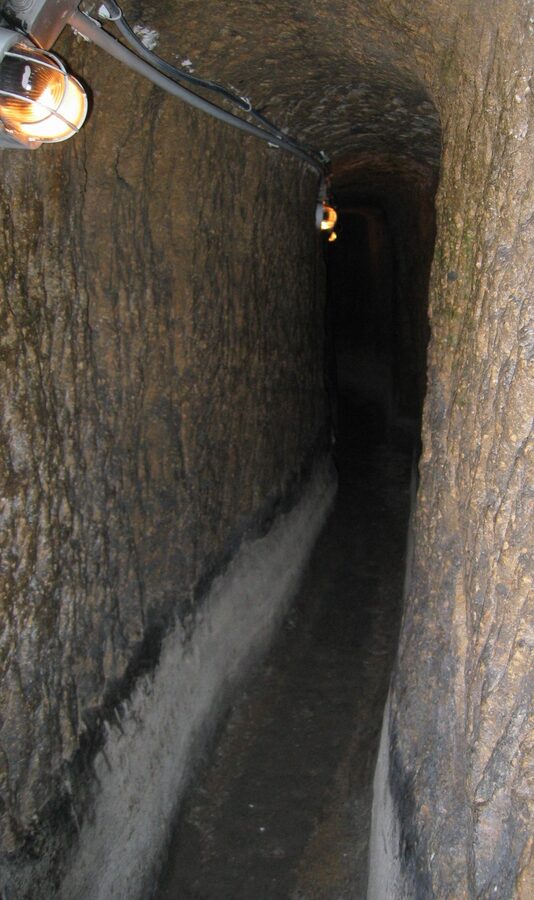
Claustrophobia: the Standard Route is mostly in the wide main gallery, not narrow tunnels. Claustrophobics usually manage fine. The Adventure and Speleo routes involve tight passages and should be avoided.
Age minimum: children 4+ generally OK on Standard Route. The 60-step descent rules out toddlers. Adventure routes: 10+ only.
The Other Naples Undergrounds
Naples has multiple unrelated underground systems. Worth understanding the map:
Napoli Sotterranea (Greek-Roman): covered in our Spanish Quarters Underground guide. Different entrance, different era (600 BC onward), different scale. Do both if you have two half-days.
Galleria Borbonica (this guide): 1853 construction, specific single-purpose tunnel. Shorter, more focused experience.
Catacombs of San Gennaro and San Gaudioso: early Christian burial sites, northern Naples. Different again — religious funerary archaeology, not civic engineering. Worth a separate visit.
Pio Monte della Misericordia undercroft: Caravaggio’s Seven Works of Mercy hangs above an unusual underground chapel. Not a tour site per se, but worth tacking onto a wider dark-Naples itinerary.
Timing the Visit
Standard Route tours depart roughly every 90 minutes 10:00-17:30 most days. Closed Tuesday and Wednesday in some months; check calendar. English tours run 2-3 times daily.
Book window: 1-3 days ahead in high season, same-day walk-ins sometimes possible in low season. Special routes (Adventure, Speleo, Via dell’Acqua) need 5-10 days notice.
Best season: any. The tunnel is climate-stable. Summer is welcome relief from Naples heat.
Pairing With Your Naples Trip
The Galleria Borbonica works as a Day 2-3 activity that complements the main Napoli Sotterranea tour.
The rhythm that works: Day 1 Naples arrival + evening walking. Day 2 morning Spanish Quarters Underground + afternoon street food tour. Day 3 Galleria Borbonica in the morning + Royal Palace or Archaeological Museum afternoon. Day 4 Pompeii + Vesuvius. That’s a 4-night Naples stay that covers the city’s historic, underground, food, and volcanic angles. Combinations: pair with the pizza-making class on alternate days to balance the heavy underground content with something hands-on. If you’re combining with other Italy cities, underground Naples has no Italian equivalent — Rome has catacombs, Milan has WWII shelters, but neither has a Bourbon escape tunnel. Book this as the unique Naples experience it is.
Common Questions
Is it scary? Not really. The Standard Route is well-lit and wide. The emotional weight comes from the WWII shelter, not from horror-movie darkness.
Can I take photos? Yes, no flash. The lighting is engineered for photography — most sections are lit from multiple angles to minimise shadows.
What’s the best photo? The long-gallery perspective shot (stand at one end, shoot toward the other). The abandoned Fiat 500 if you’re lucky enough to get it from the right angle. The WWII children’s schoolroom chairs — heart-breakingly still.
Kids under 8? Better to skip the tunnel. They’ll get bored in the historical sections and might be frightened in the darker stretches. Teenagers (12+) typically love it.
How does it compare to Napoli Sotterranea? Different flavours. Napoli Sotterranea is the historical epic (2,400 years of continuous use). Galleria Borbonica is the focused drama (one 19th-century tunnel with 20th-century overlay). Both are worth doing.
Is the entrance easy to find? Somewhat. Via Domenico Morelli is a proper street address, but the entrance itself is an unassuming doorway marked only with a small sign. Use Google Maps; budget 5 extra minutes.
Tipping? €3-5 per person for a great guide. Not expected.
The Honest Verdict
At $18 for 75 minutes underground covering 170 years of accidental Naples history, the Galleria Borbonica is overdelivering. You get military engineering, WWII drama, and a vintage automobile graveyard in one ticket. No comparable experience exists in Rome, Florence, or Venice.
Book the Standard Route unless you’re a caving enthusiast (then upgrade to Speleo). Visit after — not before — the main Napoli Sotterranea tour; the Bourbon Tunnel’s 19th-century focus lands harder when you already understand the 2,400-year underground context. Wear proper shoes, bring a jacket, and pay attention during the WWII shelter section. The guides tend to be emotional about it; so are the locals you’ll notice visiting on their own. That shelter saved their grandparents’ lives.