
Stuttgart’s Ghost Walking Tour ($14, 90 minutes) takes you through the old town after dark with a guide who specialises in the city’s darker history — public executions in the medieval marketplace, the witch trials of the 16th century, the underground bunkers of WWII, and the ghosts that locals still claim to see in specific buildings. It’s the most-booked Stuttgart tour and one of the cheapest guided experiences in southern Germany.
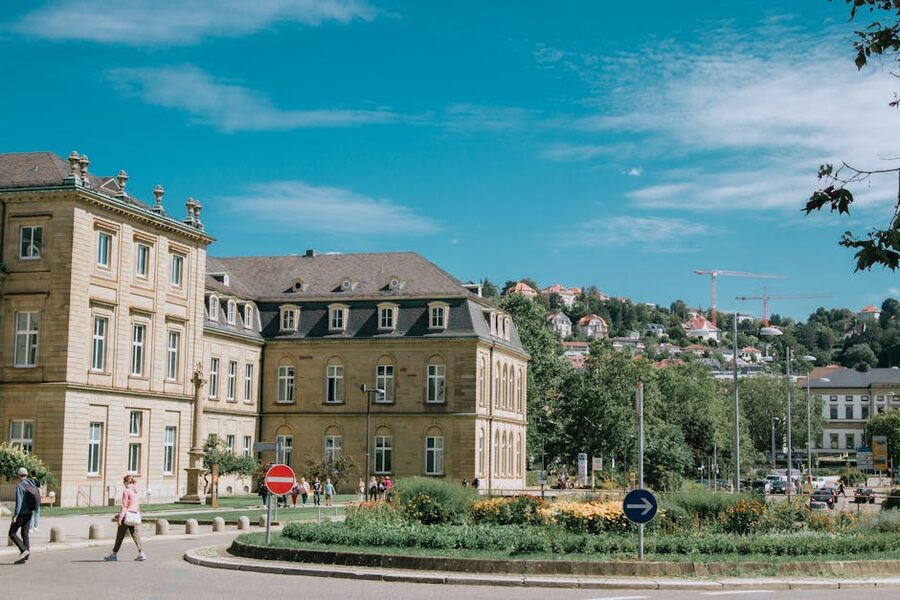
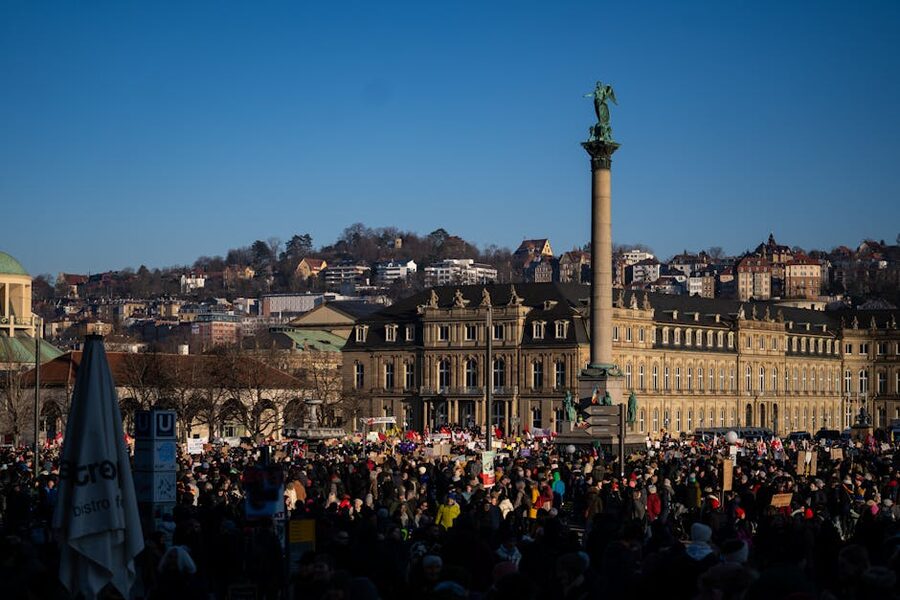
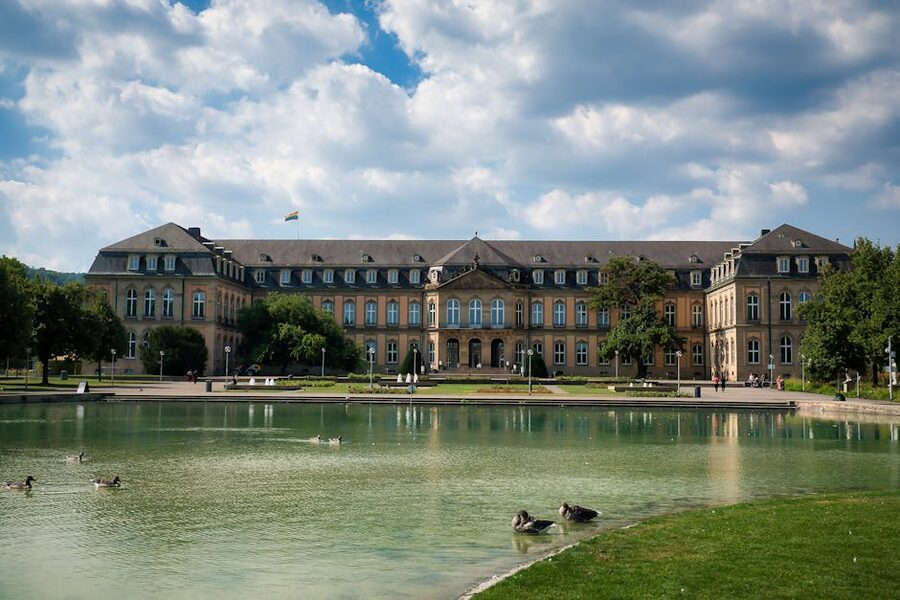
The tour starts near the Schlossplatz at sunset, follows a route through the old town’s narrowest streets, and ends about 90 minutes later near a bar where the guide can recommend a drink to recover from the stories. The guides are trained historians who treat the supernatural material with appropriate scepticism while taking the historical horror seriously.
Best for kids: Miniature Worlds Stuttgart — $10, Europe’s largest miniature city model.
Best with wine: Wine Hike with Tasting — $30, Stuttgart’s vineyards combined with regional wine sampling.
Official info: stuttgart-tourist.de — visitor information and city guides.
- What the Ghost Tour Covers
- The WWII Bunker System
- The Miniature Worlds Alternative
- Stuttgart Wine Country
- Stuttgart’s Other Attractions
- The Ghost Tour Format
- Best Tours to Book
- 1. Stuttgart Guided Ghost Walking Tour —
- 2. Miniature Worlds Stuttgart —
- 3. Stuttgart Wine Hike with Tasting —
- Practical Tips
- Combining Stuttgart with Other Germany Stops
- More Germany Tours
What the Ghost Tour Covers
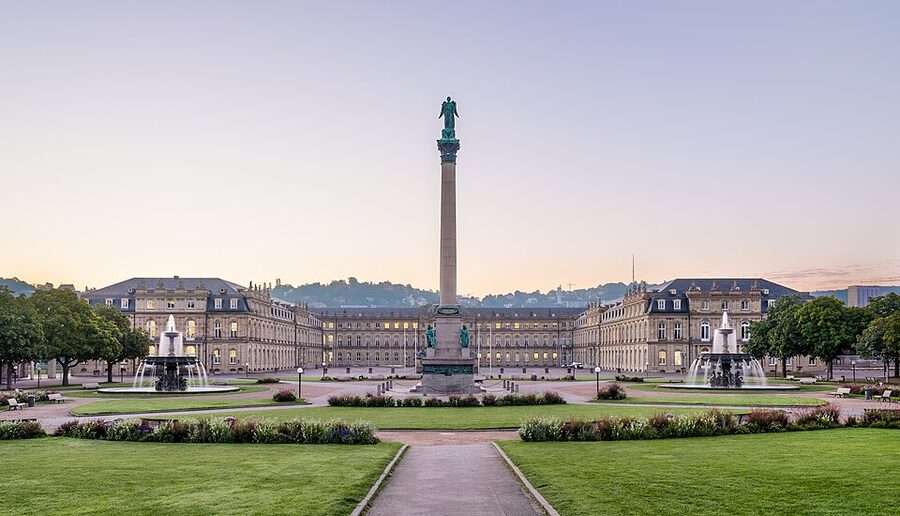
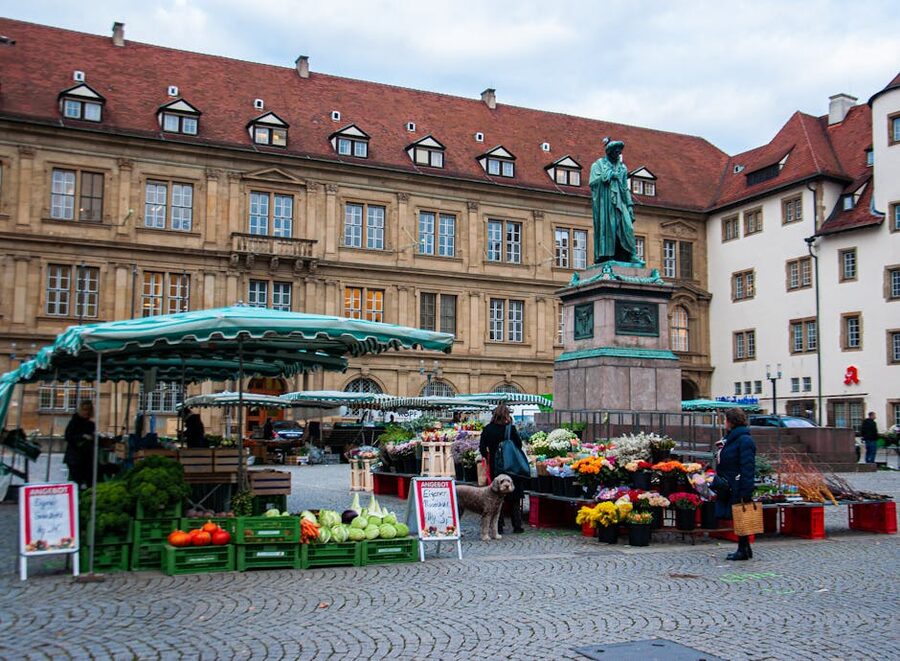
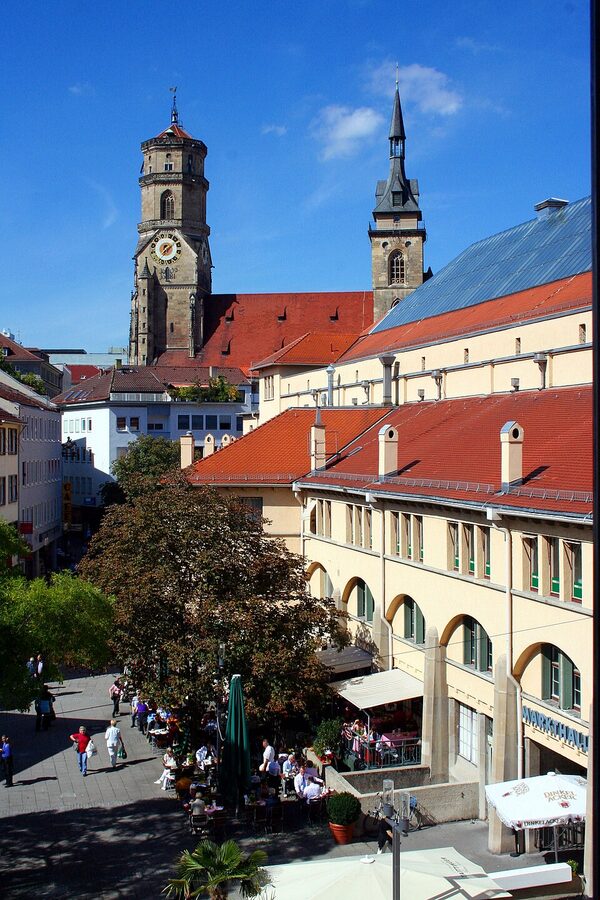
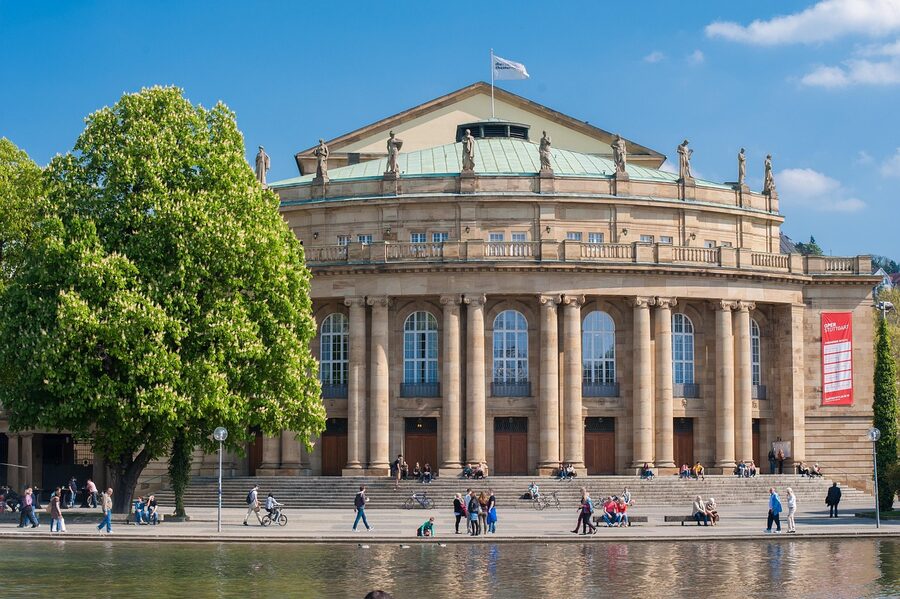
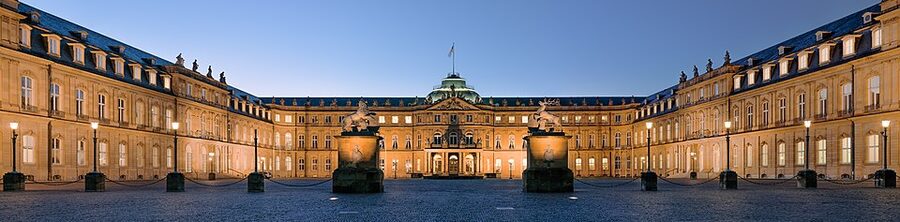
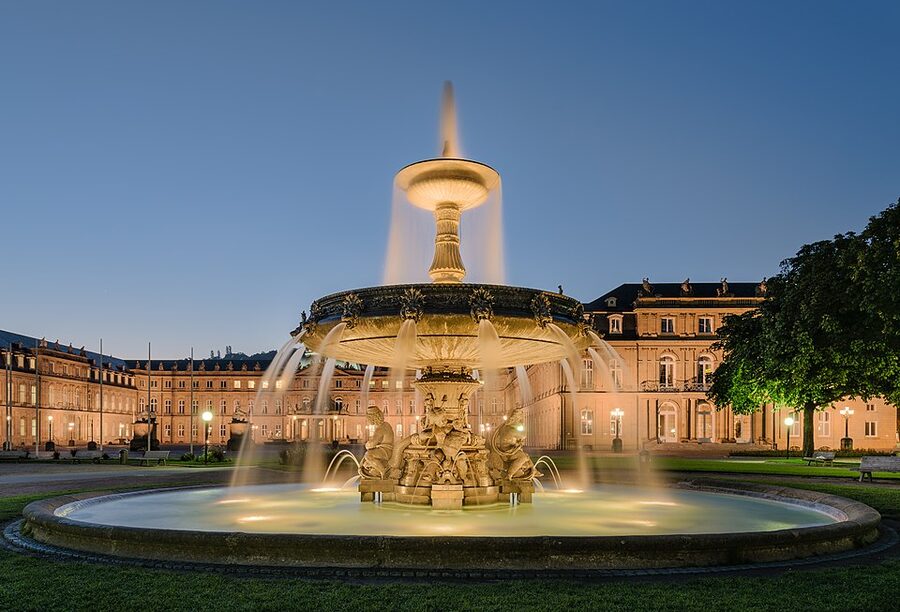
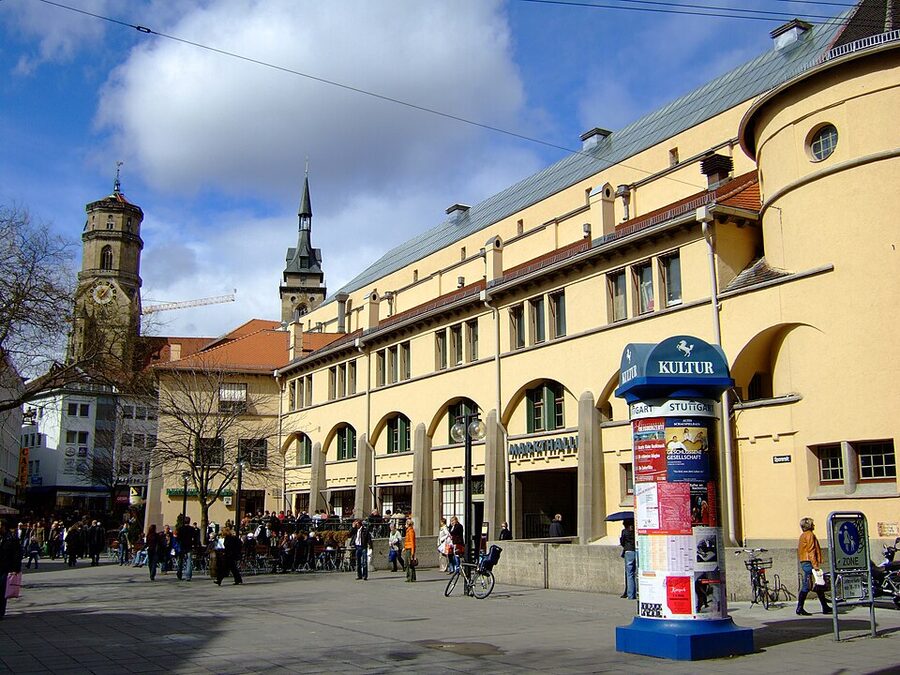
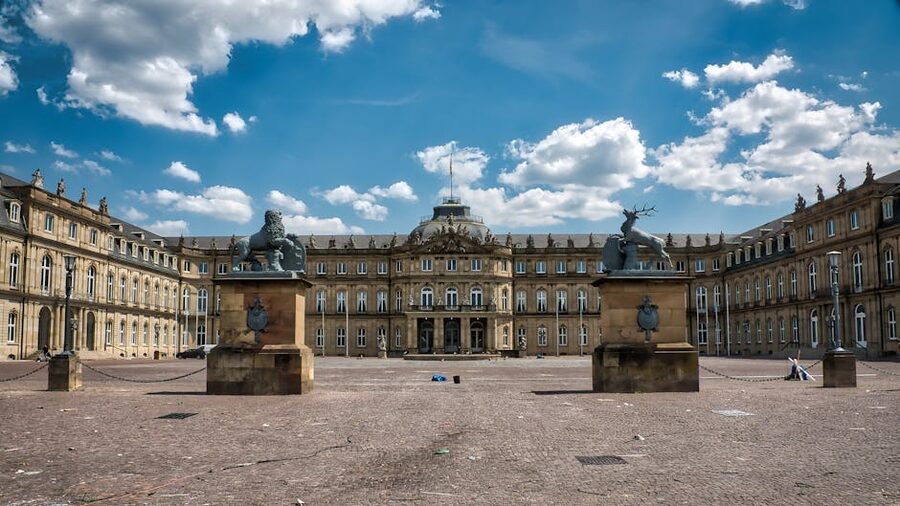
The 90-minute walk weaves through the old town stopping at locations where Stuttgart’s darker history played out. The Schlossplatz starting point gives way to narrower medieval streets, the old marketplace (Marktplatz), the Stiftskirche, and several specific buildings the guides claim are haunted. The mix of documented history and folk legend keeps the tour grounded — you’re not just hearing ghost stories, you’re learning the city’s actual past.
The medieval witch trials are one of the tour’s central themes. Stuttgart and the surrounding Württemberg region prosecuted hundreds of women between the 16th and 18th centuries — the trials peaked in the 1620s, when over 100 women were executed in the area. The guide identifies specific buildings where trials were held, where the accused were imprisoned, and where the executions took place. The location of the old execution ground is one of the tour’s most powerful stops.
The plague years (Stuttgart was hit hard in 1635 during the Thirty Years’ War, losing about half its population) are another major theme. The plague pits, the quarantine houses, and the streets that became death traps all feature on the tour. The guide explains how plague trauma reshaped the city’s medical, religious, and social institutions for the next two centuries.
The WWII Bunker System
Stuttgart’s WWII bunker network is one of the largest in southern Germany. The city was bombed repeatedly between 1940 and 1945 — about 60% of the city centre was destroyed, and over 4,500 civilians died in the air raids. The bunkers built underneath public squares saved tens of thousands of lives. Most are sealed today, but a few are accessible on guided tours.
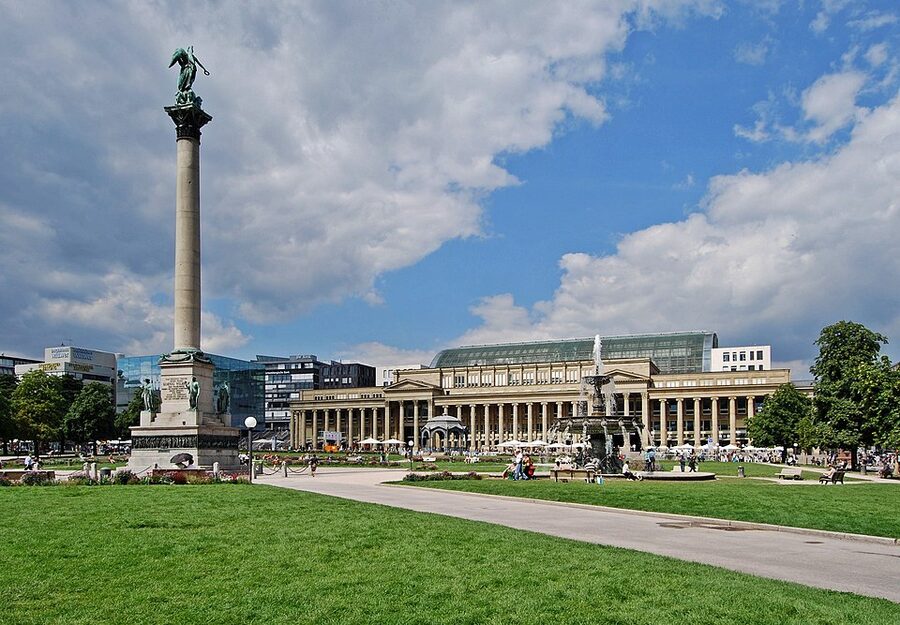
The ghost tour passes the entrances to several bunkers and explains the wartime experience. It doesn’t usually go inside the bunkers themselves (separate guided tours do that), but the surface-level explanation gives you the spatial context — when you walk over a particular paving stone, you understand that 4,000 people once sheltered directly beneath your feet during a bombing raid.
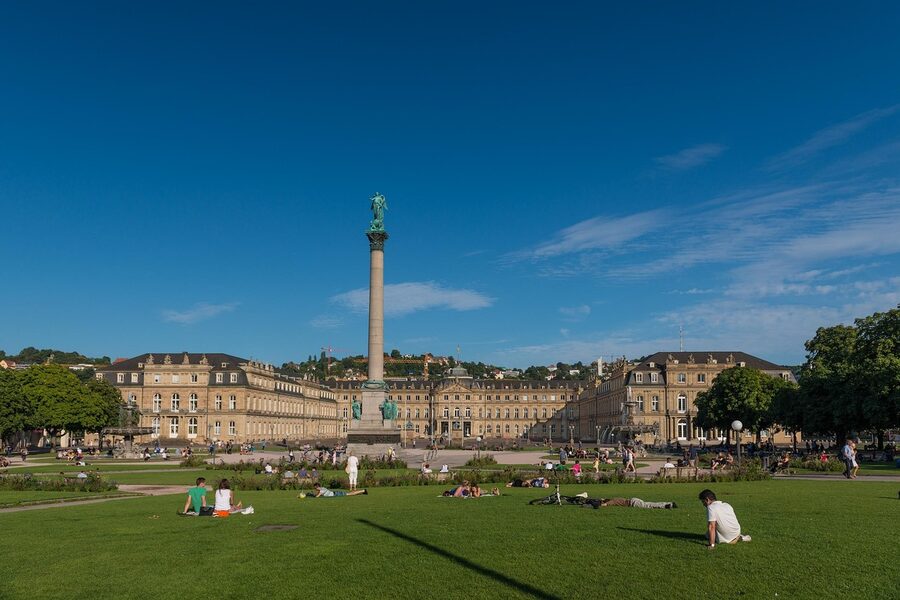
The Miniature Worlds Alternative
For visitors with kids or those who prefer their Stuttgart attractions less spooky, the Miniature Worlds ($10) is Europe’s largest model city — a 1:87 scale recreation of Stuttgart and the wider Württemberg region. Trains, cars, and ships move automatically through the model, and a day-night cycle changes the lighting every 15 minutes.
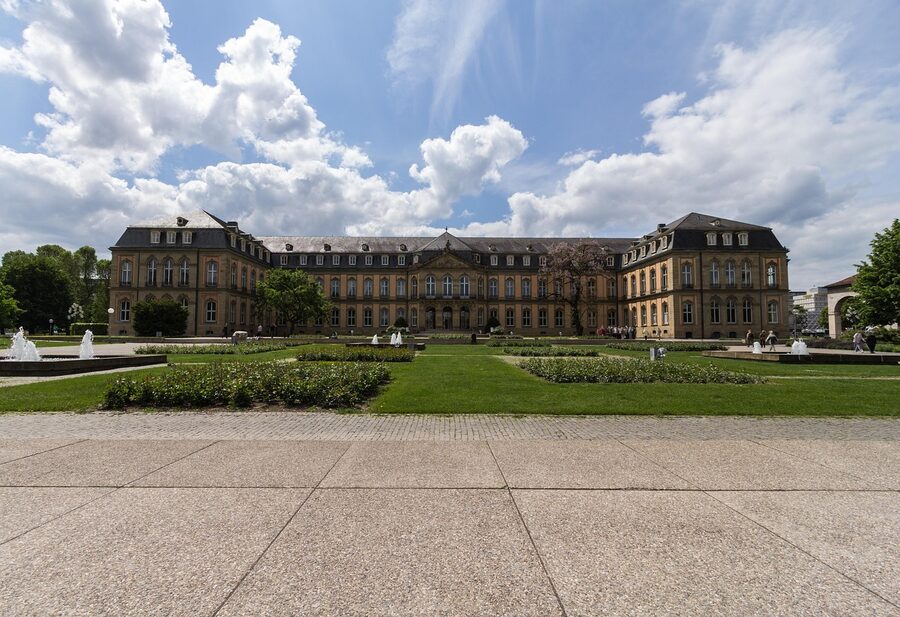
The Miniature Worlds is indoors, climate-controlled, and works for any weather. It’s also one of the cheapest attractions in Stuttgart — at $10, it costs less than a museum admission in most German cities. The visit takes 60-90 minutes for adults, longer for children who want to see every detail.
Stuttgart Wine Country
Stuttgart is one of the few major cities in Europe with active vineyards within its administrative boundaries. The hills surrounding the city centre are covered in steep vineyards — the Rotenberg, Mönchberg, and Württemberg slopes are within walking distance of central Stuttgart. The Wine Hike with Tasting ($30) takes you through these vineyards with a local guide who explains the wines and includes tastings at a regional winery.
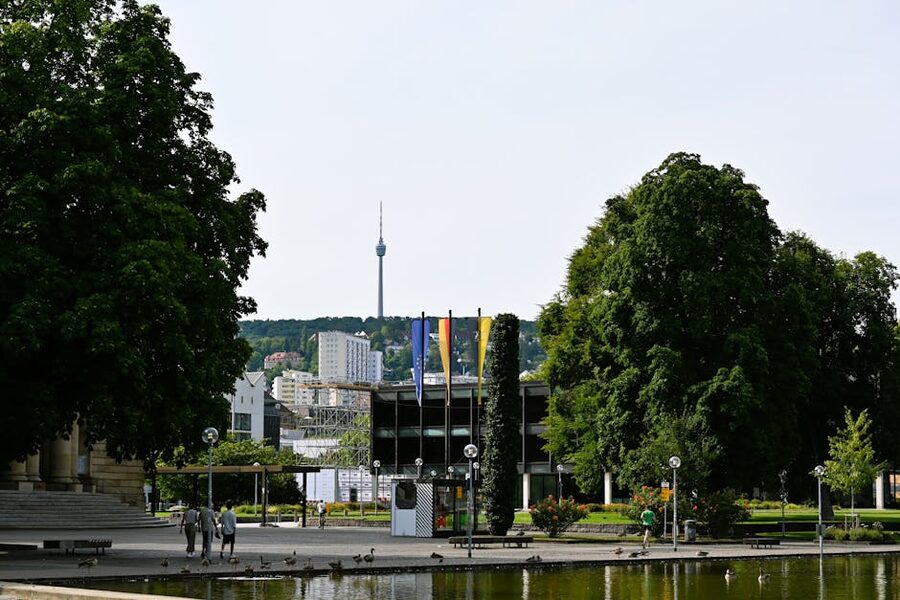
Württemberg wines are predominantly red — the region produces 70% red wine in a country known for whites. Trollinger and Lemberger are the local specialties, both light-bodied reds that pair well with the local Swabian cuisine. The wine hike includes tastings of 3-4 wines, and the guide explains the unique microclimate that allows red wine production this far north.
Stuttgart’s Other Attractions
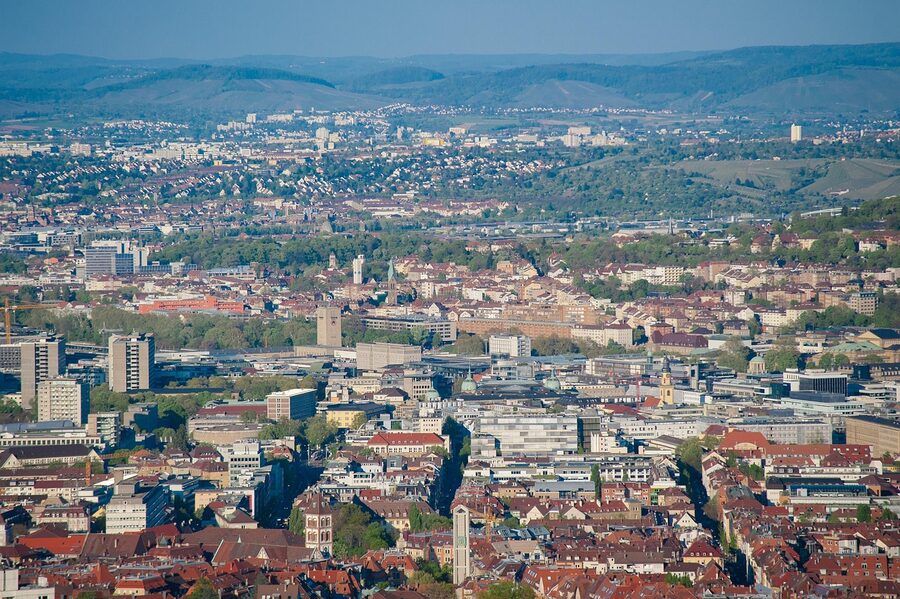
Stuttgart is best known internationally as the home of Mercedes-Benz and Porsche — both companies have major museums in the city, and both rank among Stuttgart’s most-visited attractions. Neither is part of the ghost tour, but both deserve a half-day if you’re interested in automotive history.
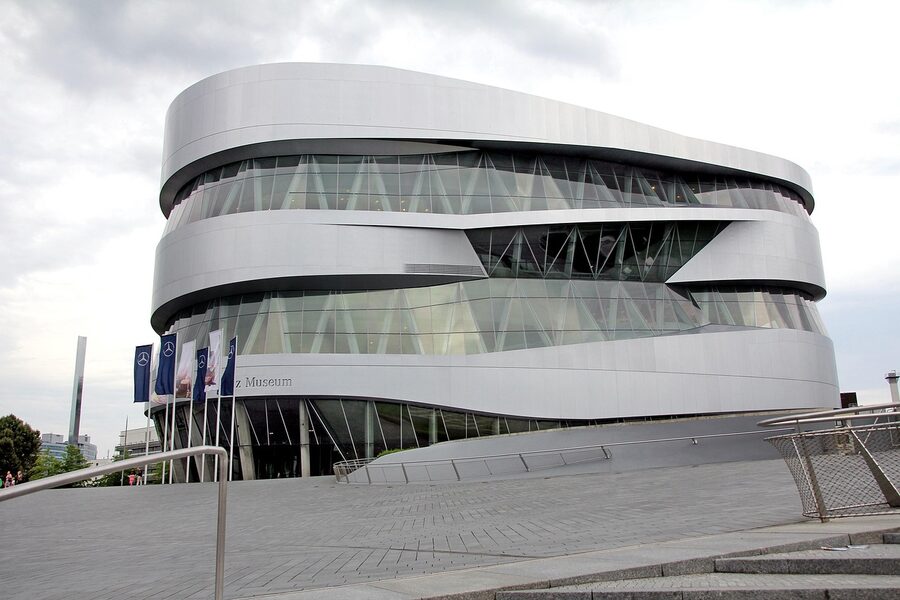
The Porsche Museum sits in Zuffenhausen, also accessible by S-Bahn. It’s smaller than the Mercedes museum but more focused — about 80 historic Porsches displayed in a stark white interior that lets the cars speak for themselves. Both museums have separate admission tickets.
The Ghost Tour Format
The Ghost Walking Tour runs in German with English translations available. Group sizes are typically 15-25 people — small enough for everyone to hear the guide, large enough to maintain energy. The pace is leisurely, with frequent stops at significant locations. Total walking distance is about 1.5-2 kilometres on flat ground.
Children: The tour’s content is suitable for ages 12+. Younger children might find some of the descriptions of executions, plague deaths, and supernatural occurrences too intense. The Miniature Worlds is the better option for families with kids under 12.
Atmosphere: The tour is genuinely atmospheric without being theatrical — the guides don’t dress in costume, don’t use jump scares, and don’t manufacture spooky moments. The atmosphere comes from the locations, the stories, and the time of day. Some visitors expect a more dramatic ghost-show format and are surprised by how restrained the tour actually is.
Best Tours to Book
1. Stuttgart Guided Ghost Walking Tour — $14
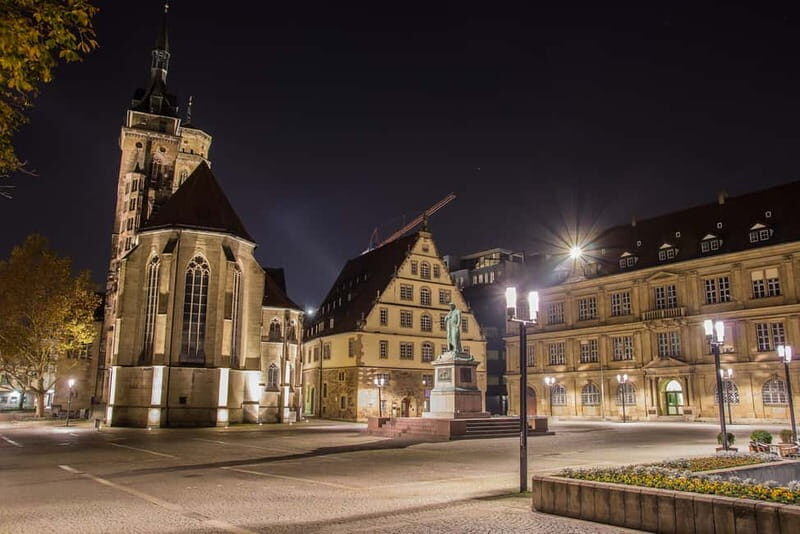
The standout Stuttgart tour. Ninety minutes covering witch trials, the plague, WWII bombings, and a handful of allegedly haunted buildings. The guides handle the supernatural material with appropriate scepticism while taking the historical horror seriously. At $14, it’s the cheapest substantial guided experience in Stuttgart. Our review covers the route, the guide quality, and what makes Stuttgart’s ghost tour different from the dozens of similar tours across Europe.
2. Miniature Worlds Stuttgart — $10
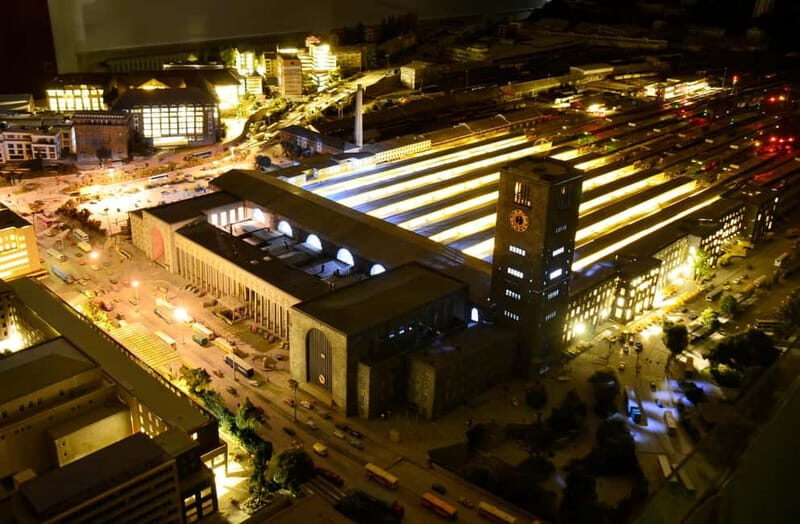
The family-friendly alternative to the ghost tour. Sixty to ninety minutes exploring an enormous model railway and city display that recreates Stuttgart’s actual landmarks alongside fictional villages. Trains run automatically, the lighting cycles through day and night, and the level of detail rewards careful observation. At $10, it’s one of Stuttgart’s cheapest indoor attractions. Our review covers the layout, the best viewing spots, and whether it’s worth visiting beyond family-with-kids visitors.
3. Stuttgart Wine Hike with Tasting — $30
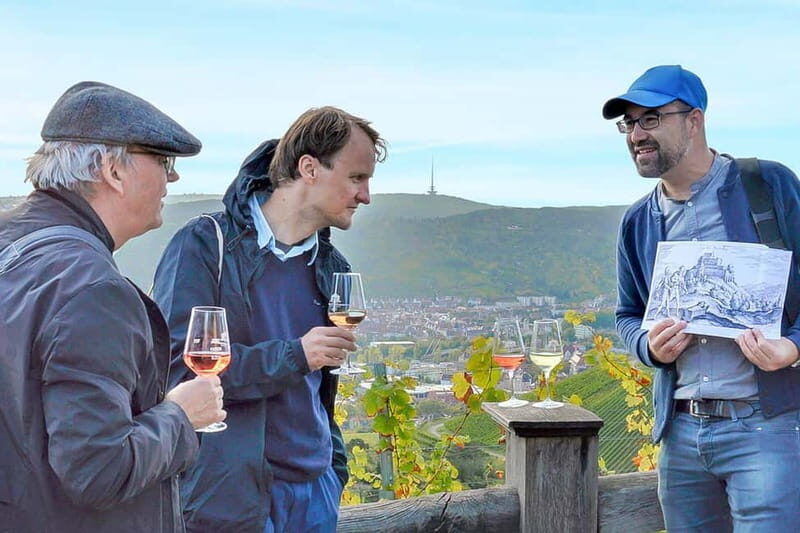
The daylight alternative for visitors who prefer wine to ghosts. The hike covers the steep vineyard slopes within Stuttgart’s administrative boundaries — a geography unusual for a major German city. The tastings include the local Trollinger and Lemberger reds, and the guide explains why this far-north wine region produces what it does. At $30, it’s a different price tier than the ghost tour but a different experience entirely. Our review covers the hike difficulty, the wines, and the best season for the experience.
Practical Tips
When the ghost tour runs: Year-round, with departures most evenings around sunset. The tour is most atmospheric in autumn and winter when sunset comes earlier. Summer departures can feel less spooky because Stuttgart’s long summer evenings keep the streets light until 9pm.
Getting around: Stuttgart’s public transport (S-Bahn, U-Bahn, buses) covers the city efficiently. The ghost tour meets in the city centre, accessible from Hauptbahnhof in 5 minutes on foot. The Mercedes Museum requires an S-Bahn ride to Bad Cannstatt; the Porsche Museum is accessible from Zuffenhausen.
What to wear: The ghost tour is outdoors and Stuttgart sits in a basin that holds cool air at night. A jacket is essential outside summer. Comfortable shoes for the cobblestones.
Budget: Ghost tour: $14. Miniature Worlds: $10. Wine Hike: $30. Mercedes-Benz Museum: €12. Porsche Museum: €12. A full Stuttgart day: about €60-80 including transport, lunch, and one major attraction.
Combining Stuttgart with Other Germany Stops
Stuttgart works well as a stop on a southern Germany itinerary. The Heidelberg Castle and old town tours are 30 minutes north by fast train. The Munich city tours are about 2 hours by train, with the Dachau memorial and Neuschwanstein Castle day trip as Munich-based extensions. The Rhine Valley castle cruises from Koblenz are a 2.5-hour train ride away — an easy day trip from a Stuttgart base.
For visitors continuing northward, Frankfurt’s VR time travel experience is 75 minutes away by train. For those heading east, Nuremberg’s medieval dungeons share the dark-history theme with Stuttgart’s ghost tour and would make a strong two-city pairing.
More Germany Tours
Stuttgart’s ghost tour pairs naturally with other Germany dark-history experiences — the Dresden walking tours include the Dungeon, and the Nuremberg medieval dungeon tour covers similar territory in another southern German city. The Cologne VR time travel experience is the modern technology-driven counterpart — using virtual reality to show the city’s destroyed past rather than walking through what survived.