The Paestum Greek Ruins in Italy’s Salerno province offer a captivating glimpse into ancient Greek civilization. Established as Poseidonia in the 6th century BC, this UNESCO World Heritage Site features three well-preserved temples, city walls, and other remnants that showcase the architectural brilliance of the era. Visitors can explore these historical treasures, but their experiences may vary depending on factors like museum offerings and ticketing services. What intrigues you most about this archaeological marvel?
- Key Points
- Location and History
- Notable Features of the Greek Ruins
- Visitor Experiences and Feedback
- Transportation and Accessibility
- Included Amenities and Services
- Pricing and Booking Information
- Customer Service and Ticket Booth Experiences
- Museum Offerings and Visitor Impressions
- Frequently Asked Questions
- How Crowded Do the Ruins Typically Get During Peak Seasons?
- What Is the Best Time of Day to Visit the Ruins for Fewer Crowds?
- Are There Any Special Accommodations for Visitors With Disabilities?
- Can We Purchase Tickets On-Site or Is Advance Booking Required?
- Are There Any On-Site Dining Options or Recommended Nearby Restaurants?
- The Sum Up
- The Best Of Naples!
- More Tour Reviews in Naples
Key Points
 1 / 8
1 / 8 2 / 8
2 / 8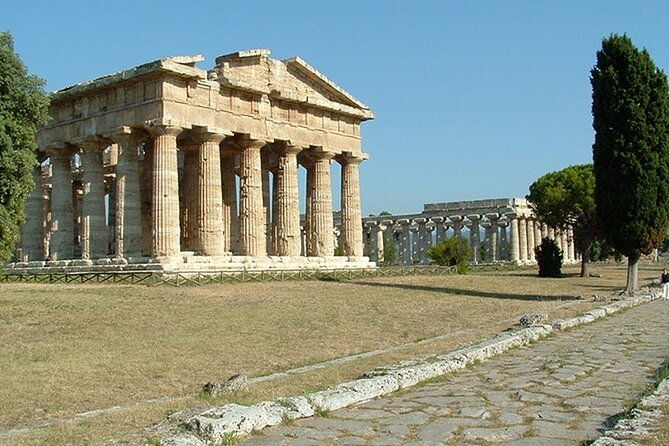 3 / 8
3 / 8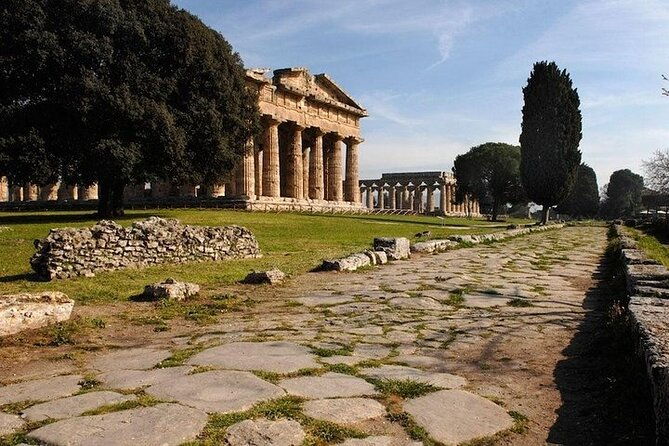 4 / 8
4 / 8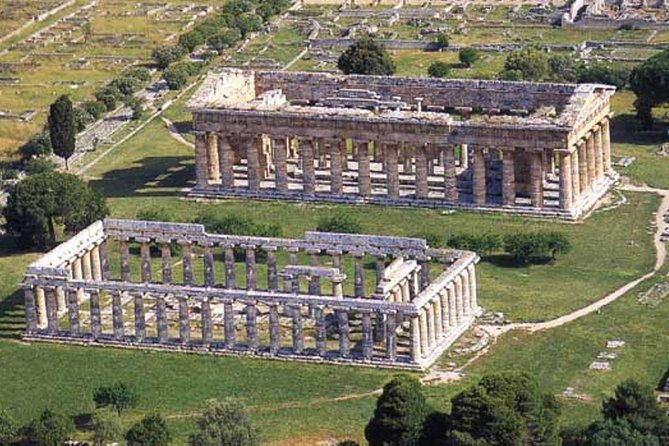 5 / 8
5 / 8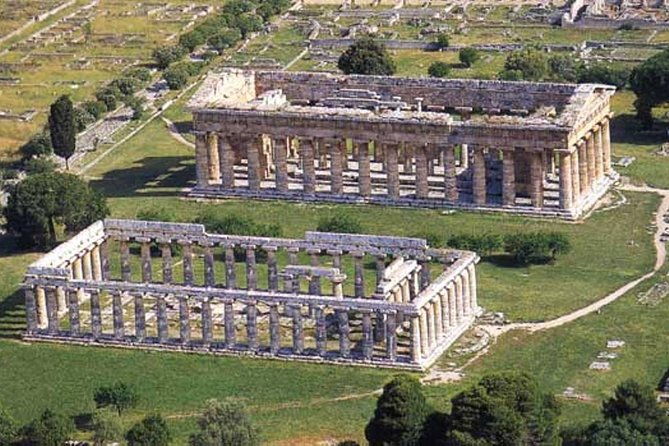 6 / 8
6 / 8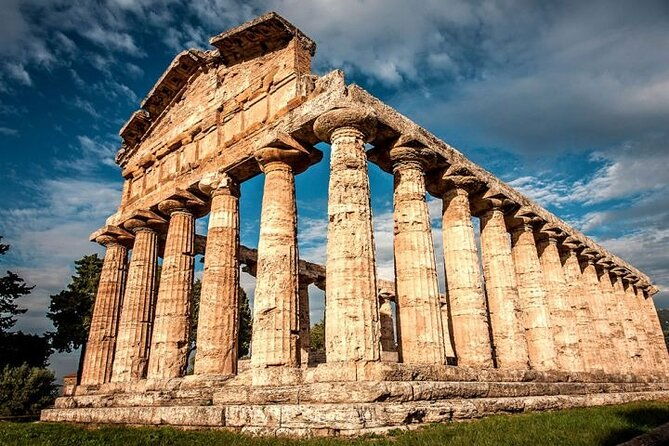 7 / 8
7 / 8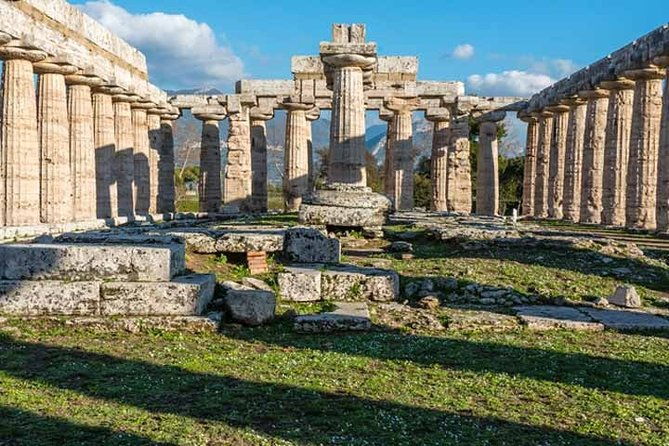 8 / 8
8 / 8- Paestum is an ancient Greek city located in the Salerno province of Campania, Italy, recognized as a UNESCO World Heritage Site.
- The site features well-preserved ancient Greek temples, amphitheater, and city walls, showcasing the architectural and cultural heritage of Magna Graecia.
- The Paestum Archaeological Museum displays artifacts excavated from the site, providing insights into the daily life of the ancient civilization.
- Visitors can explore the ancient temples independently, with mixed reviews regarding the museum’s offerings and service at the ticket booth.
- Paestum is accessible via private shore excursions from Naples, with transportation, wheelchair accessibility, and various pricing and booking options available.

👉 See our pick of the Discover 14 Great Lunch Experiences In Naples
Location and History
Nestled in the Salerno province of Italy’s Campania region, the ancient Greek city of Paestum stands as a testament to the rich cultural heritage of the Mediterranean world.
This UNESCO World Heritage Site dates back to the 6th century BC, when it was known as Poseidonia, founded by Greek colonists from the city of Sybaris.
The well-preserved ancient temples, amphitheater, and city walls offer a glimpse into the sophisticated urban planning and religious practices of the Magna Graecia civilization.
Today, Paestum’s archaeological treasures draw visitors from around the globe to explore this remarkable ancient Greek relic.
You can also read our reviews of more tours and experiences in Naples.

Notable Features of the Greek Ruins
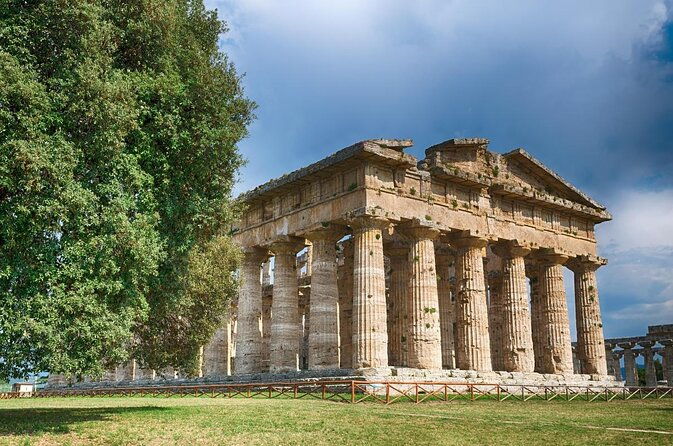
The Paestum Greek Ruins boast several notable features that captivate visitors. Chief among them are the three well-preserved ancient Greek temples, considered among Italy’s most magnificent.
Dating back to the 6th century BCE, these Doric temples stand as a testament to the architectural prowess of the ancient Greeks. The ruins also include the remnants of the ancient city walls, amphitheater, and forum, providing a glimpse into the daily life of this ancient civilization.
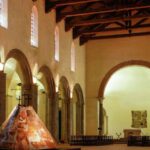
The on-site Paestum Archaeological Museum houses an impressive collection of artifacts recovered from the excavations, further enriching the visitor experience.
Visitor Experiences and Feedback
Visitors to the Paestum Greek Ruins often share a mix of experiences and feedback. Many enjoy the opportunity to independently explore the impressive ancient temples and wander through the museum.
However, some reviews indicate disappointment with the museum’s offerings, suggesting it doesn’t quite live up to the grandeur of the ruins themselves.
The service at the ticket booth has also received mixed reviews, with some visitors reporting issues.
Transportation and Accessibility
According to the details provided, the private shore excursion to the Paestum Greek Ruins includes transportation via an air-conditioned minivan that’s exclusive to the tour group.
The tour duration is approximately 1 hour 45 minutes from Naples.
The transportation and accessibility features of the tour include:
- Wheelchair accessible
- Stroller accessible
- Infant seats available
- Fuel surcharge and local taxes included
The transportation arrangements aim to provide a hassle-free and comfortable experience for visitors exploring the magnificent ancient ruins of Paestum.
Included Amenities and Services
Along With the hassle-free transportation, the private shore excursion to the Paestum Greek Ruins includes several amenities and services to enhance the visitor experience. The tour package covers the fuel surcharge, local taxes, and provides bottled water. Guests can also enjoy a live commentary throughout the tour from a multilingual guide. The experience is accessible for wheelchair users and those with strollers, with infant seats available upon request. The comprehensive service ensures a seamless and comfortable exploration of the ancient Greek temples and museum.
| Amenities & Services | Included |
|---|---|
| Fuel Surcharge | ✓ |
| Local Taxes | ✓ |
| Bottled Water | ✓ |
| Live Commentary | ✓ |
| Multilingual Guides | ✓ |
| Wheelchair Access | ✓ |
Pricing and Booking Information
The tour to the Paestum Greek Ruins starts from £265.51 per person, with the final price varying based on group size.
Booking requires confirmation of cruise ship details at the time of purchase. Cancellation is free up to 24 hours before the experience.
The tour includes:
- Pickup and drop-off at your location
- Fuel surcharge and local taxes
- Bottled water, lunch, and live commentary
- Wheelchair, stroller, and infant seat accessibility
Multi-lingual guides may operate the tour, and all touchpoints are frequently cleaned for safety.
Customer Service and Ticket Booth Experiences
While some reviews indicate a positive customer experience at Paestum, others have noted mixed feedback on the service at the ticket booth.
Some visitors reported friendly and helpful staff, facilitating a smooth entry process.
However, a few reviews mentioned long lines, confusing information, and staff who seemed disengaged or overwhelmed.
Navigating the ticketing system and ensuring visitors receive the appropriate admission can be crucial for setting the tone for the overall experience.
Museum Offerings and Visitor Impressions
Some reviews indicate disappointment with the museum’s offerings at Paestum. While the ancient Greek ruins are considered magnificent, the museum has received mixed feedback.
Visitors have noted:
- Limited English-language information within the museum
- Lack of detailed exhibits on the site’s rich history and significance
- Relatively small collection compared to the scale of the archaeological site
- Concerns about the museum’s maintenance and cleanliness
Despite the impressive ruins, the museum experience has left some visitors feeling underwhelmed.
It appears the focus remains on the outdoor archaeological site rather than the supporting museum exhibits.
Frequently Asked Questions
How Crowded Do the Ruins Typically Get During Peak Seasons?
The ruins can get quite crowded during peak tourist seasons, with reviews indicating that visitors may encounter large tour groups and heavy foot traffic in the most popular areas. However, the experience is still enjoyable for most travelers.
What Is the Best Time of Day to Visit the Ruins for Fewer Crowds?
The best time to visit the ruins is early in the morning or late afternoon when crowds are typically smaller. This allows visitors to explore the site more freely and avoid the peak midday crowds.
Are There Any Special Accommodations for Visitors With Disabilities?
The private shore excursion offers wheelchair accessibility, stroller accessibility, and infant seats, ensuring a comfortable experience for visitors with disabilities. The tour is designed to be inclusive and accommodating for all guests.
Can We Purchase Tickets On-Site or Is Advance Booking Required?
Advance booking is recommended, as tickets can be purchased on-site but may sell out, especially during peak seasons. Booking a private shore excursion ensures hassle-free entry and transportation to the site.
Are There Any On-Site Dining Options or Recommended Nearby Restaurants?
There are no on-site dining options at the Paestum Greek Ruins. However, several highly-rated restaurants are located nearby, offering traditional Italian cuisine within a short distance from the archaeological site.
The Sum Up
The Paestum Greek Ruins offer a captivating glimpse into ancient Greek civilization. Visitors can explore well-preserved temples, city walls, and other historical landmarks, though their experiences may vary depending on factors like museum offerings and ticket services. With proper planning and consideration of visitor feedback, travelers can make the most of this UNESCO World Heritage Site‘s remarkable archaeological treasures.