
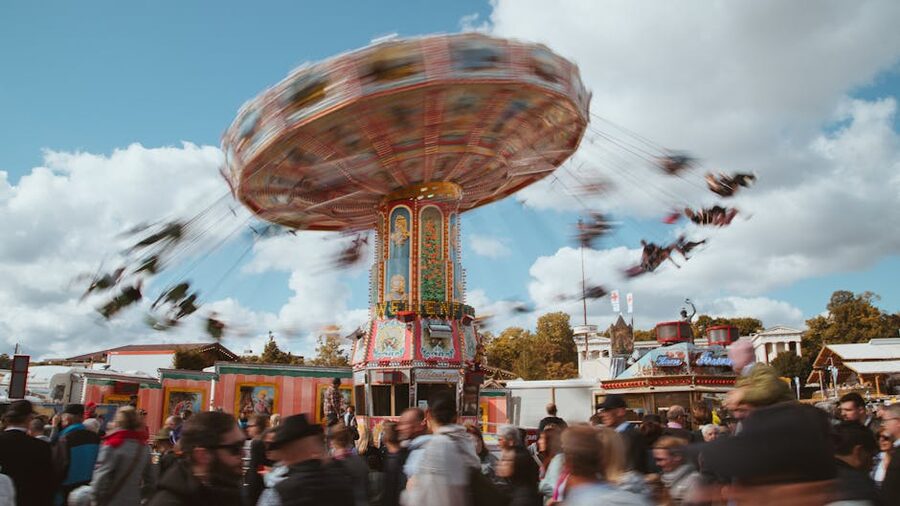
Oktoberfest runs for 16-18 days starting in late September — 6 million visitors, 14 massive beer tents, and about 7 million litres of beer consumed. Getting a seat in the big tents without a reservation is nearly impossible. The guided Oktoberfest tours ($151-199) bundle tent reservations, local knowledge, and English-speaking guides who know which tent matches your group’s energy.
Outside the festival season, Munich’s beer culture runs year-round. The classic Bike Tour with Beer Garden stop ($42) covers the city’s major breweries and their beer gardens in a 4-hour ride. The Beer and Bavarian Bites tour ($199) combines food and beer tastings in a small-group format that works even in deepest winter.
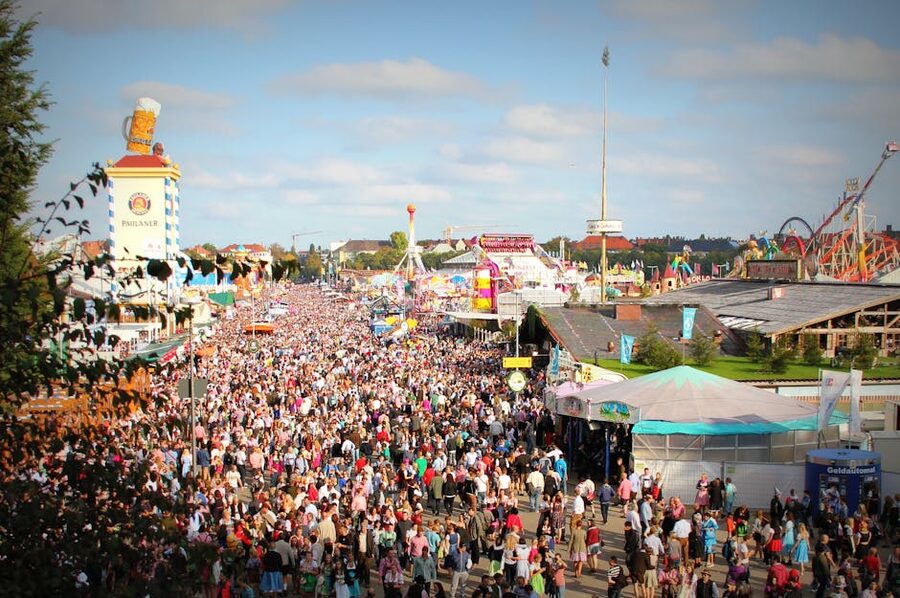
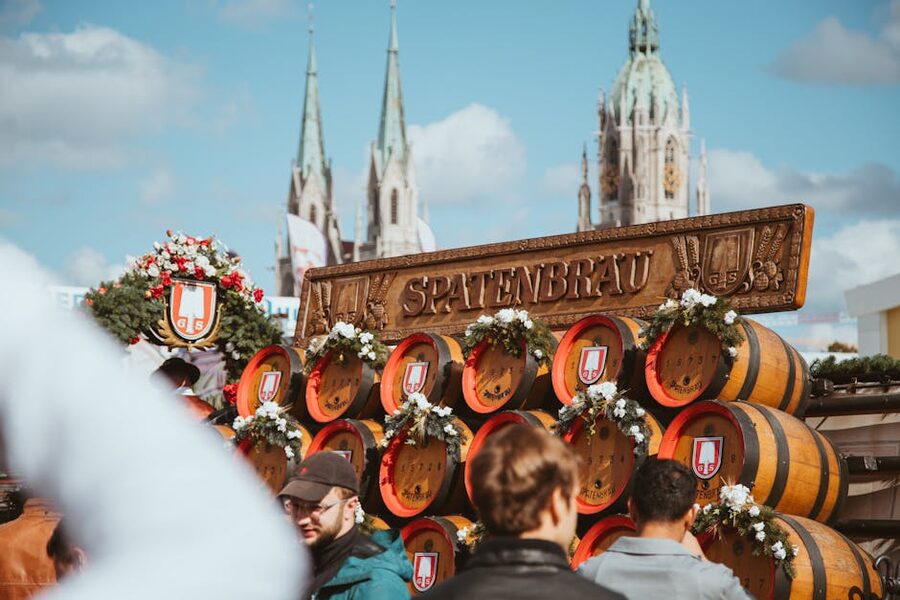
Oktoberfest with reservation: Oktoberfest Tour and Big Tent Visit — $151, guaranteed tent seating with local guide during the festival.
Food + beer small group: Beer and Bavarian Bites Tour — $199, 3-4 hours of tastings in a small-group format.
Official Oktoberfest: oktoberfest.de — dates, tent info, and reservation links.
- The Classic Munich Bike Tour with Beer Garden Stop
- The Oktoberfest Big Tent Tour
- Oktoberfest’s History
- Munich’s Year-Round Beer Culture
- The Beer and Bavarian Bites Tour
- Beer Garden Etiquette
- The Oktoberfest Tent Strategy
- Best Tours to Book
- 1. Classic Munich Bike Tour with Beer Garden Stop —
- 2. Oktoberfest Tour and Big Tent Visit — 1
- 3. Munich Beer and Bavarian Bites Tour — 9
- Practical Tips
- More Munich and Bavaria
The Classic Munich Bike Tour with Beer Garden Stop
The Classic Munich Bike Tour ($42, 4 hours) is the most-booked Munich tour on any platform. The route covers the old town, the English Garden (one of the largest urban parks in the world), the Residenz palace, the Marienplatz, and — the main event — a mandatory stop at a traditional Bavarian beer garden for a Maß (one-litre stein) of beer and whatever food you want to order.
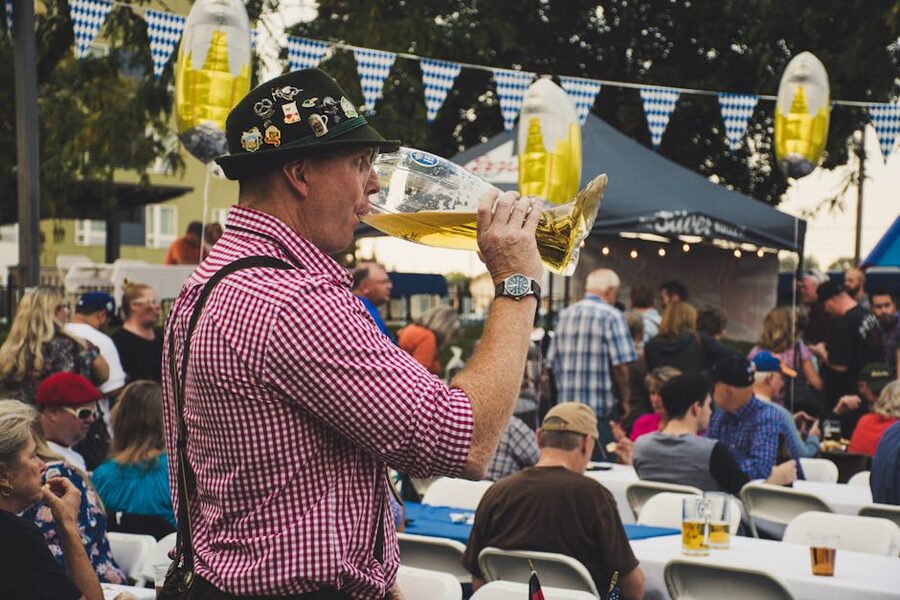
The beer garden the tour visits is almost always the Chinese Tower beer garden in the English Garden — 7,000 seats under chestnut trees, self-service Maß counters, and a band that plays oom-pah music from the tower. The stop lasts about 30-45 minutes, which is enough time to order food, drink a Maß, and have a conversation with your neighbours.
The Oktoberfest Big Tent Tour
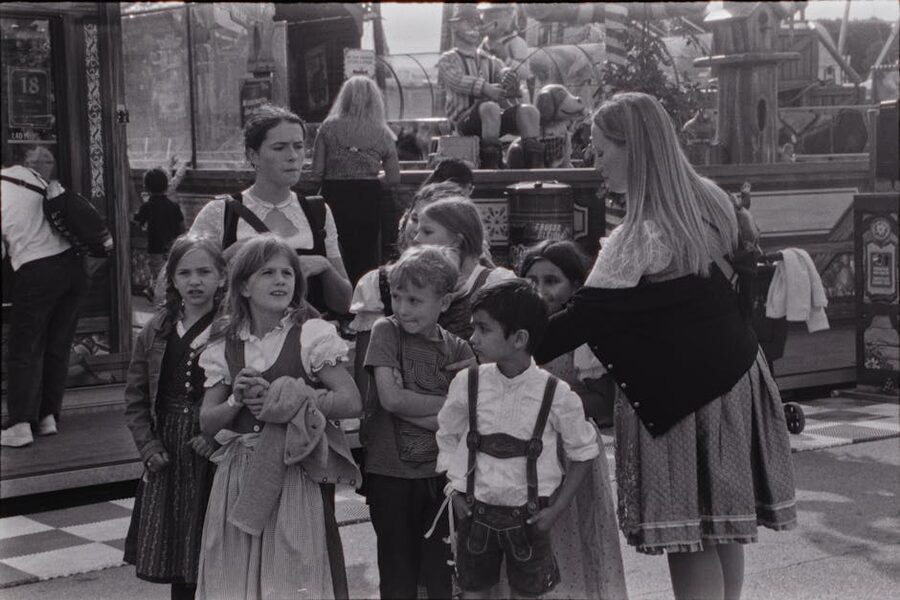
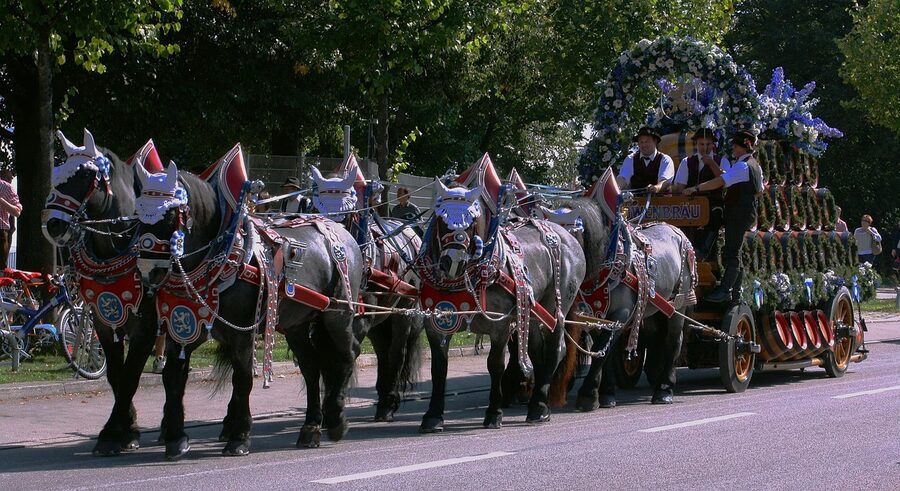
The Oktoberfest Tour with Big Tent Visit ($151, during Oktoberfest only) is the essential tour for visitors who want to experience the festival properly but lack tent reservations. The tour includes guaranteed seating in one of the big tents — usually for about 2 hours during the afternoon session — along with a Maß of beer, a half-chicken (Hendl), and a local guide who explains the festival’s history and traditions.
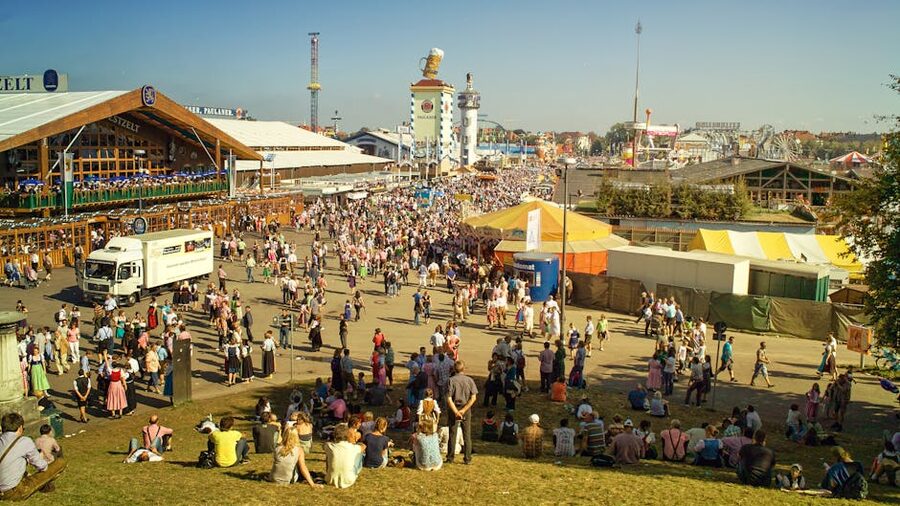
Without a reservation, getting into the big tents during peak hours (Thursday-Sunday, 11am-8pm) is nearly impossible. Tents reach capacity by mid-morning and security blocks further entries until people leave. The guided tours partner with tents to guarantee seating during their time slots — typically 2-3pm weekday afternoons when demand is lower but the atmosphere is still peak.
Oktoberfest’s History
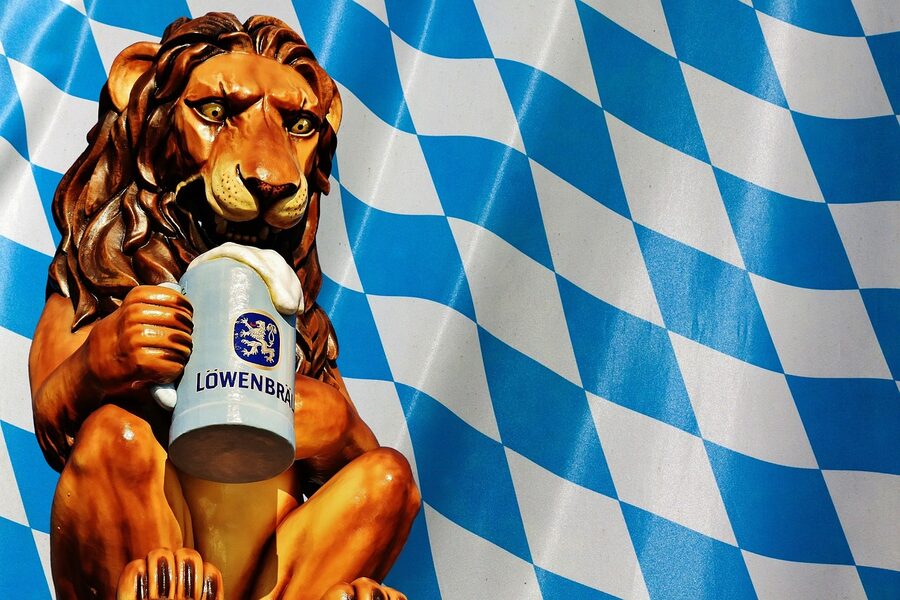
Oktoberfest started on October 12, 1810 — a public celebration of the marriage of Crown Prince Ludwig (later King Ludwig I) to Princess Therese of Saxe-Hildburghausen. The site where the festivities took place is still named after her: Theresienwiese (“Therese’s Meadow”). The horse race that concluded the original celebration has been repeated most years since, with gaps only for wars and pandemics.
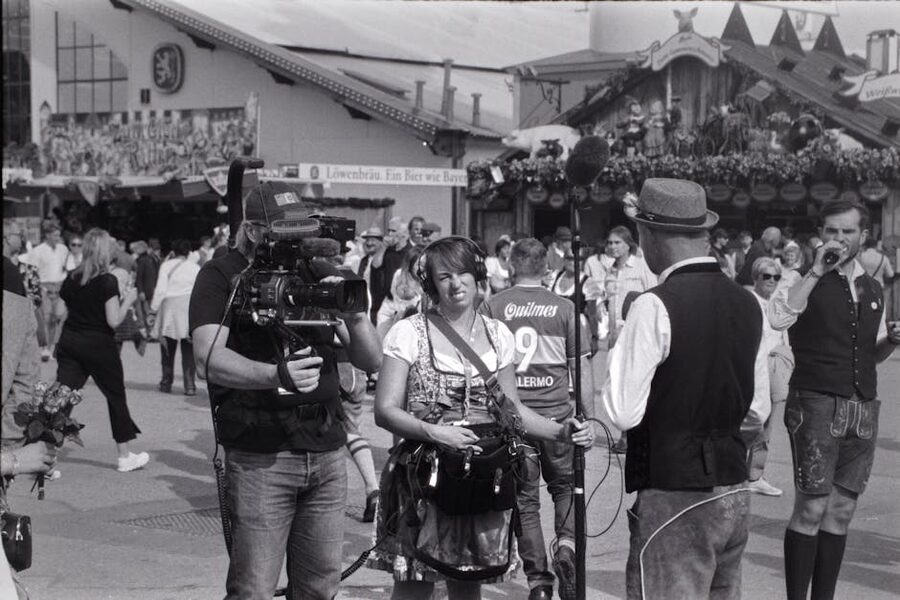
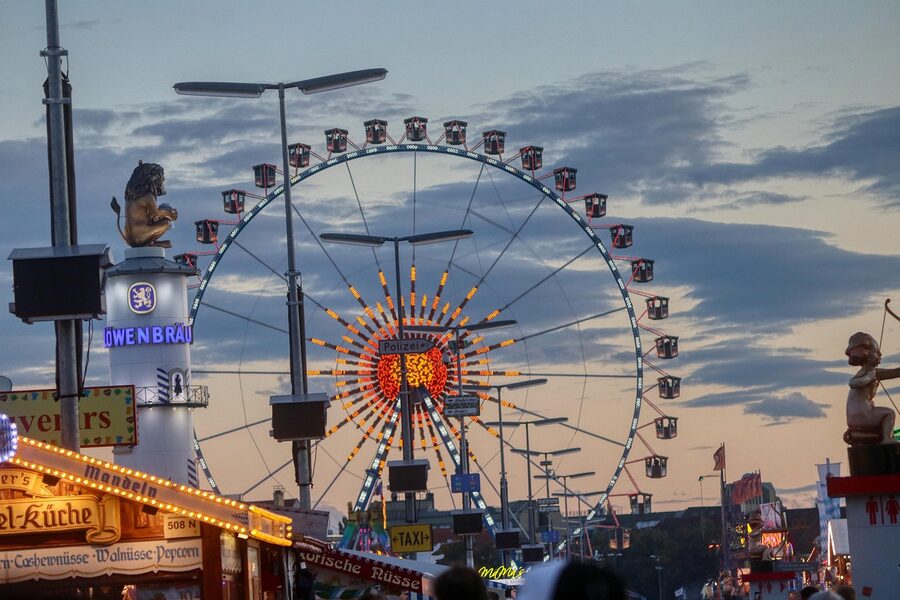
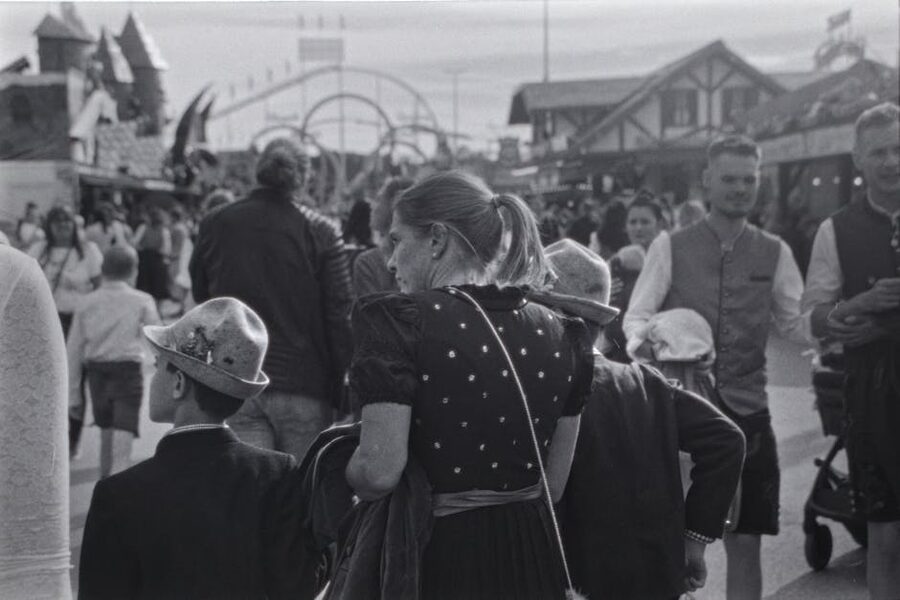
The festival expanded from a royal wedding celebration into a full-scale beer and carnival event over the 19th century. Breweries were invited to set up beer serving areas in 1818. Carnival rides appeared in the 1850s. By 1900, Oktoberfest had its modern shape: big tents, carnival midway, horse races, Bavarian food stalls, and half of Munich in traditional dress.
Munich’s Year-Round Beer Culture
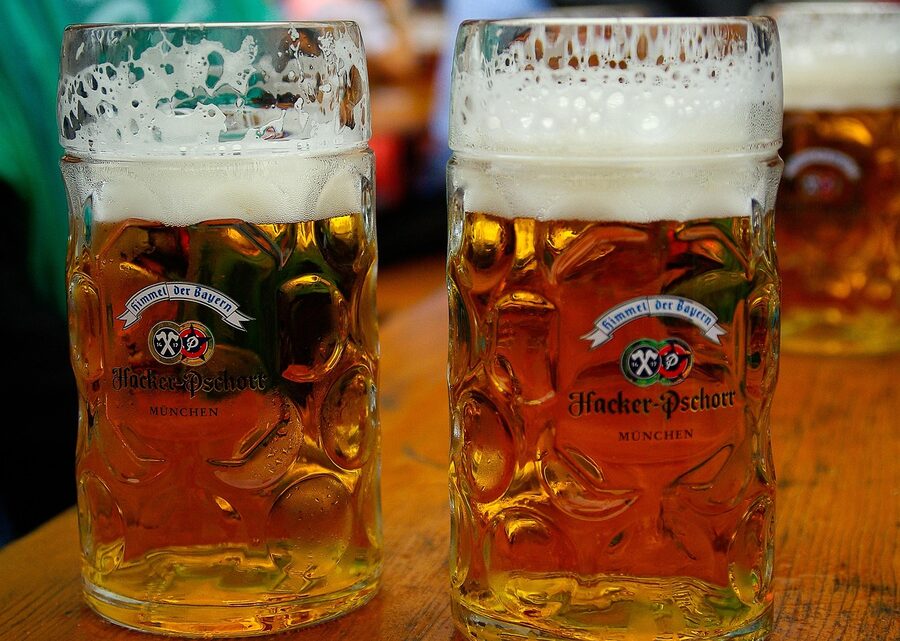
Oktoberfest is 16-18 days; Munich’s beer culture is 365 days a year. The city has six major breweries — Augustiner (founded 1328), Hacker-Pschorr (1417), Hofbräu (1589), Löwenbräu (1383), Paulaner (1634), and Spaten (1397) — plus dozens of smaller craft breweries. Each major brewery operates a flagship beer hall (Wirtshaus) in the city centre and a beer garden in the suburbs.
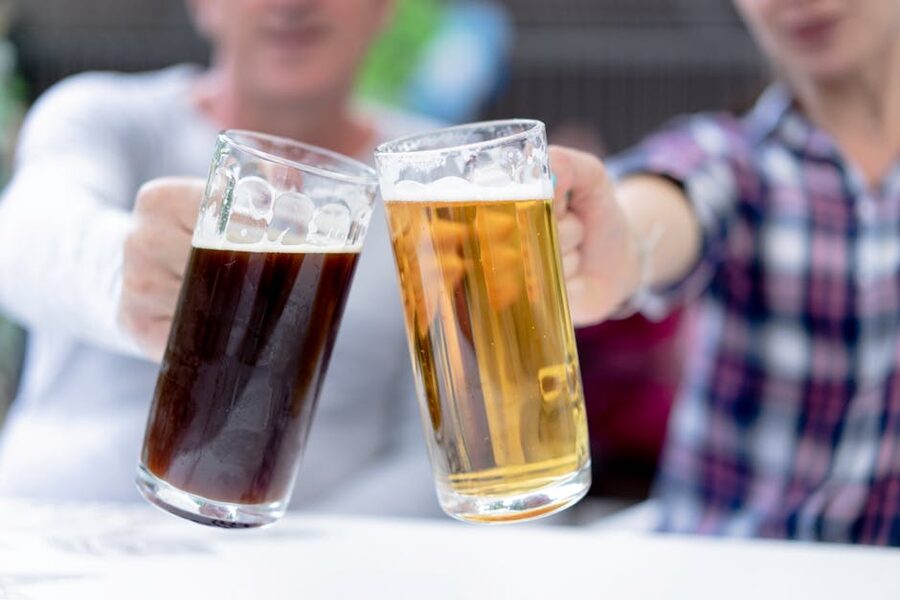
Augustiner is the locals’ favourite. The brewery’s flagship — Augustiner Keller on Arnulfstraße — serves beer directly from wooden barrels and is consistently less touristy than the Hofbräuhaus. Augustiner-Festhalle at Oktoberfest is equally the locals’ preferred tent: no reservation needed, no international crowd, just 6,000 Münchners drinking the same beer their grandparents drank.
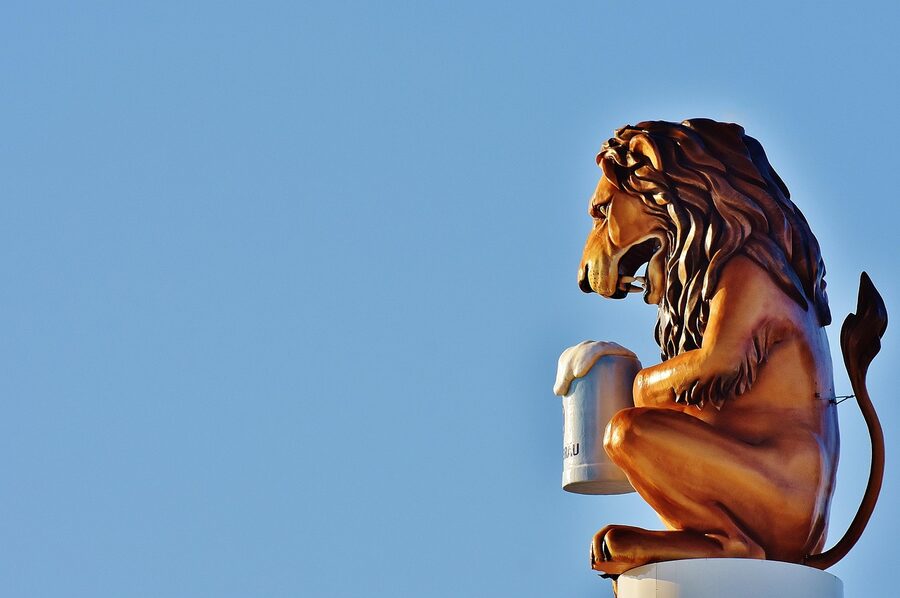
The Hofbräuhaus on Platzl is Munich’s most famous beer hall — founded as the Bavarian royal court brewery in 1589 and open to the public since 1828. It’s unavoidably touristy (Beatles-level fame attracts Beatles-level crowds), but the building is historically important and the beer is genuinely excellent. Hitler gave some of his earliest political speeches here, which the guides address directly rather than euphemistically.
The Beer and Bavarian Bites Tour
The Beer and Bavarian Bites Small-Group Tour ($199) combines beer tastings with Bavarian food in a 3-4 hour walking format. The tour visits 4-5 venues — traditional beer halls, a modern craft brewery, a sausage specialist, and a pretzel bakery — with beer and food tastings at each stop. The small group (max 8-10 people) format works better than the bike tour for food-focused visitors.
Bavarian food at the tastings typically includes: Weißwurst (white sausage with sweet mustard, traditionally eaten before noon), Brezn (large soft pretzels), Obatzda (cheese spread made from Camembert, butter, and paprika), Leberkäse (a meatloaf-like sausage served hot), and Schweinshaxe (crispy pork knuckle). The portions are substantial — come hungry.

Beer Garden Etiquette
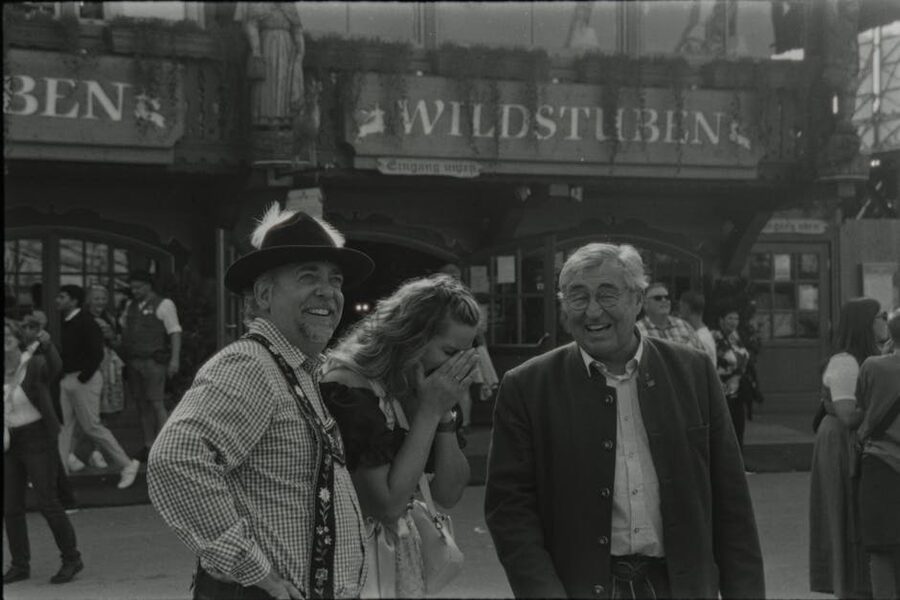
Munich’s beer gardens operate on principles that confuse first-time visitors. Most traditional gardens have two sections: a self-service area (under the trees) where you bring your own food, and a served section (under awnings) where you order from waiters. You can’t bring food into the served section. You can’t order food in the self-service section. Getting this wrong generates the only kind of public scolding Bavarians routinely engage in.
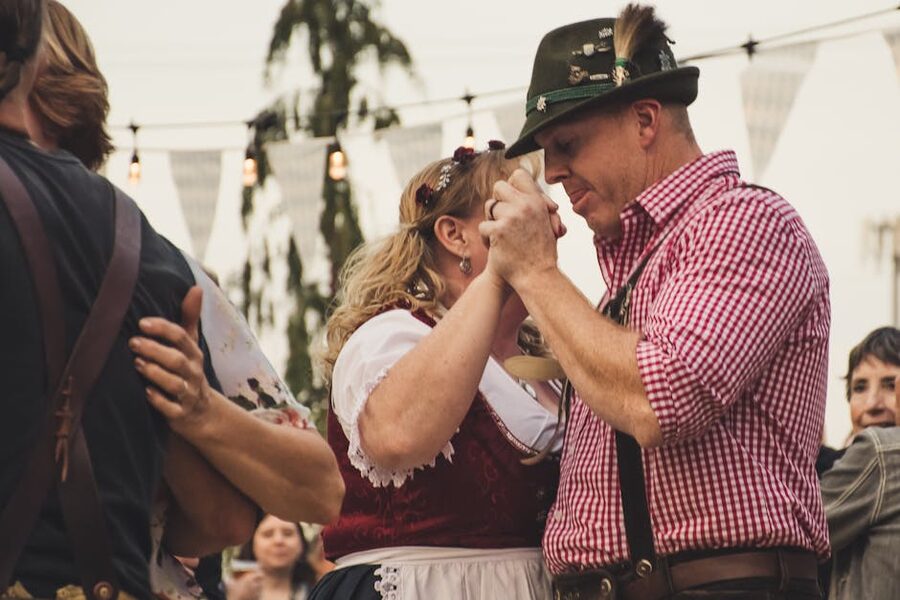
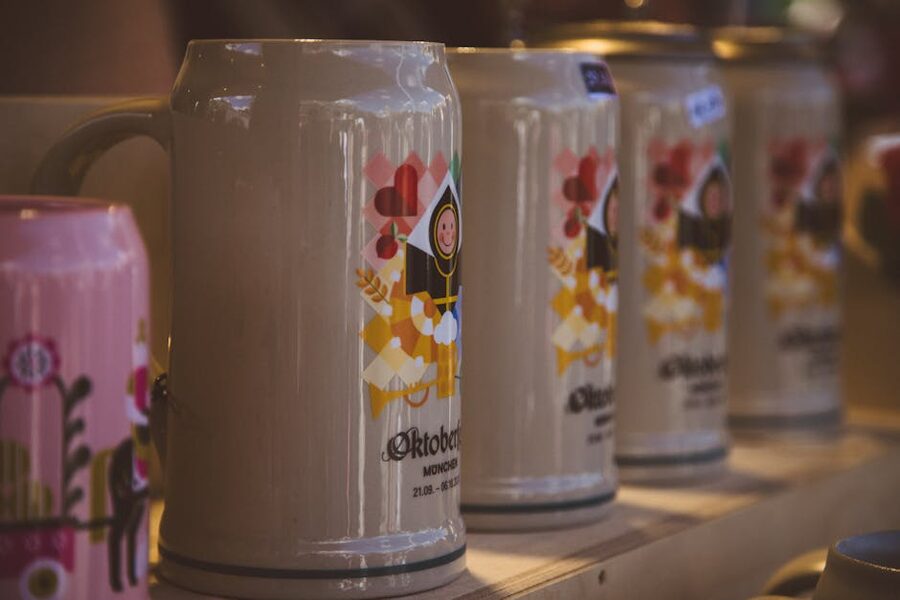
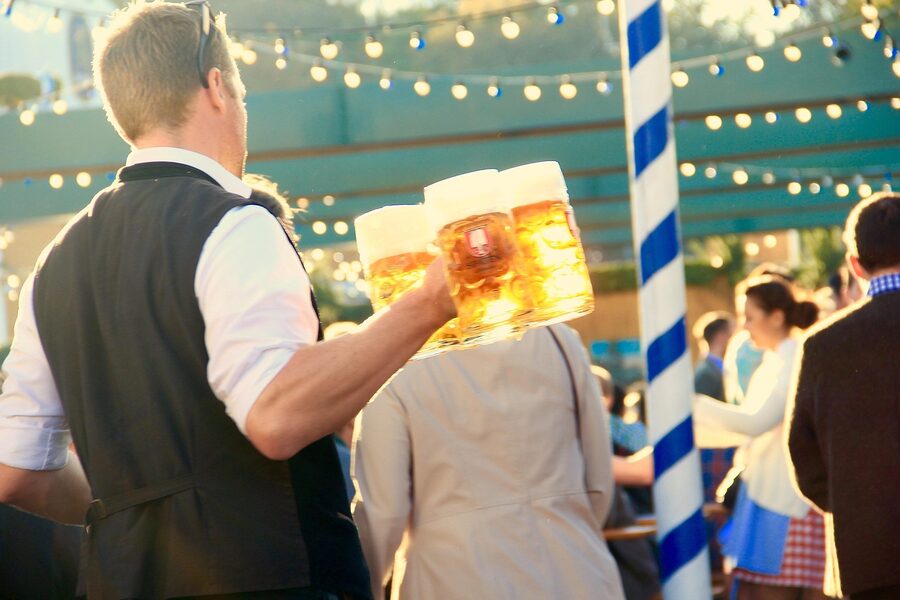
The Maß (one-litre stein) is the default order. Smaller sizes (Halbe = half-litre) exist but are considered slightly embarrassing to order for an adult male at a beer garden. The price varies — €11-15 at Oktoberfest, €9-11 at regular beer gardens, €4-6 at casual neighbourhood pubs.
The Oktoberfest Tent Strategy
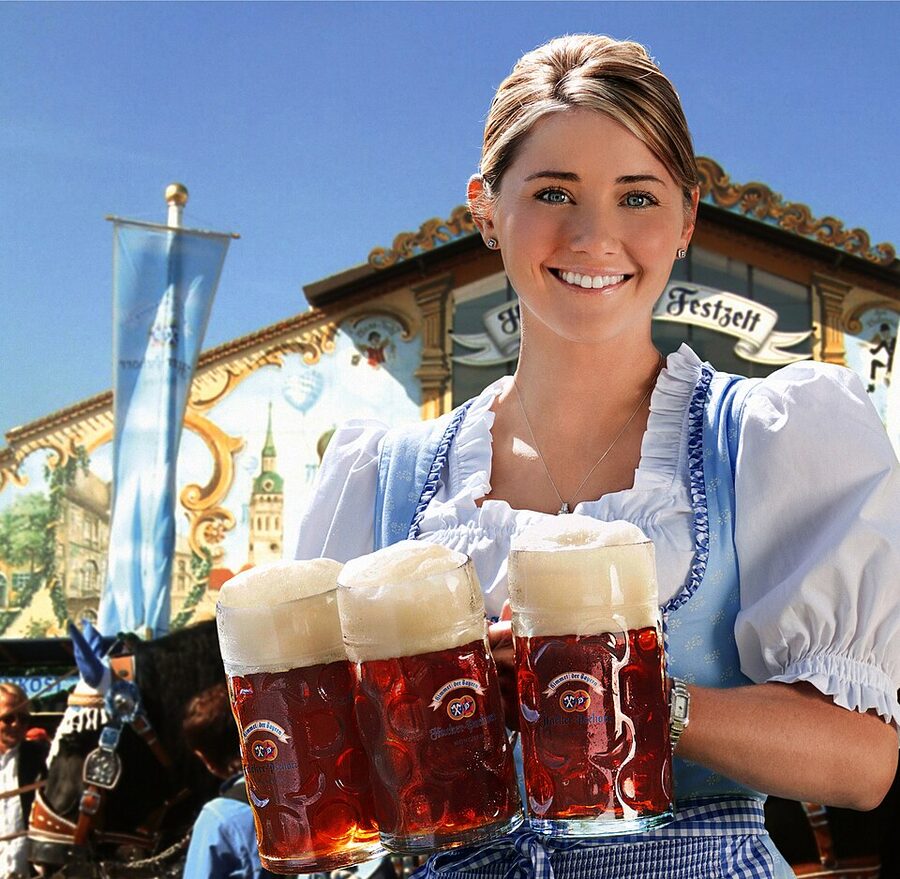
Getting into Oktoberfest tents requires strategy. The six options, in rough order of tourist-to-local ratio:
Most international: Hofbräu-Festzelt (every tourist’s first choice, consequently the most crowded), Paulaner (Löwenbräu-Festhalle alternative), and Hacker-Festzelt (home of the “Heaven of the Bavarians” ceiling painting).
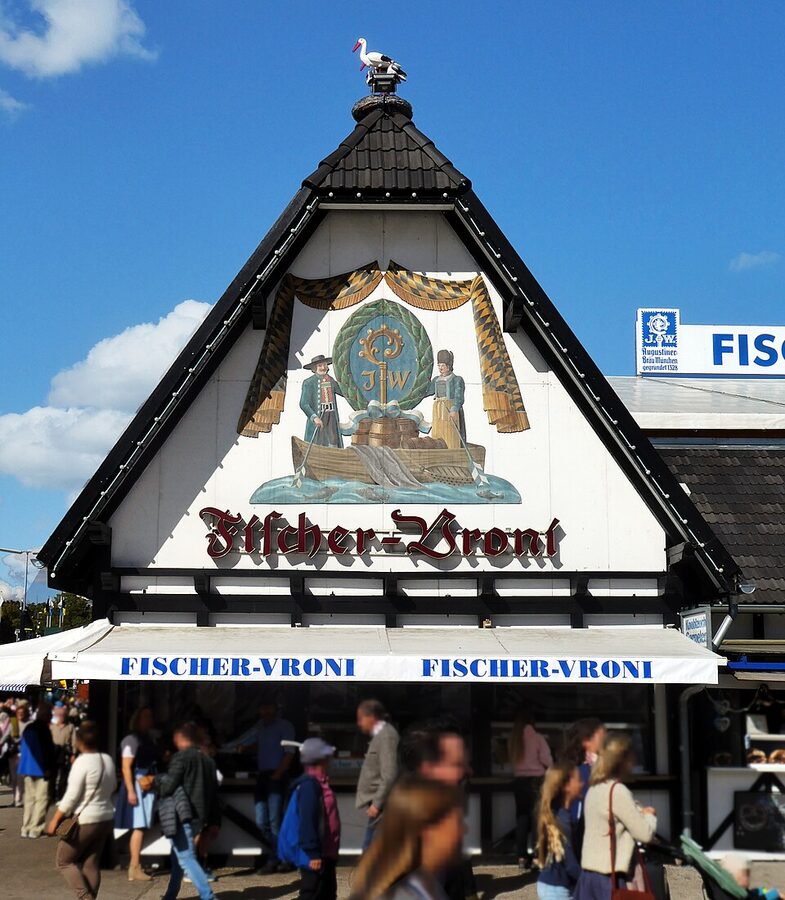
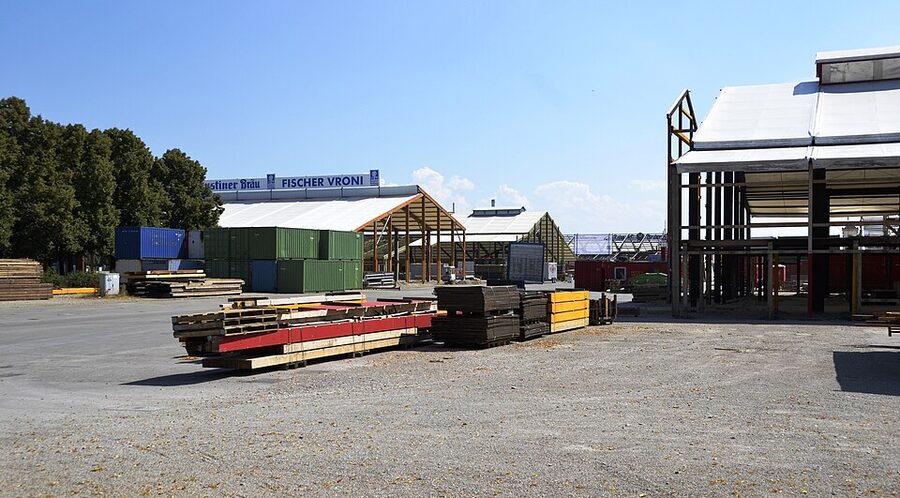
More local: Augustiner-Festhalle (beer from wooden barrels, Münchners’ favourite), Schottenhamel (where the mayor taps the first barrel to officially open the festival), and the smaller tents — Käferzelt (upmarket) and Fischer-Vroni (fish specialties).
Best Tours to Book
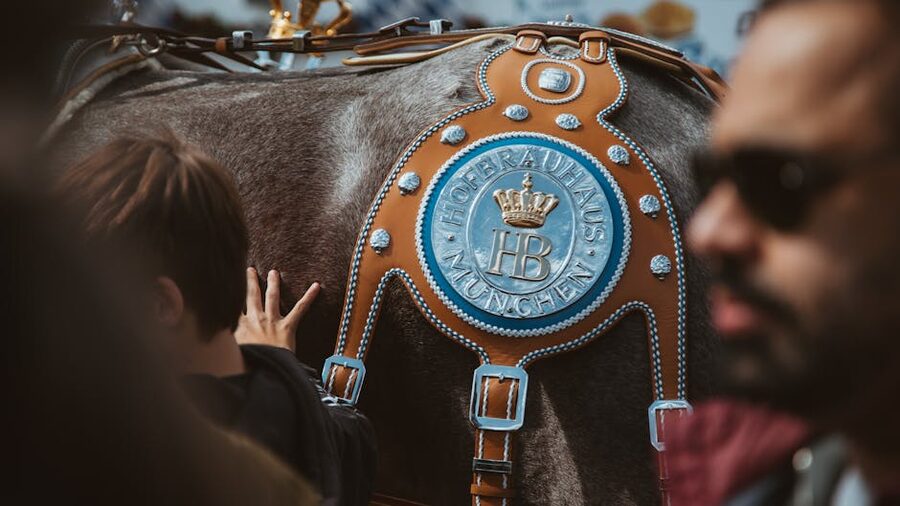
1. Classic Munich Bike Tour with Beer Garden Stop — $42

The essential Munich tour. Four hours by bike covering Marienplatz, the Residenz, the English Garden, and a mandatory beer garden stop at the Chinese Tower. Bikes are provided, the pace is gentle, and the beer garden stop lasts long enough for a Maß and food. At $42 including the bike, it’s the best-value guided experience in Munich. Our review covers the route, the bike quality, and which beer garden the tour typically uses.
2. Oktoberfest Tour and Big Tent Visit — $151
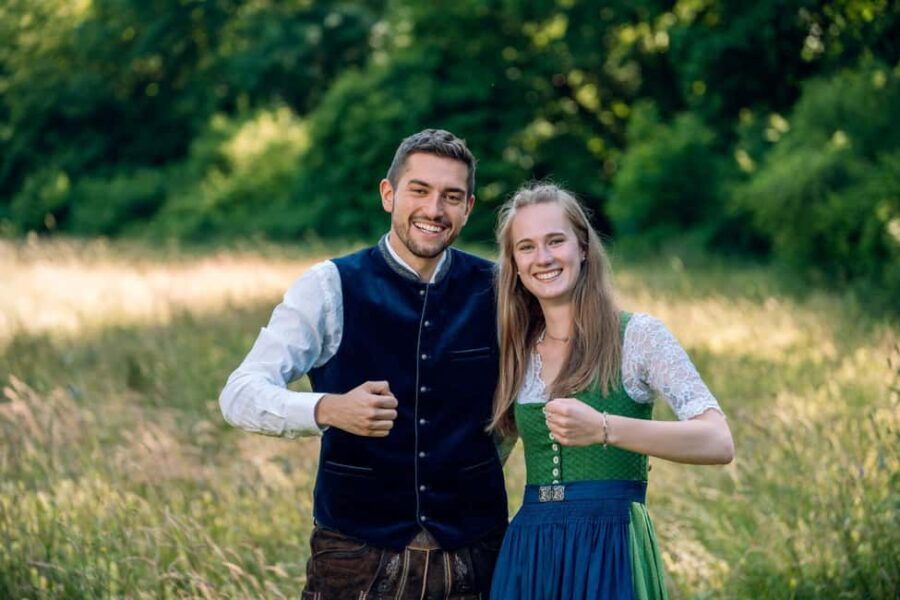
The tour that solves Oktoberfest’s biggest problem — getting into a tent during peak hours. The guide takes you through the festival grounds explaining the history and traditions, then into a reserved section of a big tent for 2-3 hours of the festival experience at its best. At $151 including tent seating, one Maß, and a half-chicken, it’s expensive but delivers an Oktoberfest experience that self-guided visits can’t reliably match. Our review explains which tent the tour typically uses and whether the premium is worth it.
3. Munich Beer and Bavarian Bites Tour — $199
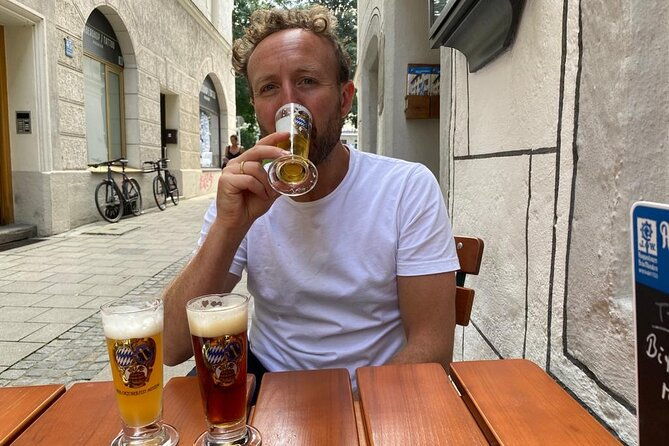
The food-and-beer tour that runs year-round, including during Oktoberfest if you want the beer culture without the festival crowds. Three to four hours visiting traditional beer halls, a modern craft brewery, and specialist food vendors for Weißwurst, pretzels, and Bavarian cheese spreads. Small group means conversations with the guide are possible. At $199, it’s the most expensive tour here but the most comprehensive beer-and-food introduction. Our review covers the venues visited and the food included.
Practical Tips
Oktoberfest dates: Annually from mid-September to the first weekend of October. Check oktoberfest.de for exact dates. The tents are open daily but peak crowds are Friday-Sunday.
Tent reservations: Free but book-out 6-12 months in advance. Each tent has its own reservation system (check the brewery websites). If you’re visiting without reservations, the guided tours are the practical solution.
When to visit: Weekday afternoons (Monday-Thursday, 12-4pm) are the least crowded. The first weekend is the busiest. Children are welcome until 8pm; after 8pm the festival is adults-only.
Transport: U-Bahn U4 or U5 to Theresienwiese stops you directly at the festival. Walking from central Munich takes about 20-30 minutes. Don’t drive — the surrounding streets are closed to private cars during the festival.
Budget: Bike tour: $42 (year-round). Oktoberfest big tent tour: $151 (festival only). Beer & Bites tour: $199 (year-round). Maß of beer at Oktoberfest: €14-16. Half-chicken: €14-16. Weißwurst: €5-8. A festival day without a guided tour: about €80-120.
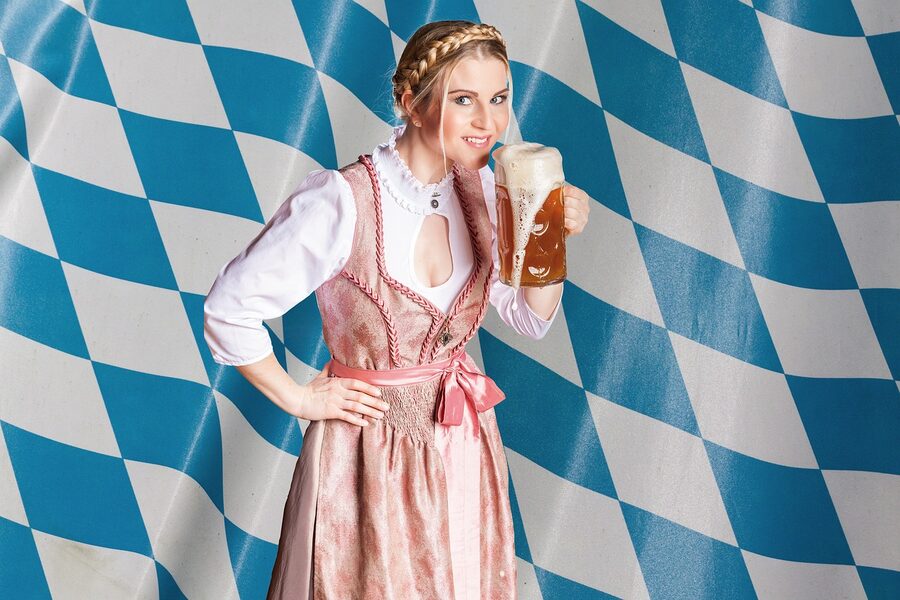
Traditional dress: Dirndls and Lederhosen can be rented or bought in Munich. Expect to pay €50-150 for a basic set, €200+ for quality pieces. Several shops around Marienplatz specialise in Tracht (traditional clothing).
More Munich and Bavaria
The Oktoberfest and beer tours pair naturally with Munich’s other experiences. The Munich city tours cover the broader city including the Marienplatz and the Residenz. The Neuschwanstein Castle day trip from Munich gives you the fairytale Bavaria to balance the beer-culture Bavaria. The Rothenburg and Romantic Road day trip adds medieval Germany, and the Berchtesgaden and Eagle’s Nest day trip covers the Alpine landscape and WWII history.
For visitors combining Munich with other southern Germany cities, the Salzburg day trip and the Dachau memorial tour are the other essential Munich-based experiences.