
The Viktualienmarkt is Munich’s open-air food market — 140 stalls operating in the same central location since 1807, selling fish, cheese, vegetables, sausages, baked goods, and Bavarian specialties. The 2-hour Viktualienmarkt Gourmet Food Tour ($50) takes you through it with a local guide who explains what to buy, where to eat, and which stalls have been there for generations.
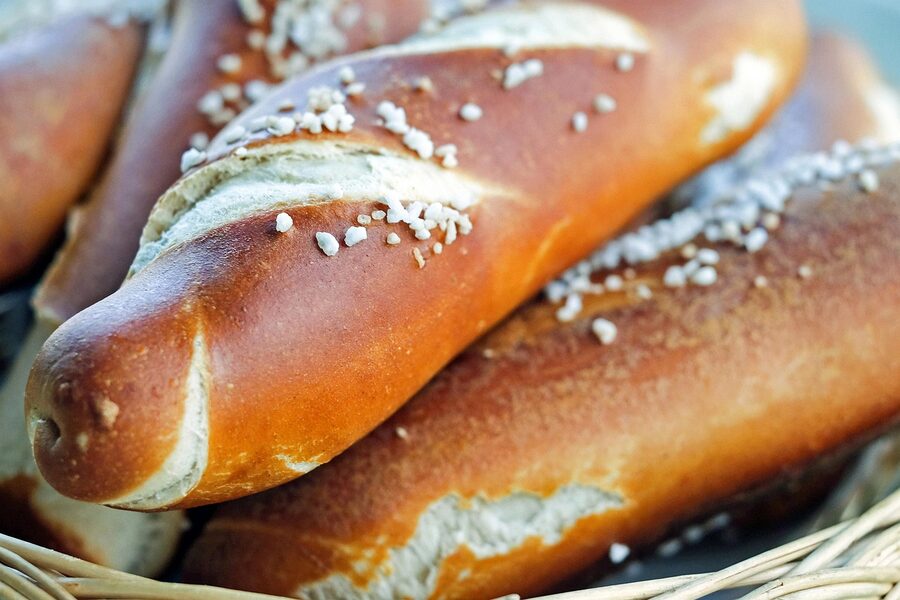
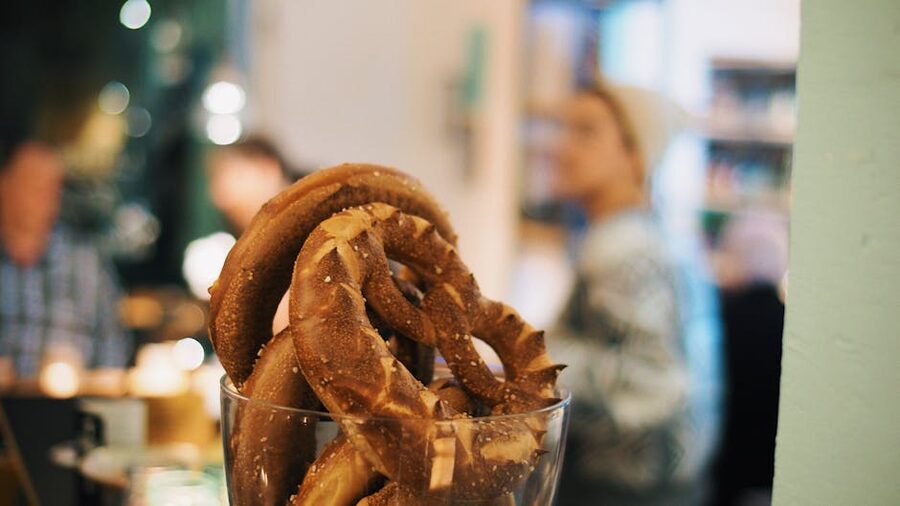
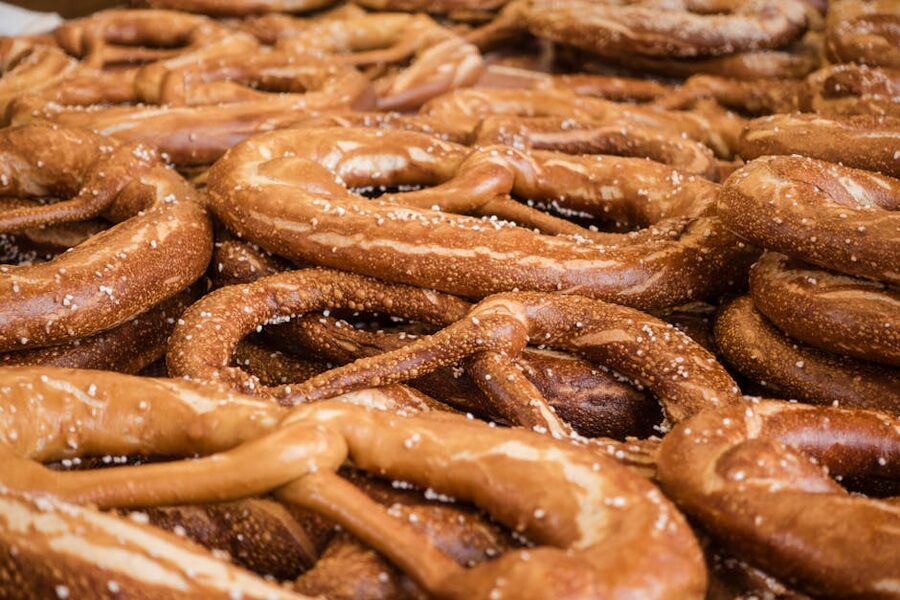
Munich’s food scene rewards guided introduction because the rules are unfamiliar. Weißwurst is only eaten before noon. Pretzels are torn, never cut. Beer gardens have specific etiquette about food (you can bring your own to the self-service section, but never to the served section). The food tours teach the customs alongside the cuisine — and you taste enough Bavarian specialties to fill a meal in the process.
Beer + food combo: Beer and Food Tour with Dinner — $84, evening tour combining food, beer, and the Oktoberfest Museum.
Local favorite: Lunch Like a Local Viktualienmarkt — $163, deeper-dive market tour with multiple tastings.
Official market info: muenchen.de Viktualienmarkt — opening hours and stall directory.
- The Viktualienmarkt
- What You’ll Taste on the Tour
- The Beer and Food Tour
- Bavarian Food Specialties
- Munich’s Coffee and Pastry Tradition
- Markets and Festivals
- Best Tours to Book
- 1. Viktualienmarkt Gourmet Food Tour —
- 2. Beer and Food Tour with Dinner —
- 3. Lunch Like a Local Viktualienmarkt — 3
- Practical Tips
- Other Munich Food Experiences
- More Munich Tours
The Viktualienmarkt
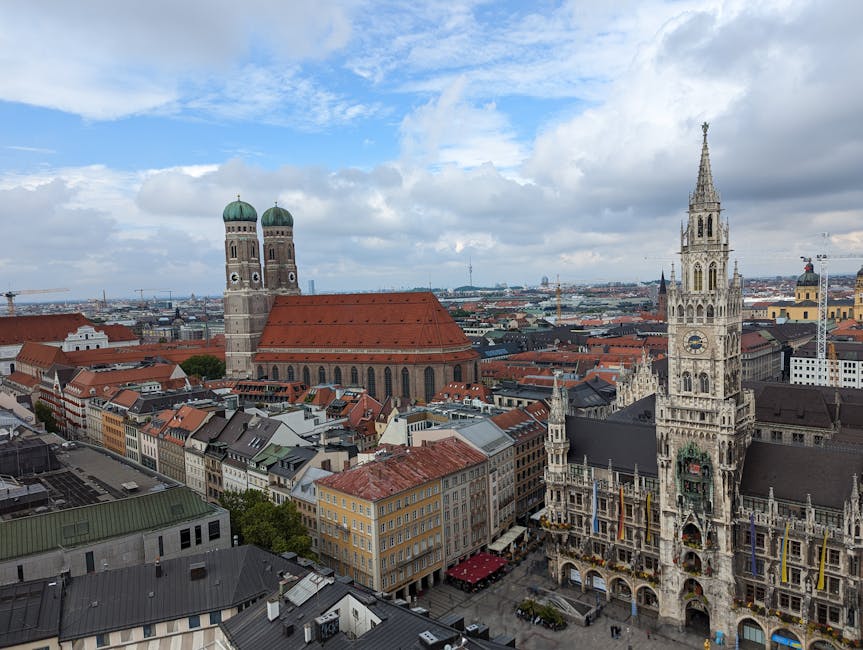
The Viktualienmarkt sits in the heart of Munich’s old town, between Marienplatz and the Isar river. The market has been at this location since 1807 — moved here from Marienplatz when that square got too crowded for daily food trade. It’s been a working food market continuously for over 200 years, and it remains primarily a market for locals with tourist visits as a secondary function.
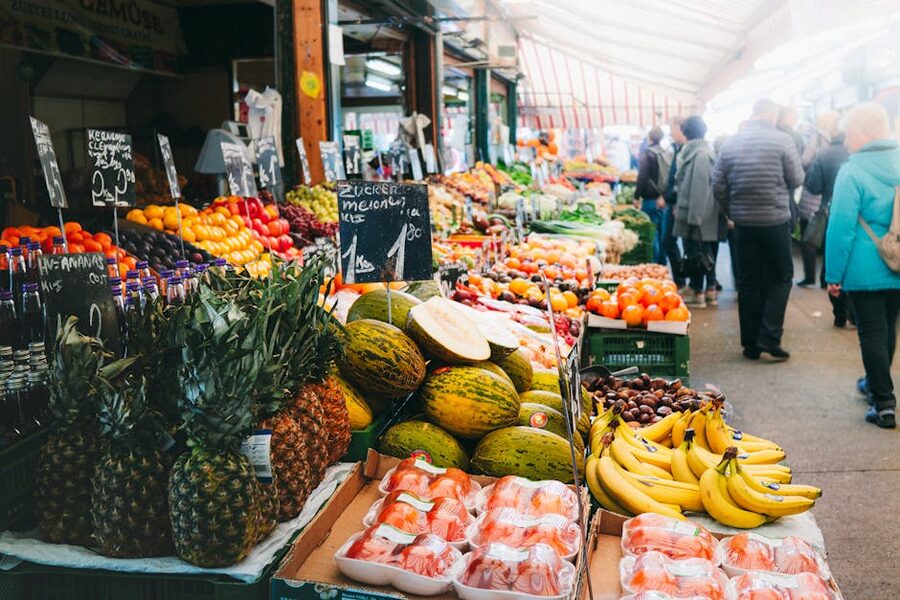
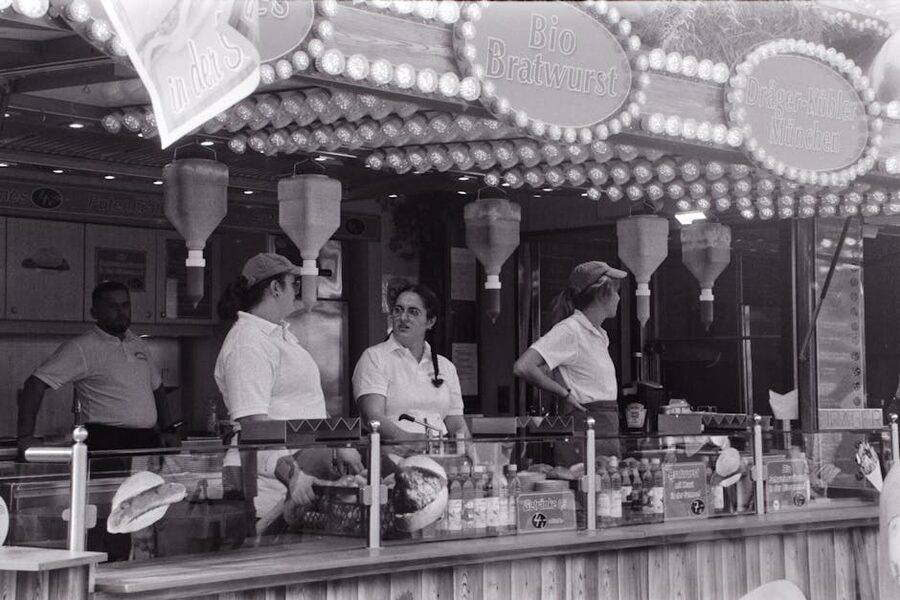
The 140 stalls are organized loosely by product type — fishmongers in one area, cheese in another, Bavarian sausages and meats in a third. The central beer garden (Maibaum beer garden) sells Maß steins and serves as the market’s social centre. The food tours typically end here, with a Maß and a chance to discuss what you’ve tasted.
What You’ll Taste on the Tour
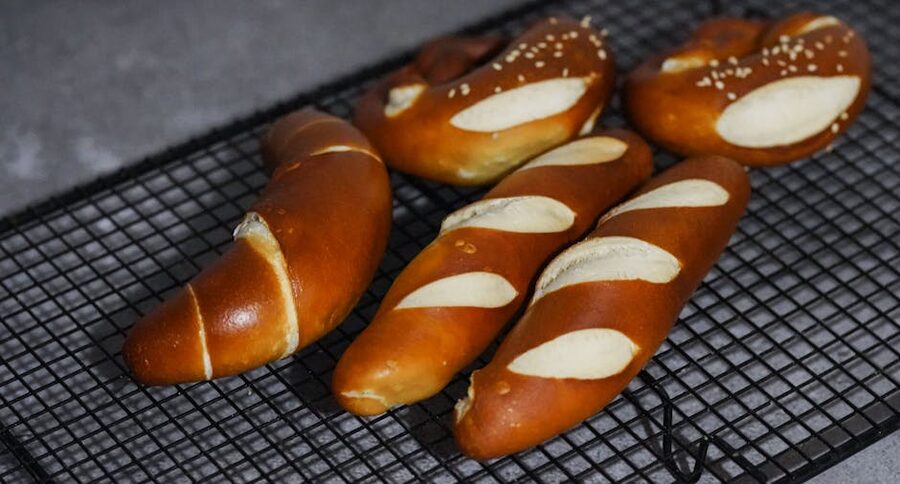
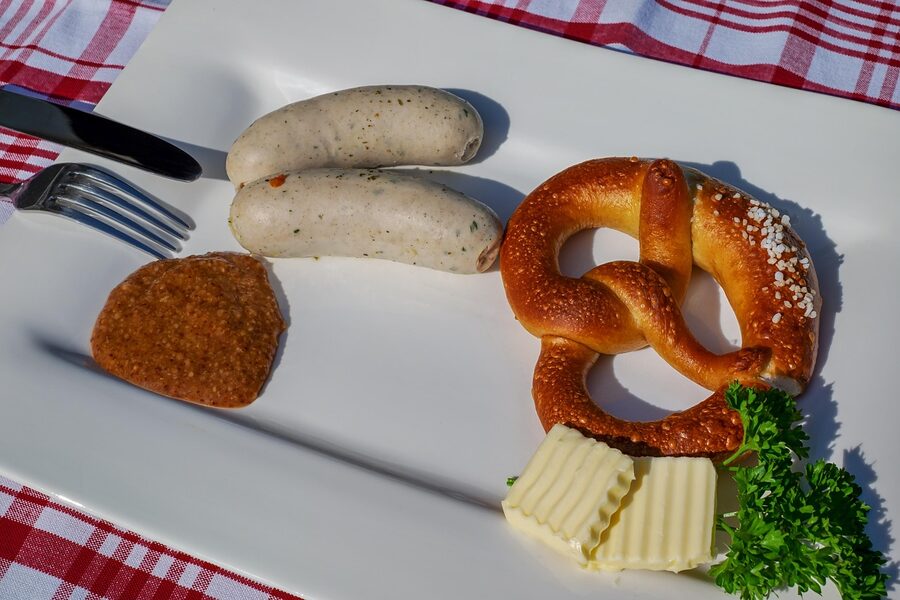
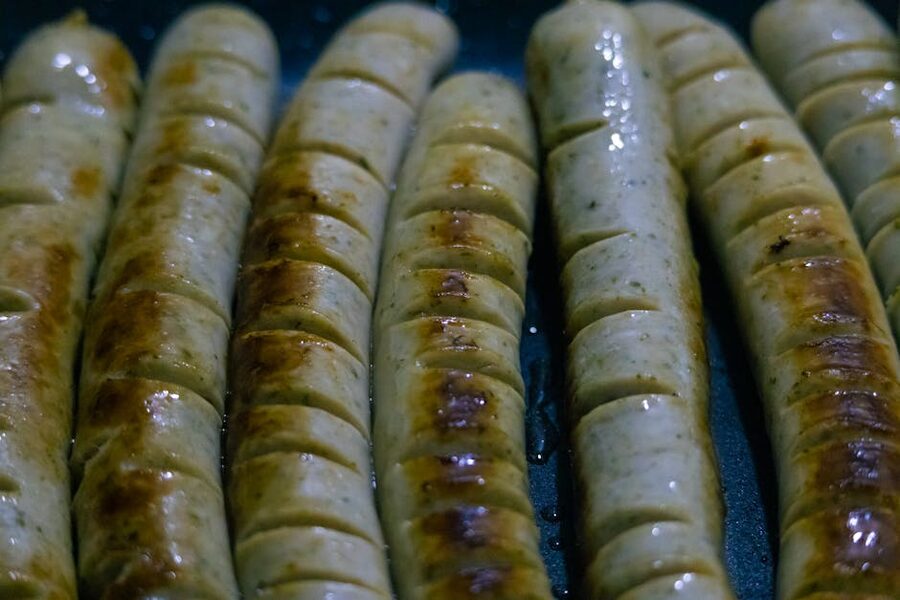
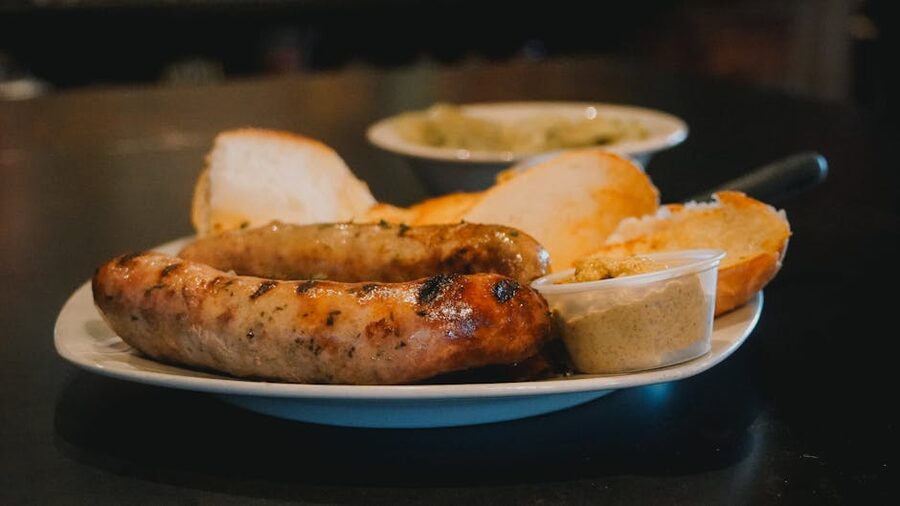
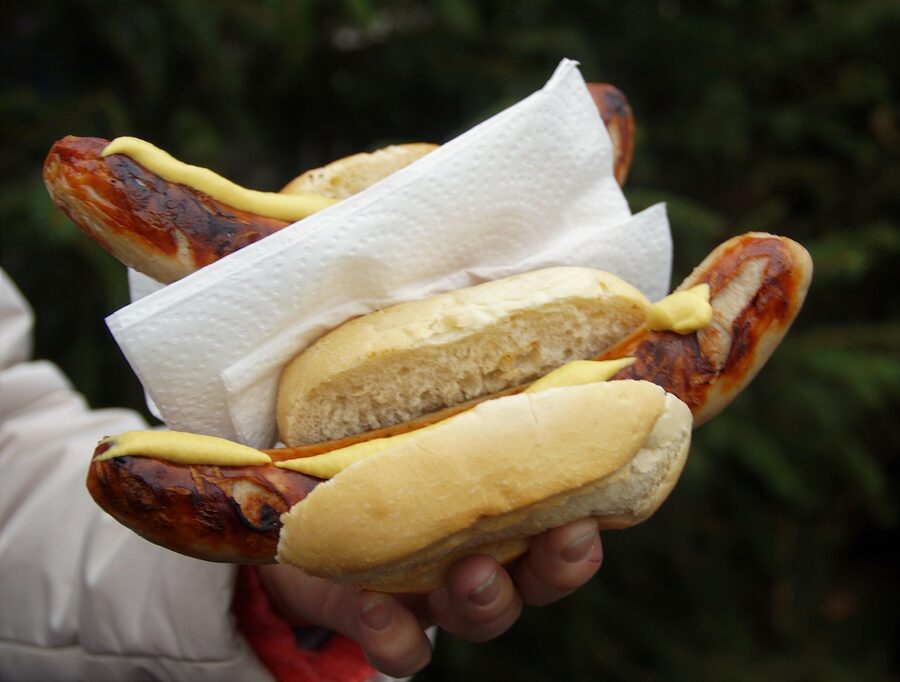
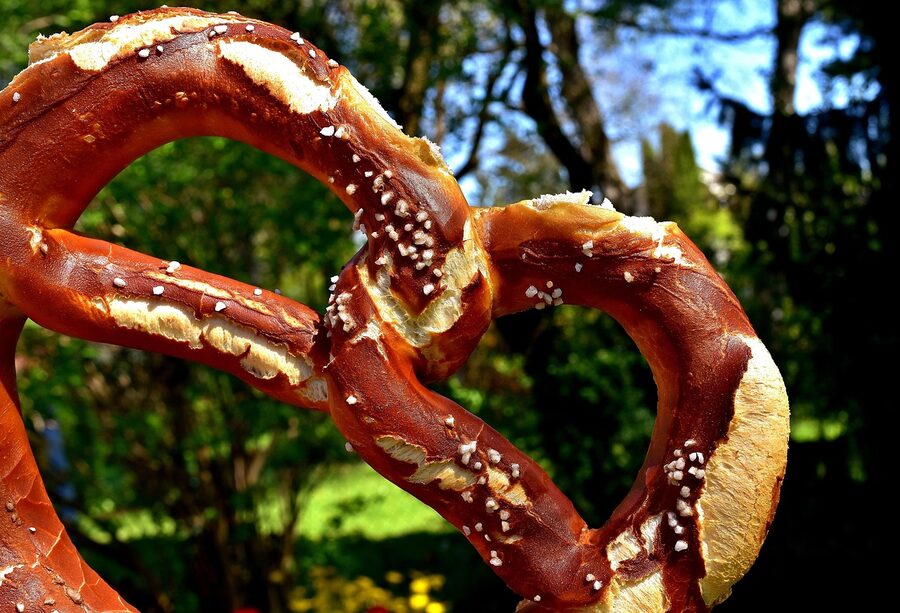
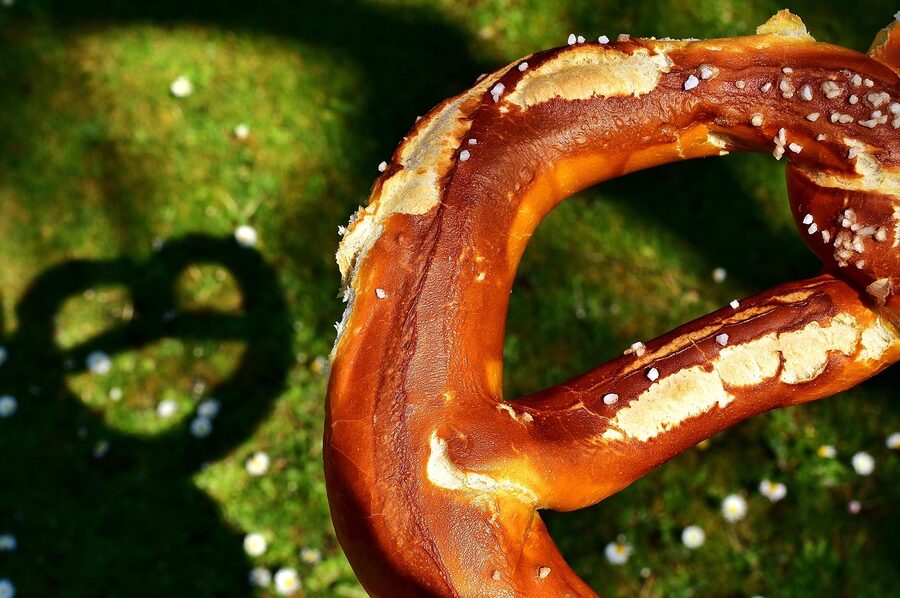
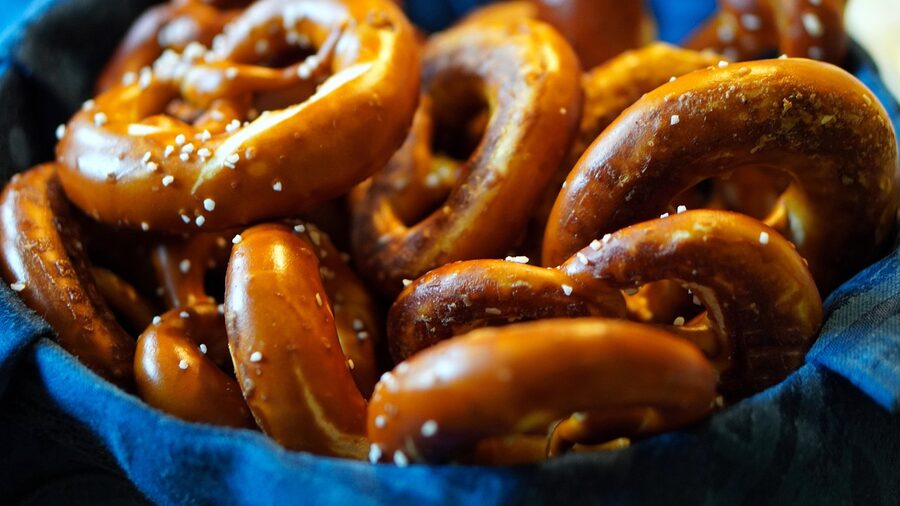
The Gourmet Food Tour ($50, 2 hours) includes about 8-10 tastings spread across different stalls. The exact menu varies by season and the guide’s preferences, but typical inclusions are Weißwurst with sweet mustard, fresh pretzels, Obatzda (Bavarian cheese spread with paprika and onions), Leberkäs (a Bavarian meatloaf-style dish served hot), Bavarian beer, regional cheese, and a sweet finish (gingerbread or strudel).
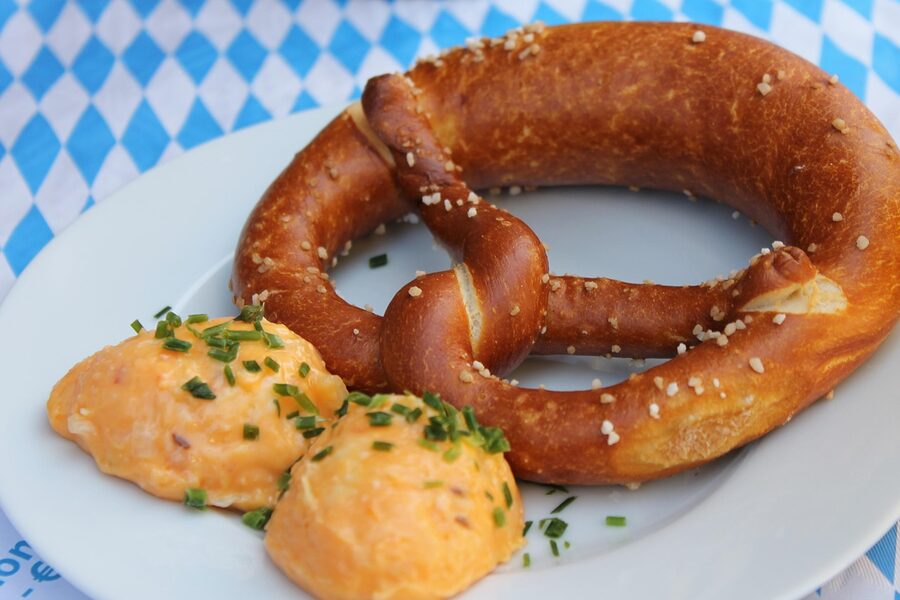
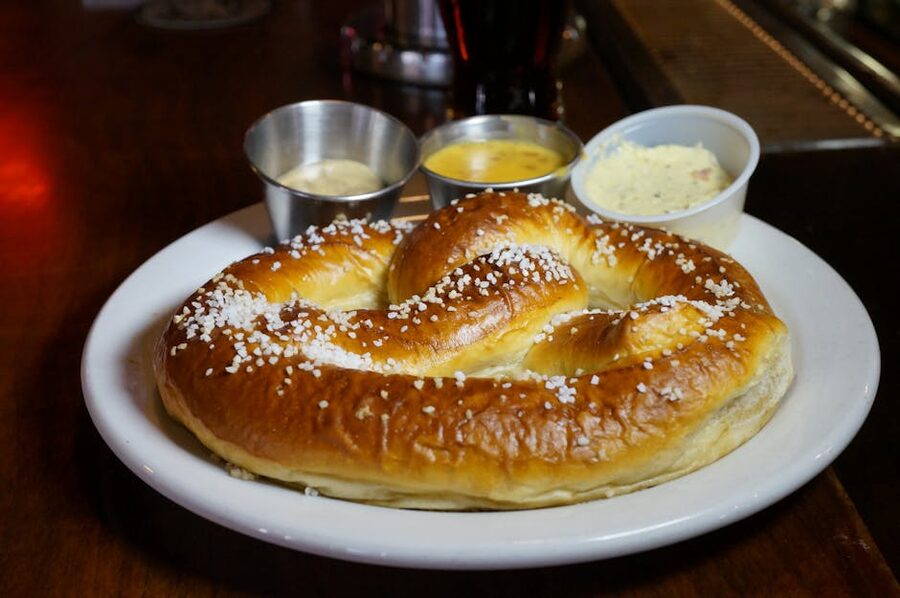
Obatzda deserves specific mention — it’s a cheese spread made from Camembert, butter, and paprika, served with pretzels and bread. It originated as a way to use up overripe Camembert and has become one of Bavaria’s defining foods. The tour stops at a stall that makes its own Obatzda fresh daily, and the difference between fresh and supermarket versions is substantial.
The Beer and Food Tour
The Beer and Food Tour ($84, 3-4 hours) is the evening alternative — combining the Viktualienmarkt or another central neighbourhood with stops at traditional Brauhäuser (brewery pubs) for Bavarian dinner and beer. The tour usually visits 2-3 venues, includes a multi-course Bavarian dinner with beer pairings, and finishes at the Oktoberfest Museum (which doesn’t only run during the festival).
The Oktoberfest Museum — a small museum in a 14th-century building near the Viktualienmarkt — covers the festival’s 200+ year history with exhibits on the original beer tents, traditional costumes, and the cultural significance of Oktoberfest beyond the international tourist version. The museum is open year-round and the tour includes admission.
Bavarian Food Specialties
Bavarian cuisine is heavier than the German stereotype suggests — heavy on meat, dairy, and grain, with relatively few vegetables in traditional dishes. The cuisine evolved as practical food for an agricultural region with cold winters, and it remains genuinely satisfying regardless of season.
Schweinshaxe (roasted pork knuckle) is the Bavarian beer hall classic — a portion of pork leg slow-roasted until the skin becomes crackling and the meat falls off the bone. Served with potato dumplings and red cabbage, it’s a meal substantial enough for two normal appetites. The food tours don’t usually include Schweinshaxe (too large for a tasting), but the guides recommend the best Brauhäuser to order it.
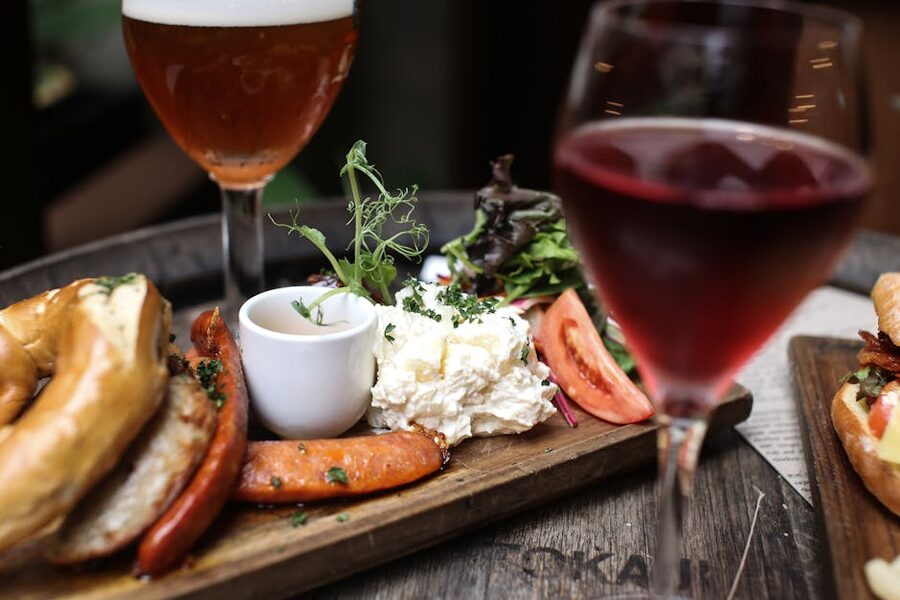
Knödel (dumplings) come in two main types: Semmelknödel (bread dumplings) and Kartoffelknödel (potato dumplings). They serve as the carbohydrate side dish for most Bavarian main courses, replacing the rice or pasta found in other German regional cuisines. Both types absorb gravy effectively, which is the point.
Munich’s Coffee and Pastry Tradition
Bavaria shares much of its coffee and pastry tradition with Austria — strong dark coffee, elaborate cake culture, and Konditoreien (pastry shops) that have changed little since the 19th century. The food tours sometimes include a coffee shop stop, particularly the Café Tambosi (Munich’s oldest coffeehouse, established 1775) or the Schwabing district’s traditional Konditoreien.
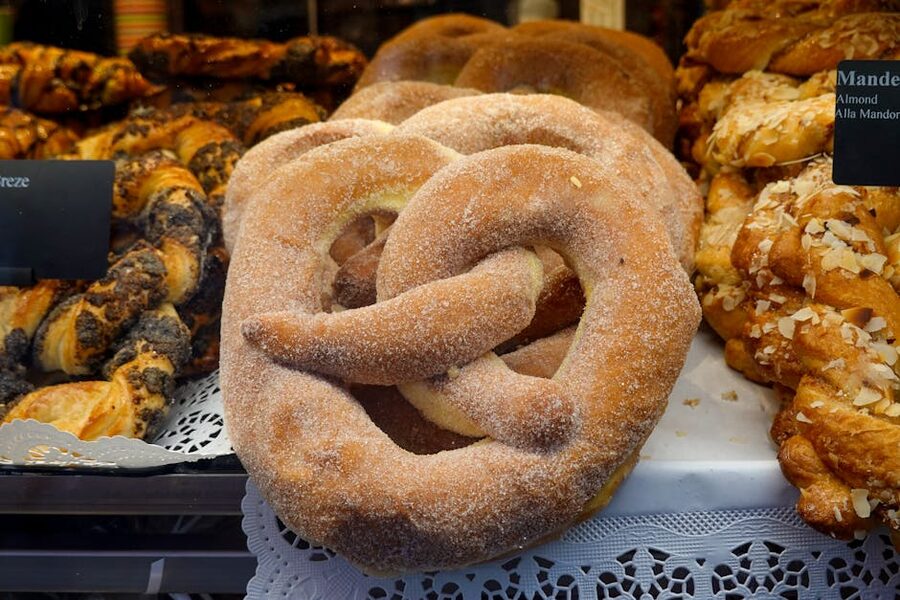
Apfelstrudel (apple strudel) is the dessert that crosses Bavaria-Austria borders — paper-thin pastry wrapped around spiced apple filling, typically served warm with vanilla sauce or whipped cream. The food tours that include sweet stops usually finish with strudel, and the difference between fresh and pre-made strudel is significant.
Markets and Festivals
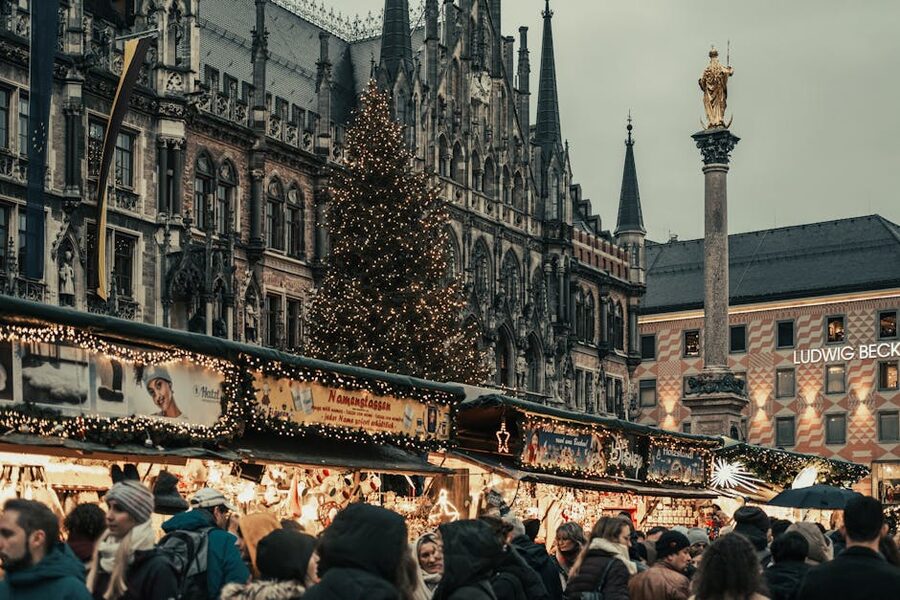
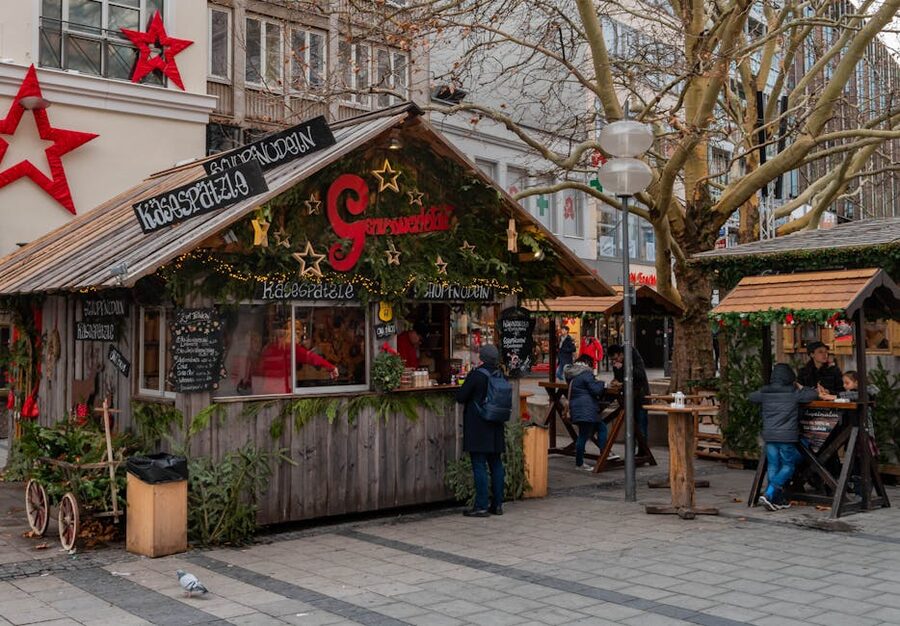
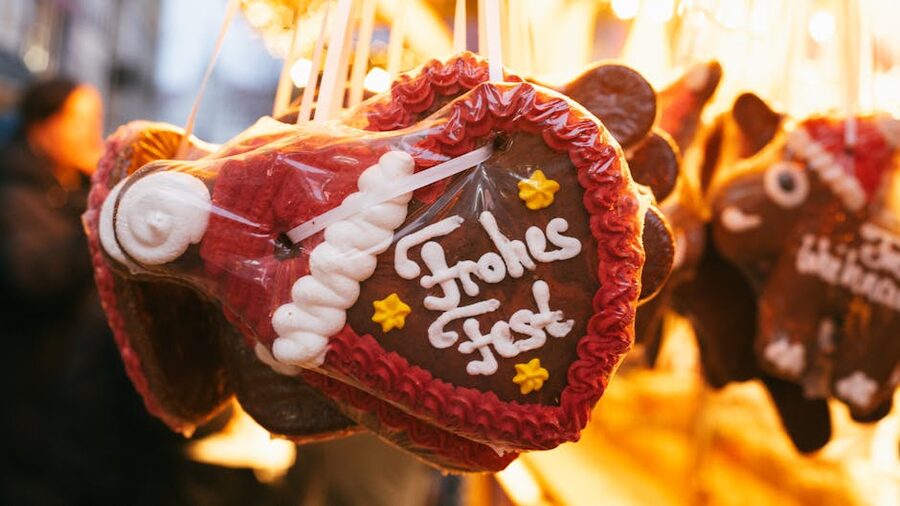
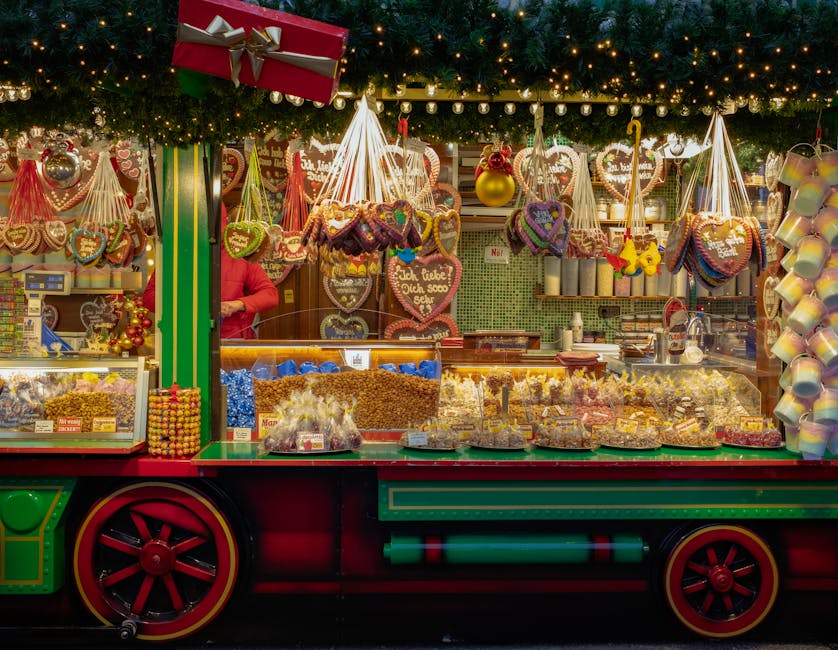
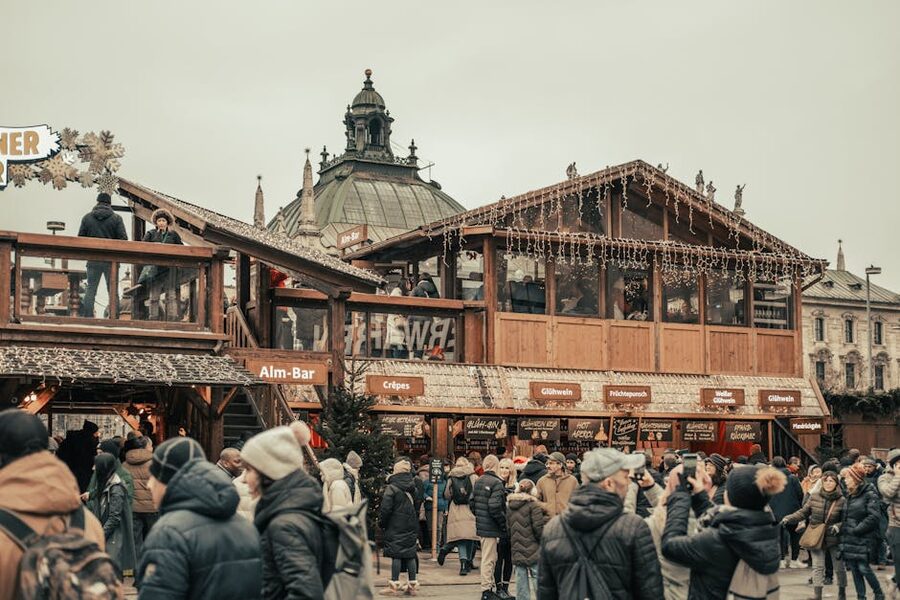
Beyond the year-round Viktualienmarkt, Munich has seasonal markets that the food tours sometimes incorporate. The Christkindlmarkt at Marienplatz (late November to Christmas Eve) is the most famous, with traditional Christmas foods (Lebkuchen, gingerbread hearts, Glühwein, roasted chestnuts). The Tollwood festivals (summer and winter) bring international street food to Munich’s parks.
Best Tours to Book
1. Viktualienmarkt Gourmet Food Tour — $50
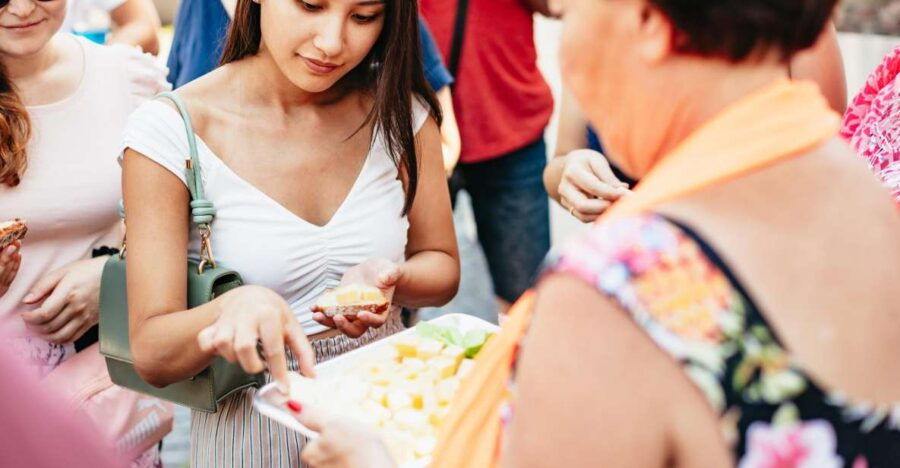
The Munich food tour to start with. Two hours through the Viktualienmarkt with stops at the best stalls for Weißwurst, pretzels, Obatzda, cheese, and Bavarian beer. The guides are local foodies who explain not just what you’re eating but why it matters in Bavarian culture. At $50, it’s excellent value compared to similar tours in other European cities. Our review covers the route, the tastings, and which stalls deliver the best experiences.
2. Beer and Food Tour with Dinner — $84
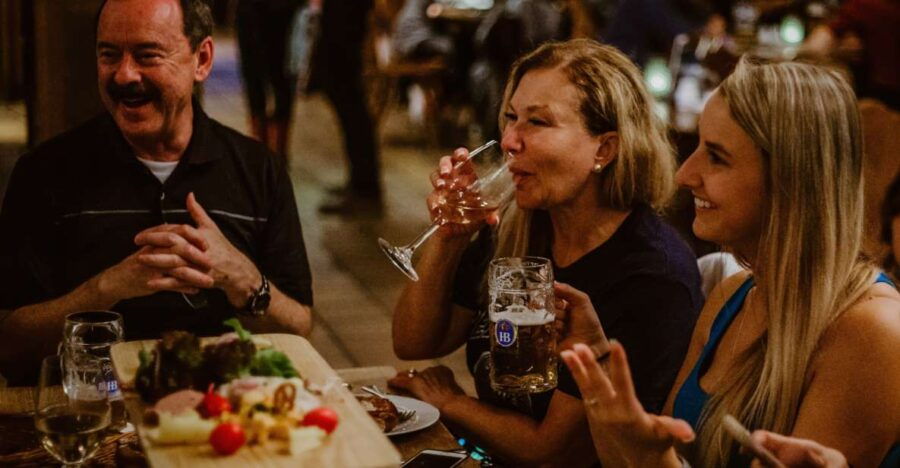
The evening alternative. Three to four hours combining beer and food tastings with a multi-course Bavarian dinner and a visit to the Oktoberfest Museum (open year-round). At $84, it’s comprehensive enough to function as an evening’s entertainment on its own. The Brauhaus stops show you the traditional drinking-and-eating culture beyond the standalone Viktualienmarkt market visits. Our review covers the venues visited and the food/beer pairings.
3. Lunch Like a Local Viktualienmarkt — $163
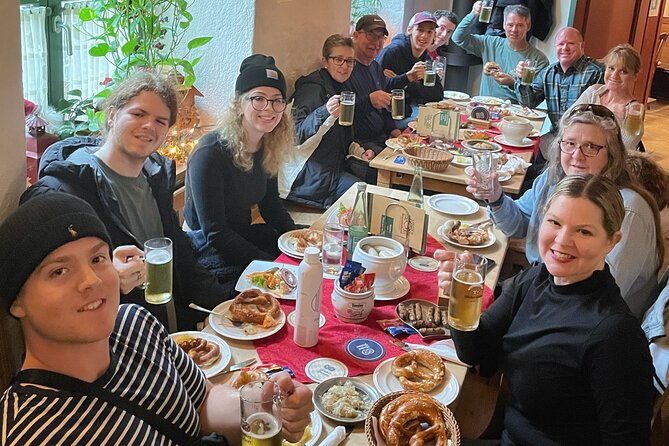
The small-group premium option. Three hours of more substantial tastings — essentially a full lunch built into a market exploration, with the food tour functioning as both meal and education. The smaller group format (max 8-10 people) means more interaction with the guide and the stall vendors. At $163, it’s significantly more expensive but covers more ground than the standard Gourmet tour. Our review compares this with the standard tour and explains when the premium is worth it.
Practical Tips
Timing the tour: The Viktualienmarkt is busiest 11am-1pm (locals shopping for lunch) and 4-6pm (after-work shopping). Morning tours (9-11am) are quieter and the produce is freshest. Evening tours have more atmosphere but less product variety as stalls wind down.
Dietary requirements: Vegetarian and gluten-free versions of the tours are available with advance notice. The standard tour is meat-and-bread heavy. Most stalls can accommodate vegetarian requests with cheese, vegetable, and bread options.
What to bring: Cash for additional purchases (some smaller stalls don’t accept cards). Comfortable shoes (you’ll stand a lot during tastings). An empty stomach (the tastings add up to a substantial meal).
Combining with sightseeing: The Viktualienmarkt is 5 minutes walk from Marienplatz and the Hofbräuhaus. Easy to combine with the Munich city tours, the Residenz palace, or shopping at Kaufingerstraße.
Budget: Tour ticket: $50-163. Additional purchases at the market: €10-30. Lunch at a Brauhaus afterwards: €15-25. A full Munich food day: about €100-200.
Other Munich Food Experiences
The Viktualienmarkt is the obvious starting point but Munich’s food scene extends well beyond it. The Schrannenhalle next door is a glass-roofed market hall converted from an 1850s grain market. The Eataly Munich (in the Schrannenhalle building) sells Italian gourmet products with a focus on northern Italian regional specialties. The Markt am Wittelsbacherplatz operates Friday and Saturday with local farmers selling directly to consumers.
For visitors who prefer their Bavarian food experience focused on beer culture, the Munich Oktoberfest and Beer Tours guide covers the full beer hall and brewery scene. For visitors based in other German cities, the Hamburg Chocoversum chocolate tour is the comparable specialty food experience in northern Germany.
More Munich Tours
Munich’s food culture pairs naturally with its other major experiences. The Munich city tours cover the broader urban context where the food culture exists. The Neuschwanstein Castle day trip and Dachau memorial are the essential Munich-based excursions. And the Rothenburg and Romantic Road day trip provides a contrast — medieval Bavaria’s preserved small-town food culture against Munich’s urban market scene.