Berlin’s history walks right up to you. This half-day Berlin route strings together Prussian, Imperial, Nazi, and Cold War eras in one steady line of monuments, streets, and memorial stops. I like that it keeps you moving along the real city layout, especially the famed Unter den Linden stretch, and it uses a professional guide to connect the why behind the what. One thing to plan for: it’s a lot of outdoor walking with short stop times, so it’s not a sit-down museum day.
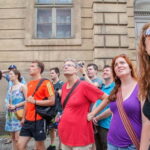
You also get a tour feel that’s built for first-time orientation. The guide is central to the experience, and names that show up repeatedly in strong reviews include Amanda, Emma, Georgia, Rebecca, and Tobi—people praise the way they make complex, heavy topics feel clear and respectful. This one ends in a different location than where you start, so I’d line up your next plan nearby.
- Key highlights worth circling
- A 3.5-hour walk that does the heavy lifting fast
- Meeting at Neue Promenade and then marching through time
- Unter den Linden and the Museum Island area: the city’s formal spine
- Neue Wache and Bebelplatz: when monuments teach, not just decorate
- Pariser Platz, the Holocaust Memorial, and the weight of place
- Brandenburg Gate and the Reichstag: power, then democracy, then power again
- From the Wall line to Checkpoint Charlie: East and West in real geography
- Topography of Terror: seeing the site of Gestapo and SS power
- Value check: is .19 worth it for 3.5 hours?
- Who should book this walk (and who should skip it)
- Should you book Discover Berlin Half-Day Walking Tour?
- FAQ
- How long is the Discover Berlin Half-Day Walking Tour?
- Where do I meet the guide?
- Where does the tour end?
- Is the tour offered in English?
- Is a professional guide included?
- How big is the group?
- Are food and drinks included?
- Are tickets needed for the stops?
- Can I cancel for a full refund?
- Is this tour accessible for most people?
- The Best Of Berlin!
- More Walking Tours in Berlin
- More Tours in Berlin
- More Tour Reviews in Berlin
Key highlights worth circling
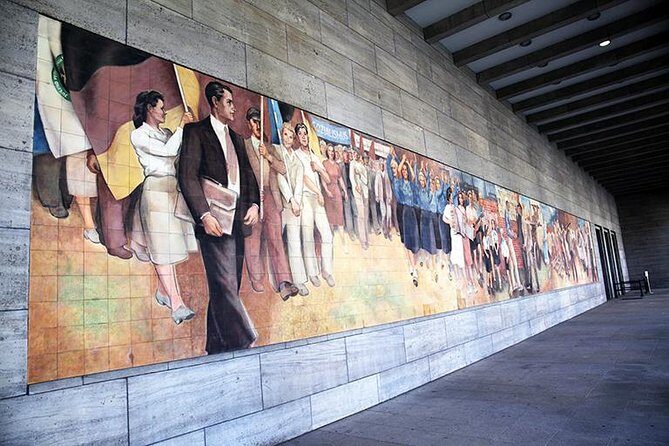
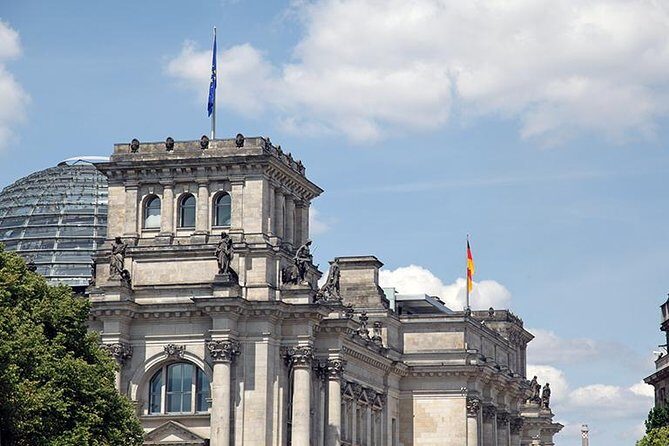

- Unter den Linden to Brandenburg Gate: a fast, guided introduction to Berlin’s central axis
- Museum Island snapshots: quick context for several big-hitter sights
- Nazi-era memorials in the same walk: Pariser Platz, Holocaust Memorial, and Bebelplatz
- East-West Berlin on the ground: the Berlin Wall line, death strip path, and Checkpoint Charlie
- Topography of Terror site visit: the former Gestapo/SS HQ with a look at the excavated cellars

👉 See our pick of the Berlin’s 4 Best Vegan & Vegetarian Tours (With Prices & Reviews)
A 3.5-hour walk that does the heavy lifting fast
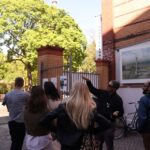
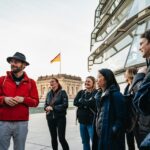
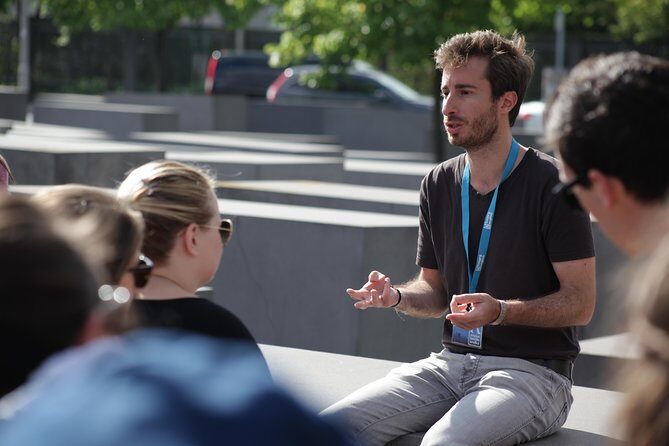
This tour runs about 3 hours 30 minutes and it’s designed as a “first bearings” outing. You meet at Neue Promenade 3 (10178 Berlin), then you spend the next few hours tracing Berlin’s biggest historical stories through landmarks you can actually see and reach on foot. The group size is capped at 25, which helps keep it lively without turning into a mob.
The pacing matters here. Most stops are brief—often around five minutes, sometimes longer for places like the Reichstag area or the Holocaust Memorial. That short-stop rhythm is exactly why this works for day-one planning. You get the context fast, then you can decide what you want to see in depth later.
You’ll want comfortable walking shoes. This is city-center Berlin, flat enough in places, but still a lot of pavement. If you hate standing outdoors for long stretches, bring layers and plan for weather. Also note that food and drinks aren’t included unless specified, so grab a snack before you go or plan a stop after.
You can also read our reviews of more walking tours in Berlin



Meeting at Neue Promenade and then marching through time
The tour starts with an intro before you even hit the first major landmark. You’ll hear how Berlin’s story twists across regimes, conflicts, and rebuilding—Prussians giving way to later power shifts, then the violent 20th century, and finally the Cold War and the present era. That “big picture” setup is what makes the rest of the walk click.
Right away, you move toward central Berlin’s main thoroughfares. The guide doesn’t just point. They explain how the city’s layout reflects power, identity, and ideology. It’s a very practical style: you walk away not only with facts, but with mental map markers.
One small reality check: because so many stops are tightly scheduled, you won’t get long, unhurried time inside every site. The tour’s strength is the storyline and orientation. If you’re the type who wants to linger in a museum gallery for an hour, you’ll still have to do that on a separate visit.
Unter den Linden and the Museum Island area: the city’s formal spine
The walk includes Unter den Linden, the famous boulevard that links the royal palace area toward Pariser Platz and the Brandenburg Gate. This is one of those streets that feels like a stage set—wide, monumental, built for power to look official. By the 19th century, it was among the city’s most celebrated streets, and it gained grander scale as Berlin expanded westward. Walking it with a guide helps you understand why it became such a powerful visual tool.
Before you reach the gate, the tour threads through the Museum Island zone and surrounding landmarks. You’ll pass by (and get a quick guide explanation at) places like:
- Hackescher Markt: a starting point that grounds you in central Berlin rather than just “museum stuff.”
- James Simon Park: another stop that helps you feel the city’s cultural geography.
- Stiftung Neue Synagoge Berlin – Centrum Judaicum: a reminder that Berlin’s story includes Jewish community life, not just politics and war.
- Museum Island plus major museum exteriors: Neues Museum, Pergamonmuseum, and Altes Museum.
- Einstein’s connection via the Berlin State Library: the tour highlights that the Berlin State Library was once Albert Einstein’s workplace. Even without extra museum time, that detail turns the area into something more personal and human.
- Berliner Dom and Berliner Fernsehturm: the domed skyline and the TV tower give you quick “Berlin visual bookmarks” for later independent exploring.
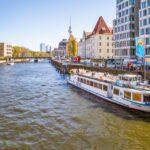
Then the walk keeps zooming through the civic core. You’ll also get quick context at Stadtschloss Berlin, Rotes Rathaus, Nikolaiviertel, Lustgarten, and Schlossbrücke. The point isn’t to memorize everything—it’s to help you recognize what you’re seeing when you return.
Drawback to know: these stops can feel like a fast photo sprint. The guide offers the “why,” but you’ll still need to pick a couple favorites for deeper follow-up.
Neue Wache and Bebelplatz: when monuments teach, not just decorate
From the Museum Island zone, the tour shifts toward remembrance sites tied to 20th-century conscience. Neue Wache is one of the memorial stops included, and you’ll pause there while the guide explains its significance. It’s part of the tour’s larger theme: Berlin doesn’t hide what happened. It builds meaning right into the streets.
Then comes Bebelplatz, a stop that hits hard because of what happened there in 1933. The guide explains the book burning linked to Nazi persecution and control of ideas. Right near that, you’ll also visit the Book Burning Memorial. Even with a short stop, this is one of the most “Berlin in one idea” moments—how authoritarian power tries to erase thought, not just people.
This section is where I’d slow my expectations. You won’t get to “process” for long if you’re in a hurry. But if you can handle emotional history, these stops are a strong reason to take the tour early in your trip. Afterward, you’ll read the city differently.
Pariser Platz, the Holocaust Memorial, and the weight of place
At Pariser Platz, you’ll pause at the area tied to Hitler’s bunker location, as well as the Holocaust Memorial (Memorial to the Murdered Jews of Europe). This is not light sightseeing. It’s also not abstract. The guide’s job here is crucial: they connect the physical place to the historical events, so the memorial doesn’t become just a set of shapes you walked past.
The tour also includes the “through-line” between these points: the city’s central spaces were shaped by ideology and terror, then reshaped into remembrance. That’s the value of a guided route. Without context, it’s easy to see big sights and miss the specific meaning attached to each one.
I also appreciate that guides on this route are often praised for handling difficult topics with care. If you’re sensitive to memorial settings, this tour is still a good fit because it doesn’t treat tragedy like a theme park ride. You’re given the why, and you’re given a moment to stand there.
You can also read our reviews of more tours and experiences in Berlin



Brandenburg Gate and the Reichstag: power, then democracy, then power again
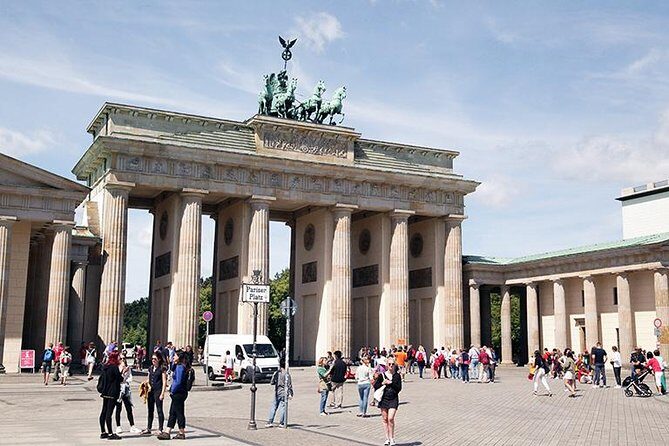
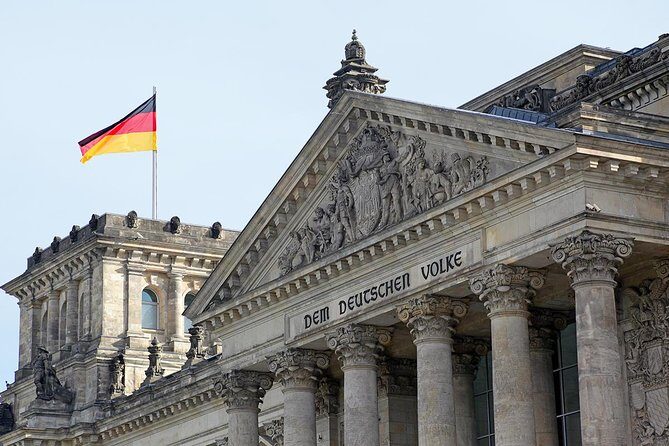
The walk reaches the monumental Brandenburg Gate, which marks the beginning of Unter den Linden. It’s one of the places where Berlin’s history feels almost too visible. The guide explains its place in the city’s shifting political eras, so you understand why this gate keeps showing up in world news and memory.
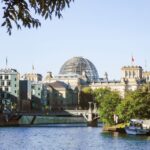
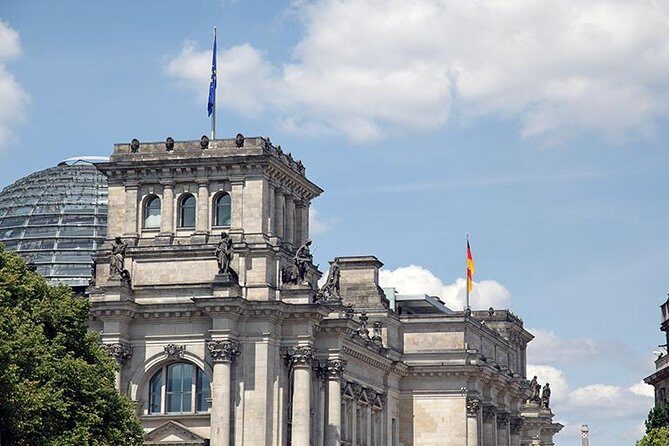
Nearby is the Reichstag building, home of Germany’s parliament, and the tour includes a longer pause here than at many other stops. The timing is short, but the idea is clear: you get the relationship between the seat of government and the historical forces that have repeatedly tested what democracy means.
If you’re the type who likes to take photos, this is where you’ll want to slow down and get your angles. If you’re more into learning, you’ll still get plenty of context—just don’t expect long time inside the building. The tour is built around exterior views and street-level interpretation.
From the Wall line to Checkpoint Charlie: East and West in real geography
After the Nazi-era and remembrance stops, the tour turns toward Berlin’s Cold War division. You’ll walk along the Berlin Wall line, and the guide explains its boundary role between East and West Berlin. The tour also covers the downfall in 1989, which is a key part of understanding why Berlin’s political map changed so fast.
One of the most specific parts of the route is the discussion of the death strip path to Checkpoint Charlie. That’s not just a dramatic label. It explains how the wall wasn’t only a barrier—it shaped movement, fear, and daily life in concrete ways. Standing where you would see the landmarks, with the guide giving the historical meaning, is what turns the story into something you can feel in your feet.
The latter part of the walk includes additional points connected to this era, such as the Memorial of the Berlin Wall and then Topography of Terror and Checkpoint Charlie as major anchors. You’ll also pause at places like Fuhrerbunker and Platz des Volksaufstandes von 1953 earlier in the sequence, plus Aviation Ministery of Berlin, as the tour builds a timeline that jumps around yet stays connected.
Drawback to consider: the route packs multiple emotionally heavy stops into one sitting. If you’re visiting with kids or someone who struggles with war history, it may be worth considering a gentler day or mixing this with less intense activities afterward.
Topography of Terror: seeing the site of Gestapo and SS power
The tour’s final major anchor is Topography of Terror. The guide explains why Berlin’s leaders chose this location to confront and reconcile with the city’s worst past. That theme matters. This place isn’t just kept as a relic—it’s used as a reminder of what state terror looks like when institutions turn against people.
You’ll hear about the museum’s significance as it relates to the former Gestapo and SS Headquarters. And you’ll get a moment to look down into the excavated cellars, described as a haunting spot where political prisoners were once tortured and killed.
This is the stop where I’d recommend you slow down the mental speed. A short pause can still land hard, and it should. If you’ve been moving quickly all morning, this is where you’ll feel the tour’s weight.
Value check: is $24.19 worth it for 3.5 hours?
At $24.19 per person, this tour is priced for what you actually get: a professional guide plus a concentrated route through multiple landmark zones across several historical eras. Since there’s no food included, you’re not paying for a package meal. You’re paying for interpretation—someone to connect street corners to the larger story.
The best value here is for first-time Berliners. You cover major iconic places (Brandenburg Gate, Reichstag area, Holocaust Memorial, Berlin Wall line, Checkpoint Charlie) and you also get the connecting tissue—Unter den Linden and the Museum Island civic/cultural cluster—so you can plan the rest of your trip with less guesswork.
It’s less of a value if your priority is deep time inside museums. This is not that kind of day. It’s a guided walk designed to set context quickly and help you choose what to revisit.
Who should book this walk (and who should skip it)
This tour is a great match if:
- You want a clear storyline across eras instead of disconnected facts
- You like walking city centers and using your feet to learn
- You’re visiting for the first time and want to get bearings fast
- You prefer a guide to help you interpret memorial spaces respectfully
Consider a different format if:
- You want long museum hours and quiet time inside buildings
- You dislike heavy topics and prefer a lighter introduction to Berlin
- You struggle with lots of outdoor walking in cold weather
Should you book Discover Berlin Half-Day Walking Tour?
Yes—if you want an organized route through Berlin’s biggest historical landmarks with a guide who turns monuments into meaning. The short stop times can feel like snapshots, but that’s also why it’s such a smart way to start your trip. You’ll leave with a workable mental map and a cleaner sense of what mattered when—and why the city built itself around those moments.
FAQ
How long is the Discover Berlin Half-Day Walking Tour?
It lasts about 3 hours 30 minutes.
Where do I meet the guide?
You meet at Neue Promenade 3, 10178 Berlin, Germany.
Where does the tour end?
The tour ends in a different location from where it starts. The exact end point is not listed in the details you provided.
Is the tour offered in English?
Yes, English is the offered language.
Is a professional guide included?
Yes, the tour includes a professional guide.
How big is the group?
The tour has a maximum group size of 25 travelers.
Are food and drinks included?
No. Food and drinks aren’t included unless specifically stated.
Are tickets needed for the stops?
The stop details shown list Admission Ticket Free for the listed locations.
Can I cancel for a full refund?
You can cancel up to 24 hours in advance for a full refund. If you cancel less than 24 hours before the start time, the amount paid is not refunded.
Is this tour accessible for most people?
It states that most travelers can participate and it is near public transportation. Service animals are allowed.