
Berlin doesn’t do nightlife the way other European cities do. There’s no dress code in most places, no bouncer deciding if your shoes are acceptable, and the clubs stay open until Monday morning. Pub crawls are the entry point — a guided introduction to a scene that would take weeks to navigate on your own, for less than the cost of a decent dinner.
The pub crawls run nightly and cost between $11 and $29 depending on what’s included. Free shots at each bar, VIP club entry at the end, and a group of strangers who become drinking companions for the evening — that’s the basic format, repeated across Kreuzberg, Friedrichshain, and Mitte every night of the week.
Most established: Original Pub Crawl Berlin — $19, running for over a decade with a loyal following.
Upgraded experience: Berlin Night PubCrawl Shots and Party — $29, includes shots, games, and club access.
- What to Expect on a Berlin Pub Crawl
- The Bars You’ll Visit
- The VIP Club Entry
- Who Goes on Pub Crawls
- Berlin’s Drinking Culture
- The History of Berlin’s Nightlife
- Konnopke’s Imbiss and Late-Night Food
- Best Tours to Book
- 1. Berlin Pub Crawl with Free Shots & VIP Club —
- 2. Original Pub Crawl Berlin —
- 3. Berlin Night PubCrawl Shots and Party —
- Practical Tips
- Combining Pub Crawls with Daytime Sightseeing
- More Berlin Experiences
What to Expect on a Berlin Pub Crawl
The standard Berlin pub crawl runs about 4-5 hours, starting between 8:30pm and 9:30pm and finishing at a nightclub around 1-2am. You meet at a central location (usually near Alexanderplatz or Hackescher Markt), pick up your wristband, and join a group of 20-50 international travellers led by 2-3 guides.
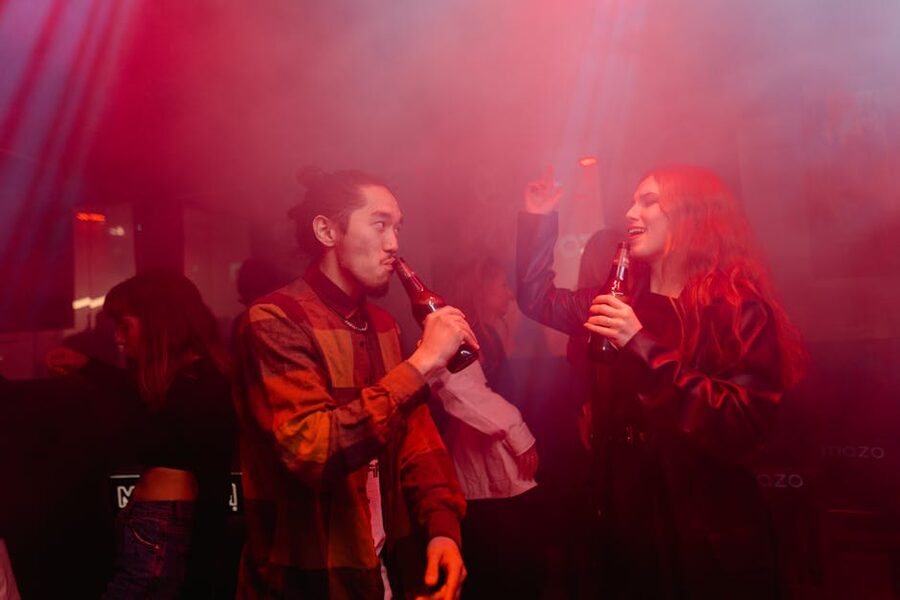
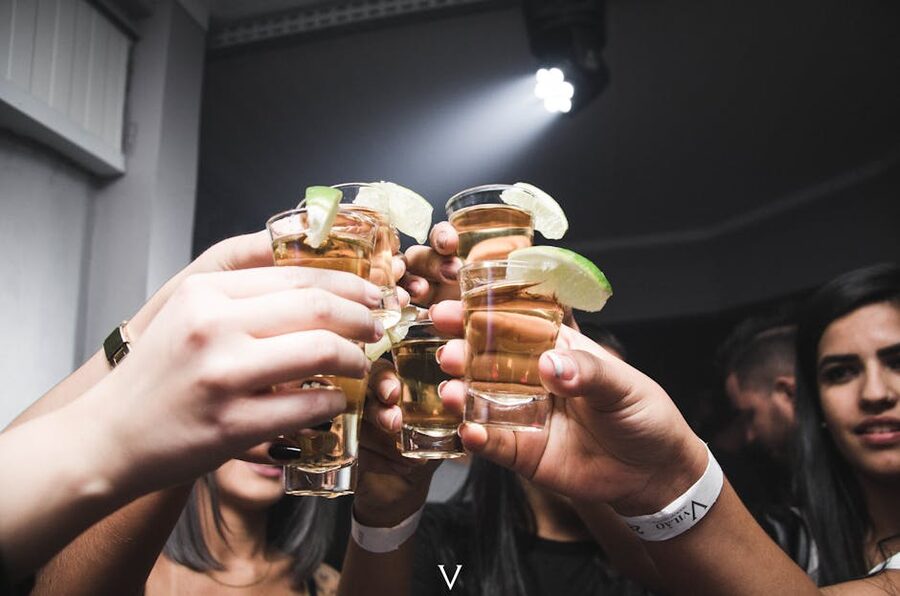
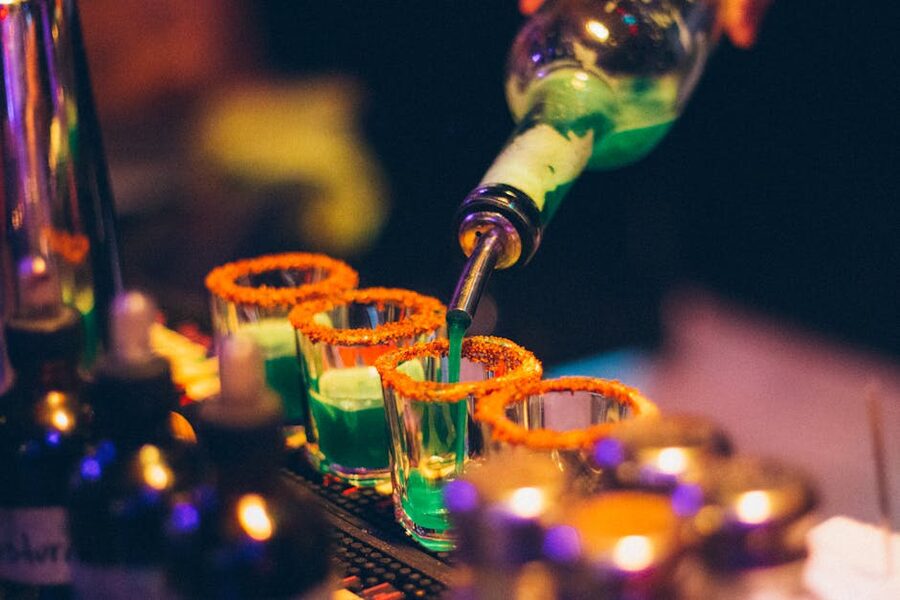
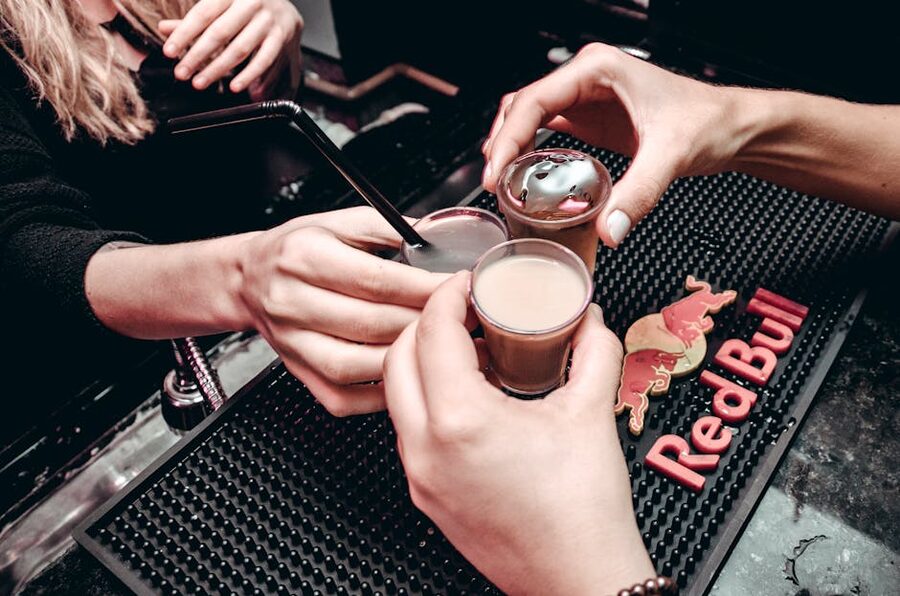
At each bar, the group gets a free shot, about 30-45 minutes to order drinks, and introductions happen organically. The guides move the group between bars on foot — Berlin’s drinking districts are compact enough that walking is the only sensible option. Distances between stops are usually 5-10 minutes.
The dress code is non-existent. Jeans and a t-shirt will get you into almost every bar on the crawl route and most of the clubs afterward. Berlin’s nightlife is famously anti-pretentious — you’ll see people in construction boots, vintage dresses, and sportswear sharing the same dance floor.
The Bars You’ll Visit
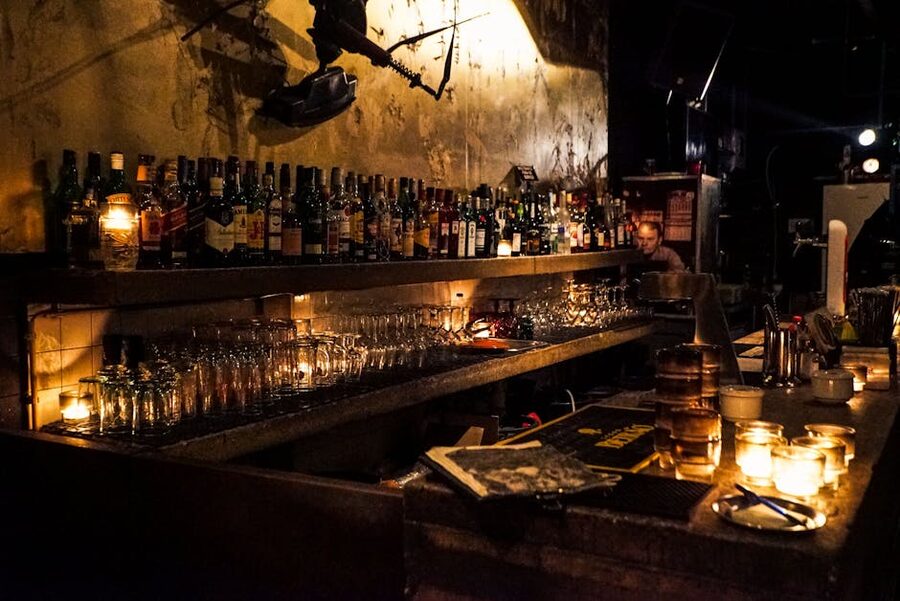
The exact route changes depending on which operator runs the crawl and which night of the week you go. Most crawls include a mix of venue types: a classic Berlin pub (old wooden bar, beer-focused), a shot bar (loud, fast, cheap), a lounge bar (cocktails, seating, conversation), and a nightclub for the ending.
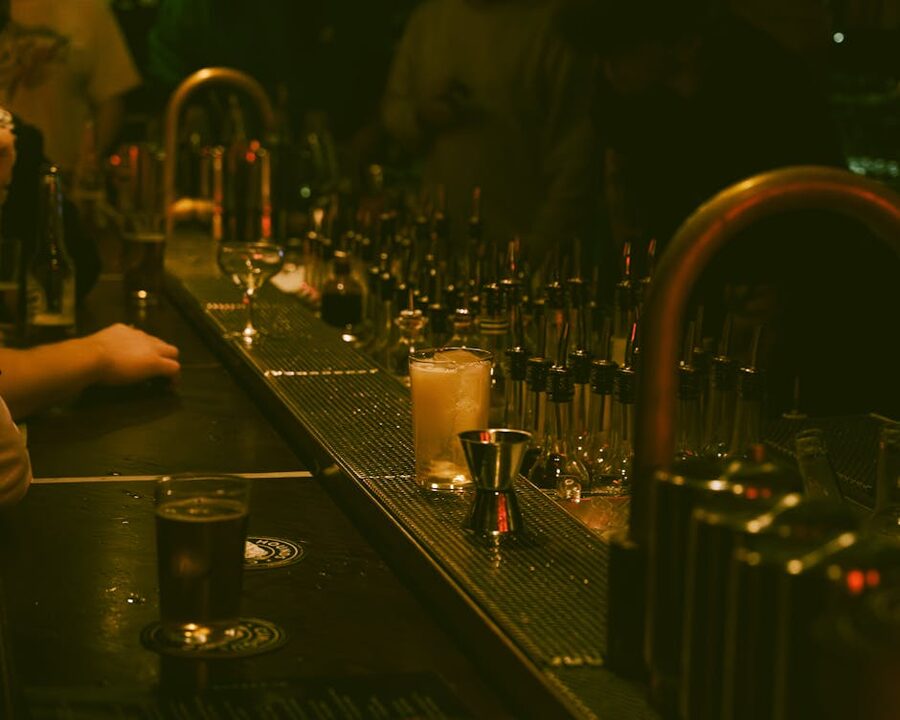
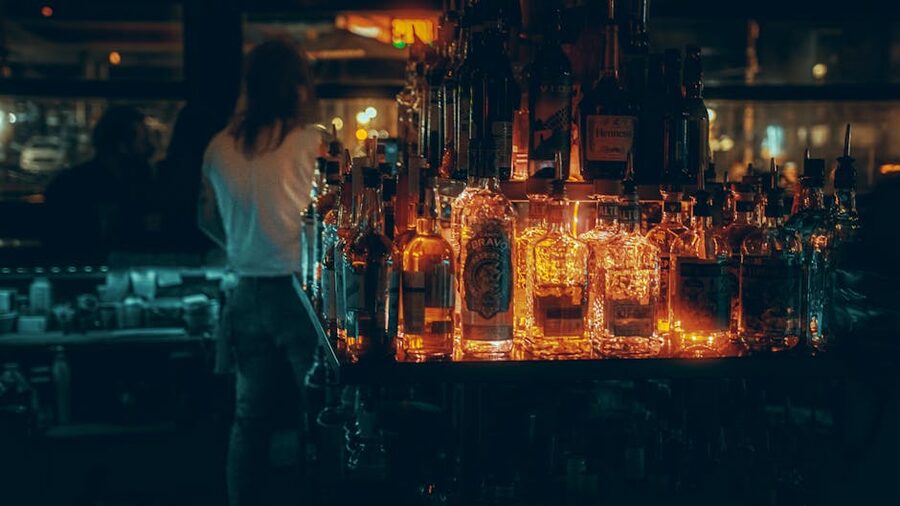
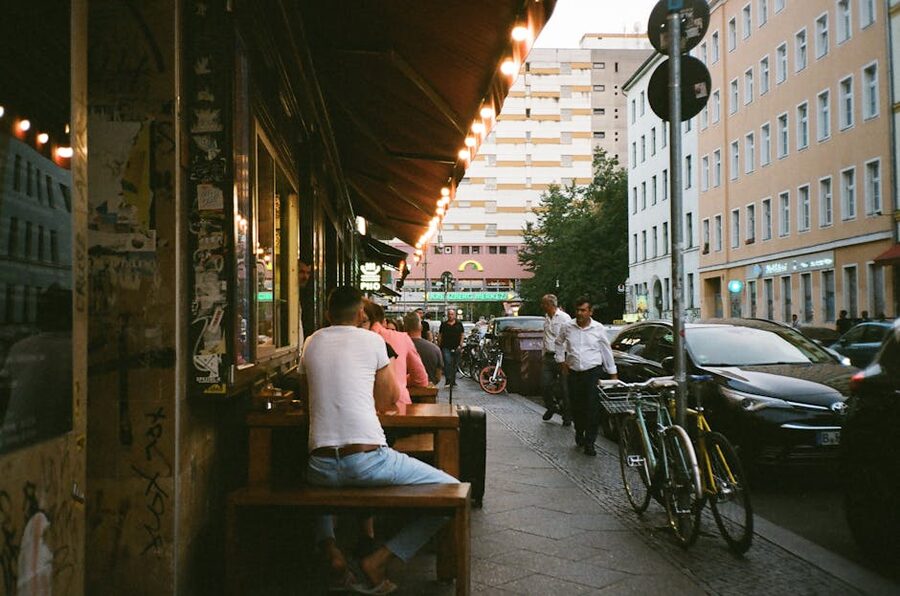
Kreuzberg is where most of the atmospheric pub crawls run. The neighbourhood runs south of the Spree and has been Berlin’s alternative district since the 1970s. The bars cluster around Kottbusser Tor, Schlesisches Tor, and the Landwehrkanal. Expect street art, Turkish kebab shops between bars, and a mix of locals and international visitors.
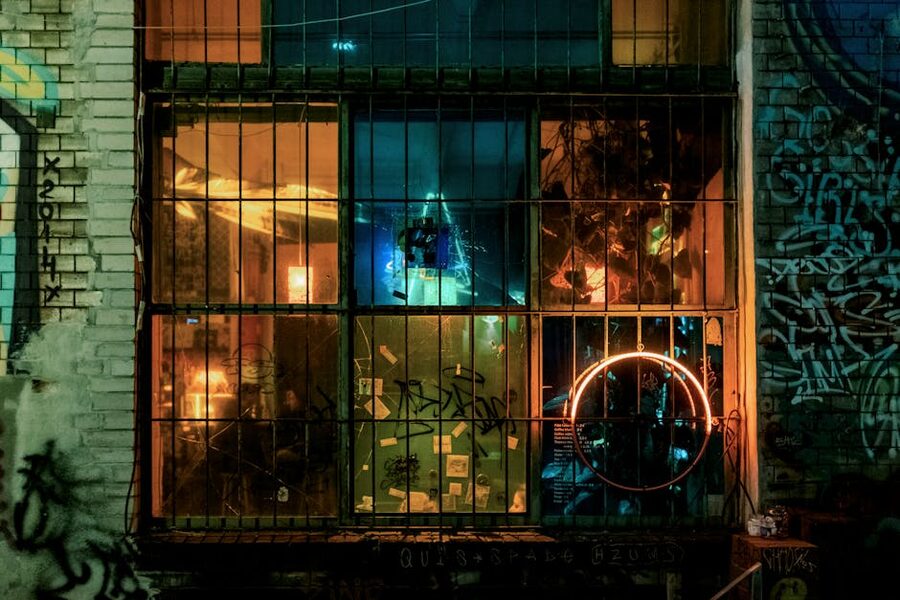
Friedrichshain — across the Spree from Kreuzberg via the Oberbaum Bridge — is where the harder-edged crawls run. The RAW-Gelände (a former rail depot turned nightlife complex) is the area’s centrepiece, with clubs, bars, and late-night food stands packed into converted industrial buildings. The East Side Gallery is a 5-minute walk away, which means you can combine daytime wall murals with evening pub crawling.
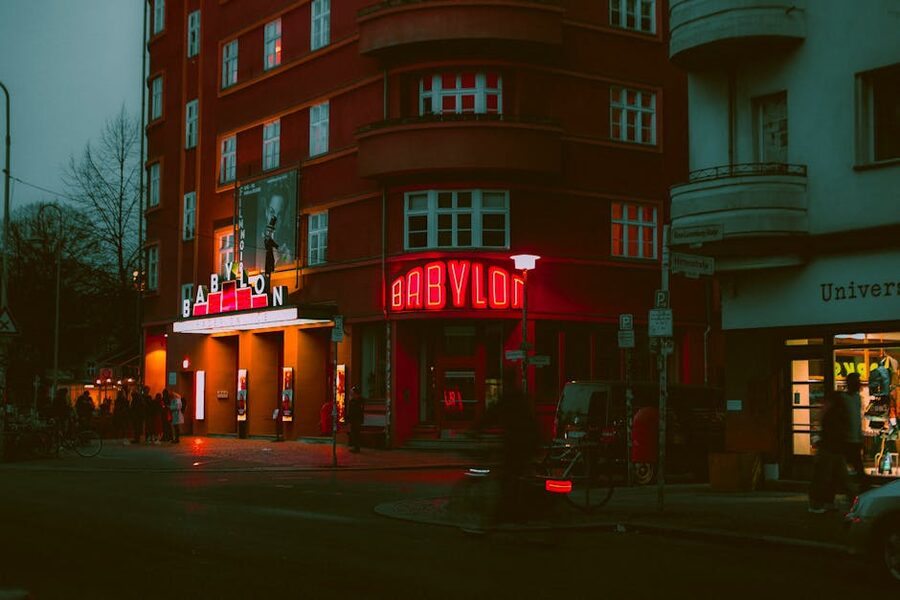
Mitte is where the starter bars tend to be. The central district has the highest density of hostels (which is where many pub crawl participants come from), the best public transport connections, and the widest range of venues. The crawls usually begin here before moving outward to Kreuzberg or Friedrichshain.
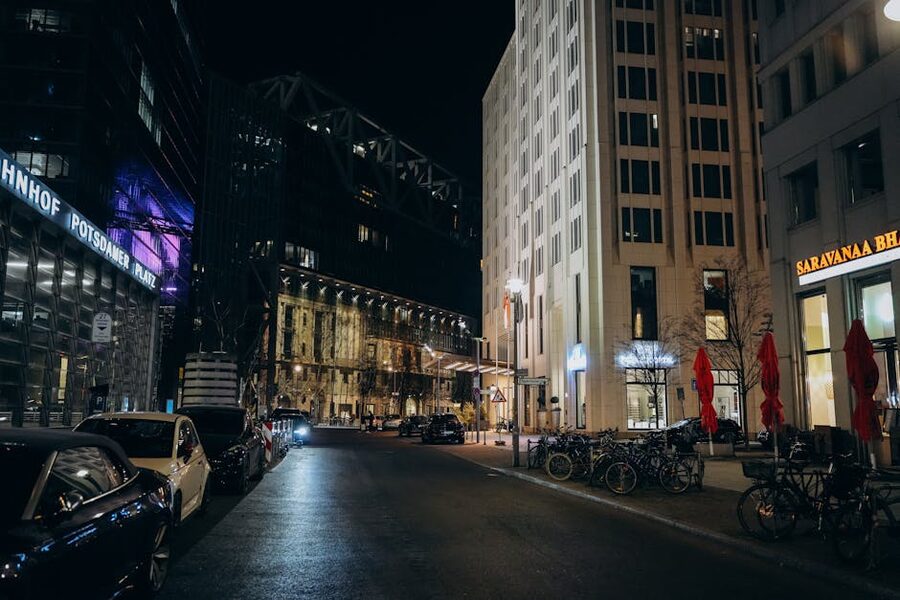
The VIP Club Entry
The pub crawl ending at a nightclub is the main selling point for visitors who don’t know Berlin’s club scene. Getting into Berlin’s best clubs is notoriously difficult — Berghain, the most famous, rejects the majority of applicants without explanation. The pub crawls partner with less selective venues (Matrix, Cassiopeia, Badehaus, various mid-tier places) where group entry is guaranteed.
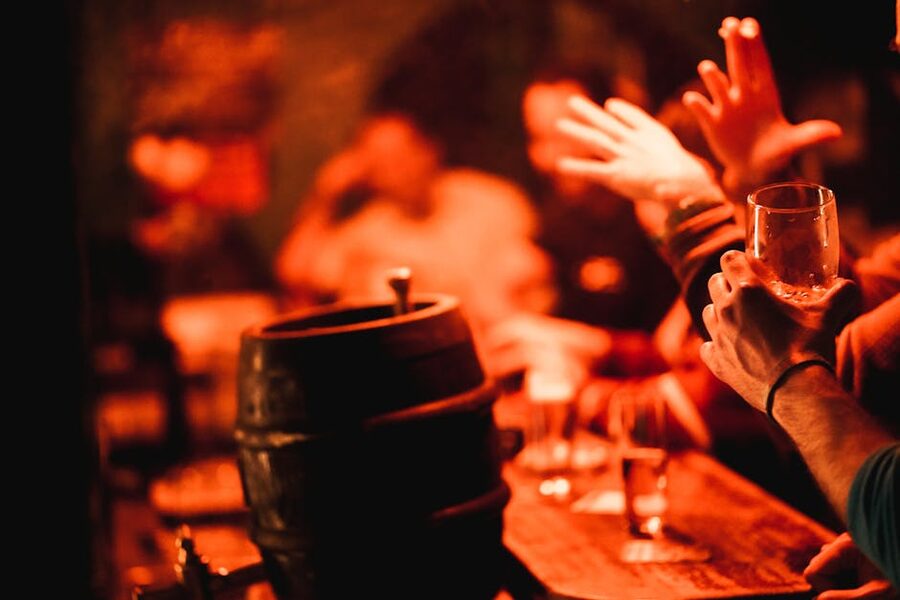
Don’t expect to get into Berghain via a pub crawl. None of the crawls go there, and even if they did, the door policy wouldn’t let a group of 40 visitors through. The clubs on the crawl circuit are for casual partying — good music, cheap drinks, and no pressure. Serious techno heads should book their own nights at different venues.
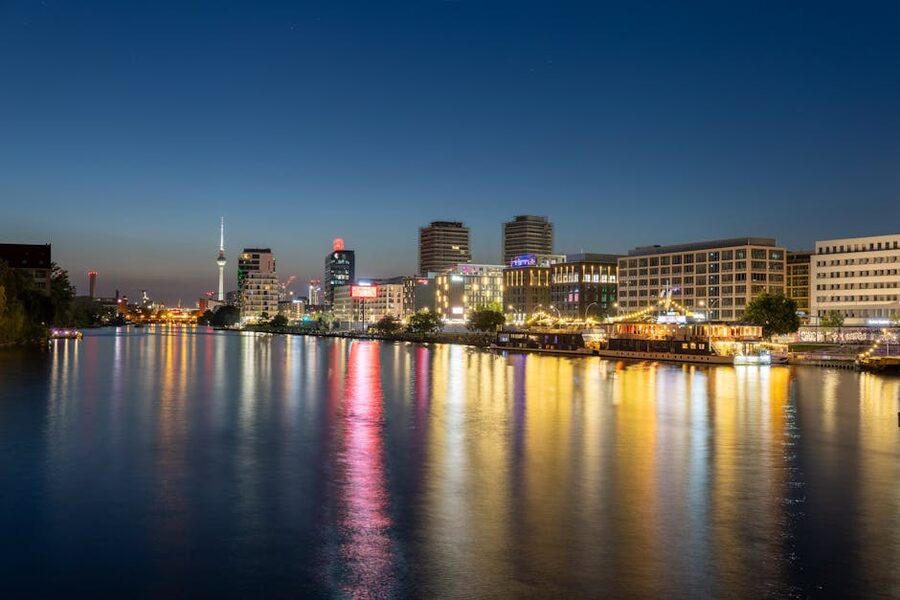
Who Goes on Pub Crawls
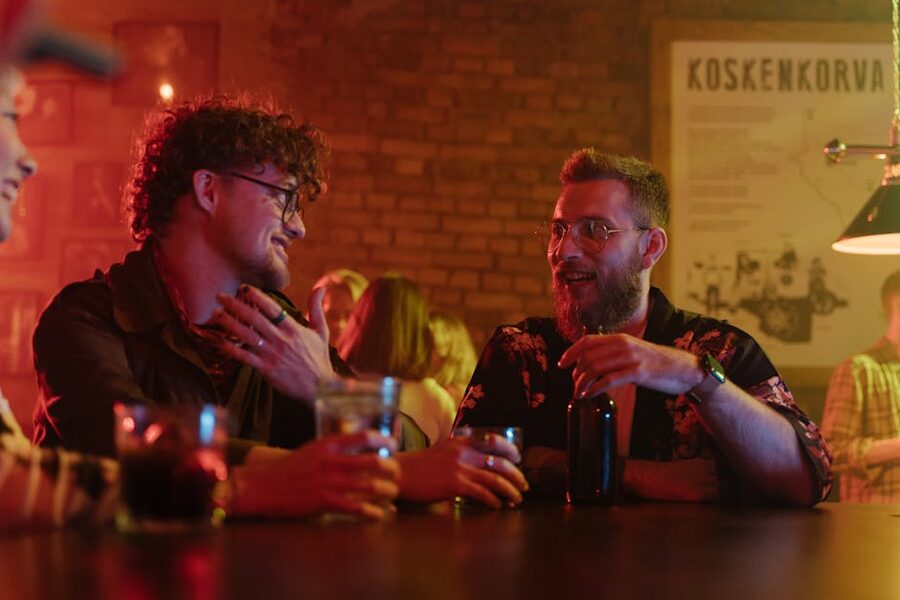
The crowd is predominantly international — backpackers, exchange students, and solo travellers in their 20s and early 30s, with a smaller contingent of 30-40 year-olds on group trips. Couples go. Solo travellers go. Small groups of friends go. The dynamics work because everyone signed up for the same reason: to meet people and drink cheaply in one of Europe’s best nightlife cities.
Age restrictions: Most pub crawls are 18+ only. A few require 21+. Check the specific booking requirements. ID is checked at the meeting point and at the club at the end — bring your passport, not just your hotel keycard.
Berlin’s Drinking Culture
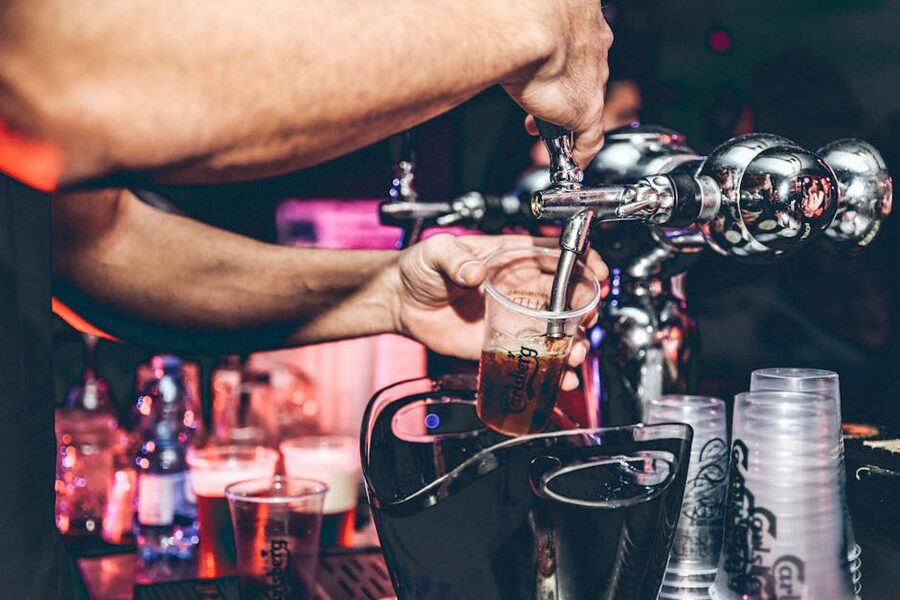
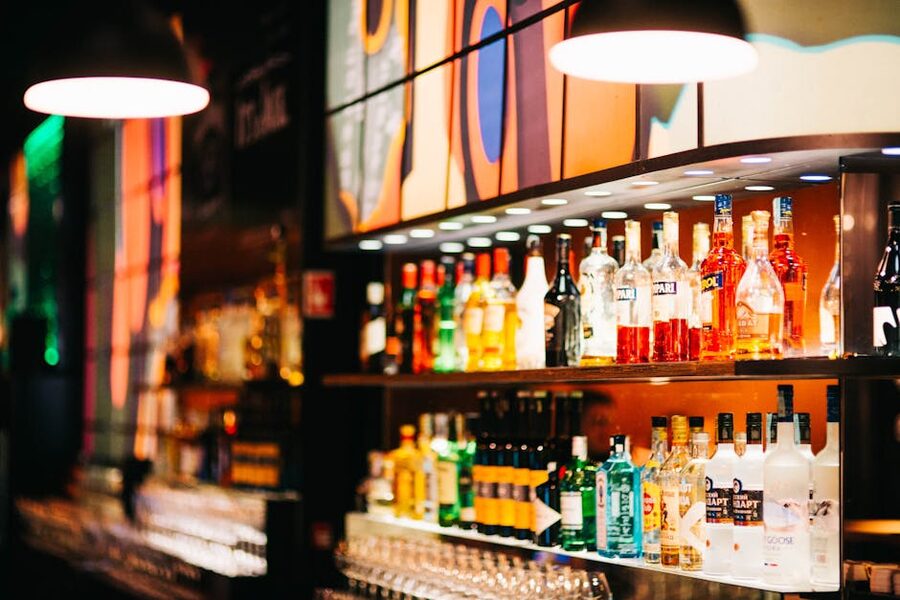
Berlin’s drinking scene operates on principles that differ from most European capitals. Drinks are cheap (€3-4 for a beer is normal), venues stay open very late (many until 5-6am, some 24 hours), and the dress code is anti-fashion rather than fashionable. The city has more 24-hour bars than any other in Europe, and the concept of “last orders” barely exists in most districts.
Bierstuben (traditional beer halls) serve Berliner Kindl, Berliner Pilsner, and Schultheiss — the city’s three historic breweries. A half-litre of beer costs €3.50-4.50 in most Bierstuben. The atmosphere is unpretentious — wooden furniture, older locals at the bar, football on the television.
Späti bars — the German term for a late-night corner shop that sells beer and doubles as a stand-up drinking hotel. On warm evenings, Berliners cluster outside Spätis with bottles in hand, chatting with whoever happens to stop by. It’s the most democratic form of Berlin nightlife and the pub crawls sometimes include a Späti stop as a between-venue interlude.
Techno clubs are the scene that made Berlin internationally famous. Berghain, Sisyphos, Tresor, and about dozen others define the city’s reputation. Most open at midnight and close on Monday morning, which is not a typo. The pub crawls don’t go to these venues — they require their own planning and commitment.
The History of Berlin’s Nightlife
Berlin’s reputation as a nightlife capital goes back to the Weimar Republic (1918-1933), when the city was famous for cabaret, jazz clubs, and a permissive atmosphere that attracted artists and writers from across Europe. The Nazi regime shut it all down. Decades of division and reconstruction followed. The modern Berlin nightlife scene grew from the reunification era, when abandoned East German industrial buildings provided cheap space for young Berliners to open clubs, bars, and art venues.
The pub crawls don’t dwell on history — they’re about the current scene, not the past. But the guides sometimes point out buildings that had past lives as GDR factories, Weimar cabarets, or pre-war restaurants, which adds depth to what would otherwise be a pure drinking tour.
Konnopke’s Imbiss and Late-Night Food
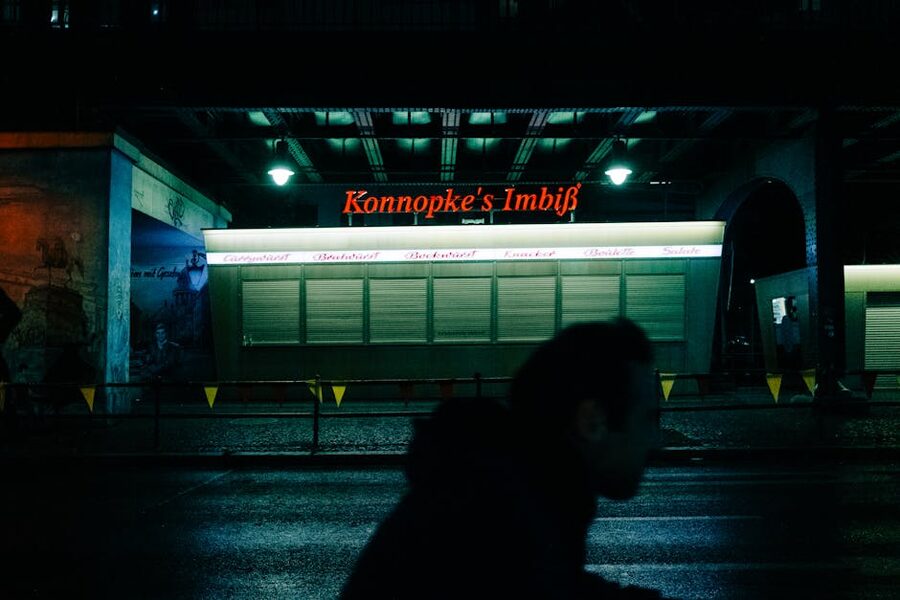
After the club, you need food. Berlin has currywurst stands open until 4-5am in most nightlife areas. Konnopke’s Imbiss under the Eberswalder Straße U-Bahn station is the most famous — a family business running since 1930 that survived GDR nationalisation and now serves what many Berliners consider the best currywurst in the city.
Other late-night food options include kebab shops (Mustafa’s Gemüse Kebap on Mehringdamm is famously popular, often with hour-long queues), 24-hour bakeries in train stations, and pizza slices sold by the piece in Kreuzberg. The pub crawls don’t include food, but the guides will point you toward the nearest options at the end of the night.
Best Tours to Book
1. Berlin Pub Crawl with Free Shots & VIP Club — $11
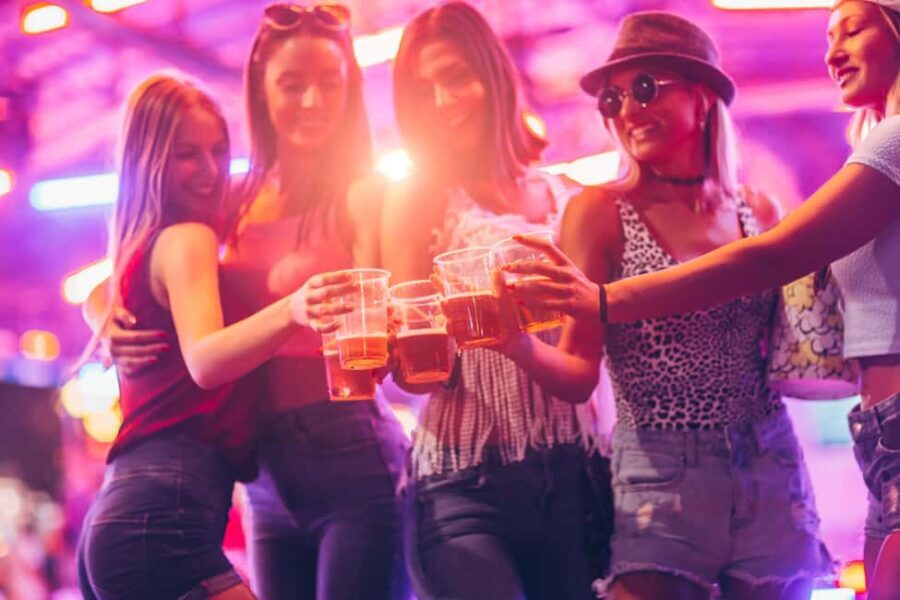
The best-value nightlife tour in Berlin. Four to five hours visiting multiple bars with free shots included, plus skip-the-line VIP entry to a partner nightclub at the end. The guides keep the group energy high and handle the logistics so you can focus on meeting people and enjoying the city. At $11, it’s the cheapest guided experience on this list. Our review covers the bar rotation, the club venue, and who the tour works best for.
2. Original Pub Crawl Berlin — $19
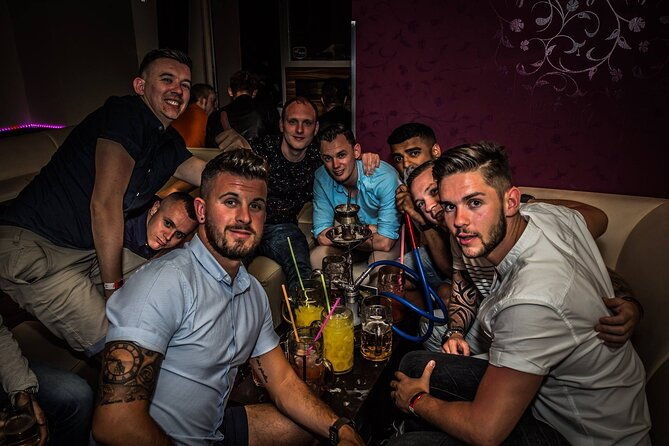
The veteran option. The Original Pub Crawl has been operating for over a decade and has the institutional knowledge that newer crawls lack — relationships with venues, trained guides, and a route that’s been refined over years. At $19, it’s a modest premium over the cheaper option and buys you reliability. Our review compares the veteran crawl with the newer budget alternative.
3. Berlin Night PubCrawl Shots and Party — $29
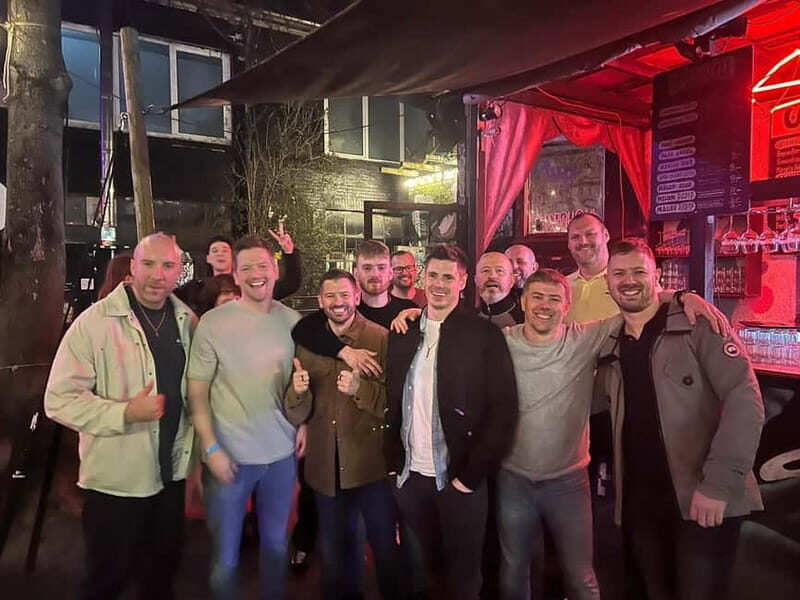
The upgraded experience. The Night PubCrawl adds drinking games, more included shots, and a higher-energy atmosphere throughout. It’s better suited to stag parties, hen parties, and groups of friends who want the entertainment built in rather than finding their own fun at each bar. At $29, the premium reflects the additional structure. Our review explains when the upgraded format is worth it and when the cheaper option is better.
Practical Tips
When to go: Thursday through Saturday nights are the busiest and have the highest energy. Sunday and Monday crawls are quieter but still run — some people prefer them for exactly that reason. Summer (May-September) is peak season with the largest groups; winter crawls have smaller groups but the same format.
Meeting points: Most crawls meet near Alexanderplatz, Hackescher Markt, or Rosenthaler Platz. The exact meeting location is confirmed after booking. Arrive 10-15 minutes early.
What to bring: ID (passport), cash for drinks (cards accepted most places but not universal), comfortable shoes (you’ll walk 2-4 kilometres across the evening), and a light jacket even in summer — bar terraces can be cool.
Budget: Tour ticket: $11-29. Drinks across the evening: €25-40. Currywurst at the end: €6. Taxi home: €15-25. Total evening cost: €60-90 for a full night including the tour and your own drinks.
Safety: Berlin is safe by big-city standards, and pub crawls are specifically structured to keep groups together. The usual precautions apply — watch your drink, stay with the group, don’t flash valuables — but the crawls are among the safest ways to experience Berlin’s nightlife as a visitor.
Combining Pub Crawls with Daytime Sightseeing
The pub crawls work best as an evening cap to a full day of Berlin sightseeing. The Berlin walking tours cover the historic centre in the morning. The TV Tower observation deck gives you the aerial perspective before sunset. The Spree river cruises are perfect for late afternoon. Then dinner, then the pub crawl meeting point.
Serious history enthusiasts might prefer to structure the day around the Third Reich and Cold War walking tours or the Sachsenhausen concentration camp tour — though the tonal shift from heavy history to nightlife party is significant, and some visitors prefer separating those experiences across different days.
More Berlin Experiences
Pub crawls are just one slice of Berlin’s nightlife. The East Side Gallery is 5 minutes from Friedrichshain’s best bars. The Hamburg St. Pauli pub crawls offer the same format in a different German nightlife capital. And for daytime contrast, the Museum Island tickets cover 6,000 years of human civilisation on a single island — the polar opposite experience to a pub crawl, but essential to understanding why Berlin is both a party city and a cultural capital.