
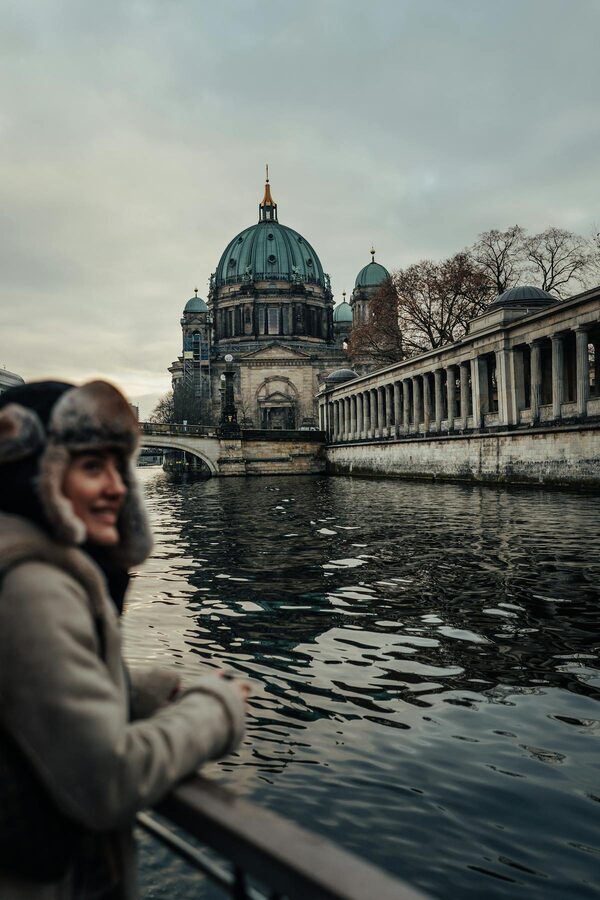
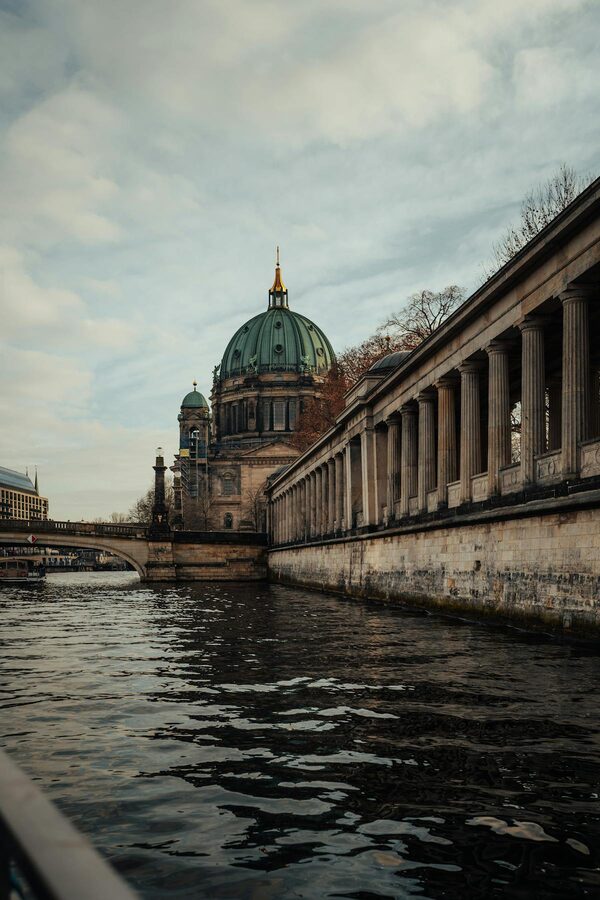
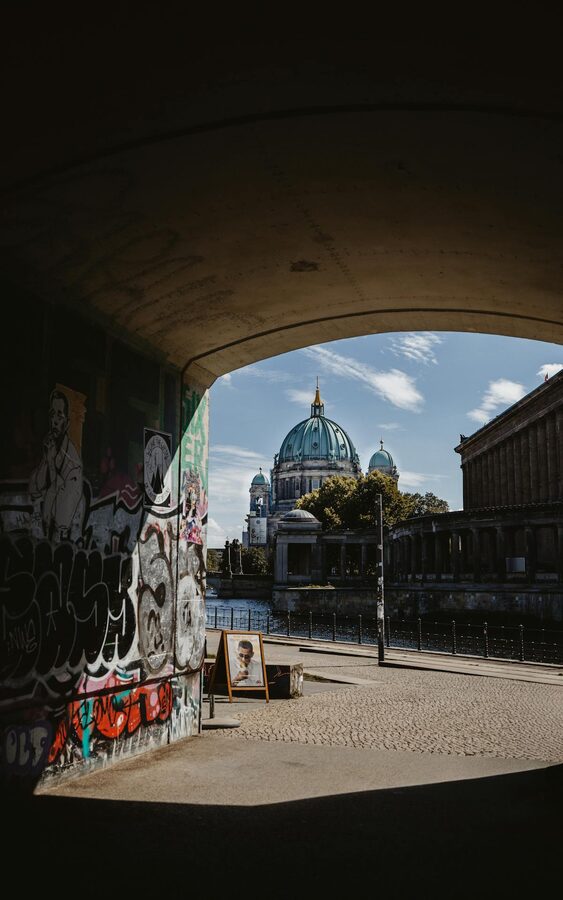
Museum Island is five world-class museums on a single island in the middle of the Spree river — 6,000 years of human civilisation from Nefertiti’s bust to Impressionist paintings, including an entire Babylonian gate. The whole island is a UNESCO World Heritage Site because the 19th-century Prussians who built it believed that art deserved the same architectural ambition as churches and palaces.
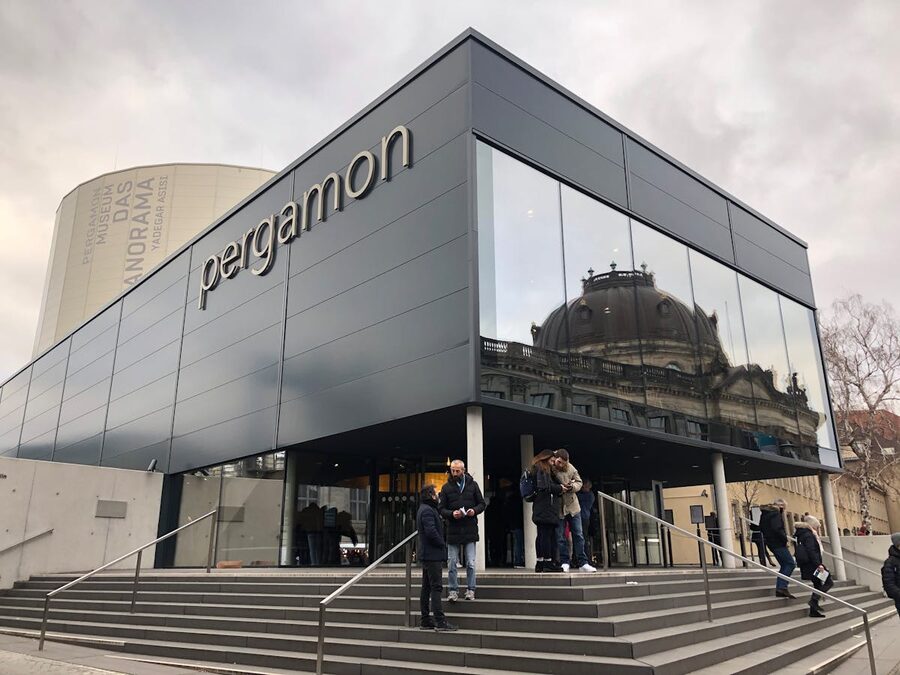
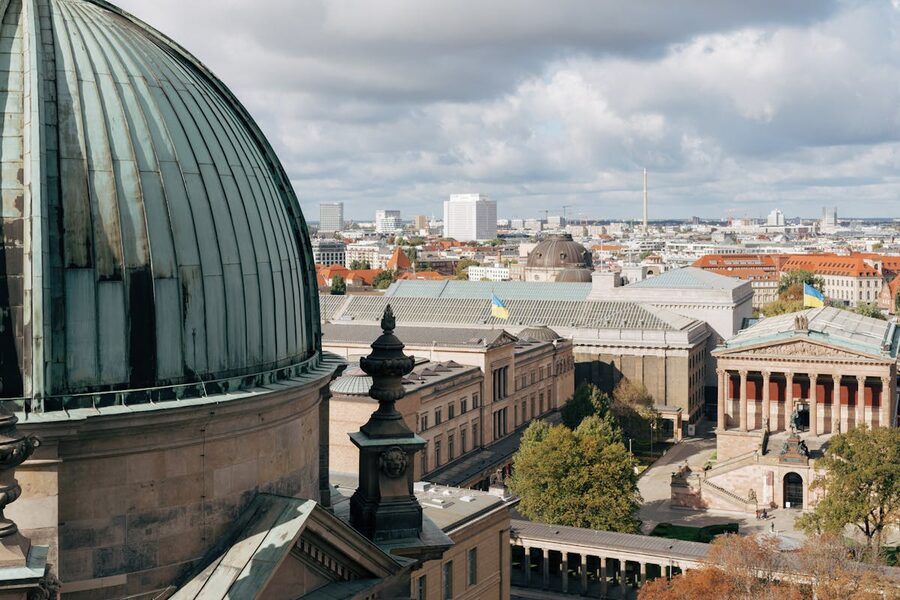
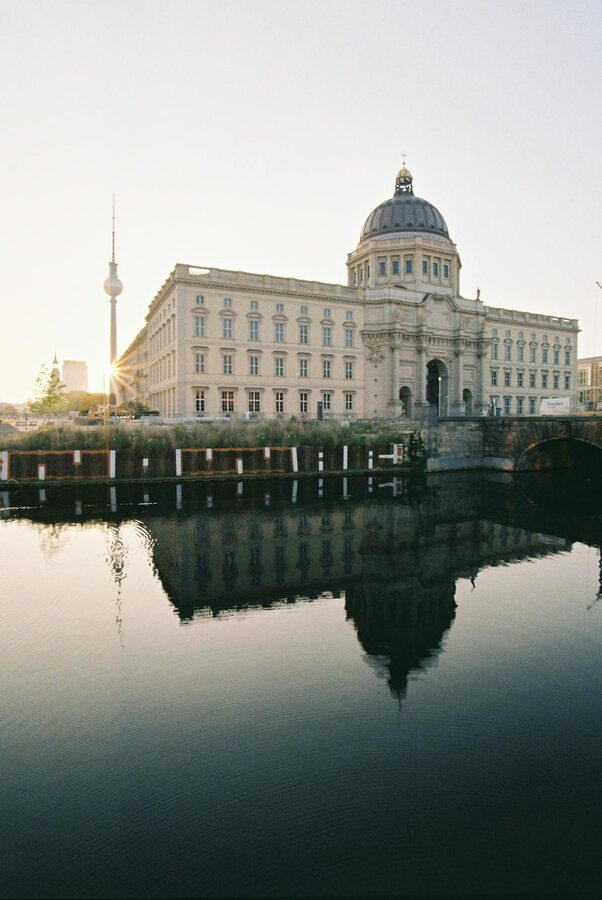
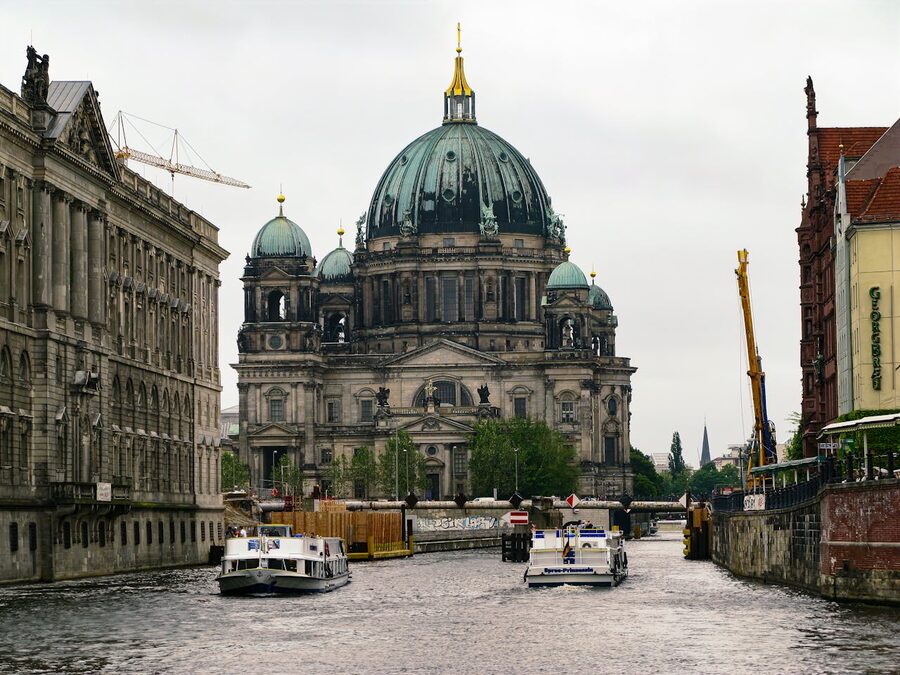
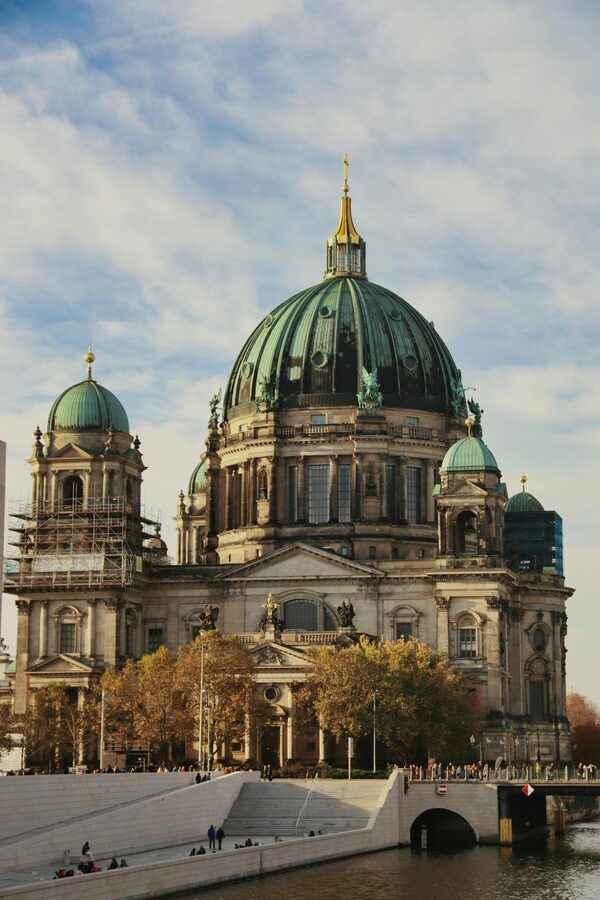
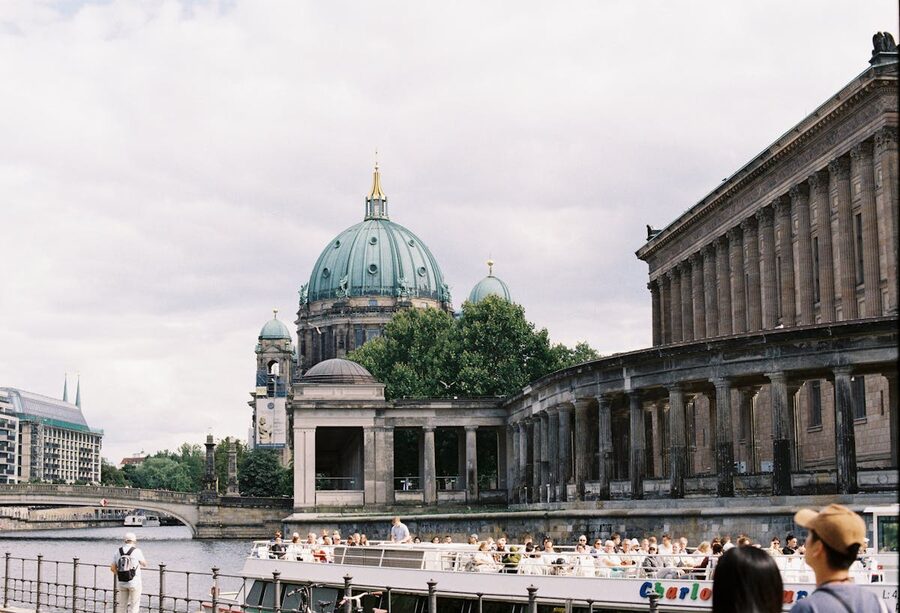
The island sits in the Spree river between Berlin’s Alexanderplatz and the Brandenburg Gate. You can see it from the Spree boat tours (the river curves around it), from the TV Tower (the domes are visible from 203 metres), and from the walking tours (every route passes it). But seeing it from outside is like reading a restaurant menu — you need to go in.
Best value pass: Berlin WelcomeCard: Museum Island + Transport — $70 for 3 days, includes all museums + public transport + discounts.
Official site: smb.museum — current exhibitions, opening hours, and booking.
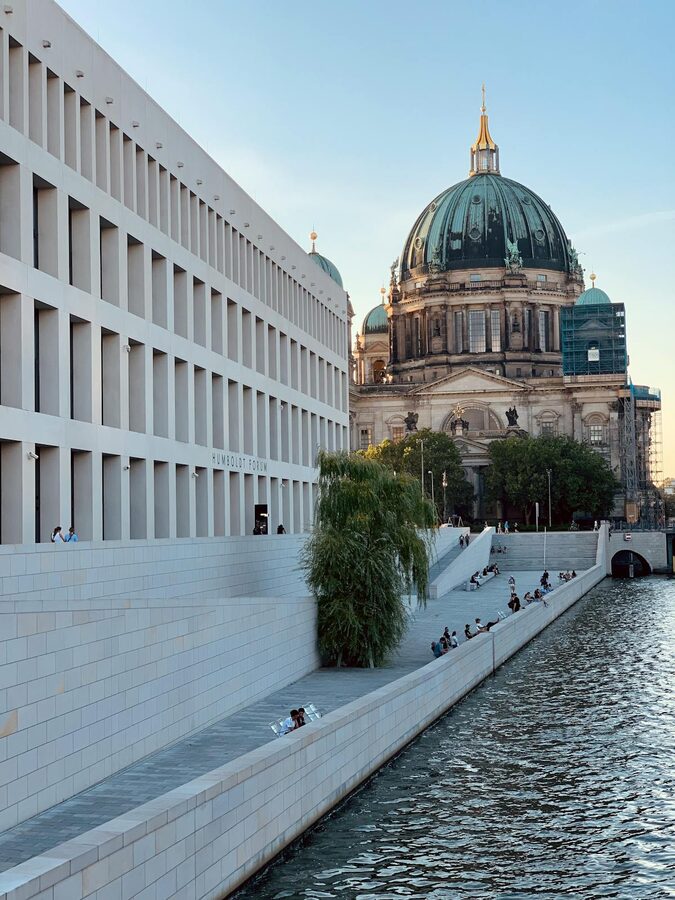
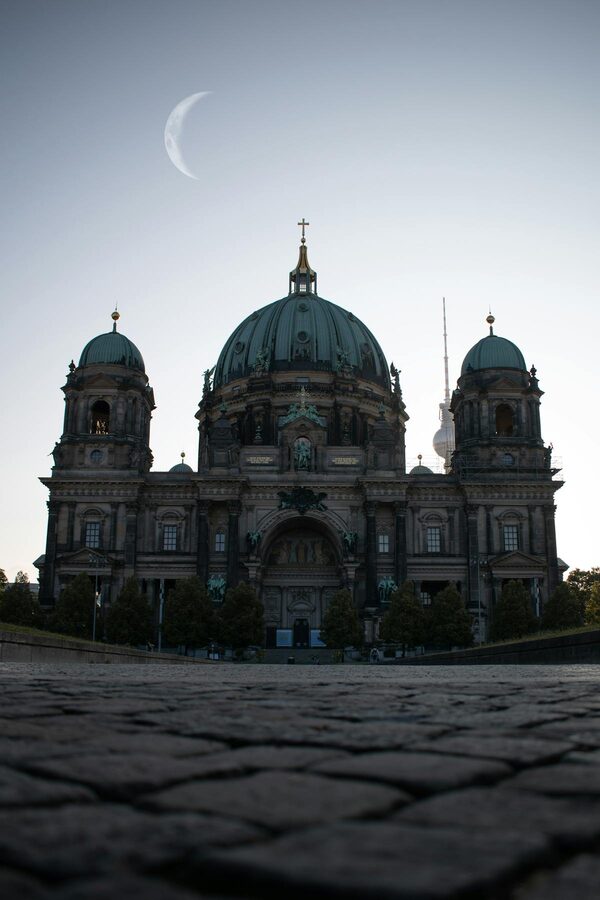
The Five Museums
Each museum on the island covers a different era and culture. You can’t see all five in one day — not properly. Two or three is realistic. Here’s what’s inside each:
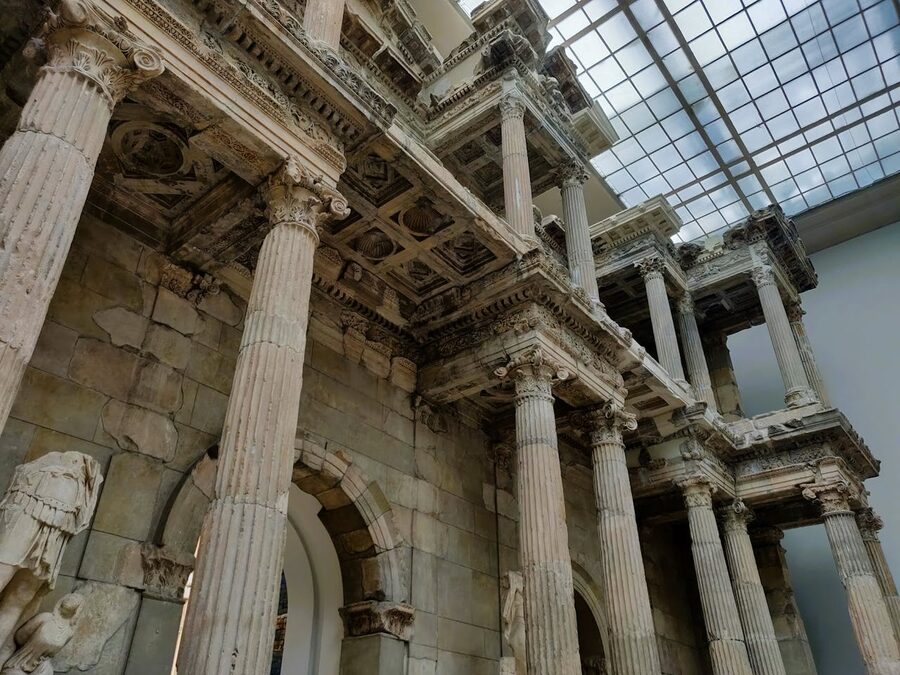
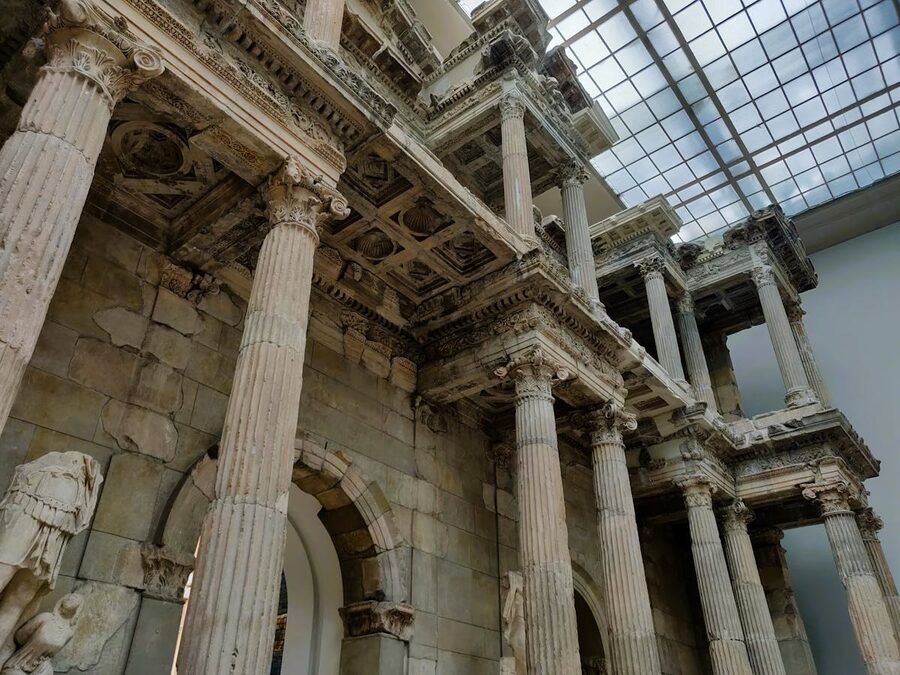
Pergamon Museum — the headliner. Full-scale reconstructions of ancient monuments: the Ishtar Gate of Babylon (blue-tiled, 2,600 years old), the Market Gate of Miletus (Roman, massive), and the Pergamon Altar (currently closed for renovation until at least 2027 — the Ishtar Gate is in a temporary exhibition). The scale of the reconstructions is what makes the Pergamon unique — these aren’t fragments behind glass, they’re rooms you walk through.
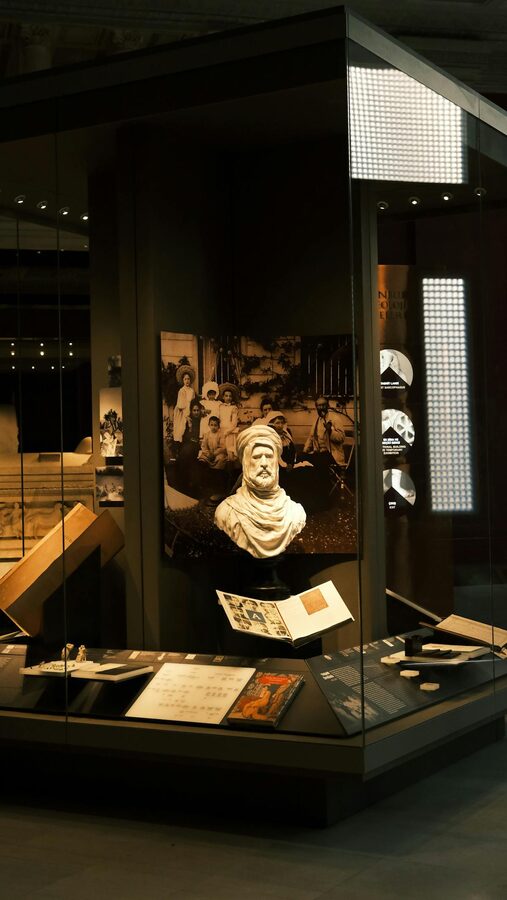
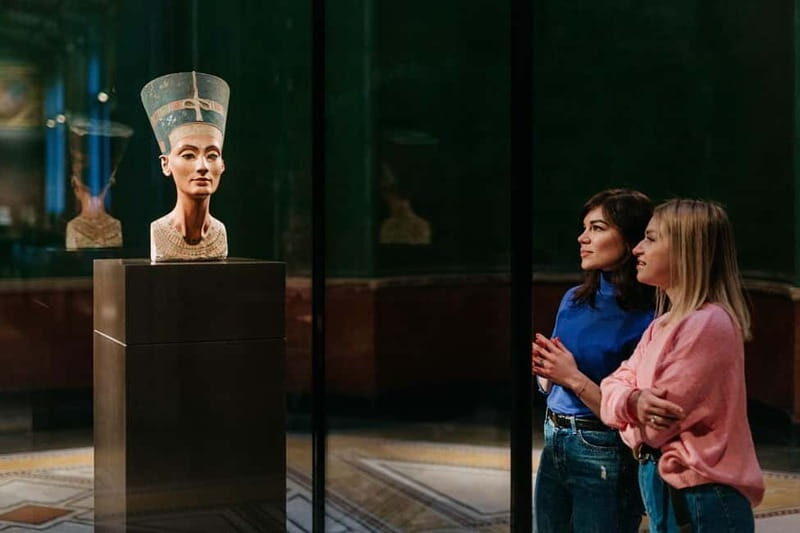
Neues Museum — Egyptian and prehistoric collections. The star is the bust of Nefertiti (3,300 years old, room all to herself, no photography allowed). The Egyptian collection also includes mummies, papyri, and sarcophagi. The prehistoric collection covers European Stone Age to Bronze Age finds. The building itself — reconstructed by David Chipperfield after wartime damage — is architecturally stunning, with raw concrete repairs left deliberately visible alongside the original 19th-century decoration.
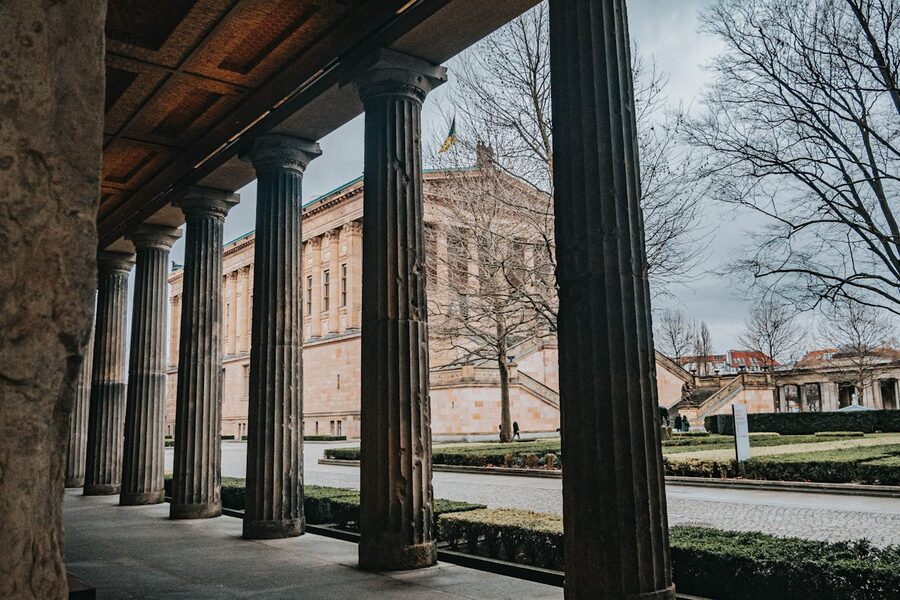
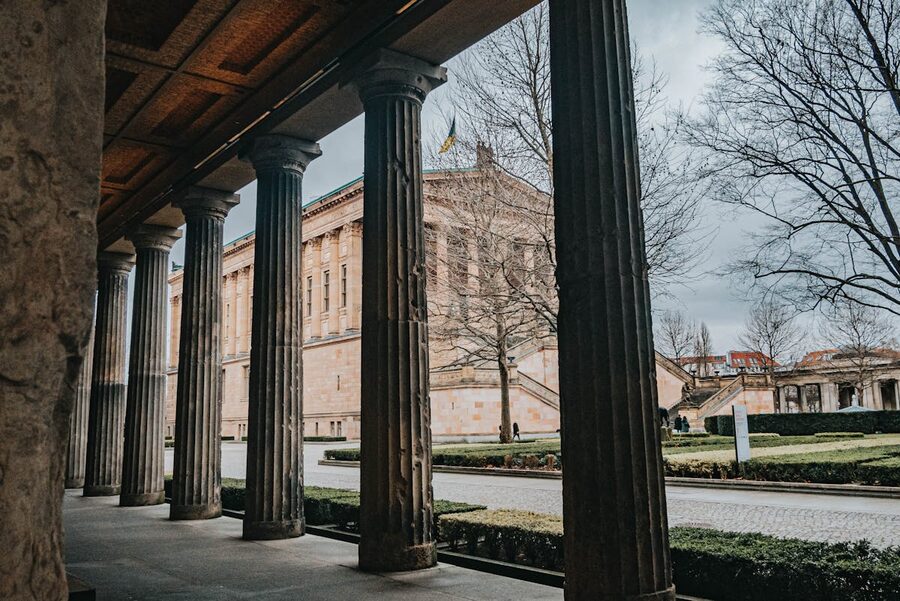
Alte Nationalgalerie — 19th-century European painting and sculpture. French Impressionists (Monet, Renoir, Cézanne), German Romantics (Friedrich’s “Wanderer Above the Sea of Fog” — actually in Hamburg, but his other major works are here), and Berlin Secession artists (Max Liebermann, Lovis Corinth). The temple-like building adds gravitas to every painting.
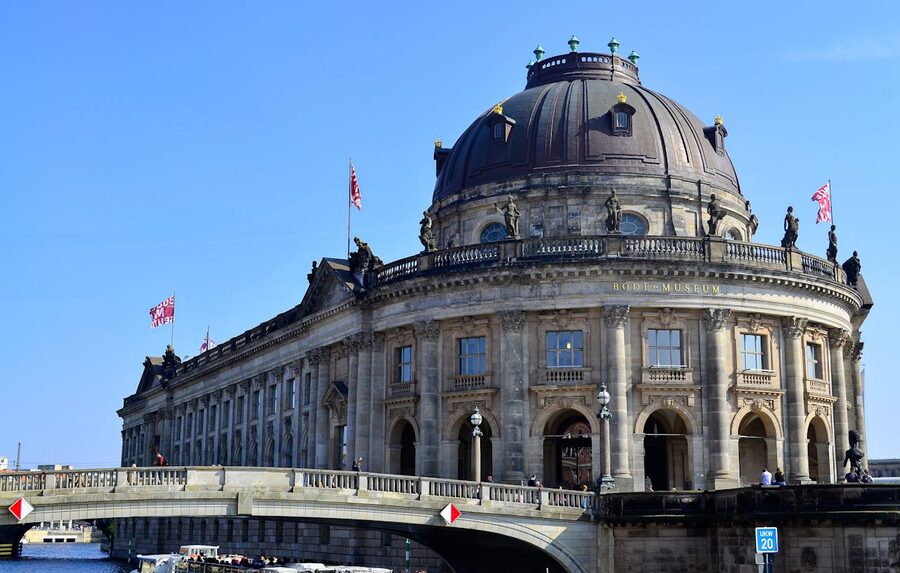
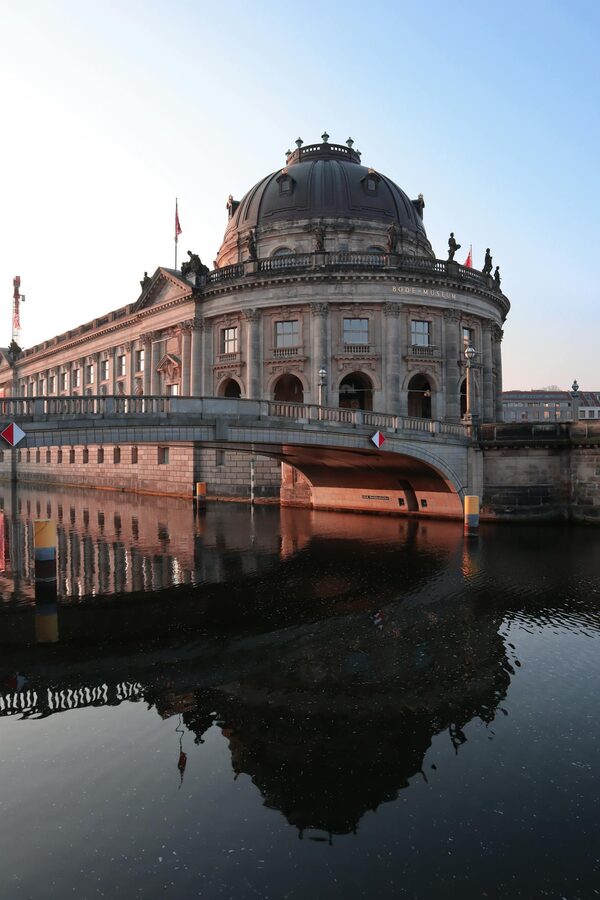
Bode Museum — Byzantine art, medieval sculpture, and one of the world’s finest coin collections. The Byzantine galleries are the highlight — icons, mosaics, and carved ivories from the Eastern Roman Empire. The museum is less crowded than the Pergamon and Neues Museum, which means you can actually stand in front of the artworks without competing for space.
Altes Museum — Greek and Roman antiquities. Classical sculpture, pottery, jewellery, and weapons. The rotunda — modelled on the Pantheon in Rome — is the architectural highlight. The collection is strong but less famous than the Pergamon’s, which means it’s the quietest museum on the island and the one where you can take your time.
The Pergamon and Its Future
The Pergamon Museum — Museum Island’s crown jewel and its most popular attraction — is currently undergoing a major renovation that will continue until the late 2020s. Parts of the museum are closed at different stages of the renovation, which means the famous Ishtar Gate and Processional Way may not be accessible during your visit. Check the official museum website for current opening information before you go.
The Ishtar Gate — the brilliant blue-tiled entrance to ancient Babylon — is the museum’s most visually striking exhibit. The full-scale reconstruction fills an entire gallery and gives visitors a sense of what entering Babylon must have felt like in the 6th century BC. Along with the Processional Way (decorated with lions, bulls, and dragons in coloured glazed brick), it represents one of the most impressive achievements of ancient architecture to survive into the modern world.
The Neues Museum and Nefertiti
The Neues Museum (New Museum) houses the Egyptian and Prehistoric collections, and its most famous resident is the bust of Nefertiti — a 3,300-year-old painted limestone sculpture that is arguably the most famous artwork in Berlin. Nefertiti has her own room (the north dome) and is displayed behind glass with no photography allowed. The experience of seeing her in person — after a lifetime of recognising the image — is unexpectedly moving. She’s smaller than you expect, and more beautiful.
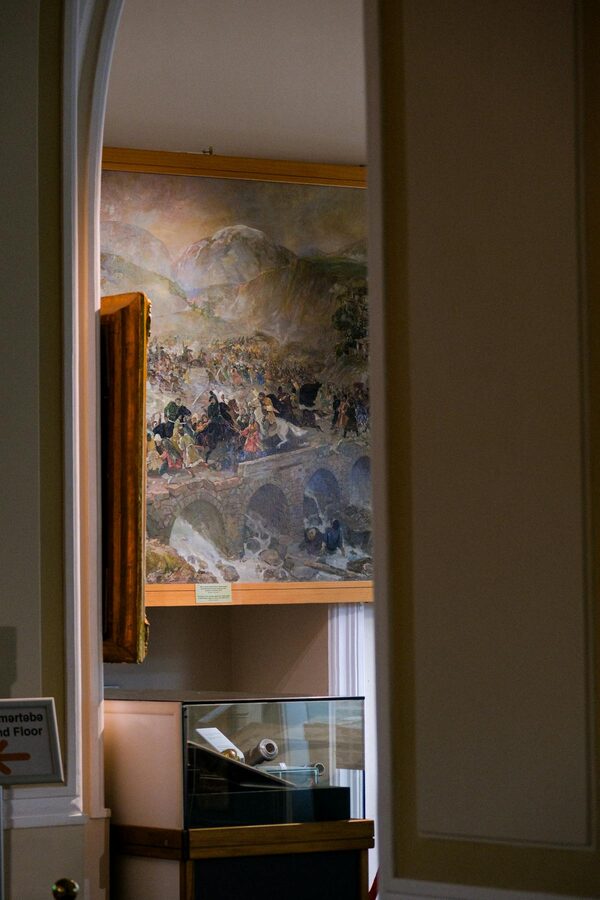
The museum building itself is part of the experience. Heavily damaged in WWII, it stood as a ruin for decades before David Chipperfield’s celebrated renovation (2003-2009) transformed it into what many critics consider the finest museum restoration in Europe. Chipperfield preserved the bullet holes, the missing ceiling frescoes, and the exposed brick where plaster had fallen away — treating the war damage as part of the building’s story rather than something to be hidden. The result is a museum where the architecture is as thought-provoking as the exhibits.
Tickets and Strategy
The $28 Museum Island ticket covers all five museums for one day. Individual museum tickets cost about €14 each — so the combo ticket pays for itself after two museums. If you’re spending multiple days in Berlin, the WelcomeCard Museum Island ($70 for 3 days) adds public transport and discounts at 200+ attractions.
Best strategy: Start at the Neues Museum (opens 10am — go early for Nefertiti before the crowds build). Move to the Pergamon (Ishtar Gate + Islamic Art). After lunch (the café on the island is expensive — eat on the mainland), visit the Alte Nationalgalerie if you like painting, or the Bode if you prefer sculpture. Save the Altes Museum for a return visit or skip if time is short.
Pergamon note: The Pergamon Altar hall is closed for renovation until at least 2027. The rest of the museum — including the Ishtar Gate, the Market Gate of Miletus, and the Islamic Art collection — remains open. Check smb.museum for current status.
Best Tickets to Book
1. Museum Island Multiple Museum Entry Ticket — $28
Access to all five Museum Island museums for one day. The ticket is timed for your first entry but once inside the island complex, you can visit the remaining museums at your own pace. At $28 (vs €14 per individual museum), the combo is better value after two museums. Skip-the-line entry through the GYG booking avoids the main ticket queue, which can be 30+ minutes in summer. Our review covers which museums to prioritise and the best order to visit them.
2. Berlin WelcomeCard: Museum Island + Public Transport — $70
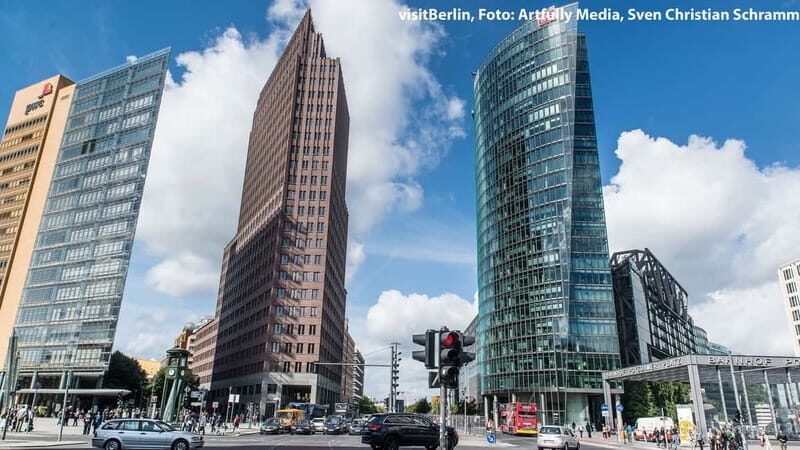
The all-in-one Berlin pass. Three days of unlimited public transport (U-Bahn, S-Bahn, bus, tram), Museum Island entry, and up to 50% off at over 200 attractions, restaurants, and entertainment venues. At $70, it pays for itself if you use public transport daily and visit Museum Island plus two discounted attractions. Our review calculates the break-even point and which discounts are actually worth using.
3. German Spy Museum — $27
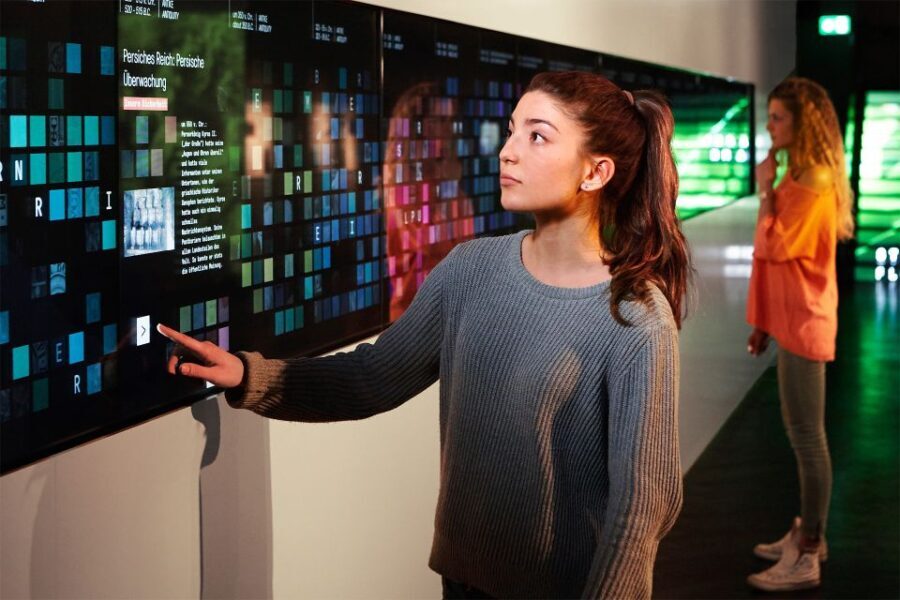
Not a Museum Island museum, but a good complement to it. The German Spy Museum near Potsdamer Platz covers the history of espionage from ancient times to the digital age, with a Cold War Berlin focus. Interactive exhibits let you crack codes, navigate a laser grid, and test your observation skills. A fun counterpoint to the serious classical art of Museum Island. Our review covers the exhibits and whether the museum works for adults as well as children.
Practical Tips
Getting there: S-Bahn Hackescher Markt (S5/S7/S75) is the closest station — Museum Island is a 5-minute walk across the Spree. U-Bahn Friedrichstraße (U6) is also close. Bus routes 100 and 200 stop on Unter den Linden, a 2-minute walk.
Opening hours: Most museums open Tuesday-Sunday 10am-6pm (Thursday until 8pm). Closed Mondays. Check smb.museum for current hours and any special closures.
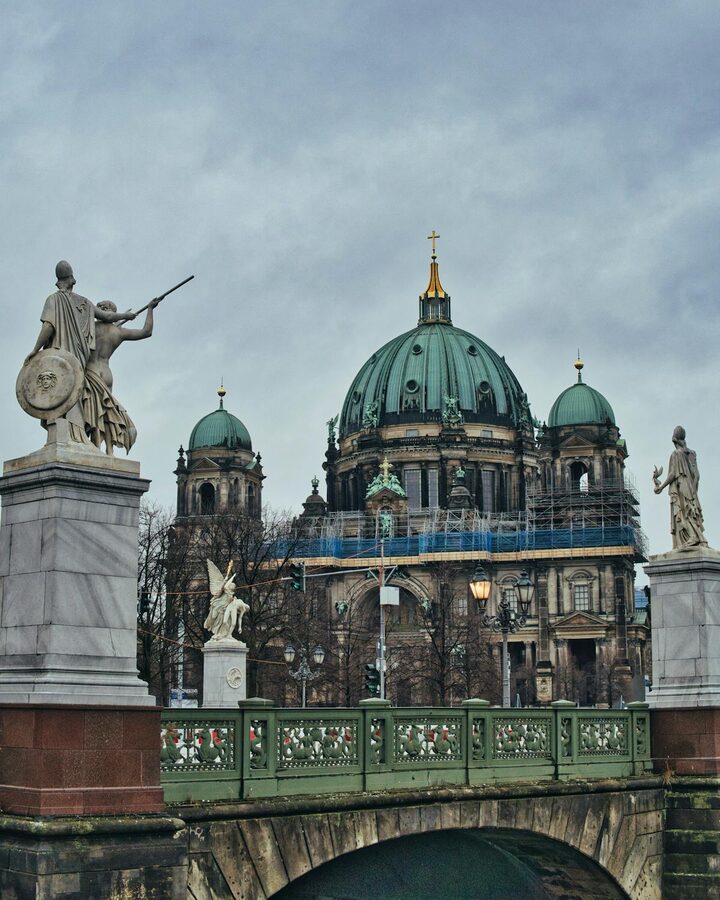
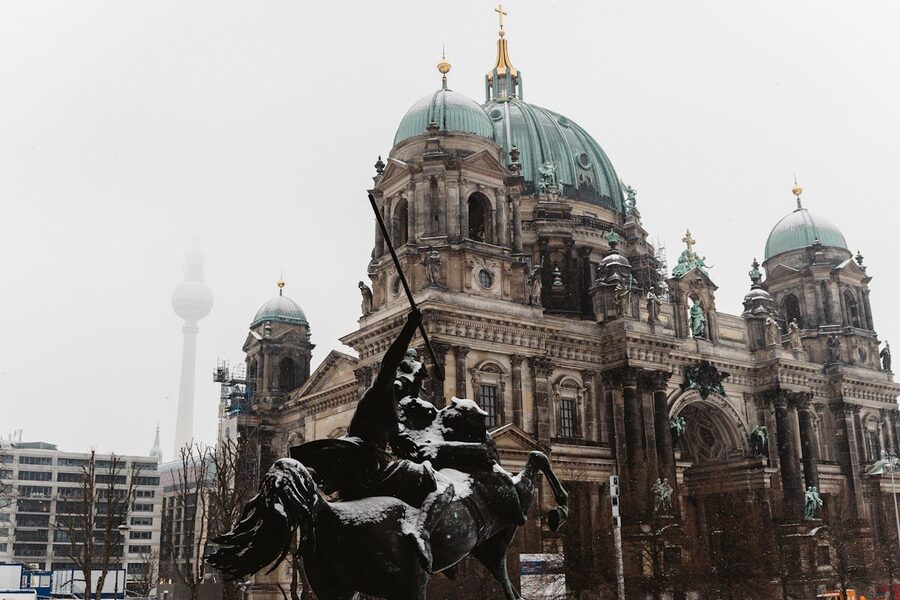
How long: 2-3 hours for the highlights (Nefertiti + Ishtar Gate + one painting gallery). A full day for 3-4 museums. Two days for everything including the cathedral.
Photography: Photography is allowed in most galleries (no flash, no tripods). The Nefertiti room in the Neues Museum is the main exception — no photos of any kind. The guards enforce this strictly.
Budget: Combo ticket: $28. Individual museum: €14. Cathedral: €9. Audio guide: €4 per museum. A Museum Island day costs about €40-50 including lunch.
More Berlin Culture
Museum Island covers ancient to 19th-century art. For 20th-century and contemporary, the Hamburger Bahnhof (contemporary art in a former train station) and the East Side Gallery (Berlin Wall murals) fill the gaps. The Reichstag dome gives you the political architecture counterpoint. And the Third Reich and Cold War walking tours explain the historical context that produced the art and the architecture you see on the island.