
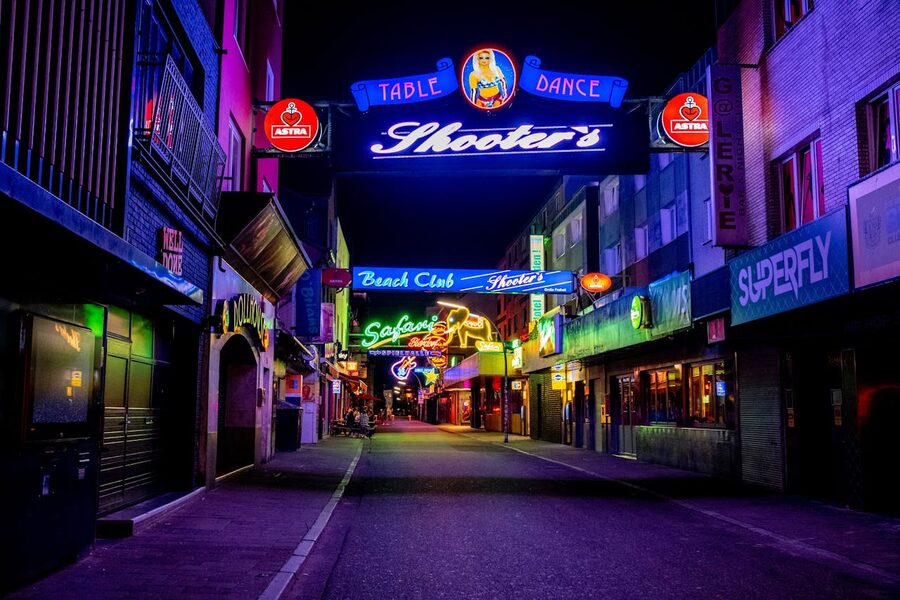
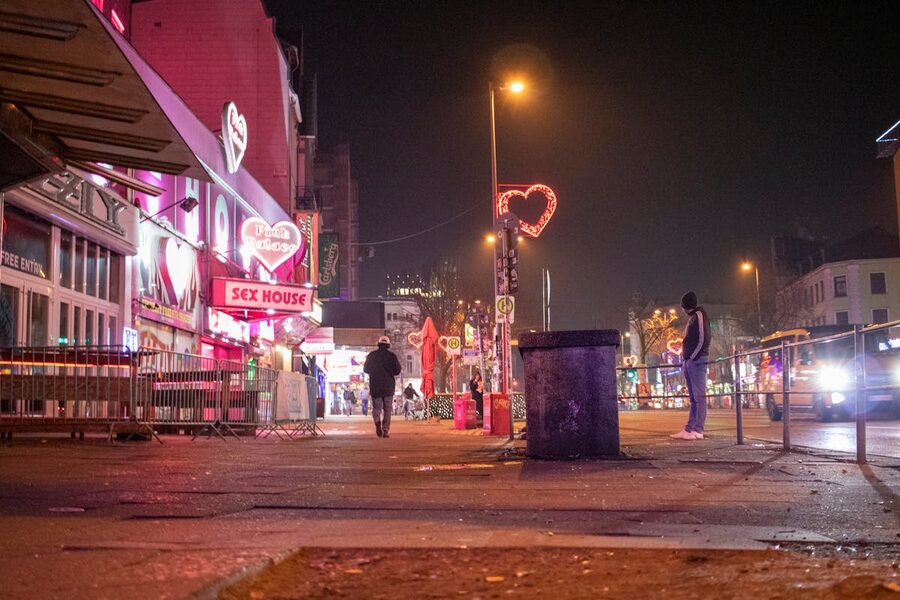
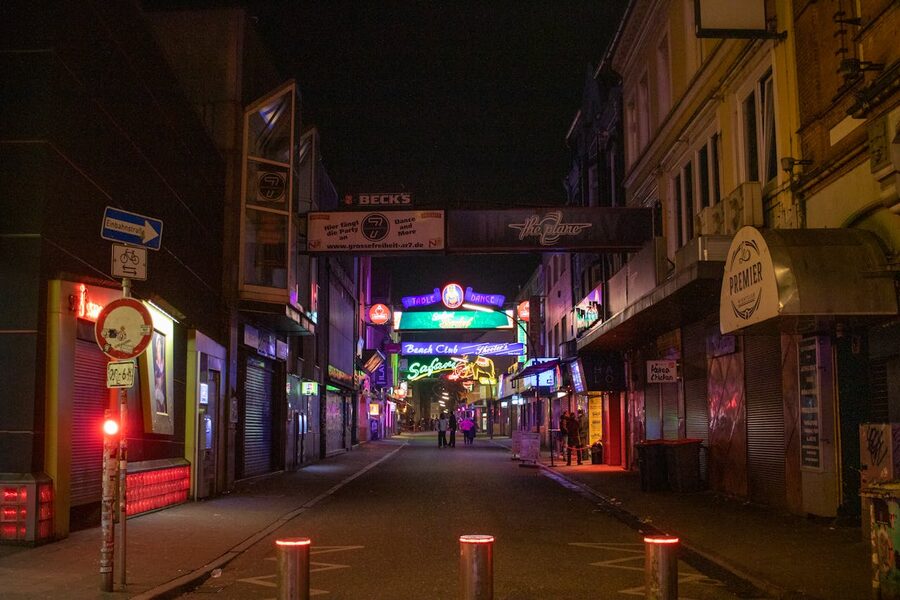
The Reeperbahn is Hamburg’s 930-metre strip of neon, noise, and nightlife — the city’s entertainment centre since the 1800s, where sailors drank, the Beatles played, and the guided walking tours now generate the most consistently positive visitor feedback of any tourist experience in Germany.
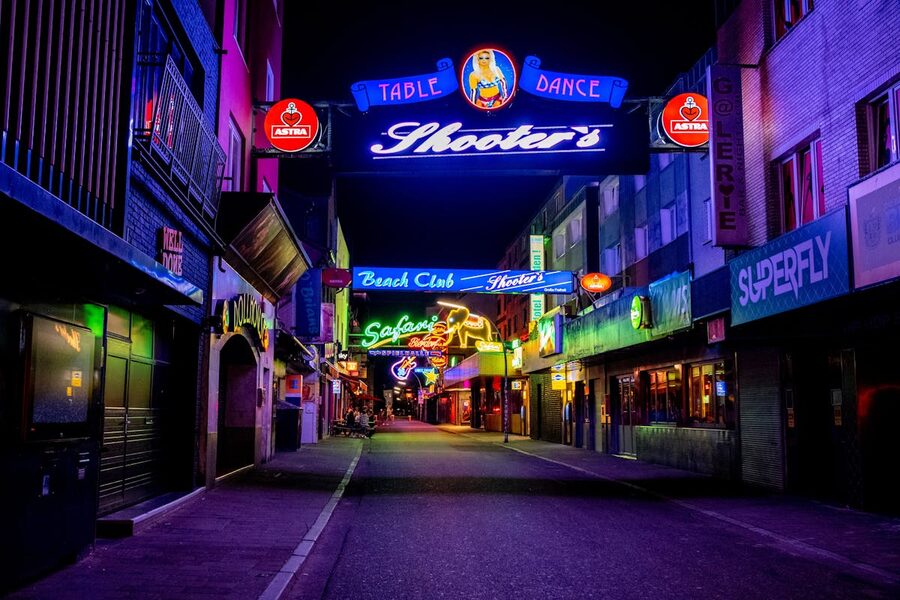
St. Pauli is more than the Reeperbahn. The neighbourhood is one of Hamburg’s most interesting: a former working-class dockside area that’s become a mix of counterculture, music venues, street art, and gentrifying apartment blocks. The football club (FC St. Pauli) is the most politically left-wing in Germany. The bars range from dive to designer. And the guided tours — particularly the “Sex and Crime” tour — use the neighbourhood’s colourful history as a lens for understanding Hamburg’s identity as a port city, a music city, and a city that has always been a bit wilder than the rest of Germany.
Green Bunker tour: St. Pauli Green Bunker Tour — $25, WWII bunker turned garden, unique Hamburg landmark.
Pub crawl: Reeperbahn Pub Crawl — $29, night crawl through the district’s best bars.
- The Sex and Crime Tour
- The Green Bunker: Hamburg’s Strangest Landmark
- The Beatles Connection
- The Reeperbahn Pub Crawl
- FC St. Pauli: The Punk Rock Football Club
- St. Pauli Beyond the Nightlife
- Best Tours to Book
- 1. Sex and Crime in St. Pauli Tour (18+) —
- 2. St. Pauli Green Bunker Tour —
- 3. Reeperbahn Night Pub Crawl —
- Practical Tips
- More Hamburg Experiences
The Sex and Crime Tour
Let’s address the name. The “Sex and Crime” tour sounds like a stag party gimmick. It’s not. It’s a 2-hour guided walk through St. Pauli’s history — the docks, the sailors, the red-light district, the Beatles era, the serial killers (Hamburg had several), the police raids, and the neighbourhood’s transformation from vice district to cultural hotspot. The guide covers all of this with humour, historical accuracy, and enough dark stories to earn the “crime” part of the title.
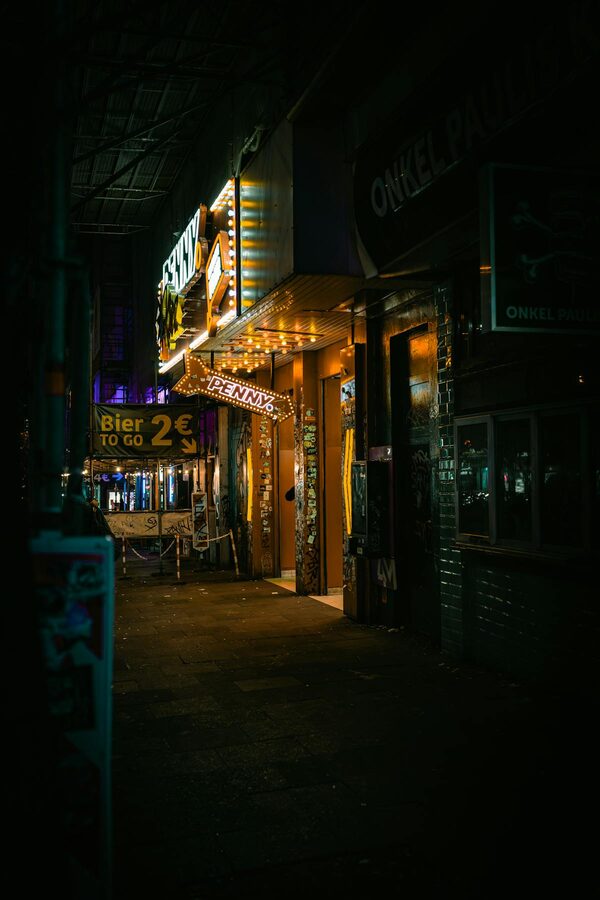
The tour covers Hamburg’s darker chapters with the same directness the city itself uses. Fritz Honka, the serial killer who murdered four women in St. Pauli in the 1970s and hid their remains in his apartment, is part of the narrative — the guide takes you past the building where it happened and explains how the case shaped Hamburg’s attitude toward the district’s seedier side. The Great Fire of 1842, which destroyed a third of the city, started near here. The firebombing of 1943, which killed an estimated 37,000 people in a single week, flattened the area around the Heiligengeistfeld. St. Pauli has always rebuilt, and always with the same character — defiant, unpretentious, slightly dangerous.
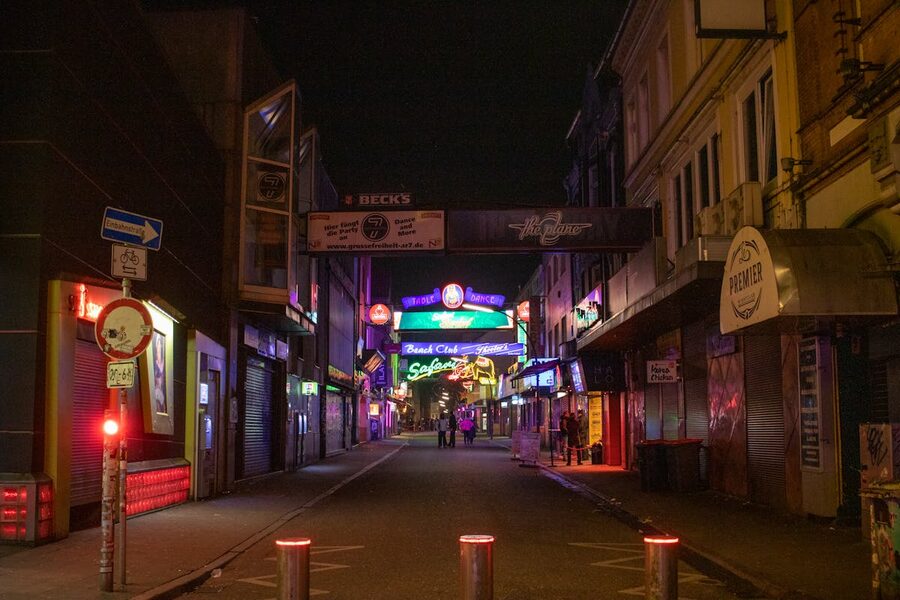
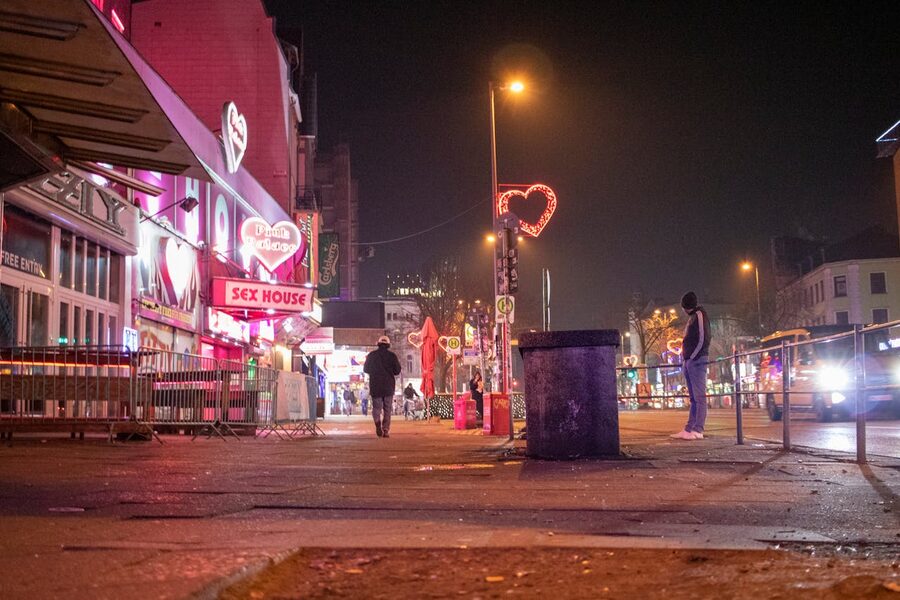
The sheer volume of consistently positive feedback makes this the most-reviewed tour in Germany — and one of the most-reviewed in Europe. That volume across years of daily operation means the quality is consistently high regardless of which guide you get. The tour is 18+ only (the content covers sex work, crime, and Hamburg’s red-light history) and runs in the evening when the neighbourhood is at its most atmospheric.
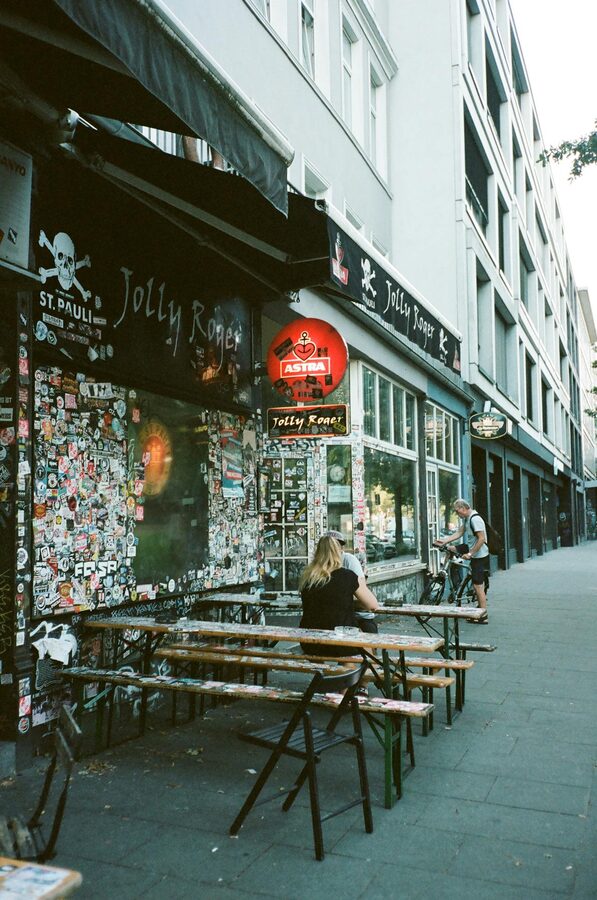
The Green Bunker: Hamburg’s Strangest Landmark
The Flakbunker (anti-aircraft bunker) on Feldstraße is a massive WWII concrete structure that was too tough to demolish after the war (they tried — the explosives barely scratched it). Instead of leaving it as an ugly relic, Hamburg turned it into the Grüner Bunker — a rooftop garden and community space that opened in 2024. Trees, paths, and a public terrace now sit on top of a building that was designed to withstand Allied bombing.
The Green Bunker tour ($25) takes you through the bunker’s history — from its construction in 1942 through its post-war use as a music venue (it held Germany’s first raves in the 1990s) to its transformation into an urban garden. The tour is currently in German only, but the building is accessible independently and the rooftop garden is free to visit.
The bunker’s walls are 3.5 metres thick — designed to withstand direct hits from the largest Allied bombs. When the British tried to demolish it in 1947, the explosives barely chipped the surface. The decision to turn it into a garden rather than letting it decay was classic Hamburg pragmatism: you can’t knock it down, so you might as well plant trees on it. The rooftop garden has become one of the most popular public spaces in St. Pauli, with views across the harbour and the Reeperbahn.
The Beatles Connection
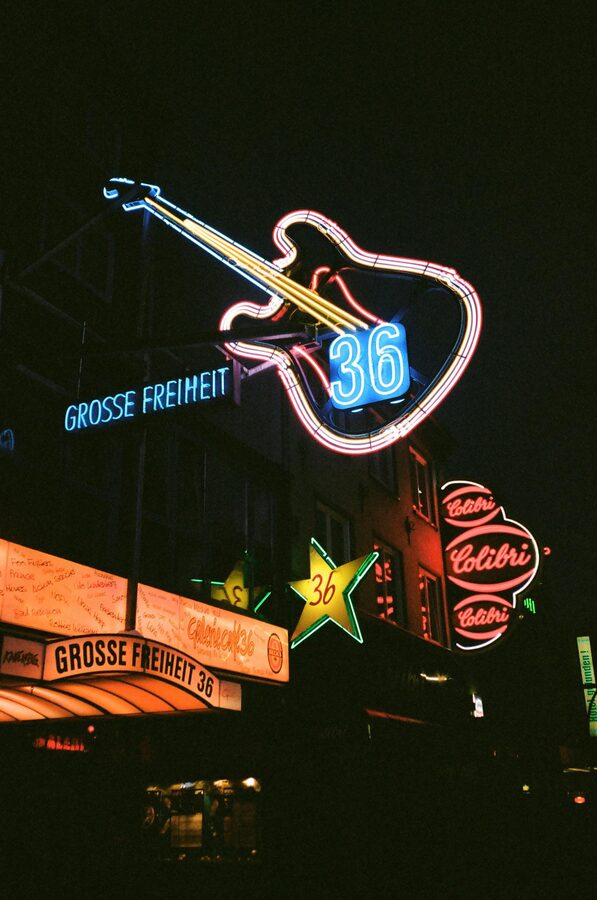
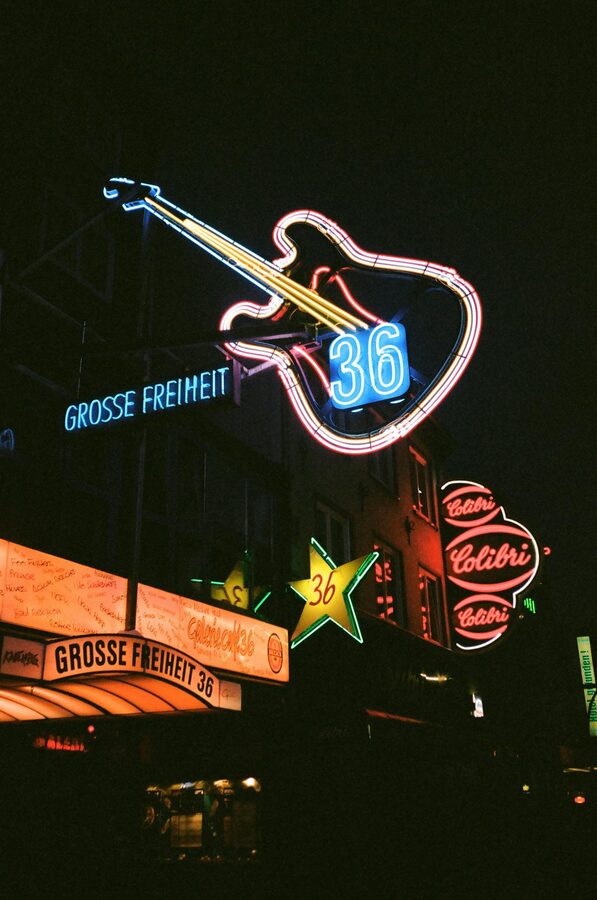
Hamburg’s claim to the Beatles is legitimate and well-documented. Between August 1960 and December 1962, the band played nearly 300 nights in St. Pauli’s clubs — the Indra Club, the Kaiserkeller, the Top Ten Club, and the Star-Club. They arrived as a rough Liverpool cover band and left as the tightest live act in rock music. The Hamburg residencies are where they developed the stamina, the stage presence, and the repertoire that would make them famous. John Lennon later said the Beatles were born in Liverpool but grew up in Hamburg.
The Indra Club at Große Freiheit 64 is still open and still hosting live music. The Star-Club was demolished in 1987 despite campaigns to save it — a decision that Hamburg now regrets. A plaque marks the location. The tour guides know the Beatles stories in detail because the band’s Hamburg years intersect with St. Pauli’s wider history: the same bars that hosted the Beatles also hosted Hamburg’s underworld figures, and the two worlds overlapped in ways that the sanitised Beatles biography usually omits.
The Reeperbahn Pub Crawl
For visitors who want to experience St. Pauli’s nightlife rather than learn about its history, the pub crawl ($29) takes you to 4-5 bars across the district with shots included at each stop and nightclub entry at the end. It’s the same format as pub crawls worldwide — a guide, a group of strangers, and enough alcohol to make everyone friends — but the Reeperbahn setting adds an edge that most bar crawls lack.
FC St. Pauli: The Punk Rock Football Club
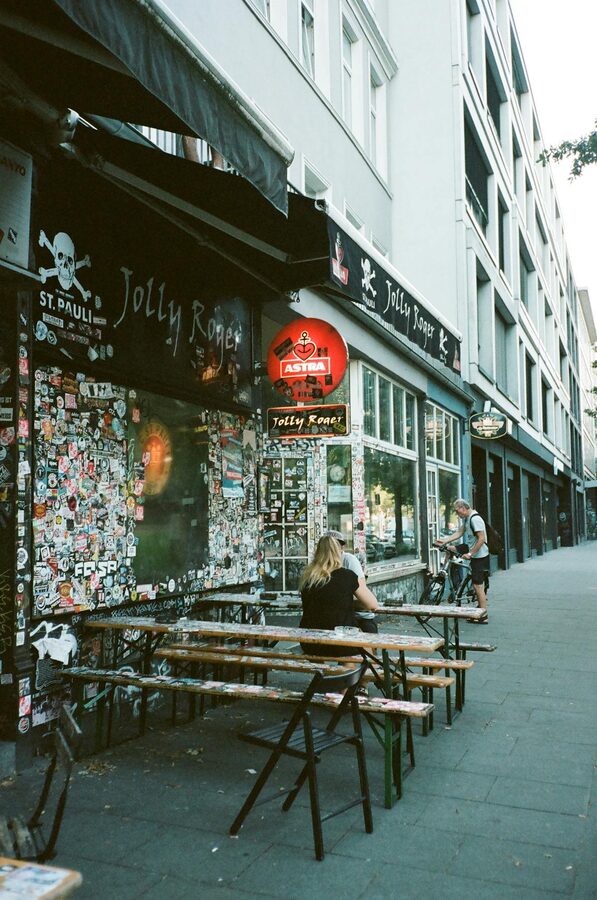
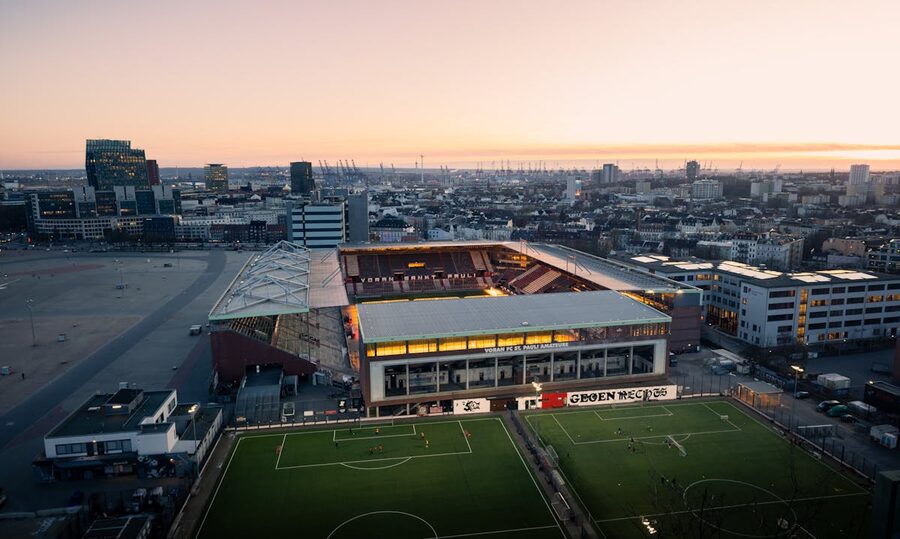
No discussion of St. Pauli is complete without the football club. FC St. Pauli plays in the Millerntor-Stadion at the edge of the entertainment district, and the club’s identity is inseparable from the neighbourhood’s. The skull-and-crossbones flag that the fans adopted in the 1980s has become the club’s unofficial symbol — you’ll see it on t-shirts, stickers, and bar walls throughout the district. FC St. Pauli is deliberately left-wing, anti-fascist, and anti-hotel in a way that no other German football club matches. The club’s official statement of values explicitly supports refugees, opposes homophobia, and rejects right-wing politics.
If you can get tickets (they sell out regularly), a match at the Millerntor is one of the best experiences in Hamburg. The stadium is compact — about 30,000 capacity — and the atmosphere is intense. The standing section behind the goal is where the hardcore supporters gather, and their chanting is continuous. The whole experience feels more like a punk concert than a corporate sporting event, which is exactly what the club intends.
St. Pauli Beyond the Nightlife
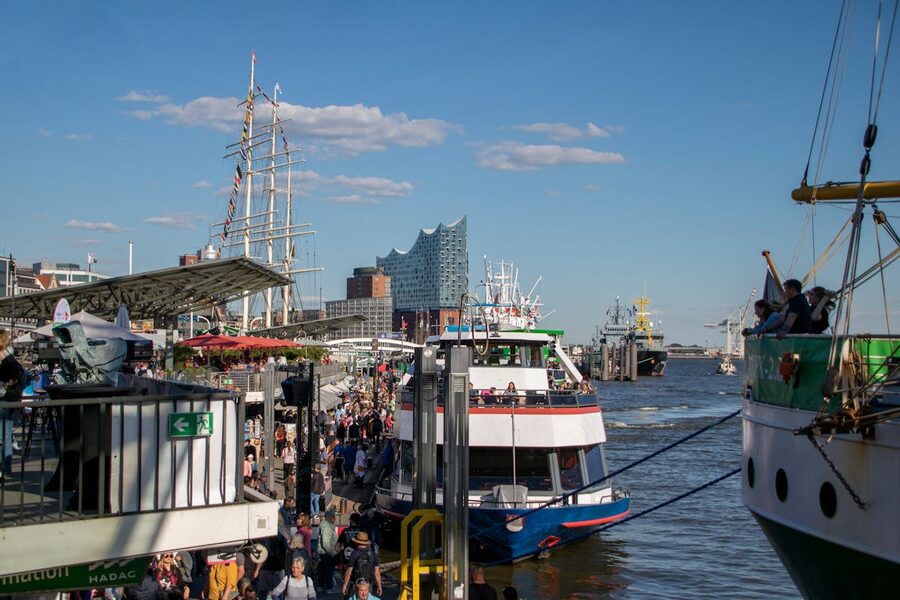
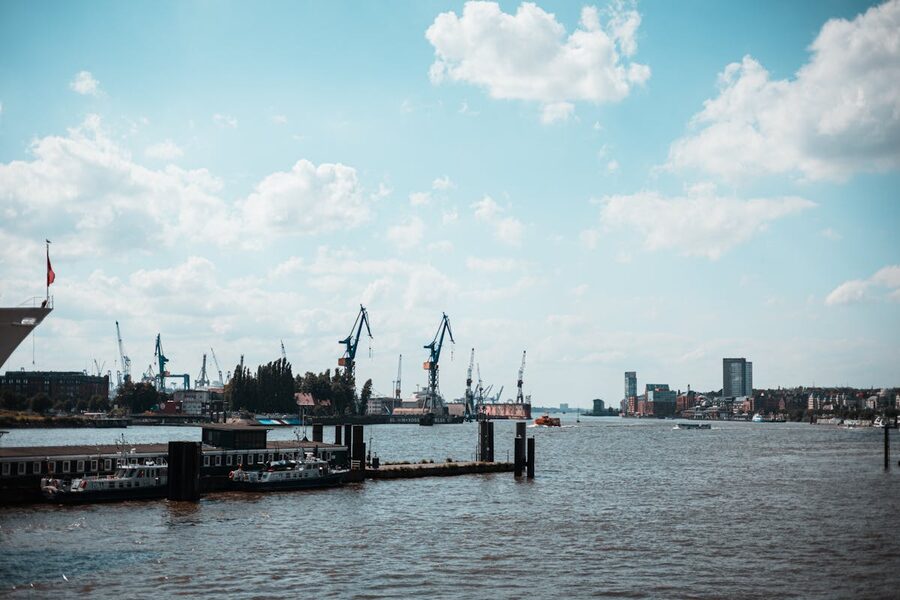
During the day, St. Pauli is a genuinely interesting neighbourhood worth exploring on foot. The Fischmarkt (fish market) on Sunday mornings at the harbour is one of Hamburg’s best experiences — fish, fruit, flowers, and live music in a covered market hall from 5am (yes, 5am — the early start is a tradition from when the fresh catch needed to be sold before it warmed up).
Best Tours to Book
1. Sex and Crime in St. Pauli Tour (18+) — $29

Two hours through St. Pauli’s colourful history — the docks, the Beatles, the crime, the red-light district, and the neighbourhood’s evolution. The guides are local, knowledgeable, and funny — the humour is essential for handling subject matter that could otherwise be uncomfortable. Ages 18+ only. Evening departures. Our review covers the full route and whether the tour lives up to its extraordinary review count.
2. St. Pauli Green Bunker Tour — $25
The most architecturally interesting thing in St. Pauli. The Flakbunker’s transformation from wartime relic to green rooftop garden is a Hamburg story in miniature — practical, creative, and slightly eccentric. The tour is currently in German only, but the rooftop garden is free and open to all. Our review covers the bunker’s history and whether non-German speakers can still enjoy the visit.
3. Reeperbahn Night Pub Crawl — $29

For visitors who want to experience the Reeperbahn rather than learn about it. The pub crawl covers 4-5 bars with shots at each stop and nightclub VIP entry at the end. The group dynamic — international travelers, exchange students, and curious locals — creates a social energy that solo bar-hopping can’t match. Our review covers the bar quality and whether the crawl adds value over going out independently.
Practical Tips
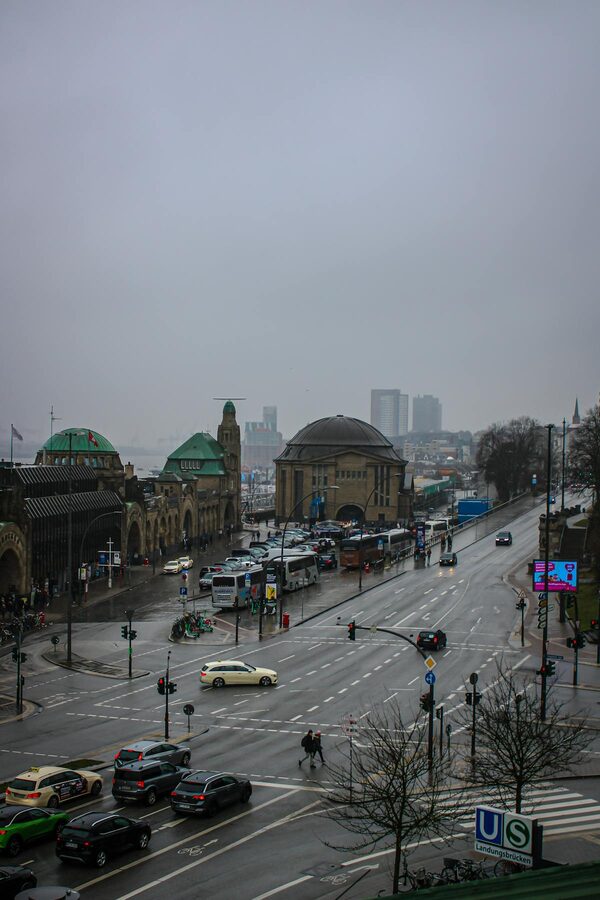
Getting to St. Pauli: U-Bahn St. Pauli (U3) drops you directly on the Reeperbahn. S-Bahn Reeperbahn (S1, S2, S3) is even closer. From Hamburg Hauptbahnhof, it’s about 10 minutes by U-Bahn.
Safety: St. Pauli is safe by big-city standards. The Reeperbahn is heavily policed, especially on weekend nights. The Davidwache police station sits right on the strip. Standard street-smart rules apply: watch your pockets in crowds, don’t flash expensive items, and avoid the darkest side streets at 3am. The guided tours operate in well-lit, well-trafficked areas.
When to go: The Sex and Crime tour runs in the evening (usually 8pm departure) when the neon is on and the atmosphere is right. The pub crawl starts around 9:30pm. The Fischmarkt is Sunday mornings 5-9:30am (worth setting the alarm for). Daytime St. Pauli is quiet and residential — the neighbourhood wakes up around 6pm.
Budget: Sex and Crime tour: $29. Pub crawl: $29. Green Bunker tour: $25. Beers on the Reeperbahn: €4-6 (cheap by German standards). Club entry: free-€15 depending on the venue. A full St. Pauli evening: about €60-80 including tour, drinks, and club.
More Hamburg Experiences
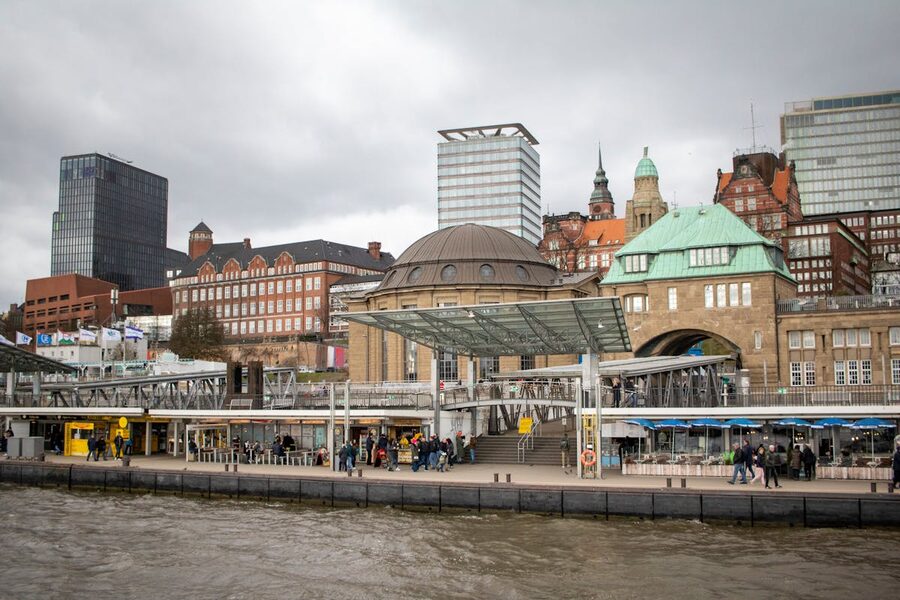
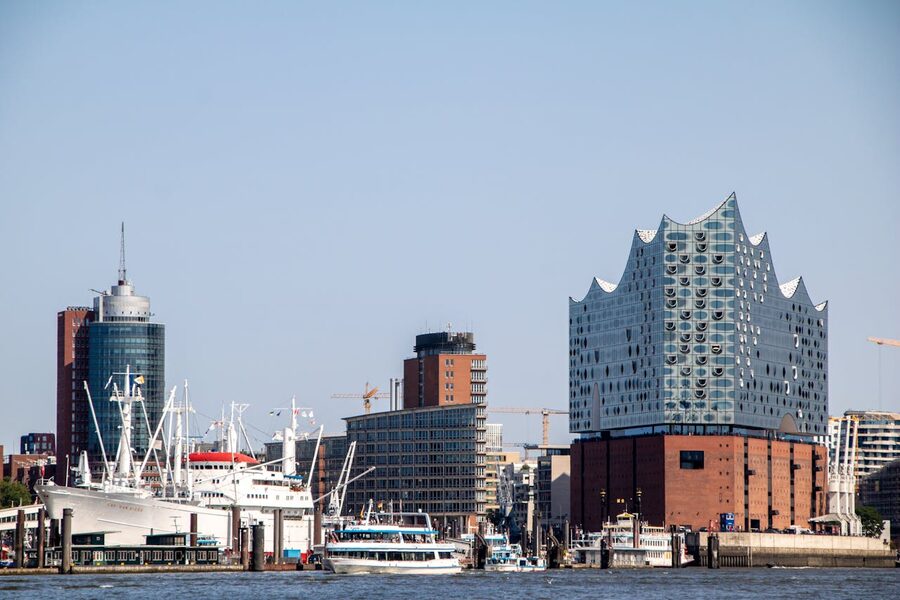
St. Pauli is the evening attraction. For daytime Hamburg, the harbour cruises show you the port from the water, the bike tours cover the city’s diverse neighbourhoods, and the Elbphilharmonie concert hall (free viewing platform, paid concerts) is one of Europe’s most impressive modern buildings. Hamburg rewards a full weekend — the port, the canals, the Speicherstadt, Miniatur Wunderland, and St. Pauli together make one of Germany’s most underrated city breaks.