
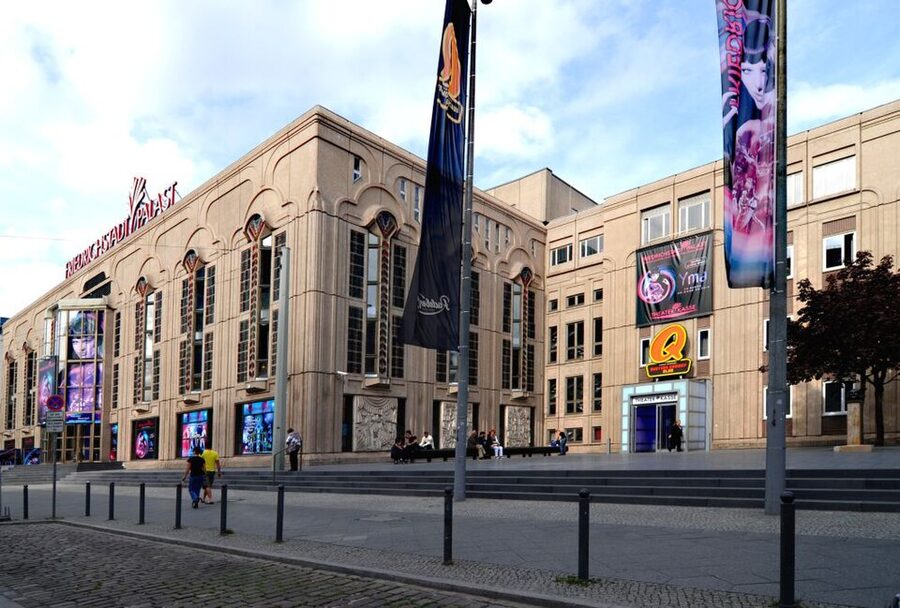
The Friedrichstadt-Palast is Europe’s largest show stage — 2,854 seats, a 2,854 square metre stage, and the world’s tallest indoor revolving platform. The Grand Show format runs twice a year, each production playing for 18 months before being replaced. Tickets range from $51 for budget seats to $200+ for premium centre orchestra positions.
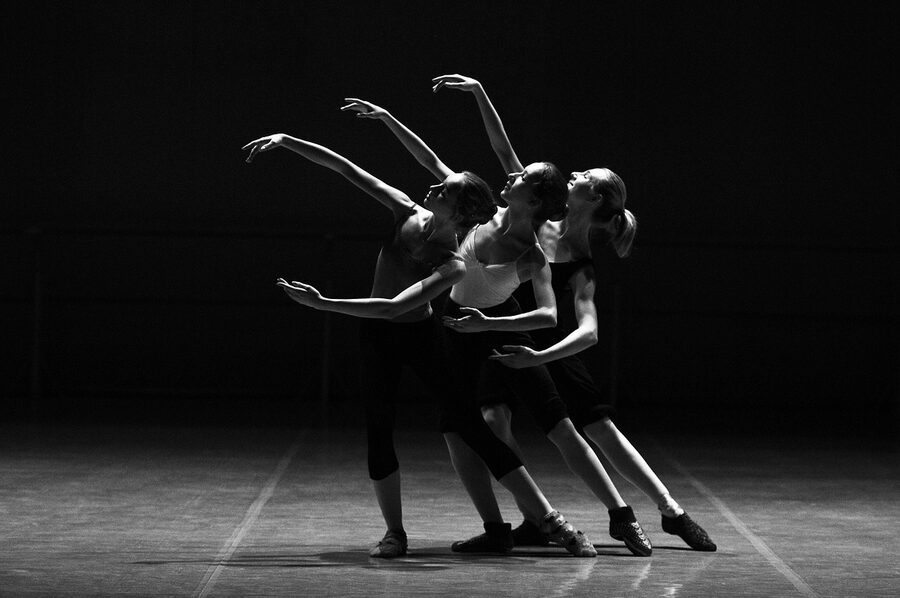
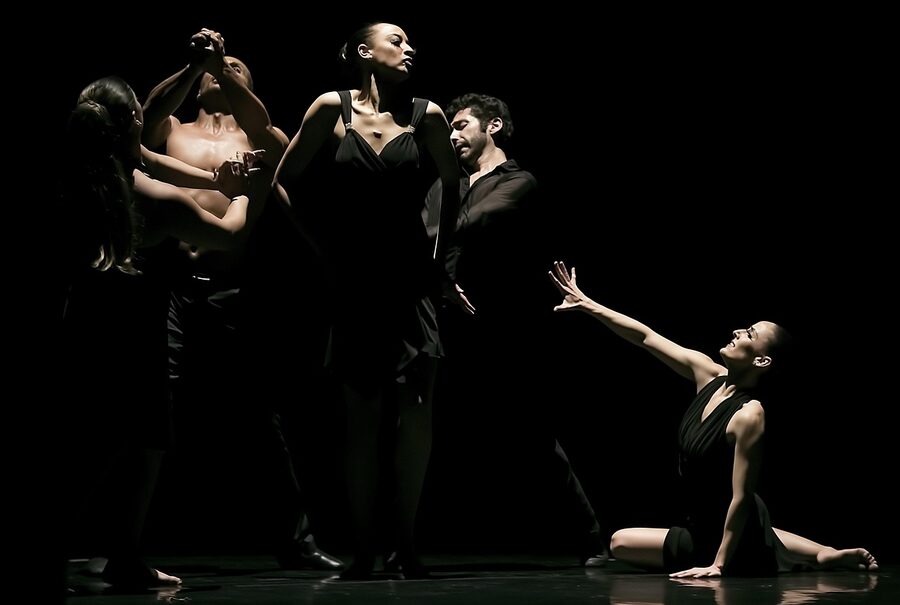
The current Grand Show, FALLING | IN LOVE, combines dance, acrobatics, music, and elaborate costume changes in a 2.5-hour production featuring 60+ performers. The scale is closer to Las Vegas than traditional European theatre — pyrotechnics, LED floors, ice skating sequences, and a revolving centre that weighs more than a Boeing 747 at full capacity.
Main show (Viator): FALLING IN LOVE at Friedrichstadt-Palast — $52, same show different booking platform.
Musical alternative: Cabaret Musical at Tipi Am Kanzleramt — $71, smaller venue with musical theatre focus.
Official site: palast.berlin — current show info, schedules, and premium seat availability.
- The FALLING | IN LOVE Grand Show
- The Revolving Stage and Technical Specs
- Watching a Show: What to Expect
- The Cabaret Musical Alternative
- The Friedrichstadt-Palast’s History
- Other Berlin Show Alternatives
- Best Tours to Book
- 1. FALLING | IN LOVE Grand Show (GYG) —
- 2. FALLING | IN LOVE (Viator) —
- 3. Cabaret Musical at Tipi Am Kanzleramt —
- Practical Tips
- Combining the Show with Berlin Sightseeing
- More Berlin Experiences
The FALLING | IN LOVE Grand Show
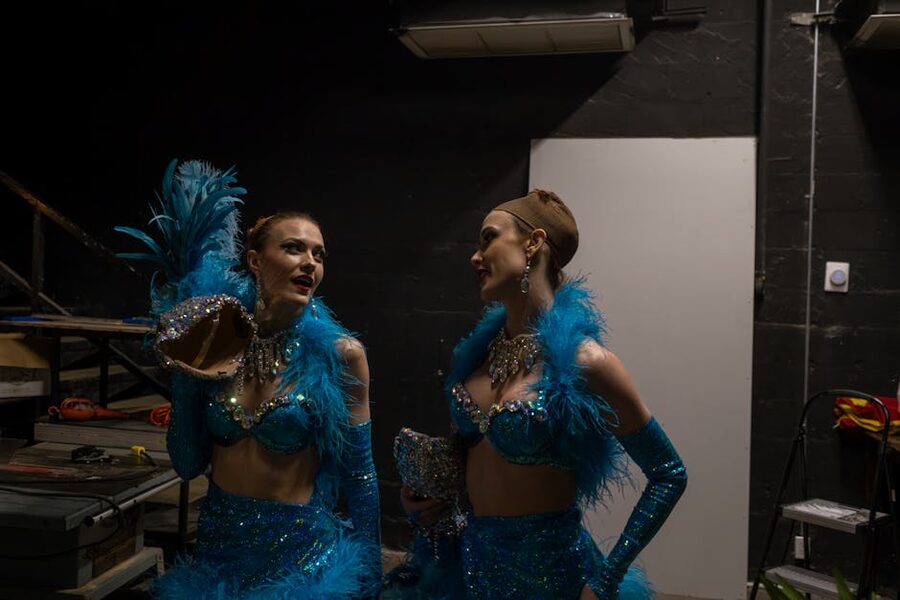
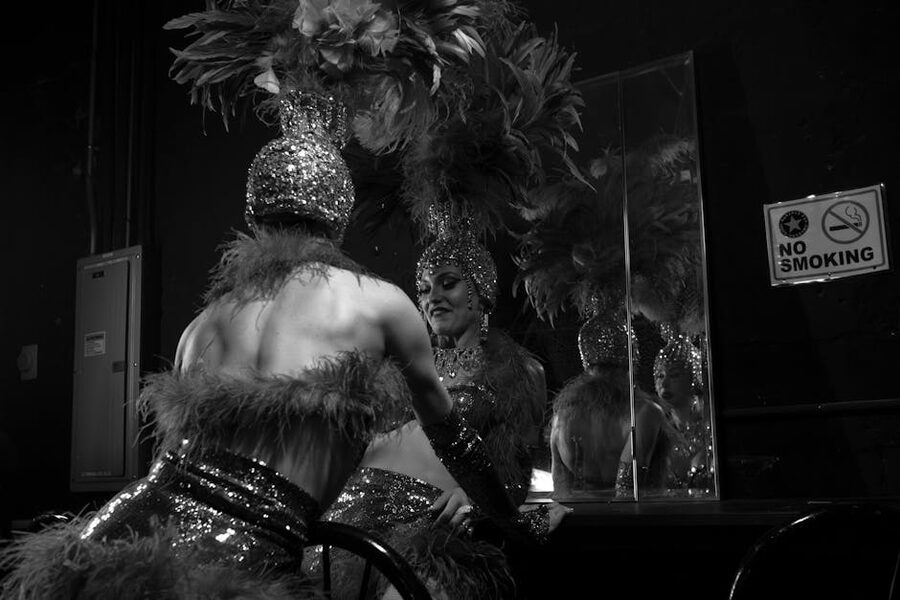
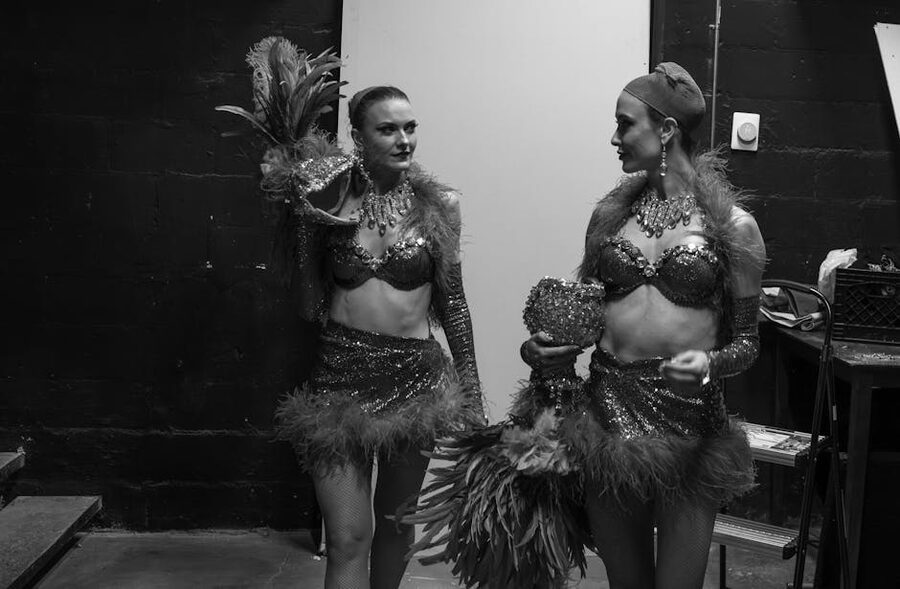
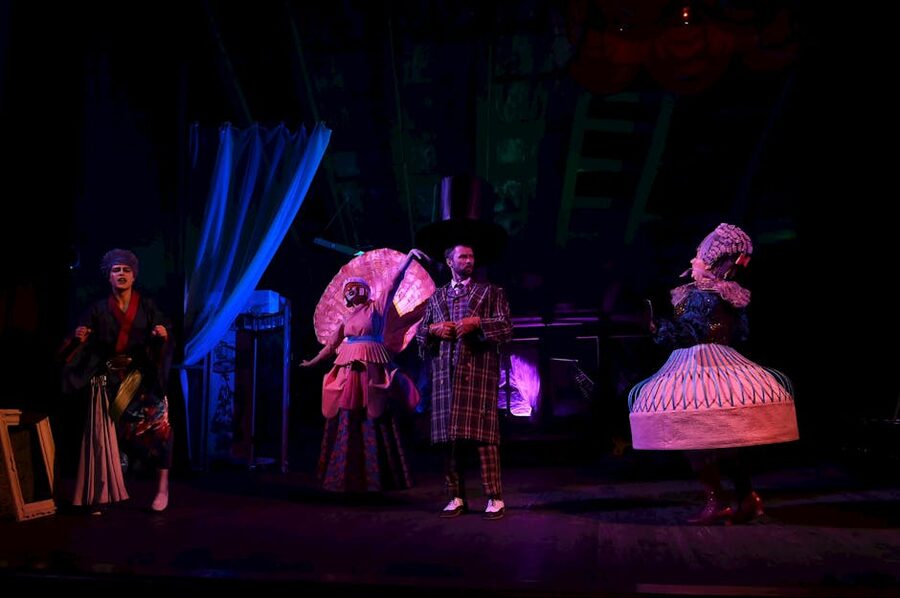
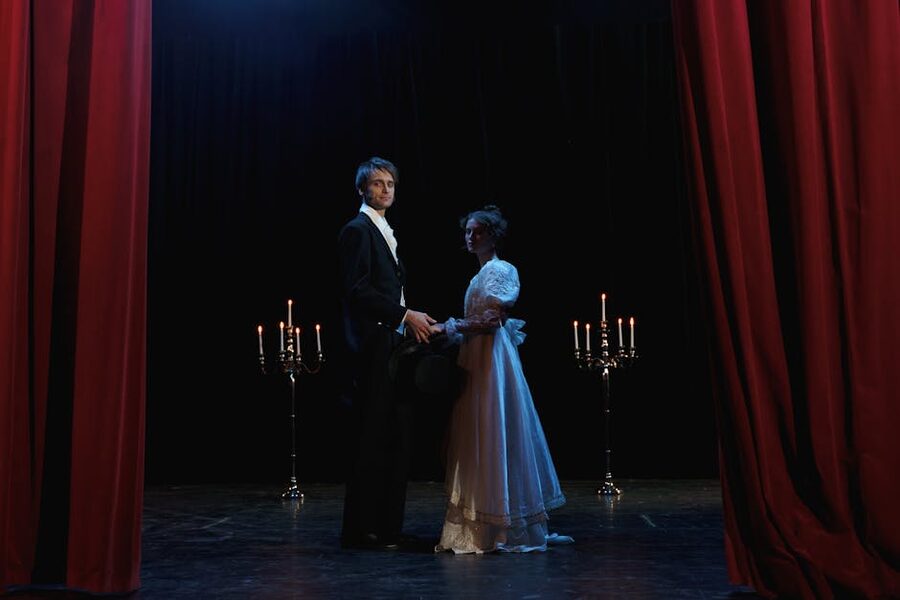
FALLING | IN LOVE premiered in 2024 and runs through 2026. The production follows four couples finding and losing love across different settings and eras, with over 500 costume changes, 160 crew members, and sequences that require performers to be acrobats, dancers, and singers simultaneously. The show has no dialogue — it’s told entirely through movement, music, and visual storytelling.
The ticket pricing follows the seat position: budget seats in the upper balcony start at $51, mid-range orchestra at $75-110, premium orchestra and boxes at $150-220. The centre orchestra rows 8-15 have the best overall view — close enough for the acrobatics but far enough to see the full stage effects. The first 5 rows are too close for the full spectacle.
The Revolving Stage and Technical Specs
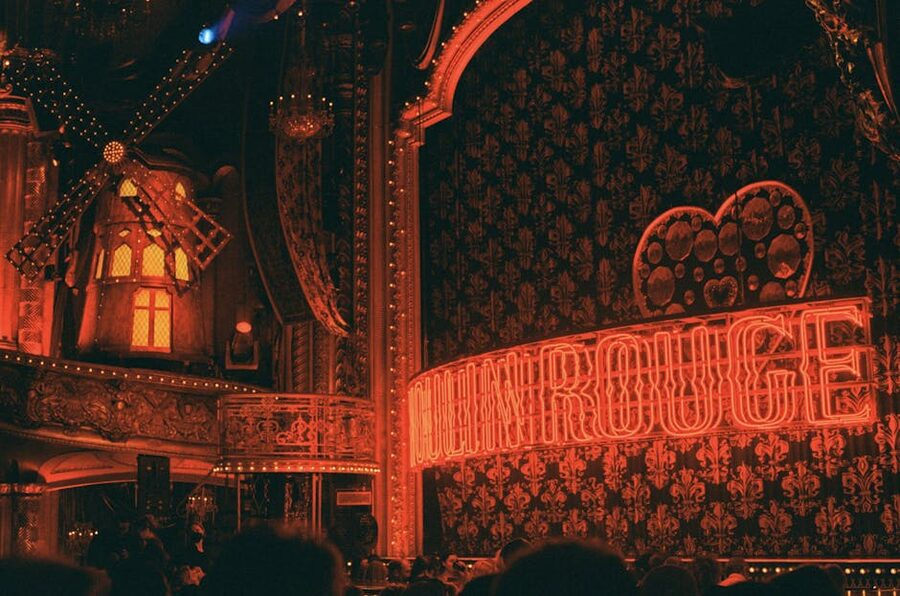
The Friedrichstadt-Palast’s stage is one of the most technically advanced theatrical platforms in the world. The main stage measures 2,854 square metres (about 30,700 square feet) — larger than Broadway’s biggest stages and roughly three times the size of the London Palladium. Beneath the stage, a hydraulic platform can lift 60 tonnes; behind it, a 21-metre wide ice rink deploys from the floor for the winter sequences.
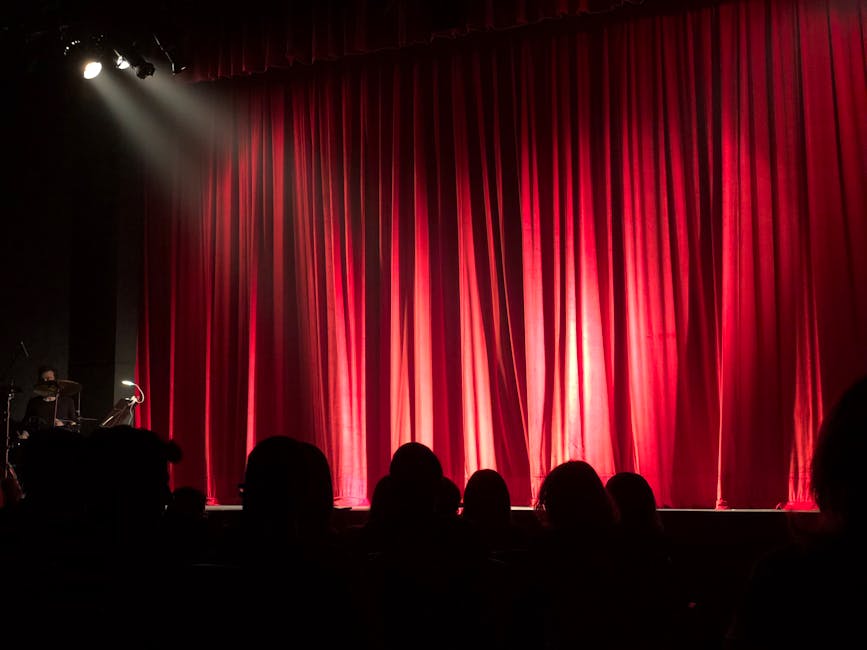
The revolving platform is 15 metres in diameter and can rotate at up to 12 rpm. During the FALLING show’s central ballroom sequence, the platform spins while 40 performers dance in coordinated patterns, creating visual effects that depend entirely on the stage’s rotation. No other commercial theatre in the world has this capability at this scale.
Watching a Show: What to Expect
Arrive 45-60 minutes before the show. The theatre has multiple bars, a Champagne lounge, and a buffet that opens 90 minutes before curtain. Dinner tickets (add $50-80 to the show price) include a 3-course meal at the theatre restaurant with service timed to end 15 minutes before the show starts.
Dress code is smart-casual to formal. Most attendees wear what they’d wear to a nice restaurant — shirts and smart trousers for men, dresses or smart separates for women. Jeans are accepted but look underdressed. Full formal dress (suits, evening dresses) is common for premiere nights but not required for regular performances.
Photography and phones are strictly prohibited during the performance. Security actively enforces this — taking a photo will earn you a warning from the nearest usher and a second offence can result in being escorted out. The prohibition is partly to protect the show’s intellectual property and partly because flash photography ruins the experience for surrounding audience members.
The Cabaret Musical Alternative
For visitors who prefer smaller-scale theatre, the Cabaret Musical at Tipi am Kanzleramt ($71) runs the classic Kander and Ebb musical about 1930s Berlin in a dinner-theatre format. The Tipi (literally “tipi”) is a circus-style tent near the government district, with 400 seats arranged around a thrust stage. The production includes a pre-show dinner and the musical performance.
The venue is a short walk from the Reichstag, which makes it easy to combine the Reichstag dome visit with a Cabaret performance in a single evening. Dinner starts at 6pm, show at 8pm, typically finishing around 10:30pm. The Tipi’s kitchen is known for its Swabian-German cuisine and runs its own wine list.
The Friedrichstadt-Palast’s History
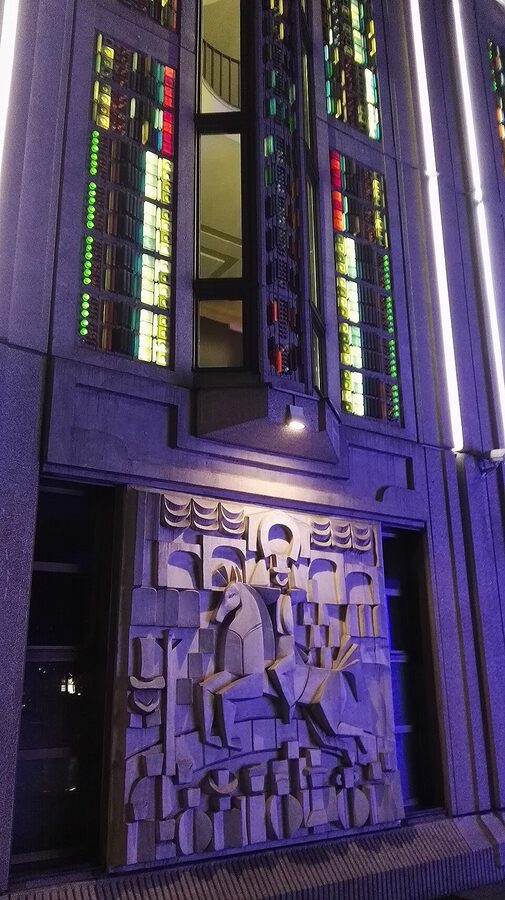
The Palast’s history stretches back to 1919, when the original building opened as a market hall that was converted into a theatre. The Third Reich used it for Nazi propaganda events. The GDR used it for Party celebrations and showpiece productions. The current building (opened 1984) was the GDR’s last major state theatre project — Erich Honecker personally approved the design, and the theatre was used to signal East German cultural ambition to the wider world.
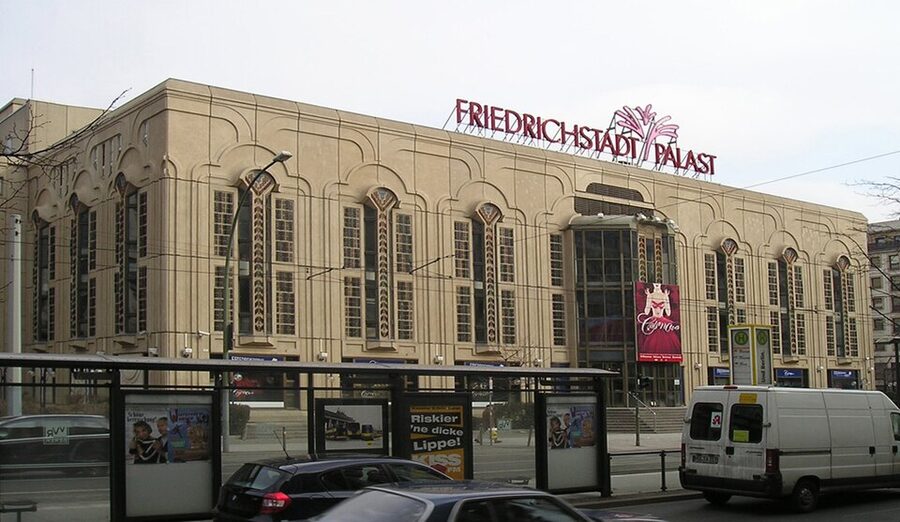
After reunification, the theatre faced questions about its GDR identity. Some argued it should be demolished along with other communist-era monuments. Others pointed out that the building represented a quality of entertainment independent of the regime that built it. The decision to keep it — and invest in modernisation — has been vindicated by the theatre’s commercial success and international reputation.
Other Berlin Show Alternatives
If the Friedrichstadt-Palast’s spectacle-driven format isn’t your taste, Berlin has alternatives at every scale. The Berliner Ensemble (Bertolt Brecht’s company) runs experimental theatre in the Theatertreff near Hackescher Markt. The Deutsche Oper and Staatsoper perform opera at international standards. The Admiralspalast near the theatre district runs musicals, comedy, and variety shows at mid-sized scale.
Best Tours to Book
1. FALLING | IN LOVE Grand Show (GYG) — $51

The essential Friedrichstadt-Palast ticket. The GYG pricing starts at $51 for budget upper-balcony seats and goes up to $220+ for premium orchestra. The FALLING | IN LOVE production runs through 2026, with 8-12 performances per week depending on season. At $51, it’s one of the best-value major theatrical experiences in any European capital. Our review covers the show, the seating, and the pre-show dinner options.
2. FALLING | IN LOVE (Viator) — $52
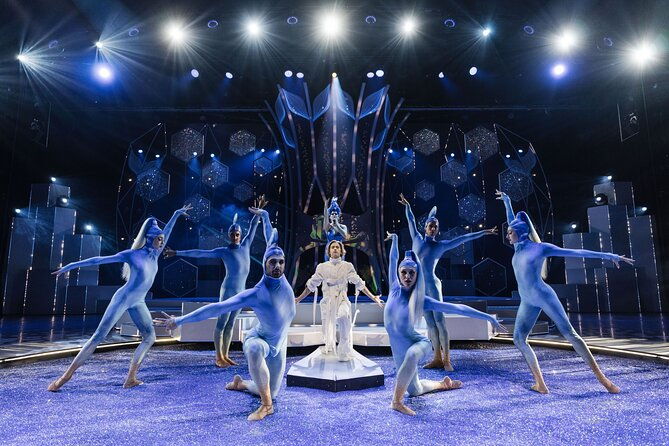
Same show, different booking platform. The Viator listing offers the same performance dates and seat tiers as the GetYourGuide version, with a dollar or two in price difference. Choose based on which platform you prefer for customer service and cancellation policies. Our review compares the two platforms’ booking flows and cancellation terms.
3. Cabaret Musical at Tipi Am Kanzleramt — $71
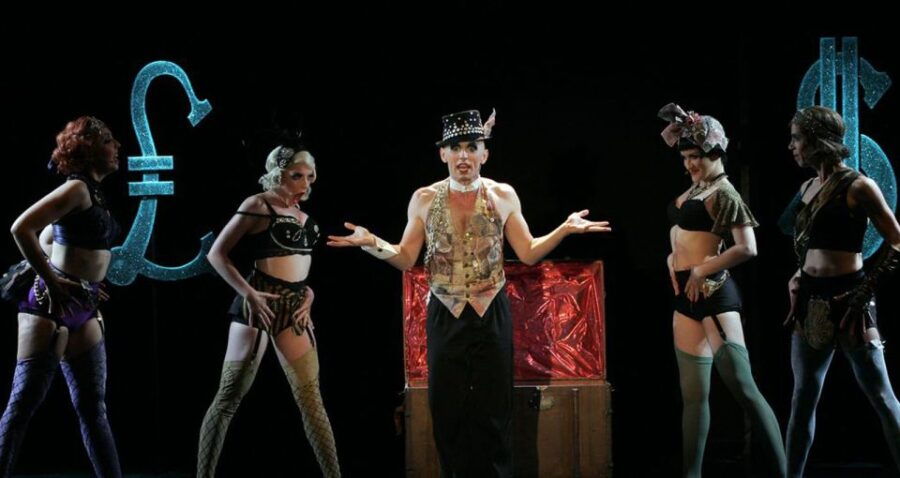
The smaller-scale alternative. If the Friedrichstadt-Palast’s 2,854-seat spectacle feels impersonal, the Tipi’s 400 seats and dinner-theatre format offer the opposite: intimate Weimar-era cabaret in a unique circus tent venue near the government district. The show is the classic Cabaret musical about 1930s Berlin. Our review covers the venue, the dinner, and whether the German production works for English-speaking audiences.
Practical Tips
Booking ahead: Book at least 2-3 weeks ahead for weekend performances. Premium seats and peak nights (Friday, Saturday) sell out months in advance during high season (spring and autumn). Weeknight performances have more availability.
Getting there: U-Bahn Oranienburger Tor (U6) is a 5-minute walk. The Friedrichstraße S-Bahn station (multiple lines) is 10 minutes away. The theatre is well-lit and the neighbourhood is safe for evening walks.
Pre-show: The theatre opens 90 minutes before curtain. The Champagne Bar sells good sparkling wine at reasonable prices (€12-18 per glass). The buffet is available for pre-show dinner if you don’t want a full sit-down meal.
Post-show: The theatre empties quickly (big capacity = big exit crowd). Plan to wait 15 minutes before trying to leave, or head for the side exits. The surrounding streets have plenty of bars and late-night restaurants if you want to discuss the show over a drink.
Budget: Show ticket: $51-220. Pre-show dinner at theatre: $50-80. Taxi from central Berlin: €10-15. A complete Grand Show evening: about €100-180 depending on seat tier and dining choices.
Combining the Show with Berlin Sightseeing
The Friedrichstadt-Palast works best as an evening experience after a full day of Berlin sightseeing. Morning walking tour + afternoon Museum Island visit + evening Grand Show is a classic Berlin day structure. Alternatively, pair the show with the Reichstag dome visit and walk the short distance from the Reichstag to the Friedrichstadt-Palast before curtain.
For a night-focused Berlin experience, the Berlin pub crawls offer the opposite end of the entertainment spectrum — cheap, loud, and informal versus expensive, polished, and elaborate. Some visitors combine both across different nights of a Berlin trip.
More Berlin Experiences
The Friedrichstadt-Palast’s polished spectacle balances well against Berlin’s other cultural offerings. The Third Reich and Cold War walking tours cover the city’s darker history. The TV Tower observation deck gives you the aerial view. The Spree river boat tours show you Berlin from water level. And the East Side Gallery Wall tour covers the Cold War’s most visible legacy. Together they form a complete Berlin experience covering history, culture, and entertainment.