Two Castilian icons in one long day. You’ll ride out of Madrid on an air-conditioned bus with wifi, then walk through Ávila’s medieval walls and Segovia’s Roman aqueduct. It’s a guided, ticketed way to see two UNESCO-class cities without wrestling with queues or schedules.
I love the included tapa and drink in Ávila. I also love the radio guide headphones, which make it easier to hear the explanation while you’re stopping for photos. The main drawback is the day’s walking and uphill streets, so it’s not a good fit for people with reduced mobility.
- Key points at a glance
- Two medieval powerhouses in one day from Madrid
- Price and what you actually get for .20
- The ride out: getting context from the Sierra de Guadarrama
- Ávila’s principal sights: Walls and Cathedral-Fortress energy
- Basilica de San Vicente: Romanesque calm for 30 minutes
- Convento de Santa Teresa: Saint Teresa’s birthplace area
- Segovia’s Roman Aqueduct: the photo moment that feels real
- Segovia Cathedral: one solid hour inside the city’s heart
- Alcázar of Segovia: skip-the-line and the ship-bow silhouette
- Walking reality check: enjoy it more if you plan for it
- The food break: included Ávila snack, Segovia meal options, quality varies
- Guide quality: why the radio headphones matter
- Who this tour suits best
- Should you book the Ávila and Segovia tour from Madrid?
- The Best Of Madrid!
- More Tickets in Madrid
- More Tours in Madrid
- More Tour Reviews in Madrid
Key points at a glance


- Skip-the-line access for the Segovia Alcázar and Segovia Cathedral (big-time time saver)
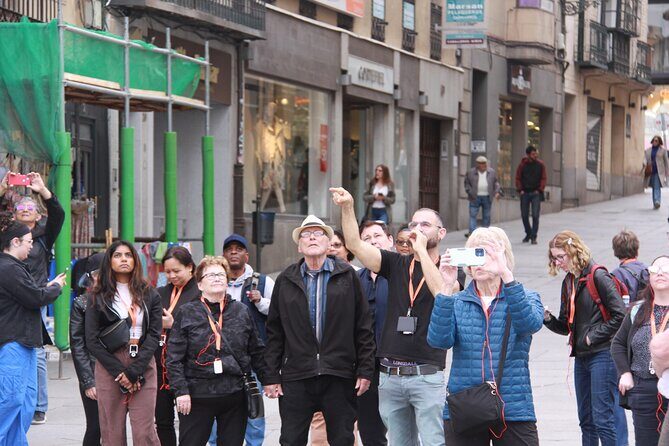
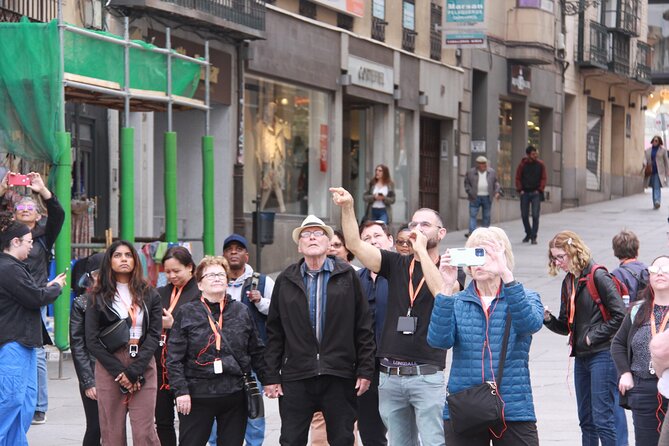
- Radio guide headphones so you can keep pace while still hearing every stop
- Ávila’s fortress vibe: nearly complete walls and a cathedral-fortress design
- San Vicente and Santa Teresa: Romanesque church beauty plus a convent linked to Saint Teresa
- Segovia highlights in one sweep: aqueduct, cathedral, and the ship-bow Alcázar
👉 See our pick of the 14 Best Historical Tours In Madrid
Two medieval powerhouses in one day from Madrid
Ávila and Segovia make perfect pairings for a day trip. Both sit in central Spain and feel like they time-traveled out of the 1400s, but they shine in different ways: Ávila is all about fortification and faith, while Segovia is famous for Roman engineering and a fairy-tale castle.
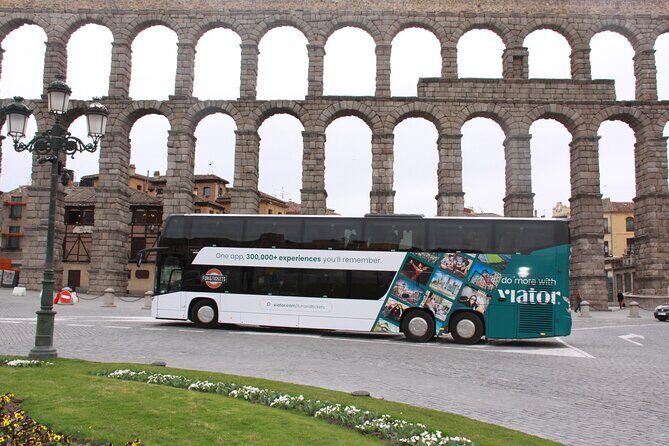
This tour is built for people who want structure. You get a luxury bus (air-conditioned, with wifi), timed monument visits, and expert commentary through the official bilingual guide format. With a maximum group size of 35, it stays manageable for moving between sites.
You can also read our reviews of more tours and experiences in Madrid



Price and what you actually get for $81.20
At $81.20 per person for about 9 hours, the value comes from two things: transport plus real ticket coverage. You’re not just being dropped off to “figure it out.” You have entry included for key sights in Ávila, and you get skip-the-line tickets for two major Segovia attractions.
Also, you start the day with an included snack and drink in Ávila. That matters on a long day because you avoid the stress of finding something quickly before monuments. If you’ve ever spent a day in Spain hopping between ticket lines and late starts, you’ll appreciate how this one keeps you moving.
The ride out: getting context from the Sierra de Guadarrama
Before the city stops, you’ll pass through and learn about the Sierra de Guadarrama, the mountain range forming the main eastern section of the Sistema Central. It sits between the Sierra de Gredos (Ávila) and the Sierra de Ayllón (Guadalajara).
I like this part because it gives you mental geography. When you later see Ávila’s walls and Segovia’s elevated setting, it feels less random. You’re seeing how mountains and elevation shape the way these towns were built and defended.
Ávila’s principal sights: Walls and Cathedral-Fortress energy
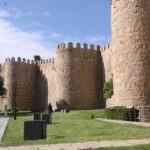
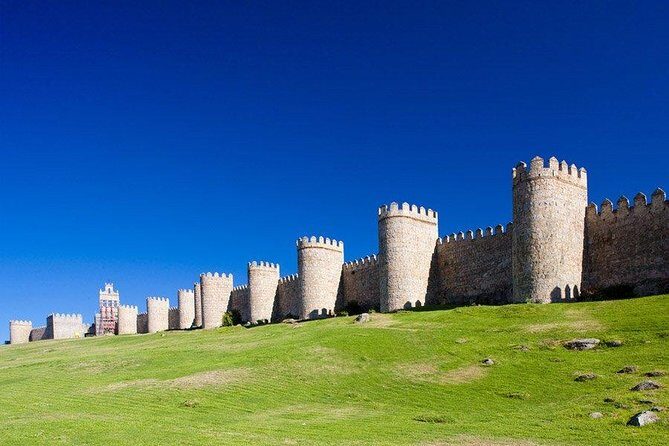
Ávila is known for one big flex: its walls. The fortifications were completed between the 11th and 14th centuries, and they’re described as the most complete historic walls in Spain. Walking near—or viewing—these walls changes how you read the city. You start thinking like a medieval defender: sightlines, protection, and the logic of gate-and-tower building.
Next comes the Cathedral of Ávila, planned as a cathedral-fortress. Its design blends Romanesque and Gothic traditions, and the apse connects visually to the city’s walls through turrets. Even if you’re not a church-architecture nerd, this one lands because it’s so unusual to see a cathedral built with defense in mind.
A practical tip: wear good shoes here. The city is charming, but old streets can be uneven, and you’ll be on your feet more than you expect for a “short sightseeing” stop.
Basilica de San Vicente: Romanesque calm for 30 minutes
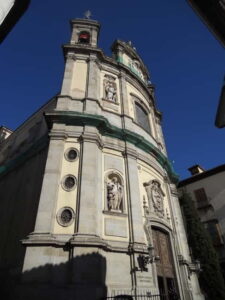
After Ávila’s big-picture views, you get a more focused stop at the Basilica de San Vicente (about 30 minutes with admission included). This church is a standout example of Romanesque architecture in Spain, so it’s less about huge scale and more about how the stone feels, the proportions, and the quiet power of older design.
The short time window is intentional. It keeps the flow moving, and it helps you avoid that common problem on full-day tours: spending too long in one place and feeling rushed everywhere else.

Convento de Santa Teresa: Saint Teresa’s birthplace area
Then you’ll visit the Convento de Santa Teresa (also about 30 minutes, with admission included). This church-convent complex was built in the 17th century by the Discalced Carmelites, and it’s connected to the site believed to be where Saint Teresa of Ávila was born.
This stop works well for families and first-timers because it’s easy to connect the setting to the person. You don’t need to know every date to understand why people visited, why the convent mattered, and why it’s still a living part of the city’s spiritual identity.
Segovia’s Roman Aqueduct: the photo moment that feels real
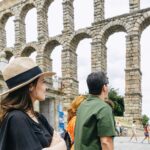
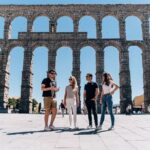
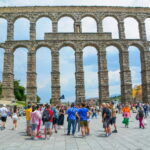
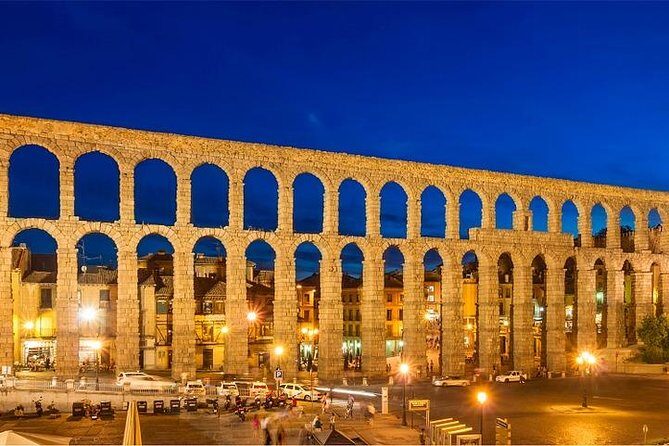
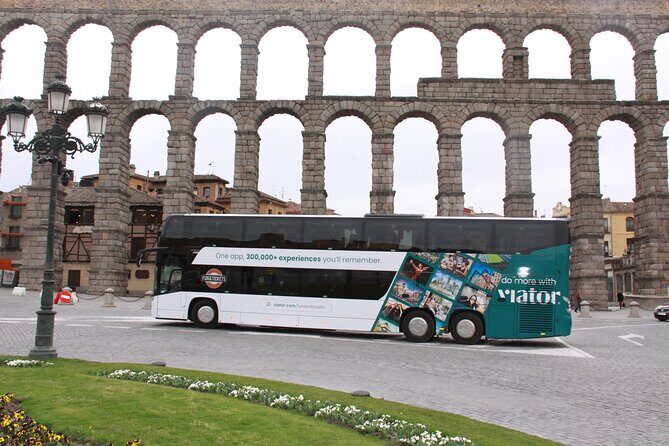
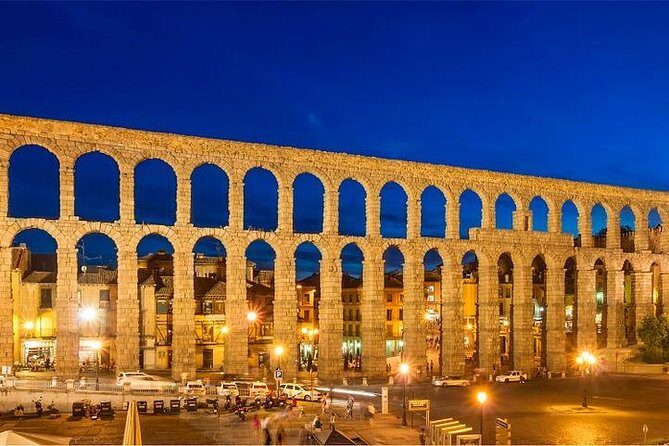
Segovia’s star attraction is the Acueducto (Roman Aqueduct). It’s one of the best-preserved elevated Roman aqueducts in the country and a defining symbol of Segovia.
What I like about this stop is how quickly it hits you. From a guided viewpoint, the aqueduct isn’t just a monument; it becomes proof that Roman engineering solved everyday problems on a huge scale. It also pairs nicely with the earlier mountain context, since aqueducts are all about bringing water where it wouldn’t naturally reach.
Time here is typically short (about 30 minutes, with admission free), so you’ll want to move efficiently: find your main viewpoint, get a couple of angles, and let the rest of your energy go to the longer stops.
Segovia Cathedral: one solid hour inside the city’s heart
Next is Segovia Cathedral, scheduled for about 1 hour with admission included. This is Gothic-style, dedicated to the Virgin Mary, built in the mid-16th century. It sits in the main square area, so it also functions as a natural walking hub.
Cathedrals can be a lot—height, detail, and a steady flow of visitors. The best way to enjoy this hour is to pick a few “anchors” and let the guide point you to what’s worth your attention. With the radio headphones, you can keep listening while you shift your position.
Alcázar of Segovia: skip-the-line and the ship-bow silhouette
If you only care about one Segovia stop, it should be the Alcázar of Segovia. This medieval palace-castle sits on a rocky crag above the confluence of rivers, and it’s famous for its shape—often described as looking like the bow of a ship.
You get skip-the-line admission, and that’s a big deal here. The Alcázar is popular, and losing time to queues can wreck the pacing of a day. With about 1 hour on-site, you have time to see both the exterior impact and the interior story without running out of momentum.
The best use of your time is simple: start with the silhouette, then follow the guide’s flow through the rooms or viewpoints they point out. Don’t try to do everything on your own in that hour.
Walking reality check: enjoy it more if you plan for it
This is a very sight-focused day, so you’ll be walking. Based on how people describe the day, plan on around 9 km of walking plus steep or uneven sections (especially in older parts of Segovia and Ávila). You’ll also want to keep your pace steady if you’re pushing a stroller; the tour is described as stroller accessible, but old streets still take a little effort.
One more practical note: some groups have reported limited or non-working restroom access on the bus. I’d pack like it’s a long ride with no guaranteed bathroom stop. Carry a small bottle of water, and use any break times well.
The food break: included Ávila snack, Segovia meal options, quality varies
You’ll receive a drink and snack in Ávila, and the tour description notes no full lunch is included. That said, you’ll still get time to eat during the Segovia portion, and the day’s food stop can feel like the weakest link when people are comparing meals.
I’d handle this by setting expectations. Think of Ávila as your included fuel moment, and treat Segovia food as a choose-your-own-style break based on what you like. If you’re picky—about portion size, temperature of food, or menu language—plan to keep your order simple and follow up if something isn’t what you expected.
Guide quality: why the radio headphones matter
A big reason this tour consistently scores well is the way the day stays explainable. You’re given radio guide and gift headphones, so you can keep up even when you drift a little for photos or to step off the main flow.
Guide names can vary by departure, but you’ll commonly hear people talk about guides like Carlos, Rafael, David, Oscar, Jose, Beatriz, Laura, Gloria, Elena, and Federico for being energetic, organized, and good at connecting history to what you’re seeing. When the pacing is right, that’s what makes the day feel more than a checklist.
Who this tour suits best
This is ideal if you:
- Want a structured, ticketed way to see two major historic cities from Madrid
- Like architecture, fortifications, and big-name monuments without managing timed entry yourself
- Are traveling with family and can handle walking on old streets
I’d be cautious if you:
- Have mobility limitations (the tour is not recommended for reduced mobility)
- Need lots of free wandering time, since the plan is designed to cover key sights
- Dislike long days on your feet
Should you book the Ávila and Segovia tour from Madrid?
Yes, if your priority is seeing Ávila’s walls and fortress cathedral, then moving on to Segovia’s aqueduct, cathedral, and Alcázar with skip-the-line tickets. The included transportation, headphone setup, and ticket coverage make it a practical way to do both cities in one go.
If you’re hoping for long free time in the streets or very flexible pacing, you might prefer an independent plan instead. For most people, though, the organization and monument lineup make this a smart value day trip from Madrid.