
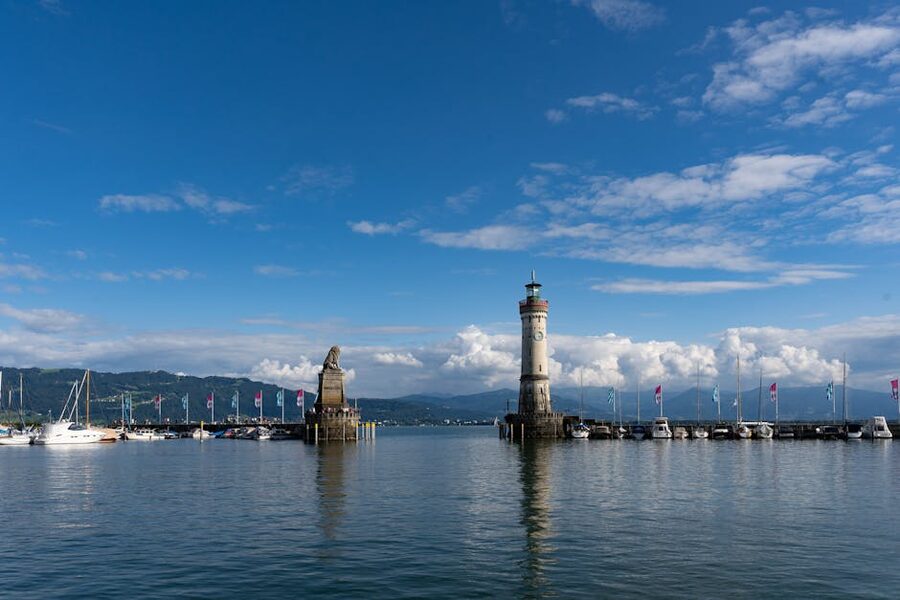
Konstanz sits on the German-Swiss border where Lake Constance narrows into the Rhine. The city escaped Allied bombing in WWII by keeping its lights on during night raids — the Swiss border was just 500 metres away, and pilots couldn’t tell which lights were Swiss and which were German. While Friedrichshafen and Ulm burned, Konstanz survived with its medieval old town entirely intact.
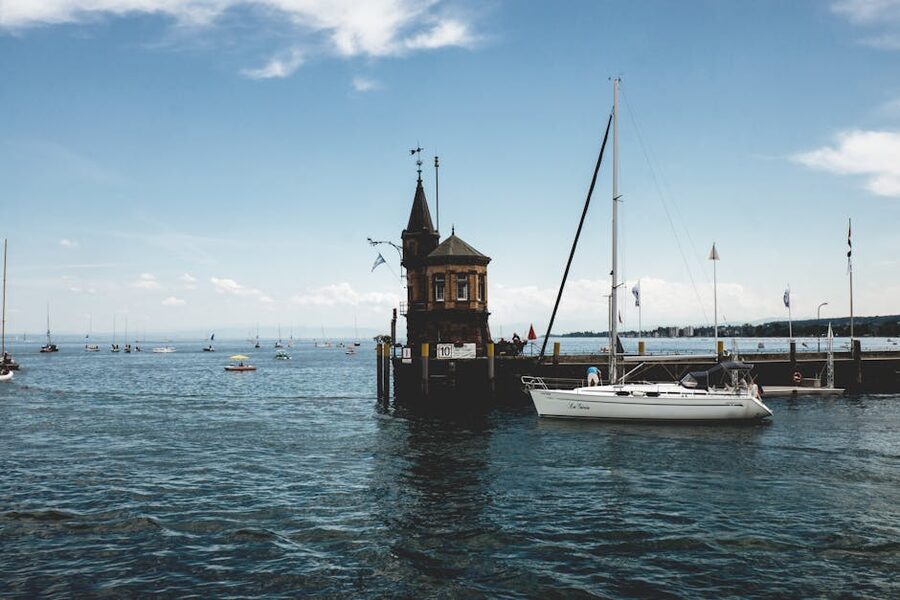
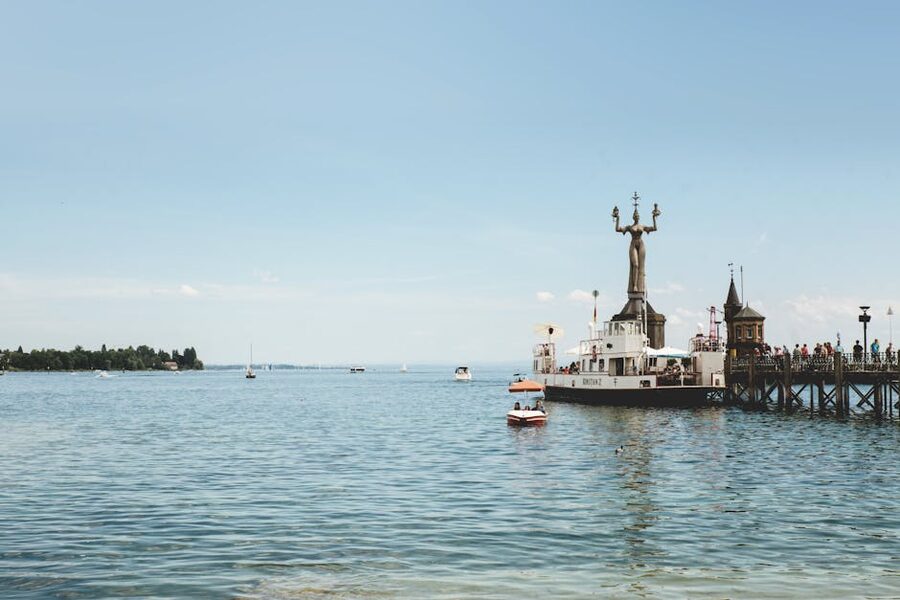
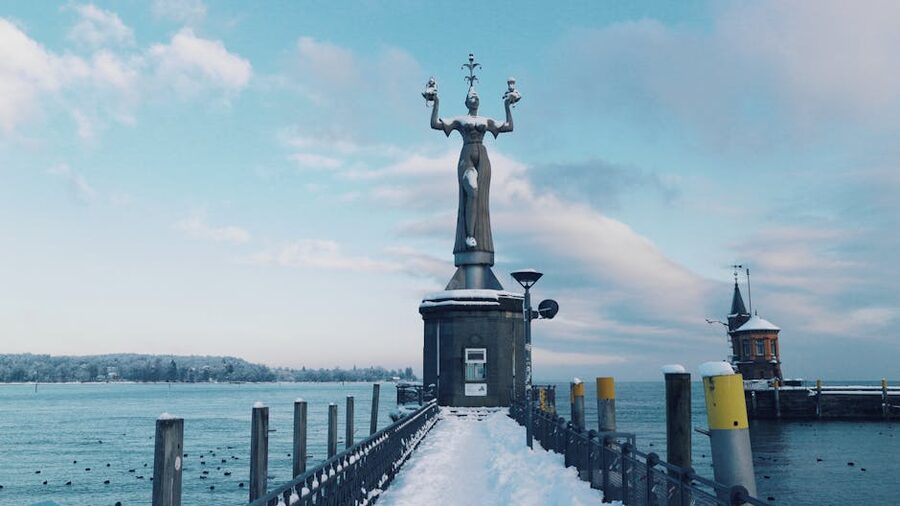
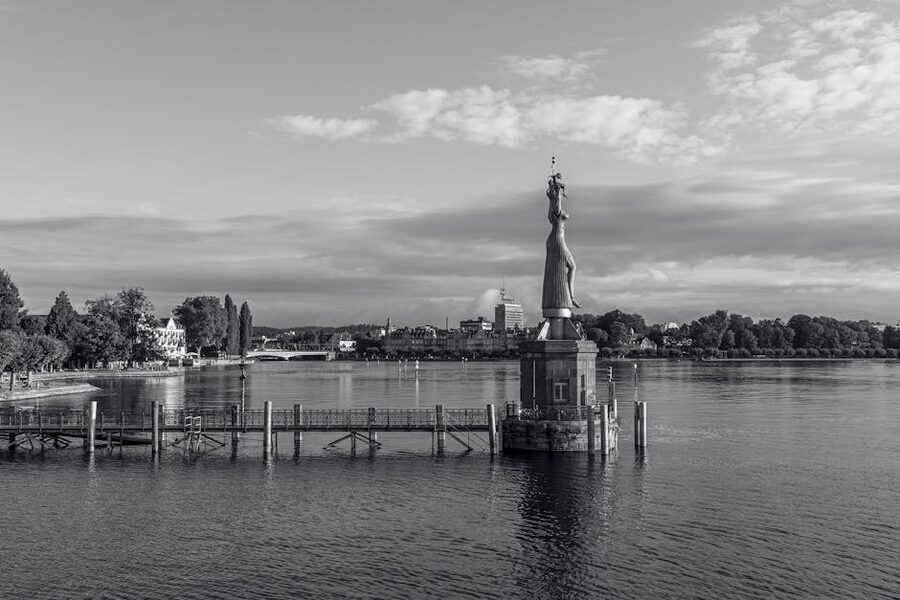
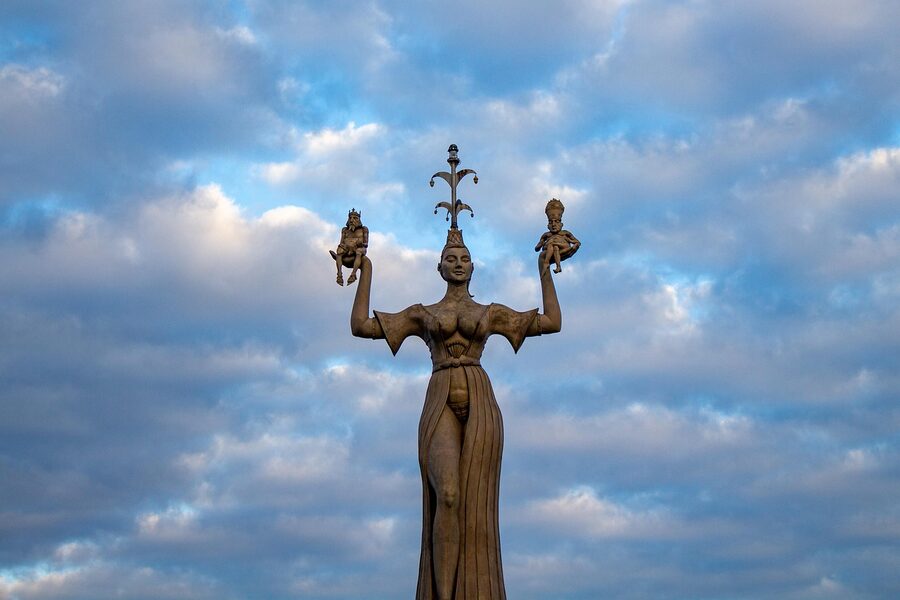
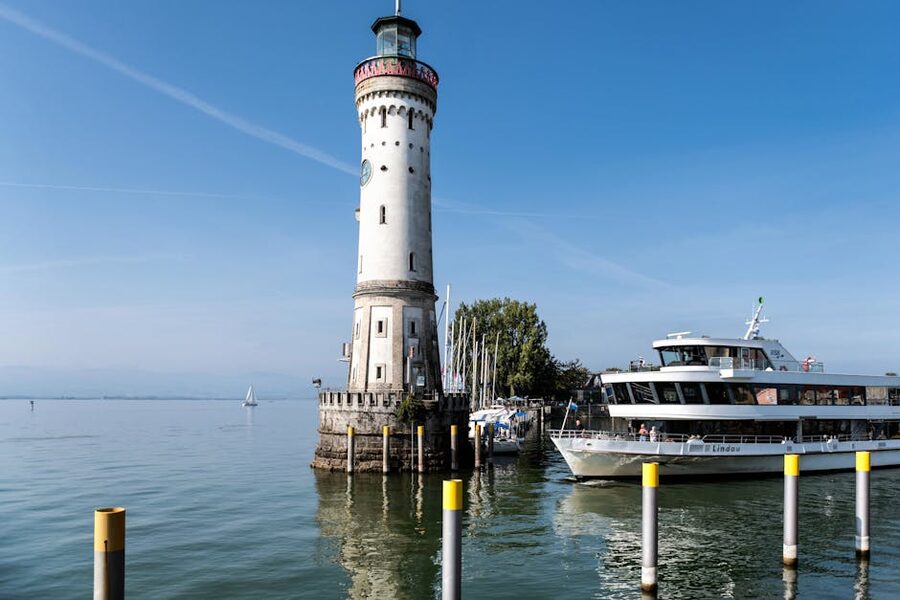
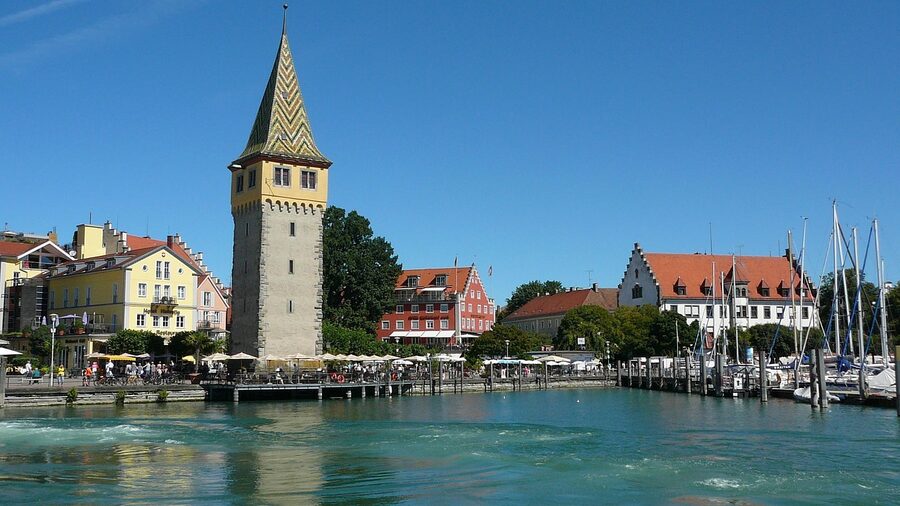
The Constance Guided City Tour ($18, 1.5 hours) walks you through this preserved medieval quarter — the Münster cathedral, the Council of Constance site where a 15th-century pope was elected, the harbour with its rotating Imperia statue, and the narrow streets where the city’s merchant families lived for 600 years. The tour is one of the cheapest guided experiences anywhere in Germany.
Best island visit: Mainau Island Entry Ticket — $15, flower island in Lake Constance with palms, tropical gardens, and a butterfly house.
Best after dark: Night Watchman City Tour — $22, atmospheric evening tour with costumed guide.
Official info: konstanz-info.com — maps, event schedules, and visitor information.
- The Guided City Tour
- Mainau Island
- The Night Watchman Tour
- Lake Constance (Bodensee)
- Konstanz’s History
- Konstanz’s Neighbourhoods
- Best Tours to Book
- 1. Constance Guided City Tour —
- 2. Mainau Island Entry Ticket —
- 3. Night Watchman City Tour —
- Practical Tips
- Combining Konstanz with Other Southern Germany Destinations
- More German Cities and Small Towns
The Guided City Tour
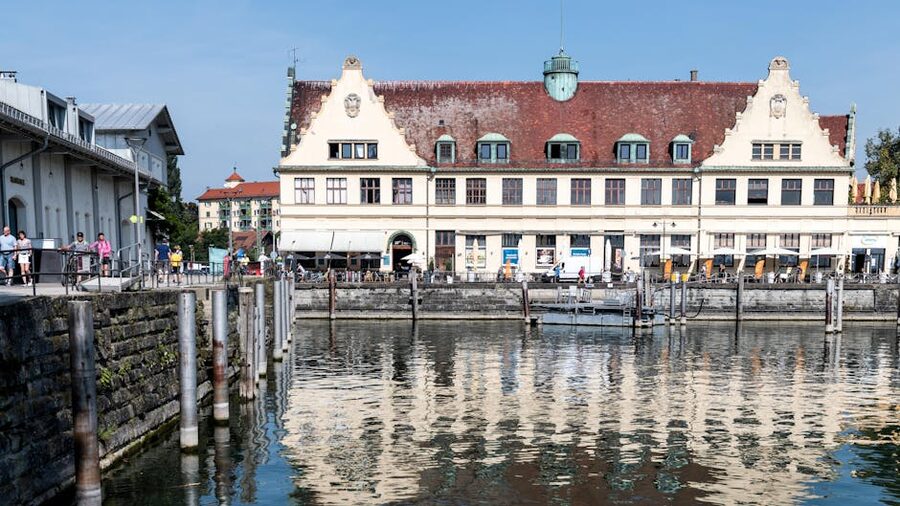
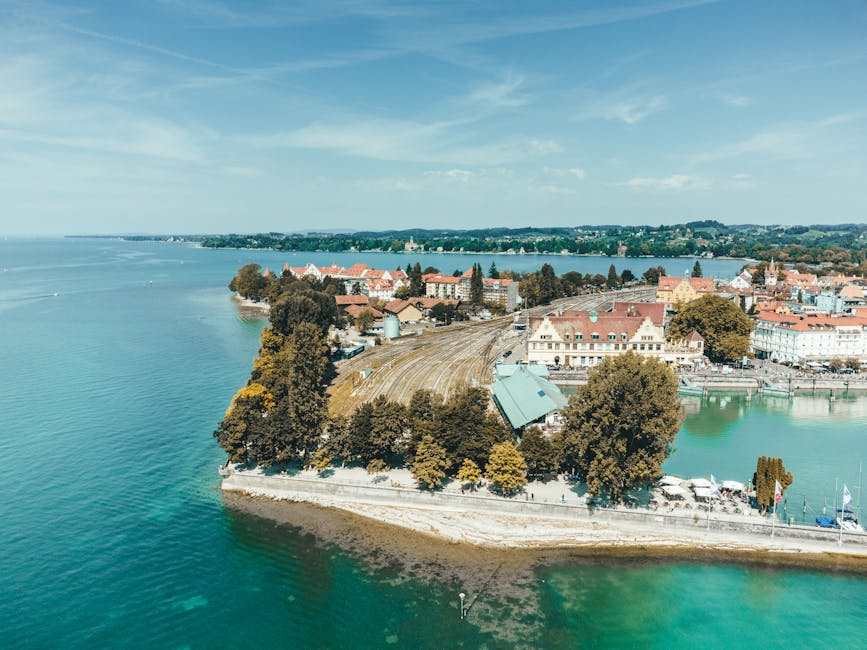
The 1.5-hour city tour starts at the harbour (near the Imperia statue) and covers the old town’s highlights: the Münster (Konstanz Cathedral), the medieval Niederburg quarter, the Rosgarten Museum building, the old Council House, and the narrow streets where the medieval merchants lived. The guide explains the city’s history and points out architectural details that self-guided visitors miss.
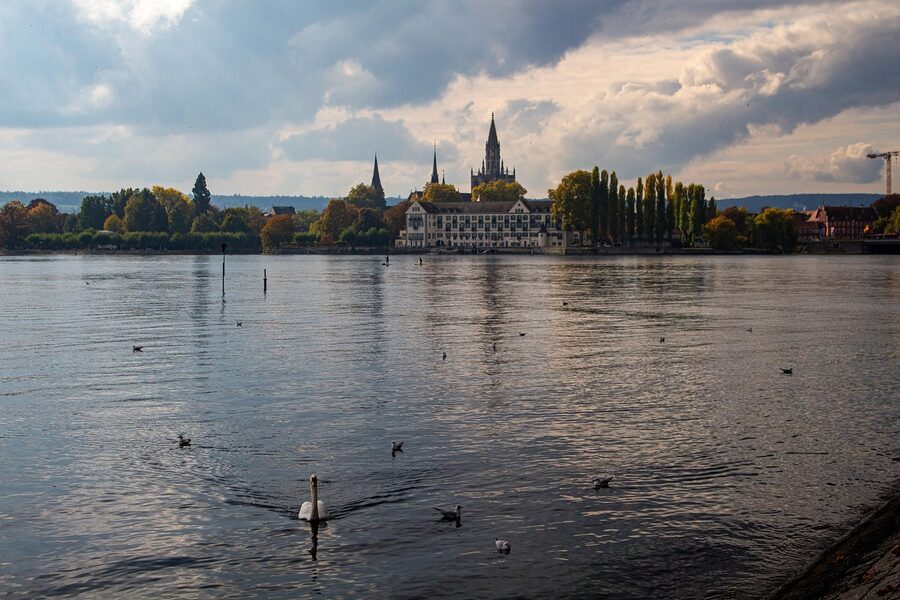
The Münster (Konstanz Cathedral) was the site of the Council of Constance — one of the most important church councils in medieval history. Between 1414 and 1418, the cathedral hosted delegations from across Europe debating the papal schism. The Council elected Pope Martin V, ending the Western Schism, and it also condemned Bohemian reformer Jan Hus to death by burning — an event the guide addresses directly at the site.
Mainau Island
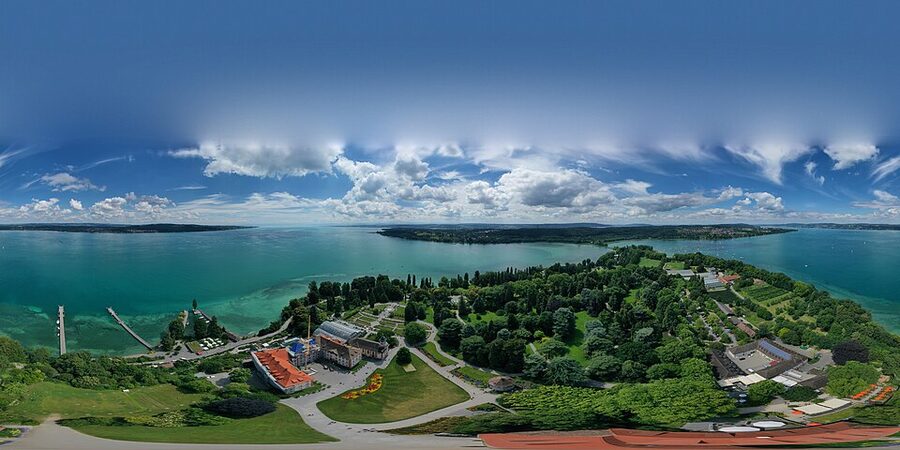
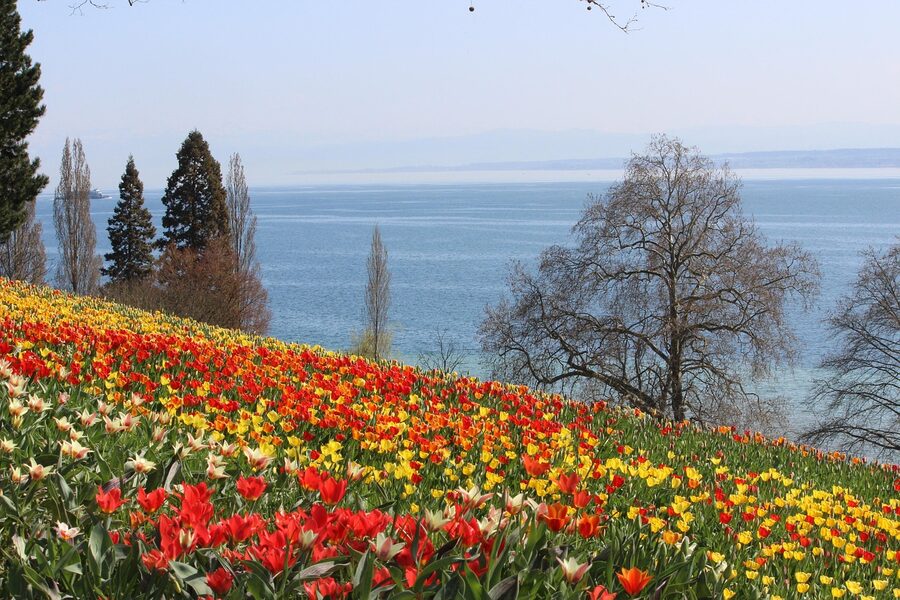
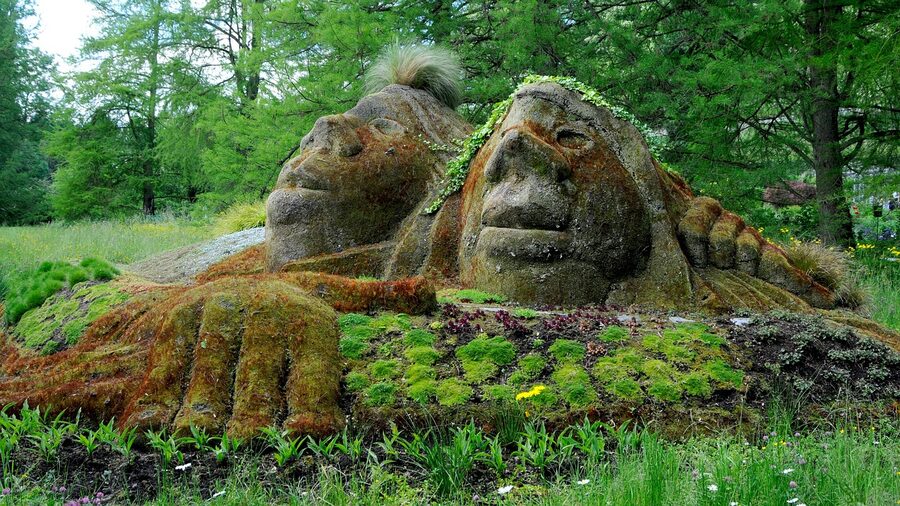
Mainau Island sits in Lake Constance about 4 kilometres from central Konstanz and is connected to the mainland by a bridge. The island is a combined botanical garden, butterfly house, and baroque palace — owned by the Bernadotte family (descendants of the Swedish royal family) who open it to the public as a year-round attraction. Entry costs $15, and the island takes 3-4 hours to explore properly.
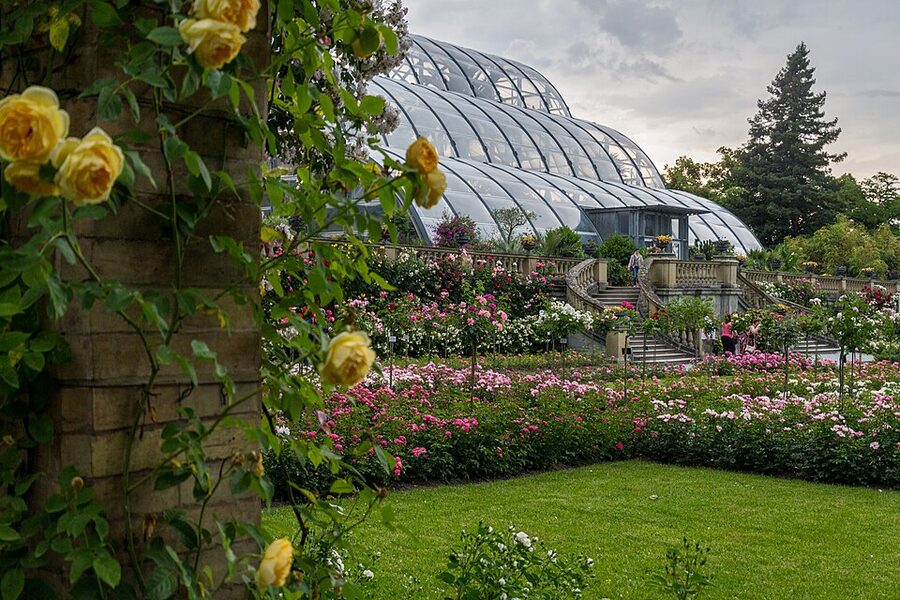
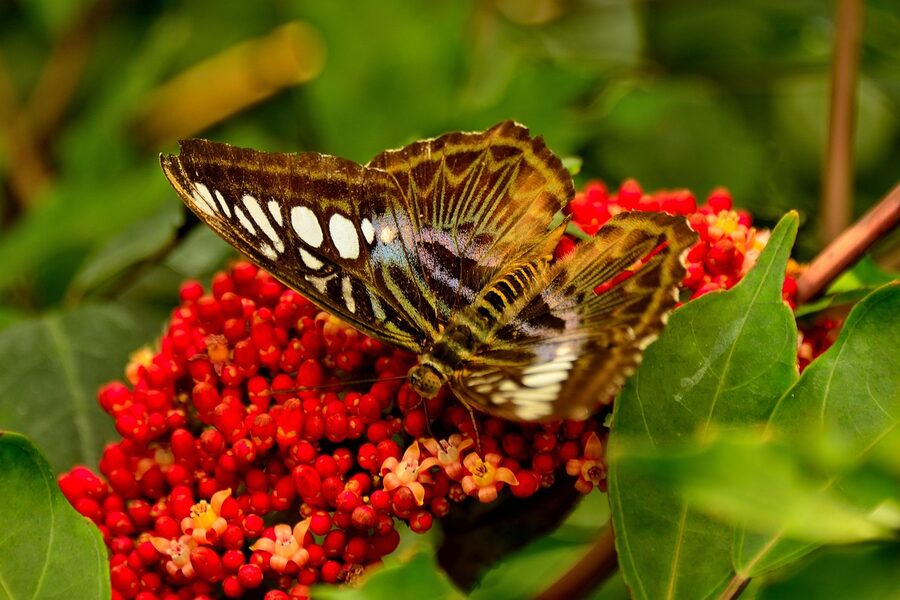
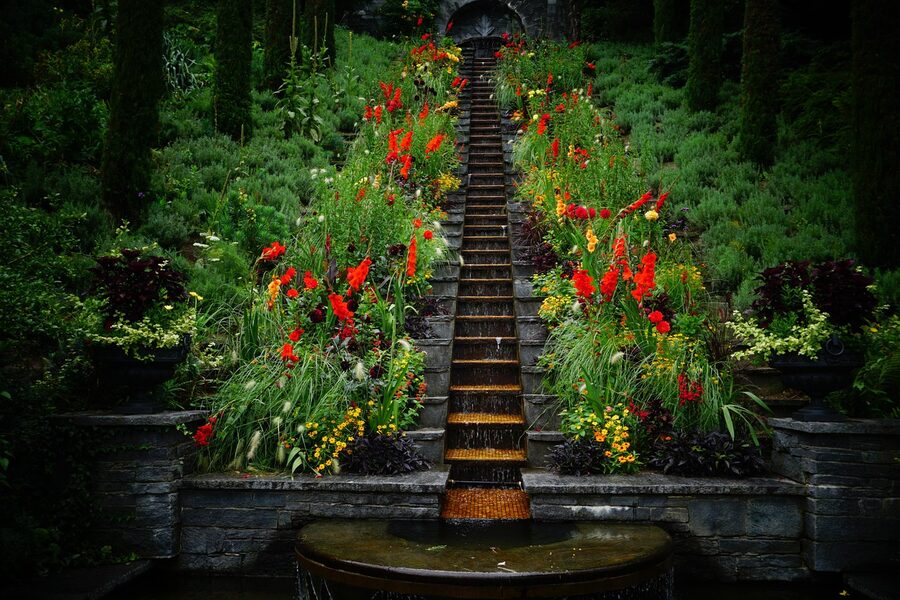
The Palm House is the island’s centrepiece — a Victorian-era glasshouse containing palms, bamboo, and Mediterranean plants that can’t survive outdoors in the German climate. The Butterfly House next to it has over 120 species in a heated, humid environment that feels more Indonesian than central European.
The baroque palace at the centre of the island was built by the Teutonic Order in the 18th century and now serves as the Bernadotte family’s private residence (public tours of the ground floor only). The palace’s baroque chapel and state rooms are open to visitors.
The Night Watchman Tour
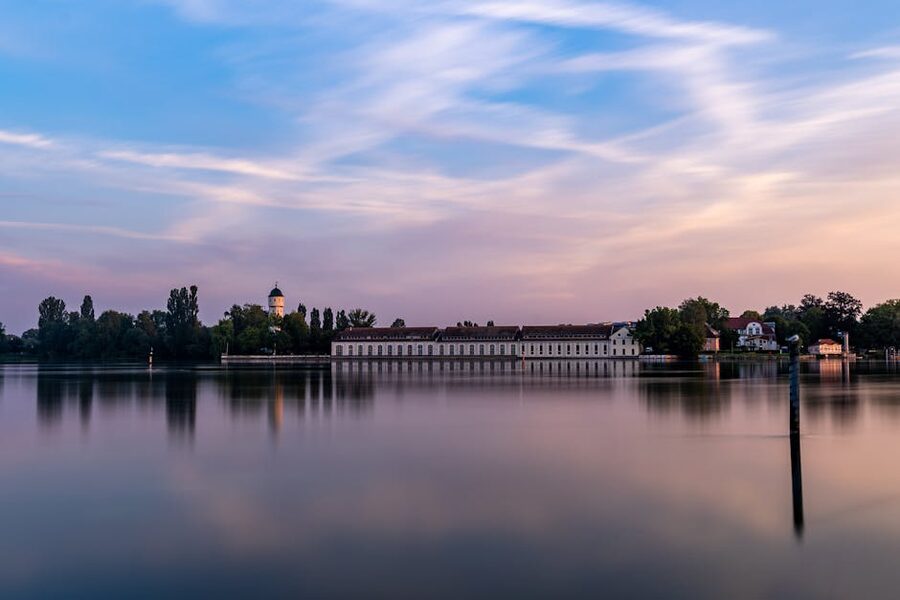
The Night Watchman City Tour ($22, 1.5 hours) is the atmospheric alternative to the daytime city walk. The guide dresses as a 17th-century night watchman (lantern, horn, dark cloak) and leads you through the old town after sunset, telling stories of medieval night watches, witch trials, plague epidemics, and the darker chapters of Konstanz’s history. The costume is theatrical but the historical content is accurate.
The night watchman character is a legitimate German historical role — until the late 19th century, most German cities employed night watchmen who patrolled the streets, called out the hours, watched for fires, and reported suspicious activity. The tour guides are trained historians who perform the character while delivering accurate historical content, and the combination works better than either pure historical lecture or pure theatrical performance would.
Lake Constance (Bodensee)
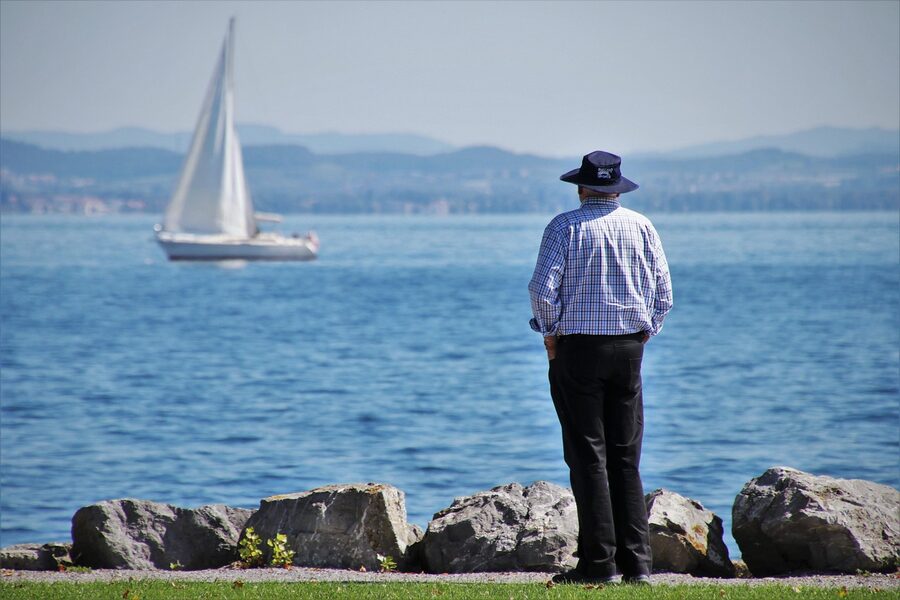
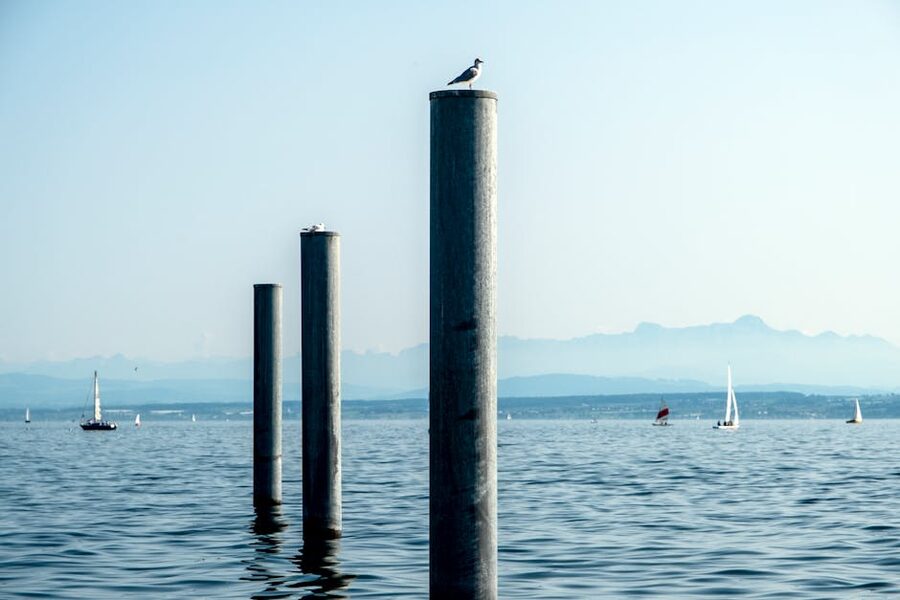
Lake Constance — called Bodensee in German — is Central Europe’s third-largest lake, bordered by Germany, Switzerland, and Austria. Konstanz sits at the western end where the lake narrows into the Rhine. The lake has extensive ferry services that connect Konstanz to Meersburg (20 minutes, hourly), Friedrichshafen (45 minutes), and the Swiss town of Kreuzlingen (walking distance across the border).
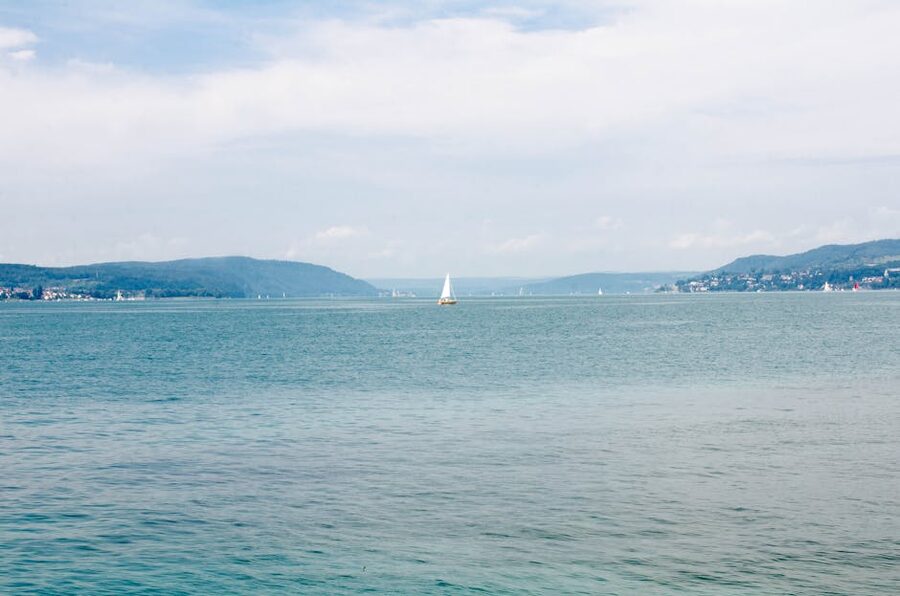
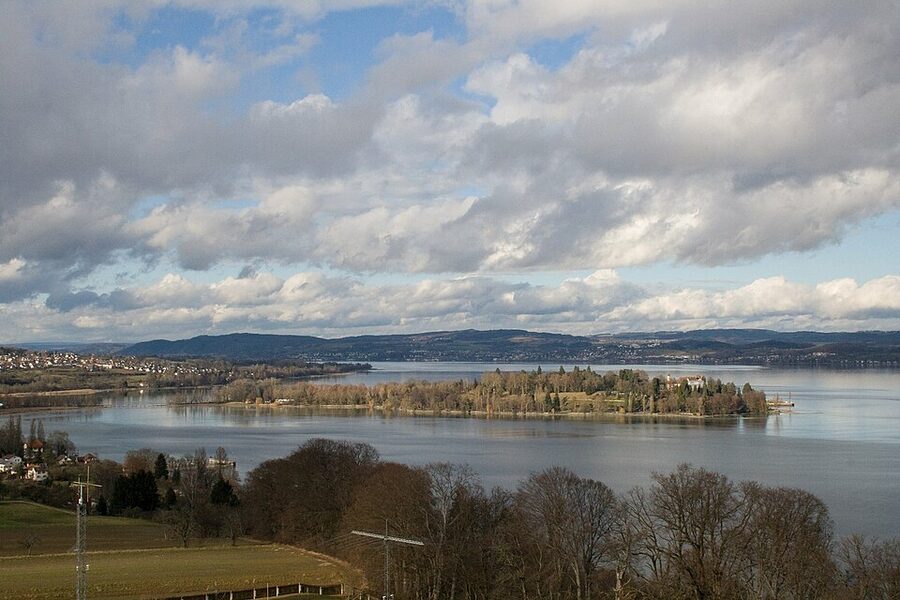
Meersburg on the opposite shore is the classic Bodensee day trip from Konstanz. The town has a medieval castle (the oldest continuously inhabited castle in Germany), a baroque palace, and a steep old town that tumbles down to the lake. The ferry crossing from Konstanz takes 20 minutes and passes Mainau Island on the way.
Konstanz’s History
Konstanz was founded as the Roman fortress Constantia around 300 AD, named for Emperor Constantius Chlorus. The city became an important medieval ecclesiastical centre, hosting the Council of Constance from 1414-1418 — one of the most significant meetings in the history of the Catholic Church. The Council resolved the Western Schism (multiple rival popes claiming authority), elected a new pope (Martin V), and condemned Czech reformer Jan Hus as a heretic.
The Jan Hus connection — Hus was invited to the Council under safe conduct, arrested shortly after arriving, imprisoned for months, and ultimately burned at the stake in 1415. The site of his execution is marked with a memorial stone about 3 kilometres outside the city centre. The Czech Republic has historical grievances with Konstanz about this event that occasionally surface in modern diplomatic contexts.
The Swiss border runs through the middle of Konstanz — the old town of Kreuzlingen is technically in Switzerland but is essentially a suburb of Konstanz, connected by streets without visible border markers. During WWII, this proximity saved the city: Swiss cities on the other side of the border kept their lights on (neutral nation) while German cities blacked out. Konstanz also kept its lights on, and Allied pilots couldn’t reliably distinguish German from Swiss targets from the air.
Konstanz’s Neighbourhoods
The Altstadt (old town) is where most travelers spend their time — the medieval core with the Münster, the harbour, and the main shopping streets. The Niederburg quarter is the oldest residential area, with narrow streets and half-timbered houses that have been continuously inhabited since the 11th century.
Kreuzlingen (Switzerland) is 2 minutes walk from central Konstanz and Swiss prices apply — so restaurants, coffee, and shopping are all 30-50% more expensive than on the German side. Most visitors stick to Konstanz for practical reasons, though the border crossing itself is an unusual experience (no passport check within the EU/Schengen area, but you enter a different country just by crossing a street).
Best Tours to Book
1. Constance Guided City Tour — $18
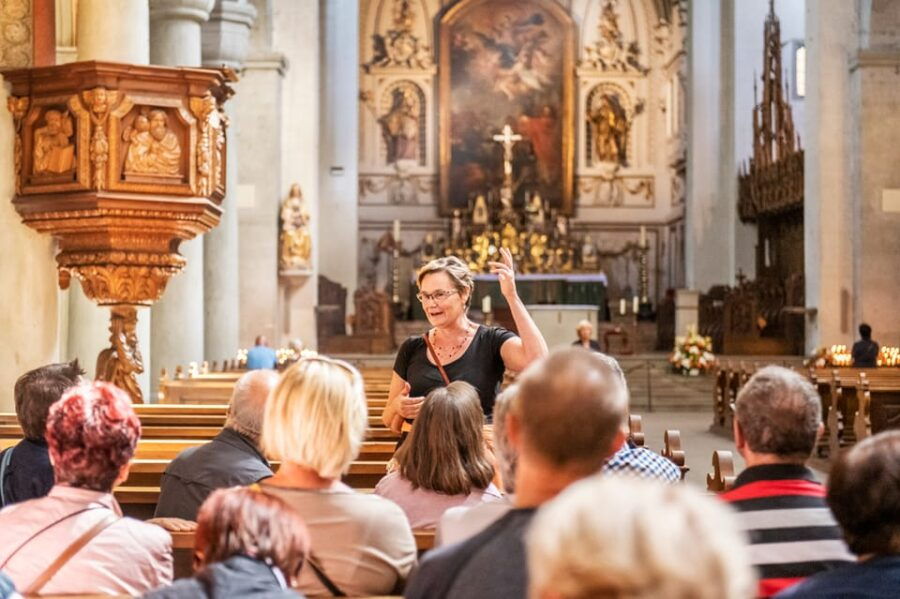
The essential Konstanz introduction. The guide covers the city’s Roman foundation, medieval prosperity, the Council of Constance, and the WWII survival story in 90 minutes at a gentle pace. At $18, it’s cheaper than most German museum admissions and provides context that makes self-guided exploration afterwards much more rewarding. Our review covers the route and the guide quality.
2. Mainau Island Entry Ticket — $15
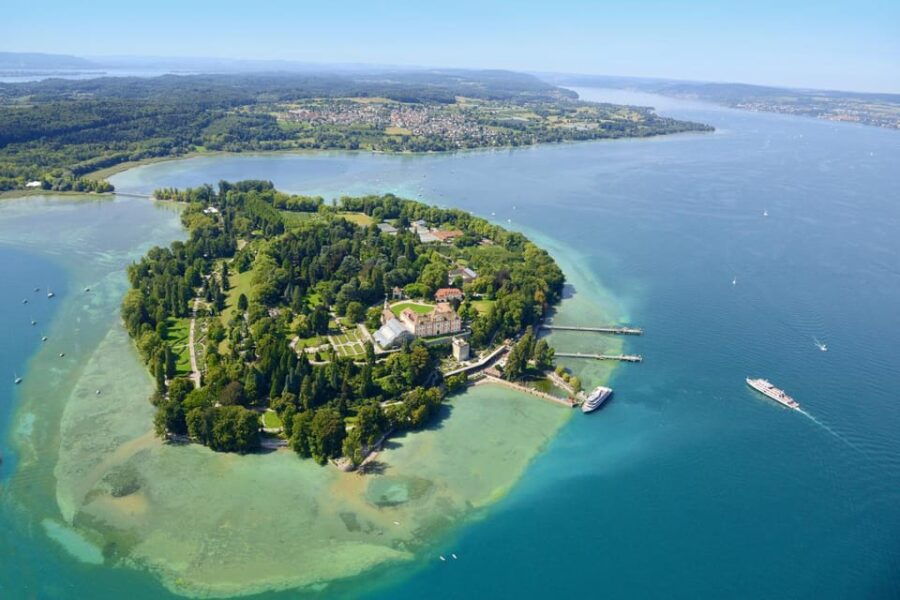
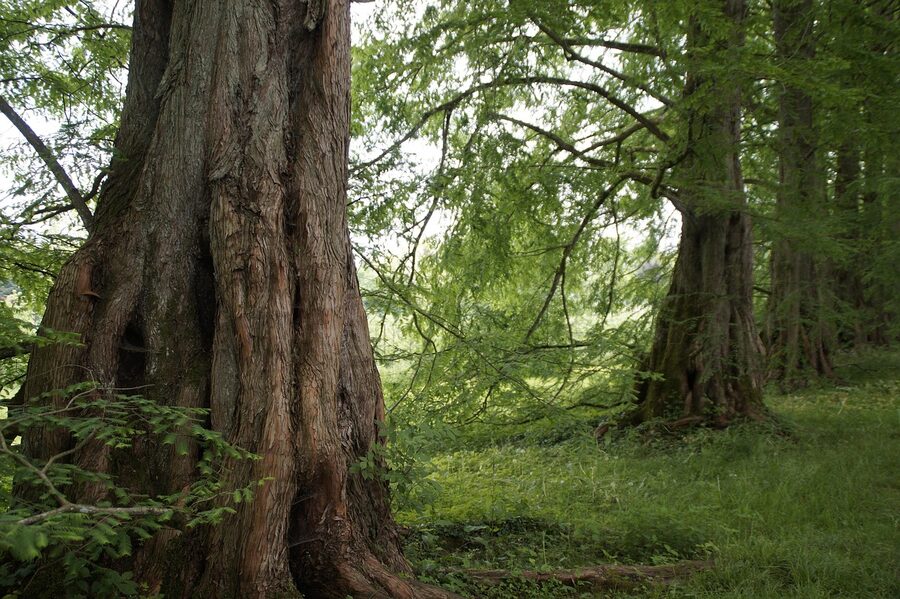
Mainau is the reason many visitors plan extended Konstanz stays. The 45-hectare island combines botanical garden, arboretum, butterfly house, and palace in a package that takes 3-4 hours to explore and rewards longer visits. At $15, the entry covers all island attractions. Our review covers the seasonal highlights and the best time to visit.
3. Night Watchman City Tour — $22

The theatrical companion to the daytime tour. A costumed guide leads you through the old town’s darker history — medieval witch trials, plague epidemics, night watch duties, and the execution of Jan Hus. The format is theatrical but the content is accurate, and the evening atmosphere adds something the daytime tour can’t provide. Our review explains when the night watchman tour is worth choosing over (or in addition to) the day tour.
Practical Tips
Getting to Konstanz: Direct trains from Stuttgart (2.5 hours), Frankfurt (4 hours), Munich (4 hours). The nearest airport is Zurich (1 hour by train). The train station is a 5-minute walk from the old town.
When to visit: May to October for Mainau Island at its best. April-May for spring tulips, June-July for roses, autumn for dahlias. Winter visits are possible but Mainau is much reduced (main palm house still open, outdoor gardens mostly dormant).
Mainau access: Bus 4 from Konstanz Bahnhof to Mainau takes about 30 minutes. Walking takes about 1 hour along the lakeshore path. Direct boat from Konstanz harbour (summer only) takes 20 minutes. The island is accessed via a bridge from the mainland.
Border crossing: Konstanz-Kreuzlingen is the easiest international border crossing in Germany — literally walking across a street. EU citizens need no passport. Swiss shops accept euros (usually at a poor exchange rate; use Swiss francs if you have them).
Budget: Constance City Tour: $18. Mainau Island: $15. Night Watchman Tour: $22. Lunch at a harbour restaurant: €15-20. Ferry to Meersburg: €6 each way. A full Konstanz day: about €50-70.
Combining Konstanz with Other Southern Germany Destinations
Konstanz is relatively isolated — it’s 2-4 hours from other major German cities — which means most visitors come either as a dedicated destination or as part of a Swiss/Austrian trip. The natural German pairing is Heidelberg (3.5 hours north by train) if you’re doing a southern-Germany medieval cities trip.
For Swiss connections, Zurich is 1 hour by train and makes an excellent Konstanz base. For Austrian connections, the Salzburg day trip from Munich is on the opposite side of Bavaria, so you’d need a separate trip leg for that connection.
More German Cities and Small Towns
Konstanz pairs naturally with other smaller German cities that offer similar UNESCO-listed medieval preservation. The Rothenburg Romantic Road day trip from Munich covers the most photogenic medieval walled town. The Regensburg boat tour to Walhalla gives you another Bavarian medieval UNESCO site with a distinctive approach (river-based rather than lakeside). The Heidelberg Castle and old town tours cover the best-known southern German university town.