
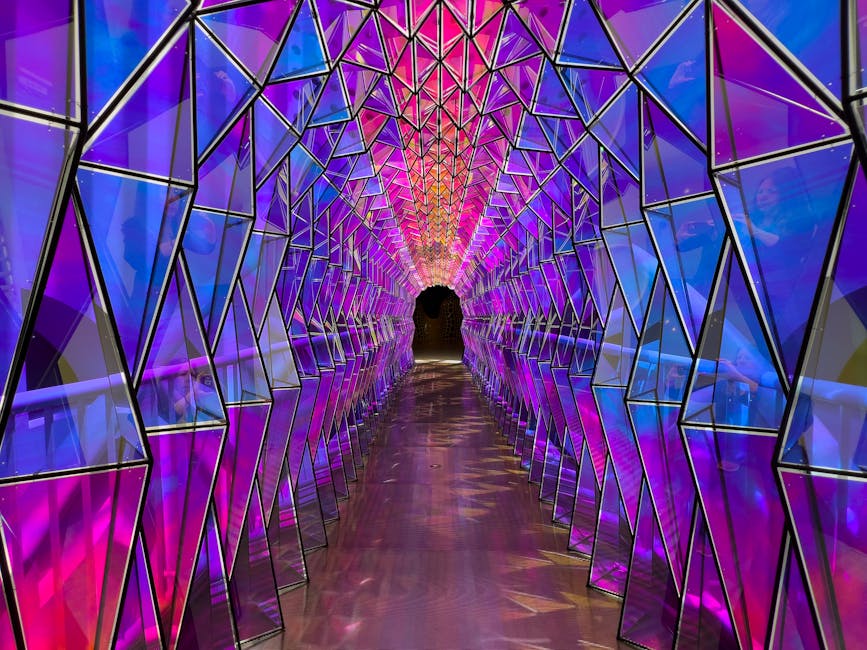
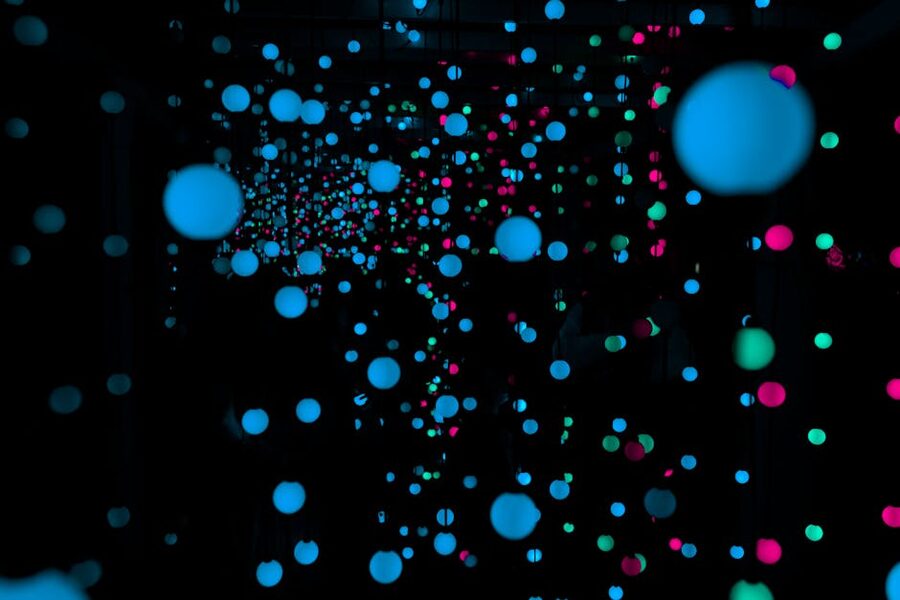
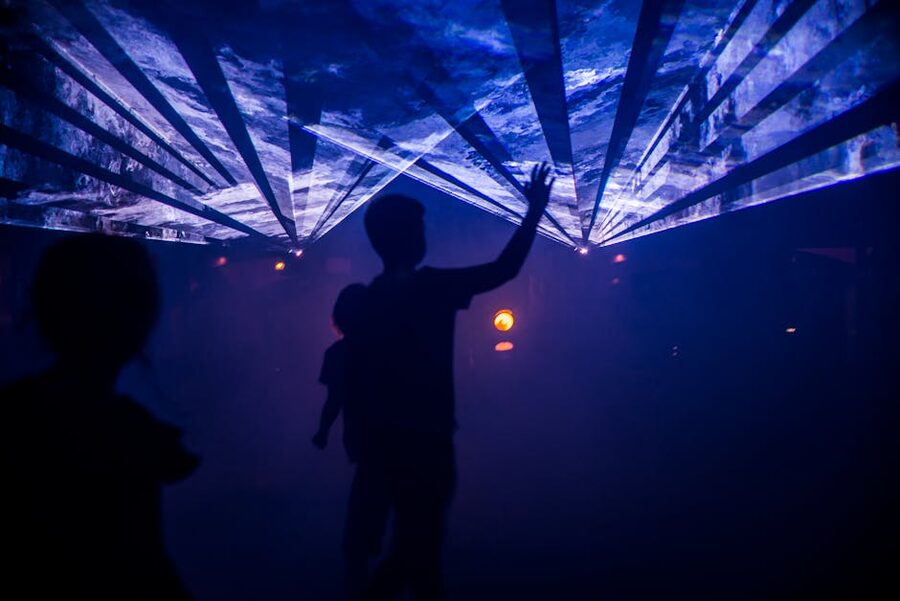
DARK MATTER is Berlin’s immersive light installation venue — 12 rooms by 9 international artists, each room a different sensory environment of LEDs, lasers, mirrors, and synchronised sound. The KOLLEKTION ticket ($26) gives you access to the full experience for as long as you want to stay, with most visitors spending 60-90 minutes moving between rooms.
The venue is in the Lichtenberg district, slightly outside central Berlin (15 minutes by U-Bahn from Alexanderplatz). It’s positioned as Berlin’s answer to TeamLab Borderless and similar Asian immersive art venues that have transformed expectations for what a “museum” can be. The result is closer to a club than a traditional gallery — strong music, low light, and active participation from visitors.
Standard DARK MATTER: DARK MATTER Entry Ticket — $26, base entry with same access.
Photo museum alternative: Interactive DeJa Vu Museum — $17, optical illusion museum that’s similar in concept but different in execution.
Official site: darkmatter.berlin — current installations and ticket booking.
- The 12 Rooms
- The Photographic Element
- DARK MATTER vs Other Berlin Light Venues
- The DeJa Vu Interactive Museum
- The Lichtenberg Location
- The Music and Audio Component
- The Berlin Immersive Art Scene
- Best Tours to Book
- 1. DARK MATTER KOLLEKTION —
- 2. Interactive DeJa Vu Museum —
- 3. DARK MATTER Standard Entry —
- Practical Tips
- Combining DARK MATTER with Other Berlin Activities
- More Berlin Cultural Experiences
The 12 Rooms
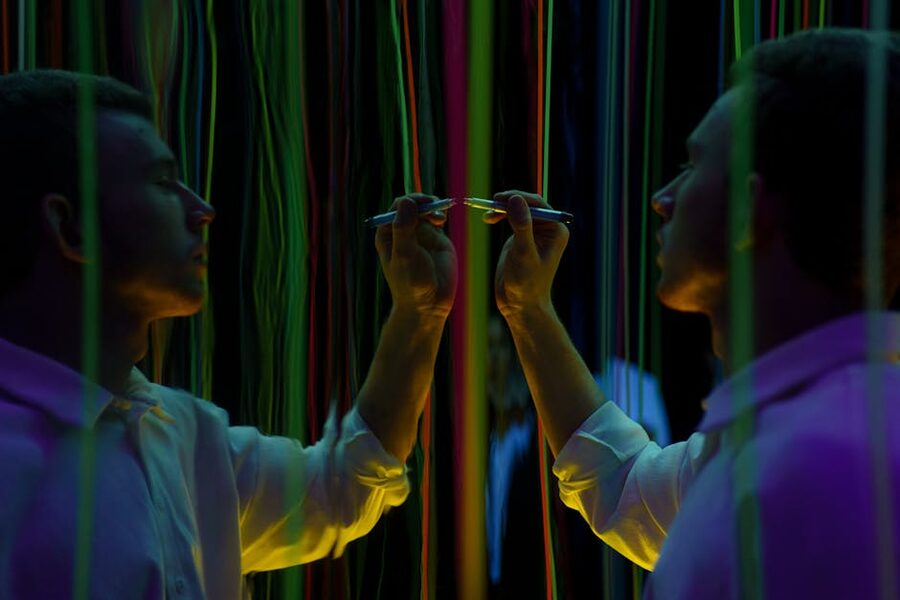
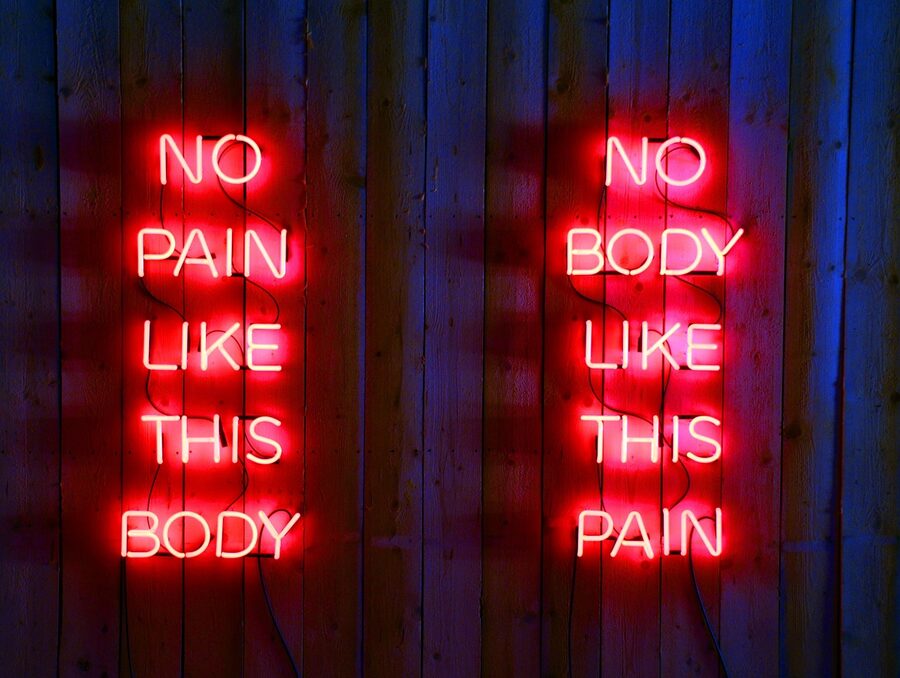
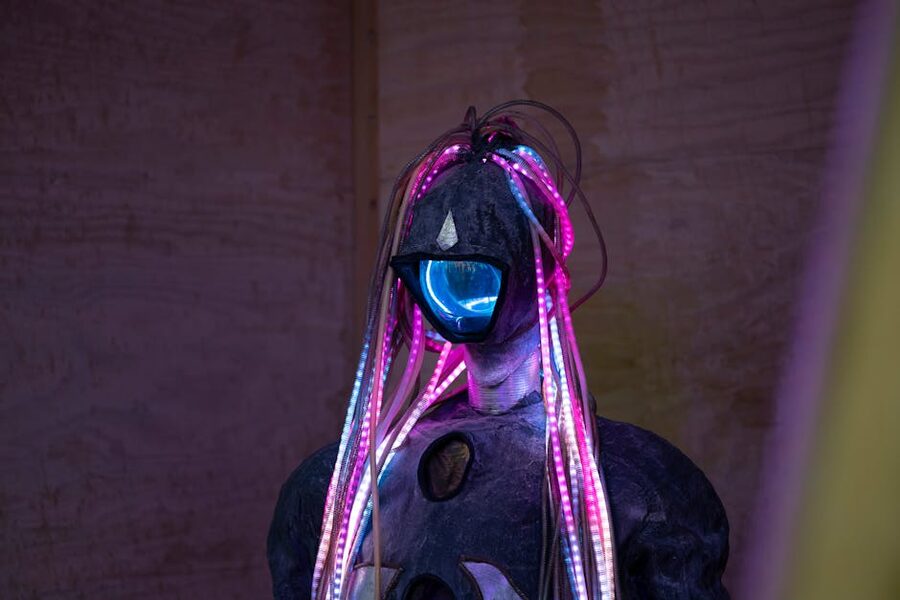
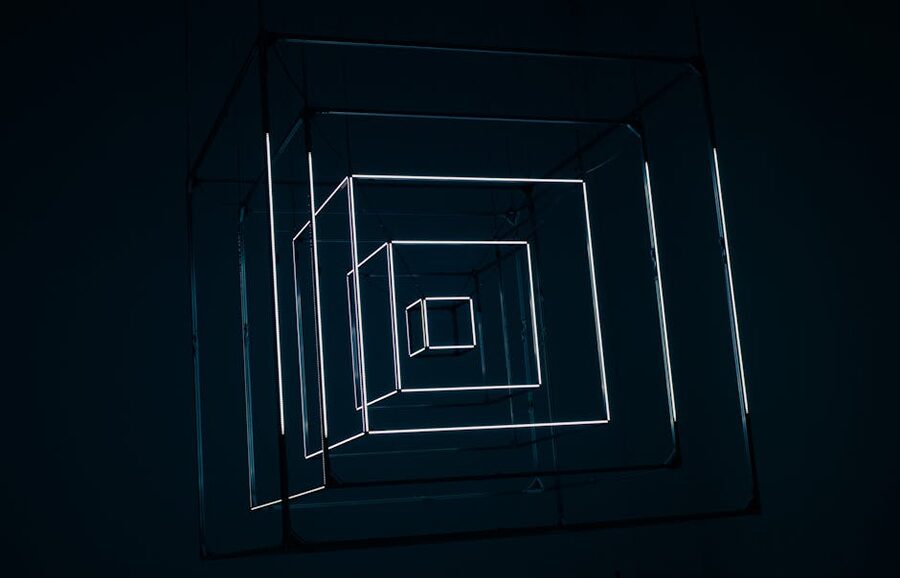
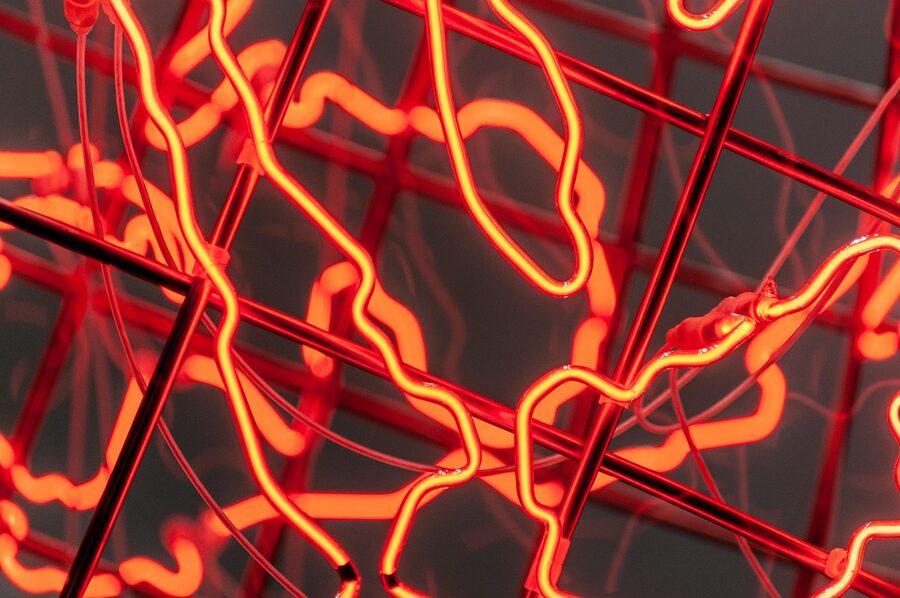
DARK MATTER’s 12 installation rooms each work as standalone artworks. The venue rotates installations periodically, but the standard mix includes infinity mirror rooms, kinetic sculpture spaces, audio-reactive light walls, and LED tunnels that respond to visitor movement. Each room is designed for both individual contemplation and group photography.
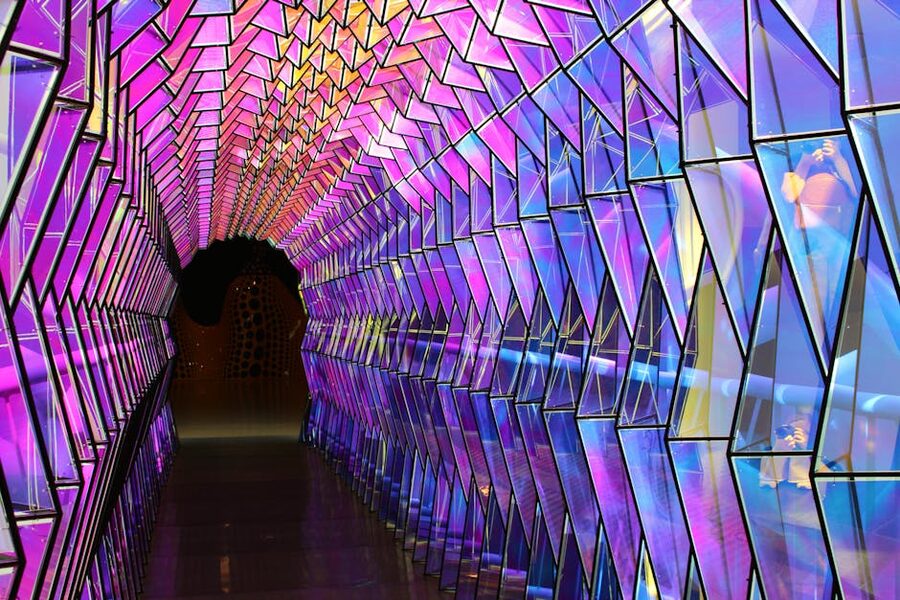
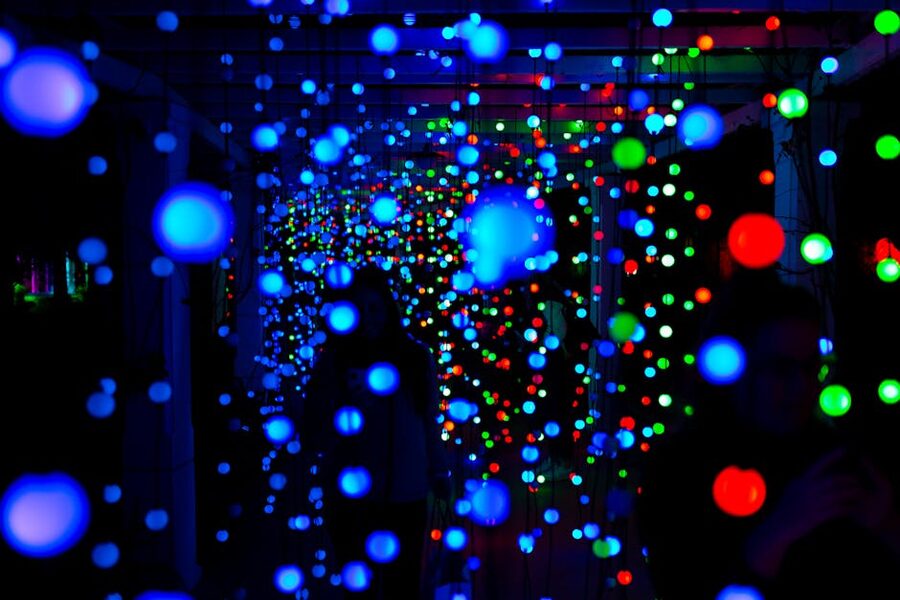
The 12 artists behind DARK MATTER’s installations include international names from the immersive art world. The full list rotates as installations get replaced, and the venue’s website maintains current attribution. The mix of established and emerging artists means the quality varies — some rooms feel like genuine art, others feel like Instagram bait.
The Photographic Element
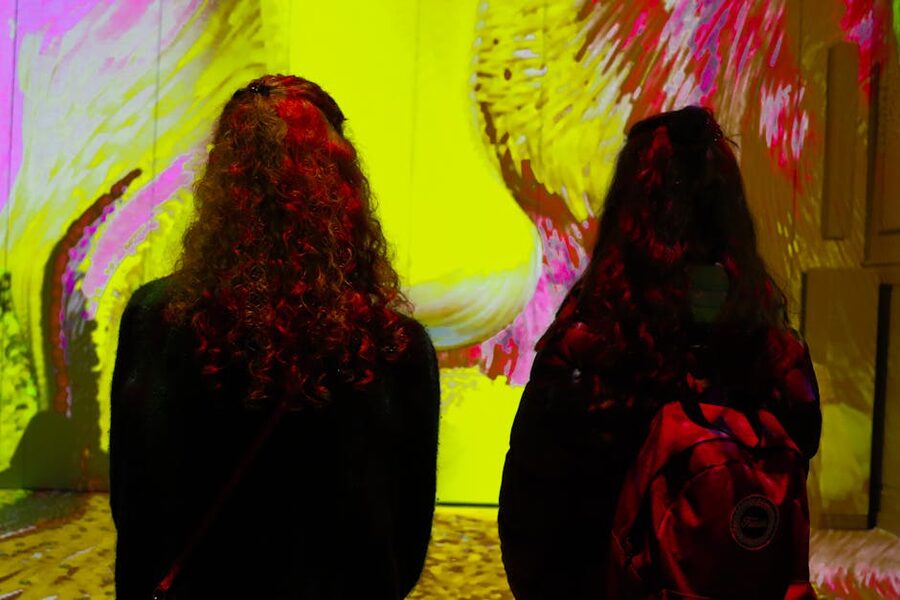
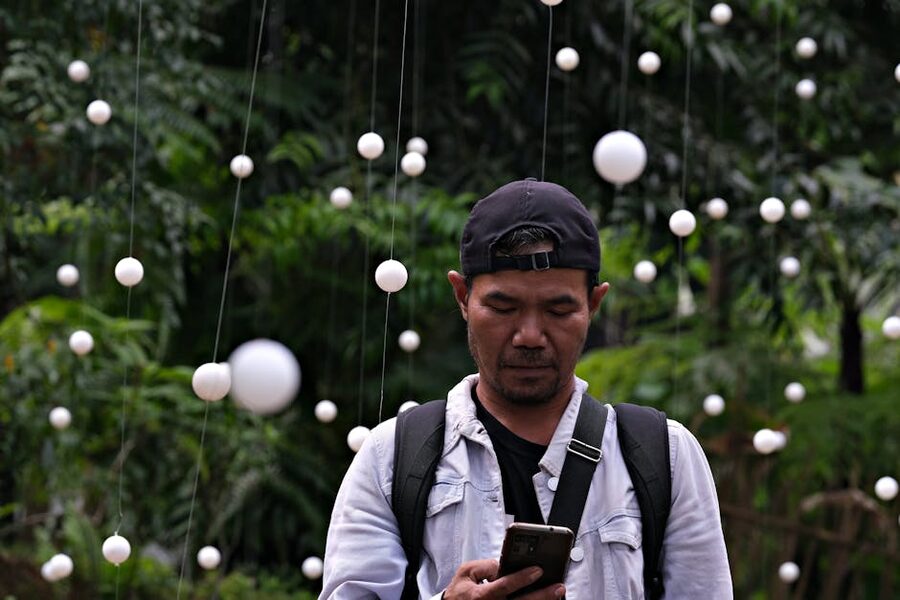
DARK MATTER is explicitly designed for photography. Visitors are encouraged to take phone photos, the lighting is calibrated for camera capture, and many rooms have specific positions marked where the photographic angles are optimal. The venue’s social media presence is built largely on user-generated content from these photos.
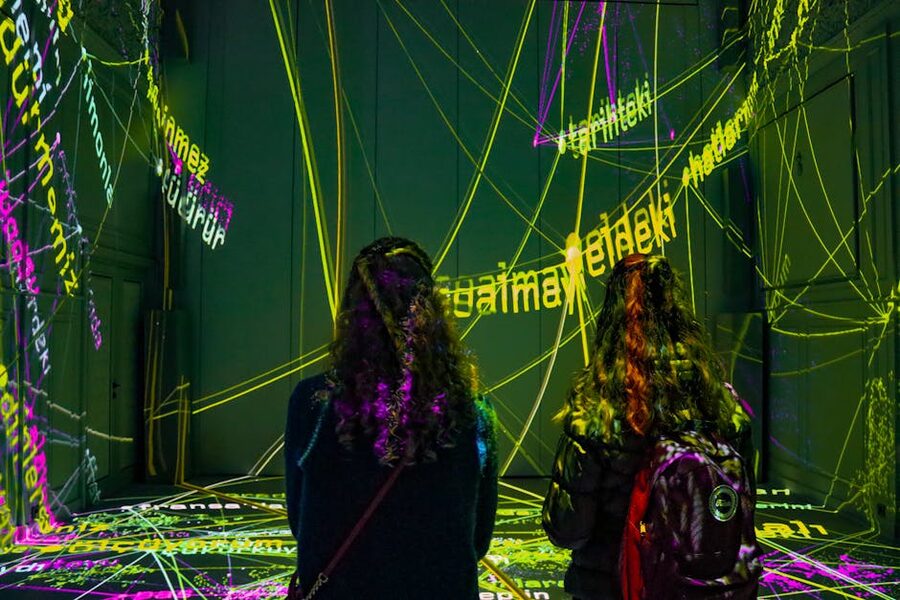
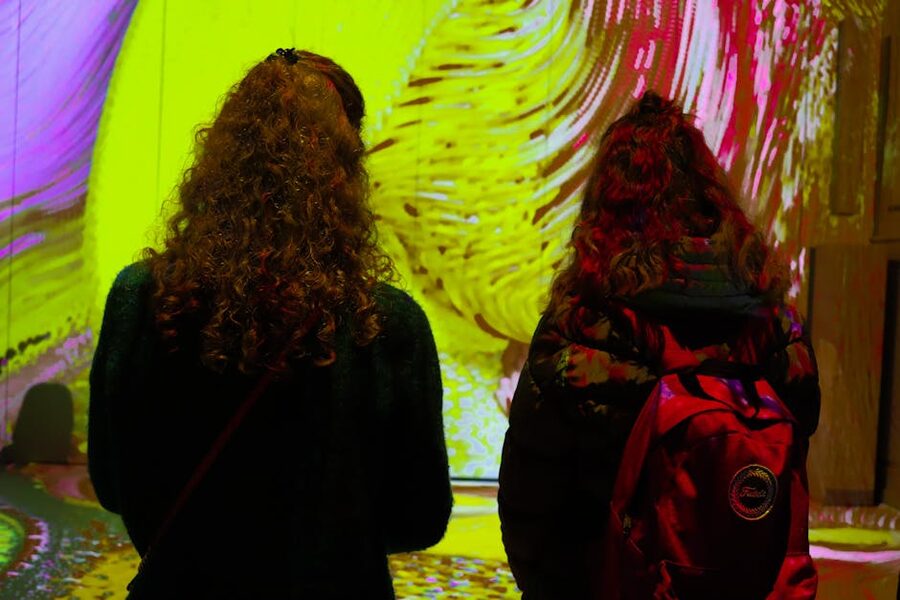
Phone photography works fine in most rooms, though some installations are challenging for cameras (very dark spaces with bright LED point sources can create overexposure). The venue’s official photographer is available for paid portraits in the main installation rooms — €30-50 for a 15-minute session with edited photos delivered later.
DARK MATTER vs Other Berlin Light Venues
Berlin has several immersive light/art venues that overlap with DARK MATTER’s concept:
Berlin Light Festival (annual, October) — temporary installations across central Berlin landmarks. Free to view but only runs for 10 days each year. Different concept (outdoor, public, free) but similar aesthetic.
Lichthaus Berlin — smaller venue with a single rotating installation. Cheaper than DARK MATTER ($15 vs $26) but only 30-45 minutes of content versus DARK MATTER’s 60-90 minutes.
Computerspiele Museum — covers video game art including some immersive installations. Different focus (gaming history) but similar visual aesthetic in some sections.
The DeJa Vu Interactive Museum
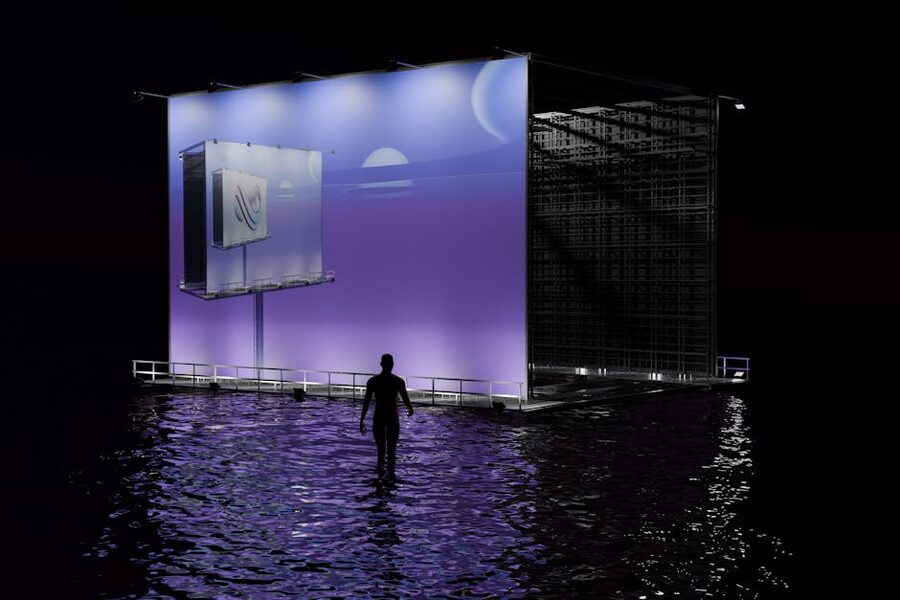
The DeJa Vu Interactive Museum in Berlin is the optical illusion alternative to DARK MATTER’s pure light focus. The museum has 50+ optical illusion installations, perspective rooms, and interactive exhibits designed primarily for photography. At $17, it’s significantly cheaper than DARK MATTER and the experience is broadly similar (Instagram-friendly photo opportunities in unusual environments).
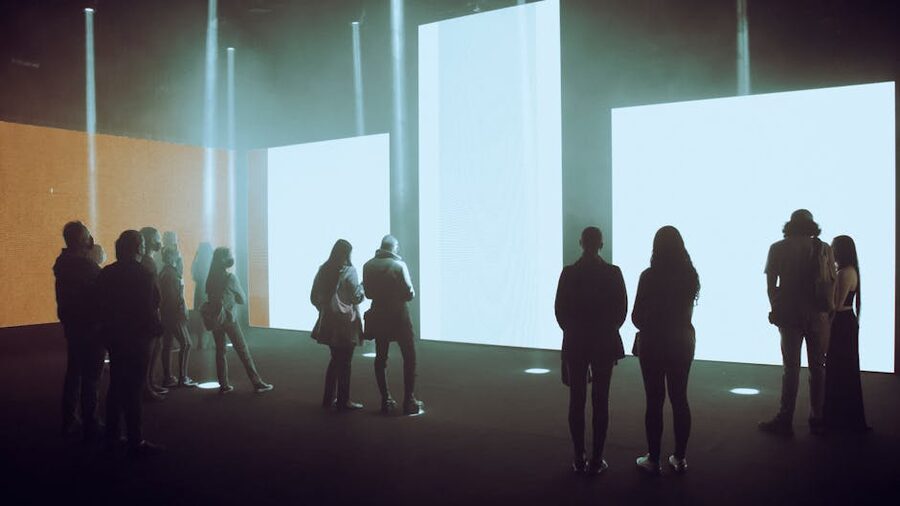
The DeJa Vu visit is shorter (45-60 minutes) than DARK MATTER (60-90 minutes), which means you can combine both into a single afternoon if you want. The two venues are about 25 minutes apart by public transport.
The Lichtenberg Location
DARK MATTER sits in the former GDR district of Lichtenberg, in a converted industrial building that adds atmospheric character to the experience. The Lichtenberg neighbourhood was a working-class East Berlin area that’s been gradually gentrifying since reunification, and DARK MATTER’s presence is part of the cultural development that’s transforming the district.
Getting there: U-Bahn U5 to Friedrichsfelde or S-Bahn to Friedrichsfelde Ost — both about 15 minutes from Alexanderplatz. The walk from the station is 5-8 minutes through residential streets. The neighbourhood is safe but unfamiliar — it’s worth checking the route before traveling.
The Music and Audio Component
DARK MATTER’s installations come with synchronised audio — original compositions designed to complement the visual experience. The audio quality is high (proper sound system rather than tinny background music), and the choice of music significantly affects each room’s mood.
The audio composers include Berlin-based electronic musicians and international collaborators. Some compositions echo Berlin’s techno music heritage; others lean toward ambient electronic territory. The audio is meant to be experienced in the rooms rather than as standalone music, but several installations have released audio versions on streaming platforms.
The Berlin Immersive Art Scene
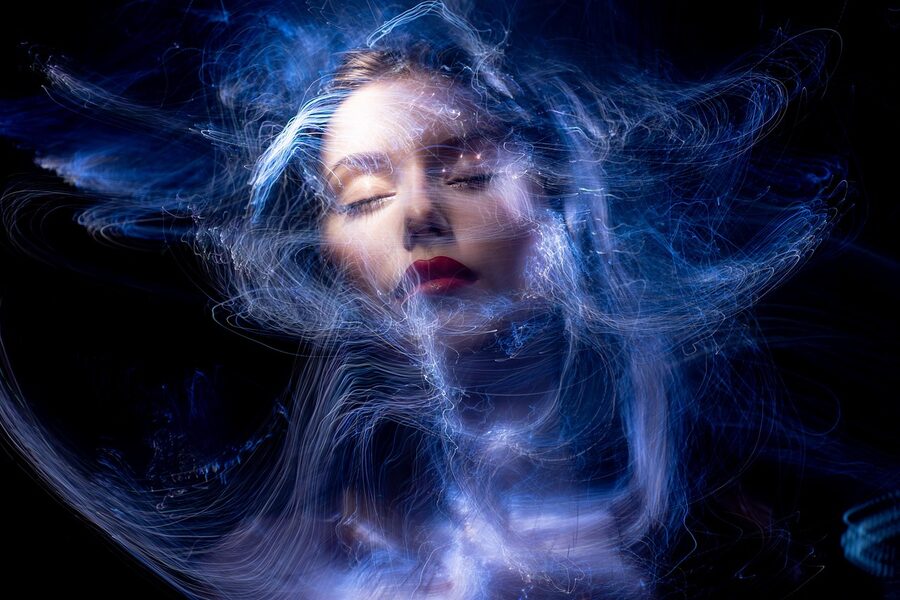
DARK MATTER fits within Berlin’s broader contemporary art ecosystem. Berlin has Europe’s highest concentration of contemporary artists per capita, and the city’s transformation since reunification has created abundant warehouse space suitable for ambitious installations. Venues like DARK MATTER, the König Galerie (in a converted Brutalist church), the Berghain (techno club hosting art exhibitions), and dozens of smaller spaces collectively define what Berlin contemporary art means in 2026.
The relationship between commercial venues like DARK MATTER and the underground art scene is complex. Some artists view DARK MATTER’s photography-friendly approach as commercialising what should be more challenging work; others see it as appropriately bringing immersive art to wider audiences. The debate mirrors what played out around the Lumières franchise — both perspectives have merit, and neither side has fully won the argument.
Best Tours to Book
1. DARK MATTER KOLLEKTION — $26
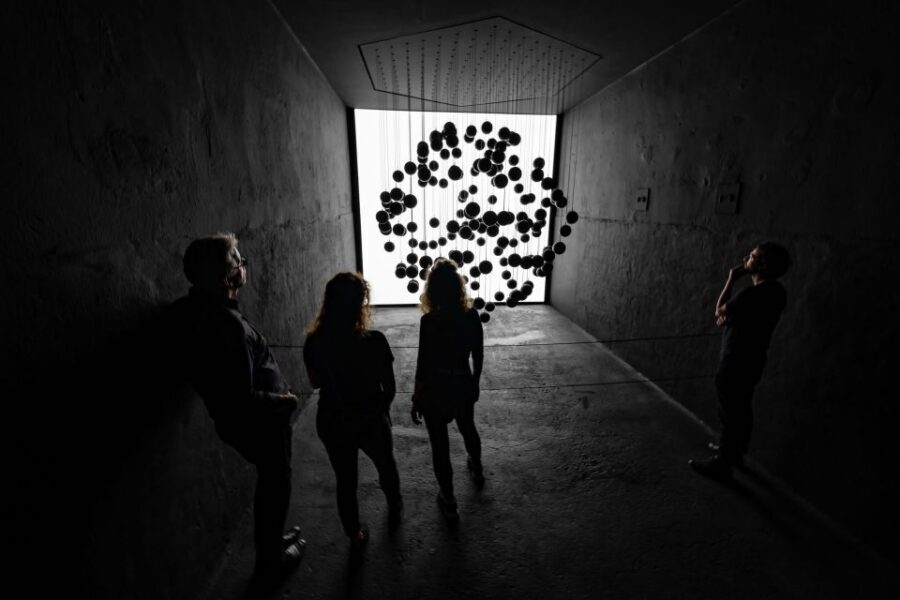
The essential DARK MATTER visit. Full access to the 12 light installation rooms with no fixed time limit (though most visitors spend 60-90 minutes). The KOLLEKTION ticket is the same price as the standard entry but with marketing emphasis on the comprehensive experience. Our review covers the rooms, the photography, and what to expect.
2. Interactive DeJa Vu Museum — $17
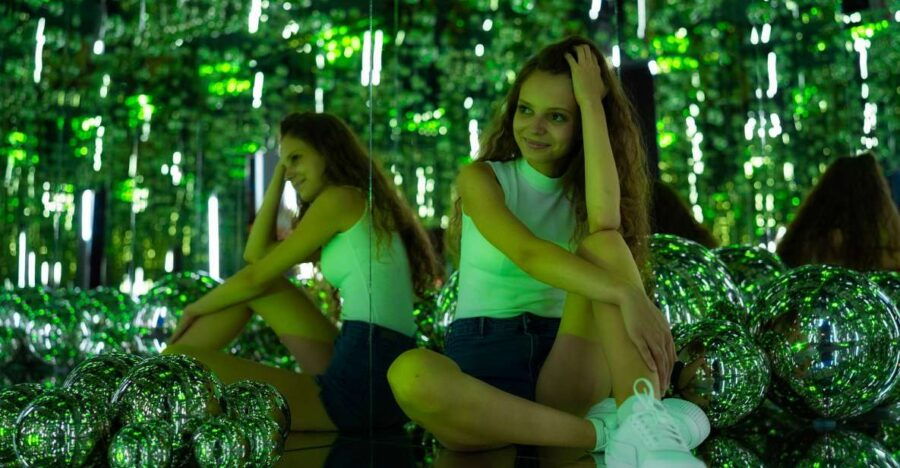
The cheaper alternative for visitors who want photo-friendly installations without the immersive light focus. DeJa Vu’s optical illusions and perspective rooms offer different but related social media content opportunities. The 45-60 minute visit fits nicely as an addition to other Berlin sightseeing. At $17, it’s significantly cheaper than DARK MATTER. Our review compares it directly with DARK MATTER and explains when each is the better choice.
3. DARK MATTER Standard Entry — $26
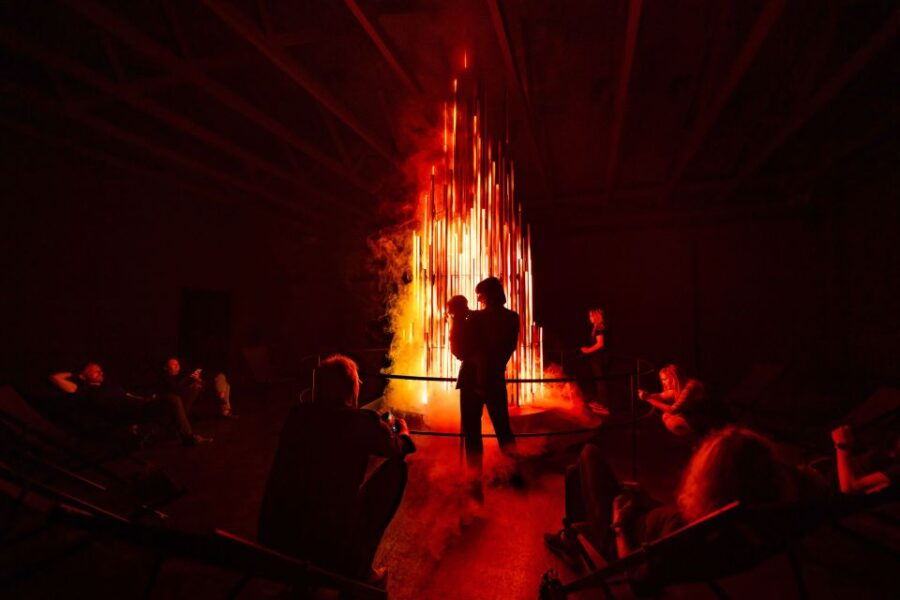
Same access as the KOLLEKTION ticket, different platform listing. The standard ticket and the KOLLEKTION ticket grant identical entry to all 12 rooms — choose based on which booking system shows better availability for your dates. Our review covers what to expect from the visit.
Practical Tips
Booking: Tickets are timed entry. Weekday slots have walk-up availability; weekend afternoons sell out 1-2 days ahead. Book online for best availability.
What to wear: Comfortable shoes (you’ll stand and walk for 60-90 minutes). Avoid clothing that reflects strongly (white shirts can interfere with the LED installations). Layered clothing for the venue’s varying temperatures.
Photography: Phones work well. Bring a portable charger if you plan to take many photos — the camera-active visit drains batteries faster than usual. The venue restricts professional camera equipment without prior arrangement.
Photosensitivity warning: Several installations include flashing lights and rapid colour changes that can trigger seizures in photosensitive epilepsy. The venue posts warnings at the entrance. If you have photosensitive epilepsy, check the specific installation list before booking.
Budget: DARK MATTER: $26. DeJa Vu Museum: $17. Combined visit: $43 + €15-20 transport and lunch = €60-70 for a full immersive Berlin afternoon.
Combining DARK MATTER with Other Berlin Activities
DARK MATTER’s evening hours (open until 8-9pm most days) make it a natural before-dinner activity after daytime sightseeing. Pair it with the Berlin TV Tower observation deck at sunset (5-7pm) for views of the city, then DARK MATTER (7-9pm) for the immersive experience, then dinner in central Berlin.
For a fully immersive Berlin day, combine DARK MATTER with the Berlin Museum Island in the morning (traditional museum experience), the East Side Gallery in the afternoon (outdoor street art), and DARK MATTER in the evening (immersive light installations) — a complete arc through Berlin’s art scene from classical to contemporary.
More Berlin Cultural Experiences
DARK MATTER is part of Berlin’s growing immersive art scene. The Friedrichstadt-Palast Grand Show covers the spectacle theatre side of immersive entertainment. The Berlin pub crawls show you the social side of Berlin’s nightlife. The Berlin BODY WORLDS and Berlin Segway tours cover other unconventional Berlin experiences.