
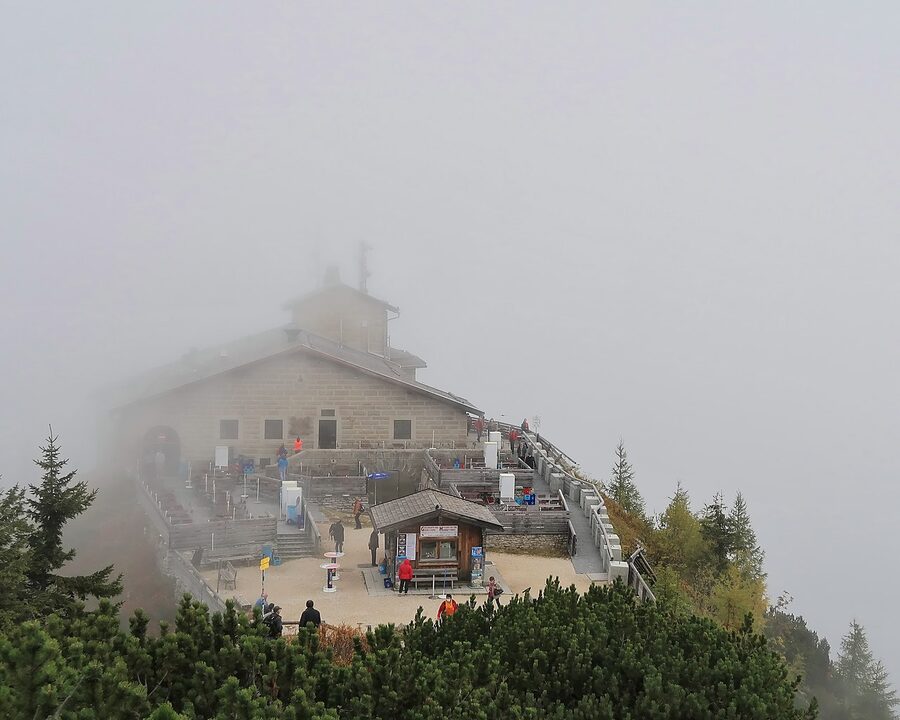
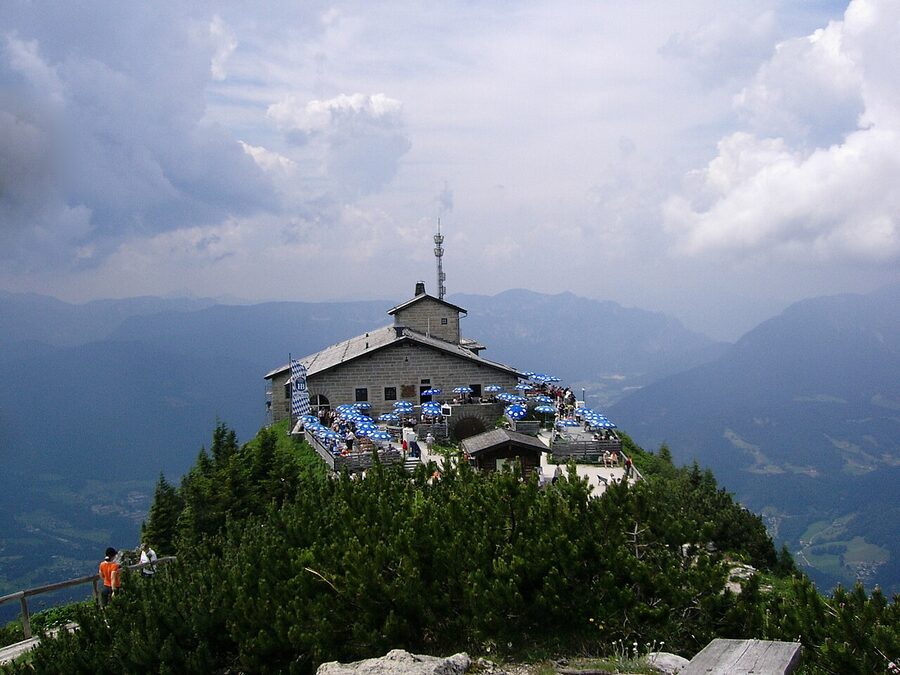
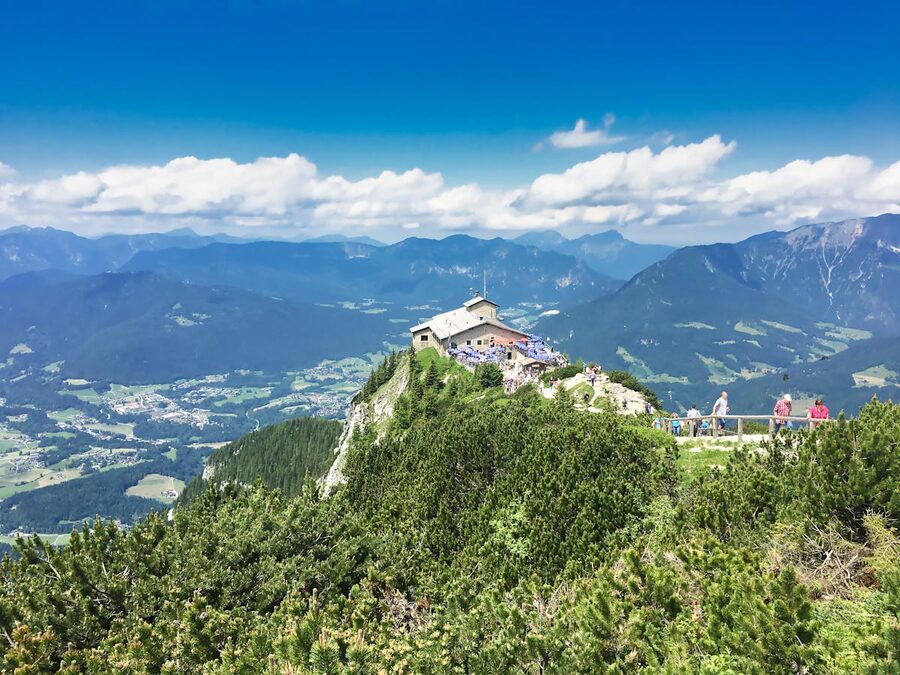
The Eagle’s Nest sits at 1,834 metres on a rocky outcrop above Berchtesgaden, accessible only by a road that was blasted through the mountain in 13 months and a brass-lined elevator that rises 124 metres through solid rock. Martin Bormann built it as a 50th birthday present for Hitler in 1939. Hitler visited fewer than 15 times — he was afraid of heights.
That detail — the most powerful man in Europe receiving a mountaintop retreat he was too nervous to enjoy — tells you something about why the Eagle’s Nest endures as a tourist destination. It’s not the building itself (a modest stone teahouse), but the combination of the setting, the history, and the sheer audacity of the engineering that draws half a million visitors a year to a spot that would otherwise be just another Bavarian mountaintop.
Alternative operator: Berchtesgaden Day Trip — $79, similar route, different emphasis on Berchtesgaden town.
Official site: kehlsteinhaus.de — opening hours, bus schedules, weather updates.
- What the Day Trip Covers
- The Obersalzberg: Where Hitler Lived
- The Königssee: Germany’s Most Beautiful Lake
- The History Behind the Eagle’s Nest
- The Berchtesgaden Salt Mine
- Eagle’s Nest vs. Königssee: Which to Choose
- Best Tours to Book
- 1. Berchtesgaden & Eagle’s Nest Day Tour —
- 2. Berchtesgaden & Eagle’s Nest Day Trip —
- 3. Königssee Boat Ride & Salt Mine —
- Practical Tips
- Other Munich Day Trips
What the Day Trip Covers
The day trips from Munich ($77-79, about 10 hours) follow a similar pattern: early morning departure by coach, a scenic drive through the Bavarian Alps, stops at Berchtesgaden town and the Obersalzberg Documentation Centre, the special bus ride up the mountain road, the elevator to the summit, free time at the Eagle’s Nest, and the return journey.
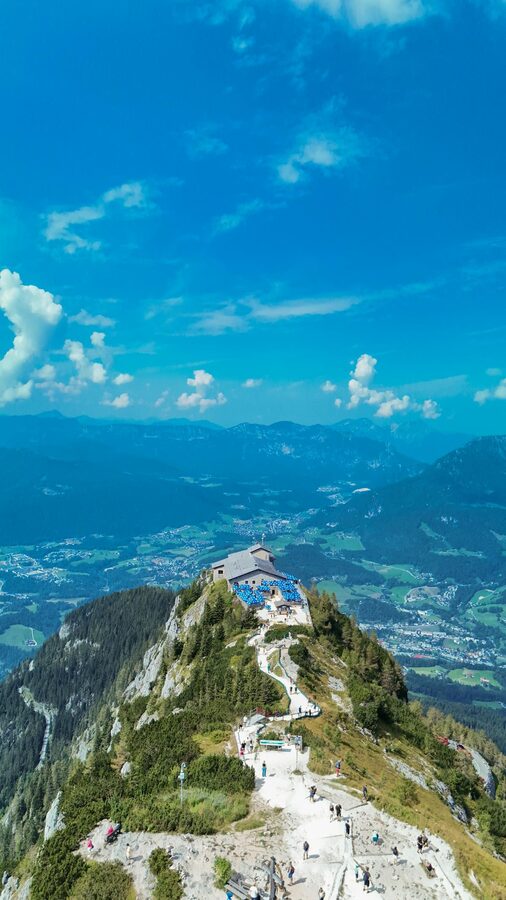
The special bus that climbs the Kehlsteinstraße (Eagle’s Nest Road) is part of the experience. The road was built in just 13 months using 3,000 workers, and it climbs 700 metres through five tunnels with hairpin bends that require specialised buses — private cars are banned. At the top, you enter a tunnel in the mountain and take the original brass-panelled elevator (maintained exactly as it was in 1938) up 124 metres through the rock to emerge at the teahouse.
The Obersalzberg: Where Hitler Lived
Before reaching the Eagle’s Nest, the day trips stop at the Obersalzberg — the hillside compound where Hitler had his primary residence (the Berghof) and where the Nazi leadership maintained a fortified complex of bunkers, barracks, and administrative buildings. The Berghof was destroyed by Allied bombing in April 1945 and demolished by the Bavarian government in 1952 to prevent it becoming a shrine. Only the bunker system survives.
The Obersalzberg Documentation Centre is a museum built on the site that covers the history of the Nazi period using the Obersalzberg as a lens. The exhibition includes access to parts of the original bunker system — concrete corridors and rooms built deep into the mountain that were designed to withstand Allied bombing. The bunkers are claustrophobic, chilly, and powerfully atmospheric. The guide explains what each room was used for and who would have occupied it.
The Königssee: Germany’s Most Beautiful Lake
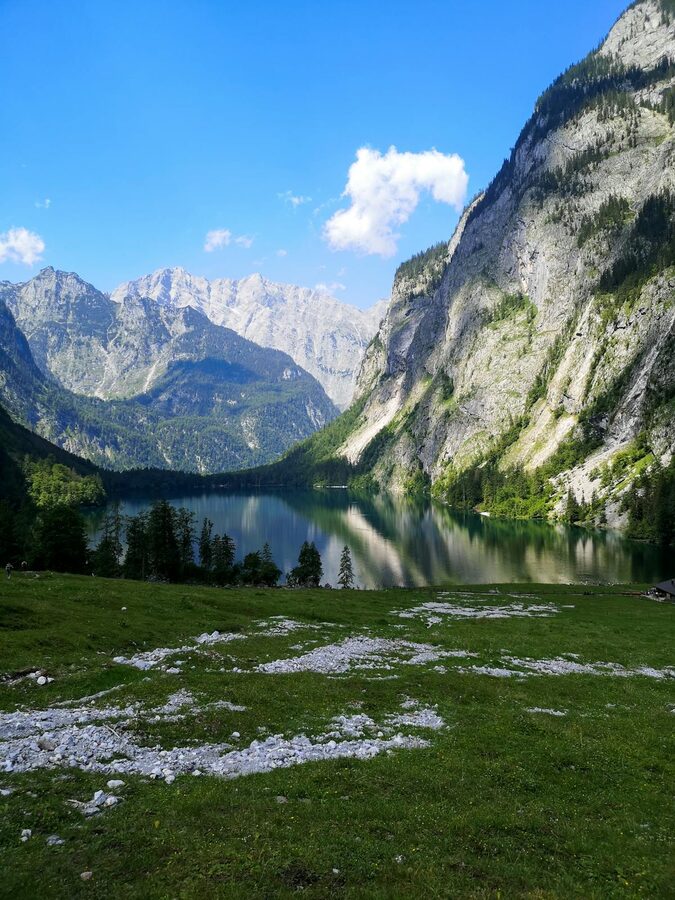
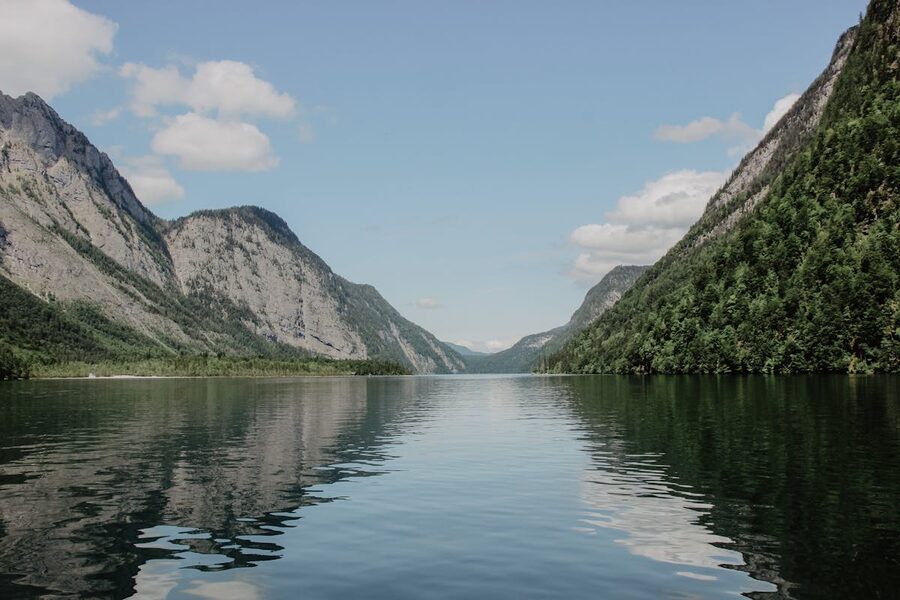
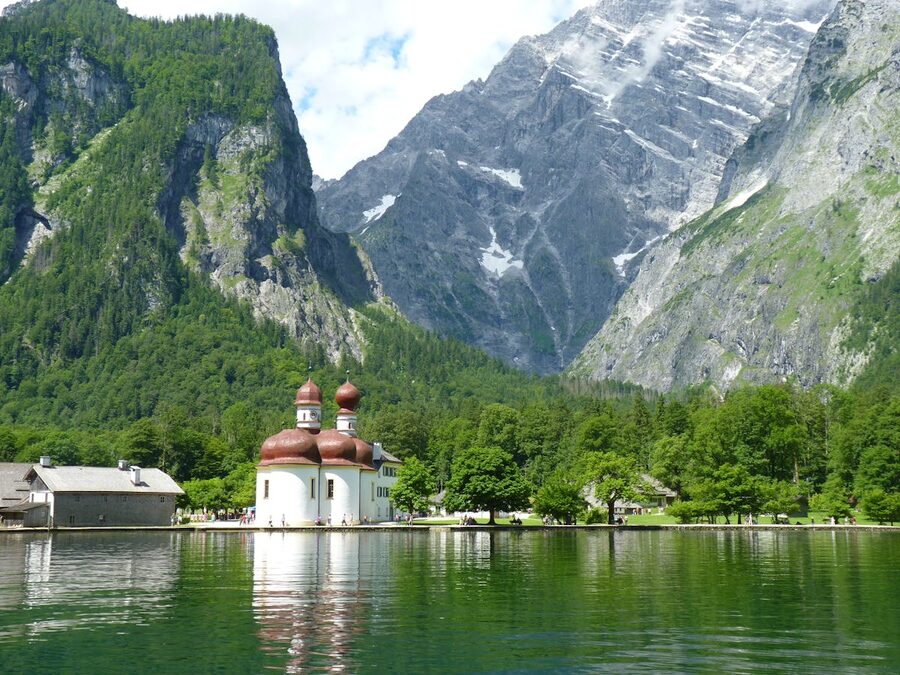
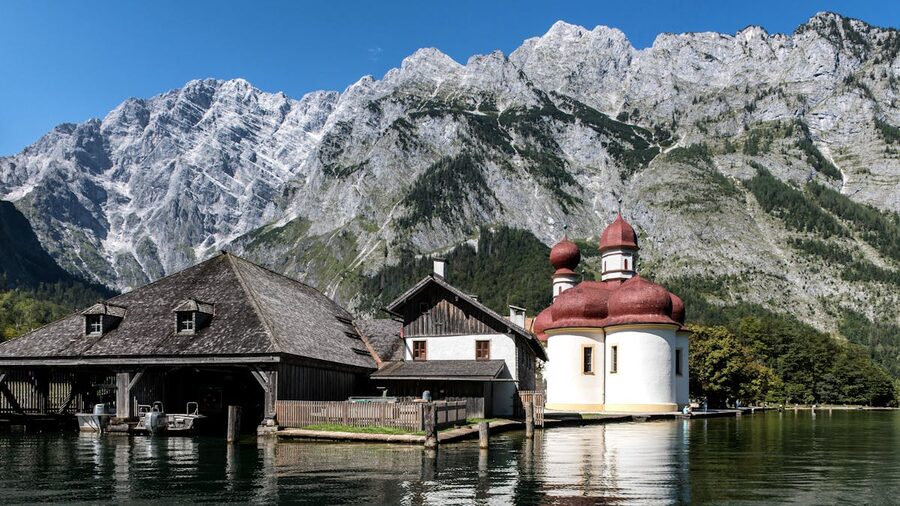
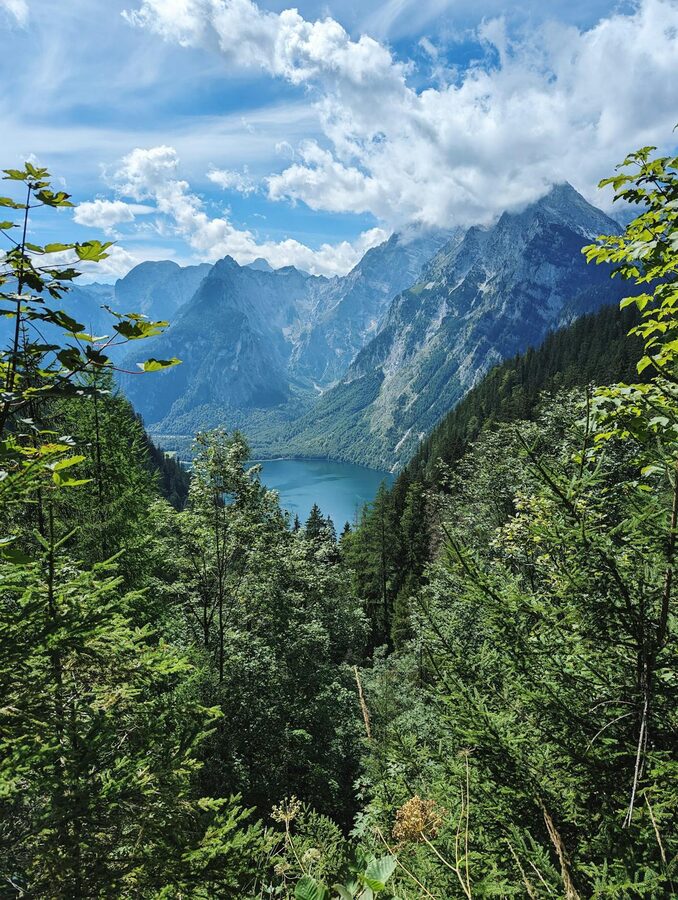
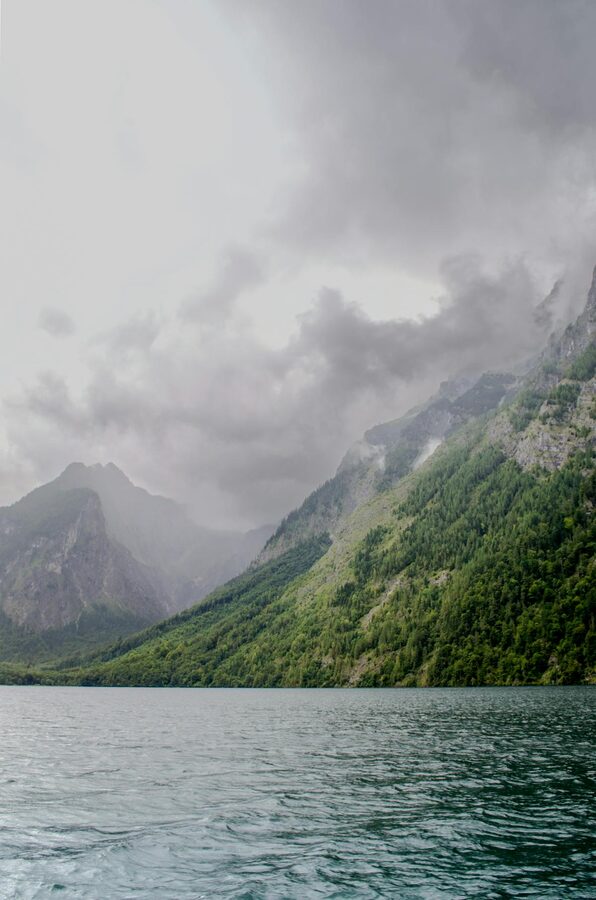
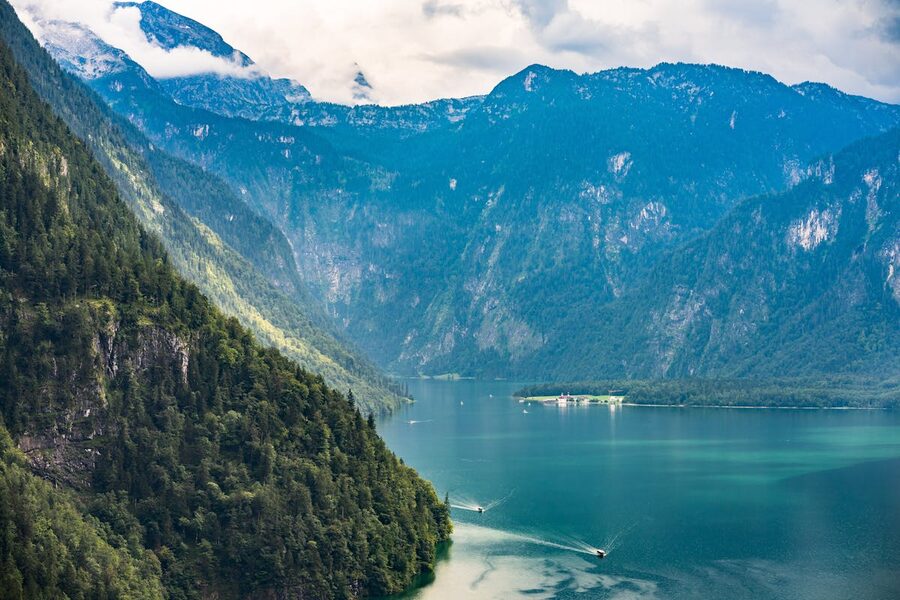
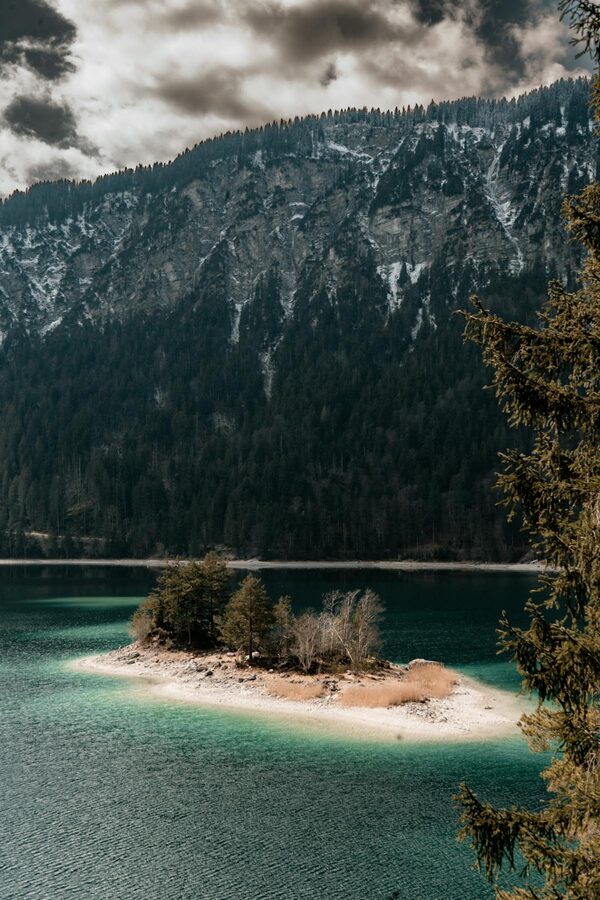
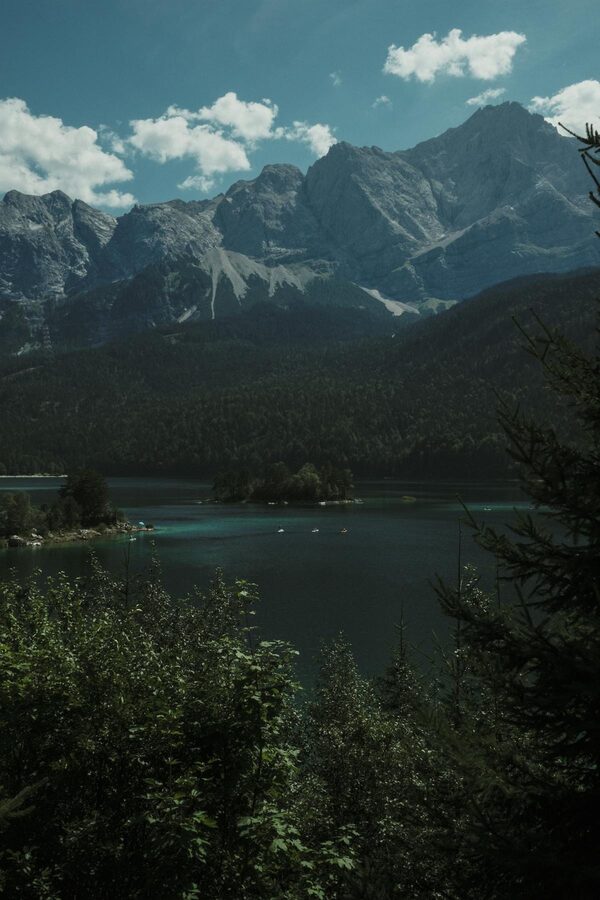
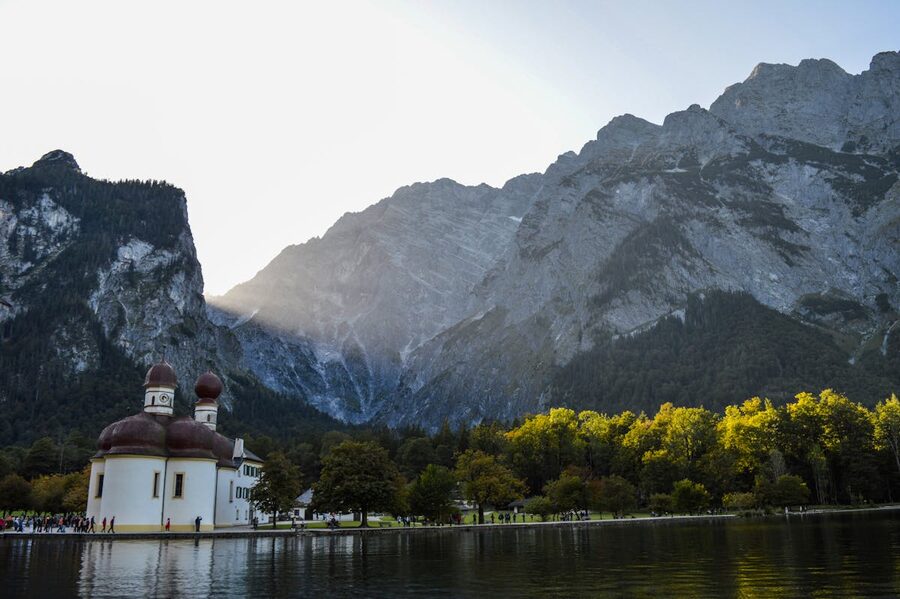
The Königssee — a deep, fjord-like lake squeezed between sheer mountain walls — is often included as an add-on or alternative to the Eagle’s Nest visit. The lake is 8km long, up to 190 metres deep, and so clean that it’s certified drinking water quality. Electric boats (no combustion engines allowed since 1909) cruise the lake to St. Bartholomä, a red-domed pilgrimage church that looks like it was dropped from heaven onto a peninsula.
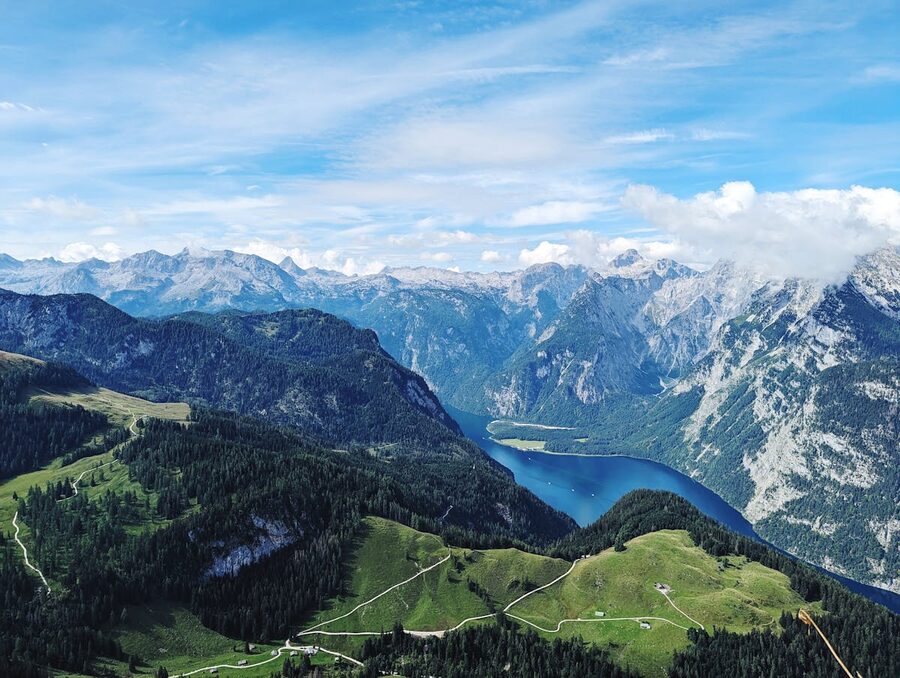
The third tour option — the Königssee Boat Ride and Berchtesgaden Salt Mine ($94) — focuses on the lake and the underground salt mine rather than the Eagle’s Nest. The salt mine (operating since 1517) includes a train ride into the mountain, slides between mining levels, and a boat ride across an underground lake. It’s the more family-friendly option of the Berchtesgaden day trips.
The History Behind the Eagle’s Nest
The Obersalzberg attracted Hitler as early as the 1920s — he stayed at a local pension while writing Mein Kampf and later bought a house (the Berghof) on the hillside. After becoming Chancellor in 1933, the entire mountain was appropriated for the Nazi leadership. Residents were evicted. A compound of residences, barracks, and bunkers was built. And Martin Bormann, Hitler’s secretary, commissioned the Eagle’s Nest as an ostentatious gift that was designed to impress visiting dignitaries.
The road and elevator cost an estimated 30 million Reichsmarks (equivalent to roughly $150 million today). Three thousand workers built the road in 13 months — an extraordinary feat of engineering that came at significant human cost. The brass elevator was designed to be opulent enough for the Führer, with Venetian mirrors and a leather-upholstered bench. It still operates with the original 1938 machinery, maintained by the Bavarian state.
After the war, the US Army occupied the Obersalzberg and used the Eagle’s Nest as a military recreation centre. The Berghof and other buildings were demolished to prevent them becoming neo-Nazi pilgrimage sites. The Eagle’s Nest survived — partly because it had no particular Nazi association beyond being a gift, and partly because the Bavarian government decided it was more useful as a tourist attraction than as rubble. Today it operates as a restaurant and beer garden with a permanent exhibition on its history. The proceeds fund the Obersalzberg Documentation Centre.
The Berchtesgaden Salt Mine
The Salzbergwerk Berchtesgaden has been producing salt since 1517 — making it one of the oldest working salt mines in the world. The tourist experience includes riding a mine train into the mountain, sliding down wooden chutes between levels (traditionally how miners moved between galleries), crossing an underground lake by boat, and learning about the geological and economic history of salt production in the Alps.
The salt mine is particularly good for families with children who might find the Eagle’s Nest history too heavy. The slides, the boat ride, and the train are genuinely fun, and the underground galleries are dramatic without being frightening. The mine tour takes about 1.5 hours and can be combined with the Königssee boat ride on the same day trip.
Eagle’s Nest vs. Königssee: Which to Choose
If you only have one day for the Berchtesgaden area, the choice between the Eagle’s Nest and the Königssee depends on your interests. The Eagle’s Nest is about history — WWII, the Nazi leadership, the engineering, and the difficult questions about how Germany commemorates its darkest period. The Königssee is about nature — Alpine lakes, boat rides, mountain scenery, and the kind of landscape that makes you forget about history entirely.
Families with children under 12 should lean toward the Königssee and salt mine. The history at the Eagle’s Nest is heavy, and children won’t appreciate the significance of the bunkers or the Documentation Centre. The salt mine’s slides and boat ride, and the Königssee’s electric boats and echo demonstration, are genuinely entertaining for kids.
Adults choosing between the two should consider whether they’ve already done the Berlin Third Reich walking tour or the Dachau memorial. If you’ve already engaged with WWII history on this trip, the Königssee might provide a welcome change of pace. If you haven’t, the Eagle’s Nest and Obersalzberg add an essential dimension to understanding Nazi Germany — seeing where the decisions were made, in the mountains where Hitler retreated from the consequences.
Best Tours to Book
1. Berchtesgaden & Eagle’s Nest Day Tour — $77
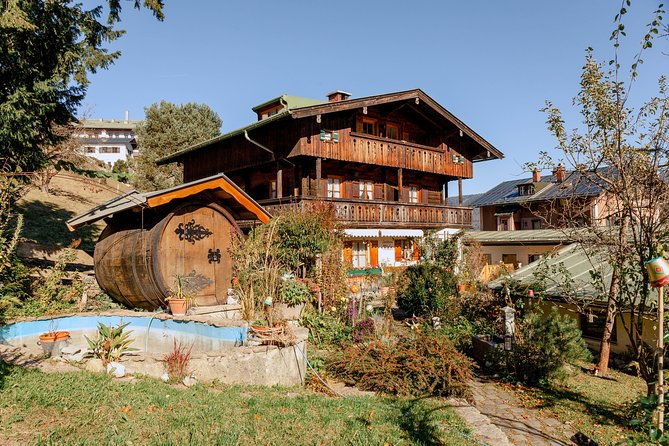
The standard Munich day trip. A full day by coach covering the Obersalzberg compound, the bunkers, and the Eagle’s Nest, with a guide who handles the history sensitively and accurately. At $77, the tour includes transport, the guide, and the Eagle’s Nest bus/elevator — you’d spend nearly as much on fuel and parking independently. Our review covers the guide quality and how the tour handles the sensitive history.
2. Berchtesgaden & Eagle’s Nest Day Trip — $79
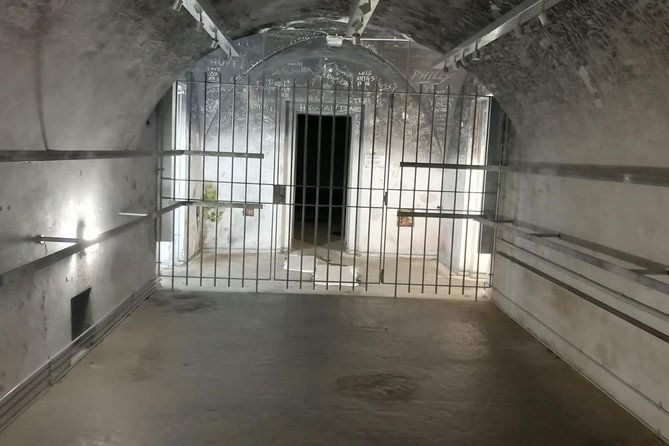
Same destination, different operator. The route overlaps heavily — Obersalzberg, Documentation Centre, Eagle’s Nest — with minor differences in timing and commentary style. The $79 price is marginally higher, and the 10.5-hour duration gives slightly more time at each stop. Choose based on availability. Our review compares the two operators head to head.
3. Königssee Boat Ride & Salt Mine — $94
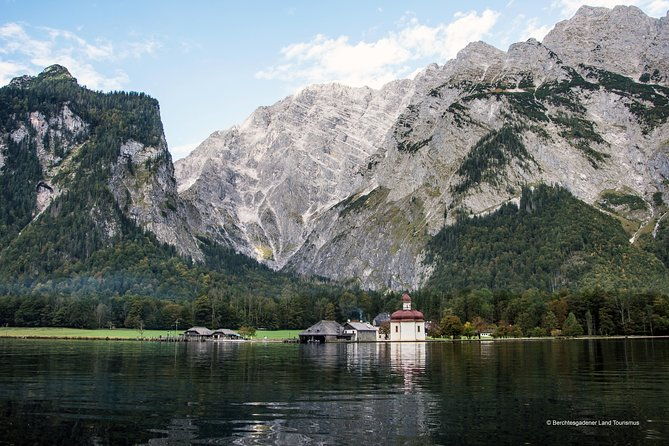
For visitors who prefer nature over history, or families with children. The Königssee electric boat ride and the salt mine are genuinely fun — the underwater lake, the slides between mining levels, and the trumpet echo on the Königssee are memorable experiences. At $94, it’s the priciest option but covers two full attractions. Our review explains whether this tour or the Eagle’s Nest tour is the better choice.
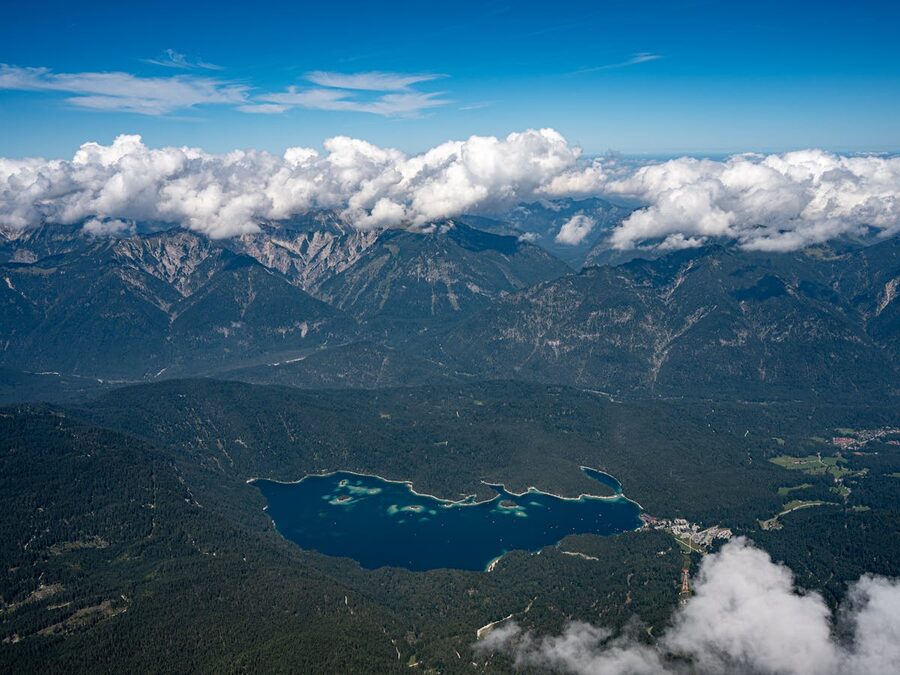
Practical Tips
Eagle’s Nest season: The Eagle’s Nest is only open from mid-May to late October — the mountain road is closed in winter due to snow. Check kehlsteinhaus.de for exact dates. The day trip tours from Munich only run during this season.
Weather: The Eagle’s Nest is at 1,834 metres. Temperatures are 10-15°C lower than Munich. Cloud cover can completely obscure the views — check the weather forecast before booking. The tours run regardless of weather, and a cloudy day means you see nothing from the summit. Morning tends to be clearer than afternoon.
What to bring: Warm layers (even in July), comfortable shoes for the walk around the summit, and sunscreen (the UV is stronger at altitude). The teahouse restaurant at the top serves food and drinks, so you don’t need to pack lunch.
Physical requirements: The bus and elevator do the heavy lifting — you don’t need to hike to the summit. However, the terrain at the top is uneven rock, and the walk around the summit area involves some steep sections. The elevator is the only way up and down (no hiking alternative from the bus stop).
Budget: Day trip tour: $77-94. The tour price includes Munich transport, guide, Eagle’s Nest bus, and elevator. Food and drinks at the teahouse are extra. Budget about €100-120 for the full day including lunch.
Other Munich Day Trips
Berchtesgaden pairs powerfully with the Dachau Concentration Camp tour — both address the Nazi period from different angles. Dachau shows the horror of the camp system. Berchtesgaden shows the banality and the grandeur of the leadership’s personal retreat. Together they provide the most complete picture of how the regime operated.
The Neuschwanstein Castle day trip is the lighter alternative — fairytale Bavaria rather than historical darkness. And the Rothenburg and Romantic Road tour covers medieval Germany, creating a three-day trip sequence from Munich that spans castles, medieval towns, and 20th-century history.
For visitors interested in Austrian connections, many Berchtesgaden day trips pass close to the Austrian border, and Salzburg is just 30 minutes away. A combined Berchtesgaden-Salzburg day trip is possible with a private car, though the guided tours focus exclusively on the German side.