
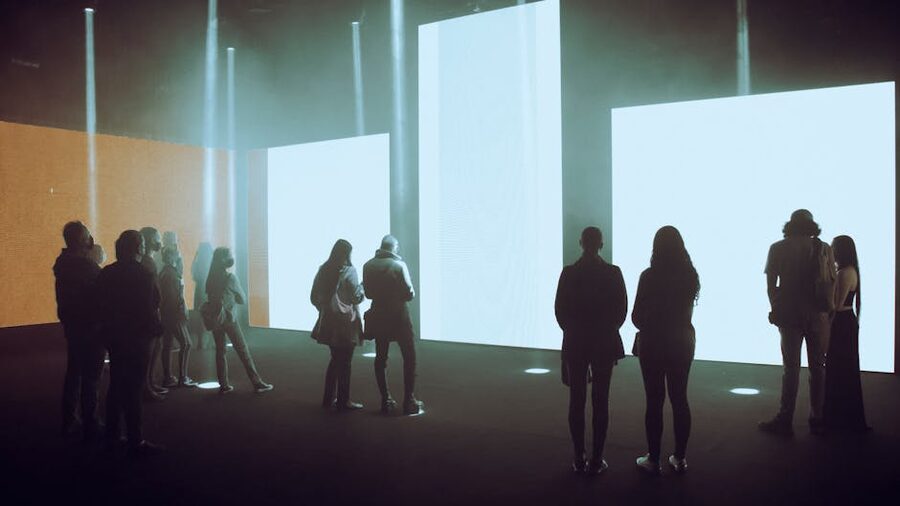
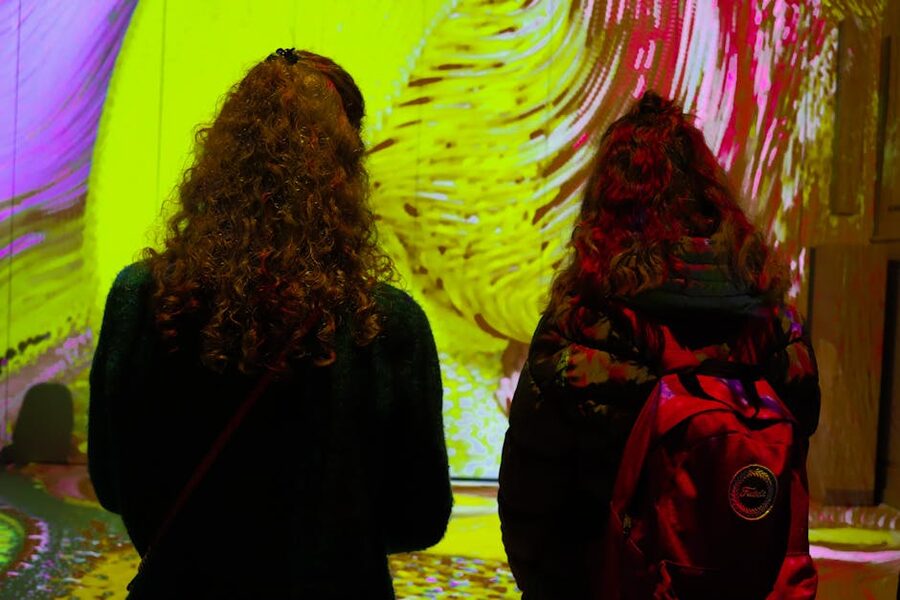
Port des Lumières in Hamburg projects 4K-resolution videos of paintings by Klimt and Hundertwasser onto a 7,000-square-metre former industrial space — floor, walls, and ceiling. Visitors walk through the projections as the artwork moves around them, with classical and contemporary music timed to the visual sequences. The 1-hour experience costs $21 and runs continuous loops throughout the day.
It’s part of the Culturespaces Lumières franchise — the same group that operates Atelier des Lumières in Paris, Fabrique des Lumières in Amsterdam, and Bassins des Lumières in Bordeaux. Hamburg’s version opened in 2024 in a converted brick warehouse near the Speicherstadt, and the current Klimt + Hundertwasser show has been running since opening with a planned multi-year run.
Dortmund alternative: Phoenix of Lumières Dortmund — $19, similar format in the Ruhr region with rotating exhibitions.
Berlin lights tour: Illuminated Berlin Light Tour — Berlin’s illuminated landmarks at night via guided coach with live commentary.
Official Lumières info: portdeslumieres.de — show schedule, ticket booking.
- The Klimt + Hundertwasser Show
- The Venue and Format
- The Lumières Franchise Globally
- The Phoenix of Lumières in Dortmund
- Berlin Illuminated Light Tour
- Photography in the Venues
- Combining with Hamburg Sightseeing
- VR and Other Immersive Formats
- Best Tours to Book
- 1. Hamburg Port des Lumières —
- 2. Phoenix of Lumières Dortmund —
- 3. Illuminated Berlin Light Tour
- Practical Tips
- More Hamburg Experiences
The Klimt + Hundertwasser Show
The current Hamburg show combines two artists from very different eras of Austrian art. Gustav Klimt (1862-1918) defined the Vienna Secession movement with his golden-period paintings combining figurative imagery with elaborate decorative patterns. Friedensreich Hundertwasser (1928-2000) was a 20th-century artist and architect known for saturated colours, organic shapes, and his rejection of straight lines in design.

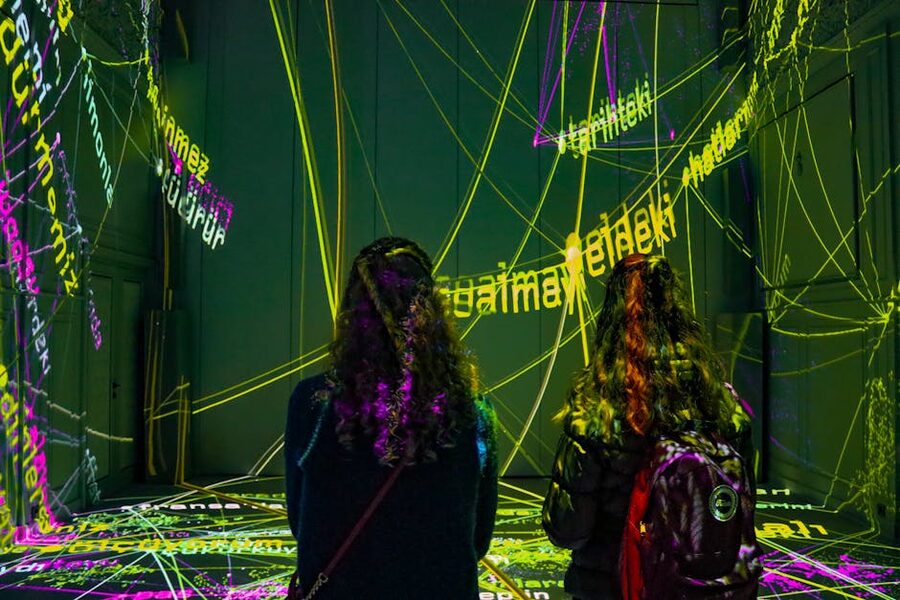
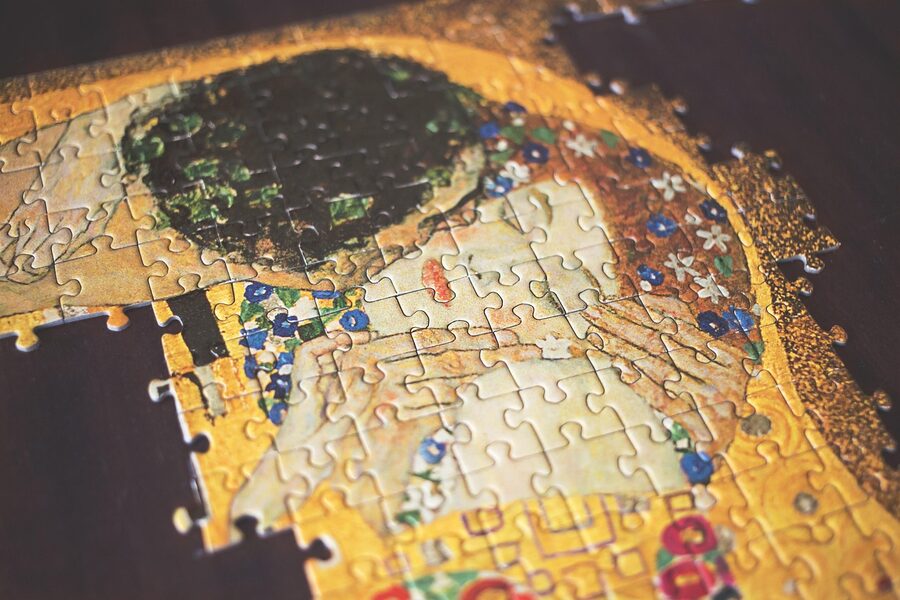
The Klimt section opens the show — about 18 minutes covering the Beethoven Frieze, The Kiss, Adele Bloch-Bauer, and his landscape paintings. The animation brings static elements to life: the gold patterns appear to flow, the figures shift positions, and the painted gardens become walkable environments. The accompanying soundtrack uses Mahler, Schoenberg, and other composers of Klimt’s era.
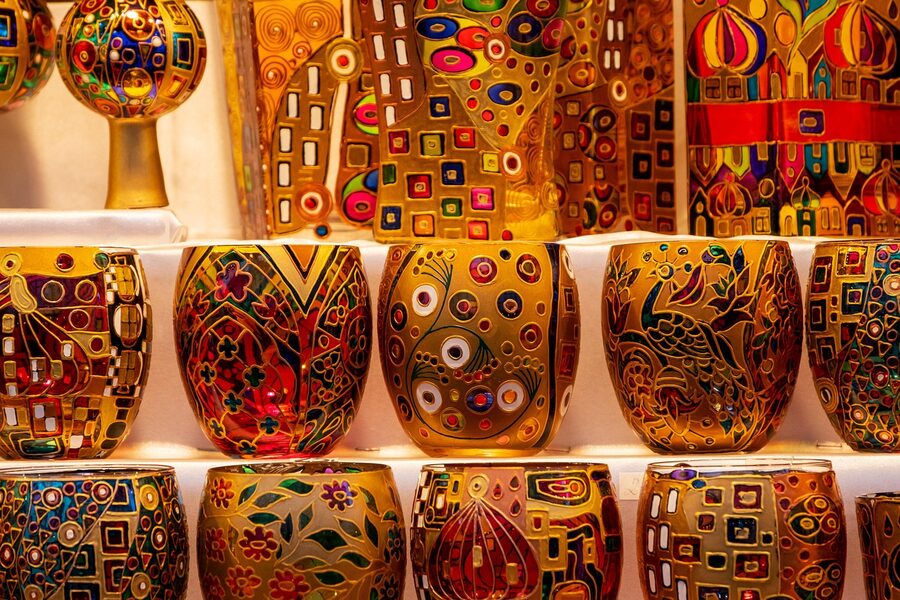
The Hundertwasser section follows — about 15 minutes covering the artist’s distinctive paintings and architectural works. Hundertwasser’s bold colours and geometric distortion translate well to immersive projection, and the section includes flythroughs of his famous building designs (Hundertwasserhaus in Vienna, the Waldspirale in Darmstadt) rendered in animated form.
The Venue and Format
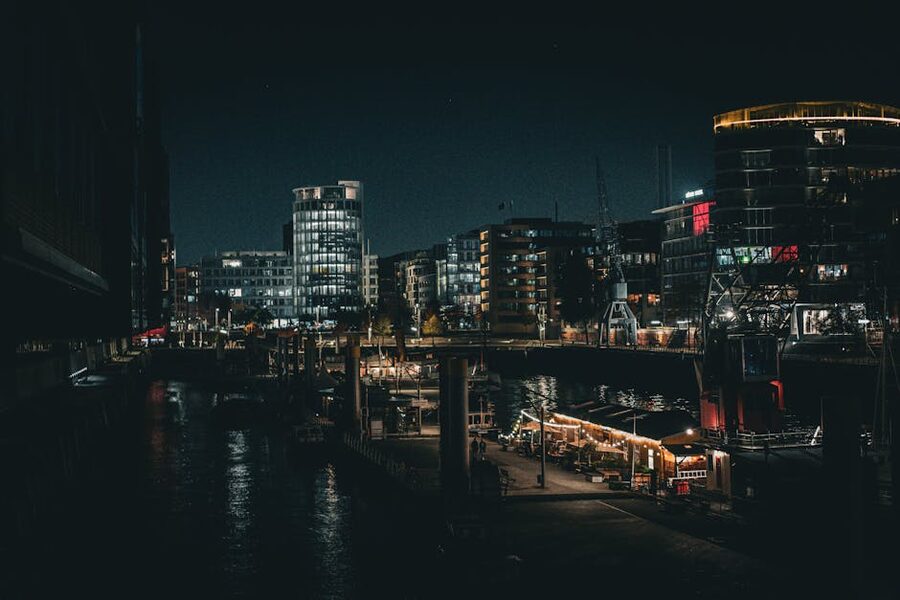
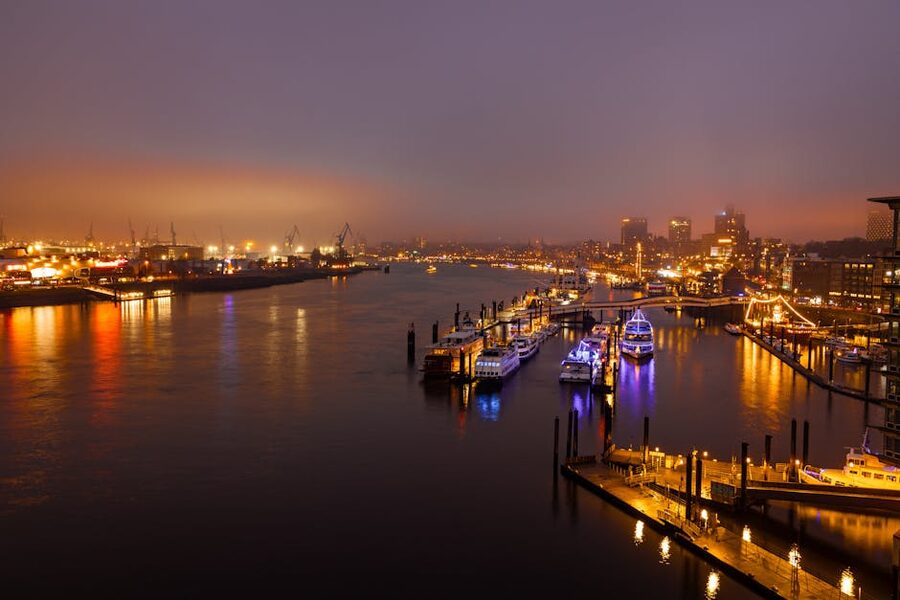
The Hamburg Port des Lumières is housed in a former harbour warehouse in the Speicherstadt area — the UNESCO-listed warehouse district that defines Hamburg’s industrial heritage. The conversion preserved the brick walls, timber beams, and industrial architecture while adding the projection equipment, sound systems, and visitor pathways needed for the immersive format.
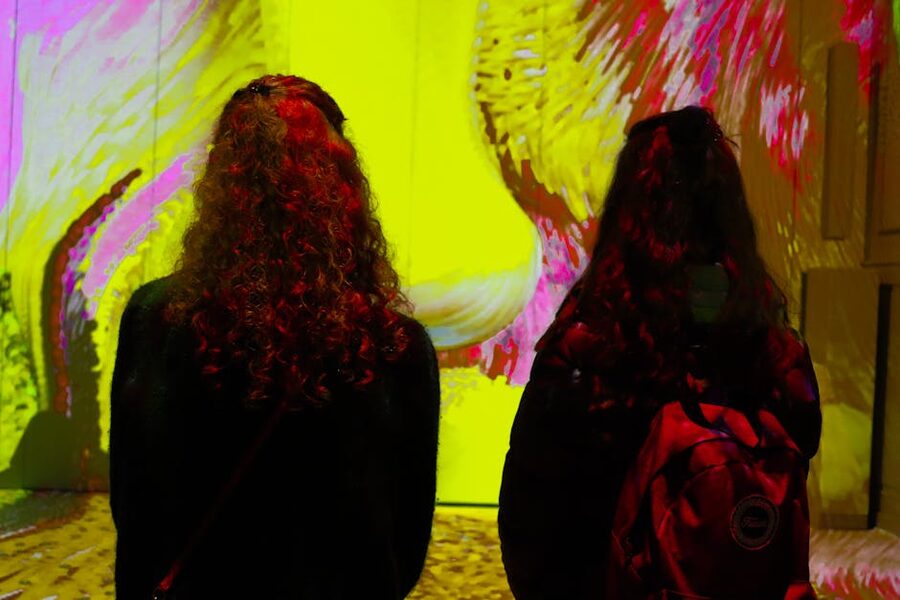
The visitor flow is intentionally non-prescriptive. You enter, find a spot anywhere in the projection space (some sit on the floor, some stand, some walk continuously), and experience the show as it loops around you. There’s no fixed audience seating because the whole space is the show. Most visitors stay for 1.5-2 loops to catch sequences they missed from one position.
The Lumières Franchise Globally
Culturespaces, the French company behind the Lumières venues, has been adapting historic industrial spaces for immersive art exhibitions since 2012. The franchise has expanded to about 8 locations across Europe and the US, each showing the same exhibitions on rotation so visitors can see the same Klimt show in Hamburg, Amsterdam, Paris, or Bordeaux.
Show rotations happen every 12-24 months. The current Klimt + Hundertwasser show is scheduled to run through 2026. After that, Hamburg will likely receive one of the franchise’s other rotating shows — Monet, Cezanne, Van Gogh, Egyptian art, or other immersive themes that have run at sister venues.
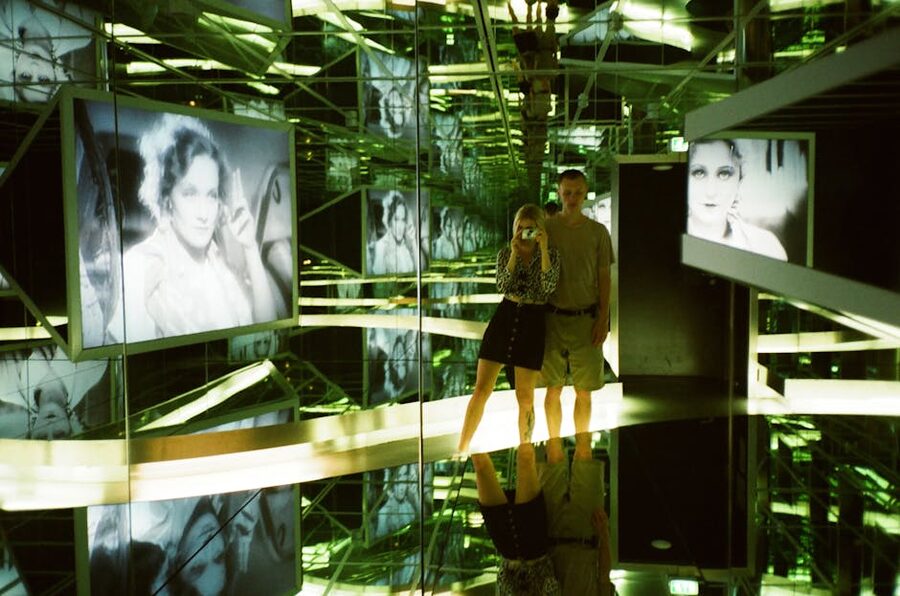
The Phoenix of Lumières in Dortmund
For visitors in the Ruhr region rather than Hamburg, the Phoenix of Lumières in Dortmund offers a similar experience in a different industrial setting. Phoenix opened in 2024 in a former steel mill that’s been converted into a cultural complex. The shows rotate independently from Hamburg — currently a Salvador Dalí show is running, with future programming TBC.
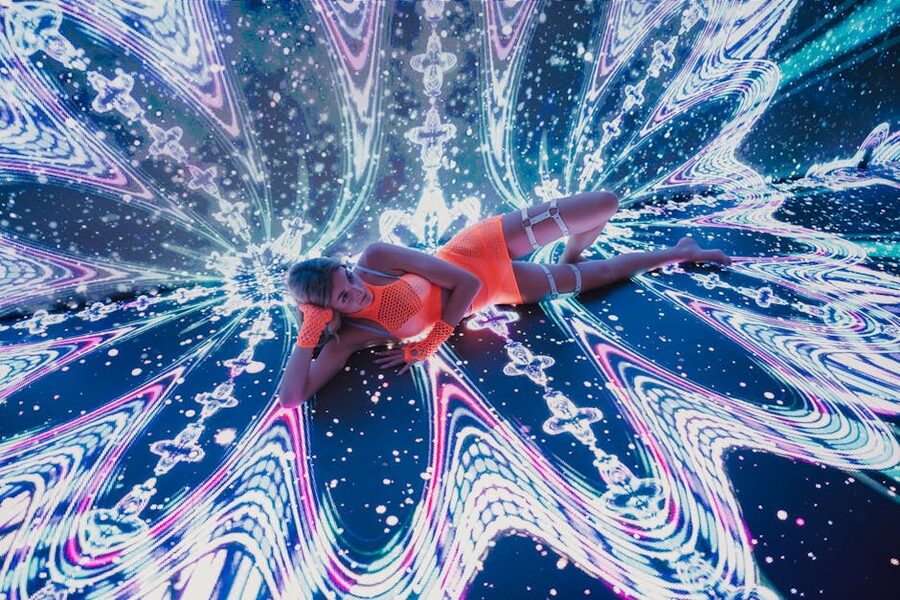
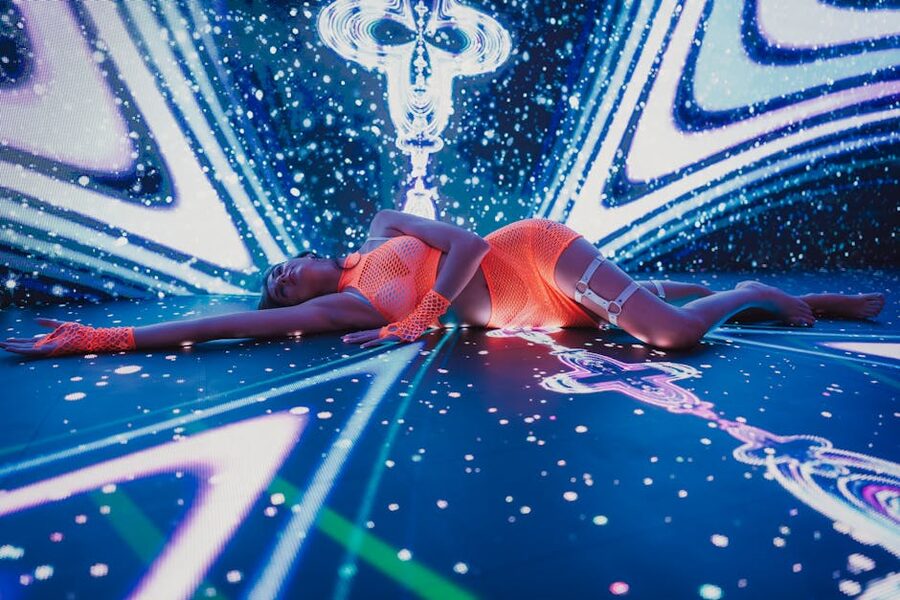
The Dortmund venue is more architecturally dramatic than the Hamburg space — the steel mill’s massive industrial halls create immersive surfaces on a different scale. Visitors who’ve experienced both venues generally prefer Dortmund’s space but Hamburg’s atmosphere (the Speicherstadt setting) and integrated brick architecture.
Berlin Illuminated Light Tour
The Berlin alternative is different in format — not an immersive projection show but a guided coach tour of Berlin’s illuminated landmarks at night. The Lichterfahrt (Light Tour) covers the major Berlin sights with their evening lighting — Brandenburg Gate, Reichstag, Berlin Cathedral, the TV Tower, the East Side Gallery, and the Spree riverbanks. The tour runs about 2 hours with German live commentary.
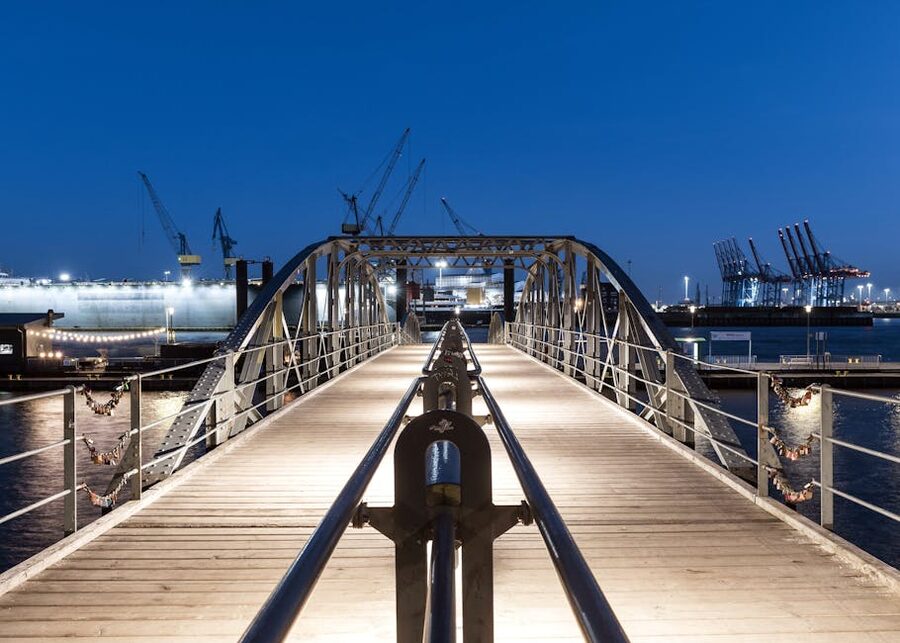
The illuminated tour works as an evening alternative to daytime sightseeing — covering some of the same landmarks (Brandenburg Gate, Reichstag, Cathedral) but with completely different lighting and atmosphere. The German-language commentary is a limitation for non-German speakers, though many tour operators provide English audio guides on request.
Photography in the Venues
Photography is permitted in the Lumières venues with restrictions: no flash (it disrupts the projections and other visitors), no tripods (insurance and crowd flow issues), and no commercial use without prior arrangement. Phone photography is the practical option, and modern phones handle the variable lighting well.
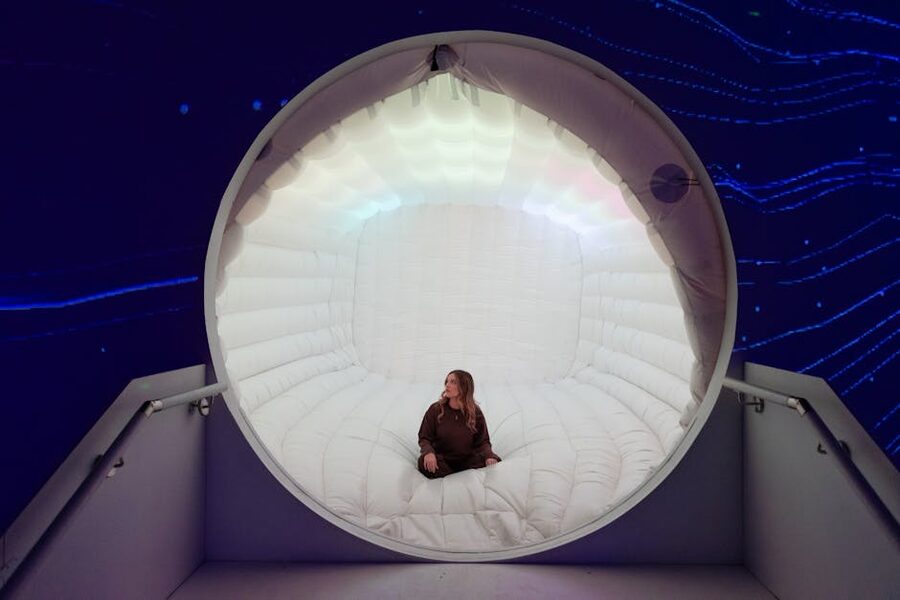
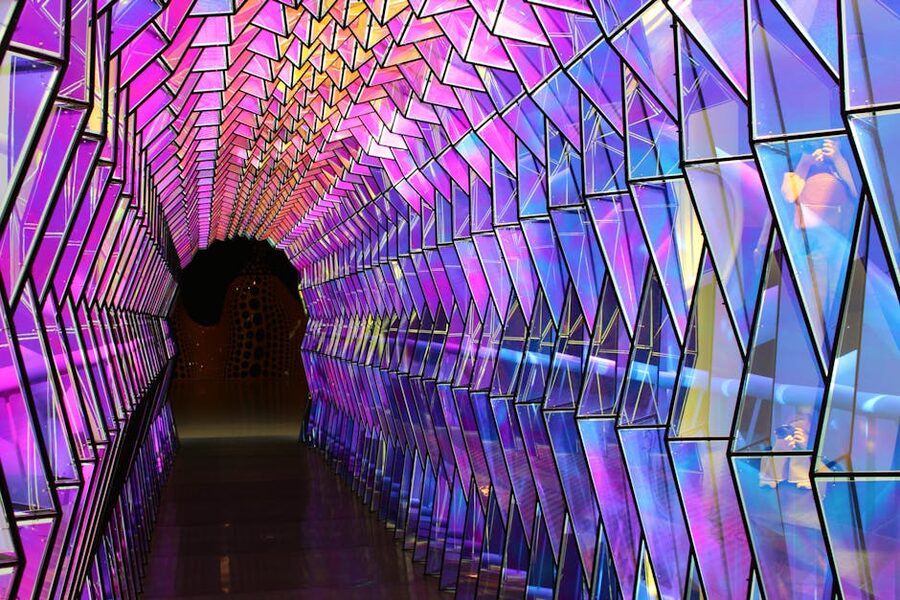
Best photo angles are typically toward the corners where two walls meet at right angles — the projections wrap around the architecture in ways that create depth and perspective. Centre-floor positions give panoramic views but flatter compositions.
Combining with Hamburg Sightseeing
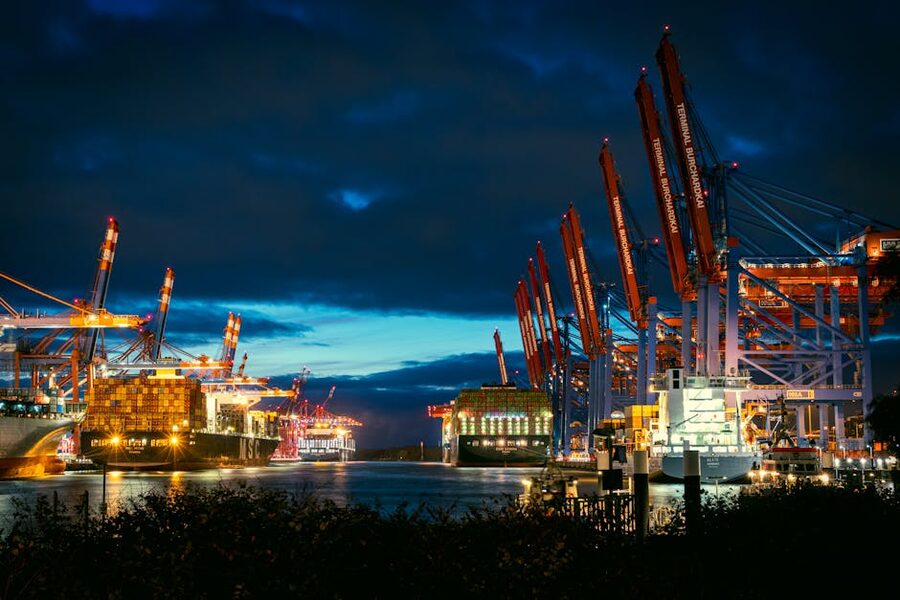
Port des Lumières fits naturally into a Speicherstadt-focused day. The Hamburg harbor cruises and Speicherstadt guide covers the surrounding warehouse district. The Chocoversum chocolate tour is a 5-minute walk from Port des Lumières. The Hamburg bike tours pass through the Speicherstadt as part of their standard route.
VR and Other Immersive Formats
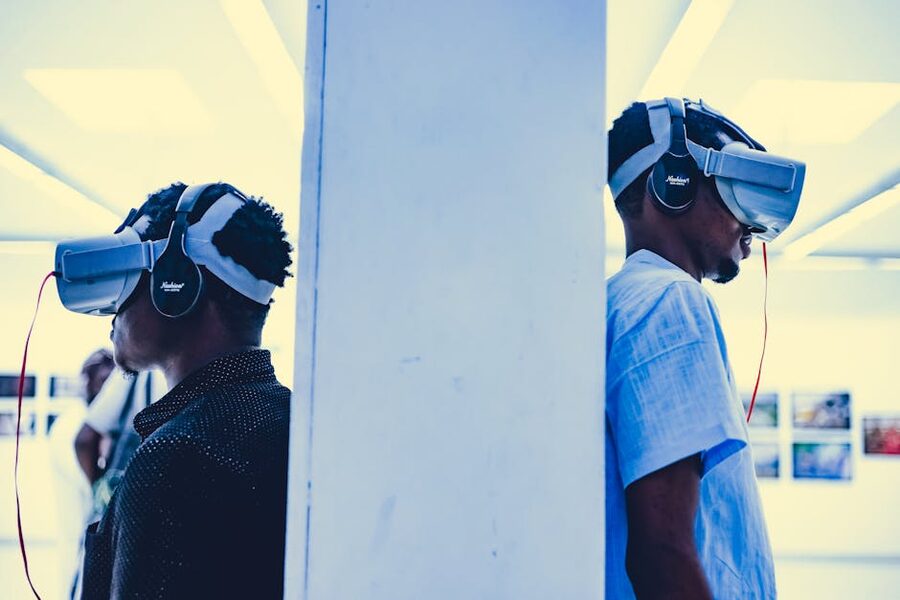
The Lumières venues are part of a broader trend toward immersive art experiences using new technologies. VR headsets are increasingly used for art exhibitions, particularly for famous works that can’t travel between museums. The Cologne VR time travel and Frankfurt VR time travel use VR for historical reconstruction rather than art display, but the underlying technology overlaps significantly.

Best Tours to Book
1. Hamburg Port des Lumières — $21
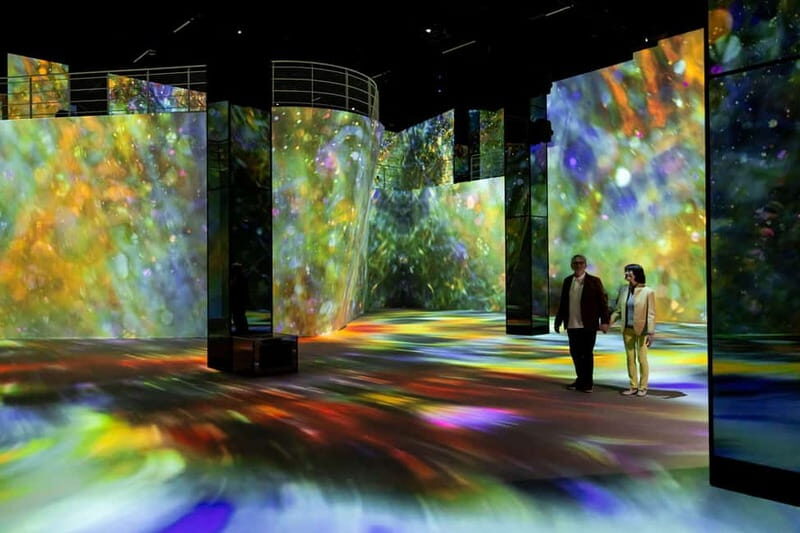
The signature Hamburg immersive art experience. One hour of Klimt and Hundertwasser paintings projected onto walls, floor, and ceiling of a 7,000 square metre converted warehouse, with synchronised classical music. At $21, it’s significantly cheaper than equivalent Lumières venues in Paris or Amsterdam, and the Speicherstadt setting adds Hamburg-specific atmosphere. Our review covers the show, the venue, and how to combine it with other Hamburg attractions.
2. Phoenix of Lumières Dortmund — $19
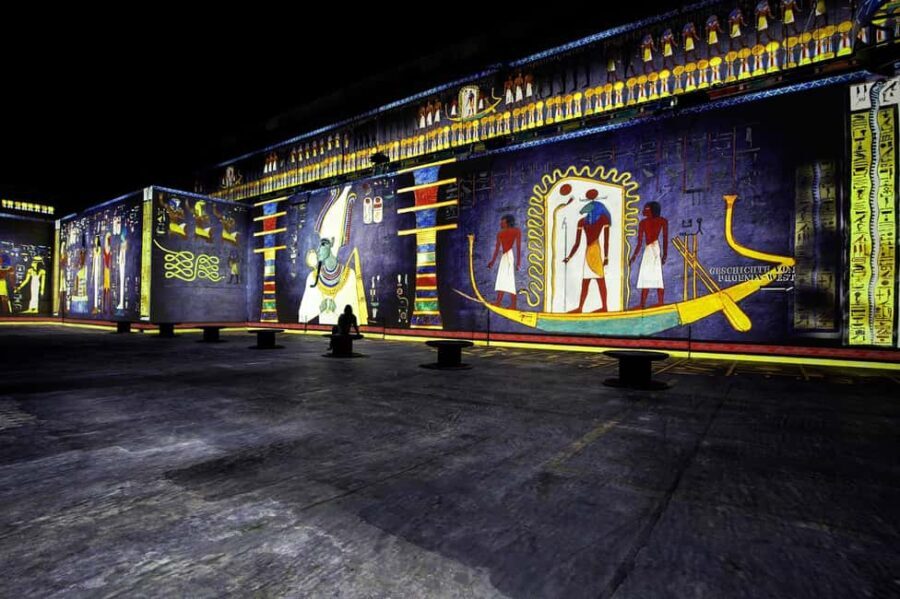
The Ruhr region alternative. The Dortmund venue’s converted steel mill offers a more architecturally dramatic setting than the Hamburg warehouse, and the show schedule rotates independently. Currently running shows feature Salvador Dalí and other modern artists. At $19, it’s slightly cheaper than Hamburg and worth the visit if you’re in the Ruhr region. Our review compares this with the Hamburg venue and explains the show schedule.
3. Illuminated Berlin Light Tour
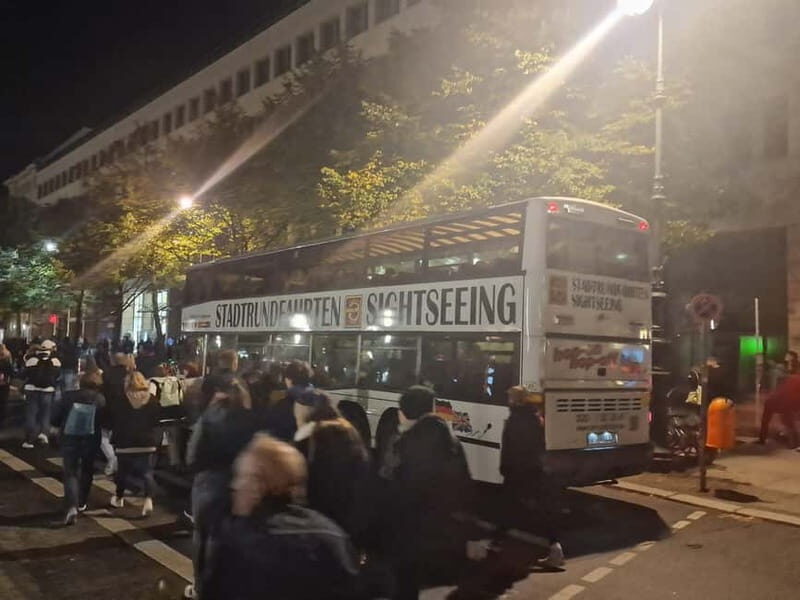
The Berlin lights experience. A guided coach tour covering Berlin’s major landmarks at night with their evening lighting — Brandenburg Gate, Reichstag, Berlin Cathedral, the TV Tower, the East Side Gallery. The tour runs about 2 hours with live German commentary. It’s a different format from the Lumières immersive shows but appeals to visitors who want to see Berlin’s illuminated landmarks comprehensively. Our review covers the route and what to expect from the German-language commentary.
Practical Tips
Booking ahead: Tickets are timed entry — book a specific 30-minute slot. Popular times (Friday-Sunday afternoons) sell out 2-3 days ahead. Weekday morning slots typically have walk-up availability.
How long to allow: 60-90 minutes total — about 35-45 minutes for the show plus 15-30 minutes for the entry exhibition and transition spaces. Some visitors stay through 2-3 loops; others leave after one full viewing.
What to wear: Comfortable shoes (you may stand or walk for an hour). The venue is climate-controlled, so seasonal clothing isn’t critical. Avoid flash-reflective clothing if you’re concerned about your reflection appearing in the projections.
Accessibility: The venue is wheelchair accessible with ramps and elevators. Visitors with photosensitivity should be aware that the show includes flashing sequences during transitions between paintings.
Budget: Port des Lumières: $21. Combine with Speicherstadt walking + Chocoversum tour ($38): about $80 for a full immersive Hamburg afternoon.
More Hamburg Experiences
Port des Lumières is part of Hamburg’s growing immersive entertainment scene alongside more traditional attractions. The Hamburg Chocoversum and indoor attractions includes Miniatur Wunderland and the Museum of Illusions. The harbor cruises and Speicherstadt guide covers the immediate surroundings of the Lumières venue. The Hamburg bike tours show you the broader city context, and the St. Pauli and Reeperbahn tours cover the city’s nightlife district as the evening alternative to immersive art.