
Auschwitz-Birkenau is not a casual stop.
This guided day trip gives you the structure you need for a place that feels overwhelming: you pay tribute at Auschwitz I and Birkenau (Auschwitz II), you hear the story through a licensed guide, and you get headsets during the Auschwitz I section so the commentary stays clear without everyone shouting over the silence. Two things I really like are the smooth Krakow-to-Oswiecim logistics (round-trip transport and help from the start), and the way the tour is paced for large museum regulations, which keeps the day organized instead of chaotic. The one drawback to plan for: you move through the site as a group, and that can feel a bit fast if you want extra time to stare at exhibits and read everything slowly.
From Krakow, you’re looking at about 1 hour 15 minutes each way (roughly 65 km), and the operator notes EU-permitted drivers and an airport-style security check before entering the memorial. The group size is capped at up to 30 people, and the experience is run by a professional team that supports you with clear messaging and on-the-ground assistance. One more thing to consider up front: the schedule depends on museum availability, so departure time is confirmed the day before, and you should bring your patience for a very scheduled day.
What really affects comfort is the physical side of the visit. Up to 70% of the time is outdoors, there’s a lot of walking (including uneven ground), and food isn’t included, so you’ll want a plan for snacks and water. Also, the Birkenau portion is outdoors, and the itinerary does not mention headsets there in the same way it does for Auschwitz I, so layer up and be ready for a cold, open-air setting.
- Key points that matter before you go
- Why Auschwitz-Birkenau feels so different on a guided day
- From Krakow to Oswiecim: pickup, transfers, and timing you can trust
- Entering Auschwitz I: the gate experience and why headsets help
- Birkenau in Brzezinka: open-air scale and the “hard to describe” feeling
- The small breaks that keep a long day human
- Price check: what .28 buys you (and what to watch)
- What to pack and how to act so you can focus
- Who this Auschwitz-Birkenau day trip fits best
- Should you book this Krakow to Auschwitz-Birkenau guided tour?
- FAQ
- How long does the Krakow to Auschwitz-Birkenau guided tour take?
- Is the admission ticket included for Auschwitz and Birkenau?
- Do I get round-trip transport from Krakow?
- Is the tour offered in English?
- Are headsets included?
- What documents do I need to bring?
- Is food included?
- Where does the tour start in Krakow?
- Is photography allowed?
- The Best Of Krakow!
- More Tickets in Krakow
- More Tours in Krakow
- More Tour Reviews in Krakow
Key points that matter before you go


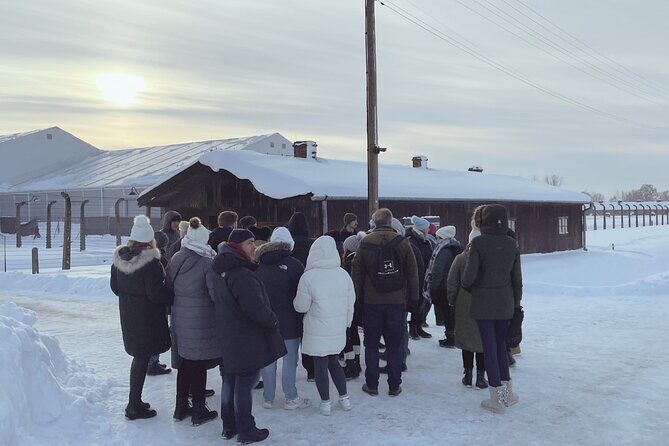


- Tickets and logistics bundled: Auschwitz I and Auschwitz II entries are included, plus round-trip transport from Krakow.
- Headsets during Auschwitz I: you can hear the guide clearly without disrupting the atmosphere.
- Small, controlled group size: max 30 people, which helps you stay oriented instead of getting lost in crowds.
- Outdoor reality at Birkenau: much of the experience happens in the open air, so clothing matters.
- Fixed museum flow: you’ll follow a guided route and museum timing, which can feel paced.
👉 See our pick of the Discover 4 Great Spa & Hot Springs Experiences In Krakow
Why Auschwitz-Birkenau feels so different on a guided day
This isn’t a “see the highlights and move on” kind of place, and a guided format actually helps. Auschwitz isn’t just exhibits on walls; it’s the physical layout of detention and destruction, and the tour’s structure helps connect the details so the meaning doesn’t blur.
You’ll hear about major parts of what happened at the camps, including the concentration camp origins of Auschwitz I, the gas chambers and crematoria, and the cruelty of forced living conditions and pseudo-medical brutality described in connection with Nazi doctors. The Birkenau visit (Auschwitz II) focuses on the larger, purpose-built camp built in Brzezinka and the horrifying intent behind its design. The point isn’t shock—it’s understanding and remembrance, delivered in a careful, respectful way.
The best part of having a guide here is context. When you know what you’re looking at—barbed wire, buildings, and the logic of the camp system—you don’t just see objects. You grasp how the machinery of persecution worked.
You can also read our reviews of more tours and experiences in Krakow
From Krakow to Oswiecim: pickup, transfers, and timing you can trust
This tour runs from Krakow to Auschwitz-Birkenau in Oswiecim, about 1h15 each way. That travel time matters because it shapes your whole day: plan on a full morning start and then an afternoon return, with a total duration listed around 7 hours.
Pickup is one of the big practical wins. You can choose a hotel pickup (available only in the option limited to 15 people), or you’ll meet at a designated meeting point with drop-off back at the meeting point afterward. If you’re near Krakow’s Main Square, the operator assigns the nearest possible pickup point, and if you’re farther out, you’ll wait at a designated location.
There are a couple of real-world details to keep in mind:
- Roadworks mean pickups from western Krakow aren’t available right now.
- The meeting point at Floriana Straszewskiego 19 (next to the Philharmonic) is temporarily closed, but you should still get an alternative safe pickup location if you were assigned to it.
You’ll also deal with an airport-style security check before entering the Auschwitz-Birkenau Museum. That’s normal here, and being on a guided timetable helps keep you from scrambling.
If you’re trying to maximize the rest of your day in Krakow, consider an early departure option when available. One guest noted they chose a 6:00 AM start and got back around 1:00 PM, which can be a smart move if you want energy for Krakow’s evening.
Entering Auschwitz I: the gate experience and why headsets help
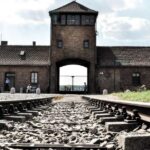
Your day starts with a transfer to the museum area, then a walk-through experience that begins at the Auschwitz I camp gates. The tour includes an admission ticket for Auschwitz I, and you’ll spend about 2 hours there.
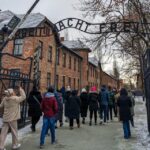
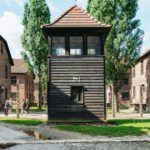
Auschwitz I is where many people feel the emotional weight first. You’ll encounter the famous Arbeit Macht Frei sign at the entrance, and you’ll learn how Auschwitz I was conceived as a concentration camp and used as a detention center after Germany annexed Poland in 1939. The guide also brings you through the original structures and the physical reminders of confinement—wooden buildings, fortified walls, barbed wire, and the facilities connected to mass murder.
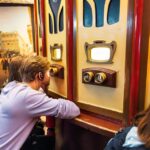
The headset detail is worth paying attention to. The Auschwitz I part of the itinerary specifically includes headsets so you hear the guide clearly. That matters because in places like this, you want the atmosphere quiet, but you still need narration you can actually understand. Headsets keep you from relying on your neighbor’s ability to hear.
Respectful behavior isn’t just requested; it’s part of how the memorial works. You’ll be expected to dress smart casual and keep the tone appropriate—no loud behavior, smoking, or eating in the wrong areas. Photography is allowed except in marked areas, and flash is not permitted inside buildings.
One pacing note: guided tours follow museum time slots. That can feel like you have less time to read every sign at your own pace, especially if you prefer to slow down and absorb quietly. If that’s your style, go in with the mindset that the guide’s route is part of what you’re paying for.
Birkenau in Brzezinka: open-air scale and the “hard to describe” feeling
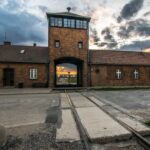
After a short break, you head to Birkenau (Auschwitz II). The transfer between Auschwitz I and Birkenau is described as only about 3 minutes away, but the emotional shift is immediate.
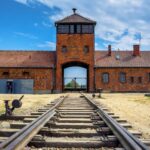
Birkenau is portrayed as the largest camp built for the specific purpose of clearing the camp system of Jews, with capacity described as up to around 90,000 prisoners. Your visit there lasts about 1 hour, and the guide continues the narrative: the terrible living conditions, cruel selection processes, and the pseudo-scientific medical experiments connected to prominent Nazi doctors such as Josef Mengele.
The reality of Birkenau is the scale. Even when your group stays together, it’s hard for your brain to hold the size of what you’re seeing. That’s why this part can feel hard to endure, even with a guide explaining what you’re looking at.
Comfort tip: the itinerary emphasizes that the tour runs in all weather and that up to 70% of the visit is outdoors. In other words, you’re not just “walking around.” You’re standing in cold, open air, across uneven ground, while the story lands.
Also, headsets are explicitly included for Auschwitz I in the itinerary details, while Birkenau is conducted outdoors with no headset mention. Plan for a quieter, more visually guided experience at Birkenau where you’ll rely on your guide’s voice and what you can see around you.
Birkenau ends with the liberation story and a final sense of grief plus responsibility—something you’ll likely feel long after the tour bus pulls away.
The small breaks that keep a long day human
A day trip like this is emotionally heavy, so the “micro breaks” matter. During the Auschwitz I portion, the itinerary builds in time you can use to breathe between parts.
You’ll also get:
- A short planned break (up to 15 minutes) after Auschwitz I, for coffee or outdoor exhibits.
- A 20-minute break when the tour ends back in Krakow, giving you time to rest or run errands like stopping at a bookstore or grocery store.
Food is a big practical item. Food and drinks aren’t included, and the itinerary notes there’s no time for a full meal between visits and no food facilities on-site. Bring snacks, and bring water. If you’re joining an early departure, also eat breakfast beforehand—your body will notice if you don’t.
Some people add value by ordering a packed lunch option, and one guest called out a lunch bag as good value. Even if you don’t do that, treat snacks as non-negotiable.
You can also read our reviews of more guided tours in Krakow
Price check: what $36.28 buys you (and what to watch)
The listed price is about $36.28 per person for a tour that includes:
- Licensed local guide
- Admission tickets for Auschwitz I and Auschwitz II
- Headsets (at least for Auschwitz I, where specified)
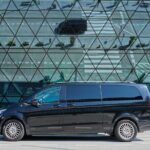
- Round-trip air-conditioned transport from Krakow
- Mobile ticket
- Insurance and taxes
That price can look shockingly low for a day trip that’s basically two museum admissions plus transport. But the value comes from bundling: the operator handles the ticket logistics and you don’t spend time figuring out transfers between Krakow and Oswiecim.
What you still need to budget for:
- Food and drinks (not included)
- Whatever you choose to buy during breaks
If you’re traveling in winter, also budget for comfort. You’re outside a lot, so spending a little on warm layers and water-proof shoes is a smart “hidden cost” that pays off immediately.
What to pack and how to act so you can focus
You can’t “outsmart” the weather here, so dress for it. The tour info says up to 70% is outdoors and the visit runs in all weather. Reviews also mention cold conditions that can be severe, with advice to wrap up warm and layer.
Practical packing list:
- Comfortable shoes for long walking on uneven ground
- Warm layers you can add or remove
- Water (and a snack plan since food isn’t included)
Behavior matters. The tour requires respectful conduct, smart casual dress, and no eating or smoking in restricted areas. If you’re the type who always wants to take photos, remember photography is allowed only where permitted and flash isn’t allowed inside buildings.
If you want to hear the guide, arrive mentally ready to use the headset where provided and to follow the guided flow without trying to “self-tour” the whole site.
Who this Auschwitz-Birkenau day trip fits best
This tour fits best if you want:
- A straightforward day plan with round-trip transfers
- A licensed guide who keeps the story organized across Auschwitz I and Birkenau
- A group size that stays controlled (max 30)
- Headsets for at least the Auschwitz I section
It may be less ideal if you need total freedom to wander at your own pace. The fixed museum flow and group pacing can feel like you’re being rushed, and one concern raised is that the guided pace might not leave enough time to digest exhibits fully.
On the flip side, if you’re worried about managing the logistics alone—security check, museum entry, and how to connect what you see—this structure is exactly what helps.
Should you book this Krakow to Auschwitz-Birkenau guided tour?
I’d book it if you want a dependable, scheduled route that handles transport and tickets, and you’re okay with the memorial’s group pacing. At this price, it’s a strong value because you’re not just paying for a bus—you’re paying for entry, a licensed narrative, and headset support where it helps you hear.
I’d think twice only if you truly need unstructured time to read and reflect without any timetable pressure. In that case, you might still consider going, but you should be honest with yourself: the memorial experience is regulated, and even the best self-planning won’t remove that reality.
FAQ
How long does the Krakow to Auschwitz-Birkenau guided tour take?
It runs about 7 hours in total, with travel time of roughly 1 hour 15 minutes each way between Krakow and Oswiecim.
Is the admission ticket included for Auschwitz and Birkenau?
Yes. Tickets for Auschwitz I and Auschwitz II Birkenau are included.
Do I get round-trip transport from Krakow?
Yes. You get round-trip transportation by air-conditioned vehicle from and back to Krakow, with either hotel pickup (in the option limited to 15 pax) or a meeting point.
Is the tour offered in English?
Yes, the tour is offered in English.
Are headsets included?
Headsets are included for the Auschwitz I part of the visit so you can hear the guide clearly. The Birkenau section is outdoor and the itinerary details don’t mention headsets there.
What documents do I need to bring?
You must provide each participant’s full name during booking, and you must bring passport or ID. The tour notes that no ID means no entry.
Is food included?
No. Food and drinks are not included, and there’s no time for a full meal between visits, with no food facilities on-site, so you should bring snacks.
Where does the tour start in Krakow?
Your tour begins at Krakow, either with pickup from your accommodation or at a meeting point you choose based on the option you selected.
Is photography allowed?
Photography is allowed except in marked areas. Flash is not permitted inside buildings.