
Évora’s Almendres Cromlech stands as a testament to Neolithic ingenuity, dating back to around 4000 BC. This impressive site, with its over 90 standing stones, reveals fascinating insights into ancient ceremonial and astronomical practices. Visitors often wonder about the meanings behind these stones and their alignment with celestial events. As they explore the area, the allure of nearby historical sites adds to the mystery and significance of this extraordinary monument.
- Key Points
- Historical Significance of Almendres Cromlech
- Exploring the Anta Grande Do Zambujeiro
- Evora: A UNESCO World Heritage Site
- The Chapel of Bones: A Unique Attraction
- Guided Tours and Visitor Experience
- Accessibility Considerations for Travelers
- Tips for Visiting the Alentejo Region
- Frequently Asked Questions
- How Long Does the Tour to Almendres Cromlech Take?
- Is There a Restroom Available at the Megalithic Sites?
- What Should I Wear for Visiting Almendres Cromlech?
- Are Pets Allowed on the Guided Tour?
- Can I Take Photographs at the Megalithic Sites?
- The Sum Up
- The Best Of Lisbon!
- More Tour Reviews in Lisbon
Key Points
- Almendres Cromlech is a prehistoric monument near Évora, dating back to around 4000 BC.
- It consists of over 90 standing stones with intricate astronomical alignments.
- The site is believed to have served both ceremonial and astronomical purposes.
- Almendres Cromlech provides valuable insights into Neolithic life and spiritual practices.
- It is one of Europe’s most significant prehistoric sites, showcasing early human ingenuity.

👉 See our pick of the The Top 13 Lisbon Historical Tours
Historical Significance of Almendres Cromlech
The Almendres Cromlech stands as a testament to humanity’s ancient past, showcasing one of Europe’s most significant prehistoric monuments.
Located in the Alentejo region, this megalithic site dates back to around 4000 BC, representing early human ingenuity in stone construction.
Comprising over 90 standing stones, it reflects a complex understanding of astronomy and ritual practices.
Archaeologists believe it served both a ceremonial and astronomical purpose, aligning with celestial events.
The site provides invaluable insights into Neolithic life, offering a glimpse into the spiritual and cultural practices of the time.
Visitors are often captivated by its mystery and historical depth.
You can also read our reviews of more tours and experiences in Lisbon.



Exploring the Anta Grande Do Zambujeiro
Nestled within the picturesque Alentejo landscape, Anta Grande do Zambujeiro captivates visitors with its impressive megalithic structure. This ancient burial site, dating back to the Neolithic era, showcases the region’s rich history. Surrounded by stunning natural beauty, it invites exploration and reflection.
| Feature | Details |
|---|---|
| Location | Near Évora, Alentejo |
| Era | Neolithic |
| Structure Type | Dolmen |
| Accessibility | Not wheelchair accessible |
| Visitor Experience | Engaging, educational, scenic |
The site’s grandeur provides insight into prehistoric funerary practices, making it a must-see for history enthusiasts.
Evora: A UNESCO World Heritage Site
Rich in history and architectural beauty, Évora stands as a testament to Portugal’s cultural heritage, recognized as a UNESCO World Heritage Site.
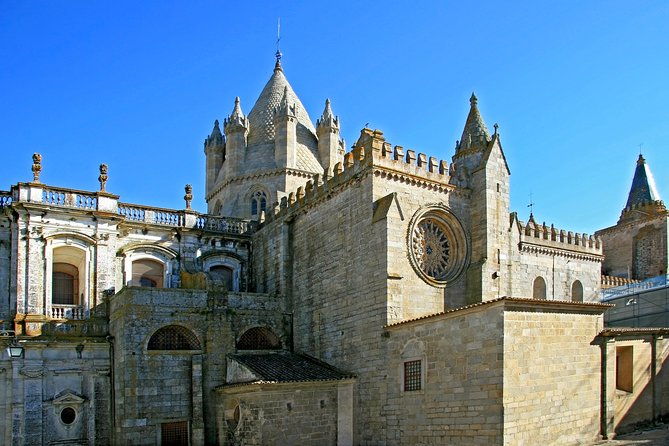
This charming city boasts remarkable landmarks, including the Roman Temple, medieval walls, and the stunning Cathedral of Évora. Visitors are captivated by its winding streets, vibrant squares, and rich traditions.
The fusion of Roman, Gothic, and Manueline styles creates a unique atmosphere that transports guests back in time. Évora’s significance extends beyond its architecture; it also serves as a hub for local customs and gastronomy, making it a must-visit destination for travelers seeking to enjoy Portuguese culture.
The Chapel of Bones: A Unique Attraction
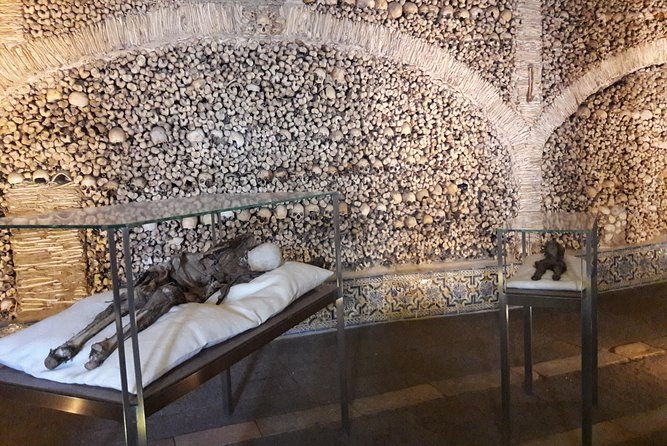
While exploring Évora, visitors often find themselves intrigued by the Chapel of Bones, a striking and unconventional attraction that leaves a lasting impression.
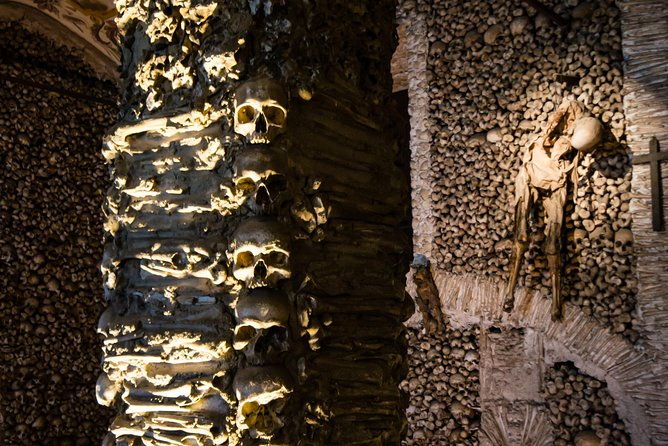
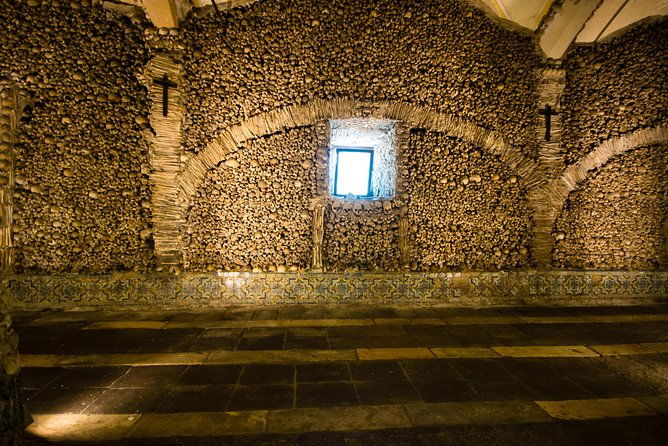
Nestled within the Church of St. Francis, this chapel features walls adorned with the bones of over 5,000 monks. The macabre décor serves as a poignant reminder of mortality, urging reflection on life and death.
Visitors can admire intricate bone motifs and inscriptions that echo the chapel’s historical and spiritual significance. This unique site not only captivates the imagination but also invites deeper contemplation, making it a must-see for anyone traversing Évora’s rich cultural landscape.
Guided Tours and Visitor Experience
Guided tours of the Évora region provide an insightful way to experience its historical and cultural treasures.
Travelers can embark on private excursions from Lisbon, exploring the Almendres Cromlech, Menhir, and Anta Grande do Zambujeiro. These tours often include visits to the UNESCO World Heritage Site of Évora, highlighting the Chapel of Bones in St. Francis Church.
Participants appreciate knowledgeable guides who share captivating stories and local history. With onboard Wi-Fi and bottled water, guests feel comfortable throughout their journey.
The experience is customizable, catering to various interests, making it an appealing choice for history and archaeology enthusiasts alike.
Accessibility Considerations for Travelers
Although the charm of Évora and its megalithic sites attracts many visitors, accessibility remains an important consideration for travelers planning their journey.
While most travelers can participate, those with limited mobility may encounter challenges accessing some sites. It’s crucial to understand specific logistics before visiting.
- Not wheelchair accessible
- Pickup options available in Lisbon
- Infant seats provided
- Public transport nearby
- Limited amenities at rural sites
Travelers should consider these factors when organizing their trip to ensure a smooth and enjoyable experience while exploring the rich history of the Almendres Cromlech and surrounding areas.
Tips for Visiting the Alentejo Region
What makes the Alentejo region a must-visit destination for history lovers and nature enthusiasts alike?
First, travelers should book a guided tour to explore the stunning megalithic sites, like Almendres Cromlech.
Bring comfortable shoes for wandering through Evora’s historic streets and don’t miss the Chapel of Bones.
When dining, ask guides for local lunch recommendations to savor regional flavors.
Be prepared for rural access; some sites may lack amenities.
Lastly, consider visiting during off-peak times for a more intimate experience.
With these tips, visitors can fully enjoy the rich history and breathtaking landscapes of Alentejo.
Frequently Asked Questions
How Long Does the Tour to Almendres Cromlech Take?
The tour typically lasts around eight hours, allowing ample time for exploration. Participants often enjoy guided visits to various sites, including the Almendres Cromlech, while soaking in the rich cultural history of the region.
Is There a Restroom Available at the Megalithic Sites?
Visitors often find that restroom facilities at megalithic sites are limited. They should plan accordingly, as some locations lack proper amenities. It’s advisable to use facilities prior to arrival to ensure comfort during explorations.
What Should I Wear for Visiting Almendres Cromlech?
For visiting the site, she recommends wearing comfortable shoes for walking on uneven terrain, lightweight clothing suitable for the weather, and a hat for sun protection. Don’t forget a reusable water bottle to stay hydrated!
Are Pets Allowed on the Guided Tour?
On the guided tour, pets aren’t allowed, ensuring a comfortable experience for all guests. Travelers appreciate this policy as it maintains focus on the stunning sights and rich history without distractions from furry companions.
Can I Take Photographs at the Megalithic Sites?
Visitors can take photographs at the megalithic sites, encouraging creativity and personal memories. However, they should respect the historical significance and other guests, ensuring a considerate experience while capturing the remarkable beauty of these ancient landmarks.
The Sum Up
Visiting Évora’s Almendres Cromlech offers a captivating glimpse into prehistoric life, where ancient rituals and astronomical knowledge intertwined. As travelers explore this remarkable site and the surrounding attractions, they gain a deeper appreciation for the region’s rich history. With its unique blend of archaeological wonders and cultural experiences, Évora invites visitors to connect with the past in a meaningful way. It’s a destination that promises not just exploration, but also inspiration for those curious about our ancient roots.