
You make three things. Fettuccine, ravioli, tiramisu. It takes about as long as a long lunch, and you eat what you made at the end with a glass of wine.
That’s the Rome cooking class, and it’s the most-booked culinary activity in the city for a reason.
Quick Picks
- Most booked — 3-in-1 Cooking Class near Navona ($83). Fettuccine, ravioli, tiramisu.
- Budget pick: Become a Masterchef in Rome ($47) — pasta, ravioli, tiramisu format at half the price.
- Pizza option: Pizza and Tiramisu Cooking Class ($56) — swap pasta for pizza-making, shorter format.
- Quick Picks
- What You Make and Why
- Booking the Three Main Formats
- 3 in 1 Cooking Class near Navona: Fettuccine, Ravioli & Tiramisu — .44
- Become a Masterchef in Rome: Pasta, Ravioli and Tiramisù Class — .16
- Cooking Class in the Heart of Rome: Pizza and Tiramisu Making — .53
- What Happens in Class
- What You’ll Actually Learn
- The Piazza Navona Neighbourhood
- When to Book Classes
- What to Wear and Bring
- Dietary Restrictions and Accommodations
- The Roman Pizza Variant
- Wine Pairings
- Group Dynamics
- Combining with Other Rome Experiences
- What to Bring Home
- Seasonal Considerations
- Pricing and Booking Strategy
- Common Mistakes First-Timers Make
- Reviewing Your Class Output
- After the Class
- Why This Activity Stays Popular
- Final Take
What You Make and Why
The standard Rome cooking class curriculum centres on what Italians actually eat at home — not the restaurant showpieces, but the food grandmothers cook on Tuesday night. Fettuccine, ravioli, and tiramisu hit the classical Roman family meal formula: primo (pasta), then dessert, skipping meat or fish because those vary regionally.
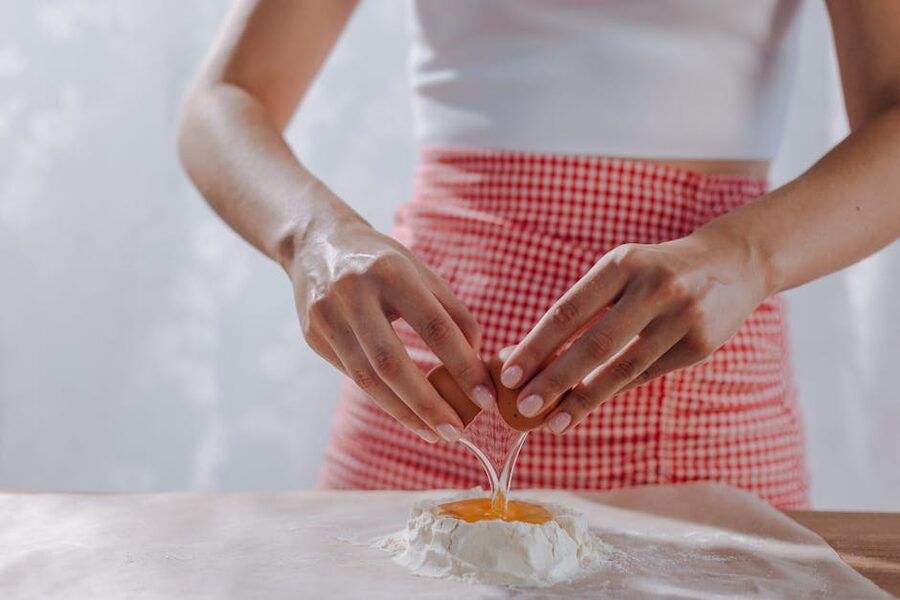
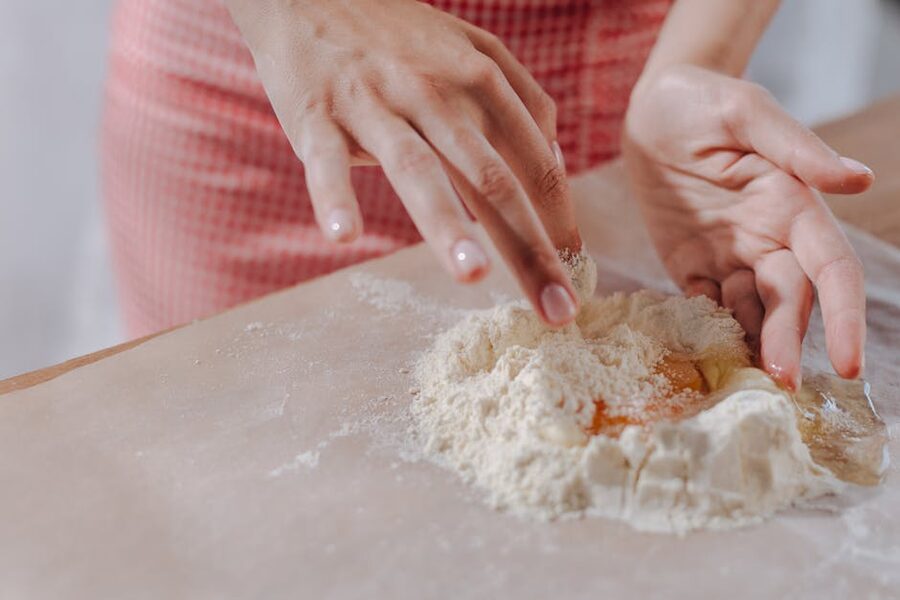
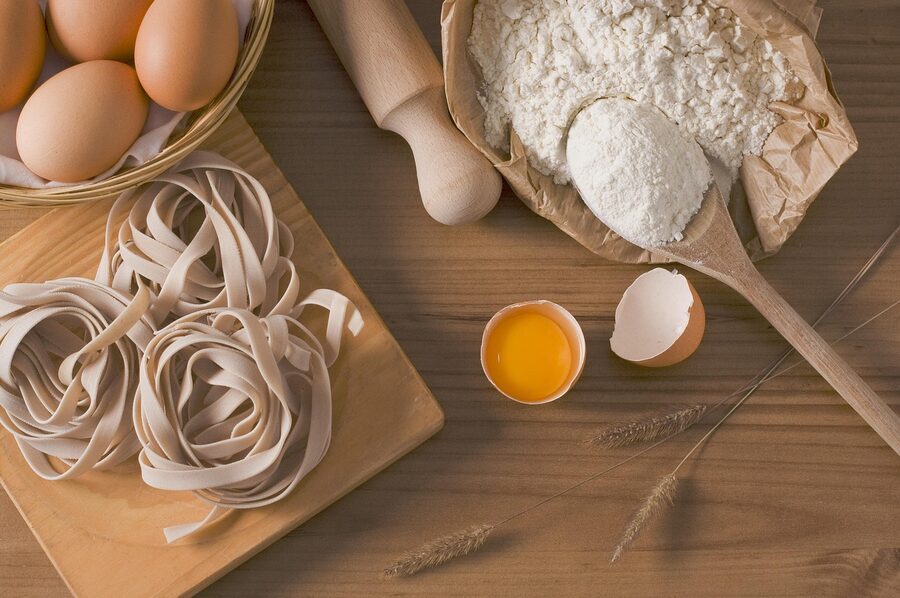
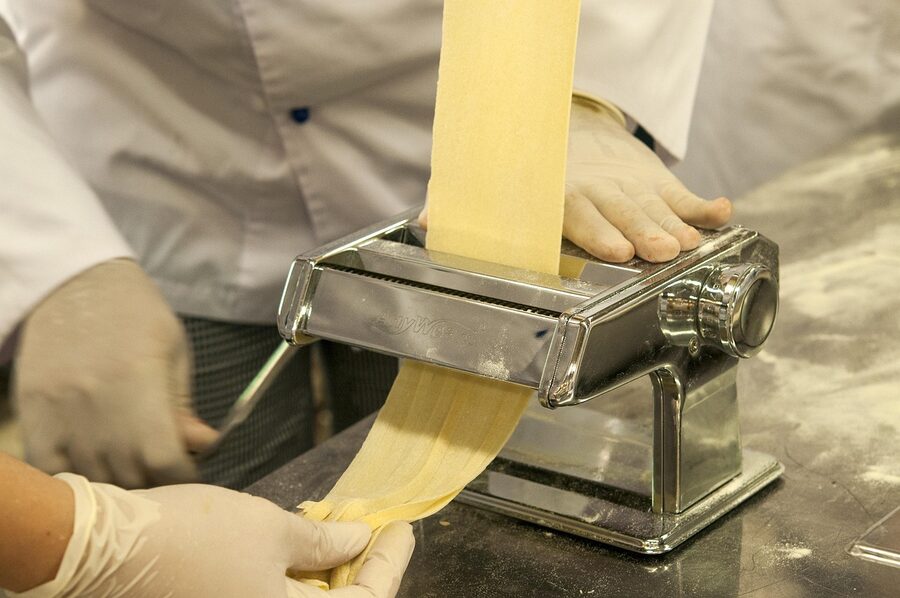
Fettuccine is ribbon pasta — flat, about 1cm wide. You’ll learn to mix the dough (00 flour, eggs, a splash of olive oil, pinch of salt), rest it, roll it out with a pasta machine, and cut it by hand. The ratio matters: 100g flour to one egg is the standard, and you’ll feel in your hands when you’ve got it right.
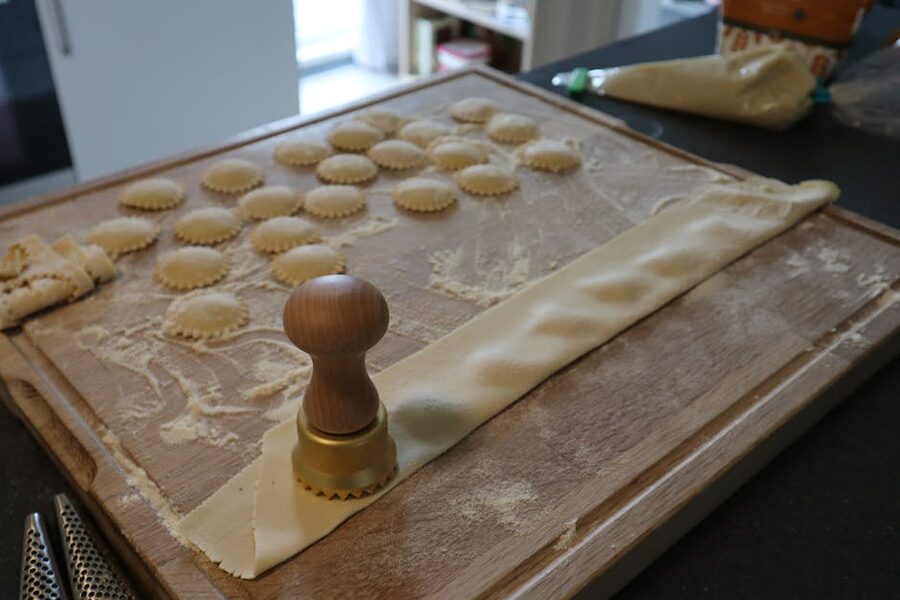
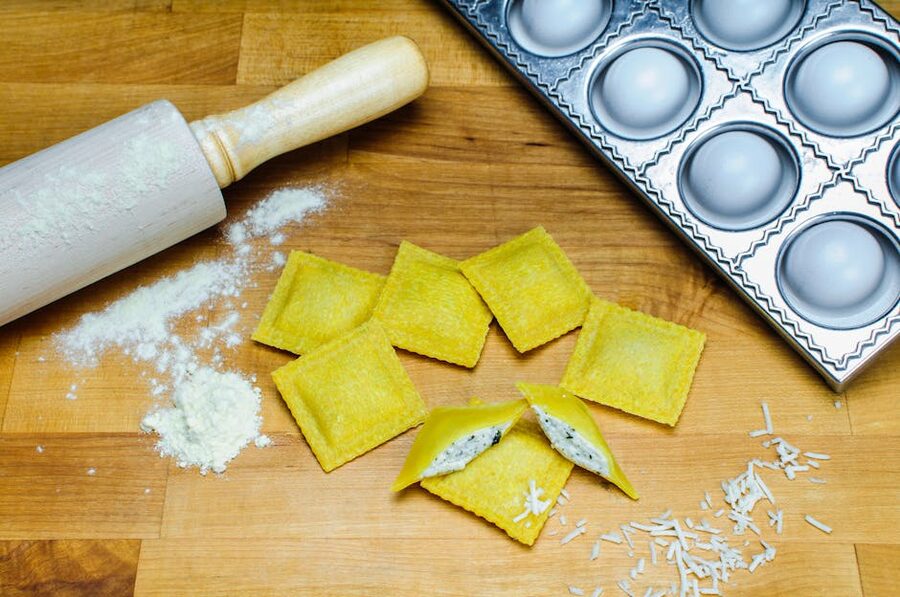
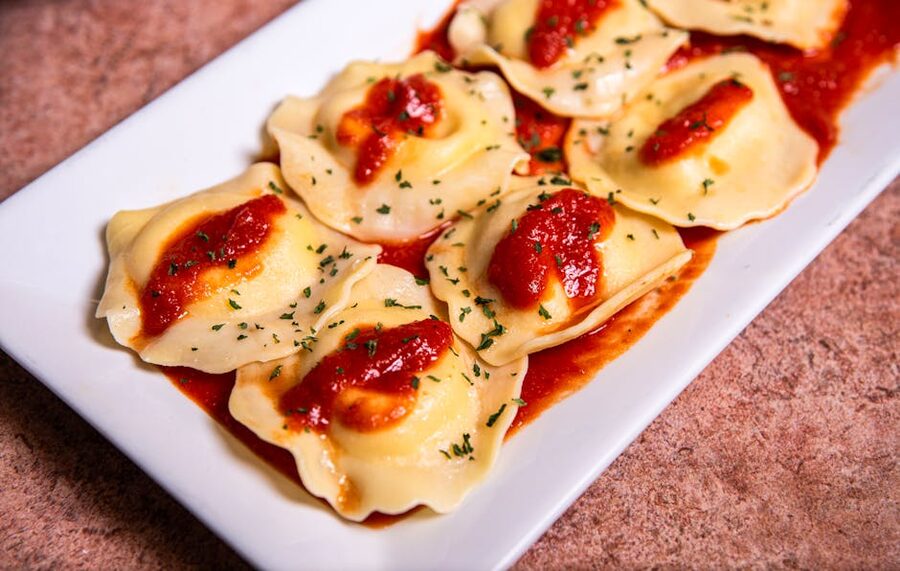
Ravioli teaches the stuffed-pasta technique — rolling the dough thin, dolloping filling (usually ricotta and spinach for class), folding and sealing the pockets, cutting with a wheel cutter. This is genuinely harder than it looks. Getting the pockets airtight without trapping too much air is a real skill, and your first ones will split when you boil them.
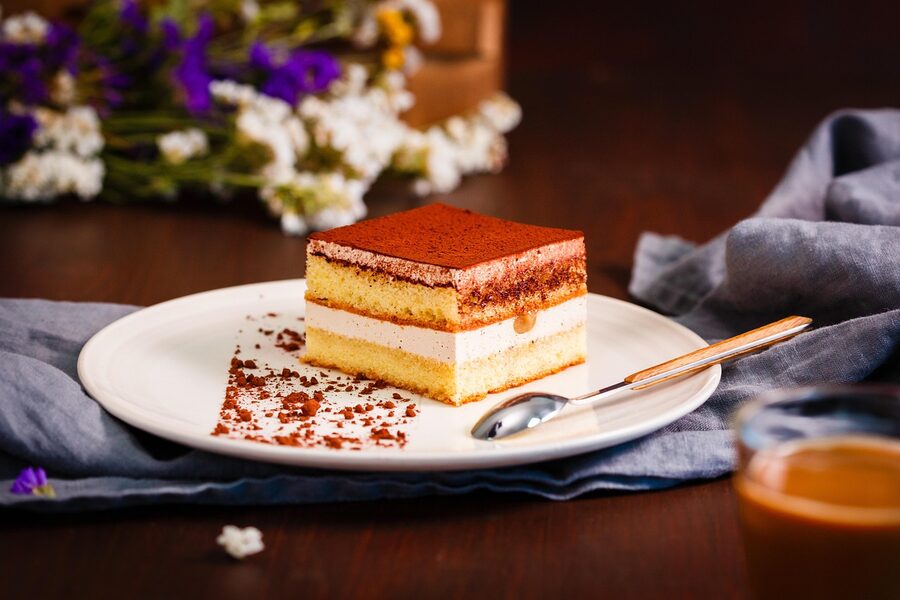
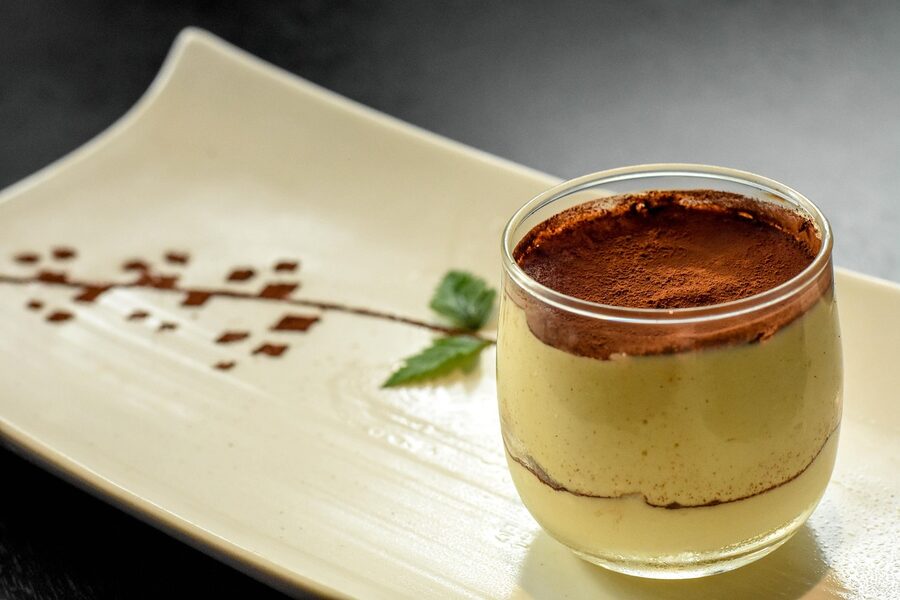
Tiramisu (literally “pick me up”) is the cream dessert built around coffee-soaked ladyfingers. You’ll make proper mascarpone cream, prep real espresso (not instant coffee), soak savoiardi biscuits, layer, and dust with cocoa. The dessert rests in the fridge for 3-4 hours minimum before serving, so class-made tiramisu is always consumed after it’s set.
Booking the Three Main Formats
There are dozens of cooking class operators in Rome, but the three formats below dominate. Pick based on dishes preferred, budget, and format preference (intensive hands-on vs relaxed social).

3 in 1 Cooking Class near Navona: Fettuccine, Ravioli & Tiramisu — $83.44
The market leader. Three dishes in three hours, hands-on instruction, small groups of eight to twelve, wine pairings during the eating portion. The operator runs multiple classes daily at a dedicated cooking school two minutes from Piazza Navona. Here’s what making the three dishes actually involves, step by step. Book this for the polished Rome cooking-class experience.

Become a Masterchef in Rome: Pasta, Ravioli and Tiramisù Class — $47.16
The same three-dish curriculum at roughly half the price. Three hours, smaller operator, similar group sizes, slightly less polished presentation but the food quality and the teaching are comparable. What the price difference actually buys — or doesn’t — is in the write-up. Great value pick if budget matters more than brand polish. If you’re also going north, Florence’s farm-based version is a different day out at a different price point.

Cooking Class in the Heart of Rome: Pizza and Tiramisu Making — $56.53
Pizza instead of pasta, with tiramisu for dessert — 2.5 hours. You’ll work with pre-risen dough (the 24-hour rise isn’t feasible in class), learn the Roman pizza stretch, and top with classic combinations. What the dough lesson actually teaches is more useful than it sounds — you’ll make better pizza at home for years. Pick this if you’d rather leave Rome knowing pizza than pasta, and if Naples is also on your route, the Neapolitan version is a different school of dough entirely.
What Happens in Class
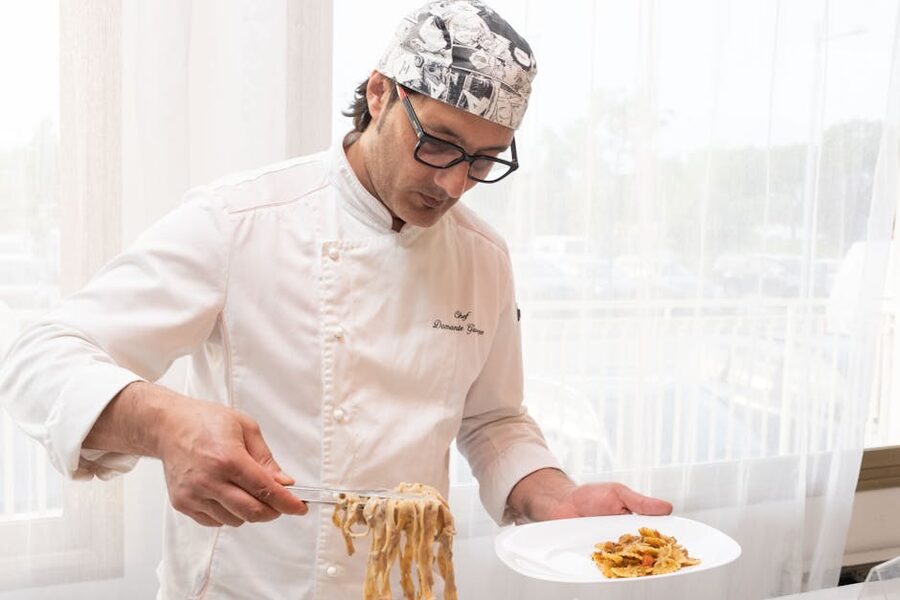
The format is consistent across operators. You arrive at the cooking school, get handed an apron and a glass of Prosecco, meet the other participants (typically 8-12 other people, mixed nationalities), and the chef runs through the agenda for the three hours.
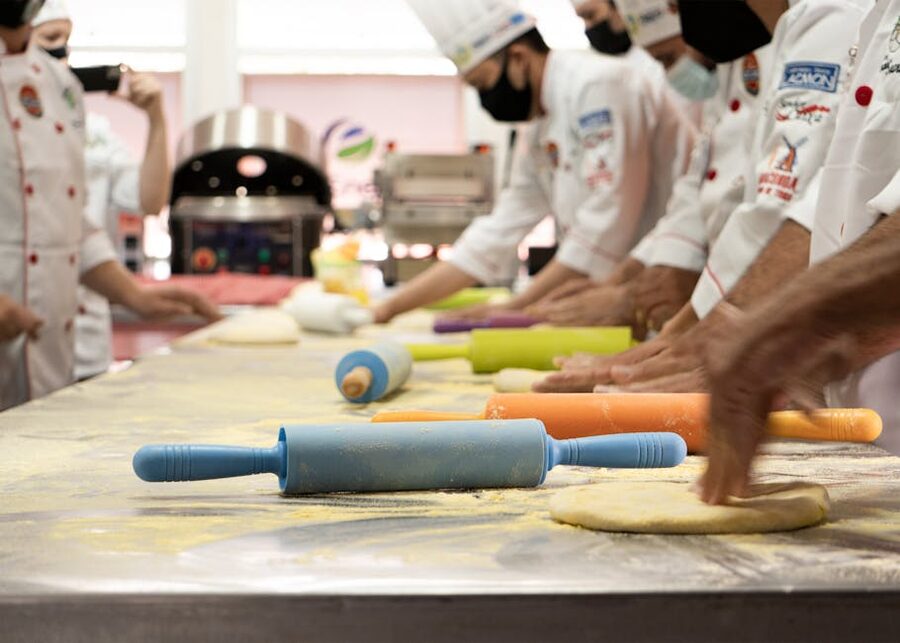
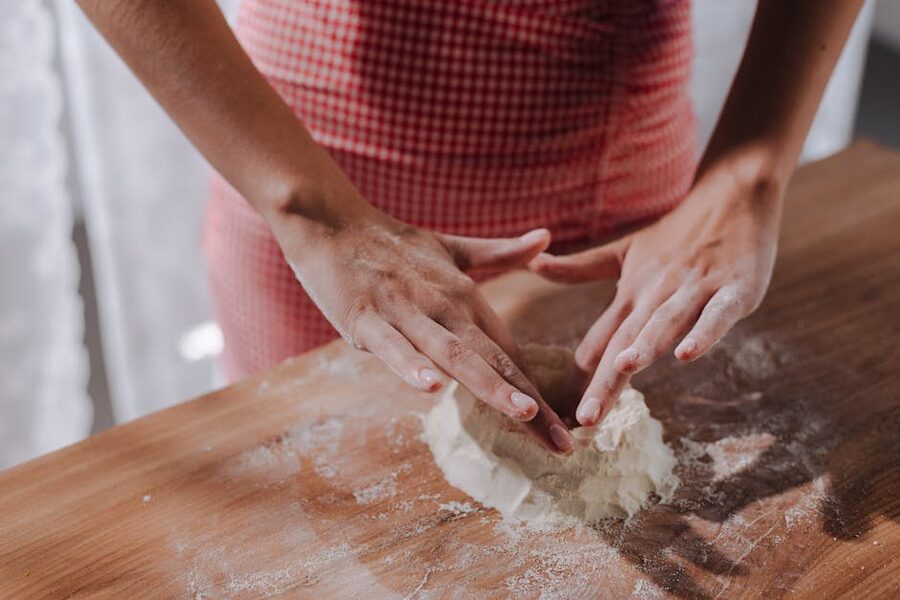
Hour 1: pasta dough. The chef demonstrates the flour volcano, egg cracking, kneading motion. You follow along at your own station. The first 20 minutes produce chaos — flour everywhere, cracked eggs, dough that won’t come together — and then it settles. By the end of the hour, you’ve got a rested ball of dough ready to roll.
Hour 2: pasta formation. The dough rolls through the pasta machine to progressive thinness. You cut fettuccine, fold and stuff ravioli. The chef moves between stations offering corrections. This is where the class earns its value — you’ll make mistakes and the chef will catch them before they become baked-in bad habits.
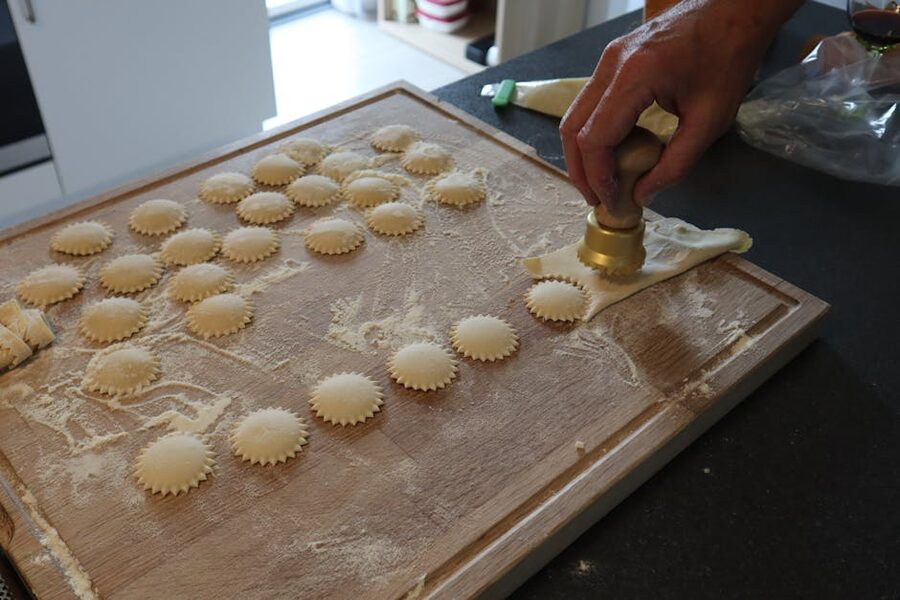
Hour 3: tiramisu prep + eating. You quickly assemble the tiramisu (it needs chilling time so it’s mostly about layering). Meanwhile the chef cooks your pasta and ravioli. Then everyone sits down, wine is poured, and you eat what you made. The tiramisu comes out of the fridge after it’s set (usually during someone’s pasta course).
The meal portion typically runs 30-45 minutes. Food, wine, conversation with classmates, a final bite of tiramisu, and you’re done. Most classes send you home with the recipes so you can replicate at home.
What You’ll Actually Learn
This is hands-on practical education, not a watch-and-nod demo. By the end of 3 hours you can genuinely replicate these dishes at home, assuming you have the basic equipment (pasta machine, wooden board, rolling pin).
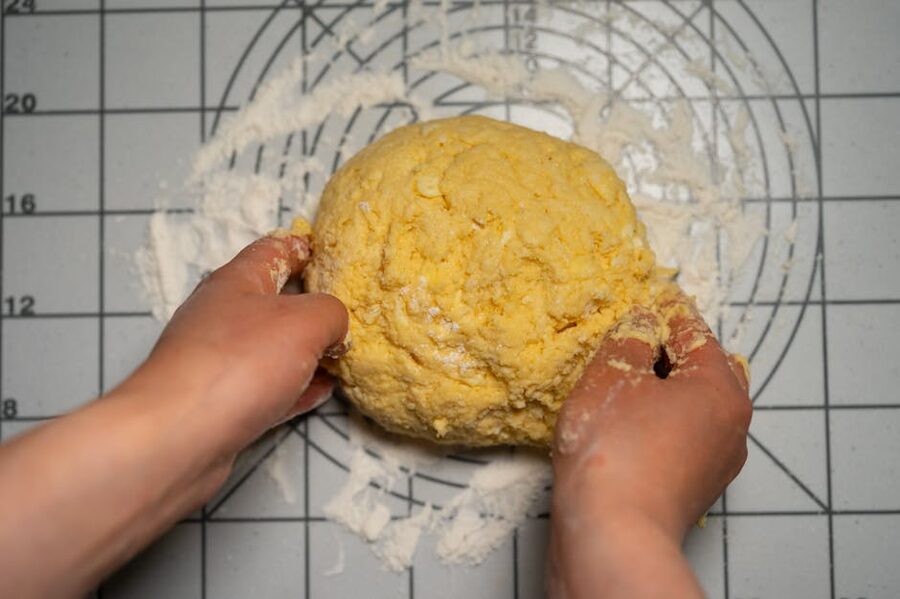
Pasta dough ratios. 100g flour per one egg, plus a pinch of salt. That’s it. Not two cups of this or an egg yolk of that — a simple weight ratio you can scale up or down. Memorise this and you’ll never need a recipe again.
Kneading technique. Not gentle folding — firm pushing and folding for 8-10 minutes. The dough starts sticky and ends silky. If it’s still sticky after 10 minutes, add a tiny bit more flour. If it’s dry and cracking, a few drops of water. You’ll learn to judge this by feel.
Resting matters. 30 minutes minimum under a damp towel before rolling. The gluten relaxes and the dough becomes workable. Skip this step and you’ll fight the dough the whole way through rolling.
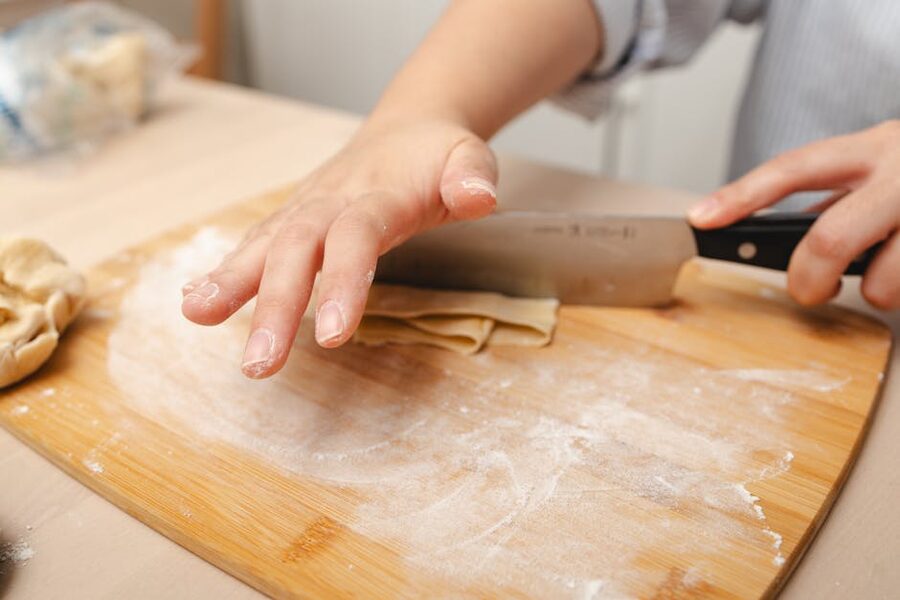
Cooking times are shorter than you think. Fresh fettuccine cooks in 2-3 minutes (dried spaghetti takes 8-10). Drop it in vigorously boiling well-salted water, test after 90 seconds, drain immediately. Dumping fresh pasta into lukewarm water or leaving it to cook for 10 minutes creates sad, mushy pasta.
Tiramisu without raw eggs. The traditional recipe uses raw egg yolks. Most modern versions (and all class versions for food safety) cook the yolks briefly in a double boiler with sugar. You’ll learn the safe version, which also makes a more stable mousse texture.
The Piazza Navona Neighbourhood
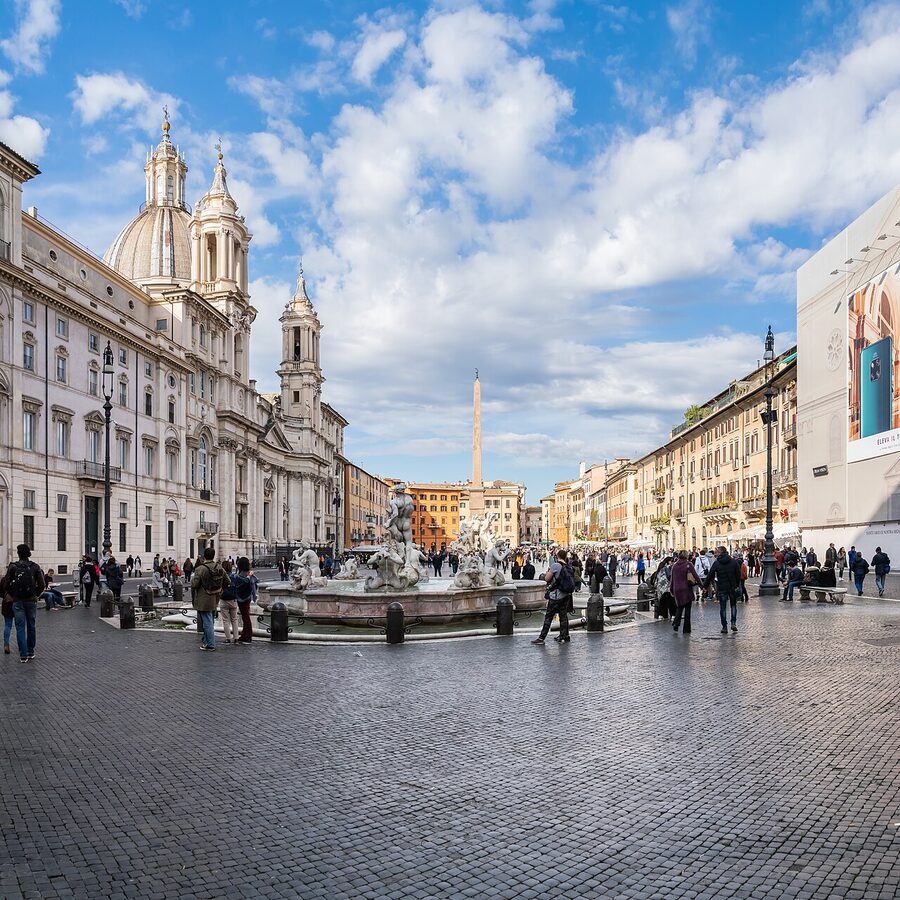
Most Rome cooking classes cluster within a 5-10 minute walk of Piazza Navona because the neighbourhood has the foot traffic, tourist accessibility, and concentration of dedicated cooking school spaces that make daily classes viable. The area itself is worth exploring before or after your class.
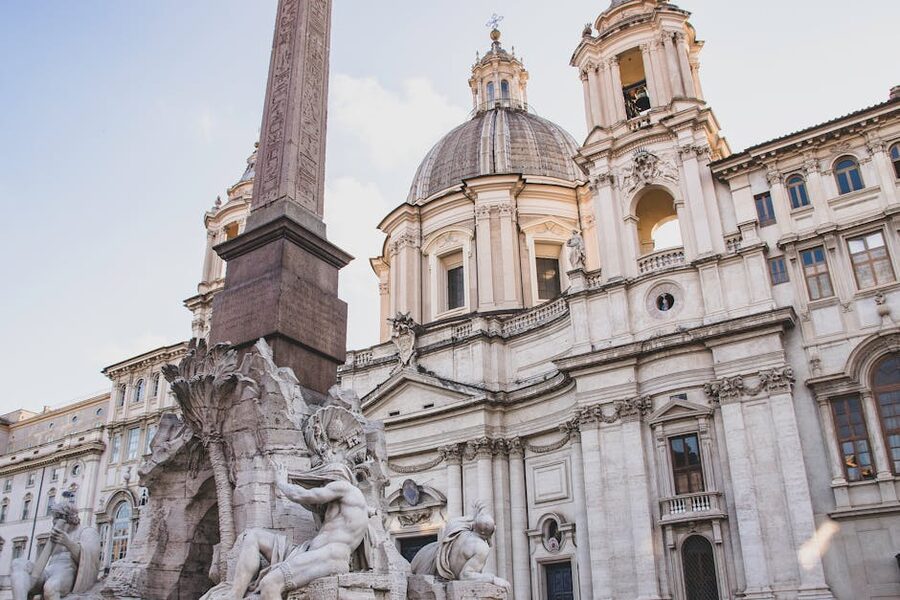
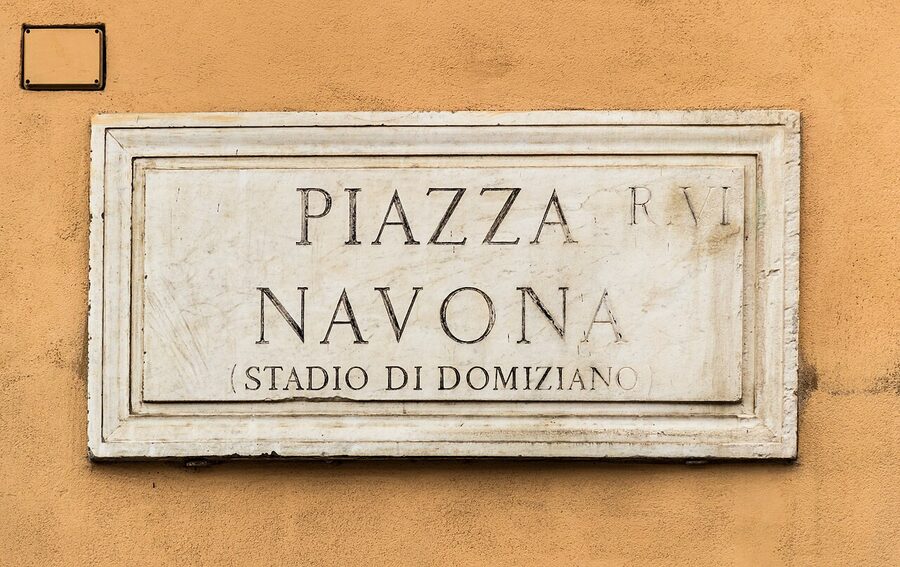
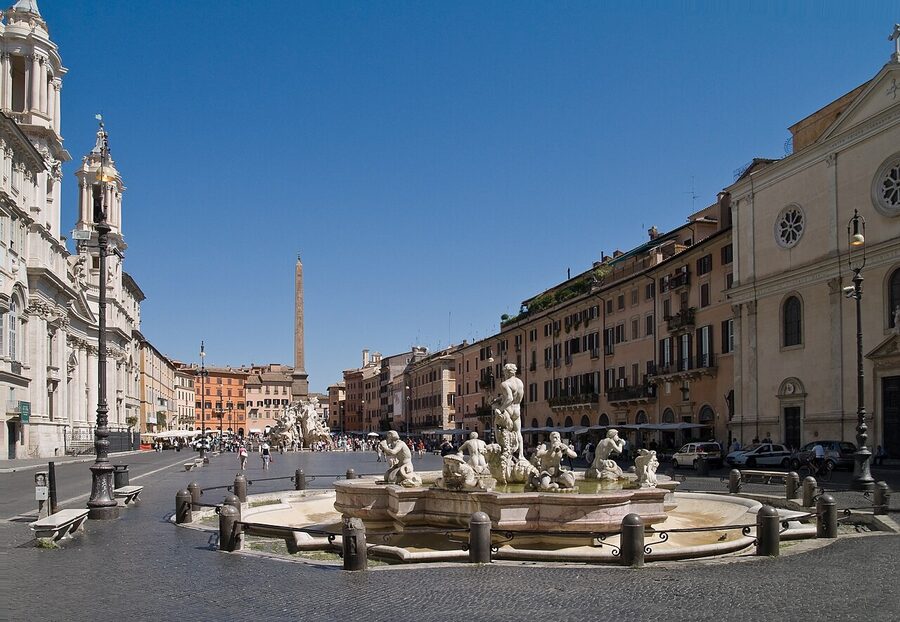
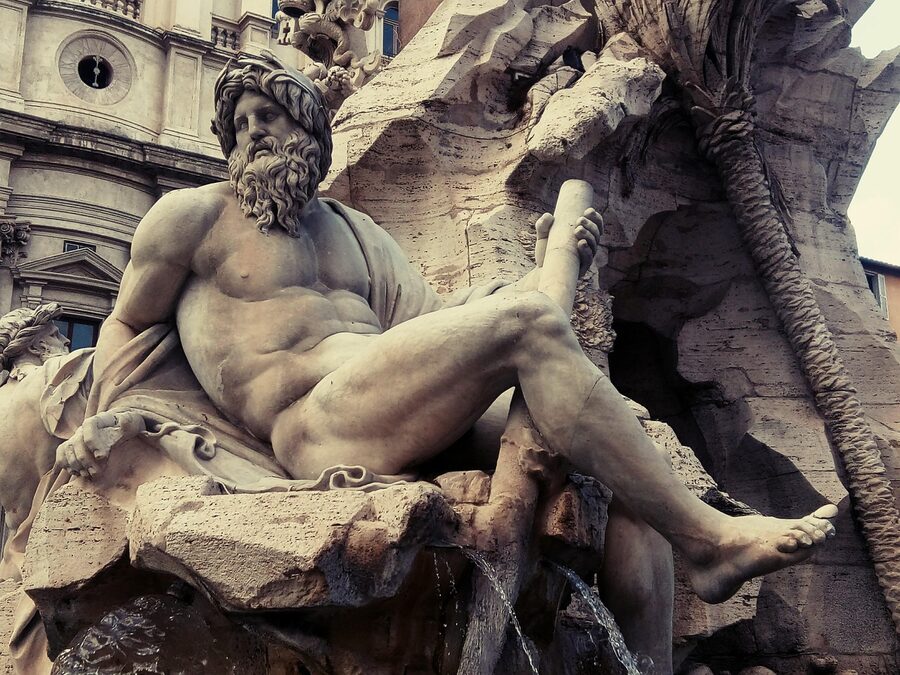
Piazza Navona itself is Rome’s showpiece Baroque square, built on the footprint of the ancient Stadium of Domitian (1st century AD) and still preserving the original oval shape. Three fountains, the Sant’Agnese in Agone church, and restaurant terraces ring the square.
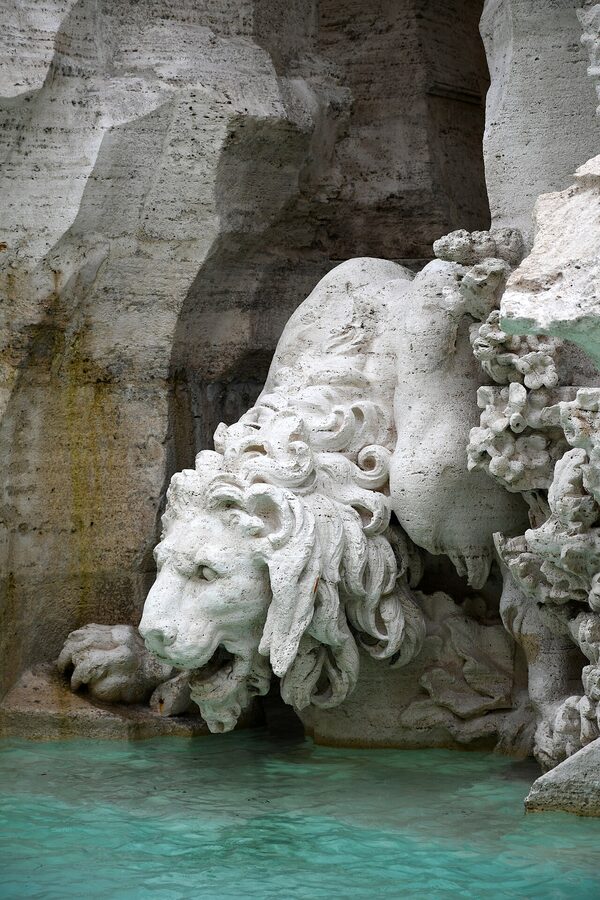
The Pantheon is a 7-minute walk east. Campo de’ Fiori is 5 minutes south with its daily market (morning) and drinking scene (evening). The river Tiber is 5 minutes west — cross Ponte Sisto for Trastevere for evening dinner after your class.
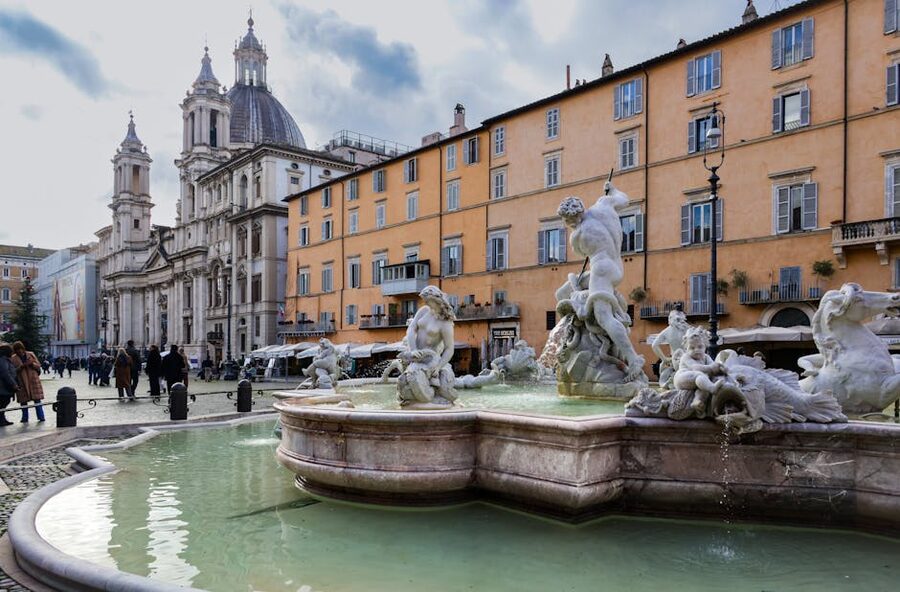
Restaurants on the piazza itself are overpriced tourist traps. Walk one street in any direction for proper trattorias — Il Convivio Troiani is a Michelin-starred option one block away, and smaller family trattorias pack the side streets between Piazza Navona and the Pantheon.
When to Book Classes
Most Rome cooking classes run multiple sessions daily — typically 10:00, 14:00, and 17:00 starts. The morning classes end just before lunch, the afternoon classes bridge into early dinner, and the evening classes count as dinner plus activity combined.
Morning class (10:00-13:00): smallest groups, freshest ingredients (delivered overnight), ends with lunch. Good if you have afternoon plans.
Afternoon class (14:00-17:00): largest groups, most social atmosphere, ends when Rome is transitioning into aperitivo. Walk into the evening easily.
Evening class (17:00-20:00): date-night vibe, replaces dinner for the night, ends with full tiramisu and wine. Best romantic choice.
Book at least a week ahead for weekend slots in high season (April-October). Weekday classes usually have same-week availability. Same-day bookings occasionally work for 10:00 morning sessions but rarely for prime afternoon slots.
What to Wear and Bring
Cooking classes involve flour, tomato sauce splatters, and wine. Dress accordingly.
Clothing: darker colours that hide flour (not white!), closed-toe shoes (hot liquid splatters do happen), comfortable layers. The kitchen is warm from cooking and body heat. Leave the nice silk top at the hotel.
Hair: tied back or in a ponytail. Classes provide hairnets if you ask but tying it back yourself is easier.
Nothing to bring: aprons, ingredients, equipment, recipes all supplied. Just bring yourself and your appetite.
Leave at hotel: expensive watches, nice bags, anything you don’t want flour on. There’s usually a lockable area for personal items during the class.
Dietary Restrictions and Accommodations
Vegetarian is easy (ravioli filling is already ricotta and spinach, fettuccine is naturally vegetarian). Vegan is harder (no cheese, no eggs limits the pasta options) but most operators handle with 48-72 hours advance notice. Gluten-free is possible — some classes specifically offer gluten-free pasta using alternative flours.
Allergies: egg allergies make pasta challenging (egg yolk is the binding protein). Shellfish isn’t used in standard classes. Dairy allergies clash with tiramisu but alternative desserts (fruit macedonia, panna cotta with alternative milk) can usually be substituted.
Religious restrictions: no pork products are used in the standard curriculum. Alcohol in the recipes (wine in the pasta sauce sometimes, Marsala in tiramisu) can be omitted on request.
Children: most classes accept children 8+. Kids under 8 struggle with the knife work and don’t have the attention span for 3 hours. Classes specifically designed for families (shorter, more visual, less wine-focused) exist — ask operators about family formats.
The Roman Pizza Variant
Rome’s pizza tradition differs from Naples — thinner crust, crispier, cut into rectangles rather than round pies. The pizza cooking classes focus on this Roman style specifically, which means you’re learning a different technique than Neapolitan pizza masters teach.
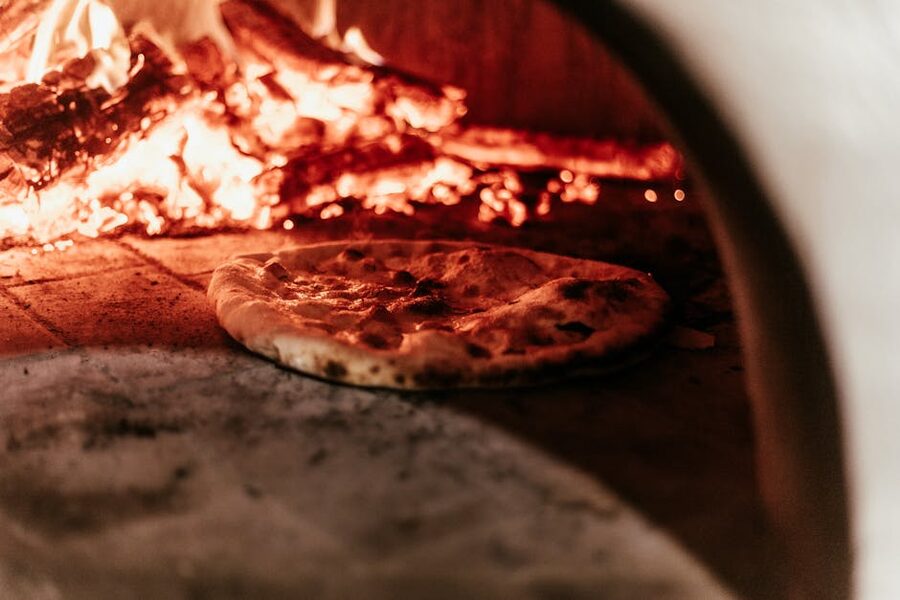
Roman pizza dough is higher-hydration (more water relative to flour) than Neapolitan, which gives the crispier crust. It also gets a 24-48 hour cold fermentation, which classes can’t replicate in 3 hours — so the pizza classes use pre-made dough the school prepared the day before.
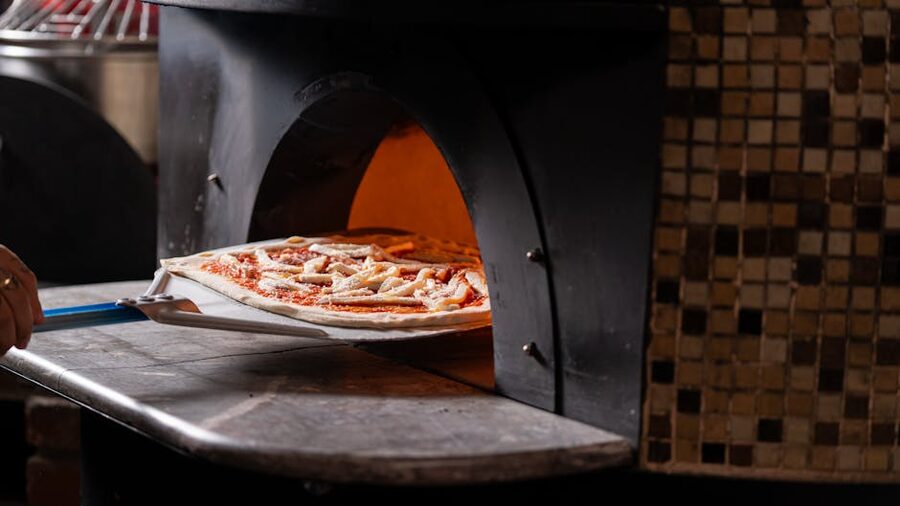
Toppings you’ll learn: margherita (tomato, mozzarella, basil), marinara (tomato, garlic, oregano, no cheese), classic prosciutto and arugula. Pizza schools avoid exotic toppings since the point is mastering the dough and the cooking, not inventing new combinations.
Why pizza class over pasta class: if you already know how to boil pasta but find pizza dough intimidating, this is the right swap. Pizza at home is trickier than pasta because of the oven temperature issue, and learning the dough handling in-person makes a bigger difference than learning pasta dough in-person.
Wine Pairings
All cooking classes include wine during the eating portion. Typical pour is generous — you’ll have 2-3 glasses across the meal. The wine choices correspond to the food: whites for the fettuccine, a richer white or light red for the ravioli, a dessert wine (Vin Santo sometimes) with the tiramisu.
Classic pairings: Frascati Superiore (Lazio white) with the fettuccine, Cesanese del Piglio (Lazio red) with the ravioli, Moscato d’Asti or Vin Santo (sweet wine) with the tiramisu. All are Italian, most are regional.
Non-drinkers: all classes accommodate with sparkling water, Italian soft drinks (Chinotto is common), or grape juice for a wine-approximation. Say so at booking.
If you drink heavily: pace yourself. The cooking class isn’t a wine tasting — you’re making food that you need to stay coordinated enough to roll ravioli for. Stick to one glass during the cooking portion, save the rest for the eating portion.
Group Dynamics
Cooking classes are inherently social. You’re in a confined space with 8-12 strangers for 3 hours doing messy manual work. The social dynamic matters more than in tour formats where you’re mostly following a guide.
Solo travellers: these classes are genuinely great for meeting other travellers. Everyone’s in the same boat, the shared activity breaks the ice, and by the end you’ve shared a meal with new friends. Consider going alone rather than with your partner if you want to meet people.
Couples: the class works as a couples activity but you won’t always be next to your partner. Some classes seat everyone around a communal table; others have individual stations. Ask the operator if you specifically want to be together.
Groups of 4+: book in advance — most operators can keep your group together at adjacent stations, but they need to know. Some classes have a private-booking option where you fill the whole session with your group.
Combining with Other Rome Experiences
The cooking class fits beautifully into a larger Rome day. It’s substantial (3 hours + includes food) but not exhausting, and the Piazza Navona location puts you central to the rest of the city.
Morning culture + afternoon cooking class: morning tour at the Borghese Gallery (09:00-11:00), light early lunch at a cafe, 14:00 cooking class, evening free for a drink and early sleep.
Afternoon cooking class + evening food tour: afternoon class ends at 17:00, meet your Trastevere food tour at 18:00. Intense Italian-food day — you’ll never want to cook again — but massively educational.
Morning sights + afternoon cooking + evening Pantheon: morning Vatican or Catacombs tour, 14:00 cooking class, 18:30 free walk past the Pantheon which is 7 minutes away, easy evening.
Rest day + evening cooking class: if your Rome trip has been intense, use a rest day for the class. Sleep in, light lunch, 17:00 class, home by 20:00. The social meal + wine is the perfect relaxing day anchor.
What to Bring Home
Beyond the recipes and the muscle memory, a Rome cooking class produces a few concrete takeaways that make the experience stick beyond just an afternoon.
Recipes to take home. All classes provide printed or digital copies of what you made. Take them. You’ll reference them in the weeks after the trip when you try to replicate the dishes at home.
Equipment to acquire. A pasta machine (€30-50) and a wooden board (€20-40) are the only kitchen tools you’ll genuinely need beyond what most home cooks already have. Budget for these as Rome souvenirs if you want to continue.
Ingredient sourcing in your home country. 00 flour is available in most good supermarkets (or online — King Arthur’s Italian-Style flour is close). Mascarpone is standard in most countries now. Pecorino Romano and Parmigiano Reggiano are widely available. Don’t substitute. Recipes that work with these won’t work with domestic cheese alternatives.
The actual food you made. You eat in class, so there’s no takeaway bag — but some operators let you take the tiramisu home if you made extra. Ask.
Seasonal Considerations
Cooking classes run year-round but the experience changes subtly across seasons.
Spring (March-May): ingredients peak — fresh spring vegetables, artichokes, peas. The ravioli fillings are often at their best this time of year.
Summer (June-August): tomatoes and basil are perfect. Kitchen heat is the challenge — Rome kitchens run hot in July-August, and you’ll be sweating through your apron by hour two.
Autumn (September-November): mushroom season. Truffle options appear on some menu variants. Weather is ideal for kitchen work.
Winter (December-February): fewer tourists, smaller groups, more intimate feel. Tiramisu and warm tomato sauce feel seasonally right. Rome’s non-holiday winter is genuinely underrated for cultural tourism.
Pricing and Booking Strategy
Prices range from $40 for smaller operators to $125 for premium small-group experiences. The 3-in-1 and Masterchef variants sit in the middle — $47-85 — and deliver essentially the same curriculum.
What drives the price difference: brand recognition and operational scale. The $85 market leader runs multiple daily classes across multiple locations with polished marketing. The $47 alternative runs fewer classes in a less prominent location but delivers the same curriculum. Food quality is comparable.
Hidden costs: there generally aren’t any. Booking covers apron, ingredients, three dishes, wine, recipes. Transport to/from is on you (Piazza Navona area is central; walking from most Rome hotels takes 15-30 minutes).
Cancellation policies: most operators offer 24-hour free cancellation. Read the specific policy before booking. Travel insurance covers event cancellation if genuine emergencies come up.
Common Mistakes First-Timers Make
A few things that trip up cooking class participants — worth flagging because they can dent an otherwise great experience.
Eating a full meal before class. You eat the food you make. Arriving full means you struggle to eat your own ravioli. Have a light breakfast or snack, not lunch.
Overthinking the kneading. The dough is forgiving. Push firmly, fold, repeat for 8-10 minutes, stop when it feels silky. Don’t fuss over whether your technique matches YouTube videos — the chef will correct you if you’re genuinely doing it wrong.
Not tasting during cooking. Taste the dough (yes, it’s safe — the eggs are cooked when boiled), taste the ravioli filling before stuffing, taste the tiramisu cream. This is how you learn what correct tastes like. If you never taste, you’re just following instructions blindly.
Rushing the ravioli. These take care. Rushing produces pockets that split in the water. Use enough filling, seal firmly, cut cleanly. If you feel yourself rushing, slow down — the chef won’t move on until everyone’s done.
Drinking too much too fast. The wine during the cooking portion is meant to be sipped, not drained. You need coordinated hands for the next 90 minutes. Save the real drinking for the eating portion.
Reviewing Your Class Output
Class-made pasta isn’t restaurant-quality. Neither is class-made tiramisu. But it’s genuinely homemade Italian food you produced with your own hands, and the learning is in the process rather than the final plate.
Your fettuccine will be slightly thicker than restaurant versions. This is fine — it’s proper rustic home-style. Professional restaurants roll even thinner, but home cooks rarely need to.
Your ravioli will be lopsided. A few will split in the water. The chef handles the boiling for class specifically to minimise splits, but 2-3 out of 20 failing is normal. Don’t feel bad.
Your tiramisu will be richer and denser than restaurant versions. Real tiramisu is less airy than the Instagram versions. Dense = good, not a problem.
The overall experience outperforms the individual dishes. You made three Italian dishes in three hours, ate them with wine, and learned enough to replicate them at home. The value isn’t the tiramisu — it’s that you can now make tiramisu for dinner parties back home.
After the Class
Most classes end around 13:00, 17:00, or 20:00 depending on timing. The neighbourhood stays available for continued exploration.
Coffee stops: Sant’Eustachio il Caffè is 5 minutes from Piazza Navona and serves Rome’s classic granita di caffè. Tazza d’Oro near the Pantheon is the other famous coffee spot. Both are essential post-class.
Shopping for ingredients: Volpetti near Piazza Navona stocks the cheese and flour you’ll want to recreate class recipes at home. Ask for 00 flour and either Pecorino Romano or Parmigiano Reggiano (both wheels, not pre-grated).
Evening continuation: if your class ends at 17:00 and you want more, walk to Trastevere (20 minutes across Ponte Sisto) for dinner at a traditional trattoria. You’ll notice the dishes the cook knows vs. the ones they’re faking, now that you understand what goes into proper ravioli.
Why This Activity Stays Popular
A single Rome cooking class has persisted at the top of the reviews pile for years. The format works because it delivers three distinct value propositions that rarely combine in a single tour activity.

Education: you genuinely learn something transferable. Most tours provide experiences you can’t replicate; the cooking class provides a skill you take home.
Social: small groups + shared activity + shared meal = you meet people. For solo travellers especially, this is the most reliable social activity in Rome.
Food: you eat actual Roman food, not demonstration portions. The meal at the end of the class is a proper meal, not a sampler.
The combination isn’t common elsewhere. Wine tours provide food but rarely teach. Walking tours provide education but rarely feed. The cooking class delivers all three, which is why the format dominates Rome’s activity market.
Final Take
A Rome cooking class is one of the most reliable activities to book for a first Rome trip. The flagship class has held its reputation for years — the format works for most people most of the time, the food is genuinely good, and you walk away with skills and memories that outlast the trip.
Book the 3-in-1 Piazza Navona class if you want the proven premium option. Book the Masterchef alternative if budget matters. Book the pizza variant if you’re pizza-curious rather than pasta-curious. Arrive hungry, dress in dark colours, say yes to the Prosecco, and leave with three dishes you can cook for dinner parties back home.