Fresh pasta and tiramisù, right in Rome.
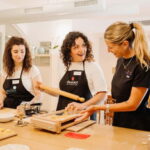
What makes this class work is the flow: you get hands-on instruction for three classic dishes (fettuccine, ravioli, and tiramisù), then sit down to enjoy what you made with drinks. It runs about 3 hours, is offered multiple start times during the day, and keeps things intimate with a maximum group size of 18, with an English-speaking chef host.
I especially like that you learn two different pasta styles, not just one. You’ll shape and fill ravioli, then learn how to make fettuccine from scratch. I also like the finish: you don’t just watch dessert happen, you end with your own homemade tiramisù plus coffee and limoncello.
One thing to consider: this class does not teach you to make the sauces. You’ll choose from sauce options, but the focus stays on dough, shaping, filling, and the desserts.
- Key things to know before you go
- Where the class starts in Rome (and why it matters)
- The class rhythm: aprons on, tiramisù first, then pasta
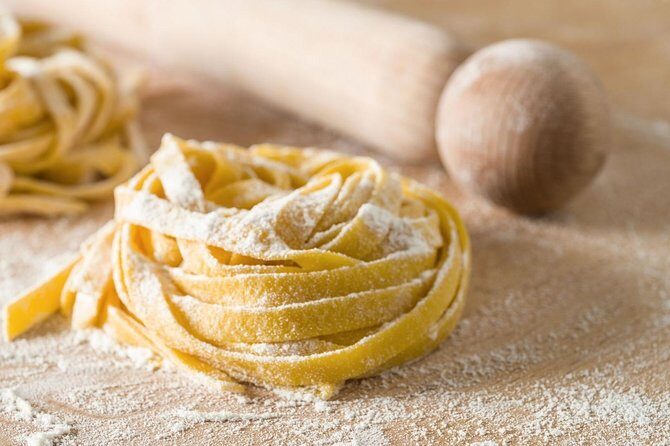
- Fettuccine: the dough skills you can actually use at home
- Ravioli: filling, shaping, and butter-and-sage comfort
- Tiramù: assembling it yourself, then finishing with coffee and limoncello
- Wine, pacing, and the small-group advantage
- Value for your money: why .44 can make sense
- Tips to get the most from your fettuccine and ravioli class
- Who should book this cooking class near Navona
- Should you book this Rome pasta and tiramisù class?
- FAQ
- How long is the cooking class?
- Where does it meet in Rome?
- What dishes are included?
- What drinks are included?
- Is the class taught in English?
- Is there a refund if I cancel?
- The Best Of Rome!
- More Workshops & Classes in Rome
- More Cooking Classes in Rome
- More Tour Reviews in Rome
Key things to know before you go
 1 / 9
1 / 9 2 / 9
2 / 9 3 / 9
3 / 9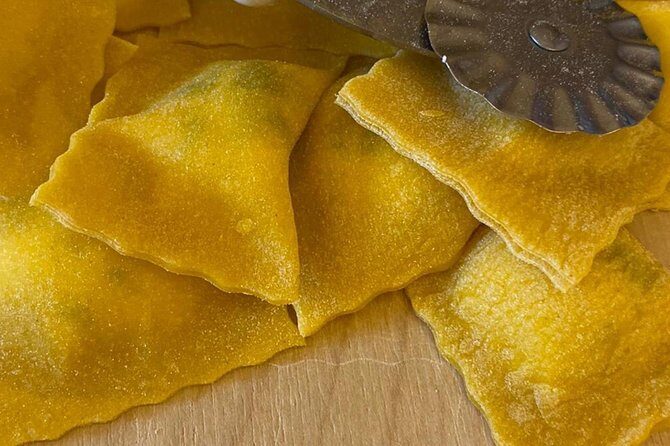 4 / 9
4 / 9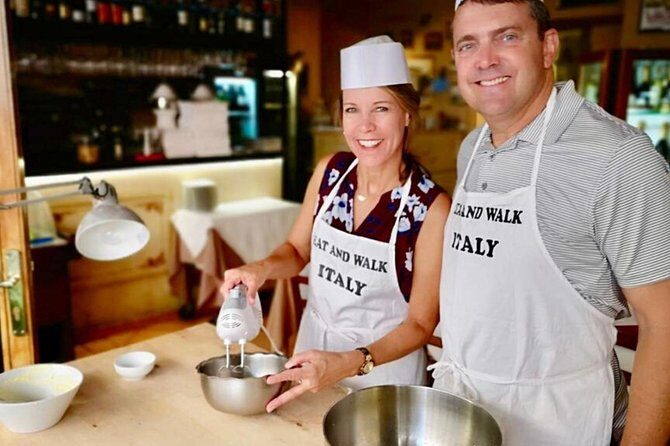 5 / 9
5 / 9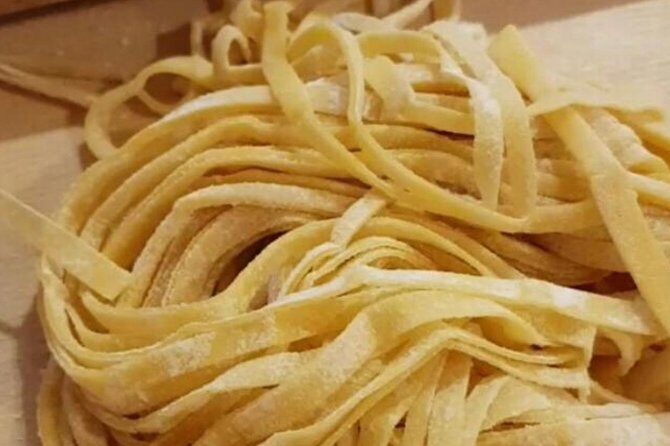 6 / 9
6 / 9 7 / 9
7 / 9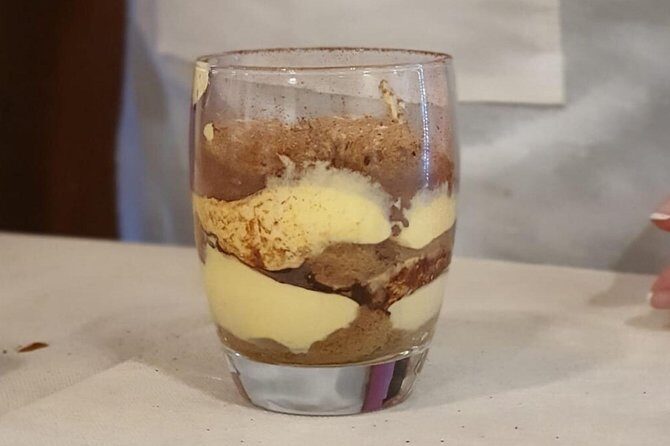 8 / 9
8 / 9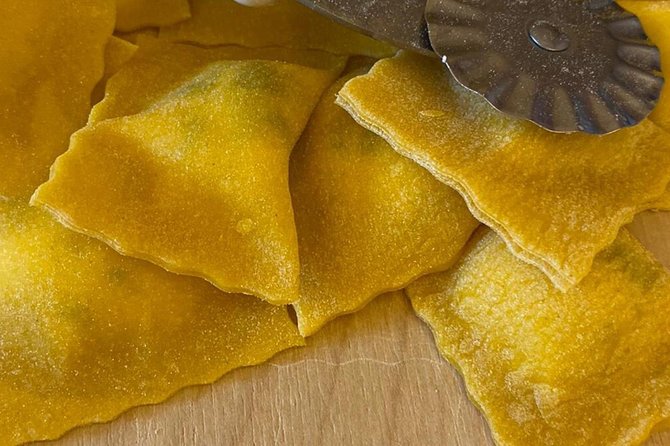 9 / 9
9 / 9- Three dishes in one session: fettuccine, ravioli, and tiramisù, plus you eat everything at the end.
- Small group feel (max 18): enough interaction, with plenty of hands-on help.
- Classic filling details: ravioli are made with a pecorino and ricotta-style filling, then cooked in butter and sage.
- Real chef personalities: instruction comes from chefs such as Mattia, Carlotta, Mimi, Maria, Lori, Leo, and Tom.
- Wine and a sweet finish: a glass of wine (or soft drink) plus limoncello or coffee with dessert.
👉 See our pick of the What Are The Best Tours & Experiences In Rome? Our Top 3 Picks
Where the class starts in Rome (and why it matters)
The meeting point is Via Giuseppe Zanardelli, 14, 00186 Roma. That’s a practical setup for a cooking class because you can tack it onto sightseeing without feeling like you’re crossing half the city at the wrong time of day. It’s also close enough to public transportation to be easy to reach even if you’re still adjusting your rhythm after your first couple of days in Rome.
This experience is designed to be simple to join: you choose from start times throughout the day and you use a mobile ticket. So you’re not stuck with a single option that might fight with your plan to see the Colosseum, Vatican, or stroll the center.
Also, the class time is listed as about 3 hours. That’s a sweet spot. Long enough for real technique practice (fresh pasta is not a two-minute trick), short enough that you don’t lose an entire day.
You can also read our reviews of more cooking classes in Rome

The class rhythm: aprons on, tiramisù first, then pasta
Most cooking classes in Rome follow a “pasta lesson, then dinner” pattern. This one flips the order a bit. After you meet your chef host and fellow students, you’ll start with tiramisù preparation.
That matters for two reasons. First, tiramisù is surprisingly hands-on even if you’ve never assembled one before. You’ll work step-by-step instead of just tasting. Second, starting dessert early helps you settle in before you’re asked to roll dough or shape ravioli. It’s a confidence builder.
Next comes the pasta stage: you’ll make fettuccine and ravioli from scratch. In between, your chef host guides you through what to do with the dough, how to handle it, and how to keep moving so the timing stays relaxed. Several instructors (you might meet chefs like Mimi, Maria, or Leo) are praised for being friendly, attentive, and patient with first-timers.
Once you finish cooking your pasta, the day turns into a meal. You sit down with wine and drinks, then you get your tiramisù at the end, along with coffee and limoncello.
Fettuccine: the dough skills you can actually use at home
Fettuccine is the part of the class that teaches you the “feel” of pasta. You’re not just mixing ingredients; you’re learning how fresh dough should look and behave while you work it. If you’ve ever tried making pasta at home and felt like your dough was either too dry or too sticky, the technique here is what helps you avoid that.
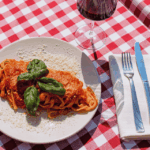
You also get to choose a sauce style for the fettuccine. Options include Cacio e Pepe, Tomato and Basil, or Amatriciana. That choice is a nice touch because Rome has strong opinions about pasta sauces, and this lets you steer your meal toward your tastes without needing extra cooking steps during class.
A practical note: the class experience does not teach you to make those sauces. You’re learning pasta and dessert at a table-level pace. So think of sauce selection as part of your dinner, not part of your skill-building. If your goal is to master every component from scratch, plan to practice sauce recipes later on your own.
After the fettuccine is ready, you’ll eat it with your group. That’s one of the reasons this class works so well on a trip: you’re not spending 3 hours working for a sad plate. You’re building skills and then immediately turning them into a meal.
Ravioli: filling, shaping, and butter-and-sage comfort
Ravioli is where the class feels most “Italian home kitchen.” The lesson isn’t only about rolling or cutting; it’s about controlling the filling and getting the shape right.
Here’s what you’re making: ravioli stuffed with a ricotta and Parmigiano/pecorino-style filling. Then, the ravioli are cooked in butter and sage. That butter-sage finish is classic and forgiving, which means you don’t need advanced sauce technique to end up with something fragrant and satisfying.
Your chef host guides you as you make the ravioli filling from seasonally available ingredients. That’s one of those details that makes the class feel less like a factory production. It also gives you ideas for what to buy back home when you want to recreate the flavor, not just the steps.
In terms of experience, ravioli tends to be the moment people remember. Even one simple choice like the filling texture can change how the ravioli behaves. And because the class is structured for a small group, chefs can circulate and help you get unstuck if you’re struggling with shaping or sealing.
If you’re on the fence about the ravioli portion, you’ll likely be glad you did. It’s often the most interactive component, and it’s a big step up from just rolling pasta noodles.
Tiramù: assembling it yourself, then finishing with coffee and limoncello
Tiramù can feel intimidating until you see it broken into steps. In this class, you’re not just learning the idea; you’re assembling it yourself. The experience starts with tiramisù, then later you finish the meal with what you made.
This is where the class earns serious points for comfort and clarity. Many reviews highlight chefs who keep things easy to follow, funny, and reassuring. If you’ve never made pasta before, tiramisù is a great way to start cooking without pressure.
At the end, you’ll enjoy the tiramisù you made, plus coffee and limoncello. It’s a sweet landing that fits the overall rhythm: pasta lessons lead to dinner, dessert becomes the celebration, and coffee plus limoncello closes the loop.
One practical detail: drinks are included. You’ll get a glass of wine or a soft drink with your meal, water included, and then a shot of limoncello or hot coffee with dessert. That means you don’t have to make decisions mid-class or worry about what you’ll be drinking while you eat.
You can also read our reviews of more tours and experiences in Rome

Wine, pacing, and the small-group advantage
This is a group class, with a maximum of 18 people, and it feels designed to avoid that “line up, wait, watch” problem. The pacing is part of the value. You work through steps while your chef host keeps an eye on the room and helps as needed.
Multiple instructors are praised for circulating through the group and making sure nobody lags behind. That’s important because pasta dough can be time-sensitive. If you’re slow, you can end up with dough that’s hard to work. If you’re fast, you can end up waiting. A good rhythm keeps everyone cooking, not just observing.
Another detail that shows up in reviews: the environment can be a covered outdoor area. That’s a real win if you’re in Rome during a rainy or uncomfortable weather day. You still get the social dinner vibe, without the stress of weather ruining the plan.
Also, because it’s not a huge class, the meal portion feels like you belong at the table, not like you’re eating in a cafeteria line. You’ll enjoy your pasta and dessert with your group, and the wine makes it feel like a real dinner, not a demonstration.
Value for your money: why $83.44 can make sense
At $83.44 per person, you’re paying for more than the food. You’re paying for instruction, ingredients, and a built-in meal with drinks. In other words, you’re buying time and guidance.
Here’s how the value stacks up:
- Three full dishes: fettuccine, ravioli, and tiramisù. That’s a lot of work covered in 3 hours, with ingredients provided.
- Chef-led hands-on practice: you’re not just tasting; you’re making.
- Included drinks: wine (or soft drink), water, and then limoncello or coffee. That reduces what you would otherwise spend on drinks with dinner.
- English instruction: the class is offered in English, which is a big deal in a city where cooking terms can get technical fast.
One small caution: a review mentions that portions might feel a bit modest. That can happen with structured classes where the focus is technique, not overeating. Still, you should walk away with solid satisfaction because you eat your pasta, then dessert, with included drinks.
If you love food markets and cooking at home, this tends to be a high-return activity. You’re bringing back skills, not just photos.
Tips to get the most from your fettuccine and ravioli class
If you want this to feel like a highlight rather than a chore, do these simple things.
- Go hungry and pace yourself. You’ll build pasta dough and ravioli, then sit down to eat. Feeling snacky before you go can make the meal portion less satisfying.
- Take notes on texture, not just steps. Fresh pasta is about feel. Pay attention to how the dough behaves.
- Be ready to learn in a relaxed way. Many chefs here are described as funny and patient, but it’s still a working class. Follow along and don’t worry if your first attempt isn’t perfect.
- Plan your evening after class. Since this ends back at the meeting point, you can head straight to dinner nearby or continue exploring on foot.
Also, if you have dietary or coffee preferences, the class can be flexible. One review mentioned an ingredient alternative for a coffee-hating partner within the tiramisù process. You’ll want to mention anything relevant when you arrive so the chef can guide you appropriately.
Who should book this cooking class near Navona
This is a great pick if you want a Rome activity that feels more personal than a museum ticket. It’s also a nice break if you’ve been walking all day.
You’ll especially enjoy it if:
- you like hands-on experiences more than listening to lectures
- you want to learn fresh pasta techniques you can repeat at home
- you’re traveling with friends or family and want a shared project
It’s also family-friendly in practice. Reviews mention a child around age 11 having a great time and non-cooking adults enjoying the class, which suggests the teaching style can work across skill levels.
If your main goal is learning Italian sauces from scratch, you may feel let down because sauce-making is not part of the class instruction. But if your goal is pasta and dessert technique, this hits the mark.
Should you book this Rome pasta and tiramisù class?
I’d book it if you want an activity that mixes skill-building with a proper meal, in a small group, in central Rome. The combination of fresh fettuccine, ravioli with a classic filling, and your own tiramisù makes it feel like more than a “single dish” workshop.
Skip it only if you’re mainly interested in sauce cooking or you expect a big banquet-style portion. Otherwise, this is the kind of trip memory that follows you home: you leave knowing how to make pasta dough, how to shape ravioli, and how to assemble tiramisù the right way for your own kitchen.
If you’re deciding between this and another cooking option, choose based on your appetite for pasta technique. This one is built for hands-on progress, plus dessert and drinks to celebrate.
FAQ
How long is the cooking class?
The class is listed as about 3 hours.
Where does it meet in Rome?
The meeting point is Via Giuseppe Zanardelli, 14, 00186 Roma RM, Italy. The activity ends back at the meeting point.
What dishes are included?
You’ll make and eat fettuccine, ravioli, and homemade tiramisù, plus drinks with your meal.
What drinks are included?
You get a glass of wine or a soft drink, water, and then a shot of limoncello or hot coffee with dessert.
Is the class taught in English?
Yes. The experience is offered in English.
Is there a refund if I cancel?
Free cancellation is available up to 24 hours in advance for a full refund. If you cancel within 24 hours of the start time, the amount paid is not refunded.
The Best Of Rome!





More Workshops & Classes in Rome
More Cooking Classes in Rome

More Tour Reviews in Rome





Not for you? Here's more nearby things to do in Rome we have reviewed
- Skip-the-Line Group Tour of the Vatican, Sistine Chapel & St. Peter’s Basilica
★ 4.5 · 12,779 reviews