
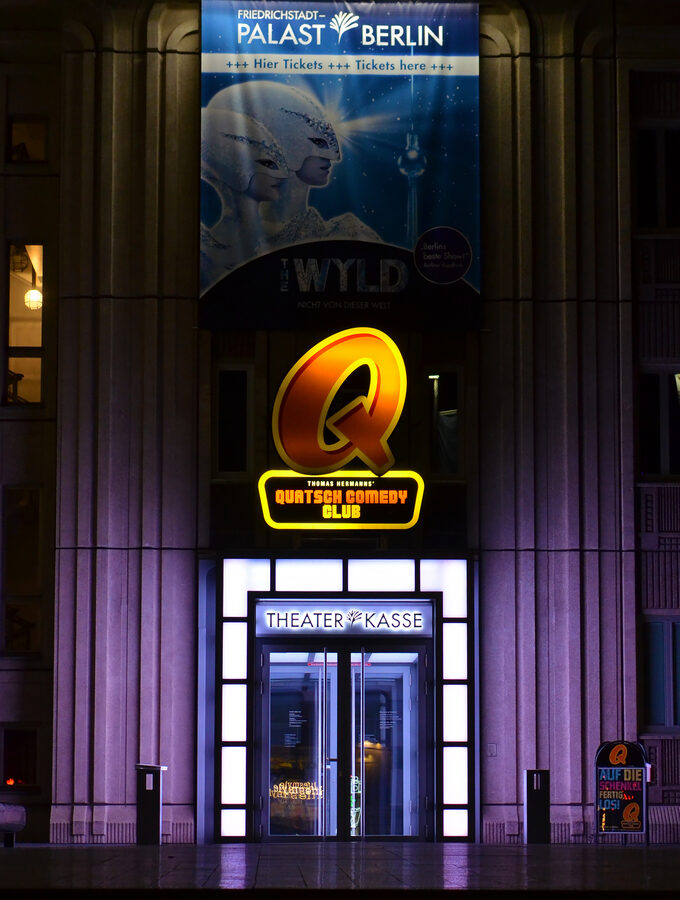
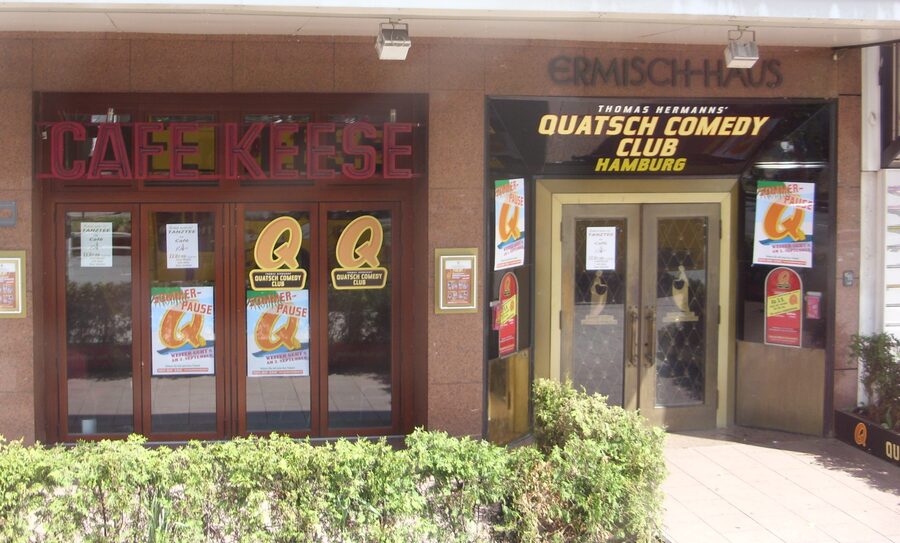
The Quatsch Comedy Club sits inside the Friedrichstadt-Palast building on Friedrichstrasse and has been Berlin’s main stand-up venue since Thomas Hermanns founded it in 1992. It’s the room that effectively introduced American-style stand-up to Germany, and three decades later it still books the comedians you recognise from ProSieben and ZDF alongside rising names trying out new material. Shows run most nights, the format varies, and tickets cost less than most West End theatre seats.
Quick Picks
- Cheapest show: Quatsch Comedy Hot Shot ($25) — showcase format with multiple comedians, short sets, always fresh
- Most popular: The Live Show ($40) — the flagship stand-up night with headliners, 634+ reviews and counting
- Best late option: The Late Night Show ($34) — starts late, runs loose, good atmosphere after dinner
- Language: All shows performed in German — essential for comprehension and timing
- Location: Friedrichstrasse 107, inside Friedrichstadt-Palast complex, Berlin-Mitte
- Quick Picks
- The Three Main Show Formats
- Who Actually Performs Here
- German Language Reality Check
- The Venue and Atmosphere
- Quatsch Comedy Club Berlin: The Live Show
- The Friedrichstrasse Neighbourhood
- The Thomas Hermanns Origin Story
- Comparing Quatsch to Other Berlin Comedy
- Quatsch Comedy Club Berlin: The Late Night Show
- What to Expect Night-of-Show
- Combining Quatsch with Other Berlin Experiences
- Quatsch Comedy Club Berlin: Quatsch Comedy Hot Shot
- Seasonal and Weekly Patterns
- Practical Tips for First-Time Visitors
- Booking Strategy
- Getting to Friedrichstrasse 107
- Pairing with Berlin’s Other Entertainment
- Why This Show Still Matters
- More Berlin & Germany Guides
- Final Thoughts
The Three Main Show Formats
Quatsch runs multiple show types through the week, each with its own rhythm and target audience. Understanding the differences before you book saves you from showing up expecting one thing and getting another — these aren’t interchangeable programmes sharing a single brand.
The Live Show is the headliner programme. You get four to six established comedians doing tight 15-20 minute sets, all curated and tested, all professionally paced. This is the show you book if you want a reliable night of quality German stand-up without surprises. At $40 it’s the most expensive option but also the most consistent — the 634 reviews are heavily positive specifically because the format delivers what it promises.
The Late Night Show starts after the main show wraps, usually around 22:30. It’s looser, the comedians are often the same ones who did the earlier show plus surprise drop-ins, and the atmosphere runs closer to a late-night pub than a curated theatre piece. At $34 it’s cheaper than the flagship and works well if you’ve already had dinner in Berlin-Mitte and want a nightcap with laughs rather than an early evening commitment.
Quatsch Comedy Hot Shot is the showcase format — five or six comedians, each doing seven to ten minutes, mix of established names and rising acts trying new material. At $25 it’s the cheapest way in and the most interesting if you like variety. Some sets will land harder than others — that’s the nature of showcase nights — but you’ll see more comedians and hear more different styles than in the flagship programme.
Who Actually Performs Here
The Quatsch stage has hosted basically every German stand-up name worth knowing over the past 30 years. Mario Barth, Bülent Ceylan, Cindy aus Marzahn, Luke Mockridge, Atze Schröder, Ilka Bessin — all of them cycled through Quatsch before breaking into TV. Thomas Hermanns, who founded the club, still performs occasionally, and the ProSieben show “Quatsch Comedy Club” that ran for years used footage from the actual Berlin venue.
On a given weeknight you’ll see a mix of touring headliners, Berlin-based regulars, and guest spots. The Hot Shot nights skew younger and include comedians building toward their first hour-long specials. The Live Show programme leans on established names with TV credits. The Late Night Show can be anyone who happened to finish a set elsewhere in the city and swung by — this is where genuine surprises happen.
German Language Reality Check
Everything here runs in German. Stand-up depends completely on language timing, cultural references, and the specific rhythm of setup-to-punchline — you cannot watch German stand-up with limited German and enjoy it. This is different from watching a German opera (where the music carries you) or a German film (where visuals add context). A comedian’s material is 95% language.
If your German stops at ordering beer and asking for the U-Bahn, skip Quatsch and book the Friedrichstadt-Palast Grand Show instead — it’s in the same building, the dance and visuals work regardless of language, and you’ll actually enjoy your night rather than sitting confused while everyone around you laughs. The comedy format makes zero accommodations for non-German speakers, which is the correct artistic choice but worth knowing before you buy a ticket.
If you’re at B2 level or higher, you’ll catch most of it but miss the really fast wordplay. At C1+ you’ll follow everything including regional dialect jokes. Below B1 honestly isn’t worth the ticket price — you’ll understand maybe one joke in five and spend the evening feeling left out rather than entertained.
The Venue and Atmosphere
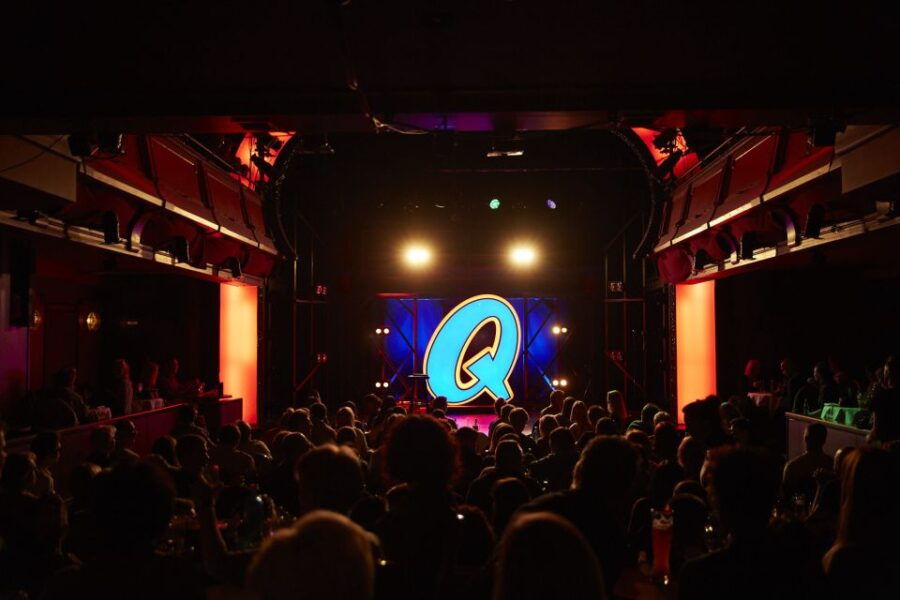
Quatsch sits in the basement level of the Friedrichstadt-Palast complex. The room is smaller than the Grand Show upstairs — we’re talking cabaret club dimensions, maybe 200-250 seats, arranged at tables with candles rather than traditional theatre rows. This is intentional. Stand-up works better when the audience feels close together and responds collectively; the room geometry exists to encourage that.
Quatsch Comedy Club Berlin: The Live Show
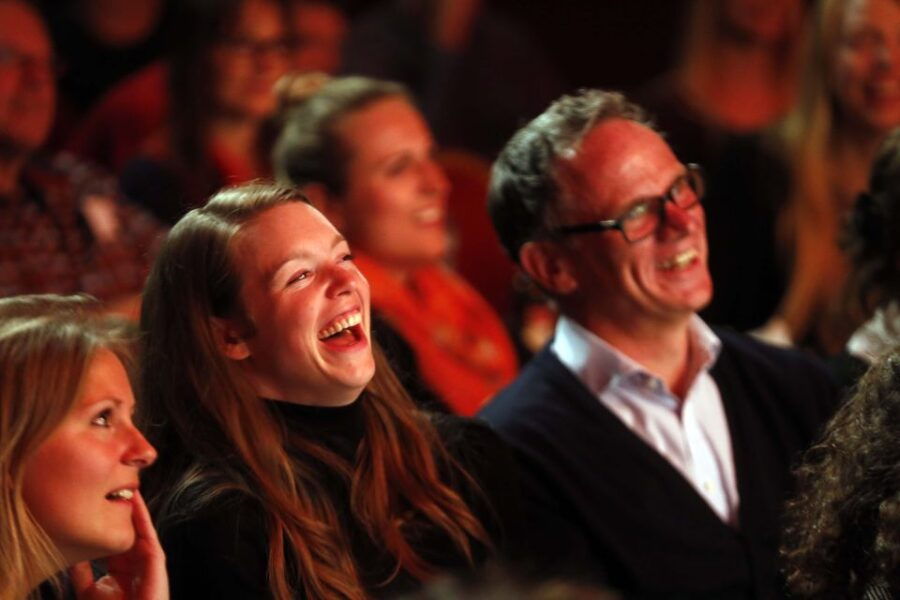
The flagship format with established German stand-up headliners doing tight 15-20 minute sets in curated lineups. This is the reliable pick — 634+ reviews confirm consistent quality, and at $40 it’s fair value for a night of professional stand-up in Berlin’s most established comedy room. Shows run most nights through the week.
Drinks get served during the show — you order at your table and staff deliver quietly between sets. Beer, wine, standard cocktails, soft drinks. Food is limited to snack plates; this isn’t a dinner venue, and if you’re planning a full meal, eat before you arrive. Most people grab something on Friedrichstrasse or nearby Gendarmenmarkt first.
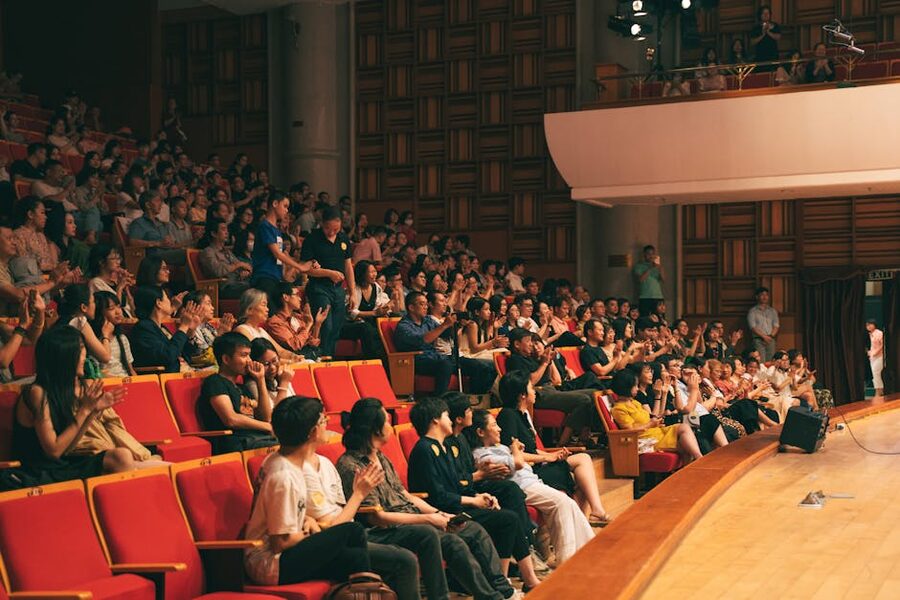
The sound system is solid, sightlines from the back tables aren’t perfect, and if you’re tall or want to see the comedian’s facial expressions clearly, book seats in the front third when possible. The vibe skews 25-50 in age range, more mixed on weekends, more locals on weeknights and more travelers on Fridays and Saturdays.
The Friedrichstrasse Neighbourhood
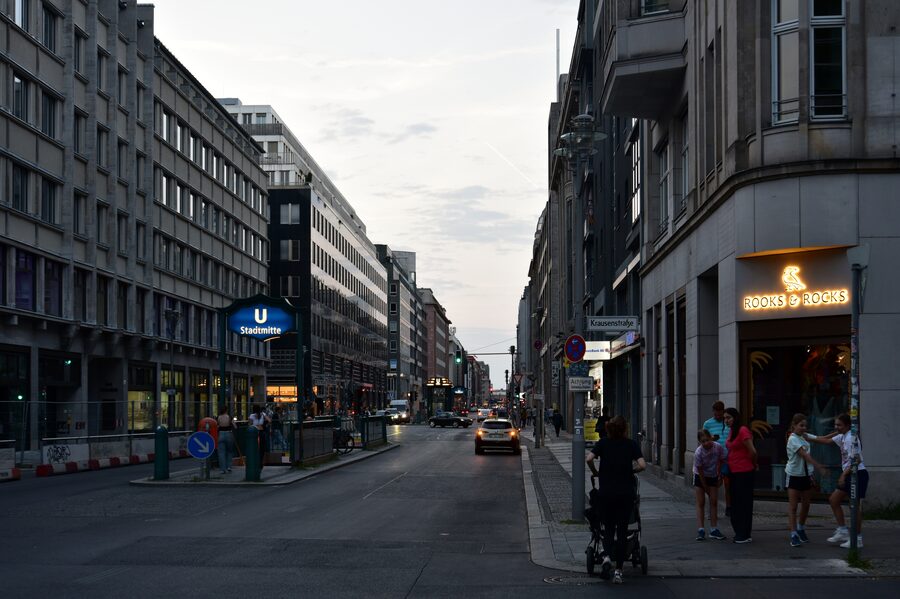
Friedrichstrasse is one of Berlin’s main central streets — it runs north-south through Mitte, connecting the former Checkpoint Charlie area to the Spree. The Quatsch entrance sits at number 107, a few minutes’ walk from Friedrichstrasse S-Bahn and U-Bahn station, and the area is busy with restaurants, shops, and nightlife right up to the venue’s doorstep.
For pre-show dinner, walk five minutes south to Gendarmenmarkt where you’ll find upscale restaurants, or stay on Friedrichstrasse itself for faster options. Quartier 206 shopping complex is close by. After the show, Mitte’s bars stay open late on weekends, and you’re walking distance from the Hackescher Markt area where Berlin’s more interesting late-night venues sit.
The location is also tactically useful if you’re combining the comedy show with other Berlin stops. The Reichstag and government district sit ten minutes west; Museum Island is five minutes east. Lot of people book dinner + comedy + Mitte walk as a full Berlin night.
The Thomas Hermanns Origin Story
Quatsch wasn’t supposed to exist. In early 1990s Germany, stand-up comedy in the American format basically didn’t happen — what passed for comedy was cabaret, sketch shows, and the occasional comedian inside variety programmes. Thomas Hermanns had seen New York’s Comedy Cellar and Los Angeles clubs and thought the format could transfer; most people in the German entertainment industry told him it wouldn’t work.
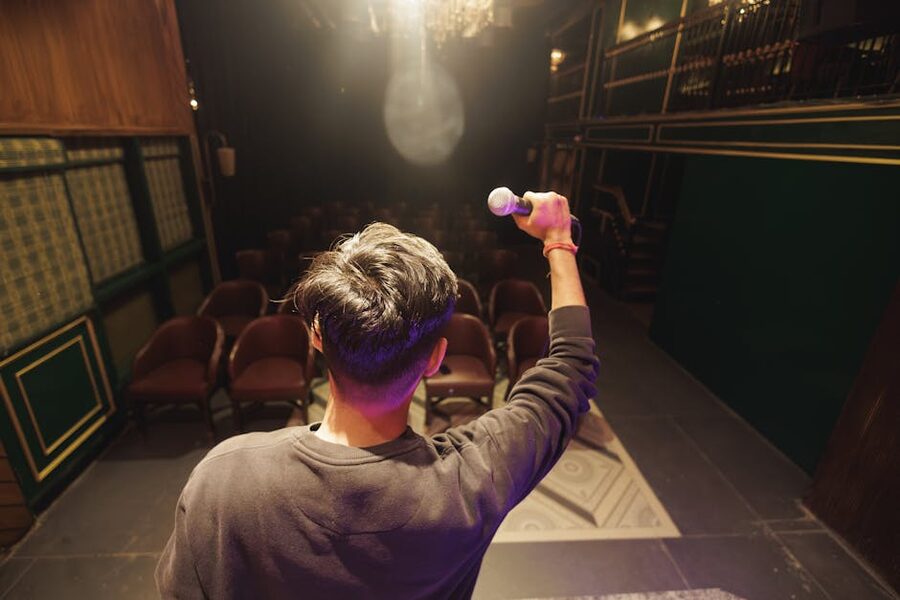
The experiment worked. Within a few years Quatsch had a TV adaptation on ProSieben that ran for decades, and the live venue became the de facto audition room for anyone wanting to break into German TV comedy. Most of the names you now see on German streaming specials and panel shows did their early sets at Quatsch — often before they had material worth 30 minutes.
The Hermanns legacy also explains the house style. Quatsch rejects the older German cabaret tradition of political sermons delivered as monologue; instead it pushes the shorter, punchier American format. That’s why shows here feel tighter than other German comedy nights — Hermanns literally imported the rhythm from New York.
Comparing Quatsch to Other Berlin Comedy
Berlin has a surprisingly active comedy scene now, but Quatsch remains the most established brand. Newer venues like Kookaburra, Comedy Café Berlin, and various rotating shows have opened over the past decade — most run open-mic or showcase formats, many in English.
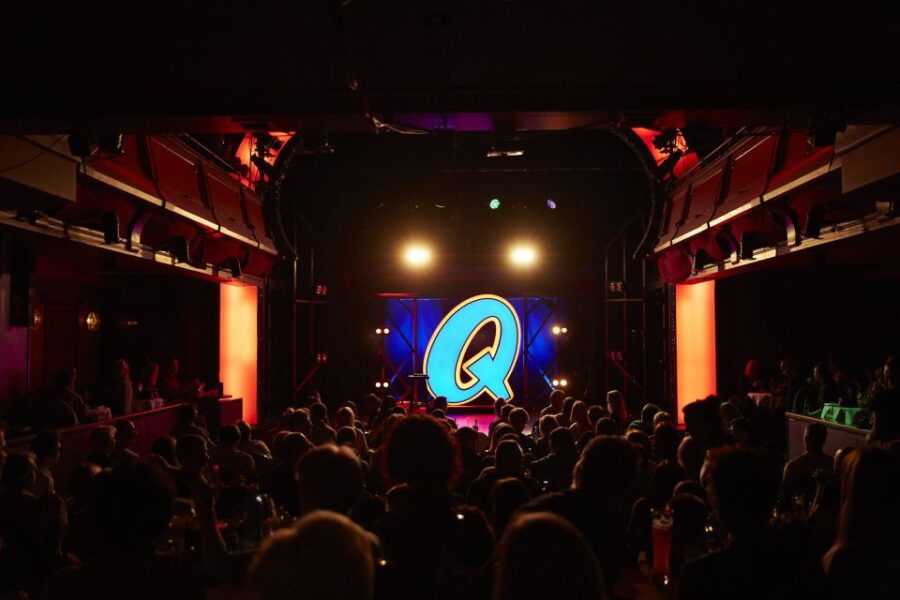
Quatsch Comedy Club Berlin: The Late Night Show
The looser late-evening format — shows start around 22:30, run with a mix of regulars and surprise drop-ins from the earlier programme, atmosphere skews more pub than curated theatre. At $34 it’s a solid nightcap option if you’ve already eaten dinner in Berlin-Mitte. Good for combining with pre-show drinks nearby.
If your German is strong enough to enjoy comedy, Quatsch delivers the most polished experience and the highest-calibre comedians. If you want English-language comedy in Berlin, you’ll need the smaller expat-focused venues rather than Quatsch — and those are hit-or-miss in quality depending on who’s on that specific night.
For visitors who want the “authentic Berlin comedy” experience, Quatsch is a strange choice in one sense — it’s more mainstream than the Kreuzberg open mics where newer comedians test material. But it’s the right choice if you want quality on your one Berlin night rather than gambling on whichever set happens to be running.
What to Expect Night-of-Show
Doors typically open 45 minutes before showtime. Get there early if you want to pick your table — seating is assigned by ticket type but within zones you can often negotiate positioning with the staff. The front-row area gets hot (literally, the lights generate warmth) and sometimes comedians pick on front-row audience members as part of the routine. Sit second or third row if you want to be close without potential interaction.
Shows run roughly 120-150 minutes including a 15-minute intermission between sets. The intermission is genuinely useful — order drinks, visit the bathroom, stretch. There’s no encore tradition in stand-up; the last comedian ends their set, the lights come up, and the audience leaves. Don’t linger expecting anything more.
Photography with flash is prohibited during performances (it disrupts the comedians), but audience phones generally aren’t policed aggressively. Don’t film full sets — comedians actively dislike bootleg recordings of new material, and you’ll get asked to stop if staff notice.
Combining Quatsch with Other Berlin Experiences
A Quatsch show works perfectly as the centrepiece of a Berlin evening but doesn’t fill a whole day. Build around it with one or two Berlin stops before, then dinner, then the show. Realistic itineraries we’d recommend:
Quatsch Comedy Club Berlin: Quatsch Comedy Hot Shot
The showcase format — five or six comedians each doing short sets, mix of established acts and rising names trying new material. At $25 it’s the cheapest way into Quatsch and arguably the most interesting programme if you like variety. Some sets will land harder than others; that’s the honest nature of showcase nights, and why this pricing point works.
Classic Mitte evening: afternoon walk through Berlin’s Mitte highlights, dinner at Gendarmenmarkt, Quatsch Live Show at 20:00. Home by 23:00.
Maximum Berlin night: late afternoon TV Tower visit, dinner, early Quatsch show (19:30), drinks at a Mitte bar after. Works well for first-time visitors compressing Berlin into one night.
Alternative-history itinerary: morning Third Reich and Cold War walking tour, afternoon rest, dinner, Quatsch Late Night Show at 22:30. Heavy-to-light day arc that actually works.
Seasonal and Weekly Patterns
Weekends are busier, more touristy, and you’ll hear more jokes that lean toward “universal” topics a mixed audience can follow. Weeknights skew local and the comedians go deeper into specifically German references — the humour is sharper but the language bar rises proportionally.
Summer can be quieter since a lot of Berlin’s comedy scene tours festivals through July-August; check the schedule before booking if you’re visiting in peak summer. Autumn and winter months see the fullest programmes — this is when the touring comedians cycle back through Berlin and the Hot Shot showcases run most frequently.
Christmas and New Year typically have special programmes that sell out faster than regular nights. Book 2-3 weeks ahead for December dates; regular nights usually have availability even a few days out except on weekends.
Practical Tips for First-Time Visitors
Dress code: Smart casual, not formal. Berlin is famously relaxed; you’ll see jeans and sneakers alongside dresses. Nobody’s getting turned away for dressing down but don’t show up in beach shorts either.
Arrive early: Doors open 45 minutes before showtime. Get a drink, settle in, let the room fill around you. Late arrivals get shuffled to worse seats and sometimes comedians reference latecomers during their sets, which is funny for everyone except the latecomer.
Ticket delivery: Digital tickets come via email — no paper needed. Screenshot them in case of signal issues at the venue entrance.
Age limit: Technically 18+ due to occasional adult content, though the actual material varies by show. If you’re bringing a 16-17 year old fluent in German, call the venue first to ask about the specific night’s programme.
Accessibility: The venue has limited wheelchair access — check with Quatsch directly if mobility is a concern. The cabaret table seating doesn’t always accommodate wheelchairs at standard positions.
Booking Strategy
Book directly through GetYourGuide or Viator-linked options rather than walk-up — the venue sells out on Fridays and Saturdays, especially for headliner nights. Weekday Hot Shot showcases almost always have same-week availability, so if you’re flexible on which show you catch, you can wait until you’re in Berlin and see what schedules line up.
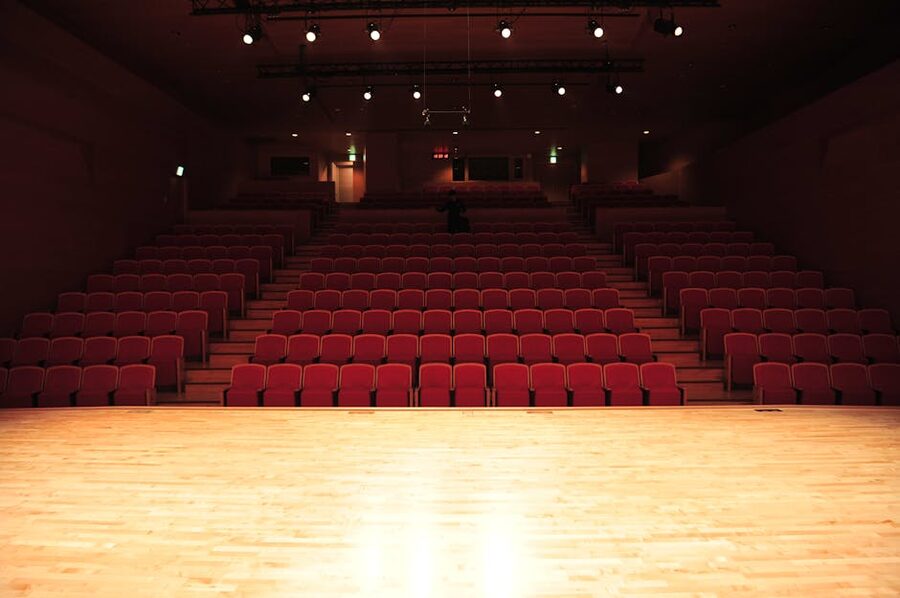
Cancellation policy is typically 24-48 hours before the show for full refund — read the specific terms when booking. Refunds after that window are usually not issued, and standard travel insurance may cover event cancellation if something unavoidable comes up.
Price differentiation between the three main shows reflects content difference, not quality tiers. The Hot Shot at $25 isn’t lower quality — it’s a different format. Choose based on what programme matches your night, not on assumed value.
Getting to Friedrichstrasse 107
The S-Bahn and U-Bahn both stop at Friedrichstrasse station — walk 3 minutes south down the street and you’re at the venue. From Brandenburg Gate it’s a 10-minute walk. From Alexanderplatz it’s 12 minutes by foot or one U-Bahn stop.
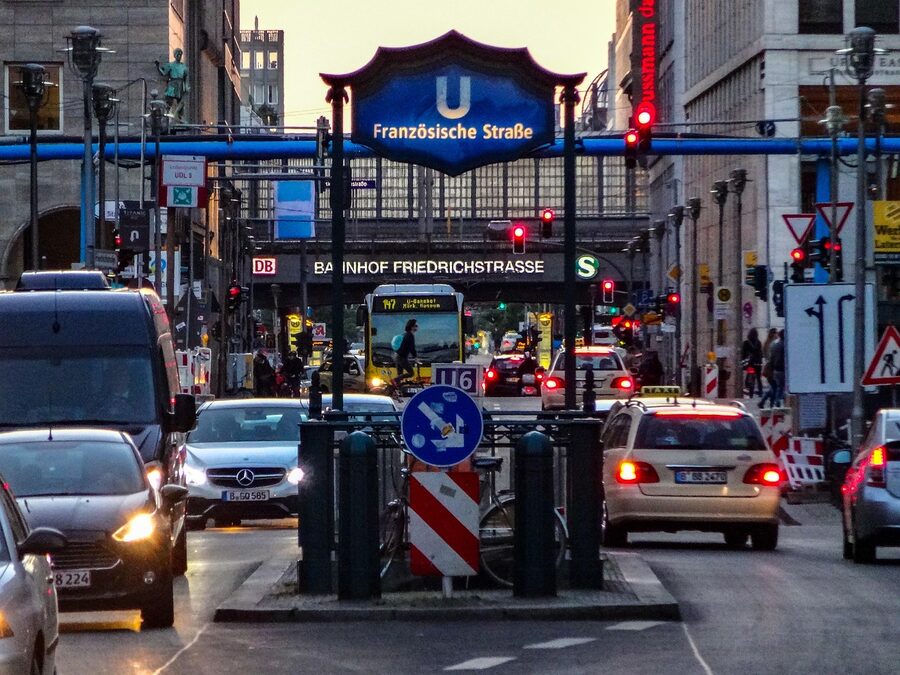
Taxis run around €10-15 from most Mitte hotels; Uber and Free Now operate in Berlin. Parking is limited and expensive in central Mitte — if you’re renting a car, leave it at your hotel and take transit to the venue.
The venue is inside the Friedrichstadt-Palast complex, but Quatsch has its own separate entrance on the ground floor. Don’t walk into the main Grand Show doors expecting to find the comedy club — ask for “Quatsch Eingang” at the main reception if you’re lost, or look for the signage specific to the club.
Pairing with Berlin’s Other Entertainment
If you’re making a Berlin entertainment night out of it, think about which venues complement Quatsch rather than competing. The Friedrichstadt-Palast Grand Show — literally upstairs in the same building — works for evenings where you want visual spectacle rather than language-dependent humour.
For a comedy-adjacent alternative, the BODY WORLDS Berlin afternoon pairs weirdly well with a Quatsch evening — the museum’s human-anatomy theme often becomes a topic comedians joke about during sets, and you get the callback experience of seeing material through a different lens.
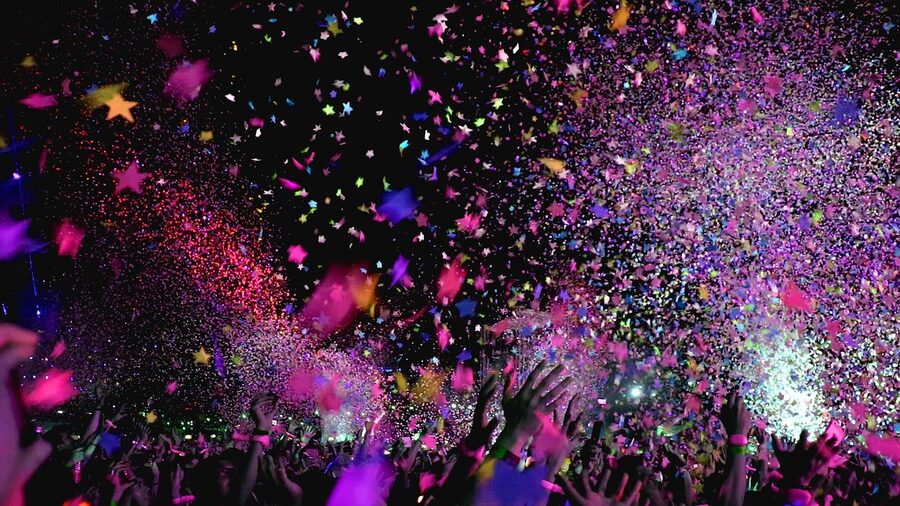
The Berlin pub crawls and nightlife scene kicks off exactly as Quatsch shows end — 22:30-23:00 is the natural transition point from comedy show to Mitte or Kreuzberg bar. Late Night Show attendees can walk straight into the city’s night economy without repacking their evening.
Why This Show Still Matters
After 30+ years Quatsch could easily have become a tired tourist trap trading on its brand — the reality is more interesting. Because it remains the de facto professional stand-up training ground in Germany, the roster genuinely includes comedians still developing rather than only established names going through the motions. The Hot Shot nights in particular showcase material that might be on Netflix specials in two years.
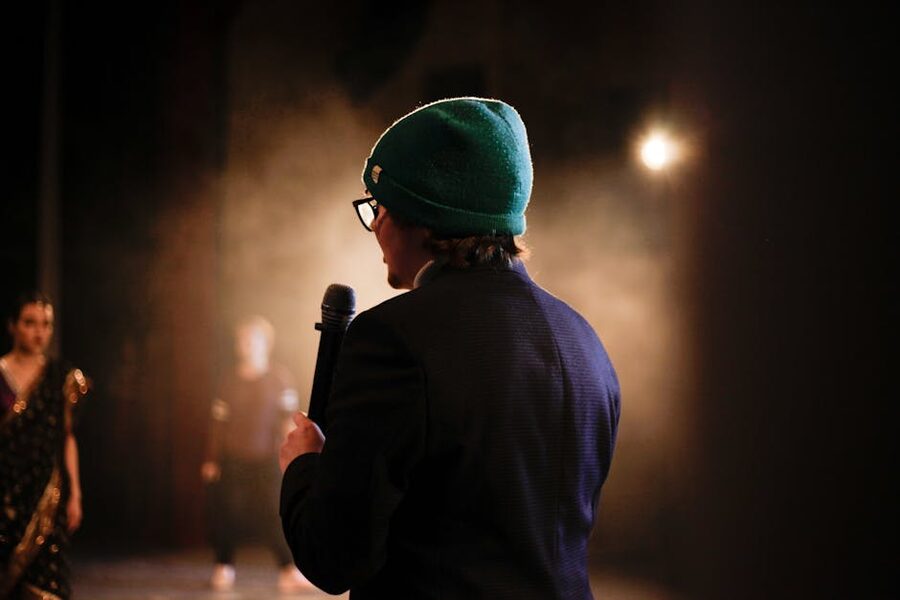
The venue also hasn’t been updated cosmetically in ways that would cheapen the atmosphere. It still looks and feels like a 1990s cabaret club, because that’s what it is. The dim lighting, the cabaret tables, the curtain framing the stage — these aren’t retro affectations; they’re the original layout that hasn’t needed replacing. That authenticity matters for comedy, which depends on room feel in ways that other entertainment formats don’t.
The result is a venue that works both as a comedy night and a cultural artefact. You’re experiencing the format Germany adopted in the 1990s, in the room that defined it, with comedians descending from or actively participating in that lineage.
More Berlin & Germany Guides
Berlin has layers for every kind of traveller — we’ve got main walking tours for first-timers, the Reichstag government district for political history fans, East Side Gallery and the Wall for Cold War context, Segway tours for mobility-friendly sightseeing, and immersive art at DARK MATTER.
If you’re travelling further in Germany, we’ve covered Munich city tours, Cologne walking tours and Rhine cruises, Dresden walking tours, and the Neuschwanstein day trip from Munich. For immersive experiences similar to Berlin’s art venues, check Dresden’s 360° Panorama Amazonia or Hamburg’s Port des Lumières.
Final Thoughts
Quatsch is the best stand-up night Berlin offers if your German clears B2 level — and it’s basically inaccessible if it doesn’t. That binary fact does more work than anything else in deciding whether to book. Don’t fall for “maybe I’ll get the gist” thinking; comedy rewards fluency, not effort, and you’ll know within ten minutes whether the night works for you.
If you do have the language, this is a 30-year institution that still delivers. Pick the show format that matches your evening — Hot Shot for variety at $25, Late Night for post-dinner looseness at $34, Live Show for headliner reliability at $40. Book a week out for weekends, show up early, order a drink, and settle in for one of Berlin’s most interesting hours and a half.