
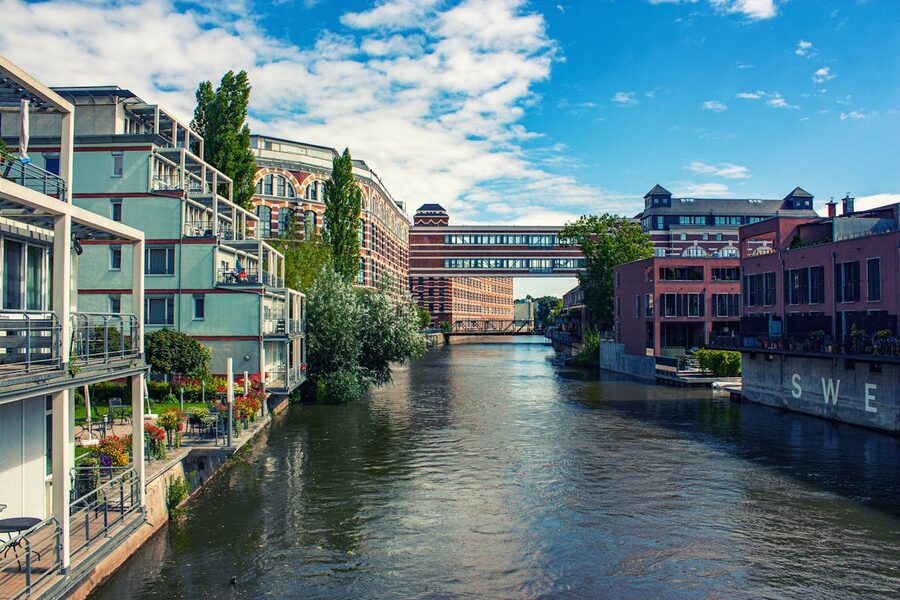
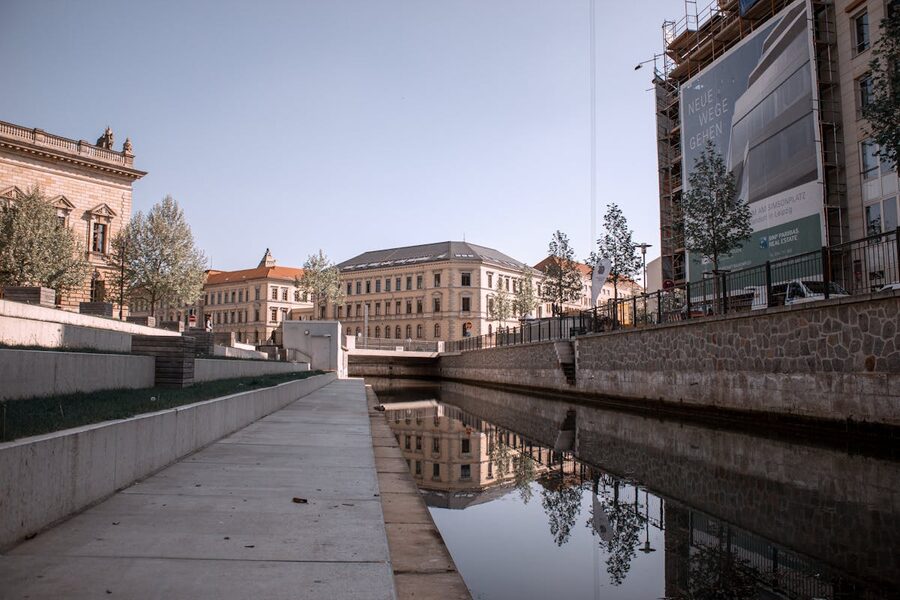
Leipzig’s canals are the city’s secret — a network of industrial waterways that once powered mills and factories and now carry tour boats through the city centre. The canal sightseeing tour, at $18 for 70 minutes, is the most-reviewed activity in the city and consistently praised by visitors who expected little and got a lot.
Leipzig is often described as the “new Berlin” — a former East German industrial city that’s reinvented itself through art, music, and a young creative population. The comparison isn’t quite right (Leipzig is smaller, quieter, and significantly cheaper), but the energy is similar. Bach composed here. Wagner was born here. The Peaceful Revolution that ended East Germany started here. And the city’s transformation from grey GDR industrial town to one of Germany’s most liveable cities is visible in every converted factory and creative space.
Best overview: Leipzig Bus Tour — $28, covers the wider city. excellent visitor feedback.
Best active: Leipzig 3-Hour Bike Tour — $25, covers the city on two wheels. outstanding visitor praise from a growing audience.
- The Canal Tour: Leipzig from the Water
- Bach, Music, and Leipzig’s Cultural Heritage
- The Peaceful Revolution: 1989
- The Spinnerei: Leipzig’s Art Factory
- The City Beyond the Canals
- Best Tours to Book
- 1. Canal Sightseeing Tour on Motorboat —
- 2. Leipzig Bus Tour —
- 3. Leipzig 3-Hour Bike Tour —
- Leipzig’s Food and Drink Scene
- Practical Tips
- More Germany
The Canal Tour: Leipzig from the Water
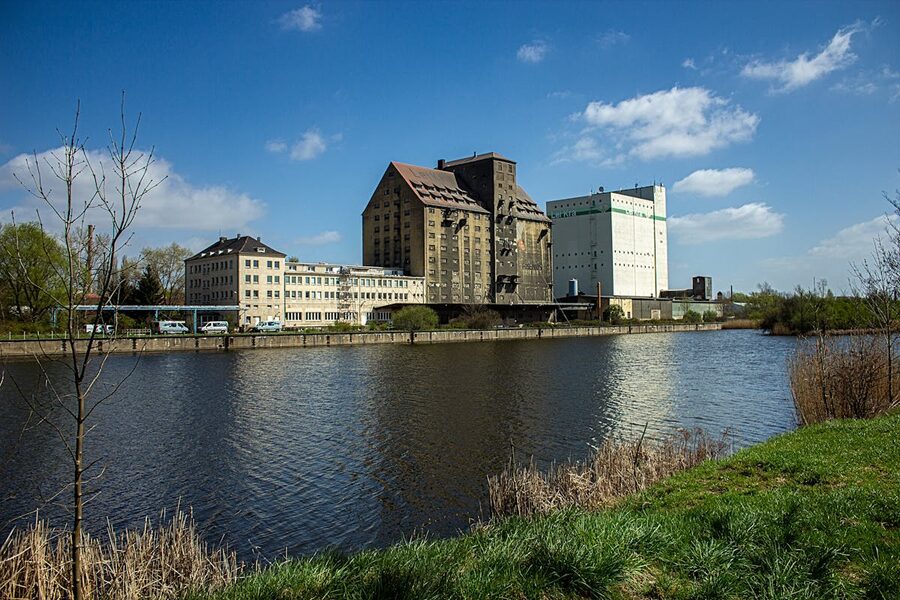
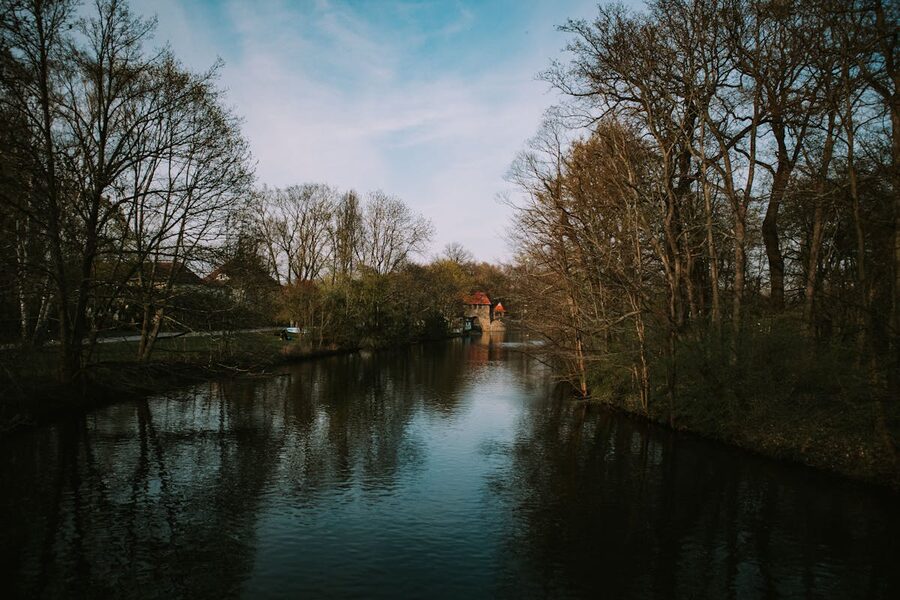
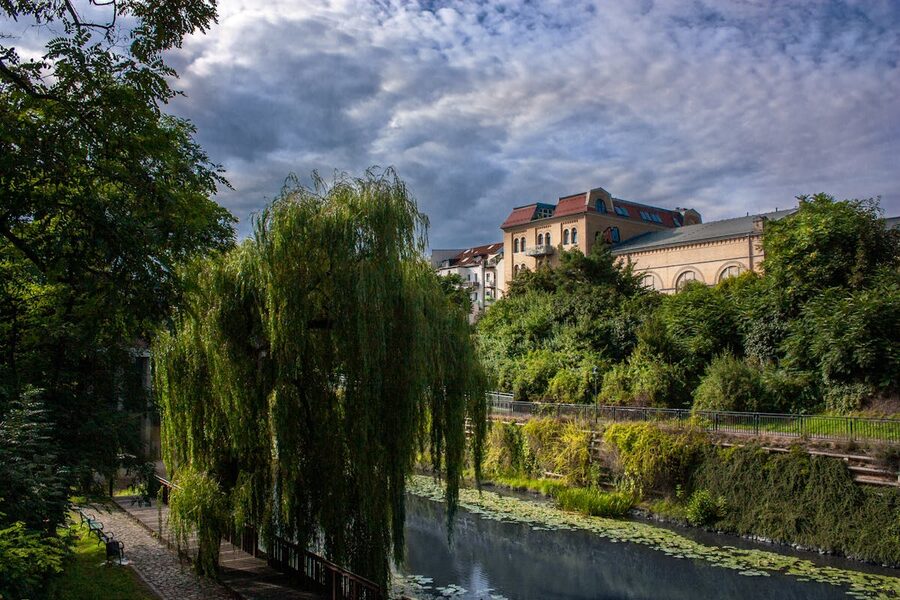
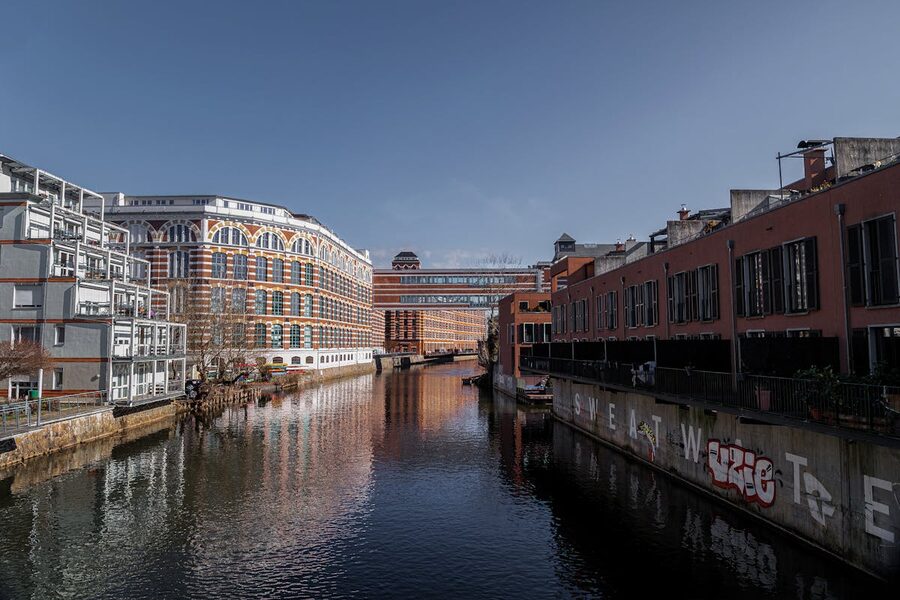
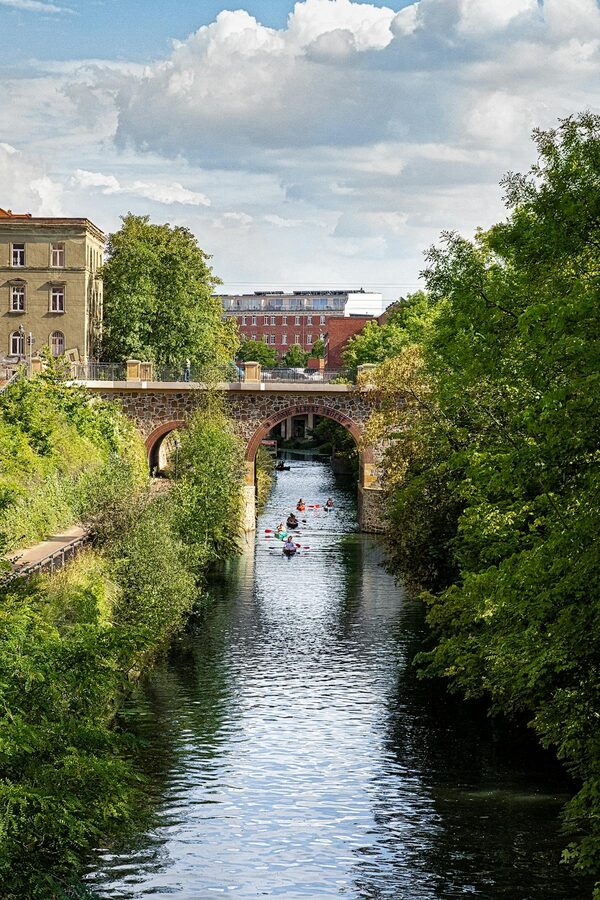
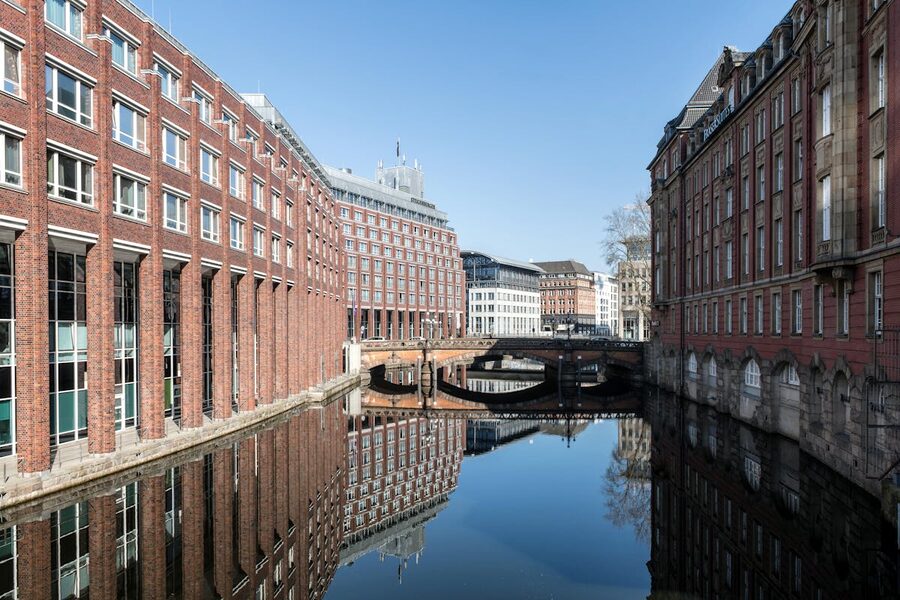
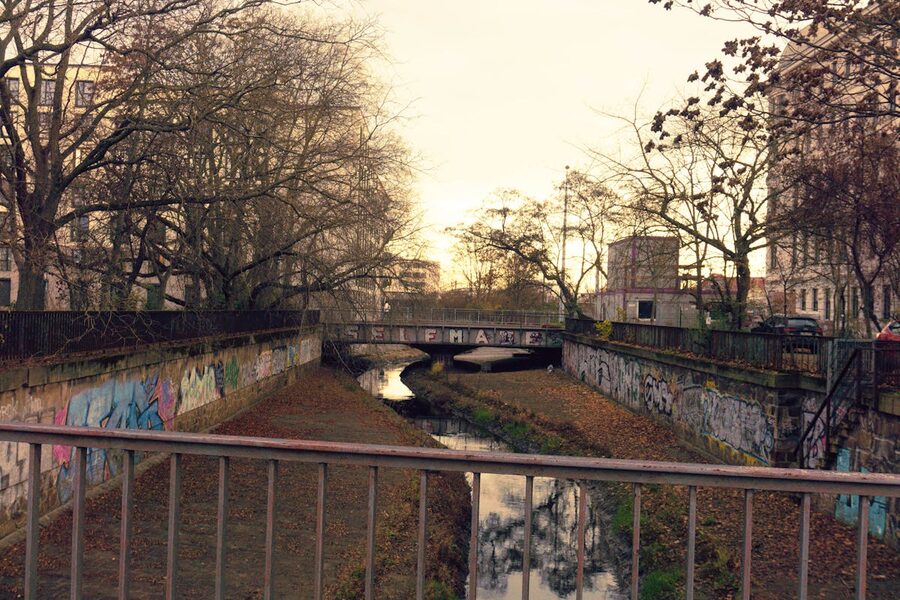
The canal sightseeing tour is Leipzig’s star attraction — 70 minutes on a motorboat through the city’s canal network. The route follows the Karl-Heine-Kanal and the White Elster river through a landscape that shifts from industrial heritage (converted factories and warehouses) to leafy residential streets to the city centre’s historic bridges. The commentary (German with English handouts available) covers the canal system’s history from industrial waterway to leisure route.
At $18 for 70 minutes, the value is exceptional — comparable to a coffee and cake at a canal-side café, but with a guided history tour included. The consistently outstanding visitor feedback — the most-reviewed activity in Leipzig make it the most-reviewed attraction in Leipzig by a wide margin. Boats depart from the Schreberbad pier in the Plagwitz district, which is itself worth exploring: a former industrial neighbourhood that’s become Leipzig’s creative hub, full of galleries, studios, and independent restaurants.
Bach, Music, and Leipzig’s Cultural Heritage
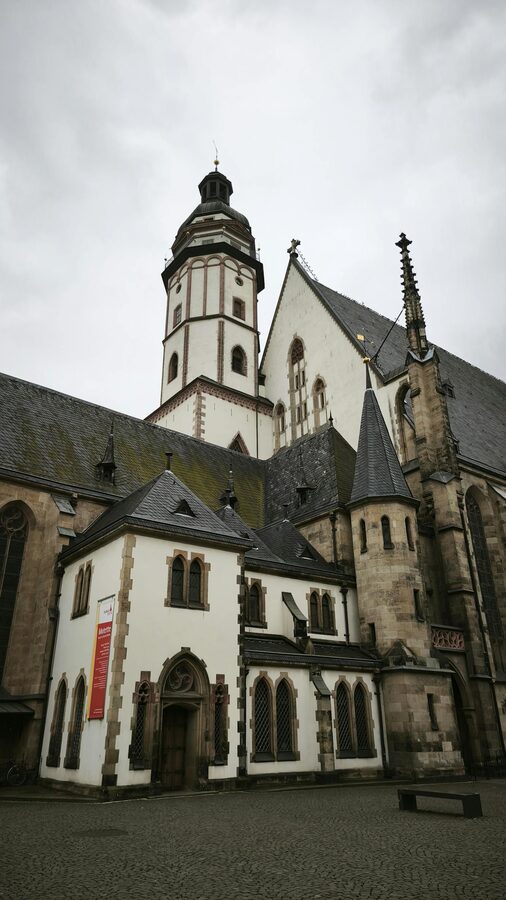
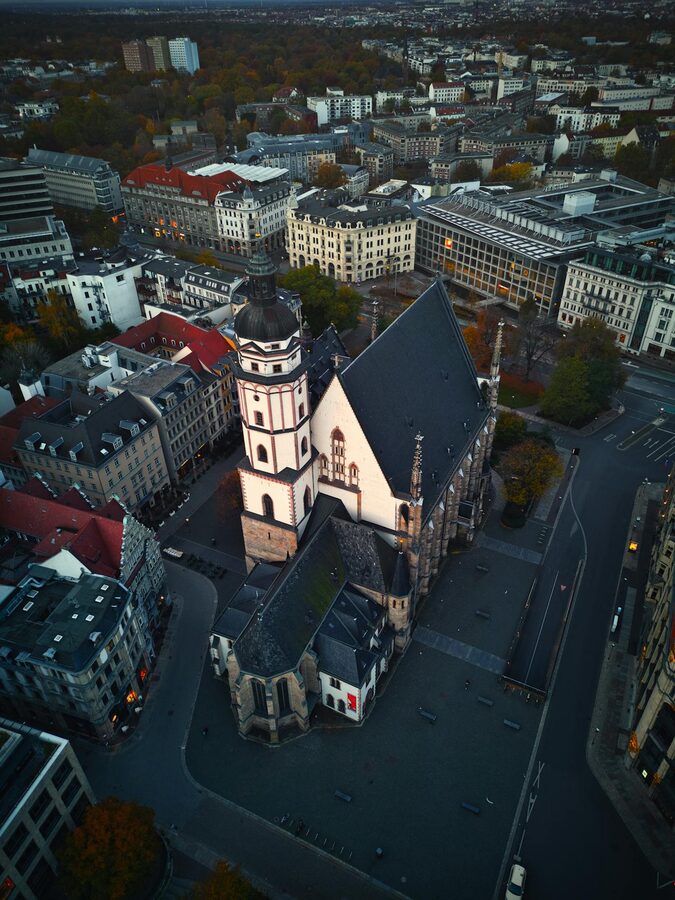
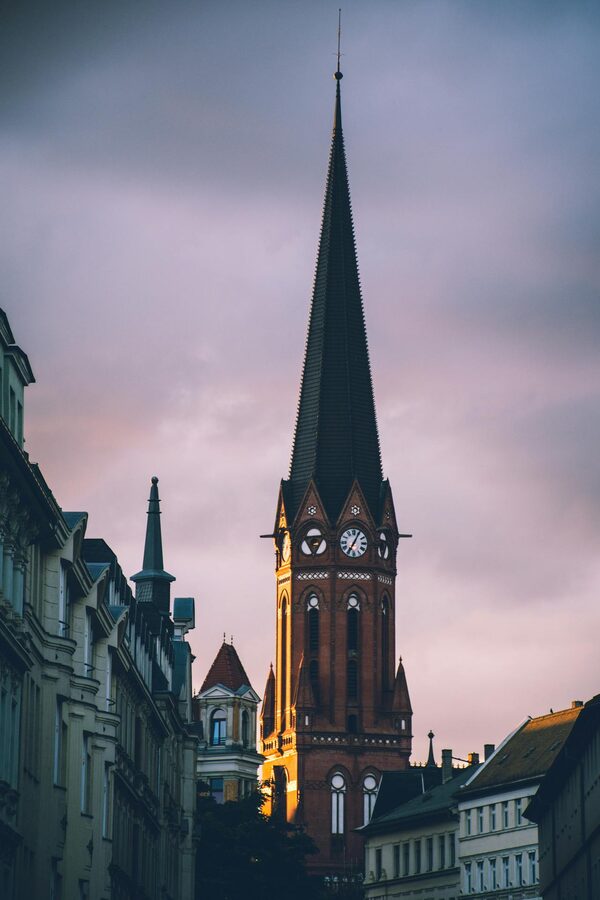
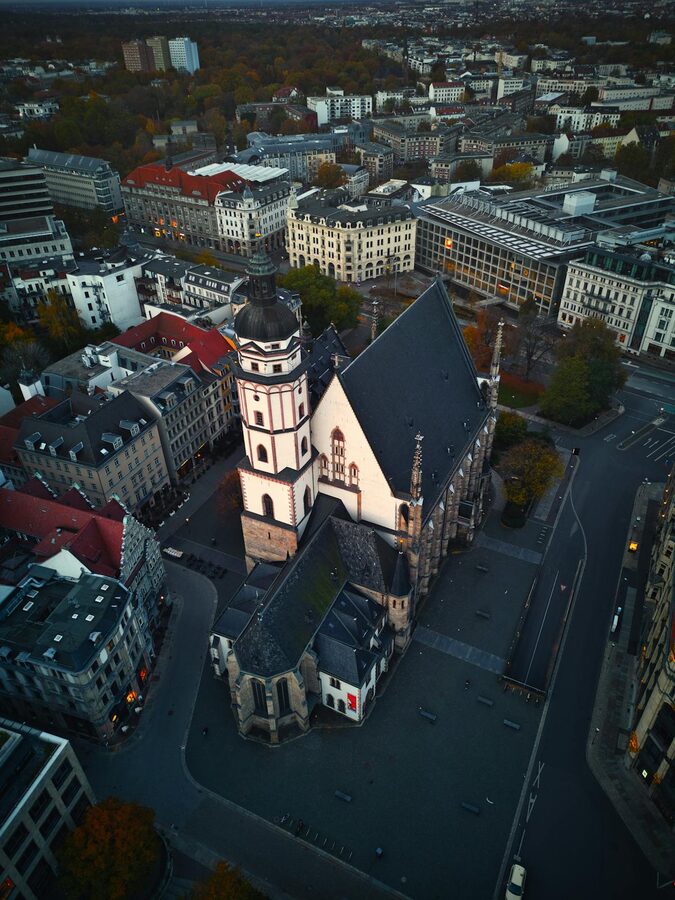
Leipzig’s musical heritage is extraordinary — Johann Sebastian Bach served as Thomaskantor (director of church music) here from 1723 until his death in 1750, composing many of his greatest works for the Thomaskirche and the Nikolaikirche. The Bach Museum next to the Thomaskirche documents his Leipzig years, and the Thomanerchor (St. Thomas’s Boys’ Choir) — which Bach once directed — still performs weekly concerts that draw audiences from around the world.
Beyond Bach, Leipzig was home to Felix Mendelssohn, Robert and Clara Schumann, and Richard Wagner. The Gewandhaus orchestra — one of the oldest symphony orchestras in the world, founded in 1743 — performs in a modern concert hall on the Augustusplatz. The Leipzig Opera, the music academy, and dozens of smaller venues make the city one of the most musically active in Germany. The walking tours incorporate this musical heritage, stopping at the significant buildings and explaining how Leipzig’s position as a publishing and trading centre attracted composers who needed access to music publishers and audiences.
The Peaceful Revolution: 1989
Leipzig’s role in ending East German communism is the city’s most significant modern legacy. Beginning in September 1989, thousands of people gathered every Monday evening at the Nikolaikirche for prayer services that became political demonstrations. On October 9, 1989, an estimated 70,000 people marched through the city centre chanting “Wir sind das Volk” (We are the people). The East German security forces had been given orders to intervene, but in a decision that changed history, they didn’t. Within a month, the Berlin Wall fell.
The city walking tours cover this history in detail — standing at the Nikolaikirche, walking the demonstration route along the Ring road, and visiting the Runde Ecke (Round Corner) — the former Stasi headquarters that’s now a museum documenting the East German secret police’s surveillance of the city’s population. The Stasi files relating to Leipzig reveal the regime’s detailed plans for suppressing the demonstrations, which makes the decision to stand down on October 9 even more remarkable.
The Spinnerei: Leipzig’s Art Factory
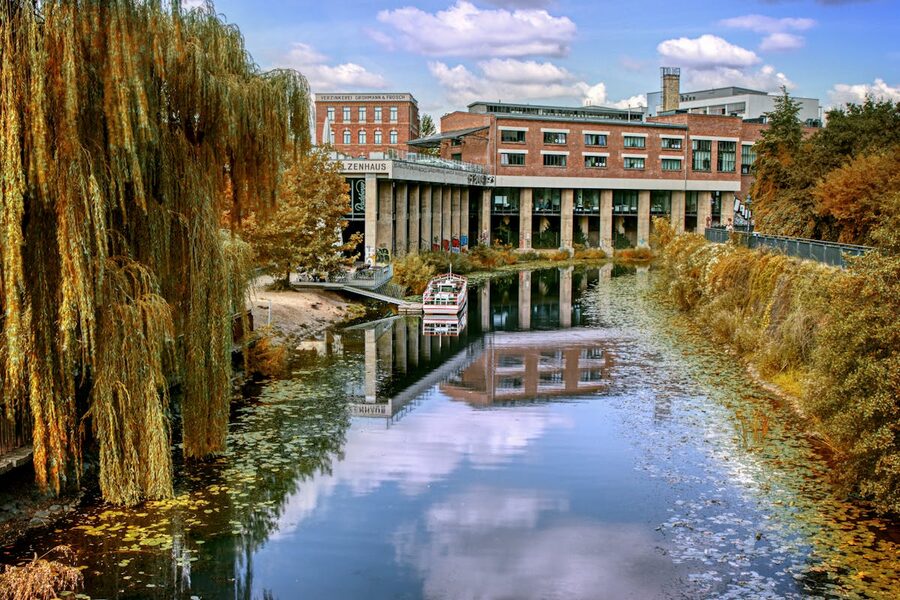
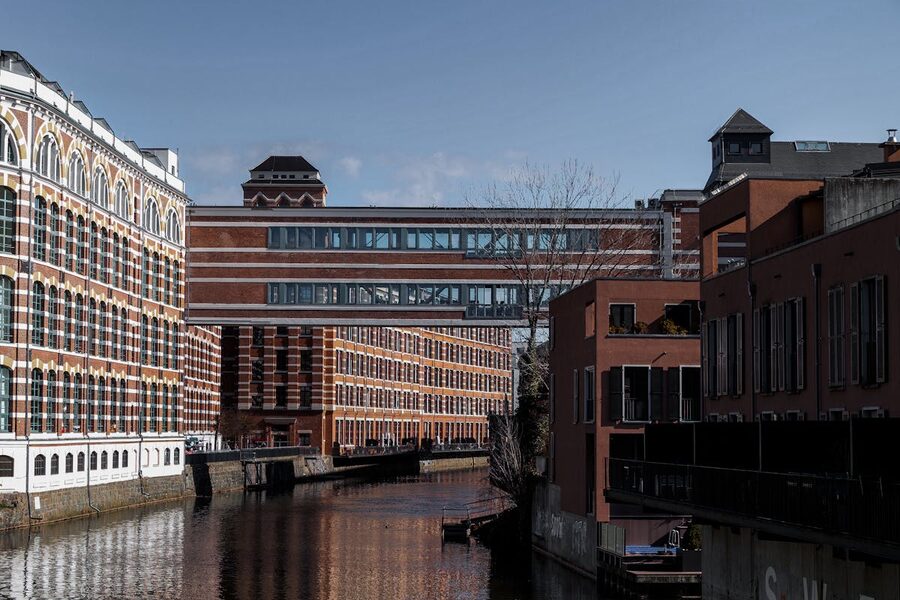
The Spinnerei — a former cotton-spinning factory in Plagwitz — is the centrepiece of Leipzig’s contemporary art scene. The massive industrial complex houses over 100 studios, 11 galleries, and various creative businesses. The New Leipzig School — a movement of figurative painters that emerged in the early 2000s and gained international recognition — was born here. Neo Rauch, the movement’s most famous artist, still maintains his studio in the Spinnerei.
The complex is open to visitors (free entry to most galleries), and the twice-yearly gallery tours (spring and autumn) attract collectors and art enthusiasts from across Europe. Even if contemporary art isn’t your primary interest, the Spinnerei is worth visiting for the architecture alone — the massive brick halls, the loading docks, and the industrial infrastructure create a backdrop that makes the art feel more powerful than it would in a white-walled gallery.
The City Beyond the Canals
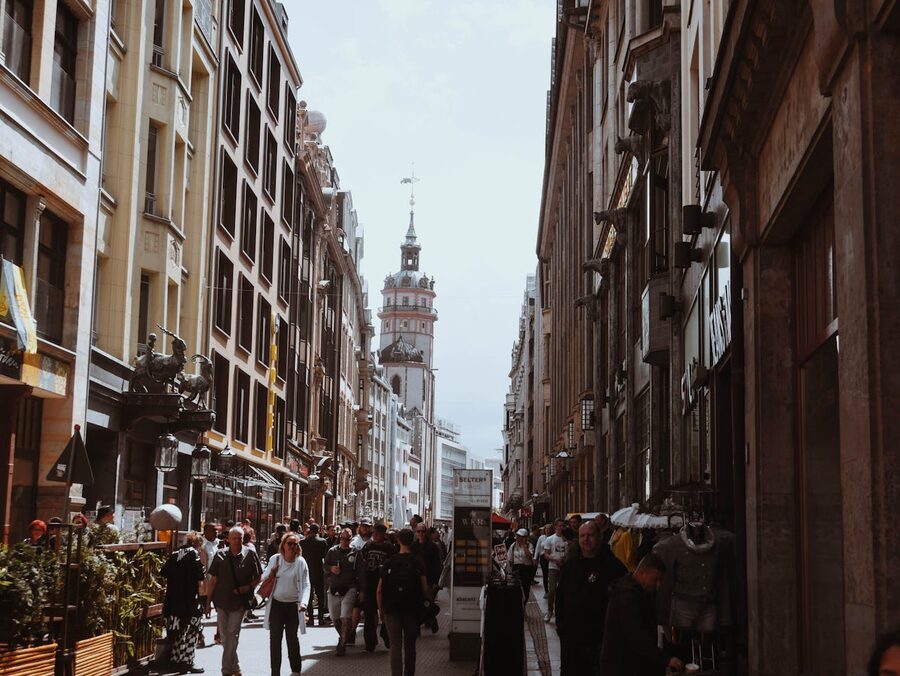
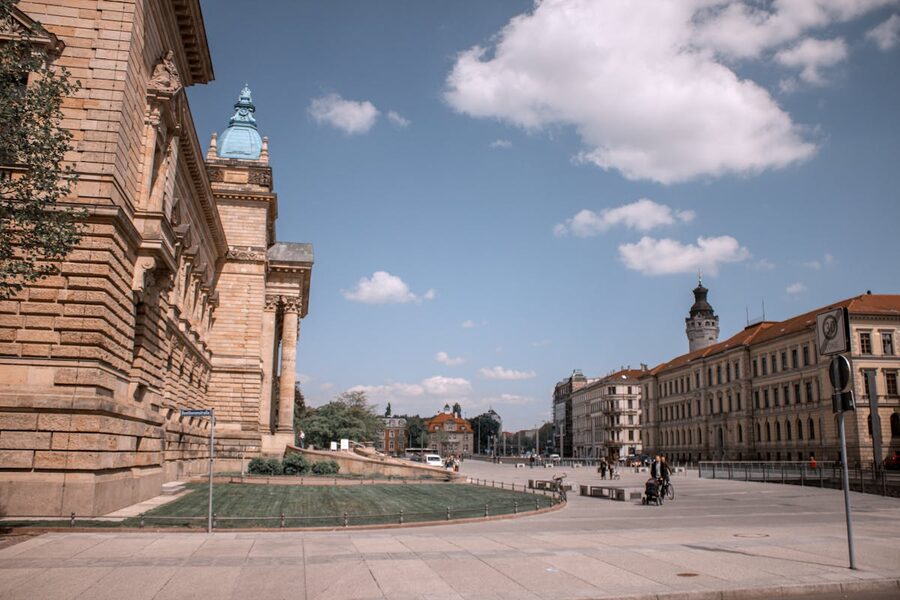
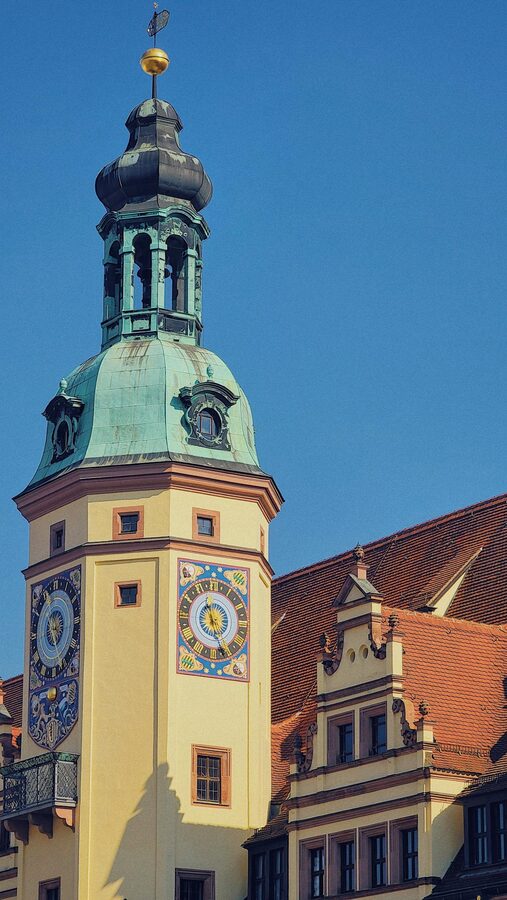
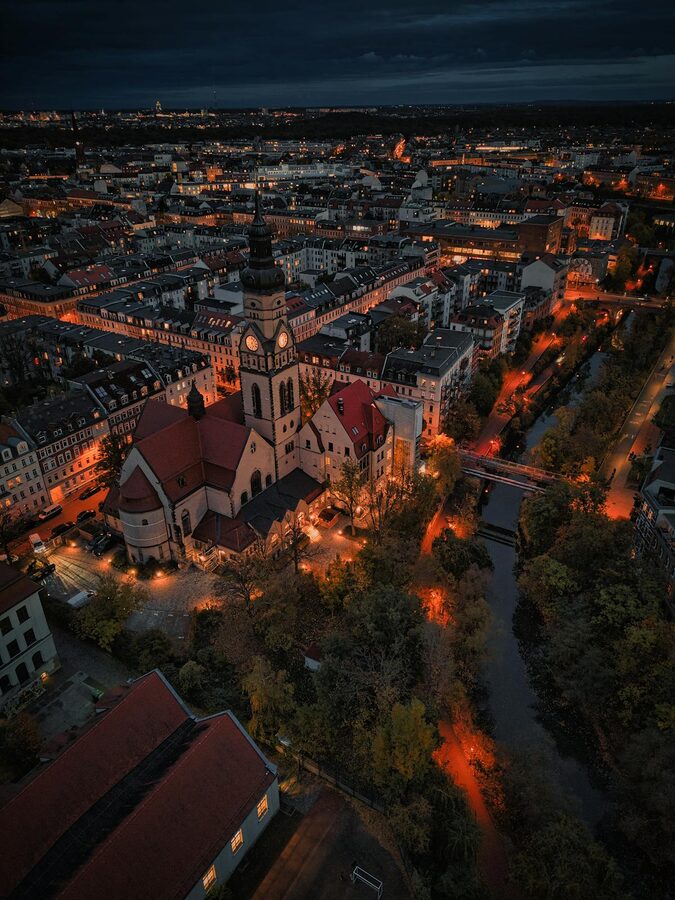
Leipzig’s old town is a ring of pedestrianised streets surrounding the Marktplatz (market square) and the Altes Rathaus (Old Town Hall — one of the finest Renaissance buildings in Germany). The musical heritage is inescapable: Bach at the Thomaskirche, Mendelssohn at the Gewandhaus (concert hall), Wagner at his birth house, and Schumann at the Schumann-Haus museum. The city has been a music capital for 300 years and the tradition continues — the Gewandhaus Orchestra is one of the world’s finest.
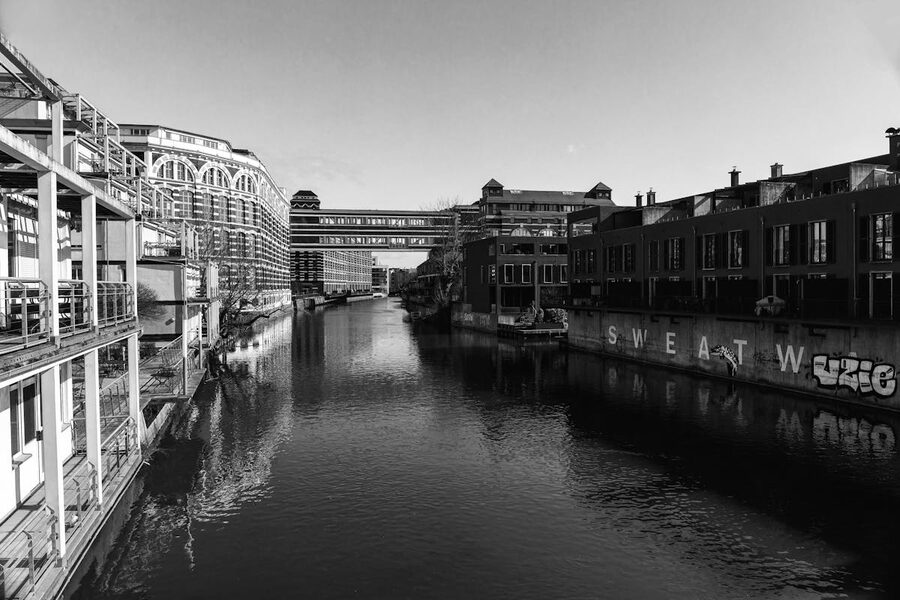
The Plagwitz and Lindenau districts — where the canal tour departs — are where Leipzig’s “new Berlin” reputation was earned. Abandoned cotton mills have become art galleries. Disused factories house nightclubs and co-working spaces. The restaurant scene in these neighbourhoods is genuinely good and genuinely cheap — a full dinner with wine for €20 per person is normal.
Best Tours to Book
1. Canal Sightseeing Tour on Motorboat — $18
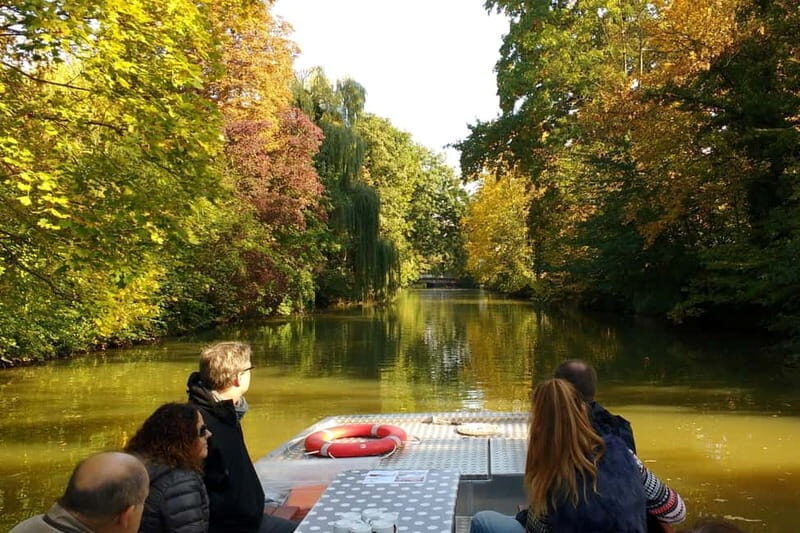
Seventy minutes on a motorboat through Leipzig’s canal network and rivers. The route passes converted industrial buildings, leafy residential areas, and historic bridges. The commentary covers the city’s evolution from industrial hub to creative capital. At $18, it’s one of the cheapest guided experiences in any major German city and the best way to understand Leipzig’s geography. Our review covers the route, the commentary, and the best seats on the boat.
2. Leipzig Bus Tour — $28
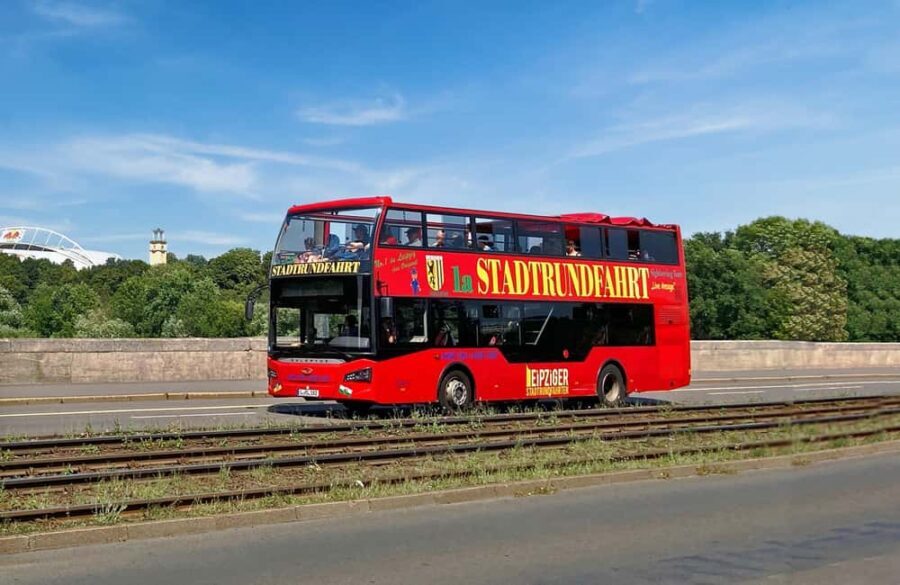
The overview option. A double-decker bus tour with guide covering Leipzig’s major landmarks and districts. The bus reaches attractions that are too far from the centre for walking — the Monument to the Battle of the Nations, the Red Bull Arena, and the southern lake district. At $28, it pairs well with the canal tour for a complete Leipzig day. Our review covers the route and whether the bus or canal is the better single option.
3. Leipzig 3-Hour Bike Tour — $25
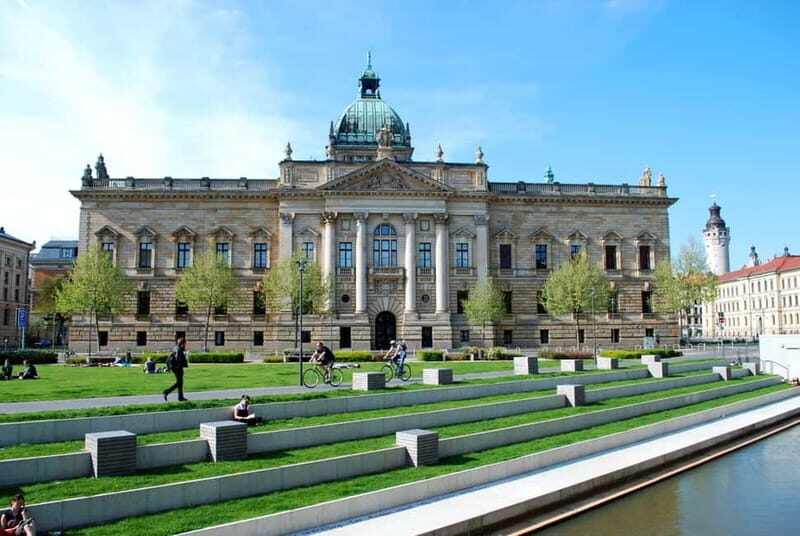
Three hours by bike covering the old town, the canal district, and the creative neighbourhoods that give Leipzig its reputation. Leipzig is flat and has excellent bike infrastructure — the riding is easy and the stops are frequent. The guide adds local knowledge about the art scene, the music venues, and the best places to eat and drink. Our review covers the route and the bike quality.
Leipzig’s Food and Drink Scene
Leipzig’s culinary identity is distinctively Saxon — heavier and heartier than the beer-and-pretzel stereotype of Bavaria. Leipziger Allerlei (a mixed vegetable dish that was traditionally expensive, using crayfish and morel mushrooms) is the city’s signature dish, though most restaurants now serve a simplified version. Sächsische Kartoffelsuppe (Saxon potato soup) and Leipziger Lerche (a pastry that replaced the songbird-filled version after the birds were protected in 1876) are the other local specialties.
The city’s drinking culture centres on Gose — a sour wheat beer brewed with coriander and salt that’s indigenous to Leipzig. Bayerischer Bahnhof, the brewery housed in a historic train station, is the best place to try it. The beer sounds bizarre (salty sour beer?) but the flavour is surprisingly refreshing, and it’s been brewed in Leipzig since at least the 16th century. The walking tour guides almost always mention Gose, and several tours end at a bar where you can try it.
Practical Tips
Getting there: ICE from Berlin: 1 hour 15 minutes. ICE from Dresden: 1 hour 15 minutes. ICE from Munich: 3.5 hours. Leipzig Hauptbahnhof — the largest railway station in Europe by floor area — is in the centre of the old town.
How long: One day covers the canal tour + old town walking. Two days lets you add the Völkerschlachtdenkmal, the Plagwitz creative district, and the musical heritage sites (Thomaskirche, Gewandhaus, Bach Museum).
Budget: Canal tour: $18. Bus tour: $28. Bike tour: $25. Museum entry: €5-10. Dinner in Plagwitz: €15-20. Leipzig is one of the cheapest major cities in Germany — noticeably cheaper than Berlin, Munich, or Hamburg.
Best time: May-September for canal tours and outdoor activities. December for the Christmas market (one of the oldest in Germany, dating from 1458). The Wave-Gotik-Treffen in June (the world’s largest Gothic festival) fills the city with people in black — genuinely interesting if the timing works.
More Germany
Leipzig sits between Berlin (75 minutes north) and Dresden (75 minutes south) — making it an easy day trip from either or a natural stopover between the two. The three cities together — Berlin’s 20th-century drama, Dresden’s Baroque reconstruction, and Leipzig’s creative reinvention — show three completely different ways that eastern Germany has dealt with its past.