
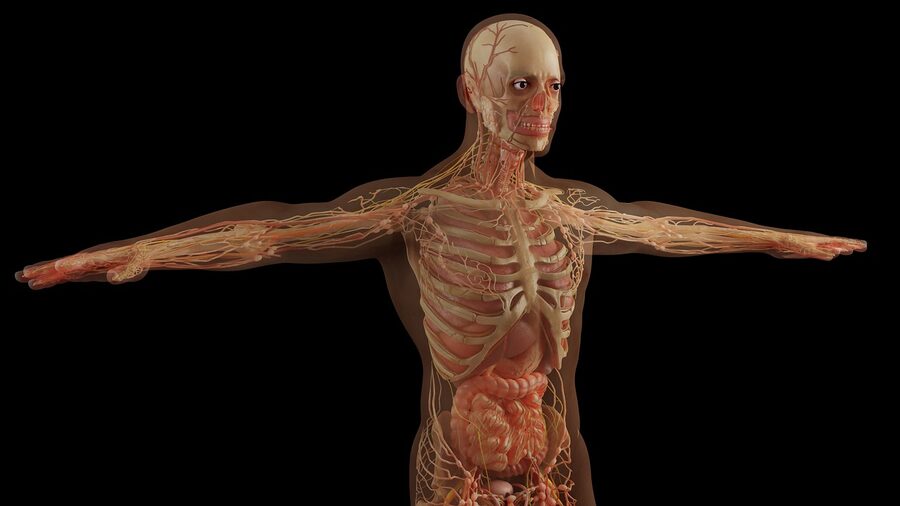
BODY WORLDS in Berlin (Körperwelten) is the permanent installation of Gunther von Hagens’ famously controversial anatomy exhibition — real human bodies preserved through plastination and posed to demonstrate musculature, organs, and physiology. The Berlin venue at the Menschen Museum sits next to the TV Tower at Alexanderplatz and runs daily 10am-7pm. Tickets cost $24 and the visit takes 60-90 minutes.
The exhibition has run permanently in Berlin since 2015 (after years of touring globally) and has been seen by over 50 million visitors worldwide since its 1995 debut. It’s not for everyone — the bodies are real and the displays are intentionally confrontational about mortality and the human form. For visitors interested in human anatomy, biology, or art-science crossover, it’s one of Berlin’s most distinctive attractions.

Berlin Madame Tussauds: Madame Tussauds Berlin — $25, the famous waxworks museum near the Brandenburg Gate.
Heidelberg BODY WORLDS: BODY WORLDS Heidelberg — $24, second German BODY WORLDS venue with rotating themes.
Official site: koerperwelten.com — exhibition info and ticket booking.
- The BODY WORLDS Exhibition
- The Plastination Process
- The Controversy and Ethics
- The Berlin Venue
- Madame Tussauds Berlin
- Heidelberg BODY WORLDS
- What to Expect Physically
- The Educational Value
- Best Tours to Book
- 1. BODY WORLDS Berlin Tickets —
- 2. Berlin Madame Tussauds —
- 3. BODY WORLDS Heidelberg —
- Practical Tips
- More Berlin Museum Experiences
The BODY WORLDS Exhibition
The Berlin permanent exhibition is themed “The Heart” — focusing on cardiovascular anatomy alongside the broader BODY WORLDS displays of musculature, nervous systems, and organ structures. The themed approach means each visit covers similar core territory but with specific emphasis areas that the rotating displays update annually.
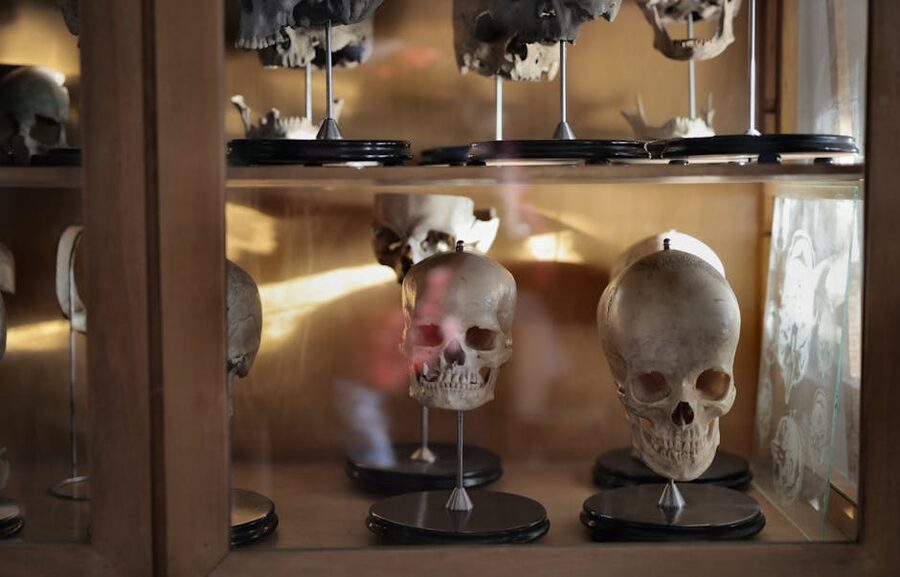
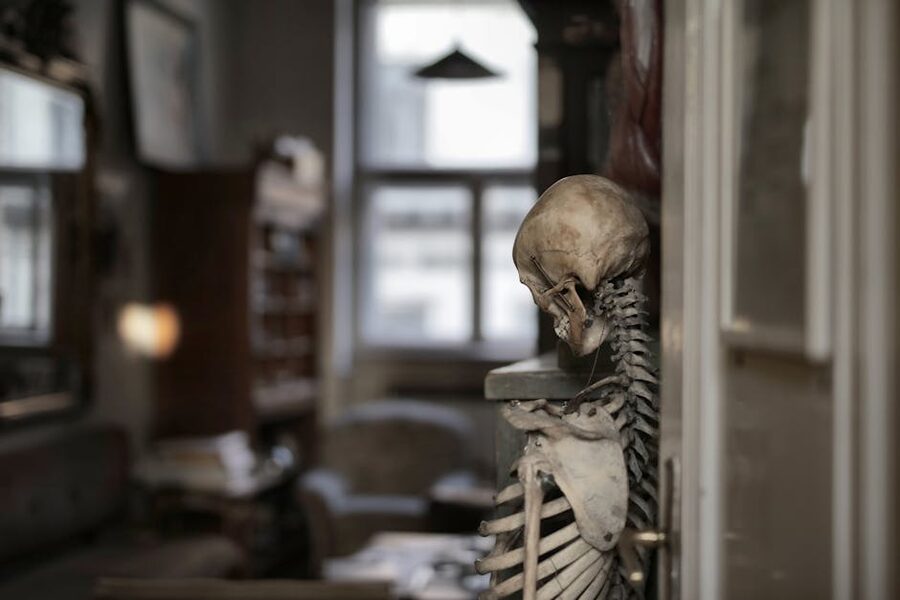
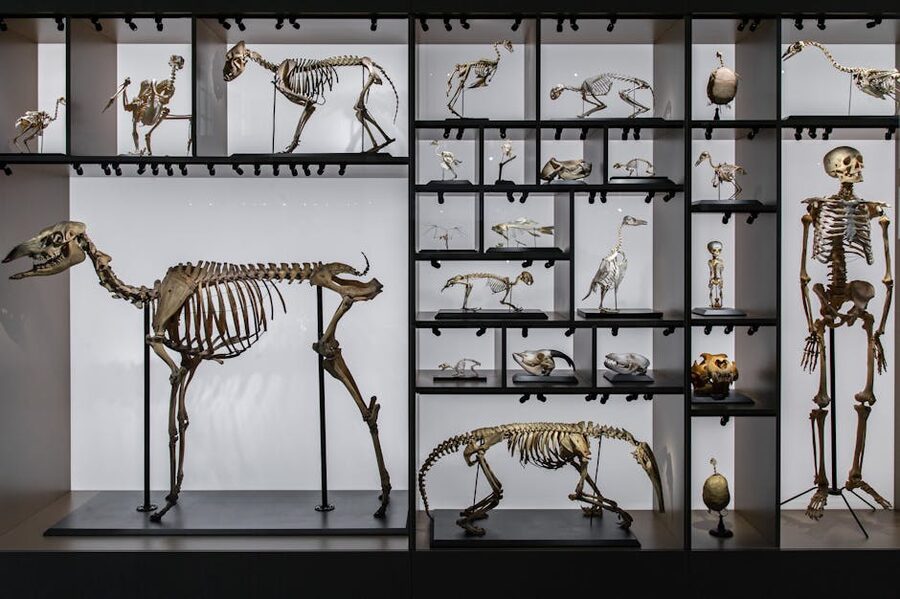
The poses are what make BODY WORLDS distinctive — full bodies posed as athletes, dancers, chess players, and other dynamic positions that demonstrate how musculature and bone structure work in motion. A skinned figure throwing a discus shows the back muscles in extension; a dancer in mid-leap displays the calf and thigh musculature working together. The poses are anatomical demonstrations using real bodies as the medium.
The Plastination Process
Plastination — the technique that makes BODY WORLDS possible — was invented by Gunther von Hagens in 1977 at the University of Heidelberg’s Institute for Anatomy. The process replaces water and fat in bodies with reactive plastics (typically silicone polymers, epoxy resins, or polyester resins) that harden into permanent, odourless, and durable specimens.
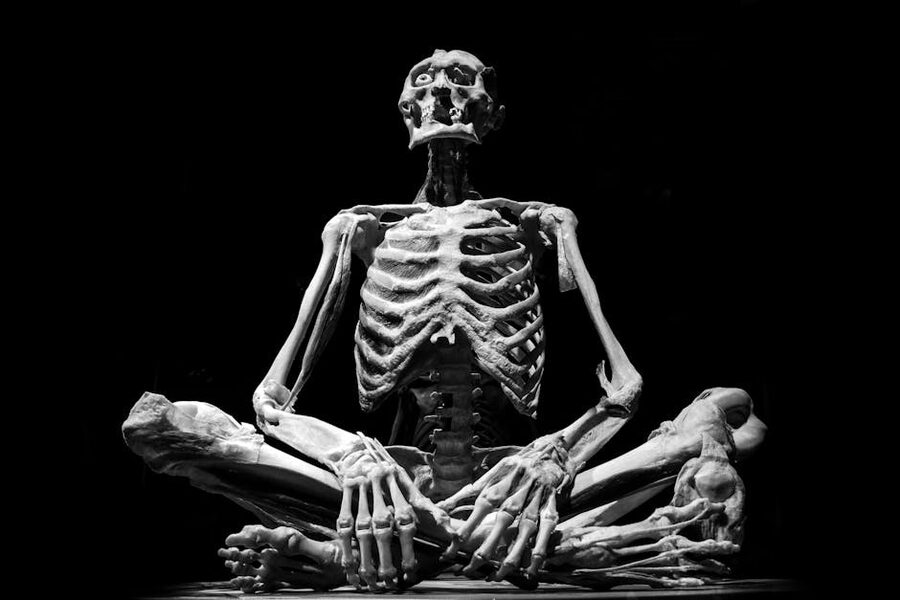
The four-step process: First, fixation in formaldehyde to preserve tissue. Second, dehydration in cold acetone to remove water. Third, forced impregnation in a vacuum chamber to replace the acetone with reactive plastic. Fourth, hardening through gas, light, or heat to solidify the plastic. The full process takes 1,500 working hours per body, which explains why the exhibition is small (20-30 specimens) despite running for decades.
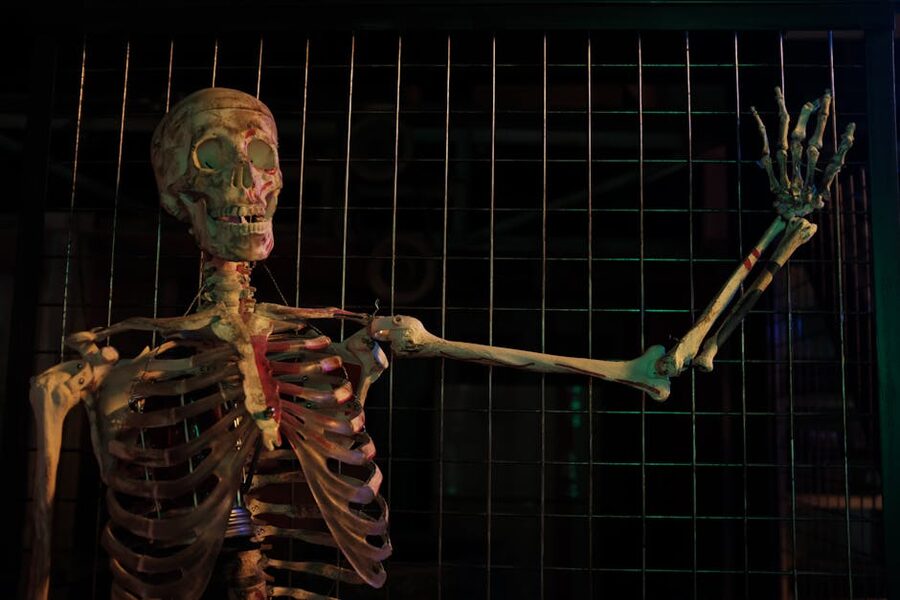
The body donation program is the source of all BODY WORLDS specimens — every body in the exhibition was donated voluntarily by its owner before death, with documented consent. The donors come from across Germany and internationally; the program receives 700-800 new registrations annually. The donors typically aren’t told whether their specific body will be exhibited or used only for educational anatomy.
The Controversy and Ethics
BODY WORLDS has faced ethics debates since its 1995 debut. Critics have questioned whether displaying real human bodies is dignified, whether the donors fully understood what they consented to, and whether some early specimens were sourced from Chinese prisons (Gunther von Hagens denied this and produced documentation). The exhibition has been banned in some jurisdictions (Israel, briefly) and protested in others.
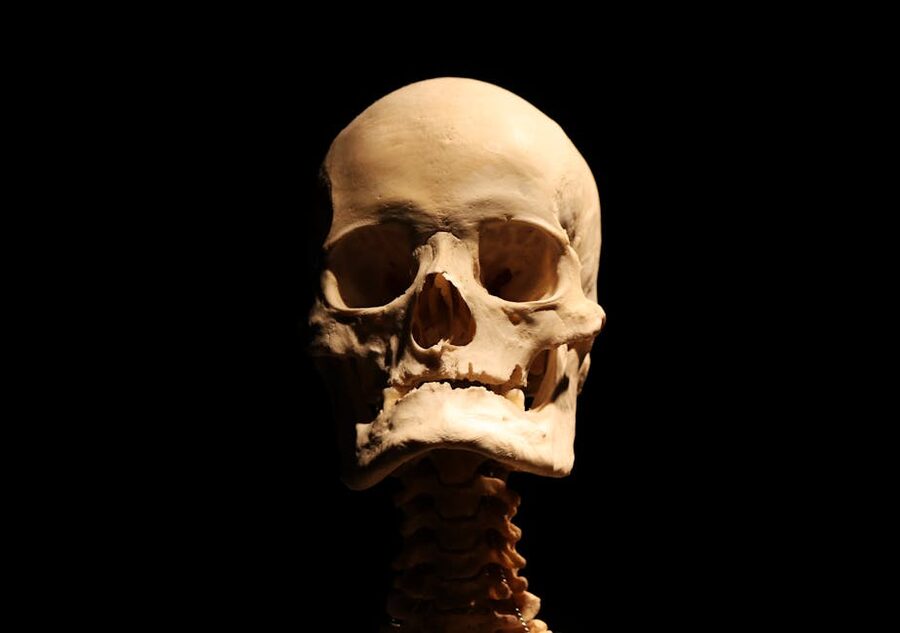
The Catholic Church has repeatedly objected to the exhibition on theological grounds — that the dignity of the human body extends beyond death and that displaying corpses for paid entertainment violates this dignity. The exhibition’s response is that the donors voluntarily consented and that the educational purpose justifies the format. Both positions have merit; the controversy continues.
The Berlin Venue
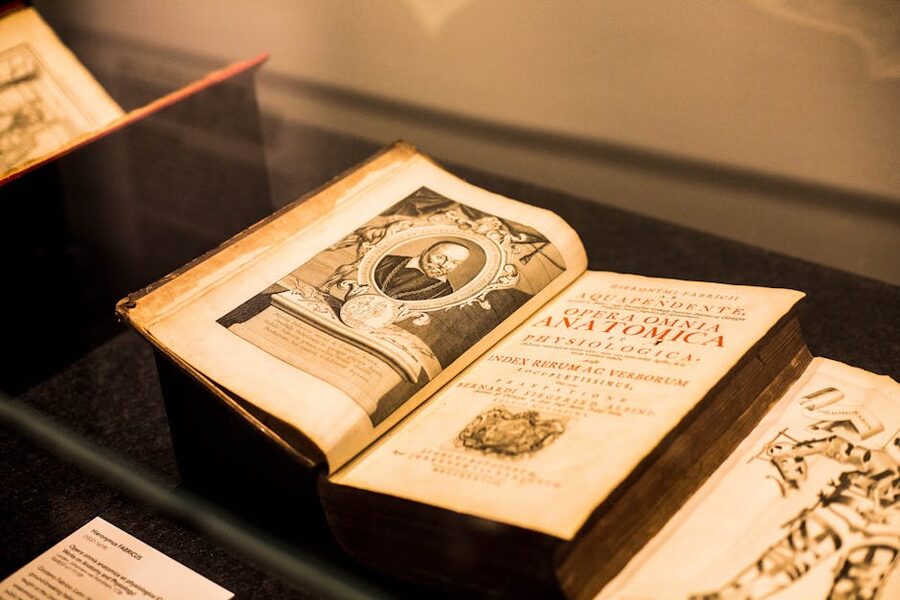
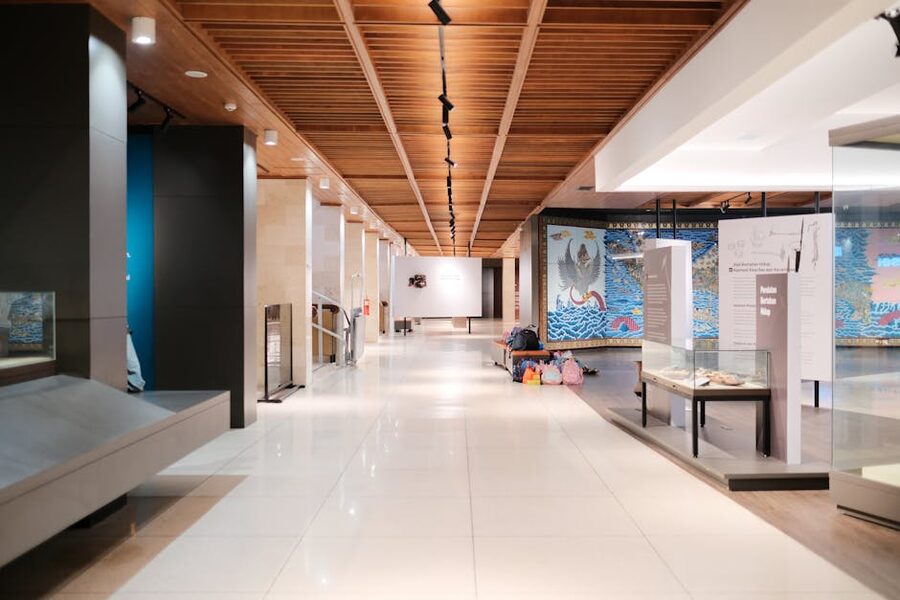
The Menschen Museum hosting BODY WORLDS Berlin sits in a modern building at the base of the TV Tower at Alexanderplatz — central, easily accessible, and positioned for maximum tourist foot traffic. The venue covers about 1,200 square metres across multiple floors with the BODY WORLDS displays plus complementary exhibits on human biology, medicine, and the history of anatomy.
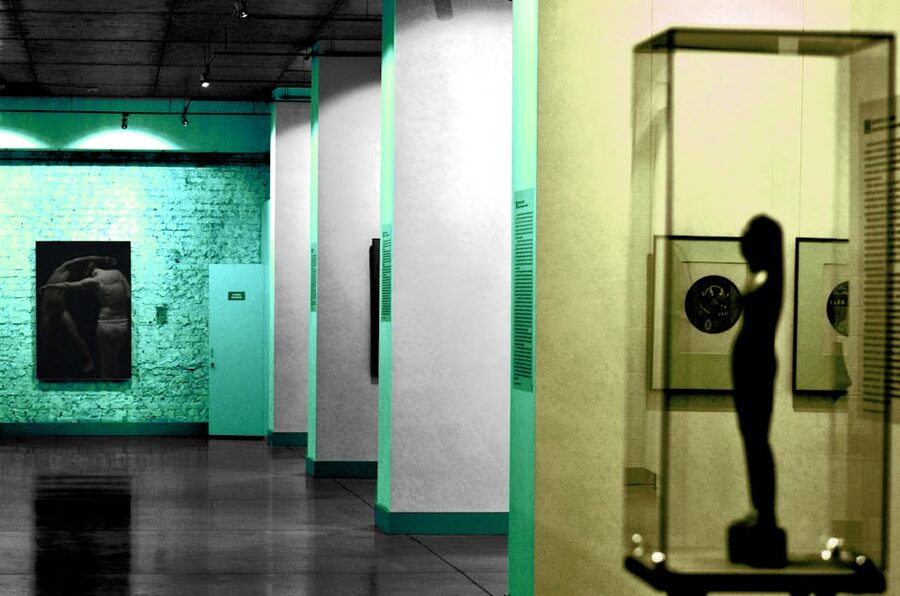
Photography is permitted in BODY WORLDS without flash. Visitors can take photos of the displays for personal use, though commercial use requires written permission. The no-flash rule is enforced — partly to protect the specimens from heat and partly because flash photography disrupts other visitors’ contemplation.
Madame Tussauds Berlin
For visitors who want a different kind of figure-based exhibition, Madame Tussauds Berlin sits near the Brandenburg Gate on Unter den Linden. The 80+ wax figures include German political figures (Merkel, Bismarck, Adenauer), historical Berlin personalities, international celebrities, and themed scenes. The visit takes 60-90 minutes and tickets cost $25.
The Berlin-specific section is the standout — figures include Albert Einstein (born in Ulm but worked in Berlin), Marlene Dietrich, the Brothers Grimm, Frederick the Great, and other major Berlin and Prussian historical figures. Most international Madame Tussauds focus on global celebrities; Berlin’s local content gives the visit historical relevance beyond pure spectacle.
Heidelberg BODY WORLDS
The second German BODY WORLDS venue sits in Heidelberg — appropriate because Gunther von Hagens invented plastination at Heidelberg University. The Heidelberg venue runs rotating themed exhibitions rather than the Berlin permanent format, with current shows changing every 6-12 months on themes like “The Brain”, “Vital Body”, or “Animal Inside Out”.
The Heidelberg location pairs naturally with a broader Heidelberg visit — the Heidelberg Castle and old town tours cover the city’s classical attractions, and BODY WORLDS adds an unconventional cultural experience.
What to Expect Physically
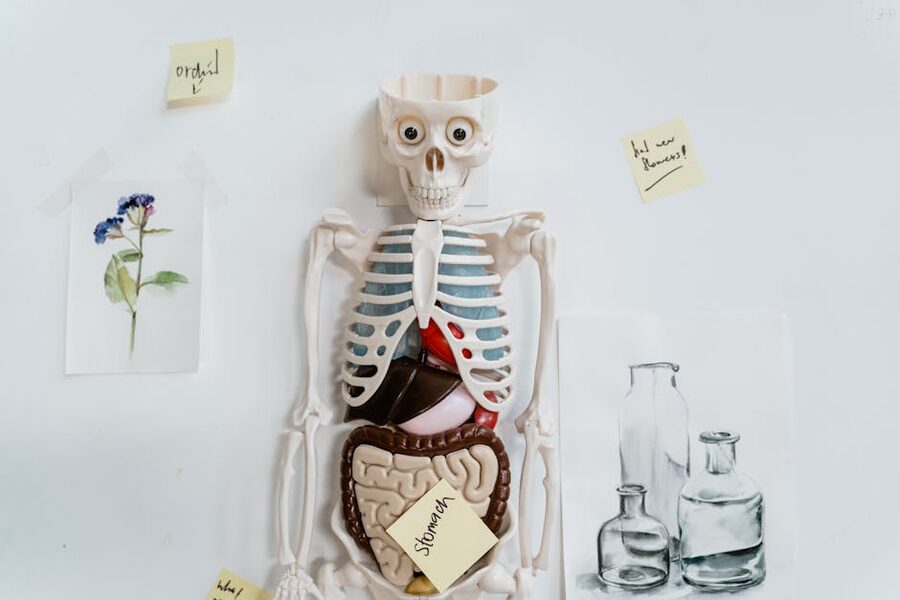
The exhibition isn’t suitable for everyone. The BODY WORLDS specimens are real human bodies, posed in dynamic positions, often with skin removed to expose musculature or with internal organs visible through cross-sections. Some visitors find the experience profoundly educational; others find it distressing.
Children are welcome but the exhibition recommends ages 12+ for most visitors. Some sections (the foetal development displays in particular) require parental judgment for younger visitors. The exhibition includes a children’s audio guide that explains the displays in age-appropriate terms.
Pregnant visitors should be aware that the exhibition includes prenatal development displays showing foetuses at various developmental stages. These displays exist for educational purposes and are sourced from voluntary donations of medical specimens, but they can be emotionally challenging for pregnant visitors regardless of context.
The Educational Value
BODY WORLDS is genuinely educational in ways that traditional anatomy textbooks can’t match. Seeing actual musculature in dynamic poses provides understanding that 2D illustrations don’t deliver. The diseased lung displays show smoking damage at scale and detail that medical literature only describes. The cardiovascular system tracings let visitors understand blood flow visually.
Medical students and healthcare professionals often visit BODY WORLDS as a refresher on anatomy fundamentals, and the exhibition has a substantial repeat visitor population from medical fields. The detail level supports professional-grade study, though dedicated medical anatomy programs use different specimen displays in academic settings.
Best Tours to Book
1. BODY WORLDS Berlin Tickets — $24
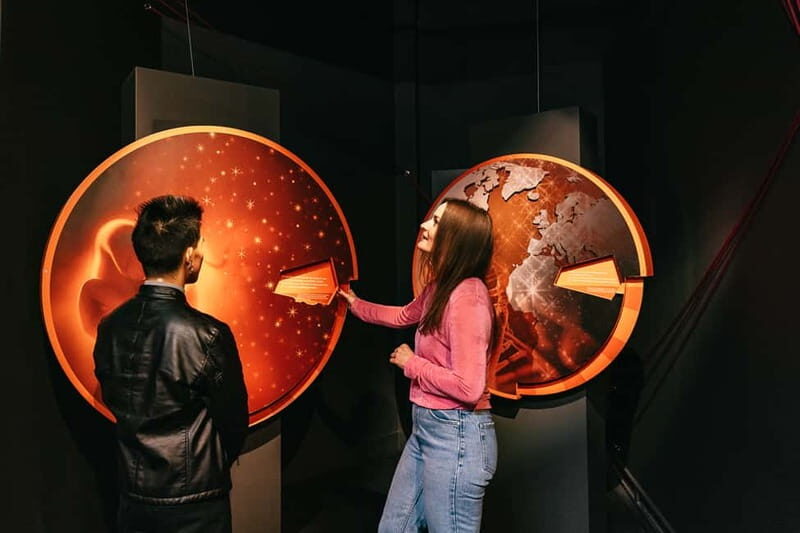
The essential Berlin BODY WORLDS visit. The permanent exhibition at the Menschen Museum covers the cardiovascular themed displays alongside the broader BODY WORLDS specimens. At $24, it’s competitive with comparable Berlin museums and significantly cheaper than the touring versions historically were. Our review covers the visit experience and what to expect.
2. Berlin Madame Tussauds — $25

The waxworks alternative to BODY WORLDS. Madame Tussauds Berlin’s 80+ figures include strong German historical content (Einstein, Bismarck, Frederick the Great) alongside the international celebrity standards. At $25, it’s similar pricing to BODY WORLDS but offers a completely different experience — interactive photo opportunities with the figures rather than contemplative anatomy study. Our review covers the figures and the location.
3. BODY WORLDS Heidelberg — $24

The Heidelberg alternative for visitors not in Berlin. Same admission price ($24), different exhibition format (rotating themed shows rather than permanent displays). The Heidelberg location is significant because plastination was invented there in 1977. The visit pairs well with the Heidelberg Castle and old town tours for a complete Heidelberg cultural day. Our review covers the current themed exhibition and what makes the Heidelberg venue distinct.
Practical Tips
Booking ahead: Tickets are timed entry — book a specific 30-minute slot. Weekday slots have walk-up availability; weekend afternoons sell out 1-2 days ahead.
How long to allow: 60-90 minutes for the standard visit. Visitors who read all the educational material can stay 2 hours. The exhibition is small enough that you don’t need to plan extensively.
Combining with sightseeing: The Berlin venue is at Alexanderplatz, next to the TV Tower. Combine with the Berlin TV Tower visit for the aerial perspective on the same district. The Museum Island is 10 minutes walk away.
Photography: Permitted without flash. Phone cameras work fine in the available lighting. Commercial photography requires written permission.
Budget: BODY WORLDS Berlin: $24. Madame Tussauds Berlin: $25. Combined with a TV Tower visit ($25-30) and lunch (€12-18): about €80-100 for an Alexanderplatz day.
More Berlin Museum Experiences
BODY WORLDS sits within Berlin’s broader museum landscape. The Berlin Museum Island covers 6,000 years of human civilisation across five world-class museums. The Berlin Third Reich and Cold War walking tours cover the city’s 20th-century history. And the Berlin TV Tower observation deck gives you the aerial view of the same Alexanderplatz district where BODY WORLDS sits.
For visitors interested in immersive technology-based exhibitions, the Cologne VR time travel and Frankfurt VR time travel use VR to recreate destroyed historical city centres — a different format than BODY WORLDS but in the same broader category of unconventional museum experiences.