
Hamburg has been processing chocolate since the 18th century, when cocoa beans arrived through the port from West Africa and South America. The Chocoversum takes this 300-year relationship between city and cocoa and turns it into a 90-minute guided experience that follows the journey from raw bean to finished bar — with generous tastings at every stage.
The tour costs $38 and is one of the most-reviewed indoor attractions in northern Germany. It’s not a museum you wander through at your own pace. It’s a guided experience with timed entry, hands-on stations, and a chocolate bar you design and make yourself to take home.
Best illusion museum: Museum of Illusions — $17, interactive optical illusions and mind-bending exhibits.
Best for thrill seekers: Hamburg Dungeon — $34, Hamburg’s darkest history told through live actors and special effects.
What the Chocoversum Tour Covers
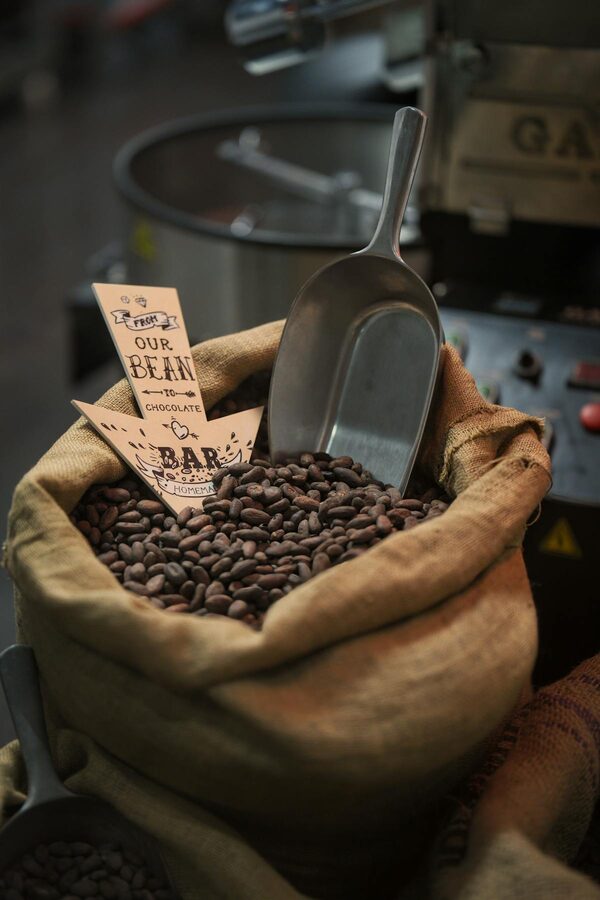
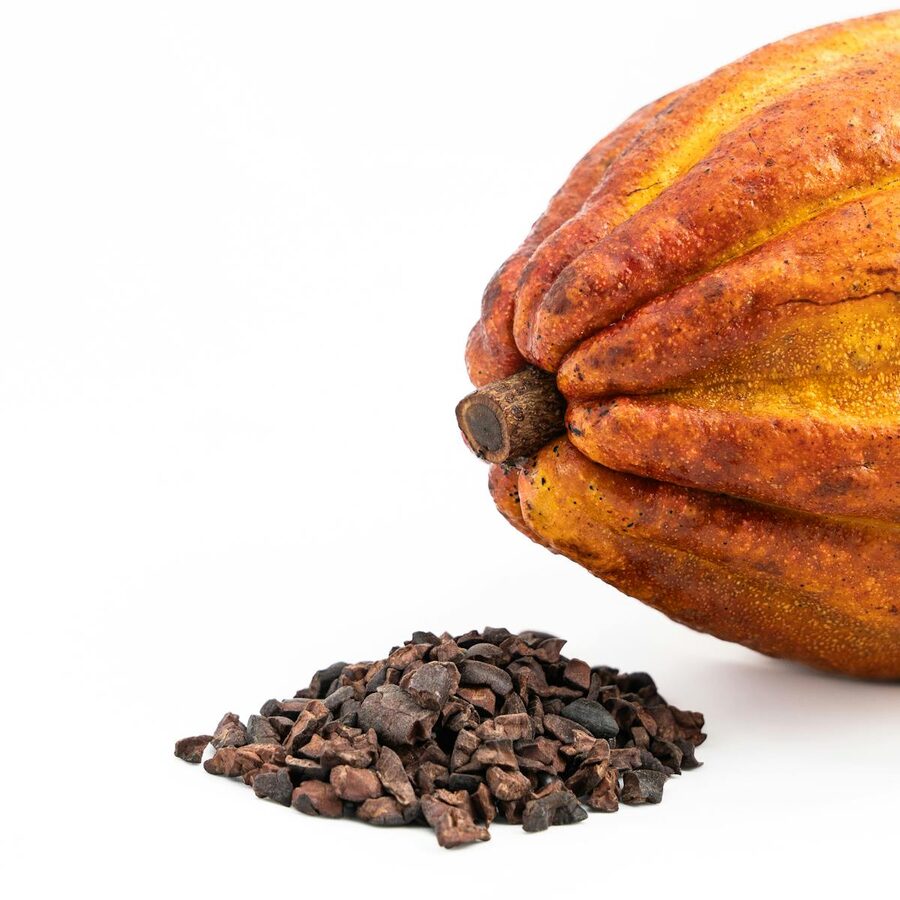
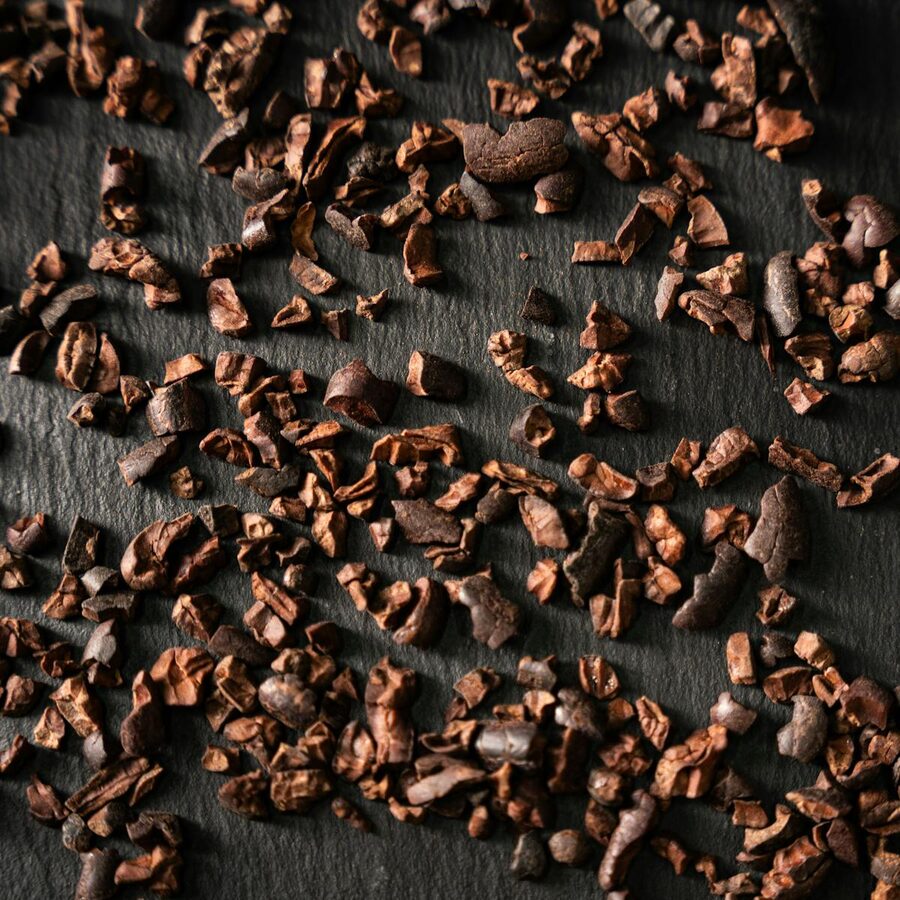
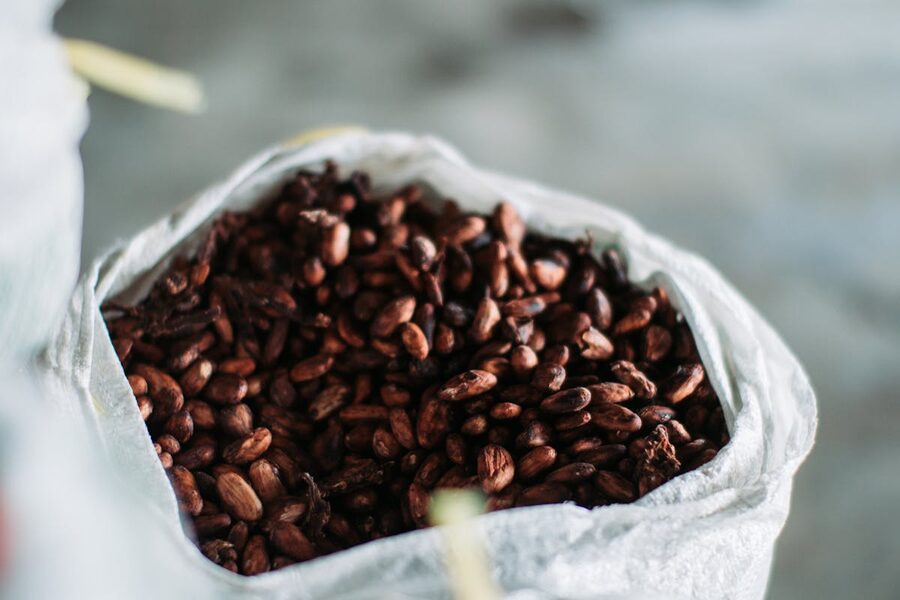
The 90-minute guided tour follows the chocolate production chain from tropical plantation to finished product. The tour guide leads a group of about 15-20 people through exhibition rooms that each focus on a different stage of the process: cocoa cultivation, harvesting, fermentation, drying, roasting, grinding, conching (the process that gives chocolate its smooth texture), tempering, and moulding.
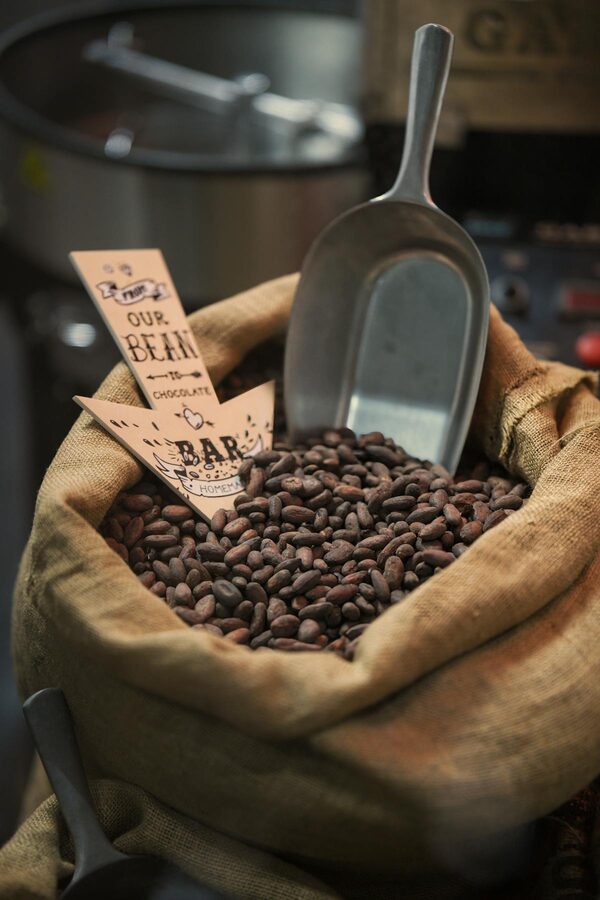
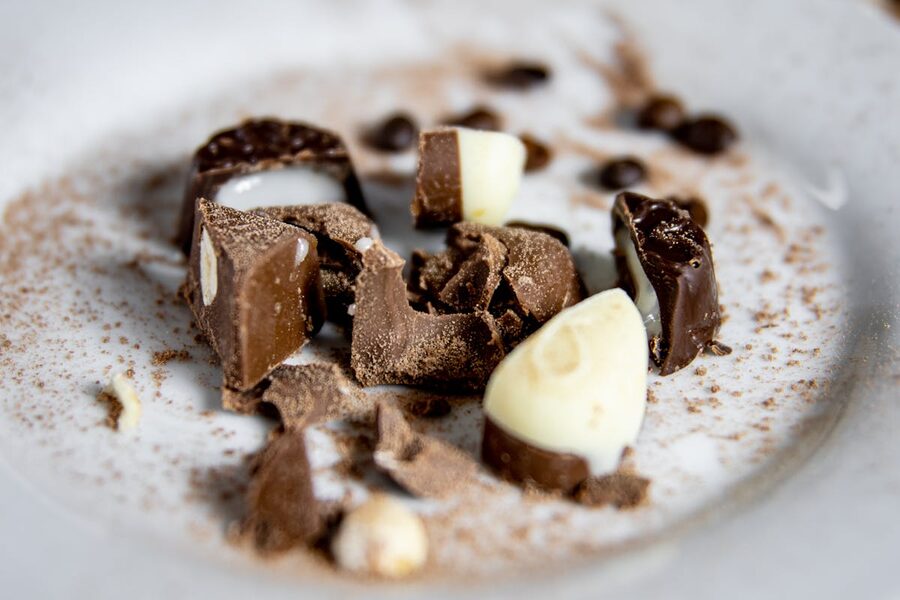
At each station, the guide explains the science and history behind the process while you taste samples. The roasting station is particularly good — you learn how different roasting temperatures affect the flavour profile, and you taste the same bean roasted at different levels (like a coffee cupping session, but with chocolate).
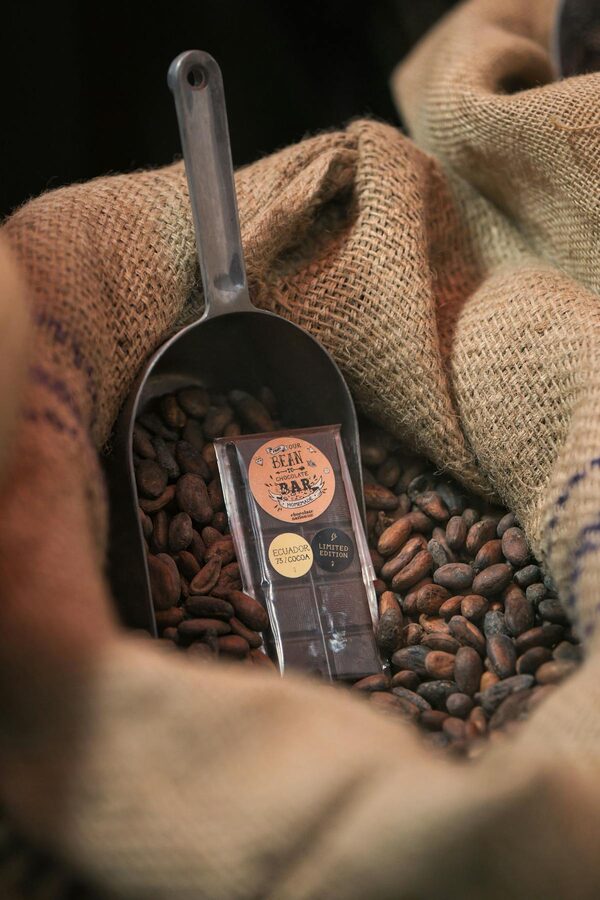
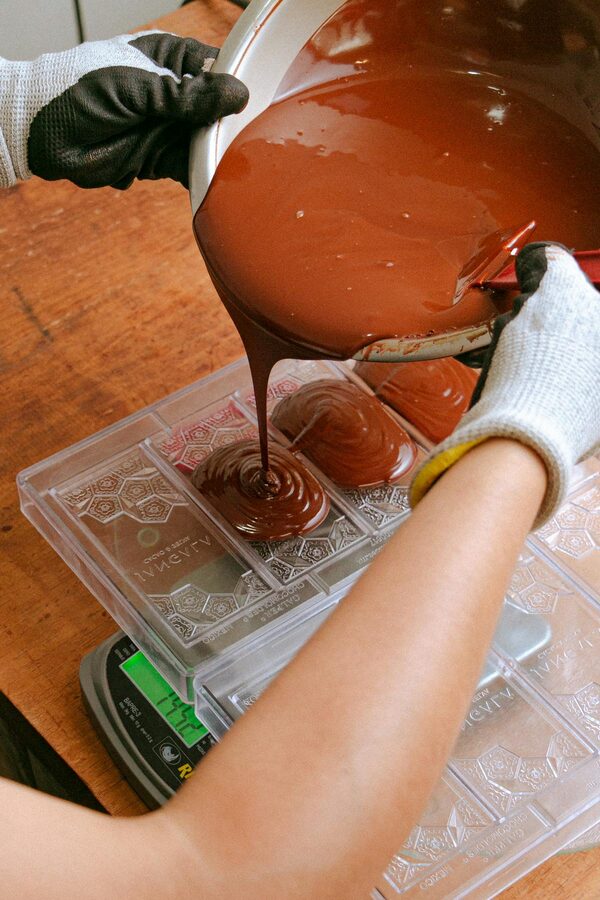
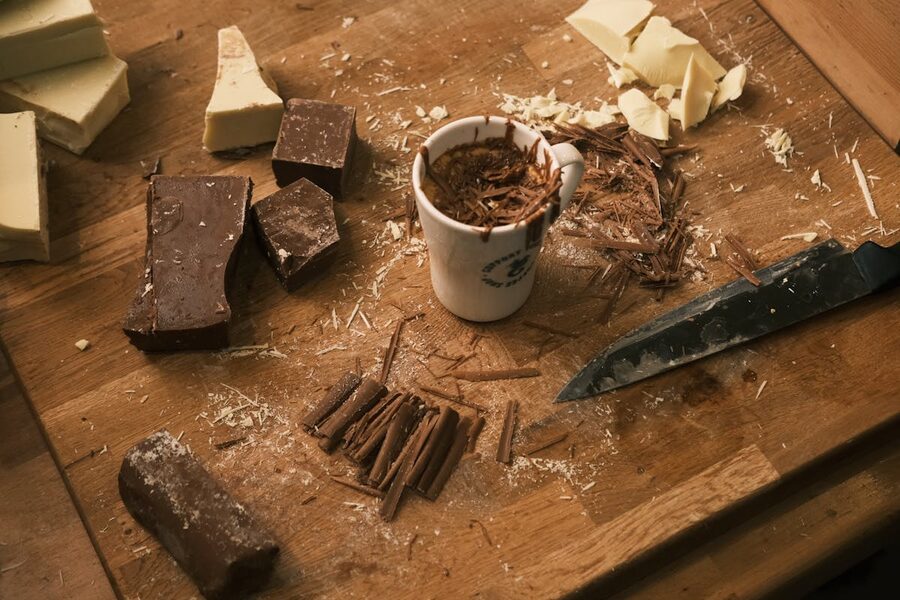
The highlight for most visitors is the final station where you design your own chocolate bar. You choose the base chocolate (dark, milk, or white), select toppings from about 30 options (dried raspberry, sea salt, chilli flakes, espresso beans, caramelised almonds), and the staff moulds and packages your creation while you finish the tour. The bar is ready when you exit — a personalised souvenir that costs nothing beyond the tour price.
Hamburg’s Chocolate History
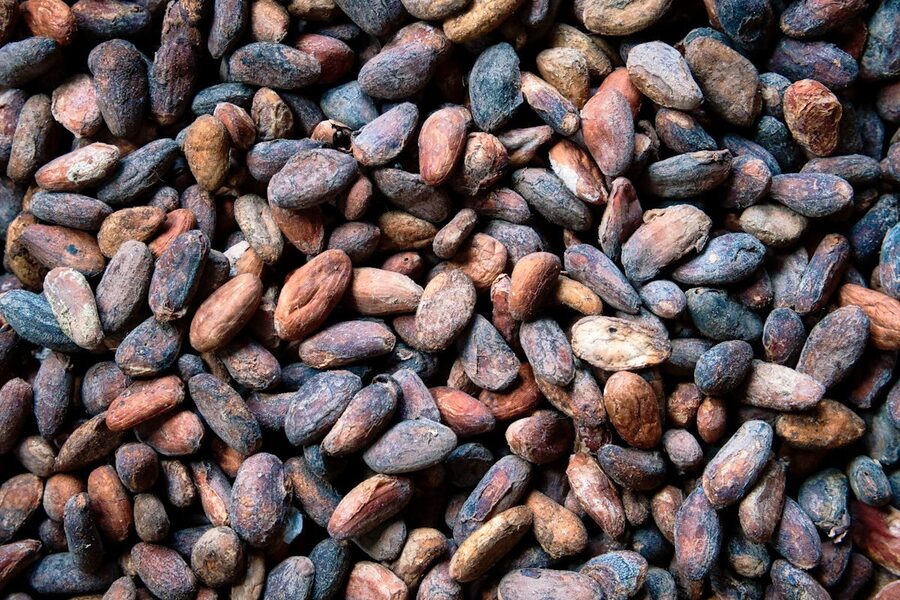
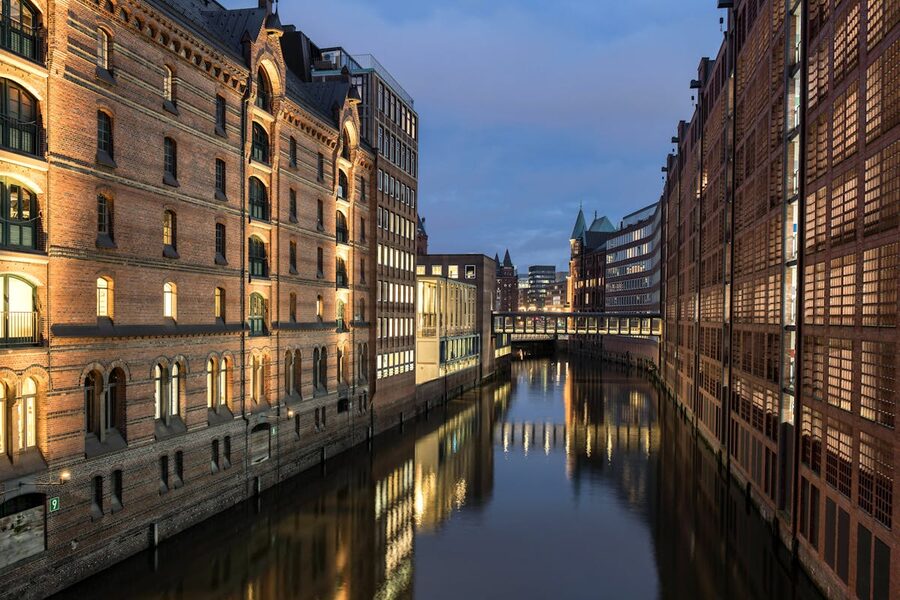
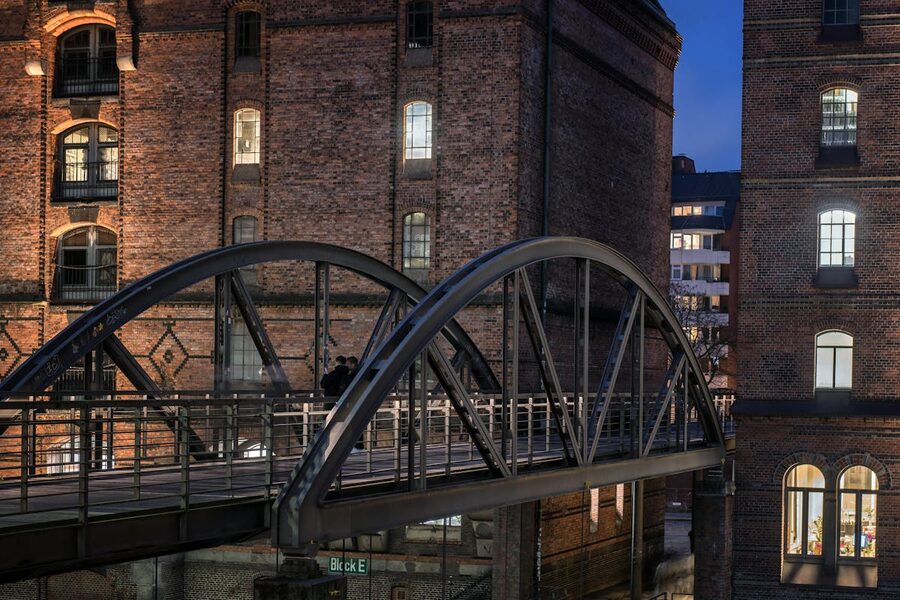
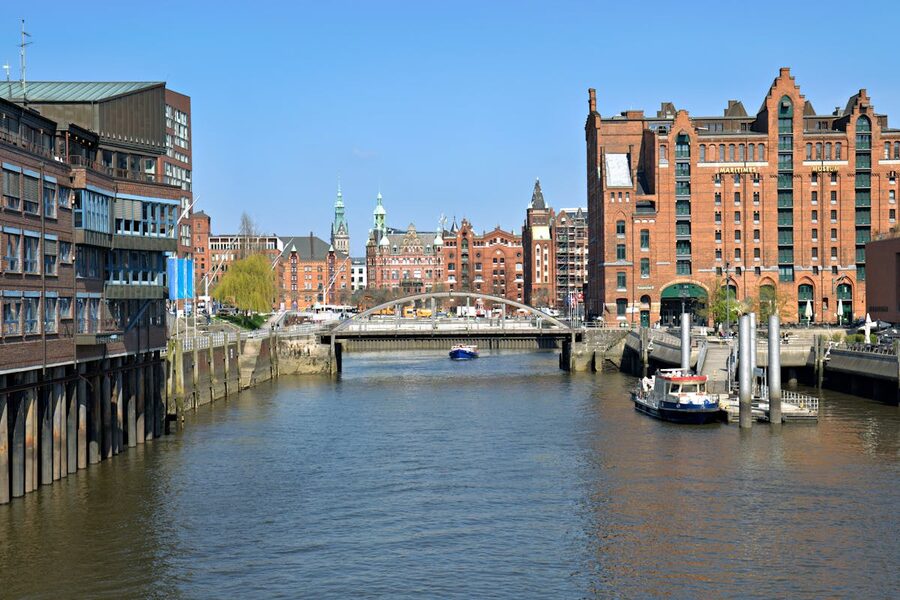
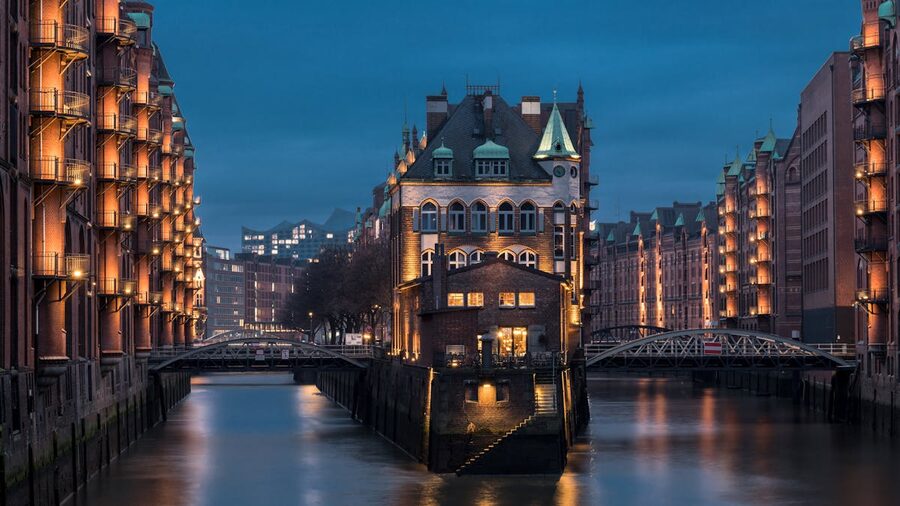
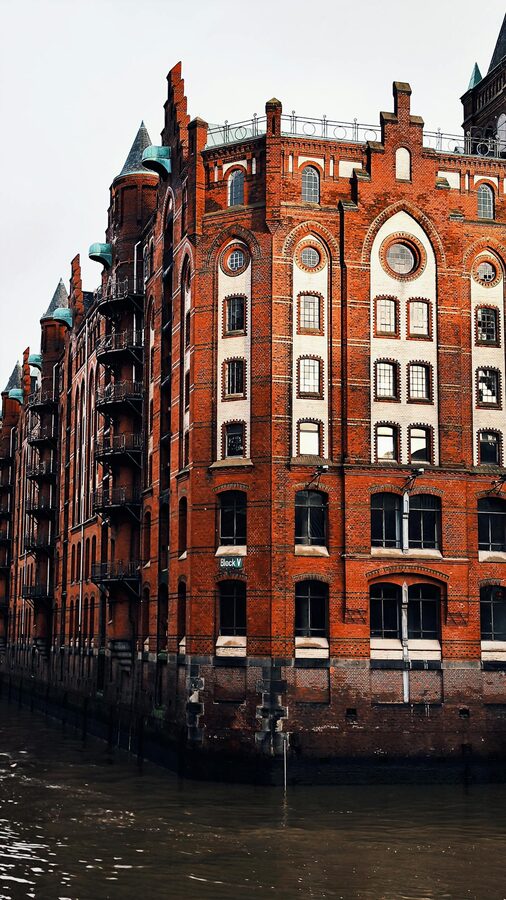
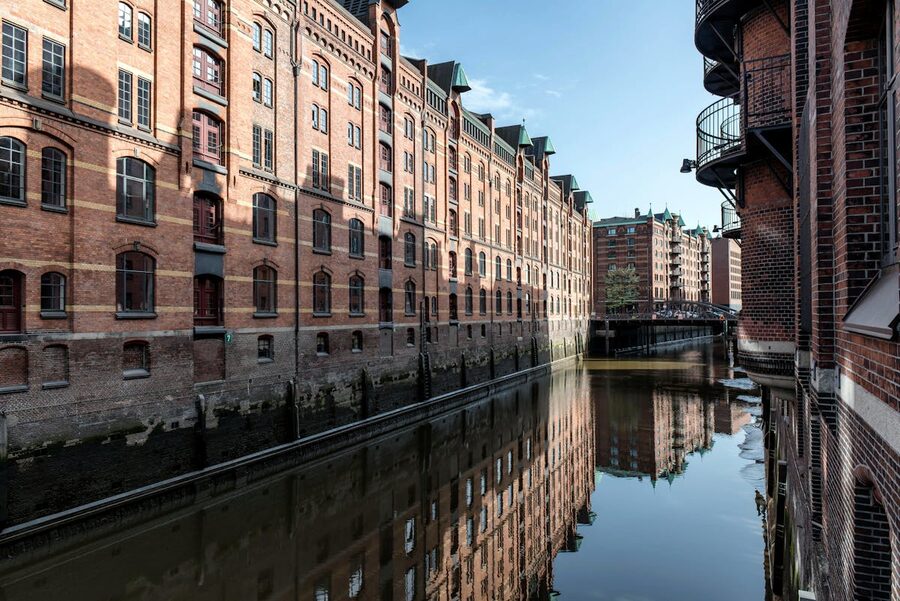
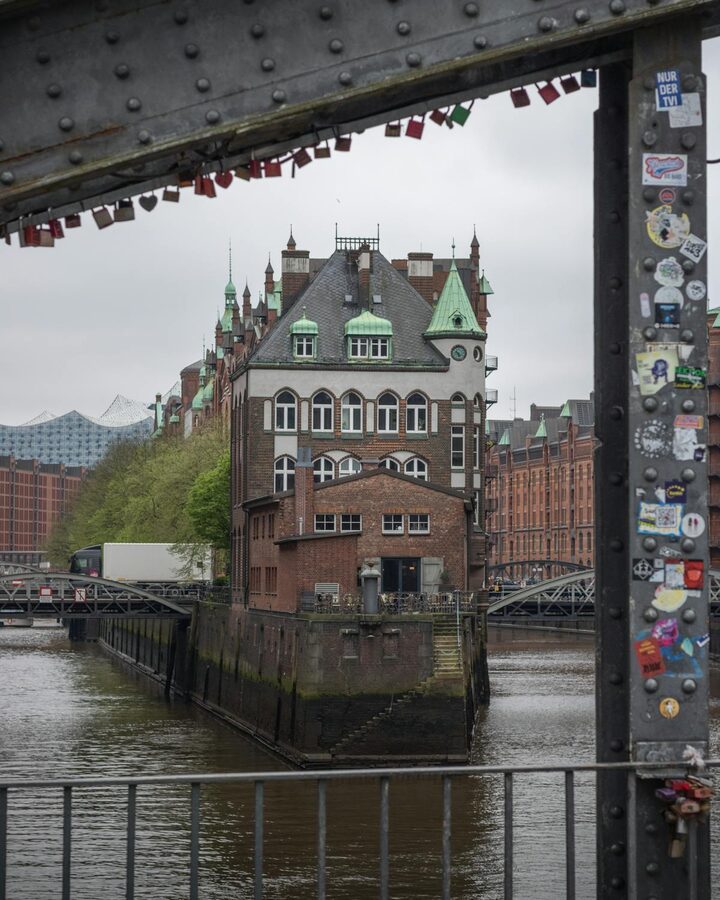
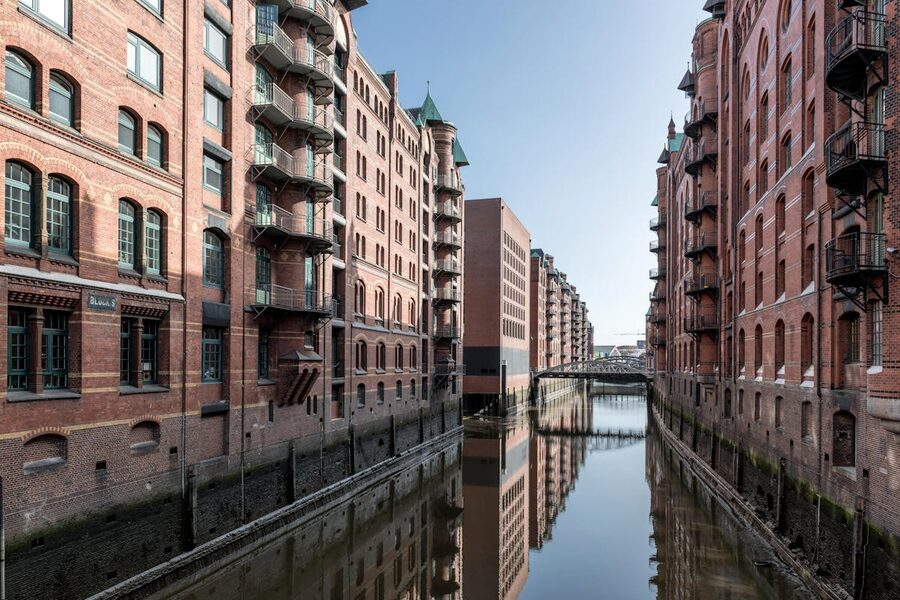
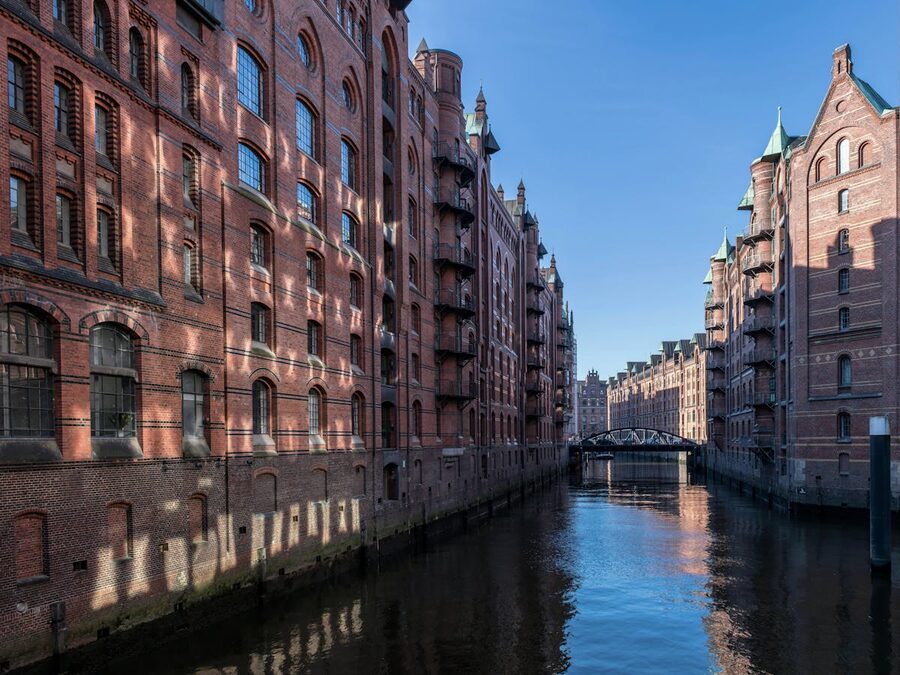
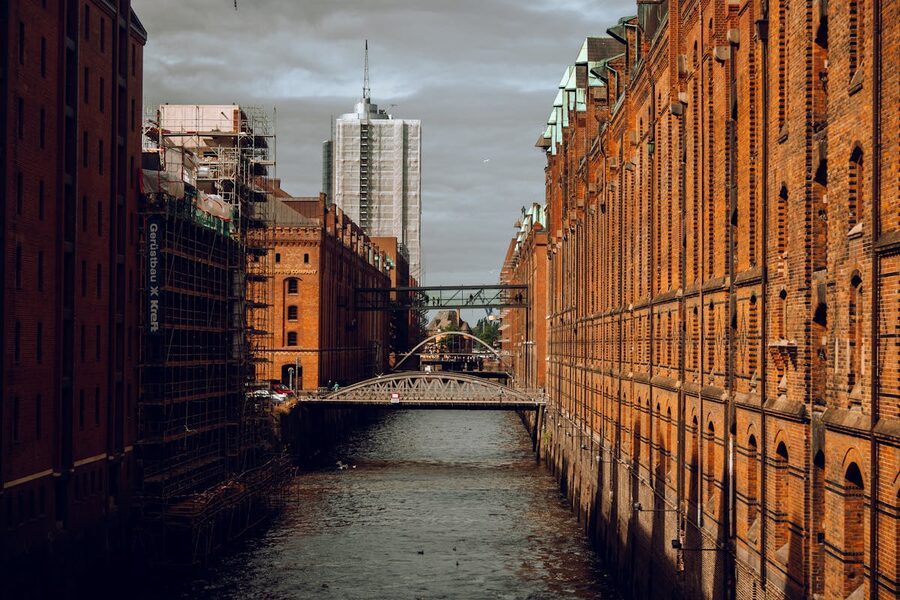
Hamburg’s relationship with chocolate dates to the 18th century when the port became a major entry point for cocoa from West Africa and the Americas. By the 19th century, Hamburg was processing more cocoa than any other European city. The Speicherstadt warehouse district — now a UNESCO World Heritage Site — stored cocoa, coffee, tea, and spices in climate-controlled bonded warehouses, some of which still operate today.
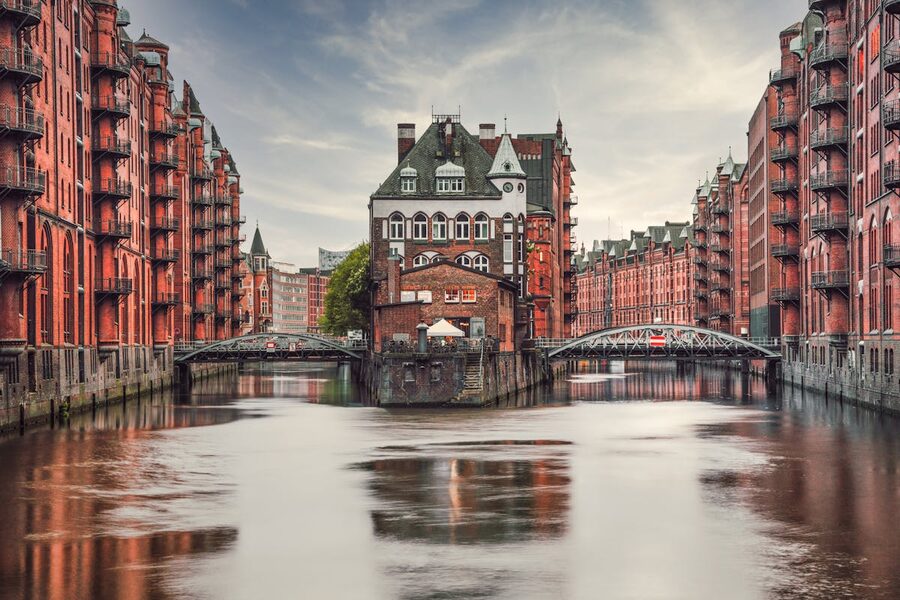
The Chocoversum sits in a converted building near the Speicherstadt, deliberately positioned to connect the chocolate experience to the port’s commercial heritage. The guide references the warehouse district during the tour, explaining how Hamburg’s position as a trading port determined what the city processed — and how cocoa, specifically, shaped entire neighbourhoods and industries.
The Science of Chocolate
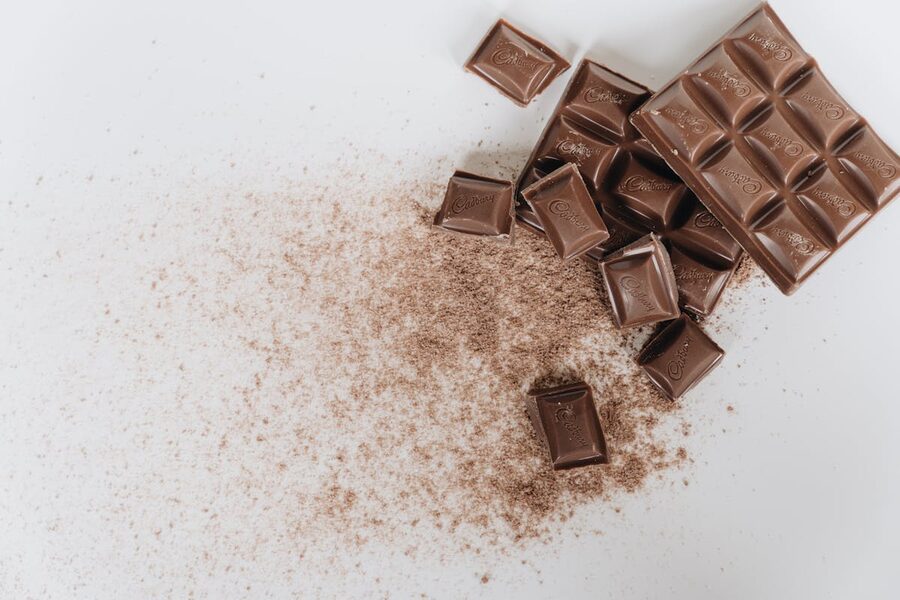
The Chocoversum’s approach is educational without being academic. The guides are trained chocolatiers who explain the science behind each processing step in terms that anyone can understand. Fermentation converts the bitter cocoa pulp into flavour precursors. Roasting develops those precursors into the complex flavour profile we recognise as chocolate. Grinding and conching (a process of heating and aerating the chocolate for hours or days) develops the smooth texture. Tempering — carefully controlling the temperature as the chocolate cools — determines whether the finished bar has a glossy surface and a clean snap, or a dull surface and a crumbly texture.
The best moment on the tour is the tempering demonstration. The guide heats chocolate to 50°C, cools it to 27°C on a marble slab, then reheats it to exactly 31°C. One degree either way and the chocolate won’t set properly. Watching the guide work — spreading, folding, testing the temperature by touch — reveals why artisan chocolate costs more than mass-produced bars. The skill is genuinely impressive, and the finished tempered chocolate tastes noticeably different from the untempered version you tried moments earlier.
Museum of Illusions
The Museum of Illusions ($17) is Hamburg’s most Instagram-friendly attraction — a collection of optical illusions, holograms, and perspective tricks that play with your perception. The exhibits are hands-on and designed for photography — rooms where you appear to walk on ceilings, chairs that make you look like a giant, and kaleidoscope tunnels that create infinity effects.
The museum takes about 45-60 minutes and works best for families with children and for groups who enjoy the social element of the photo opportunities. It’s lighter than the Chocoversum (no guided tour, no tastings, just interactive exhibits) and significantly cheaper. Combine it with the Chocoversum for a half-day of indoor Hamburg experiences.
Hamburg Dungeon
The Hamburg Dungeon ($34) is part of the global Dungeon franchise — live actors, special effects, and theatrical sets tell Hamburg’s darkest historical stories through a walkthrough experience. The Hamburg version covers the Great Fire of 1842, the plague, pirate raids, the Störtebeker legend (Hamburg’s most famous pirate), and the 1962 flood.
The Dungeon is theatrical rather than educational — the actors are trained performers, the sets are elaborate, and the scares range from mild to genuinely startling. It’s entertainment, not a museum, and it works best for visitors who enjoy being part of the show. The experience takes about 90 minutes and is not suitable for young children (recommended age 10+).
Miniatur Wunderland
No guide to Hamburg’s indoor attractions is complete without mentioning Miniatur Wunderland — the world’s largest model railway and consistently Germany’s most-visited tourist attraction. The model covers over 1,500 square metres and reproduces miniature versions of Hamburg, Austria, Scandinavia, Italy, and an airport with working model planes. It’s not on the tour list above because it’s a separate ticket purchased directly, but it’s 5 minutes from the Chocoversum and should be part of any indoor Hamburg day.
Book online weeks in advance — walk-up queues regularly exceed 2 hours on weekends. Evening visits (after 6pm) are less crowded. The detail is extraordinary — tiny figures staging dramas, working traffic systems, day-to-night lighting cycles, and Easter eggs hidden throughout that reward careful observation.
Best Tours to Book
1. Chocoversum Guided Tour with Tastings — $38
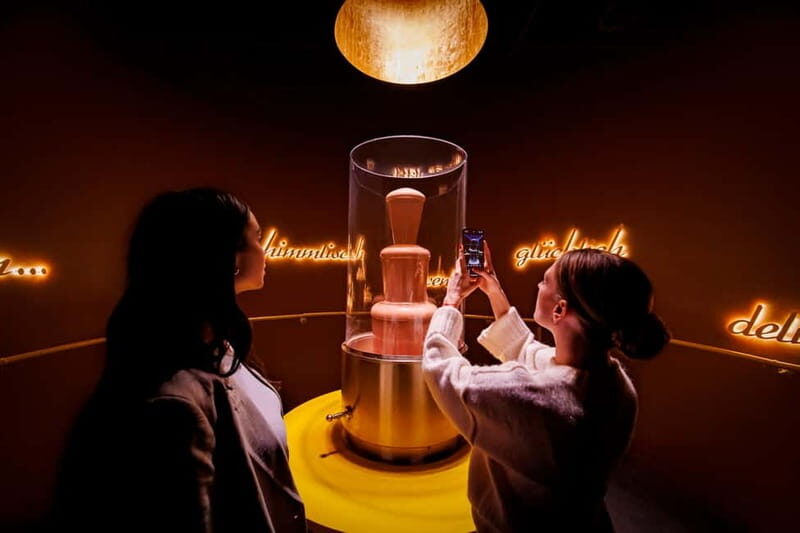
Ninety minutes of chocolate education, tasting, and creation. The guide takes you through every stage of chocolate production — from raw cocoa bean to finished bar — with tastings at each step and the chance to design your own chocolate bar at the end. At $38, the experience plus the take-home chocolate represents genuine value. Our review covers the tasting quality and whether the tour appeals to serious chocolate enthusiasts.
2. Museum of Illusions — $17

The lightest and cheapest option. Walk-through optical illusion exhibits that are designed for interaction and photography. At $17, it’s a quick 45-60 minute experience that works as a warm-up or cool-down to the more substantial Chocoversum tour. Kids love it. Our review covers the exhibit quality and whether it’s worth the entry fee for adults.
3. Hamburg Dungeon — $34
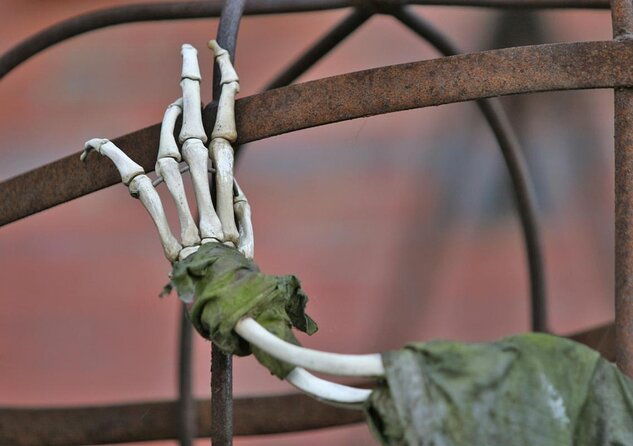
Ninety minutes of theatrical horror covering Hamburg’s darkest chapters — pirate raids, plague epidemics, the catastrophic 1842 fire, and the 1962 flood. Live actors, special effects, and walkthrough sets create an experience that’s more entertainment than education but genuinely fun. At $34, it’s comparable to the Chocoversum and appeals to a completely different appetite. Our review covers the scare level and whether it’s appropriate for teenagers.
Practical Tips
Book ahead: The Chocoversum runs timed entry slots and popular times (weekend mornings, school holidays) sell out. Book online at least a few days ahead. The Dungeon also benefits from advance booking (skip-the-line ticket). The Museum of Illusions is usually walk-up friendly.
Best rainy day plan: Morning: Chocoversum (90 min). Midday: Lunch in the Speicherstadt. Afternoon: Miniatur Wunderland (2-3 hours, book ahead). Evening: Museum of Illusions (45 min) or Dungeon (90 min). Total: a full day of indoor Hamburg.
Getting there: The Speicherstadt is accessible from U-Bahn Baumwall (U3) or Messberg (U1). All the indoor attractions are within a 10-minute walk of each other.
Budget: Chocoversum: $38. Museum of Illusions: $17. Dungeon: $34. Miniatur Wunderland: ~€20 (buy directly). A full indoor day: about €100-110.
More Hamburg Experiences
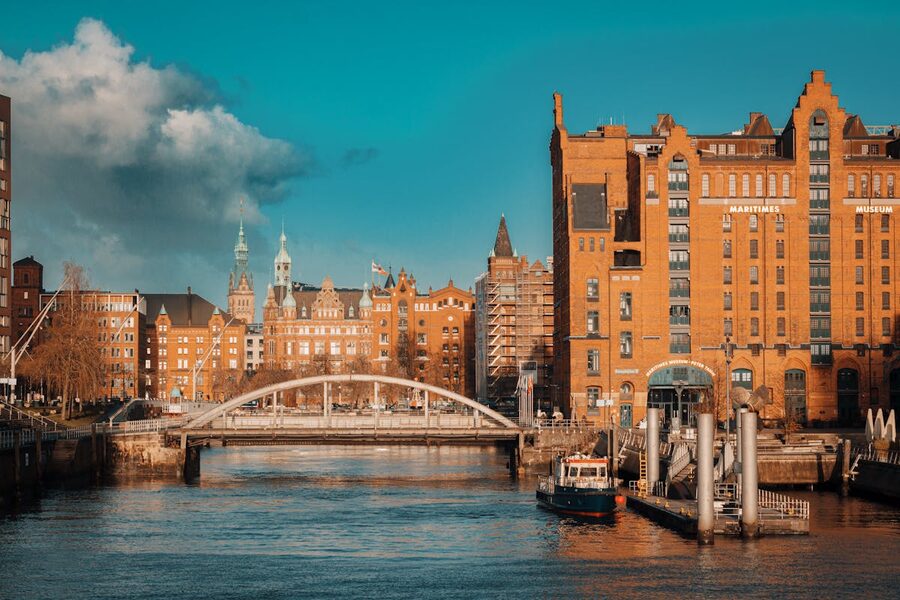
The Chocoversum is the indoor star. For outdoor Hamburg, the harbour cruises show you the port from the water, the St. Pauli and Reeperbahn tours cover the nightlife district, and the bike tours connect the city’s diverse neighbourhoods in a single ride. Hamburg rewards a full weekend — indoor and outdoor together make one of Germany’s most underrated city breaks.