
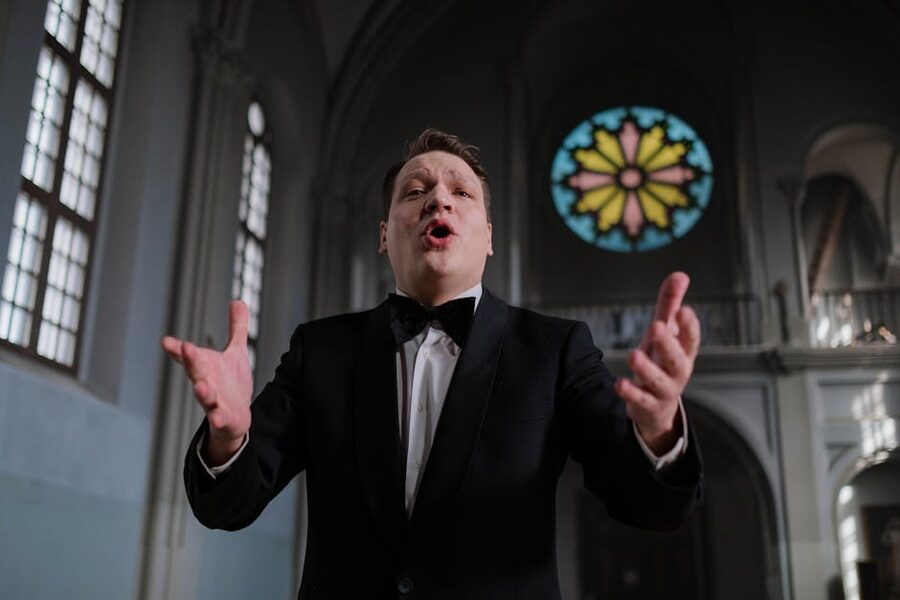
Rome’s evening opera concerts happen in small palazzi and churches — fifty to two hundred seats, live singers, piano or small ensemble, greatest-hits programmes rather than full productions.
€29-47 gets you an hour inside a Baroque room with someone singing Puccini into it. It’s a short evening and it works.
Quick Picks
- Most popular — The Most Beautiful Opera Arias Concert ($40). 50 minutes, greatest-hits programme.
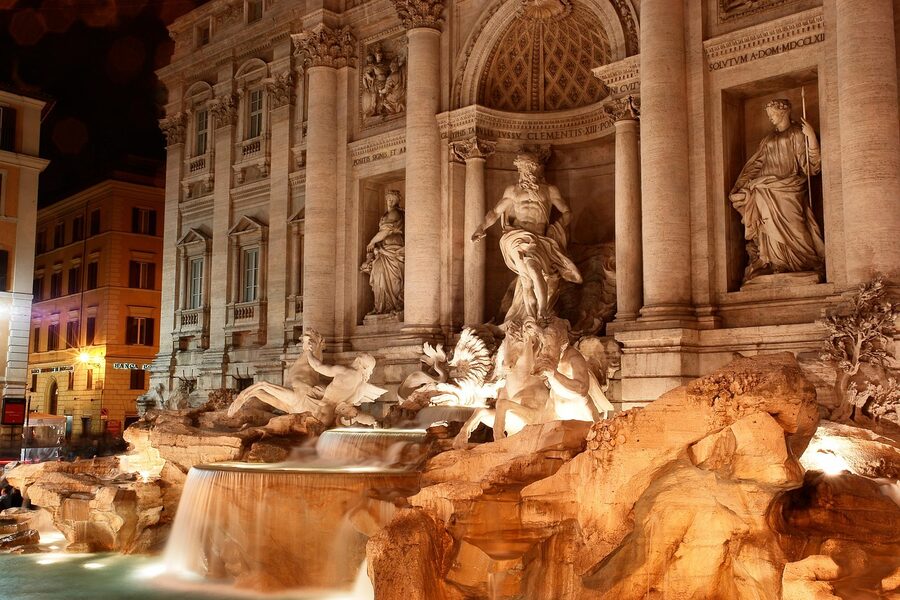
- Premium venue — Opera Concert at Palazzo Poli — Fontana di Trevi ($47). Inside the palazzo behind the Trevi Fountain.
- Opera + dinner: Italian Opera Concert and Traditional Dinner ($94) — 2 hours, concert plus three-course meal with wine.
- Quick Picks
- What These Concerts Actually Deliver
- Booking the Three Main Options
- Rome: The Most Beautiful Opera Arias Concert —
- Rome: Opera Concert at Palazzo Poli – Fontana di Trevi —
- Rome: Italian Opera Concert and Traditional Dinner —
- The Palazzo Poli Venue — Fontana di Trevi Context
- The Church Concert Venues
- Programme Composition and What You’ll Hear
- Pricing vs Value Analysis
- Who This Works For
- Timing and Scheduling
- The Dinner Combination Option
- The Practical Evening Logistics
- Combining with Rome Cultural Itineraries
- Alternative Italian Opera Experiences
- Common Questions Answered
- What to Do If Opera Concerts Don’t Appeal
- Final Recommendation
What These Concerts Actually Deliver
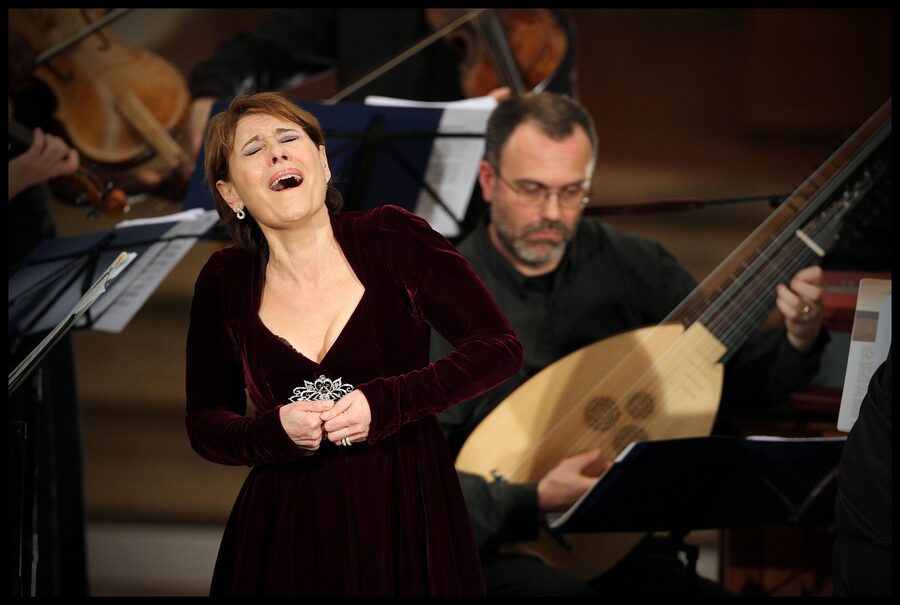
Rome opera concerts are not full operas — you won’t sit through a three-hour production of La Bohème or Tosca. These are 50-60 minute recital-format programmes featuring the most-requested arias sung by professional singers with piano accompaniment or a small string quartet.
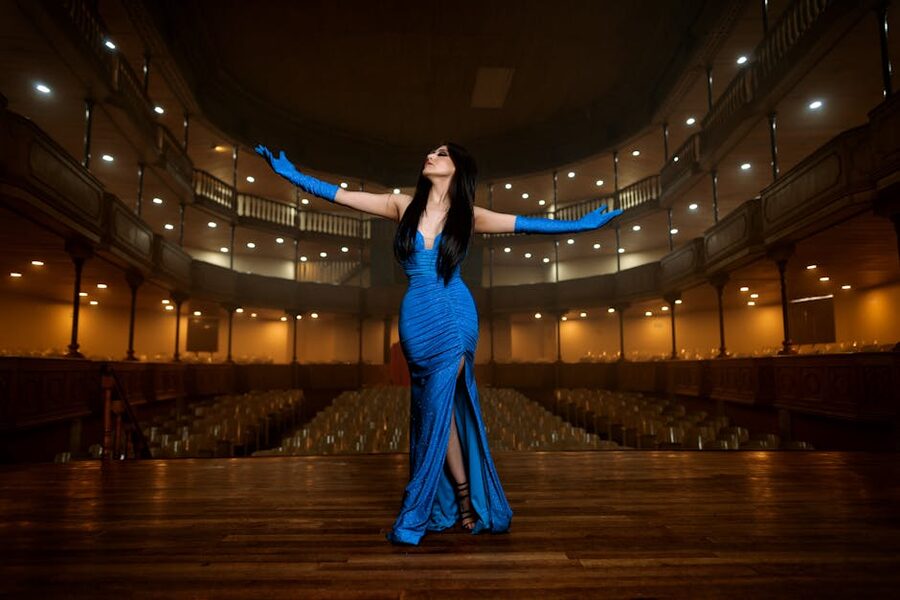
The typical programme runs through 8-12 arias drawn from Italian opera standards: Puccini (Nessun Dorma, O Mio Babbino Caro, Vissi d’arte), Verdi (La Donna è Mobile, Libiamo ne’ lieti calici, Va, pensiero), Bellini (Casta Diva), Donizetti (Una Furtiva Lagrima), with a few Neapolitan songs like Funiculì Funiculà thrown in.
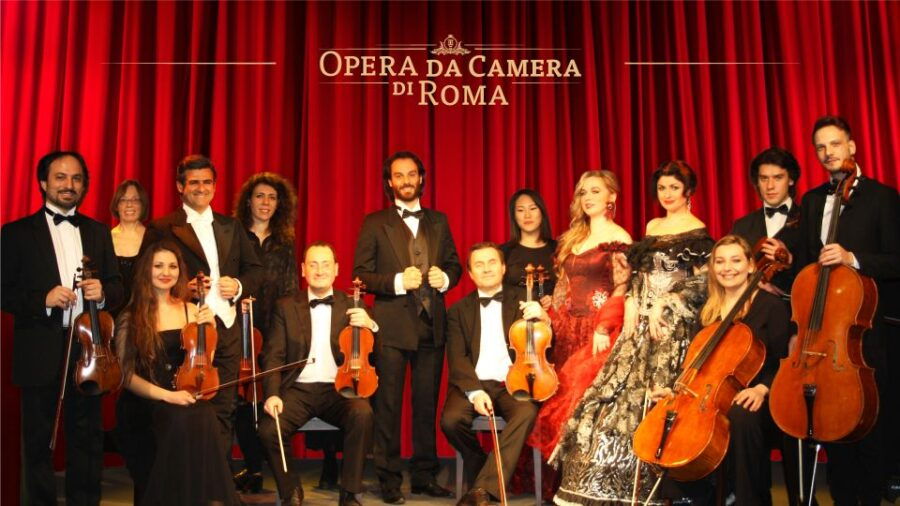
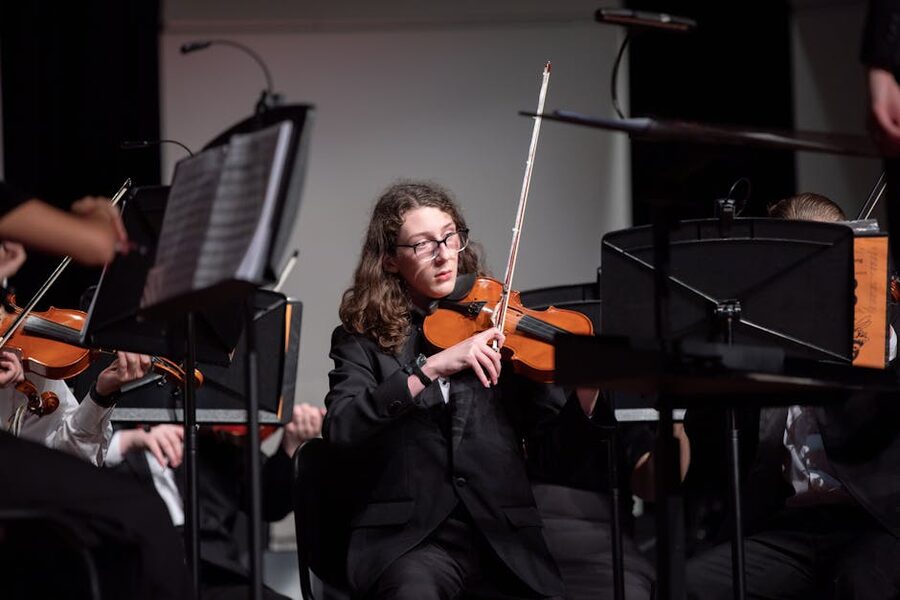
You’ll get 1-2 soloists (usually a soprano and a tenor) plus a pianist or small ensemble. Some concerts add a violin; more elaborate ones add a small string quartet. Never a full orchestra at this price point — that’s the Rome Opera proper (Teatro dell’Opera) territory, which starts at €60+ for upper-tier seats.
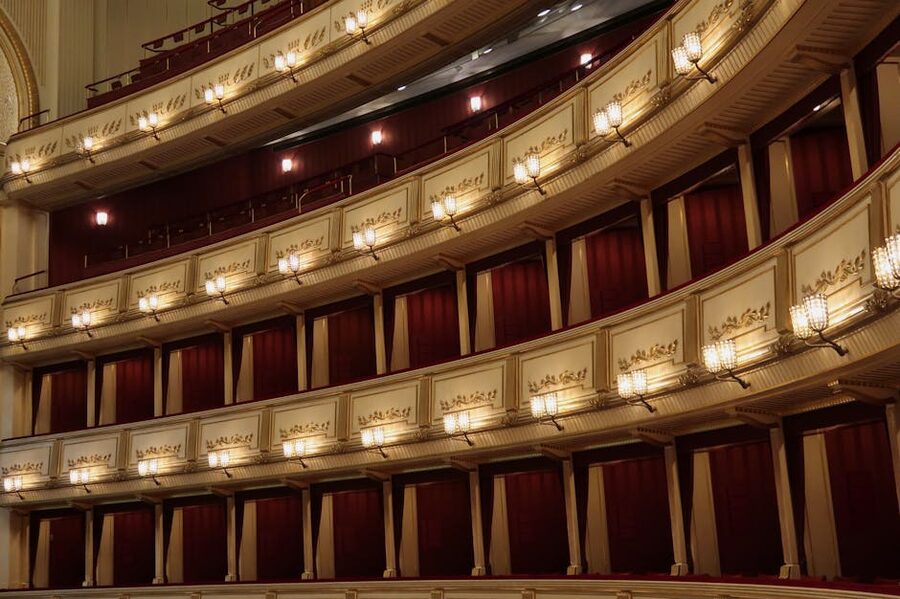
Each aria gets a brief English-language introduction — which opera it’s from, who the character is, what the emotional moment depicts. This makes the concerts accessible to non-opera fans; you don’t need to know the libretto to enjoy the singing.
Booking the Three Main Options
The three options span price and setting. Pick based on venue preference, budget, and whether you want dinner included.
Rome: The Most Beautiful Opera Arias Concert — $40
The flagship Rome opera concert. Fifty minutes of greatest-hits Italian arias performed in an intimate venue, professional singers, piano accompaniment, introductions in English. The programme structure and what pieces usually close the evening is in the full write-up. Book this if you want a curated introduction to Italian opera without a three-hour production — and if Venice is also on your route, the same format runs as the Vivaldi Four Seasons concert there.
Rome: Opera Concert at Palazzo Poli – Fontana di Trevi — $47
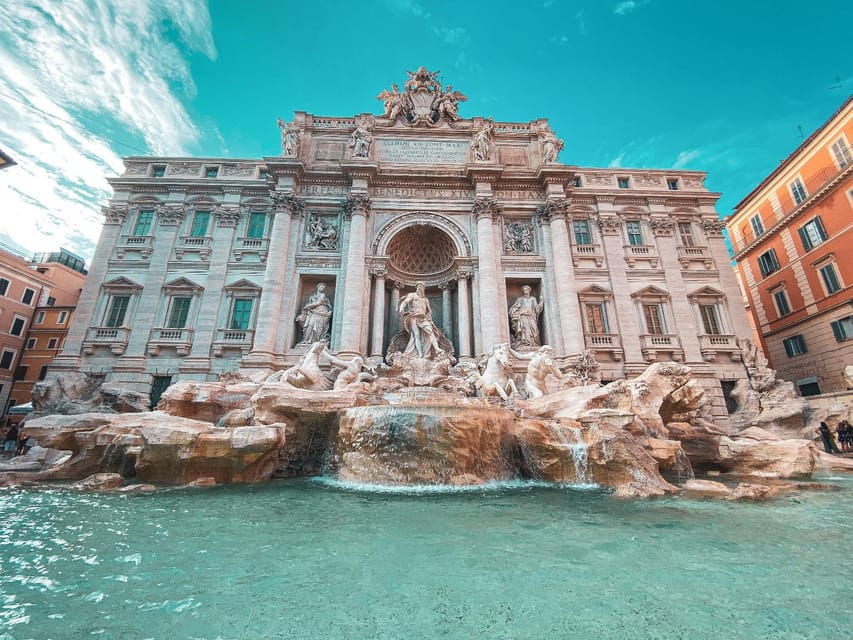
Opera concert inside Palazzo Poli — the Baroque palazzo whose rear facade is the Trevi Fountain itself. 60 minutes, held in the Calcografia Nazionale wing of the building. Why the venue alone justifies the extra $7 is the whole pitch here. Pick this if you want the most atmospheric Rome opera setting.
Rome: Italian Opera Concert and Traditional Dinner — $94
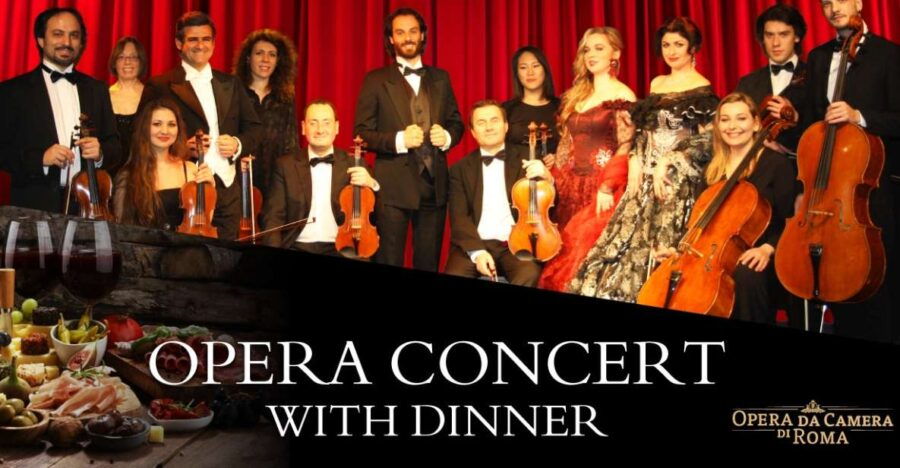
Opera concert with three-course Italian dinner and wine. Two hours total — dinner first at a partner restaurant, then concert at an adjacent church or palazzo venue. How combining dinner with the music affects the concert itself is the trade-off worth reading. Pick this if you want an all-in-one evening rather than separate dinner and concert logistics. Florence does its own dinner-and-aria version at Santa Monaca if you’re making a wider Italy trip of it.
The Palazzo Poli Venue — Fontana di Trevi Context
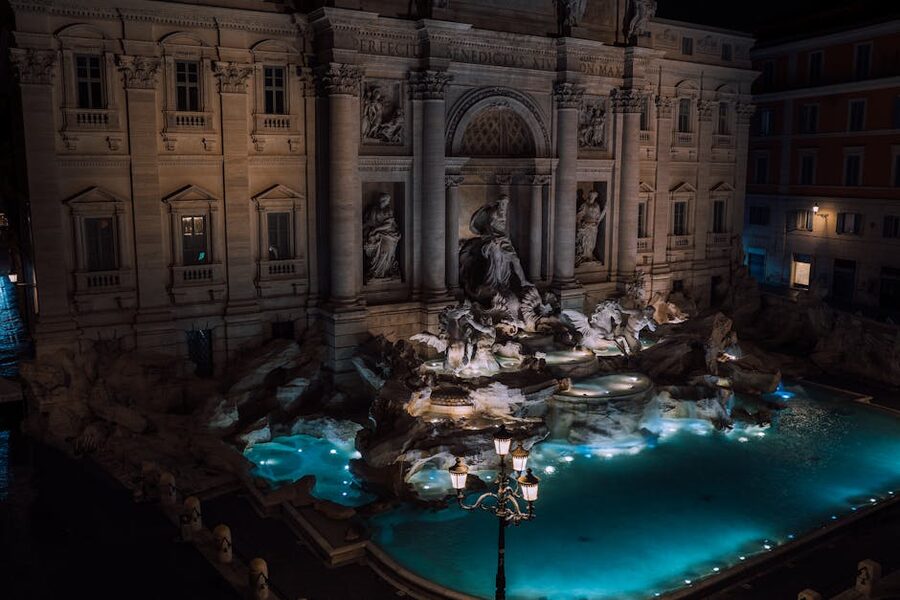
The Palazzo Poli concerts sit in a Baroque palazzo that most Rome visitors have seen without knowing it — the building is directly behind the Trevi Fountain, and the fountain’s huge sculptural backdrop is actually the palazzo’s façade modified by Nicola Salvi in 1732.
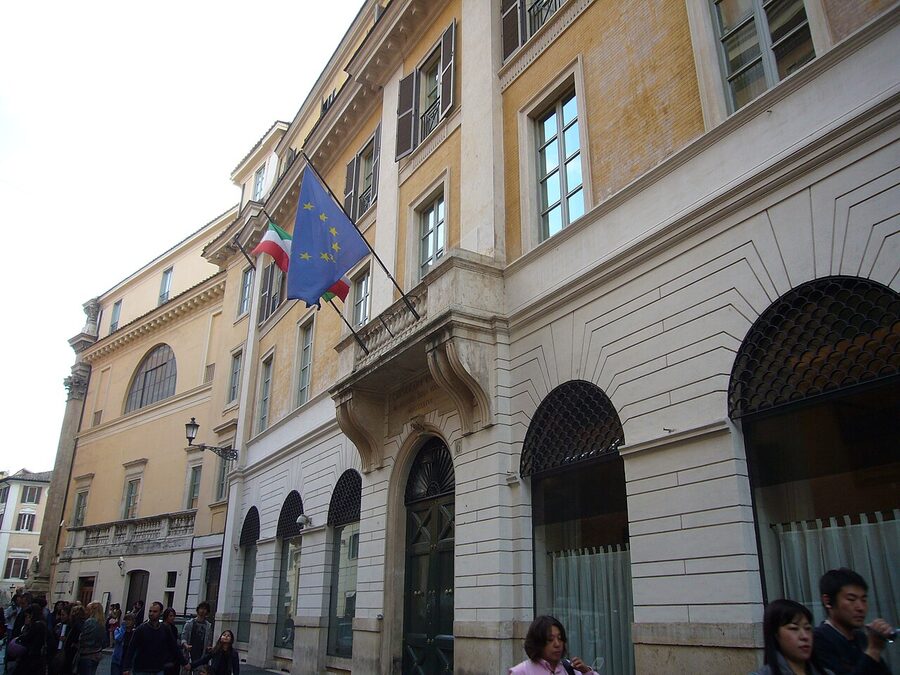
The palazzo dates to the 16th century, was expanded in the 17th, and became part of the Papal States property in the 18th. The Calcografia Nazionale (National Chalcography collection) has occupied parts of it since 1738 and still does. The concerts take place in the piano nobile (first floor) concert hall, decorated in 18th-century style with period furnishings.
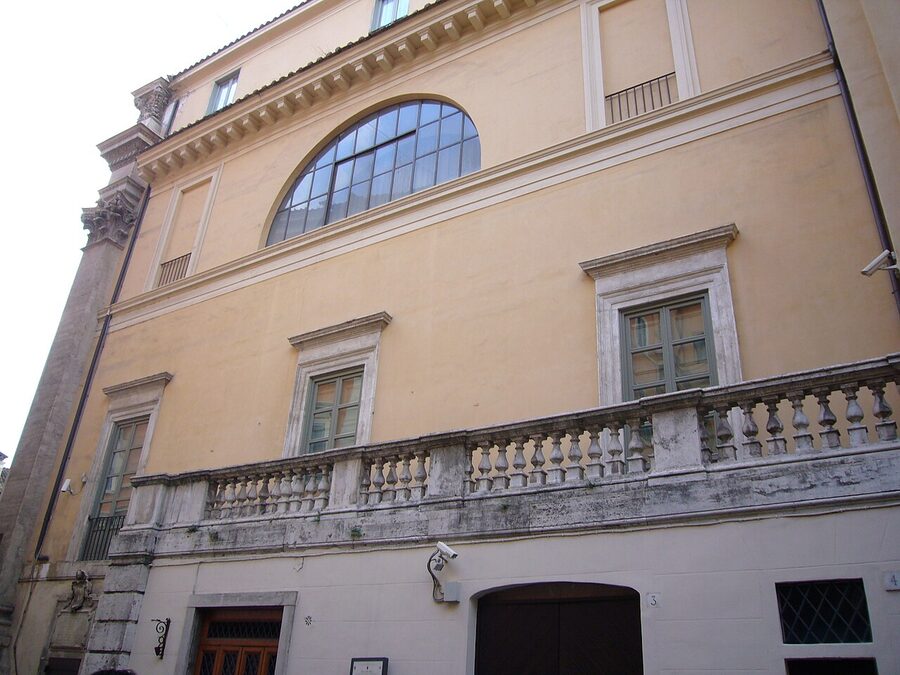
Practical advantage: the Palazzo Poli entrance is on Via della Stamperia, a quiet side street away from the Trevi Fountain tourist crush. You walk through a simple doorway into an 18th-century interior — the contrast between the chaotic Trevi crowd outside and the calm concert hall inside is memorable.
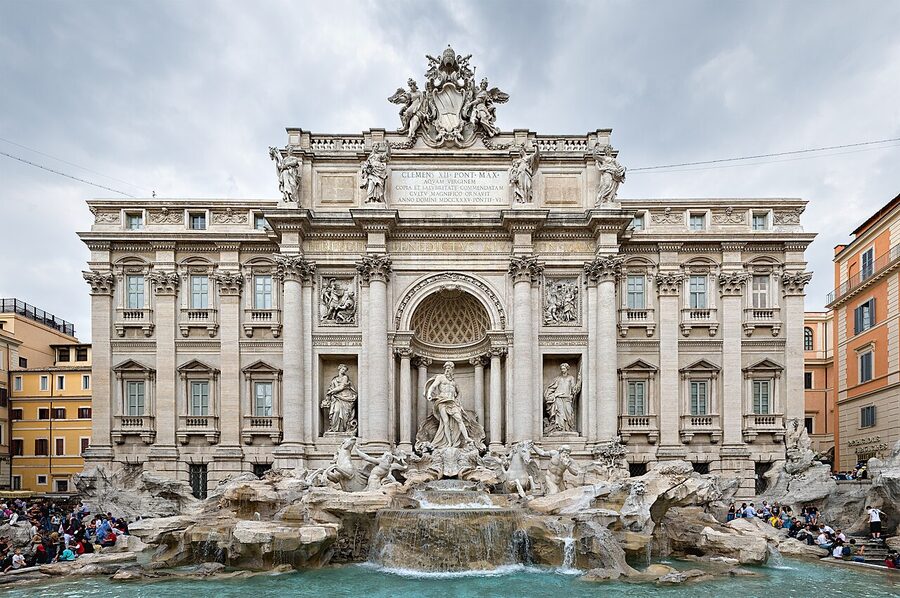
After the concert, the Trevi Fountain itself is just around the corner. Walk out the concert, make the two-minute walk to the fountain, throw a coin in the water, and you’ve stacked two classic Rome experiences into one evening.
The Church Concert Venues
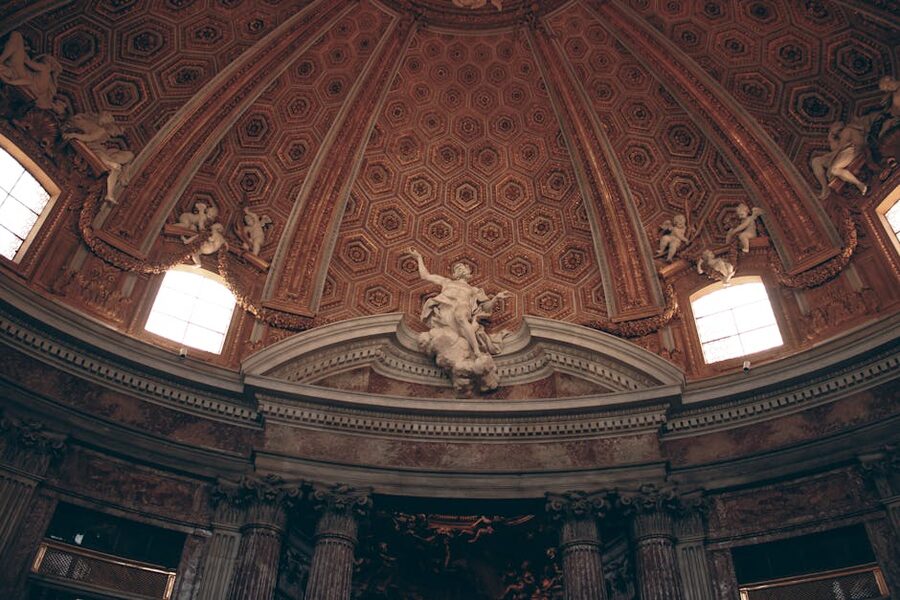
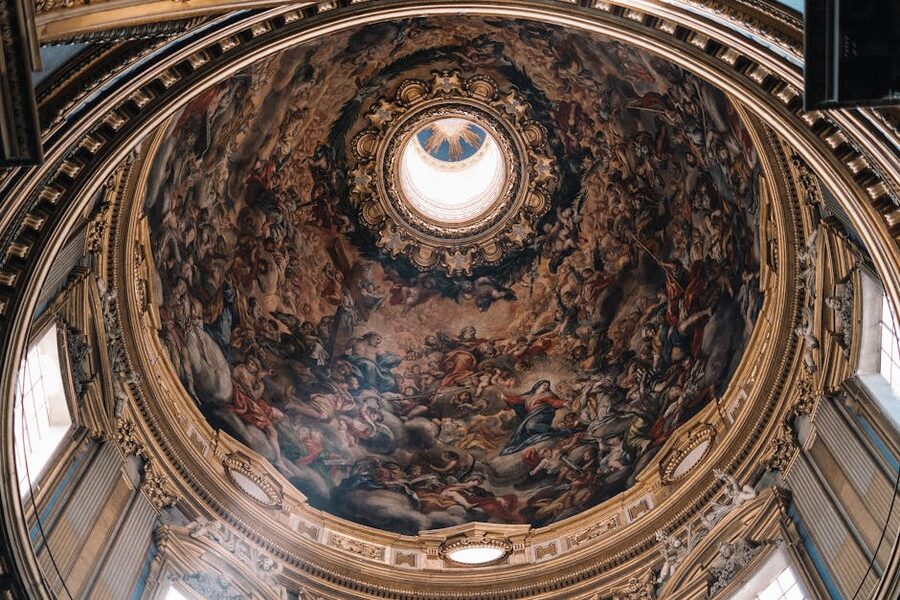
The non-Palazzo opera concerts typically happen in one of Rome’s deconsecrated or semi-active churches — most commonly St. Paul’s Within the Walls (a 19th-century Episcopal church on Via Nazionale) or smaller Baroque chapels.
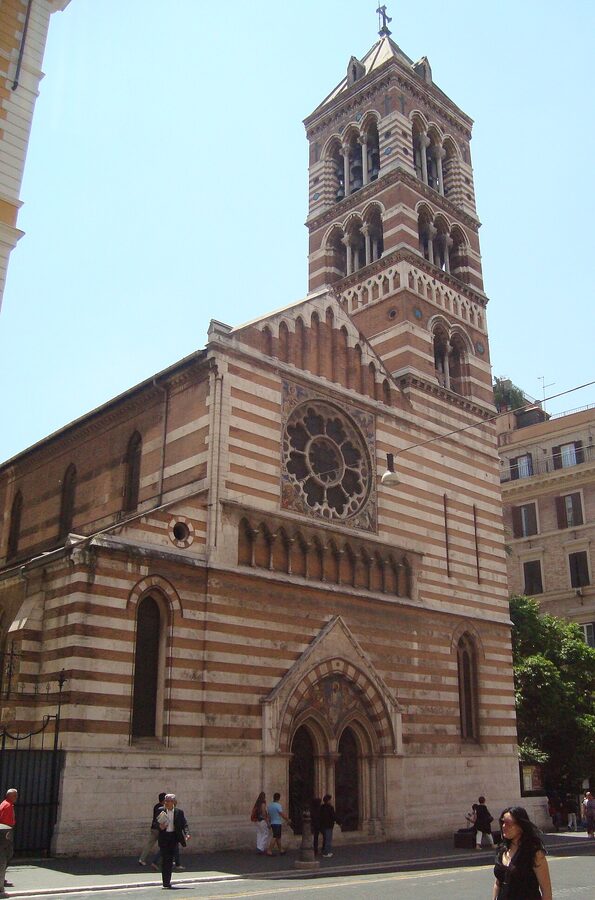
Church venues have two advantages: natural reverb (stone walls + vaulted ceiling creates acoustic character) and atmosphere (candlelight, painted ceilings, Baroque detail add visual drama). The disadvantages: wooden pews are uncomfortable for 50+ minutes, and the temperature is often cool (churches don’t heat effectively).
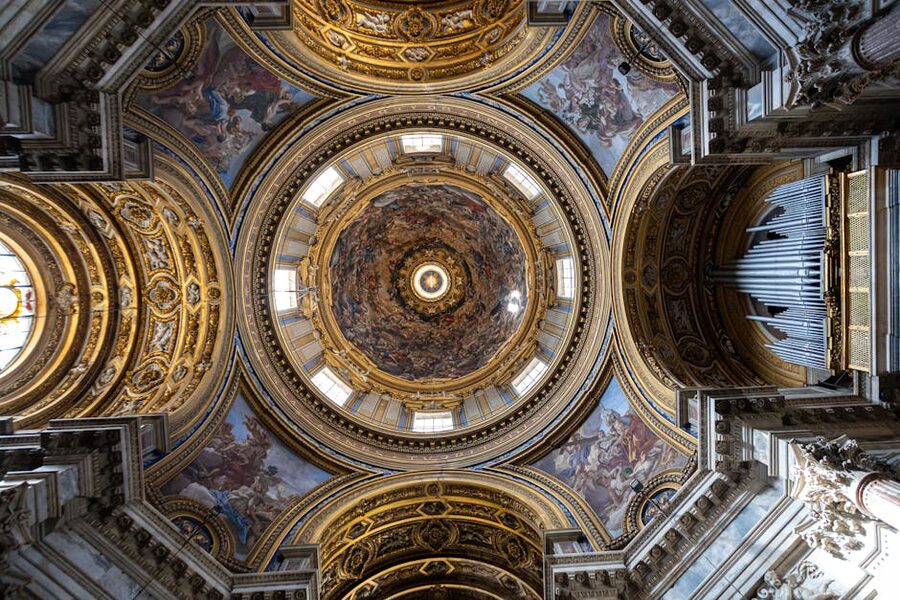
Bring a light jacket in any season for church concerts. The stone interiors hold cool air year-round — summer evening temperatures outside 30°C can drop to 20°C inside a stone church. In winter, bring a proper coat; indoor temperatures can fall to 14-15°C.
Programme Composition and What You’ll Hear
The Italian opera canon is deep enough that concerts rarely repeat the exact same programme, but the pool of “most beautiful arias” draws from perhaps 30-40 possible pieces. Knowing the standards helps you appreciate the variations.
Guaranteed to hear: Nessun Dorma (Puccini’s Turandot — the single most requested opera piece), O Mio Babbino Caro (Puccini’s Gianni Schicchi — instantly recognizable), La Donna è Mobile (Verdi’s Rigoletto — the accessible tenor piece).
Usually included: Una Furtiva Lagrima (Donizetti’s L’elisir d’amore), Casta Diva (Bellini’s Norma), Libiamo ne’ lieti calici (Verdi’s La Traviata — the drinking song), Vissi d’arte (Puccini’s Tosca), Che Gelida Manina (Puccini’s La Bohème).
Sometimes included: Va, pensiero (Verdi’s Nabucco — the chorus, tricky with solo voices), Sempre Libera (La Traviata coloratura piece), E Lucevan le Stelle (Tosca tenor aria), Un Bel Di Vedremo (Madama Butterfly).
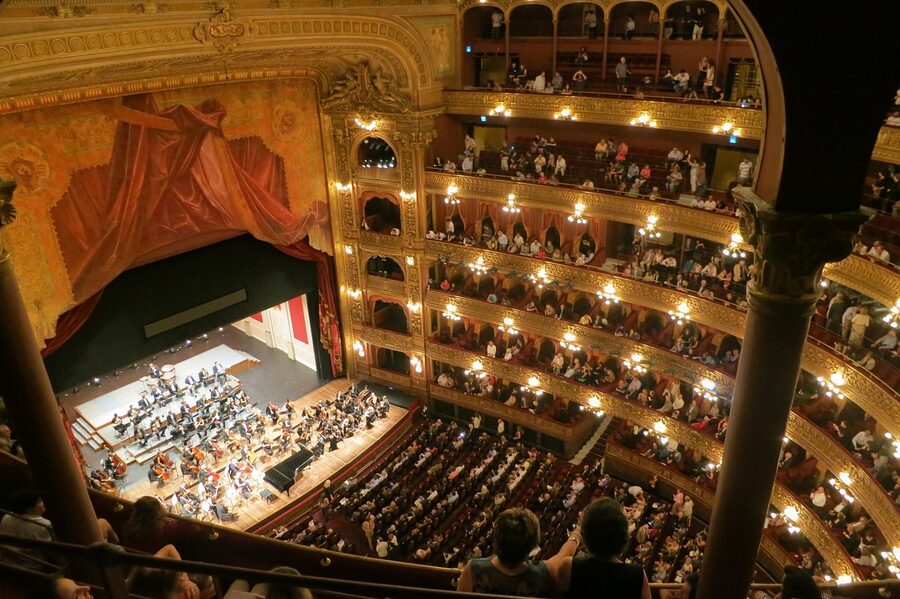
Neapolitan songs as closers: many programmes finish with “Funiculì Funiculà” or “O Sole Mio” — not operas but classic Italian songs that everyone knows and can sing along to. Lets the concert end on an uplifting note rather than a tragic lament.
Language: all arias in Italian. Introductions in English at most concerts. Programme booklets with translations often provided (in English, sometimes in French or German too).
Pricing vs Value Analysis
The Rome opera concerts are priced significantly lower than comparable experiences in other major European cities. Knowing the context helps you evaluate the $40-47 price as either bargain or overpriced depending on what you compare it to.
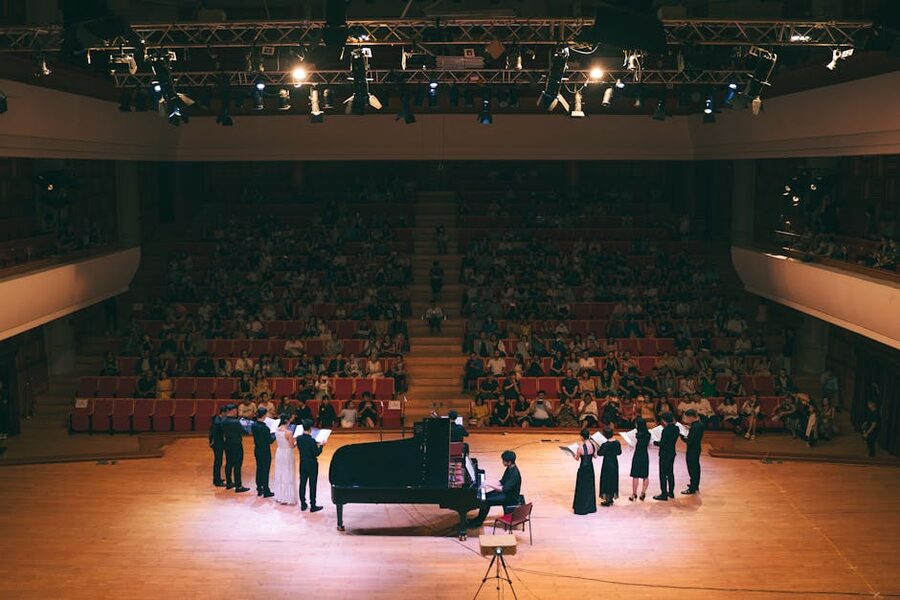
Benchmark comparisons: Rome Opera House (Teatro dell’Opera) tickets run €40-200. Vienna State Opera standing-room is €15 but actual seats start at €80+. London Royal Opera House stalls run £150+. Paris Opera Garnier is €100+ for decent seats.
What Rome concerts actually deliver: 50-60 minutes of professional live opera singing in a purpose-chosen atmospheric venue. Not a full production. Not orchestra. But trained voices singing the actual pieces you’d want to hear.
Per-minute cost: $40 for 50 minutes = $0.80/minute. Trevi Fountain venue at $47 for 60 minutes = $0.78/minute. Both well below typical Rome cultural activity per-minute pricing.
Hidden value: the venue atmosphere and the evening-out framing add value beyond the raw concert content. You’re paying partially for an evening activity that also happens to include music — that’s a fair bundle.
Who This Works For
Rome opera concerts work well for specific traveller types and fall flat for others. Understanding the fit saves you from booking the wrong activity for your Rome trip.
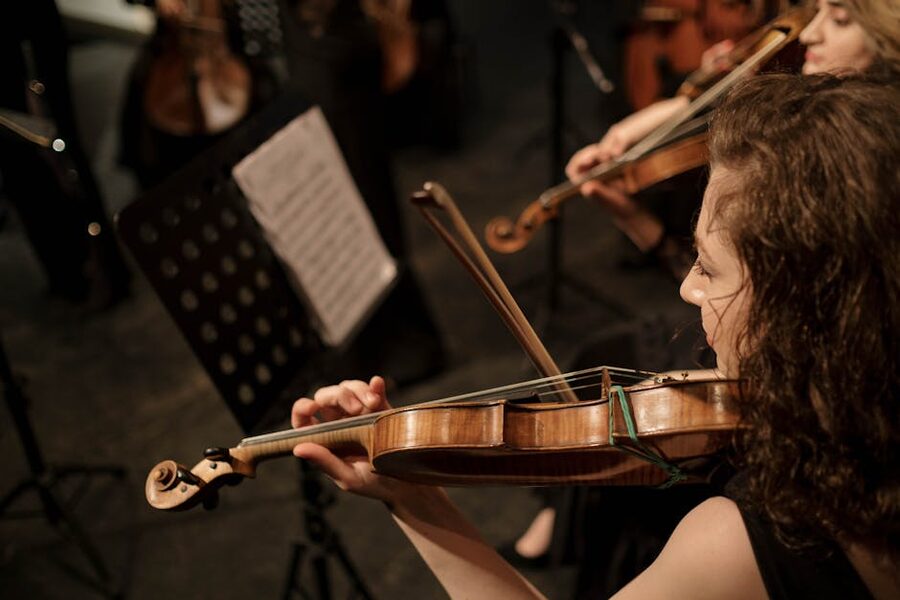
Great for: date nights for couples, culture-interested travellers who want an evening activity, opera-curious beginners who don’t want to commit to a three-hour production, visitors staying 3+ days in Rome who’ve already done daytime sights and want evening variety.
Adequate for: solo travellers who enjoy classical music, families with older teenagers interested in music, visitors wanting a dressy-but-not-formal evening.
Not ideal for: serious opera aficionados who’d find these programmes too basic, people who dislike classical music generally (the format won’t convert you), children under 14 (too long for most kids to sit still), travellers who need high-energy nightlife rather than cultural activities.
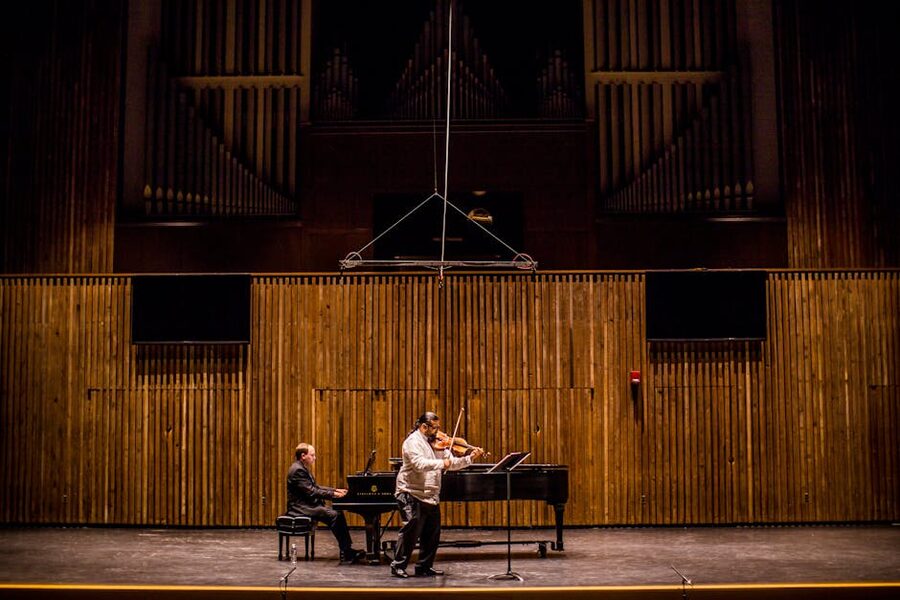
Dress code: smart casual works. No need for tuxedos or gowns. A dressy shirt or simple dress is sufficient. Jeans are technically acceptable but you’ll feel slightly underdressed if everyone else is in smart-casual.
Timing and Scheduling
Concerts typically run at 20:30 (evening, after dinner time) or 21:00. A few operators offer earlier 19:30 slots for travellers who want to combine with dinner afterward. Running time is always 50-60 minutes with no intermission at the budget-to-mid-tier price points.
20:30 slot: standard Italian evening timing. Concert ends around 21:30, giving you time for a late dinner in central Rome after. Romans typically eat at 21:00+ anyway, so this works with the local schedule.
21:00 slot: later start, usually Friday-Saturday. Concert ends 22:00, perfect for post-concert cocktails but too late for a proper sit-down dinner unless you’re going to a late-opening trattoria.
19:30 slot: the early option, works for travellers who want dinner after the concert. Rarely available — most operators focus on the later slots where audiences are already in Rome’s evening social rhythm.
Booking ahead: 1-2 weeks for weekend concerts in high season (April-October). Weekday concerts often have same-week availability. Holiday periods (Christmas week, Easter week) need 3-4 weeks ahead.
The Dinner Combination Option
The $94 dinner-plus-concert version is more than 2x the concert-only price. Whether that’s good value depends on what you compare it to.
What’s included: three-course Italian dinner (starter, primo or secondo, dessert), wine (red or white), coffee, plus the 50-minute concert. The restaurants are partner venues close to the concert hall — typically a 3-5 minute walk between.
Quality level: the dinner is tourist-grade but decent. Classic Roman trattoria fare — pasta, simple meat or fish secondi, tiramisu or panna cotta for dessert. Not gourmet but authentic enough.
Cost breakdown: $40 concert + $54 dinner = $94. A comparable Rome trattoria dinner for one with wine costs $35-50. So the math is roughly: you pay $94 for concert + restaurant-grade dinner that would cost $35-50 separately + the logistics convenience.
Value verdict: worth it if you want simplicity and don’t care about optimising dinner quality. If you’d rather eat somewhere excellent and book the concert separately, spend $40 on concert + $50 at a proper restaurant like Piperno or Armando al Pantheon. But the package saves planning time.
The Practical Evening Logistics
A Rome opera concert fits into an evening with specific rhythms worth knowing about.
Pre-concert: arrive 20-30 minutes early. This gives you time to find the venue, use restrooms, pick up a programme, and get your seat. Late arrivals often get seated in back rows where acoustics and sightlines are worse.
During: no food or drink in most venues. The concerts don’t have intermissions so you sit through the full 50-60 minutes. No photos/videos during the singing (standard classical music etiquette).
Applause timing: applaud after each complete aria. Between two halves of the same aria (some have multiple parts), don’t clap — wait for the clear ending. When in doubt, follow the audience; locals and regulars will lead the clapping.
Post-concert: most audiences exit together around 21:30-22:00. Trevi Fountain is a 2-minute walk from Palazzo Poli and spectacular at night. Piazza Navona is 10 minutes west. Plenty of bars and late restaurants open for post-concert drinks.
Combining with Rome Cultural Itineraries
The 50-60 minute format makes opera concerts easy to combine with daytime activities. Unlike a full production, you’re not committing your entire evening.
Culture-heavy day: morning Borghese Gallery, afternoon Welcome to Rome, evening opera concert. Three distinct cultural formats in one day. High-value for art-interested travellers.
Ancient + modern: morning Colosseum and Roman Forum, afternoon rest, evening opera concert. Ancient Rome by day, modern-Italian culture by night.
Food + culture evening: 17:00 cooking class, then 20:30 opera concert. The cooking class serves as dinner (you eat what you make), making the concert the evening conclusion.
Romantic itinerary: Trastevere food tour as dinner (17:00-21:00), opera concert the next night (not same day — you’ll be too full), Catacombs tour on day three for variety.
Alternative Italian Opera Experiences
Rome has more opera options than just the concert format. Knowing the alternatives helps you pick the right experience for your specific interests.
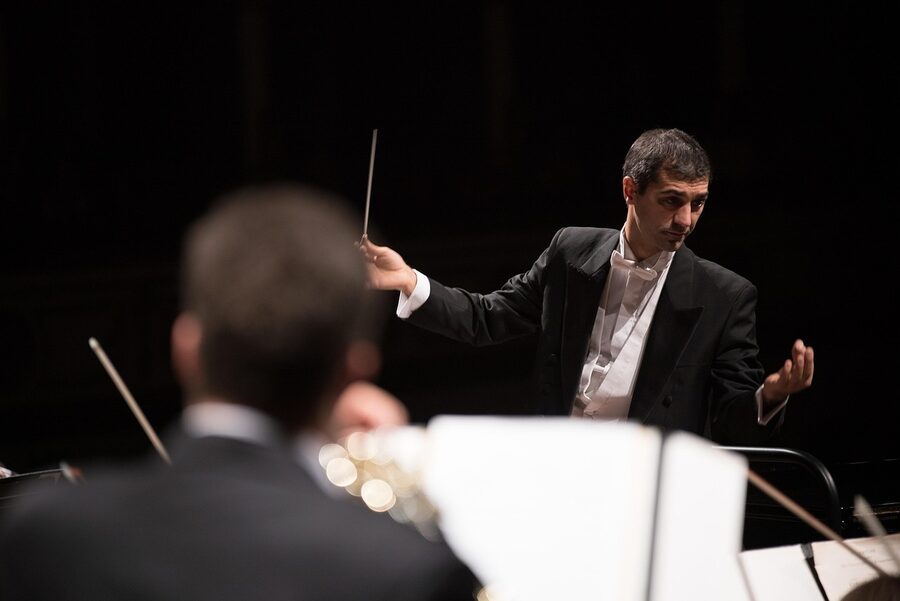
Teatro dell’Opera di Roma: the full Rome Opera House. Proper productions running 2-3 hours, with orchestra, chorus, sets, costumes. Tickets €40-200. Schedule follows a seasonal programme rather than ad-hoc concerts. Book directly through operaroma.it.
Baths of Caracalla (summer only): the outdoor opera series at the ancient Roman baths. June-August, mostly sold out weeks ahead, tickets €40-120. The setting (ancient brick walls as natural amphitheatre) is spectacular. Book operaroma.it.
Teatro Marcello outdoor concerts: summer classical concerts at the 1st-century BCE Teatro Marcello. Smaller scale than Caracalla but similar ancient-ruins-as-venue formula. Tickets €20-40.
Terme di Caracalla silent opera: some evenings the baths host ambient opera-influenced light shows rather than actual performances. Check schedules separately.
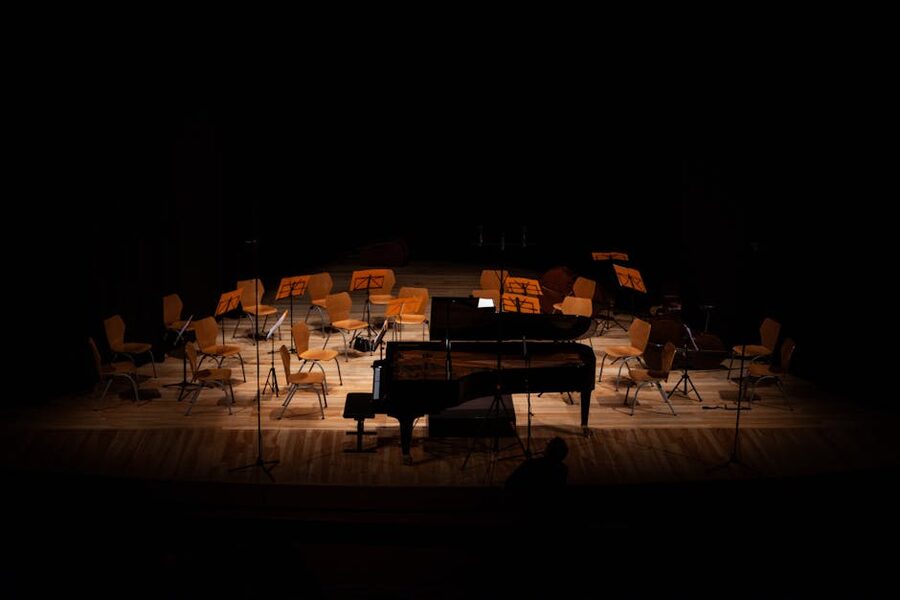
For most Rome visitors, the 50-minute concert format is the right introduction. If opera genuinely clicks for you during the concert, graduate to the full productions on your next Italian trip. Don’t jump straight to a three-hour Puccini production if you’ve never heard opera live before — it’s too much commitment for uncertain enjoyment.
Common Questions Answered
A few practical questions first-time Rome opera concert attendees often ask.
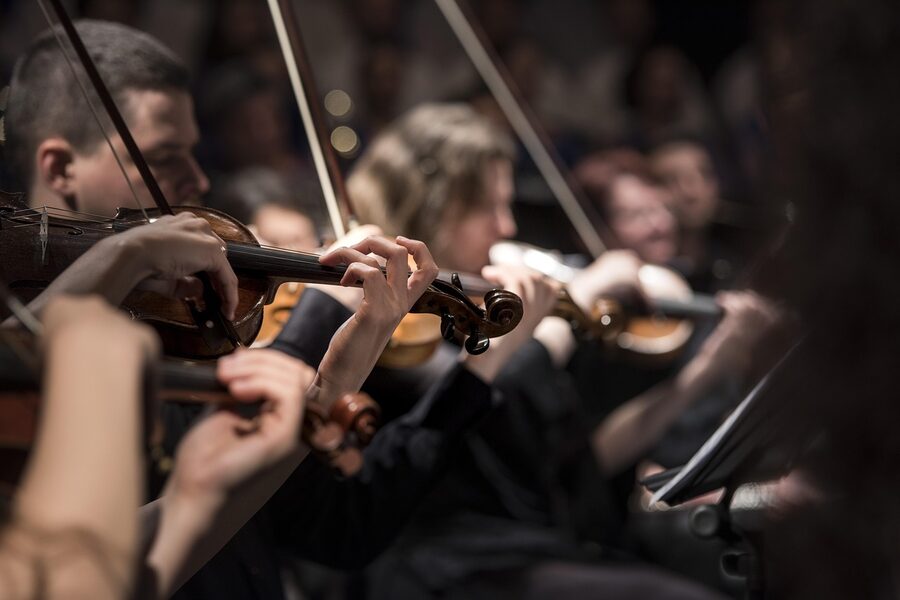
Q: Is this really opera or something else? A: These are concert-format opera performances featuring authentic arias sung by trained opera singers. They’re not full staged productions, but the vocal content is real opera.
Q: Do I need to know anything about opera beforehand? A: No. Each aria is introduced in English with context. Going in cold works fine — the concerts are designed for accessible introduction.
Q: Are these tourist traps? A: Partially yes — they’re commercial operations targeting international visitors. But the singers are legitimate professional opera singers, the venues are real historic buildings, and the programmes are serious opera content. Touristy in packaging, authentic in content.
Q: What’s the acoustic quality like? A: Variable. Palazzo Poli has excellent acoustics. Church venues vary from great (stone cathedral reverb) to just okay (small rooms with flat acoustics). Check reviews specifically about sound quality if acoustics matter critically.
Q: Can I buy CDs or merchandise? A: Some venues have small gift areas with CDs and opera books. Prices are usually €10-20. Not essential but a nice souvenir if the concert moves you.
What to Do If Opera Concerts Don’t Appeal
If Italian opera isn’t your thing, several alternative evening entertainment options exist in Rome at similar price points.
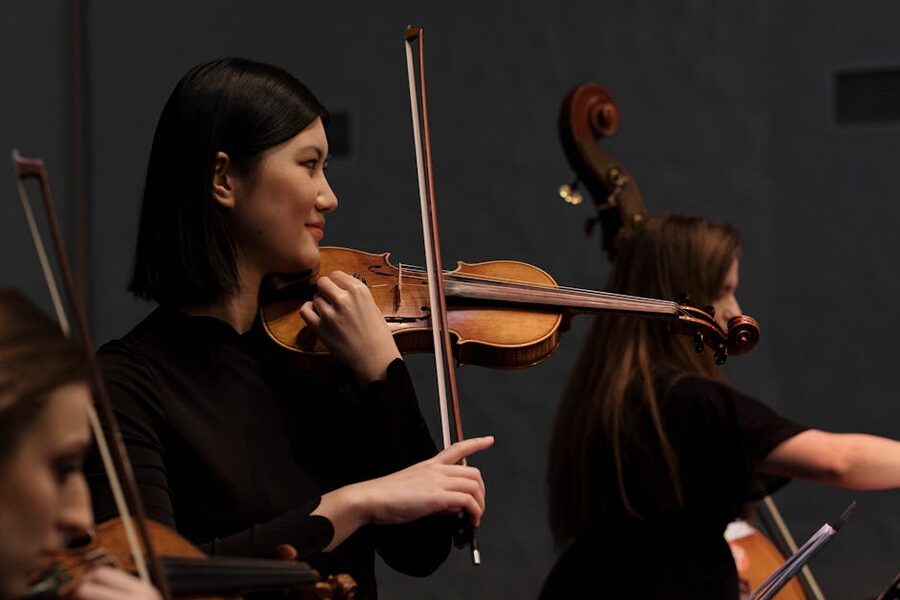
Classical chamber music concerts: similar 50-60 minute format, focused on Vivaldi, Bach, Mozart rather than opera. Venues include various Baroque churches. $25-40 tickets.
Jazz clubs: Rome has a solid jazz scene in Trastevere and Monti neighbourhoods. Cover charges $10-25, casual atmosphere, late-night pacing.
Ghost tours: atmospheric walking tours of Rome’s dark history sites. Different energy from opera but similarly centred on Rome atmosphere. $30-45.
Rooftop bars: for travellers who want a view rather than a concert. Many Rome rooftop bars have live music ambience without a ticketed concert format.
Final Recommendation
The Rome opera concerts are genuinely good value for what they deliver — 50 minutes of professional Italian opera singing in a historic venue for $40-47. They’re not competitive with Vienna or Milan for serious opera aficionados, but they’re excellent introductions to the art form and atmospheric evening activities for general travellers.
Pick the Palazzo Poli Trevi Fountain concert if venue atmosphere matters most. Pick the flagship Arias concert if you want the cheapest proven option. Pick the dinner-plus-concert package if you want no-logistics convenience. Book 1-2 weeks ahead, dress smart casual, arrive 20 minutes early, and plan your evening around the 20:30 start so you can walk to the Trevi Fountain after.