
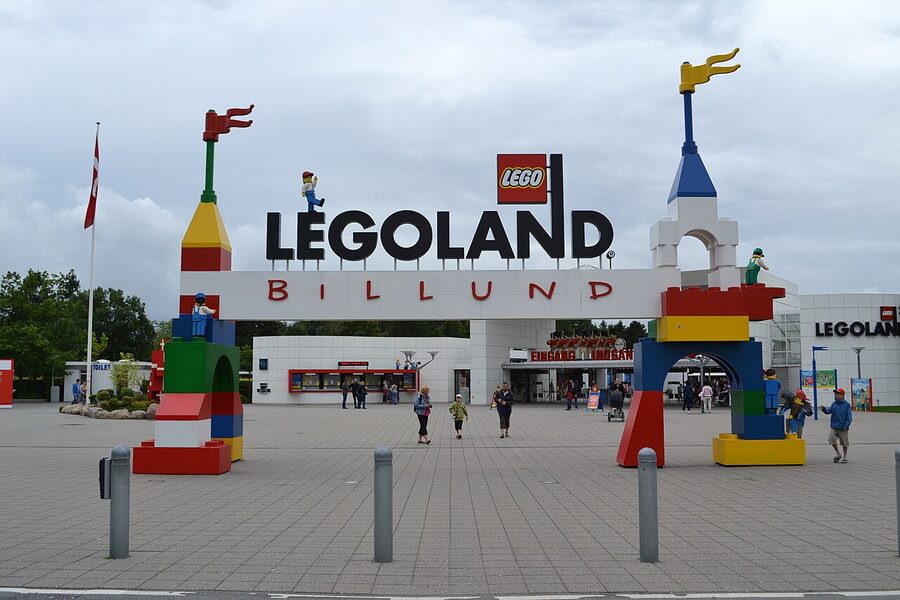
LEGOLAND Billund is about three hours west of Copenhagen by train, which sounds like a lot until you see a five-year-old’s face when they walk through the gates. The park sits in the town where LEGO was invented — Ole Kirk Christiansen started making wooden toys here in 1932, and the original factory is just down the road. It’s not a replica or a franchise; this is the original LEGOLAND, and the 50+ rides, Miniland’s miniature cities built from 20 million LEGO bricks, and the sheer density of things to do make it one of Denmark’s most visited attractions outside Copenhagen.
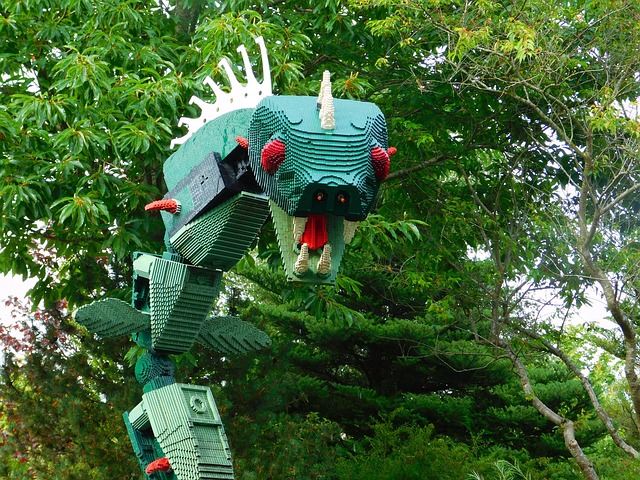
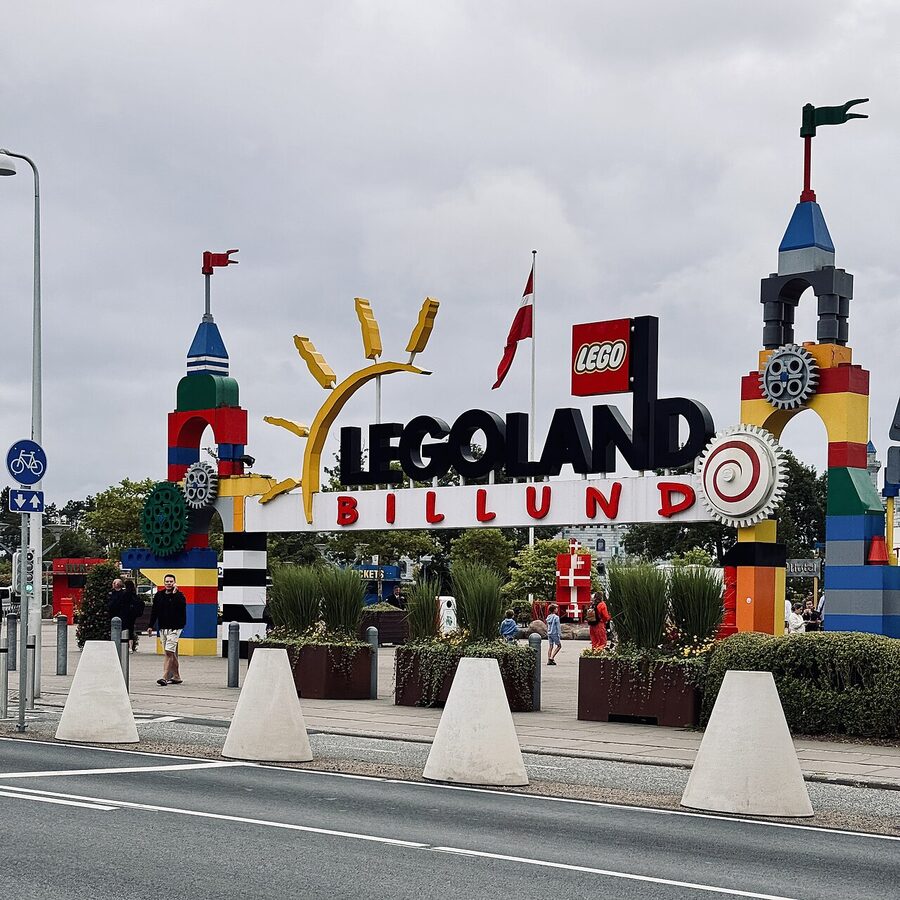
Reviewer Tetiana captured the appeal: “Visiting LEGOLAND in Billund was a delight for kids and adults alike — the park is full of charm and creativity, showcasing impressive LEGO sculptures and themed areas that are both nostalgic and innovative. Miniland, with its intricate LEGO models of famous landmarks, is a must-see and truly brings out the wonder in every visitor.” Elena was more practical: “Fantastic! Kids enjoyed very much all the attractions. Aged 7 and 12 — perfect age for most of the rides.”
Best for day-trippers: 1-Day All-Access Ticket — $55. 4.6 stars, 1,460 reviews. Every ride included, no extras to pay for once you’re through the gates.
Best for families staying over: 2-Day Ticket (valid 6 days) — $78. Works out to $39/day. Mix LEGOLAND and LEGO House across two days without rushing.
Pro tip: Buy tickets online — they’re cheaper than at the gate, and you skip the ticket queue entirely. Children under 3 enter free.
The ticket situation is straightforward: a 1-day pass costs $55 and includes every ride in the park. If you’re staying in the area (and there are good reasons to — Billund has LEGOLAND hotels themed to the last brick), a 2-day pass costs $78 and is valid across any two days within a six-day window. Both are cheaper online than at the gate, and booking in advance guarantees entry on busy summer days when the park occasionally hits capacity.
- Which Ticket Should You Buy?
- The 2 LEGOLAND Billund Ticket Options
- 1. LEGOLAND Billund 1-Day Ticket
- 2. LEGOLAND Billund 2-Day Ticket
- What You’ll Find at LEGOLAND Billund
- Getting to LEGOLAND Billund from Copenhagen
- Tips for Visiting LEGOLAND Billund
- LEGOLAND Billund vs LEGO House
- The LEGOLAND Hotels
- LEGOLAND Through the Seasons
- Is LEGOLAND Worth the Trip from Copenhagen?
- The LEGO Story: From a Carpenter’s Workshop to Global Empire
- Food at LEGOLAND
- More Denmark Guides
Which Ticket Should You Buy?
1-day ticket ($55): Right for most visitors, especially day-trippers from Copenhagen. The park is big but manageable in a full day if you arrive at opening (10am). You’ll cover the main rides, Miniland, and still have time for the play areas. The key is to hit the popular rides (The Dragon, Polar X-plorer, Flying Eagle) early before queues build.
2-day ticket ($78): Worth it if you’re staying in Billund or have kids who’ll want to revisit favourite rides. Day two is typically much quieter because you’ve already ticked off the must-dos and can explore the themed areas at your own pace. At just $23 more than the 1-day pass, it’s excellent value if you can use both days.
The 2 LEGOLAND Billund Ticket Options
1. LEGOLAND Billund 1-Day Ticket
Price: $55 per person | Duration: Full day | Rating: 4.6★ (1,460 reviews)
The standard all-access pass. One day, every ride included — no extra charges once you’re through the gates. This covers over 50 rides across nine themed areas: LEGO NINJAGO World, Pirate Land, Adventure Land, Knight’s Kingdom, and more. The 4.6 rating across 1,460 reviews is strong; the minor dips come from visitors who came on peak summer days and found long queues (arrive early, problem solved). Mobile ticket — scan your phone at the entrance, no printing needed. Children under 3 enter free. The park opens at 10am and closes between 6pm and 8pm depending on the season.

2. LEGOLAND Billund 2-Day Ticket
Price: $78 per person | Duration: 2 days (valid within 6 days) | Rating: 4.6★ (262 reviews)
Same all-access ride inclusion as the 1-day ticket, but valid for any two days within a six-day window. The flexibility is the selling point — you don’t need to visit on consecutive days, which means you can mix a LEGOLAND day with a trip to LEGO House (a separate attraction in Billund, also excellent) or just take a rest day in between. At $78 total, you’re paying $39 per day — a 29% saving over two separate 1-day tickets. The 4.6 rating matches the 1-day ticket, and reviews from families consistently say the second day was more relaxed and enjoyable than the first. Makes particular sense if you’re staying at one of the LEGOLAND hotels.

What You’ll Find at LEGOLAND Billund
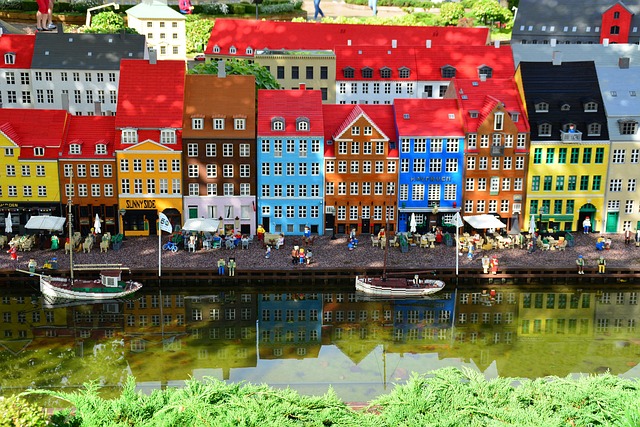
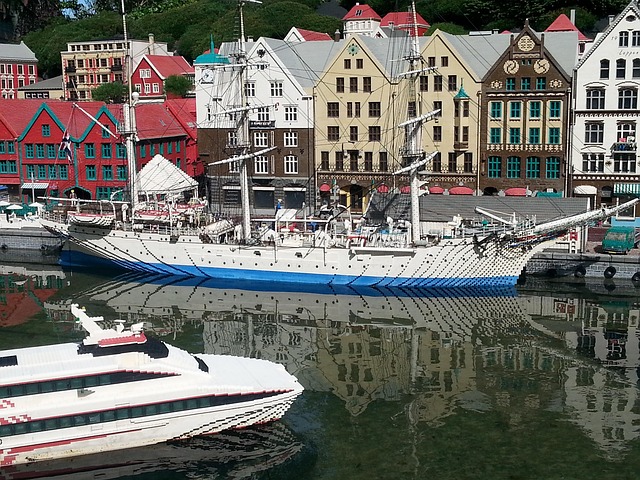
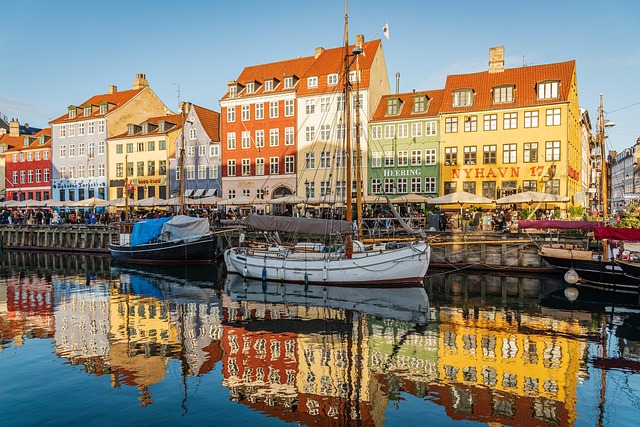
Miniland — The heart of the park and honestly the most impressive part. Over 20 million LEGO bricks recreate famous landmarks and entire city scenes from around the world — Copenhagen’s Nyhavn, an Amsterdam canal, a Star Wars battle scene, a working harbour with boats that actually move. The craftsmanship is staggering. Kids love it; adults are quietly mesmerised.
The Dragon — LEGOLAND’s signature ride. It starts as a dark ride through a LEGO castle (complete with a fire-breathing dragon), then bursts outside into a proper roller coaster with drops and turns over the park. Thrilling enough for adults, not so intense that older kids can’t handle it. Height minimum: 120cm.
Polar X-plorer — A roller coaster themed around an Arctic expedition that includes a splash-down into water. The queue goes through a polar research station built entirely from LEGO. One of the park’s best rides and one of the busiest — ride it first thing.

LEGO NINJAGO World — An entire themed area with a dark ride where you use hand gestures to “throw” fireballs and lightning at targets (the technology is genuinely impressive). Kids go absolutely wild for it.
Pirate Land and Adventure Land — Water rides, splash zones, and interactive play areas. This is where families with younger kids spend most of their time, and the design is clever enough that adults don’t feel like they’re just supervising.
Traffic School — Kids aged 7–13 drive electric LEGO cars around a miniature town with real traffic lights, roundabouts, and road rules. Complete the course and they receive a LEGOLAND driving licence. It requires a separate payment (55 DKK/$8) and fills up fast — go first thing on busy days.
Building zones — Scattered throughout the park, these let kids build LEGO models that they can test (race them down ramps, float them in water channels). It’s a reminder that the best toy in LEGOLAND is still the brick itself.


Getting to LEGOLAND Billund from Copenhagen
By train + bus (~3 hours): Take the train from Copenhagen Central to Vejle (about 2.5 hours), then bus 43 to LEGOLAND (30 minutes). Total cost around $50–60 return. Trains run frequently and the connection is easy.
By car (~3 hours): Drive west on the E20 across Funen and into Jutland. LEGOLAND has enormous free parking. This is the most flexible option and makes sense if you’re renting a car or combining the trip with other Jutland destinations.
By air: Billund has its own airport (BLL) with direct flights from several European cities. If you’re coming from outside Denmark, flying directly to Billund and skipping Copenhagen entirely is worth considering — the airport is 5 minutes from the park.
Organised day trips from Copenhagen: Some tour operators run full-day bus excursions from Copenhagen to LEGOLAND. They’re typically $150–200 including transport and entry, which is pricier than going independently but removes all the logistics. Check availability on GetYourGuide if this appeals.
Tips for Visiting LEGOLAND Billund
Arrive at opening. The park opens at 10am and the first hour is the quietest. Hit the big rides (The Dragon, Polar X-plorer, NINJAGO) before 11am, then spend the afternoon in Miniland and the play areas when ride queues are at their peak.
Weekdays beat weekends. Summer weekends and Danish school holidays are the busiest times. If you can visit on a Tuesday or Wednesday, you’ll ride more and queue less.
Bring layers. Billund is in central Jutland and the weather can change quickly. Even in summer, mornings and evenings can be cool. The water rides will get you wet, so a light rain jacket doubles as splash protection.
The LEGOLAND hotels are worth it for families. There are three themed hotels right at the park entrance: LEGOLAND Hotel, LEGOLAND Castle Hotel, and LEGOLAND Pirate Hotel. They’re not cheap ($200–400/night) but include early park entry, themed rooms, and evening entertainment. Kids think they’ve died and gone to LEGO heaven.
Don’t skip LEGO House. A separate attraction in Billund town centre (not inside LEGOLAND), designed by Bjarke Ingels. It’s an architectural landmark and an interactive LEGO experience aimed slightly older than the theme park. Tickets are separate ($30) and it’s easily worth half a day. The 2-day LEGOLAND ticket gives you a rest day to fit this in.
LEGOLAND Billund vs LEGO House
Billund has two LEGO attractions, and they’re completely different. Understanding which is which — and ideally visiting both — will save you confusion and make your trip considerably better.
LEGOLAND Billund is the theme park. 50+ rides, Miniland, play areas, themed zones. It’s designed for families with children aged 2–12, though the bigger rides (The Dragon, Polar X-plorer) are genuinely fun for adults too. This is where you spend a full day, ride everything, and collapse in the hotel afterwards.
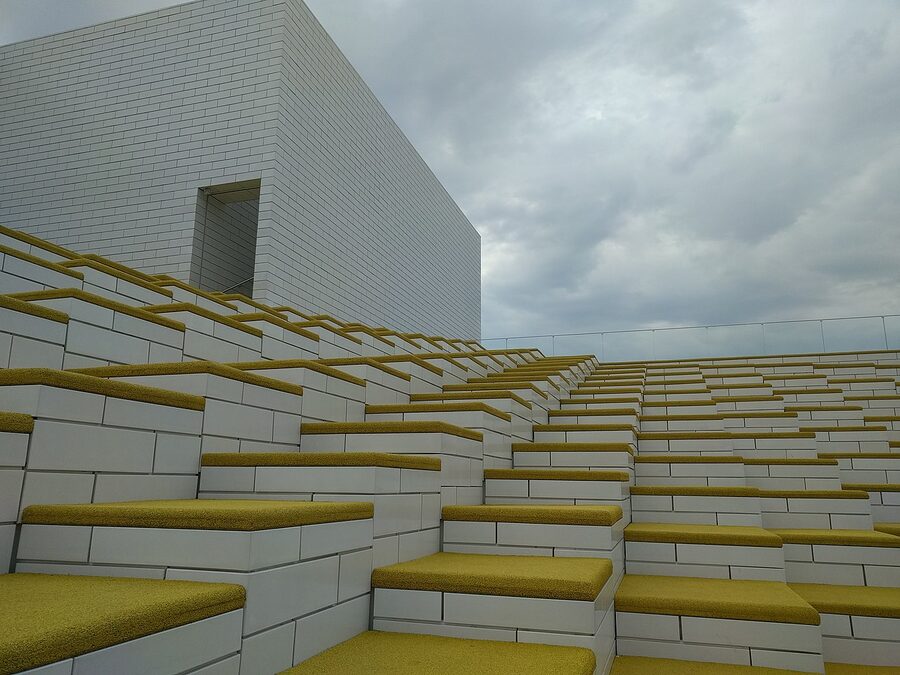
LEGO House is in Billund town centre, about 10 minutes from LEGOLAND by car. Designed by architect Bjarke Ingels (the stacked-brick building is visible from the road), it’s an interactive experience rather than a theme park. Four colour-coded zones encourage creative building, there’s a full history of LEGO from 1932 to the present, and the masterpiece gallery has LEGO builds that are genuinely breathtaking. It’s aimed slightly older than LEGOLAND — adults and teenagers get more out of it than toddlers. Tickets cost about $30 and it’s worth half a day.
The ideal Billund trip: Two days. Day one at LEGOLAND (use the 2-day ticket), day two split between LEGO House in the morning and a relaxed return to LEGOLAND in the afternoon for any rides you missed or want to repeat.
The LEGOLAND Hotels
There are three themed hotels right at the park entrance, and for families with young kids, they’re worth the splurge.
LEGOLAND Hotel — The original. Themed rooms (pirate, kingdom, adventure, NINJAGO), a build-and-play area in every room, LEGO treasure hunts, and a pool. Rates start around $200/night and include breakfast plus early park entry (30 minutes before general admission). The early entry alone is worth it — you can hit The Dragon and Polar X-plorer with zero queue while everyone else is still outside the gates.
LEGOLAND Castle Hotel — The premium option. Bigger rooms, castle theming throughout, a great restaurant, and evening entertainment for kids including a LEGO disco that’s either charming or annoying depending on your tolerance for children’s party music. Rates start around $300/night.
LEGOLAND Pirate Hotel — The newest addition. Pirate-themed rooms with a focus on the harbour side of the park. Similar amenities to the Castle Hotel at a slightly lower price point (~$250/night).
Non-LEGOLAND options: Billund also has regular hotels (Zleep Hotel, Hotel Legoland’s budget wing) and several holiday parks with cabins. If you’re not fussed about the theming, you can save $100+/night. The town is small and everything is within 10 minutes of the park.
LEGOLAND Through the Seasons
Summer (late March–October): The main season. All rides and areas are open. July is the busiest month — Danish school holidays overlap with most of Northern Europe, and the park hits capacity on peak days. June and September are the sweet spot: warm enough for the water rides, long days, and manageable crowds.
Halloween (October): The park transforms with LEGO monsters, pumpkins, and spooky-themed rides. Popular with families — the scares are kid-friendly, not horror-movie level. A particularly good time to visit because the summer crowds have thinned but the weather is still decent.
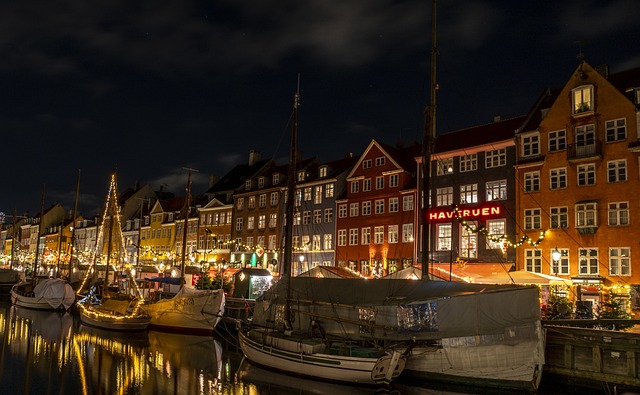
Christmas (November–December): LEGOLAND’s winter season features Christmas markets, a massive LEGO Christmas tree, and shorter opening hours. Not all rides run in winter, but Miniland is spectacularly lit, and the atmosphere is genuinely magical for younger kids. Wrap up warm — Jutland in December is cold.
Closed: January to mid-March. The park shuts completely for maintenance and preparation.
Is LEGOLAND Worth the Trip from Copenhagen?
The honest answer: it depends on your kids’ ages. For families with children aged 3–10, LEGOLAND Billund is one of the best family attractions in Europe, and the three-hour journey is absolutely worth it. The park is dense with things to do, Miniland is genuinely impressive for all ages, and the combination of creative play and rides hits a sweet spot that few other parks manage.
For adults without children, LEGOLAND is charming for about two hours and then you’ve seen it. LEGO House is actually the better adult attraction — the architecture alone is worth the trip, and the creative zones are designed for all ages. If you’re an adult LEGO enthusiast (and there are millions of them), both attractions together justify the journey.
The three-hour travel time is the main barrier. It’s too far for a casual day trip unless you’re committed. The best approach is to build Billund into your Denmark itinerary as a 2-night stop — train from Copenhagen, two days at LEGOLAND/LEGO House, then continue to another Danish destination or head back.
The LEGO Story: From a Carpenter’s Workshop to Global Empire
The story of LEGO begins in Billund in 1932, when a carpenter named Ole Kirk Christiansen started making wooden toys during the Great Depression. He named his company LEGO — from the Danish “leg godt,” meaning “play well” — not realising that the word also means “I assemble” in Latin. The wooden toys were popular locally, but the breakthrough came in 1949 when Christiansen’s son Godtfred began experimenting with plastic bricks.
The interlocking LEGO brick as we know it was patented in 1958, and it hasn’t changed since. Every single brick ever manufactured is still compatible with every other brick — a 1958 brick clicks onto a 2026 brick with the same satisfying snap. This backwards compatibility is one of the most remarkable design decisions in toy history, and it’s the reason adults who played with LEGO as children can build with their kids using the exact same pieces.

LEGOLAND Billund opened on June 7, 1968, as a simple outdoor display of LEGO models — essentially a bigger version of Miniland, without the rides. Godtfred Christiansen built it next to the factory as a way to showcase what LEGO bricks could do when assembled at scale. It drew 625,000 visitors in its first season, which was about 624,000 more than anyone expected for a small town in central Jutland. The rides came later, but Miniland remains the emotional heart of the park — the original reason people came to Billund, and still the section where adults stand motionless for 20 minutes marvelling at tiny LEGO boats with moving parts.

Today LEGO is the world’s largest toy company by revenue (bigger than Hasbro and Mattel combined), and Billund — a town of 6,800 people — is its spiritual home. The original factory is still here. LEGO House, designed by Bjarke Ingels, opened in 2017 as a “Home of the Brick” experience centre. And LEGOLAND itself has spawned nine parks worldwide, from California to Japan. But the Billund original remains the one that LEGO enthusiasts make pilgrimages to — because this is where it started, in a carpenter’s workshop in a town so small that LEGO is essentially its economy, its identity, and its reason for being on any map at all.
Food at LEGOLAND
The park food is theme-park-standard: burgers, pizza, hot dogs, and ice cream, priced at theme-park rates ($15–20 for a meal). The Danish-style hot dogs are the best value and most culturally authentic option. There’s a sit-down restaurant in the Knight’s Kingdom area that’s slightly better (and slightly pricier) than the fast-food stands.
Money-saving tip: Bring a picnic. The park has designated picnic areas with tables and benches, and there’s no restriction on bringing your own food. A cooler bag with sandwiches, fruit, and drinks will save a family of four $60–80 compared to eating at the park’s restaurants. This is what Danish families do, and you should too.

More Denmark Guides
LEGOLAND is Denmark’s biggest attraction outside the capital, but Copenhagen itself has enough to fill the rest of your trip. Back in the city, Tivoli Gardens is a very different kind of theme park — older, more atmospheric, and right in the city centre (Walt Disney visited LEGOLAND’s inspiration and created Disneyland; he visited Tivoli too). See Copenhagen from the water on a canal tour, or from the saddle on one of the city’s excellent bike tours — in a city where more people cycle than drive, it’s the most authentic way to get around. The walking tours dig into the history that the bikes and boats whizz past, and Copenhagen’s food scene is world-class enough that a dedicated food tour covering smørrebrød, Danish pastries, and New Nordic cuisine is time genuinely well spent. For a day trip that doesn’t involve plastic bricks, the Malmö and Lund excursion takes you across the Øresund Bridge to Sweden — two countries before dinner.