
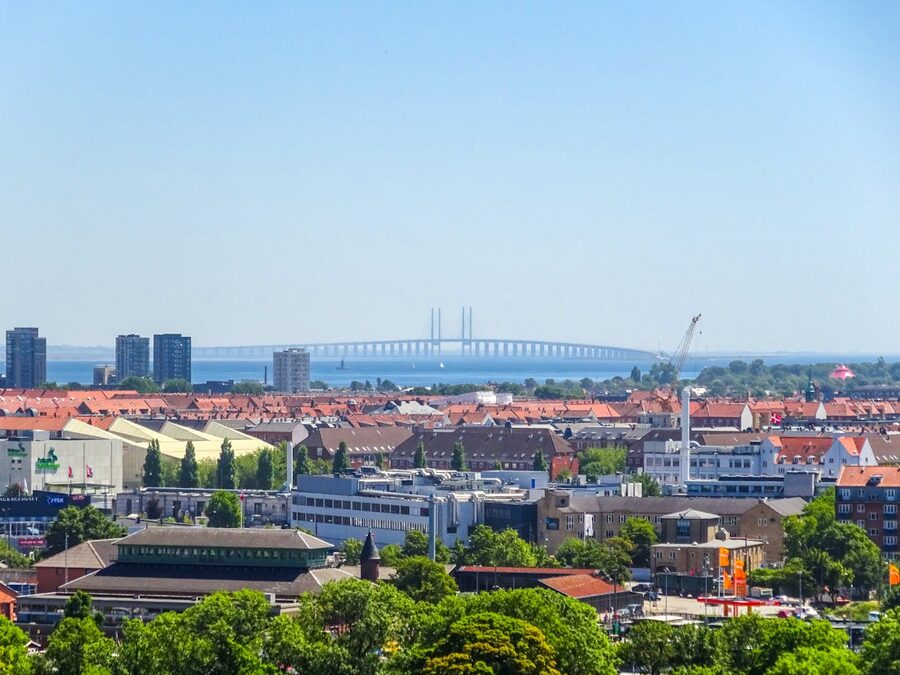
One of the most compelling day trips from Copenhagen doesn’t even stay in Denmark. The Øresund Bridge — 7.8 kilometres of cable-stayed highway and rail crossing the strait between Denmark and Sweden — puts you in Malmö in 35 minutes by train. Add another 15 minutes and you’re in Lund, a medieval university town that feels like it belongs in a period drama. Two countries, two currencies, two languages, and you’re back in Copenhagen for dinner.
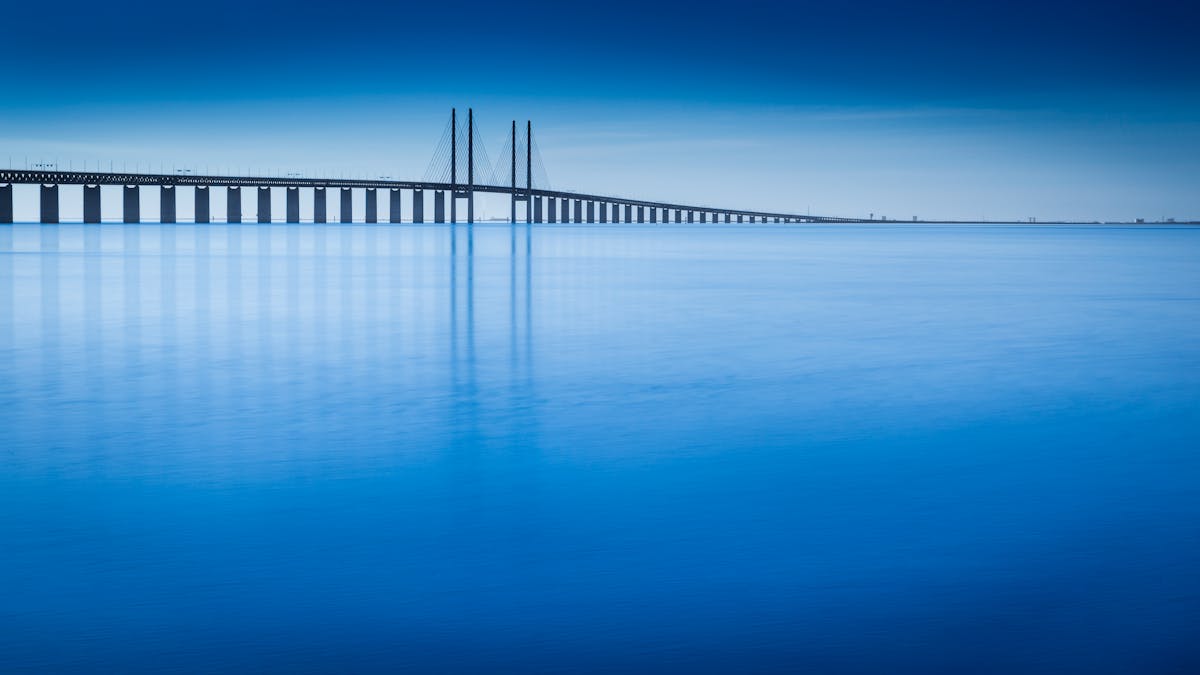
The easy access between the two cities has also changed how people live: thousands of Danes now reside in Malmö (where housing costs a fraction of Copenhagen prices) and commute across the bridge to work every morning. Swedish students cross the other way for Copenhagen’s universities. The Øresund Region is, in practical terms, a single metro area of 4 million people that happens to span two countries, two languages, and two tax systems. Crossing that bridge as a tourist is stepping into something that genuinely functions — not a gimmick, but a living example of how infrastructure reshapes geography.
You can do this independently by train (about $25 return), but the guided tours add Kronborg Castle (Hamlet’s castle) or skip the logistics entirely with hotel pickup and a bus that crosses the bridge for you. At $131–142 for a full day including a guide who covers both countries, it’s a solid deal — especially considering the bridge toll alone is about $55 if you’re driving.
Best overall: Hamlet and Sweden Tour — $143. 5.0 stars, 2,223 reviews. Kronborg Castle + Lund + Malmö in one perfect day. Only $11 more than the basic tour and includes Shakespeare’s Elsinore.
Most popular: Lund and Malmö 2-Country Tour — $131. 4.7 stars, 3,807 reviews. The classic full-day bus tour across the bridge. Guide Mario gets name-checked in nearly every review.
Best budget (DIY): Take the train yourself — $25 return, 35 minutes each way. Maximum flexibility, bring the Skånetrafiken app, and eat falafel in Malmö for $8.
- Guided Tour vs. Going Independent
- The 3 Best Copenhagen to Sweden Tours
- 1. Hamlet and Sweden Tour — 2 Countries in One Day
- 2. From Copenhagen: Lund and Malmö 2-Country Tour
- 3. Tour Across the Øresund Bridge to Lund and Malmö
- What You’ll See in Sweden
- Malmö
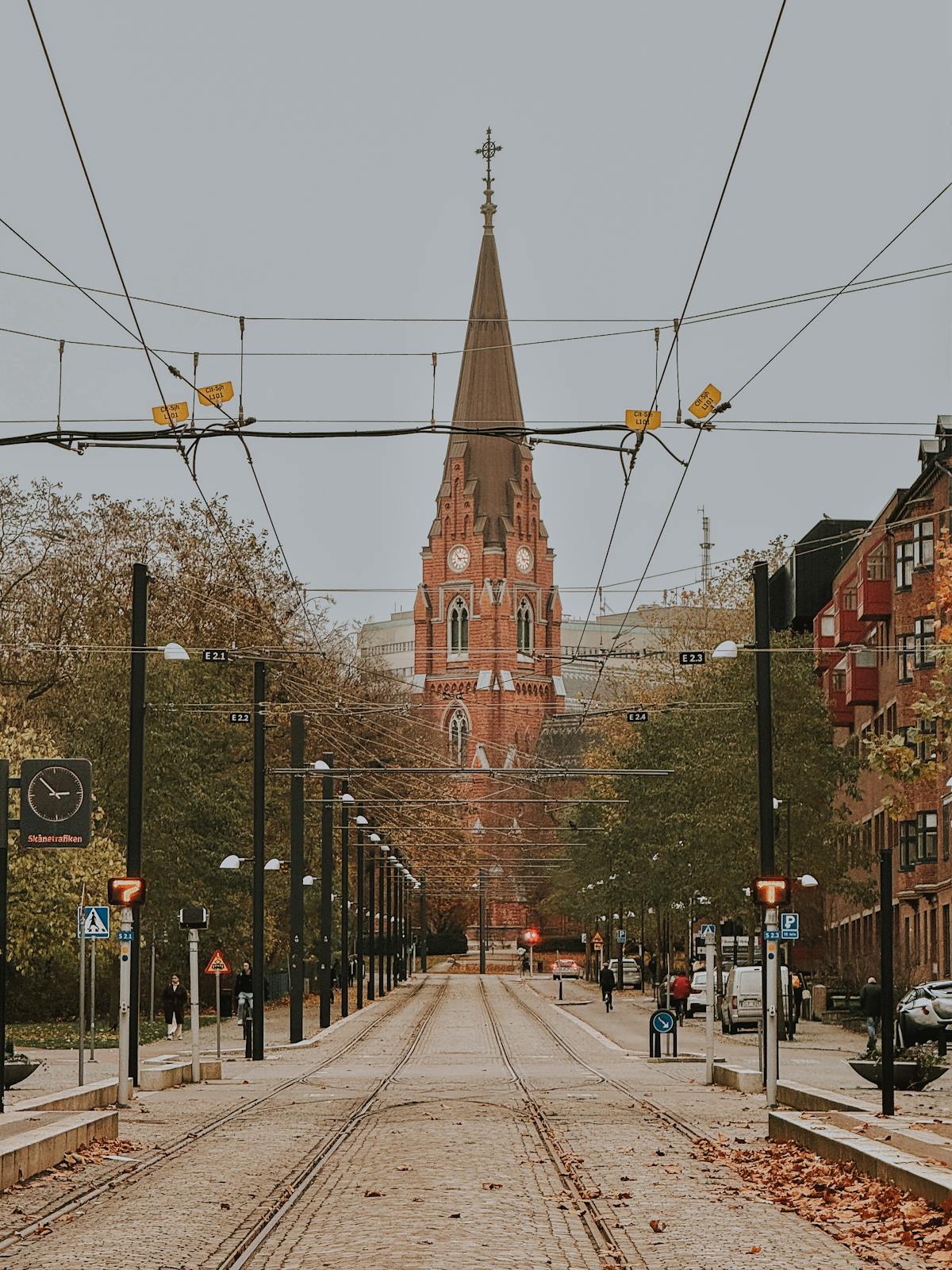
- Lund
- Kronborg Castle: Shakespeare’s Elsinore
- Stories Behind the Scenery
- The Bridge That Changed Two Countries
- Malmö: From Danish Fortress to Swedish Design Capital
- Lund Cathedral’s Giant in the Crypt
- Where to Eat in Malmö and Lund
- Practical Tips
- When to Do the Sweden Day Trip
- More Copenhagen Guides
Guided Tour vs. Going Independent
By train (independent): Trains from Copenhagen Central to Malmö run every 20 minutes, take 35 minutes, and cost about 120 SEK ($12) each way. From Malmö, it’s another 12 minutes to Lund. Both cities are walkable from their stations. Total transport cost: around $25 return. You get maximum flexibility but zero context — you’ll wander the streets without knowing what you’re looking at. You also can’t pay cash on Swedish buses (download the Skånetrafiken app), and you’ll need to remember your passport since random border checks happen on the bridge.
Guided tour (bus): The tours handle everything — hotel pickup in Copenhagen, bridge crossing with commentary, guided walks through both cities, and usually Kronborg Castle on the route. At $131–142 the premium over the train is about $100, which covers the guide, the bus, and a full day of context you’d never discover alone. Reviewer Graham described his trip as “a lovely drive up the coast through the snow to visit the castle at Helsingør… then the ferry to Helsingborg… Lund where we experienced amazing Danish meatballs in whisky at The Grand Hotel… back on the coach for a dark and very snowy drive back via the Øresund Bridge.” That’s the kind of day you can’t replicate with a train ticket and Google Maps.
Our recommendation: Take the guided tour on your first visit. Malmö and Lund are pleasant enough to walk around independently, but they genuinely come alive with a guide who can explain the centuries-long rivalry between Malmö and Copenhagen, why Lund Cathedral has a giant carved in the crypt, and how the bridge changed both cities overnight. You can always go back by train later — and you probably will, because Malmö’s food scene is worth a repeat visit.
The 3 Best Copenhagen to Sweden Tours
1. Hamlet and Sweden Tour — 2 Countries in One Day
Price: $142.55 per person | Duration: ~9 hours | Rating: 5.0★ (2,223 reviews)
The best Sweden day trip from Copenhagen, and not just because it includes Kronborg Castle. This full-day tour starts with Shakespeare’s Elsinore — a massive Renaissance fortress overlooking the 4km-wide strait where every passing ship once paid a toll to the Danish king. Then it crosses to Sweden for Lund (cathedral, university, cobblestones) and Malmö (Lilla Torg, Turning Torso, old town). Reviewer Steen’s group travelled by minivan with “scandi humour rather than just the pre-recorded commentary that can easily put you to sleep.” Another, RC_K, called it “really excellent — the bus was very comfortable and our tour guide was warm and funny and very knowledgeable. The castle was awesome.” At $143 it’s only $11 more than the Lund/Malmö-only tour, and that $11 buys you a UNESCO World Heritage Site, the Hamlet connection, and a perfect 5.0 rating across 2,223 reviews. This is the one to book.
2. From Copenhagen: Lund and Malmö 2-Country Tour
Price: $131 per person | Duration: ~8 hours | Rating: 4.7★ (3,807 reviews)
The most booked Sweden day trip from Copenhagen by a wide margin. A coach picks you up in central Copenhagen, crosses the Øresund Bridge (with commentary about the engineering), then spends the morning in Lund — cathedral, university campus, cobblestone streets. After lunch (not included, but the guide recommends spots), you head to Malmö for Lilla Torg, the Turning Torso, and the old town. Guide Mario appears in almost every review: Michelle wrote he’s “an absolute gem — very helpful and pleasant, he has a lot of knowledge,” while Lee said Mario “had facts for literally every single road we journeyed — for our stops we had various options on what to do, so the freedom was up to us.” At 3,807 reviews with a 4.7 rating, the quality is well-established. The minor gripes: some reviewers wanted more time in Lund and less on the bus.
3. Tour Across the Øresund Bridge to Lund and Malmö
Price: $134 per person | Duration: ~6 hours | Rating: 4.7★ (601 reviews)
A slightly shorter version of Tour #2 — six hours instead of eight, same two cities, similar route. The tighter schedule means less free time in each location, but if you’re on a tight Copenhagen itinerary and can’t spare a full nine hours, this gets you across the bridge and into Sweden without writing off the entire day. Reviewer Colin praised guide Caspar as “excellent — informative and friendly,” and Teresa noted “lots of commentary as we made our way… I found there was plenty to see and time for coffee and a treat.” Heather’s honest take: “Malmö, a bit too many shops but great to visit. Thoroughly great day, bit pricey though.” At $134 it’s actually $3 more than Tour #2 for less time, so Tour #2 is the better value — but the 6-hour format works for tight schedules.
What You’ll See in Sweden
Malmö
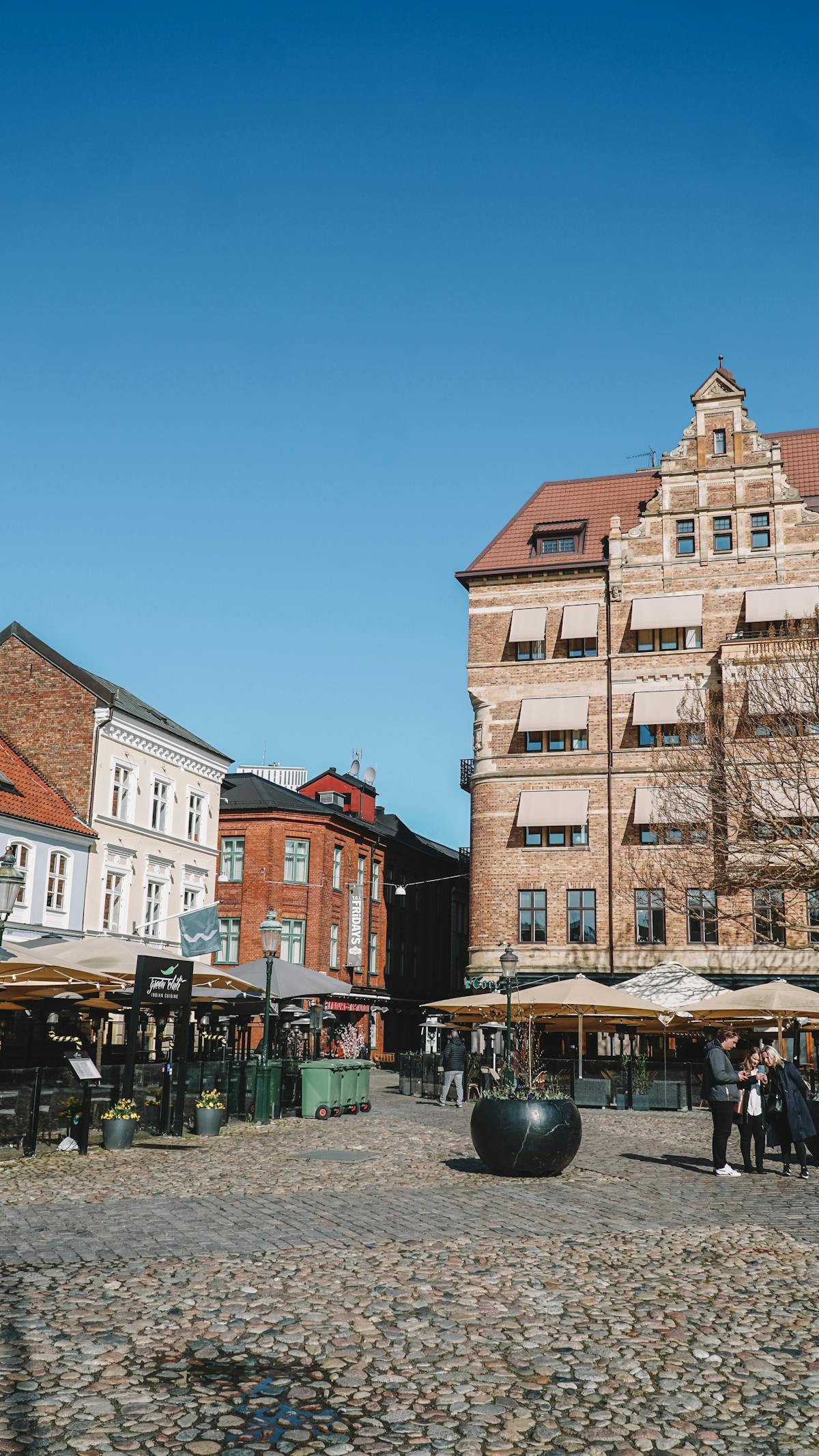
Lilla Torg — The half-timbered square at the heart of Malmö’s old town. Restaurants and cafés line every side, and in summer the outdoor seating fills the entire square. This is where most tours give you free time, and it’s the natural starting point for exploring the old town on foot.
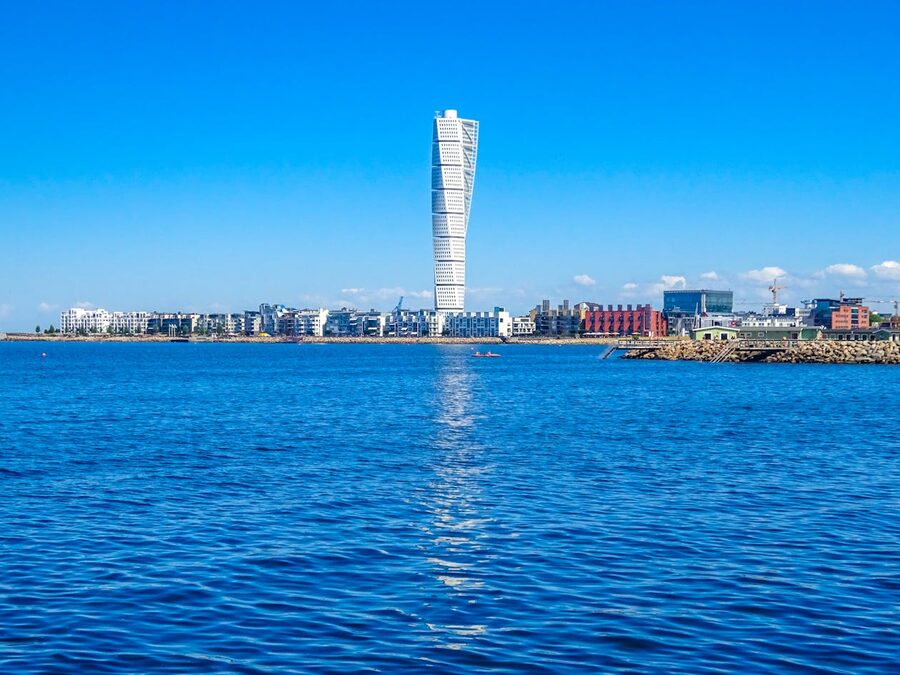
Turning Torso — Scandinavia’s tallest building at 190 metres, designed by Santiago Calatrava after a sculpture of a twisting human form. You can’t go inside (it’s residential apartments), but it’s visible from most of the city and has become Malmö’s defining landmark — the symbol of a city that reinvented itself from declining shipyard town to Scandinavian design capital.
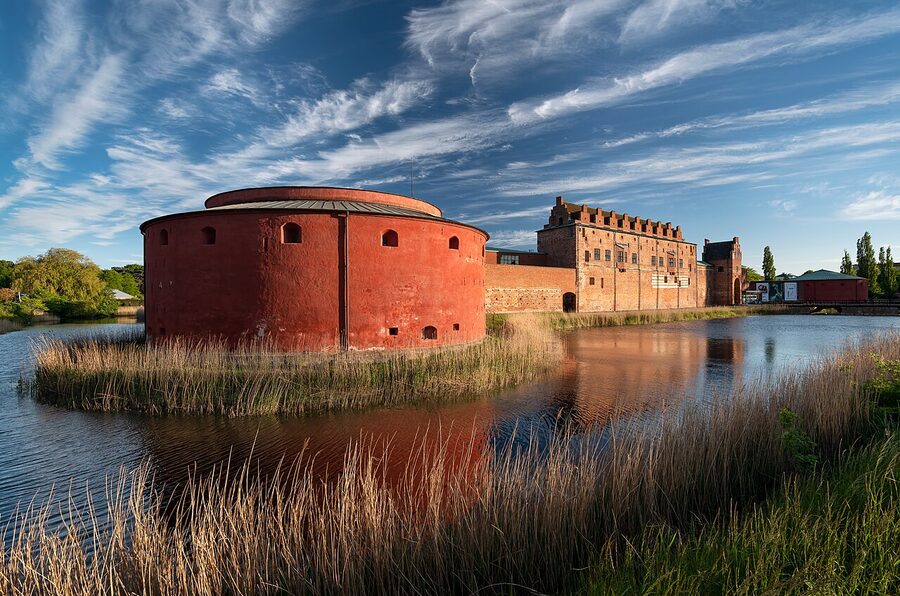
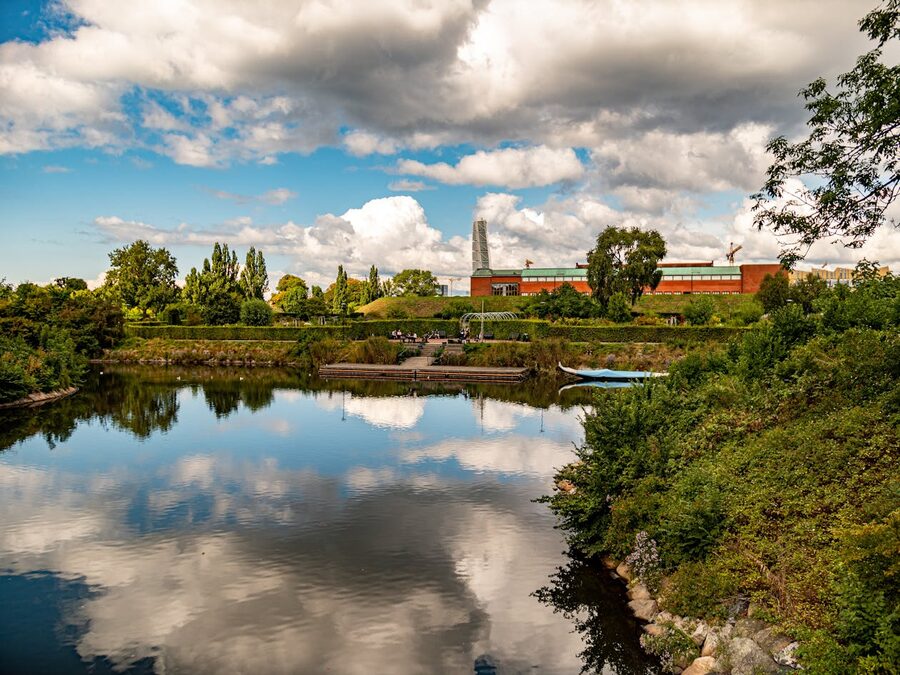
Malmöhus Castle — A Renaissance fortress dating from 1434, originally built by the Danish king (Malmö was Danish until 1658). It’s been besieged, burned, rebuilt, and served as a prison before becoming the city’s main museum. The castle is surrounded by a moat and sits in the middle of Slottsparken and Kungsparken — Malmö’s two main parks, which wrap around it like a green belt of old trees, waterways, and walking paths.
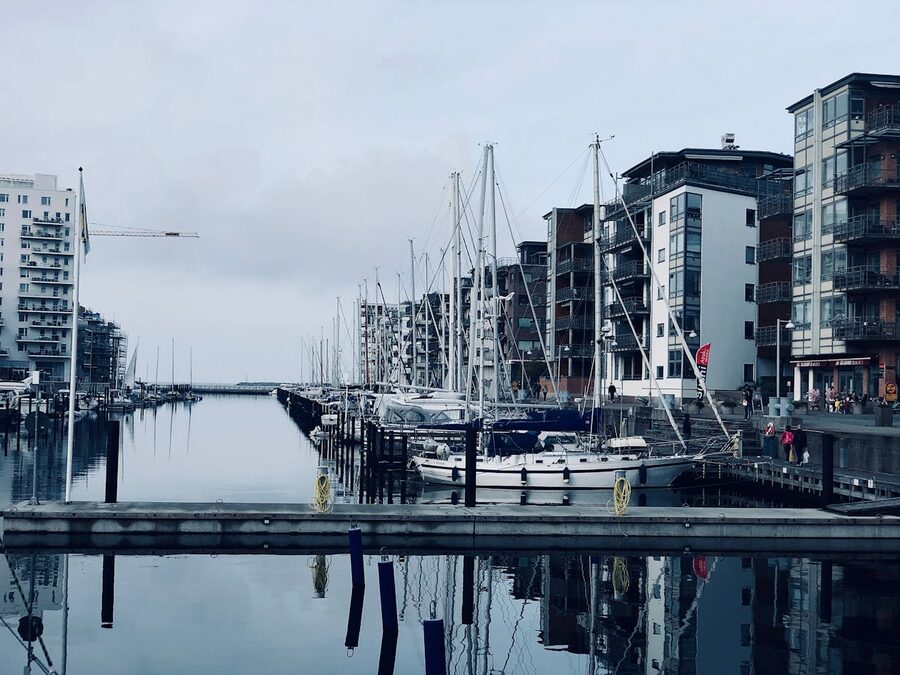
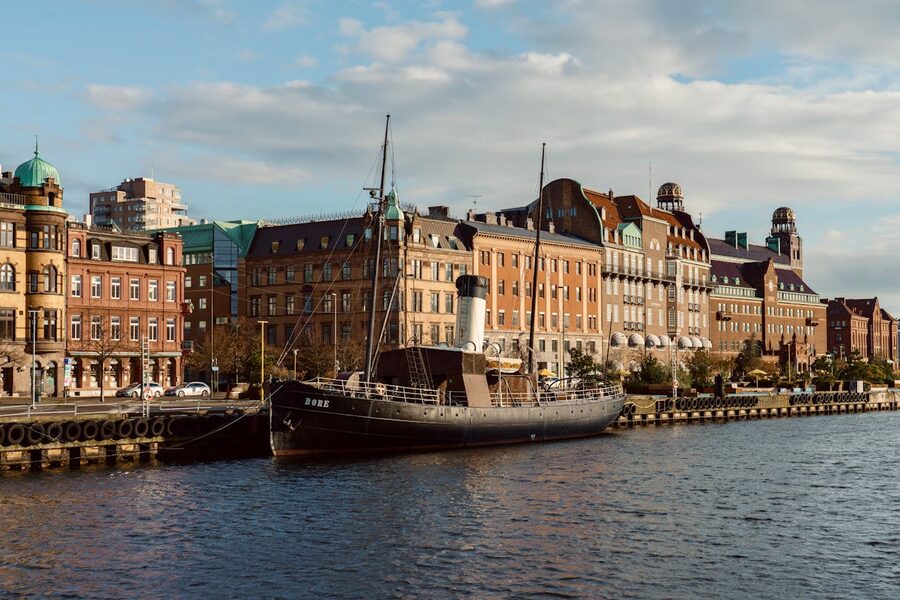
Västra Hamnen (Western Harbour) — The modern waterfront district where the Kockums shipyard once stood. When the shipyard closed in the 1980s, Malmö lost its economic engine. The city bet on design, sustainability, and the bridge to Copenhagen — Västra Hamnen is the result. It’s full of architectural experiments, a marina with sailboats, Daniaparken (a new seaside park with swimming facilities), and waterfront cafés. The contrast with the medieval old town five minutes away is extraordinary.
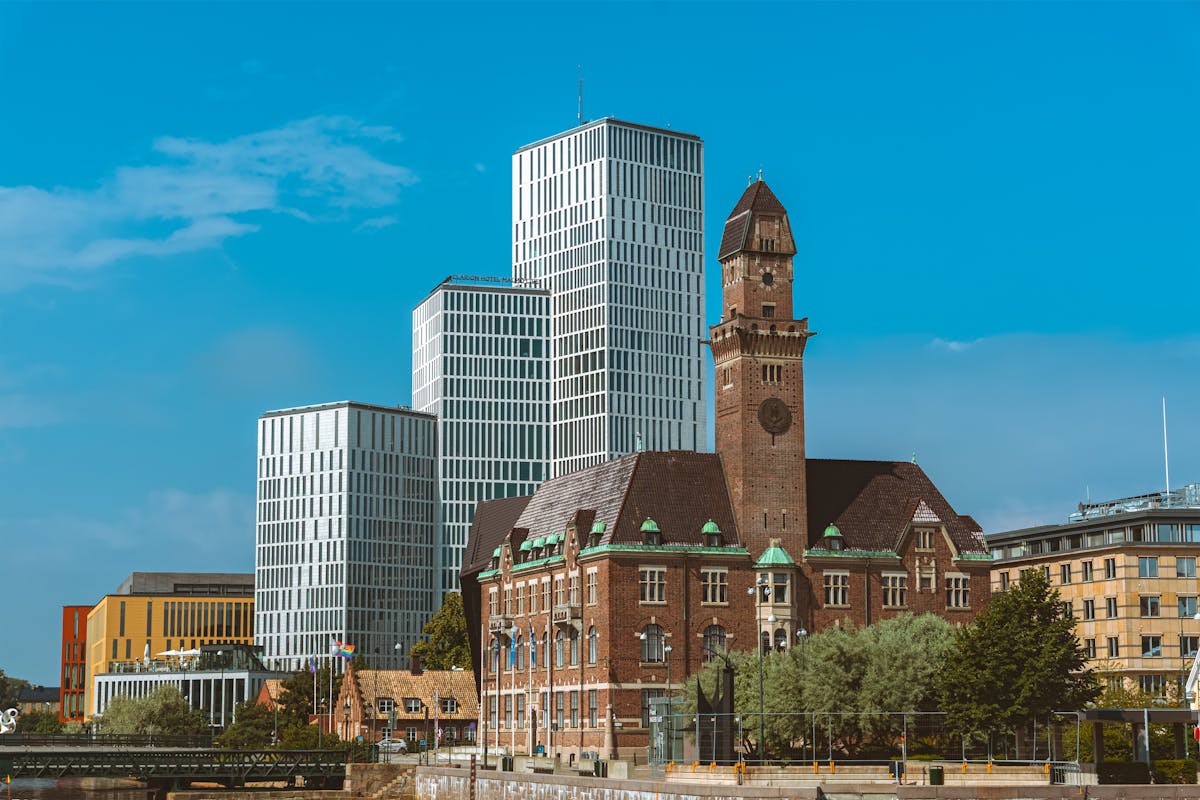
Lund
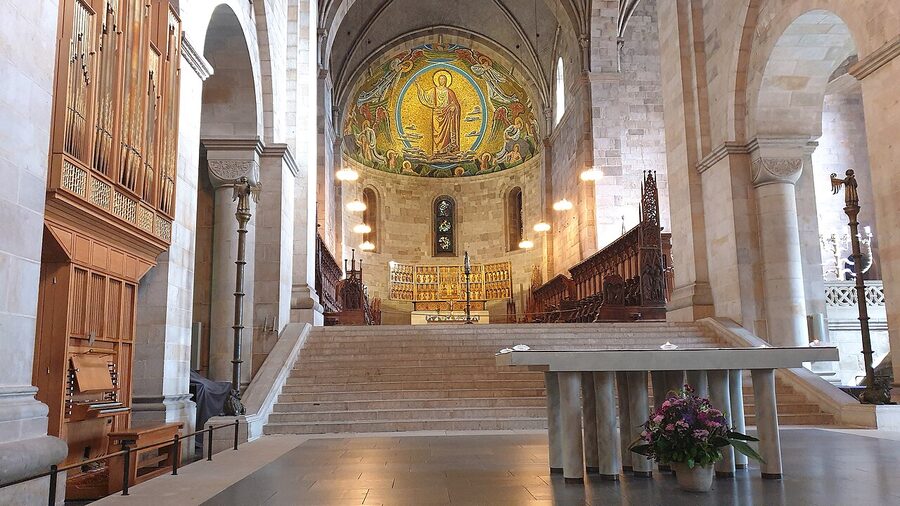
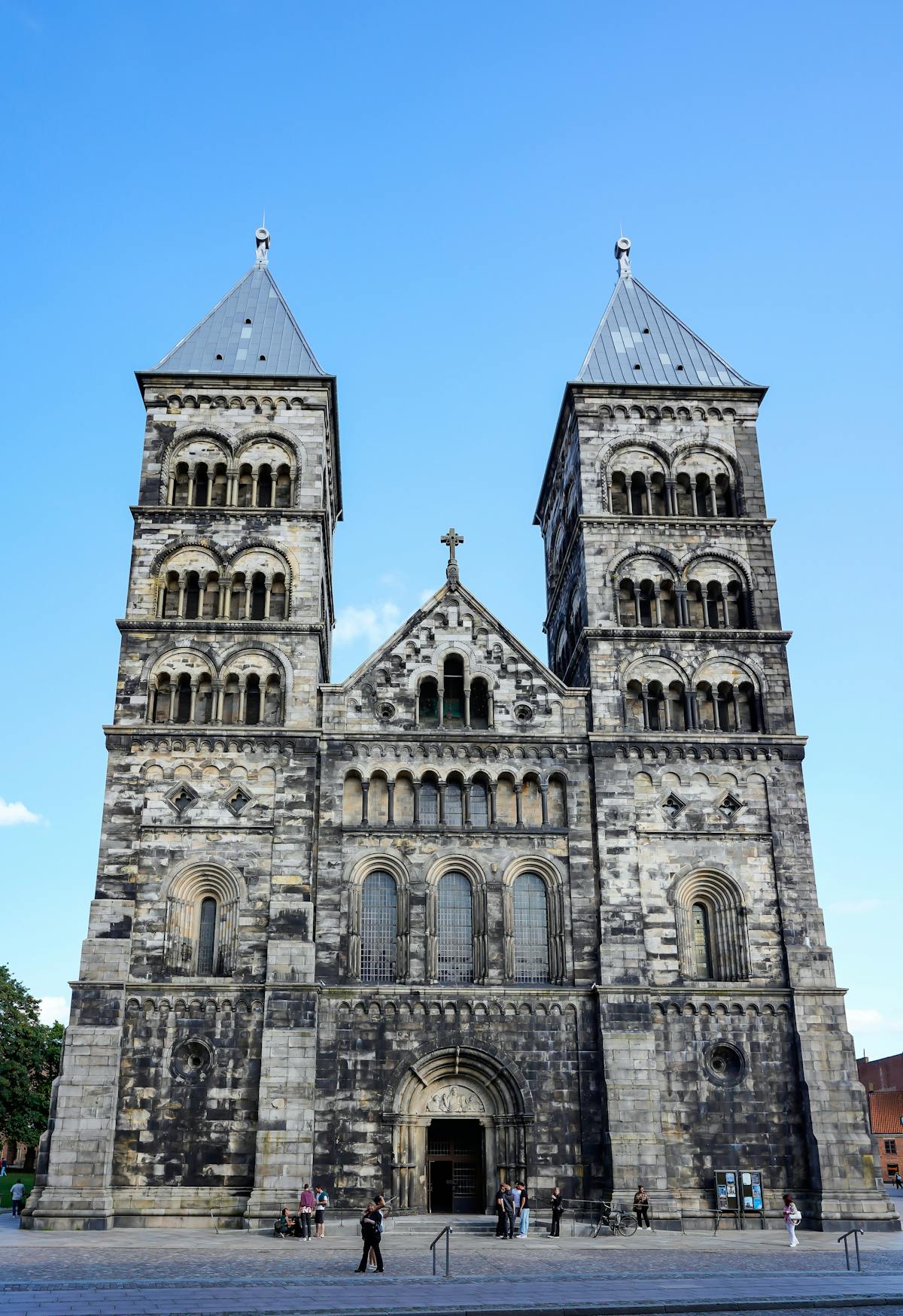
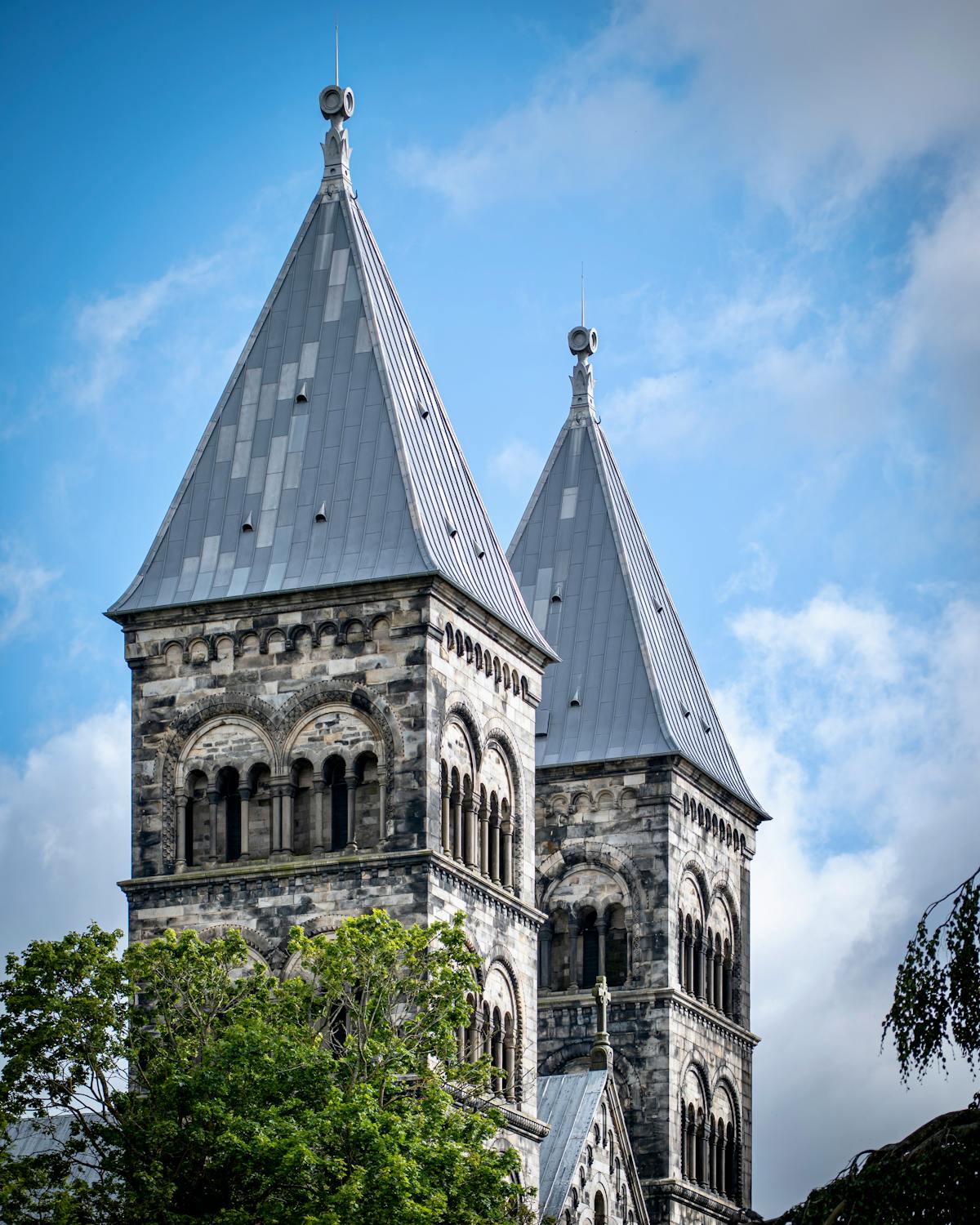
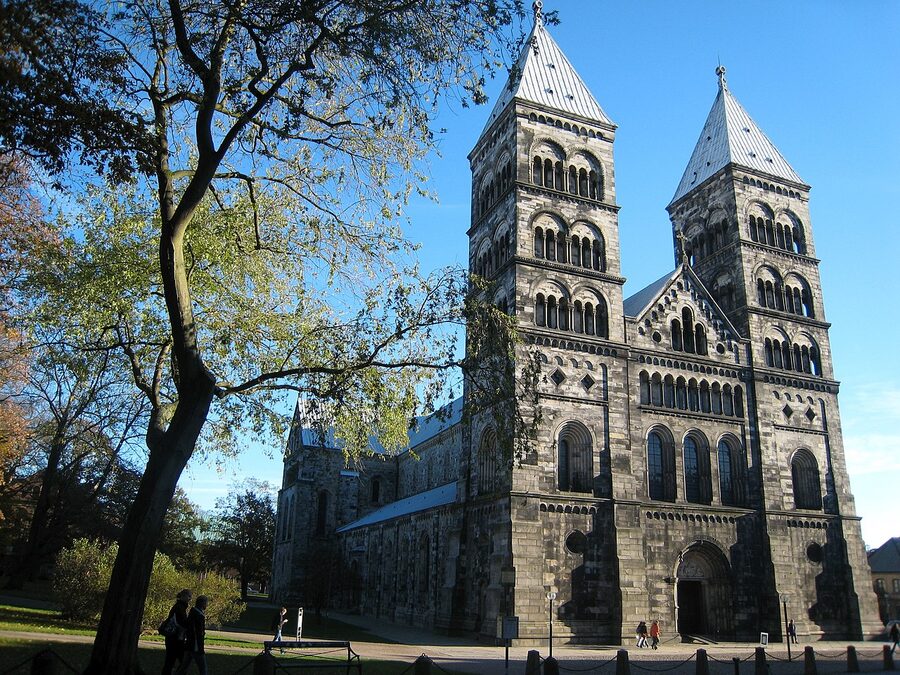
Lund Cathedral — A Romanesque cathedral built around 1145, with an astronomical clock from the 15th century that still works. Twice a day (noon and 3pm), mechanical figures emerge and perform — the Three Kings process past the Virgin Mary while the organ plays “In dulci jubilo.” The crypt is the oldest part and contains a stone figure of a giant called Finn — legend says he built the cathedral and was turned to stone when he couldn’t complete it on time. The whole building feels ancient in a way that Copenhagen’s churches, mostly rebuilt after fires, don’t.
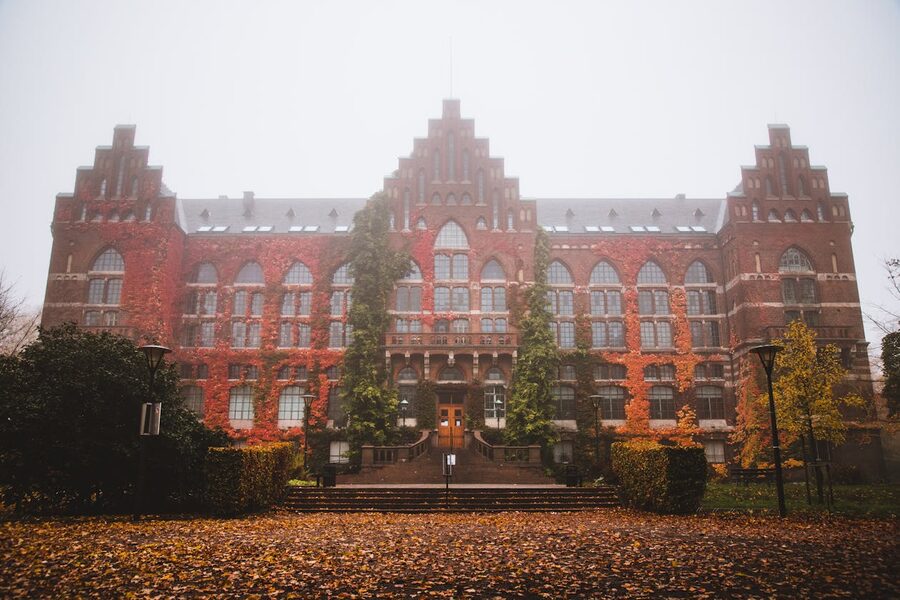
Lund University — One of Scandinavia’s oldest and most prestigious universities, founded in 1666. The campus is beautiful — grand library buildings, leafy courtyards, and an atmosphere shaped by 40,000 students who fill every café and bookshop in town. The Lundagård park beside the cathedral is where students gather in summer, and the whole town has an intellectual, slightly bohemian energy that’s completely different from Malmö’s design-forward vibe.
Kronborg Castle: Shakespeare’s Elsinore
If you’re taking Tour #1 (the Hamlet and Sweden Tour), you’ll stop at Kronborg Castle in Helsingør before crossing to Sweden. Even if you’re going independently, it’s worth a separate half-day trip.
The Shakespeare connection: Kronborg is the real castle behind Elsinore in Hamlet. Shakespeare never visited Denmark (probably), but English acting troupes performed at Kronborg in the late 1500s and brought stories back to London. The castle’s history of intrigue, betrayal, and power didn’t need much embellishment to become one of the greatest plays ever written.
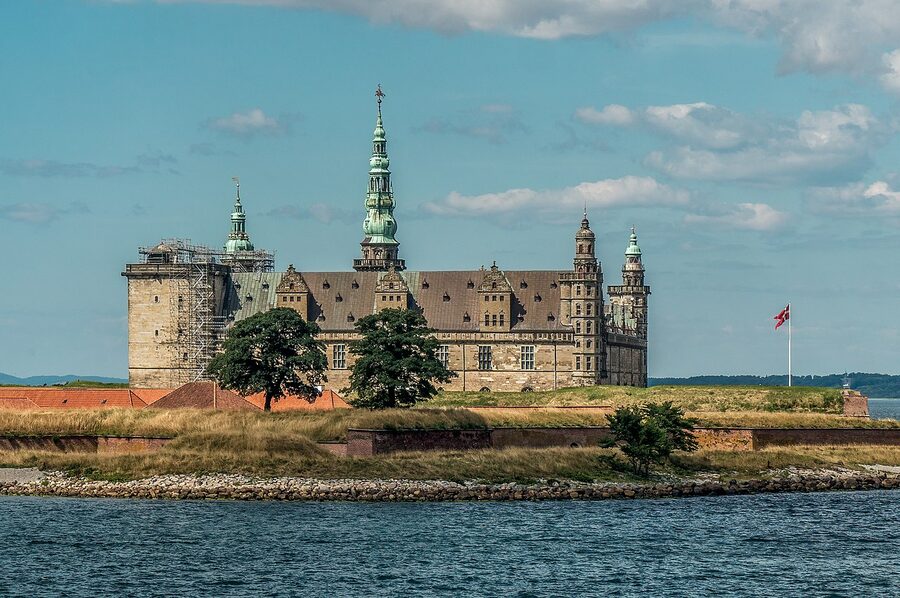
The castle itself is a massive Renaissance fortress overlooking the narrowest point of the Øresund — barely 4 km separate Denmark and Sweden here, and every ship passing through the strait had to pay a toll to the Danish king. This Sound Toll made Denmark fantastically wealthy for centuries. At its peak, the toll accounted for two-thirds of Denmark’s state revenue. Kronborg was both the toll booth and the symbol of that power.
What to see: The Great Hall (one of the largest in Northern Europe at 62 metres long), the casemates (underground tunnels where soldiers lived in darkness), and the statue of Holger Danske — a legendary Danish hero said to be sleeping under the castle, ready to wake and defend Denmark in its hour of greatest need. The casemates are dark, cold, and atmospheric enough to make the Hamlet connection feel genuinely real.
Stories Behind the Scenery
The Bridge That Changed Two Countries
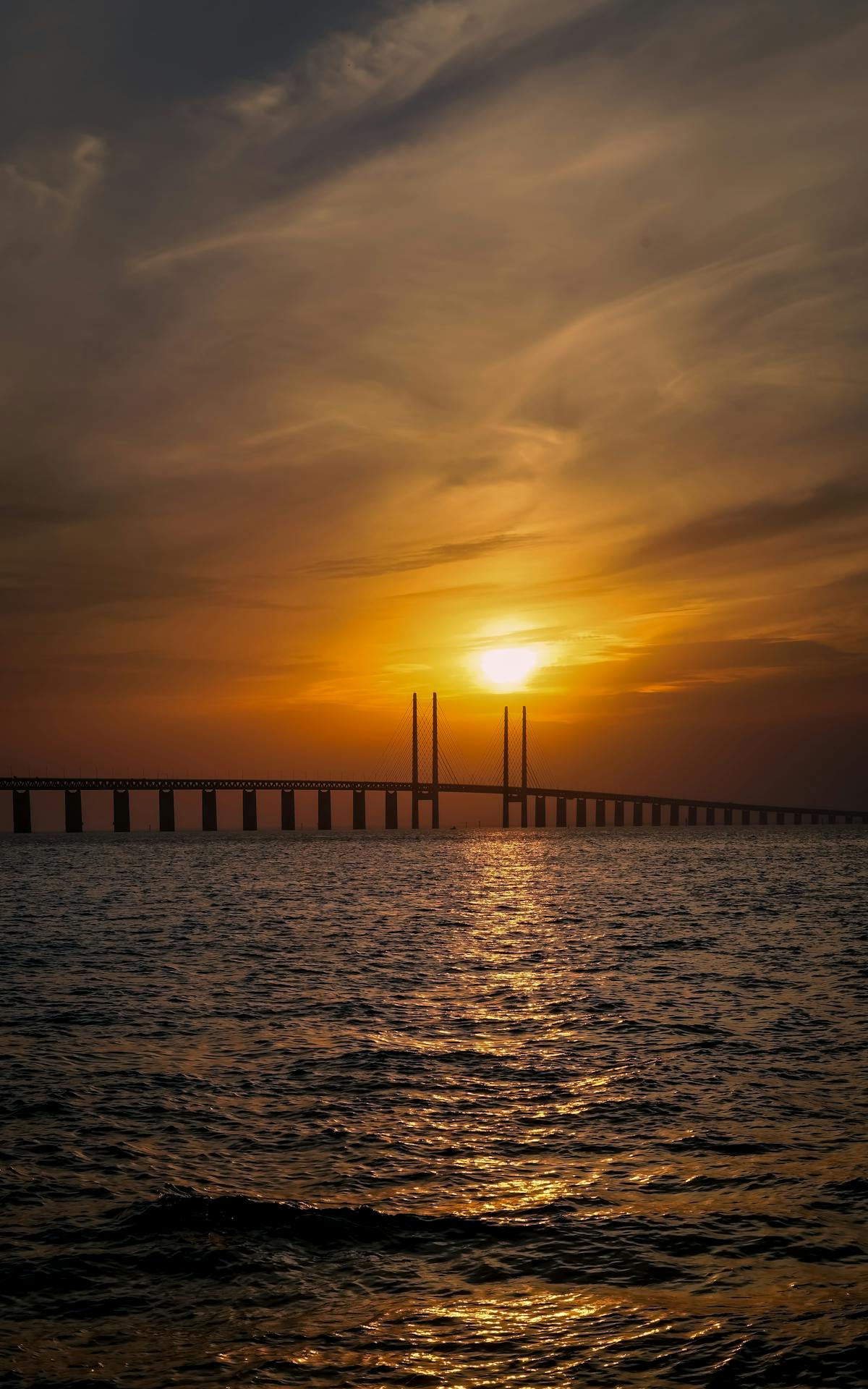
The Øresund Bridge opened on July 1, 2000, and the impact was immediate. Before the bridge, getting from Copenhagen to Malmö meant a 45-minute ferry ride that felt like crossing to a foreign country because, well, it was. Now it’s 35 minutes by train, and the border feels more like a timezone change than a national boundary.
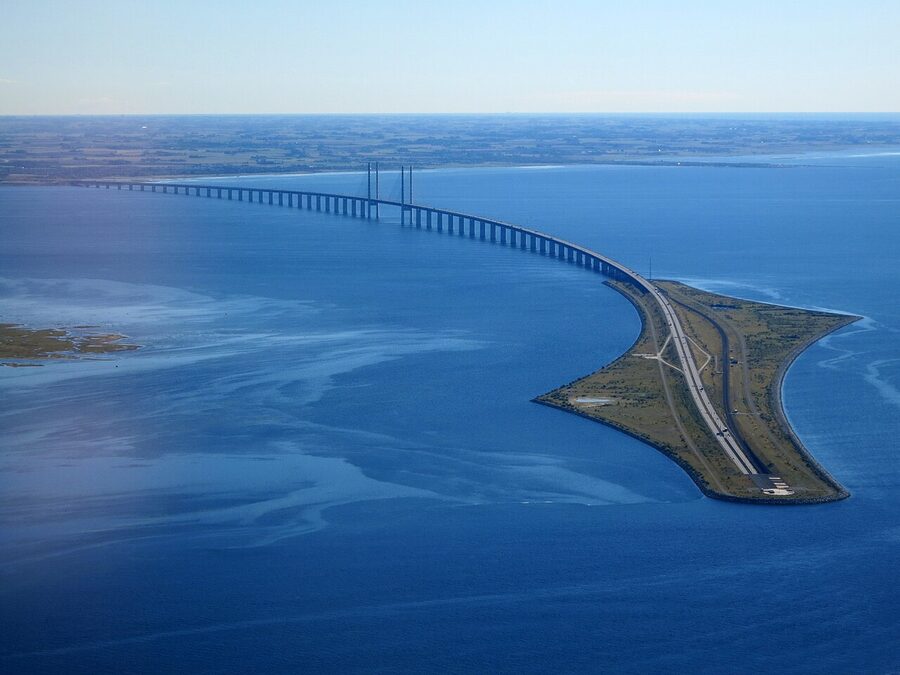
The engineering is remarkable: the bridge is 7,845 metres long with central pylons 204 metres high. Midway across, it transitions into a 4km tunnel via an artificial island called Peberholm (Pepper Island, named as a joke to complement the natural island Saltholm — Salt Island — nearby). The tunnel section runs under the shipping lane to avoid interfering with air traffic at Copenhagen Airport. Total construction cost: $4.5 billion. The bridge paid for itself through tolls faster than projected, which is not something you can say about most mega-infrastructure projects.
The bridge also became famous from the TV series The Bridge (Broen/Bron), a Danish-Swedish crime drama set on the Øresund crossing. If you watched the show, the bridge crossing feels like stepping into a crime scene. If you didn’t, it just feels like excellent infrastructure with spectacular views.
Malmö: From Danish Fortress to Swedish Design Capital
Malmö was Danish for most of its history. Founded in the 1270s, it was one of Denmark’s largest cities for nearly four centuries. The transition to Swedish rule came in 1658 after the Treaty of Roskilde — one of the most consequential treaties in Scandinavian history, which handed a third of Denmark’s territory to Sweden. The Malmö locals weren’t thrilled. There were revolts, resistance movements, and a brutal “Swedification” campaign that banned the Danish language and persecuted anyone who resisted. The cultural wounds took centuries to heal, and traces of the rivalry still surface in football matches between Malmö FF and Copenhagen FC.
The 20th century brought the Kockums shipyard, which made Malmö a blue-collar industrial city. When the shipyard closed in the 1980s, unemployment soared and the city entered a depression. The bridge changed everything: suddenly Malmö was 35 minutes from Copenhagen’s job market, and the city reinvented itself around design, sustainability, and multiculturalism. Today nearly a third of Malmö’s residents were born outside Sweden, creating a food scene that’s completely different from Copenhagen’s New Nordic minimalism.
Lund Cathedral’s Giant in the Crypt
The stone figure in Lund Cathedral’s crypt is called Finn the Giant (Jätten Finn), and the legend is older than the cathedral itself. The story goes that Saint Lawrence made a deal with a giant to build the cathedral. If the giant finished before Lawrence could guess his name, he’d receive the sun, the moon, and Lawrence’s eyes. With the cathedral nearly complete, Lawrence overheard the giant’s wife singing to their child: “Soon Finn will bring the sun and moon…” Lawrence shouted the name, the giant raged, and tried to pull down the pillars of the crypt — but was turned to stone mid-effort. You can still see Finn with his arms wrapped around a pillar, frozen for eternity. It’s a surprisingly creepy moment in an otherwise serene cathedral, and the guides on the Sweden tours always save it for maximum effect.
Where to Eat in Malmö and Lund
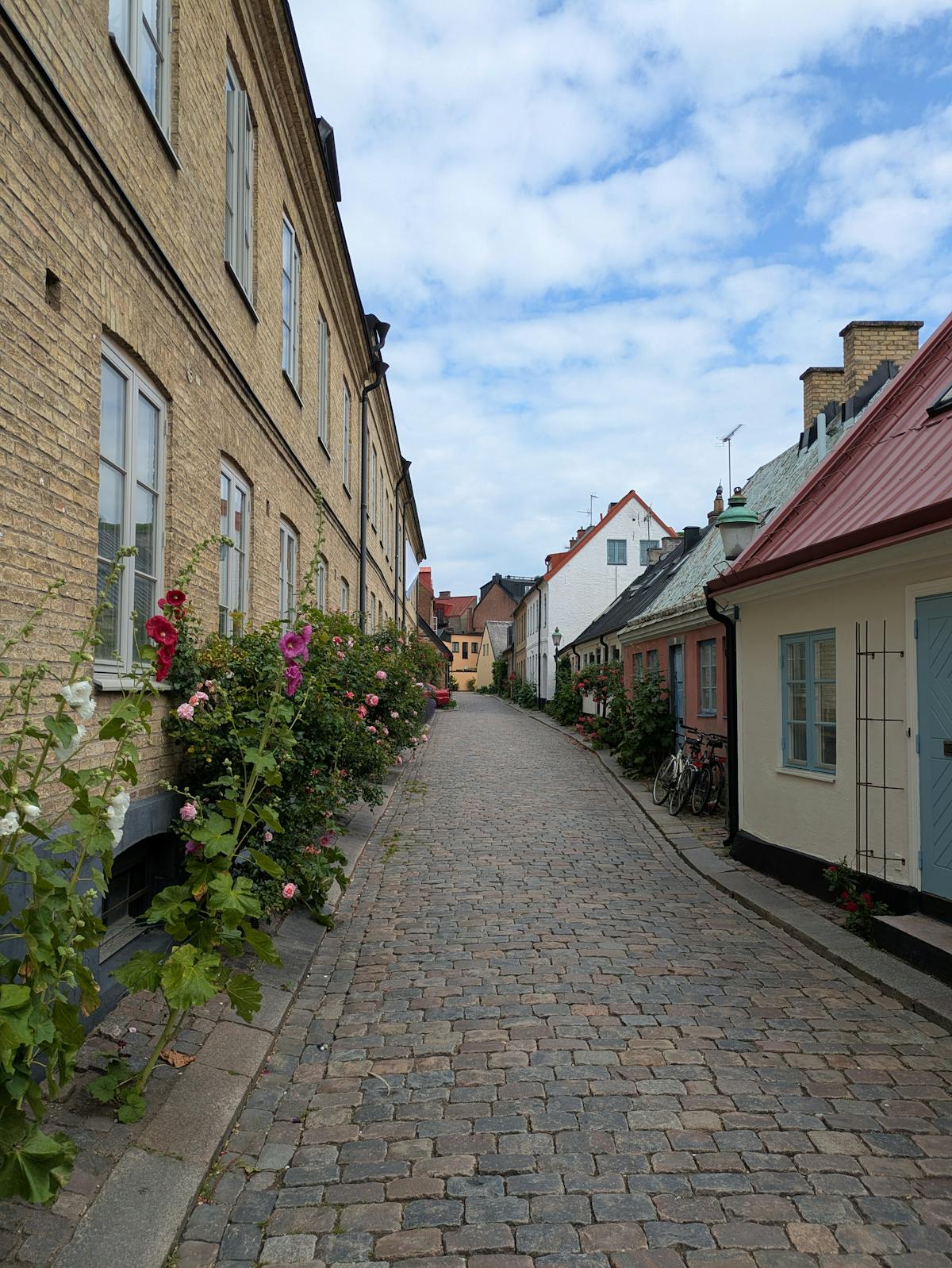
One of the unexpected pleasures of the Sweden day trip is the food. Malmö in particular has a food scene that surprises most visitors — the city’s diverse immigrant population has created a culinary landscape that’s completely different from Copenhagen’s New Nordic scene.
Malmö Saluhall — A food market near the university housed in an 1800s building with 14 vendors. Wood-fired pizzas, fresh shellfish, pulled pork sandwiches at POMS, and Mikkeller’s “Ramen to Biiru” for craft beer and Japanese noodles. There’s a resident DJ on weekends, comfortable seating, and cocktails alongside the coffee. It’s the best single stop for lunch in Malmö.
Falafel in Malmö is legendary. The city has more falafel restaurants per capita than anywhere in Scandinavia, and the quality rivals the best in Berlin or London. Jaffé and Falafel No.1 near Möllan are local favourites. A meal costs about 70–80 SEK ($7–8) — roughly half what you’d pay for a basic lunch in Copenhagen.
Swedish meatballs at The Grand Hotel in Lund — Several reviewers specifically recommend this: Linda wrote about “the Grand Hotel for Swedish meatballs — was worth it, and the restaurant is beautiful.” These aren’t the IKEA version — they’re served with lingonberry sauce, cream, and the quiet confidence of a restaurant that’s been doing this for over a century.
Fika in Lund — The Swedish tradition of coffee and cake is more social ritual than snack break, and Lund’s university-town cafés are the perfect setting. Café Ariman and Lundagård are solid picks. Swedish cinnamon buns (kanelbullar) are subtly different from Danish pastries — less buttery, more cardamom — and the comparison is worth the calories.
Budget tip: Eat lunch in Sweden and dinner in Copenhagen. The price difference is significant enough that your Malmö lunch effectively pays for itself through the savings.
Practical Tips
Bring Swedish krona (or just use cards). Sweden uses Swedish krona, not euros or Danish krone. Card acceptance is near-universal — Sweden is one of the most cashless countries in the world. Your regular Visa or Mastercard will work everywhere. You literally cannot pay cash on Swedish buses.
Carry your passport. Denmark and Sweden are both in the Schengen area, so there’s no formal border control. But random checks happen on the bridge — if you don’t have ID, you’ll be pulled off the train. A passport or national ID card is all you need.
The train is easy and cheap (if you go independent). Copenhagen Central to Malmö Central takes 35 minutes, costs about 120 SEK ($12) each way. Buy tickets on the Skånetrafiken app before boarding. Malmö to Lund is another 12 minutes. Both cities are completely walkable from their stations.
Don’t skip Lund. Many independent visitors go to Malmö and skip Lund. Don’t. Lund is arguably more interesting — the cathedral alone is worth the 12-minute train ride, and the university-town atmosphere is unlike anything else in the region.
Time management: If going independently, leave Copenhagen by 10am. Spend the morning in Lund (cathedral + university + fika), train to Malmö for lunch and afternoon exploration, return to Copenhagen by 5–6pm. That’s a full, satisfying day without rushing.
When to Do the Sweden Day Trip
Best months: May through September. The weather is mild, the days are long (daylight until nearly 10pm in June), and both Lund and Malmö are at their best when you can sit outside. The Lund Cathedral astronomical clock performs at noon and 3pm — the noon show is more practical for day-trippers.
Winter visits: December through February is cold and dark (sunset around 3:30pm in December), but not without charm. Reviewer Stacy described her winter tour: “With the winter views it was magical!” The Christmas markets in both cities are atmospheric, and the snowy bridge crossing adds drama. Just layer up properly.
Best day of the week: Weekdays. Saturday and Sunday see more Copenhagen day-trippers, busier trains, and more crowded streets in Malmö’s old town. Weekday guided tour groups also tend to be smaller.
More Copenhagen Guides
The Sweden day trip is the biggest excursion from Copenhagen, but there’s plenty to fill the rest of your visit. A canal tour covers the waterfront landmarks in an hour — Nyhavn, Christiansborg, and the Little Mermaid from the water, a perspective you can’t get on foot. Tivoli Gardens deserves an evening to itself, especially if you time it for the lights after dark — the world’s second-oldest amusement park has a charm that Disney openly admits to borrowing. The walking tours dig into the city’s history at street level, and the “Politically Incorrect” guides deliver 800 years of Danish history with the kind of irreverent humour that makes you laugh out loud at a Viking burial. Copenhagen’s food scene is world-class in ways that go far beyond Danish pastries: a food tour covering smørrebrød, craft beer, and New Nordic cuisine is the fastest way to understand why this small Scandinavian capital punches so far above its weight. The bike tours cover twice the ground of walking and feel perfectly natural in a city where more people cycle than drive. And for a completely different kind of day trip, LEGOLAND Billund is three hours west in Jutland — the original LEGOLAND, built in the town where the brick was invented, and easily Denmark’s most popular family attraction.