
Copenhagen has quietly become one of the best food cities in the world. Noma put it on the map, but the real story is deeper than fine dining — it’s the neighbourhood bakeries turning out wienerbrød (what the rest of the world calls “Danish pastries”) at 6am, the open-faced smørrebrød sandwiches that are more art than lunch, the pickled herring that tastes infinitely better than it sounds, and the New Nordic philosophy of local, seasonal, foraged ingredients that’s filtered down from Michelin-starred kitchens into everyday Copenhagen eating.
A food tour is the fastest way to understand all of this without spending weeks researching restaurants. Over three to four hours, a local guide walks you through bakeries, market stalls, smørrebrød specialists, and at least one spot you’d never find on your own. The guides on these tours — Peter, Marie, Toby, Will, Simon — come up by name in review after review, not because they’re reading from a script but because they genuinely love Copenhagen’s food scene and have opinions about every bakery, market stall, and hot dog cart in the city.
Prices run $75–197 depending on whether it’s pastries-only, a group walking tour, or a private experience. Not cheap by global standards, but Copenhagen isn’t a cheap city, and the food you’ll eat on the tour would cost nearly as much if you ordered it all yourself. Reviewer Laura_G captured the essential advice: “Don’t eat much before.”
Best overall: Copenhagen Culinary Experience — $150. 5.0 stars, 959 reviews. Four hours, 6-8 stops, everything from smørrebrød to craft beer. Guide Peter gets name-checked constantly.
Best value: Walking Food Tour (Secret Food Tours) — $131. 5.0 stars, 541 reviews. Three hours, small groups, and guide Will makes even herring sound appealing.
Most unique: Danish Pastry Tasting Tour — $74. 4.8 stars, 414 reviews. Two hours, five bakeries, and a crash course in why Copenhagen pastries are genuinely different.
- The 4 Best Copenhagen Food Tours
- 1. The Copenhagen Culinary Experience Food Tour
- 2. Copenhagen Walking Food Tour With Secret Food Tours
- 3. Copenhagen: Guided Culinary Walking Tour With Food Tastings
- 4. Copenhagen: Best of Danish Pastry Tasting Tour
- What You’ll Eat on a Copenhagen Food Tour
- The Story of Danish Food: From Survival to World-Class
- Where to Eat Without a Tour
- How Copenhagen Food Tours Work
- When to Book a Copenhagen Food Tour
- Tips for Eating in Copenhagen
- More Copenhagen Guides
The 4 Best Copenhagen Food Tours
1. The Copenhagen Culinary Experience Food Tour
Price: $149.95 per person | Duration: ~4 hours | Rating: 5.0★ (959 reviews)
The gold standard for Copenhagen food tours. Four hours, six to eight stops, and a route through bakeries, smørrebrød specialists, Torvehallerne food hall, a craft beer or aquavit tasting, and at least two spots that represent the New Nordic movement. Guide Peter dominates the reviews: Gwynne wrote “Peter was excellent — the tour had a great pace and allowed for enough time at each stop to enjoy the food,” while Kevin said Peter “did a great job explaining the histories of the foods we tried.” Cat_M called it “a truly delightful few hours of trying traditional dishes, pastries, confections, and locally sourced foods.” The guides also hand out restaurant recommendations at the end — multiple reviewers say they ate their way through the list for the rest of their trip. A perfect 5.0 across 959 reviews makes this the most reviewed and highest-rated food tour in Copenhagen.
2. Copenhagen Walking Food Tour With Secret Food Tours
Price: $130.60 per person | Duration: ~3 hours | Rating: 5.0★ (541 reviews)
Run by the Secret Food Tours network, this three-hour tour mixes Danish classics with Copenhagen’s evolving international food scene. Guide Will appears in almost every review: Katie wrote “my guide Will was so great — he was very kind and gave a lot of good info on the city. The food was delish, especially the hot dog!” Laura added that Will “was a super nice, knowledgeable and funny guy — what you need to know? Don’t eat much before.” Reviewer Danielle praised the small groups: “Group was small enough that we could easily stay together and have some good conversations — perfect if you are only in Copenhagen for a couple of days or travelling alone!” At $131 it’s the most affordable group food tour on this list, and the 5.0 rating matches the competition.
3. Copenhagen: Guided Culinary Walking Tour With Food Tastings
Price: $141 per person | Duration: ~4 hours | Rating: 4.8★ (442 reviews)
A four-hour deep dive that combines food with city exploration. The route covers multiple neighbourhoods, and the guide doubles as a local historian — you learn about the buildings you’re walking past between bites. Rebecca called guide Simon’s tour “exceptionally good — all the food choices and drink stops were really unique and interesting finds that we would probably not have known as travelers. He also gave a variety of good food recommendations to explore during the remaining time of my stay.” Linda praised guide Camilla: “The food tour was very well paced so by the time we got to our next stop, we could continue eating. I was full by the end of it. Four hours had just passed by.” At $141 it slots between Tours #1 and #2, and the 4.8 rating with 442 reviews suggests consistently strong delivery.
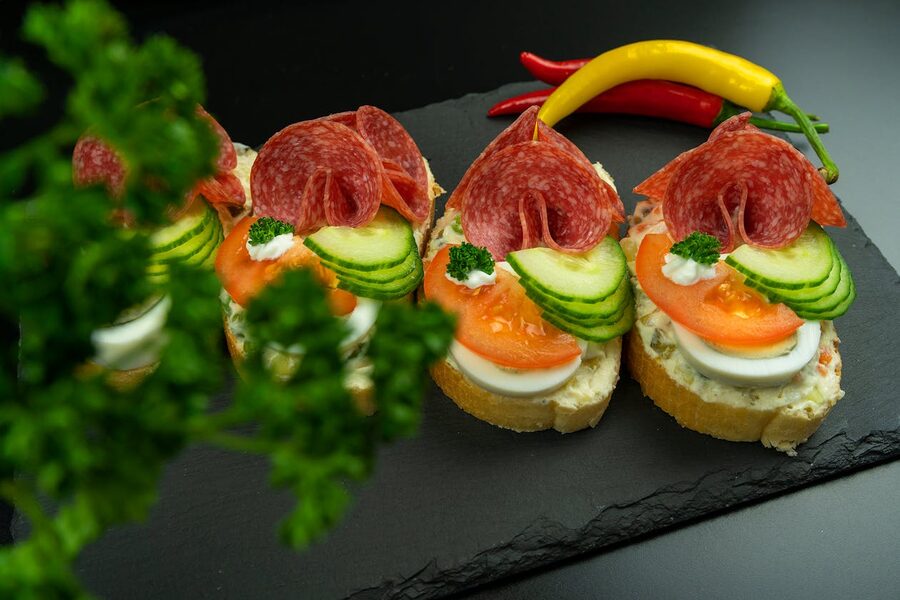
4. Copenhagen: Best of Danish Pastry Tasting Tour
Price: $74 per person | Duration: ~2 hours | Rating: 4.8★ (414 reviews)
The specialist option: two hours, five bakeries, and nothing but Danish pastries. If you’re the type who believes breakfast should be primarily carbohydrates, this is your tour. Guide Theo “was very friendly and generous in sharing information about Copenhagen’s history — the tour felt like a combination of pastry tasting and city history tour,” wrote Eve. Simon gets repeat praise: Jo described him as “fabulous with the extra bonus of being very knowledgeable regarding the history of the areas we walked through.” Morgan’s review captures the intimacy: “My partner and I were the only ones on the tour that day so we got a very intimate tour — our guide was fantastic!” At $74 it’s the cheapest food experience on this list by a wide margin, and the two-hour format works perfectly as a morning activity before a full day of exploring.
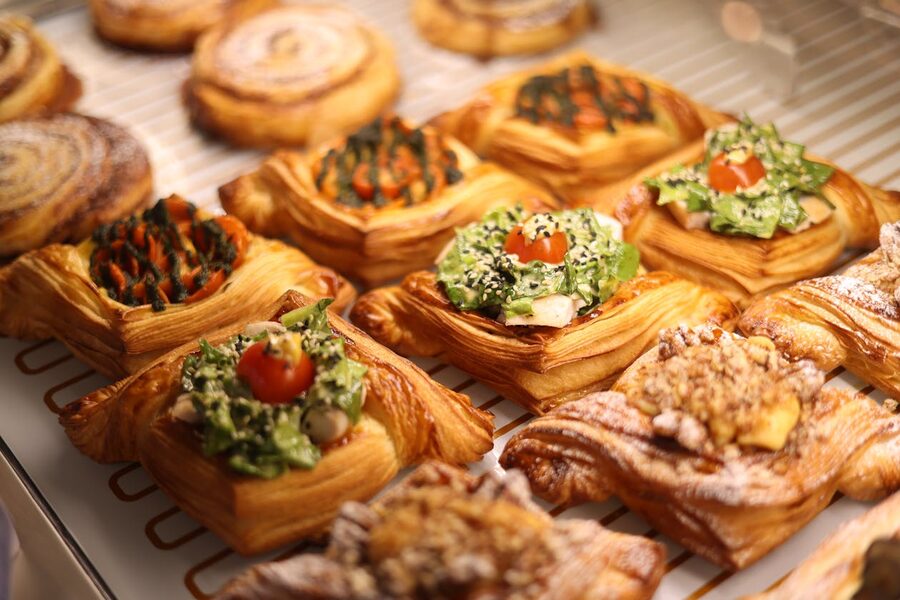
What You’ll Eat on a Copenhagen Food Tour
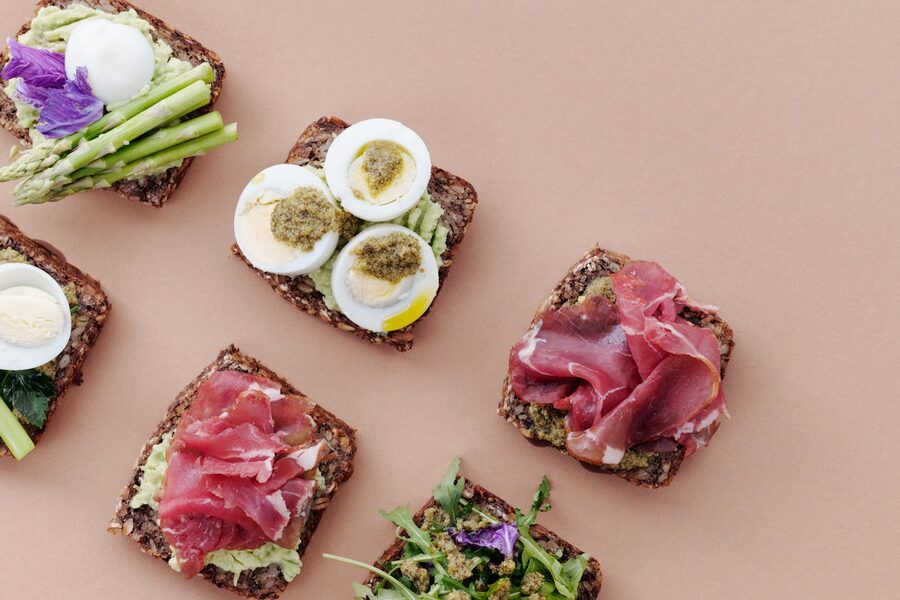
Smørrebrød — Open-faced sandwiches on dark rye bread (rugbrød), topped with combinations like pickled herring with curry sauce, roast beef with remoulade and crispy onions, or egg and shrimp with dill. These are not the sad open sandwiches you might imagine — they’re composed, layered, and beautiful. The rye bread itself is dense, dark, and sour, baked for up to 24 hours. A good food tour takes you to a traditional smørrebrød lunch restaurant where the menu reads like a novel and the sandwiches are assembled with the precision of a watchmaker.
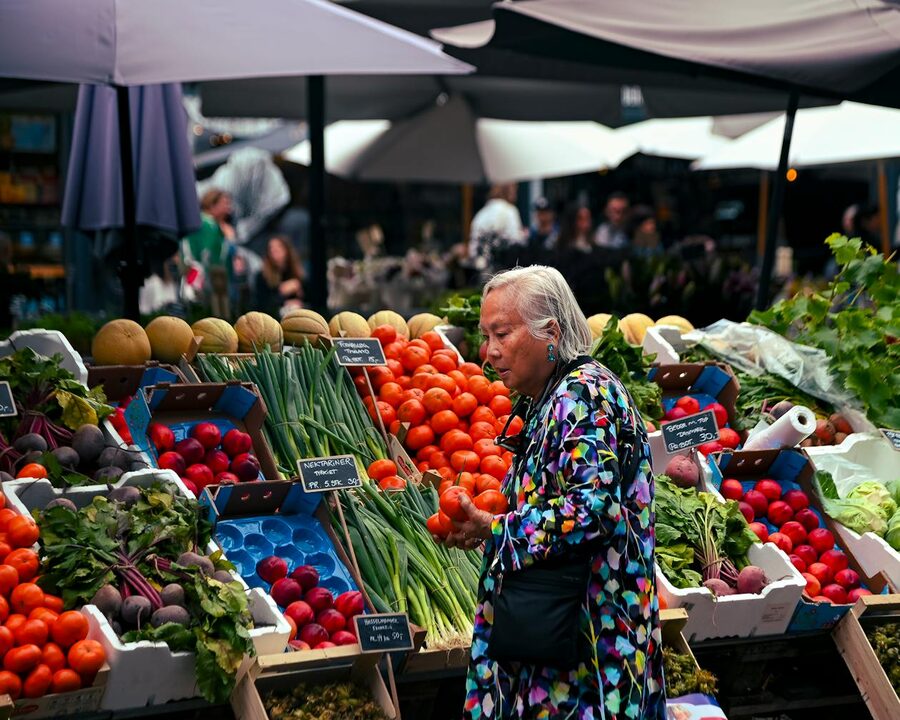
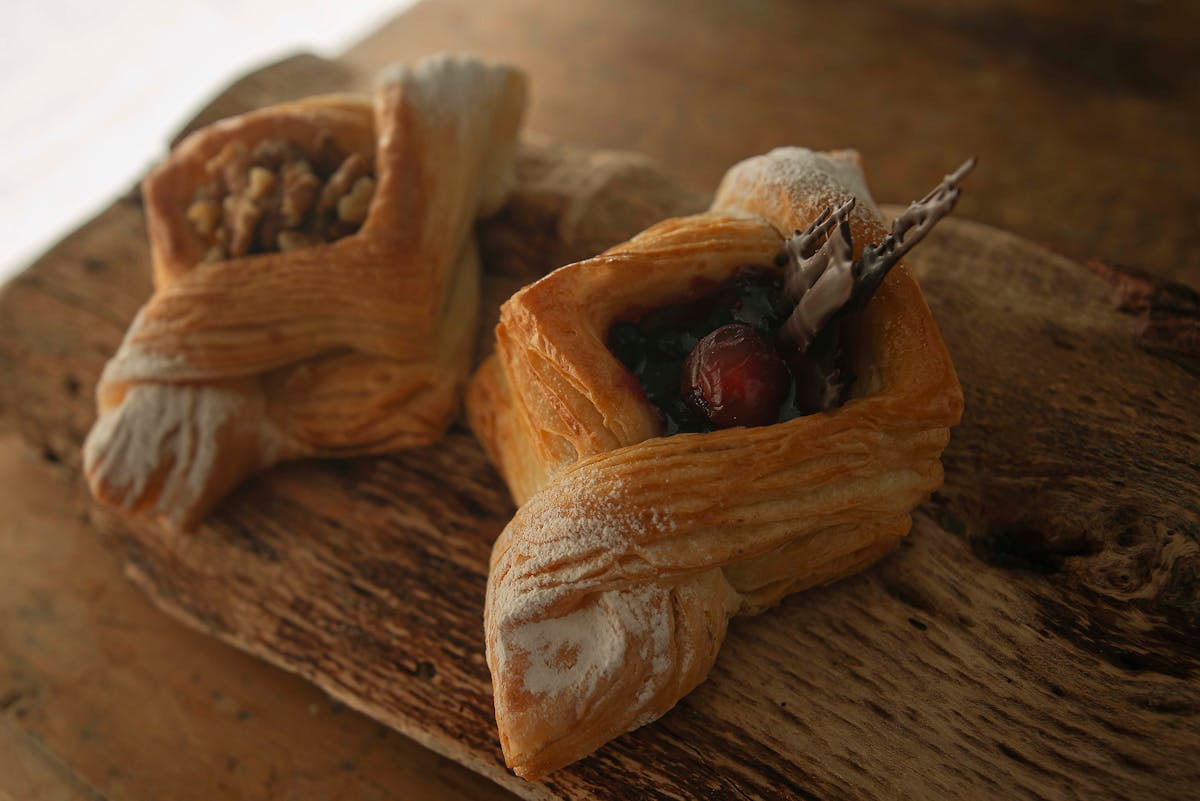
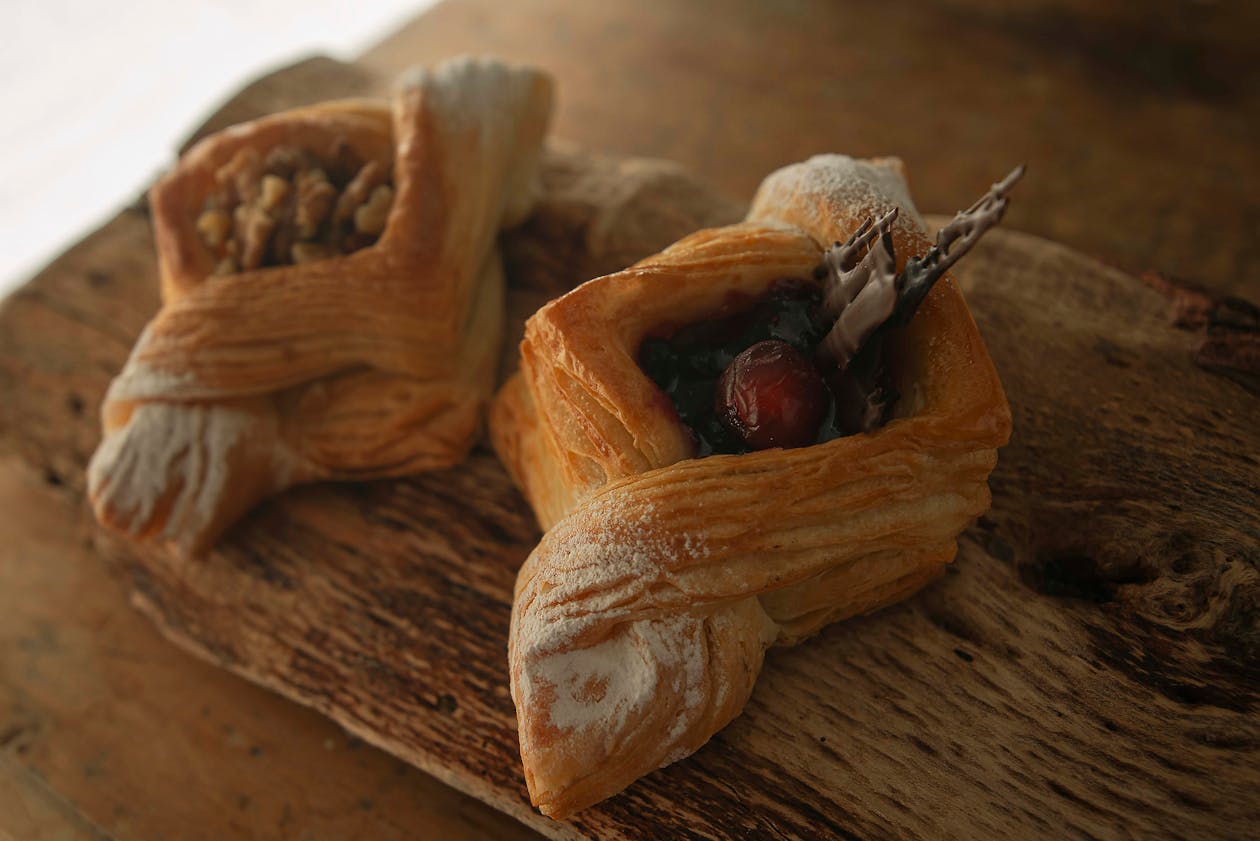
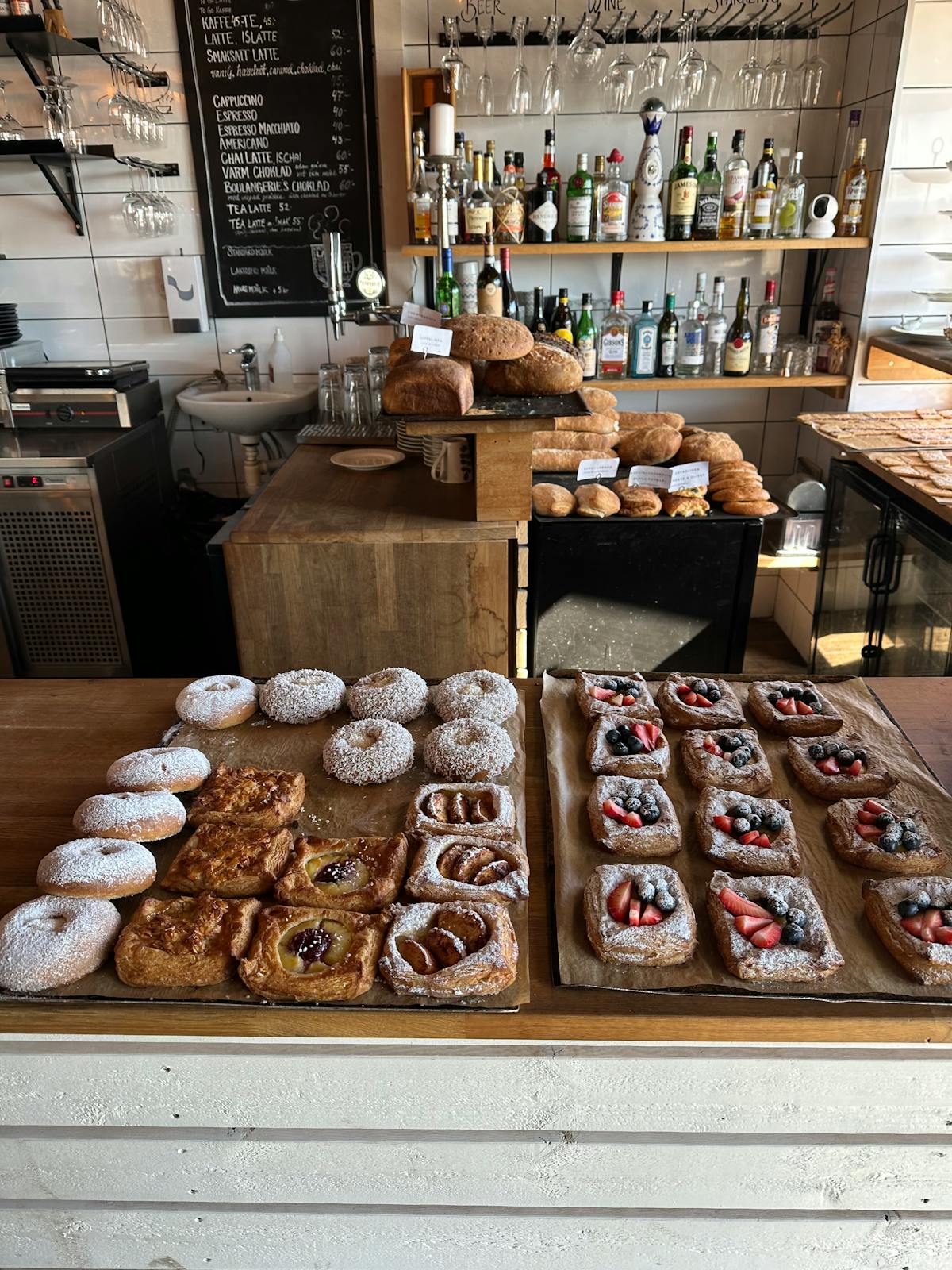
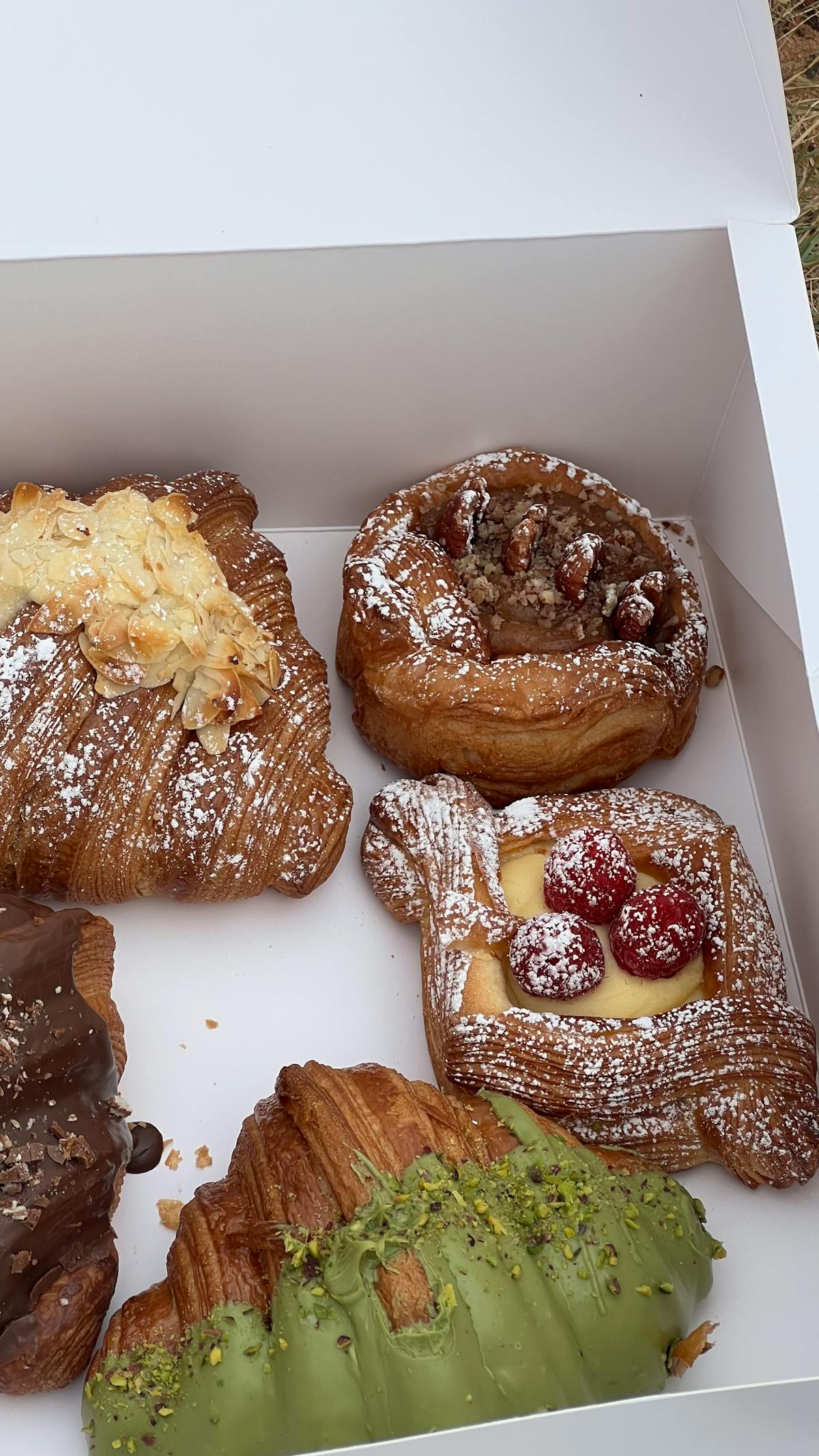
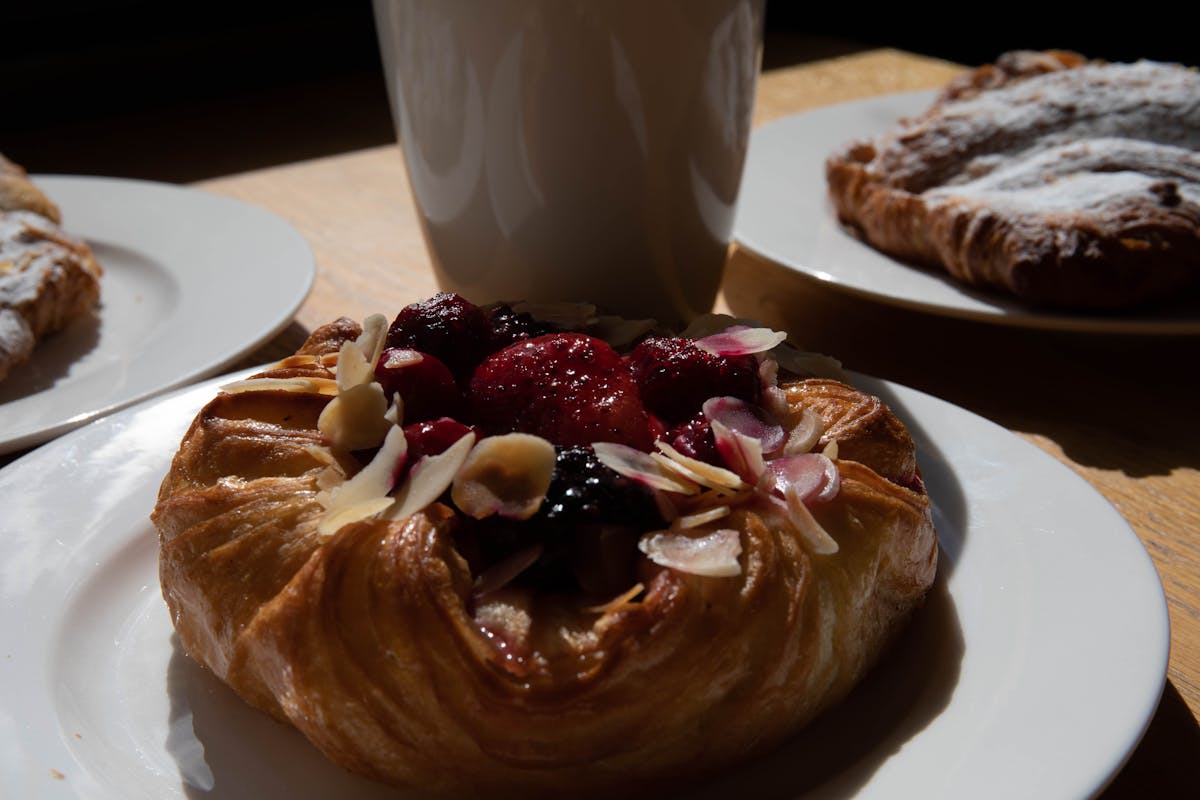
Wienerbrød (Danish pastries) — Flaky, laminated dough filled with custard, marzipan, jam, or seasonal fruit. In Copenhagen, these are made fresh every morning and taste nothing like the industrial versions sold worldwide. The technique comes from Austrian bakers who arrived in Denmark in the 1840s during a bakers’ strike — the Danes took their laminated dough methods, adapted them, and created something entirely new. The bakery stop is usually the first or second on the tour, and it sets the tone for everything that follows.
Pickled herring (sild) — Denmark’s national fish, prepared a dozen different ways. Curry herring, dill herring, mustard herring, and the classic Christmas version. It sounds terrible to the uninitiated, but the best versions are genuinely delicious — the food tour guides know this and use herring as the “surprise win” of the tour. Served on rugbrød with raw onion and capers, it’s an acquired taste that most people acquire within approximately one bite.
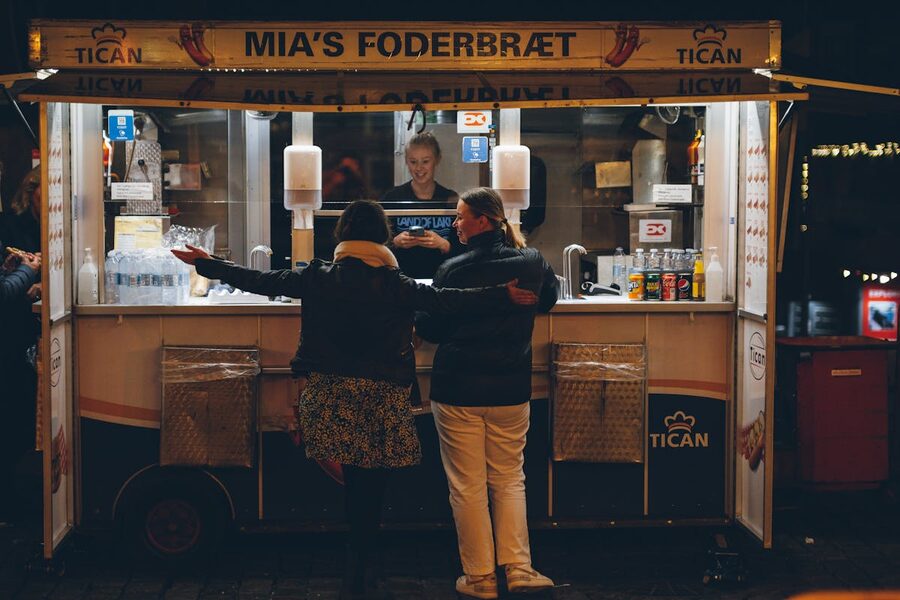
Danish hot dogs (pølser) — Not the sad stadium variety. The classic Danish hot dog comes in a warm bun with remoulade (a Danish condiment somewhere between mayonnaise and mustard), crispy fried onions, pickles, and both ketchup and mustard. The DØP stands use organic, locally sourced ingredients. At about $8 they’re one of the cheapest quality meals in an expensive city.

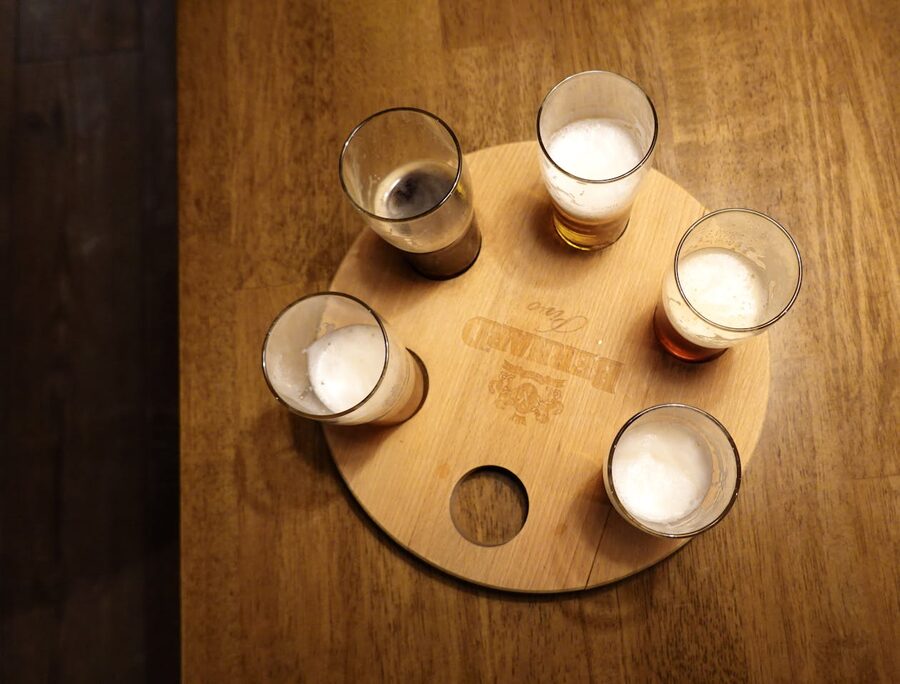
Craft beer and aquavit — Danish craft beer has exploded in the past decade. Mikkeller (founded by a Copenhagen maths teacher) alone has over a dozen bars in the city. Aquavit — a Scandinavian spirit flavoured with caraway and dill — is the traditional drink pairing with smørrebrød, and the food tours that include it usually offer a tasting of several varieties.
The Story of Danish Food: From Survival to World-Class
Danish food culture makes more sense when you understand the geography: a small country on a peninsula surrounded by cold seas, with short growing seasons and long, dark winters. For centuries, Danish cooking was fundamentally about preservation — pickling, smoking, salting, fermenting — because fresh ingredients were only available for a few months of the year. Herring was pickled because it had to be. Rye bread was dense and sour because lighter wheat bread went stale too quickly. Smørrebrød started as a practical lunch for workers: bread as a plate, whatever was available on top.
The transformation began in 2003 when René Redzepi opened Noma in a converted warehouse on Christianshavn. His New Nordic manifesto — forage locally, eat seasonally, treat Scandinavian ingredients with the same reverence French cooking applied to butter — was initially dismissed as pretentious. Within five years, Noma was named the best restaurant in the world (four times), and Copenhagen had more Michelin stars per capita than Paris. But the real impact wasn’t at the top: it was the ripple effect. Noma alumni opened their own restaurants, bakeries, and street food stalls across the city. Hart Bageri (started by a former Noma bread baker) makes pastries that draw queues around the block. Gasoline Grill (a burger joint in a converted petrol station) applies the same ingredient obsession to a cheeseburger.
Today the philosophy has filtered into everyday eating: the bakeries are better, the coffee is better, the street food is better, and even a casual lunch at a neighbourhood café reflects a standard that didn’t exist a generation ago. Copenhagen isn’t just a city where you can eat well at expensive restaurants — it’s a city where the baseline quality of food, from a $5 hot dog to a $500 tasting menu, is remarkably high. The food tour shows you this progression in three hours, from the traditional (rye bread, herring, schnapps) to the modern (foraged herbs, fermented vegetables, natural wine), with a guide who can explain why each step happened.
Where to Eat Without a Tour
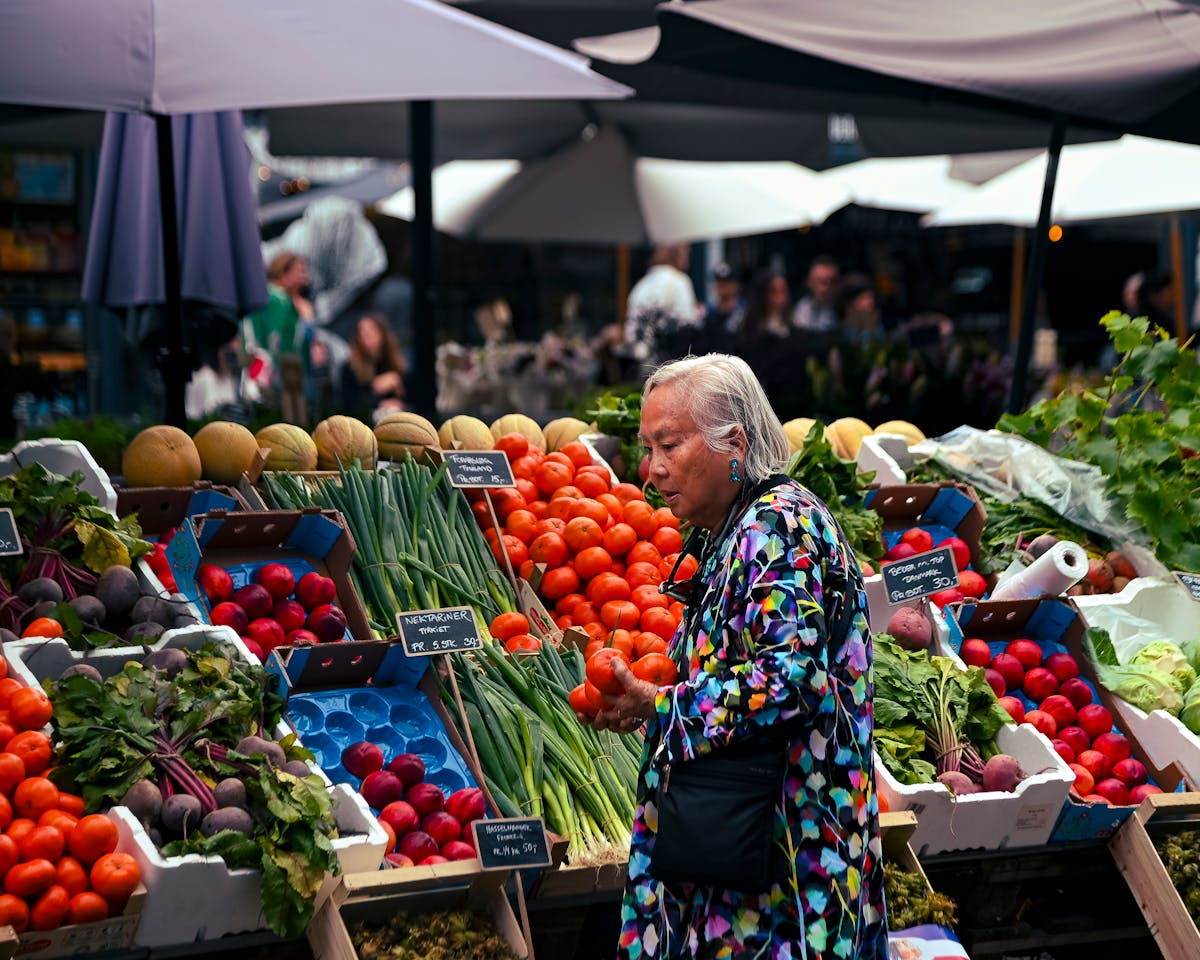
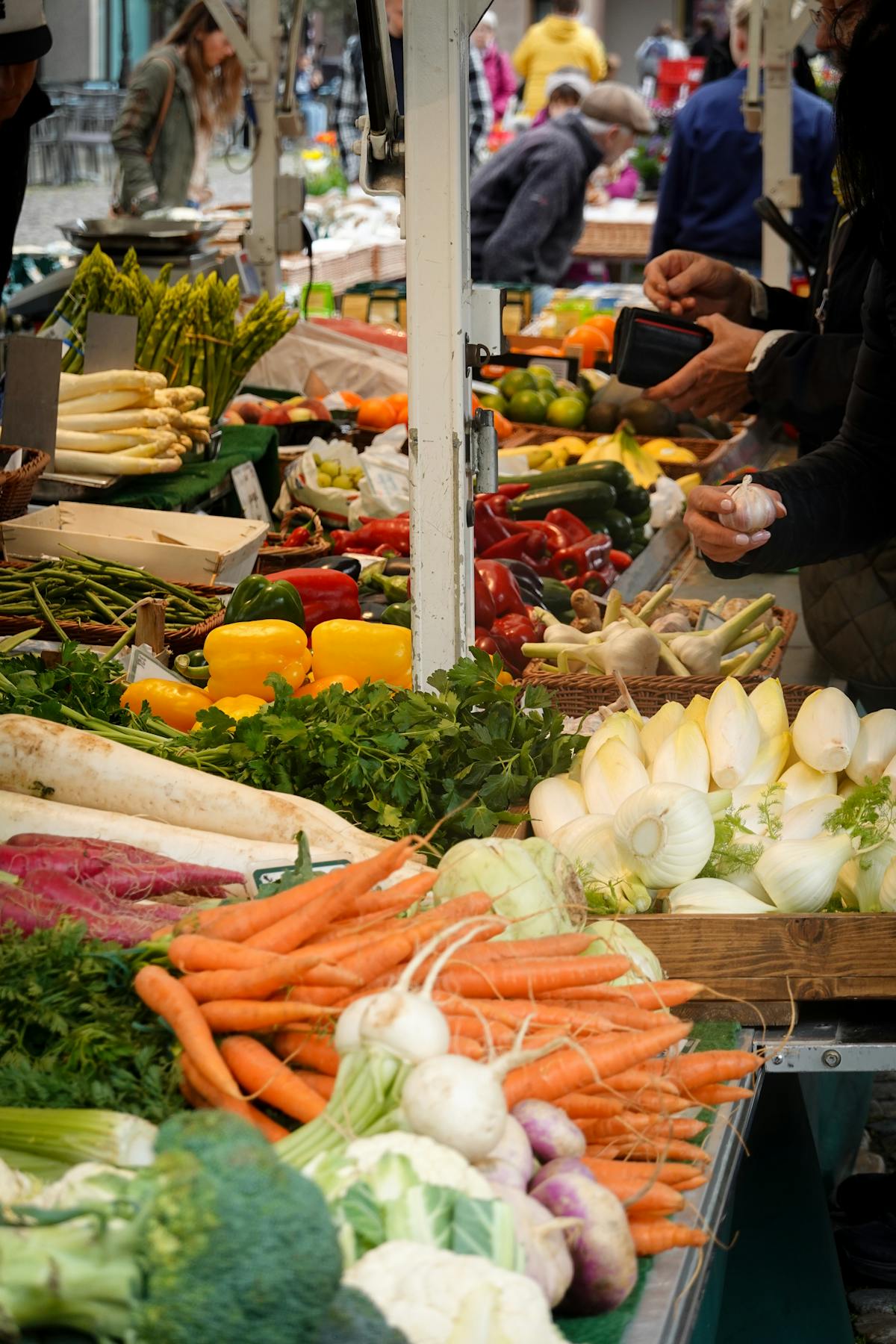
Torvehallerne — The covered food market near Nørreport station, with over 60 stalls. Hallernes Smørrebrød for traditional open-faced sandwiches, Summerbird for artisan chocolate, Grød for porridge (better than it sounds — trust Copenhagen on this one), and Coffee Collective for what many locals consider the best coffee in the city. Most food tours pass through here, but it’s equally great for independent grazing.
Gasoline Grill — A legendary burger joint in a converted petrol station at Landgreven. The cheeseburger is $17, perfectly simple, and consistently ranked among Europe’s best. The original location is tiny; expect a queue.
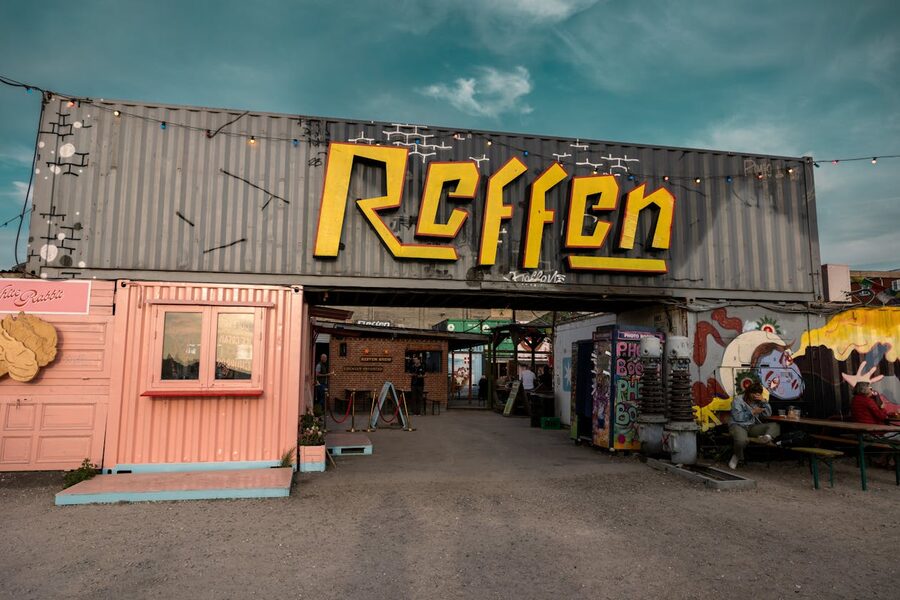
Reffen (Copenhagen Street Food) — The waterfront street food market with international stalls: Korean BBQ, Mexican tacos, Filipino spring rolls, plus local options. It’s where young Copenhagen goes on summer evenings, and the waterfront setting is genuinely lovely.
The Meatpacking District (Kødbyen) — Vesterbro’s former meatpacking area is now a collection of restaurants, bars, and galleries. Nose2Tail for nose-to-tail Danish cooking, Fleisch for cocktails, and the general vibe of industrial architecture repurposed for excellent eating.
Hart Bageri — Founded by Richard Hart, former head baker at Noma. The cardamom croissant is worth crossing the city for. Expect to queue on weekends.
How Copenhagen Food Tours Work
Duration: Most food tours run 3–4 hours. This is the right length — shorter tours feel rushed, and longer ones leave you unable to contemplate dinner. The pastry tour is the exception at two hours, which works because you’re only eating pastries (though five bakeries’ worth of pastries is more than it sounds).
What’s included: All food tastings are included in the price. You’ll eat at 5–8 stops, each with a different focus. Drinks vary by tour: some include craft beer, wine, or coffee at certain stops; others offer them as extras. Check the listing details before booking.
Group size: Typically 8–15 people. Small enough to fit inside actual restaurants (not tourist traps) and for the guide to answer questions. Several reviewers note that being in a small group made it feel personal — Danielle described it as “small enough that we could easily stay together and have good conversations.”
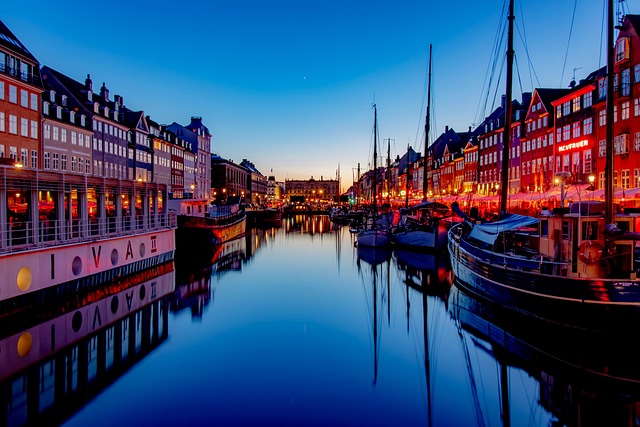
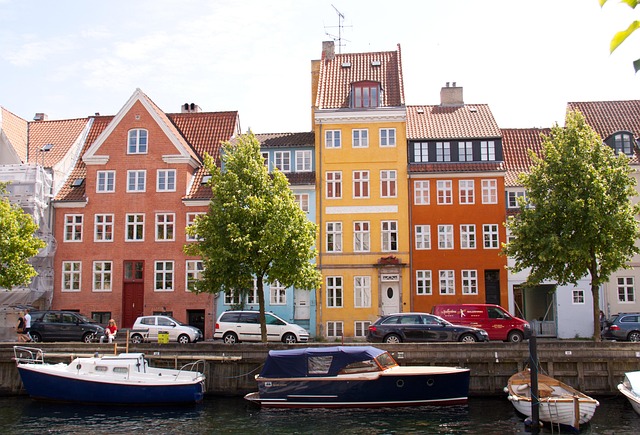
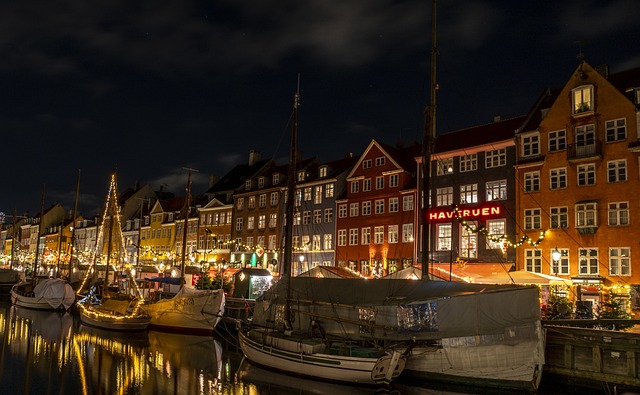
The route: Most tours cover central Copenhagen — starting near Nyhavn or City Hall and winding through the Latin Quarter, past Torvehallerne, through Christianshavn, and into neighbourhoods that travelers rarely reach. You’ll walk about 3–4 km total, with frequent stops (for eating). It’s not a hiking tour.
How much food? Enough for a substantial meal. The portions at each stop are tasting-sized, but across 5–8 stops they add up to a full lunch. Most people skip eating afterward — or have a very light dinner. Don’t eat a big breakfast before the tour. Reviewer Joe put it simply: “Will told us we would be full after and did not disappoint!”
When to Book a Copenhagen Food Tour
Best time of year: Food tours run year-round, but summer (May–September) is ideal — outdoor markets are open, seasonal ingredients are at their peak, and the walking between stops is pleasant. Winter tours have their own charm (warm bakeries, comfort food, Christmas specialties in December), but the outdoor market experience is reduced.
Best time of day: Late morning starts (10–11am) work best. You arrive hungry, the tour doubles as lunch, and you have the afternoon free. Some tours offer afternoon departures, but starting hungry is important.
Book 2–3 days ahead in summer. The best tours sell out, particularly the Culinary Experience (Tour #1) and the Pastry Tour (Tour #4). Shoulder season is more flexible.
Tips for Eating in Copenhagen
Book the food tour for your first or second day. It’s the best possible introduction to the food scene and gives you a hit list of places to revisit. Multiple reviewers say the guide’s restaurant recommendations shaped their entire trip.
Copenhagen is expensive — but food tours are good value. A casual lunch is $20–30, a nice dinner $50–80. The food tours ($75–197) include five to eight tastings that would cost similar amounts individually. Go hungry and treat it as lunch.
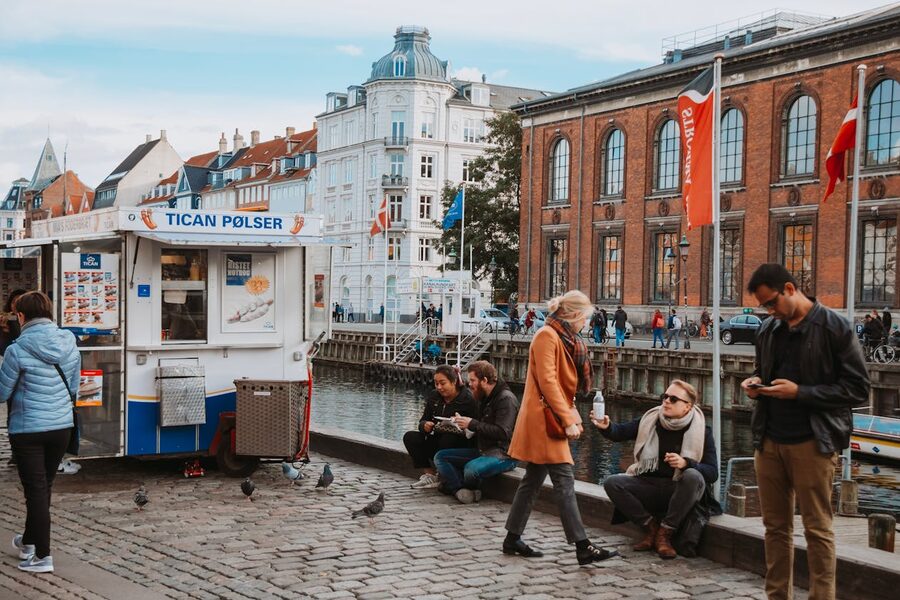
Try the hot dog stands independently. The traditional Danish pølsevogn (hot dog cart) serves ristet hot dogs with crispy onions, remoulade, and mustard. They cost about $5 and they’re an essential Copenhagen experience. Not usually included on food tours but impossible to miss on any street corner.
The pastry tour works as a morning warm-up. At two hours and $74, the Danish Pastry Tasting Tour fits perfectly before a full day of sightseeing. Five bakeries, five pastries, and you’ll understand why Copenhagen takes its wienerbrød so seriously.
Dietary requirements work fine. All four tours accommodate vegetarian, gluten-free, or dairy-free with advance notice. Let them know when booking, not at the first stop.
More Copenhagen Guides
A food tour pairs beautifully with the rest of Copenhagen’s experiences. In the morning, a canal tour gives you the waterside overview without any walking — arrive at the food tour hungry and ready. If you want the city’s history alongside the architecture, the walking tours cover the same streets with a focus on stories rather than bakeries — though the “Politically Incorrect” guides can’t resist pointing out their favourite lunch spots along the route. Tivoli Gardens has over 30 restaurants inside the park, including the Michelin-starred Nimb — visit after the food tour and you’ll know enough about Danish food to order confidently. The bike tours take you through neighbourhoods where locals actually eat, past the bakeries and corner restaurants that no guidebook covers. For a culinary contrast, the day trip to Sweden puts you in Malmö — a city with legendary falafel, a brilliant food hall, and prices that make Copenhagen look expensive (which it is). And for a completely different kind of day trip, LEGOLAND Billund is three hours west in the town where LEGO was invented — take the kids, or just admit you want to go yourself.