Four days can change your altitude.
This classic Inca Trail group service is built around guided passes and real Inca sites you move through day by day, ending with the dramatic approach to Machu Picchu via Sun Gate. I also love the way the support team handles the practical stuff: camp meals that are cooked for you and set up in a way that still feels like camping, not chaos. The only big catch is the physical reality of the route, including the high climbs and long days (you’ll want solid stamina, not just a good attitude).
You also start very early—pickup from Cusco is at 4:20am—so you need to be okay with early mornings as part of the deal. The upside is that everything else runs on schedule: guides, porters, tents, entrance fees, and the return train.
Quick hits
- Guide support stays close with a built-in safety approach so no one gets stranded in the back
- Camp food is included with hot meals cooked in camp and a stated food-safety process
- You hit major ruins in sequence: Llactapata, Wiñay Wayna, and the Machu Picchu Sun Gate arrival
- Tents and porters reduce load so you can hike without hauling everything on your back
- Safety gear is part of the plan with first-aid supplies, oxygen, and satellite phones
- Quick hits
- Why the Classic Inca Trail Works as a Group Trek
- Cusco Pickup at 4:20am and the Ollantaytambo Start
- Day 1: Llactapata and Settling Into Camp Life
- Day 2: Dead Woman’s Pass (Warmi Wañusqa) and Runccuracay
- Day 3: Phuyupatamarka, Intipata, and Wiñay Wayna
- Day 4: Sun Gate (Intipunku), Machu Picchu, and Aguas Calientes Timing
- Meals, Tents, Toilets, and the Porter System
- Safety, Satellite Phones, and the Inca Lecture Follow-Up
- Price and What 5 Really Buys You
- Who This Trek Fits Best (and Who Should Think Twice)
- Should You Book Alpaca Expeditions for the Classic Inca Trail?
- FAQ
- What time is pickup in Cusco?
- Where do we start hiking on the first day?
- How large is the group for this trek?
- Are Machu Picchu entrance tickets included?
- Is Huayna Picchu included?
- What camping setup is provided?
- What meals are included?
- What if I need to cancel?
- FAQ
- Does the tour include safety and emergency equipment?
- Are there any required items I should bring?
- More Hiking & Trekking Tours in Cusco
- More Tour Reviews in Cusco
Why the Classic Inca Trail Works as a Group Trek




The classic Inca Trail is famous for a reason: you don’t just arrive at Machu Picchu, you earn the view. This 4-day / 3-night format follows the classic rhythm—days of altitude and ruins—then a final day that turns the Machu Picchu entrance into a proper moment rather than a quick stop.
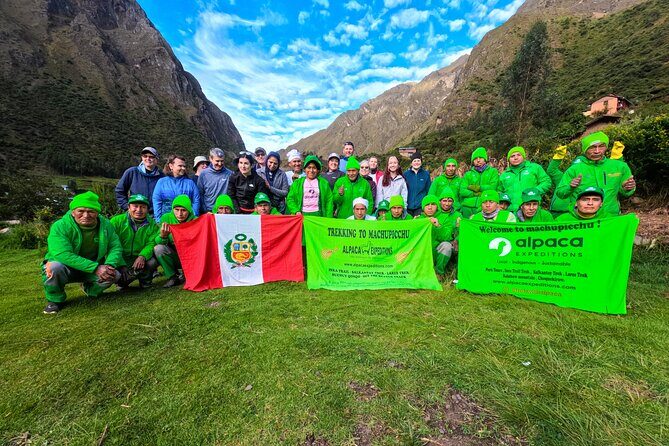
The biggest reason this group service can feel good is that it’s designed for flow. Small group size (up to 14 people) helps your pace stay human, and the operator emphasizes local indigenous guides. That matters on a trek like this, because the story you hear at the sites often shapes how you see the stones.
Value is another big piece. For $795 per person, you’re not paying separately for the trekking machinery: camping, meals, key transfers, entrance fees, and the return train segment are included. You’ll still need to plan for what’s not included (like a sleeping bag if you don’t rent one), but the core trip is packaged tightly.
You can also read our reviews of more hiking tours in Cusco


Cusco Pickup at 4:20am and the Ollantaytambo Start
Day one begins with a serious start time: pickup from your Cusco hotel at 4:20am. You’ll ride to a breakfast stop at the Porters’ House in Ollantaytambo, where the trekking chef has food ready. This is not a small detail. When you start early, breakfast is how you avoid the snack-by-desperation trap later.
After breakfast, you drive to the trailhead area near Km 82 (Piscacucho). There’s time to get organized before you start hiking along the Inca route. In practice, this is when you want to handle layers, water, and any quick bathroom breaks, so you’re not rushing after you commit to the trail.
The trip also runs with a briefing session the night before at 6pm in the operator’s office. If you like knowing what the next day will feel like, that prep helps you mentally pace the first climb.
Day 1: Llactapata and Settling Into Camp Life
The first hiking day is a long one (about 7 hours on the route), but it’s also your on-ramp. You start by hiking toward Llactapata, your first Inca stop on the trail. This is a good way to begin because you’re not waiting until day three to feel like you’re inside the story.
You continue to the lunch spot, and the crew sets camp support so lunch is prepared on the spot. That matters more than it sounds. On high treks, you want meals you can count on, not a “maybe we’ll find something” plan.
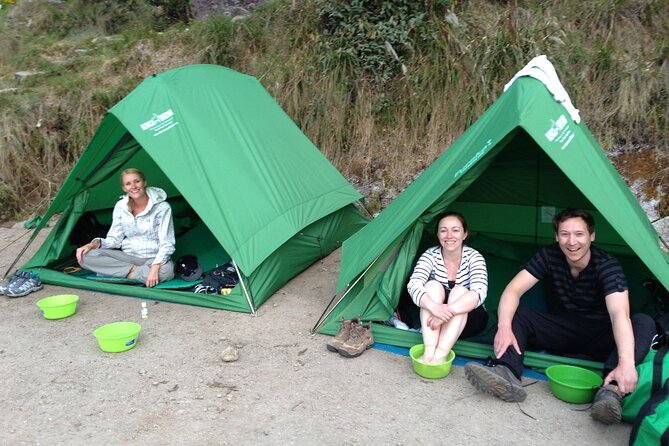
Then comes campsite time. Your tents are 4-man Eureka models, but you’ll sleep with just two people per tent. That’s a practical comfort upgrade: less jostling, more space to move your stuff, and a calmer night setup. Also, there’s a portable chemical toilet for the group, so you aren’t guessing logistics in the dark.
If you’re thinking about pacing, day one is where you decide how you’ll hike on harder days: steady effort, short breaks, and not going full sprint on the first stretch. You’ll feel the difference on day two.
Day 2: Dead Woman’s Pass (Warmi Wañusqa) and Runccuracay
Day two is the hardest day of the trek (about 9 hours). It climbs to the highest point of the Inca Trail route on this itinerary: Dead Woman’s Pass (Warmi Wañusqa) at 4,215 meters. The ascent is described as roughly four hours, and you’ll see sweeping trail views from up high before descending toward the Pacaymayu River area.
This is the day to go slow on purpose. At altitude, it’s not just fitness—it’s breathing rhythm. If you push too hard early, you’ll pay for it later on the descent and the second climb.
After lunch and a rest, you head toward the Runccuracay Pass area. Here you get both archaeological interest (the site) and natural drama with waterfalls visible in the scenery. The route then continues down toward Chaquicocha (Dry Lake) for your second camp.
A nice touch on day two: the trekking chef provides a happy hour. It’s not luxury, it’s morale. After the big climb, you want that small moment that tells your body you’ve done the hard work.
Sleep becomes important after day two. You want to be ready for a smoother day three so your last day doesn’t feel like a wreck.
Day 3: Phuyupatamarka, Intipata, and Wiñay Wayna
Day three is shorter hiking time (around 5 hours), and it’s designed to feel easier compared to day two. You start with views described across multiple mountain directions, including the snow-capped Salkantay peak and the Vilcabamba mountain area.
You begin your last ascent toward Phuyupatamarka (3600 meters), often called Town in the Clouds. It’s a cool altitude moment because you can see the Urubamba River below and even glimpse Machu Picchu from a distance. That helps your brain connect the dots before you reach the citadel.
Then you do a roughly three-hour walk down to your last campsite. Along the way, you visit Intipata, known for terraces, and then lunch is served at the last campsite. After you eat and reset, you continue to Wiñay Wayna, one of the biggest sites on the trek.
That mix is powerful: terraces, ruins, and that slow building excitement toward Machu Picchu. The itinerary’s pacing here is smart. You don’t want to crush yourself on day three and then arrive at Machu Picchu too drained to enjoy the place.

Day 4: Sun Gate (Intipunku), Machu Picchu, and Aguas Calientes Timing
Day four starts with an early breakfast and then you hike about two hours to Sun Gate (Intipunku). This is your different angle on Machu Picchu before you even enter the main citadel area. If you care about photos, this is when you’ll want them, because it’s your first proper sightline.
After Sun Gate, you enter Machu Picchu and get a full guided tour along the citadel circuit. The guided time is about two hours, and you can do it at a pace that isn’t rushed.
There’s also an optional add-on if you buy Huayna Picchu tickets in advance (listed as $75 each). The tour note says it’s an extra hike after the guided portion, so decide based on your energy. If you’re not sure, ask your guide team what they think for your group’s pace.
After the tour, your guide waits for you at Aguas Calientes. Then you head to the train station after lunch for the return. The trek includes your Expeditions tourist class train segment back on the last day, which is one less logistics headache you’d have to solve yourself.
Meals, Tents, Toilets, and the Porter System
This trip is strong on the stuff you feel every single day: food, sleeping setup, and how much you carry.
Meals: you get 4 breakfasts, 3 lunches, and 3 dinners included. The camps focus on hot food, not just snacks, and one of the most repeated positives is that the meals are genuinely good for trekking food. Your drinkable water is included along the trek too.
Tents: you sleep in Eureka 4-man tents, used for two people per tent. That’s a practical comfort detail, especially if you’re sharing with a friend or you’re paired with someone new.
Toilets: there’s a portable chemical toilet for your group. It’s basic, but it keeps the trek functional when you’re dealing with low light and limited privacy.
Porters: you get a personal porter up to 7k per person. That’s a huge value point. On a trek with multiple passes, you want your legs doing the work, not your shoulders.
If you want extra comfort, you’ll likely need gear not included, like a sleeping bag, trekking poles, and an air mat (available for rent). If you skip the sleeping bag and you run cold easily, your night comfort can take a hit.
Safety, Satellite Phones, and the Inca Lecture Follow-Up
On the Inca Trail, safety isn’t only about emergency response. It’s also about pacing, group cohesion, and making sure people don’t disappear behind the pack.
This operator uses a stated security guarantee: there will always be at least one guide behind the group. That’s a smart approach for a mixed group with different fitness levels. It also helps if you need time to adjust after a steep climb.
For emergencies, the trip includes a first aid kit, oxygen tank, and satellite phone. That tech is there for high-stakes moments when cell service is unreliable and you need real comms.
Food safety gets its own guarantee. They claim a set of five rules around cleanliness, separating raw and cooked food, thorough cooking, safe temperatures, and using safe water and raw materials. They also say that if food-related issues happen, affected people are fully compensated.
One more detail I like: the guides provide a history lecture, and then all lecture materials are sent to your email in written form after the trek. It’s a small thing that helps you remember what you saw when you’re back in regular life.
Price and What $795 Really Buys You
At $795 per person, this trek can look high if you compare it to a simple train ticket and a Machu Picchu day pass. But that comparison misses the point. The Inca Trail is expensive because it includes permits, guided logistics, camp infrastructure, and staffing.
Here’s what’s included that protects your budget:
- Camping and tents (with the porter-friendly setup)
- A personal porter up to 7k
- Meals across all trek days
- Entrance fees and key transfers
- Return train on the last day (tourist class)
- Safety equipment like oxygen, first-aid support, and satellite phones
Not included items are also clear: you’ll handle sleeping bag/trek poles/air mat if you don’t rent them, plus tips for the crew are optional, and you’ll want travel insurance on your own.
One more practical money tip: if you want Huayna Picchu, it costs extra and you need to book it ahead. Since the trek runs on tight timing, you don’t want to discover too late that you missed the ticket window.
Finally, start planning early. The average booking window listed is 108 days, and the Inca Trail slots can tighten as the season heats up. If your dates are firm, treat this like a plan, not a wish.
Who This Trek Fits Best (and Who Should Think Twice)
This trek is for people with moderate physical fitness, and the route includes serious climbs like Dead Woman’s Pass at 4,215 meters. If you’re comfortable hiking for hours at a time, taking slow breaks, and handling altitude carefully, you’ll likely love the structure and support.
If you’re doing your first big overnight trek, group service can be a relief. The system handles tents, meals, and gear load, which lets you focus on the trail and the sites.
The main consideration is not comfort, it’s effort. Day two demands your full attention. You’ll start early, walk a lot, and spend time at altitude. If you know you struggle with steep climbs or you don’t manage pacing well, you may feel stressed even with strong guiding.
On group size: maximum is 14 travelers, which is big enough for lively energy and small enough to keep things organized.
Should You Book Alpaca Expeditions for the Classic Inca Trail?
I’d book this trek if you want the classic experience with built-in structure: local indigenous guides, a small group, reduced pack load via a porter, and camp meals that help you recover instead of just surviving. The Sun Gate approach also makes your Machu Picchu day feel like the finish line, not a separate trip.
I’d think twice if early starts and hard climbs will put you into a bad headspace. This is a trek, not a scenic walk. Also, plan your gear now—sleeping bags and trekking poles aren’t included, even if rentals exist.
If your dates are fixed, book early, and decide in advance whether Huayna Picchu is worth the extra hike for your energy level.
FAQ
What time is pickup in Cusco?
Pickup from your Cusco hotel is at 4:20am.
Where do we start hiking on the first day?
The drive takes you to the trailhead near Km 82 (Piscacucho), where you begin after organizing and getting ready.
How large is the group for this trek?
The tour has a maximum of 14 travelers.
Are Machu Picchu entrance tickets included?
Yes. Entrance tickets for Machu Picchu are included.
Is Huayna Picchu included?
No. Huayna Picchu is not included. You can purchase it separately (listed as $75 each) and you need to book it in advance if you want it.
What camping setup is provided?
You camp in 4-man Eureka tents that are used for 2 people.
What meals are included?
The trek includes 4 breakfasts, 3 lunches, and 3 dinners.
What if I need to cancel?
This experience is non-refundable and cannot be changed for any reason.
FAQ
Does the tour include safety and emergency equipment?
Yes. It includes a first aid kit, oxygen tank, and satellite phone, and the guides are first-aid trained.
Are there any required items I should bring?
Sleeping bag, trekking poles, and air mat are not included, but they are available for rent. Travel insurance is also not included.