
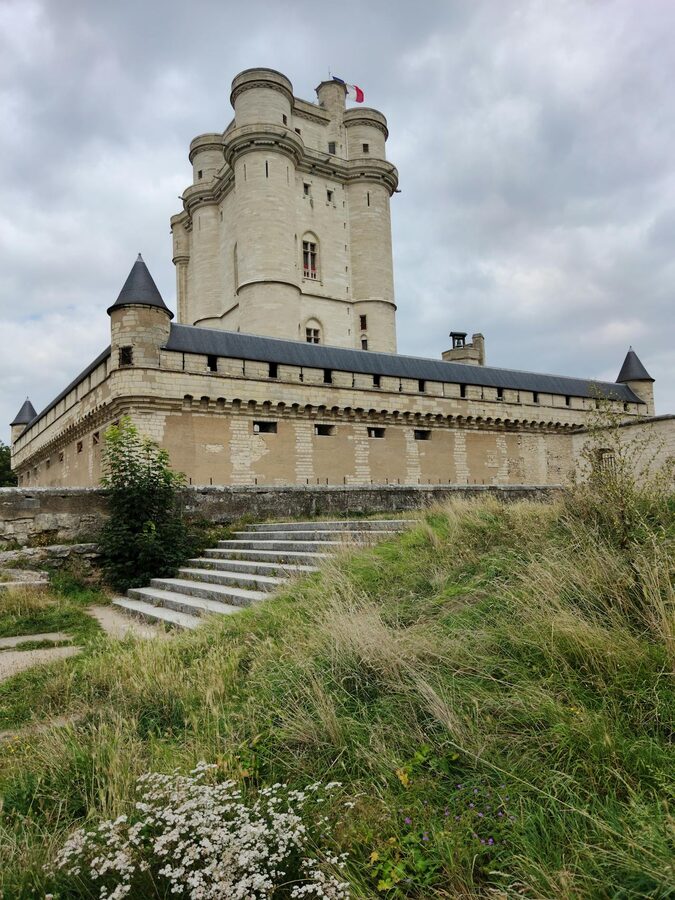
The keep at Vincennes is 52 metres tall and looks like it could withstand a siege this afternoon. Which makes sense, because it was built for exactly that purpose. The Château de Vincennes is the last great medieval fortress in the Paris region — a proper castle with a moat, a drawbridge, massive walls, and a tower that was the tallest secular structure in Europe when it was completed in 1370. While travelers queue for Versailles’s gold-leaf mirrors, Vincennes offers something Versailles can’t: 700 years of military architecture that still makes you feel small.
Vincennes sits at the eastern edge of Paris, right next to the Bois de Vincennes — the city’s largest park. The Métro takes you there in 20 minutes from central Paris, and the castle is a 2-minute walk from the station. Most visitors combine the castle with a walk in the park, a visit to the Parc Zoologique (Paris Zoo), or a pedal boat on the Lac Daumesnil. It’s a full day that feels nothing like the rest of Paris.
Official site: chateau-de-vincennes.fr — current hours, exhibitions, and special events.
Combine with: Bois de Vincennes park (free), Lac Daumesnil (pedal boats), and the Paris Zoo (separate ticket).
- Inside the Keep
- The Sainte-Chapelle de Vincennes
- The History: From Royal Residence to Prison to Battlefield
- The Bois de Vincennes: Paris’s Biggest Park
- The Parc Floral: Paris’s Best Garden
- The Paris Zoo (Parc Zoologique)
- Best Ticket to Book
- 1. Château de Vincennes Entry Ticket —
- 2. Conciergerie with Histopad —
- 3. Fontainebleau + Vaux-le-Vicomte Day Trip — 8
- Practical Tips
- Where Vincennes Fits in Your Paris Trip
Inside the Keep
The keep is the main attraction and the reason to buy a ticket. Six floors of medieval rooms connected by a spiral staircase that’s genuinely steep — 250 steps from bottom to top. Each floor served a different purpose: the ground floor was storage and defence, the middle floors were royal apartments, and the top floor housed the treasury and records. The rooms are largely empty now, but the architecture itself — the vaulted ceilings, the arrow slits, the chimney flues carved into 3-metre walls — tells you everything about how medieval power worked.
The keep also served as a prison for much of its history. The Marquis de Sade was held here before being transferred to the Bastille. Diderot was imprisoned here for his Encyclopedia. And during World War II, the Nazis used the castle as their headquarters in eastern Paris — 30 Resistance fighters were executed in the moat in 1944. A memorial marks the spot.
The Sainte-Chapelle de Vincennes
A smaller cousin of the Île de la Cité’s famous Sainte-Chapelle, the Vincennes version was started in 1379 and not completed until the 16th century. It’s a beautiful example of Flamboyant Gothic architecture — the stone tracery in the windows is more elaborate than the older Paris chapel’s, and the stained glass (partially restored, partially modern) fills the interior with coloured light.
The chapel is included in the castle entry ticket and takes about 15-20 minutes to appreciate. The apocalyptic stained glass in the apse is the highlight — seven windows depicting the Last Judgment in intense reds and blues. On a sunny morning, the chapel interior glows.
The History: From Royal Residence to Prison to Battlefield
Vincennes’s history reads like a greatest hits of French drama. Louis IX (Saint Louis) dispensed justice under an oak tree in the Bois de Vincennes — a scene depicted in every French schoolchild’s history textbook. Charles V built the keep in the 1360s as a fortified royal residence during the Hundred Years’ War. Henri IV kept his mistresses here (discreetly). Louis XIV spent his childhood at Vincennes before moving to Versailles. Napoleon converted it into an arsenal. And in August 1944, the retreating Germans executed prisoners in the moat and attempted to blow up the keep (they failed — the walls were too thick).
The Bois de Vincennes: Paris’s Biggest Park
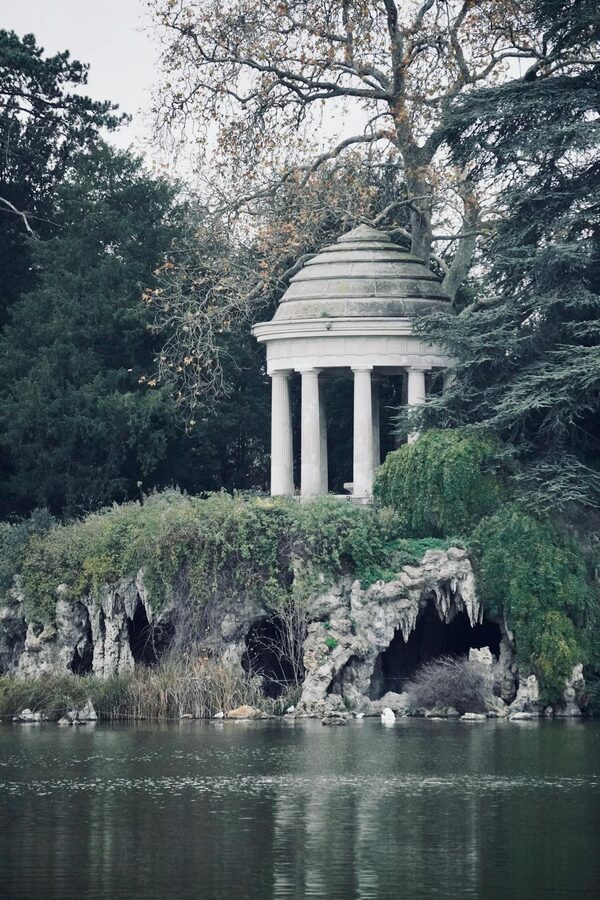
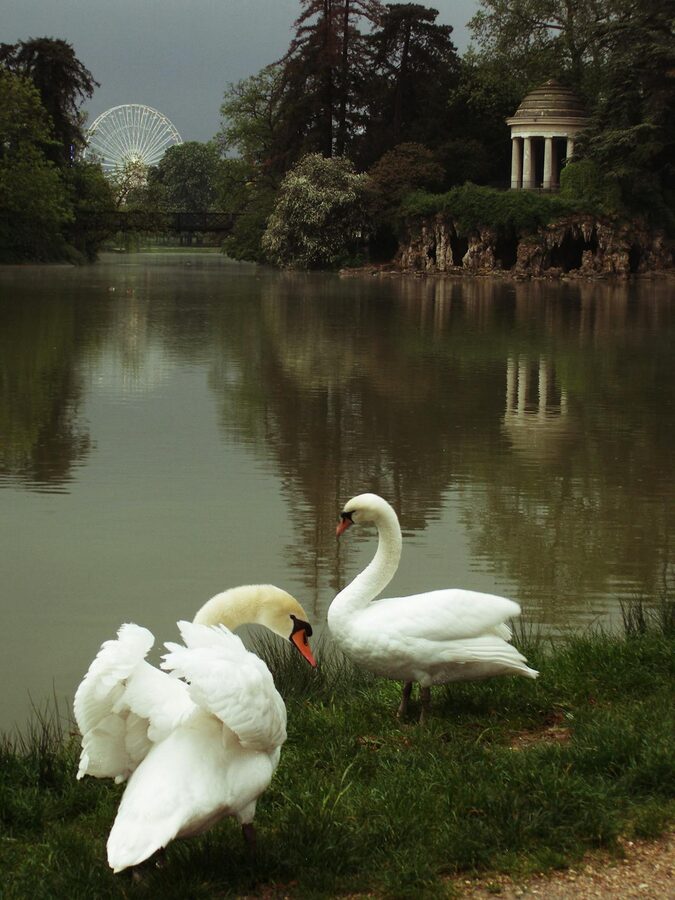
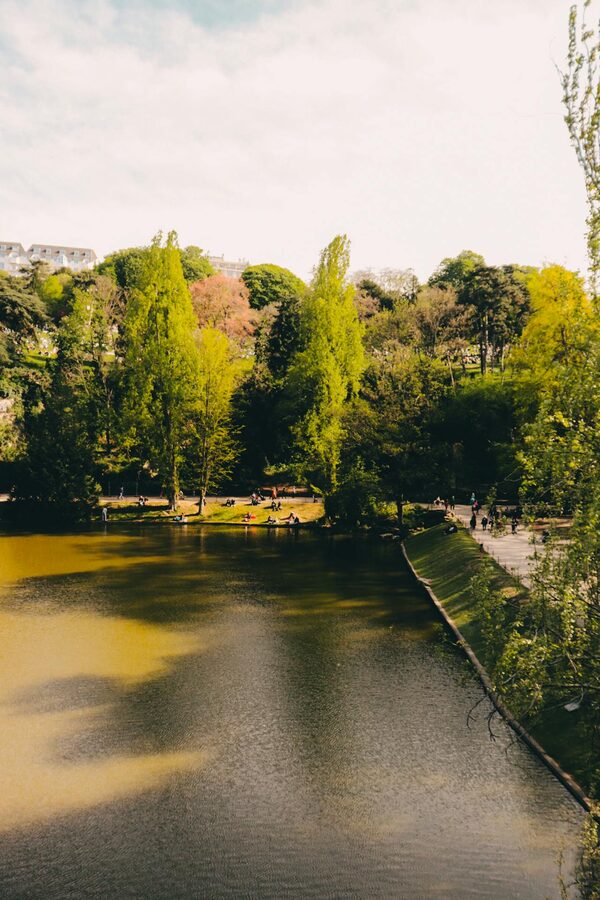
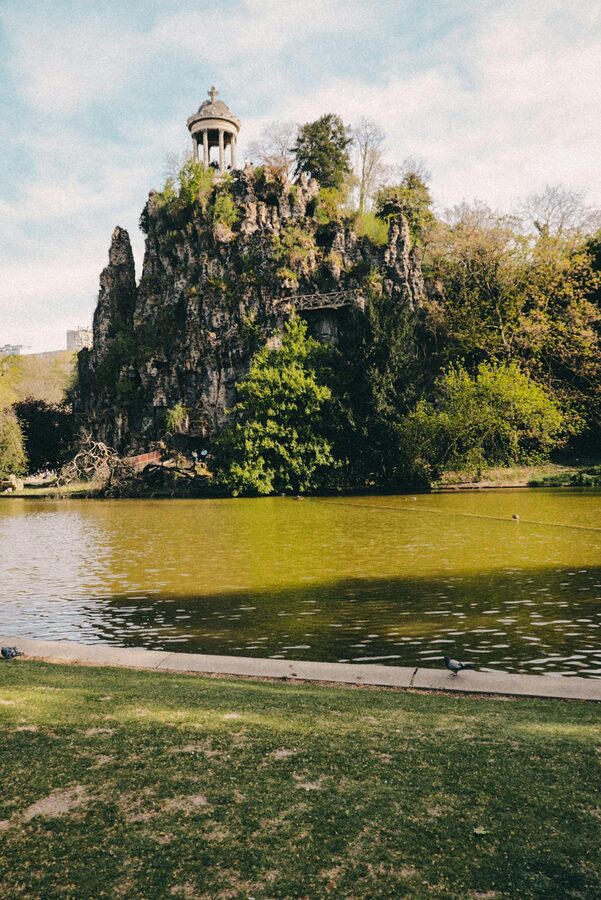
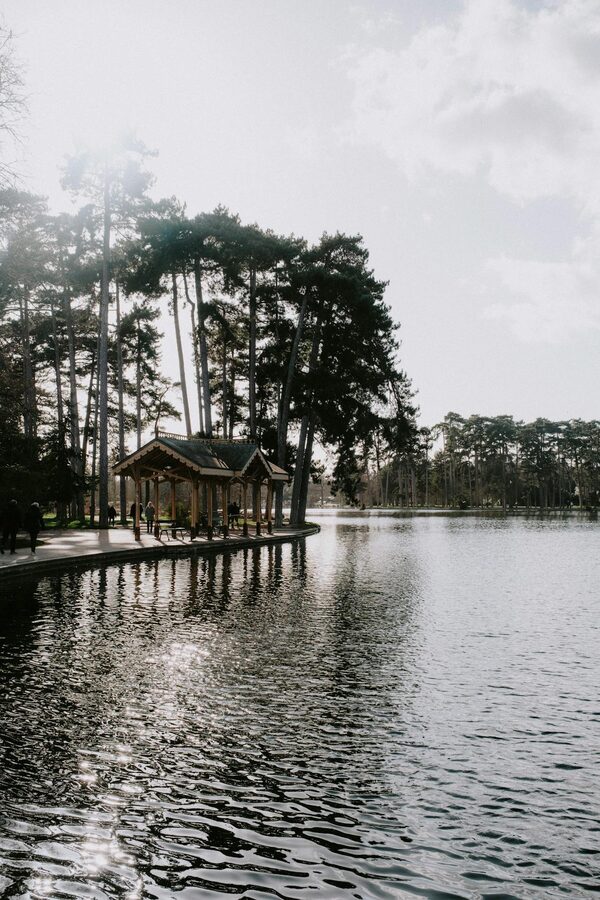
The Bois de Vincennes covers 995 hectares — roughly three times the size of Central Park in New York. It’s technically not a park but a forest, with managed woodlands, four lakes, a hippodrome (horse racing), a velodrome, a Buddhist temple, a tropical garden, and the Paris Zoo. Most Parisians treat it as their weekend escape from the city, and on sunny Saturdays the paths are packed with joggers, cyclists, and families.
The Parc Floral: Paris’s Best Garden
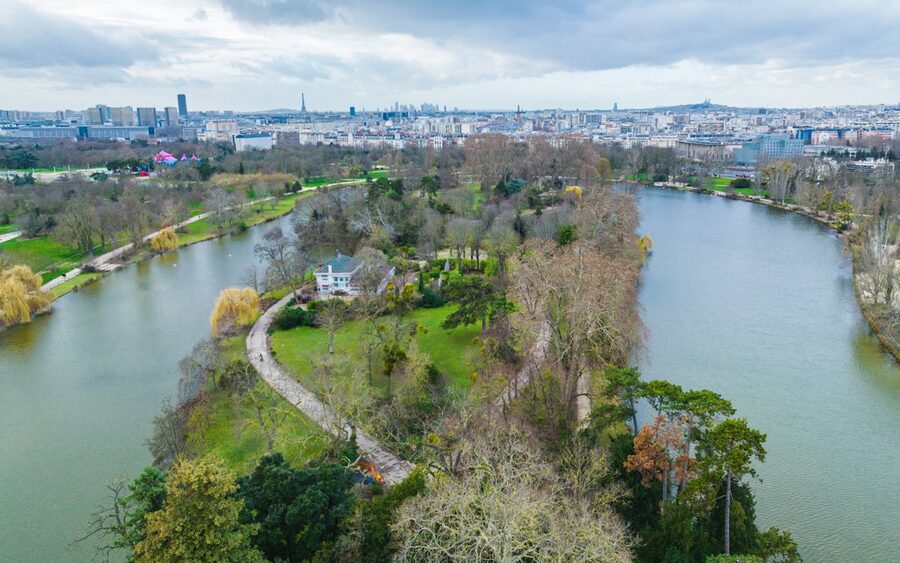
The Parc Floral de Paris sits within the Bois de Vincennes, about a 10-minute walk from the castle. It’s a 31-hectare botanical garden that was created for the 1969 Floralies Internationales and has been one of Paris’s best-kept secrets ever since. Entry is €6.50, which buys you themed gardens (Japanese, Mediterranean, iris, dahlia), a butterfly house, a children’s playground, and some of the most photogenic flower displays in the city.
The park hosts a free jazz festival on summer weekends — live performances in the bandstand surrounded by flowers. It’s the kind of event that makes you wonder why anyone pays €200 for a club when you can listen to world-class musicians for free while sitting on grass surrounded by roses.
The Paris Zoo (Parc Zoologique)
The Paris Zoo reopened in 2014 after a six-year, €167 million renovation that transformed it from one of Europe’s worst zoos into one of its best. The design is organized by biozone — Sahel-Sudan, Madagascar, Amazonia-Guyana, Europe, and Patagonia — rather than by species. Each zone recreates the ecosystem, not just the animals. The Amazonian greenhouse is a full tropical forest under glass, complete with humidity, heat, and the sound of invisible birds.
The highlights include the Sahel-Sudan zone (giraffes, rhinos, and a panoramic viewing platform), the Madagascar greenhouse (lemurs in a recreated rainforest), and the Patagonia zone (sea lions with an underwater viewing tunnel). The Grand Rocher — the 65-metre artificial mountain at the zoo’s centre — houses the Amazonian biosphere and is visible from across the park. The renovation was criticised for its cost, but the result is a zoo that takes animal welfare seriously while still being spectacular to visit.
The zoo ticket is separate from the castle (€22 for adults, €17 for under-13s). It takes about 3-4 hours to see everything. Combined with the castle in the morning and the zoo in the afternoon, you have a full day that’s completely different from central Paris tourism — nature, history, and animals instead of museums, monuments, and museums.
Best Ticket to Book
1. Château de Vincennes Entry Ticket — $15
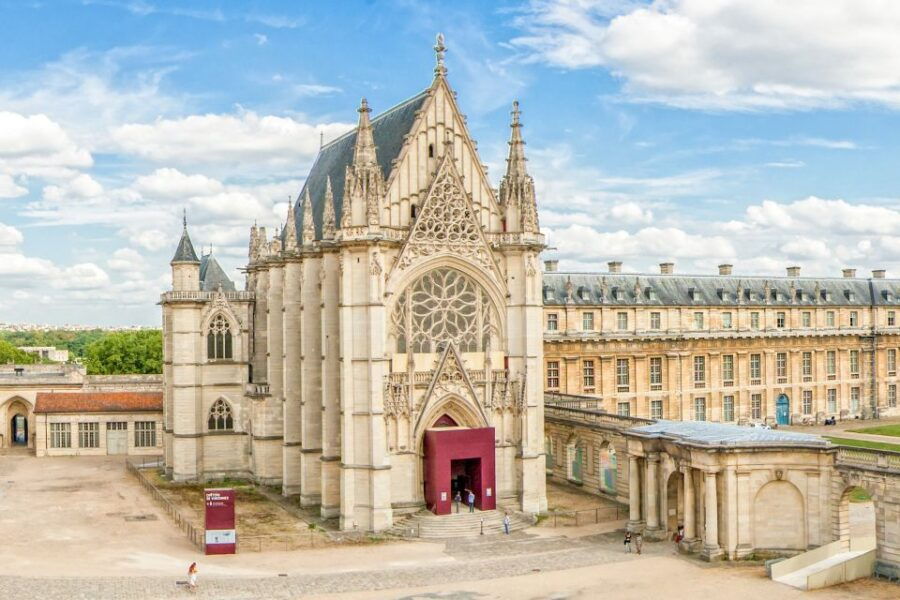
The entry ticket covers the keep (all 6 floors including the rooftop panorama), the Sainte-Chapelle, and the castle grounds. Self-guided, available in English, and typically uncrowded — you might share the keep with a dozen other visitors on a weekday morning, compared to the thousands at Versailles. Allow 90 minutes for the castle and chapel. Our review covers the visit in detail, including which floors of the keep are most worth lingering on and whether the rooftop view rivals the Montparnasse Tower.
2. Conciergerie with Histopad — $15
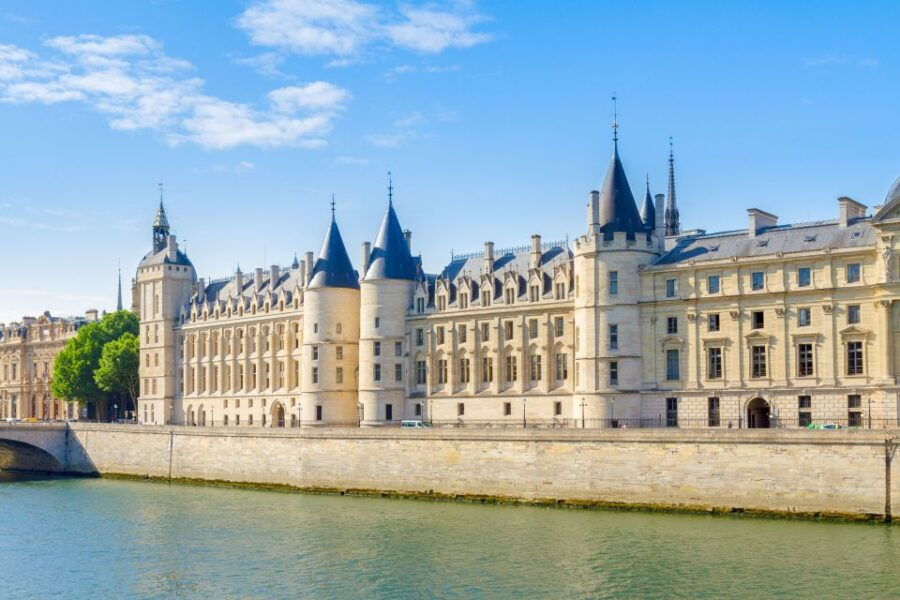
The Conciergerie — on the Île de la Cité in central Paris — is the other major medieval building open to the public. The Histopad augmented reality technology adds virtual reconstructions to the empty stone rooms, showing how the palace and prison looked when occupied. Pairing Vincennes (morning) with the Conciergerie (afternoon) gives you a complete picture of medieval Parisian power for $30 total. Our Conciergerie guide covers the full visit.
3. Fontainebleau + Vaux-le-Vicomte Day Trip — $138
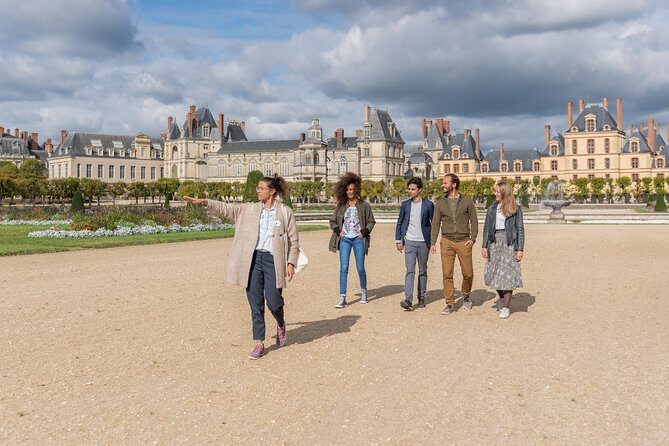
For visitors who catch the castle bug at Vincennes and want more, the Fontainebleau and Vaux-le-Vicomte day trip covers two of France’s most impressive châteaux — one that evolved over 800 years (like Vincennes) and one that was designed as a single unified masterpiece. The guided tour adds historical context that makes the progression from medieval fortress to Renaissance palace to Baroque garden come alive.
Practical Tips
Getting there: Métro Line 1 to Château de Vincennes (the end of the line). The castle entrance is a 2-minute walk from the station — you literally can’t miss it. The journey from Châtelet takes about 20 minutes.
Opening hours: Daily 10am-5pm (winter) or 10am-6pm (summer). Closed January 1, May 1, and December 25. Check the official site for current hours. The keep occasionally closes for restoration work — verify before visiting if the keep specifically is your priority.
How long: 90 minutes for the castle and chapel. Add 2-3 hours for the Bois de Vincennes (lakeside walk + pedal boats). Add 3-4 hours if you’re doing the zoo. A full castle + park + zoo day runs about 7 hours.
Budget: Castle: $15 (free for EU under-26). Park: free. Pedal boats: €14/30 min. Zoo: €22 adults, €17 under-13. A full day costs about €50 per adult, which is less than most half-day Paris museum visits.
Where Vincennes Fits in Your Paris Trip
Vincennes is the perfect day 3 or 4 activity — after you’ve done the central Paris landmarks and want something different. It pairs well with the Père Lachaise Cemetery (both are in eastern Paris, connected by Métro Line 1). The Conciergerie offers a direct medieval comparison. And for castle enthusiasts, the Fontainebleau and Vaux-le-Vicomte combination shows what happened when French builders stopped worrying about defence and started focusing on beauty.