
Marie Antoinette spent 76 days in the Conciergerie before the guillotine. Her cell was about three metres by four. A screen gave her minimal privacy from the two guards who watched her around the clock. She was 37, her hair had turned white from stress, and she reportedly asked to change her shoes before the cart came because the blood from a nosebleed had stained them. The cell has been reconstructed. Standing in it is one of the most sobering experiences in Paris.
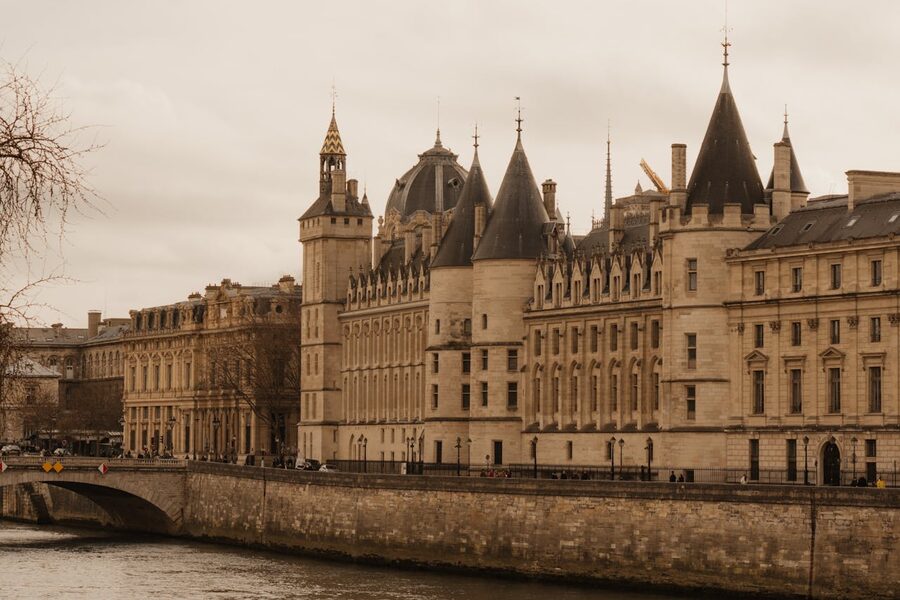
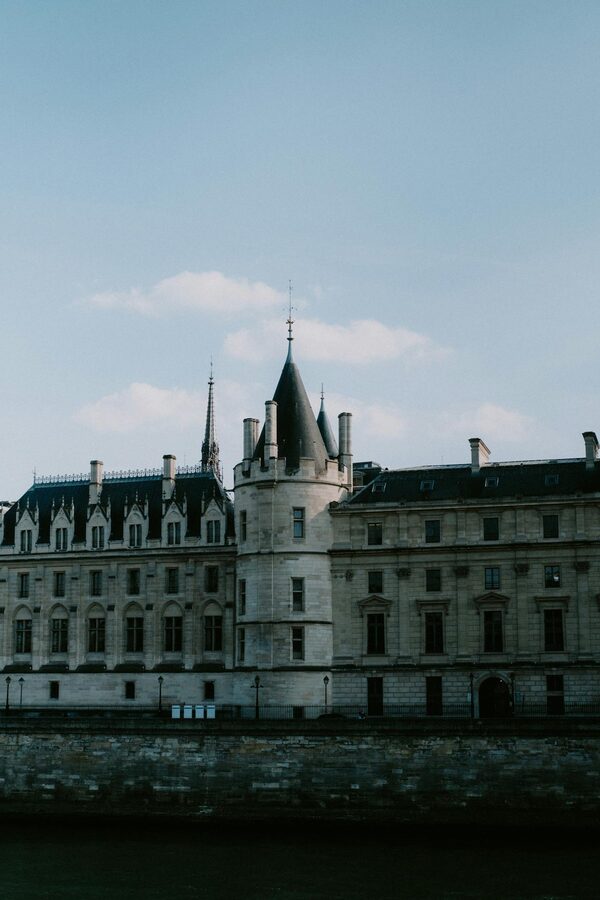
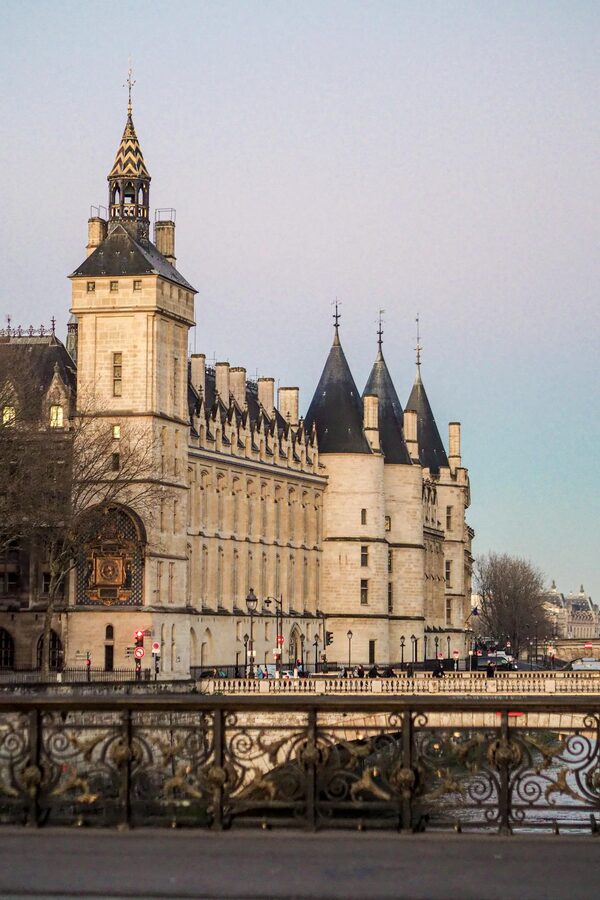
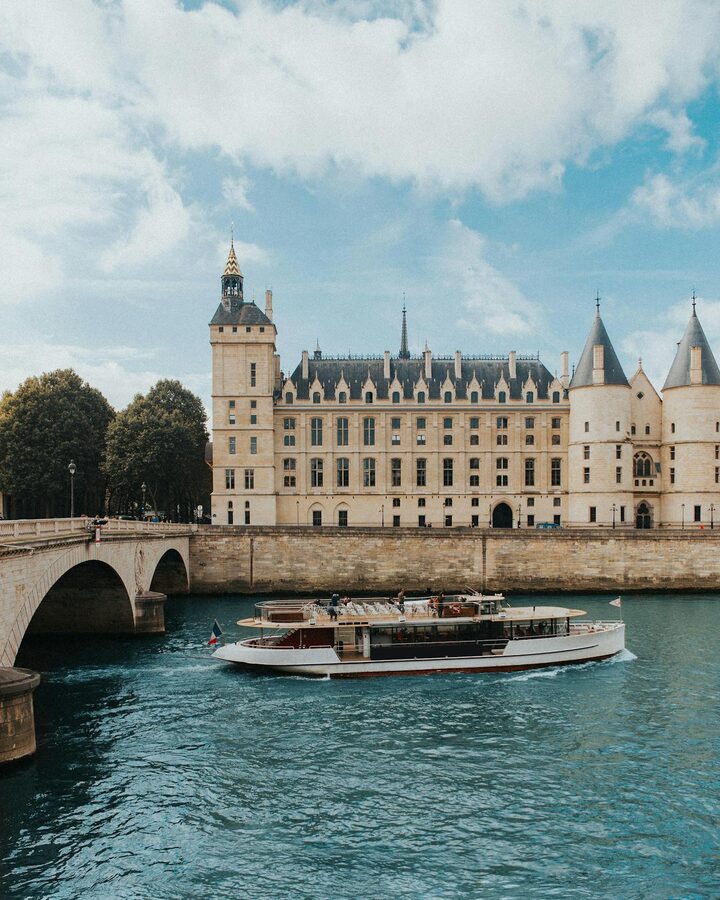
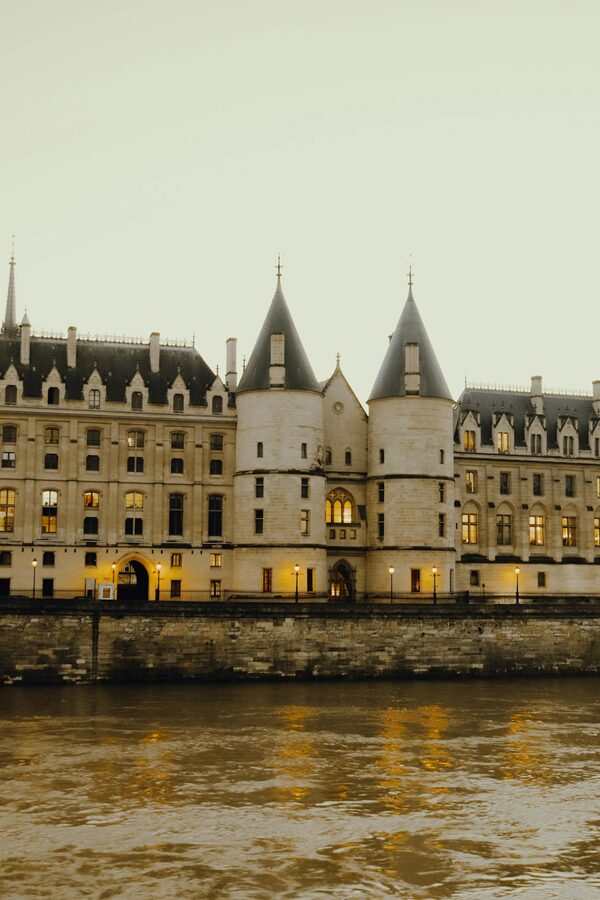
The Conciergerie is the building that reminds you Paris wasn’t always beautiful. This medieval palace on the Île de la Cité — the oldest surviving part of the original royal residence — served as the Revolution’s main holding prison. Over 2,700 people were processed here during the Terror, and about 2,600 of them were sent to the Place de la Concorde to die. The building now operates as a museum and monument, with an augmented reality Histopad that reconstructs the medieval and Revolutionary interiors over the actual stone walls.
Best combo: Sainte-Chapelle + Notre-Dame Guided Tour — $81, includes skip-the-line Sainte-Chapelle entry and Notre-Dame exterior. 374 reviews.
Official site: paris-conciergerie.fr — current hours, prices, and exhibition info.
- What the Histopad Does
- The Rooms You’ll See
- The Sainte-Chapelle: The Other Île de la Cité Essential
- Notre Dame: The Neighbour
- Best Tickets to Book
- 1. Conciergerie with Histopad —
- 2. Sainte-Chapelle + Notre-Dame Guided Tour —
- 3. Sainte-Chapelle Skip-the-Line Entry — €11.50
- The Revolution: Why It Happened Here
- Practical Tips
- Where the Conciergerie Fits in Your Paris Trip
What the Histopad Does
The Histopad is an augmented reality tablet that you hold up as you walk through the rooms. Point it at a wall, and the screen overlays a 3D reconstruction of what the space looked like in the medieval or Revolutionary period. The Gothic hall fills with virtual prisoners, guards, and tribunal judges. Marie Antoinette’s cell shows the furniture, the guards, and the queen herself. The medieval kitchens fill with cooks and roasting spits. It’s not a gimmick — the technology is well-calibrated and genuinely adds understanding to spaces that are otherwise empty stone rooms.
The tablet is included in the $15 entry price. You pick it up at the entrance and return it at the exit. It’s available in multiple languages (English, French, Spanish, German, and more). The augmented reality sections are triggered by position — you hold the tablet up at specific points marked on the floor and the reconstruction appears automatically. It’s intuitive enough for children and detailed enough for history buffs.
The Rooms You’ll See
The Salle des Gens d’Armes (Hall of the Men-at-Arms) is the main event. Built between 1301 and 1315, it’s one of the largest surviving medieval halls in Europe — 64 metres long, 27 metres wide, with a ceiling supported by massive stone pillars. During the medieval period, this was the palace’s main public hall where the king’s officials worked. During the Revolution, it was divided into holding cells by temporary partitions. The Histopad shows both configurations.
Marie Antoinette’s cell has been reconstructed as a chapel in the space where she was held. The actual furniture is gone, but the dimensions are accurate and the Histopad reconstruction shows the room as it looked during her imprisonment — the narrow bed, the screen, the crucifix, and the two guards who never left her sight. The emotional weight of standing in this space is significant, especially after seeing the gilded rooms at Versailles or the Hôtel de la Marine where the 18th-century ruling class lived.

The medieval kitchens are built directly over the river — the water was drawn up through the floor for cooking and cleaning. The four massive fireplaces could roast entire animals, and the Histopad reconstruction fills the room with virtual cooks preparing a medieval feast. It’s a reminder that before the horror of the Revolution, this was a functioning palace where everyday life happened.
The Rue de Paris — a corridor where prisoners awaited their call before the tribunal — is named after the executioner (the “Monsieur de Paris”). The Histopad shows the corridor filled with waiting prisoners, some wealthy enough to pay for private cells, others crammed into communal holding areas. The class system persisted even in prison — rich prisoners got beds and food delivered; poor prisoners got straw on the floor.
The Sainte-Chapelle: The Other Île de la Cité Essential
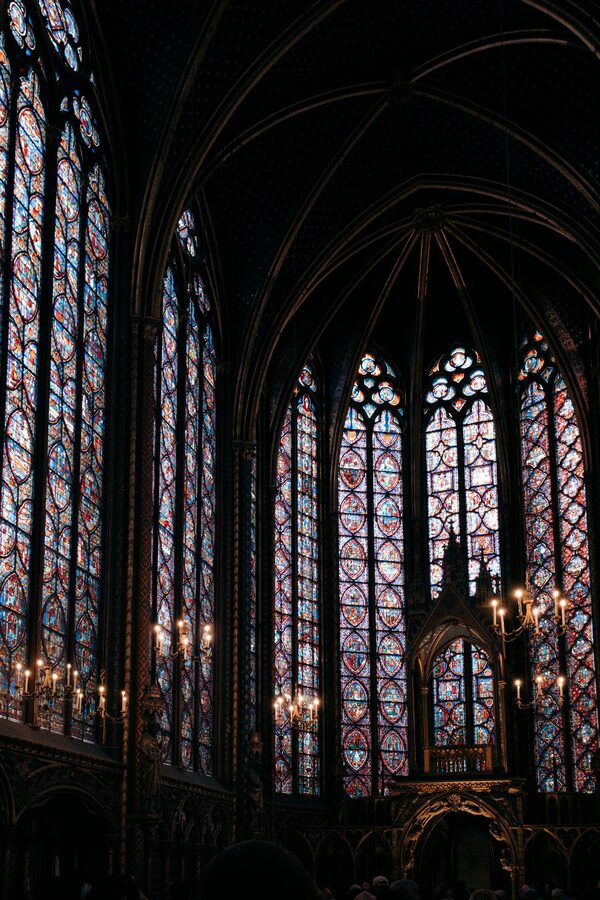
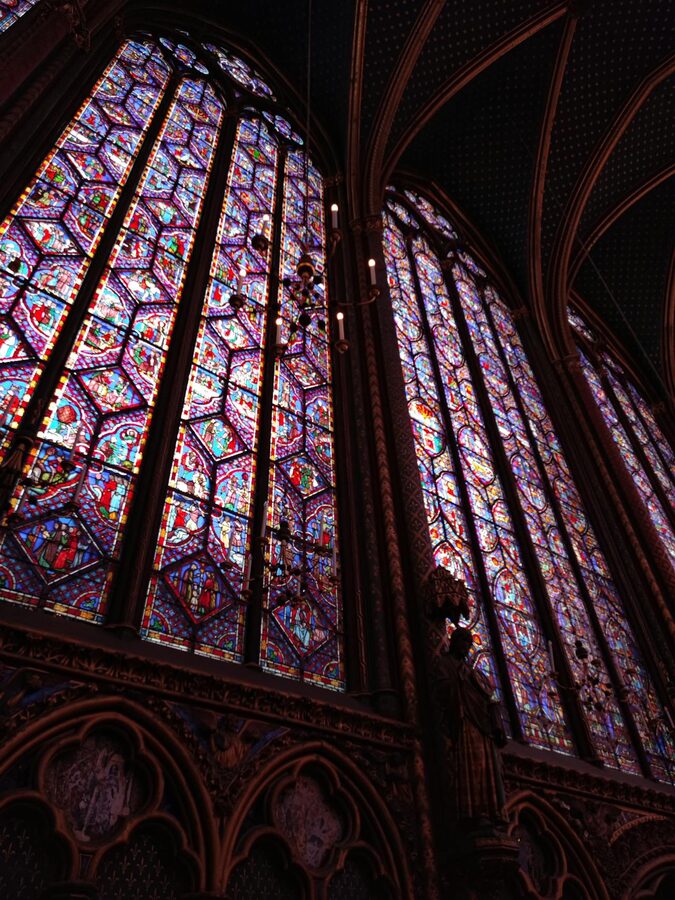
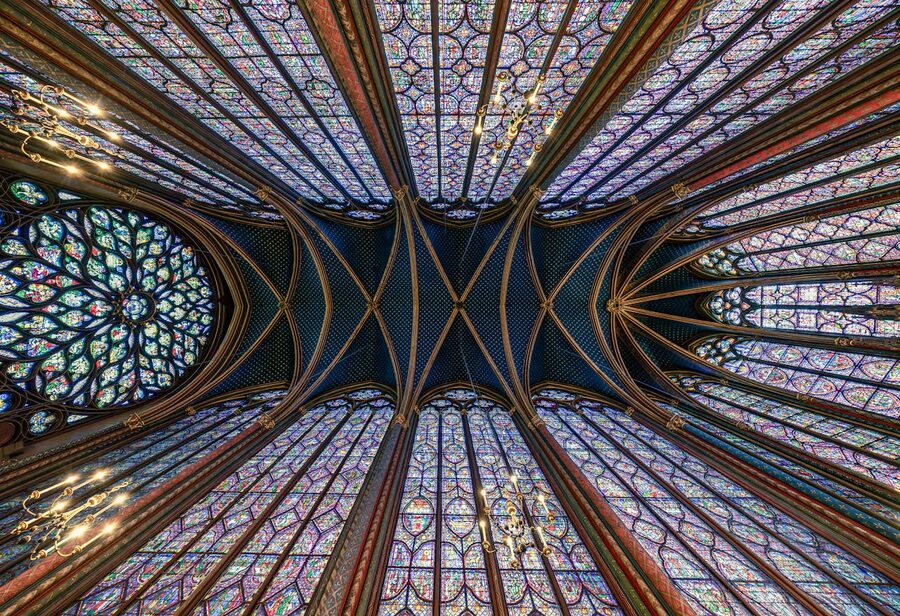
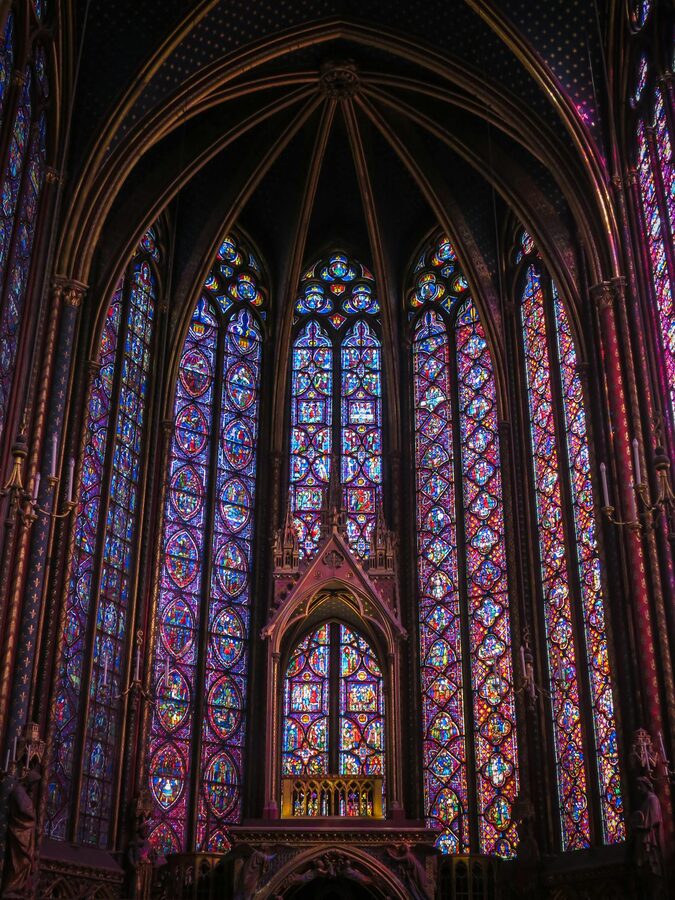
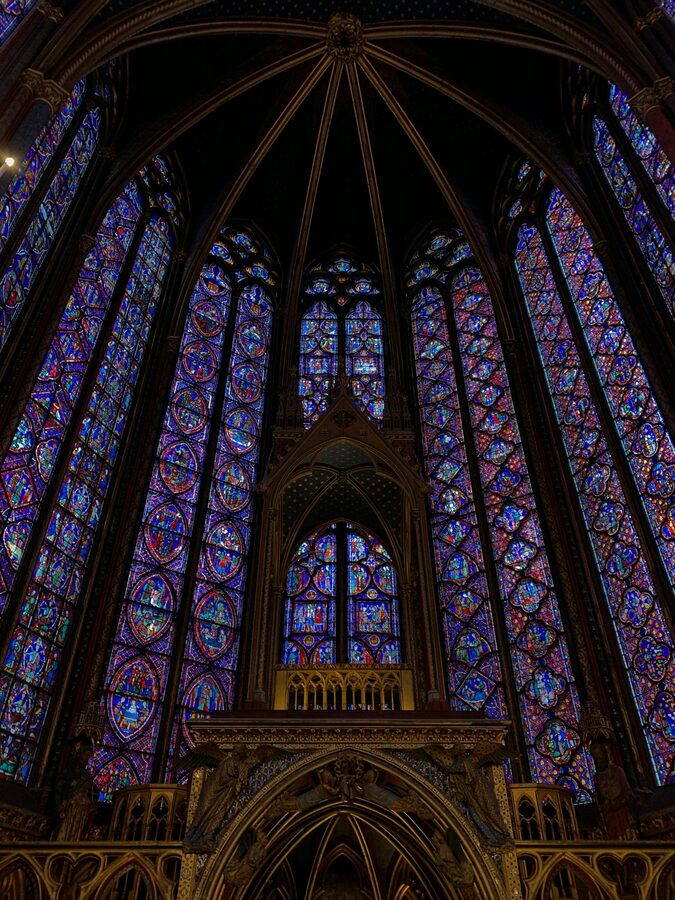
The Sainte-Chapelle is across the courtyard from the Conciergerie and contains the most extraordinary stained glass in the world. Built by Louis IX in the 1240s to house his collection of Passion relics (including what he believed was Christ’s Crown of Thorns), the upper chapel is essentially a glass box held together by stone ribs. Fifteen windows, each 15 metres tall, contain 1,113 individual scenes from the Bible. When the sun hits them, the interior becomes a kaleidoscope of blue and red light that makes every other church in Paris look dull.
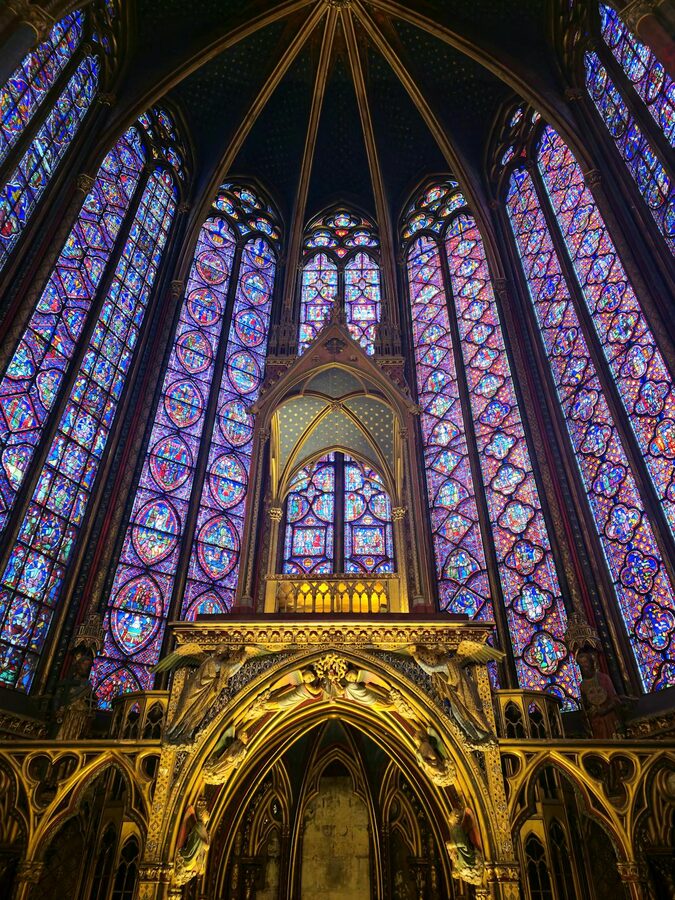
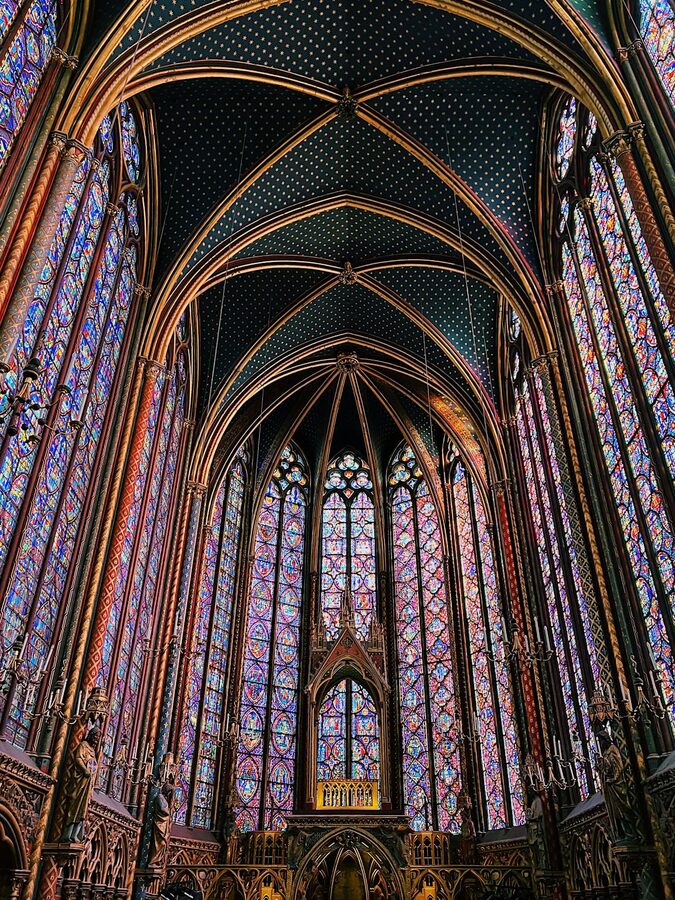
The Sainte-Chapelle is technically separate from the Conciergerie — you need a different ticket. The combo guided tour ($81) covers both, plus the exterior of Notre Dame, which is the most efficient way to see all three. Alternatively, buy the Conciergerie Histopad ticket ($15) and the Sainte-Chapelle ticket (€11.50 from the official site) separately and visit at your own pace.
Notre Dame: The Neighbour
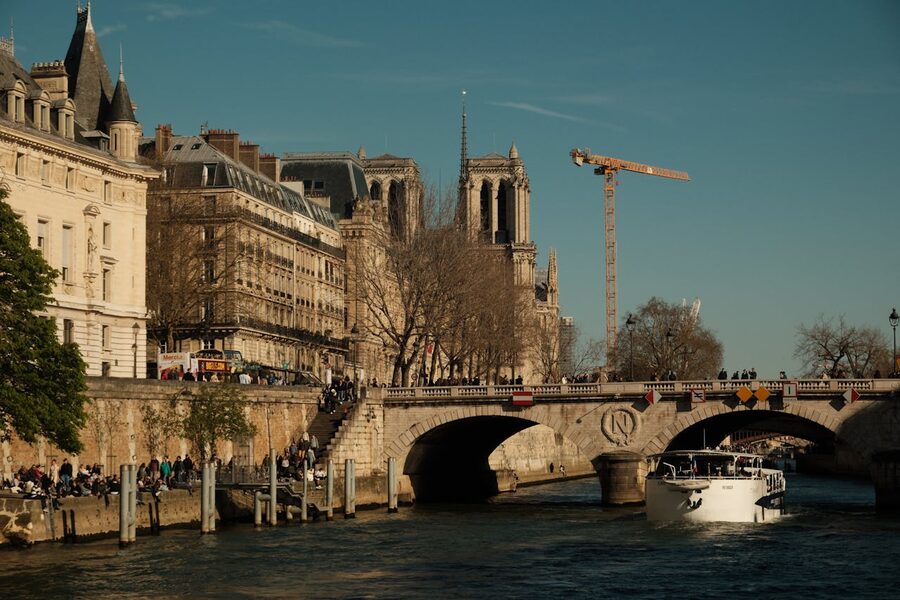
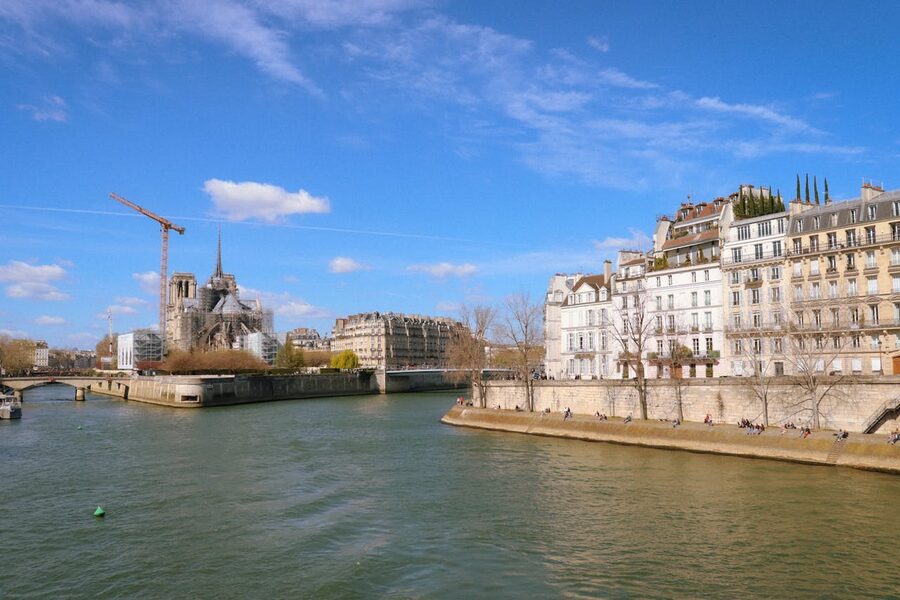
Notre Dame Cathedral sits on the eastern end of the Île de la Cité, a 5-minute walk from the Conciergerie. The cathedral reopened in December 2024 after the devastating 2019 fire and five years of reconstruction. The restored interior includes a new golden altar, cleaned stone vaults, and the famous rose windows in their full restored glory. Free entry (timed tickets from the Notre Dame guide).

Best Tickets to Book
1. Conciergerie with Histopad — $15

The standalone Conciergerie ticket with the augmented reality Histopad. Self-guided, available in multiple languages, and the AR reconstructions add a dimension that traditional audio guides can’t match. Allow 60-90 minutes. The medieval hall, Marie Antoinette’s cell, and the Revolution-era corridors are all covered. Our review assesses the Histopad technology and whether the augmented reality genuinely enhances the visit.
2. Sainte-Chapelle + Notre-Dame Guided Tour — $81

A guided tour that covers the Sainte-Chapelle interior (skip-the-line), the Notre-Dame exterior, and the Île de la Cité’s medieval history. The guide explains the stained glass narratives, the architectural engineering, and the connections between the buildings. At $81 it’s more expensive than visiting independently, but the queue-skipping and expert commentary make it worthwhile for the Sainte-Chapelle alone. Our review covers the route and whether the Notre-Dame exterior portion adds genuine value.
3. Sainte-Chapelle Skip-the-Line Entry — €11.50
If you prefer self-guided visits, buy the Sainte-Chapelle ticket directly from the official Centre des Monuments Nationaux site. Timed entry reduces the queue. Combine it with the Conciergerie Histopad ticket ($15) for a self-paced morning that covers both buildings for under €30 total. Allow 30-45 minutes for the Sainte-Chapelle and 60-90 for the Conciergerie.
The Revolution: Why It Happened Here
The Conciergerie became a prison because it was already a courthouse. When the kings moved to the Louvre and then Versailles, the medieval palace was converted into the Palais de Justice — the seat of French law. The great hall became courtrooms. The towers became jail cells. And when the Revolution needed a place to process its enemies, the existing prison infrastructure was ready.
The Revolutionary Tribunal sat in a room above the great hall. Prisoners were brought up from the cells below, sentenced (the average trial lasted about 15 minutes), and returned to await execution. The most famous prisoners — Marie Antoinette, Danton, Robespierre (who went from sending people here to being sent here himself) — all followed this route. The Histopad reconstruction of the tribunal in session is one of the most powerful AR experiences in the building.

Practical Tips
Opening hours: Daily 9:30am–6pm. Last entry 45 minutes before closing. Check the official site for current hours and any closures.
How long: 60-90 minutes for the Conciergerie with Histopad. Add 30-45 minutes for the Sainte-Chapelle. Add 30-60 minutes for Notre Dame (free). A full Île de la Cité morning takes about 3 hours.
Getting there: Métro Cité (Line 4) is directly on the Île de la Cité. Saint-Michel (Line 4, RER B/C) is on the south bank, a 3-minute walk across the bridge. The Conciergerie entrance is on Boulevard du Palais.
Best time: First thing in the morning (9:30am) for the Conciergerie — it’s quieter and the Histopad experience works better without crowds. The Sainte-Chapelle is best at mid-morning when the sun hits the east windows. Notre Dame in the early afternoon when the interior light is strongest.
Emotional note: The Conciergerie can be intense. Marie Antoinette’s cell, the tribunal reconstruction, and the prisoner lists are genuinely affecting. If you’re visiting with children, gauge their readiness — the content is appropriate for ages 10+ but might overwhelm younger kids. The medieval hall and kitchens are lighter and more accessible for all ages.
Where the Conciergerie Fits in Your Paris Trip
The Conciergerie pairs naturally with the Hôtel de la Marine — the palace shows the 18th-century world the Revolution destroyed, the Conciergerie shows where it was destroyed. The Notre Dame Cathedral is next door and free. The Père Lachaise Cemetery continues the dark history theme with the Commune massacre wall. And for a mood reset after the Revolution’s horrors, the Orangerie Museum and its Water Lilies are a 15-minute walk through the Tuileries.