
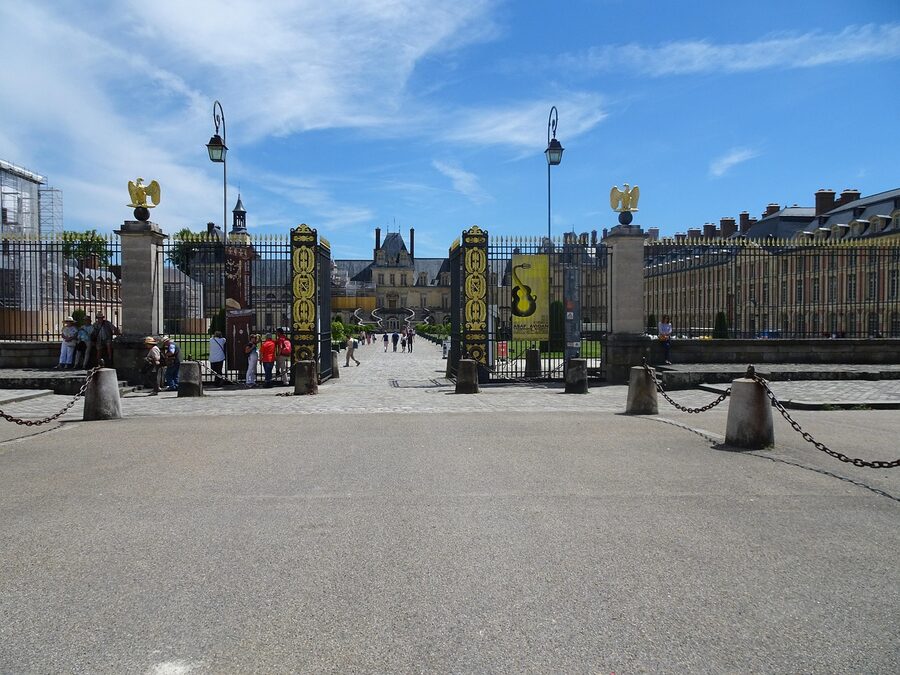
Napoleon called Fontainebleau “the true home of kings.” Not Versailles — Fontainebleau. He signed his abdication here. He said goodbye to his Imperial Guard in the courtyard. And when you walk through the same rooms, past the same throne he sat on, you start to understand why he chose this palace over every other in France. Fontainebleau doesn’t shout like Versailles. It whispers. And the whisper is more impressive.
Fontainebleau and Vaux-le-Vicomte are the two palaces that Paris day-trippers should see but usually don’t. Everyone goes to Versailles. Almost nobody makes the hour’s drive southeast to these two. That’s a mistake. Fontainebleau has more history than Versailles (800 years vs 300). Vaux-le-Vicomte has more beauty than Versailles (it was the direct inspiration for Versailles — Louis XIV was so jealous of it that he imprisoned the owner and hired the same architects to build something bigger). Together, they make a day trip that’s quieter, cheaper, and arguably richer than Versailles.
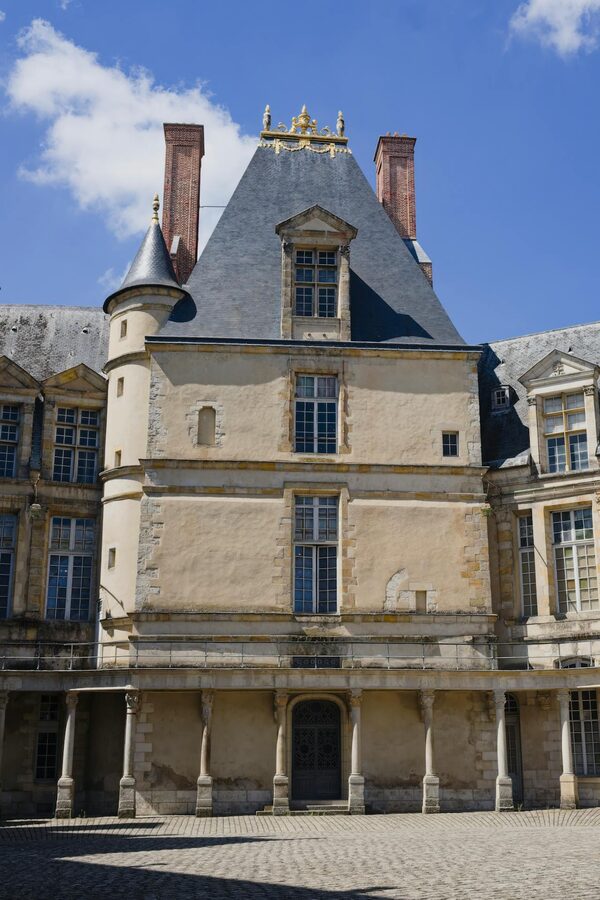
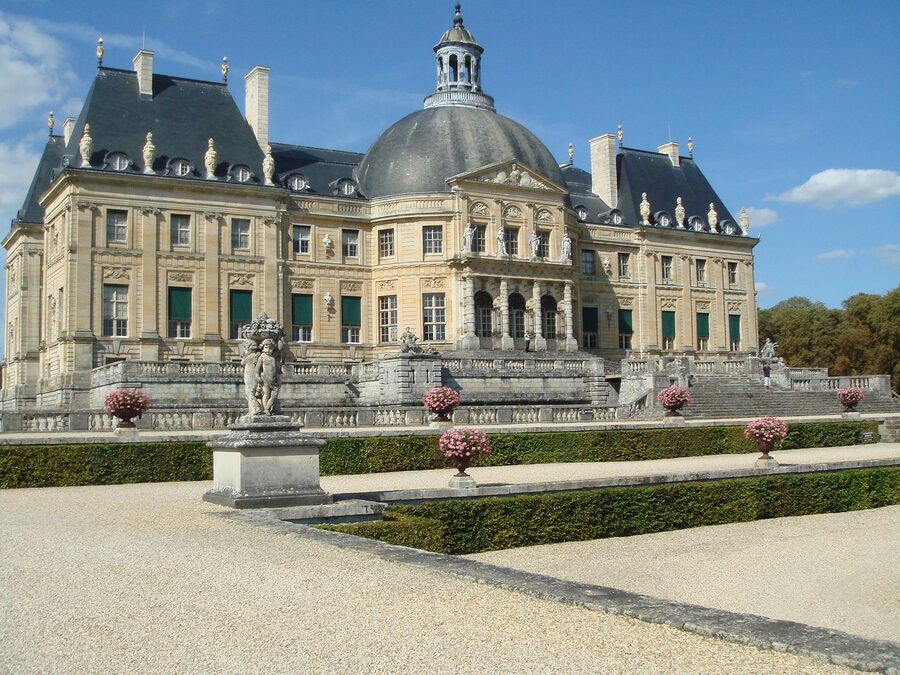
Best small group: Small-Group Day Trip — $266, max 8 people, more personalised with longer stops. Perfect 5.0 rating.
Best budget: Vaux-le-Vicomte Chateaubus Shuttle — $36, just Vaux-le-Vicomte, self-guided with return transport.
- Fontainebleau: 800 Years of French Power
- The Gardens and Forest
- Vaux-le-Vicomte: The Palace That Inspired Versailles
- The Candlelight Evenings at Vaux-le-Vicomte
- Best Tours to Book
- 1. Fontainebleau + Vaux-le-Vicomte Day Trip — 8
- 2. Small-Group Day Trip — 6
- 3. Vaux-le-Vicomte Chateaubus Shuttle —
- Getting There Independently
- The Fontainebleau Forest
- Fontainebleau vs. Versailles: The Honest Comparison
- Practical Tips
- More French Palace and Day Trip Experiences
Fontainebleau: 800 Years of French Power
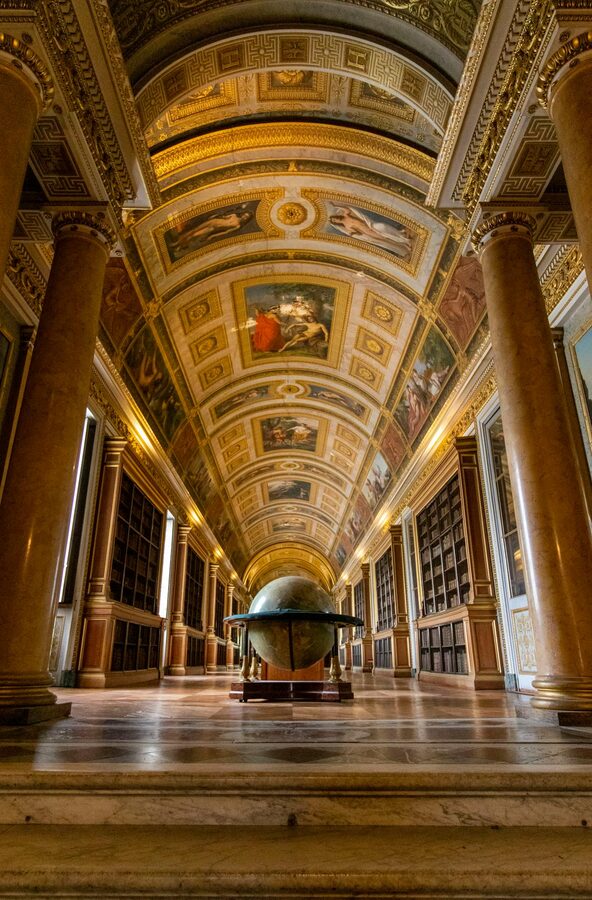
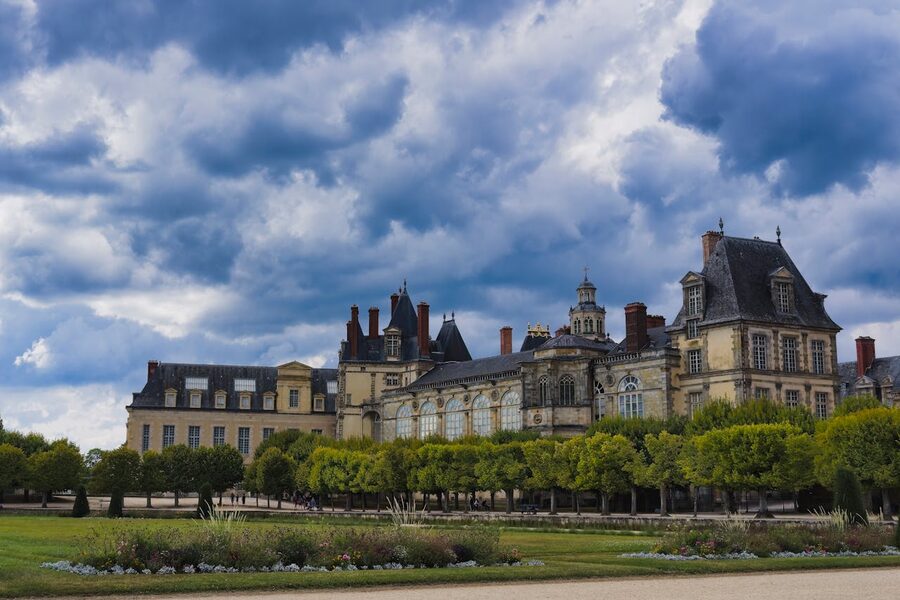
Every French ruler from Louis VII (12th century) to Napoleon III (19th century) lived at, modified, or expanded Fontainebleau. That’s 34 sovereigns across 8 centuries. The palace grew like a coral reef — each generation adding rooms, wings, galleries, and gardens that reflected their taste and their ego. The result is a building that contains medieval foundations, Renaissance galleries, Classical apartments, and Empire furniture, all within the same complex.
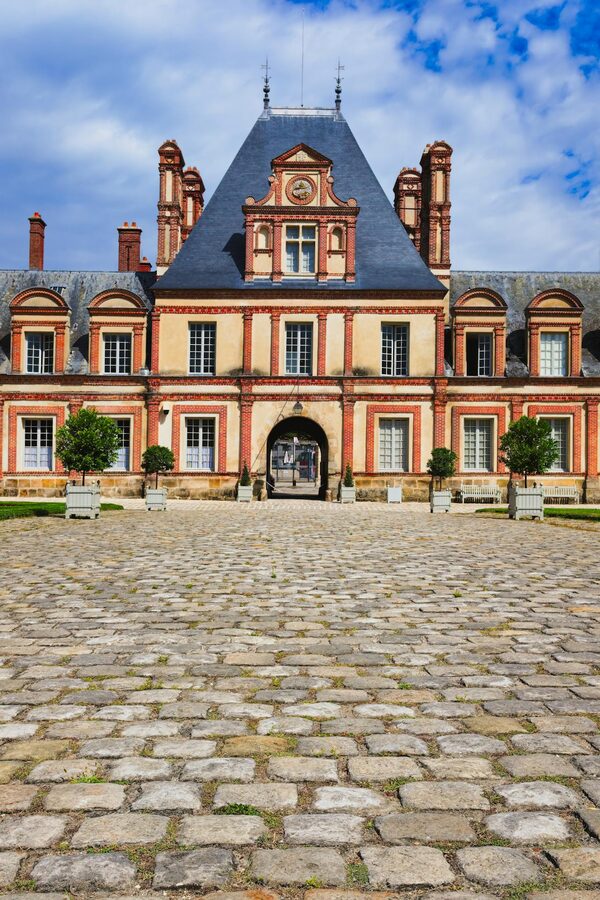
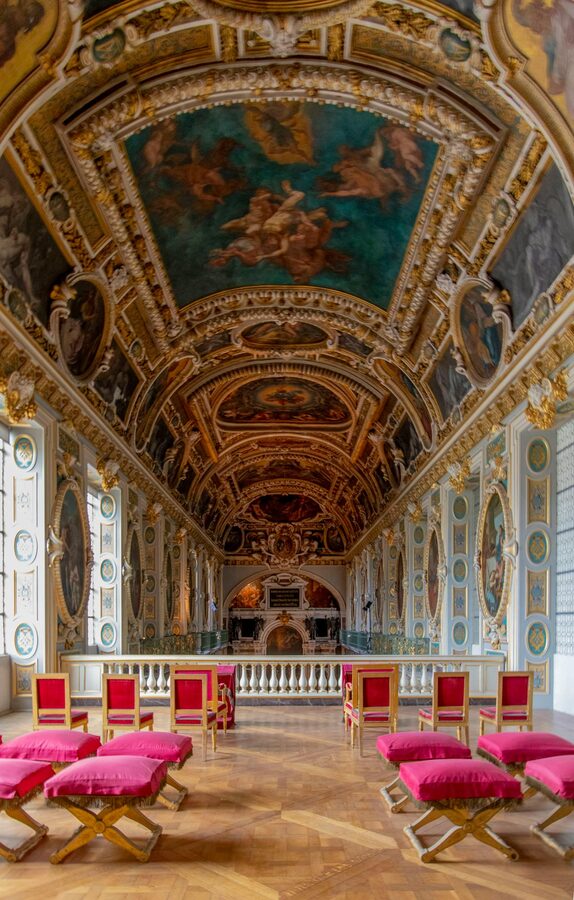
The palace interior includes Napoleon’s throne room (the only surviving original Napoleonic throne in France), Marie Antoinette’s apartments (more intimate than her Versailles rooms), and a series of Renaissance galleries decorated by Italian artists imported by Francis I. The official Fontainebleau website lists current exhibitions and timed entry information.
The Gardens and Forest
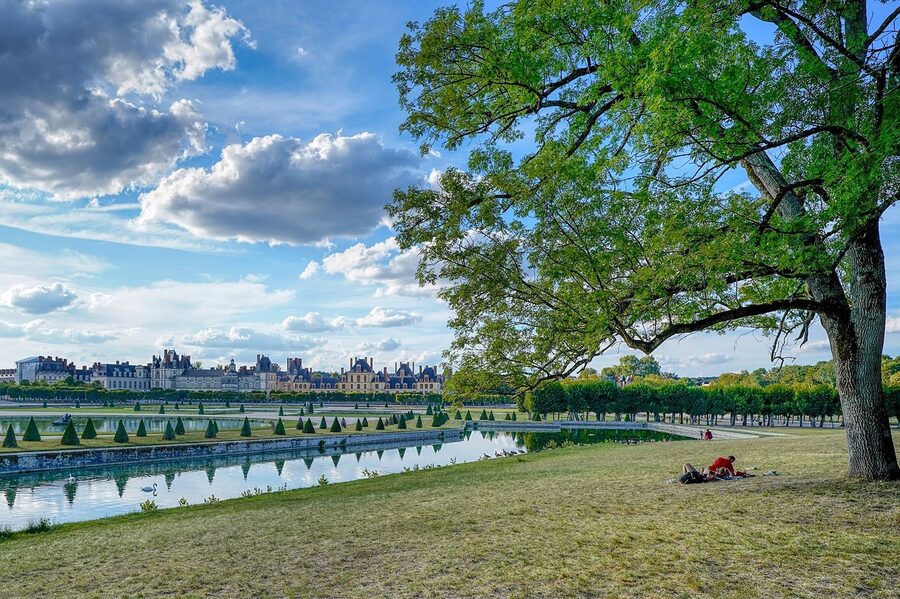
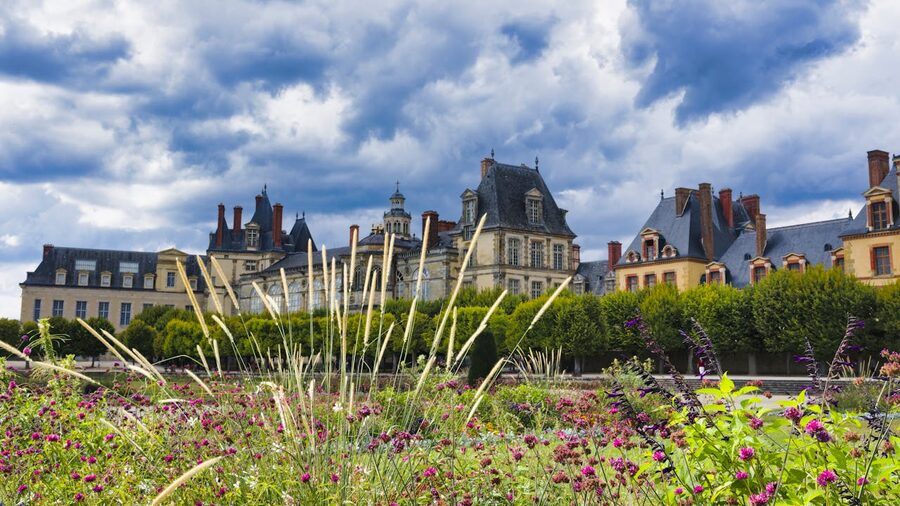
Fontainebleau’s gardens are smaller than Versailles’ but more varied. The Grand Parterre (designed by Le Nôtre, the same landscape architect as Versailles) is a formal French garden with geometric beds and a canal. The English Garden is informal and romantic — winding paths, mature trees, and a stream. And the Carp Pond offers a quiet spot where the palace reflections in still water produce some of the best photos of the visit.
Vaux-le-Vicomte: The Palace That Inspired Versailles
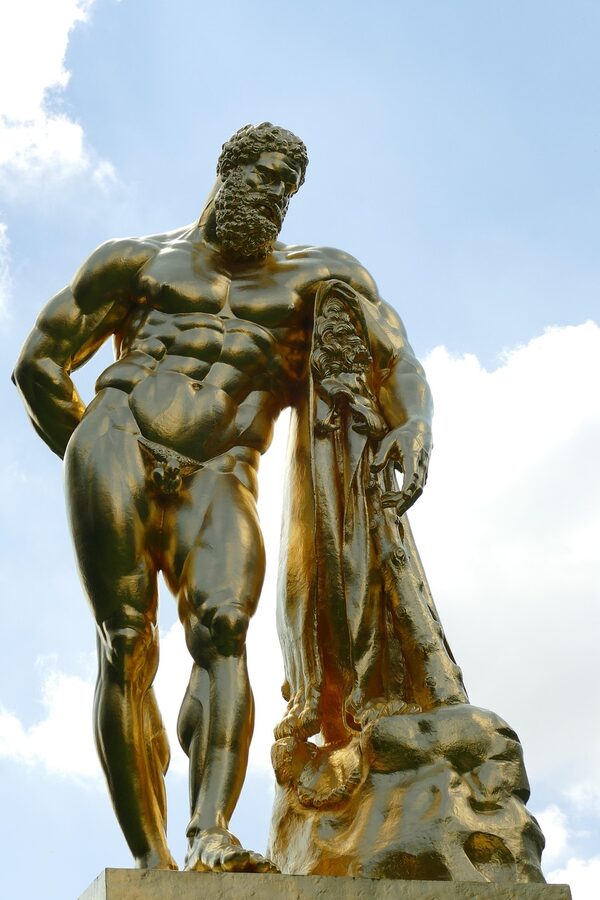
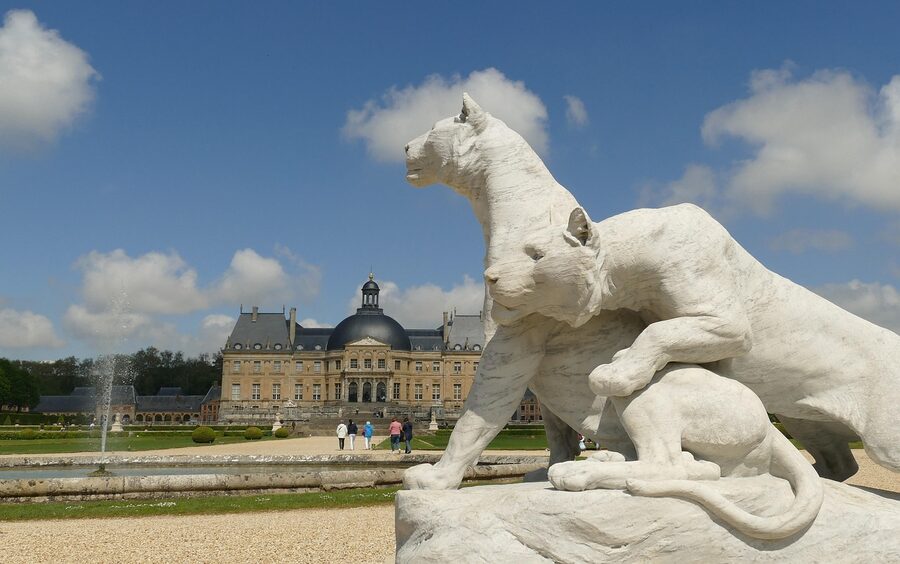
Vaux-le-Vicomte is the most beautiful château in France. Not the biggest, not the most famous, not the most historically important — but the most beautiful. It was designed by the trio of Le Vau (architect), Le Brun (painter), and Le Nôtre (garden designer) working together for the first time. Louis XIV was so impressed — and so furious that his finance minister’s house was better than any royal palace — that he hired all three to build Versailles. Everything that makes Versailles great was invented here first, in a prototype that many argue has never been surpassed.
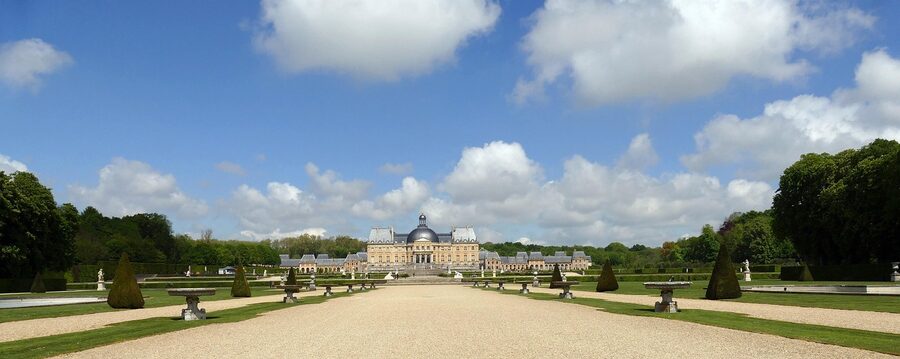
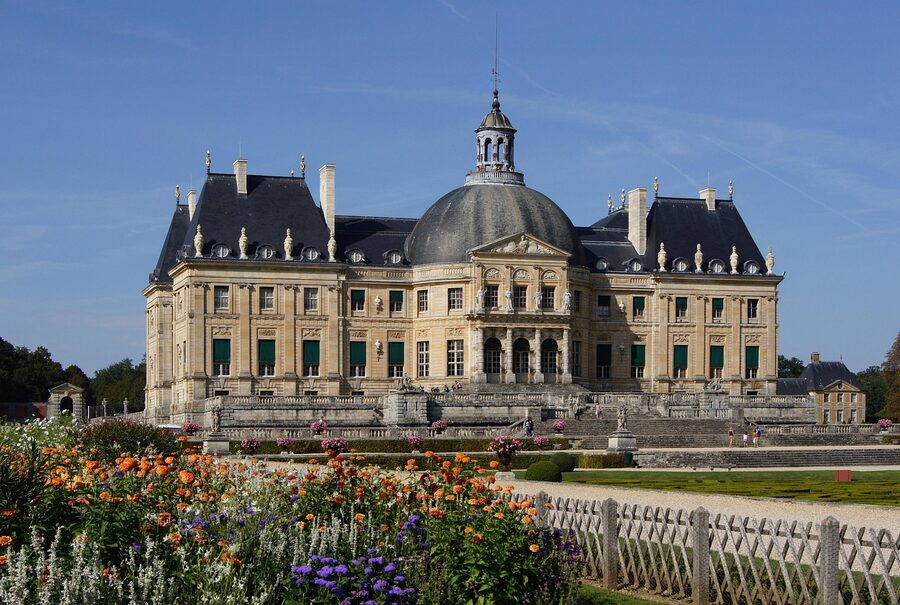
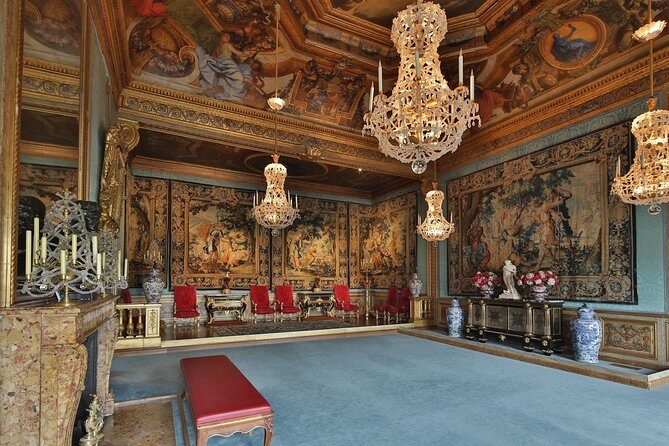
The interior is smaller than Fontainebleau but more cohesive — everything was designed as a single unified project. Le Brun’s ceiling paintings in the Grand Salon are among the finest in France. The museum rooms contain period furniture, Fouquet’s personal effects, and a model showing how the château was built. Allow about 2 hours for the interior and gardens combined.
The Candlelight Evenings at Vaux-le-Vicomte
From May through October, Vaux-le-Vicomte hosts candlelight evenings every Saturday. Over 2,000 candles are placed throughout the gardens and the château interior. The effect is extraordinary — the formal gardens become a golden labyrinth, the château windows glow, and the parterres are outlined in flickering light. Classical music plays in the background. At 11pm, there’s a fireworks display. It’s one of the most romantic evening experiences in France.
Best Tours to Book
1. Fontainebleau + Vaux-le-Vicomte Day Trip — $138
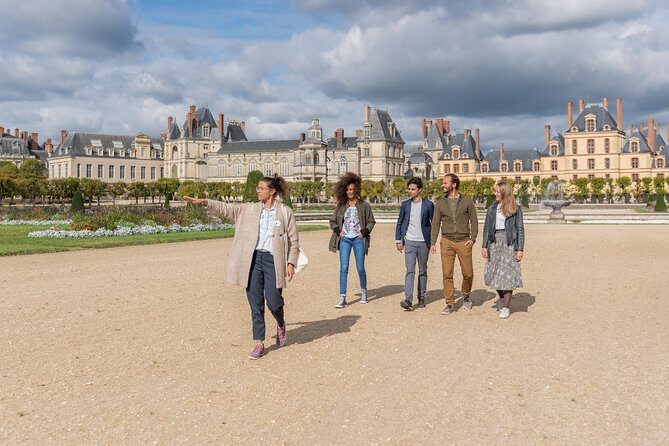
The practical option for most visitors. Coach from central Paris, guided visit at Fontainebleau, free time at Vaux-le-Vicomte, return to Paris by evening. The guide covers the highlights at Fontainebleau and gives you context that makes both visits richer. At $138, entry fees and transportation are included — doing this independently would cost almost as much once you factor in car rental and parking. Our review covers the full itinerary and time allocation at each palace.
2. Small-Group Day Trip — $266
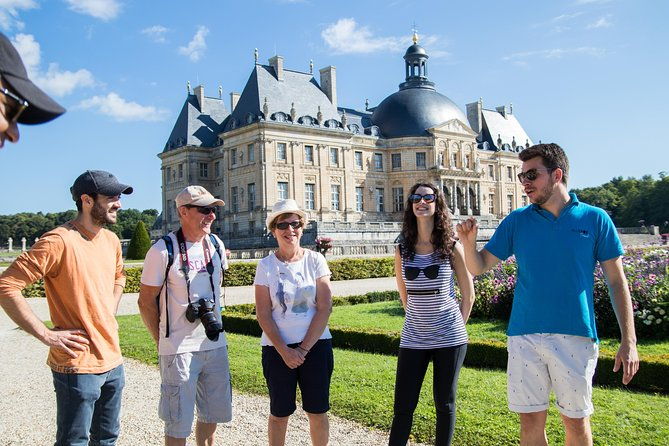
The premium version. Maximum 8 passengers, minivan transport, and a guide who can spend more time at each palace. The perfect 5.0 rating reflects the personalised experience — the guide adjusts the commentary based on the group’s interests and can take you to spots the large-group tours skip. At $266, it’s nearly double the standard tour, but the quality difference is significant. Our review compares both tour formats and explains where the extra money goes.
3. Vaux-le-Vicomte Chateaubus Shuttle — $36
If you only want to see Vaux-le-Vicomte and prefer to explore independently, the Chateaubus is a dedicated shuttle that runs from Paris (near Gare de l’Est) to the château and back. The $36 includes return transport and château entry. No guide — you’re on your own, which some people prefer. Our review covers the bus schedule, what’s included, and how to make the most of the self-guided visit.
Getting There Independently
If the tours don’t appeal, both palaces are reachable without a guide — though Vaux-le-Vicomte requires more planning.
Fontainebleau by train: Transilien R from Gare de Lyon to Fontainebleau-Avon (40 minutes, about €9 each way). From the station, take the local bus line 1 (direction “Les Lilas”) to the “Château” stop — about 15 minutes. Trains run roughly every 30 minutes. The whole journey from central Paris takes about an hour door-to-door.
Vaux-le-Vicomte independently: No regular public transport. Your options are the Chateaubus shuttle ($36, seasonal), a rental car (about €40-50/day plus fuel), or a taxi from Melun station (about €20 each way — Melun is on the same train line as Fontainebleau). If you’re doing both palaces in one day without a tour, a rental car is the only practical option.
The Fontainebleau Forest
The palace sits at the edge of one of the largest forests in the Île-de-France region — 25,000 hectares of oak, beech, and pine that have been a royal hunting ground since the 12th century. The forest is why the palace exists at all — kings built here because the hunting was excellent, and the palace grew to match their ambitions.
Today the forest is a major recreational area. The sandstone boulders scattered throughout are world-famous for bouldering — climbers from across Europe come specifically for the rock. The marked hiking trails range from gentle 30-minute loops to full-day circuits. And the Barbizon village on the forest’s western edge was the birthplace of the Barbizon school of painting — Millet, Rousseau, and Corot all painted the forest light here in the 1840s.
Fontainebleau vs. Versailles: The Honest Comparison
Everyone asks: should I go to Versailles or Fontainebleau? Here’s the straightforward answer.
Choose Versailles if: You want the most famous palace in the world. You want the Hall of Mirrors. You don’t mind crowds. You’re okay with a 2-hour queue. The scale and spectacle are unmatched. It’s a bucket-list item and it delivers on the promise.
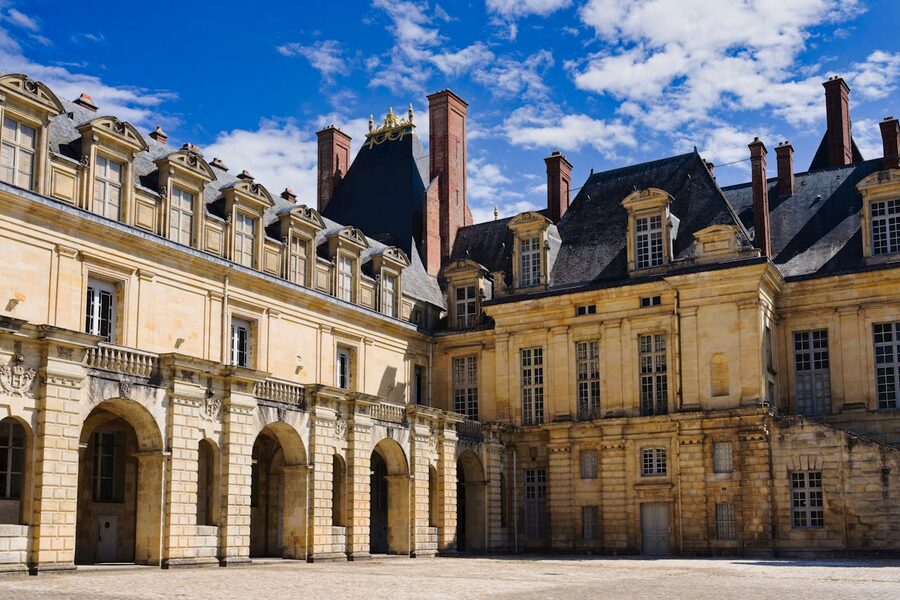
Choose Fontainebleau if: You want more history with fewer crowds. You prefer architectural variety over single-period grandeur. You appreciate Napoleon over Louis XIV. You want to combine two palaces in one day (with Vaux-le-Vicomte). And you value the experience of actually being in a palace, not being herded through one.
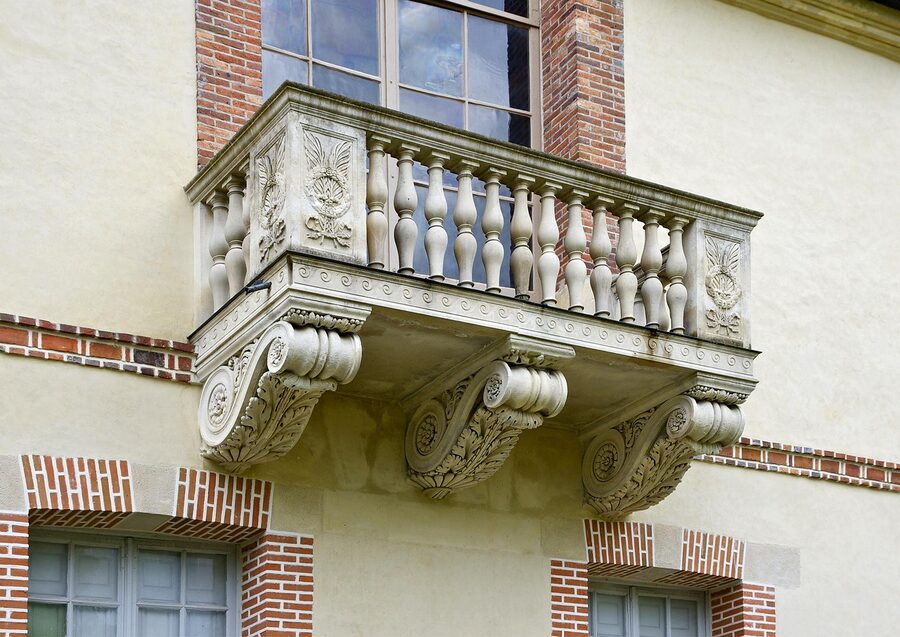
Practical Tips
Getting there independently: Fontainebleau is 60km southeast of Paris. Train from Gare de Lyon to Fontainebleau-Avon (40 minutes, €9), then a local bus to the palace (15 minutes). Vaux-le-Vicomte has no public transport access — you need a car, the Chateaubus shuttle, or a tour. Driving from Paris takes about 1 hour to each palace; they’re about 30 minutes apart from each other.
Opening hours: Fontainebleau is open Wed-Mon, 9:30am-5pm (closed Tuesday). Vaux-le-Vicomte is open daily March-November, 10am-6pm (candlelight evenings on Saturdays May-October). Check Fontainebleau’s official site for current schedules.
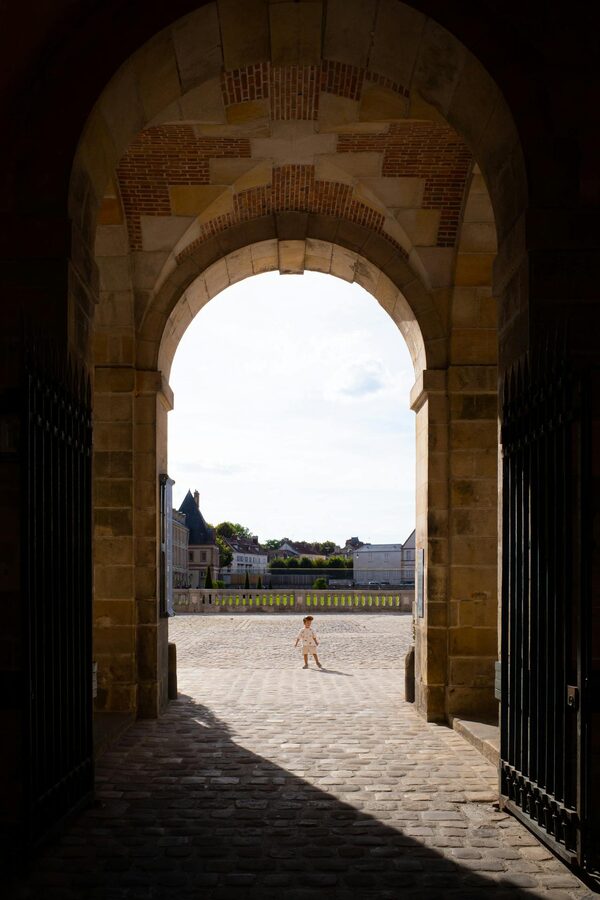
Tickets: Fontainebleau entry is €14 (free first Sunday of each month). Vaux-le-Vicomte is €18. The combined tours include both entry fees plus transport. EU citizens under 26 get free entry to Fontainebleau (state-owned museum).
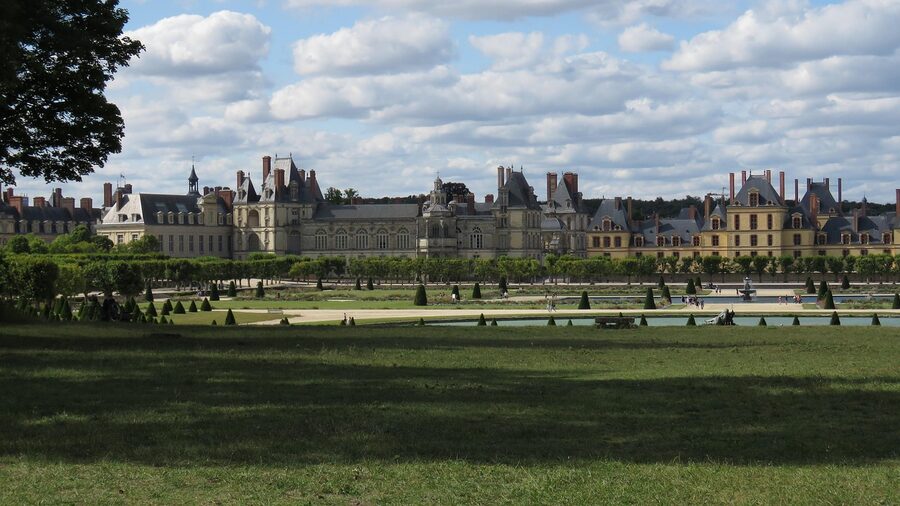
Budget: Standard combo tour: $138. Small-group: $266. Independent visit (train + bus to Fontainebleau + car to Vaux-le-Vicomte): about €50-70 per person for transport + €32 for both entry tickets = roughly €80-100 total. The tours are more expensive but eliminate the logistics, which are genuinely complicated without a car.
More French Palace and Day Trip Experiences
If French châteaux are your thing, the Hôtel de la Marine shows what an 18th-century Parisian palace looks like at a fraction of the size and cost. The day trip format compares naturally with the Champagne region excursion — similar duration, similar distance from Paris, completely different content. And for the castle-obsessed, Carcassonne’s medieval fortress shows what French castles looked like before they became palaces — raw, defensive, and genuinely intimidating.