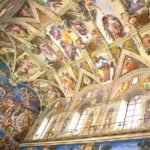
Beneath the bustling streets of Rome lies a world frozen in time. The Catacombs and Appian Way offer a rare glimpse into the city’s ancient past, where the spirits of early Christians and Roman nobility seem to linger. Visitors can explore intricate carvings, sacred remains, and majestic ruins, uncovering layer upon layer of captivating history. What secrets do these subterranean corridors and historic pathways hold? An unforgettable journey awaits those who dare to venture into the Eternal City’s timeless depths.
- Key Points
- Uncovering the Secrets of the Catacombs
- Navigating the Labyrinthine Corridors
- Christian Roots and Roman Traditions
- Stepping Back in Time on the Appian Way
- Landmarks Along the Ancient Road
- Taking in Rome’s Cultural Heritage
- Inclusions and Group Size
- Important Considerations
- The Sum Up
- The Best Of Rome!
- More Tour Reviews in Rome
Key Points
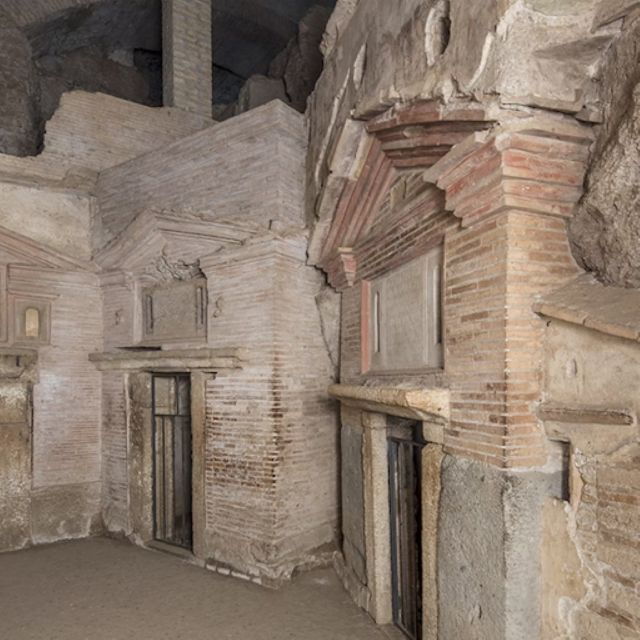

- Discover the hidden Christian burial sites of the Catacombs of San Sebastian and San Callisto, offering a glimpse into early Roman religious practices.
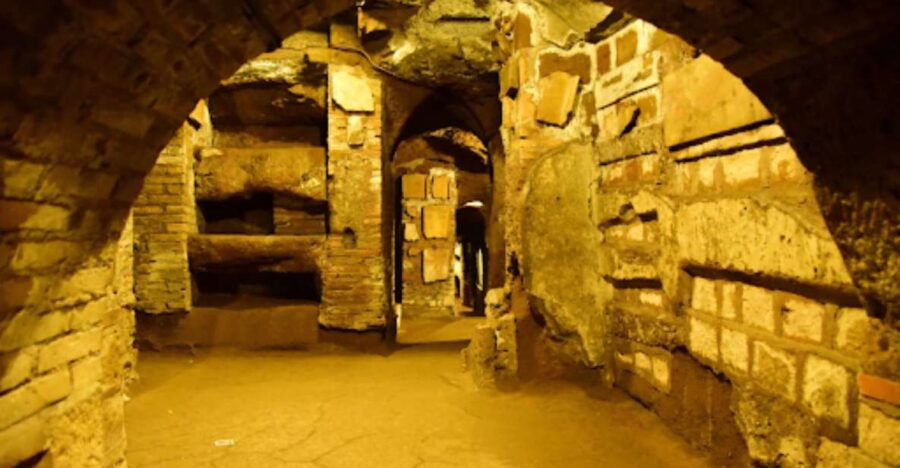
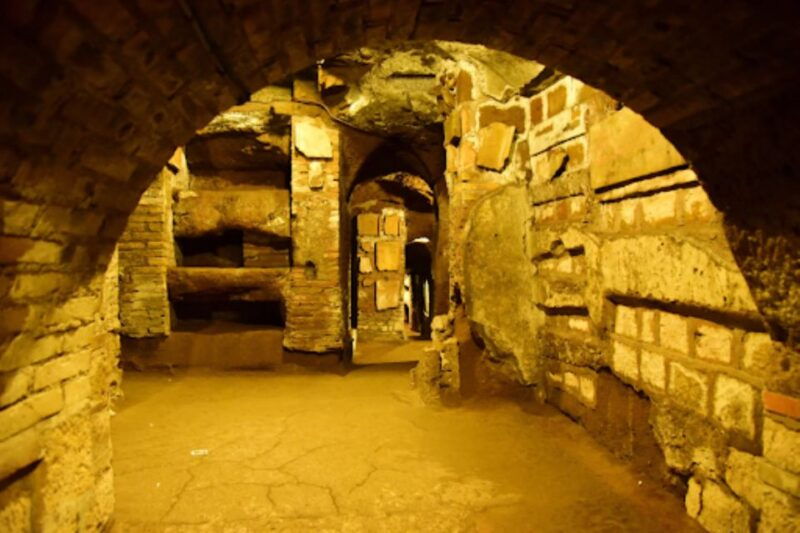
- Explore the intricate labyrinth of tunnels and corridors within the Catacombs, where carved niches once housed the remains of early Christians.
- Engage with the eerie, transportive atmosphere of the Catacombs and gain insights into the lives of ancient Christian communities from knowledgeable guides.
- Uncover the historical significance of the Catacombs as a testament to the birth of Christianity in Rome, with a combination of Christian and Roman influences.
- Experience the legacy of Imperial Rome by visiting the historic Appian Way, the Circus of Maxentius, and the majestic Tomb of Cecilia Metella.

👉 See our pick of the What Are The Best Tours & Experiences In Rome? Our Top 3 Picks
Uncovering the Secrets of the Catacombs
What lies beneath the bustling streets of Rome? Descending into the ancient Catacombs of San Sebastian or San Callisto reveals a hidden world of Christian burials and early religious artifacts.
Visitors navigate the intricate labyrinth of tunnels, exploring the final resting places of Rome’s earliest Christians. Carved niches line the walls, once housing the remains of the faithful.
The eerie, dimly lit passages offer a glimpse into the birth of Christianity in the city. Hearing tales of these sacred spaces allows travelers to connect with Rome’s rich history and the traditions that shaped its cultural landscape.
You can also read our reviews of more tours and experiences in Rome.



Navigating the Labyrinthine Corridors
Descending into the catacombs, visitors navigate the intricate labyrinth of tunnels and corridors. The soft lighting casts eerie shadows, heightening the sense of antiquity. Echoes of the past reverberate through the winding pathways, transporting explorers to a bygone era.
| Emotion | Description |
| — | — |
| Awe | The sheer scale and complexity of the catacombs inspire a profound sense of wonder. |
| Reverence | The sacred burial grounds evoke a deep respect for the lives interred within. |
| Curiosity | Visitors are drawn to uncover the stories and secrets hidden within the ancient walls. |
Guides share insights about the early Christian communities and Roman customs that once thrived in these underground labyrinths, bringing the past to life.
Christian Roots and Roman Traditions
As visitors descend into the catacombs, they’re immersed in the rich tapestry of early Christian history and ancient Roman traditions.
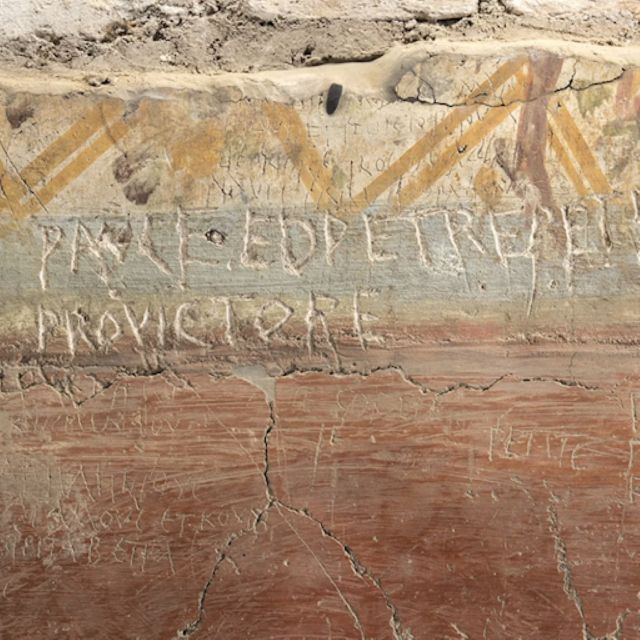
The labyrinthine corridors bear witness to the profound faith and customs of those who came before. Intricate carvings and inscriptions reveal the beliefs and practices of the first Christians, who laid their loved ones to rest in these underground necropolises.
Alongside Christian imagery, Roman symbols and motifs reflect the intertwining of religious and cultural influences. This unique blend of the sacred and the secular offers a captivating glimpse into the ancient world.
Stepping Back in Time on the Appian Way
The journey now leads to the historic Appian Way, one of the oldest roads in Rome. Visitors walk in the footsteps of ancient Romans, marveling at the well-preserved landmarks.
The Circus of Maxentius, an impressive chariot racing stadium, stands as a testament to Rome’s engineering prowess. Further down the path, the towering Tomb of Cecilia Metella commands attention, a majestic funerary monument.
Guests soak in the atmosphere, imagining the bustling activity that once filled this ancient thoroughfare. The Appian Way offers a tangible connection to the past, allowing travelers to truly experience the legacy of Imperial Rome.
More Great Tours NearbyLandmarks Along the Ancient Road
Towering monuments and ancient landmarks dot the historic Appian Way, offering glimpses into Rome’s storied past.
The Church of S. Nicola, a 4th-century basilica, stands as a testament to early Christianity.
A 4th-century basilica, the Church of S. Nicola stands as a testament to the enduring legacy of early Christianity.
Further along, the Circus of Maxentius, an ancient Roman racetrack, showcases the engineering prowess of imperial Rome.
One of the most iconic sights is the Tomb of Cecilia Metella, a colossal funerary monument built in the 1st century BC.
These remarkable structures seamlessly blend with the rugged beauty of the Appian Way, inviting visitors to step back in time and enjoy the grandeur of ancient Rome.
Taking in Rome’s Cultural Heritage
When visitors step into the Catacombs of San Sebastian or San Callisto, they enjoy Rome’s rich cultural heritage, descending into ancient Roman burial sites that offer a tangible connection to the past.
As they navigate the labyrinthine corridors, they learn about early Christianity and ancient Roman customs, gaining a deeper understanding of the city’s storied history.
The journey continues along the Appian Way, one of the oldest roads in Rome, allowing participants to further explore the landmarks and landmarks that showcase the enduring legacy of this remarkable civilization.
Inclusions and Group Size
This tour includes entry to the Catacombs of Saint Sebastian, a visit to the ancient Appian Way, and an expert guide to lead the way.
It’s a small group experience, ensuring a more personalized and intimate exploration. Hotel pickup and drop-off are included, providing convenience for participants.
While gratuities aren’t mandatory, they’re appreciated by the guide who shares their knowledge and insight throughout the experience.
Participants should wear comfortable shoes, as the tour involves walking along historic pathways. The tour may not be suitable for individuals with mobility issues or claustrophobia.
Important Considerations
While the tour offers a fascinating exploration of Rome’s ancient history, it’s important to consider a few key factors before booking.
The tour may not be suitable for individuals with mobility impairments or claustrophobia, as it involves navigating tight, underground corridors. Participants should wear comfortable shoes and arrive at least 10 minutes before the tour starts.
Plus, the tour doesn’t include:
-
Hotel pickup and drop-off
-
Gratuities
-
Food and beverages
Careful consideration of these important details will ensure a seamless and enjoyable experience exploring the Catacombs and Appia Antica.
The Sum Up
This immersive tour offers a unique chance to explore Rome’s captivating past. Visitors can explore the atmospheric catacombs, uncover the intertwined Christian and Roman legacies, and walk the historic Appian Way. From intricate carvings to majestic landmarks, this small group experience provides a personalized journey through the city’s cultural heritage, fostering a deeper appreciation for the traces of the past that still linger in Rome.
You can check availability for your dates here:The Best Of Rome!





More Tour Reviews in Rome



Not for you? Here's more nearby things to do in Rome we have reviewed
- Skip-the-Line Group Tour of the Vatican, Sistine Chapel & St. Peter’s Basilica
★ 4.5 · 12,779 reviews