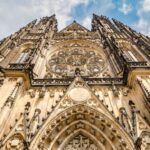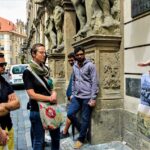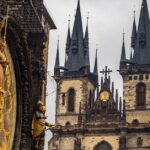
The "World War II and Communism Tour" offers a compelling exploration of Prague’s complex history during two pivotal eras. Participants will navigate through significant landmarks, absorbing the stories of those who resisted Nazi oppression and faced the challenges of communist rule. Each location tells a tale of courage and resilience, revealing how these events shaped the city’s identity. As the tour unfolds, visitors will discover unexpected connections that still resonate today.
- Key Points
- Historical Context of 20th-Century Prague
- Key Events: Nazi Occupation
- The Prague Spring: Hopes and Repressions
- The Velvet Revolution: A Fight for Freedom
- Significant Locations on the Tour
- What to Expect During the Tour
- Practical Information for Participants
- Booking and Cancellation Details
- Frequently Asked Questions
- Is the Tour Suitable for Children or Families?
- Are There Any Age Restrictions for Participants?
- Can I Take Photos During the Tour?
- Is There a Guide Available in Multiple Languages?
- What Should I Wear for the Tour?
- The Sum Up
- The Best Of Prague!
- More Tours in Prague
- More Tour Reviews in Prague
Key Points
- Explore Prague’s Jewish Quarter to understand the impact of Nazi occupation and the destruction of the Jewish community during World War II.
- Visit St. Cyril and St. Methodius Cathedral, a site of resistance against Nazi forces during the war.
- Discover the legacy of the Prague Spring, highlighting aspirations for democracy that were crushed by Soviet intervention in 1968.
- Learn about the Velvet Revolution, a peaceful uprising that ended decades of communist rule in Czechoslovakia.
- Engage with captivating stories and historical insights at key locations, providing a comprehensive understanding of Prague’s tumultuous 20th-century history.
👉 See our pick of the 6 Top-Rated Prague 2-Hour Tours
Historical Context of 20th-Century Prague
As the 20th century unfolded, Prague became a focal point of tumultuous political change, shaped significantly by the forces of nationalism, fascism, and communism.
The city’s rich history and diverse cultural landscape set the stage for intense ideological battles. Nationalist movements gained momentum, seeking autonomy from empires, while rising fascism threatened the region’s democratic ideals.
Amidst this chaos, communism emerged, promising equality and social justice but often leading to oppression.
These conflicting forces created a volatile environment, influencing Prague’s political landscape and social fabric, ultimately setting the stage for significant events that would define the city’s history in the decades to come.
You can also read our reviews of more tours and experiences in Prague.

Key Events: Nazi Occupation
When the Nazis invaded Czechoslovakia in March 1939, they unleashed a brutal regime that would cast a long shadow over Prague and its inhabitants. The occupation saw widespread oppression, forcing citizens into submission while erasing their cultural identity. Key events punctuated this dark period, reshaping the city and its people forever.
| Key Events | Impact on Prague |
|---|---|
| Establishment of Protectorate | Loss of sovereignty |
| Jewish Deportations | Destruction of community |
| Resistance Movements | Spark of hope and courage |
The scars of this occupation still linger, reminding visitors of the resilience of Prague’s spirit.
The Prague Spring: Hopes and Repressions
Following the dark era of Nazi occupation, the Prague Spring of 1968 emerged as a vibrant movement filled with hope for reform and greater freedoms.
Czechoslovakians rallied for change, believing they could reshape their future. However, this optimism faced harsh repression when Soviet forces invaded, quashing aspirations for democracy.
Key aspects of the Prague Spring included:
-
Political Liberalization: Leaders sought to implement reforms and reduce censorship.
-
Cultural Flourishing: Artists and intellectuals thrived, expressing newfound creativity.
-
Public Support: Citizens actively participated, showcasing a collective desire for change.
Ultimately, the Prague Spring became a bittersweet chapter in Czechoslovak history.
The Velvet Revolution: A Fight for Freedom
The Velvet Revolution marked a pivotal moment in Czechoslovak history, symbolizing the triumph of peaceful resistance over oppressive regimes.
In November 1989, citizens united against decades of communist rule, demonstrating in the streets of Prague. Their determination and nonviolent protests captured global attention, inspiring change.
Key figures, like Václav Havel, emerged as leaders, advocating for democracy and human rights. Within weeks, the communist government fell, leading to free elections in 1990.
The Velvet Revolution not only transformed Czechoslovakia but also served as a beacon of hope for other nations under similar regimes, showcasing the power of collective action and resilience.
Significant Locations on the Tour
As visitors explore the rich tapestry of Prague’s 20th-century political history, several significant locations stand out on the World War 2 and Communism Tour.
Each site offers a glimpse into the struggles and triumphs that shaped the nation.
-
Jewish Quarter: A poignant reminder of the Jewish community’s resilience during World War 2.
-
St. Cyril and St. Methodius Cathedral: The site of heroic resistance against Nazi forces.
-
Wenceslas Square: A focal point for protests during the Prague Spring and Velvet Revolution.
These locations invite travelers to reflect on the past while enjoying the vibrant present of Prague.
What to Expect During the Tour
While embarking on the World War 2 and Communism Tour, participants can anticipate an immersive experience filled with captivating stories and historical insights.
They’ll explore significant sites like the Jewish Quarter and Wenceslas Square, learning about the Nazi occupation, the Prague Spring, and the Velvet Revolution. The knowledgeable guide will share intriguing anecdotes that bring history to life.
With a moderate physical fitness requirement, travelers should be prepared for a walking tour, utilizing public transportation between locations.
Visitors can expect a dynamic group atmosphere, with a maximum of 30 participants ensuring personalized attention and enriching discussions throughout the journey.
Practical Information for Participants
For those planning to join the World War 2 and Communism Tour, several practical details will enhance the experience. Participants should keep the following in mind:
-
Meeting Point: Gather at the Discover Prague Tours Office, Týnská 639/4, Staré Město, by 2:30 PM.
-
Fitness Level: A moderate fitness level is needed, as the tour involves walking and public transportation.
-
Exclusions: Food and drinks aren’t included, so guests should plan accordingly.
Being prepared with this information ensures a smoother, more enjoyable journey through Prague’s rich political history.
Booking and Cancellation Details
Booking the World War 2 and Communism Tour is a straightforward process that allows travelers to secure their spot with ease. Guests can reserve their place online or at the tour office. The cancellation policy is traveler-friendly, offering free cancellation up to 24 hours before the tour begins. For added flexibility, a "reserve now, pay later" option is also available.
| Booking Method | Cancellation Policy | Payment Options |
|---|---|---|
| Online Reservation | Free cancellation up to 24 hrs | Reserve now, pay later |
| Tour Office | Non-refundable after 24 hrs | Credit card accepted |
| Group Bookings | Same policy applies | PayPal option available |
| Phone Reservation | Same policy applies | Bank transfer available |
| Email Booking | Same policy applies | Cash on arrival accepted |
Frequently Asked Questions
Is the Tour Suitable for Children or Families?
The tour’s moderate physical requirements may not suit younger children. Families with older kids might enjoy it, but parents should consider children’s interest in historical topics before deciding. Engaging discussions can enhance the experience for all.
Are There Any Age Restrictions for Participants?
The tour doesn’t impose specific age restrictions, but it’s designed for those with moderate physical fitness. Participants should ensure they can comfortably walk and engage in the activities throughout the tour’s itinerary.
Can I Take Photos During the Tour?
Participants can definitely take photos during the tour. They’ll find numerous captivating sights and moments worth capturing. Just be respectful of local customs and any specific restrictions at certain sites along the way.
Is There a Guide Available in Multiple Languages?
The tour offers guides fluent in multiple languages, ensuring everyone can fully appreciate Prague’s rich political history. Travelers can enjoy insightful commentary while exploring significant sites, enhancing their overall experience and understanding of the city.
What Should I Wear for the Tour?
For the tour, she should wear comfortable walking shoes and dress in layers. The weather can change quickly, so bringing a light jacket or umbrella is wise to ensure a pleasant experience throughout the day.
The Sum Up
The "World War II and Communism Tour" offers an unforgettable glimpse into Prague’s complex past. By visiting significant sites and hearing compelling stories, participants gain a deeper understanding of the courage and resilience that shaped the city. Whether exploring the Jewish Quarter or reflecting on the Velvet Revolution, this tour enriches one’s appreciation of history and the ongoing quest for freedom. It’s a powerful journey that leaves a lasting impression on all who partake.