
Most Rome visitors climb Michelangelo’s staircase, photograph the piazza, and walk away. The museum right behind them — the world’s first public museum, opened in 1471 — they skip.
Their loss. Two and a half hours inside gets you the original She-Wolf bronze, the original Marcus Aurelius, and a café terrace with the best Forum view in Rome.
Quick Picks
- Headline entry — Capitoline Museums Experience with Multimedia Video ($42). Hosted entry plus a short intro video.
- Combo with Centrale Montemartini: Capitoline + Centrale Montemartini Tickets ($42) — same price, two museums, the Centrale add is the Power Station with sculptures pick.
- Viator listing of the multimedia experience: Capitoline Museum Experience ($43.37) — same product, Viator platform, $1.37 more than GYG.
- Quick Picks
- Why Nobody Visits the Capitoline (And Why That’s Stupid)
- Booking the Three Real Options
- Rome: Capitoline Museums Experience With Multimedia Video —
- Rome: Capitoline Museums and Centrale Montemartini Tickets —
- Capitoline Museum Experience with Multimedia Video — .37
- What’s Actually Worth Seeing — A Speed Run
- The Tabularium View Is the Best in Rome
- The Picture Gallery Most People Skip
- The Centrale Montemartini Annex
- The Piazza del Campidoglio Itself
- How to Get There
- Practical Logistics
- Combining With Your Wider Rome Day
- What This Beats and What Beats It
- Common Mistakes to Avoid
- Final Take
Why Nobody Visits the Capitoline (And Why That’s Stupid)
The Vatican Museums get 6 million visitors a year. The Colosseum gets 7 million. The Capitoline Museums get about 600,000. That’s roughly 9% of the Vatican’s traffic for a museum holding artifacts of comparable historical importance.
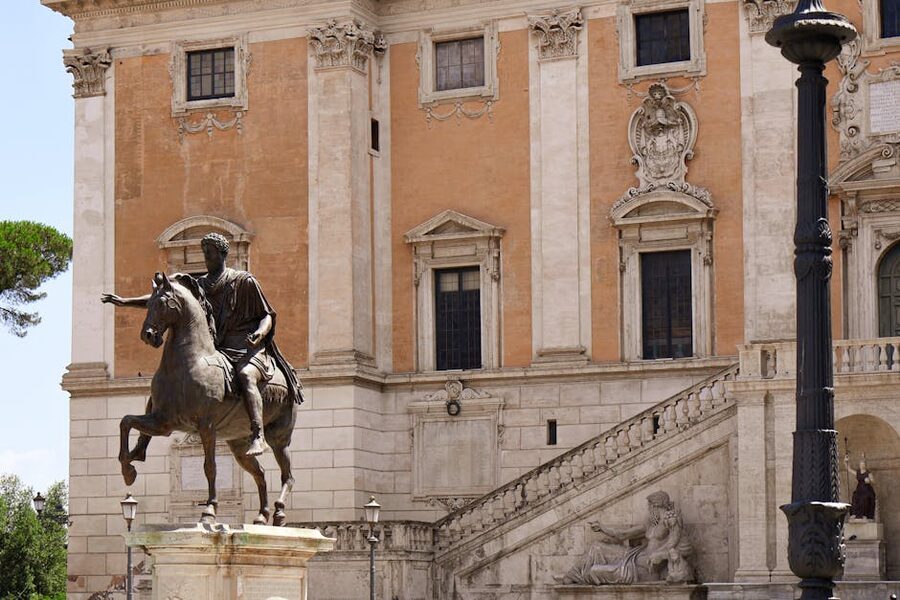
The reason: nobody’s heard of it. The Vatican has marketing. The Colosseum has Russell Crowe. The Capitoline has Michelangelo (he designed the piazza in 1538, the buildings in the 1560s, and never lived to see it finished) but Michelangelo’s name on a piazza doesn’t sell tickets the way “Sistine Chapel” does.
The practical consequence is gold. The Capitoline at 11am on a Wednesday has fewer people inside than the queue waiting for security at the Vatican. You walk through galleries holding world-historical artifacts with maybe 5-10 other visitors in sight. The Colossus of Constantine fragments room — yes, the head is the size of a person — sometimes has nobody in it at all.
If “uncrowded” is anywhere on your Rome priority list, the Capitoline is the answer. If “famous” is the priority, you’ll do the Vatican and miss this. Both are valid. Just don’t pretend you “did Rome’s museums” without the Capitoline — you didn’t.
Booking the Three Real Options
The Capitoline tickets are simpler than the Vatican’s because the museum is smaller and there’s no Sistine-Chapel-equivalent timed-entry crush. Three formats matter.
Rome: Capitoline Museums Experience With Multimedia Video — $42
The default. Hosted entry — meet at the Capitoline Hill steps, watch a 25-minute video about the Roman Empire as orientation, then enter the museums on a self-guided ticket. What the video adds is more than you’d expect — context the museum itself doesn’t supply. Default booking unless you specifically want the combo with Centrale Montemartini.
Rome: Capitoline Museums and Centrale Montemartini Tickets — $42
Same price as the multimedia version, but trades the video for entry to a second museum: Centrale Montemartini, the converted 1912 power station that displays Roman sculpture against industrial machinery. Why the contrast of ancient marble against diesel turbines works visually is the pitch — this is one of the more striking Rome museum experiences. Pick this combo if you have a half-day to dedicate to both. If Bernini is what you came for, the Borghese Gallery is the sister booking for that.
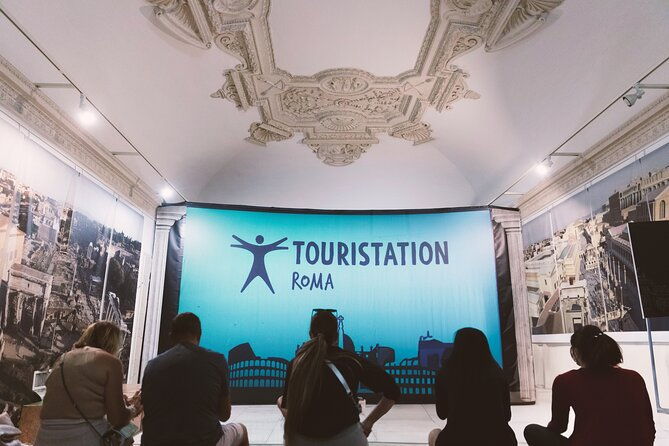
Capitoline Museum Experience with Multimedia Video — $43.37
The Viator listing of the same multimedia tour, $1.37 more than the GetYourGuide version. Same content. The platform difference is purely operational. Pick this only if you’re already committed to Viator for other Rome bookings.
What’s Actually Worth Seeing — A Speed Run
If you only have 90 minutes and you want to hit the masterpieces, here’s the route. The full museum can absorb 4 hours; the highlights take 90.
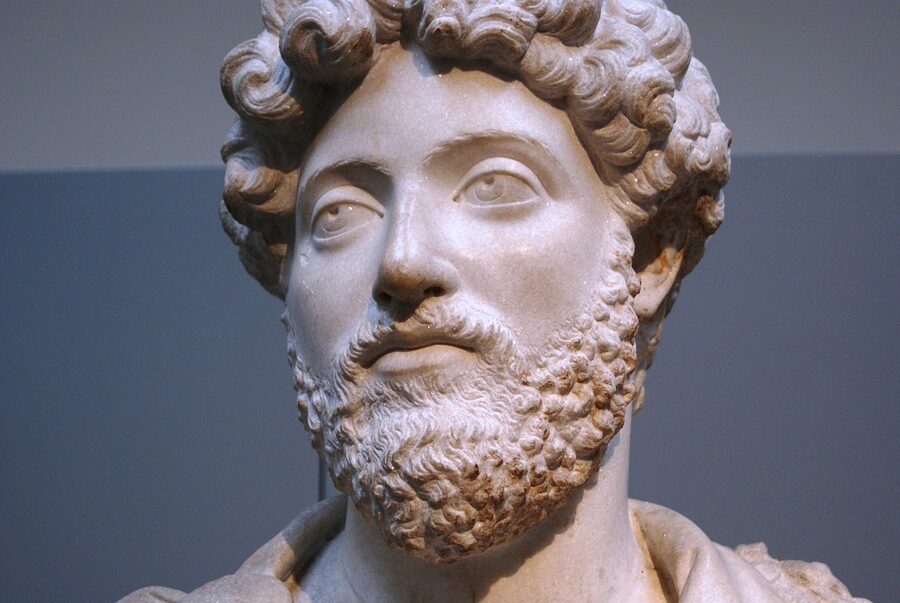
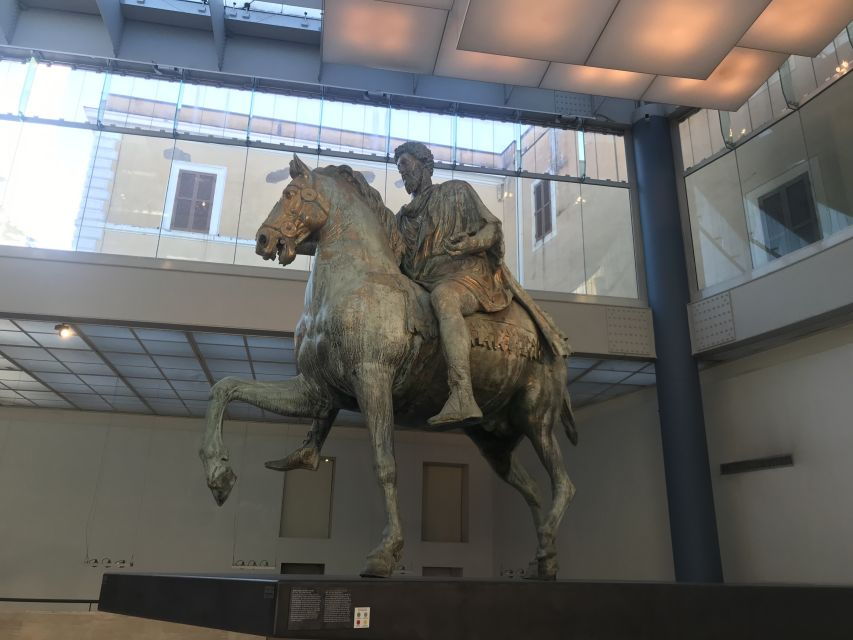
Start: Marcus Aurelius equestrian statue. Right inside the Palazzo Nuovo entrance. The bronze original from 175 AD. Survived the medieval bronze-melting purges (Christians stripped most pagan-era bronzes to make church bells) because everyone thought it depicted Constantine, who was Christian. By the time anyone realised the mistake, the statue was too famous to destroy. 2.5x life-size, you can walk all the way around it. 10 minutes.
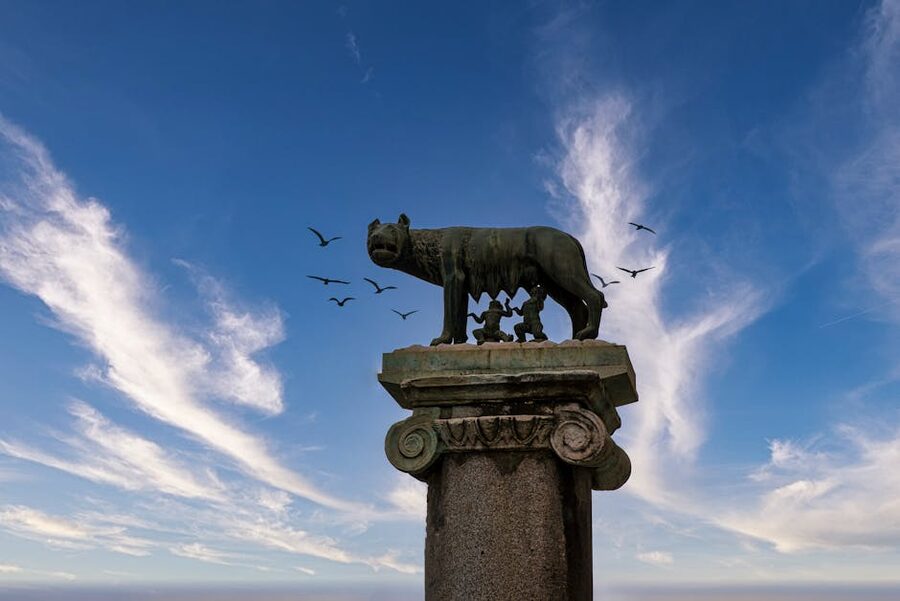
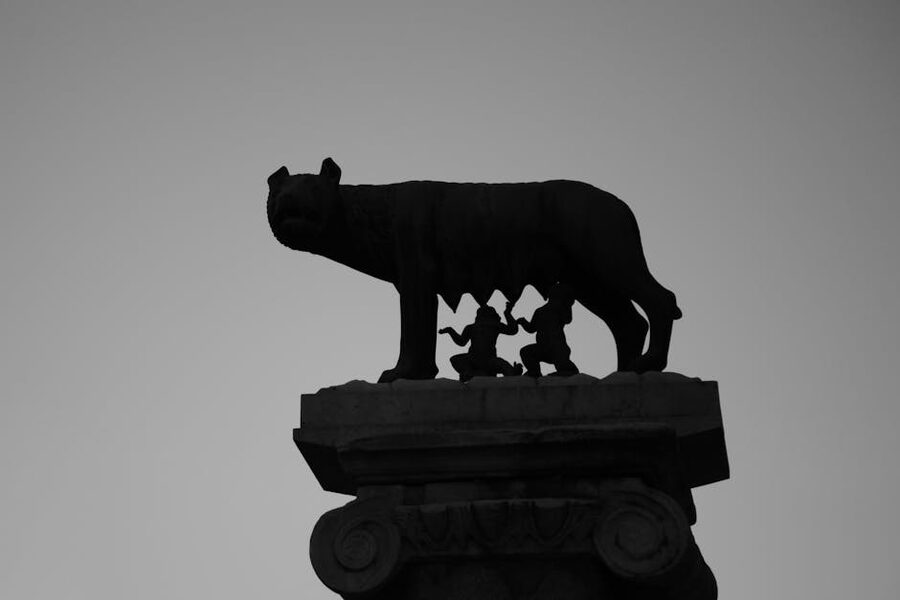
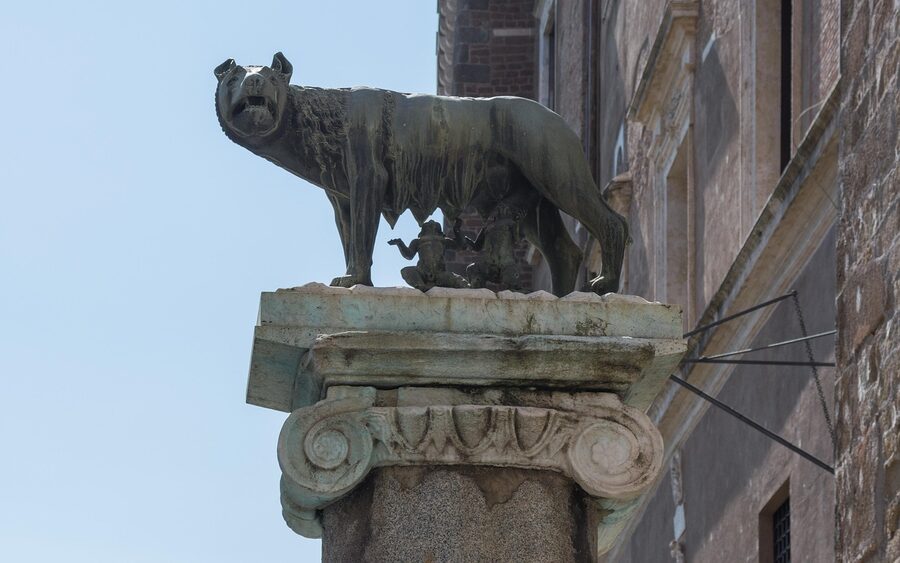
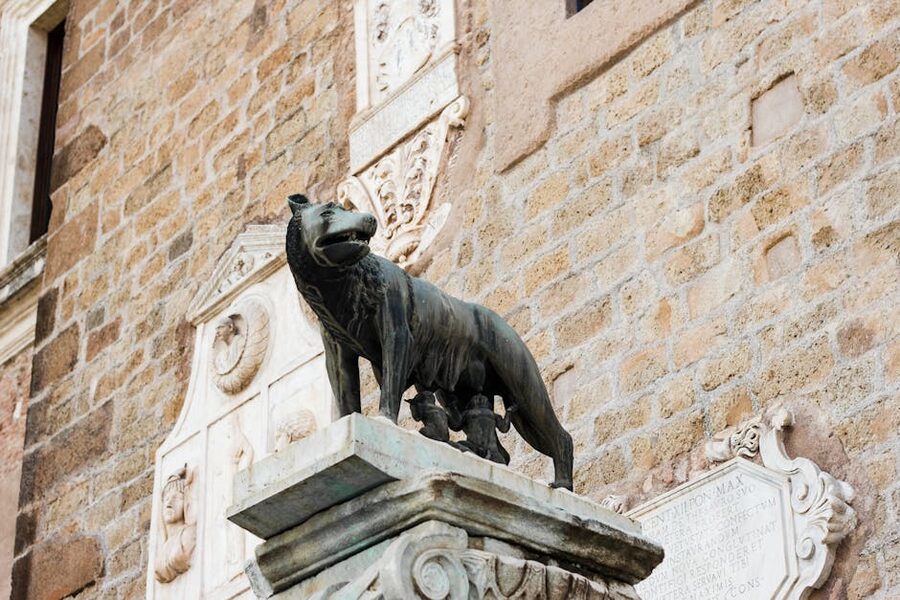
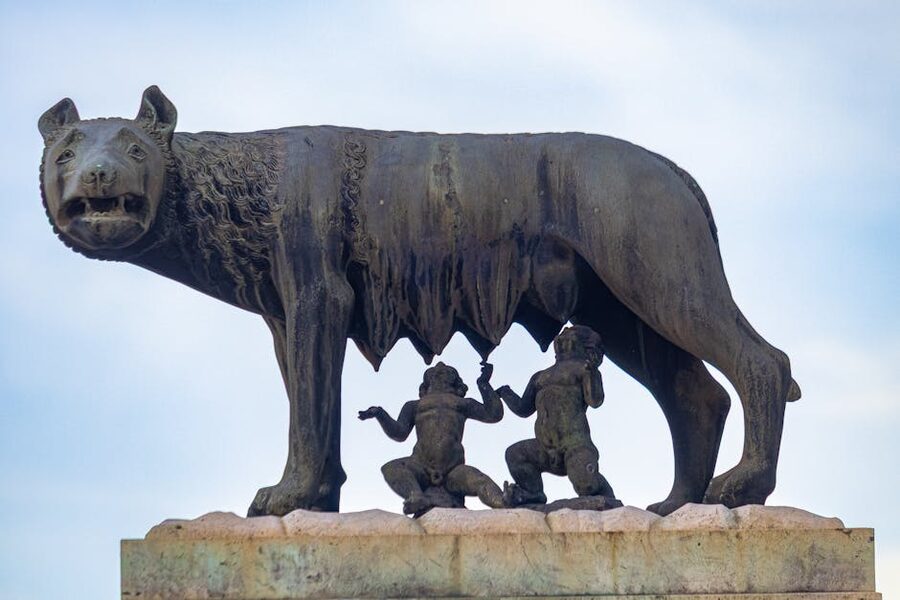
Next: The Capitoline She-Wolf. The bronze wolf nursing Romulus and Remus that became Rome’s official symbol. The wolf itself dates to either the 5th century BC (Etruscan, traditional view) or the 11th century AD (medieval recasting, recent radiocarbon evidence). The twin babies underneath are 15th-century additions. Either way, this is the symbol on every Rome city sign, on AS Roma football kits, and on millions of postcards. The original is in this room. 5 minutes.
Then: Colossus of Constantine fragments. Open courtyard inside the Palazzo dei Conservatori. The remains of a 12-metre-tall seated statue of Constantine that originally sat in the Basilica of Maxentius (you’ll have walked past the basilica ruins if you did the Forum tour). The head alone is 2.6 metres tall. The hand is 1.6 metres. The eyes look directly at you. Photographs don’t convey the scale — you have to stand next to them.
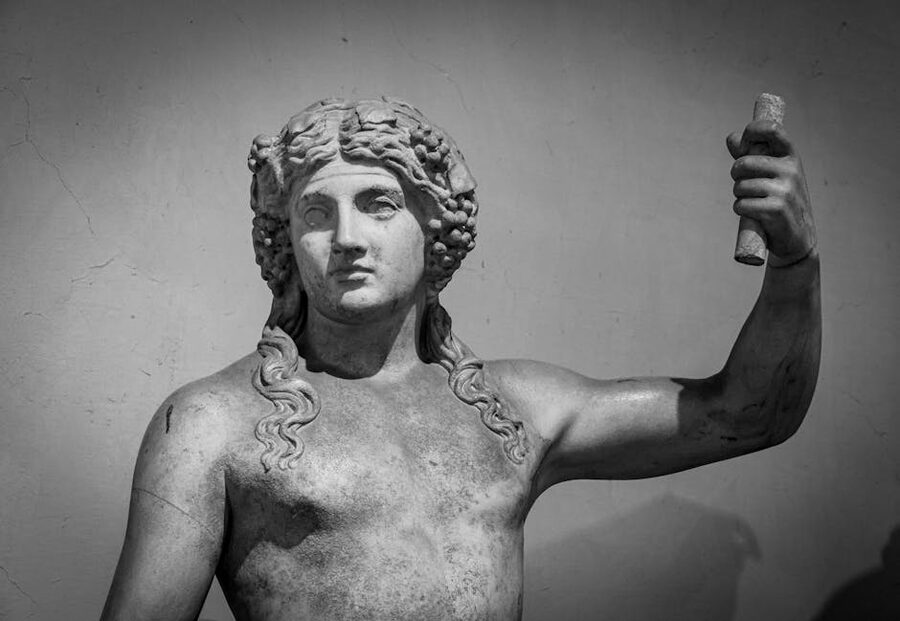
Then: the Tabularium gallery. An underground passage built in 78 BC as Rome’s state archive. Now it serves as a corridor between the two main museum buildings — and the windows look directly out over the Roman Forum. Free panorama, dark room, the original Republican-era stone walls right beside you. Often empty.
Then: the rooftop terrace café. Behind the Palazzo dei Conservatori. A small café with a panoramic view of the Forum and the Colosseum. €8-12 for a drink, the view is the same one Italian senators see when they take coffee breaks. Very few tourists know about it.
That’s the speed run. 90 minutes if you don’t linger, 2 hours at normal pace, 4 hours if you want to read every plaque and see every gallery.
The Tabularium View Is the Best in Rome
Most visitors don’t realise the Capitoline Museums include direct access to a 2,100-year-old Republican-era building with a window onto the Roman Forum. Worth the entire ticket price by itself.
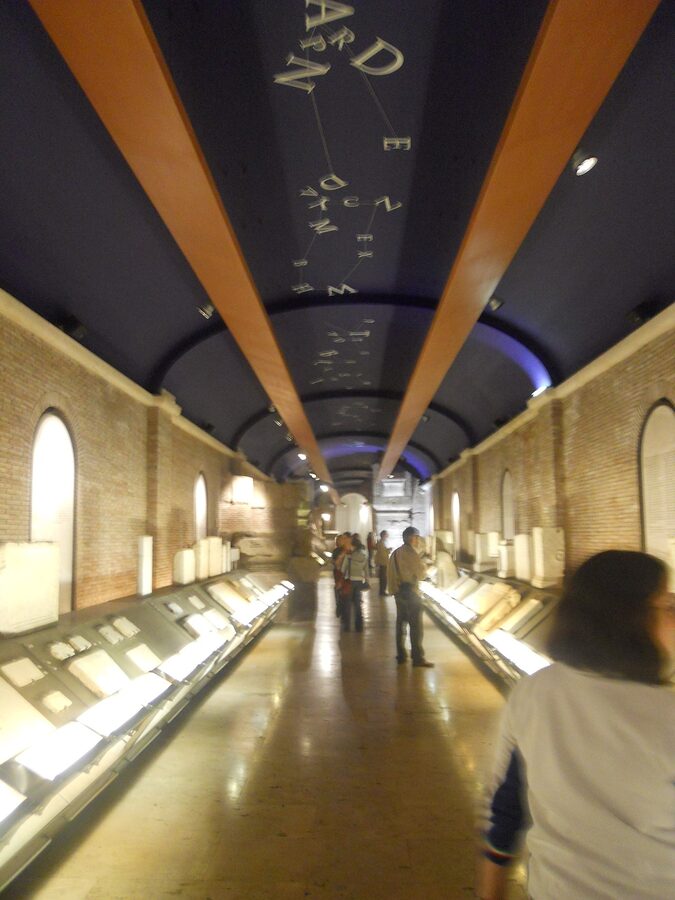
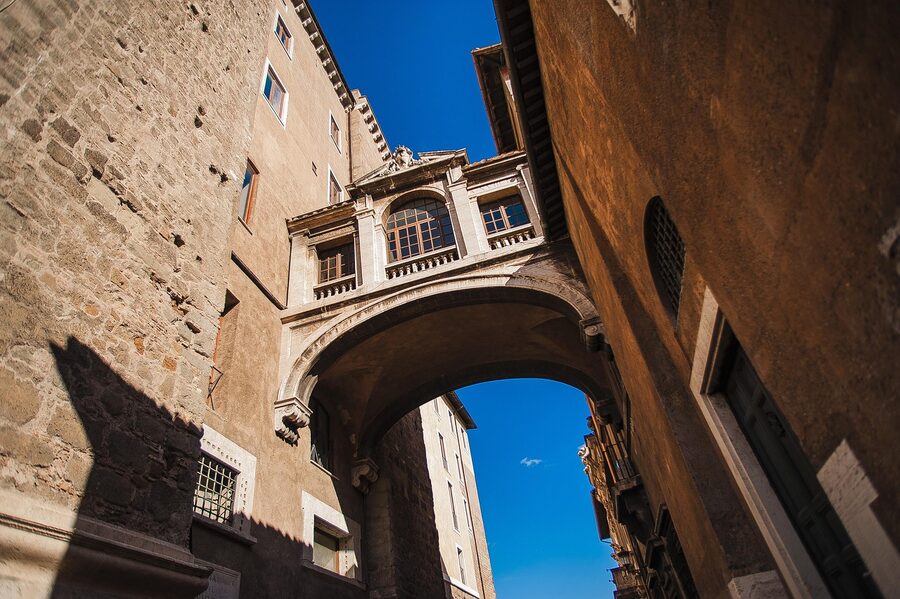
The Tabularium was the Roman Republic’s records office — where laws, treaties, and official documents were stored on bronze and marble tablets (hence “tabularium” from Latin tabula). When Michelangelo redesigned the Capitoline complex in the 1530s-1560s, he built the Palazzo Senatorio on top of it, preserving the Republican-era walls below.
The result is one of Rome’s strangest experiences: you walk through a 2,100-year-old corridor, and the windows show you a view of the Roman Forum that hasn’t fundamentally changed in 2,000 years. The temples below the windows still stand. The Arch of Septimius Severus is still in its original place. You’re inside a building that watched all of it happen.
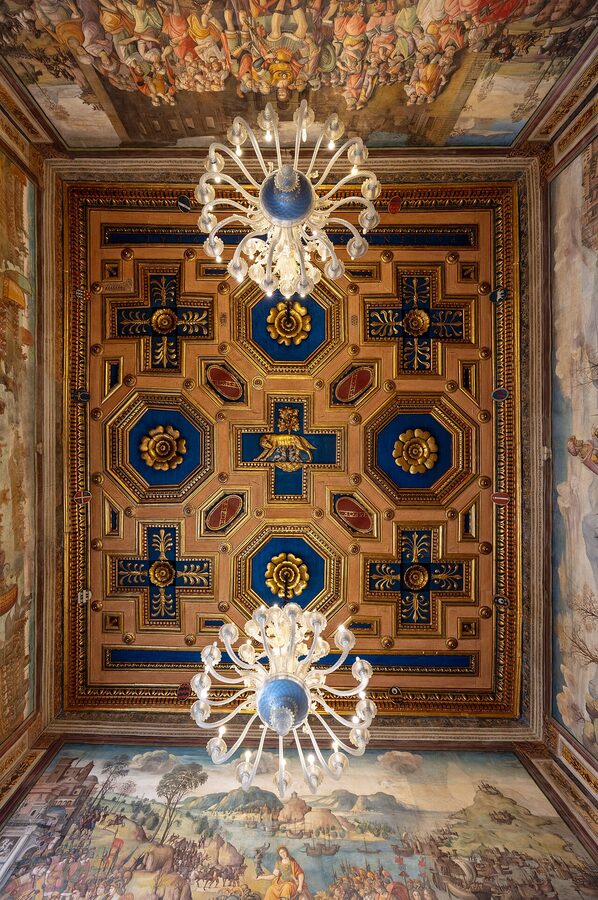
Practical: the Tabularium is dark, narrow, and easy to miss because the museum signage is in Italian. From the Palazzo dei Conservatori main floor, look for “Tabularium” or “Galleria del Tabularium” signs. The corridor connects through to the Palazzo Nuovo. Don’t skip this section to get to the next gallery — it IS one of the destinations.
The Picture Gallery Most People Skip
The Pinacoteca Capitolina occupies the top floor of the Palazzo dei Conservatori. It’s one of the oldest public picture galleries in Europe (opened 1748) and has Caravaggios, Tintorettos, and a Bernini portrait — and most museum visitors miss it because they’re tired by the time they get upstairs.
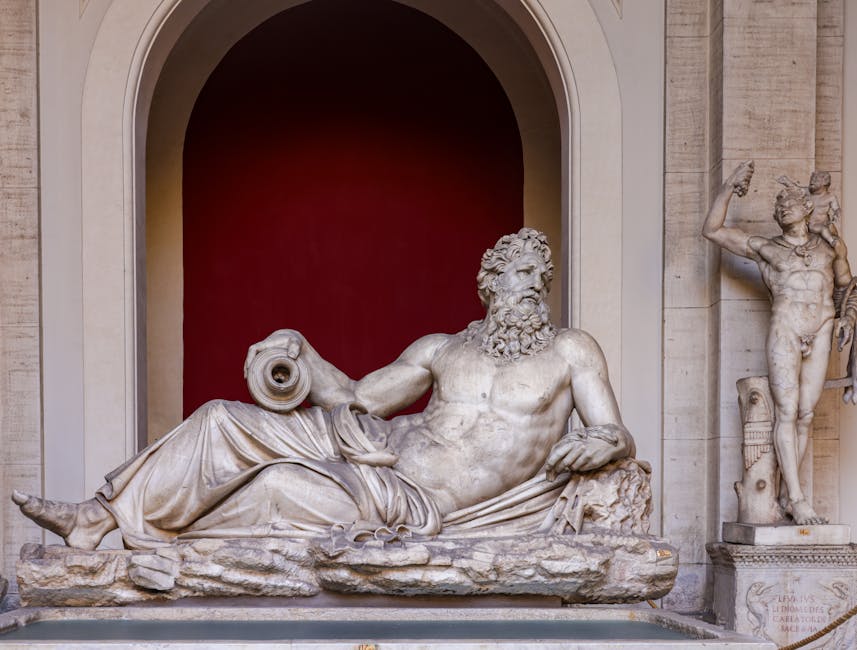
The standout: Caravaggio’s “St. John the Baptist” (1602) — one of his most relaxed compositions, a young man (the model was reportedly the artist’s lover) draped against a deep red background. Ten minutes in front of this is more rewarding than half an hour with the Mona Lisa surrounded by 200 other tourists.
Also up there: Pietro da Cortona’s “Rape of the Sabine Women,” Tintoretto’s “Baptism of Christ,” and Guercino’s “Burial of St. Petronilla” — a 7-metre-tall altarpiece that was originally painted for St. Peter’s Basilica before being moved here. It’s one of the largest paintings in any Rome museum.
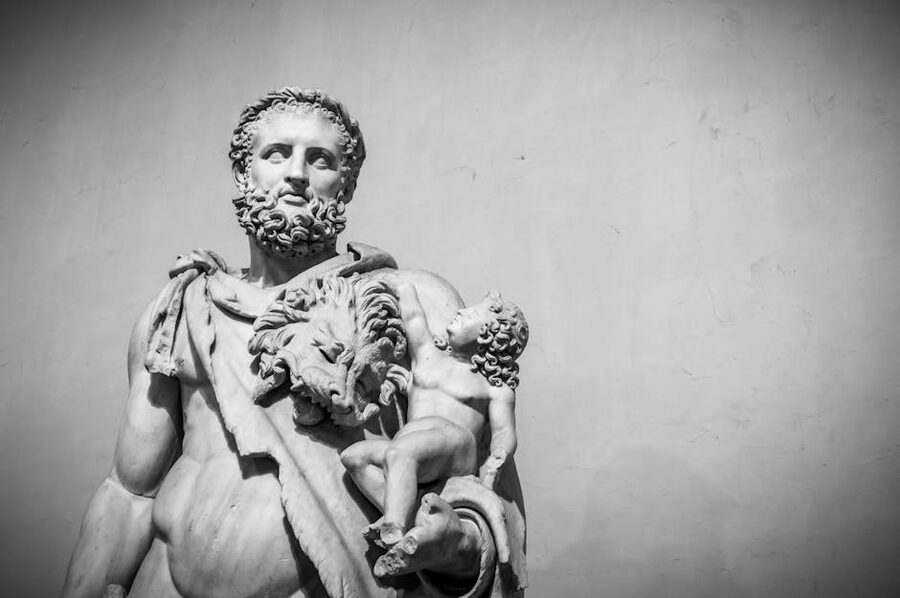
Practical: budget 30 minutes for the Pinacoteca specifically. Don’t try to rush through it after 90 minutes downstairs. If you have to choose, see Caravaggio’s St. John specifically — it alone justifies the trip up.
The Centrale Montemartini Annex
The “with Centrale Montemartini” combo ticket adds entry to a second museum 4km south, in the Ostiense neighbourhood. This is a converted 1912 thermoelectric power station now displaying Capitoline overflow sculpture against the original turbines and machinery.
Why this is special: most museum sculptures are displayed against beige walls in well-lit halls designed to disappear behind the art. Centrale Montemartini does the opposite. The 1912 turbines, generators, and crane systems remain in place. Roman marble sits beside them. The visual contrast is unlike any other museum experience in Rome.
Practical: it’s 4km south of the Capitoline. Metro Line B to Garbatella, 5-minute walk. Budget 90 minutes inside. The combo ticket lets you visit both on the same day OR within 7 days — you don’t have to do both at once.
Worth the combo if: you have a Rome trip 5+ days long and you’ve done the major sites already, you’re a sculpture or industrial-architecture nerd, you want a museum experience that nobody at home has heard of. Skip the combo if: you’re in Rome for 2-3 days and your priority is the famous stuff.
The Piazza del Campidoglio Itself
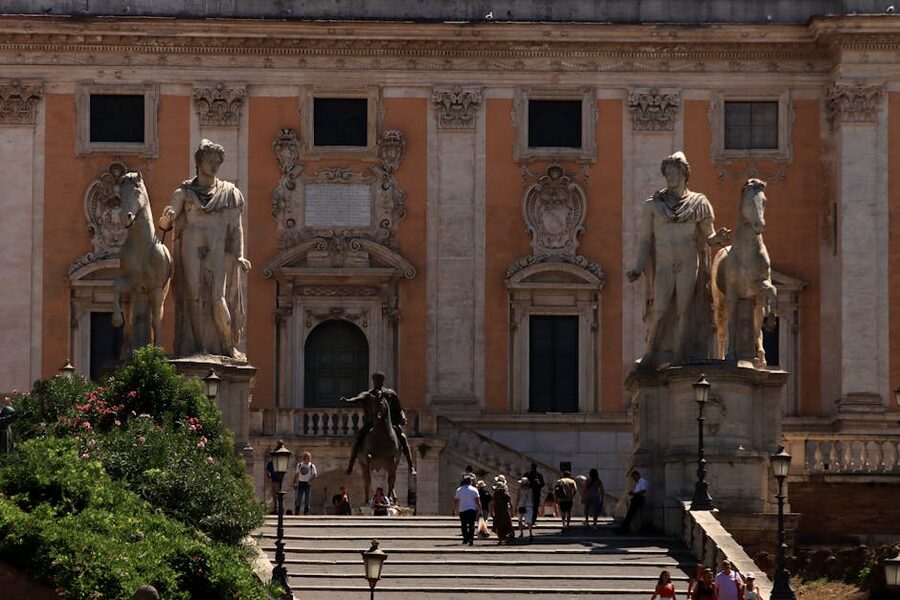
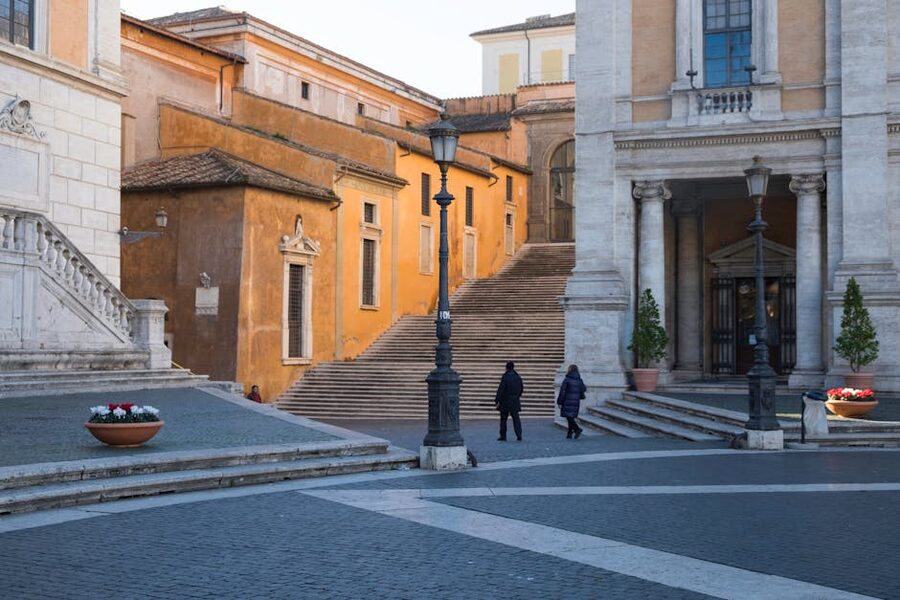
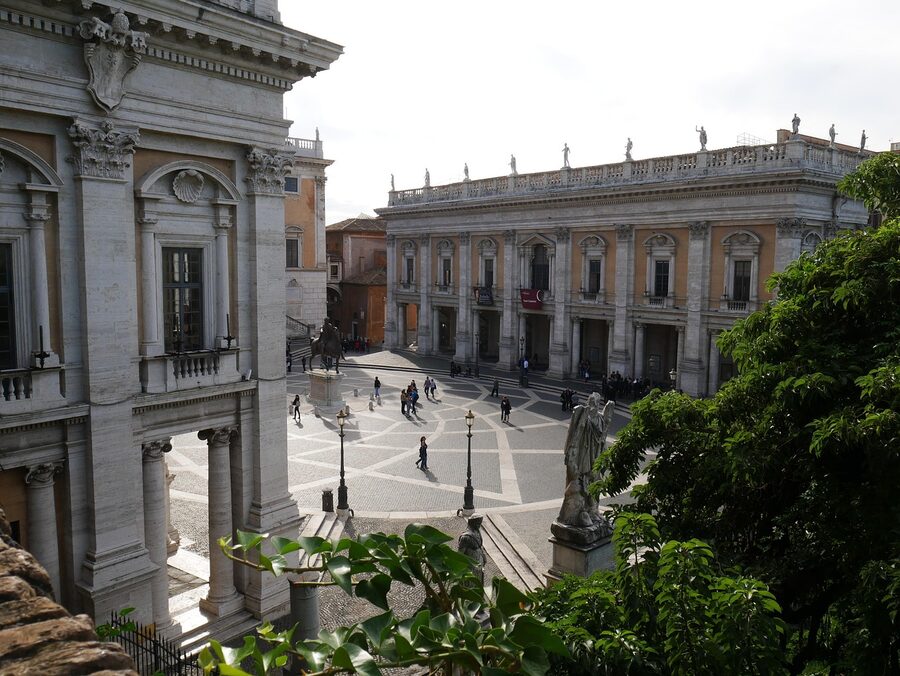
Even before you enter the museums, the piazza you stand in is a Michelangelo composition. He designed it in 1538 specifically to give Rome’s civic centre an ideal Renaissance geometry. The trapezoidal shape, the star-pattern paving, the building facades — all his.
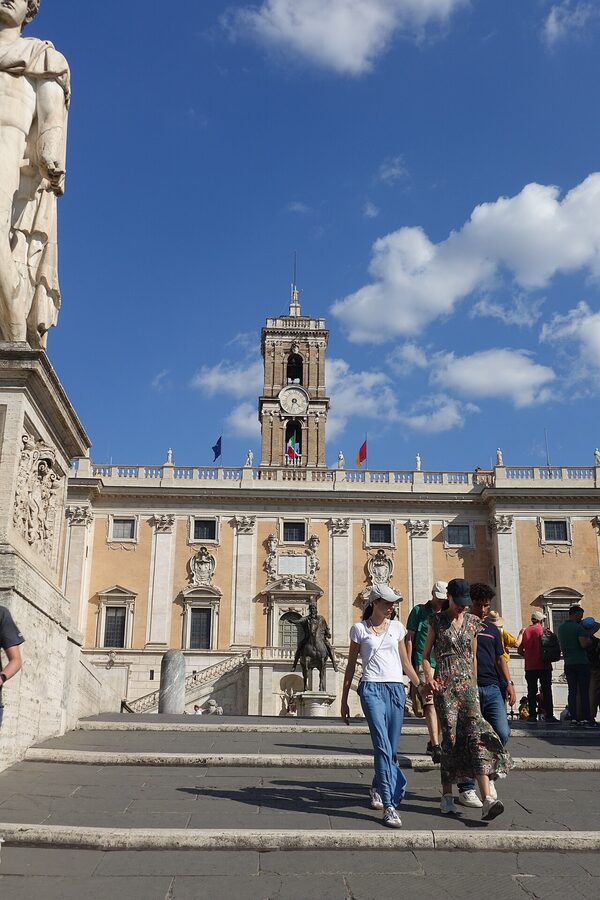
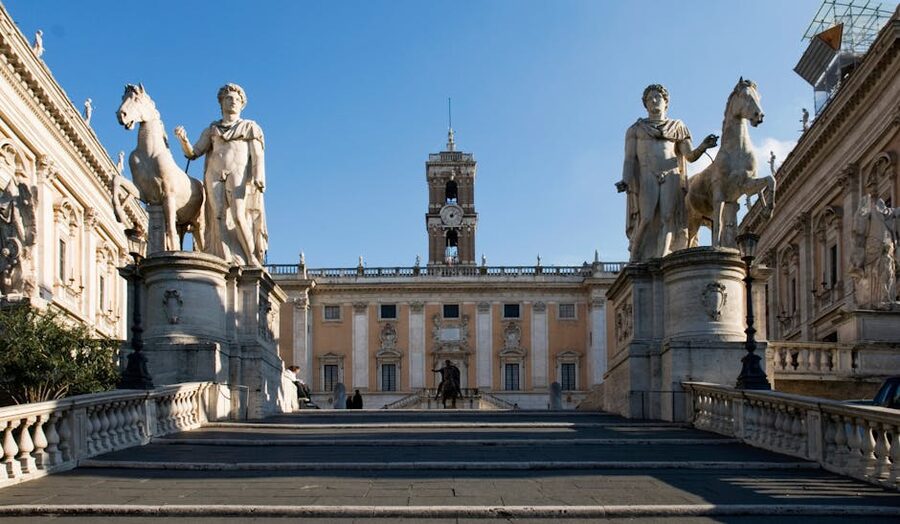
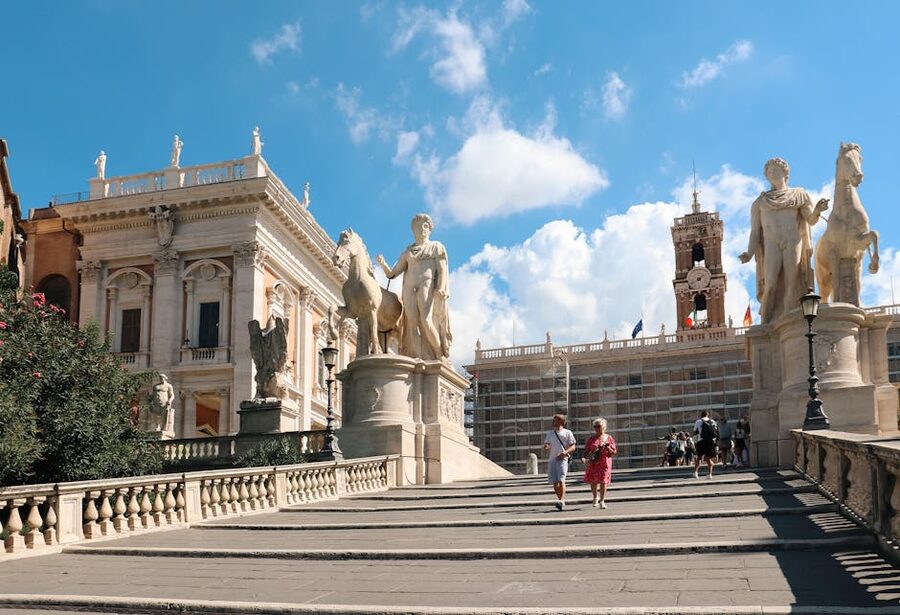
The cordonata (the wide ramp of stairs leading up from below) is also Michelangelo’s design. It’s deliberately gentle — Italian princes preferred ramps to staircases because they could ride horses up them. The horses can’t anymore but the ramp angle still works for senior tourists who’d struggle with steep steps.
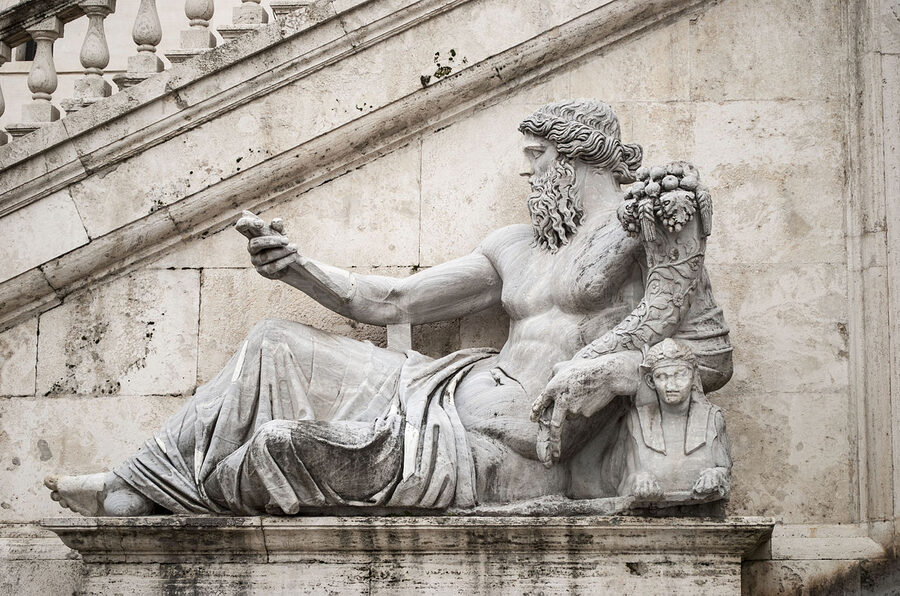
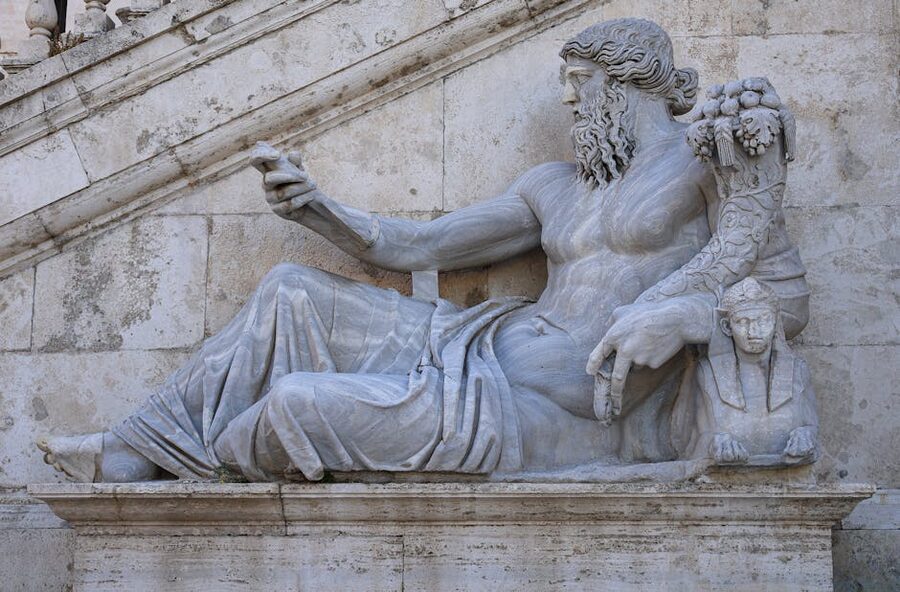
The two giant statues at the top of the cordonata are Castor and Pollux — the Greek twin gods, with their horses. They’re 1st-century AD Roman copies of earlier Greek originals. The fountain at the base of the Palazzo Senatorio is a Renaissance piece featuring Minerva (the goddess of wisdom) flanked by personifications of the Tigris and Nile rivers.
Practical: budget 15-20 minutes for the piazza itself before entering the museums. The morning sun (before 11am) hits the Marcus Aurelius replica directly and produces the best photos. By afternoon the piazza is in the shadow of the Palazzo Senatorio.
How to Get There
The Capitoline Museums entrance is on the Piazza del Campidoglio at the top of the cordonata. Walk up from Piazza Venezia (the Vittoriano monument is your landmark) — the cordonata ramp is to the left of the Vittoriano steps as you face it.
Metro: Colosseo (Line B), 12-minute walk. Or Cavour (Line B), 15-minute walk. Piazza Venezia doesn’t have its own metro stop because the construction kept hitting Roman ruins.
Bus: dozens of buses stop at Piazza Venezia. Lines 30, 40, 60, 64, 70, 81, 87, 130, 170, 492, 628, 916.
On foot from central Rome: 10 minutes from the Pantheon, 12 minutes from Piazza Navona, 15 minutes from the Colosseum. Most central-Rome hotels are within walking distance.
Pickup point for tours: tours typically meet at the bottom of the cordonata steps, on the Piazza Venezia side. Confirm in your booking — some operators meet at a different nearby corner.
Practical Logistics
Opening hours: 09:30-19:30 daily, last entry 18:30. Closed Christmas Day, January 1, and a couple of other holidays. No timed-entry tickets — you can enter anytime during opening hours, though tours have specific meeting times.
Best time to visit: Tuesday through Friday morning, 09:30-11:00. Weekends double the crowd. Sunday afternoons specifically are the worst.
Bag policy: small bags fine. Larger bags need to go to the cloakroom (free, on the ground floor). Backpacks are usually accepted but staff have discretion to require cloakroom for anything over a small day-pack.
Photography: allowed without flash. Selfie sticks are technically prohibited but enforcement varies.
Accessibility: elevator access to most floors, wheelchair-friendly throughout. The Tabularium passage has steps but a separate accessible route bypasses them.
Café: the rooftop terrace café is the worst-kept secret in Rome — view of the Forum, drinks at €4-8, snacks at €8-15. Worth the visit even if you’re not eating just for the view.
Combining With Your Wider Rome Day
The Capitoline takes 2-3 hours. It pairs naturally with anything else in central Rome because the location is so central.
The combinations that genuinely work: morning Colosseum and Roman Forum tour (which ends near the Capitoline) followed by an afternoon Capitoline visit means you’ll already understand the Forum buildings the Tabularium windows look out over — context that doubles the impact; alternatively, morning Capitoline followed by a late lunch and afternoon at the Borghese Gallery gives you sculpture-focused day across two of Rome’s best collections, and the Capitoline’s classical Romans pair brilliantly against the Borghese’s Baroque Berninis. If you’re stitching together the city’s underrated stuff, sandwich the Capitoline between a morning Leonardo da Vinci Exhibition and an afternoon Centrale Montemartini visit (combo ticket) — three museums most foreign visitors skip, all in one day, and you’ll feel like you’ve actually explored Rome rather than just queued at it. For evenings after the museum, walking from the Capitoline back through Centro Storico ends naturally at Trastevere for dinner — about 25 minutes on foot, all of it photographically rewarding.
What This Beats and What Beats It
The Capitoline beats: any other Rome museum on the “uncrowded experience of seeing world-class art” axis. The Vatican holds more art but you can barely see it through the crowd. The Borghese is intimate but timed-entry adds friction. The Capitoline is just there, mostly empty, holding masterpieces.
What beats the Capitoline: the Vatican on art-density (more masterpieces per metre, even if the experience is worse). The Colosseum on visceral history (you’re inside the actual stadium where the actual gladiators died, and the Capitoline’s relevance is more abstract). The Borghese Gallery on sculptural impact (Bernini’s marble work makes the Capitoline’s Republican-era pieces look static by comparison).
The honest take: the Capitoline is the best museum nobody recommends. It’s not in any “Rome’s top 5 must-see” list because it lacks brand-name recognition. But measured by experience-per-dollar — quality art, low crowds, central location, $42 — it’s the best museum value in the city.
Common Mistakes to Avoid
A few things visitors regularly get wrong.
Confusing the piazza with the museum. The Marcus Aurelius equestrian statue in the centre of the piazza is a replica. The original is inside. Many visitors photograph the replica and never enter the museum to see the real thing.
Skipping the Tabularium. Visitors charge through the sculpture rooms, climb to the Pinacoteca, then leave — never realising the Tabularium passage with the Forum view exists. It’s not on the standard route signs. Look for it specifically.
Trying to do this after the Vatican. Vatican Museums fatigue is real. After 3 hours there, you don’t have the mental energy for another major museum. Do the Capitoline on a different day or first thing in the morning before anything else.
Showing up Sunday afternoon. The least crowded Rome attractions still get busy on Sunday. The Capitoline is open Sundays but the experience is meaningfully worse — go midweek.
Skipping the Caravaggio. The Pinacoteca on the top floor has Caravaggio’s St. John the Baptist. Most visitors don’t know it’s there. Two minutes of effort to find it, payoff that justifies the entire ticket.
Final Take
The Capitoline Museums are Rome’s best museum value in 2026. $42 for 2-3 hours of world-class sculpture, paintings most visitors don’t know to look for, a 2,100-year-old corridor with a Forum view, Michelangelo’s piazza outside, and crowds at maybe 10% of the Vatican’s level. Walk in, see the Marcus Aurelius and the She-Wolf, find the Tabularium, climb to the Pinacoteca for the Caravaggio, finish with a coffee on the rooftop. Done.
Book the multimedia version with hosted entry if you want context. Book the Centrale Montemartini combo if you have a longer Rome trip and want the unique industrial-museum experience. Skip the Viator listing in favour of GetYourGuide if your platforms are flexible — you save $1.37 for nothing different. Book a midweek morning slot. Bring water. Find the rooftop café. Don’t tell everyone how good this place is — let them keep going to the Vatican.