
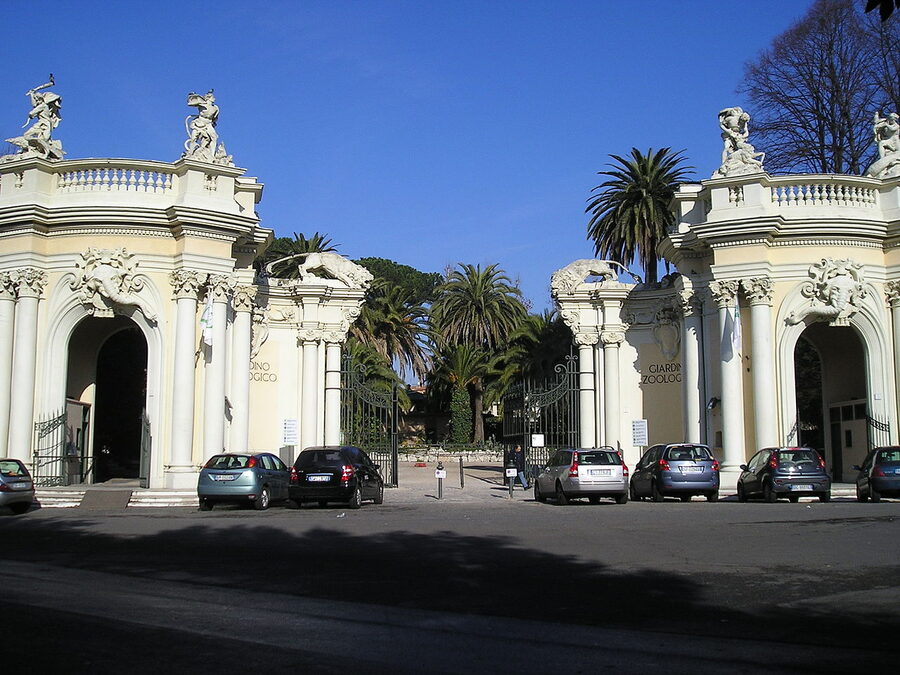
On the third morning of a Rome trip with kids, the ruins start to blur and the Vatican queue starts to feel like punishment. That’s when you walk into Villa Borghese and pay €25 for the zoo.
It’s one of the best family afternoons you can have in this city.
Quick Picks
- Zoo day with kids — Bioparco di Roma Entry Ticket ($25). Full-day access.
- Older kids who want action — Roman Gladiator School ($108). Two hours of hands-on sword drills.
- Free-for-kids evening walk — Moonlight Walking Tour — Free for Kids ($28 adult, kids free). Pantheon, Navona, Trevi, storytelling format.
- Quick Picks
- What Bioparco Actually Has
- Booking the Three Family-Friendly Options
- Rome: Bioparco di Roma Zoological Garden Entry Ticket —
- Roman Gladiator School: Learn How to Become a Gladiator — 8.16
- Rome: Moonlight Walking Tour – Free for Kids —
- Timing Your Visit
- Getting to Bioparco
- Practical Logistics Inside the Park
- Age Appropriateness
- Conservation Context
- Combining Bioparco with Villa Borghese
- What Makes Bioparco Unique vs Other European Zoos
- What to Bring
- Gladiator School Alternative
- Evening Moonlight Walking Tour Option
- Final Considerations
- Closing Recommendation
What Bioparco Actually Has
The park opened in 1911 as the Giardino Zoologico and rebranded as “Bioparco” in 1998 — a deliberate shift toward education and conservation rather than old-school zoo entertainment. The collection covers six continents and emphasises species that live or lived in Mediterranean ecosystems.
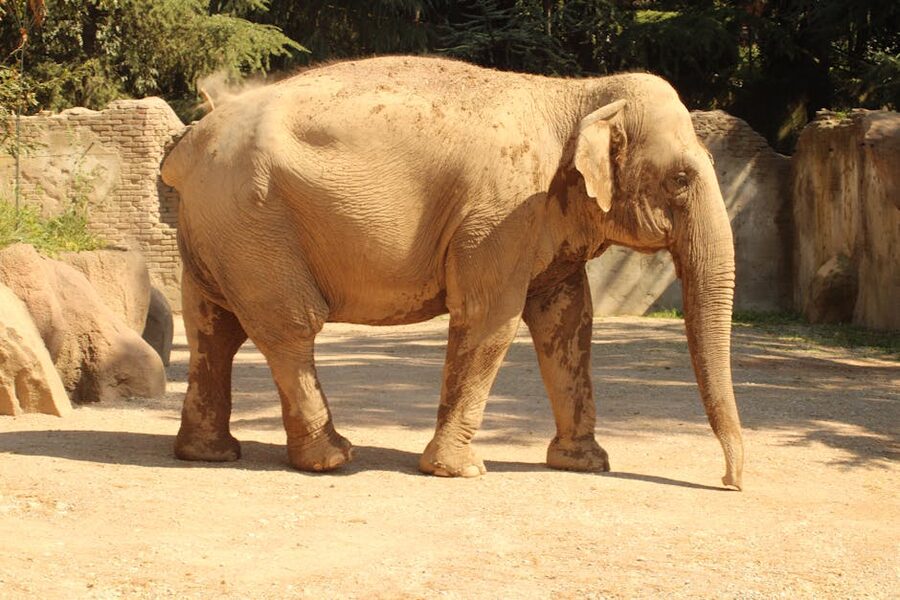
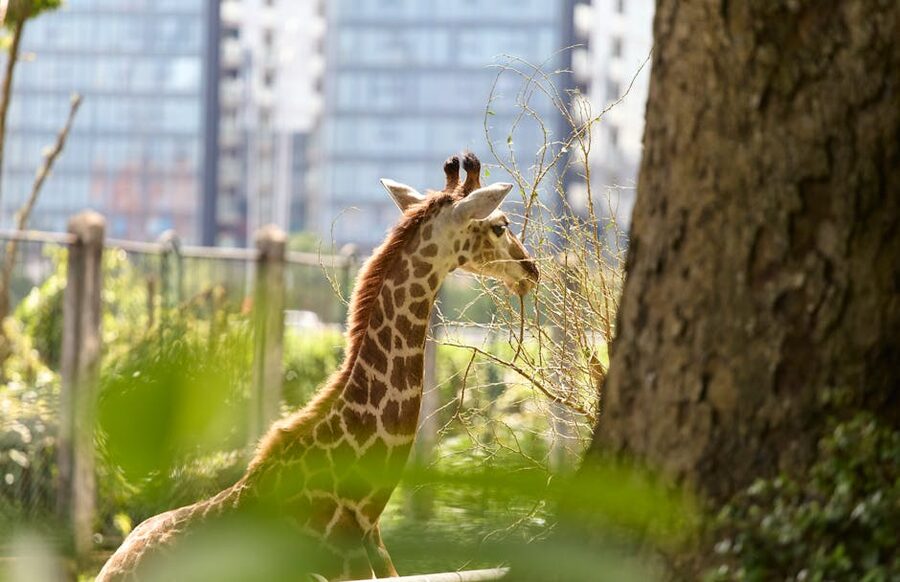
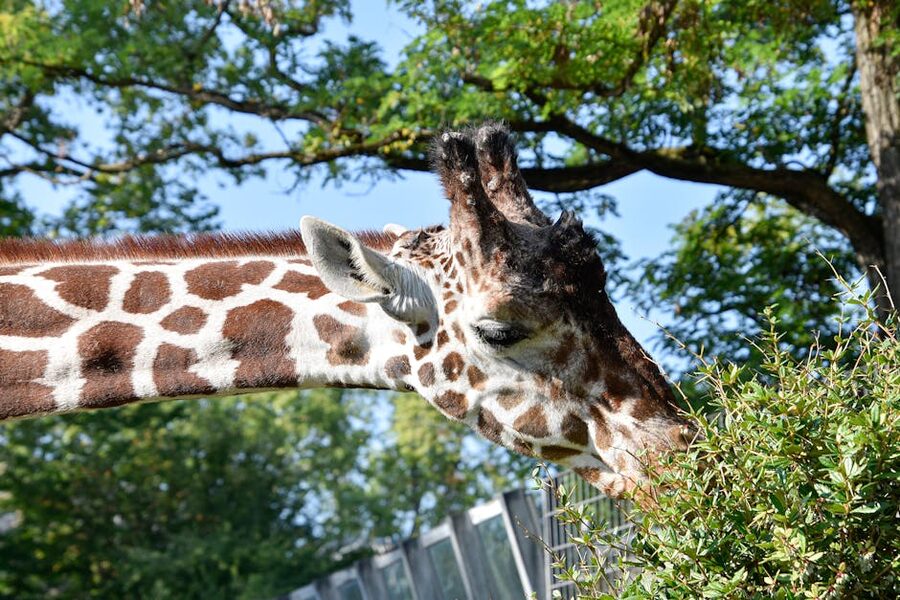
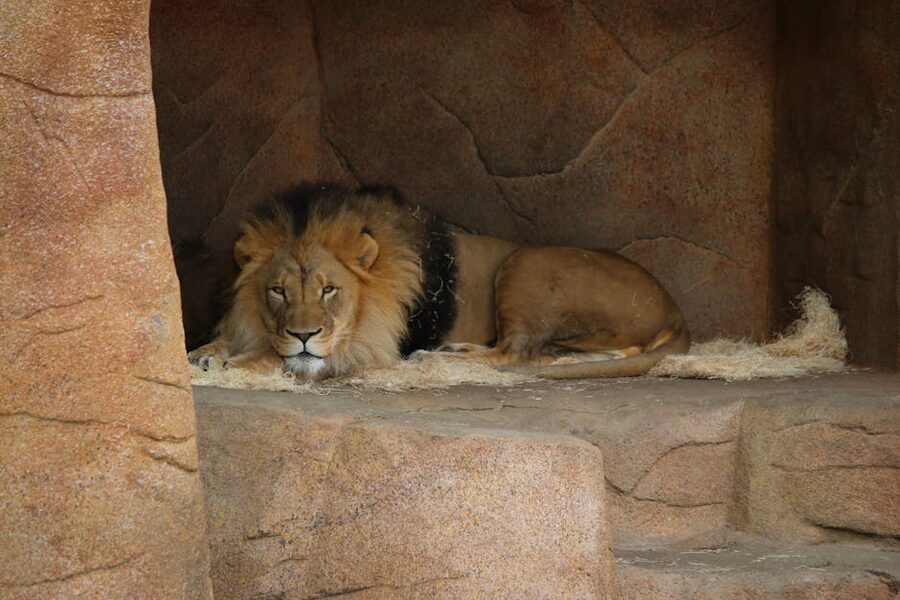
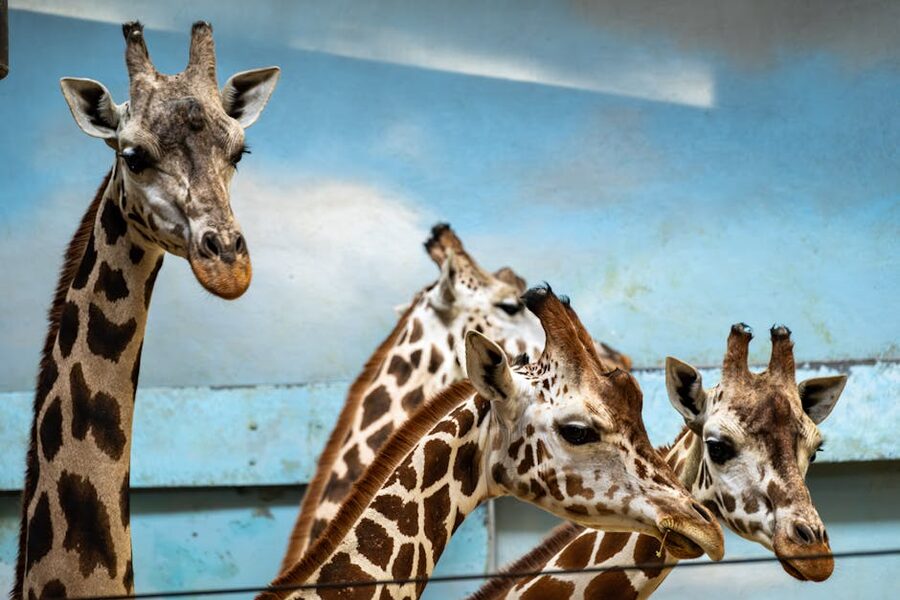
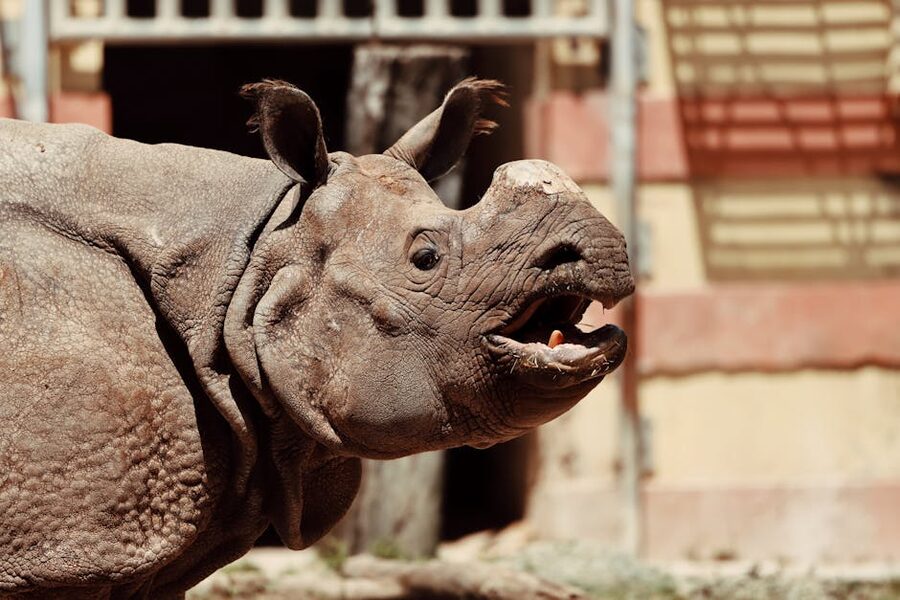
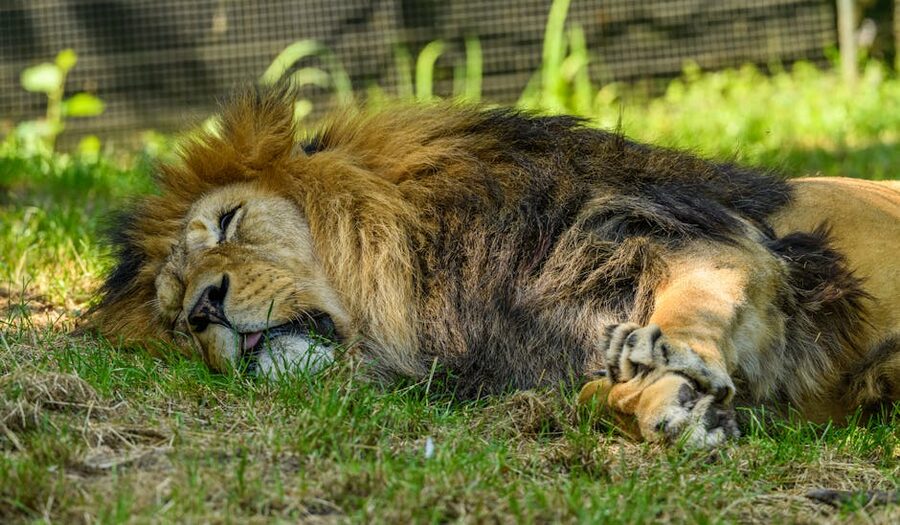
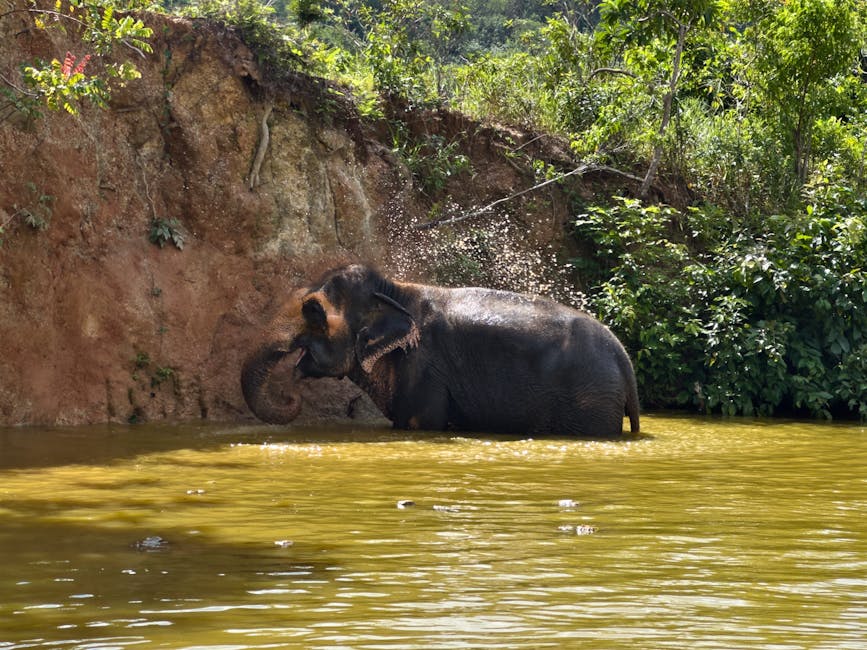
Big animals to see: Asian elephants (two), giraffes (three), lions (pride of five), tigers, zebras, rhinoceros, hippopotamus. These are the headliners families want to see and the park delivers them all in decently-sized enclosures.
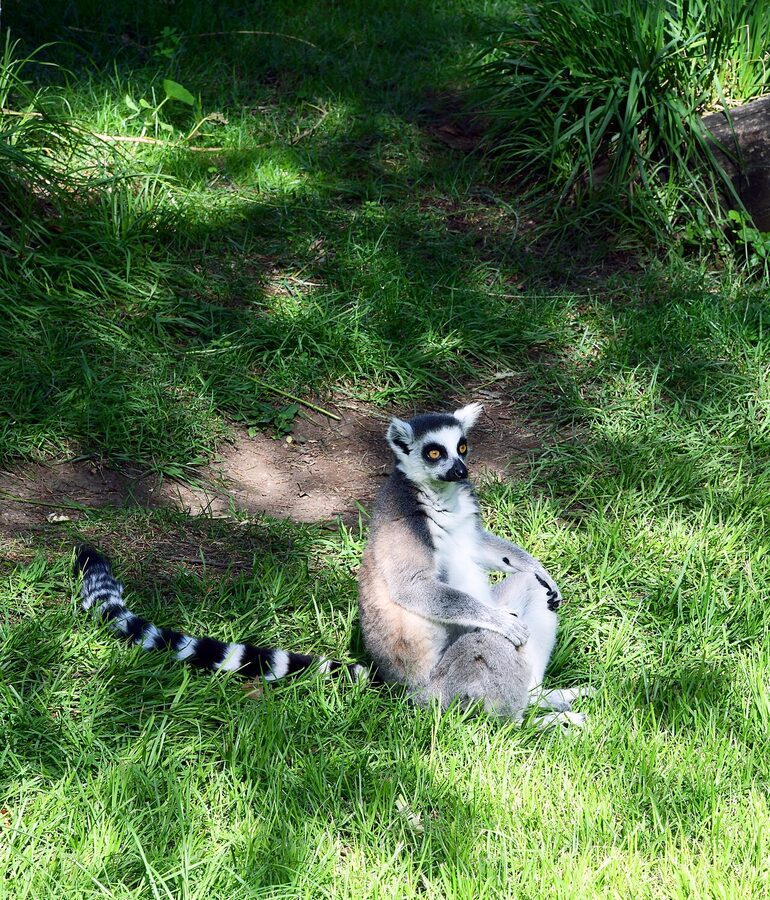
Primates: chimpanzees, gibbons, lemurs (multiple species including the ring-tailed lemurs that star on Bioparco’s publicity materials), colobus monkeys, Japanese macaques. The primate house is one of the best-curated sections.
Birds and reptiles: flamingos, penguins, tropical birds in a walk-through aviary, crocodiles, pythons, giant tortoises. The reptile house is small but well-curated.
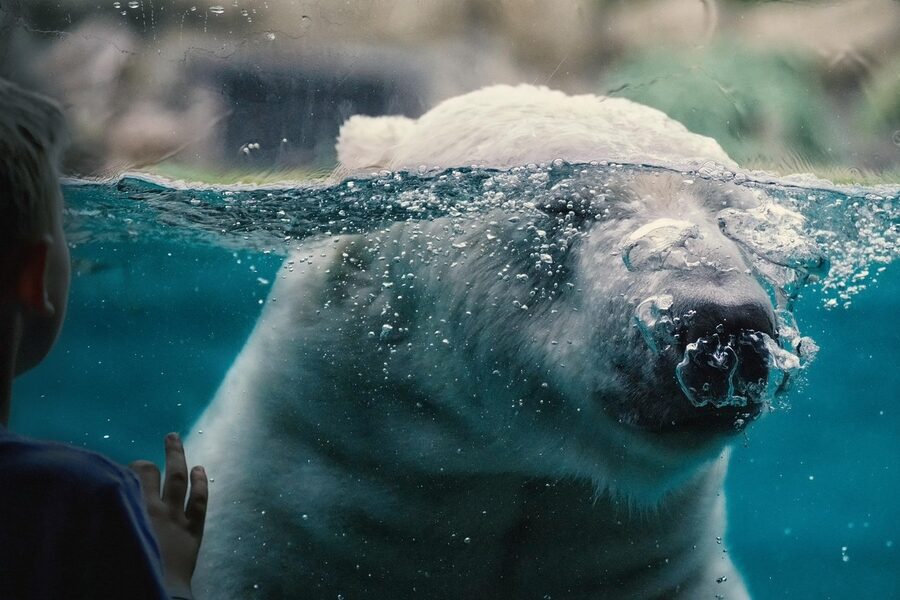
What Bioparco doesn’t have: orcas, dolphins, polar bears, pandas. The park deliberately avoided these ethically contentious species even before that became standard zoo policy. Some visitors expect these animals and are disappointed; Bioparco’s conservation philosophy explicitly excludes them.
Booking the Three Family-Friendly Options
Bioparco works as an independent activity but the real value comes when you combine it with other family-focused Rome bookings. The gladiator school and moonlight walk below are the best companion activities.
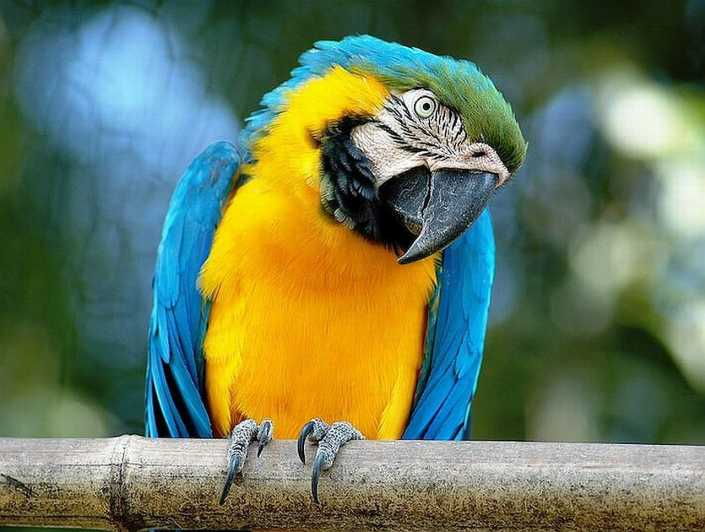
Rome: Bioparco di Roma Zoological Garden Entry Ticket — $25
The main Bioparco ticket. Full-day access from 09:30 to 18:00 (winter hours shorter). Includes all animal habitats, the walk-through aviary, and the petting zoo section. The practical logistics — best entry time, food policy, stroller rules — are all in the full write-up. This is the essential family booking if you have kids in Rome. Same Villa Borghese grounds host the Borghese Gallery if the adults want an hour of art while the kids rest.

Roman Gladiator School: Learn How to Become a Gladiator — $108.16
Hands-on two-hour gladiator training for kids and adults. You wear a tunic, learn basic sword movements, get a certificate and photos. Works for ages six and up — teenagers get the most out of it. What the actual training involves (it’s more than waving a wooden sword) is in the review. Pair this with a morning at Bioparco for a full family day.
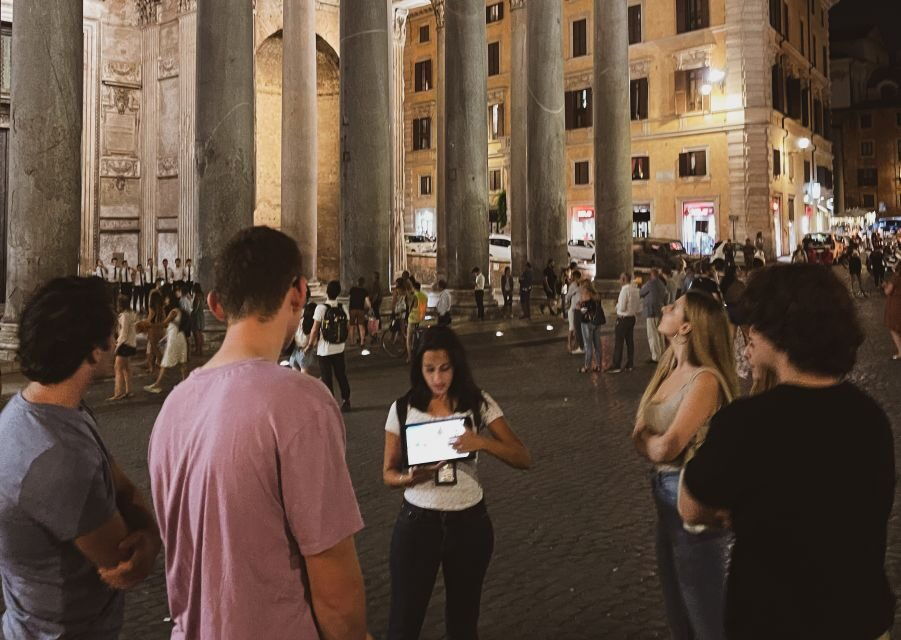
Rome: Moonlight Walking Tour – Free for Kids — $28
Evening walking tour through Rome’s historic centre, free for kids under 14 when accompanying paying adults. Covers the Pantheon, Piazza Navona, and the Trevi Fountain with a storytelling format designed for kids. The kid-friendly pacing — where the stops are, what the stories cover — is detailed in the review. Perfect pairing for a Bioparco day.
Timing Your Visit
Bioparco opens at 09:30 and closes between 17:00 (winter) and 19:00 (summer). Arriving at opening gives you cooler temperatures for the animals (who are more active before midday heat) and smaller crowds for the first two hours.
Best time to arrive: 09:30 opening, stay until 12:30. That’s 3 hours, covers the full park, and gets you out before the midday heat and the post-lunch school group surges.
Second-best option: 15:30-18:00. Animals wake up from the midday heat, crowds thin, light is softer for photography. Good if you’ve had a morning elsewhere.
Worst time: 12:00-15:00. Summer heat above 30°C puts animals under cover where you can’t see them. Crowds peak with school groups. Your kids will also be hot and tired.
Seasonal considerations: summer (June-August) has the most animals visible in mornings and evenings, least in midday. Spring and autumn have better weather and more visible-all-day animals. Winter mornings can be genuinely cold (animals stay in heated buildings; you’ll miss some species entirely).
Getting to Bioparco
The zoo sits inside Villa Borghese park, on the northern edge. Getting there requires walking through the park from one of several entry points — it’s not a metro-adjacent destination.
Metro: closest station is Flaminio (Line A). Exit to Piazza del Popolo, walk through the park for 20-25 minutes to reach Bioparco entrance. Alternative: Policlinico (Line B) on the eastern side — 15-minute walk.
Bus: lines 3, 19, 52, 53, 116, 360, 910, 926 stop near the park. Bus 217 has a stop specifically at “Bioparco.”
Taxi: €10-15 from central Rome hotels. Tell the driver “Bioparco” — they all know it. Drop-off at the main entrance on Piazzale del Giardino Zoologico.
On foot from Spagna metro: 25-minute walk through the upper gardens of Villa Borghese. Pleasant in spring/autumn, punishing in summer midday.
Pro tip: Villa Borghese rents bikes and pedal cars near its main entrances. For families with kids 6+, renting pedal cars (€10-15 per hour for a 4-person carriage) makes the approach to Bioparco itself part of the day’s fun.
Practical Logistics Inside the Park
The park covers 17 hectares organized around a loop trail. You can walk the whole thing in 2-3 hours at a steady pace, or 4+ hours if you linger at each habitat.
Stroller accessibility: excellent. Main paths are paved, gentle gradients, accessible bathrooms at multiple points. Strollers are easy throughout the park.
Food and drink: a cafeteria near the entrance and snack kiosks throughout. Standard zoo prices — €6-10 for pasta or sandwiches, €3-5 for gelato. You can bring food and use the picnic tables in designated areas.
Bathrooms: 4-5 locations spread through the park. Most are clean, baby-changing tables available.
Shade: much of the park has tree cover but some enclosures (giraffes, zebras, lions) have minimal shade for visitors. In summer bring hats, sunscreen, and water.
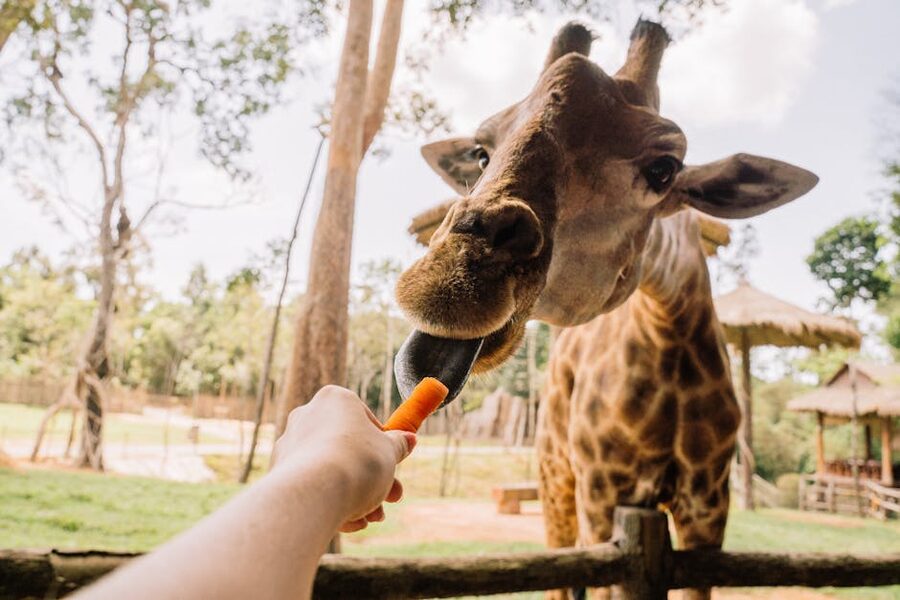
Scheduled feedings and talks: posted at the entrance, typically 2-3 per day (penguins, seals, giraffes most common). Plan your route to catch the ones that interest you — they add significant educational value and the keepers often include demonstrations.
Age Appropriateness
The park works across age ranges but the experience changes dramatically by age bracket.
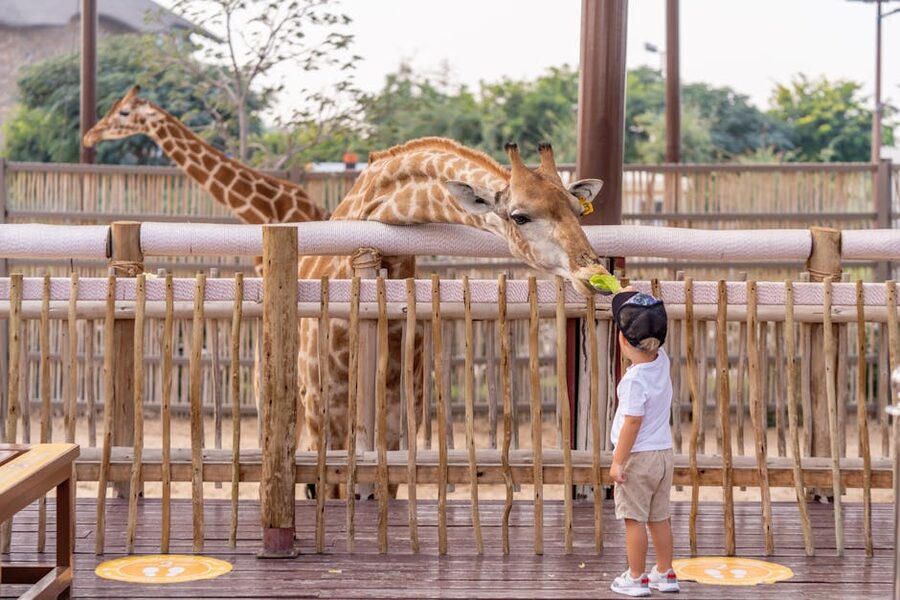
Ages 0-5: excellent. Animals in direct sight, plenty of stroller-friendly paths, short attention-span-friendly layout. 2-3 hours is the right length.
Ages 6-12: best fit. Kids old enough to read signs and understand conservation context, young enough to genuinely enjoy seeing animals. The gift shop + café combo adds extra engagement points.
Ages 13-17: variable. Depends on the teen — some love it, some find it boring compared to the historical Rome sites. Pair with something else to make a full day.
Adults without kids: okay for a quick nature break but not essential. The Borghese Gallery 15 minutes away is a better adult-focused activity.
Seniors: works well for mobile seniors. The park is walkable but not flat — budget frequent sit-down breaks. Wheelchairs available for rental.
Conservation Context
Bioparco’s 1998 rebrand reflected broader zoo industry shifts toward conservation and education. Understanding this context makes the visit more meaningful than just “look at animals.”
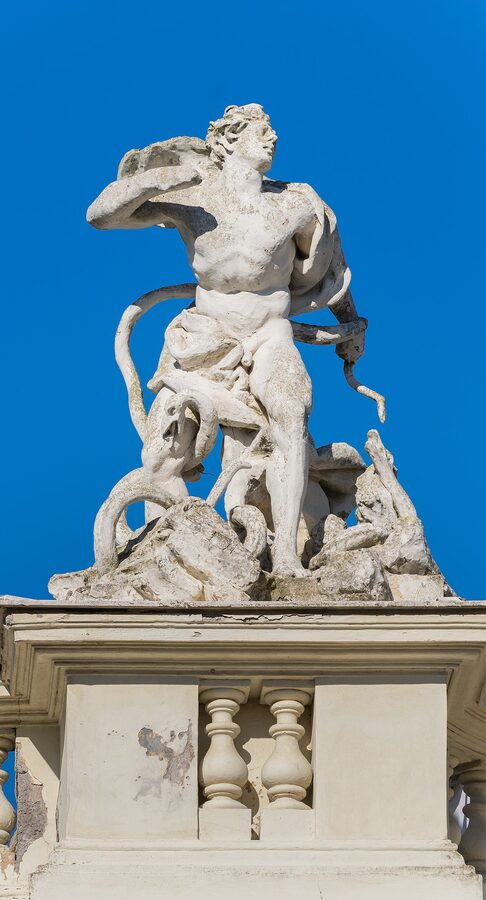
Conservation programmes: Bioparco participates in European Endangered Species Programmes (EEPs) for several species including lemurs, giraffes, and certain reptiles. Breeding success from the park has contributed animals to reintroduction programmes in native habitats.
What this means for visitors: some enclosures include information about specific conservation projects. The breeding focus explains why you sometimes see baby animals at Bioparco — not staged attractions, but actual breeding programme results.
Ethics of zoos: this topic comes up with some visitors. Bioparco positions itself on the “conservation and education” side rather than pure entertainment. The park has phased out species it couldn’t house properly (elephants used to have a smaller enclosure, which has been expanded significantly; others were moved to sanctuaries). Not every visitor agrees that any zoo is ethical, but Bioparco’s direction has been clearly toward conservation-first since the rebrand.
Combining Bioparco with Villa Borghese
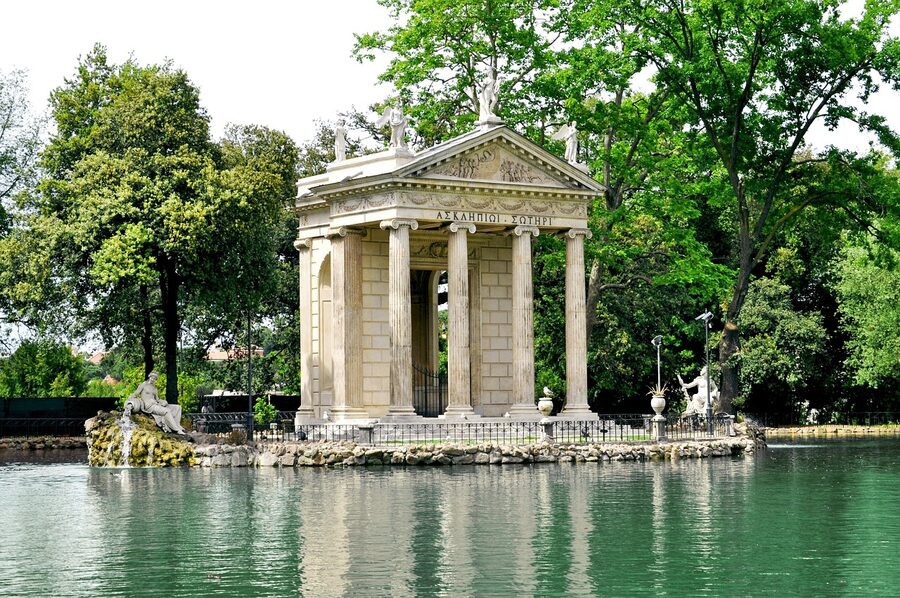
The zoo sits inside Villa Borghese — Rome’s largest central park — which means your Bioparco ticket is effectively a gateway to a full day of activities in one of Rome’s best outdoor areas.
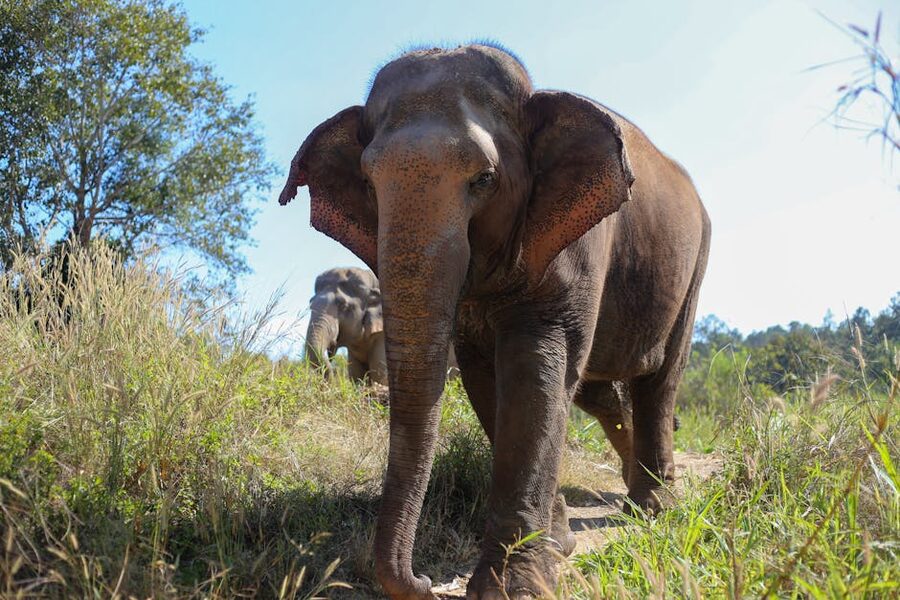
Post-zoo park activities: the Laghetto lake with rowboats (€3/person, 20 minutes) sits 10 minutes south of Bioparco. The Pincio Hill viewpoint (classic Rome panorama) is 15 minutes west. The Galoppatoio offers horseback riding for kids.
Pre-zoo warm-up: the Museo Carlo Bilotti (free modern art museum) is worth 30 minutes if your family-art-interested kids need something indoor-indoors before entering the zoo crowds.
Historic combination: morning Bioparco, lunch in the park (picnic or café), afternoon Borghese Gallery 15:00 slot. This stacks nature and art in one perfect family-culture day, with everything in walking distance.
All-day Villa Borghese itinerary: 09:30 arrival via Piazza del Popolo, morning zoo, lunch at park café, afternoon park walks (Pincio, lake, gardens), evening aperitivo at a Piazza del Popolo café. A full family day in one Rome neighbourhood.
What Makes Bioparco Unique vs Other European Zoos
If you’ve done zoos elsewhere in Europe, Bioparco has specific characteristics worth knowing about before booking.

Compared to London Zoo: Bioparco is smaller, cheaper ($25 vs £35+), has fewer species (1,200 vs 17,000+), but the setting inside Villa Borghese is more atmospheric than the ZSL enclosure in Regent’s Park.
Compared to Berlin Zoo: Bioparco is about half the size. Berlin has pandas and more species overall. Bioparco has better Mediterranean climate species displayed outdoors year-round.
Compared to Schönbrunn Zoo Vienna: Schönbrunn is larger, has more historic architecture integrated, and sits in a palace complex. Bioparco is more modest but easier to do in 2-3 hours vs a full day at Schönbrunn.
Compared to Rome’s own Aquarium of Genoa (day trip): Genoa Aquarium is one of Europe’s best and a full-day experience. Bioparco is local and family-adjacent.
Verdict: Bioparco isn’t Europe’s best zoo but it’s the right zoo for your Rome family trip. The location, price point, and pace all work for families who want a break from ruins and art without committing to a full zoo day.
What to Bring
Standard zoo packing applies, with Rome-specific considerations.
Essential: water bottles (free fountains throughout the park), sunscreen (Rome sun is intense even in “cool” seasons), hats, comfortable shoes.
Nice to have: small day backpack for snacks and souvenirs, camera if you have one better than your phone, cardigans or layers (cool mornings can turn hot by midday).
Don’t bring: animal food, large bags (security check at entrance), picnics requiring substantial unpacking (use the designated picnic tables if you bring your own).
Stroller decision: bring yours if you have one; rentals available at entrance for €5 if you don’t. Parks paths are stroller-friendly throughout.
Gladiator School Alternative
If the family interest leans historical rather than nature, the Roman Gladiator School is the better booking. Works for kids 6+ with genuine enthusiasm for Roman history or action-oriented activities.
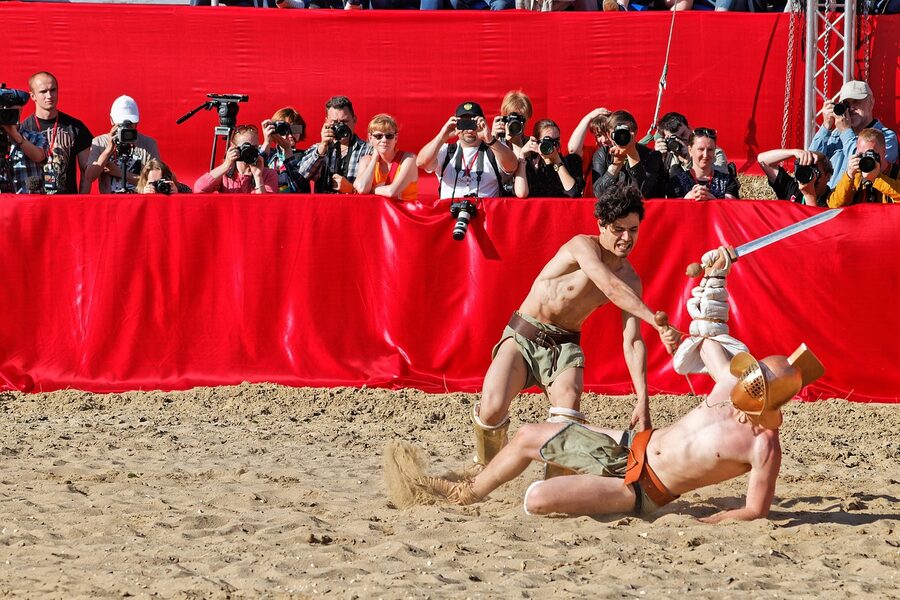
The school sits near the Appian Way, 25 minutes by taxi from central Rome. The 2-hour session includes costume, training, certificate, photos. At $108 it’s pricier than Bioparco but delivers a more unique experience that kids remember for years.
Best for: kids 8-14 with interest in Roman history. Teenagers often engage more here than at the Bioparco zoo. Adults also find it surprisingly enjoyable.
Pair with: morning Colosseum and Roman Forum tour, afternoon gladiator school. The connection between what kids see at the Colosseum (where gladiators actually fought) and what they do at the school (training like gladiators) creates lasting memory.
Evening Moonlight Walking Tour Option
The Rome Moonlight Walking Tour is the budget-friendly evening family activity — $28 for adults, free for kids under 14.

The 2-2.5 hour tour covers central Rome highlights — Pantheon, Piazza Navona, Trevi Fountain, sometimes Spanish Steps. Kid-friendly storytelling format (ghosts, myths, gladiator legends) keeps younger audiences engaged.
Ideal pairing: morning Bioparco, lunch, afternoon park, evening moonlight walk. Three distinct family activities in one perfectly-paced Rome day.
Final Considerations
A few realistic points about Bioparco that guidebooks skip.
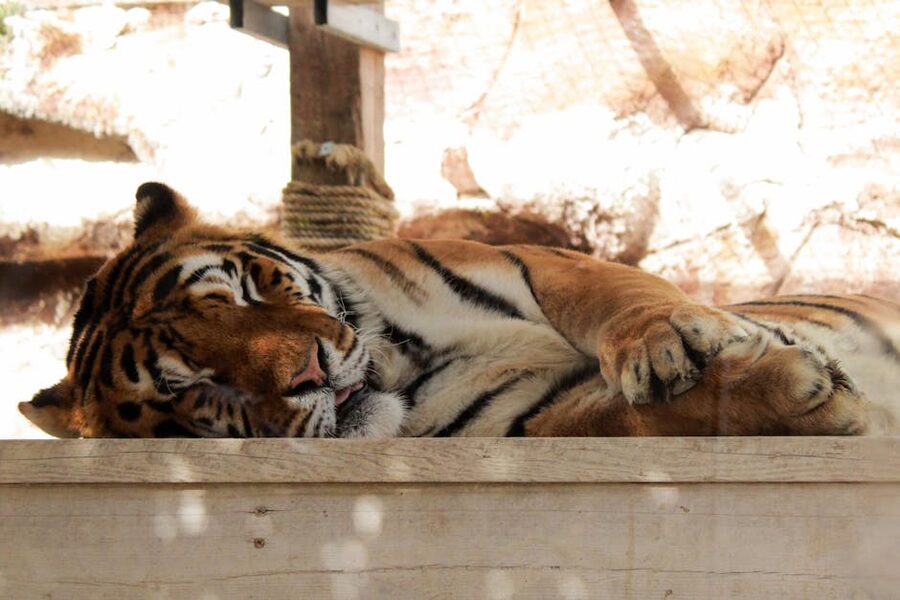
Not every animal will be visible. Big cats sleep 18-20 hours per day. Some animals hide in their shelters. Some are in indoor habitats you might miss. Budget realistic expectations — you won’t see every species during your visit, but you’ll see 70-80% of the big hits.
Enclosure sizes vary. Elephant, lion, and giraffe enclosures are appropriately sized. Some smaller mammal enclosures feel tight to modern sensibilities. If this matters to you, research specific habitats before booking.
Weather impact. Rainy days drive animals into shelters. Hot summer afternoons hide them in shade. The ideal visit is a cool spring or autumn morning; winter mornings can see very few animals active.
Price vs alternatives. $25 per adult is Rome’s cheapest family attraction after free park walks. Compare to Vatican Museums ($35), Colosseum ($25), Borghese Gallery ($25-55) — the zoo competes well on price.
Closing Recommendation
The Bioparco di Roma is a solid family activity for Rome trips with children under 14. At $25, 3 hours, and a Villa Borghese setting, it works as either your day’s main event or a morning warm-up before more cultural afternoons.
Book Bioparco if you have kids 0-14 and at least one Rome day available for park activities. Pair with the Borghese Gallery, a Villa Borghese walk, or an evening moonlight tour for a full family day. Skip if your group is all adults without kids — the Borghese Gallery, the Catacombs, or a food tour deliver more adult value for similar prices.
Book 1-2 days ahead through GetYourGuide, arrive at opening to catch active animals, budget 3 hours inside plus another 1-2 hours exploring Villa Borghese after. Take pictures, let kids run between the exhibits, and give yourself permission to not do serious cultural sightseeing for one Rome day.