
Rome has two competing Leonardo da Vinci exhibitions running year-round. Both feature full-scale reconstructions of his inventions built from the Codex Atlanticus sketches.
At €10-18 per ticket they’re among the cheapest family stops in central Rome — and the 60 to 90-minute visit gets kids hands-on with Renaissance engineering.
Quick Picks
- Best value — Leonardo Da Vinci Exhibition Entrance Ticket ($10). On Piazza del Popolo, 60-90 minutes.
- Larger venue — Leonardo Da Vinci Experience near Vatican ($18). Bigger exhibition, more installations.
- Central location: Leonardo Da Vinci Museum Heart of Rome ($14) — alternative venue in the central shopping district.
- Quick Picks
- Two Exhibitions, Different Emphases
- Booking the Three Main Tickets
- Rome: Leonardo Da Vinci Exhibition Entrance Ticket —
- Rome: Leonardo Da Vinci Experience Entry Ticket —
- Leonardo Da Vinci Museum: Heart of Rome — .38
- What You’ll Actually See
- Why These Exhibitions Exist in Rome
- Who This Works Best For
- The Piazza del Popolo Neighbourhood
- What’s Inside Each Venue
- How Much Time to Budget
- Combining with Other Rome Attractions
- Photography and Social Sharing
- Accessibility and Practical Considerations
- The Educational Value Proposition
- What Makes Leonardo Unique
- Beyond the Exhibitions
- Common Misconceptions
- Final Take
Two Exhibitions, Different Emphases
The confusion around Rome’s Leonardo offerings is real: there are actually three separate venues presenting Leonardo da Vinci material, run by different operators, at different locations, with overlapping but distinct content. Understanding which is which before booking saves you from accidentally going to the wrong one.
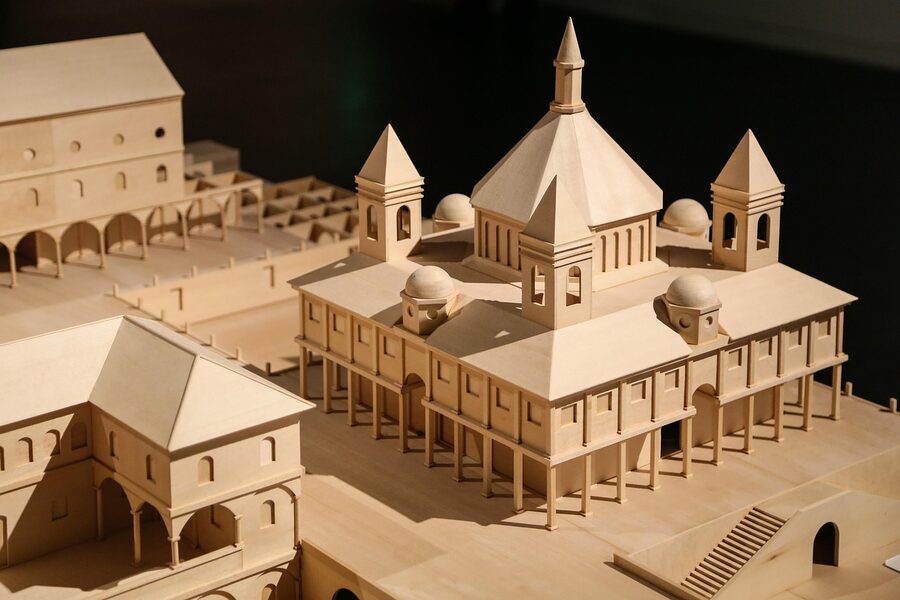
Leonardo Da Vinci Exhibition (Piazza del Popolo area) is the most-booked option. Smaller venue, more focused, lowest price. 60-90 minute visit typical. This is the entry-level Rome Leonardo experience.
Leonardo Da Vinci Experience (near the Vatican) is the bigger, more immersive version. More reconstructions, larger space, higher ticket price. 90-120 minute visit. Worth the premium if you want depth.
Leonardo Da Vinci Museum (central Rome, Via della Conciliazione area) is a third option with smaller crowds and a somewhat overlapping collection. Useful if the first two are busy or you’re in that specific area.
Booking the Three Main Tickets
Most visitors pick based on where they’re staying and what else is in their day. All three deliver the core Leonardo experience; the differences are in scale and polish.
Rome: Leonardo Da Vinci Exhibition Entrance Ticket — $10
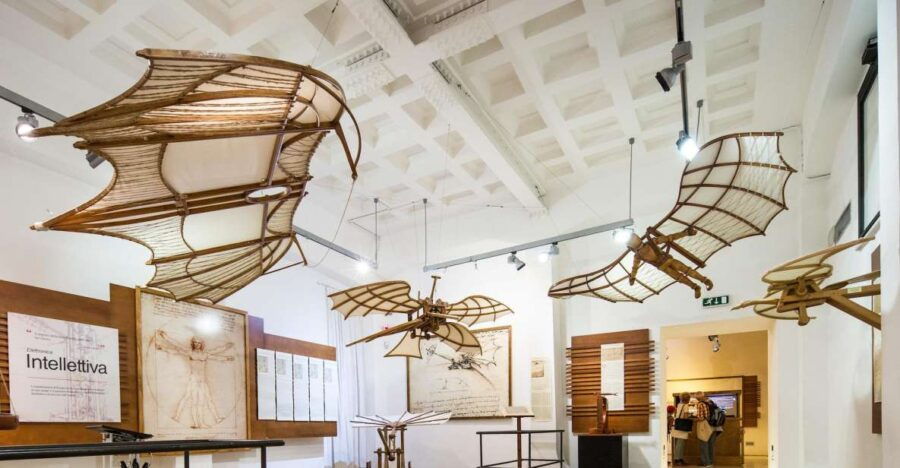
The cheapest and most-booked Leonardo option in Rome. Entry-only ticket that gives you access to about fifty machine reconstructions plus paintings and Codex reproductions. Near Piazza del Popolo, a five-minute walk from the Spanish Steps. Here’s exactly what you see for the $10 — useful if you’re deciding between the two venues. Pick this if you want a quick 60-90 minute cultural stop.
Rome: Leonardo Da Vinci Experience Entry Ticket — $18
The larger premium venue with more installations. Near the Vatican, so combines naturally with a Vatican Museum visit — or, for that matter, a Wednesday Papal Audience. Includes multimedia presentations alongside the physical reconstructions. Why the extra $8 gets you a meaningfully different experience is the honest question worth answering. Pick this if Leonardo is genuinely a highlight rather than a quick stop.
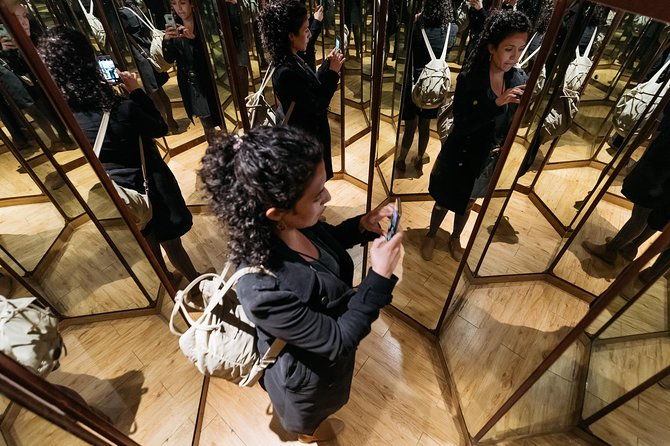
Leonardo Da Vinci Museum: Heart of Rome — $14.38
The third Leonardo venue, centrally located near Castel Sant’Angelo — smaller crowds, simpler presentation, solid family-friendly experience. Works as a backup if the other two are sold out for specific time slots. What this smaller venue adds to the mix is the question to answer if you’re choosing between the three. Pick for centrality or less crowded.
What You’ll Actually See
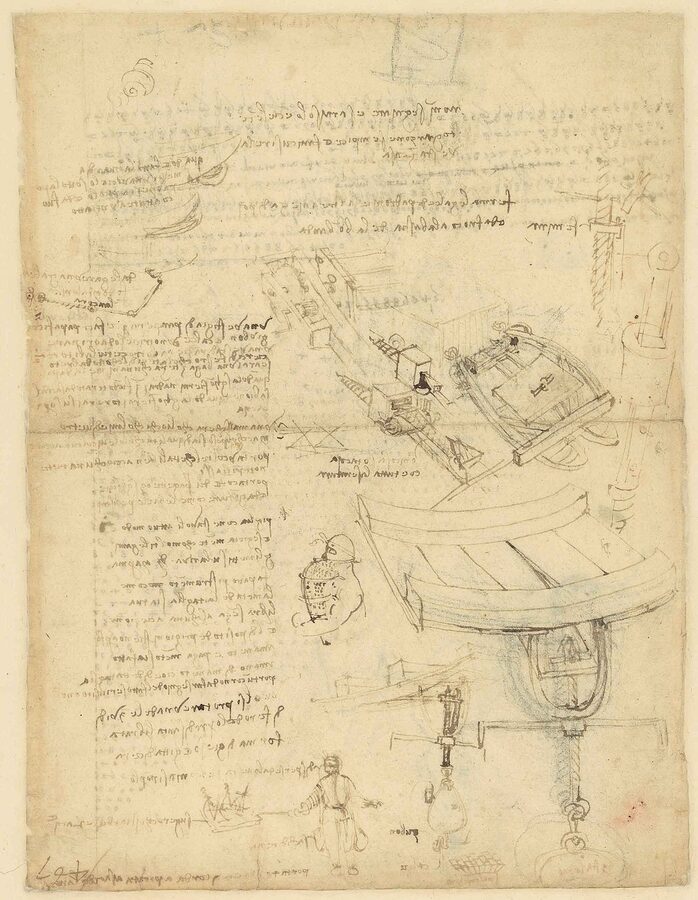
The central draw across all three Rome Leonardo exhibitions is wooden model reconstructions of his mechanical inventions. These are built to scale from his original sketches in the Codex Atlanticus and Madrid Codices, following measurements and annotations he wrote 500 years ago.
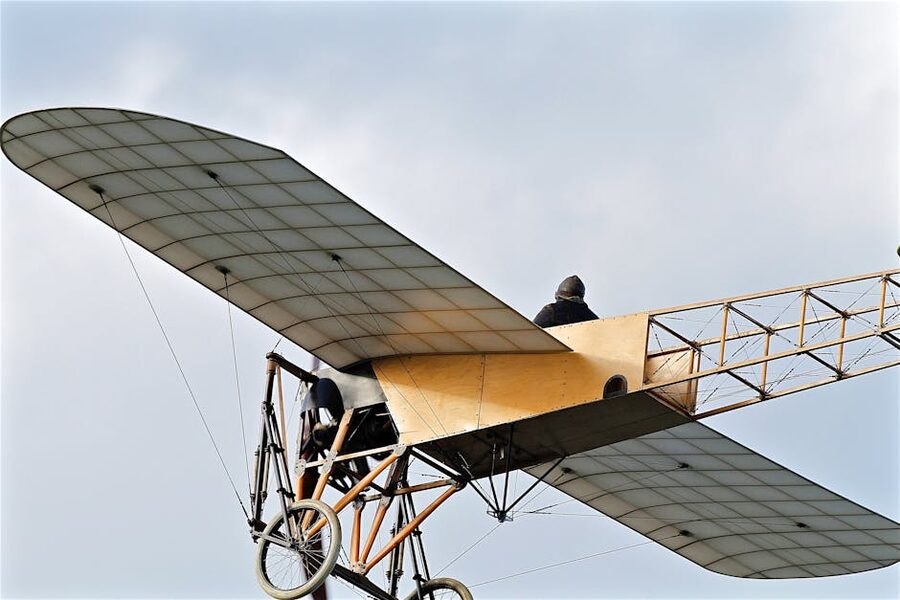
Flying machines: the ornithopter with flapping wings, the aerial screw (helicopter precursor), the glider. None of them work — Leonardo’s understanding of aerodynamics was ahead of his mechanical tools — but seeing the reconstructions at full scale gives you a visceral sense of his ambition.
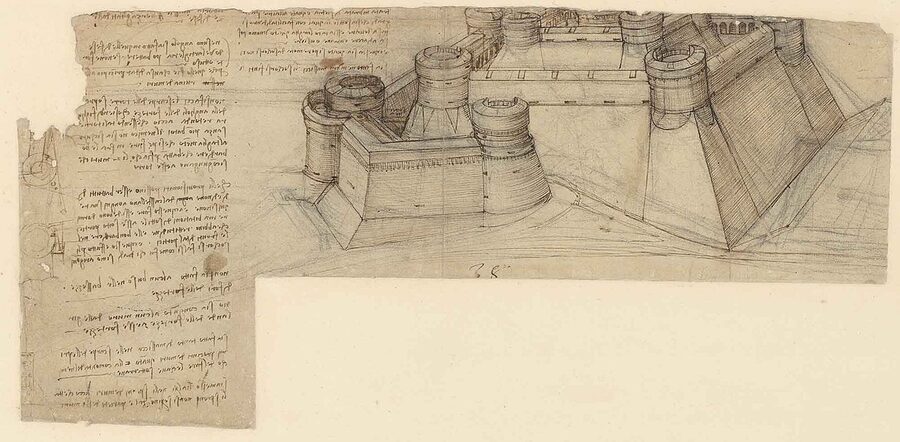
War machines: the tank, the machine gun, the rapid-fire crossbow, the armoured vehicle. These actually COULD have worked if built at the time, and a few were. Leonardo’s resume was mostly military engineering for the Duke of Milan; art was side work early in his career.
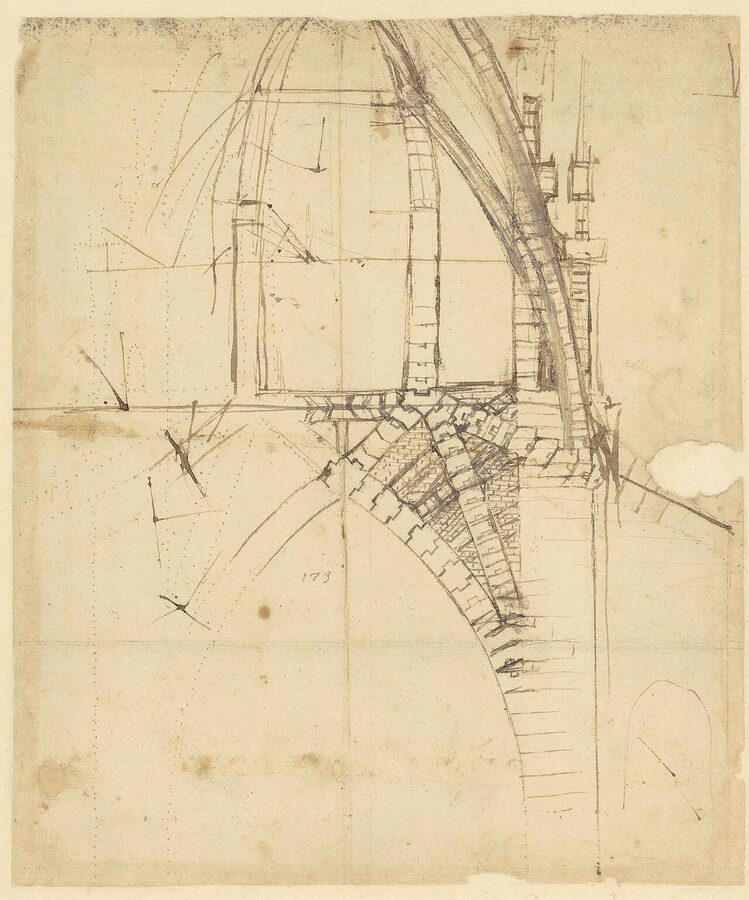
Civil engineering: the self-supporting bridge, the canal lock designs, the massive crossbow for besieging cities. The bridge design in particular became a standard for portable military engineering and the principle is still used today.
Anatomical studies: muscle diagrams, organ drawings, dissections. Some of the exhibitions include reproductions of his anatomical notebooks — genuinely groundbreaking work that Vesalius would publish a century later, learning independently what Leonardo had already figured out in private.
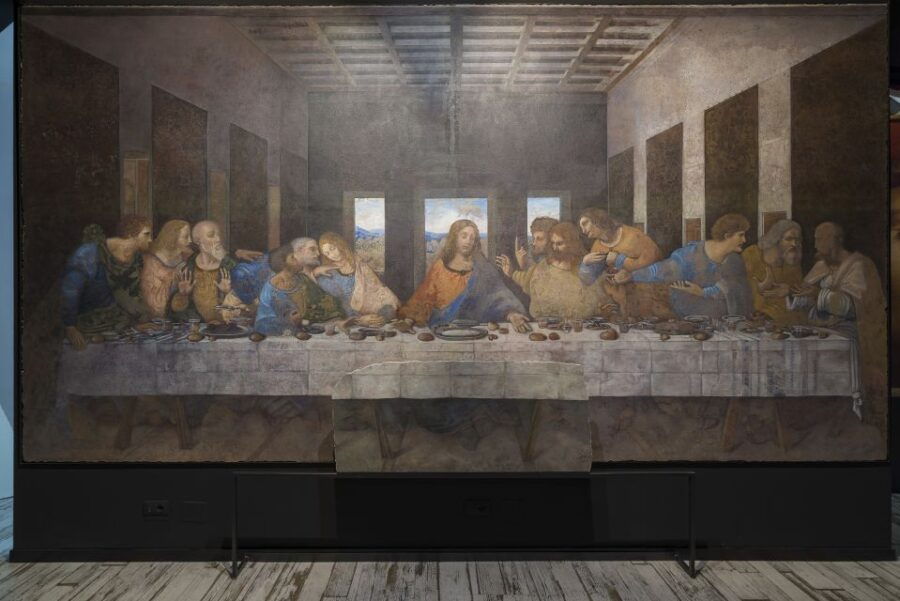
Paintings (reproductions): every venue has a small gallery of reproductions of famous Leonardo paintings — Mona Lisa, Last Supper, Annunciation, Lady with an Ermine. The originals are in Paris, Milan, and elsewhere; these are high-quality prints.
Why These Exhibitions Exist in Rome
Leonardo was Florentine (born in Vinci, near Florence), worked extensively in Milan, and died in France. He visited Rome briefly but never had a major Roman patron. So why are there three Leonardo exhibitions in Rome?
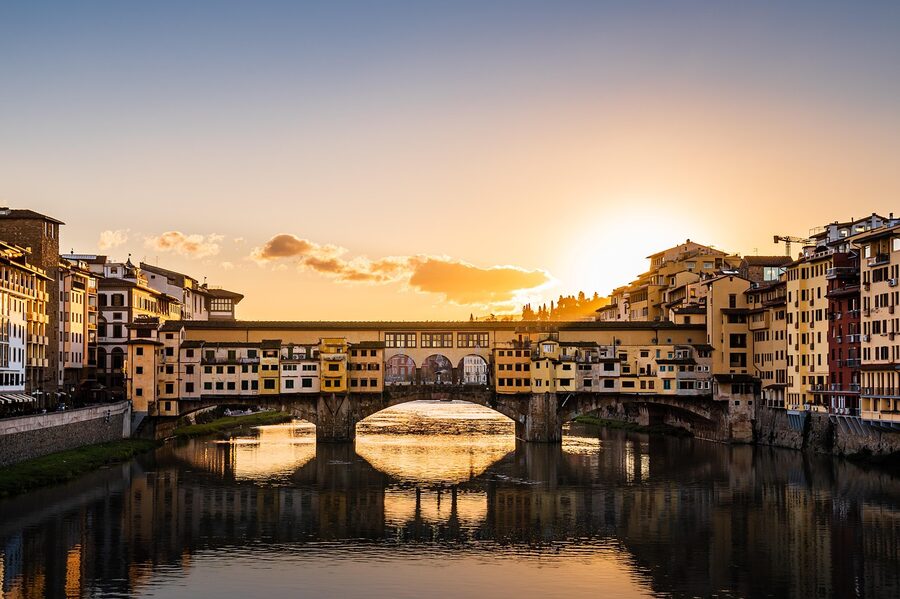
The tourist economics answer: Rome gets 30 million visitors annually. Many want something interactive and kid-friendly. Leonardo reconstructions are visually engaging, easy to understand across languages, and don’t require deep historical context. They’re designed for international tourist consumption.
The educational value: despite the touristy setup, the content is genuinely educational. Kids understand wooden machines better than they understand ancient Roman imperial politics. A Leonardo exhibition often delivers more lasting learning than the Vatican Museums or the Forum for families with younger children.
The Renaissance context: even though Rome wasn’t Leonardo’s main stage, it was central to the Renaissance he helped define. Michelangelo worked in Rome on the Sistine Chapel (1508-1512) while Leonardo was in Milan. Raphael came to Rome from Florence. The Rome exhibitions contextualize Leonardo within this Renaissance network.
Who This Works Best For
The Leonardo exhibitions are one of Rome’s most family-friendly attractions. Understanding which traveller types get the most from them helps you decide whether to book.
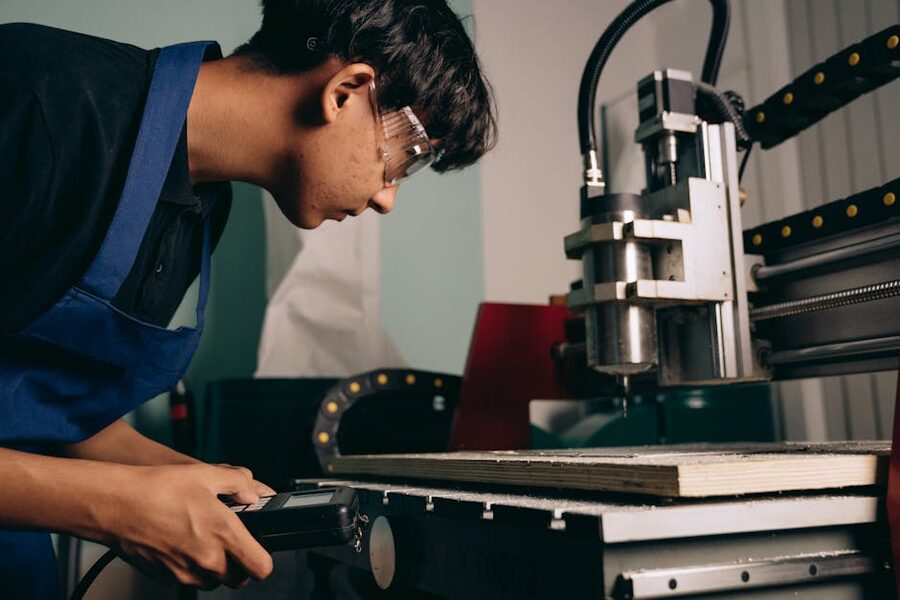
Great for families with kids 6-16: this is the best Leonardo family activity. Kids engage with mechanical reconstructions where they’d zone out at paintings. The hands-on interactive elements (some models can be touched or operated) make it tactile in a way most museums aren’t.
Good for engineering/design-minded adults: anyone with engineering, architecture, design, or product-development background appreciates the machines beyond the child-friendly framing. The engineering sophistication is genuine, and seeing how Leonardo approached problems you’d solve differently today is intellectually rewarding.
Adequate for general tourists: if you’ve never encountered Leonardo beyond the Mona Lisa, this is a good educational primer. The 60-90 minutes gives you enough context to make Leonardo a real person with specific accomplishments rather than just a name.
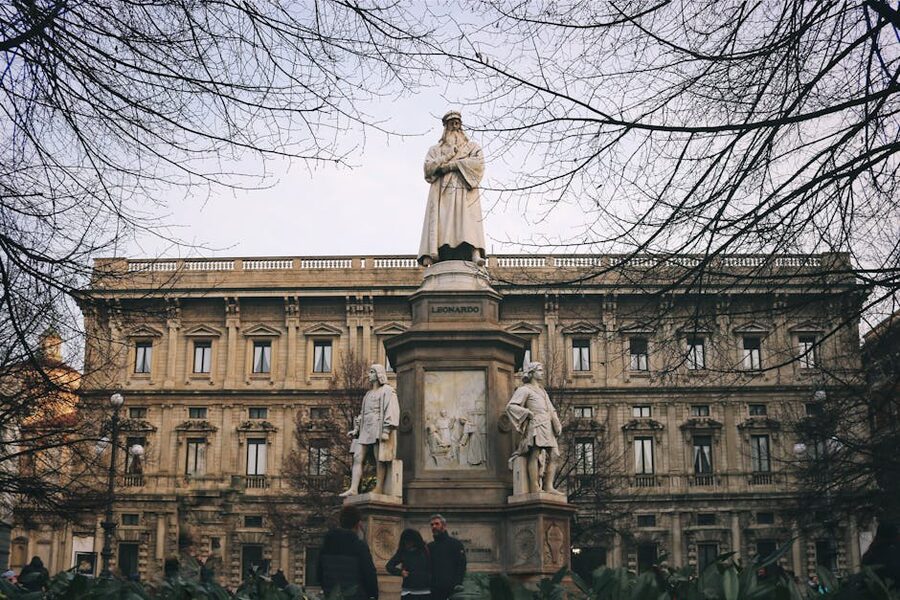
Not ideal for: art historians who want to see genuine Leonardo works (these are all reproductions), visitors with limited Rome time who should prioritize the Vatican/Forum/Colosseum, serious Renaissance scholars who’d get more from the actual Codex Atlanticus in Milan’s Biblioteca Ambrosiana.
The Piazza del Popolo Neighbourhood
The main Leonardo exhibition sits near Piazza del Popolo, one of Rome’s classic entry points from the north. The area connects you to the Spanish Steps, the Pincio gardens, and the Borghese Gallery — all within 10 minutes’ walk.
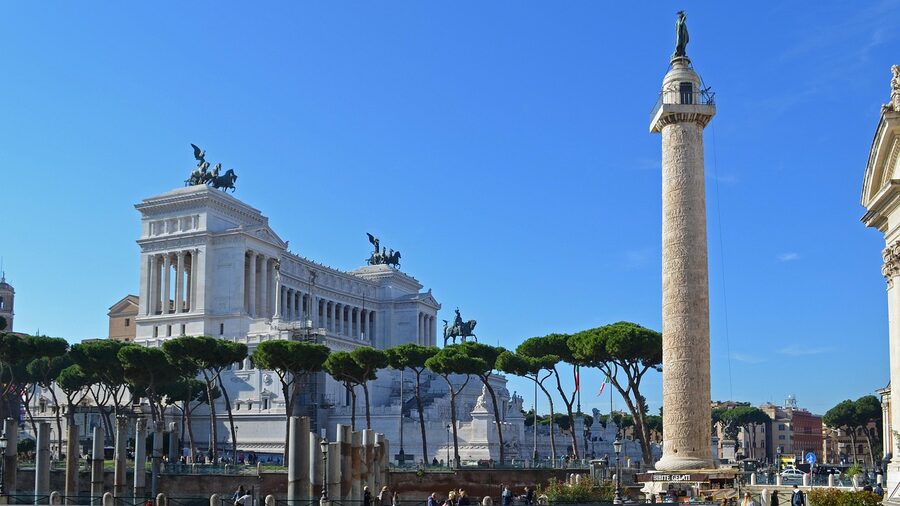
The 3,000-year-old Egyptian obelisk in the centre (imported by Augustus in 10 BCE from Heliopolis) predates everything else in the square by 1,500 years. The twin churches on the southern side (Santa Maria dei Miracoli and Santa Maria in Montesanto) date from 1675. The Porta del Popolo city gate on the northern side is 16th-century Bernini work.
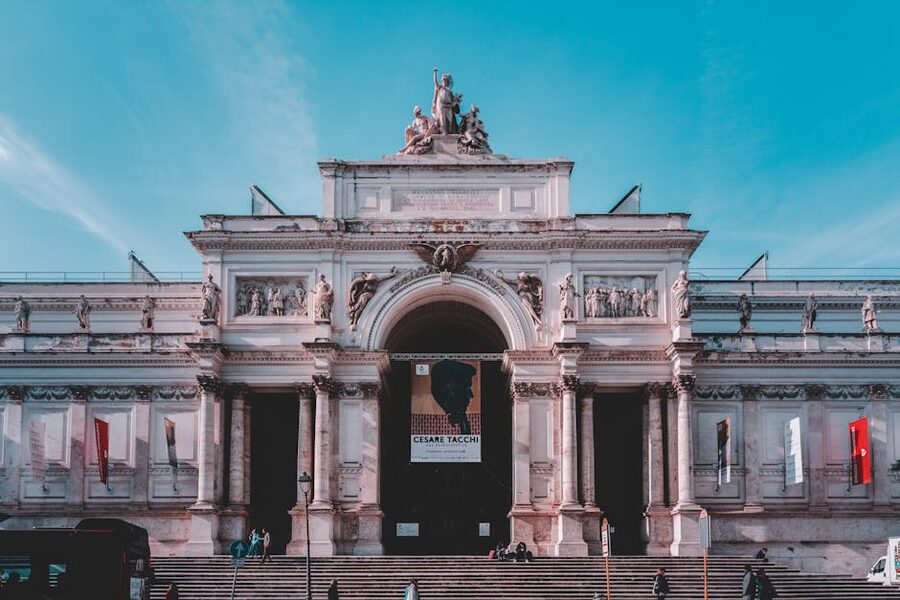
After your Leonardo visit, walk 5 minutes east to the Pincio Hill viewpoint for one of Rome’s best panoramic views. Or walk 7 minutes south to the Spanish Steps. Or 10 minutes southwest to the Ara Pacis Augustae (Augustus’s Altar of Peace, 9 BCE, partially reconstructed in its own museum — highly recommended if you have Leonardo-interest type kids).
What’s Inside Each Venue
The three venues have 70-80% overlapping content with 20-30% unique. If you have time for just one, the Piazza del Popolo exhibition is the safest pick. If you love Leonardo, doing two different venues on separate days gives you different machines and different exhibit emphases.
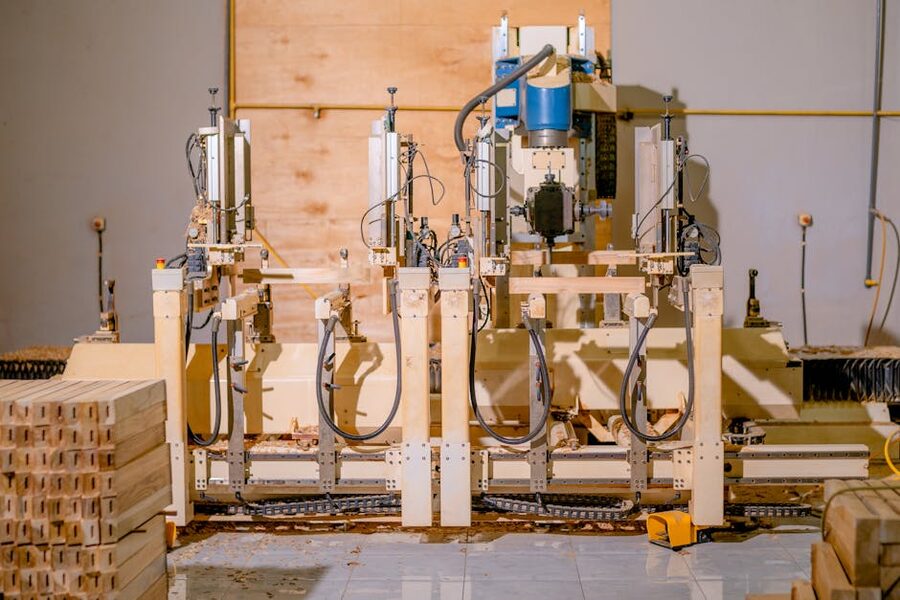
Piazza del Popolo exhibition (main venue): approximately 50 machine reconstructions across 6-8 themed rooms. The scale is intimate; you can see every machine in 45-60 minutes at normal pace.
Vatican-area Experience (larger venue): approximately 80 reconstructions plus multimedia presentations, anatomy section, reproduction Sistine Chapel comparison area. 90-120 minutes typical.
Heart of Rome Museum: about 30-40 reconstructions in a tighter space. Often less crowded, which means better viewing angles on each machine. 45-75 minutes typical.
The Vatican-area venue includes a reconstruction room specifically dedicated to Leonardo’s anatomical work — muscle systems, skeletal diagrams, the circulatory system studies. This is uniquely valuable; other venues have less anatomical depth.
How Much Time to Budget
Guidebook estimates suggest 45 minutes; realistic adult visits run 60-90 minutes including the reading of information panels. If you’re genuinely interested, 2 hours is comfortable. Kids engaged with the interactive elements can easily spend 90+ minutes.
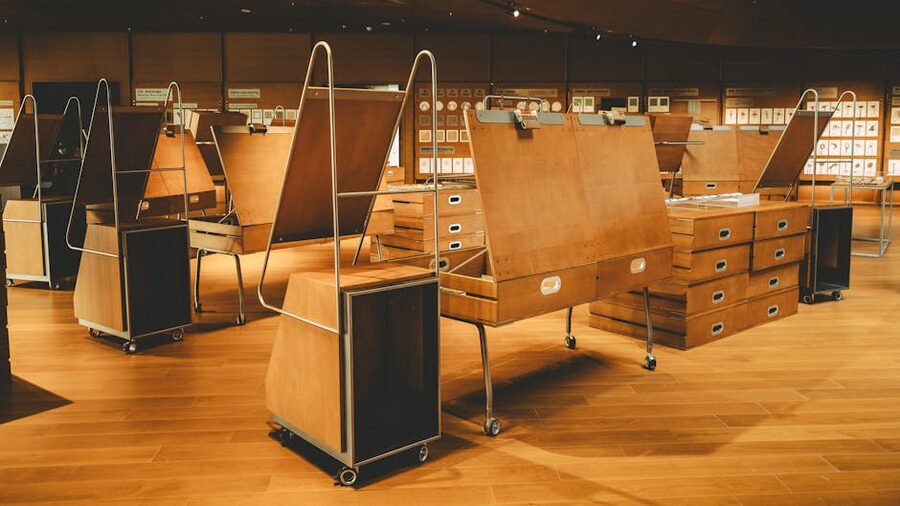
Morning visit (10:00-11:30): best for photos (natural light through any windows), smallest crowds, good kid energy levels. Finish at 11:30, lunch nearby, afternoon free.
Afternoon visit (14:00-16:00): largest crowds, more school groups in term time. Still workable if morning is booked for something else. The 16:00 slot works well as a pre-dinner stop.
Evening visit (17:00-19:00): the Piazza del Popolo venue is open until 19:00, giving you a late option. Quieter than afternoon, cooler in summer, works as a rest activity after active morning sightseeing.
Tickets: open entry tickets mean no timed slots — show up anytime during opening hours. The main venues cap daily admissions around 3,000 people, which they rarely hit. Walk-ups work.
Combining with Other Rome Attractions
The Leonardo exhibitions are short (60-90 minutes) which makes them easy to combine with other activities. Their location near Piazza del Popolo puts them within walking distance of several major sights.
Morning Borghese + afternoon Leonardo: Borghese Gallery at 09:00, lunch in Flaminio area, 14:00 Leonardo exhibition. Two art-focused stops in a day without being overwhelmed. Good for art-history interested visitors.
Leonardo + Welcome to Rome pairing: morning Welcome to Rome immersive show (history context), lunch, afternoon Leonardo exhibition (Renaissance emphasis). Both are short, both are educational, both fit into a half-day cultural itinerary.
Vatican + Leonardo Experience (Vatican venue): morning Vatican Museums, lunch near Castel Sant’Angelo, afternoon Leonardo Experience. Thematic Renaissance day — Michelangelo’s Vatican work then Leonardo’s inventions. Heavy day, rewarding.
Family day option: morning Colosseum and Roman Forum tour, quick lunch, Leonardo exhibition for afternoon energy reset, evening pizza dinner in Trastevere. Works well for families with kids 8-12 who need variety.
Photography and Social Sharing
Photography is generally allowed at all three venues without flash. This is unusual for Rome museums and worth taking advantage of — you can capture the machine reconstructions from multiple angles.
Best photo angles: mid-height machine shots work better than top-down or straight-on. Get close enough to see the wood grain and joinery detail. The anatomical diagrams (at the Vatican venue) photograph well as tight crops of specific details.
Avoid: wide shots of entire rooms — the lighting is uneven and the composition rarely works. Stick to individual machines or small groupings.
The gift shop: all three venues sell posters, books, miniature wooden machine kits, and other Leonardo merchandise. The wooden machine kits (€15-25) are genuinely good educational gifts for kids with mechanical interests.
Accessibility and Practical Considerations
The venues vary in accessibility. Checking before booking matters if you have mobility needs.
Piazza del Popolo venue: fully accessible, no steps, wide corridors. Best for wheelchairs and pushchairs.
Vatican-area Experience: multi-level venue with elevator. Some exhibits on the upper floor. Generally accessible but ask about specific accommodations.
Heart of Rome Museum: the smallest venue has the narrowest corridors and occasional steps. Check specific accessibility before booking if mobility is a concern.
Languages: information panels are typically in Italian and English at all venues. Some larger venues add Spanish, French, and German. Audio guides (rental extra) sometimes offer additional languages.
Time-of-year closures: all three venues close only on major Italian holidays (Christmas, New Year’s, Easter Sunday). Otherwise open every day year-round.
The Educational Value Proposition
The Leonardo exhibitions represent unusually good value per dollar for educational content. $10-18 for 60-90 minutes of engaging, hands-on Renaissance engineering exposure is strong value compared to most Rome paid attractions.
Cost per learning moment: at $10 for 60+ minutes, you’re paying roughly 15 cents per minute of curated content. For comparison, a guidebook costs $20-30 and delivers less engagement. A guided history tour costs $60-120 and delivers similar learning with more flexibility (but no hands-on machines).
Age appropriateness: genuinely works for ages 6-60+. Younger kids engage with the mechanical reconstructions, older kids appreciate the engineering, adults enjoy the historical context. Rare to find a Rome attraction that spans this age range effectively.
Learning retention: the hands-on format produces better memory retention than passive museum viewing. Kids who visit the Leonardo exhibition typically remember specific machines months later. The same kids often can’t recall individual paintings from Vatican visits.
What Makes Leonardo Unique
Understanding why Leonardo matters beyond the “multi-talented Renaissance genius” framing makes the exhibition visits more meaningful. The modern world has produced lots of smart people; Leonardo was specifically unusual.
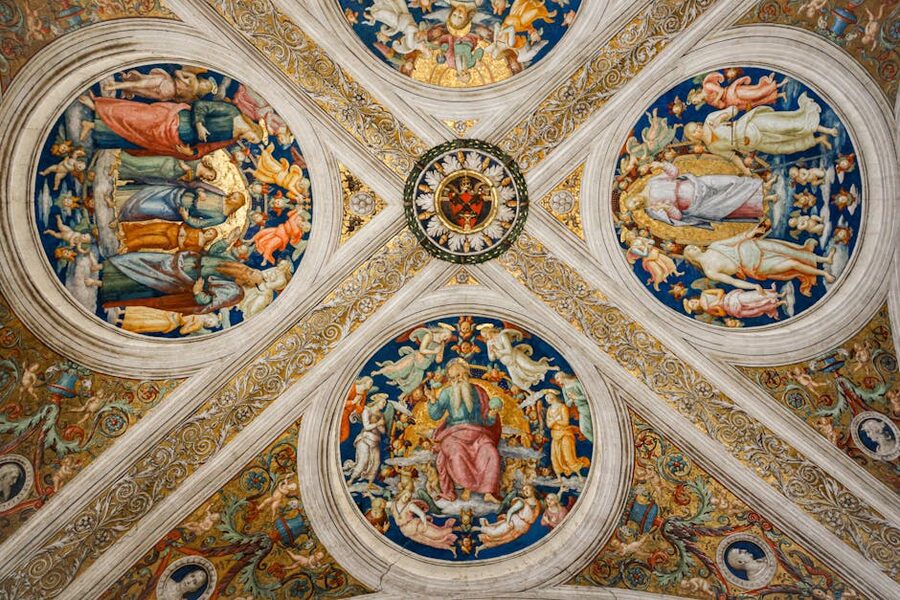
He operated without institutional science. There was no academy, no journal, no peer review. Leonardo learned by dissection (often illegal), by observation of animals, by trying things and failing. He invented the scientific method in private before anyone had codified it publicly.
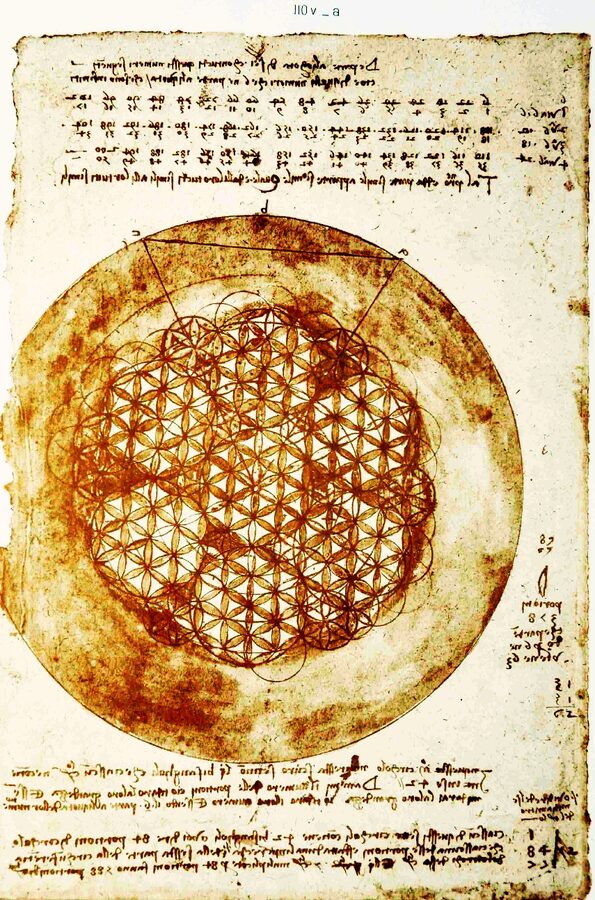
He drew to think. Most thinkers wrote; Leonardo drew. The sketches weren’t illustrations of already-formed ideas — they were the thinking itself. You can see him working problems out on the page, getting confused, crossing out, restarting. The Codex reproductions show this raw working.
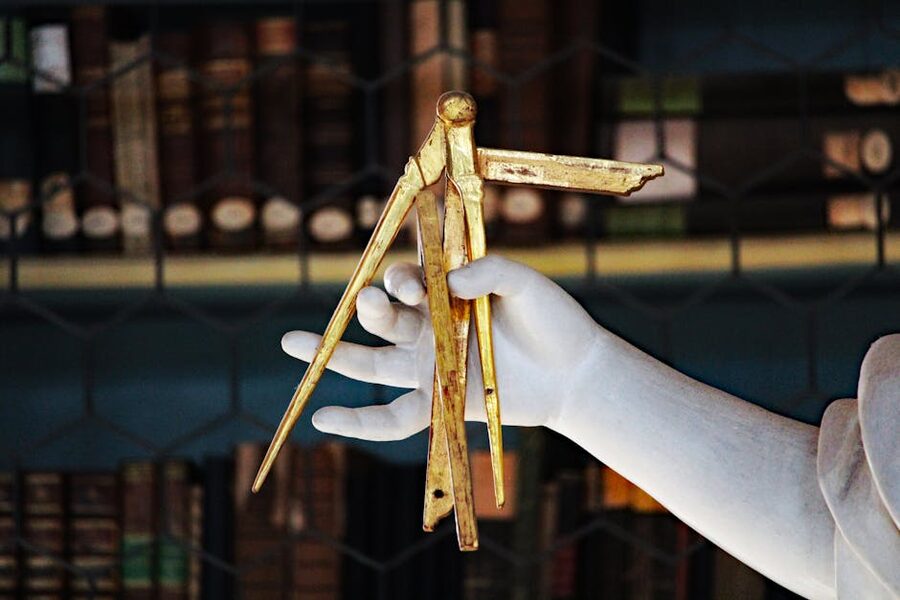
He didn’t finish things. Leonardo is famous for incomplete projects — the bronze horse that was never cast, the tank that was never built, the canals that were never dug. The Last Supper was finished but used an experimental technique that started deteriorating within decades. This is a feature, not a bug: he was generating ideas faster than anyone could execute.
He connected domains. Anatomy informed sculpture. Geometry informed architecture. Fluid dynamics informed military engineering. The Rome exhibitions can’t fully convey this integration, but hints of it come through in how the machines reference anatomical proportions, botanical growth patterns, and astronomical principles.
Beyond the Exhibitions
If the Rome exhibitions trigger a deeper interest in Leonardo, there are specific next steps for where to see his actual work.
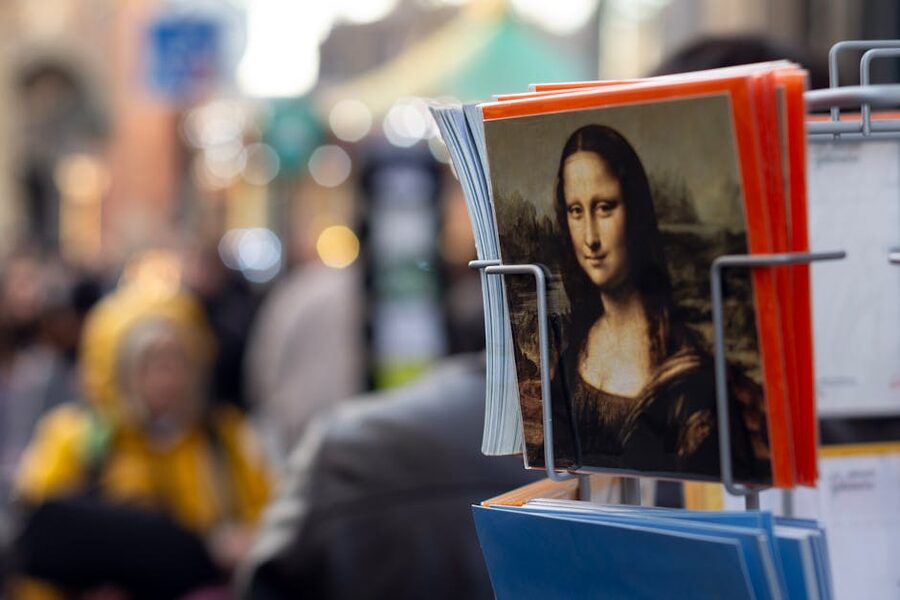
Paris (Louvre): the Mona Lisa, La Belle Ferronnière, Virgin and Child with St Anne, Virgin of the Rocks (one version). The largest concentration of Leonardo paintings in the world.
Milan (Santa Maria delle Grazie): the Last Supper fresco, viewable only by timed-entry advance booking. Also the Last Supper guided tour option. Milan also has the Biblioteca Ambrosiana with parts of the Codex Atlanticus.
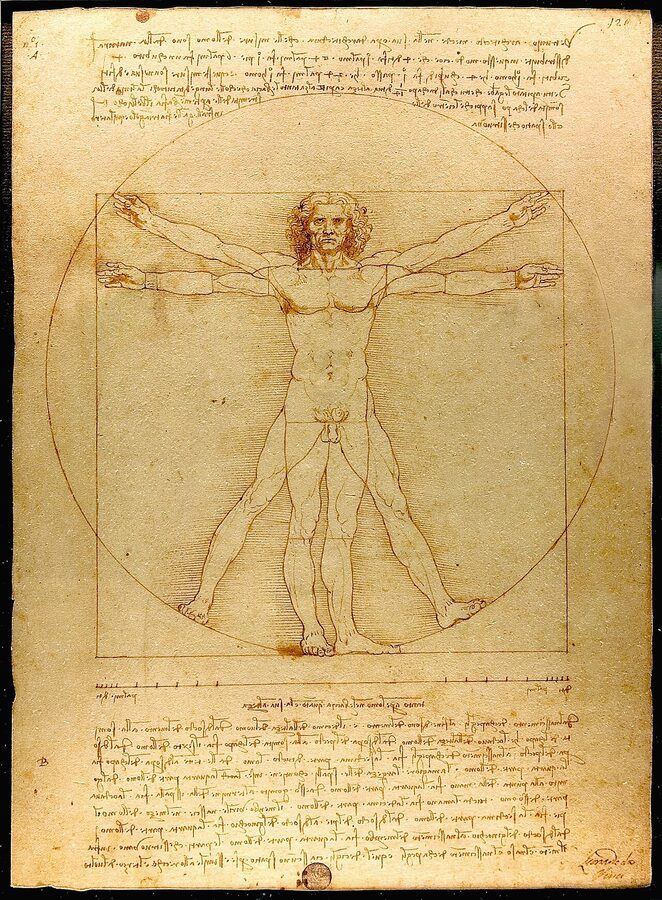
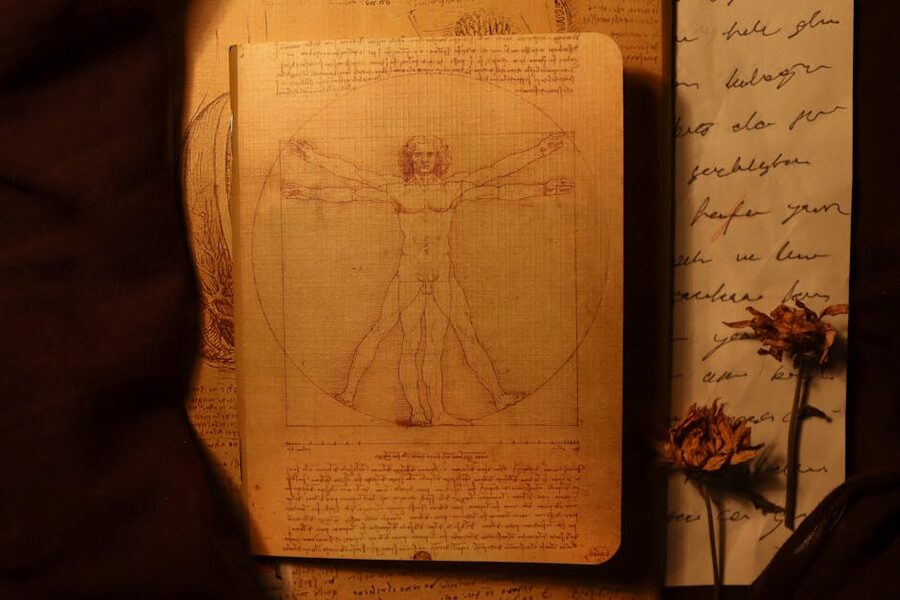
Venice (Galleria dell’Accademia): the original Vitruvian Man drawing. Not always on display (conservation reasons) but available occasionally.
Vinci (his birthplace): the Museo Leonardiano and the rural home where he was born. Day trip from Florence.
Rome connections to seek out: Leonardo’s minor Vatican contributions during his brief 1513-1516 Roman period. The Rome exhibitions don’t emphasize this, but ask at the information desk — some venues have tours or talks covering Leonardo’s Roman years specifically.
Common Misconceptions
A few things visitors get wrong about the Leonardo exhibitions worth clearing up before booking.
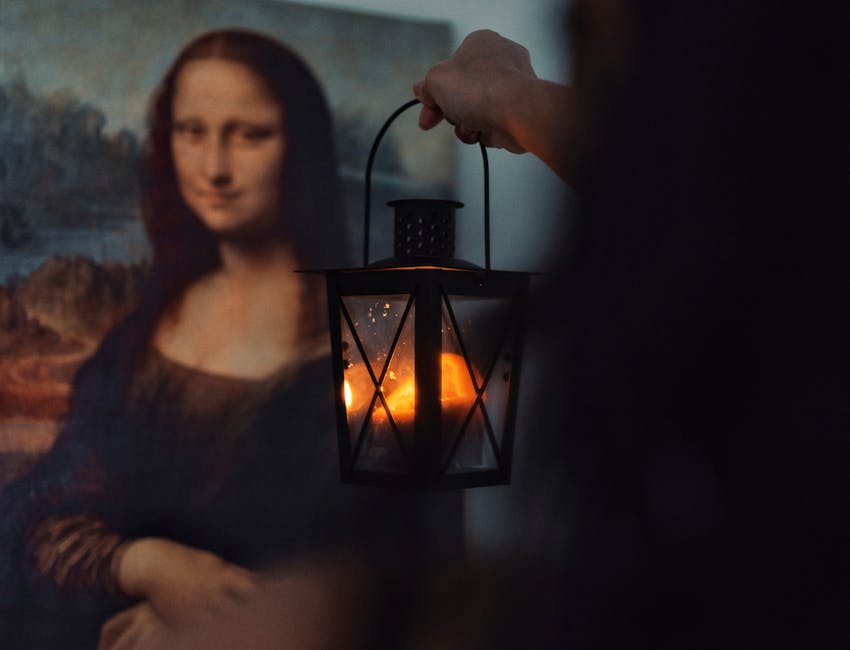
You won’t see original Leonardo paintings. None of the Rome Leonardo venues have actual Leonardo paintings. Paintings you see are high-quality reproductions. Originals are in Paris, Milan, Saint Petersburg, Washington, and private collections.
The machines don’t usually work. Some Leonardo machines have been built and tested by modern engineers; most don’t actually function. The exhibition reconstructions are accurate to his drawings, which means they’re accurate to his ambition rather than to working physics. This is fine — the point is the idea.
These aren’t Rome-specific. Similar Leonardo exhibitions exist in Milan, Florence, Venice, Paris, London, New York, Tokyo, and many other cities. The Rome versions aren’t uniquely Roman content — they’re international tourist attractions that happen to be located in Rome.
The venues are private operations. Unlike the Vatican Museums or the Borghese, these Leonardo exhibitions aren’t government-run cultural institutions. They’re private operators licensing Leonardo-themed content. Quality is commercial rather than academic.
Final Take
Rome’s Leonardo exhibitions are genuinely good value at $10-18 for 60-90 minutes of engaging content. They’re one of the most family-friendly attractions in central Rome, they educate kids and adults without boring either, and they fit easily into a half-day itinerary.
Book the Piazza del Popolo version if you want cheapest and most central. Book the Vatican-area Experience if Leonardo is genuinely a highlight rather than a quick stop. Book the Heart of Rome Museum if the first two are busy or you’re in that specific neighbourhood. Any of them works; there’s no bad choice among the three, and none of them requires advance planning — walk-ups work year-round.